Ancient Bronze Artifacts

A range of ancient bronze items, including tweezers and fibulae, highlighting historical craftsmanship from different cultures.

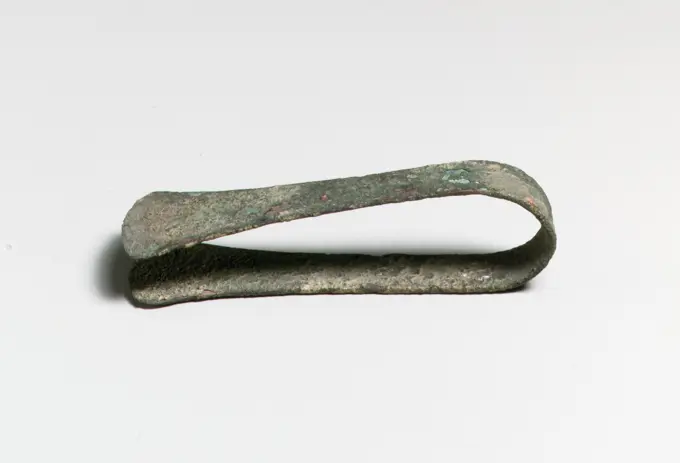
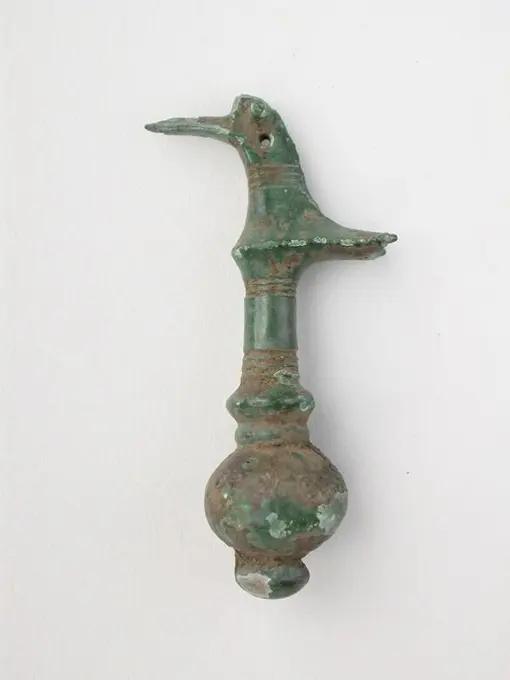
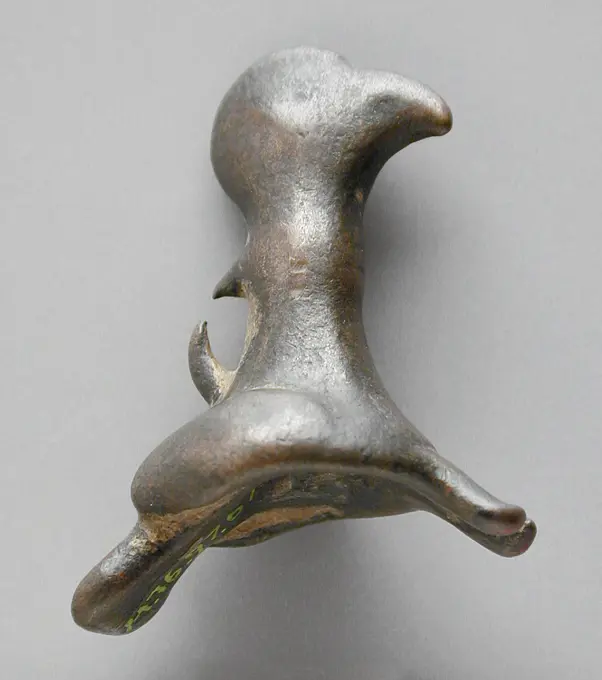
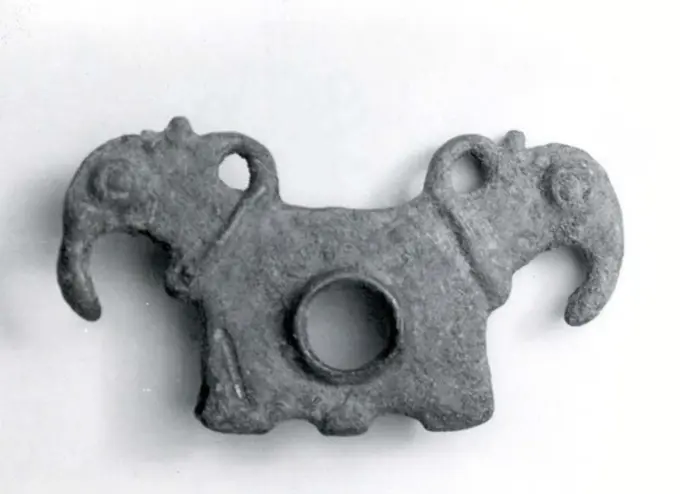
Double Birds on Knobbed Stand 800 BCE-600 BCE Thessaly. This precious bronze object is a votive, or devotional gift, made as an offering to the gods. They come in many forms, such as animals, beads and brooches. Many seem once to have been attached to something else. Votives were hung from sacred trees or placed in sanctuaries around Greece. Once a shrine was full, the votives were ceremonially buried to make room for more offerings.. Bronze . Ancient Greek
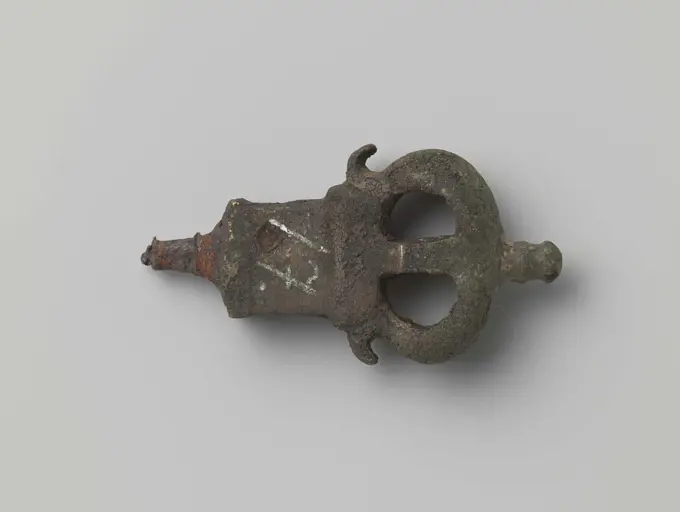
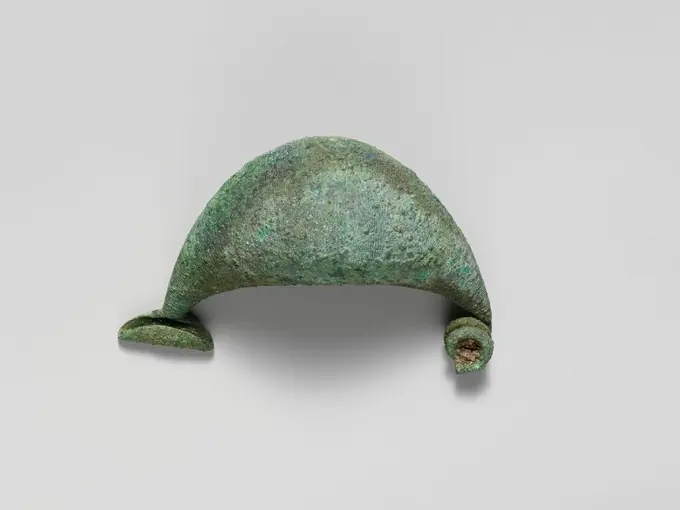
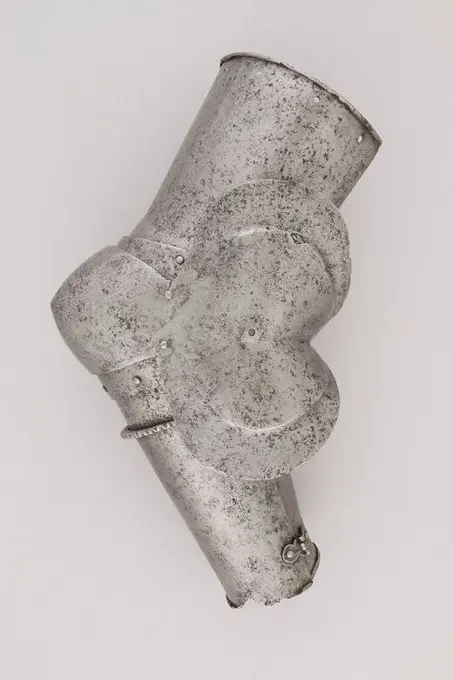
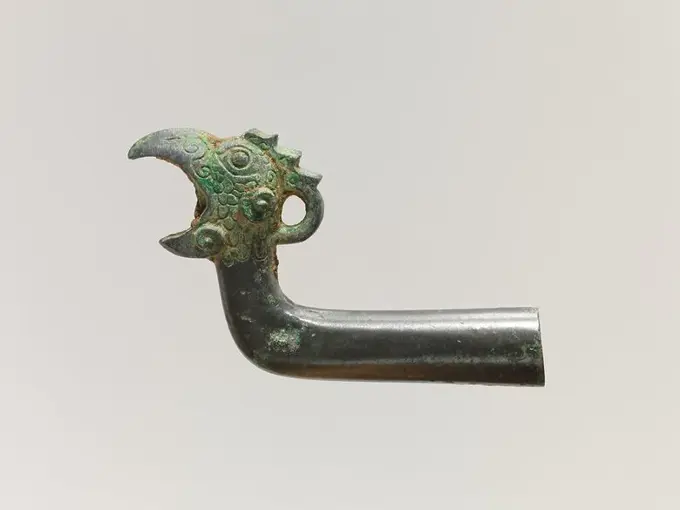
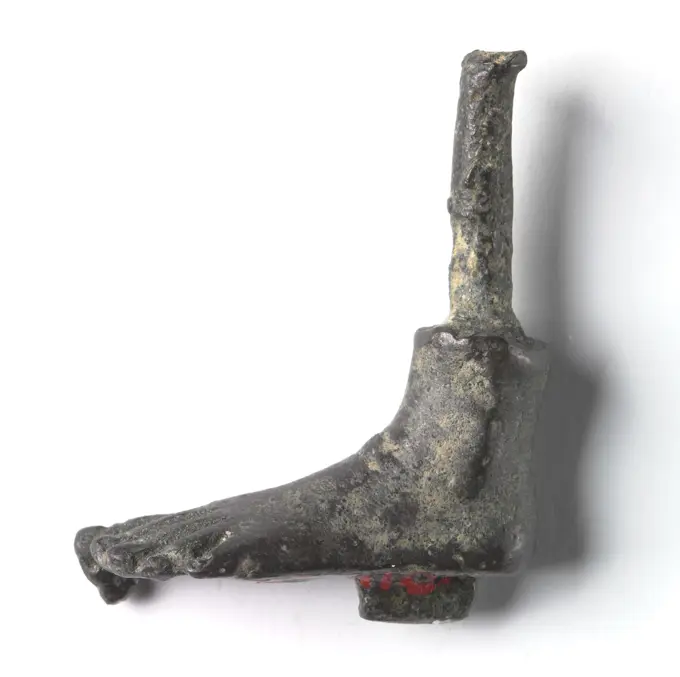
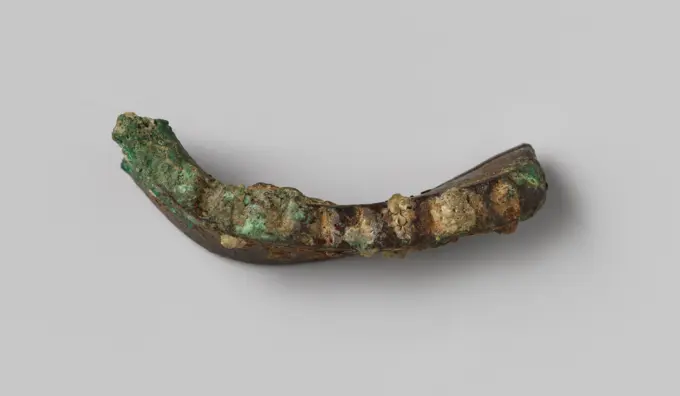
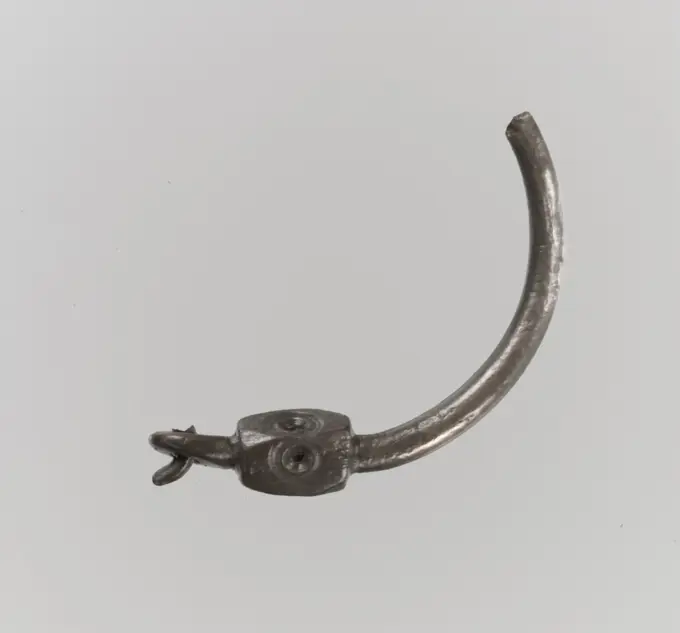
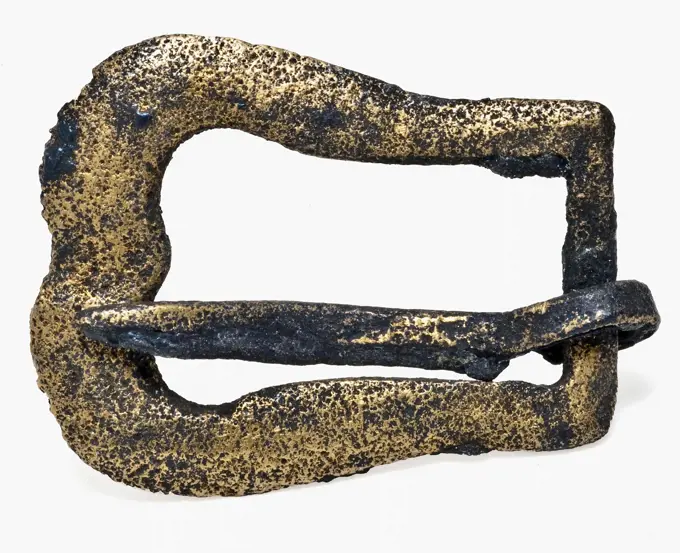
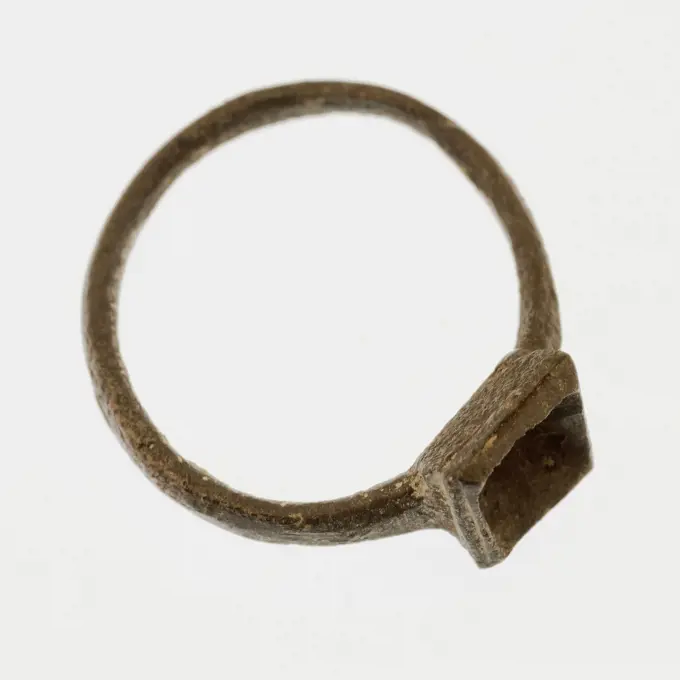
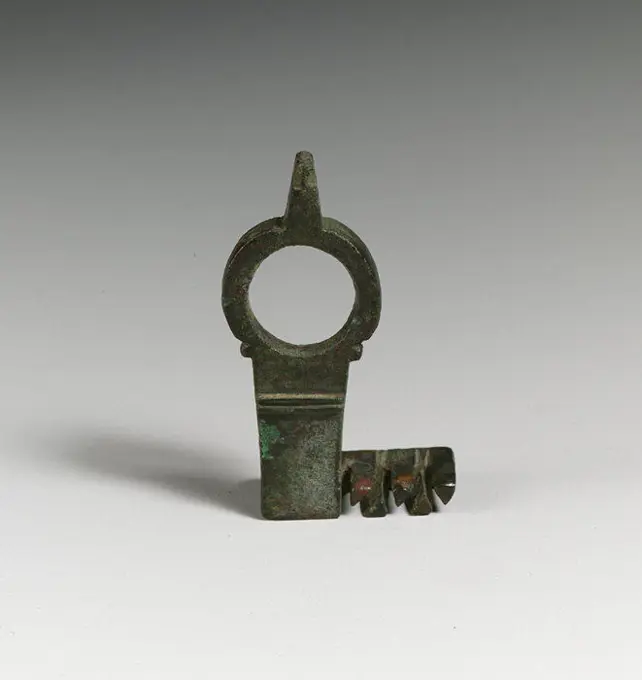
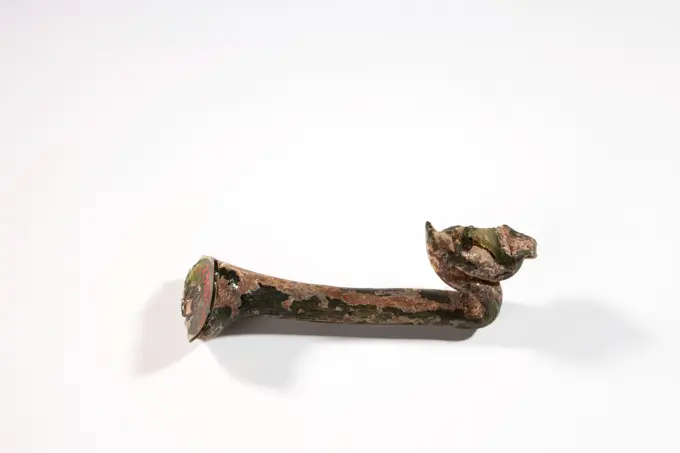
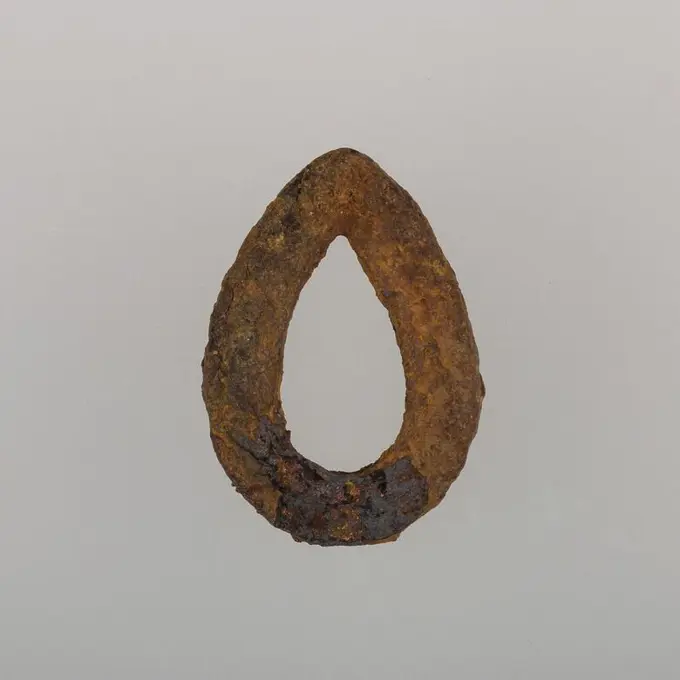
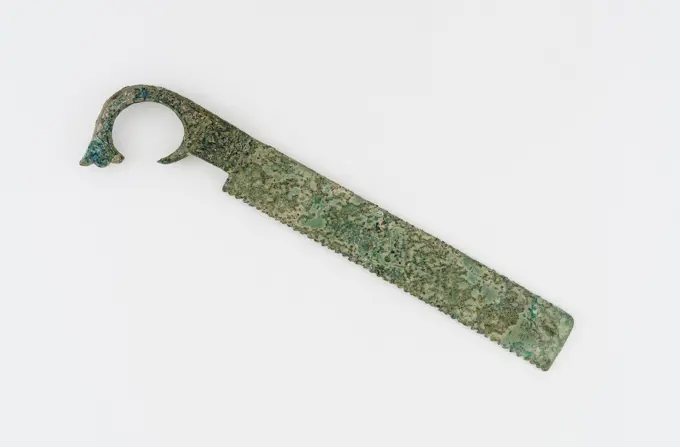
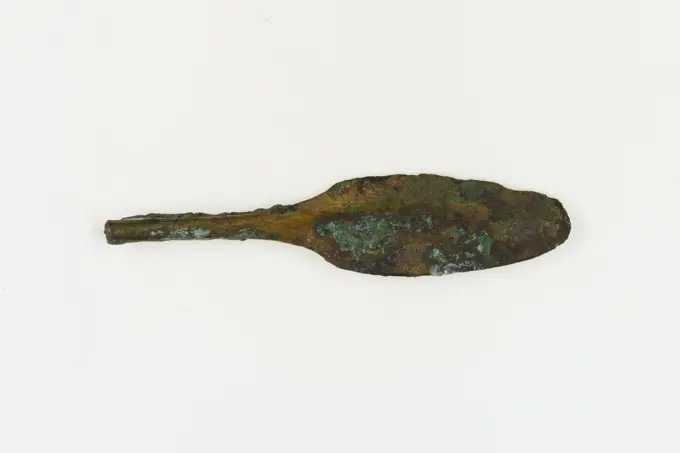
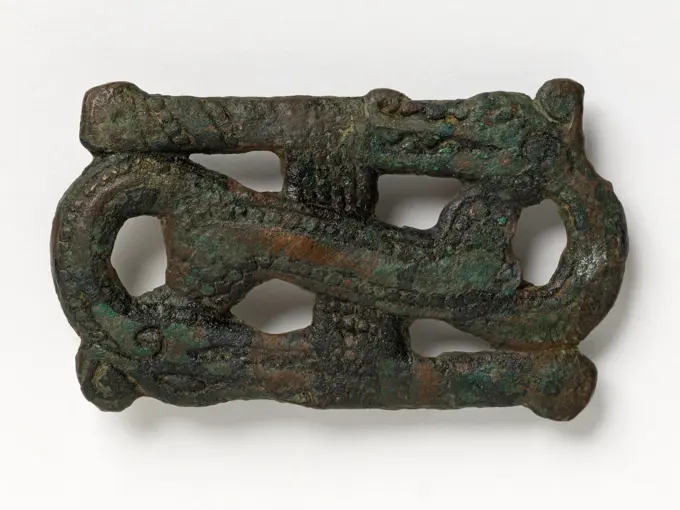
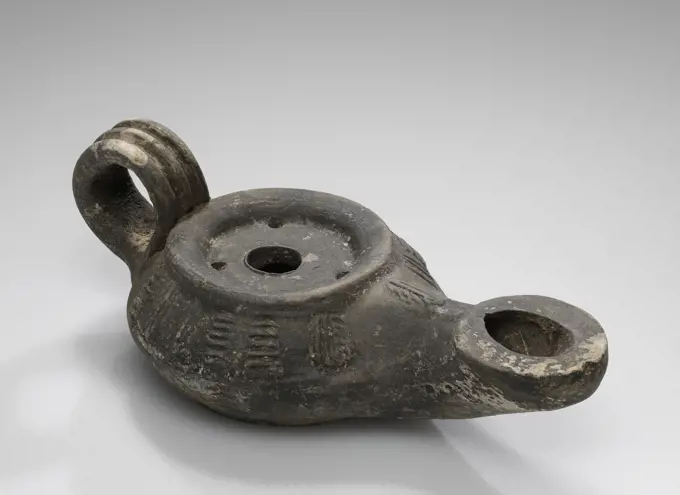
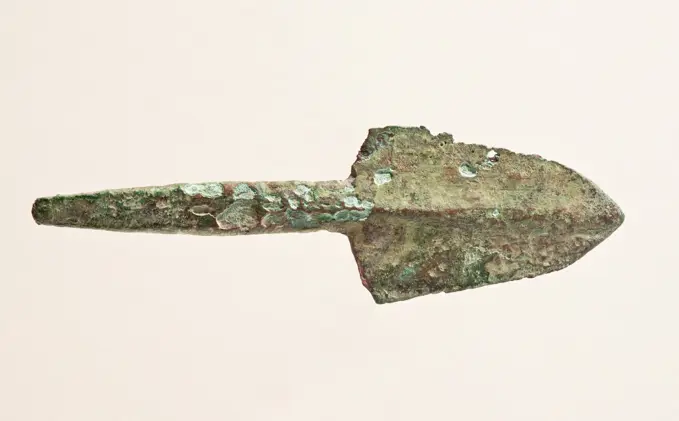
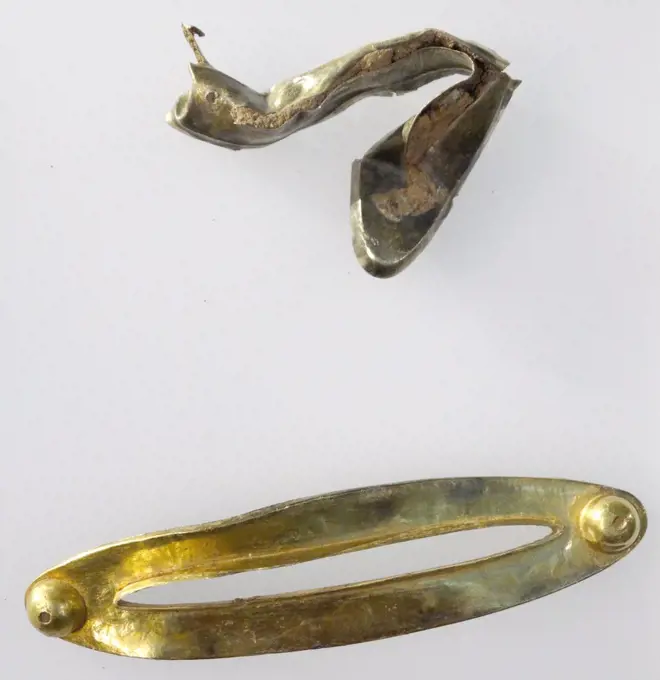
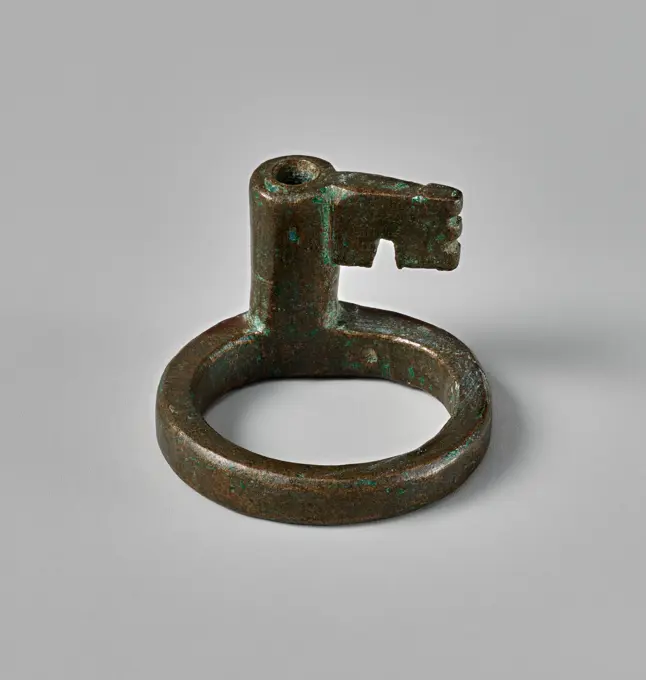
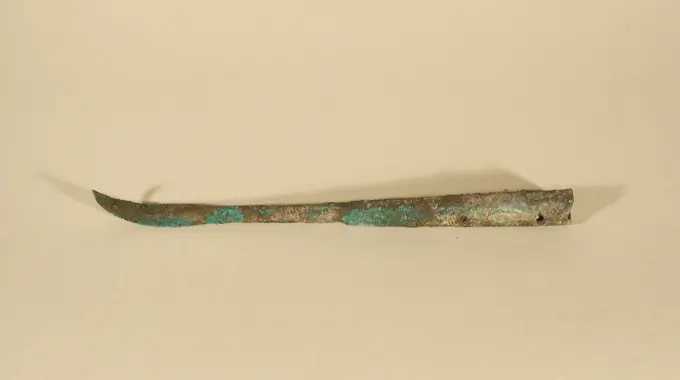
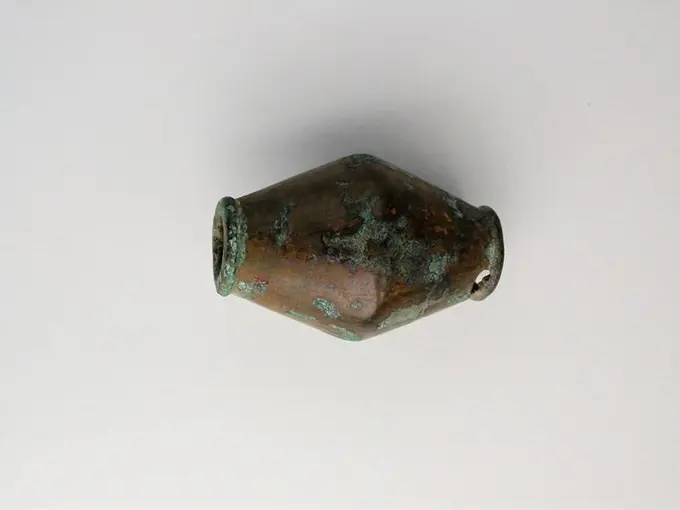
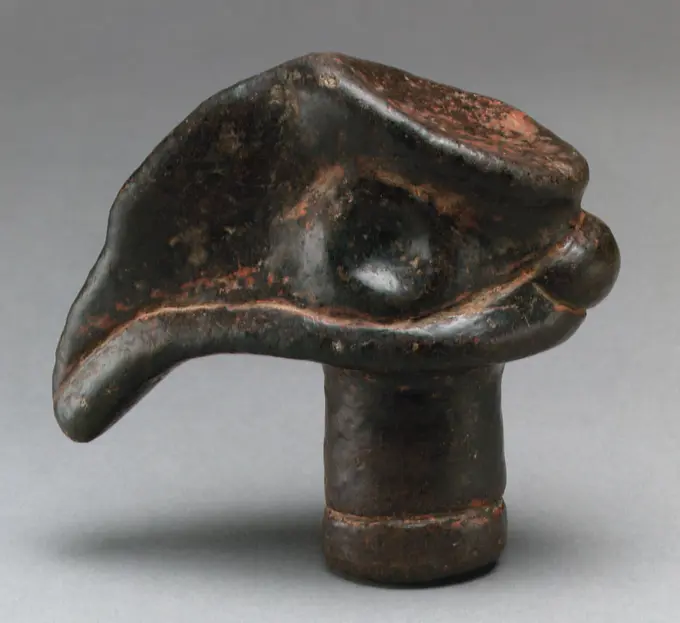
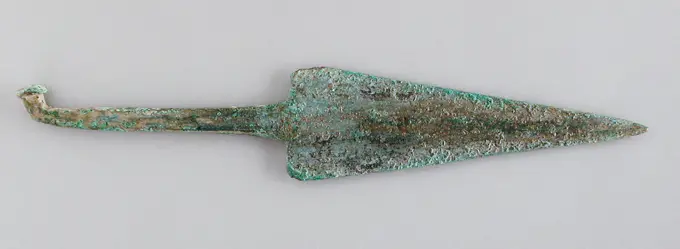
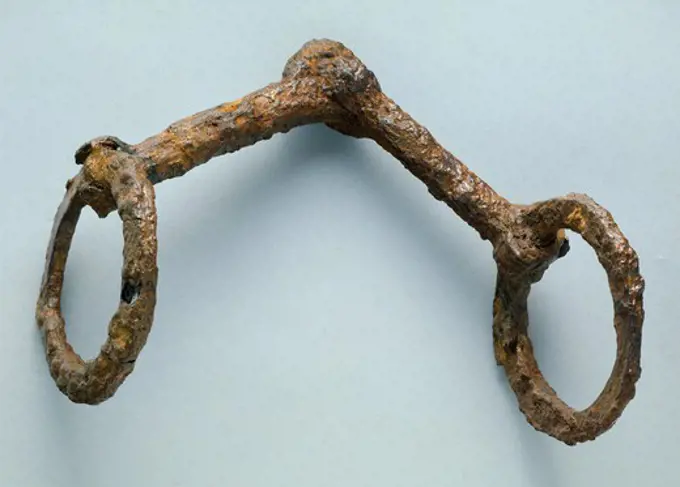
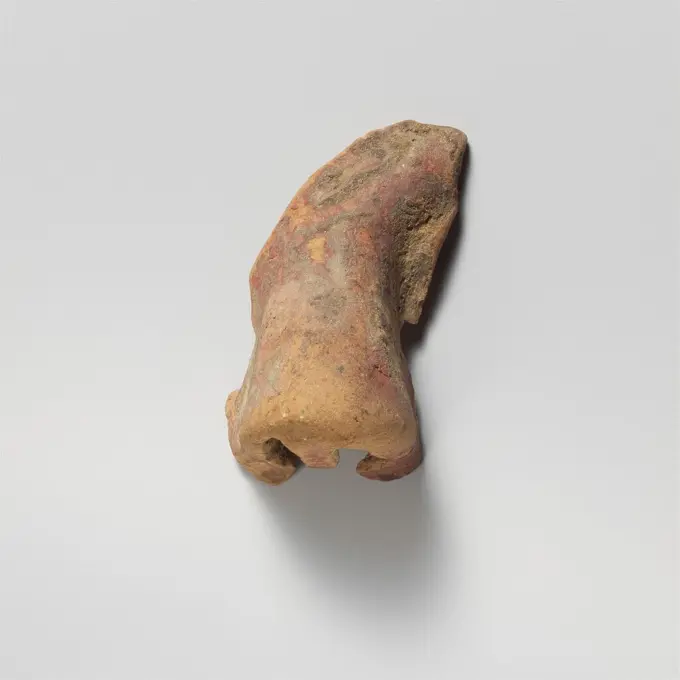
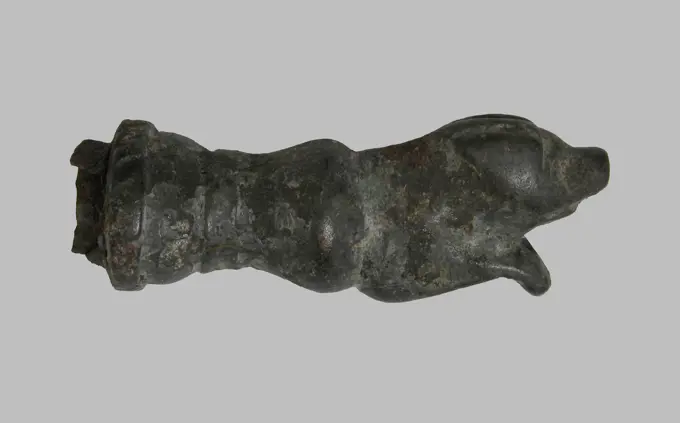
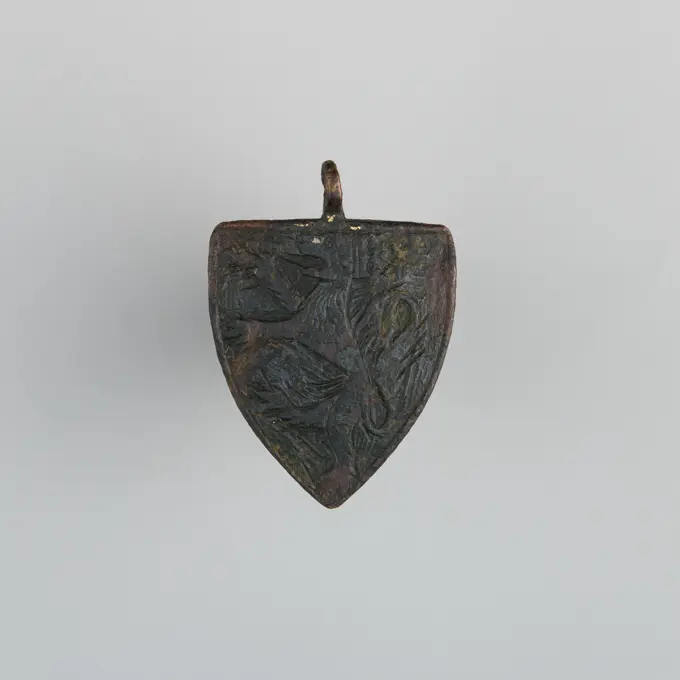
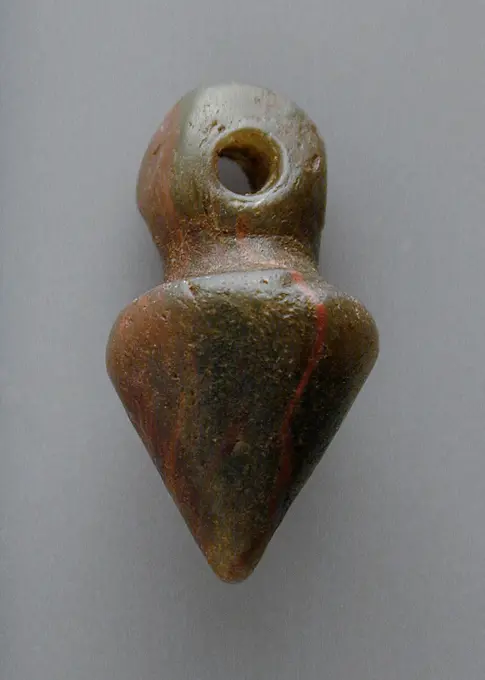
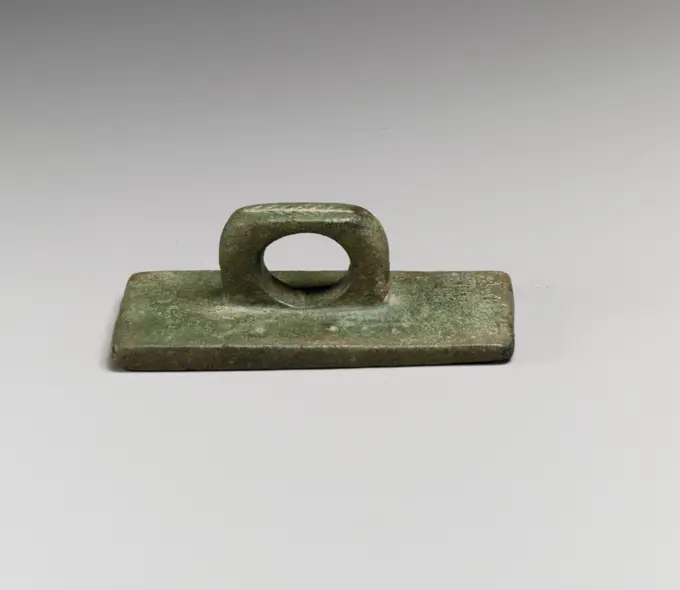
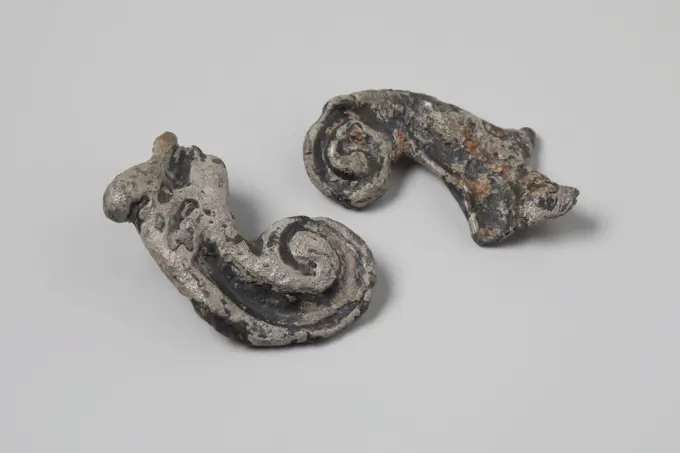
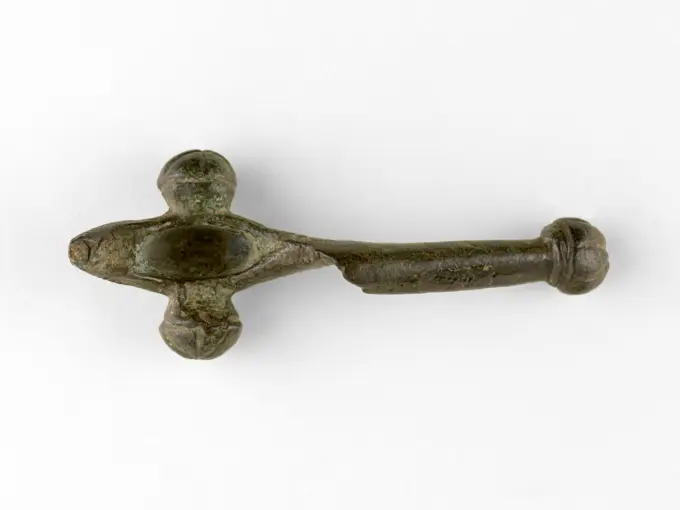
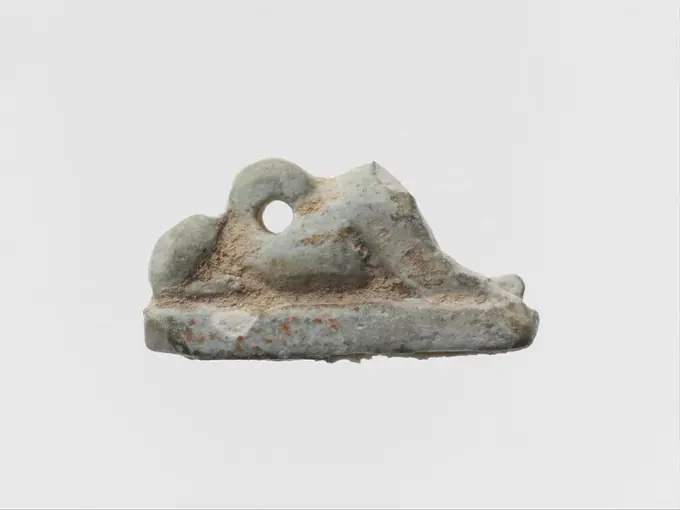
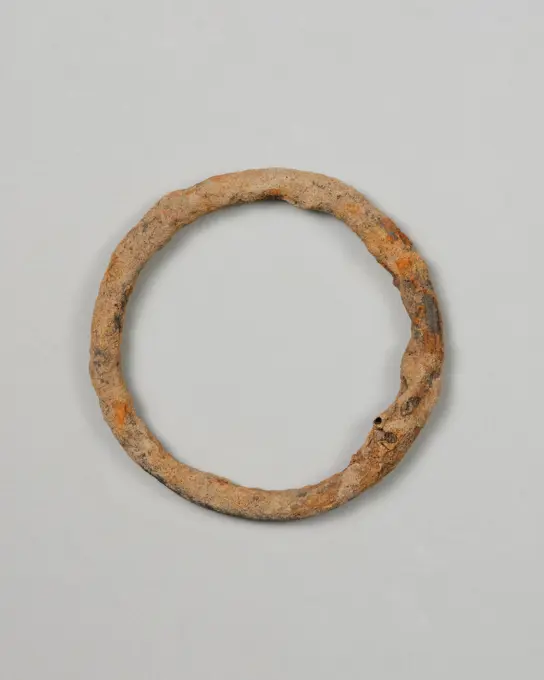
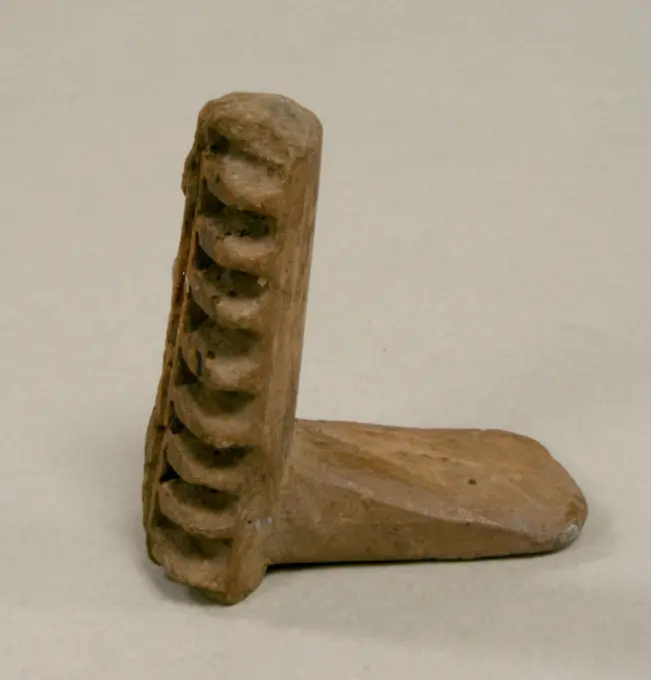
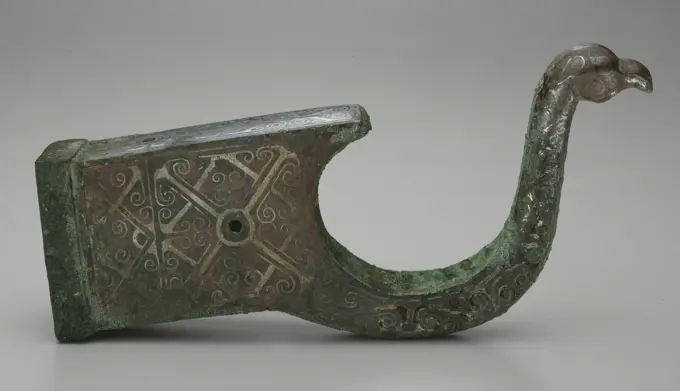
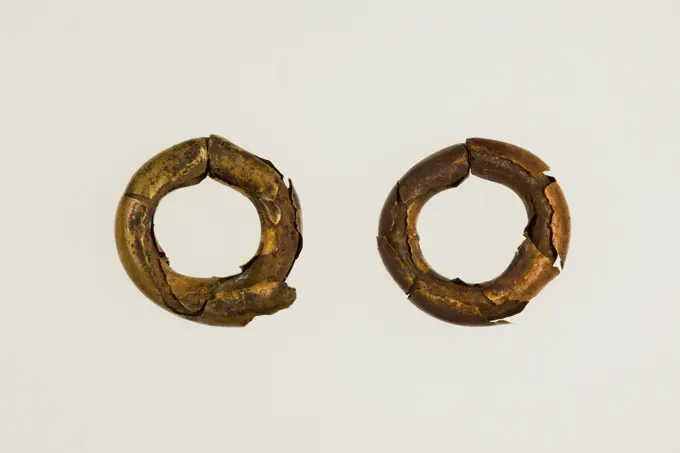
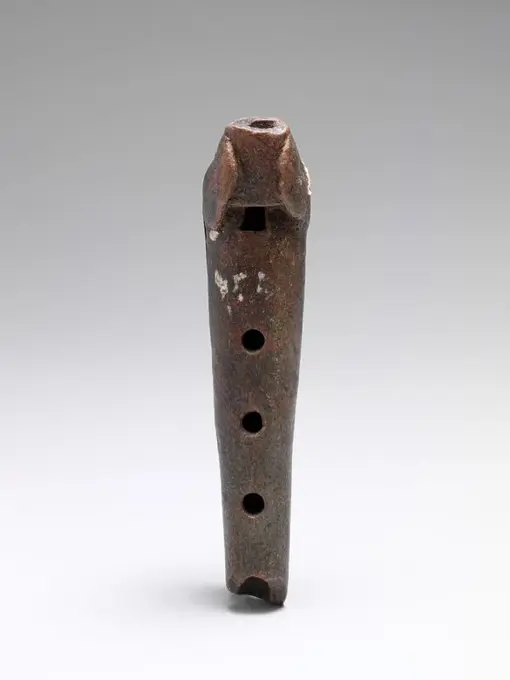
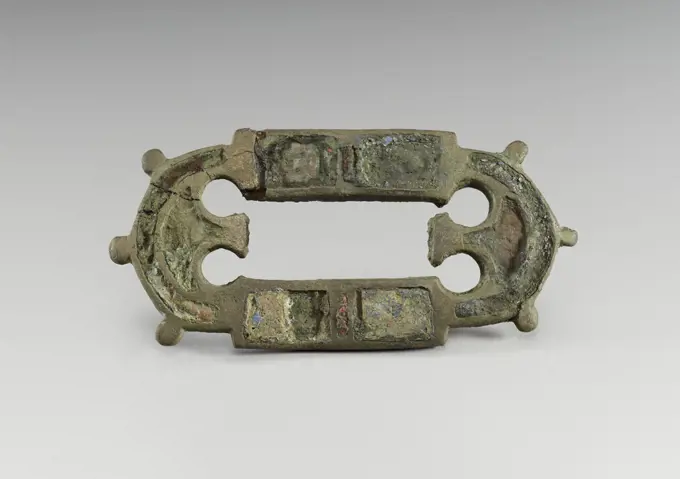
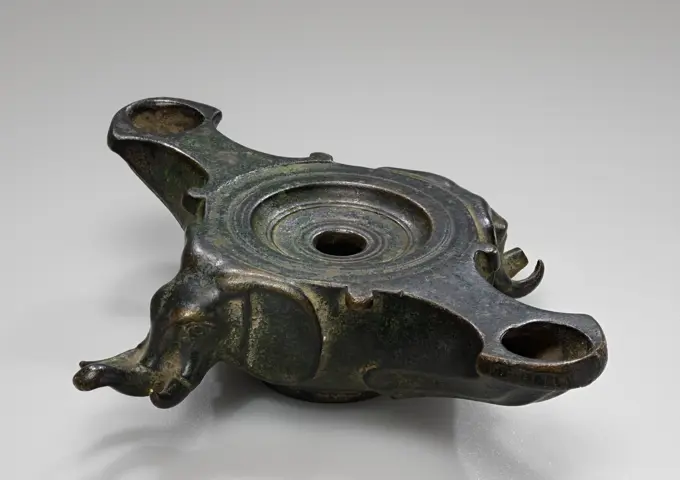
Tweezers ca. 3200-2000 B.C. Cypriot. Tweezers. Cypriot. ca. 3200-2000 B.C.. Bronze. Early Bronze Age. BronzesBronze sanguisuga-type fibula (safety pin). Culture: Italic. Dimensions: Other: 3 3/8 in. (8.5 cm). Date: 8th-7th century B.C..Like the navicella (little boat) fibula type, sanguisuga (leech) fibulae have arched bows. Museum: Metropolitan Museum of Art, New York, USA.Outer Plate of a Forearm Defense (Vambrace). Culture: Italian. Dimensions: H. 7 1/4 in. (18.4 cm); W. 4 1/2 in. (11.4 cm); D. 4 3/4 in. (12.1 cm). Date: ca. 1450-70. Museum: Metropolitan Museum of Art, New York, USA.Fragment of fire hose rings from the wreck of the East Indiesman Hollandia. Fire Engine, Firehose; Fragments, ID. NG-1975-20-H-1271-A, Squashed.Bird-Head Finial. Culture: China. Dimensions: H. 2 1/8 in. (5.4 cm); L. 3 7/16 in. (8.6 cm). Date: 5th-3rd century B.C.. Museum: Metropolitan Museum of Art, New York, USA.Bronze Mount from a "Shawabty Bundle": Left Foot, c. 1336-1256 BC. Egypt, Thebes, Wadi Qubbanet el-Qirud, New Kingdom, Late Dynasty 18 or early Dynasty 19. Bronze; overall: 2.7 cm (1 1/16 in.).Excavated horseshoeExcerpt of copper from the wreck of the East Indians Hollandia, 1700 - in or before 1743 fragment Varied parts or fragments; unidentified and miscellaneous parts or fragments; fragm of strip, broken, eroded; straight, flat, one side notched, id. fitting of 80H2961. Netherlands copper (metal)   SecondDouble Birds on Knobbed Stand 800 BCE-600 BCE Thessaly. This precious bronze object is a votive, or devotional gift, made as an offering to the gods. They come in many forms, such as animals, beads and brooches. Many seem once to have been attached to something else. Votives were hung from sacred trees or placed in sanctuaries around Greece. Once a shrine was full, the votives were ceremonially buried to make room for more offerings.. Bronze . Ancient GreekBird on a Knob. Greek; Thessaly. Date: 800 BC-600 BC. Dimensions: 6.8 × 3.4 × 1.9 cm (2 5/8 × 1 3/8 × 3/4 in.). Bronze. Origin: Greece. Museum: The Chicago Art Institute, Chicago, USA. Author: ANCIENT GREEK.Pipe 100 B.C.-A.D. 300 Hopewellian. Pipe 319178Earring Fragment 7th century Frankish. Earring Fragment. Frankish. 7th century. Silver. Made in Niederbreisig, Germany. Metalwork-SilverPin 4th century B.C. European. Pin 90139Fibula, boat-shaped type Itallic 8th-6th century BCE The bow is solid and decorated on its outer surface with incised lines.Quena (Kena). Culture: Moche, possibly. Dimensions: Height: 3 7/8 in. (9.9 cm). Date: 200-400. Museum: Metropolitan Museum of Art, New York, USA.Lock bracket of large lock, padlock lock closing device soil found iron metal, forged bracket of mounting lock Two unequal legs one round and one flat with beveled elevation archeology Rotterdam rail tunnel closing door hatch securing property theft prevention Soil discovery: rail tunnel Rotterdam.Buckle fragment With curved rim and tongue with a moulded collar.. Buckle fragment 246787Long-eyed buckle with sting, without middle post, clasp fastener component bottomfound brass metal, cast Elongated clasp D-shape without middle post. Flat list with floor on the place of the sting. Angel attached to the round bar on the side of the buckle archeology Rotterdam rail tunnel fastening fastening Soil discovery: trajectory rail tunnel Rotterdam.Key, c. 1400 - c. 1500 Key with a pointed shaft that runs past the deeply incised beard. Eye ring -shaped.  iron (metal) Key with a pointed shaft that runs past the deeply incised beard. Eye ring -shaped.  iron (metal)Pin with head of animal's foot Roman. Pin with head of animal's foot 250627 Roman, Pin with head of animal's foot, Bronze, Other: 4 in. (10.2 cm). The Metropolitan Museum of Art, New York. Rogers Fund, 1917 (17.230.100)Excerpt from musket size for musket bandelier, anonymous, c. 1590 - c. 1596  Musket size for musket bandelier, fragment consisting of brass sleeve, loose soil and one ear. Leather upholstery is missing. Standard description musket size: brass lined with leather. Equipped with two eyes on the side to put a cord through which held the lid and the buddy was hung on the bandelier. A musketti band had twelve powder buddies and a bag of bullets. The powder buddies contain a carefully adjusted amount of gunpowder for one shot.  brass (alloy) striking (metalworking)  Nova Zembla. Saving HuysSmall copper ring with empty setting for stone, ring ornament clothing accessory children's clothing clothes soil find copper metal d 0.2, cast Small copper ring. Childing with setting for stone Square tapered setting bread shaped at the back archeology Rotterdam railway tunnel carrying status status status child Soil discovery: Railway tunnel 1988-1993.Handle () 4th-7th century Coptic. Handle () 479351Tools, anonymous, c. 1590 - c. 1596  Deput of iron with slightly bent ends. The tang is equipped with a strongly curved, sharp mouth, which can be opened and closed by means of two hinged, curved rods.  iron (metal) forging  Nova Zembla. Saving HuysPin from the wreck of the East Indiesman Hollandia. Tools and Instruments, Sewing and Sailmaking, PIN; Fragm: Fragm of Shaft with Bow: Bow, ID. NG 1980-27H3265.Key, c. 1400 - c. 1950 Key whose handle consists of a bird with long -bent neck, sitting on an ionic capital. Rome bronze (metal) Key whose handle consists of a bird with long -bent neck, sitting on an ionic capital. Rome bronze (metal)Bird on Wheeled Stand 750 BCE-700 BCE Greece. This precious bronze object is a votive, or devotional gift, made as an offering to the gods. They come in many forms, such as animals, beads and brooches. Many seem once to have been attached to something else. Votives were hung from sacred trees or placed in sanctuaries around Greece. Once a shrine was full, the votives were ceremonially buried to make room for more offerings.. Bronze . Ancient GreekKey 1st century A.D. Roman. Key 244238Pitcher handle. unknown, craftsmanOpenwork rattle bell ca. 9th-8th century B.C. Iran. Openwork rattle bell 326592Sword Guard (Tsuba). Culture: Japanese. Dimensions: H. 1 3/4 in. (4.5 cm); W. 1 3/16 in. (3 cm); Wt. 0.5 oz. (14.2 g). Date: ca. 3rd century-538. Museum: Metropolitan Museum of Art, New York, USA.Saw. Iran, 11th-12th century. Metal. BronzeJavelin head ca. 1850-1640 B.C. Middle Kingdom. Javelin head 557326Decorative fittings with four-leaf ornament and stamping, decorative fittings ground find copper metal, whipped riveted stamped Rectangular plate metal on which ends fixed with pins: stylized clover shape archeology Rotterdam rail tunnel adornment Soil discovery: trajectory rail tunnel Rotterdam.Old horseshoe old rusty horseshoe - released on white background copyright: xzoonar.com/heikexbrauerx 868013Double Birds on Openwork Sphere with Post 800 BCE-600 BCE Thessaly. This precious bronze object is a votive, or devotional gift, made as an offering to the gods. They come in many forms, such as animals, beads and brooches. Many seem once to have been attached to something else. Votives were hung from sacred trees or placed in sanctuaries around Greece. Once a shrine was full, the votives were ceremonially buried to make room for more offerings.. Bronze . Ancient GreekKey, c. 1400 - c. 1500 Key with eye formed by a v, covered by a saddle.  iron (metal) Key with eye formed by a v, covered by a saddle.  iron (metal)Keyword. Key hold, crown-shaped, with a remainder of the iron stem. A profiled button on the crown.Kinband for Sjako Officer Schutterij ca. 1830, Anonymous, c. 1830  Kinband, from nineteen scaly plates, corrugated, of silver -plated red metal without rosettes. Attached to brown velvet. Label with no. 190 learn from this. Netherlands metal. leather   NetherlandsAnonymous, Applique (common name), 1050. CERUNUSCHI museum, Asia Museum of Asia in the city of Paris.Fibula;Piątkowski Albert (Ca. 2004), Purchase (provenance)Ornamental plate. Bronze, interior Mongolia. 6th century BC, Cernuschi Museum. On this small openwork plate, an animal body, decorated with a pearl line, forms an "S" between two horizontal bars. The fabulous monster is endowed at each end with a fawn head with an imposing jaw and hemmed ears. Bronze, Inner Mongolia, Interior Mongolia, Plat ornamental, Ornamental Plate, Snake, Snake39 keys from the collection of Emmanuel Vita Israël, anonymous, c. 1300 - c. 1400 Key with diamond -shaped eye and short split stem.  iron (metal) Key with diamond -shaped eye and short split stem.  iron (metal)Gun-Lock Hammer, c. 1800-1825. England, early 19th century. overall: 6.4 x 3.8 cm (2 1/2 x 1 1/2 in.).Pendant. Iran, Luristan, no date. Jewelry and Adornments; pendants. Bronze, castLamp, Anatolia; 2nd century B.C; Terracotta; 3.5 × 6.6 × 13.2 cm (1 3,8 × 2 5,8 × 5 3,16 in.)Excerpt of copper from the wreck of the East Indians Hollandia, 1700 - in or before 1743  Parts of artefacts; eroded fragments: materials; copper. Netherlands copper (metal)   SecondOstrze - wkładka do sierpa. unknown, authorSpearhead. Iran, Luristan, circa 1000-550 B.C.. Arms and Armor; spears. BronzeGold collar; Anglo-Saxon 8th CenturyHorse bit cheekpiece in form of addorsed bird heads ca. 8th-7th century B.C. Iran. Horse bit cheekpiece in form of addorsed bird heads 322578Key. UnknownAxe Head 12th-15th century Ecuador. Axe Head 315296Curved Blade 1st millennium B.C. China. Curved Blade 58536Biconical Bead. Greek; Thessaly. Date: 800 BC-600 BC. Dimensions: 2.8 × 5.5 × 2.8 cm (1 1/8 × 2 1/8 × 1 1/8 in.). Bronze. Origin: Greece. Museum: The Chicago Art Institute, Chicago, USA. Author: ANCIENT GREEK.Pottery Flute date uncertain Coatlinchan. Pottery Flute. Mexican. date uncertain. clay. Pre-Columbian. Mexico. Aerophone-Whistle Flute-recorderBird Head Date unknown Morobe province Unearthed in the Eastern Highlands of New Guinea, this ancient stone image may represent the head of the cassowary, an ostrichlike bird. Among many contemporary New Guinea peoples, the cassowary is regarded as a supernaturally powerful animal and this image indicates that such beliefs possibly extend far into prehistory. This head is one of a variety of stone objects produced throughout the New Guinea Highlands by an as yet unidentified prehistoric culture. To date, no examples have been excavated in controlled archaeological contexts, and their exact age and original functions remain unknown. Discovered by chance while gardening or rooted up by foraging pigs, such stone images are regarded by contemporary Highland peoples as the work of spirits. Endowed with powerful magic, the ancient images are reused in a number of ritual contexts, including hunting and farming magic, healing, and deadly forms of sorcery. The red ocher pigment on the surface oSpear Point. Western Iran, circa 1000-825 B.C.. Arms and Armor; spears. BronzeIron horse bit, Ukraine. Cuman Civilization, 10th-13th Century.Buckle ca. 100 B.C.-ca. 500 A.D. Ibero-Roman. Buckle. Ibero-Roman. ca. 100 B.C.-ca. 500 A.D.. Bronze. Miscellaneous-Buckles & OrnamentVessel Stand 4th-7th century Coptic. Vessel Stand 475428Armlet 400-100 B.C. Celtic. Armlet 465769 Celtic, Armlet, 400100 B.C., Copper alloy, Overall: 2 15/16 x 2 7/16 x 3/16 in. (7.5 x 6.2 x 0.5 cm). The Metropolitan Museum of Art, New York. Gift of J. Pierpont Morgan, 1917 (17.193.50)Large Closed Crescent-Shaped Earring 500 B.C.-A.D. 300 Cambodia. Large Closed Crescent-Shaped Earring 72424Decoratief beslag uit het wrak van de Oost-Indiëvaarder Hollandia. Fitting, decorative fitting or fragment; moulded baluster-shaped, with extended diamond-shaped end, oblong transverse lower panel concave underneath with 2 pointed lugs, decoration motif ass. NG 1980-27H385, mark on upper end.Fragment pin out of the wreck of the East Indians Hollandia, Anonymous, 1700 - in Or Before 1743  Tools and instruments, sewing and sailmaking, pin; fragm of shaft with blade-mount, 3 rivet-holes, id. NG 1980-27H3265. Netherlands copper (metal)   SecondPottery Fragment 4th-7th century Coptic. Pottery Fragment 479326Ornament 9th-17th century Mali. Ornament 315900Anonymous, plays from Mors (Biaoxian) (usual name), 1050. Cernuschi museum, Asia Museum of Asia in the city of Paris.Boot-Shaped Hafted Ax 500 B.C.-A.D. 300 Vietnam (North). Boot-Shaped Hafted Ax. Vietnam (North). 500 B.C.-A.D. 300. Bronze. Bronze and Iron Age period. MetalworkNose from a terracotta mask. Culture: Greek, Laconian. Dimensions: Other: 2 5/8 in. (6.7 cm). Date: 6th century B.C..This nose comes from one of the numerous masks found at the sanctuary of Artemis Orthia. Museum: Metropolitan Museum of Art, New York, USA.Fibula 9th-8th century B.C. Italic, Villanovan. Fibula 255997Key Handle 1st-7th century Roman. Key Handle 462910Amulet - pillar d Ed;  VII-i century BC ; Half-period-Ptolemam period (-700-00-00-1-00-00);Collection of the art of ancient Egypt, Tyszkiewicz, Michał (1828-1897) - collections, Zachęta, Dar, Pillar Dżed (Amulet)Amulet of a Shilbe Fish. Egyptian. Date: 664 BC-332 BC. Dimensions: 3.5 × 1.9 × 0.3 cm (1 3/8 × 3/4 × 1/8 in.). Bronze. Origin: Egypt. Museum: The Chicago Art Institute, Chicago, USA. Author: Ancient Egyptian.Badge or Harness Pendant 14th century possibly Spanish Heraldry, or coat-of-arms, were vitally important in Europe throughout the Middle Ages and the Renaissance. Heraldic emblems were used to identify noble families, cities, regions, and even countries. In addition to being displayed on shields and flags, heraldry was incorporated into architectural decoration on the interior and the exterior of buildings, on furniture, works of art, clothing, and horse equipment. Harness pendants, like this example, would have been attached to a headstall, bridle, or other straps making up the tack of a horse ridden by a nobleman or noblewoman, or a member of their household. Many harness pendants also have decoration that is simply ornamental, or have symbols that are not specifically heraldic in nature.. Badge or Harness Pendant. possibly Spanish. 14th century. Copper, gold, enamel. Miscellaneous-BadgesPlumb-Bob Pendant. Egypt, New Kingdom - Roman Period (1569 BCE - 200 CE). Tools and Equipment; plumb bobs. Hematite()Bronze stamp 1st-2nd century A.D. Roman The stamp reads Veneris obsequentis, suggesting that it was used to mark products or property belonging to a temple dedicated to Venus the Propitious.. Bronze stamp 251478 Roman, Bronze stamp, 1st2nd century A.D., Bronze, Overall: 1 1/8 x 2 3/4 in. (2.9 x 7 cm). The Metropolitan Museum of Art, New York. Fletcher Fund, 1924 (24.97.17)Musketmaat without a cap, with leather and brass soil and leather ears and remnant rope, anonymous, c. 1590 - c. 1596  Musket size without a cap, with leather and brass soil and leather ears and remnant rope.  brass (alloy). leather striking (metalworking)  Nova Zembla. Saving HuysDecorative batter from the wreck of the East Indies Hollandia, Anonymous, 1700 - in or Before 1743  Fitting, decorative fitting or fragment; fragm, id. NG 1980-27H1749, eroded. Netherlands lead (metal)   SecondFibula. Hallstatt. Copper alloy, cast iron. Paris, Carnavalet museum. Copper alloy, fibula, cast iron, hallstattFaience amulet in the form of a lion. Culture: Egyptian. Dimensions: H.: 7/8 in. (2.3 cm). Date: 664-30 B.C..Amulets representing animals were attributed to a deity: a hawk for Ra, the Sun God, a lion for Sakhmi, the War Goddess, a ram for Khnum and a cat for Bast. Museum: Metropolitan Museum of Art, New York, USA.Bracelet or ring. Cernuschi Museum, Asia Museum of Asia in the city of Paris.Stamp 14th-early 16th century Aztec. Stamp 307745Bracelet 500 B.C.-A.D. 300 Thailand. Bracelet. Thailand. 500 B.C.-A.D. 300. Bronze. Bronze and Iron Age period. MetalworkDagger 3rd-4th century Late Roman. Dagger 465353 Late Roman, Dagger, 3rd4th century, Iron (dagger), copper alloy (ring), silver, a-iron dagger: 5 1/4 x 3/4 x 1/4 in. (13.3 x 1.9 x 0.7 cm) b-ring and attachment: 1 1/2 x 1 x 3/8 in. (3.8 x 2.5 x 1 cm) c-decoration: 3 15/16 x 11/16 x 1/16 in. (10 x 1.7 x 0.2 cm) d-silver sheath end: 1 1/16 x 7/8 x 5/16 in. (2.7 x 2.3 x 0.8 cm). The Metropolitan Museum of Art, New York. Gift of J. Pierpont Morgan, 1917 (17.192.49ac)Bow Support for a Crossbow 399 BCE-300 BCE China. Bronze inlaid with strand silver .Pair of Earrings (with 16.10.313) ca. 1635-1458 B.C. Second Intermediate Period-Early New Kingdom. Pair of Earrings (with 16.10.313) 546942Messenheft from the wreck of the East Indians Hollandia, Anonymous, 1700 - in Or Before 1743 knife (tool) Knive, pistol-grip-shaped hexagonal faceted, tapering, slightly pointed upper end, ferrule. Netherlands wood (plant material). metal   SecondRing -shaped fragment from the wreck of the East Indians Hollandia, Anonymous, 1700 - in Or Before 1743 fragment Varied parts or fragments, rings or ring-shaped fragments; id. 80H946. Netherlands copper (metal)   SecondCeremonial dagger, 12th-11th century BCE, 11 1/16 × 3 7/16 × 1/8 in., 0.4 lb. (28.1 × 8.73 × 0.32 cm, 0.2 kg), Bronze, China, 12th-11th century BCE, This dagger, known as a ge, has a blade on one end and the ornament of a large-beaked, crested head of a bird on the other. The details of the birds head are in relief. In between the birds head and blade is an asymmetrically placed tang through which the dagger would have been horizontally attached to a wooden pole. The bronze ge was one of the principal weapons in the late Shang dynasty. The fact that they were buried in tombs with ritual bronzes suggests that they also served a ceremonial purpose.Jar ca. 3100-2900 B.C.. Jar. ca. 3100-2900 B.C.. Ceramic, paint. Jemdet Nasr. Mesopotamia, NippurRed copper rectangular piece of fittings from the wreck of the East Indied Flying Heart. Redhead rectangular piece of batter with holes in both long sides to attachment, corroded. Over the entire length, the picture has a bulging. Sheet fragments.Pottery Flute. Culture: Mexican. Dimensions: L. 105 mm.; W. 23 mm.; D. 28 mm.; Wt. 30 g.. Date: ca. 1200-1521. Museum: Metropolitan Museum of Art, New York, USA.MountKnife leftring from the wreck of the East Indiesman Hollandia. Knife-Handle, Ferrule; ID. NG 1980-27H426.Ring (title awarded). Copper alloy. Carnavalet museum, history of Paris.Plain Ring 7th century Frankish. Plain Ring 465499 Frankish, Plain Ring, 7th century, Copper alloy, Overall: 13/16 x 1/16 in. (2.1 x 0.2 cm). The Metropolitan Museum of Art, New York. Gift of J. Pierpont Morgan, 1917 (17.193.183)Bronze Buckle Set with Enamel (Enamelled copper alloy beltplate), A.D.165-256, Bronze and enamel (or glass inlay), 4.5 × 8.6 × 2.5 cm (1 3/4 × 3 3/8 × 1in.), Yale-French Excavations atDura-Europos, Excavated in Dura-Europos, Syria, Syrian,Dura-Europos, Greco-Roman orParthian, Apparel/CostumeLamp. UnknownFragmentary Handle. Unknown