Ancient Bronze Artifacts

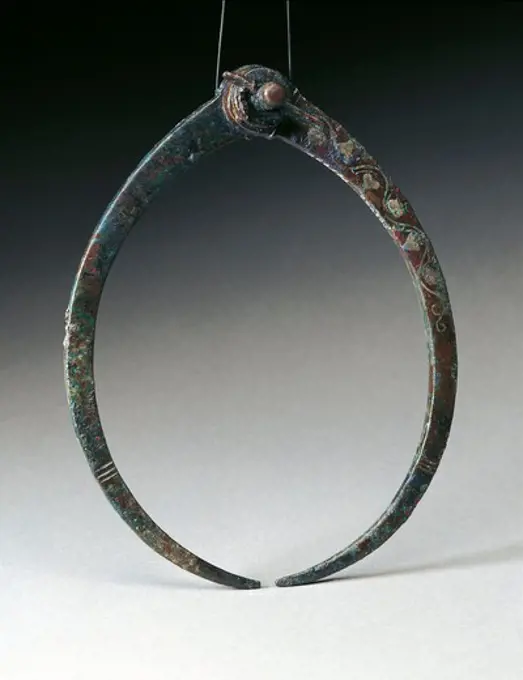
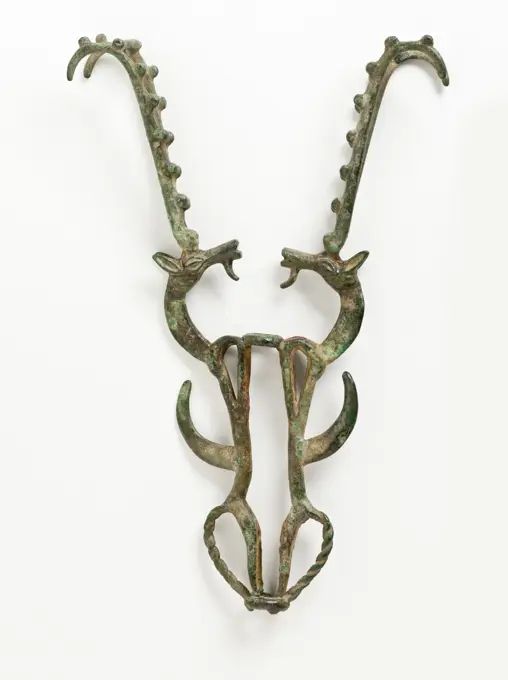
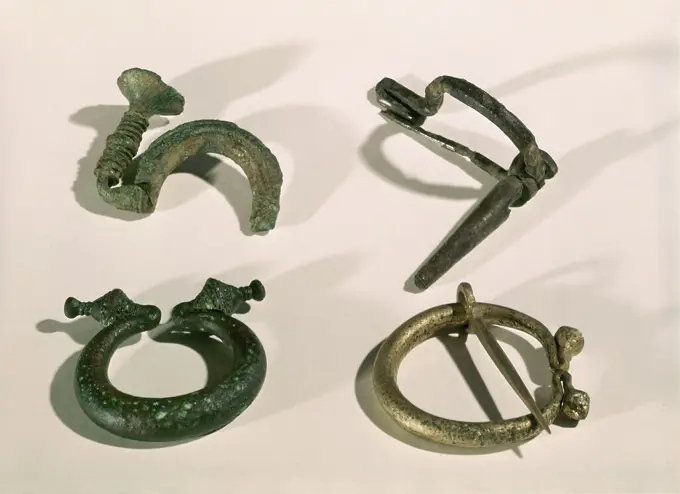
A range of ancient bronze items, including tweezers and fibulae, highlighting historical craftsmanship from different cultures.

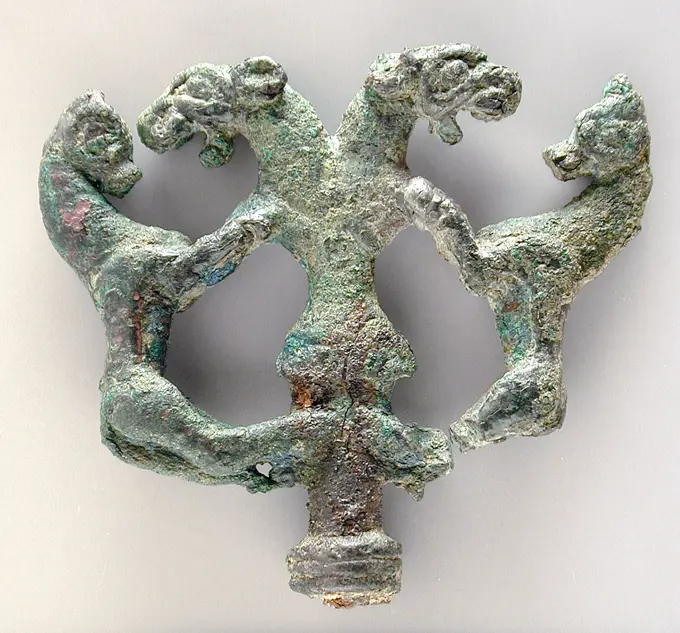
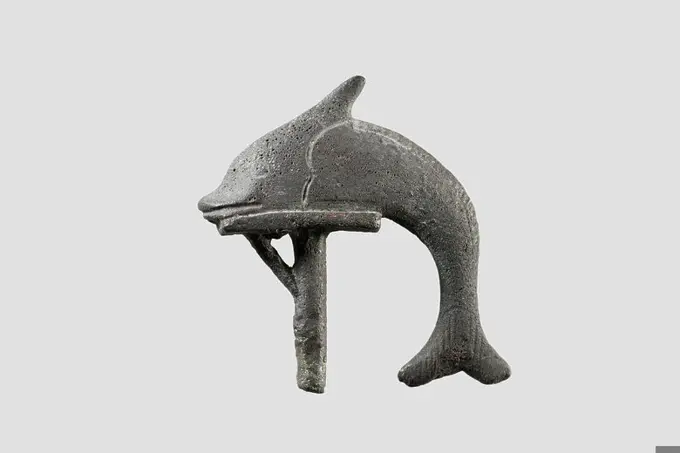
Double Birds on Knobbed Stand 800 BCE-600 BCE Thessaly. This precious bronze object is a votive, or devotional gift, made as an offering to the gods. They come in many forms, such as animals, beads and brooches. Many seem once to have been attached to something else. Votives were hung from sacred trees or placed in sanctuaries around Greece. Once a shrine was full, the votives were ceremonially buried to make room for more offerings.. Bronze . Ancient Greek
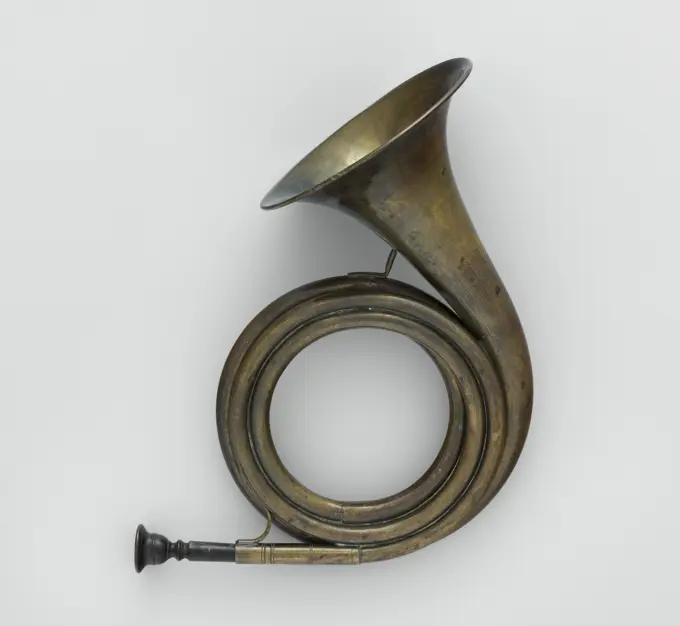
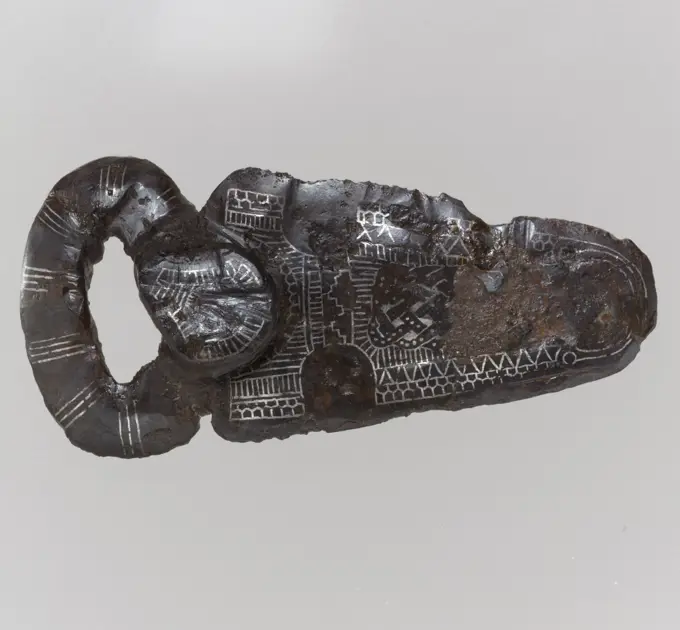
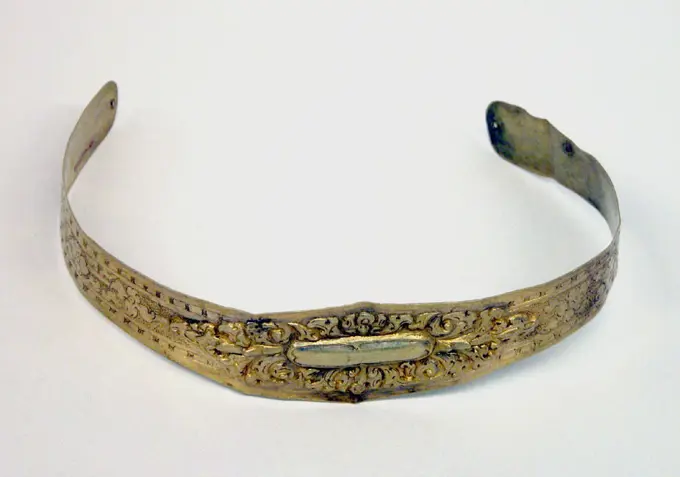
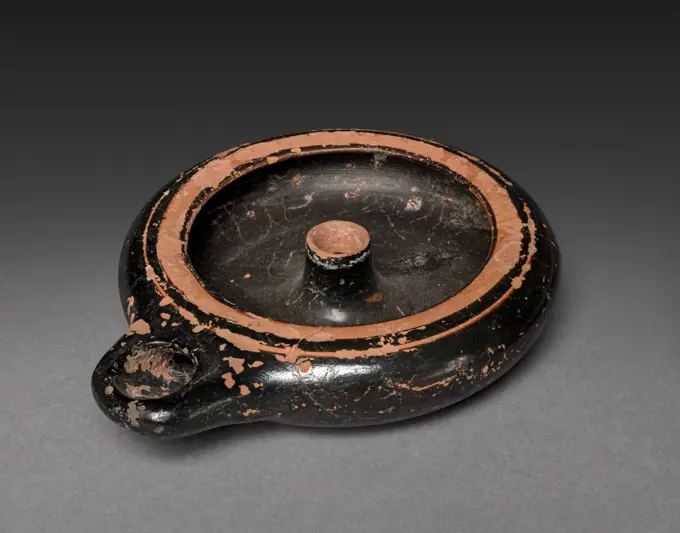
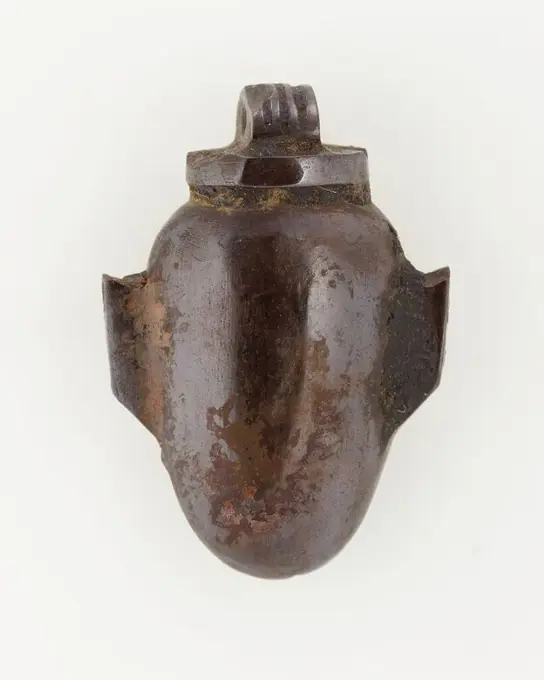
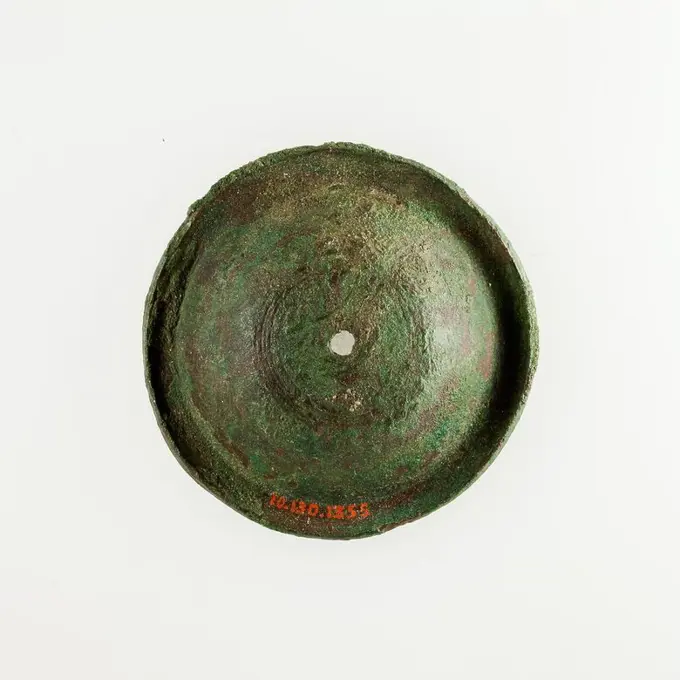
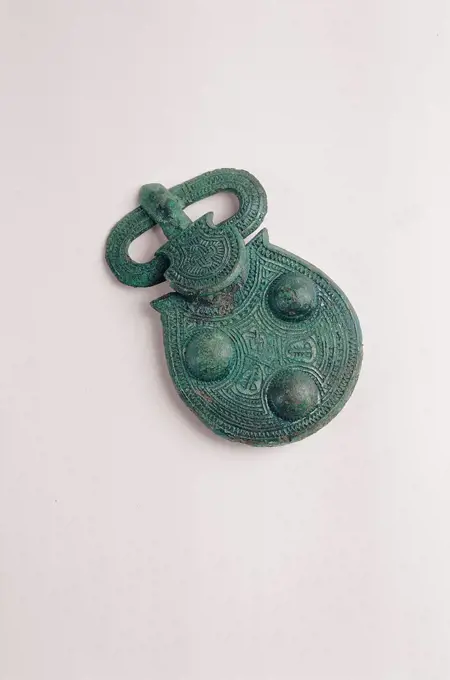
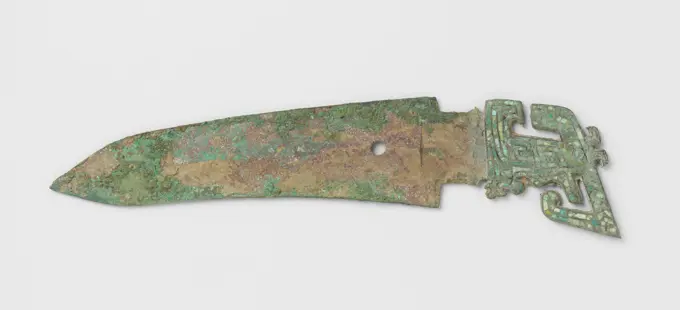
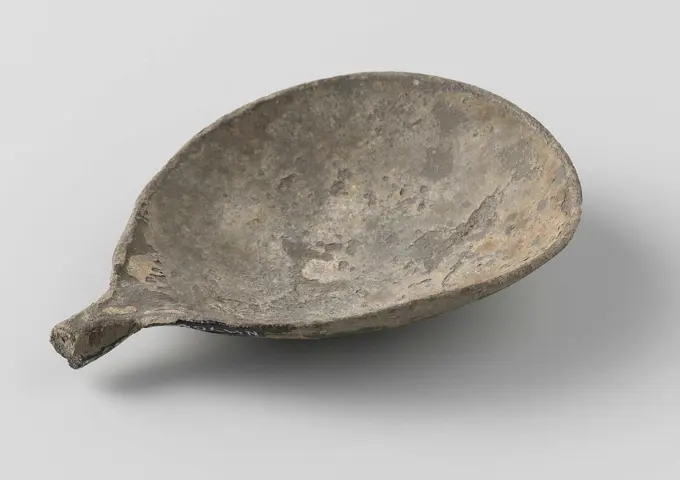
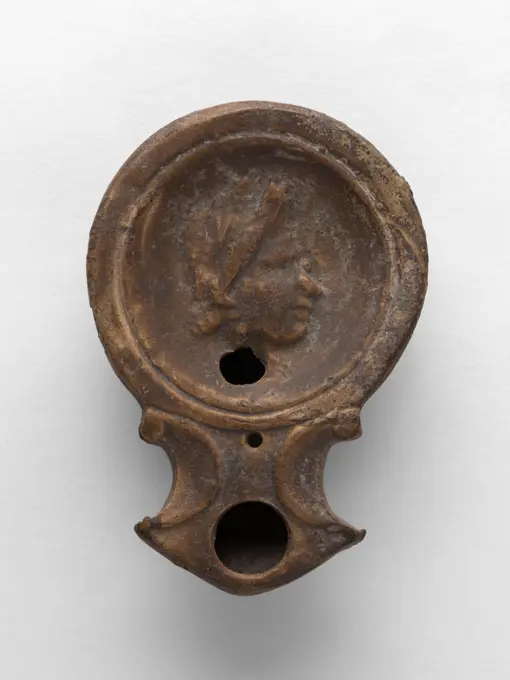
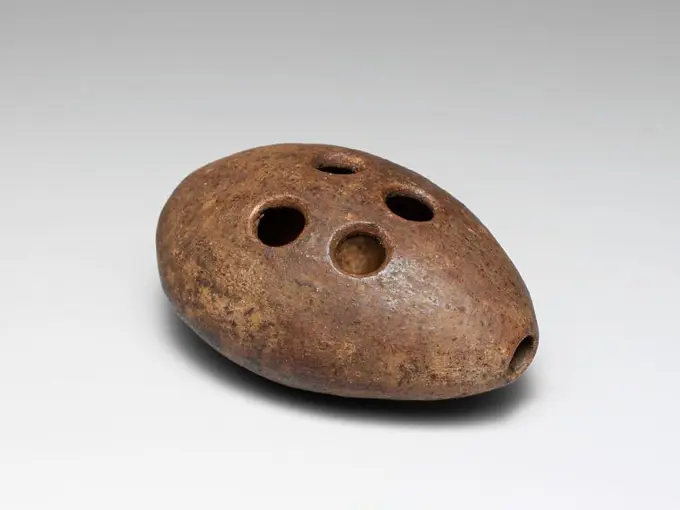
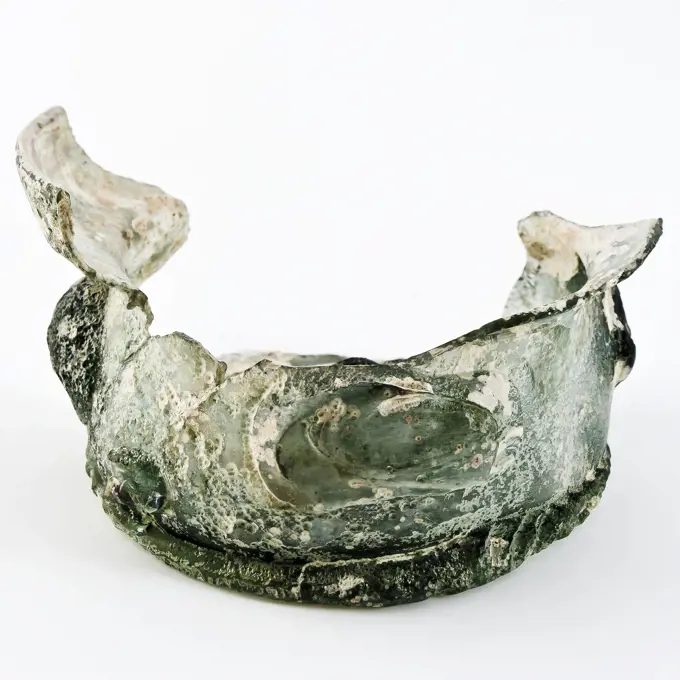
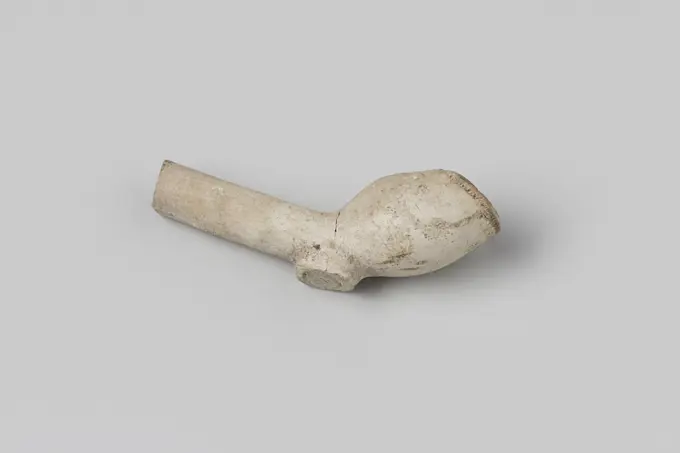
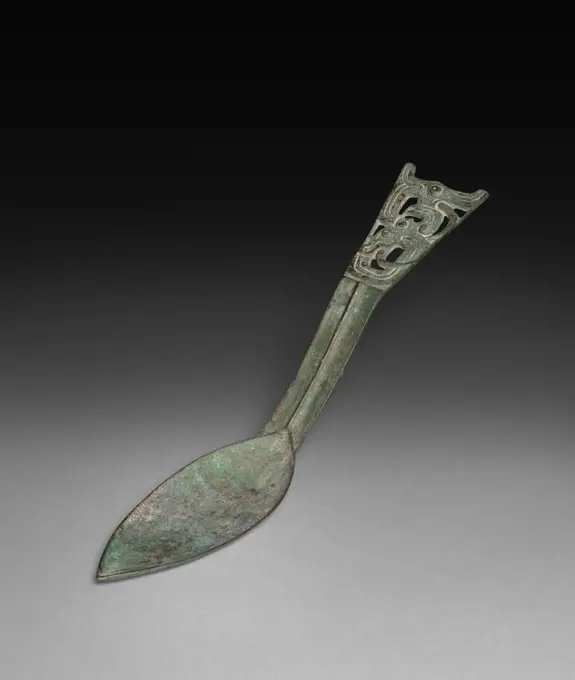
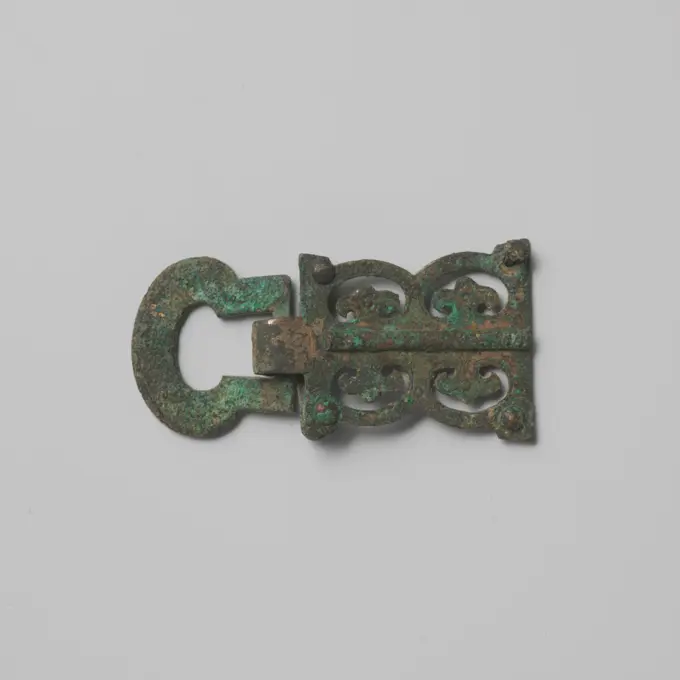
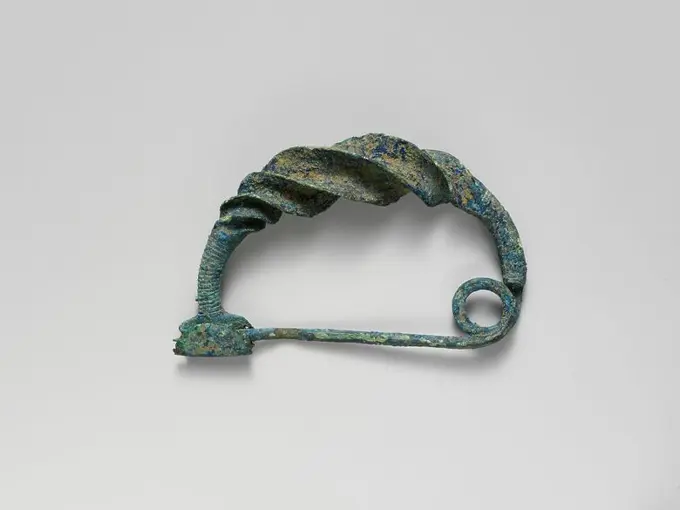
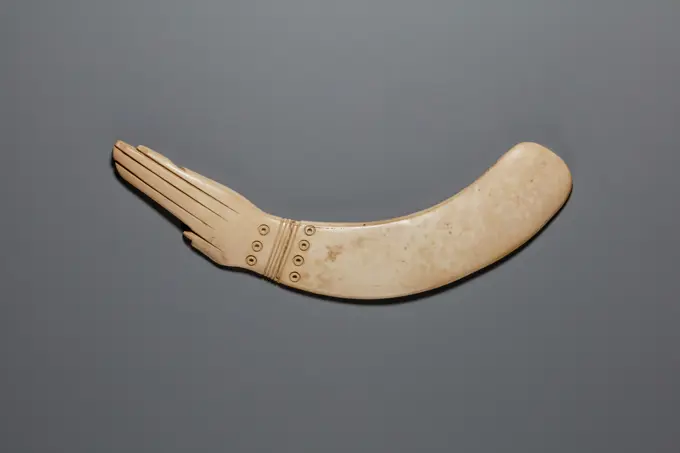
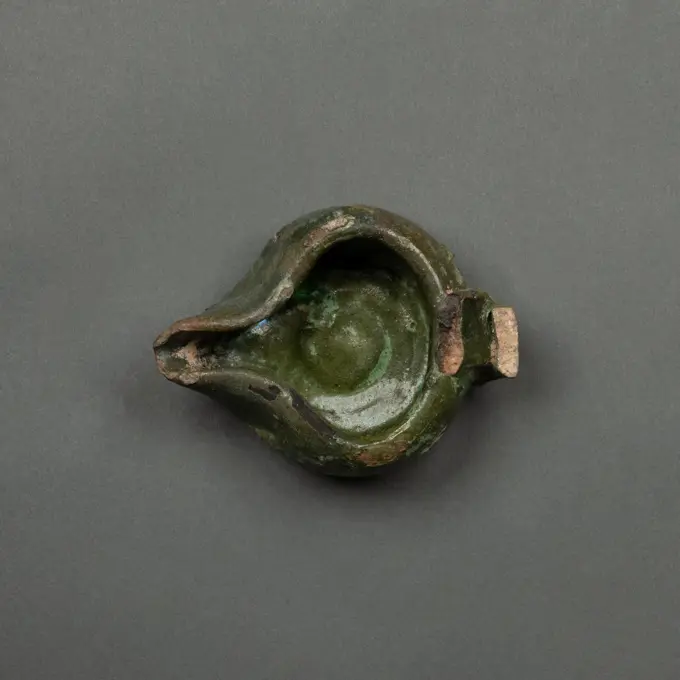
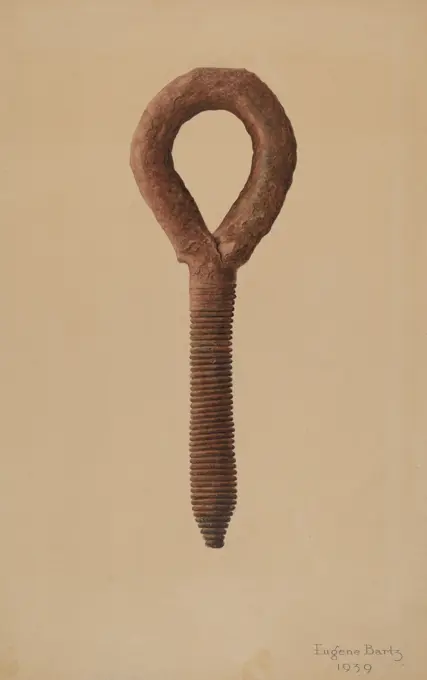
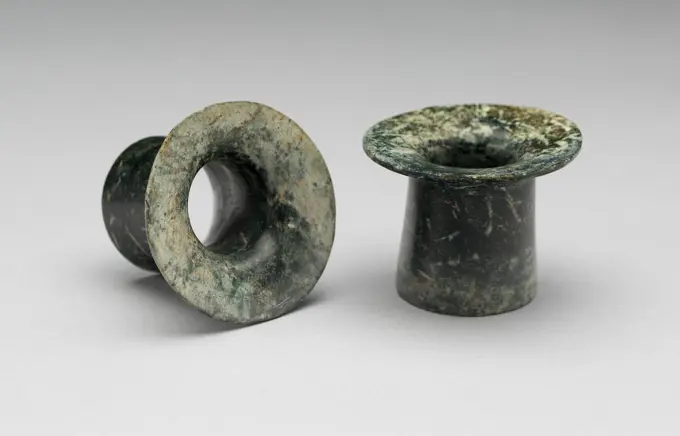
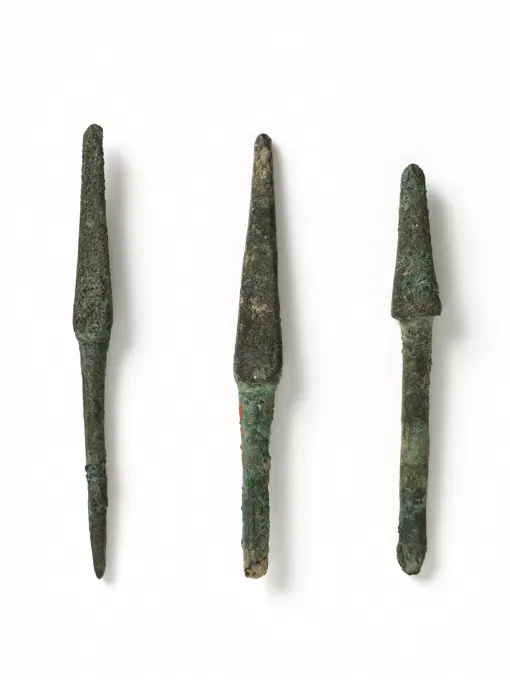
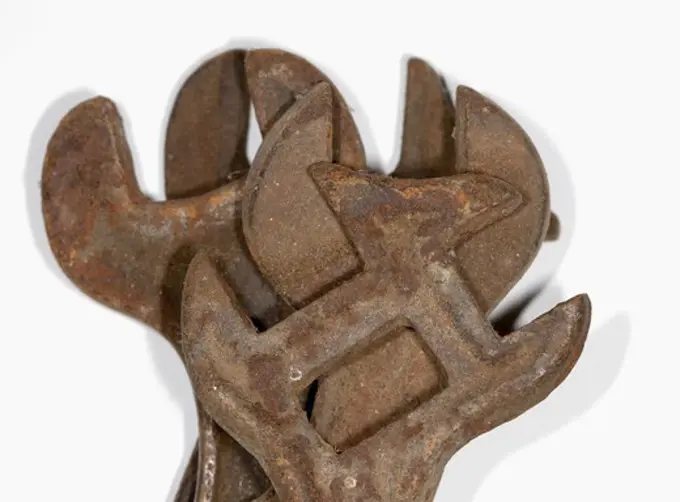
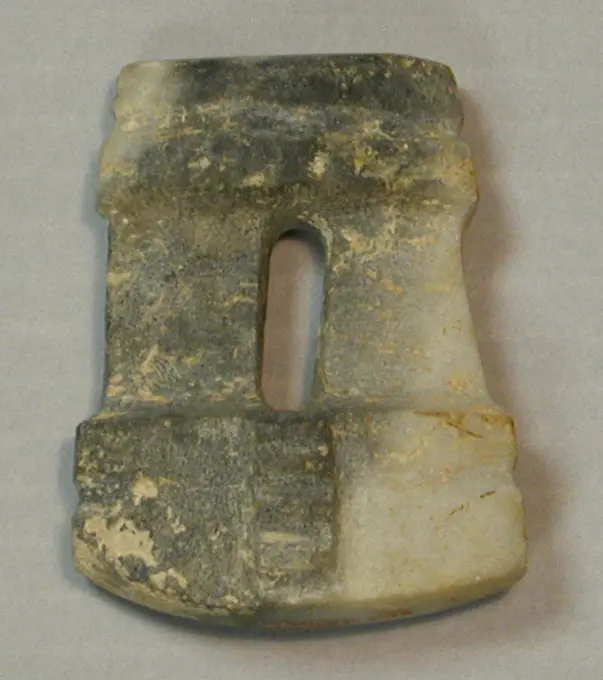
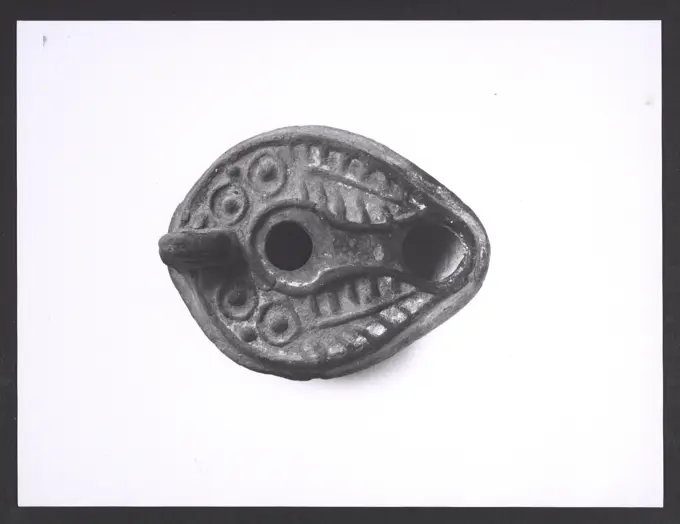
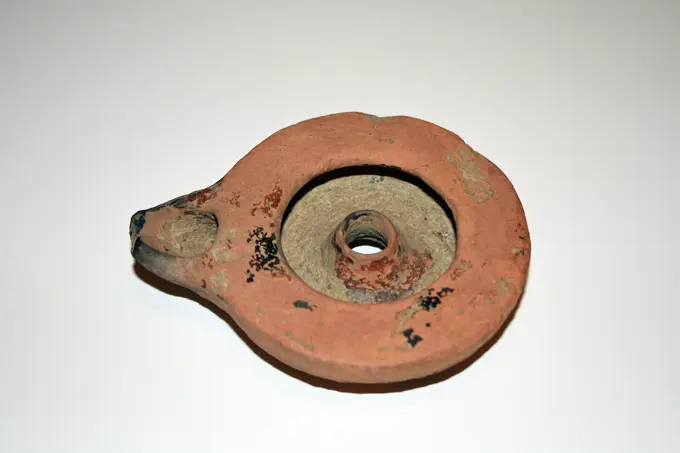
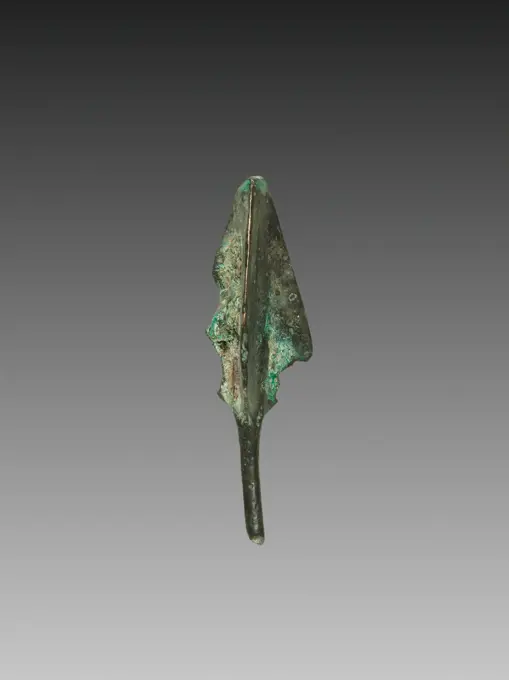
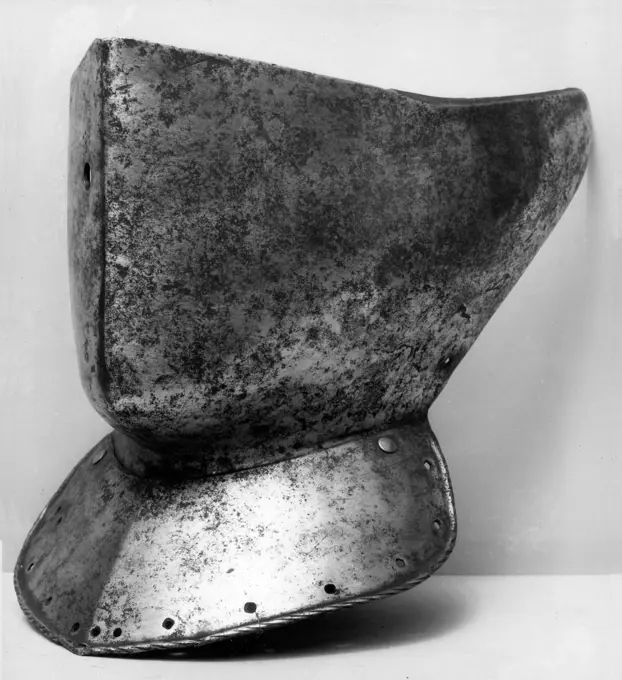
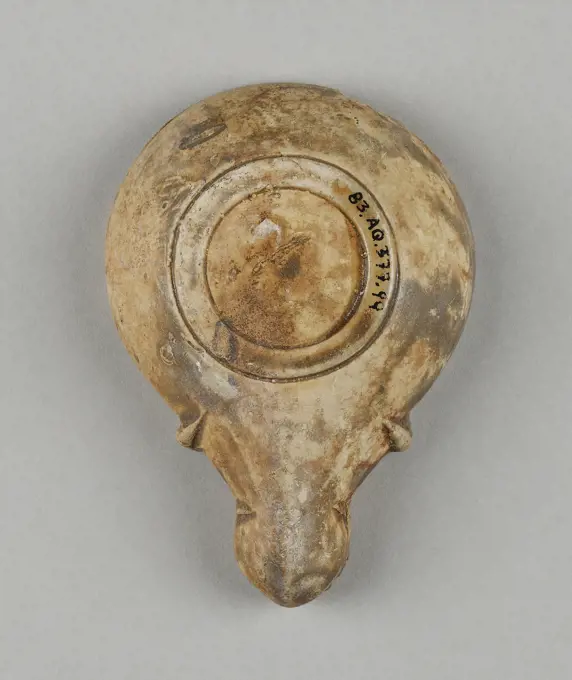
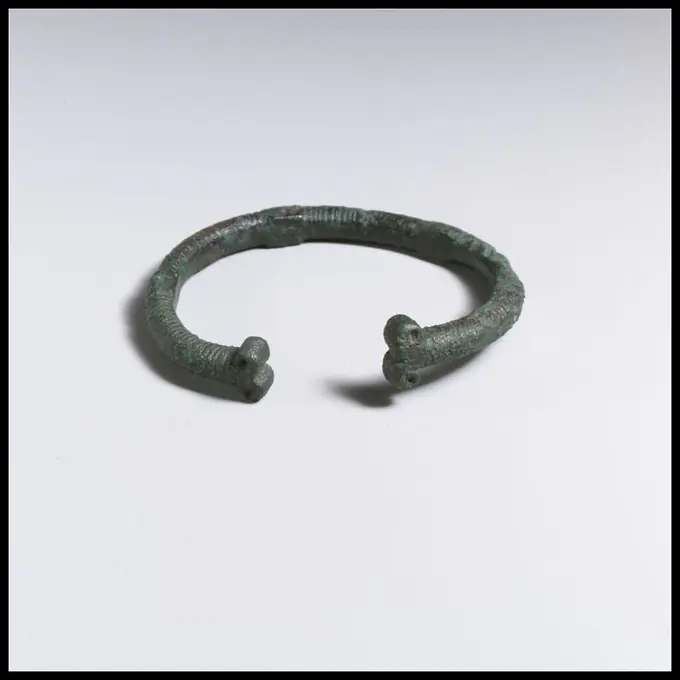
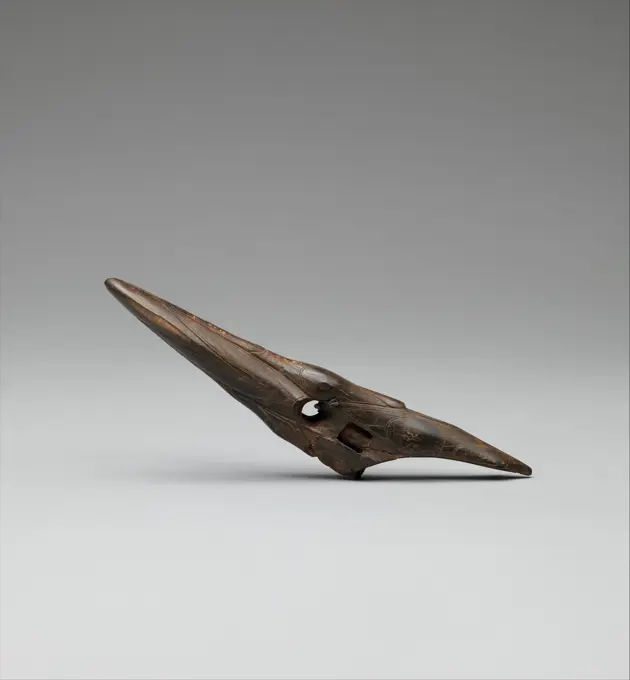
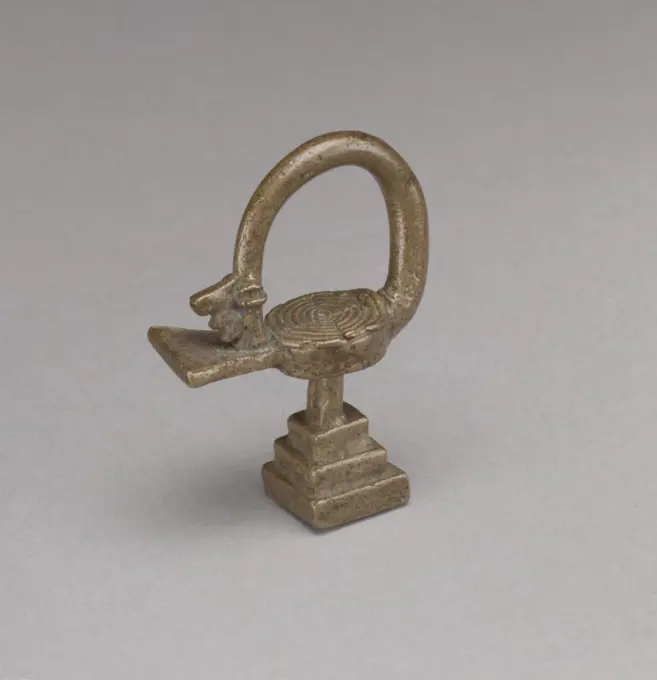
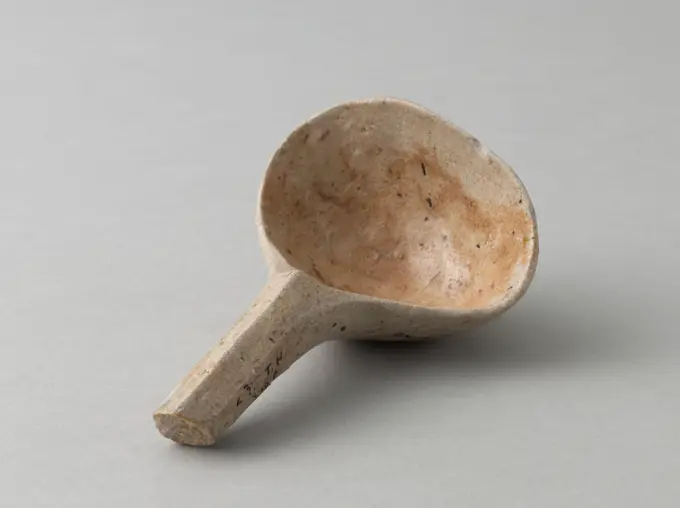
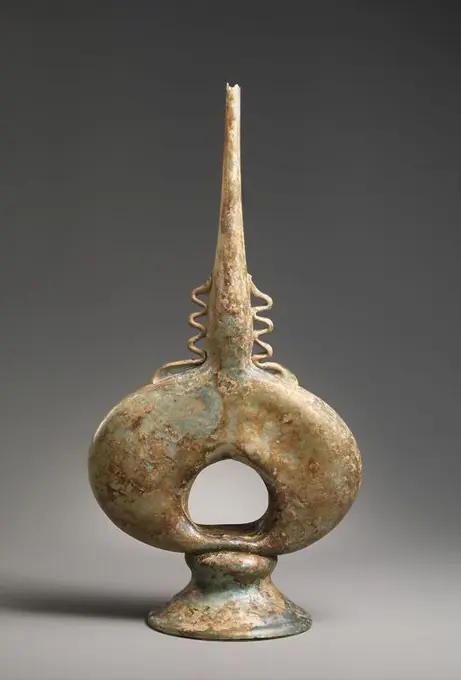
old and rusty horseshoe isolated on whiteSlightly curved rectangular buckle with rounded corners, buckle fastener component soil find copper brass metal, cast Slightly curved buckle with rounded corners archeology Rotterdam City Triangle Oostplein New Harbor Confirmation Soil discovery: Oostplein Nieuwe Haven 1985.Belt Buckle late 6th-early 7th century Frankish. Belt Buckle 472621Gun-Lock Hammer, c. 1800-1825. England. overall: 6.4 x 3.8 cm (2 1/2 x 1 1/2 in.).Earring or spiral 5th century B.C. Cypriot Silver spiral.. Earring or spiral 242811Horse. Iberia, 3rd-2nd century B.C.. Tools and Equipment; horse trappings. Bronze, castKnife leftring from the wreck of the East Indiesman Hollandia. Knife-Handle, Ferrule; ID. NG 1980-27H426.Fishhook. Culture: Japan. Dimensions: W. 1 7/8 in. (4.8 cm); L. 2 5/8 in. (6.7 cm).These implements--an arrowhead, fishhooks, needle, and harpoon--were skillfully carved from bone, a material worked by Japanese artisans since Paleolithic times. They were found in the Obara Shell Mound at Ofunato Bay in Iwate Prefecture. According to information gleaned from shell mounds, or middens, the people of the Jomon period relied on a variety of strategies to obtain food. The large number of fishhooks, fashioned with and without barbs, together with the rich array of marine remains found in these rubbish heaps since very early times indicate that some fifty species of fish and shellfish constituted an essential dietary staple. Toggle-head harpoons, a later innovation, facilitated the hunting of sea mammals. Attaching a line to the toggle allowed the hunter to draw in his prey once the toggle had broken away from the harpoon shaft. Further evidence gathered from these refuse dumps suggests that Udarabandha (Stomach Band) Second half of the 9th-first quarter of the 10th century Indonesia (Java). Udarabandha (Stomach Band) 49682Earring-loop type. Earring-loop type 243275Black-Gloss Oil Lamp, 400s BC. Greece, Attic. Ceramic; overall: 2.5 x 8.9 cm (1 x 3 1/2 in.).Copper Ornament with Corn Stalk Top before 16th century Peruvian. Copper Ornament with Corn Stalk Top 315335Fragment of fire hose ring from the wreck of the East Indians Hollandia, Anonymous, 1700 - in or Before 1743  Fire engine, firehose; fragments, id. NG-1975-20-H-1271-a, squashed. Netherlands copper (metal)   SecondHeart amulet. Dimensions: H. 2.2 cm (7/8 in), w. 1.6 cm (5/8 in). Dynasty: Dynasty 26-30. Date: 664-332 B.C.. Museum: Metropolitan Museum of Art, New York, USA.Lepelbak van tin, anonymous, 1500 - 1800 Fragment of a round spoon box from Tin. The handle has been broken down. West-Europa tin (metal) striking (metalworking) / forging Fragment of a round spoon box from Tin. The handle has been broken down. West-Europa tin (metal) striking (metalworking) / forgingCymbal. Dimensions: h. 1.3 (1/2 in); diam: 5.9 cm (2 5/16 in). Date: 30 B.C.-A.D. 364. Museum: Metropolitan Museum of Art, New York, USA.Belt buckle, by Frankish Work, Unknow, Bronze. Italy, Piemonte, Turin, Sabauda Gallery. Whole artwork. Buckle.Anthropomorphic Lime Spatula 500 B.C.-A.D. 300 Indonesia (Java, Lumajang, Pasiran). Anthropomorphic Lime Spatula. Indonesia (Java, Lumajang, Pasiran). 500 B.C.-A.D. 300. Bronze. Bronze and Iron Age period. MetalworkItaly, Friuli-Venezia Giulia region, Campomolle di Teor, axesFragment Come from V.O.C. ship De 'Witte Leeuw', Before 1613 bowl Fragment come from V.O.C. ship De 'Witte Leeuw'. 35 present. Jingdezhen porcelain   Sint-HelenaTwo dagger-axes, anonymous, c. -1200 - c. -1050 GE (KO), ceremonial dagger, with light green, dull patina, the handle inlaid with turquoons. There is a round hole in the blade. China bronze (metal) GE (KO), ceremonial dagger, with light green, dull patina, the handle inlaid with turquoons. There is a round hole in the blade. China bronze (metal)Fragment bransoletki (). nieznany warsztat północno mezopotamski (ca 2600-ca 2350 a.C.), workshopSpoon with oval bin and a straight stem with a diamond-shaped cross-section. Spoon with oval bin and a straight stem with a diamond-shaped diameter; The stem setting a point.One from a Pair of Solid Open Bangles with Two Rows of Concentric Circles 300 B.C.-A.D. 400 Thailand. One from a Pair of Solid Open Bangles with Two Rows of Concentric Circles. Thailand. 300 B.C.-A.D. 400. Bronze. Late period. JewelryKnights and Horses Pilgrims' Tokens (5 Fragments) 12th-15th century French. Knights and Horses Pilgrims' Tokens (5 Fragments) 34010Abstracted human figure Middle Kingdom ca. 1981-1640 B.C. View more. Abstracted human figure. ca. 1981-1640 B.C.. Unbaked clay. Middle Kingdom. From Egypt, Memphite Region, Lisht North, Cemetery, debris, MMA excavations, 1906-07. Dynasty 12-13Lamp. 26, Rue Daugmenton (1884), coll. Magners. Terre cuite. Today-Empire. TOUT THE COMPLOR THE PROFESSIONS. Paris, Museum Carnavaletet. Roman divinity, High Empire, Lamp, profile, terracotta, headGlass pendant in the shape of Harpokrates. Culture: Greek, Eastern Mediterranean. Dimensions: H.: 1 1/8 in. (2.8 cm). Date: late 2nd-1st century B.C..Colorless.Solid, vertical pendant, with mold marks running up sides of figure, over his head, and under his feet; on his back a small vertical suspension loop.Harpokrates, standing facing front, with curly hair topped with a small version of the double crown of Egypt, wearing large globular earrings, naked, left arm at side, right arm bent up across his chest and his forefinger pressed to his lips.Intact; some pitting and very faint weathering.Probably made in the same mold as 17.194.422.Colorless figure of Harpokrates with perforated handle behind. Museum: Metropolitan Museum of Art, New York, USA.Bottle 1st millennium B.C. Iran. Bottle. Iran. 1st millennium B.C.. Ceramic. Iron Age. IranXun. Culture: Chinese. Dimensions: Overall: W. 7.1 x D. 4.8 x L. 10.5cm (2 13/16 x 1 7/8 x 4 1/8in.). Date: 206 B.C.-220 A.D..Simple globular clay whistles, or ocarinas, were among the earliest wind instruments that required an understanding of how pitch is determined by the relationship between the dimensions of the wind chamber and the placement of the finger holes. Ancient versions have finger holes on one side of the ovoid body; later versions, still used in Sino-derived Korean ritual music, have holes located at the cardinal points around the onion-shaped instrument. Museum: Metropolitan Museum of Art, New York, USA.Amulet of Two Birds on a Neb-Basket ca. 1850-1775 B.C. Middle Kingdom This amulet is part of a group of objects found in tomb V21 at Abydos with two bodies. The group includes 04.18.1-04.18.49.. Amulet of Two Birds on a Neb-Basket. ca. 1850-1775 B.C.. Silver. Middle Kingdom. From Egypt, Northern Upper Egypt, Abydos, Cemetery V, Tomb V21, Egypt Exploration Fund excavations, 1904. Dynasty 12, late-early 13Costume Ornament. Culture: Peru; north coast (). Dimensions: D. 2 7/8 in. (7.3 cm). Date: 11th-12th century. Museum: Metropolitan Museum of Art, New York, USA.Fragment beaker, cabbage stump, beaker crockery holder soil find glass forest glass, free blown and formed glass application Fragment of beaker cabbage stalk in clear colorless green glass (forest glass). Pontil mark under pointed bottom. All-round partly serrated partly smooth glass wire as stand ring of which about third is missing. Almost straight wall after 3 cm inwards constricted with smooth thin glass wire going around. On the wall four round smooth glass knobs one of which is missing. Wall has cracking through to the bottom. Bowl-shaped protruding chalice of which about 4.5 cm remains archeology Rotterdam IJsselmonde drinking indigenous glassware serve wine beer Soil discovery: Castle IJsselmonde pit 1 and pit 2 Rotterdam 1972.Patera Handle, 200-1 BC. Greece, late Hellenistic period. Bronze; diameter: 3 cm (1 3/16 in.); overall: 16.8 cm (6 5/8 in.).Fragments of a Lacquer Tray, 9 AD. China, excavated at Lolang, Xin dynasty (9-23). Lacquer; part 1: 3.6 x 18.1 cm (1 7/16 x 7 1/8 in.); part 2: 3.8 x 14.3 cm (1 1/2 x 5 5/8 in.); part 3: 5.5 x 10.7 cm (2 3/16 x 4 3/16 in.); part 4: 1.6 x 5.1 cm (5/8 x 2 in.).Post Horn in F ca. 1860-80 Austrian or German. Post Horn in F. Austrian or German. ca. 1860-80. Brass. Austria / Germany. Aerophone-Lip Vibrated-hornEmilia-Romagna Ferrara Ferrara Museo Civico di Schifanoia07. Hutzel, Max 1960-1990 General Notes: INCOMPLETE RECORD--NEGATIVES PROCESSED, PRINTS FILED German-born photographer and scholar Max Hutzel (1911-1988) photographed in Italy from the early 1960s until his death. The result of this project, referred to by Hutzel as Foto Arte Minore, is thorough documentation of art historical development in Italy up to the 18th century, including objects of the Etruscans and the Romans, as well as early Medieval, Romanesque, Gothic, Renaissance and Baroque monuments. Images are organized by geographic region in Italy, then by province, city, site complex and monument.Lazio Viterbo Viterbo Museo Civico26. Hutzel, Max 1960-1990 Views of paintings (Middle Ages through 18th c.), frescoes, a tabernacle, coffin, sculpture reliefs, portal fragments, busts, sculpture, tapestry found in the Pinacoteca, Second floor gallery and Second floor cloister sequences. Antiquities: Many views of Etruscan and Roman fragments, sculpture, sarcophagi, pottery, masks, jewelry and other objects found in the Storeroom sequence (inventory numbers on back of prints), and the Cloister, Second floor Cloister, Valle Giulia, Sala Romana and Sala Etrusca sequences. General Notes: There are eight separate numerical sequences for this location. The cloister as an architectural structure, rather than museum site, is documented in the record and file for S. Maria della Verita, Cloister, all views of which are stored in Medieval core collection. Five views from the Museo Civico Second floor cloister sequence are stored in Medieval. German-born photographer and scholar Max Hutzel (1911-Bronze caliper with engraved heart-shaped leaves decoration, from PompeiYoke in Form of a Toad. Mexico, Central Veracruz, Veracruz, Veracruz, 300-600 CE. Stone. StoneFragments sheet metal from the wreck of the East India hollandia.parts or artifacts; eroded fragments: Materials; Copper.Finial. Iran, Luristan, no date. Architecture; Architectural Elements. BronzeBracelet 14th century () Middle Niger civilization. Bracelet 317914Boat-Shaped Fibula, c. 900-700 BC. Italy, Etruscan, 10th-8th century BC. Bronze; overall: 11.5 cm (4 1/2 in.).Pin Part 200-500 Roman. Pin Part 465120 Roman, Pin Part, 200500, Copper alloy, Overall: 2 x 1/16 in. (5.1 x 0.2 cm). The Metropolitan Museum of Art, New York. Gift of J. Pierpont Morgan, 1917 (17.191.70)LISSOIR (title awarded), -4600. Polished bone (bovid coast). Carnavalet museum, history of Paris.Plaque (Feline). Western Inner Mongolia, 5th-4th century B.C.. Sculpture; plaques. BronzeFragment van een tabakspijp..A fragment of a small white tobacco pipe. Signature: WP. Note: Fired.Sacrificial Spoon, 1023-900 BC. China, Western Zhou dynasty (c. 1046-771 BC). Bronze; overall: 8.4 cm (3 5/16 in.).Belt buckle. Match.Solid Undecorated Bangle 4000 B.C.-A.D. 400 Thailand. Solid Undecorated Bangle 53373Fragment Messenheft and copper from the wreck of the East Indians Hollandia, Anonymous, 1700 - in or before 1743 fragment Knife, handle, cylindrical: tapering; fragm, id. NG 1979-403H, ferrule, id. NG 1980-27H426. Netherlands wood (plant material). copper (metal)   SecondBronze spiral-type fibula (safety pin). Culture: Villanovan. Dimensions: Other: 3 3/8 in. (8.6 cm). Date: 9th century B.C..Spiral fibulae are so-called because of their most characteristic feature. This type is almost always associated with female graves. Museum: Metropolitan Museum of Art, New York, USA.Campania Napoli Naples S. Lorenzo Maggiore45. Hutzel, Max 1960-1990 Medieval: Sculpture, architecture, architectural sculpture (including Roman spolia) 13-14th century Chapter house; sarcophagi, gravestones; wall painting. Fragment of mosaic; sculptural fragments in the Sala Capitolare. Post-medieval: Architecture, architectural sculpture, ceiling painting fresco cycle; prints depicting Venice c. 1845 (4), sculpture; life-size creche figures dressed in original Neapolitan costume Church restored in 1882, 1926, 1944; excavations under the transept undertaken between 1958-1962, and in the cloister in 1976, have revealed remains of a Roman macellum (market), street, and the paleochristian basilica of the 6th c. AD. Antiquities: Pottery: black-glazed, archaic banded, domestic wares, bucchero; architectural terracottas, statuettes, lamps, sculpture fragments Object Notes: 3 color negatives with no prints at the end. General Notes: Most objects/paintings/frescoes unidentified. Three batches Standard Finial. Iran, Luristan, Luristan bronzes, circa 1350-800 B.C.. Architecture; Architectural Elements. BronzeFragments steal from fork or spoon from the wreck of the East Indiesman Hollandia. Cutlery, fragment: voice or fork or spoon; Fragm ends, flat, curved, sim. NG 1980-27H3366.Clapper ca. 1900-1640 B.C. Middle Kingdom Clappers are among the earliest percussion instruments in ancient Egypt. This clapper represents a forearm and a hand while following the curved shape of the ivory tusk it was carved from. A bracelet is indicated by incised lines. Flanking the bracelet are roundel ornaments that are typical of Middle Kingdom clappers, but their significance is unclear. The striking side of the clapper is flat and undecorated, as is usually the case.. Clapper. ca. 1900-1640 B.C.. Ivory. Middle Kingdom. From Egypt, Memphite Region, Lisht North, cemetery south of pyramid below House A1:1, Pit 885, MMA excavations, 1920-21. Dynasty 12, mid - Dynasty 13Ring -shaped fragment from the wreck of the East Indians Hollandia, Anonymous, 1700 - in Or Before 1743 fragment Varied parts or fragments, rings or ring-shaped fragments; id. 80H625. Netherlands copper (metal)   SecondShapes of shells, lice comb and a foot of a glass from the wreck of the East India Heart 't flying heart. Wooden board with concretion on it. In the concretion, shellfragments, a piece of luizesque and a glass feet of a usage glass (see dimensions).FIBULAS O BROCHES DE BRONCE CELTA-ORIGINARIOS DEL CENTRO Y NORTE DE EUROPA - S I AC. Location: MUSEO PROVINCIAL. LUGO. SPAIN.Lamp 9th-10th century This object was excavated at Nishapur.Nishapur was a vital city in the early and middle Islamic periods, located along one of the main trajectories that connected Iran and West Asia Islamic lands with Central Asia and China. These itineraries are often referred to by the term Silk routes but were in fact crucial to the movement of constellations of materials and objects, as well as people and ideas. The diverse population of Nishapur and its surroundings, from the better-researched elite groups of merchants, land-owning aristocracy, and literates, to the less-known artisans, farmers, miners, and servants, were instrumental in adapting global cultural trends to create their own distinctive visual languages. This is seen in the material remains of everyday life in medieval Nishapur - from pots and pans to lighting devices, inkwells, textiles and trimmings, jewelry, games and toys, talismanic devices, weapons, coins, and architectural fragments.Nishapur lost its poliUpper Arm Canon, 1800s. Attributed to Negroli Workshop (Italian, c. 1500-1561). Steel; overall: 14 x 14 cm (5 1/2 x 5 1/2 in.).Primer 18th century Indian, Rajasthan A priming flask is used to hold and pour fine gun powder into the priming pan of a matchlock gun. They are produced from a range of materials, as seen here, including metal, horn, and ivory. Their decoration also varied and often showcased artistic ingenuity. This flask features the head of the makara, a crocodile-like creature of Hindu mythology, with a ram leaping from the creatures mouth. The makara design could be a reflection of its use in hunting crocodile, a popular pastime for the royal courts of Rajasthan.. Primer 30359Eugene Bartz, Shroud Deck Eye, 1939 Shroud Deck EyePair of Ear Spools 250 CE-900 CE Honduras. Serpentine . MayaHook with twisted peak point and originally with two trailing points, towing hook soil found iron metal, Five towing hooks with straight twisted pin and curved pin archeology Rotterdam rail tunnel ship sailor shipping Soil discovery: rail tunnel Rotterdam.Three arrow heads, square section. Perse, Hurvin. IXEM-VIIIth centuries BC. Paris, Cernuschi museum. 35179-12 Armament, weapon, bronze, Carree section, Fleche headBevor. Spanish. Date: 1450-1525. Dimensions: . Steel. Origin: Spain. Museum: The Chicago Art Institute, Chicago, USA.A pair of women's slippers unknownTORQUES CELTA DE ORO. Location: MUSEO PROVINCIAL. LUGO. SPAIN.Jindai Rappa (earthenware trumpet) 5th-6th century Japanese. Jindai Rappa (earthenware trumpet) 501199Ceremonial Knife (Tumi). Culture: Chimú. Dimensions: Length 7-3/16 in. (18.3 cm). Date: 12th-15th century. Museum: Metropolitan Museum of Art, New York, USA.Brooch -Buckle 15th century Spanish. Buckle. Spanish. 15th century. Bronze. Miscellaneous-Buckles & OrnamentSill life close up of rusty wrenches.Stone Temple Model 1st-8th century Mezcala. Stone Temple Model. Mezcala. 1st-8th century. Stone. Mexico, Mesoamerica, Guerrero, Balsas River region. Stone-SculptureEmilia-Romagna Ferrara Ferrara Museo Civico di Schifanoia61. Hutzel, Max 1960-1990 General Notes: INCOMPLETE RECORD--NEGATIVES PROCESSED, PRINTS FILED German-born photographer and scholar Max Hutzel (1911-1988) photographed in Italy from the early 1960s until his death. The result of this project, referred to by Hutzel as Foto Arte Minore, is thorough documentation of art historical development in Italy up to the 18th century, including objects of the Etruscans and the Romans, as well as early Medieval, Romanesque, Gothic, Renaissance and Baroque monuments. Images are organized by geographic region in Italy, then by province, city, site complex and monument.Ancient Roman LampTeardrop-Shaped Bead, 1980-1801 BC. Egypt, Middle Kingdom, Dynasty 12. Gold over calcite gesso core; average: 2.4 cm (15/16 in.).Torque (Neck Ring). Italy, Picene, late 7th-6th century B.C.. Jewelry and Adornments; torques. BronzeKey 1st-7th century Roman. Key 462949Button from the wreck of the East Indians Princesse Maria, Anonymous, 1670 - 1686 button Tin tie with an eye. Corroded. Netherlands tin (metal)Arrow Point, 550-330 BC. Iran, Ecbatana (). Bronze; overall: 3.9 cm (1 9/16 in.).Buffe 16th century German. Buffe 23011Imsety Bead from a Mummy Bead Net. Egypt, 25th - 26th Dynasty Late Period (755 - 525 BCE). Jewelry and Adornments; beads. Faience, blue glaze, worked in bas-reliefSpear Point. Western Iran, circa 1000-825 B.C.. Arms and Armor; spears. BronzeFragments of musket sizes, anonymous, c. 1590 - c. 1596  Excerpts of musket sizes including a brass soil (D.3.2), three leather soils (3.6, 3.6 and 3.5 cm), a piece of top of a leather lid (3.7), a piece of neck of a leather lid (3.5), a piece of The top of a brass lid (3.7) and a brass ear (0.8 cm).  brass (alloy). leather striking (metalworking)  Nova Zembla. Saving HuysFragment pin from the wreck of the East Indieschief Hollandia. Tools and Instruments, Sewing and Sailmaking, PIN; Fragm or Bow, ID. NG 1980-27H3265.Stud () 1st millennium B.C.. Stud (). 1st millennium B.C.. Bronze. Eurasian steppesSchilbe fish, sacred to Hatmehyt, on standard. Dimensions: h. 5.7 cm (2 1/4) × l. 5.7 cm (2 1/4 in.). Date: 664-30 B.C..The schlibe fish was illustrated atop the standard of the nome of Mendes in the eastern Delta since earliest times. It was very closely associated with the local goddess Hatmehyt , whose name in fact means "Foremost of the Fishes" and who wore the schilbe atop her crown and hanging down her back (89.2.517). Hatmehyt was the only Egyptian god(dess) associated so closely with a fish, and this certainly has to do with the importance of the swampy damp environment of the area. Museum: Metropolitan Museum of Art, New York, USA.old rusty horseshoe isolated on white backgroundLamp, Germany; 1st - 4th century; Terracotta; 2.5 x 6.6 x 9.5 cm (1 x 2 5,8 x 3 3,4 in.)Old rusty hinge barn open lock isolated on a black background from above old rusty hinge barn open lock isolated on a black background from above copyright: xzoonar.com/gutaperx 22667089Bronze bracelet. Dimensions: diameter 2 5/8in. (6.7cm).Open ends terminating in volutes. Museum: Metropolitan Museum of Art, New York, USA.Fish Pendant. China. Date: 1300 BC-900 BC. Dimensions: 7.5 × 3.6 × 0.9 cm (2 15/16 × 1 7/16 × 3/8 in.). Jade. Origin: China. Museum: The Chicago Art Institute, Chicago, USA.Harpoon Head 4th-5th century Old Bering Sea In the last two millennia before the Common Era, the peoples who established themselves along the rim of the North Pacific Ocean between Asia and America were dependent for their livelihood to a great extent on the resources of the sea. Walrus, seal, and whale were significant to subsistence, and all were hunted. On the American side, the Bering Sea Eskimo were careful to decorate the ivory and wood tools with which they hunted. The beautifully balanced and elegantly incised objects were functional tools that were incised with spirit images and designs that honored the animals the hunters sought. Harpoon heads and foreshafts, and the socket pieces known as winged objects are salient examples. Also carved of walrus ivory were human figures, most frequently female. The purpose to which the enigmatic but equally elegant figures were put is unclear. Some authorities call them dolls-originally, they may have been dressed-while others call them cerEmilia-Romagna Ferrara Ferrara Museo Civico di Schifanoia30. Hutzel, Max 1960-1990 General Notes: INCOMPLETE RECORD--NEGATIVES PROCESSED, PRINTS FILED German-born photographer and scholar Max Hutzel (1911-1988) photographed in Italy from the early 1960s until his death. The result of this project, referred to by Hutzel as Foto Arte Minore, is thorough documentation of art historical development in Italy up to the 18th century, including objects of the Etruscans and the Romans, as well as early Medieval, Romanesque, Gothic, Renaissance and Baroque monuments. Images are organized by geographic region in Italy, then by province, city, site complex and monument.Gold Weight: Bird (Sankofa) 18th-19th century Akan peoples Beginning in the fourteenth century, the Akan engaged in extensive trade with both the Portuguese and Spanish along the west coast of Africa, which subsequently came to be known as the "Gold Coast." The Akan used differing and complicated systems of measurement for trade with European and Islamic traders. In Akan society, gold was intimately associated with authority, royalty, and the sacred. Its lavish use in regalia and ornament was a prominent feature of Akan court ceremony. These three gold weights reflect the wealth and breadth of Akan metallurgic virtuosity and take the form of a chair, a bird with its head turned back to its tail, known as Sankofa, and a chicken head.In Akan society, a great deal of importance is placed on verbal eloquence and the artful interpretation of proverbs in expression. Proverbs are the source of imagery for many forms of Akan visual art, including gold weights. The Sankofa image is derived fromSuspicious. White sandstone with covered. Janse, Lach Truong, burial 6, n ° 22. Epoque de Giao Chi (1st century BC - 4th century AP.J.C.). Paris, Cernuschi museum. 59237-16 Vietnamese art, covered, Lach Truong culture, GIAO CHI, excavation Janse, GRES BLANC, LAYCHE, n ° 22, Sepulture 6Perfume Sprinkler (Qumqum). Dimensions: H. 10 1/4 in. (26 cm)W. 5 1/4 in. (13.4 cm)D. 3 1/4 in. (8.3 cm)Wt. 5.5 oz. (155.9 g). Date: 11th-mid-13th century.This long-necked glass bottle with a ring-shaped body would have been used for disseminating rosewater or another aromatic substance mixed with water. Rosewater was used for cooking and as a perfume to be sprinkled on guests at the end of a meal. The production of such sprinklers in Syria from the late eleventh to the mid-thirteenth century reflects another aspect of courtly manners in which attractiveness in all its forms was prized. Museum: Metropolitan Museum of Art, New York, USA.