Ancient Bronze Artifacts

A range of ancient bronze items, including tweezers and fibulae, highlighting historical craftsmanship from different cultures.

Double Birds on Knobbed Stand 800 BCE-600 BCE Thessaly. This precious bronze object is a votive, or devotional gift, made as an offering to the gods. They come in many forms, such as animals, beads and brooches. Many seem once to have been attached to something else. Votives were hung from sacred trees or placed in sanctuaries around Greece. Once a shrine was full, the votives were ceremonially buried to make room for more offerings.. Bronze . Ancient Greek
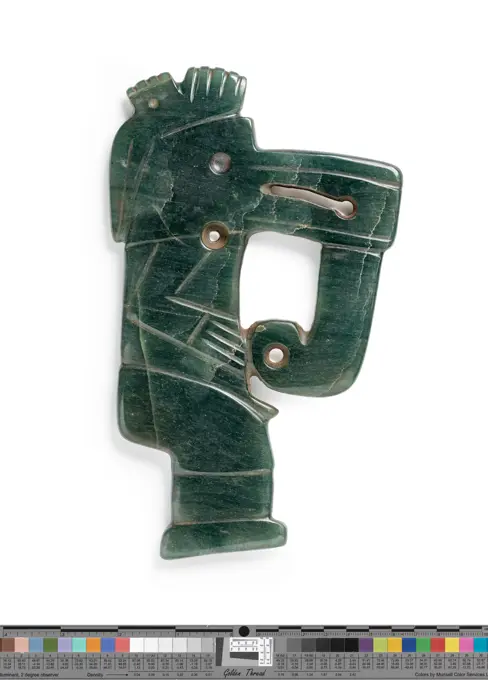
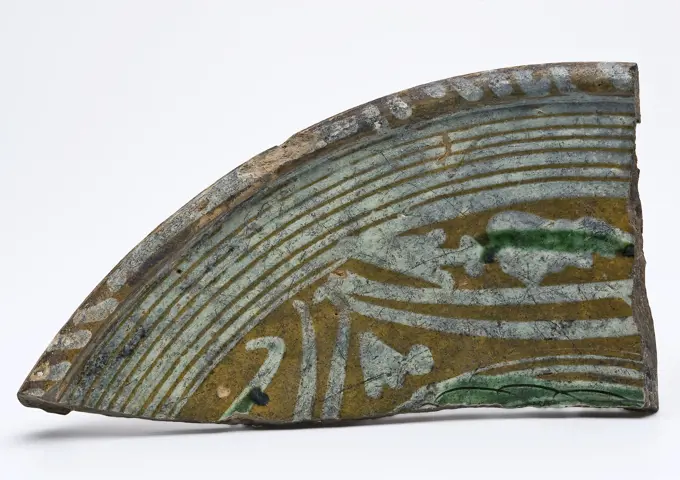
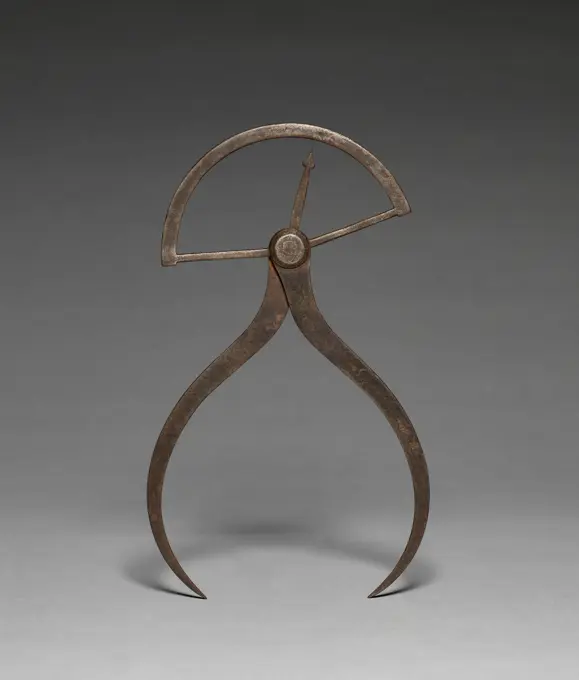
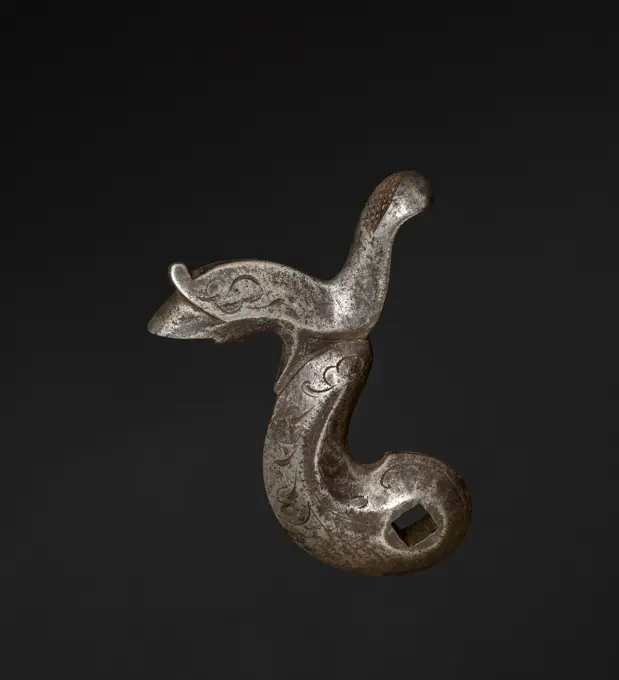
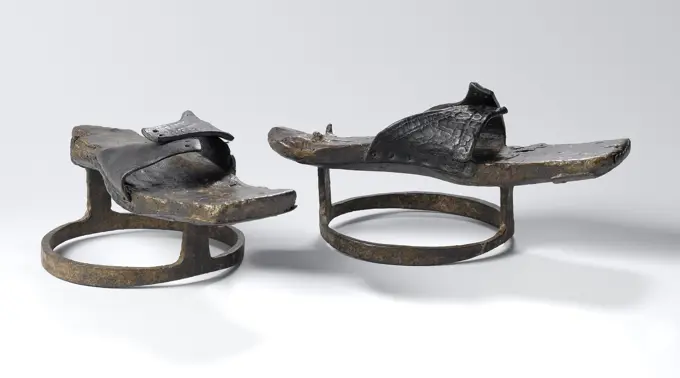
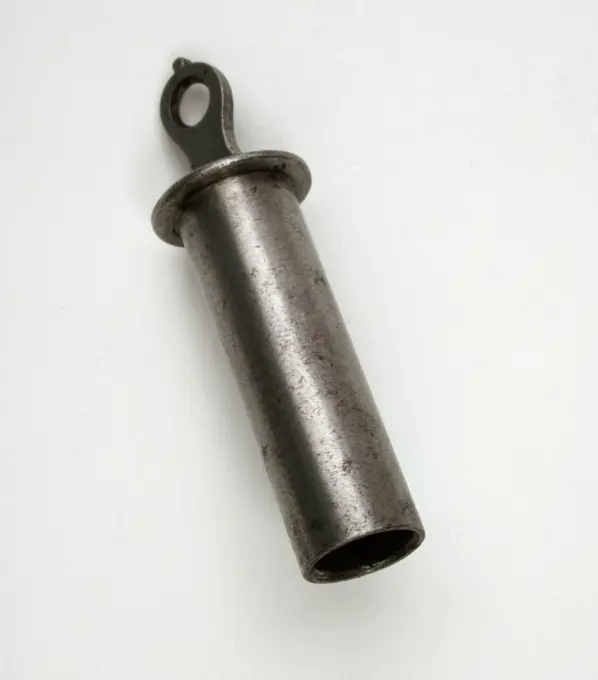
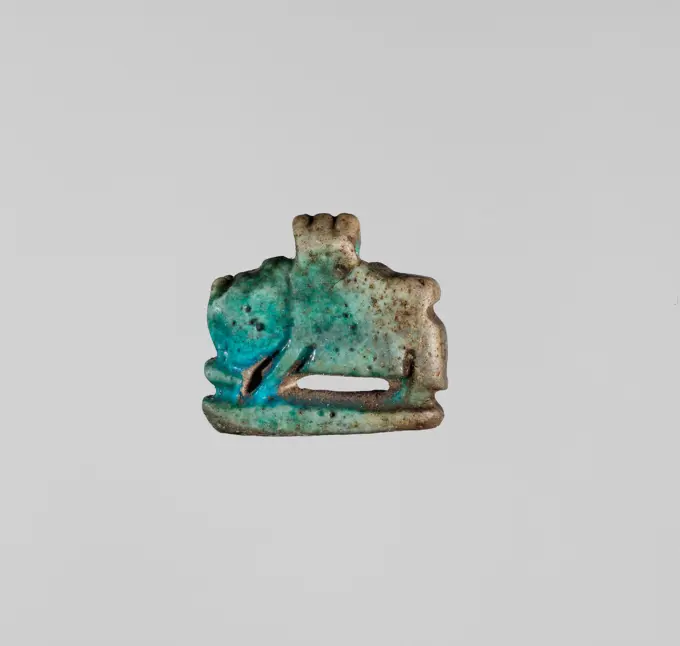
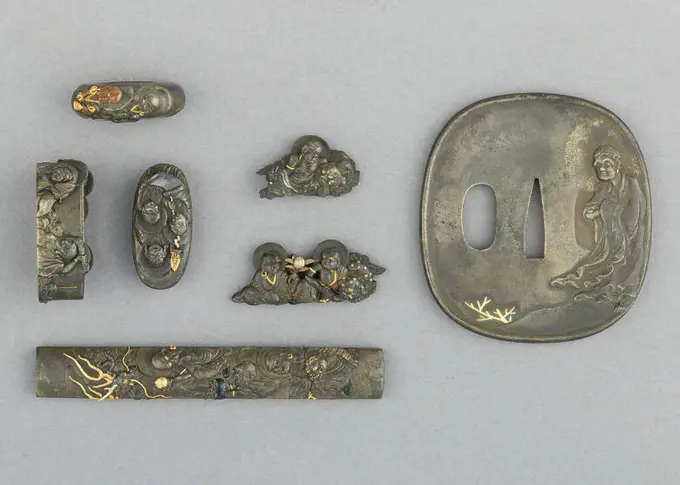
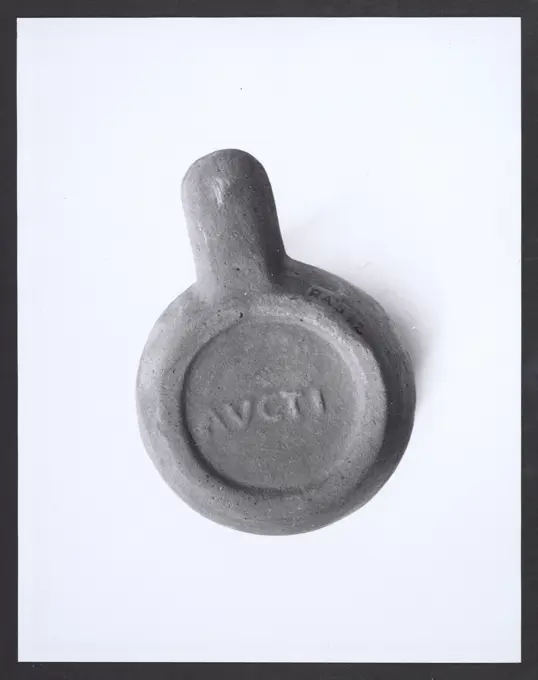
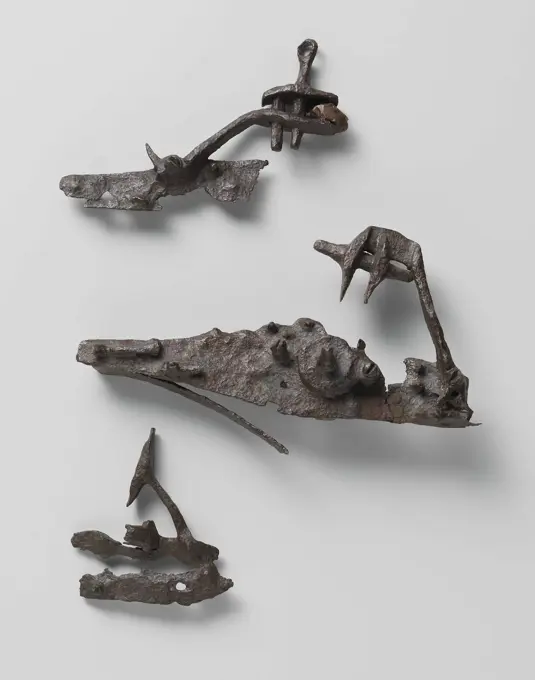
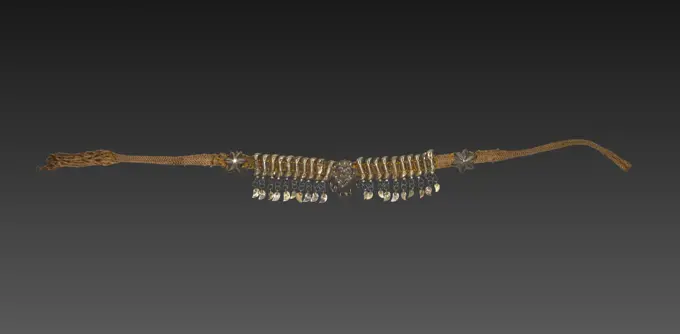
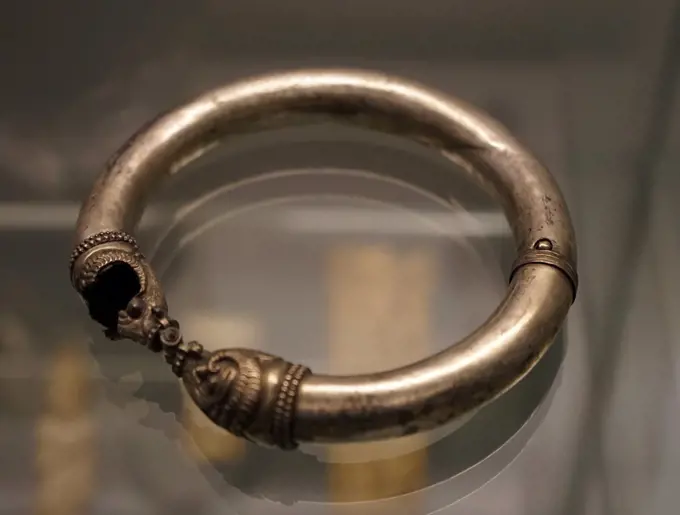
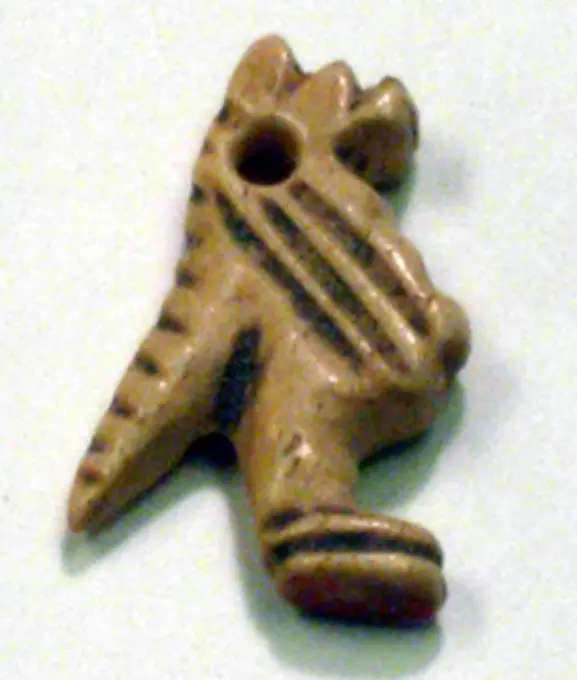
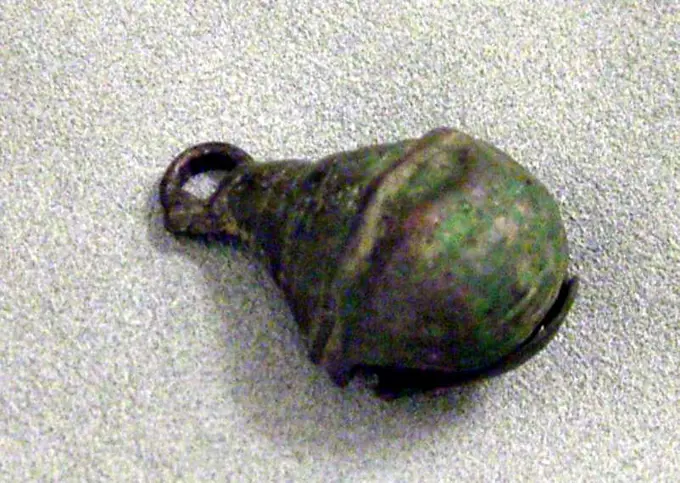
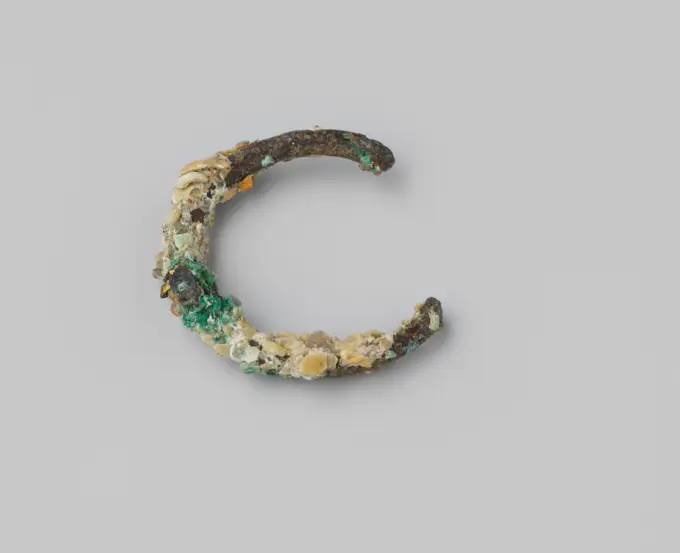
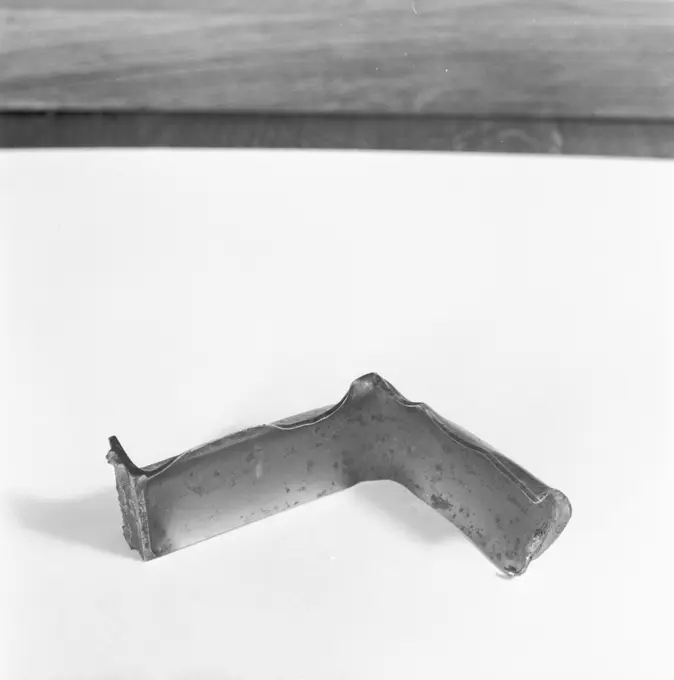
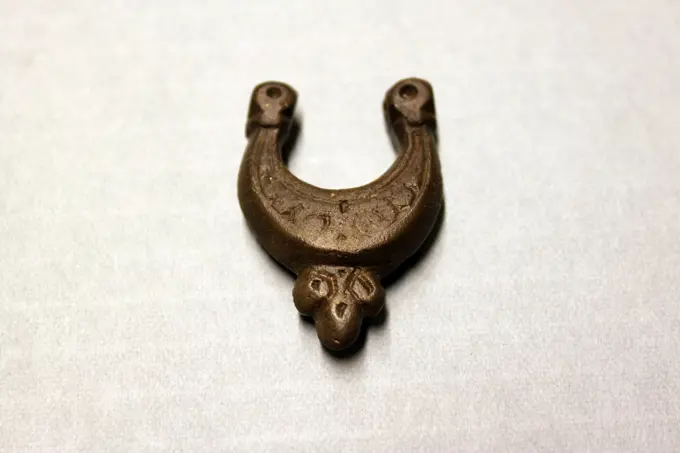
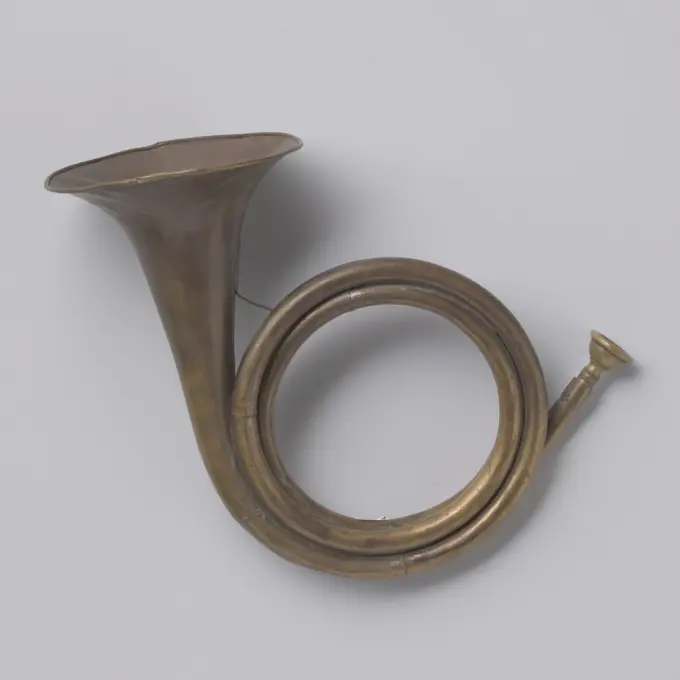
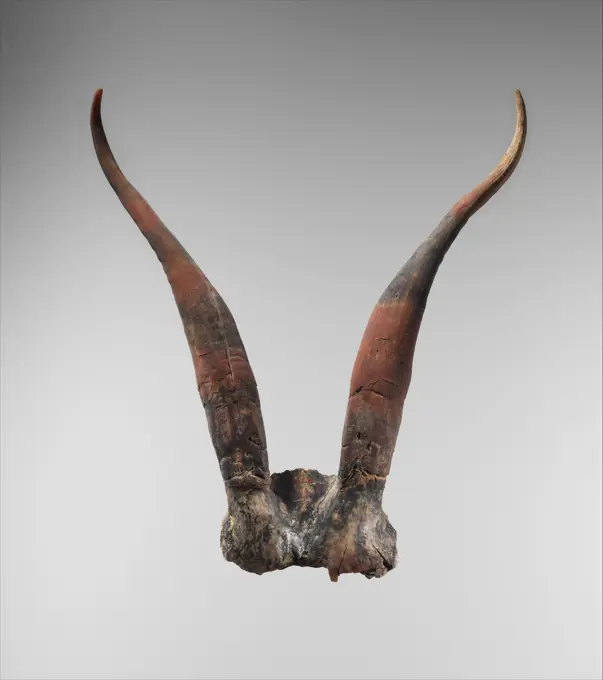
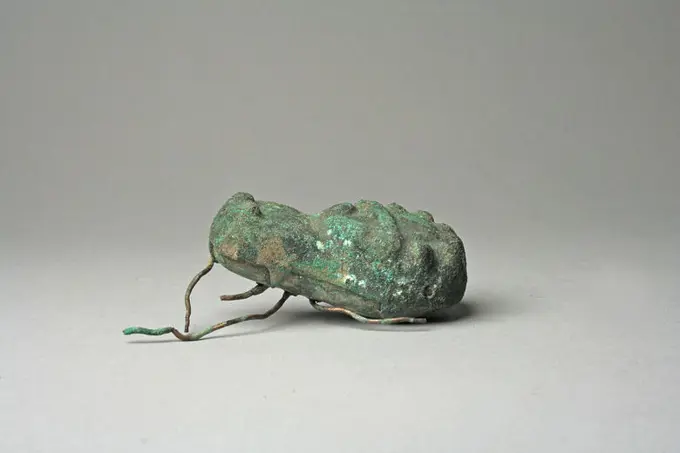
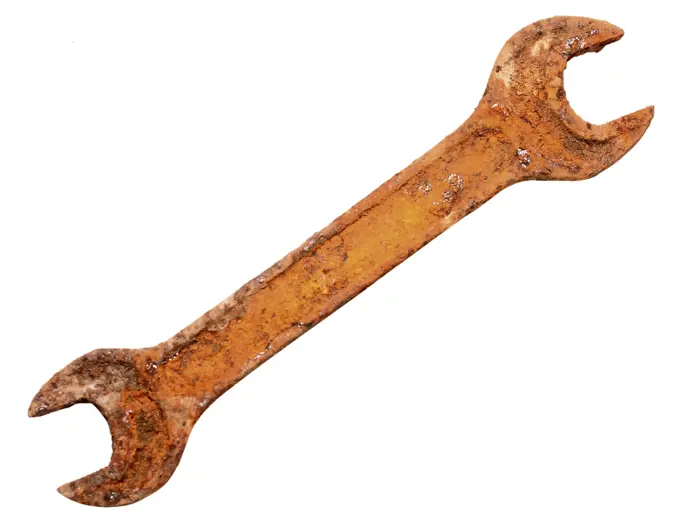
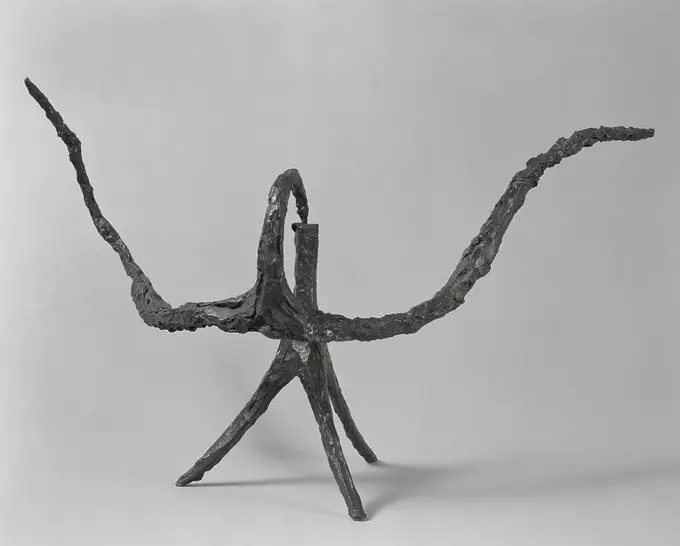
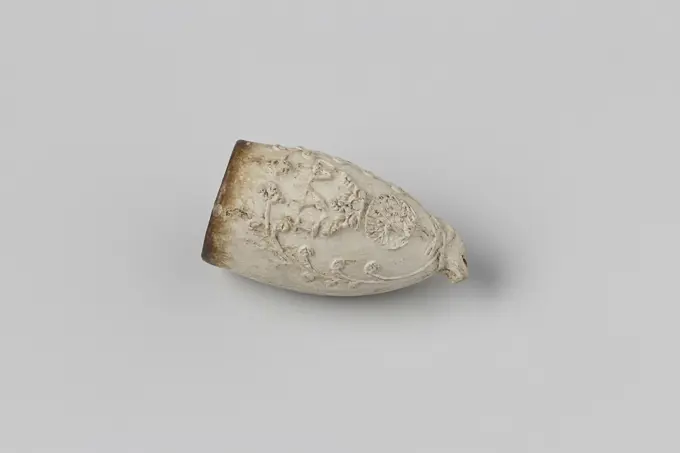
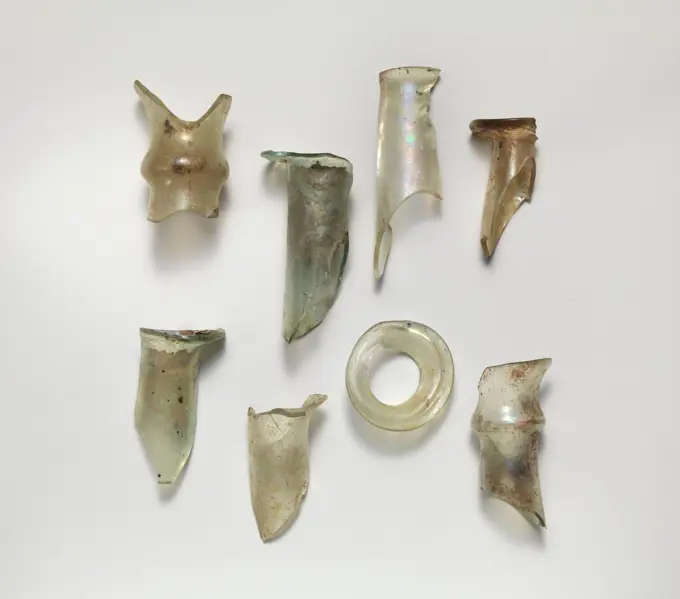
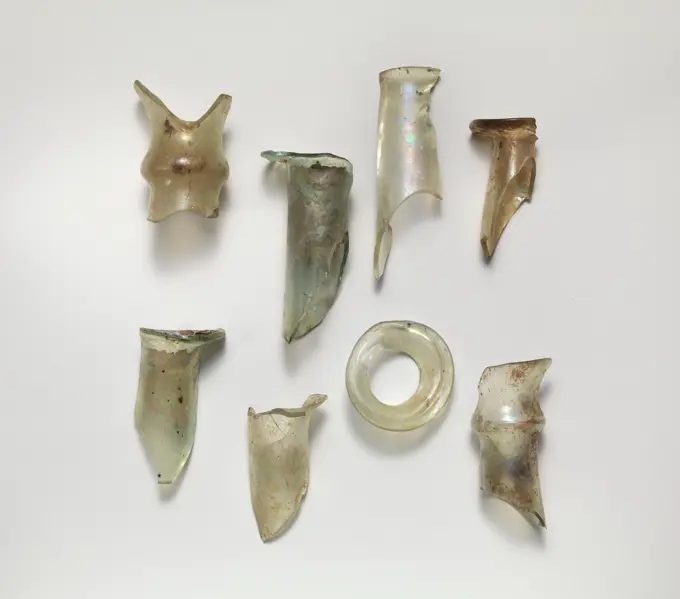
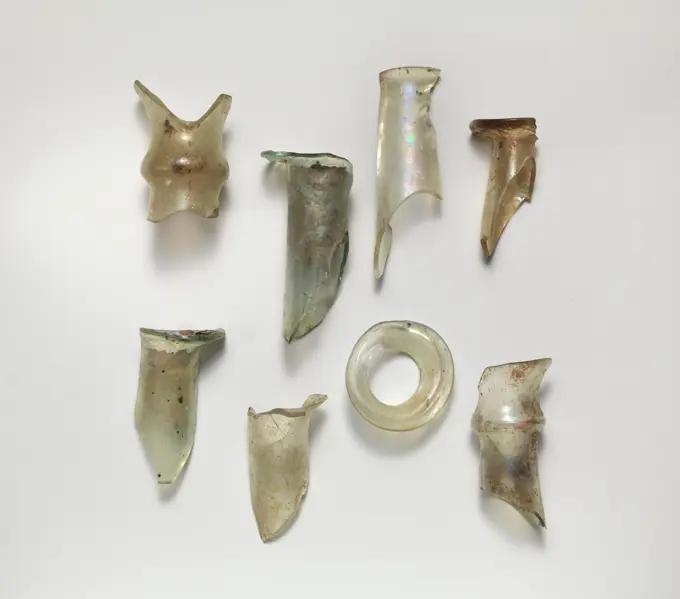
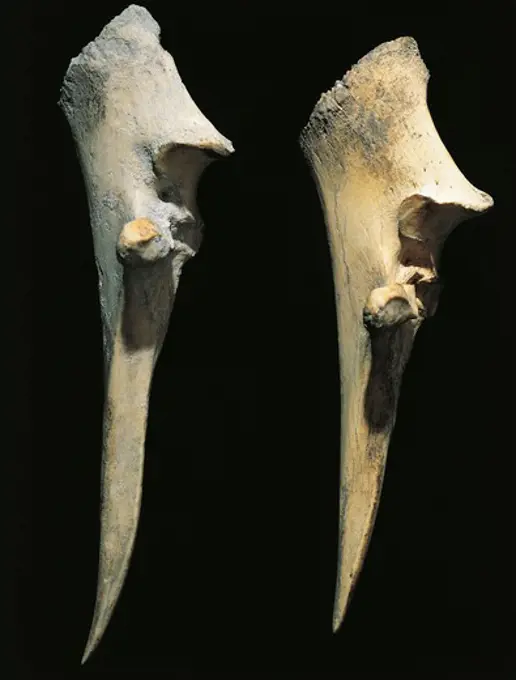
Belt Hook, 475-221 BC. China, Warring States period (475-221 BC). Front: bronze inlaid with gold and turquoise; back: gilt bronze; overall: 18.4 cm (7 1/4 in.).Horn late 19th century Burmese Horns fitted with a vibrating reed on their sides are found in Southeast Asia and are known by several names Kwai (Myanmar), sneng (Cambodia) and tödiap (Vietnam). Probably originally used in warfare and as alarms, they may be used in rituals and funerals.. Horn 500803vintage herb cutting mezzaluna knife ovr white, clipping pathProfile Figure Pendant Wearing Crocodile Mask and Bird-Shaped Headdress. Costa Rica, 300-700 CE. Stone. JadeiteFragments Werra pottery, sludge technique and sgraffito, dish plate bowl crockery holder soil find ceramics earthenware clay engobe glaze lead glaze, hand-turned glazed petite sgraffito baked Fragments of Werra pottery. Red shard Decorated in sludge technology ring-seal technique and sgraffito White engobe green accents obtained by application of copper oxide. Depictions include: archeology Rotterdam City Triangle Schielandshuis decorate serve serve food Soil discovery: Schielandshuis during the restoration.Via Laurientina-Acqua Acetosa. Protohistoric necropolis. 9th-8th BC. Grave goods. Spearhead. Italy. National Roman Museum. The Baths of Diocletian. Rome. Italy.Fragment of a loading stick from the wreck of the East Indied Flying Heart. A loading stick is a stick with which the charge of a gun was previously indicated. Ramrad.Hammered Silver Miniature Drum 11th-mid-15th century Chimú or Chancay. Hammered Silver Miniature Drum 308971Handle of a jug 6th century B.C. Cypriot. Handle of a jug 244343Calipers, 1600s. Europe, 17th century. overall: 30.5 x 15.9 cm (12 x 6 1/4 in.).Gun-Lock Hammer, c. 1800-1825. England, early 19th century. overall: 6.4 x 3.8 cm (2 1/2 x 1 1/2 in.).Three Frog Pendants 11th-16th century Chiriqui. Three Frog Pendants 313113Fish Ornament. Culture: Peru; central coast (). Dimensions: L. 2 1/2 in. (6.4 cm). Date: 11th-12th century. Museum: Metropolitan Museum of Art, New York, USA.Fingernail Protector, early 1900s. China. overall: 9.6 cm (3 3/4 in.).S-Volute belonging to a porch, Anonymous, 1687 S-Volute belonging to a porch. Northern Netherlands wood (plant material). oak (wood). linden S-Volute belonging to a porch. Northern Netherlands wood (plant material). oak (wood). lindenPattens, or overshoes, anonymous, c. 1695 - c. 1715 Pattijn or overshoe with a thick sole made of wood, two cattle leather tires and a high position ring of iron. Northern Netherlands whole: Wood (plant material). Bottom: Iron (metal). Band: Leather Pattijn or overshoe with a thick sole made of wood, two cattle leather tires and a high position ring of iron. Northern Netherlands whole: Wood (plant material). Bottom: Iron (metal). Band: LeatherGunpowder measure Kuchenreuter, Johann Andreas, I (1716 1795)Pin 3rd-4th century Late Roman. Pin 464995 Late Roman, Pin, 3rd4th century, Copper alloy, glass cabochon, Overall: 2 7/8 x 7/8 x 9/16 in. (7.3 x 2.3 x 1.5 cm). The Metropolitan Museum of Art, New York. Gift of J. Pierpont Morgan, 1917 (17.191.287)Broken ring -shaped fragment from the wreck of the East Indians Hollandia, Anonymous, 1700 - in Or Before 1743 fragment Varied parts or fragments, rings or ring-shaped fragments; fragm, id. 80H625. Netherlands copper (metal)   SecondCzech Republic, Brno, Etnograficke Muzeum Moravskeho Muzea v Brne, Bone amulet and stylized female statuette from Dolni VestoniceAmulet - hipopotam. unknown, authorSet of Sword Fittings (Mitokoromono). Culture: Japanese. Dimensions: 29.100.1357a: L. 1 1/2 in. (3.8 cm); W. 7/8 in. (2.2 cm) 29.100.1357b: L. 1 3/8 in. (3.5 cm); W. 5/8 in. (1.6 cm) 29.100.1357c: L. 1 1/4 in. (3.2 cm); W. 1/2 in. (1.3 cm) 29.100.1357d: L. 1 3/4 in. (4.4 cm); W. 5/8 in. (1.6 cm); 29.100.1357e: L. 1 1/8 in. (2.9 cm); W. 5/8 in. (1.6 cm). Date: ca. 1615-1868. Museum: Metropolitan Museum of Art, New York, USA.Bronze mirror late 4th century B.C. Praenestine Apollo playing the kithara and holding a laurel wreath with an unidentified nude female. Bronze mirror 251055 Praenestine, Bronze mirror, late 4th century B.C., Bronze, Other: 6 3/8 x 12 1/2 in. (16.2 x 31.8 cm). The Metropolitan Museum of Art, New York. Rogers Fund, 1921 (21.88.29)Disk Ornament 6th-7th century Moche (Loma Negra). Disk Ornament 314542Emilia-Romagna Ferrara Ferrara Museo Civico di Schifanoia91. Hutzel, Max 1960-1990 General Notes: INCOMPLETE RECORD--NEGATIVES PROCESSED, PRINTS FILED German-born photographer and scholar Max Hutzel (1911-1988) photographed in Italy from the early 1960s until his death. The result of this project, referred to by Hutzel as Foto Arte Minore, is thorough documentation of art historical development in Italy up to the 18th century, including objects of the Etruscans and the Romans, as well as early Medieval, Romanesque, Gothic, Renaissance and Baroque monuments. Images are organized by geographic region in Italy, then by province, city, site complex and monument.Vajra 12th century Thailand or Cambodia. Vajra. Thailand or Cambodia. 12th century. Bronze. Sculpture. Fragment of the slot plate of a snaphane lock. In the rooster a piece of profiled flint is clamped using a screw with eye. The curiously formed rooster is attached by the lock plate with an axis. At the axle is one of the traces of the rooster, which connects the rooster with the battle feather. On the inside of the lock plate there is still the remains of the rod and the deposit that has been fired by the lock. The rooster belongs to another fragment of the same slot to which a steel is attached (RM NM-7763). It is a snap shutter from the Nordic model from Norway or Russia.Armlet, 1800s. Silesia, 19th century. Silver gilt; overall: 45.7 cm (18 in.).Key. Culture: French (). Dimensions: Overall: 3 3/8 x 2 3/8 x 1/2 in. (8.5 x 6.1 x 1.3 cm). Date: 13th century (). Museum: Metropolitan Museum of Art, New York, USA.Gun-Lock Hammer, early 1800s. England, early 19th century. overall: 6.4 x 3.8 cm (2 1/2 x 1 1/2 in.).Fragments Pijpenkoppen from the wreck of the East Indians Hollandia, Anonymous, 1700 - in Or Before 1743  Pipe, bowl, heelmark: coat of arms of the city of Amsterdam; fragm, 2hsm2, 1hsm2. Netherlands pipe clay   SecondFloating Balloon, A. Scheerboom, c. 1826  Balloon of oiled bladder, tied together around a wooden tube, the mouthpiece, closed with a rounded wooden cap. Netherlands wood (plant material). ropeShofar Russian 19th century View more. Shofar. Russian. 19th century. horn. Russia. Aerophone-Lip Vibrated-hornTubular armlet with ram head, from Iran. Dated 9th CenturyTaweret amulet ca. 2150-1950 B.C. Late Old Kingdom-Early Middle Kingdom. Taweret amulet 555601Bell 10th-16th century Mexican. Bell. Mexican. 10th-16th century. copper. Pre-Columbian. Mexico. Idiophone-Shaken-crotal bellSpur. UnknownKeyhole Plate 1700-1800. Keyhole Plate. 1700-1800. BrassHand Weapon. Hawaiian Islands, circa 1778. Arms and Armor. Wood and shark teethRing -shaped fragment from the wreck of the East Indians Hollandia, Anonymous, 1700 - in Or Before 1743 fragment Varied parts or fragments, rings or ring-shaped fragments; fragm, eroded, id. 80H704. Netherlands copper (metal). concretionary stone   SecondDetail.Sweden, Blekinge, Blekinge, Karlskrona, Karlskrona, External War Gogs (depicted, City)Glass Fragment 13th-14th century European. Glass Fragment. European. 13th-14th century. Colorless glass. Glass-StainedLinen from wrappings in the shape of an animal corpse (Imiut). Dynasty: Dynasty 12. Reign: reign of Amenemhat II. Date: ca. 1919-1885 B.C.. Museum: Metropolitan Museum of Art, New York, USA.Pendants 9th-10th century. Pendants. 9th-10th century. Bronze; cast. Excavated in Iran, Nishapur. MetalEmilia-Romagna Ferrara Ferrara Museo Civico di Schifanoia55. Hutzel, Max 1960-1990 General Notes: INCOMPLETE RECORD--NEGATIVES PROCESSED, PRINTS FILED German-born photographer and scholar Max Hutzel (1911-1988) photographed in Italy from the early 1960s until his death. The result of this project, referred to by Hutzel as Foto Arte Minore, is thorough documentation of art historical development in Italy up to the 18th century, including objects of the Etruscans and the Romans, as well as early Medieval, Romanesque, Gothic, Renaissance and Baroque monuments. Images are organized by geographic region in Italy, then by province, city, site complex and monument.Isolated objects: very old rusty horseshoe, isolated on white backgroundShort Sword with Ornate Handle 6th-5th century B.C. North China. Short Sword with Ornate Handle. North China. 6th-5th century B.C.. Bronze. MetalworkWings, hemisphere of green wool lined with green cloth, for hunters or voluntary hunters, c. 1830  Semi -round green woolen shoulder cover, lined with green sheet. With green Lakense Epaulet, yellow gorgeed with buttonhole. Lasses for confirmation are missing. Netherlands wool. cloth   NetherlandsSalt with hinged cover 1894 Russian. Salt with hinged cover. Russian. 1894. Silver gilt. Metalwork-SilverEmilia-Romagna Ferrara Ferrara Museo Civico di Schifanoia21. Hutzel, Max 1960-1990 General Notes: INCOMPLETE RECORD--NEGATIVES PROCESSED, PRINTS FILED German-born photographer and scholar Max Hutzel (1911-1988) photographed in Italy from the early 1960s until his death. The result of this project, referred to by Hutzel as Foto Arte Minore, is thorough documentation of art historical development in Italy up to the 18th century, including objects of the Etruscans and the Romans, as well as early Medieval, Romanesque, Gothic, Renaissance and Baroque monuments. Images are organized by geographic region in Italy, then by province, city, site complex and monument.Djed Pillar Amulet ca. 1070-945 B.C. Third Intermediate Period. Djed Pillar Amulet 587554Amulet - dwugłowy wąż. unknown, authorPhallic amulet. Copper alloy. Gallo-Roman time. Paris, Carnavalet museum. Phallic amulet Copper alloy, phallic amulet, antiquity, brown dore, Gallo-Roman time, full melting, phallus, ancientHalskette aus scheibenförmigen Perlen necklace of discoidal beads, Goikolau cave, Berriatua, Arkeologi Museoa, aqueologico museum, Bilbao, Bizkaia, Pais Vasco, Spain Copyright: xZoonar.com/Tolox 22845486Tabakspijp., anonymous, c. 1400 - c. 1950 Tobacco pipe, on the stem: Losanges, in which a lily stamp lily, below that  earthenware. pipe clay Tobacco pipe, on the stem: Losanges, in which a lily stamp lily, below that  earthenware. pipe clayWomen's shoe made of dark blue calfskin with dark blue lace and horizontal snotted narrow tires on the forefoot. Ladies shoe made of darkl blue calfskin with dark blue lace of rips silk. Model: rounded spitce nose, leaves from one piece leather. Closure in the middle of the instep through two rows of five fat agents with a dark blue lace. A blue bead is attached to the ends of the lace. The front of the heel runs straight down in a rounded corner. The side and back of the heel is slightly fitted and covered with dark blue calf leather. Brown leather rear flap with six nails to the heel fired and brown leather sole. Shoe lined with black leather. The tongue is lined with cream-colored felt. The heel is reinforced with a T-shaped piece of roughly leather. The insole is made of black leather. Decoration: The forefoot is decorated with horizontal absolute narrow tires. Vertical of the lacing to the tip of the foot runs a dark bald band calf leather. On the heel from the heel to the shaft bPost horn, anonymous, c. 1800 - c. 1850 Posthoorn in As. Three turns. With mouthpiece.  brass (alloy) Posthoorn in As. Three turns. With mouthpiece.  brass (alloy)Architectural ModelBucrania skulls with antlers ca. 1640-1550 B.C. Second Intermediate Period. Bucrania skulls with antlers 576445Spider Ornament. Culture: Moche (Loma Negra). Dimensions: H x W: 1 9/16 x 2 3/4in. (3.9 x 7cm). Date: 390-450. Museum: Metropolitan Museum of Art, New York, USA.Fish Ornament. Culture: Peru; central coast (). Dimensions: L. 2 5/8 in. (6.7 cm). Date: 11th-12th century. Museum: Metropolitan Museum of Art, New York, USA.rusty wrench isolated on whiteCopper Lime Spoon with Crocodile before 16th century Peruvian. Copper Lime Spoon with Crocodile 315359Antlers. Alexander Calder; American, 1898-1976. Date: 1944. Dimensions: 43.8 x 81.2 x 48.2 cm (17 1/4 x 32 x 19 in.). Bronze; number two from an edition of six. Origin: United States. Museum: The Chicago Art Institute, Chicago, USA.Bronze twisted-wire bracelet 9th-8th century B.C. Italic A bracelet composed of wire twisted into a tight spiral.. Bronze twisted-wire bracelet 256040Bliżej Kultury unknownFragment blowjob. Fragment blowjob with a crown, a peacock and the letters l u w, enclosed by flower reflection. Of the excavations at the Hofstede Arentsburg 1827-1831 under the supervision of professor Reuvens.Earring. Dimensions: Diam. 2.9 cm (1 1/8 in). Dynasty: Dynasty 18, second half. Date: ca. 1400-1295 B.C.. Museum: Metropolitan Museum of Art, New York, USA.France, Aube, Mailly le Camp, Neckband rom 120-50 B.C., La Tene culture, third phase, goldPadlock, anonymous, c. 1590 - c. 1596 lock Padlock; supposedly bullet lock.  iron (metal) forging  Nova Zembla. Saving HuysFragment European or Middle Eastern ca. 1150-ca. 1250 View more. Fragment. European or Middle Eastern. ca. 1150-ca. 1250. Glass, ceramic. Glass-VesselsFragment European or Middle Eastern ca. 1150-ca. 1250 View more. Fragment. European or Middle Eastern. ca. 1150-ca. 1250. Glass, ceramic. Glass-VesselsFragment European or Middle Eastern ca. 1150-ca. 1250 View more. Fragment. European or Middle Eastern. ca. 1150-ca. 1250. Glass, ceramic. Glass-VesselsFragment European or Middle Eastern ca. 1150-ca. 1250 View more. Fragment. European or Middle Eastern. ca. 1150-ca. 1250. Glass, ceramic. Glass-VesselsBone daggers