Ancient Bronze Artifacts

A collection of ancient bronze votives, beads, and adornments from Greece and Iran, showcasing intricate designs and historical significance.
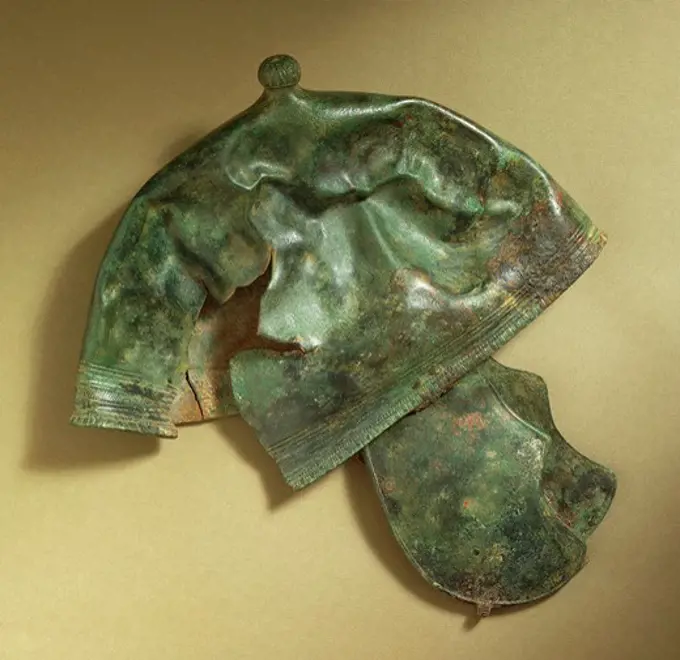
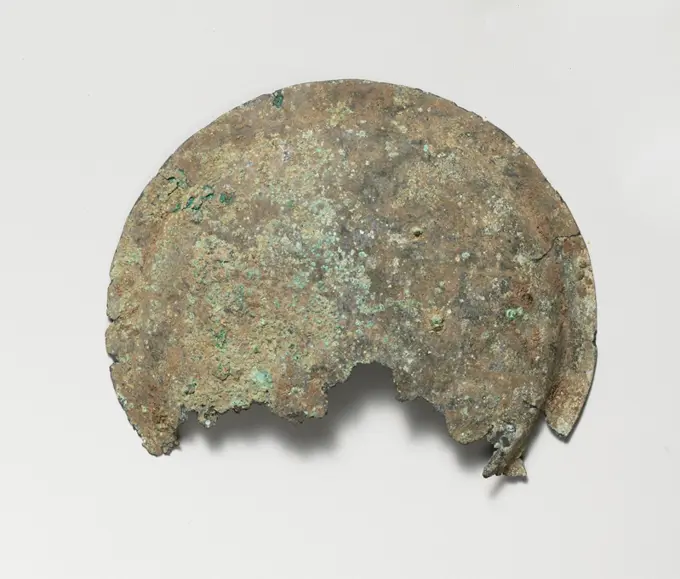
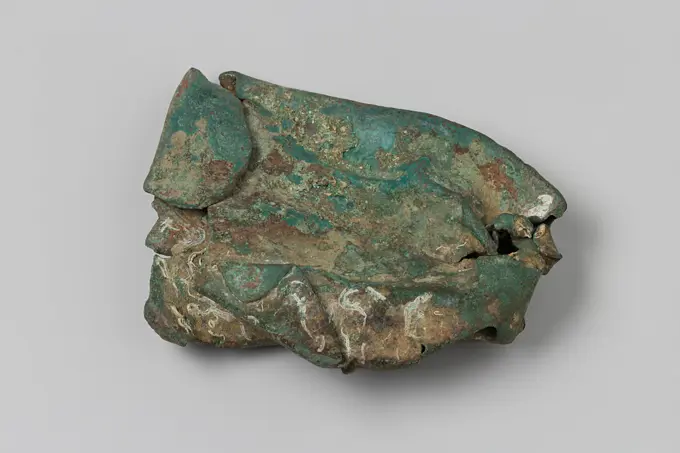
Italic civilizations, Liguri. Helmet. From the grave of a Gaul warrior at Pegazzano, province of La Spezia.
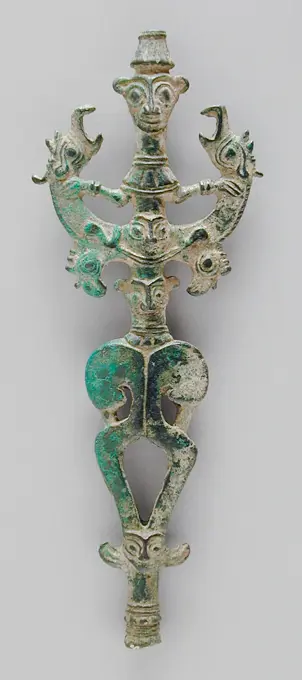
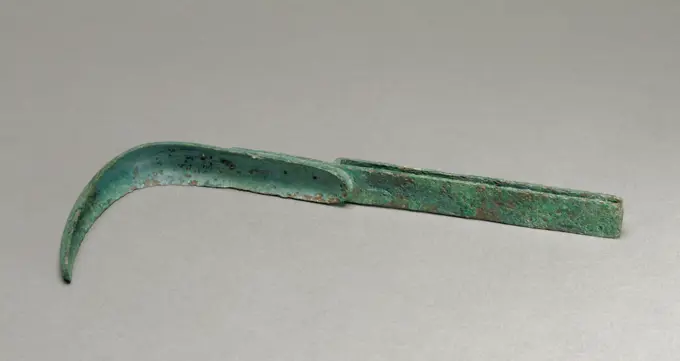
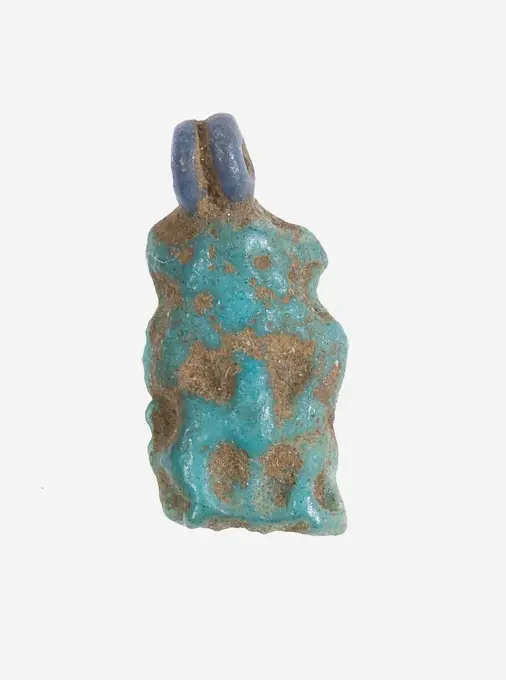
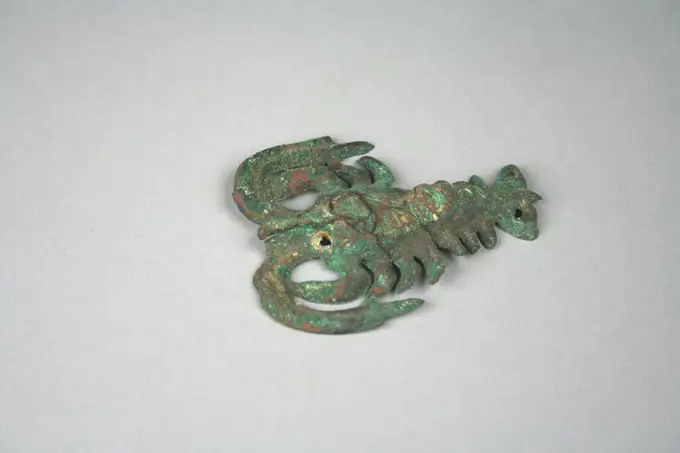
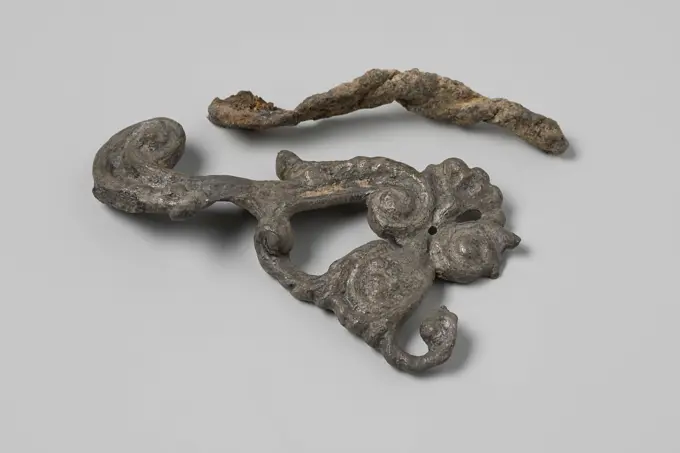
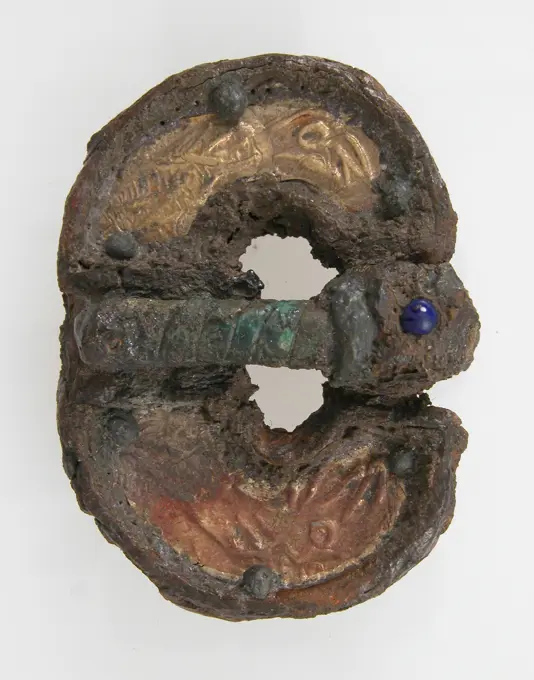
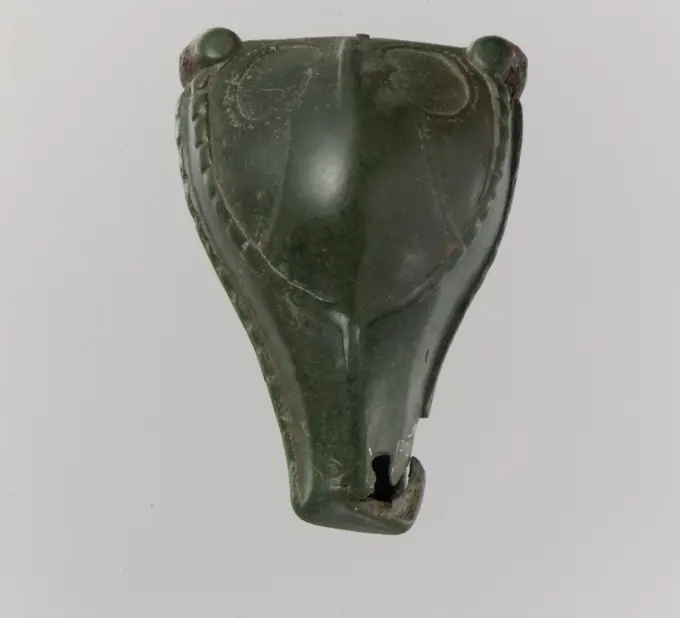
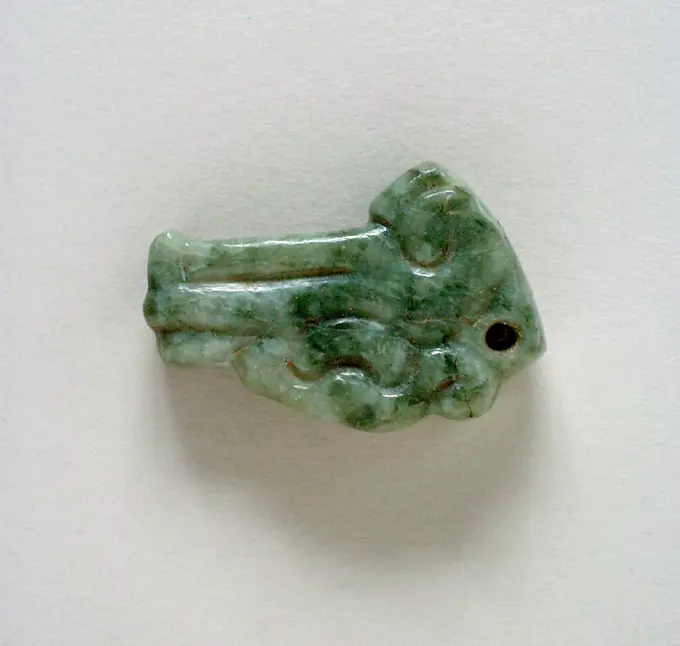
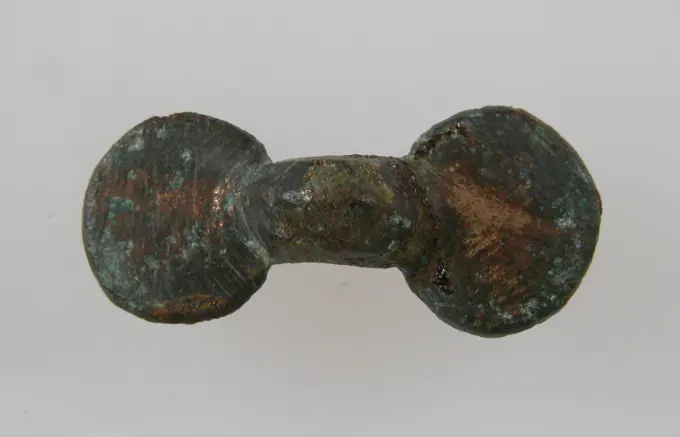
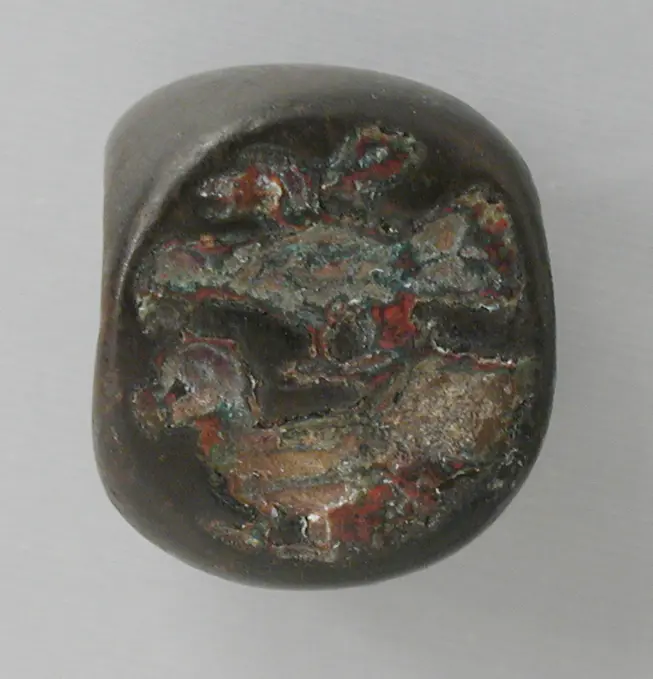
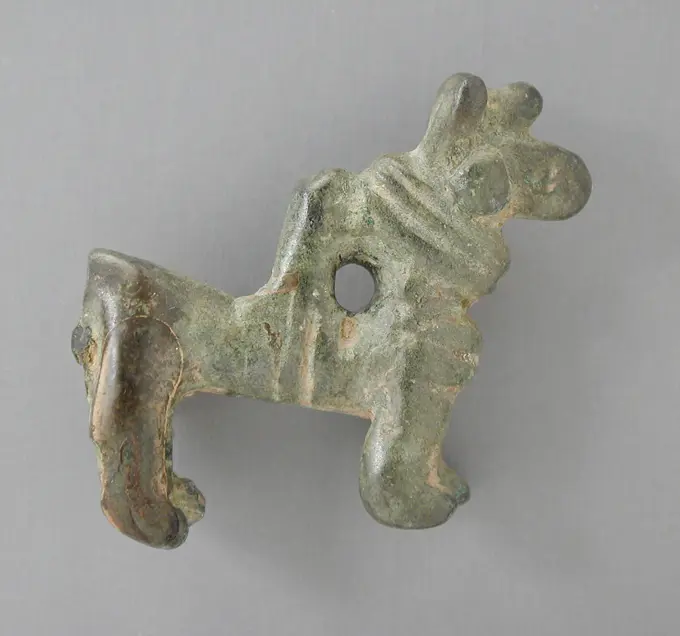
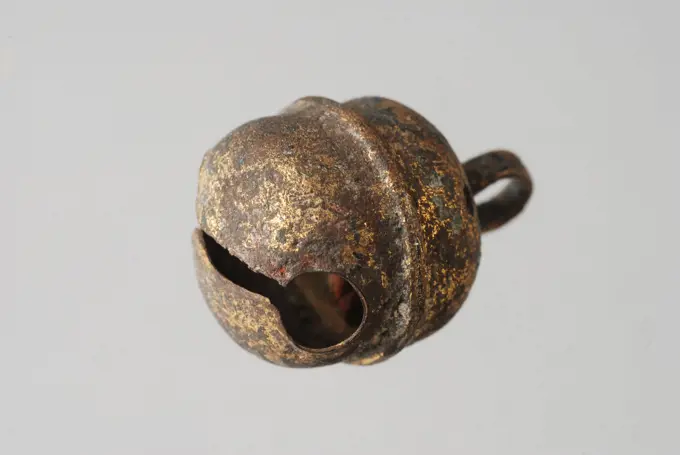
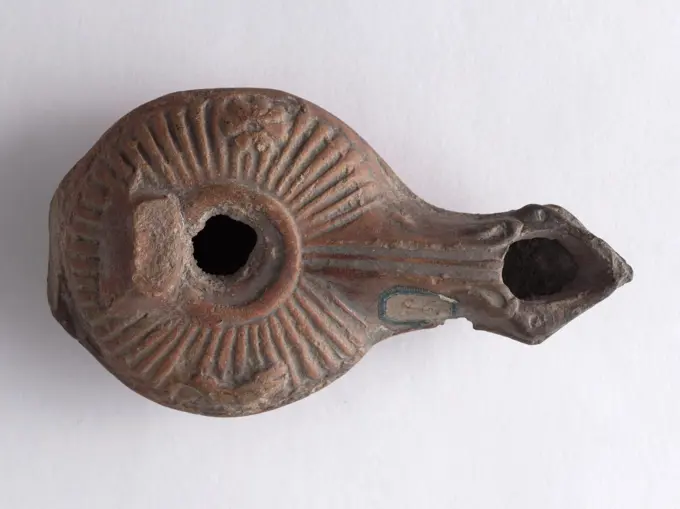
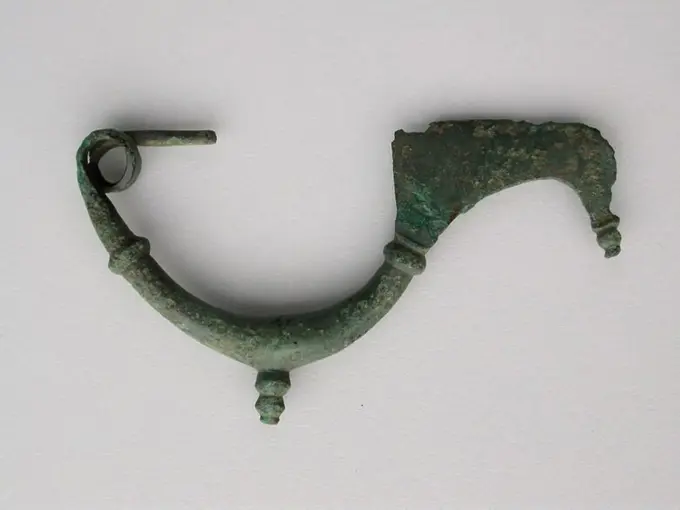
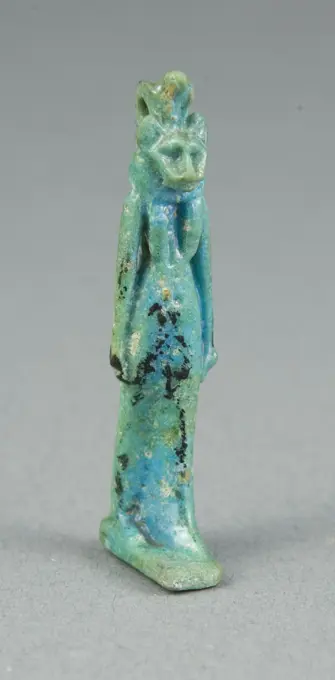
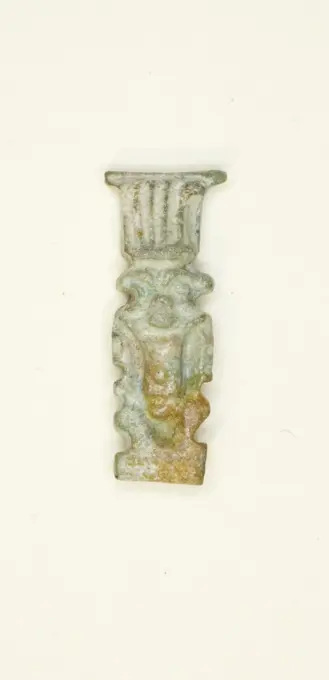
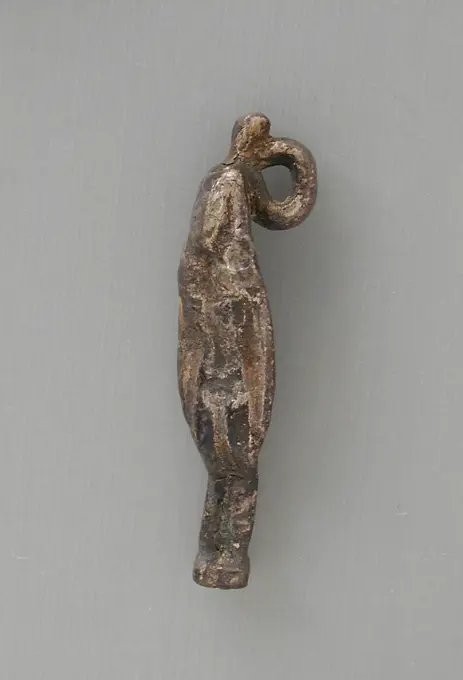
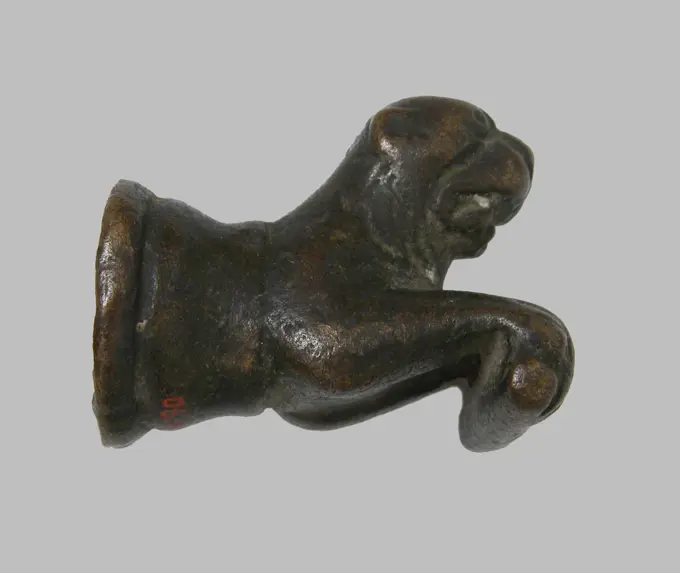
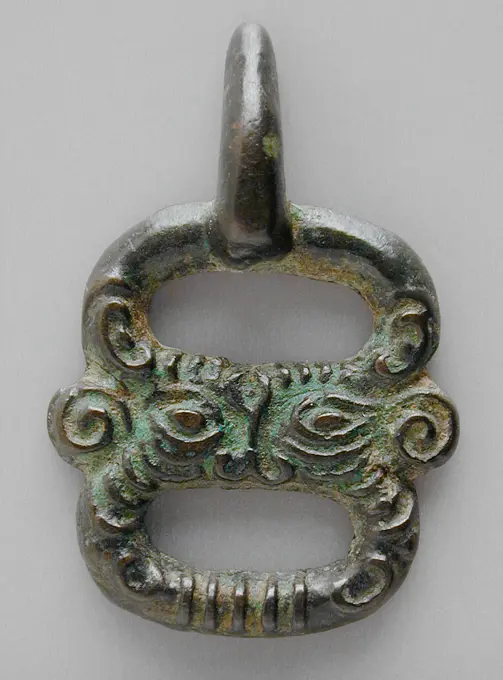
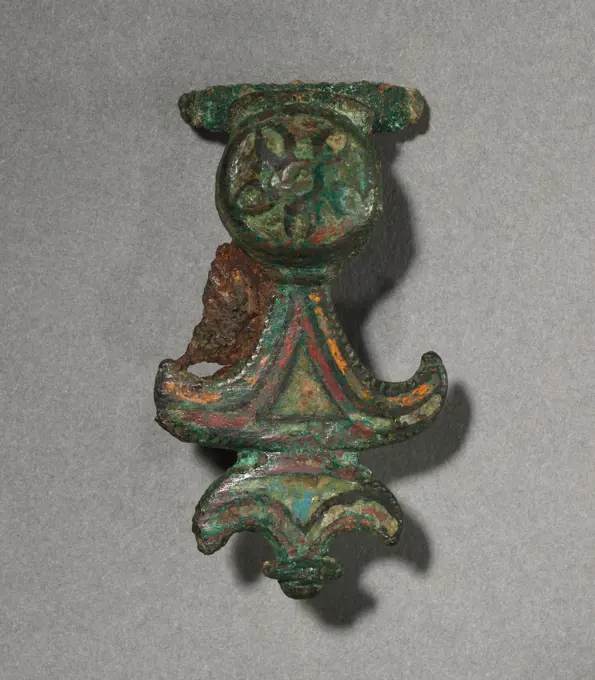
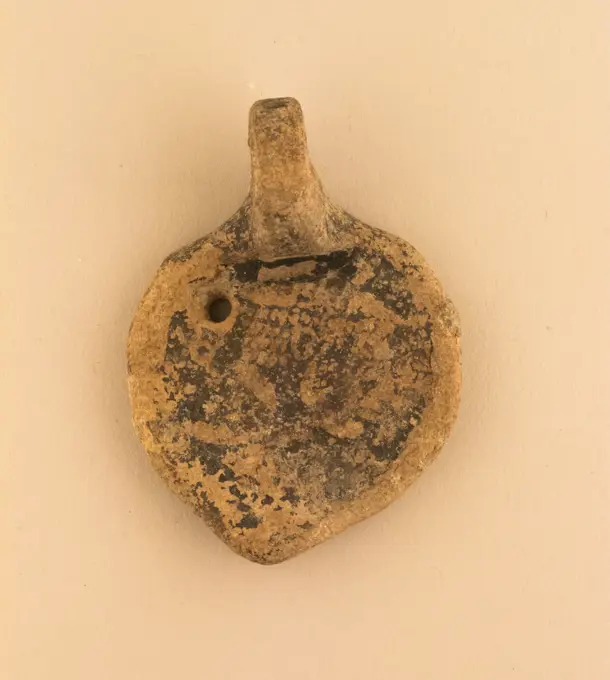
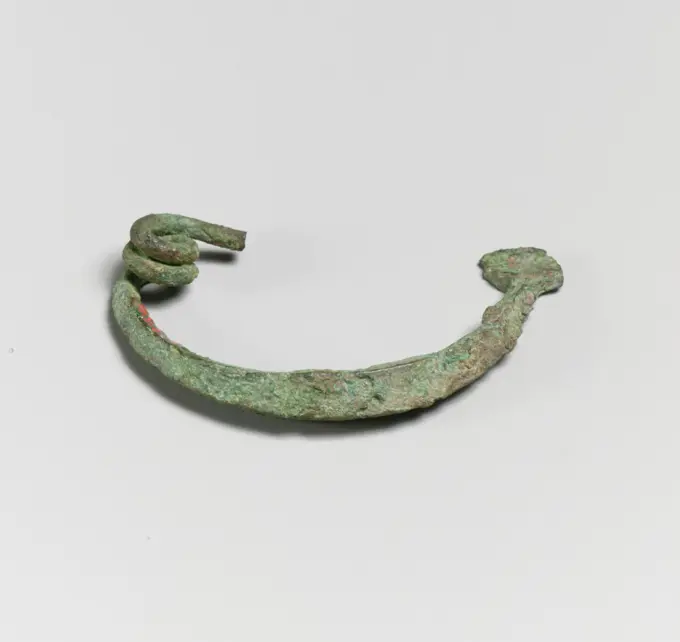
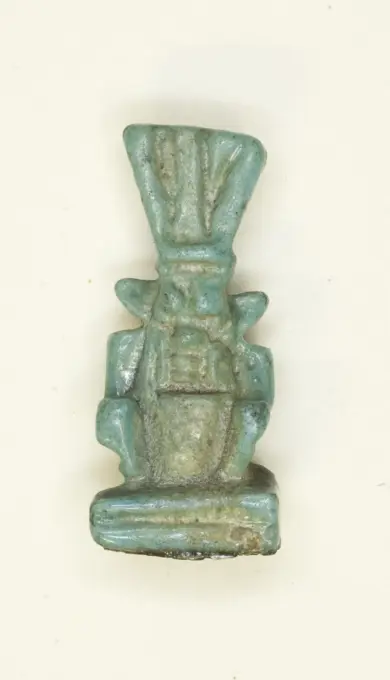
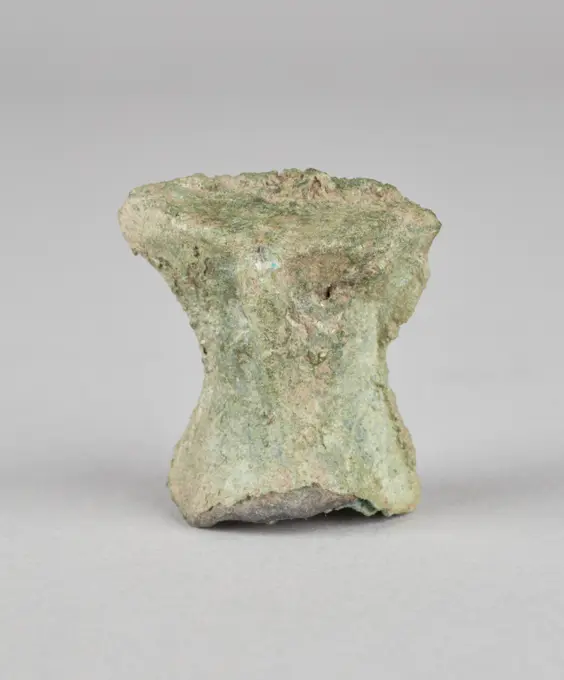
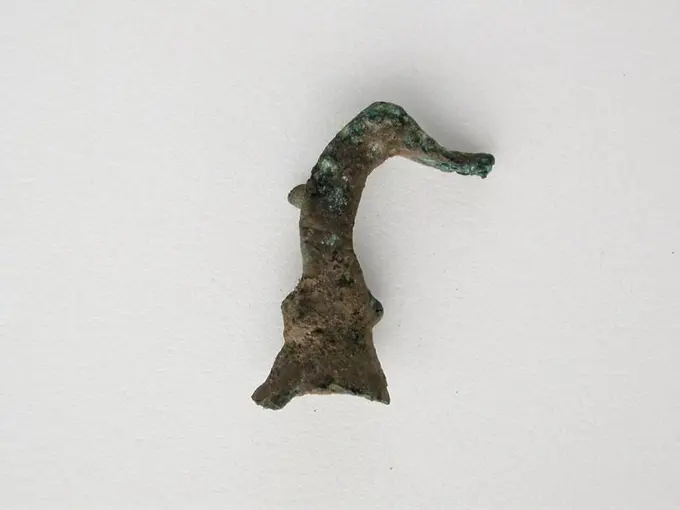
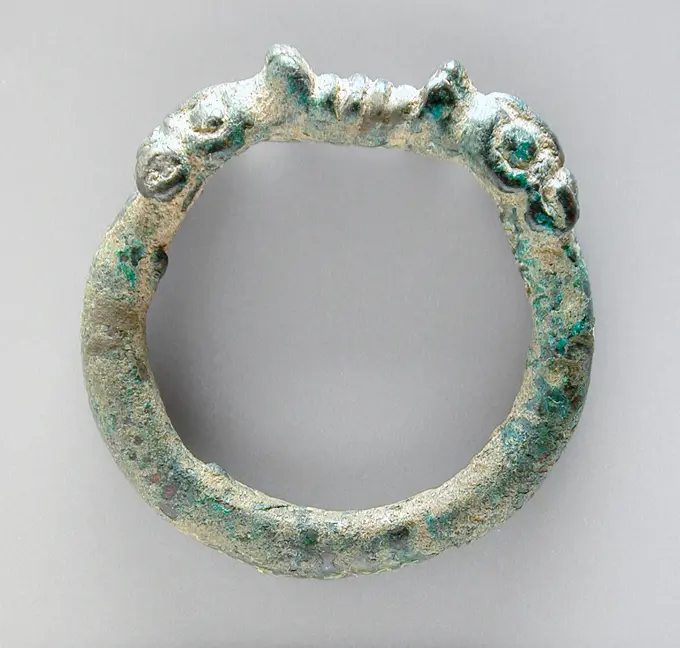
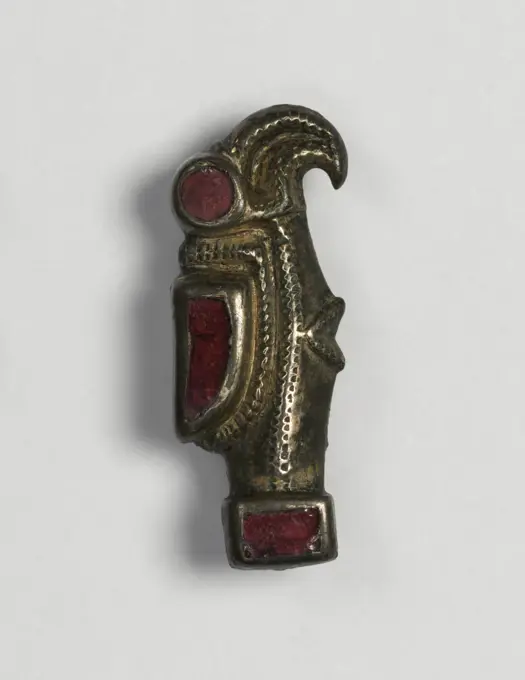
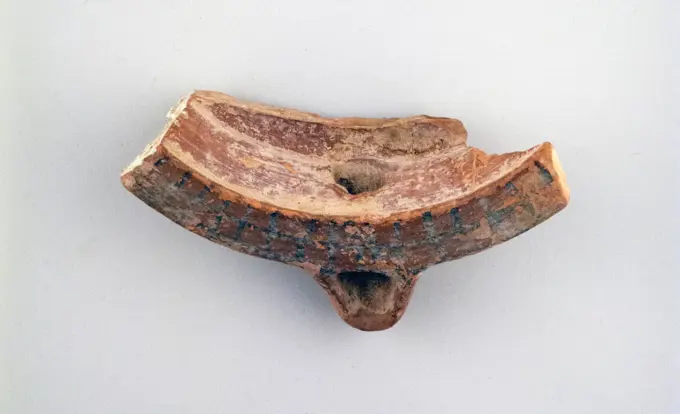
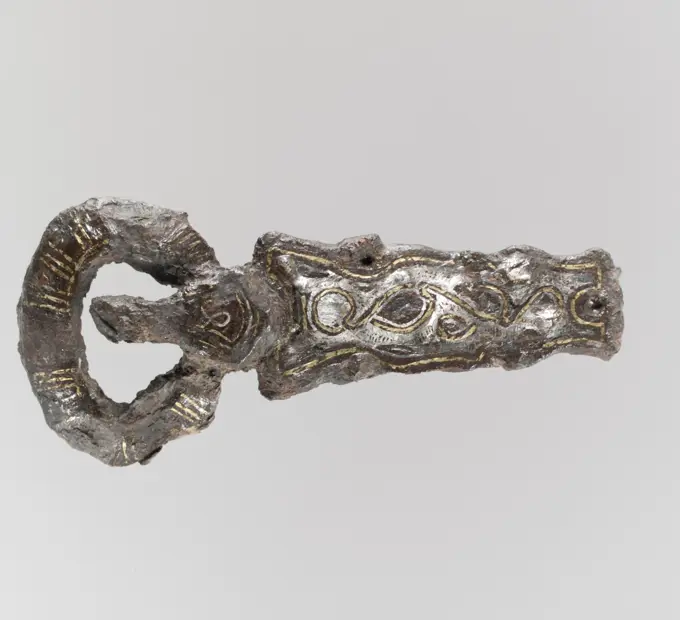
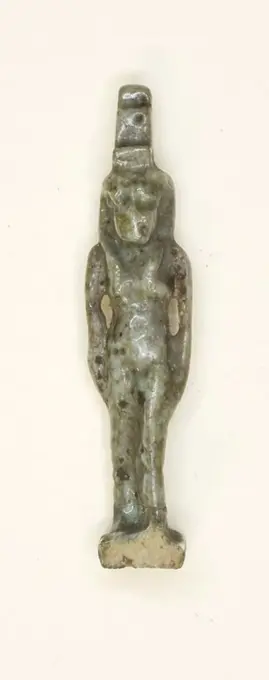
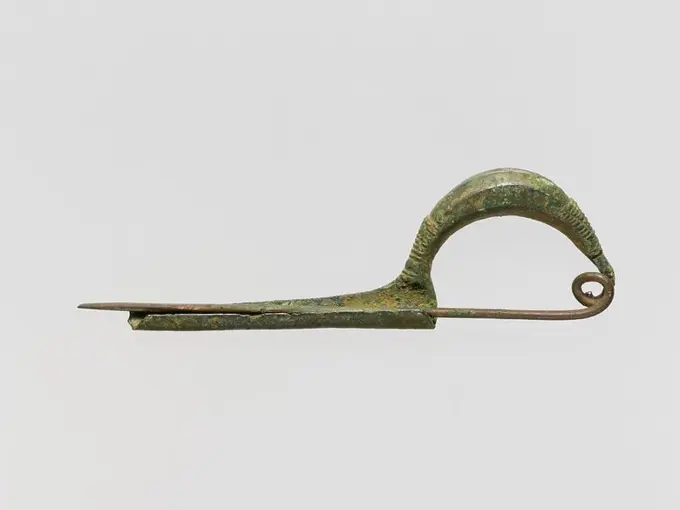
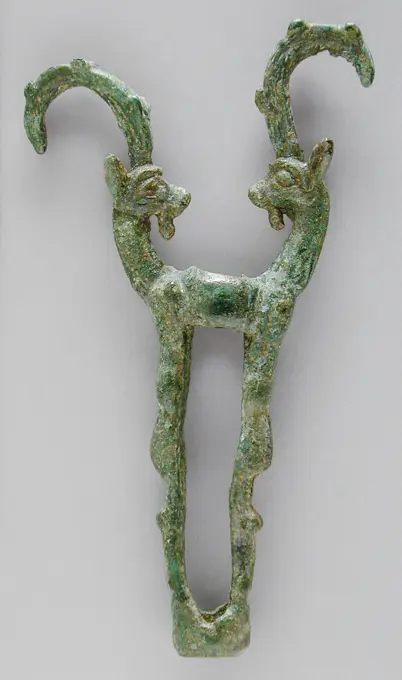
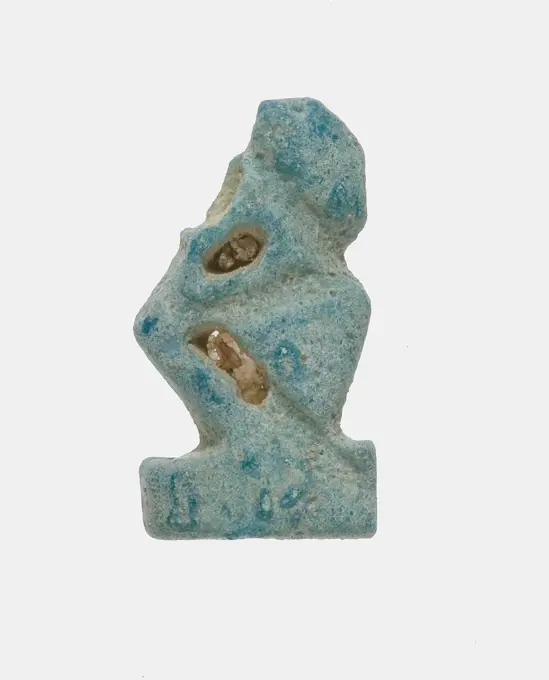
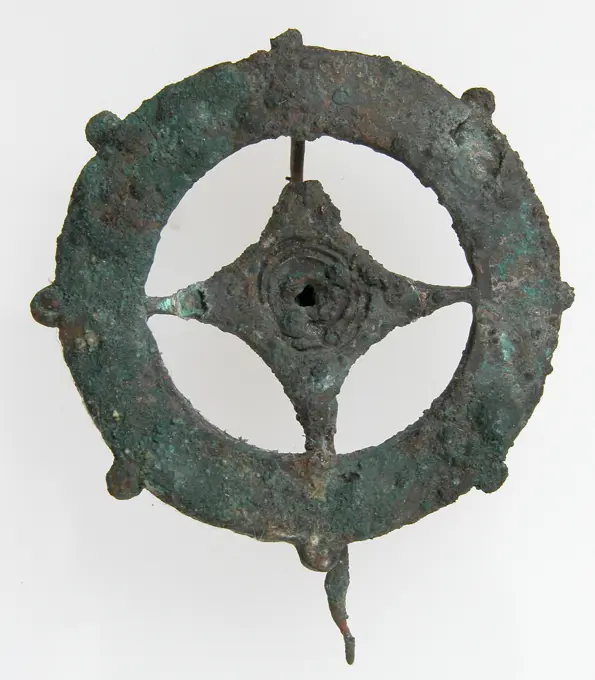
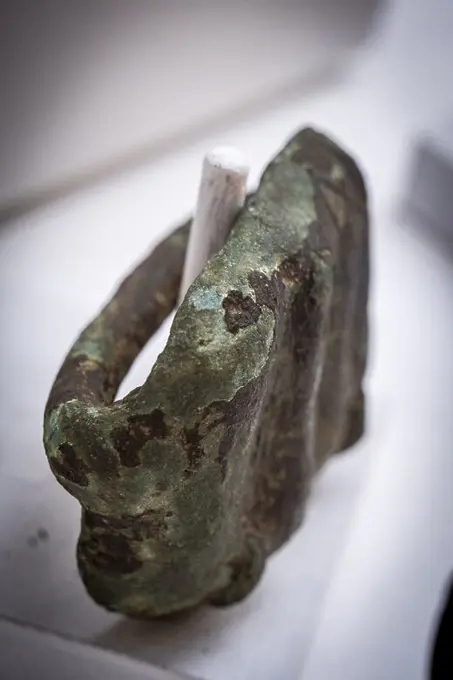
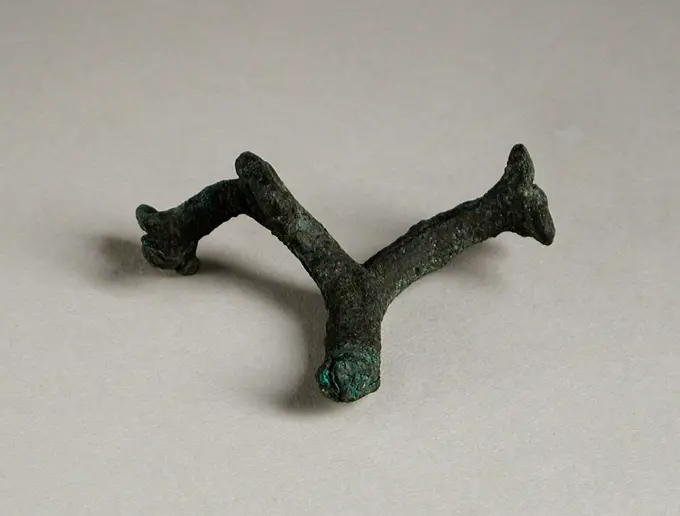
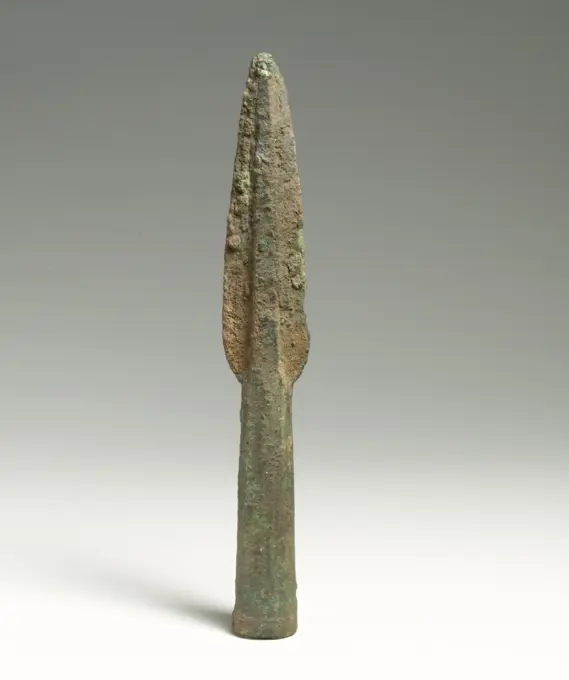
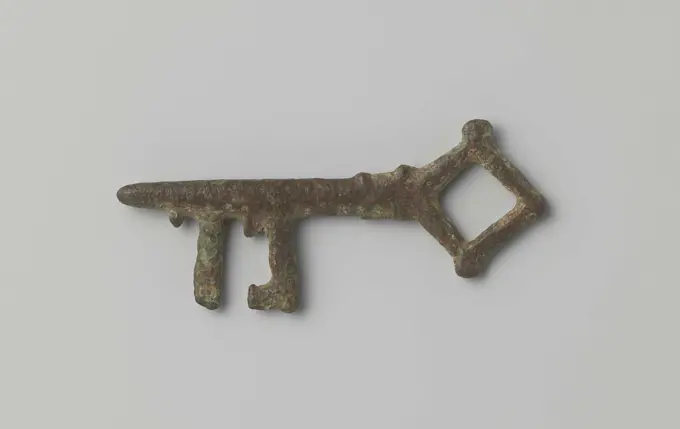
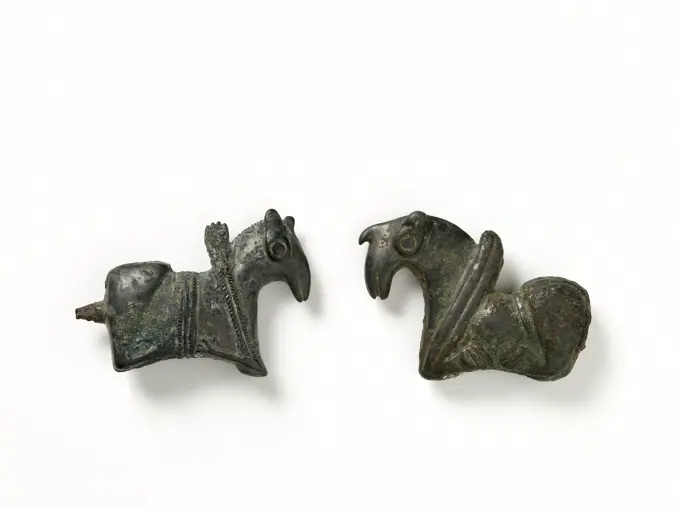
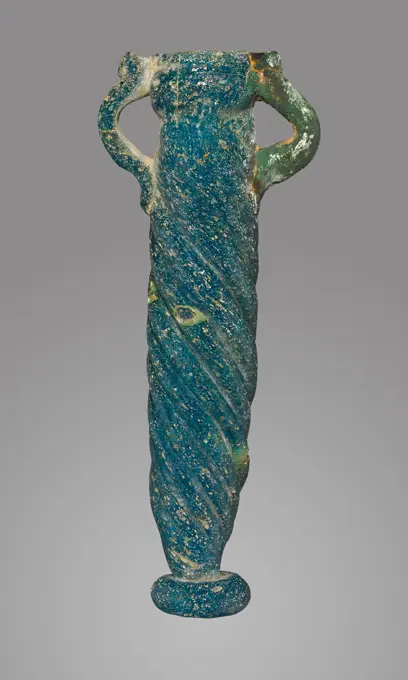
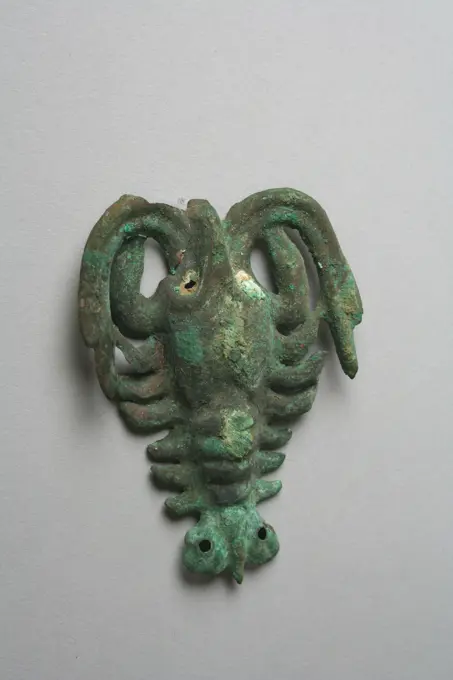
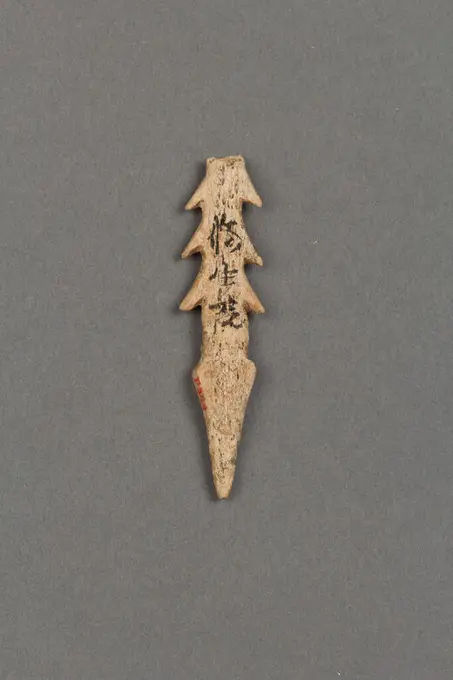
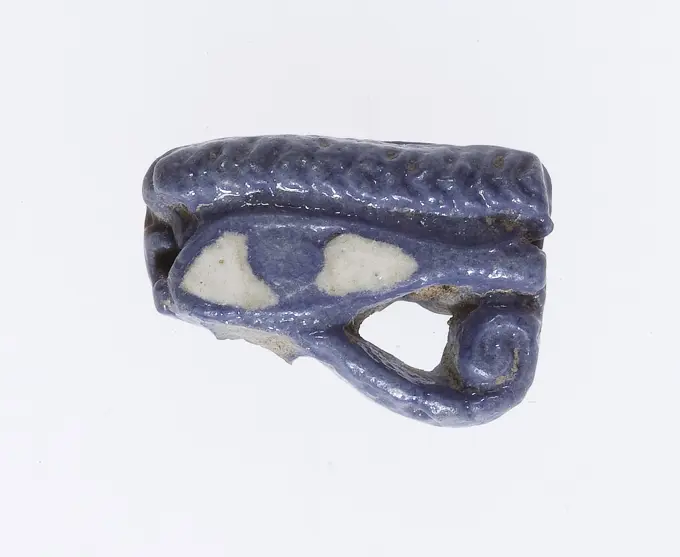
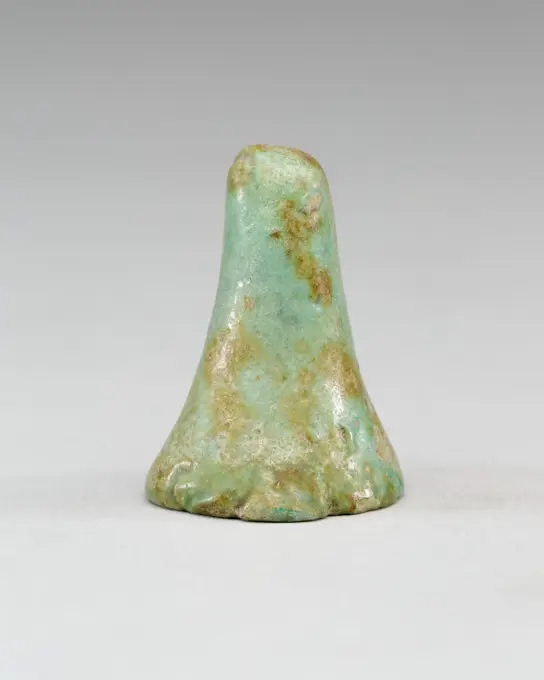
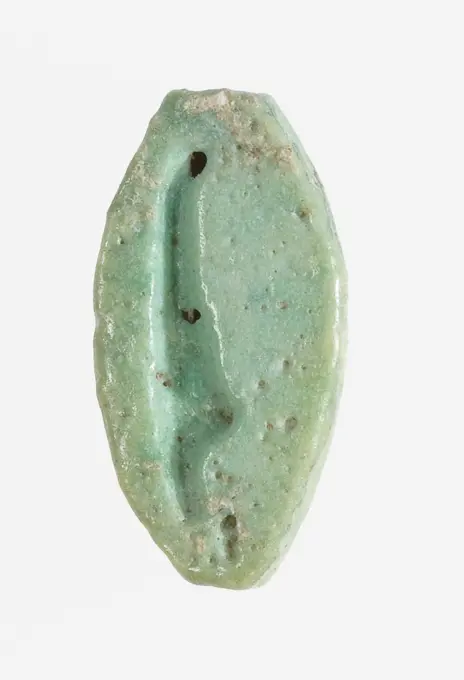
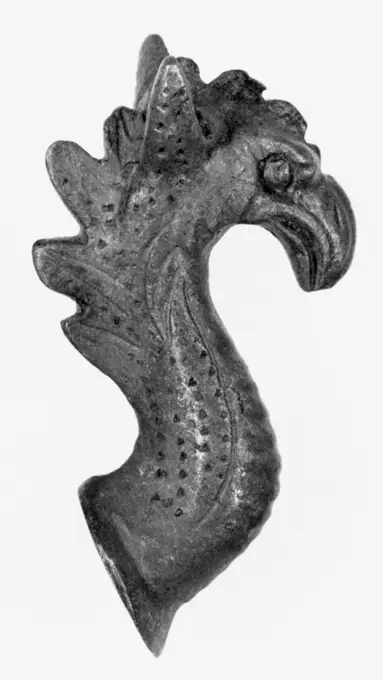
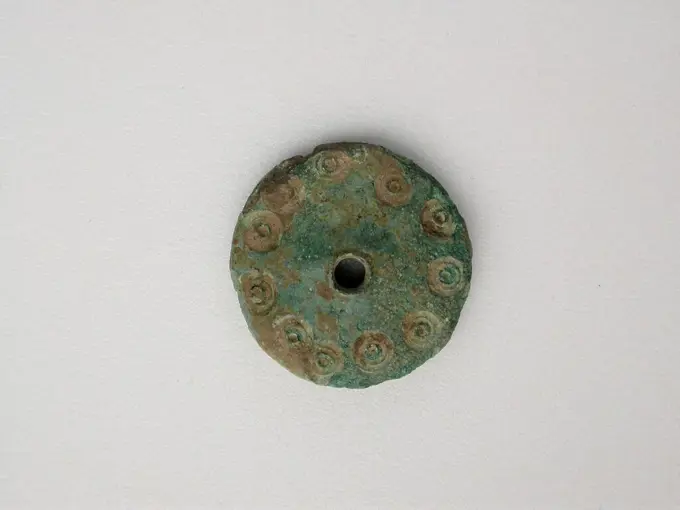
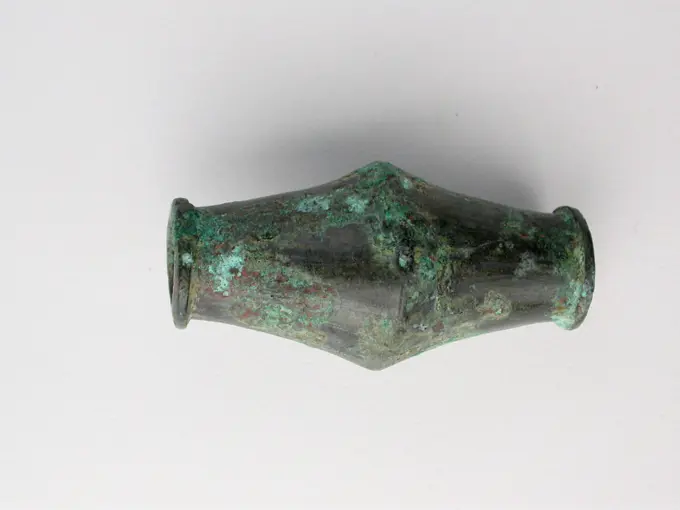
Biconical Bead 800 BCE-600 BCE Greece. These precious bronzes objects are votives, or devotional gifts, made for gods. They come in many forms. Some are miniature sculptures of animals, mostly depicting horses, deer, and birds. Others are items of personal adornment, including beads and brooches. Quite a few seem once to have been attached to something else. This assemblage is characteristic of the thousands of votives that were hung from sacred trees or placed in sanctuaries around Greece. Once a shrine was full, the votives were gathered together and ceremonially buried to make room for more offerings. This comes from Thessaly in north-eastern Greece.. Bronze . Ancient GreekFinial. Iran, Luristan, Luristan bronzes, circa 1000-650 B.C.. Architecture; Architectural Elements. Bronze, castStrigil. UnknownFibula, c. 500 BC. Italy, Etruscan, late 6th Century BC. Bronze; overall: 8.9 cm (3 1/2 in.).Ring Weight 7th-9th century. Ring Weight. 7th-9th century. Glass. Attributed to Egypt. GlassBes Amulet ca. 1390-1353 B.C. New Kingdom. Bes Amulet. ca. 1390-1353 B.C.. Faience, blue. New Kingdom. From Egypt, Upper Egypt, Thebes, Malqata, Palace of Amenhotep III, MMA excavations, 1910-11. Dynasty 18Animal Ornament. Culture: Moche (Loma Negra). Dimensions: L. 2 5/8 in. (6.6 cm). Date: 390-450. Museum: Metropolitan Museum of Art, New York, USA.Italic civilizations, Liguri. Helmet. From the grave of a Gaul warrior at Pegazzano, province of La Spezia.Decoratief beslag uit het wrak van de Oost-Indiëvaarder Hollandia. Fitting, decorative fitting or fragment; fragm, eroded, central dotted excutcheon under scroll and shell motifs and with a scrolling wing on either side (right wing missing), flat rear side.Buckle Shank 5th-7th century Visigothic. Buckle Shank. Visigothic. 5th-7th century. Bronze. Miscellaneous-Buckles & OrnamentBuckle 6th-7th century Frankish. Buckle 465376 Frankish, Buckle, 6th7th century, Iron, gold foil, copper alloy, glass cabachon, tinned or silvered back, Overall: 1 15/16 x 1 7/16 x 11/16 in. (4.9 x 3.6 x 1.7 cm). The Metropolitan Museum of Art, New York. Gift of J. Pierpont Morgan, 1917 (17.192.7)Brooch with Boars-Head late 8th century Vendel. Brooch with Boars-Head 466248Anonymous, spearhead (common name). Bronze. Cernuschi Museum, Asia Museum of Asia in the city of Paris.Bronze tintinnabulum, from Santa Lucia di Tolmino, Slovenia. Paleoveneti Civilization, 6th Century BC.Serpent Head PendantPlaque. Western Inner Mongolia and northern China, 5th-4th century B.C.. Sculpture; plaques. Bronze, castCrossbow mechanism. Bronze. Cernuschi Museum, Asia Museum of Asia in the city of Paris.Equal-Arm Brooch ca. 650-750 Frankish. Equal-Arm Brooch 465640 Frankish, Equal-Arm Brooch, ca. 650750, Copper alloy, Overall: 1 1/8 x 1/2 x 1/2 in. (2.8 x 1.2 x 1.2 cm). The Metropolitan Museum of Art, New York. Gift of J. Pierpont Morgan, 1917 (17.193.307)Plaque. Western Inner Mongolia, 5th-3rd century B.C.. Sculpture; plaques. Bronze, castStamp Seal, Bead-Shaped. Iran, Sasanian period 224-651. Tools and Equipment; seals. BronzePendant. Iran, Luristan, no date. Jewelry and Adornments; pendants. Bronze, castOrnament 6th-7th century Moche (Loma Negra). Ornament 315841Brass bell, bubble soil find brass metal, shaped soldered Small round bell with suspension eye from strip metal the bell made from two half spheres in the bell the remainder of pit sound opening: slot with two round openings archeology Capelle aan den IJssel House in Capelle castle clothing child toy horse harness horse hunting bird collar pet hunting dog rattling music Soil discovery: water well 1390 - 1393 castle Capelle Capelle aan den IJssel 1964.Oil lamp. Terracotta. High Empire. Lying beak, flower and animal on radiant grooves. Paris, Carnavalet museum. 50056-19 Elongate beak, radiant groove, flower, high-empire, oil lamp, terracotta, animalBow Fibula. Greek; Thessaly. Date: 850 BC. Dimensions: 5.0 x 8.8 x 0.7 cm (2 x 3 1/2 x 1/4 in.). Bronze. Origin: Greece. Museum: The Chicago Art Institute, Chicago, USA. Author: ANCIENT GREEK.PendantFragments from buyer from the wreck of the East India Hollandia.parts or artifacts; eroded fragments: Materials; Copper.Standard FinialArrowhead Cypriot. Arrowhead 244208Amulet of the Goddess Sekhmet 1050 BCE-664 BCE Egypt. Faience . Ancient EgyptianOrnament of Horse Trapping 14th century possibly French. Ornament of Horse Trapping. possibly French. 14th century. Bronze. Miscellaneous-Buckles & OrnamentMiniature bronze shield 5th century B.C. Etruscan, Vulci Miniature bronze replica of a shield.. Miniature bronze shield. Etruscan, Vulci. 5th century B.C.. Bronze. Classical. BronzesAmulet of the God Bes 664 BCE-332 BCE Egypt. Faience . Ancient EgyptianAmulet of a Standing Goddess. Egypt, New Kingdom - Ptolemaic Period (1569 - 30 BCE). Jewelry and Adornments; amulets. SilverFragments stem from fork or spoon from the wreck of the East Indieschief Hollandia. Cutlery, fragment: voice or fork or spoon; Fragm, ID. NG 1980-27H67.Key Handle 1st-7th century Roman. Key Handle 462929Belt Buckle. Iran, about 150 B.C.-A.D. 225. Costumes; Accessories. Bronze, castOrnamental Brooch, c. 100-300. Gallo-Roman or Romano-British, Migration period, 2nd-3rd century. Bronze and champlevé enamel; overall: 5.7 x 3.2 x 2.2 cm (2 1/4 x 1 1/4 x 7/8 in.).Amulet - Ptah. The Amsterdam apothecary and art collector Emmanuel Vita Israël. He donated his collection, comprising keys dating from Roman antiquity to the 19th century, to the Koninklijk Oudheidkundig Genootschap (Royal Antiquarian Society) in 1937. Vita Israël claimed that his key collection had grown more or less by accident: being one of the few collectors of keys, dealers automatically made their way to him.Scarab Abstract Designs 900 BCE-600 BCE Egypt. Faience . Ancient EgyptianTerracotta pendant in the form of a lamp 1st-2nd century A.D. Roman. Terracotta pendant in the form of a lamp. Roman. 1st-2nd century A.D.. Terracotta. Imperial. TerracottasFibula, semi-circular type 12th-10th century B.C. Italic The bow is four-sided. The head is formed by a spiral of two turns.. Fibula, semi-circular type 246374Amulet of the God Bes 1069 BCE-332 BCE Egypt. Faience . Ancient EgyptianMiniature drum. Bronze. Cernuschi Museum, Asia Museum of Asia in the city of Paris.Equal-Arm Brooch 7th-8th century Frankish. Equal-Arm Brooch. Frankish. 7th-8th century. Copper alloy. Made in Northern France. Metalwork-Copper alloyBird Head Fragment. Greek; Thessaly. Date: 800 BC-600 BC. Dimensions: 3.0 × 1.9 × 1.1 cm (1 1/8 × 3/4 × 3/8 in.). Bronze. Origin: Greece. Museum: The Chicago Art Institute, Chicago, USA. Author: ANCIENT GREEK.Vase fragment Roman Fragment of the rim and handle of a large vase; female figure.. Vase fragment. Roman. Terracotta. VasesHarness Ring. Iran, Luristan, circa 1000-650 B.C.. Tools and Equipment; horse trappings. Bronze, castEagle-Shaped Fibula, 500s. Frankish, Migration period, 6th century. Bronze with traces of gilding and silver, and garnets; overall: 2.9 x 1.3 x 0.8 cm (1 1/8 x 1/2 x 5/16 in.).Terracotta lamp nozzle and rim East Greek, Lydian. Terracotta lamp nozzle and rim. East Greek, Lydian. Terracotta. TerracottasBelt Buckle 7th century Frankish. Belt Buckle 465048 Frankish, Belt Buckle, 7th century, Iron, silver and brass inlay, Overall: 3 3/4 x 1 5/8 x 1/2 in. (9.5 x 4.2 x 1.2 cm). The Metropolitan Museum of Art, New York. Gift of J. Pierpont Morgan, 1917 (17.191.333)Amulet of the Goddess Isis. Egyptian. Date: 700 BC-1 BC. Dimensions: 3 × .75 × .5 cm (1 3/16 × 1/4 × 3/16 in.). Faience. Origin: Egypt. Museum: The Chicago Art Institute, Chicago, USA. Author: Ancient Egyptian.Square spade curl. Copper alloy, China, IVe-iiie s, av. Paris, Cernuschi museum. Asian art, Chinese art, Asian civilization, Chinese civilizationBronze sanguisuga-type fibula (safety pin). Culture: Etruscan. Dimensions: Other: 4 9/16 in. (11.6 cm). Date: 7th century B.C..Sanguisuga ("leech") fibulae have arched bows with closed undersides. Museum: Metropolitan Museum of Art, New York, USA.Heft, 1500 - 1600 Half of a quoted iron kneft, in the form of the so -called. Silver knives from the slice.  iron (metal) Half of a quoted iron kneft, in the form of the so -called. Silver knives from the slice.  iron (metal)Brass or bronze closure of belt with three eyes, remnant of batter, buckle belt part clothing accessory clothing soil find bronze copper metal, with fittings 4,0 cast riveted brass or bronze belt buckle Consisting of large elongated eye with recess at the top above two small eyes. leaf shape in between. Remnant of leather fittings in one eye curled strip of copper connected to semi-circular piece of ornamental hardware archeology Rotterdam railway tunnel attaching fastening taking along belt Ground discovery: railway tunnel Rotterdam.Standard Finial. Iran, Luristan, Luristan bronzes, circa 1350-800 B.C.. Architecture; Architectural Elements. Bronze, castTile Fragment early 14th century. Tile Fragment 444707Baboon () Amulet ca. 1802-1450 B.C. Late Middle Kingdom-Early New Kingdom. Baboon () Amulet. ca. 1802-1450 B.C.. Faience. Late Middle Kingdom-Early New Kingdom. From Egypt, Memphite Region, Lisht North, Cemetery south of pyramid, House A1, so-called "faience factory", MMA excavations, 1920-22. Dynasty 13-18, earlyBrooch 100-300 Roman. Brooch 466383pugilate mitt, bronze, Ibero-Roman era, 1st-3rd century AD. Riotinto, Huelva Museum, Huelva, Andalusia, Spain.Figurine of a Fish-Tailed Mythical Beast. Egypt, Roman Period (30 BCE - 395 CE) or later. Sculpture. BronzeFragment of straps - legs;  664-332 BC ; Half period (-664-00-00--332-00-00);Spearhead ca. 1600-1050 B.C. Cypriot. Spearhead 244187Belt Buckle Fragment. Culture: Frankish. Dimensions: Overall (attached with x.209.12, .13): 4 1/8 x 2 1/4 x 9/16 in. (10.5 x 5.7 x 1.5 cm). Date: 4th-7th century. Museum: Metropolitan Museum of Art, New York, USA.Copper Knife Fragment () in the Form of a Deer 2nd-7th century Moche (). Copper Knife Fragment () in the Form of a Deer 315656Visigothic broque from the 7th century, Mortera cave, Pielagos, Museum of prehistory and archeology (MUPAC), Santander, Cantabria, SpainBrass spoon with oval bowl and thin handle with Madonna and child on the end, spoon cutlery soil find brass metal, Copper spoon with short handle with flat back and three thickened rings and ending in Mary with Christ child archeology bible religion Maria ChristDopsleutel van brons.Bronze socket wrench, diamond-shaped ring, pin flared in pointed point, beard from the front to the pen incised.Amulet depicting one of the four sons of Horus, Hapy Third Intermediate Period-Late Period ca. 1070-525 B.C. View more. Amulet depicting one of the four sons of Horus, Hapy. ca. 1070-525 B.C.. Faience. Third Intermediate Period-Late Period. From Egypt, Upper Egypt, Thebes, Deir el-Bahri, Tomb MMA 602, MMA excavations, 1918-19. Dynasty 21-26Plaque. Egypt, Amarna, New Kingdom (circa 1569 - 1081 BCE). Sculpture. FaienceHorse figurines. LURISTAN. 3rd millennium BC. Paris, Cernuschi museum. 35407-3 BRONZE, Cheval, FIGURINE, animalFragments of copper from the wreck of the East Indians Hollandia, 1700 - in Or Before 1743  Parts of artefacts; eroded fragments: materials; copper. Netherlands copper (metal)   SecondTwisted Amphoriskos. UnknownBangle with Circular Pattern 300 B.C.-A.D. 400 Thailand. Bangle with Circular Pattern. Thailand. 300 B.C.-A.D. 400. Bronze. Late period. Jewelry39 keys from the collection of Emmanuel Vita Israël, anonymous Sliding key belonging to a padlock.  iron (metal) Sliding key belonging to a padlock.  iron (metal)Crayfish 6th-7th century Moche (Loma Negra). Crayfish 314471BraceletArrowheads, needles, hooks and harpoons. Culture: Japan. Dimensions: W. 5/8 in. (1.6 cm); L. 2 3/8 in. (6 cm). Museum: Metropolitan Museum of Art, New York, USA.Wedjat Eye Amulet ca. 1390-1353 B.C. New Kingdom One of the most popular amulets in ancient Egypt, the wedjat eye represents the healed eye of the god Horus. It depicts a combination of a human and a falcon eye, since Horus was often associated with a falcon. Its ancient Egyptian name, wedjat, means "the one that is sound (again)." In Egyptian mythology Horus eye was injured or stolen by the god Seth and then restored by Thoth. The wedjat eye embodies healing power and symbolizes rebirth. An amulet in this shape was thought to protect its wearer and to transfer the power of regeneration onto him or her. This particular wedjat eye shows the typical style of the New Kingdom, in which the spiral element sits directly underneath the cosmetic line, while in later examples it is situated much lower (see for example 89.2.415). The small vertical extension underneath the pupil is missing here; for a similar complete wedjat eye, see 11.215.127.On the backside of the piece is a was-scepter, theSacred Eye Amulet ca. 1390-1353 B.C. New Kingdom. Sacred Eye Amulet. ca. 1390-1353 B.C.. Faience, apple green. New Kingdom. From Egypt, Upper Egypt, Thebes, Malqata, Palace of Amenhotep III, MMA excavations, 1910-11. Dynasty 18BELEMNITE PIRITIZADO, CASCARA INTERNA DE UN CEFALOPODO EXTINGUIDO, ENCONTRADO EN LA CUENCA DEL RIO MARTIN EN TERUEL.Buckle With openwork decoration.. Buckle. Bronze. BronzesJasper amulet of headrest 664-30 B.C. Egyptian Amulet of a pillow charm.. Jasper amulet of headrest 243726Seal stamp, initials on the stamp face, seal stamp stamp equipment ground find bronze metal, surface 1,4 cast cast driven Copper seal stamp or signet Cast in one piece. Trunk with clover-shaped handle and hanging eye Filling-out foot with stamping field Initials on the stamping surface on the stamping surface: TG archeology Rotterdam City Triangle Beursplein Koopgoot hallmarks sealing close letter writing characteristics Soil discovery Beursplein Rotterdam (Koopgoot).Acanthus Leaf Furniture Element. Egypt, Roman Period (30 BCE - 395 CE) or later. Sculpture. BronzePin from the wreck of the East Indiesman Hollandia. Tools and Instruments, Sewing and Sailmaking, PIN; Fragm or Shaft With Bow, ID. NG 1980-27H3265.Pole End China. Pole End 61283Fly amulet 664-332 B.C. Late Period The fly whisks that Egyptian artists depicted in the hands of Pharaohs and high officials are potent reminders of how irksome the hosts of flies were in ancient Egypt. The ancient Egyptians, however, seemed to have held flies in high esteem, presumably because of this insects powers of fast reaction and indomitable, insistent presence.. Fly amulet. 664-332 B.C.. Faience. Late Period. From Egypt. Dynasty 26-29Conical Game Piece ca. 1504-1447 B.C. New Kingdom The first room that the Museum's excavators cleared in the family tomb of Neferkhawet was the east chamber. In the northwest corner of this room they found a mis-matched partial set of gaming pieces. The two types, conical and spool-shaped, are common components of the board games senet and 20-squares which were usually combined in a single game box with the game boards on opposite sides, and a drawer for the gaming pieces and the throw sticks or knuckle bones that were used like dice to determine how the pieces were moved on the boards. The eight gaming pieces, five conical and three spool-shaped, were lying on their sides next to the outlined remains of an insect-eaten game box.. Conical Game Piece. ca. 1504-1447 B.C.. Faience. New Kingdom. From Egypt, Upper Egypt, Thebes, Asasif, Tomb of Neferkhawet (MMA 729), east chamber, northwest corner, MMA excavations, 1934-35. Dynasty 18, earlyFragment of buyer from the wreck of the East India Hollandia.parts or artifacts; eroded fragments: Materials; Copper.Chariot Fitting ca. 11th century B.C. China. Chariot Fitting 61315Celt 500 B.C.-A.D. 300 Indonesia. Celt. Indonesia. 500 B.C.-A.D. 300. Bronze. Bronze and Iron Age period. MetalworkCowroid Stamp Seal with a Maat Feather Inscribed on the Base ca. 1390-1353 B.C. New Kingdom. Cowroid Stamp Seal with a Maat Feather Inscribed on the Base. ca. 1390-1353 B.C.. Faience. New Kingdom. From Egypt, Upper Egypt, Thebes, Malqata, Palace of Amenhotep III, MMA excavations, 1910-11. Dynasty 18Amulet  IbisAttachment. UnknownDisc, Chariot Wheel. Greek; Thessaly. Date: 800 BC-700 BC. Dimensions: 0.8 x 2.9 x 2.9 cm (3/16 x 1 1/8 x 1 1/8 in.). Bronze. Origin: Thessaly. Museum: The Chicago Art Institute, USA. Author: ANCIENT GREEK.Fragment of Amulet with Nefer sign ca. 1390-1353 B.C. New Kingdom. Fragment of Amulet with Nefer sign. ca. 1390-1353 B.C.. Faience. New Kingdom. From Egypt, Upper Egypt, Thebes, Malqata, Palace of Amenhotep III, MMA excavations, 1910-11. Dynasty 18Handle attachment. Culture: Etruscan. Dimensions: length 8.41 cm.. Museum: Metropolitan Museum of Art, New York, USA.