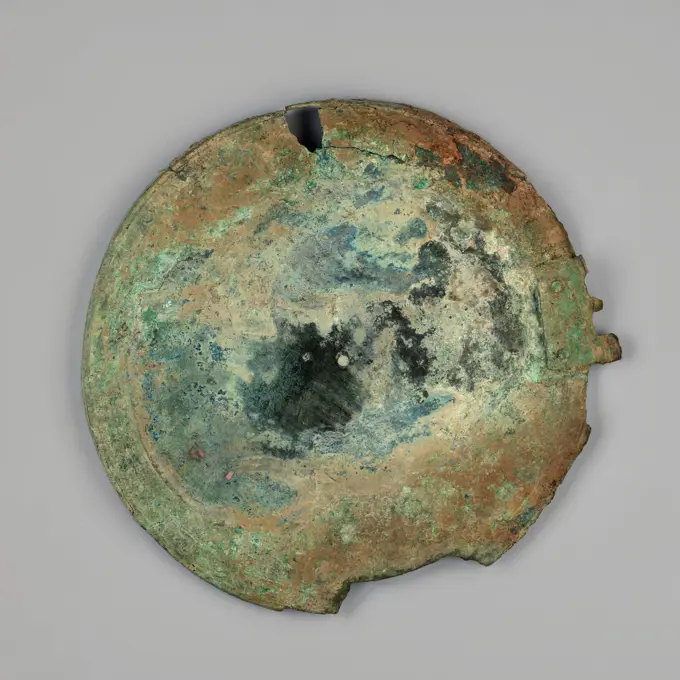
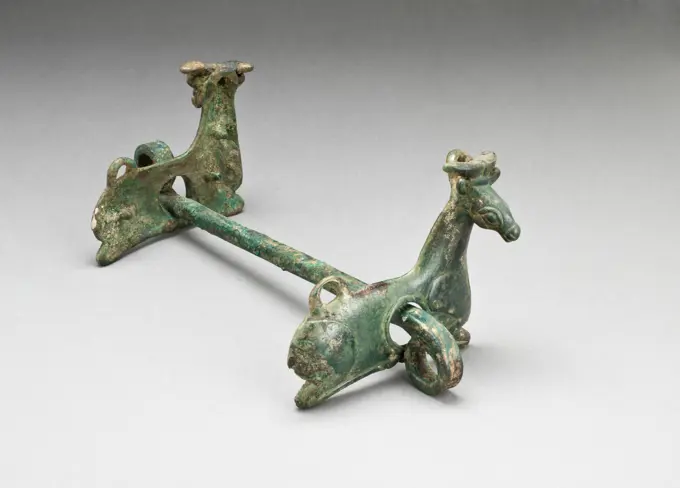
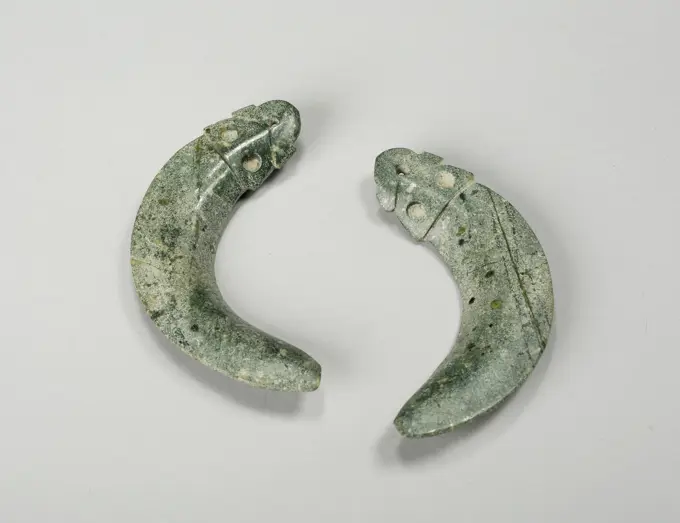
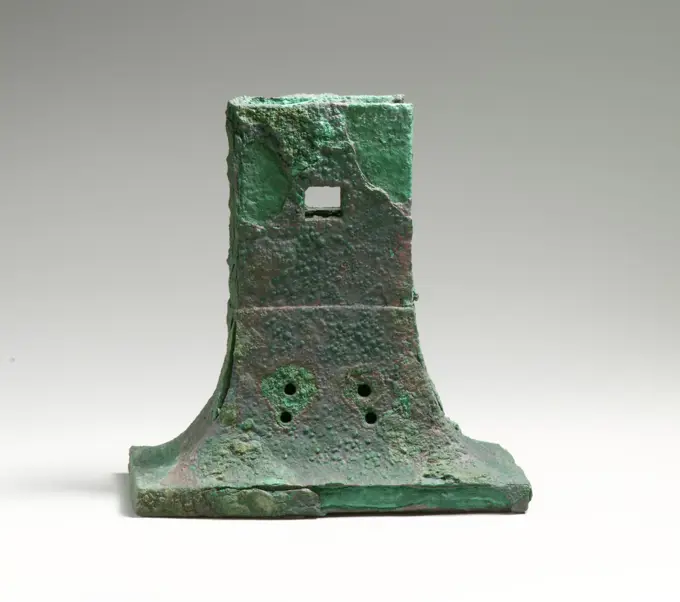
Ancient Bronze Artifacts

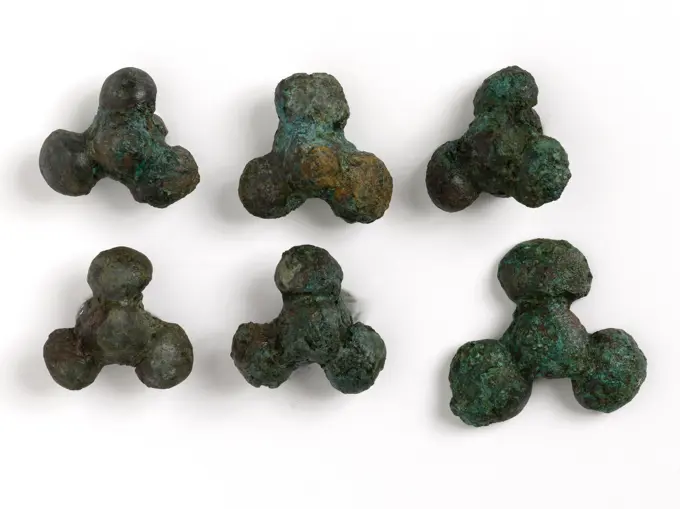
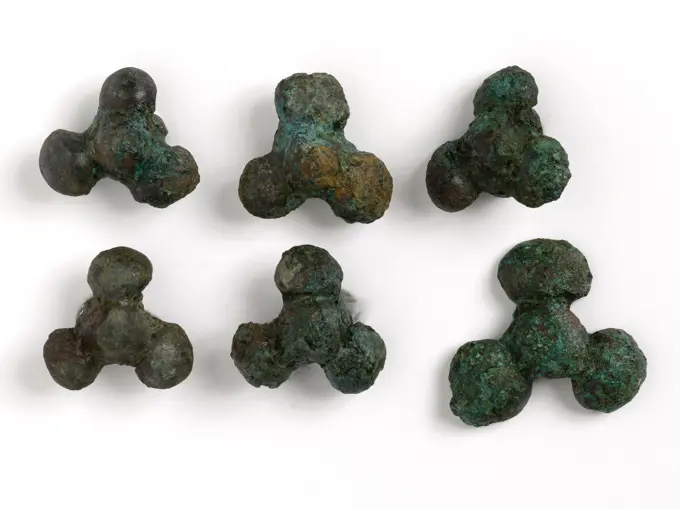
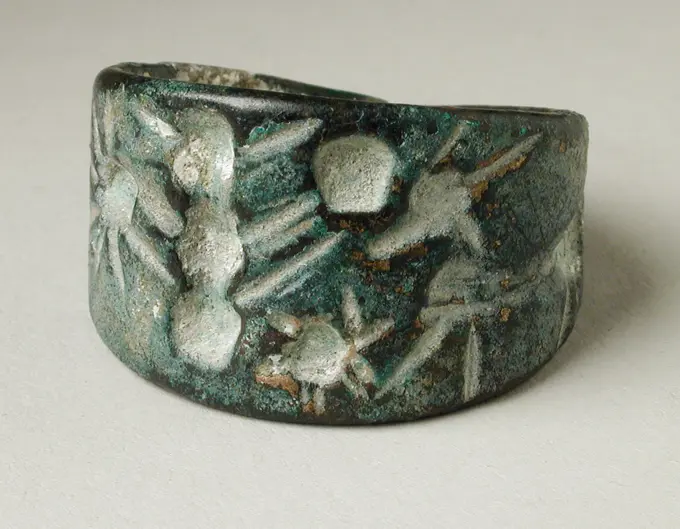
A collection of ancient bronze votives, beads, and adornments from Greece and Iran, showcasing intricate designs and historical significance.
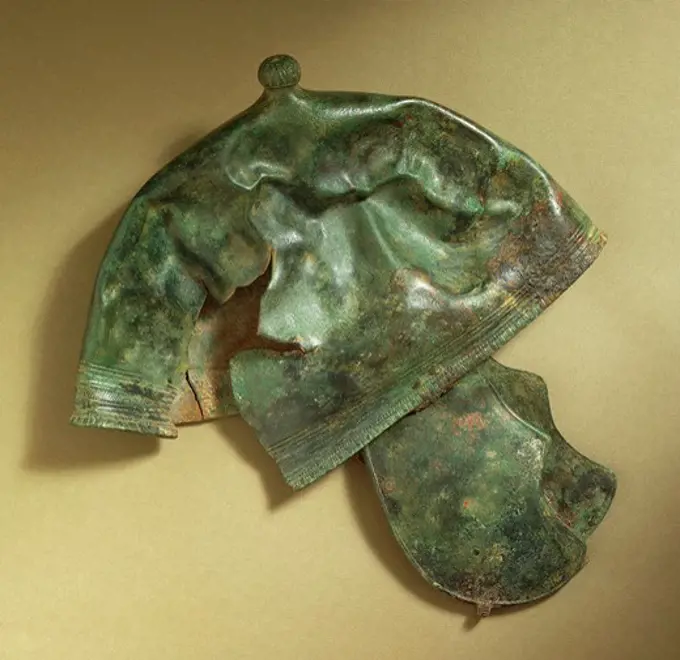
Italic civilizations, Liguri. Helmet. From the grave of a Gaul warrior at Pegazzano, province of La Spezia.
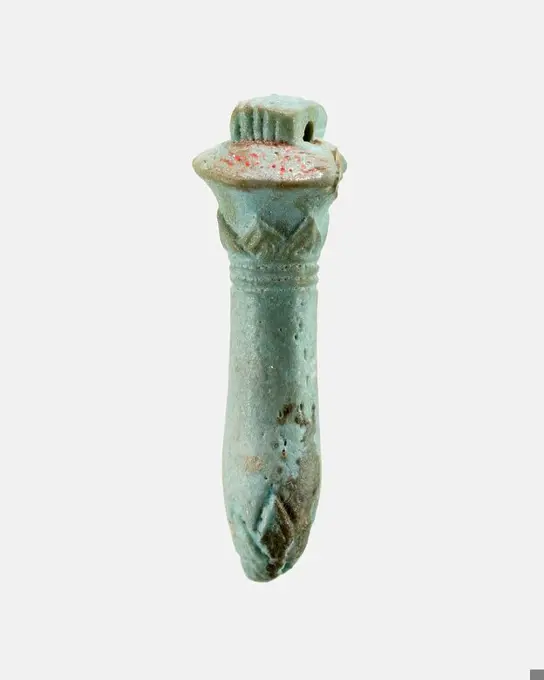
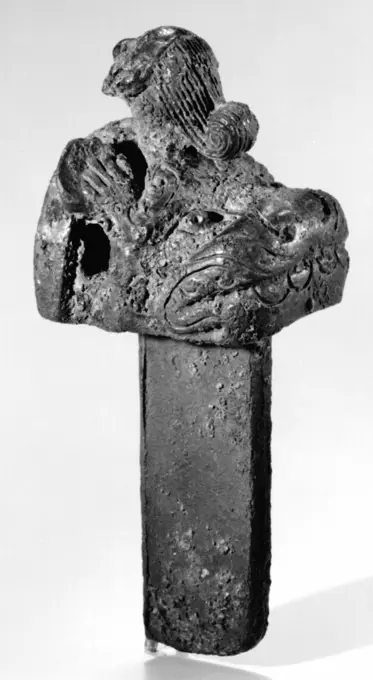
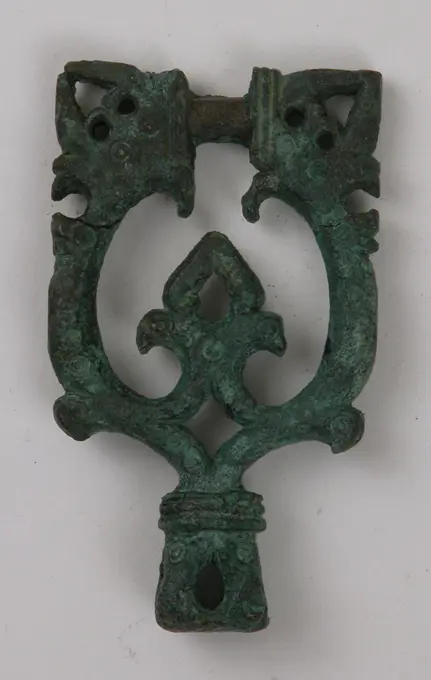
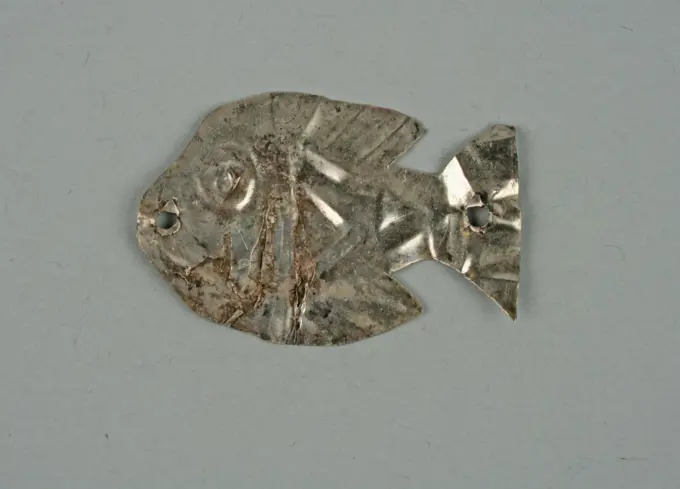
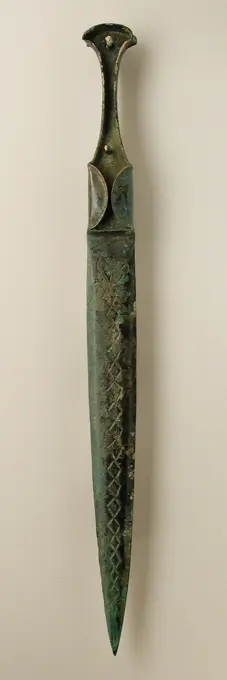
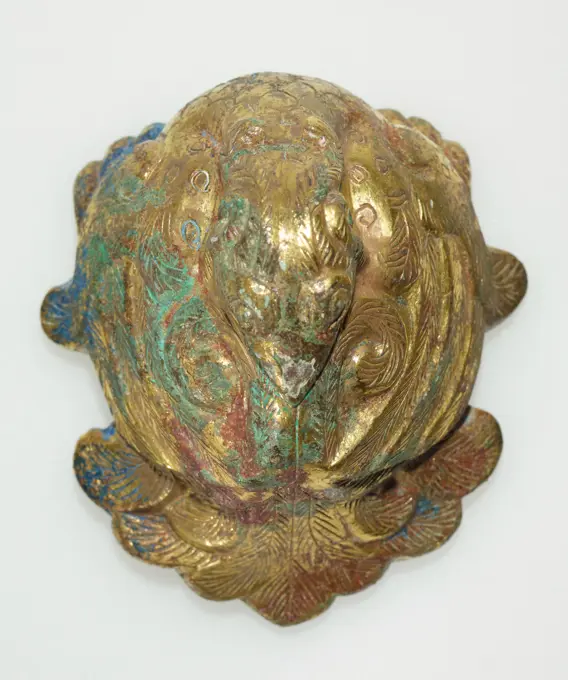
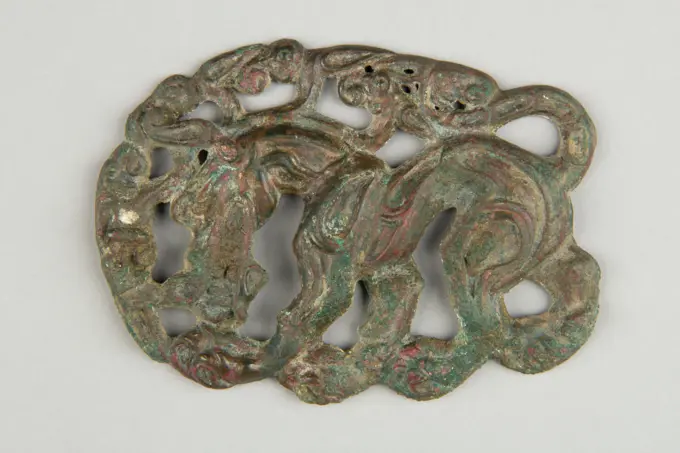
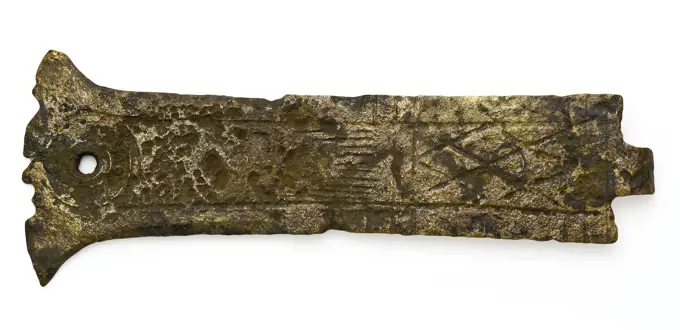
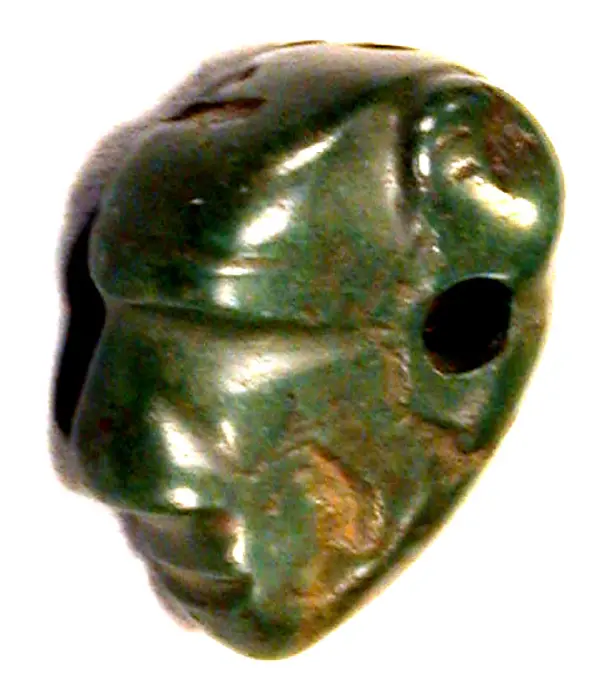
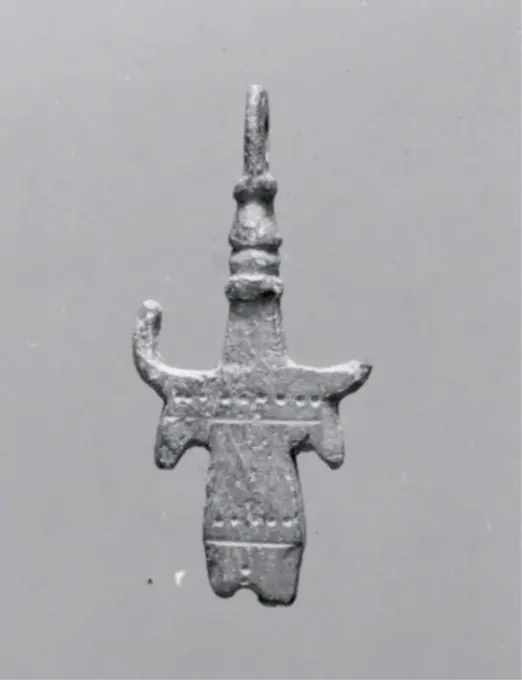
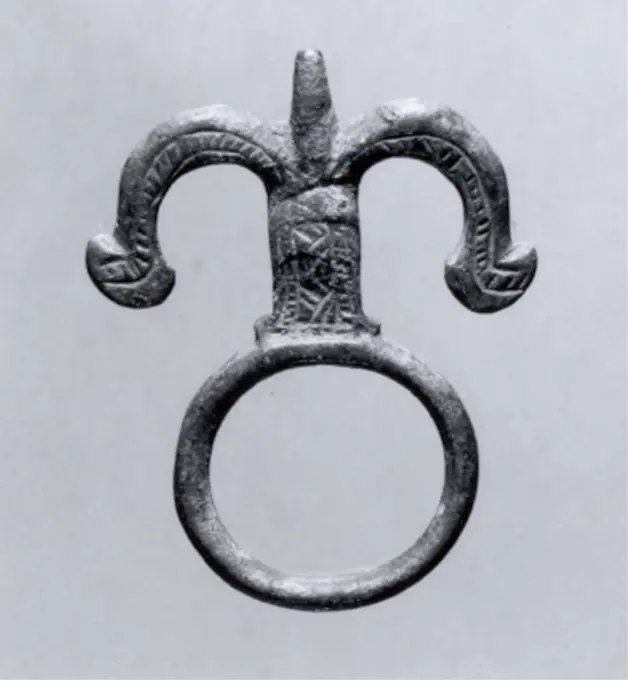
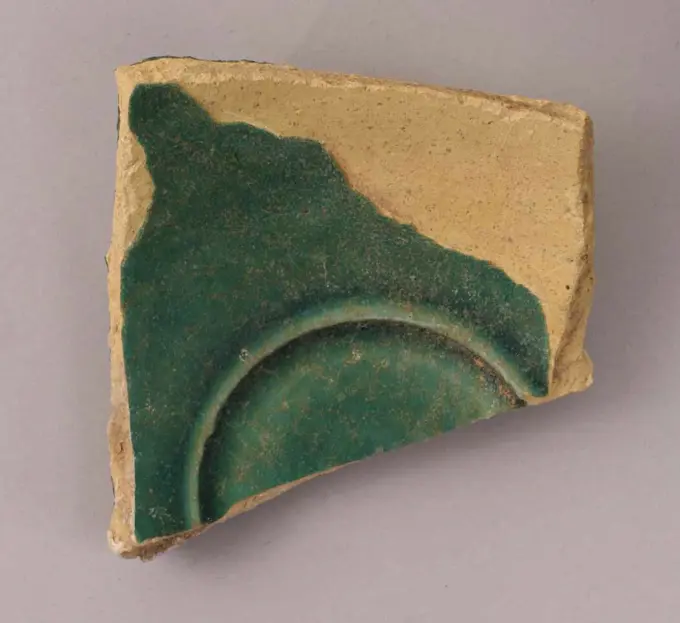
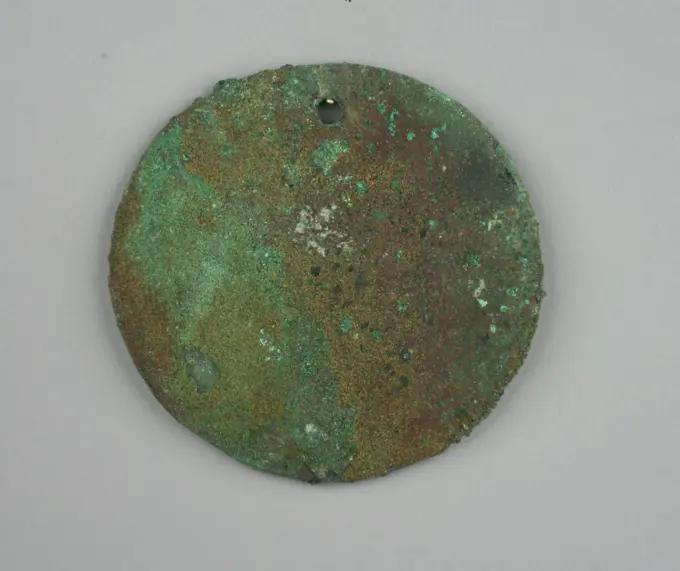
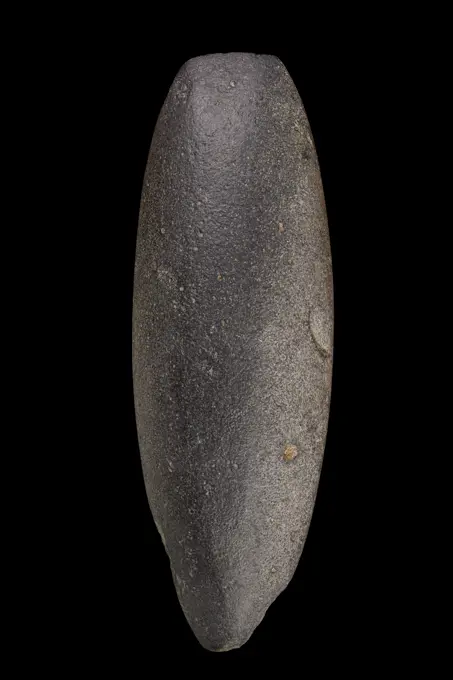
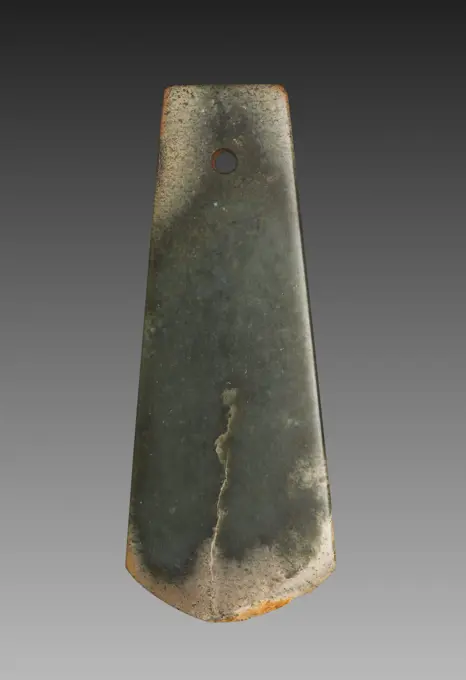
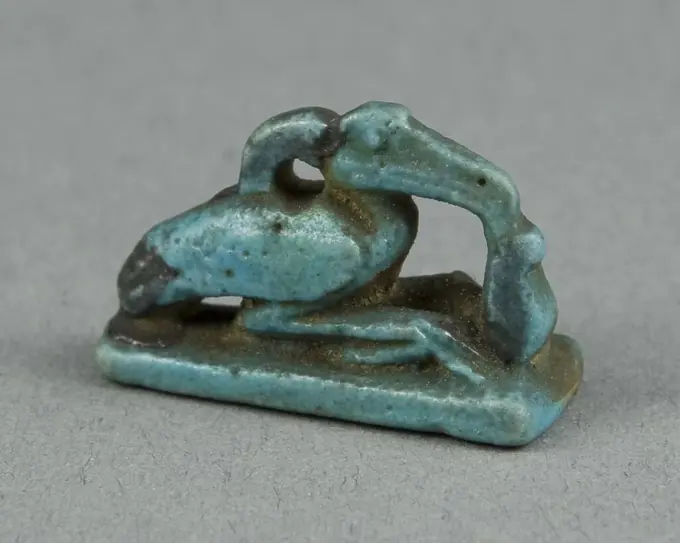
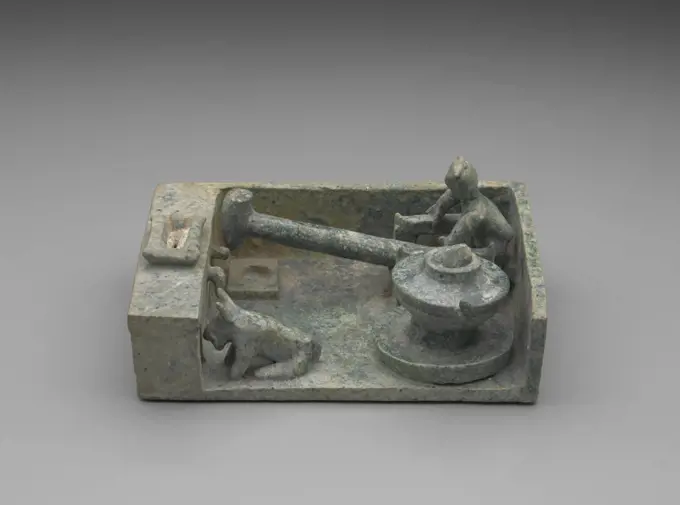
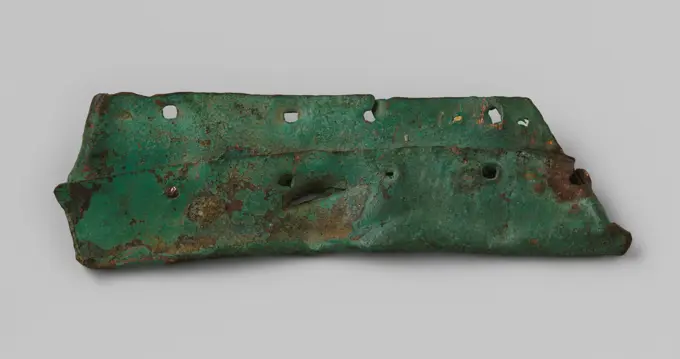
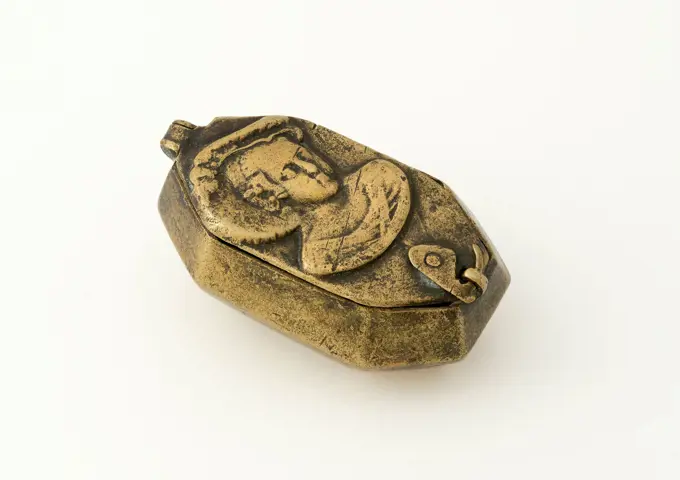
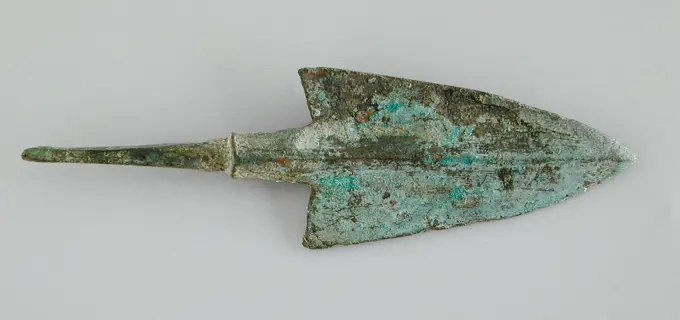
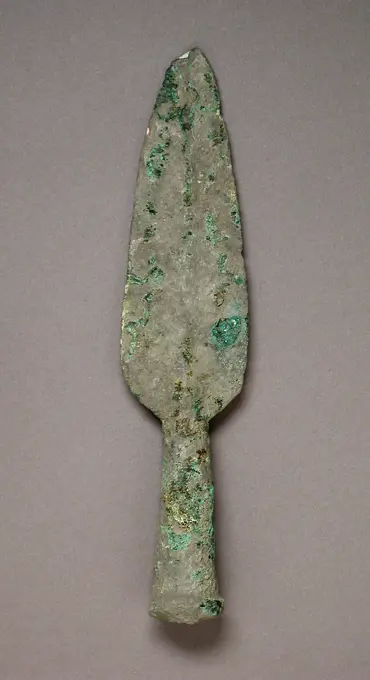
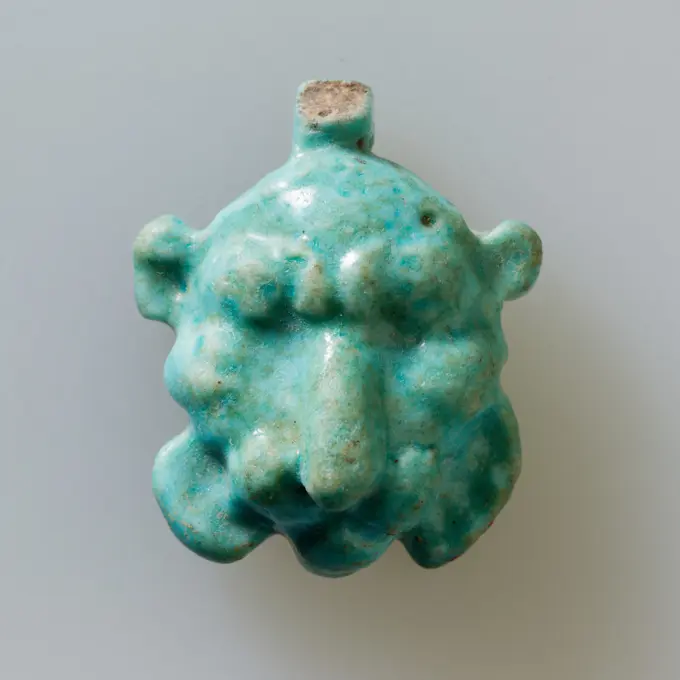
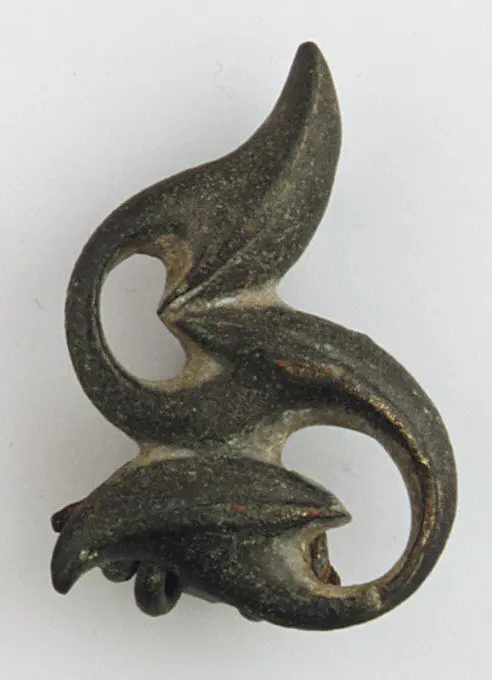
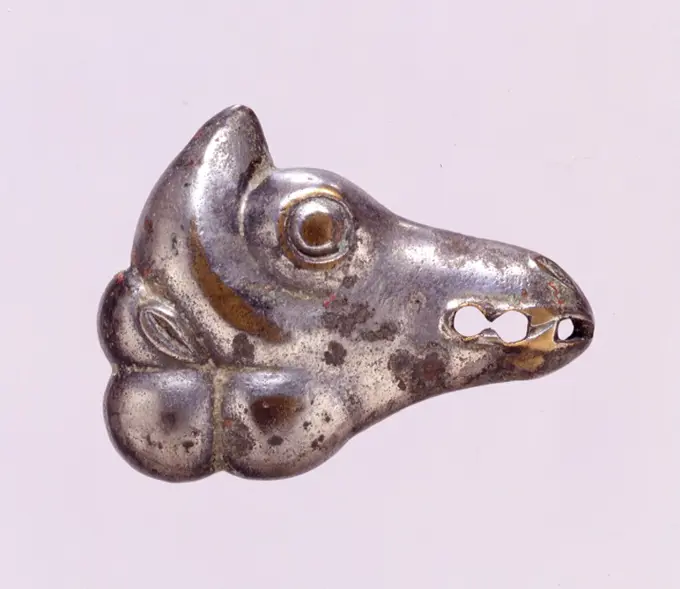
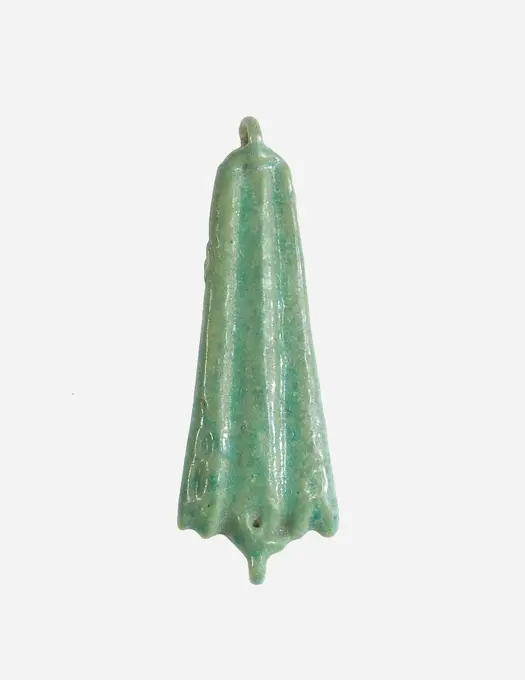
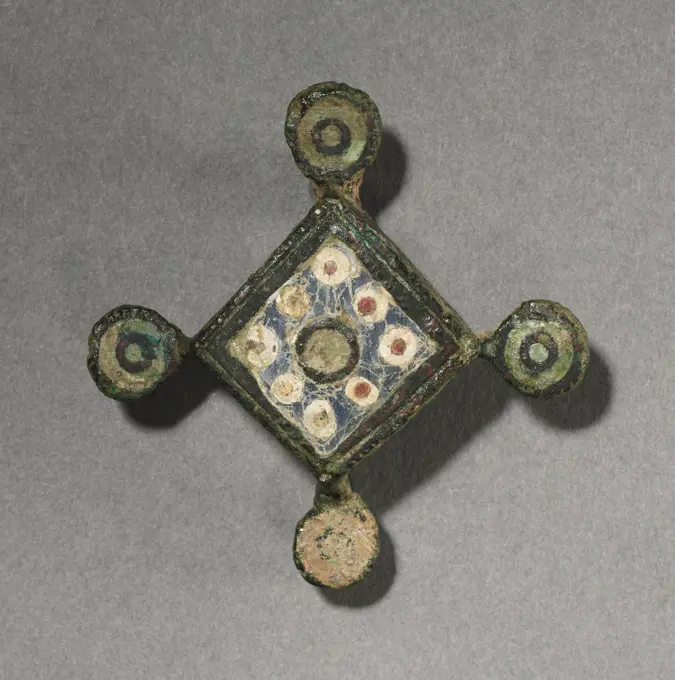
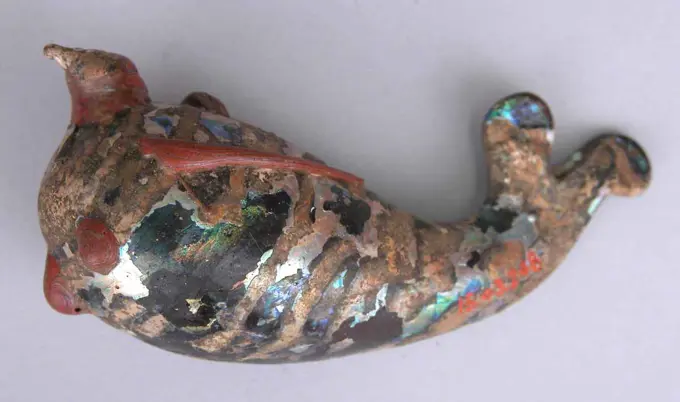
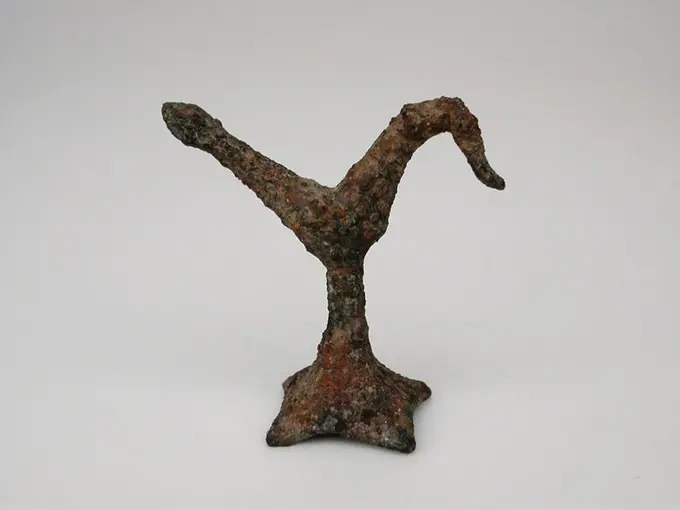
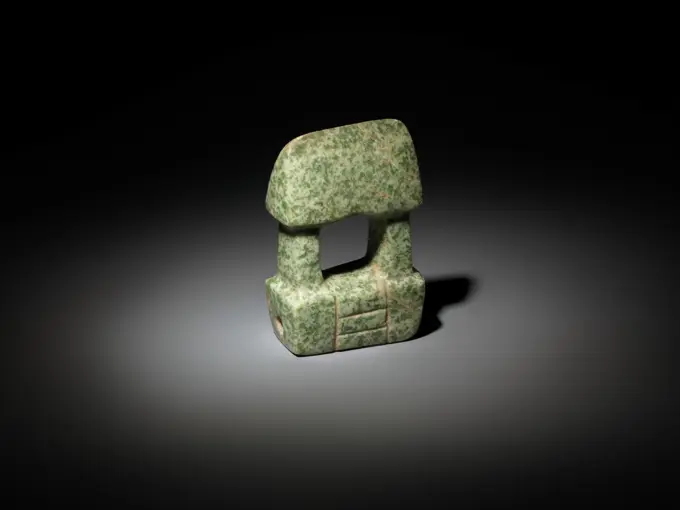
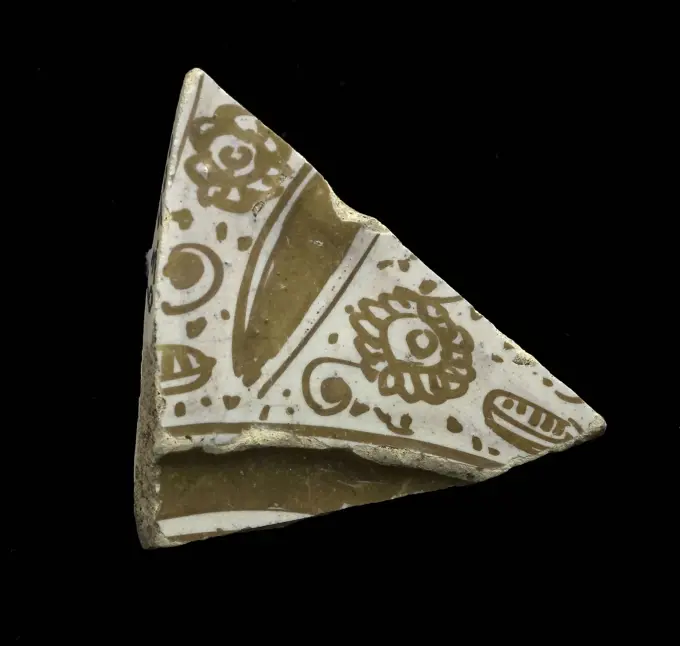
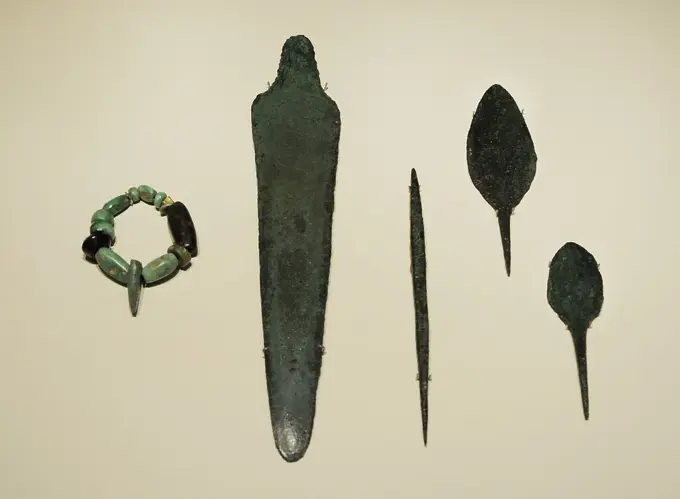
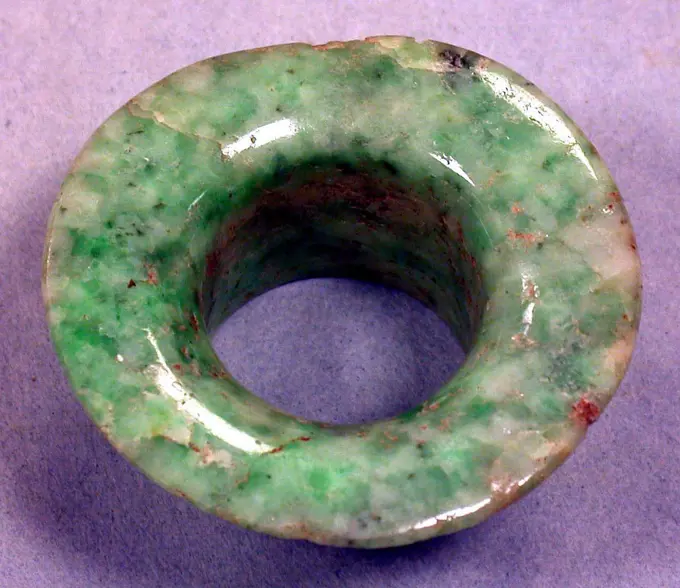
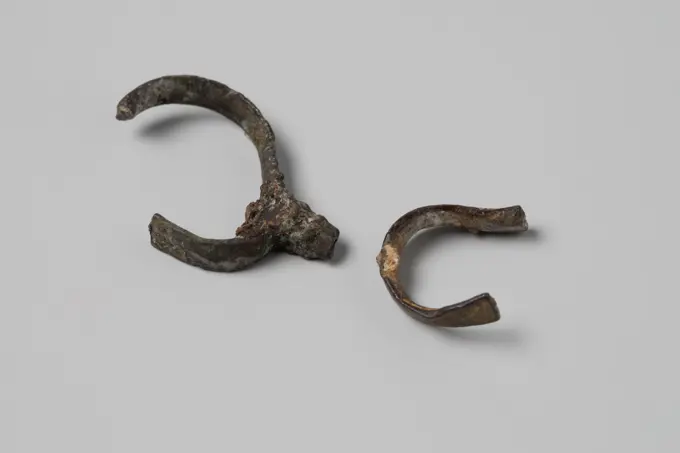
Lazio Latina Sezze Antiquarium Comunale13. Hutzel, Max 1960-1990 German-born photographer and scholar Max Hutzel (1911-1988) photographed in Italy from the early 1960s until his death. The result of this project, referred to by Hutzel as Foto Arte Minore, is thorough documentation of art historical development in Italy up to the 18th century, including objects of the Etruscans and the Romans, as well as early Medieval, Romanesque, Gothic, Renaissance and Baroque monuments. Images are organized by geographic region in Italy, then by province, city, site complex and monument.Ornament China. Ornament. China. Gilt bronze. Tang dynasty (618-907) (). JewelryAjuar funerario procedente de la necròpolis de Mianes, Santa Bàrbara-Tortosa. Museu d'Història de Catalunya.. Fragment of a tile of hard-baked red earth, covered on one side with a turquoise and blue colored glaze. The ornament consisting of blue tires on a light green soil cannot be reconstructed from this fragment. The tile has a ridge of pottery at the rear. From the erivan mosque on the Sauga, Erivan district, on the Turkish-Persian border.Boat;  around 1069-715 BC ; 3rd transition period, 21-23 dynasty (-1069-00-00--715-00-00);Mirror cover;  425-375 BC (-425-00-00--375-00-00);Ant., V., FroehnerFragments of copper from the wreck of the East Indians Hollandia, 1700 - in Or Before 1743  Parts of artefacts; eroded fragments: materials; copper. Netherlands copper (metal)   SecondHorse Bit. Iran, Luristan, Luristan bronzes, 1000-650 B.C.. Tools and Equipment; horse trappings. BronzeKneegesp from the wreck of the East Indians Hollandia, Anonymous, 1700 - in Or Before 1743  Kniegesp, met afgebroken fragment. Buckle, chape buckle, knee buckle; (3) fragment (1) half ring (3l, 0.2t), relieved scrolling and foliate decoration, scrolling projection on the long side (longitudinal spindle) Netherlands silver (metal)   SecondPair of Earrings 200 BCE-200 CE Colima. Stone . ColimaWhorl 7th century B.C. Etruscan or Italic Whorl.. Whorl. Etruscan or Italic. 7th century B.C.. Amber. Late Geometric. Miscellaneous-AmberRing 6th-3rd century B.C. Etruscan Coiled ring increasing in thickness and ending in a knob.. Ring 246768Fibula, c. 900-800 BC. Italy. Bronze; overall: 6.8 cm (2 11/16 in.).Furniture socket, rectangular Cypriot. Furniture socket, rectangular 244469Papyrus column (wadj) amulet. Dimensions: H. 3.6 cm (1 7/16 in.); W. 1.2 cm (1/2 in.); D.1.1 cm (7/16 in.). Dynasty: Dynasty 26-30. Date: 664-332 B.C.. Museum: Metropolitan Museum of Art, New York, USA.Stove Tile (Germany); lead-glazed earthenwareHache blade (common name), -450. Bronze. Cernuschi Museum, Asia Museum of Asia in the city of Paris.Ornament 12th-15th century Chimú. Ornament 315310Stone Pendant 1st-8th century Mezcala. Stone Pendant 317371S-Shaped Brooch 6th century Frankish. S-Shaped Brooch 465263 Frankish, S-Shaped Brooch, 6th century, Copper alloy, garnet, Overall: 1 9/16 x 1 1/16 x 3/8 in. (4 x 2.7 x 0.9 cm). The Metropolitan Museum of Art, New York. Gift of J. Pierpont Morgan, 1917 (17.192.2)Fragment 14th century. Fragment 445484Button or Bead 9th-10th century The dot-in-circle motif recalls designs presumed to be of magical significance, most likely an abstract eye to ward off the evil-eye, which serves an apotropaic function. Easily reproduced with a tool and visible in many cultures and times, this symbol may have lost its meaning, and become simply a decorative pattern, or may have one that we have not yet discovered.. Button or Bead 450074Chariot Linchpin 11th-10th century B.C. China. Chariot Linchpin 49399Fragment of a Female Figure 4th-7th century Coptic. Fragment of a Female Figure 478476Figure of a Lion's Paw and Acanthus Leaves. Egypt, Roman Period (30 BCE - 395 CE). Sculpture. BronzeVase, covered with bird's claw 4th century B.C. or later Italic or Roman Globular.. Vase, covered with bird's claw 246444Spider 6th-7th century Moche (Loma Negra). Spider 314478Bird-Shaped Brooch late 5th-early 6th century Frankish. Bird-Shaped Brooch 465235Fish Amulet. Egypt, New Kingdom (circa 1569 - 1081 BCE). Jewelry and Adornments; amulets. FaienceFinial 10th-12th century. Finial 452502Fish Ornament 11th-12th century Peru; central coast (). Fish Ornament 308815Dagger. Iran, Luristan, circa 1350-1000 B.C.. Arms and Armor; daggers. Bronze, castBell with Geometric Decoration. Egypt, Roman Period (30 BCE - 600 CE). Tools and Equipment; musical instruments. BronzeHarness RingPhoenix weight, one of a pair, 2nd century BCE, 1 3/4 x 2 3/4 x 2 1/2 in. (4.4 x 7 x 6.4 cm), Gilt bronze, China, 2nd century BCE, Each of these bronze weights is cast in the form of a roosting phoenix with its head turned and resting on its back. Both birds are inscribed with fine lineation describing the plumage and other minute features, and they are completely gilded. The underside of each is filled with a lead amalgam for added weight.Wolf-Shaped Belt Buckle 3rd-2nd century B.C. North China. Wolf-Shaped Belt Buckle 59536Amulet of the Goddess Taweret (Thoeris). Egyptian. Date: 1069 BC-332 BC. Dimensions: 1.9 × 0.6 × 0.6 cm (3/4 × 1/4 × 1/4 in.). Faience. Origin: Egypt. Museum: The Chicago Art Institute, Chicago, USA. Author: Ancient Egyptian.Brass book fitting with hook at the end, decorative fittings soil found brass copper metal, whipped riveted engraved Only fittings with hook at the end Other ends in two pointed triangles Two holes one with pin archeology Rotterdam rail tunnel book close adornment Soil discovery: trajectory Rotterdam rail tunnel.Stone Head Pendant 9th-15th century Costa Rica. Stone Head Pendant 315817Ornament A.D. 1st millennium (). Ornament 325115Amulet of the God Khonsu as a Falcon 664 BCE-332 BCE Egypt. Faience . Ancient EgyptianOrnament A.D. 1st millennium (). Ornament 325116Fragment of a Bowl 9th century. Fragment of a Bowl 451120Carved bone in shape of horse head, from Riparo Gaban at Martignano (Trentino-Alto A.D.ige region, Italy)Pilgrim's Badge in the form of a Martyr's palm frond 14th and 15th century French or British. Pilgrim's Badge in the form of a Martyr's palm frond. French or British. 14th and 15th century. Lead. Made in France or England. Metalwork-LeadEarring 7th century Frankish. Earring 465809 Frankish, Earring, 7th century, Silver(), Overall: 11/16 x 5/8 x 3/16 in. (1.7 x 1.6 x 0.4 cm) bead: 3/16 x 3/16 in. (0.4 x 0.4 cm). The Metropolitan Museum of Art, New York. Gift of J. Pierpont Morgan, 1917 (17.193.82)Charging Lion. Eastern Mediterranean, Roman, 2nd-4th century A.D.. Sculpture. Bronze, castRound Plaque 3rd century B.C.-A.D. 2nd century Vicús. Round Plaque 315515Polished basalt axe. North Africa, Neolithic. 13.1 cm.Belt Buckle (2 Pieces). UnknownCeremonial Axe (Fu), c. 1900-1500 BC. China, Erlitou Culture (c. 1900-1500 BC). Jade (nephrite); overall: 10.5 x 0.5 cm (4 1/8 x 3/16 in.).Amulet of the God Thoth as a Crouched Ibis with Feather of Maat. Egyptian. Date: 700 BC-1 BC. Dimensions: 1.7 x 5.4 x 1 cm (11/16 x 2 1/8 x 3/8 in.). Faience. Origin: Egypt. Museum: The Chicago Art Institute, USA. Author: Ancient Egyptian.Grain ProcessingWorkshop, 25-220 CE, Reddish eartheware with green glaze, 4 1/2 × 9 × 6 1/4 in. (11.43 × 22.86 × 15.875cm), China, Chinese, Eastern Han dynasty (25-220 C.E.), SculptureBronze attachment with head of a lion ca. 1st-2nd century A.D Roman, Gaul () This lively head of a lion adorned an axle rod of a Roman chariot and represents the continuation of long-lived Etruscan tradition of decorating parade chariots.. Bronze attachment with head of a lion. Roman, Gaul (). ca. 1st-2nd century A.D. Bronze. BronzesRound Plaque. Culture: Vicús. Dimensions: Diameter 3-1/8 in. (8 cm). Date: 3rd century B.C.-A.D. 2nd century. Museum: Metropolitan Museum of Art, New York, USA.Cylindrical case (common name), -276. Copper alloy sheet. Carnavalet museum, history of Paris.Textile Ornament. Culture: Chimú. Dimensions: D. 2 in. (5.1 cm). Date: 14th-15th century. Museum: Metropolitan Museum of Art, New York, USA.Fibula-Brooch. Eastern Mediterranean, Roman, 2nd-3rd century A.D.. Jewelry and Adornments; brooches. Bronze, castKnife with a Hedgehog on the Handle 7th-5th century B.C. Northeast China. Knife with a Hedgehog on the Handle 59454Excerpt copper sheet metal from the wreck of the East Indies Hollandia, Anonymous, 1700 - in Or Before 1743 fragment Varied parts or fragments, sheet metal fragments: worked, with circular, rectangular or square holes; fragm, eroded; 1 fold-over straight side, 1 oblique end, with a serie of nailholes along both rims. Netherlands copper (metal)   SecondStud and Plate 15th-16th century European. Stud and Plate. European. 15th-16th century. Iron. Metalwork-IronHarness Ornament in the Shape of Gazelle 6th-5th century B.C. Northeast China. Harness Ornament in the Shape of Gazelle 65249Tweezer fragment ca. 1295-1070 B.C. New Kingdom, Ramesside. Tweezer fragment 568383geelgieter, Copper tobacco box with relief portrait Willem III as child, tobacco box holder metal copper, hinge) Copper elongated octagonal box hinged lid with hook to close inside small stamper Lid with portrait of Prince William III as child with beret Bottom underside with tree surrounded by laurel wreath bottom underside (omschrift medal): tandem fit surculus arbor (eventually the twig shoot will be tree) metal watering jug Orange Nassau William III king-stadtholder store penning tobacco snuffbox Collection AO van Kerkwijk.Belt plate made of iron with an eagle in front striatum. Length 4 cm cm Width 2 , 4 cm Thickness 0, 3 cm ( 18 th ) Neoclassical era from the Theatre Cervantes in Alcalá de Henares ( Madrid ) SPAIN. artefact ,artifact, ancient,object ,piece , pieces.Spear Point. Western Iran, circa 1000-825 B.C.. Arms and Armor; spears. BronzeSpearhead. Northeastern Thailand, Ban Chiang culture, 300 B.C.-A.D. 150. Arms and Armor; spears. Copper alloyRound Plaque. Culture: Vicús. Dimensions: Diameter 3-1/8 in. (7.9 cm). Date: 3rd century B.C.-A.D. 2nd century. Museum: Metropolitan Museum of Art, New York, USA.Food Model Amulet: Brace of Duck, 1295-1069 BC. Egypt, New Kingdom, Dynasties 19-20. Turquoise faience; overall: 2.6 cm (1 in.).Floral Plaque Fragment. Unknown 1st century B.C.Lion head amulet 664-30 B.C. Late Period-Ptolemaic Period This lion head amulet exhibits changes in the representation of lions that appeared during the later first millennium BC. The forehead is smaller and the face drawn downward, and there is emphasis on the mane beneath the cheeks.. Lion head amulet. 664-30 B.C.. Faience. Late Period-Ptolemaic Period. From EgyptCeramic model of a house with figures seated in a courtyard. Dated 13th CenturyS-Shaped Brooch 2nd-3rd century Roman With sinuous, asymmetrical designs and swirling arrangements of commas, circles, and fan shapes, this varied group of objects conveys the pervasiveness of a Celtic aesthetic in the Empire's western provinces in the first centuries A.D.. S-Shaped Brooch 466218Harness Ornament in the Shape of a Camel's Head 4th-3rd century B.C. Northwest China. Harness Ornament in the Shape of a Camel's Head 59506Pins, ornaments. Bronze. Caucasus. Second half of the 1st millennium BC. Paris, Cernuschi museum. 35407-8 Spindle, bronze, ornamentPins, ornaments. Bronze. Caucasus. Second half of the 1st millennium BC. Paris, Cernuschi museum. 35407-8 Spindle, bronze, ornamentFinger Ring. Western Iran, circa 1350-800 B.C.. Jewelry and Adornments; rings. Bronze, hammeredStone Mace Head with Four Points before 16th century Peruvian. Stone Mace Head with Four Points 317465Icelandic; Norwegian brooches; Viking; 11th century ADLeaf Bead ca. 1390-1353 B.C. New Kingdom. Leaf Bead. ca. 1390-1353 B.C.. Faience. New Kingdom. From Egypt, Upper Egypt, Thebes, Malqata, Palace of Amenhotep III, MMA excavations, 1910-11. Dynasty 18Ornamental Brooch, c. 100-300. Gallo-Roman or Romano-British, Migration period, 2nd-3rd century. Bronze and champlevé enamel; overall: 4.9 x 4.8 x 1.7 cm (1 15/16 x 1 7/8 x 11/16 in.).Decapitator 6th-7th century Moche (Loma Negra). Decapitator 314495Ax in Anthropomorphic Shape 1500-500 B.C. India. Ax in Anthropomorphic Shape 50575Pendant 9th-12th century Whether objects bearing combed and marvered decoration, such as this one, were formed on a core or a rod or were free-blown, the ornamentation was produced in precisely the same manner, yielding a similar effect. When the vessel was still viscous, glass threads of one or more colors were trailed on the surface. These threads were then combed, or dragged with a bronze pin or hook into feather, festoon, zigzag, or other patterns. Finally, these threads were marvered, pressed into the surface by rolling the vessel on a flat stone.. Pendant 446679Petal-Shaped Bead, c. 1391-1353 BC. Egypt, New Kingdom, Dynasty 18, reign of Amenhotep III. Faience; overall: 3 x 1 cm (1 3/16 x 3/8 in.).ArrowheadBird on a Stand. Greek; Thessaly. Date: 700 BC. Dimensions: 4.2 × 4.4 × 2.0 cm (1 5/8 × 1 3/4 × 3/4 in.). Bronze. Origin: Greece. Museum: The Chicago Art Institute, Chicago, USA. Author: ANCIENT GREEK.Temple Model 200 B.C.-A.D. 500 Mezcala Stone models in the Mezcala style come largely from the present-day state of Guerrero, in southwest Mexico. A particularly long-lived tradition, these works may have been produced over some one thousand years, from as early as 500 B.C. Little is known about their archaeological contexts, and there are few points of reference with surviving architecture in the region. It is possible that these models emulate buildings with stone columns, such as those from Cuetlajuchitlán; alternatively they could recall above- or below-ground funerary structures, in which case the columns would represent wood supports of a tomb or a funerary pyre. Mezcala models may have served multiple functions over time, in keeping with the Mesoamerican custom of repurposing or recarving stone objects. Oblong models, for example, may have been recarved from celts, ritual tools of great symbolic importance. Several have holes drilled into the base, which could have been used to Ear Ornament in Twisted Shape 3rd century-second half of the 10th century Indonesia (Java). Ear Ornament in Twisted Shape 50092Shard of majolica dish with gilt decoration on white ground, dish crockery holder soil find ceramics pottery glaze tin glaze lead glaze, hand turned fried glazed painted baked Majolica border fragment with yellow-white shard. Goudlustervieriering on top and bottom archeology Rotterdam City Center Stadsdriehoek Mariniersweg Hoogstraat serve decorate import archaeological find in the soil Rotterdam: Mariniersweg - Hoogstraat.Buckle ca. 409-711 Visigothic. Buckle. Visigothic. ca. 409-711. Bronze. Miscellaneous-Buckles & OrnamentGaming piece in the shape of a bird's head. Dimensions: Height: 3.5 x Diam. 1.6 cm (1 3/8 x 5/8 in.). Date: 304-30 B.C.. Museum: Metropolitan Museum of Art, New York, USA.Bronze Age. Ancient Bronze Age. Beads of necklace, dagger, punch and javelin tips. Copper, gold and stone. From the Dolmen of El Teri-uelo (Aldeavieja de Tormes, province of Salamanca, Castile and Leon), Spain. National Archaeological Museum. Madrid. Spain.Garment Plaque with Leopard and Bear 5th-4th century B.C. Northwest China. Garment Plaque with Leopard and Bear 59492Cast pendant bead. UnknownEarflare before 16th century Mexican. Earflare 317119Hammered Silver Peanut Ornament 8th-mid-16th century Peru; north coast (). Hammered Silver Peanut Ornament 308978Fragments pins from the wreck of the East Indians Hollandia, Anonymous, 1700 - in Or Before 1743  Tools and instruments, sewing and sailmaking, pin; fragm of bows, id. NG 1980-27H3265. Netherlands copper (metal)   Secondnecklace of discoidal beads, Goikolau cave, Berriatua, Arkeologi Museoa, aqueologico museum, Bilbao, Bizkaia, Pais Vasco, Spain.Sconce in the shape of a bird's head, green patinated bronze, eastern Chou (or Zhou) dynasty