Ancient Bronze Artifacts

A collection of ancient bronze votives, beads, and adornments from Greece and Iran, showcasing intricate designs and historical significance.
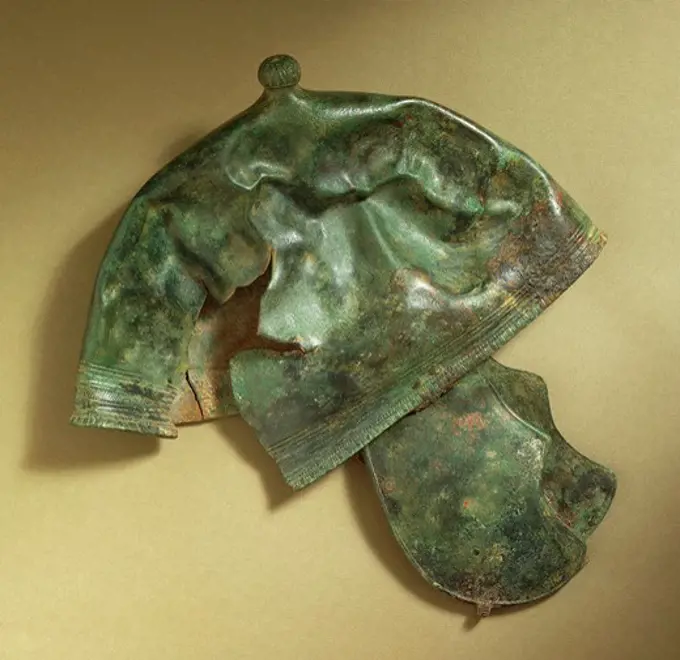
Italic civilizations, Liguri. Helmet. From the grave of a Gaul warrior at Pegazzano, province of La Spezia.
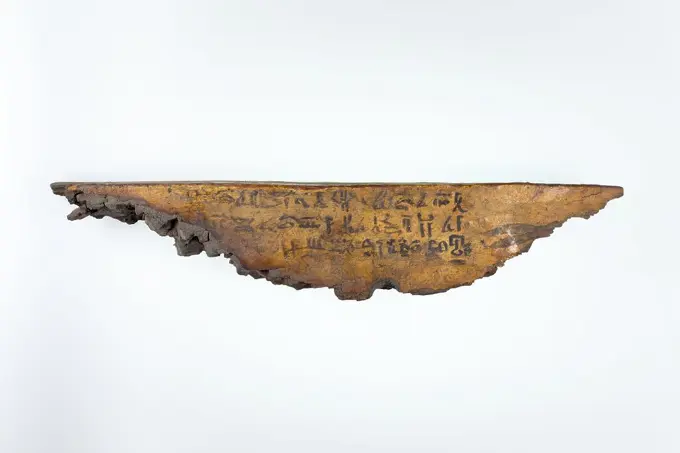
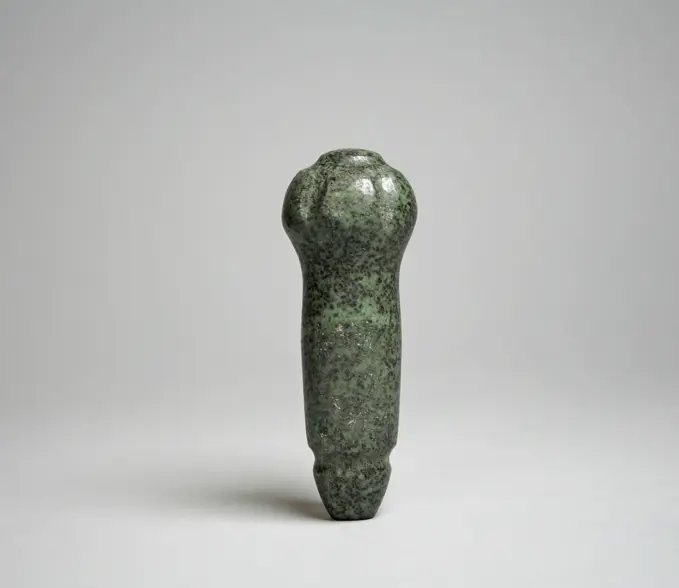
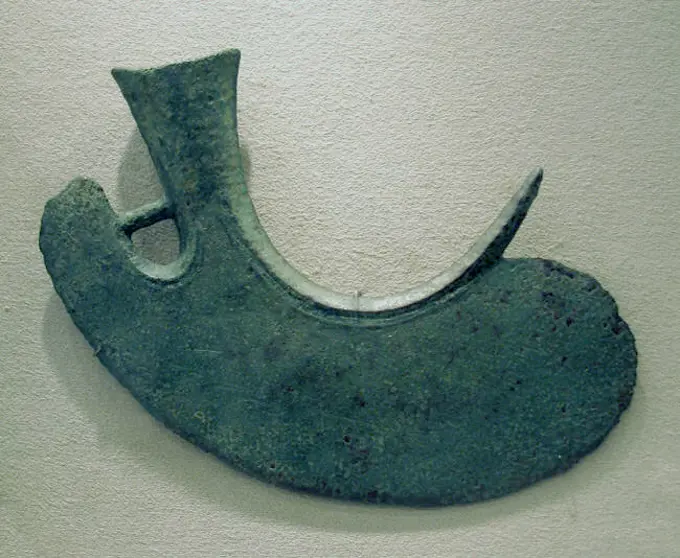
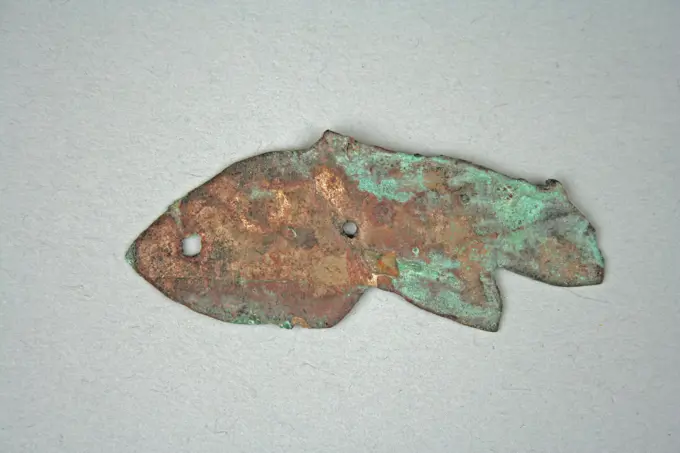
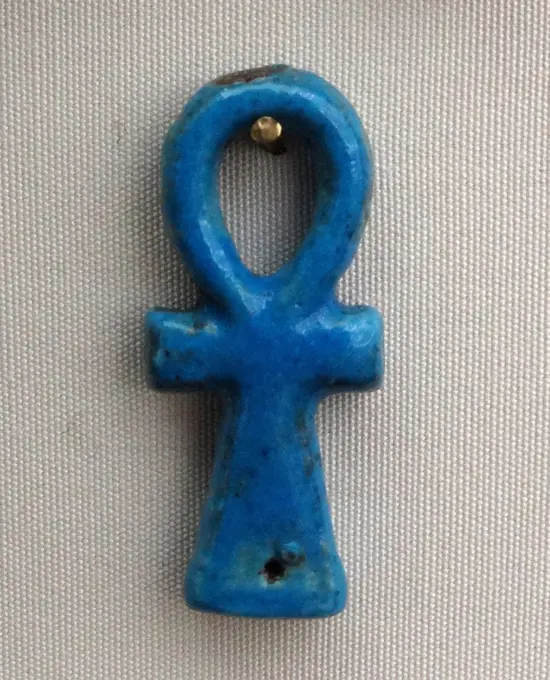
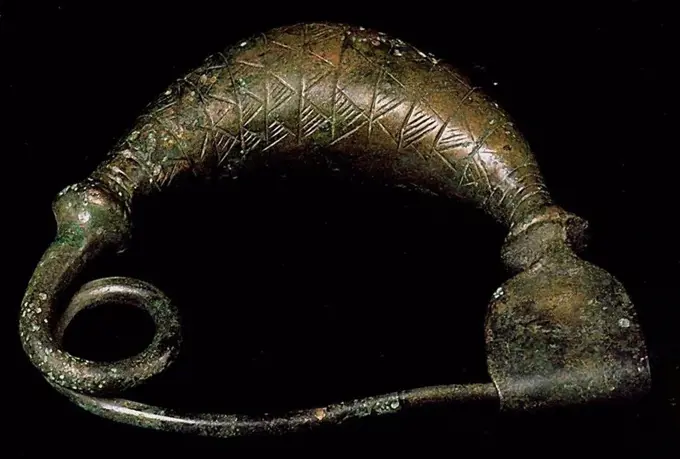
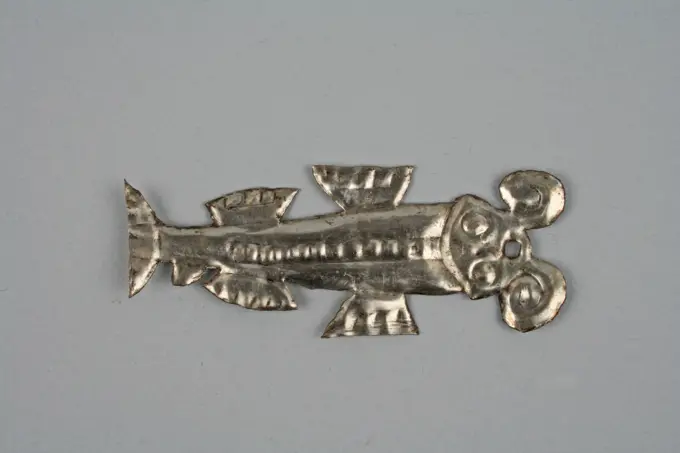
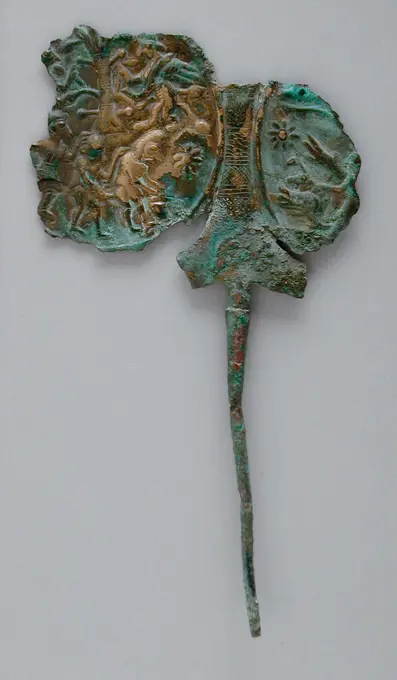
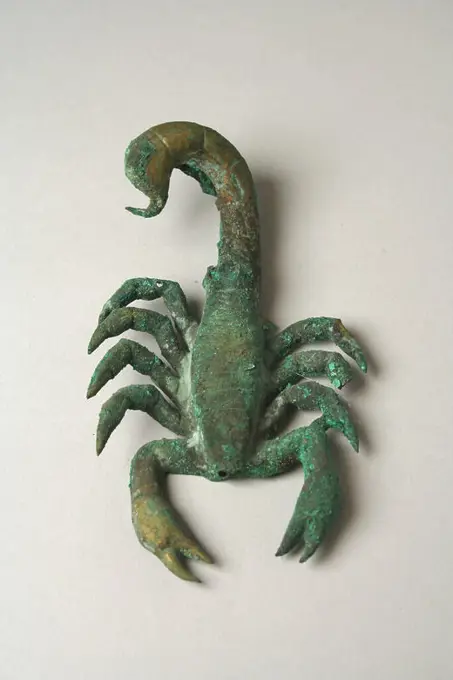
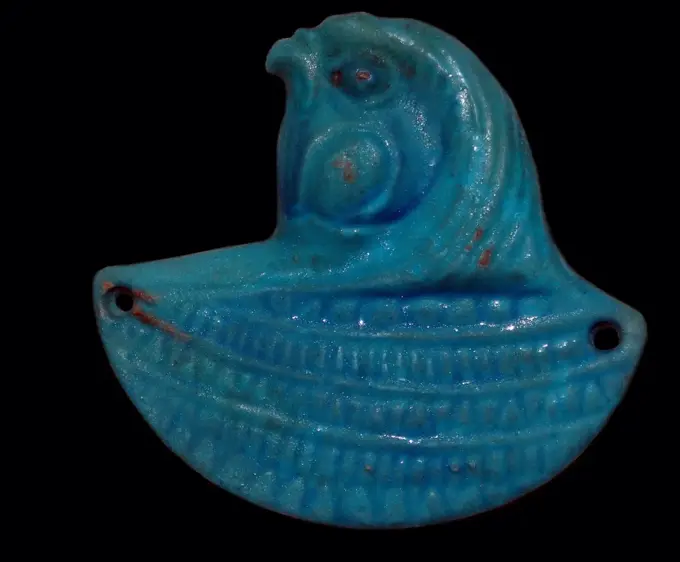
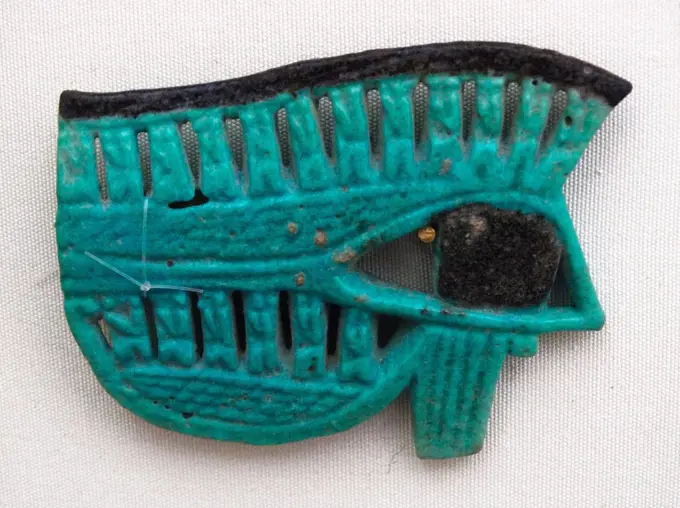
Greek civilization, bronze weaponsWriting board fragment with Sokar formula for the benefit of Nebit. Dimensions: H. 7 cm (2 3/4 in.); W. 35 cm (13 3/4 in.); Th. 4.5 cm (1 3/4 in.). Dynasty: Dynasty 11. Date: ca. 2030-1981 B.C.. Museum: Metropolitan Museum of Art, New York, USA.Phallic Stone Object 1st-8th century Mezcala. Phallic Stone Object 317555Asymmetrical Hafted Ax ca. 500 B.C.-A.D. 300 Indonesia (Java, Lumajang, Pasiran). Asymmetrical Hafted Ax. Indonesia (Java, Lumajang, Pasiran). ca. 500 B.C.-A.D. 300. Bronze. Bronze and Iron Age period. MetalworkMiddle Neolithic. Variscite necklace. Bobila Bellsola, Catalonia, Spain. Archaeology Museum of Catalonia. Barcelona. Spain.Fragmentary Volute Fibula. UnknownEngraved Gem. UnknownStone Earflare before 16th century Mexican. Stone Earflare 317326Fish Ornament 11th-12th century Peru; central coast (). Fish Ornament 308829Ankh the ancient Egyptian hieroglyphic character that read 'life', a triliteral sign for the consonants.Fibula, Bronze, Half of the 2nd millenium BC, Russia, St. Petersburg, State Hermitage, 1 8x10, 5Amulet of a Walking Baboon, 2123-2040 BC. Egypt, First Intermediate Period. Turquoise faience; overall: 1.3 cm (1/2 in.).Europe, Italy. Etruscan gold pair of bracelets. 7th cent. BC.Ring brooch with linked hoop from Ireland. Dated 8th CenturyTextile Ornament 14th-15th century Chimú (). Textile Ornament 308759Sword Guard (Tsuba). Culture: Japanese. Dimensions: Diam. 3 1/8 in. (7.9 cm); thickness 3/16 in. (0.5 cm); Wt. 3.1 oz. (87.9 g). Date: ca. 1615-1868. Museum: Metropolitan Museum of Art, New York, USA.Disc - headed Pin. Iran, Luristan, circa 1000-650 B.C.. Jewelry and Adornments; pins. Bronze, hammeredFish Ornament 11th-12th century Peru; central coast (). Fish Ornament 308820Scorpion. Culture: Moche (Loma Negra). Dimensions: Length 4-13/16 in. (12.2 cm). Date: 390-450. Museum: Metropolitan Museum of Art, New York, USA.Ring with oval stamp, on which initials: SGG , ring ornament clothing accessory clothing soil find metal, Signet ring or signet Deep groove on the outside next to the stamp leading to an anchor and cross Oval stamp field with initials initials: SGG Archeology adorn carry prosperity status hallmarks characteristicsbead necklace with gallon decoration, Ibero-Roman era, Riotinto mines, Huelva Museum, Huelva, Andalusia, Spain.Falcon symbolising the Egyptian God Horus in his early form as a sky godThe Wedjat-Eye, the left eye of the god Horus, symbolising light and provides protection against the evil eye.Brass belt buckle with three eyes and one fitting, buckle belt clothing accessory clothing soil find brass copper metal, with fittings w 4,9 cast sawn Copper belt buckle with three eyes One elongated oval hole and two small eyes above it. three lobe figure between the small eyes. In one small eye the leather fittings consisting of narrow strip of copper with hole and curled end. Archeology Rotterdam rail tunnel fastening attaching fastening belt Soil discovery: trajectory rail tunnel Rotterdam.