Ancient Bronze Artifacts

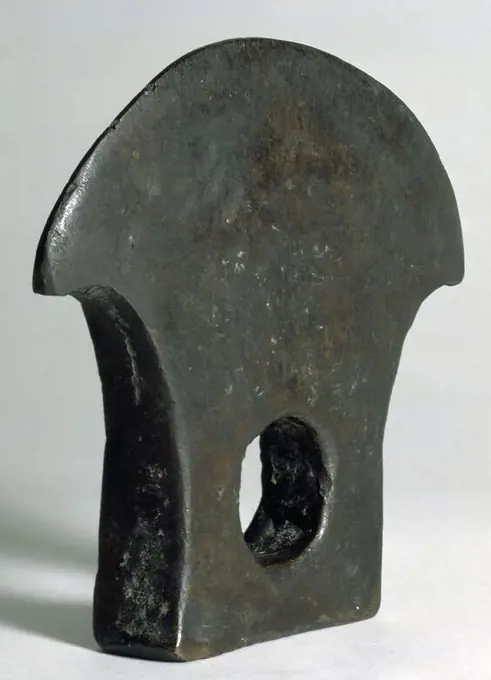
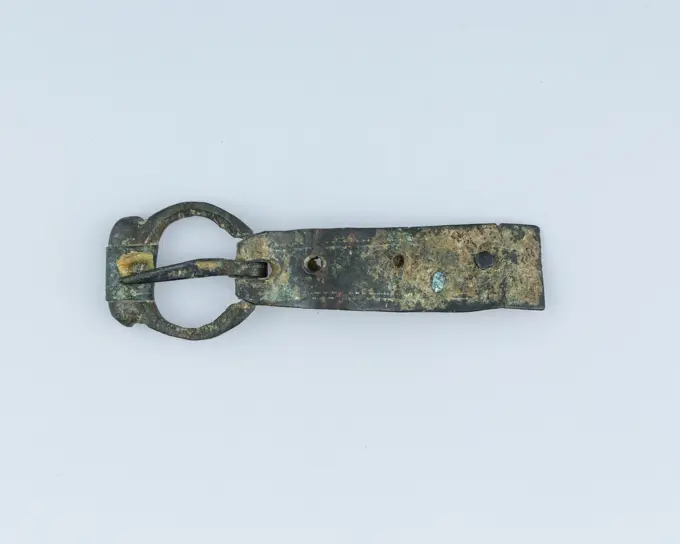
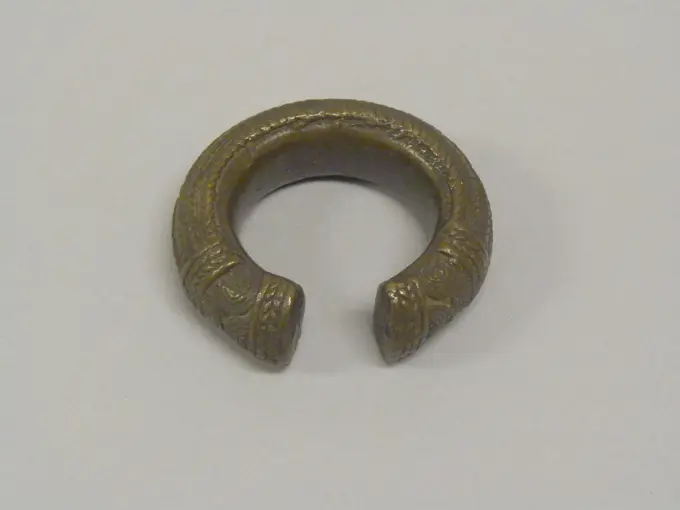
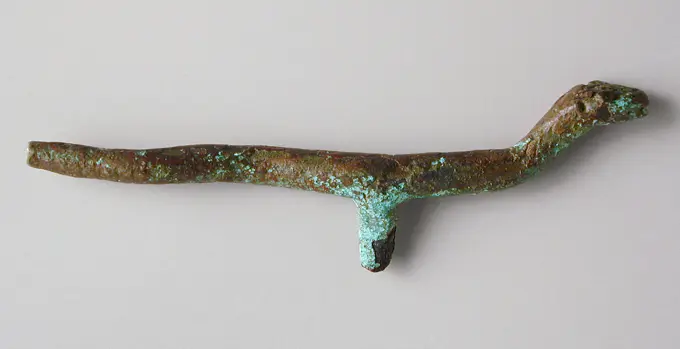
Images of historical bronze artifacts, including fibulas, bracelets, and decorative pieces, showcasing ancient craftsmanship and cultural significance.
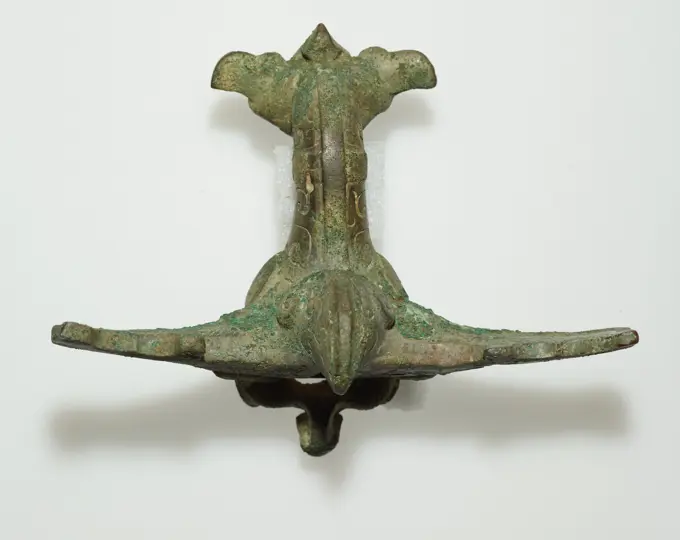
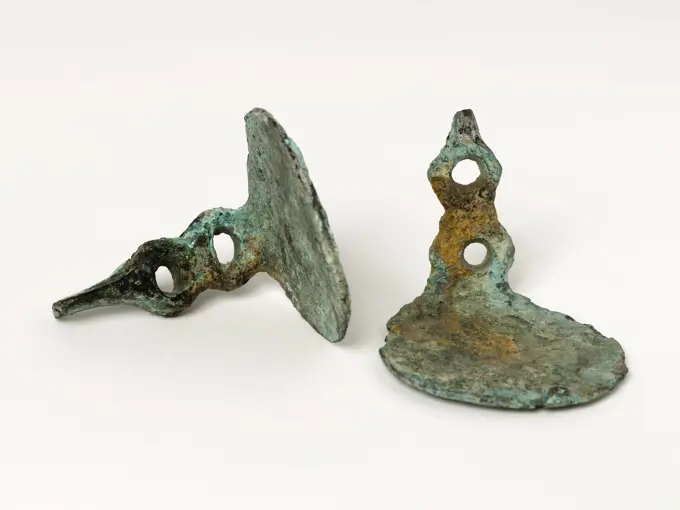
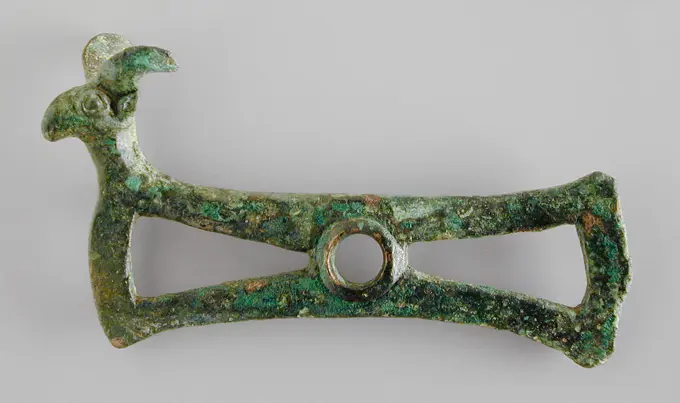
Bird, one of a pair, 7th-6th century BCE, 4 5/8 × 5 3/4 × 3 in., 0.9 lb. (11.75 × 14.61 × 7.62 cm, 0.4 kg), Bronze, China, 7th-6th century BCE, It is probable that these birds served as components of another object, such as a vase or a chariot. With their crests, ears, and horns, these are no ordinary birds, but rather magical animals. In their claws they clutch a snakelike beast with two bodies. They are further adorned with incised spirals, their shoulder lines emphasized by large comma shapes in rounded relief. The wings, spread flat, are bordered with striated bands and end in a flourish with double curves at the base of the birds breasts. The eyeballs are raised knobs with hollow centers. The bird motif is ubiquitous in Zhou art, suggesting an almost totemic significance. The birds were not only considered living beings but may have acted as intermediaries to help people communicate with the spirit realm.
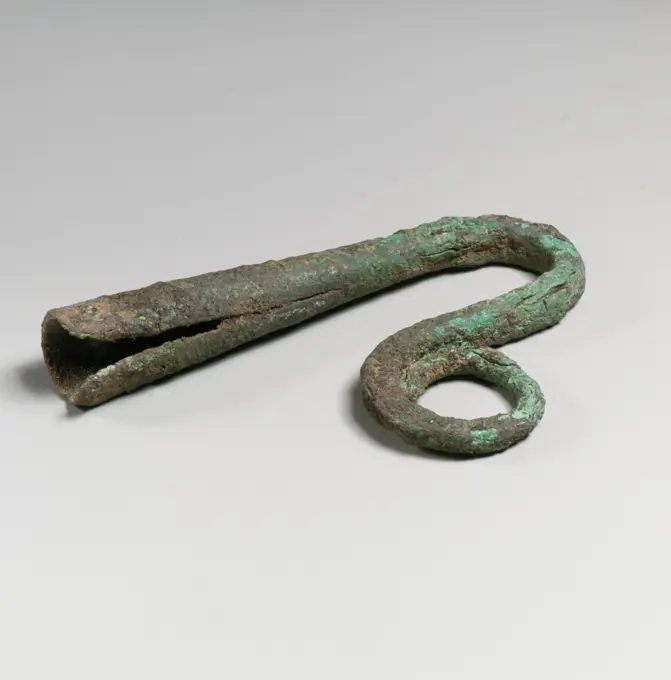
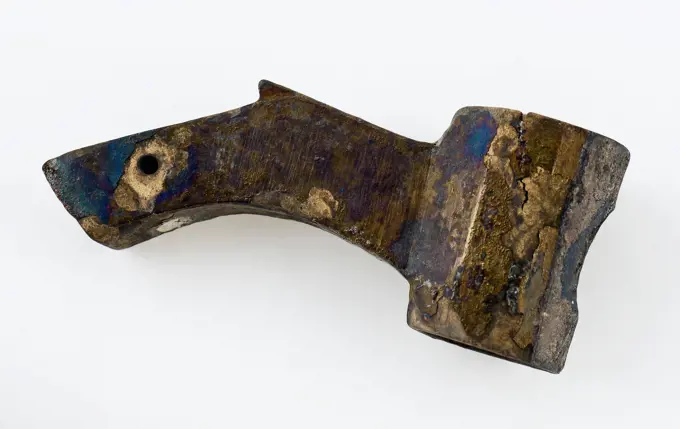
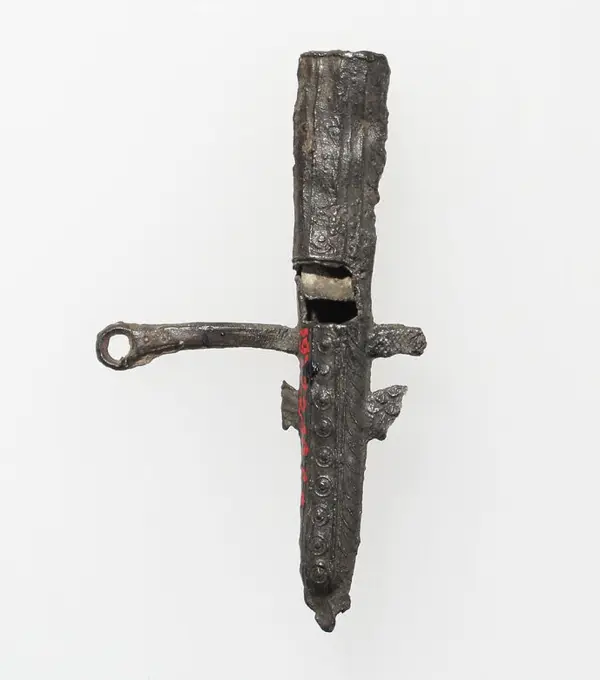
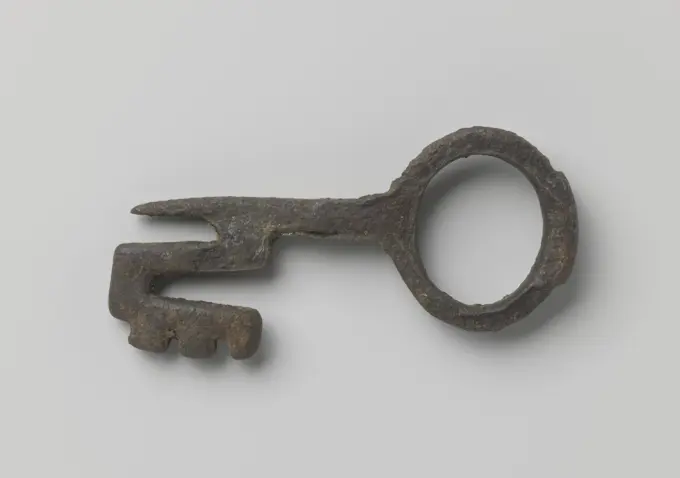
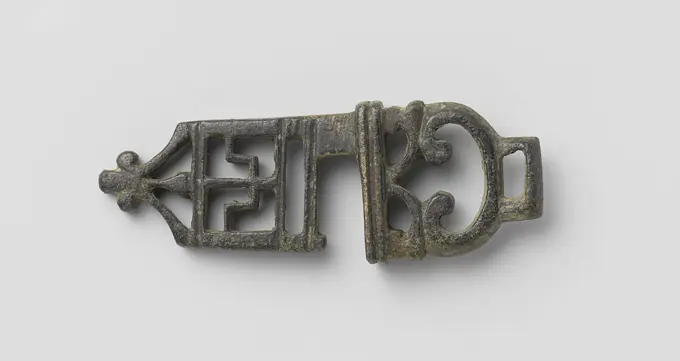
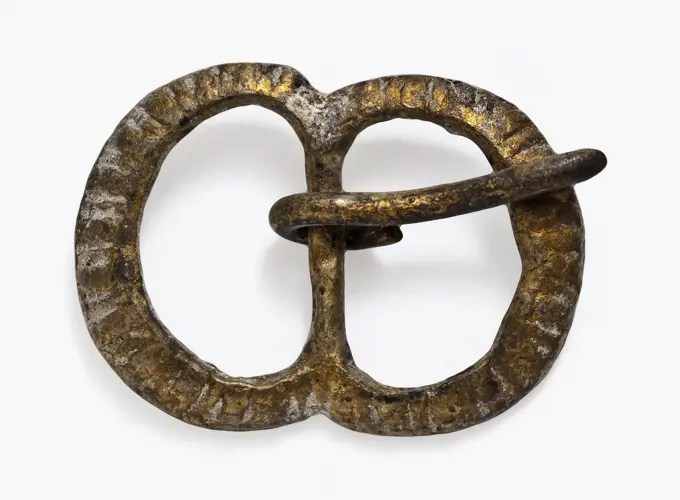
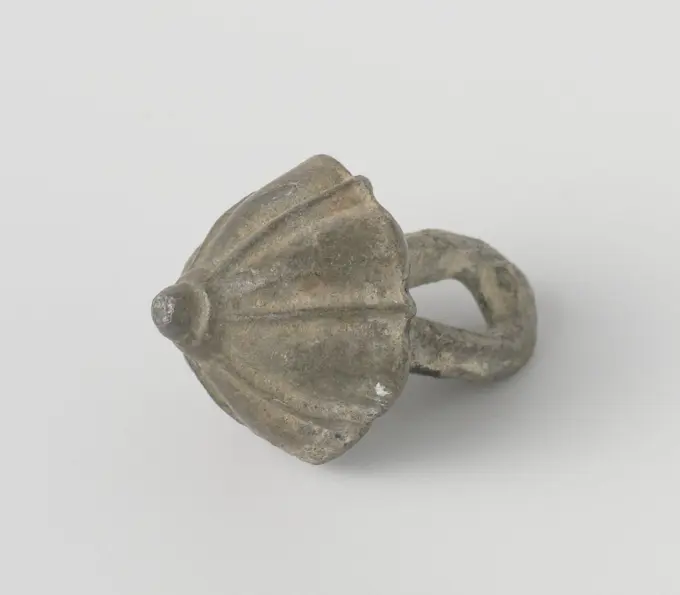
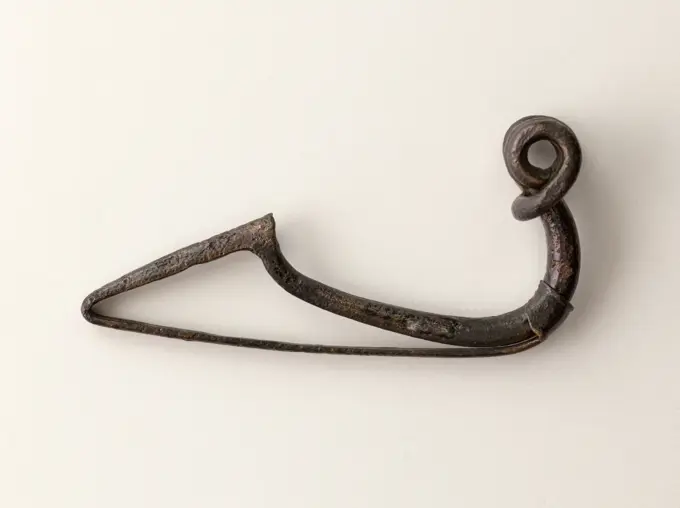
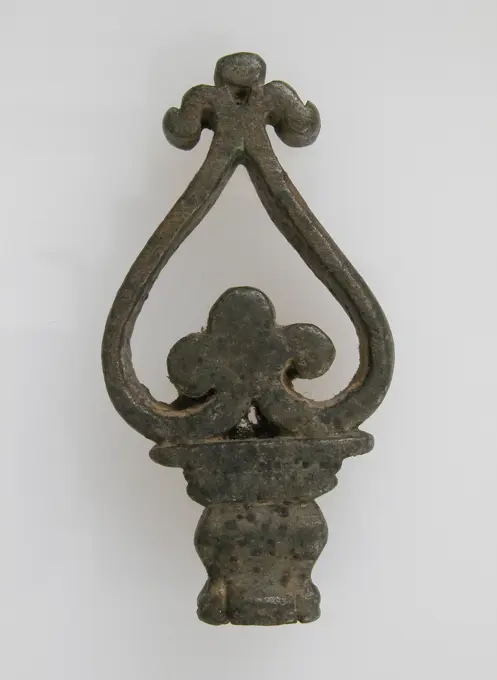
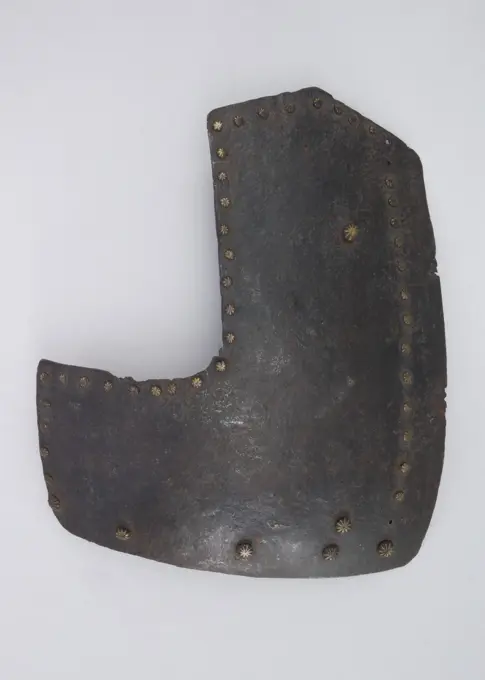
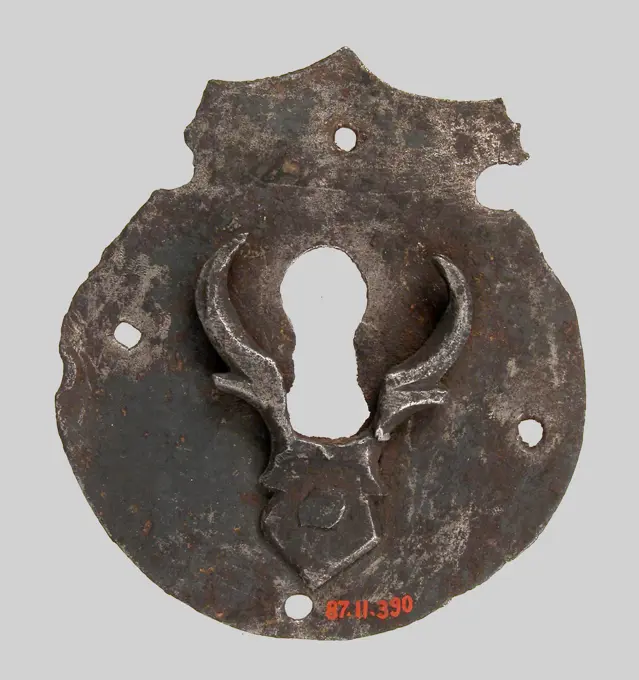
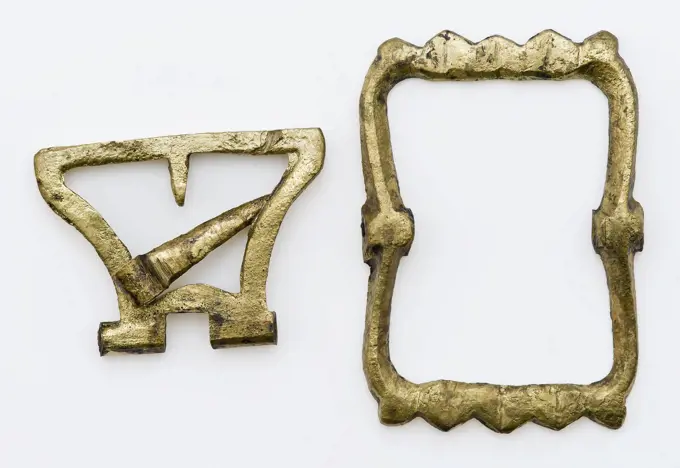
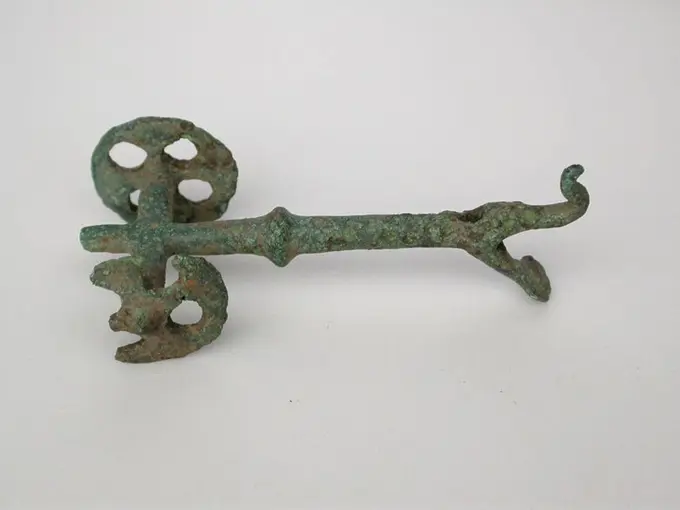
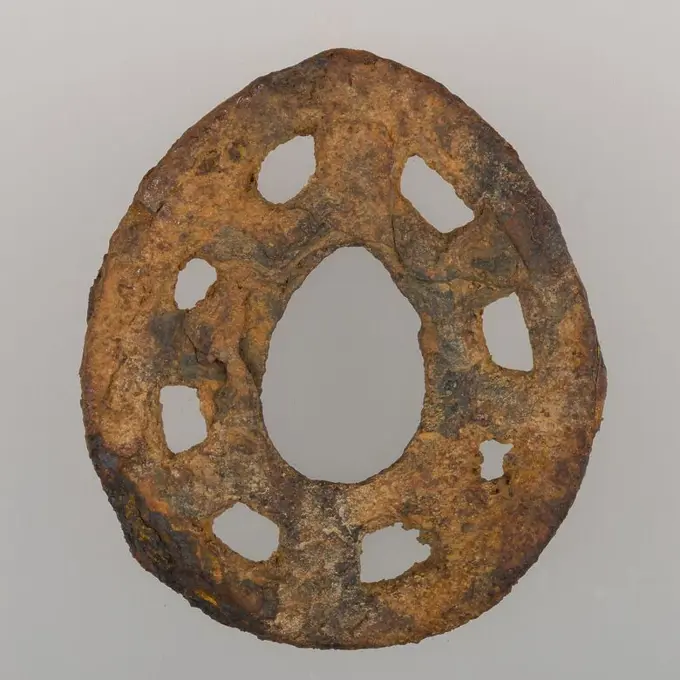
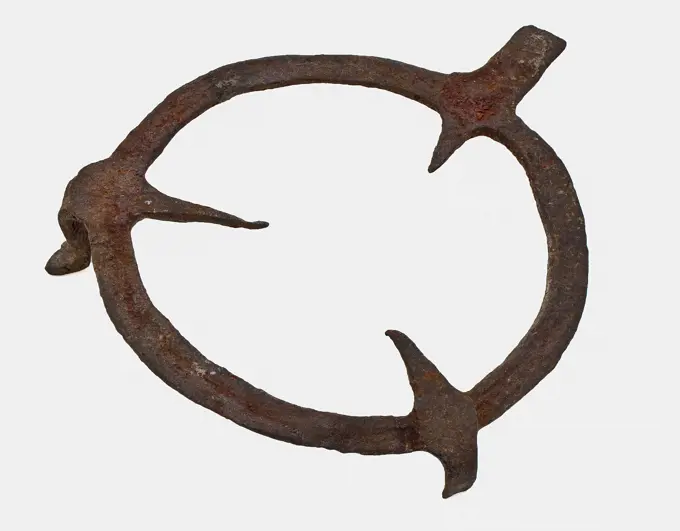
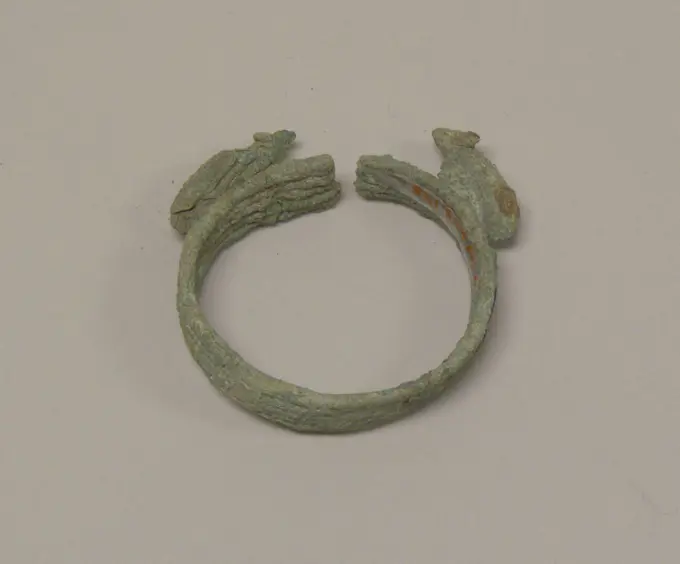
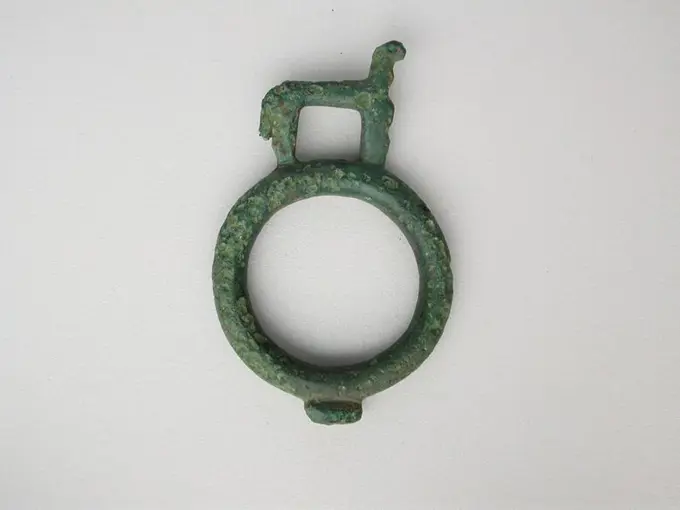
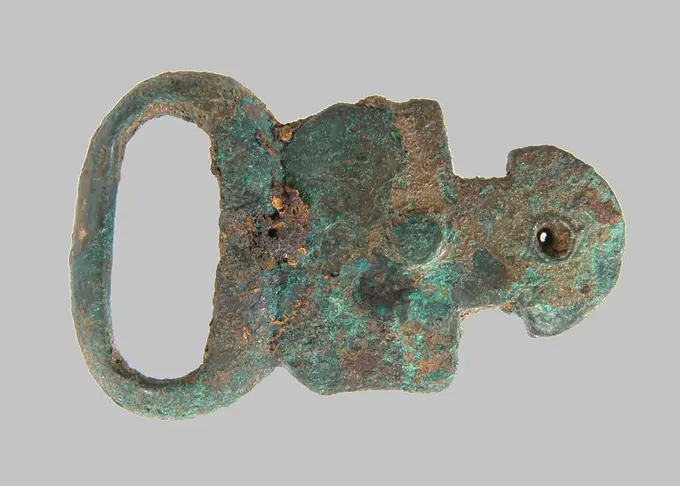
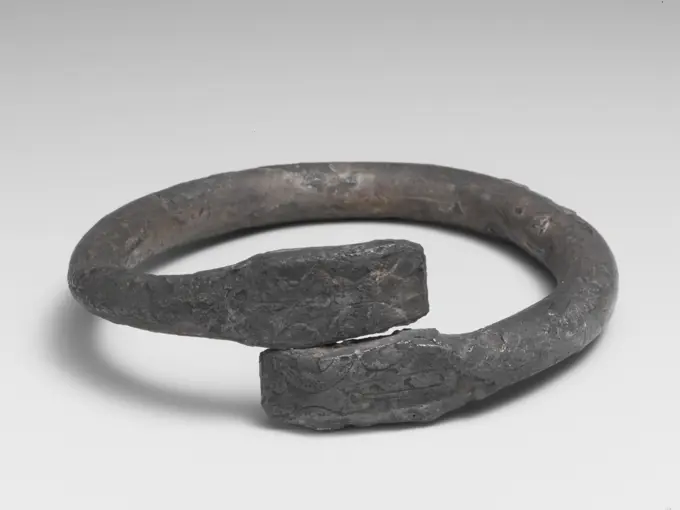
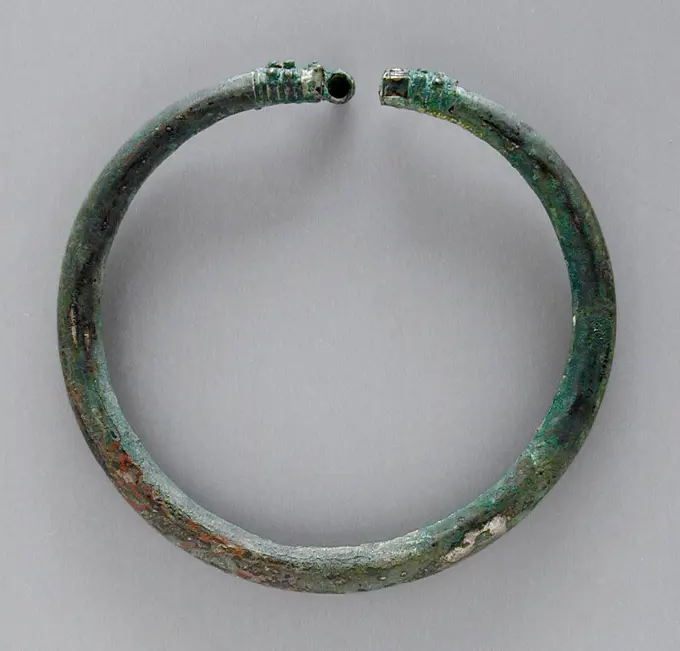
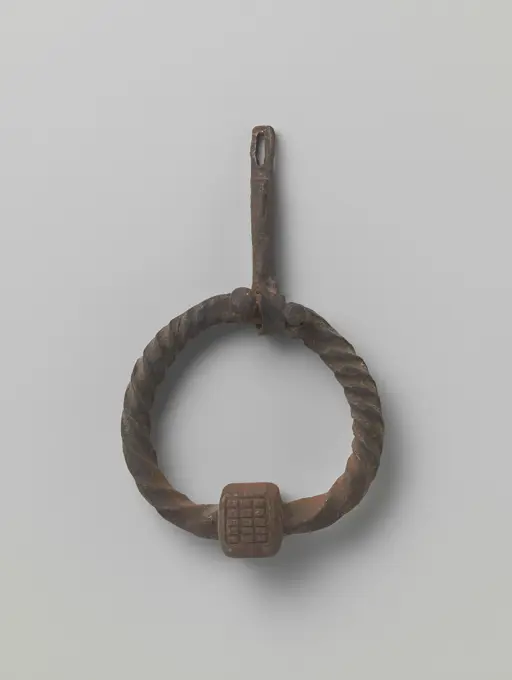
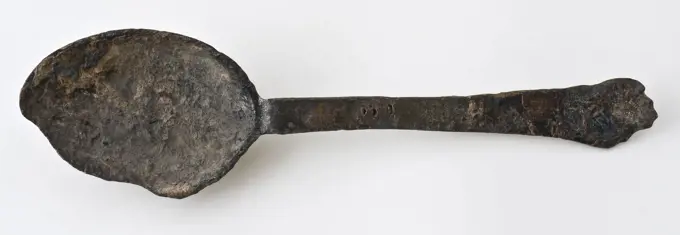
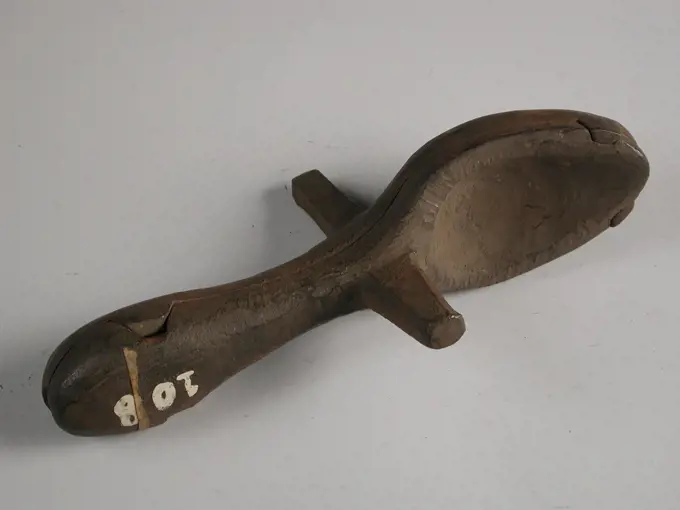
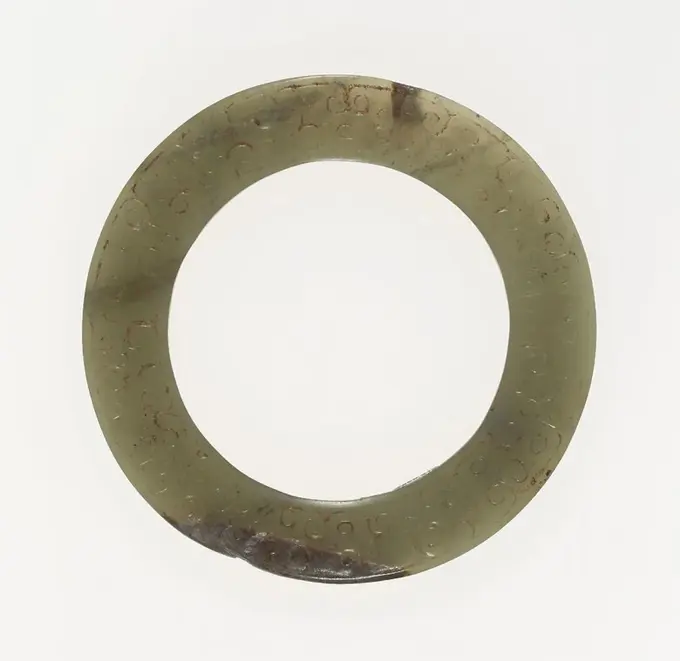
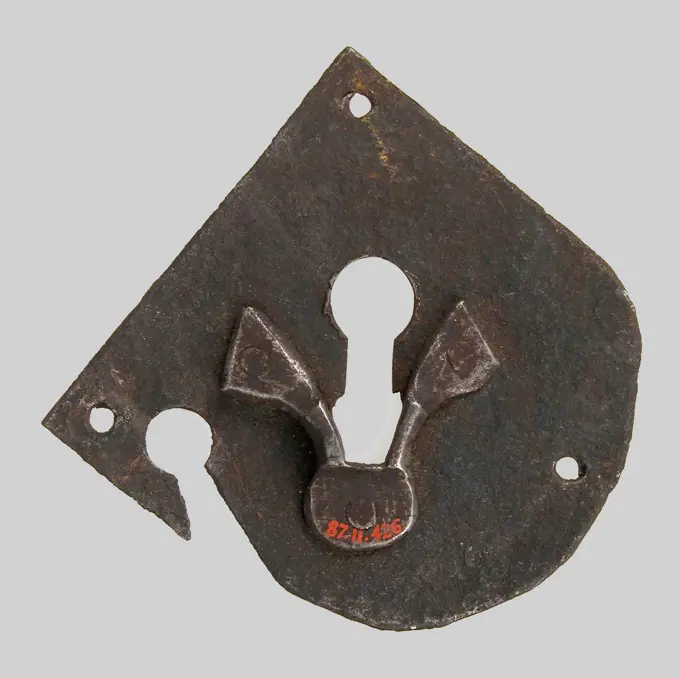
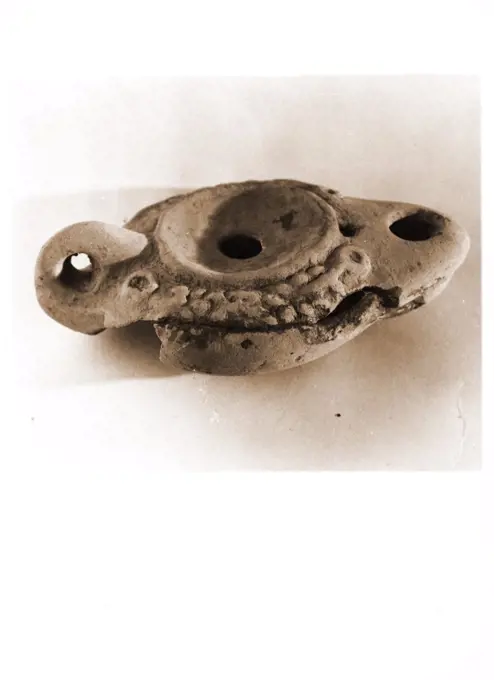
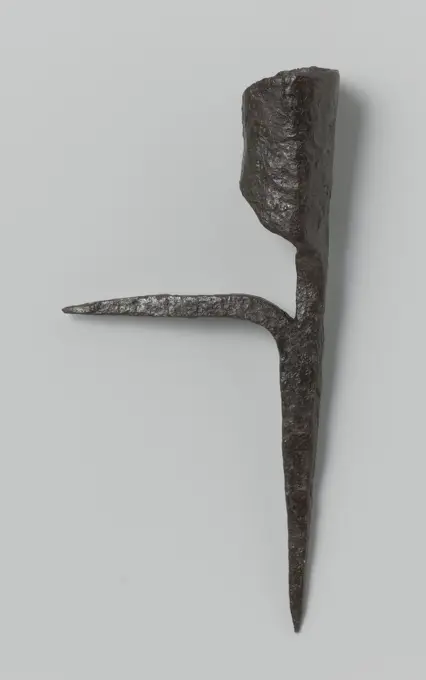
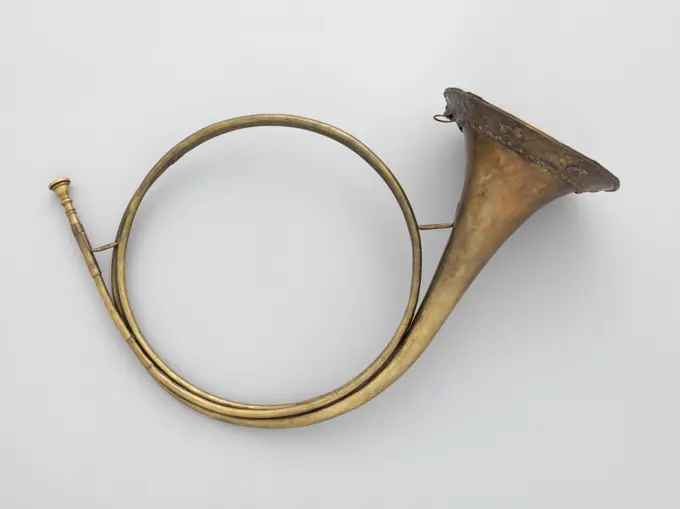
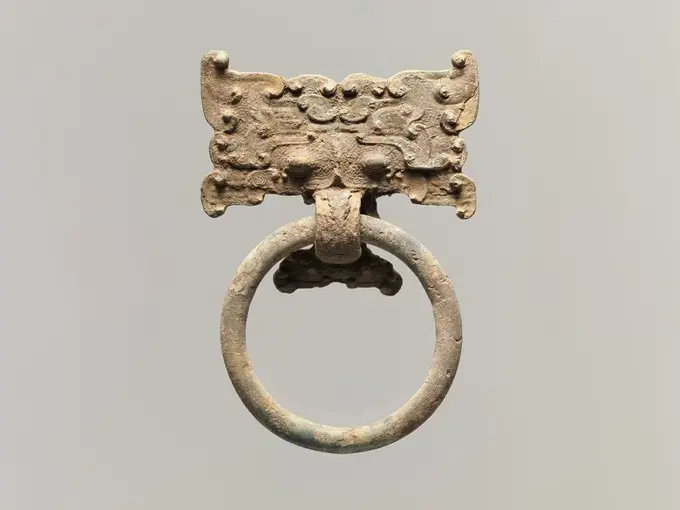
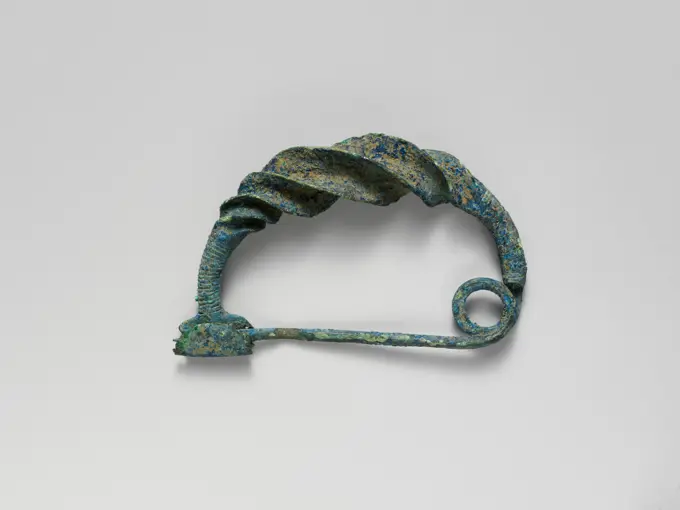
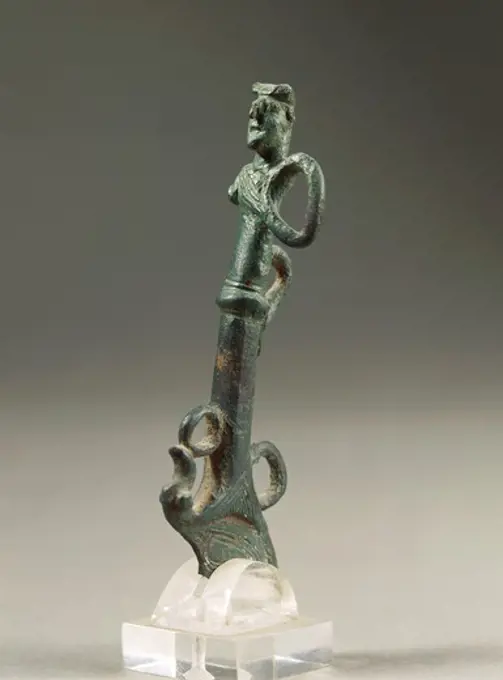
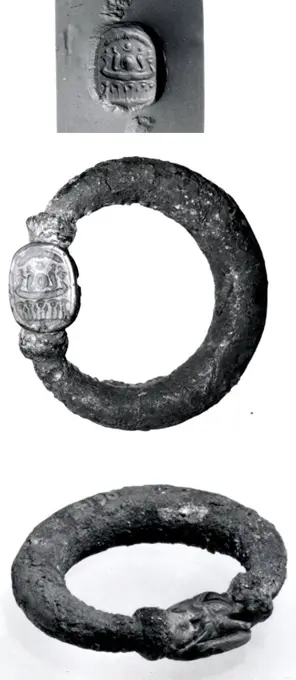
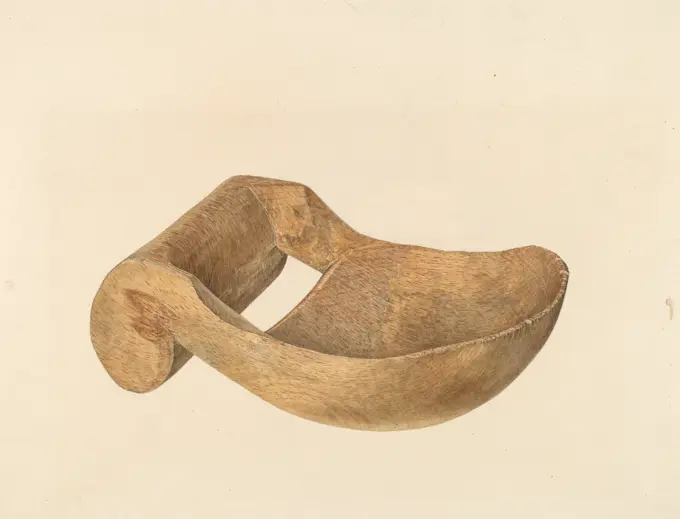
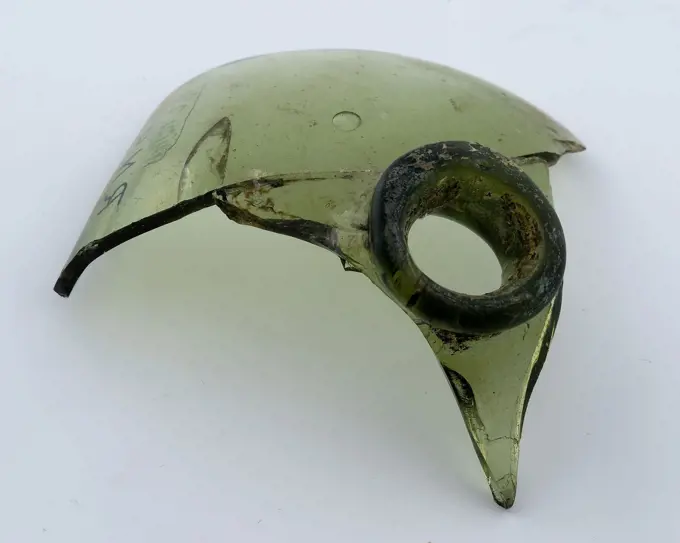
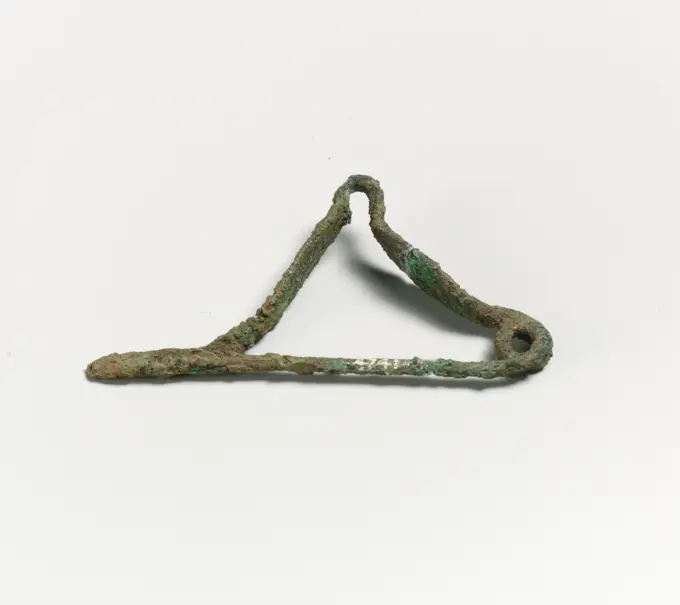
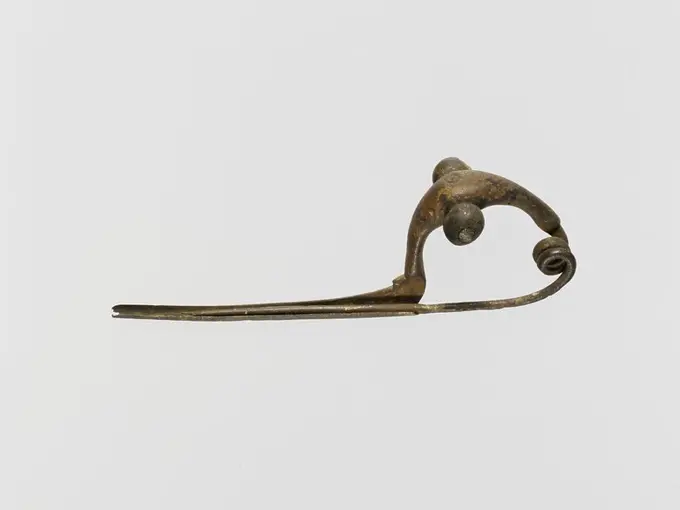
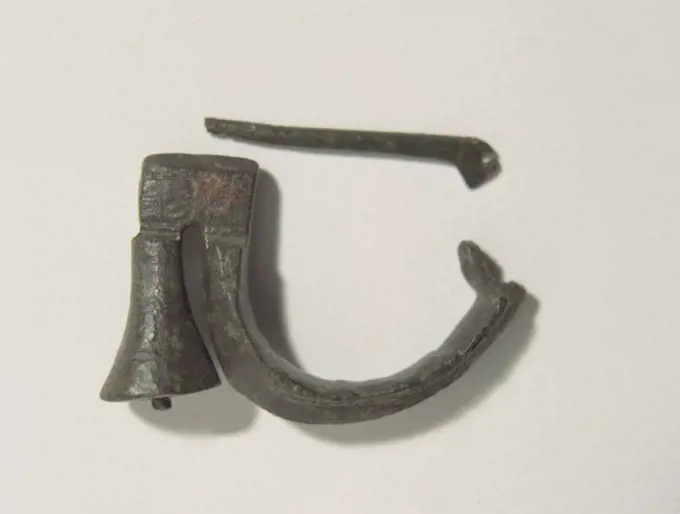
ARTE PREHISTORICO. FIBULAS DE BRONCE. ARGANDA. MADRID. EDAD DEL HIERRO. HIERRO II. MUSEO MUNICIPAL. MADRID.Bracelet 1st century B.C. Celtic. Bracelet 464960 Celtic, Bracelet, 1st century B.C., Copper alloy, Overall: 2 11/16 x 2 9/16 x 1/4 in. (6.8 x 6.5 x 0.7 cm). The Metropolitan Museum of Art, New York. Gift of J. Pierpont Morgan, 1917 (17.191.255)Part or fittings from the wreck of the East Indians Hollandia, Anonymous, 1700 - in Or Before 1743 part Strip-shaped fitting; fragm, angular pattern, flat, 2 ends broken, 1 hole, cf. 80H1670. Netherlands copper (metal)Bronze shepherd's crook ca. 1200-1050 B.C. Cypriot This is one of six known pieces that are described as shepherd's crooks or scepters, although this is the only one with a tip curved to form a scroll. It was once attached to a wooden rod.. Bronze shepherd's crook 244449Bird, one of a pair, 7th-6th century BCE, 4 5/8 × 5 3/4 × 3 in., 0.9 lb. (11.75 × 14.61 × 7.62 cm, 0.4 kg), Bronze, China, 7th-6th century BCE, It is probable that these birds served as components of another object, such as a vase or a chariot. With their crests, ears, and horns, these are no ordinary birds, but rather magical animals. In their claws they clutch a snakelike beast with two bodies. They are further adorned with incised spirals, their shoulder lines emphasized by large comma shapes in rounded relief. The wings, spread flat, are bordered with striated bands and end in a flourish with double curves at the base of the birds breasts. The eyeballs are raised knobs with hollow centers. The bird motif is ubiquitous in Zhou art, suggesting an almost totemic significance. The birds were not only considered living beings but may have acted as intermediaries to help people communicate with the spirit realm.Incomplete, bronze tap with spout in the shape of stylized animal head, tap part soil find bronze copper metal, Mottled gray yellow metal tap with spout in the shape of stylized animal head Curved spout with flat sides. Curvature only at the bottom. The tapered tube at the back is missing On the left and right side of the spout there is an archaeological hole Rotterdam City Triangle Mariniersweg crane container component barrel beer wine Soil discovery: Mariniersweg Rotterdam 1983.Door Knocker 15th-16th century European. Door Knocker. European. 15th-16th century. Iron. Metalwork-IronPilgrim's Badge. Culture: French. Dimensions: Overall: 1 15/16 x 1 3/16 x 1/8 in. (5 x 3 x 0.3 cm). Date: 14th-16th century. Museum: Metropolitan Museum of Art, New York, USA.Paw from tableware from the wreck of the East India. The flying heart. Copper black paw of a piece of crockery. It is bent and has sober decorations.Buckle with two oval eyes, buckled model, buckle fastener component soil find copper bronze metal largest, cast Large copper buckle in the shape of an eight with two oval-eyed midrange and sting. Buckled model possibly highly inflected archaeology Rotterdam rail tunnel attaching fastening belt fastening Soil discovery: trajectory rail tunnel Rotterdam.Hollow Bangle 300 B.C.-A.D. 400 Thailand. Hollow Bangle 53364Fragment of shot and lock. .Olive lamp; Unknown Roman workshop; 1st century (1-00-00-100-00-00);Key, 1500 - 1600 Key whose short stem runs pointed. The eye is ring -shaped.  iron (metal) Key whose short stem runs pointed. The eye is ring -shaped.  iron (metal)The Amsterdam apothecary and art collector Emmanuel Vita Israël. He donated his collection, comprising keys dating from Roman antiquity to the 19th century, to the Koninklijk Oudheidkundig Genootschap (Royal Antiquarian Society) in 1937. Vita Israël claimed that his key collection had grown more or less by accident: being one of the few collectors of keys, dealers automatically made their way to him.Decorated brass buckle with two oval eyes, buckle fastener component soil find copper brass metal, cast engraved Buckle in the shape of an eight with two oval-eyed midrange and sting. Decorated frame wreath of double dowels around archeology Rotterdam railway tunnel fastening fastening close closing Soil discovery: trajectory rail tunnel Rotterdam.Button, Konisch with ribs and leaf -shaped eye, anonymous, c. 1590 - c. 1596 button Button, Konisch in shape with six ribs that come together in a point and a leaf -shaped eye. Amsterdam tin (metal) casting  Nova Zembla. Saving HuysHand guard, anonymous, 1600 - 1900 Oval tsuba in the form of a crane with three young in a pine; Details in gold nunome-zogan; Signed with a seal in gold-infunction. Japan iron (metal). gold (metal) Oval tsuba in the form of a crane with three young in a pine; Details in gold nunome-zogan; Signed with a seal in gold-infunction. Japan iron (metal). gold (metal)Fiber. All. With. G. R. Paris, Musée Carnavalet. 51856-6 Clip, fibulaAsymmetric Pediform Hafted Ax 500 B.C.-A.D. 300 Vietnam (North). Asymmetric Pediform Hafted Ax. Vietnam (North). 500 B.C.-A.D. 300. Bronze. Bronze and Iron Age period. MetalworkPipe key. Pipe key with handle on round shaft, solid square beard, with rectangular teeth.Key Handle 1st-7th century Roman. Key Handle 462968Bell Quadrilateral body.. Bell. Bronze. BronzesSerpentine Fibula. UnknownBrigandine Plate 1400-1450 Italian This is part of a large find of medieval armor discovered in 1840 in the ruins of the fortress of Chalcis, on the Greek island of Euboea (then a Venetian colony called Negroponte). The fortress had been captured and destroyed by the Turks in 1470. Now divided largely between the Ethnological Museum, Athens, and The Metropolitan Museum of Art, the Chalcis hoard contains many rare and unusual elements of fourteenth- and fifteenth-century armor. Of particular importance are the variety of headpieces and the many fragments of brigandines (armor for the torso constructed of small plates riveted to layers of fabric), some of which retain portions of their original velvet covering. The Chalcis armor provides a unique picture of the armament used in the Aegean, one of the easternmost military outposts of the Venetian empire.. Brigandine Plate 27688Buckle ca. 1500 French. Buckle. French. ca. 1500. Bronze. Miscellaneous-Buckles & OrnamentFragmentary Suspension Tube. UnknownEscutcheon plate 16th century German. Escutcheon plate 468805Buckle with rectangular bow, bouncing and broken angel, clasp fastener component soil find brass metal, d 0,7 (whole) archeologyBird on Wheeled Stand. Greek; Thessaly. Date: 750 BC-700 BC. Dimensions: 6.8 x 2.4 x 3.5 cm (2 5/8 x 1 x 1 3/8 in.). Bronze. Origin: Greece. Museum: The Chicago Art Institute, Chicago, USA. Author: ANCIENT GREEK.Sword Guard (Tsuba). Culture: Japanese. Dimensions: H. 2 15/16 in. (7.5 cm); W. 2 1/2 in. (6.4 cm). Date: ca. 3rd century-538. Museum: Metropolitan Museum of Art, New York, USA.Iron trivet, trims equipment tool found iron metal, forged Round iron trivet or trivet on three curved legs. Three inward-pointing points on the ring. Fragment of handle archeology underground pit Rotterdam City Triangle Blaak Groenendaal cooking hearth kitchen food preparation nutrition Soil discovery dirty low underground pit Groenendaal direction Blaakstation 3-4 meters below N..P. 1977.Joined Figures 500 B.C.-A.D. 300 Indonesia (Sumatra). Joined Figures. Indonesia (Sumatra). 500 B.C.-A.D. 300. Bronze. Bronze and Iron Age period. MetalworkOpenwork Plaque middle of 6th century Frankish. Openwork Plaque 464964 Frankish, Openwork Plaque, middle of 6th century, Copper alloy, tinned surface, Overall: 2 3/16 x 15/16 x 1/16 in. (5.5 x 2.4 x 0.2 cm). The Metropolitan Museum of Art, New York. Gift of J. Pierpont Morgan, 1917 (17.191.259)Bracelet. Western Iran, circa 1000-650 B.C.. Jewelry and Adornments; bracelets. Bronze, castLoop. Two wraps wrapped on the left and right, 2 fans in a fan or high and low mid -shell.Belt Hook. Northern China or Inner Mongolia, 5th-3rd century B.C.. Jewelry and Adornments; hooks. Bronze, castBelt hook. Three cannelures on the middle piece, ending in a sample head; gilt.Knife (Bank) 19th century Indian, Mahrata. Knife (Bank) 31535Wide Bracelet with Facing Animals() 300 B.C.-A.D. 400 Thailand. Wide Bracelet with Facing Animals(). Thailand. 300 B.C.-A.D. 400. Bronze. Late period. JewelryHarness Ring with Quadruped. Greek; Thessaly. Date: 800 BC-600 BC. Dimensions: 6.3 x 4.0 x 0.6 cm (2 1/2 x 1 5/8 x 1/4 in.). Bronze. Origin: Thessaly. Museum: The Chicago Art Institute, Chicago, USA. Author: ANCIENT GREEK.Appliques. Caucasus. Av. J.C. Paris, Cernuschi museum. 35406-18 Applique, CaucasusBuckle. Culture: Frankish. Dimensions: Overall: 1 7/16 x 7/8 x 3/16 in. (3.7 x 2.3 x 0.5 cm). Date: 500-725. Museum: Metropolitan Museum of Art, New York, USA.Djed Pillar Amulet 664-332 B.C. Late Period The djed-pillar is a stylized representation of an early fetish that probably consisted of plant material. From the beginning of ancient Egyptian history, it was used as a symbol signifying permanence. Later it was associated with the god Osiris and identified as his backbone. The djed-pillar here was probably used as a funerary amulet to ensure permanence and to closely connect the deceased to Osiris, who was revived after death.. Djed Pillar Amulet. 664-332 B.C.. Faience. Late Period. From Egypt. Dynasty 26-30Silver bracelet ending in snake's heads 5th century B.C. Greek The flattened ends are incised with lines representing stylized snakes' heads.. Silver bracelet ending in snake's heads. Greek. 5th century B.C.. Silver. Classical. Gold and SilverPin from the wreck of the East Indies Hollandia, Anonymous, 1700 - in Or Before 1743  Tools and instruments, sewing and sailmaking, pin; fragm, bow, id. NG 1980-27H3265. Netherlands copper (metal)   SecondCostume Ornament. Culture: Peru; central coast (). Dimensions: L. 1 3/8 in. (3.5 cm). Date: 11th-12th century. Museum: Metropolitan Museum of Art, New York, USA.Finial Support. Iran, Luristan, circa 1350-650 B.C.. Architecture; Architectural Elements. Bronze, castBuckle The back piece has one rivet, by which it was fastened to a strap or garment.. Buckle 246777Hook 9th-10th century. Hook 449962Door knocker of iron. Wrought iron door knocker.Hinge, anonymous, -500 --200 Rich play of arabesken, located in different levelx; Part of a few. China bronze (metal) Rich play of arabesken, located in different levelx; Part of a few. China bronze (metal)Key 1st-7th century Roman. Key 462944Door grip or beater with remainder of confirmation hook. Door grip or beater with remainder of confirmation hook.Tools, anonymous, c. 1590 - c. 1596 drill Handle drill consisting of a wooden crank or cover, a wooden drill holder that is clamped in the foot, and a driller in it. At the top of the crank is a round wooden button, which rotates on a pivot and is prevented from shooting the pivot. The end of the driller is spherical.  oak (wood). iron (metal) cutting / forging  Nova Zembla. Saving HuysSpoon with oval bowl and straight flat handle with pied the biche as end, spoon cutlery soil find tin metal, cast Oval bowl profiled rat tail and praise flat handle and pied the biche handle end Tin mark above the middle of the stem at the back Reverse side style unclearly smashed mark in the middle an angel archeology Rotterdam railway tunnel eating soil discovery: railway tunnel Rotterdam.Two-piece bronze mold for spoon, cast molding tool tools base metal bronze, cast Two-piece bronze mold for casting spoon with praise Rotterdam tin foundry tin pewter Meeuws Druy craft Forms originate from the 18th century Rotterdam tinnegieter J Druy. The large molds that were not signed or dated were the property of the tinker guild and were rented to the small tin caster.Cheekpieces from a Horse Bit. Iran, Luristan bronzes, 1000-650 B.C.. Tools and Equipment; horse trappings. BronzeRing. China. Date: 600 BC-400 BC. Dimensions: 6.9 × 1.3 × 0.3 cm (2 3/4 × 1/2 × 1/8 in.). Jade. Origin: China. Museum: The Chicago Art Institute, Chicago, USA.Emilia-Romagna Ferrara Ferrara Museo Civico di Schifanoia08. Hutzel, Max 1960-1990 General Notes: INCOMPLETE RECORD--NEGATIVES PROCESSED, PRINTS FILED German-born photographer and scholar Max Hutzel (1911-1988) photographed in Italy from the early 1960s until his death. The result of this project, referred to by Hutzel as Foto Arte Minore, is thorough documentation of art historical development in Italy up to the 18th century, including objects of the Etruscans and the Romans, as well as early Medieval, Romanesque, Gothic, Renaissance and Baroque monuments. Images are organized by geographic region in Italy, then by province, city, site complex and monument.Buckle. UnknownEscutcheon plate 15th century German. Escutcheon plate 468810HACHA DE BRONCE.Buckle 14th century French, Haute-Savoie. Buckle. French, Haute-Savoie. 14th century. Bronze. Département de la Haute-Savoie, Rhône-Alpes. Miscellaneous-Buckles & OrnamentWindow niche; Unknown Nubian workshop; 1. W. VIII century (701-00-00-725-00-00);Faras (Sudan), architectural decorations, relief decorations, niches, Nubian art, rosettes, Polish excavations in Faras (Sudan)Anklet 500 B.C.-A.D. 300 Vietnam. Anklet. Vietnam. 500 B.C.-A.D. 300. Bronze. Bronze and Iron Age period. JewelryEarring, delta-shaped with beads. Earring, delta-shaped with beads 243348Handle (). Culture: Coptic. Dimensions: Overall: 7 7/8 x 1 1/16 x 1/2 in. (20 x 2.7 x 1.3 cm). Date: 4th-7th century. Museum: Metropolitan Museum of Art, New York, USA.Part, hinge () Stroke door with pointed arch punings and the letter F., Off. Mannheimer. Hinge () Low stern door. With a plinth and a frieze that is decorated with seven rounds in which a four-pass. In the middle compartment, four-cornered bars with top, bottom and in the middle, squirted thickening. The fence has a crown shaped from six pointed arches, above which five rounds with four pass. Under the middle round the letter (f). Iron, thickenings of copper.Snake Figurine with Tenon Under its Belly. Egypt, Late Period - Ptolemaic Period (664 - 332 BCE). Sculpture. BronzeAbruzzo, Alba Fucens, General views, Italy, 20th century, photo, photography, EuropeCandle holder consisting of a sleeve for a candle and two perpendicular pins, anonymous, c. 1590 - c. 1596  Candle holder consisting of a sleeve for a candle and two perpendicular pins. Amsterdam iron (metal) forging  Nova Zembla. Saving HuysLuckenbooth brooch -Mordant dated 1540 German. Mordant. German. dated 1540. Brass. Miscellaneous-Buckles & OrnamentBishop's Chair early 15th century Austrian. Bishop's Chair 465974Hunting Horn in D 1660-1720 Jacob Schmidt. Hunting Horn in D. German. 1660-1720. Brass. Nürnberg, Germany. Aerophone-Lip Vibrated-hornOpen, massive round bracelet (title awarded). Bronze. Carnavalet museum, history of Paris.Emilia-Romagna Ferrara Ferrara Museo Civico di Schifanoia80. Hutzel, Max 1960-1990 General Notes: INCOMPLETE RECORD--NEGATIVES PROCESSED, PRINTS FILED German-born photographer and scholar Max Hutzel (1911-1988) photographed in Italy from the early 1960s until his death. The result of this project, referred to by Hutzel as Foto Arte Minore, is thorough documentation of art historical development in Italy up to the 18th century, including objects of the Etruscans and the Romans, as well as early Medieval, Romanesque, Gothic, Renaissance and Baroque monuments. Images are organized by geographic region in Italy, then by province, city, site complex and monument.Ring of a door handle, also door knocker. A handle ring of a door also beater of resiled iron. Large TV ... òFoot of a Vase in the Form of a Double-Bodied Sphinx with a Single Head; Anatolia; 1st - 2nd century; Bronze; 13 cm (5 1,8 in.)Ring Handle. Culture: China. Dimensions: W. 2 1/2 in. (6.4 cm); L. 3 5/8 in. (9.2 cm). Museum: Metropolitan Museum of Art, New York, USA.Belt hook 5th-3rd century B.C. China. Belt hook 61268Bronze spiral-type fibula (safety pin) 9th century B.C. Villanovan Spiral fibulae are so-called because of their most characteristic feature. This type is almost always associated with female graves.. Bronze spiral-type fibula (safety pin) 251897 Villanovan, Bronze spiral-type fibula (safety pin), 9th century B.C., Bronze, Other: 3 3/8 in. (8.6 cm). The Metropolitan Museum of Art, New York. Fletcher Fund, 1925 (25.78.117)Penannular Brooch. Culture: Scandinavian. Dimensions: Overall: 2 9/16 x 2 3/8 x 11/16 in. (6.5 x 6.1 x 1.7 cm). Date: 10th-11th century. Museum: Metropolitan Museum of Art, New York, USA.Hammered Silver Miniature Crown 11th-mid-16th century Peru; north or central coast (). Hammered Silver Miniature Crown 309035Prehistory, Sweden, Bronze Age. Razor handle. From Simris.Decorated brass buckle with two oval eyes, buckle fastener component soil find copper brass metal, molded Buckle in the shape of an eight with two oval-eyed midrange and sting. Decorated picture frame figures embossed along the edge. Rough file or saw traces at the back archeology Rotterdam rail tunnel attach cling fastening Soil discovery: trajectory rail tunnel Rotterdam.Horse tack on a wooden wall. Horse collar hanging on a wooden wall. Copyright: xZoonar.com/JFsxPicxFactory xThielemannx 8577566Harness Jingle with Mounted Hunters 7th-6th century B.C. Northeast China. Harness Jingle with Mounted Hunters 59446Bronze Schijf from V.O.C. ship De 'Witte Leeuw', Before 1613  Bronze round disk or wheel with a round hole and 6 spokes in the middle. Presumably intended for the great coverage and the Kardeelblok of the East Indians De Witte Leeuw. With this heavy hoist, the large RA, to which the mainsail was attached, could be lifted or lowered.  bronze (metal)   Sint-HelenaSilver swivel ring with agate scarab Cypriot 7th-early 5th century BCE Swivel ring with agate scarab; solar disc between uraeus snakes, in solar boat; winged disc and disc with crescent above; papyrus foliage below.Hester Duany, Butter Worker, c 1940 Butter WorkerKey, c. 1400 - c. 1950 Pipe key with hinge connection. The flat ring -shaped handle is shaded over the width and provided with hammered circles at the bottom. The shaft is regularly grooved. Rome (possibly) bronze (metal) Pipe key with hinge connection. The flat ring -shaped handle is shaded over the width and provided with hammered circles at the bottom. The shaft is regularly grooved. Rome (possibly) bronze (metal)Two fragments of green square bottle, piece of shoulder with neck opening, bottom, bottle holder soil find glass bottom, free blown in shape blown Fragments of squares bottle. Green tinted but transparent glass. Air bubbles in glass Rust-colored iridescence. Pontil mark under the soul. Neck fragment with very short neck on round shoulder Thick neck edge archeology Rotterdam City Triangle Newport store packaging transport archaeological find in the soil Rotterdam Nieuwe Haven 1st round cesspool 21-8-1980Fibula CypriotBuckle with two oval eyes, kinked model with wide sides, buckle fastener part soil find buyer silver metal, molded Buckle in the shape of an eight with two oval-eyed midrange and stern two broad and flat sides. Kinked model. Possible silver or silver archeology Rotterdam rail tunnel to attach cling fastening Soil discovery: trajectory Rotterdam rail tunnel.Bronze bow-type fibula (safety pin). Culture: Etruscan. Dimensions: Other: 4 3/8 in. (11.1 cm). Date: early 7th century.The bow is hollow. On its upper surface is a punched circle. The head is formed by a spiral of two turns. Museum: Metropolitan Museum of Art, New York, USA.Divination Hammer, 20th century, Wood, iron, natural fibers, Côte d'Ivoire, 20th centuryRadslot, presumably intended for a large bridle pistool or fire rudder, anonymous, c. 1590 - c. 1596  Radslot, presumably intended for a large bridle pistool or fire rudder. The lock distinguishes itself by a ring -shaped strip over the wheel that is attached to the lock plate with two screws. On the outside of the lock plate you can still see the right of the fuse. The battle feather is broken, the lock is seriously corroded, but the parts of the mechanism are still recognizable. NM-7838 is mentioned incorrectly in connection with this object!  iron (metal) forging  Nova Zembla. Saving HuysBracelet Cypriot. Bracelet 244359