Ancient Bronze Artifacts

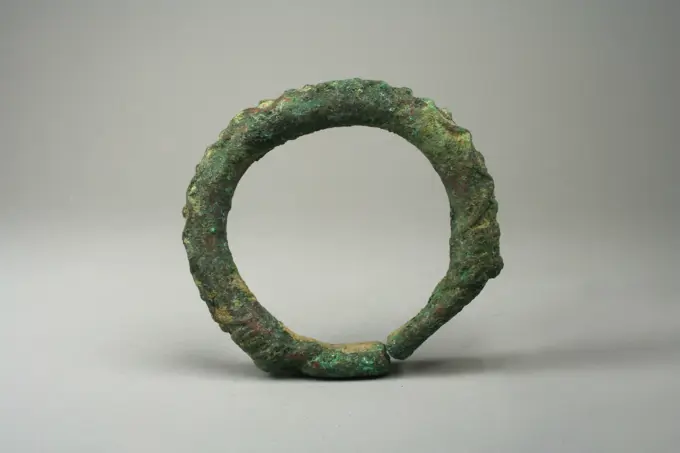
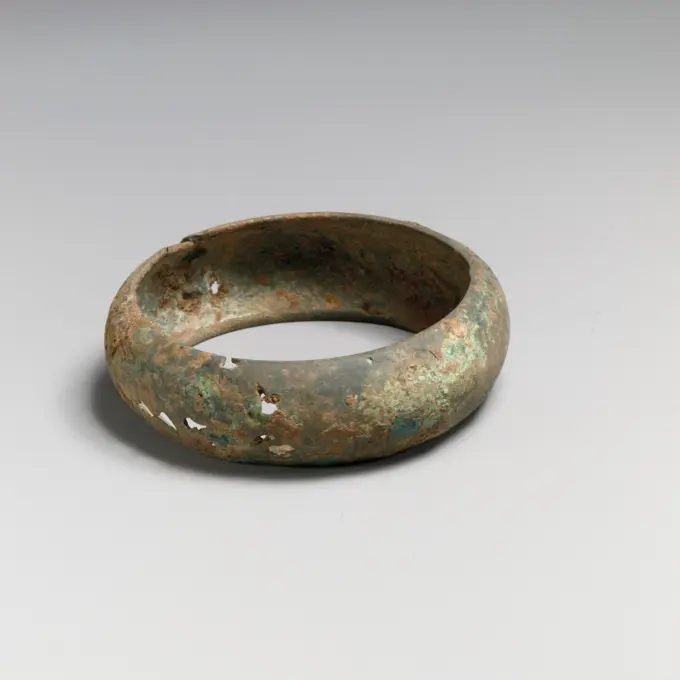
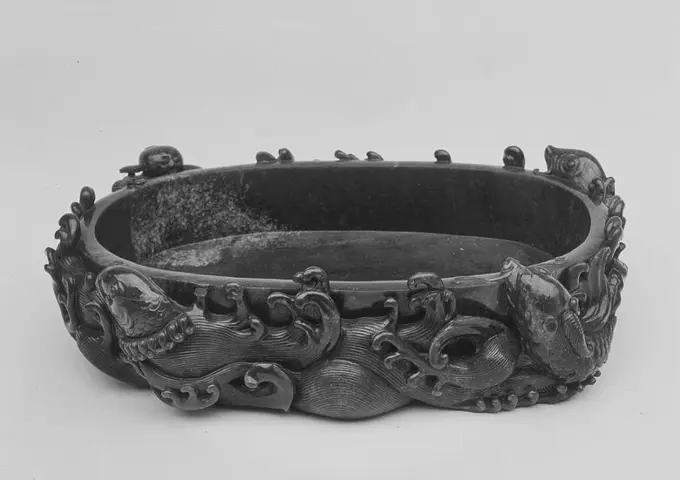
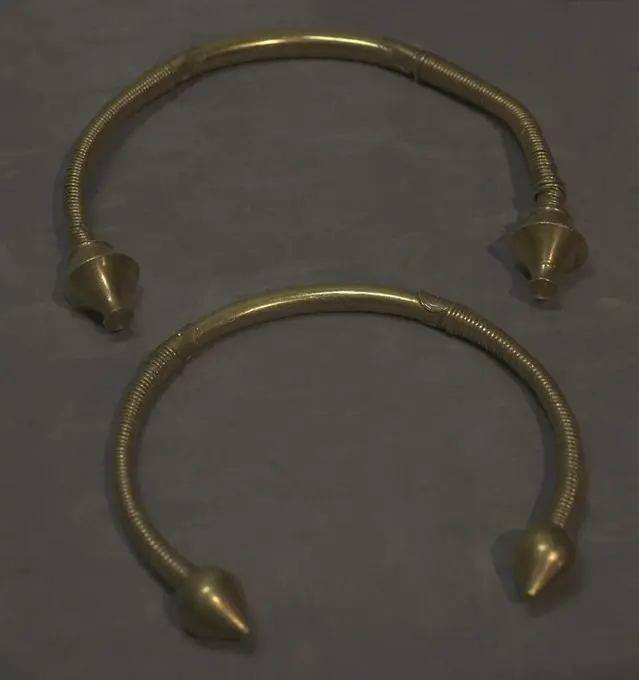
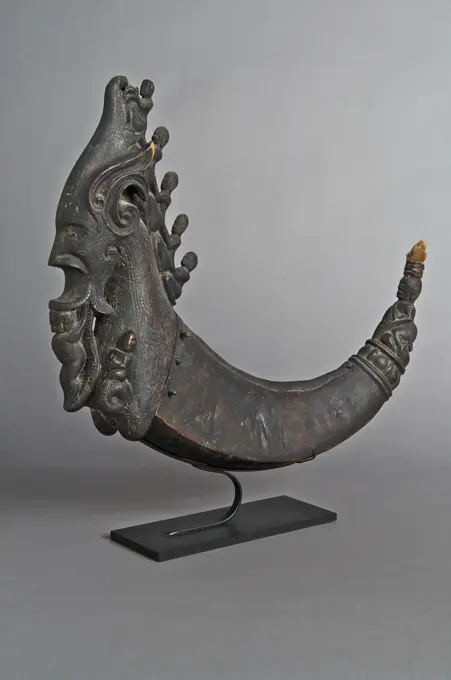
Images of historical bronze artifacts, including fibulas, bracelets, and decorative pieces, showcasing ancient craftsmanship and cultural significance.
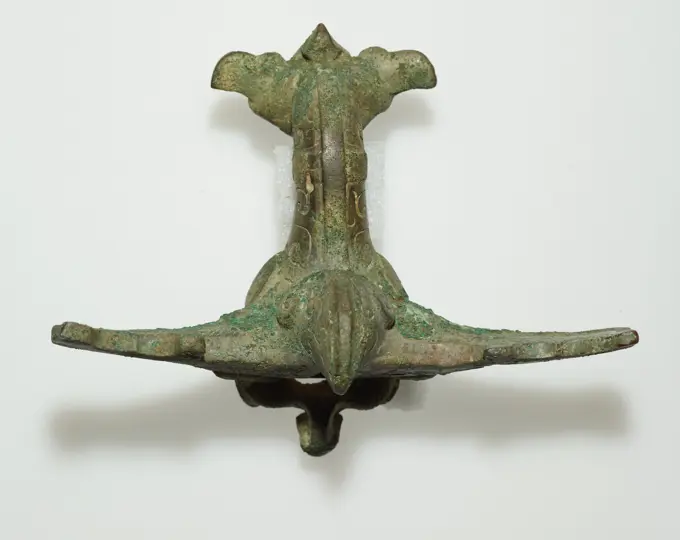
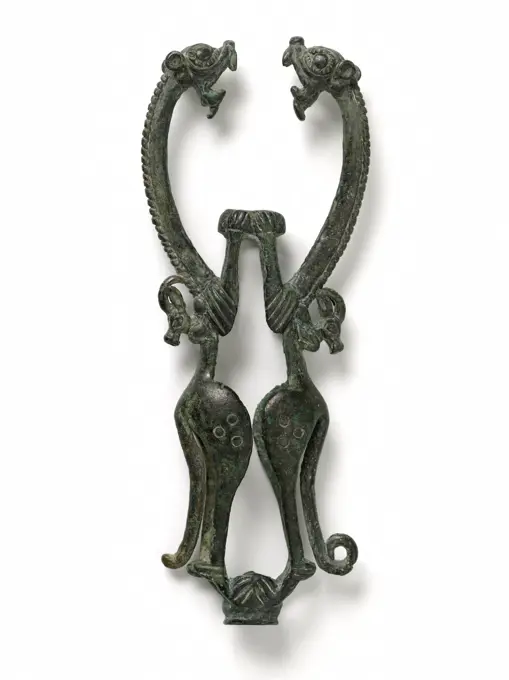
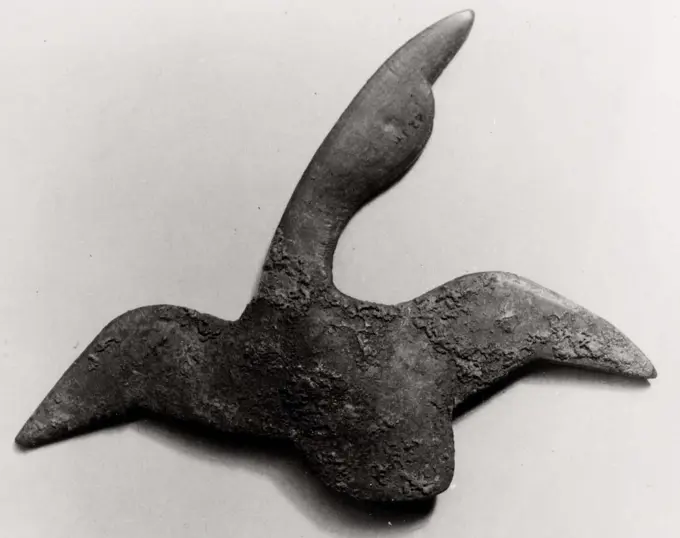
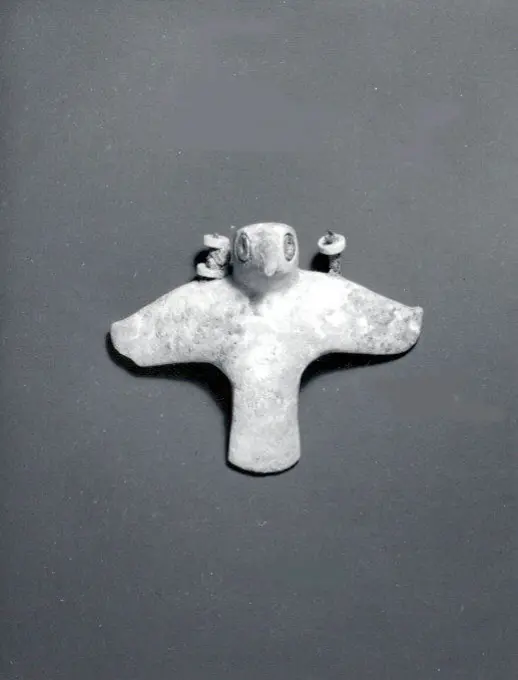
Bird, one of a pair, 7th-6th century BCE, 4 5/8 × 5 3/4 × 3 in., 0.9 lb. (11.75 × 14.61 × 7.62 cm, 0.4 kg), Bronze, China, 7th-6th century BCE, It is probable that these birds served as components of another object, such as a vase or a chariot. With their crests, ears, and horns, these are no ordinary birds, but rather magical animals. In their claws they clutch a snakelike beast with two bodies. They are further adorned with incised spirals, their shoulder lines emphasized by large comma shapes in rounded relief. The wings, spread flat, are bordered with striated bands and end in a flourish with double curves at the base of the birds breasts. The eyeballs are raised knobs with hollow centers. The bird motif is ubiquitous in Zhou art, suggesting an almost totemic significance. The birds were not only considered living beings but may have acted as intermediaries to help people communicate with the spirit realm.
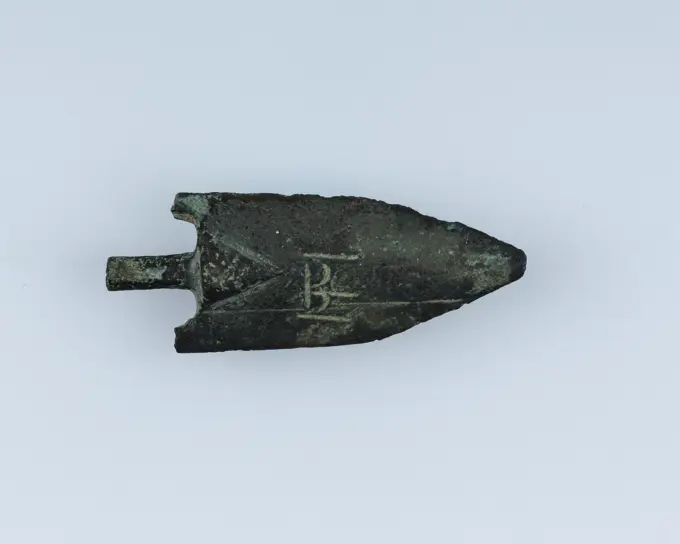
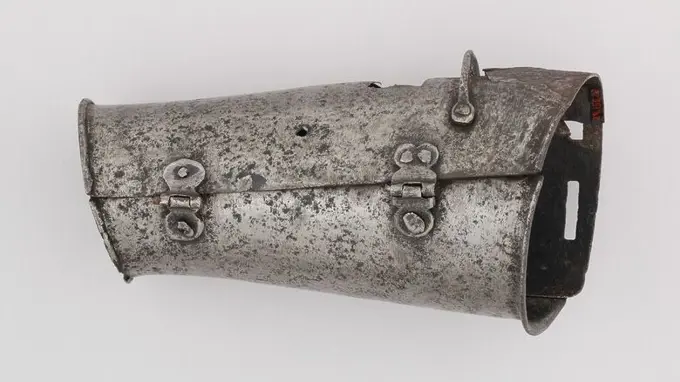
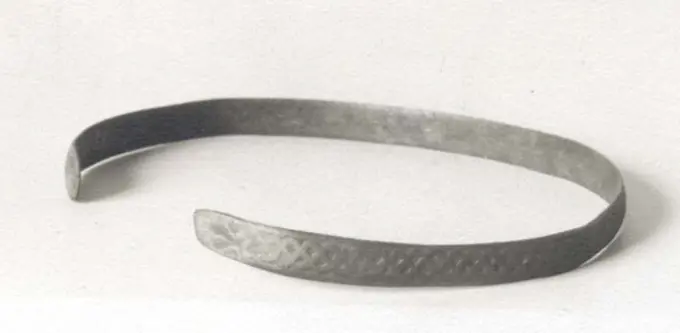
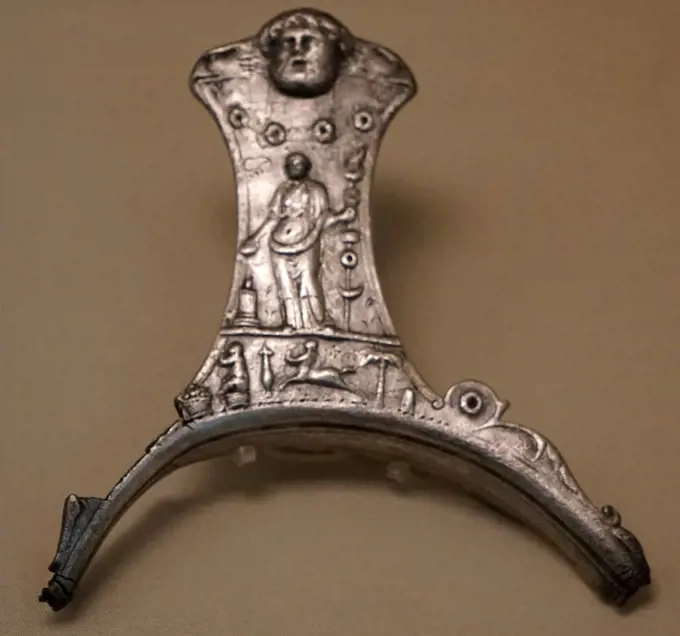
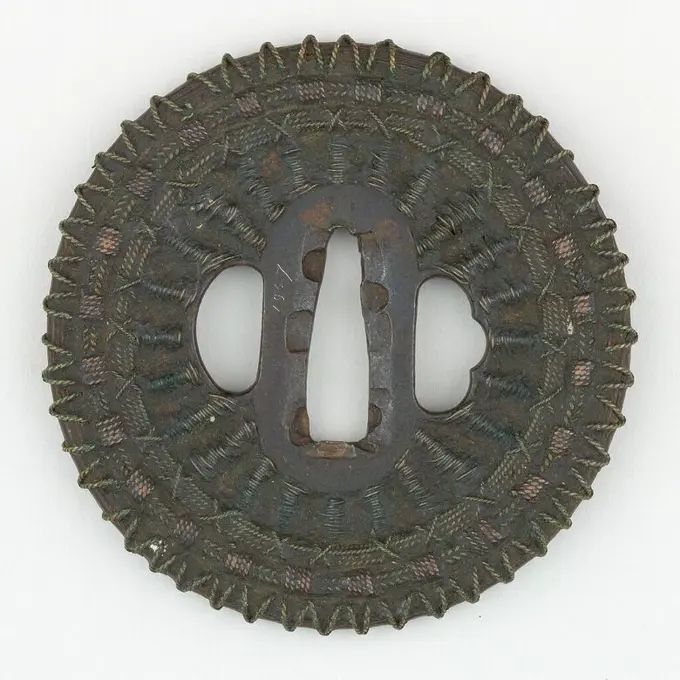
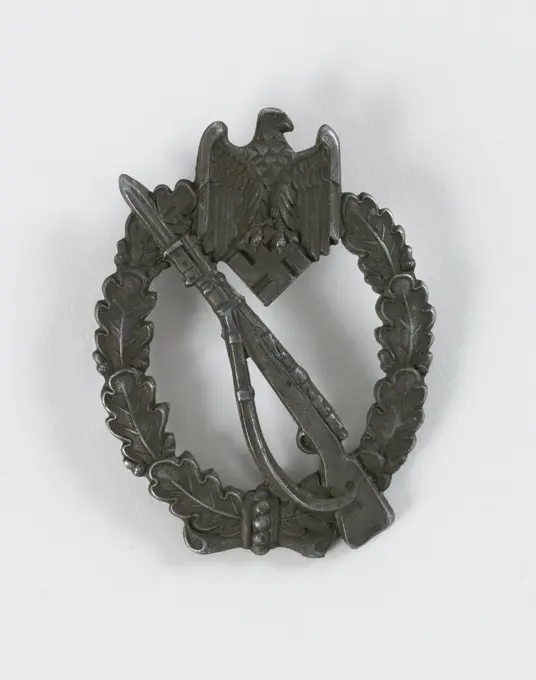
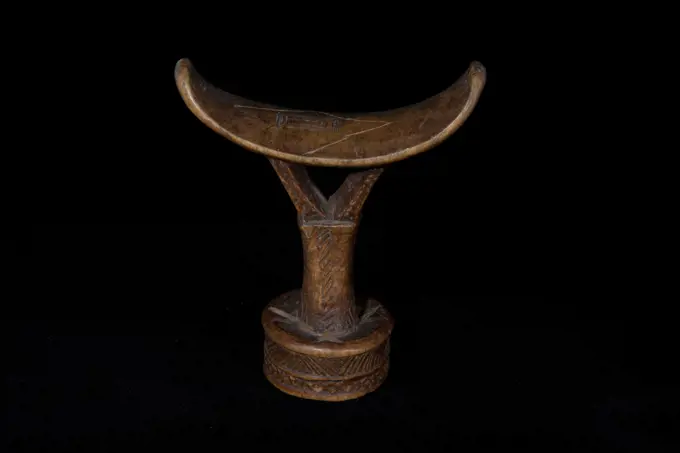
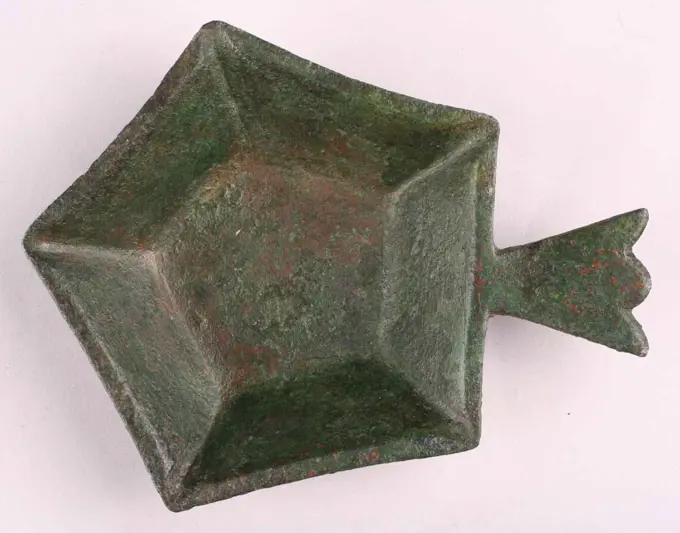
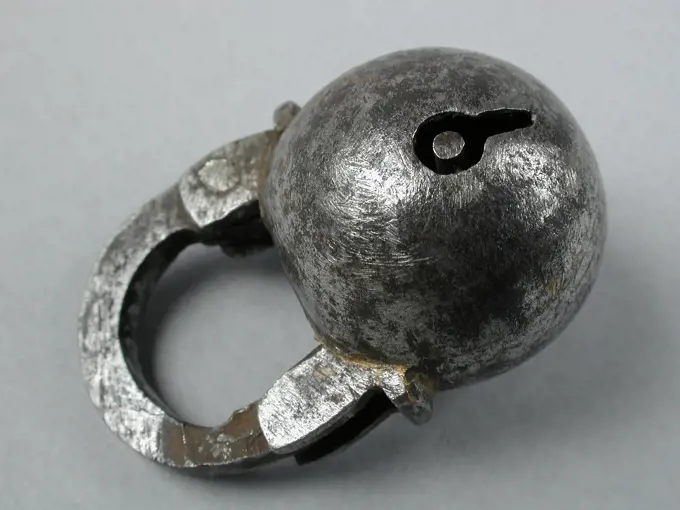
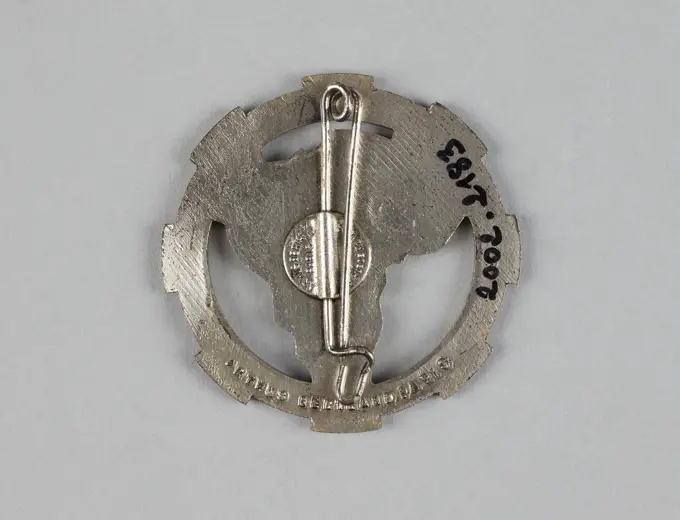
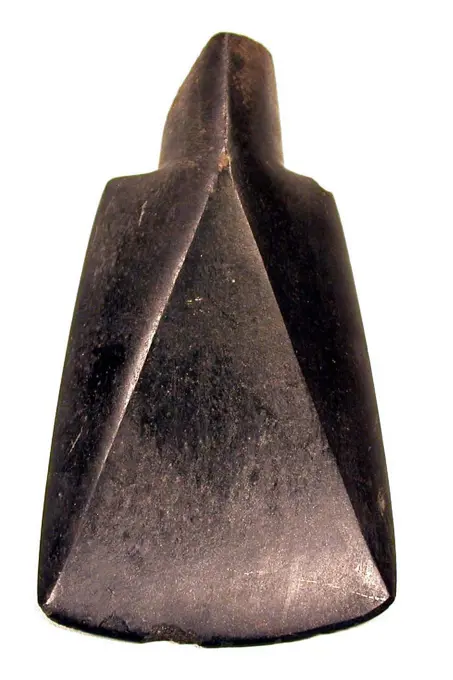
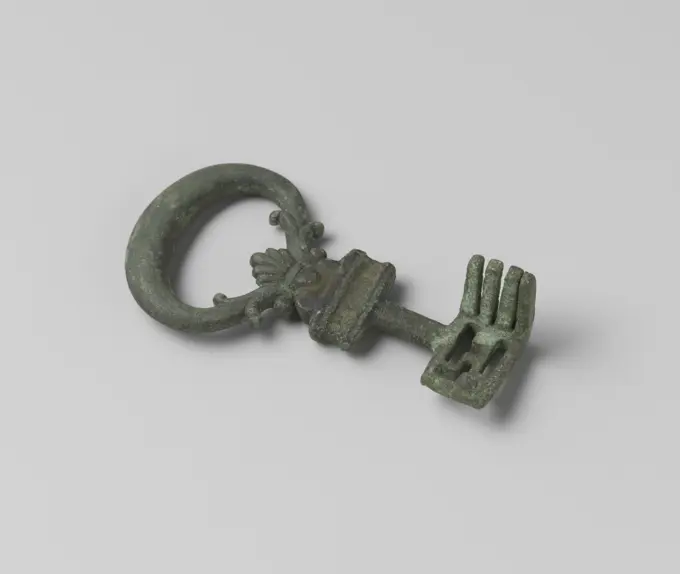
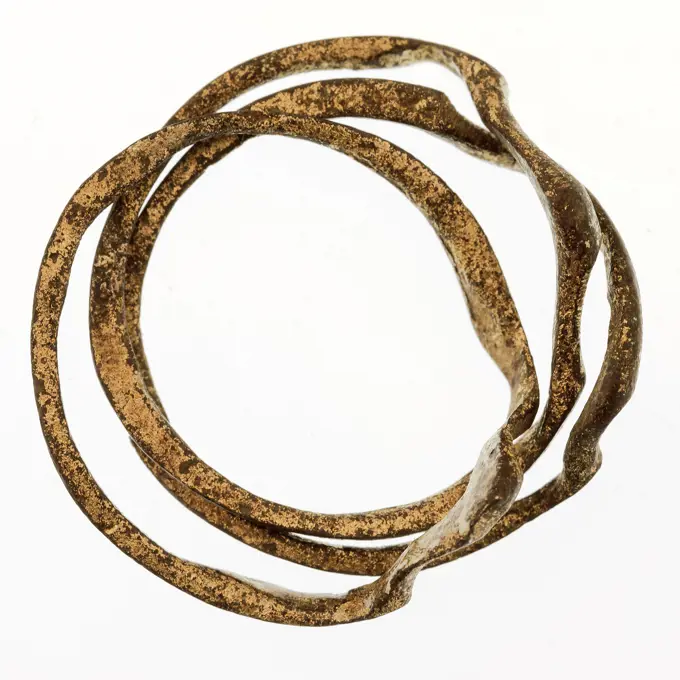
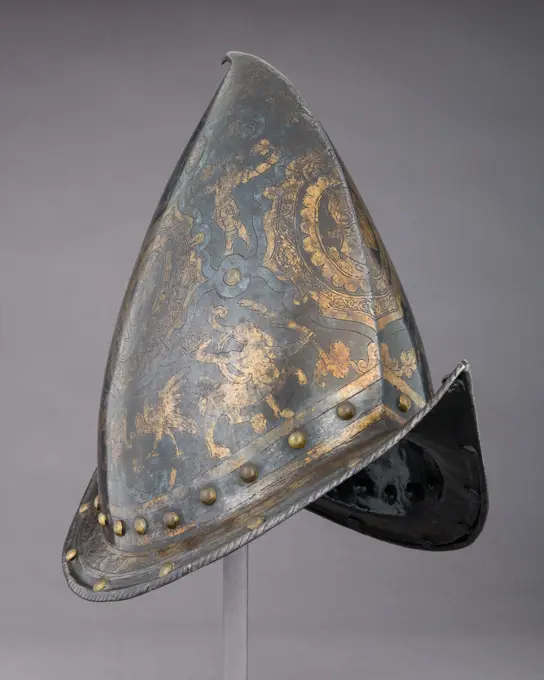
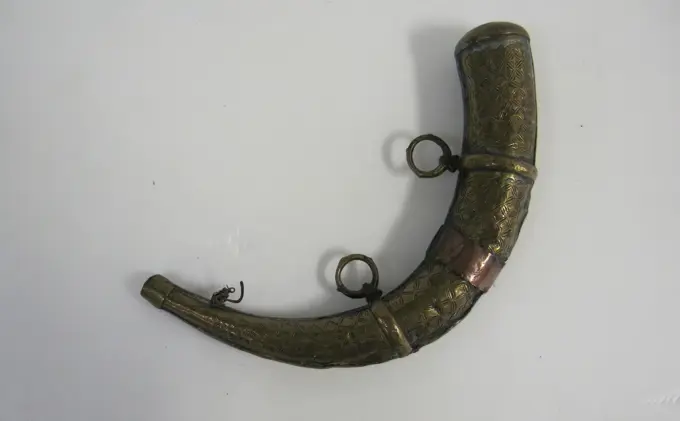
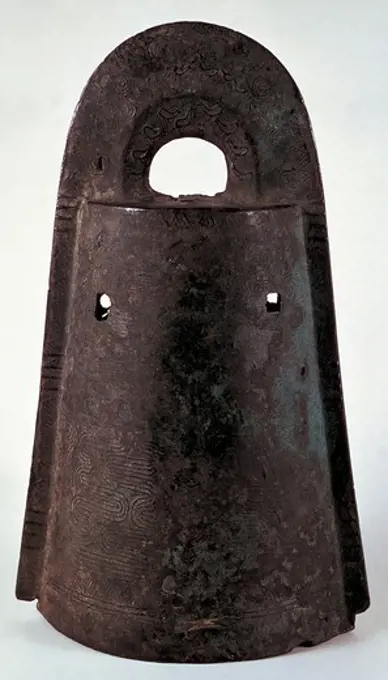
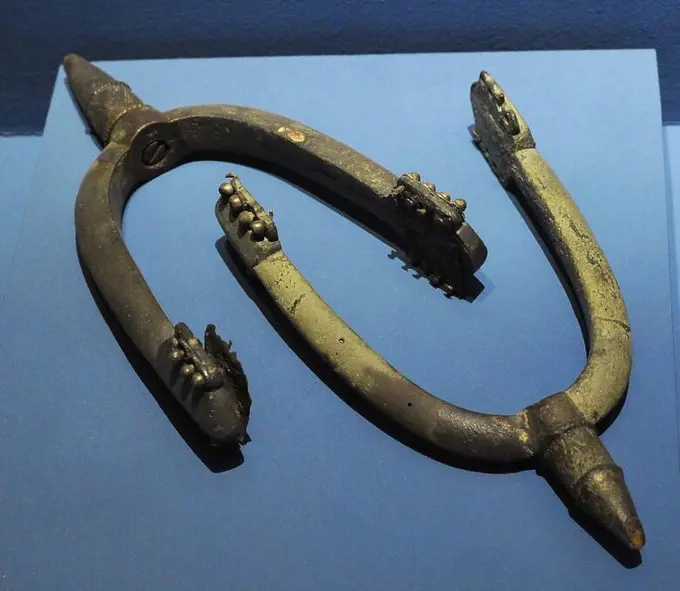
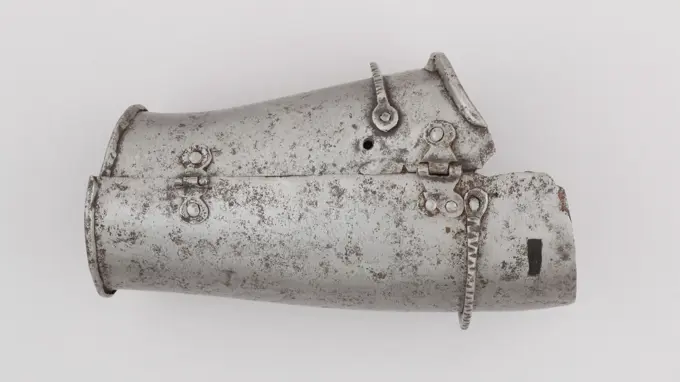
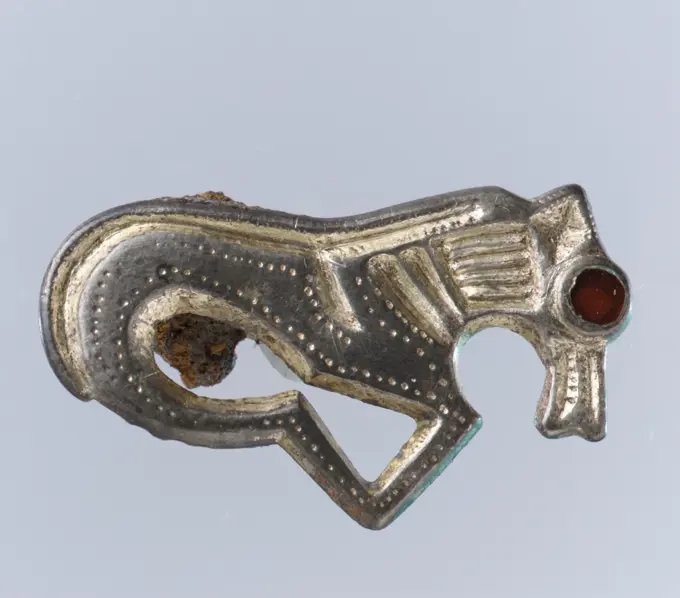
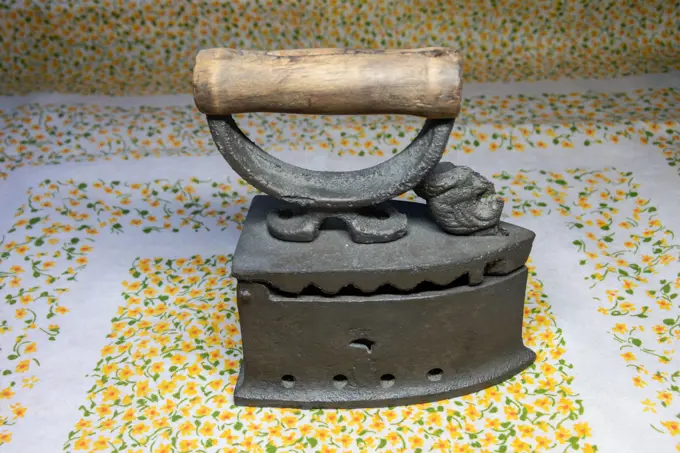
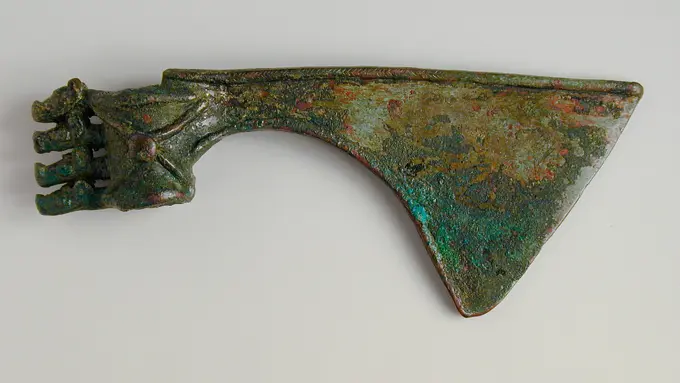
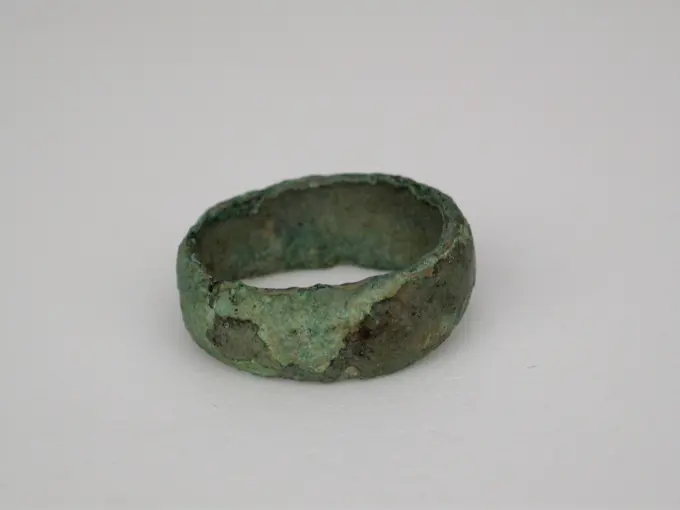
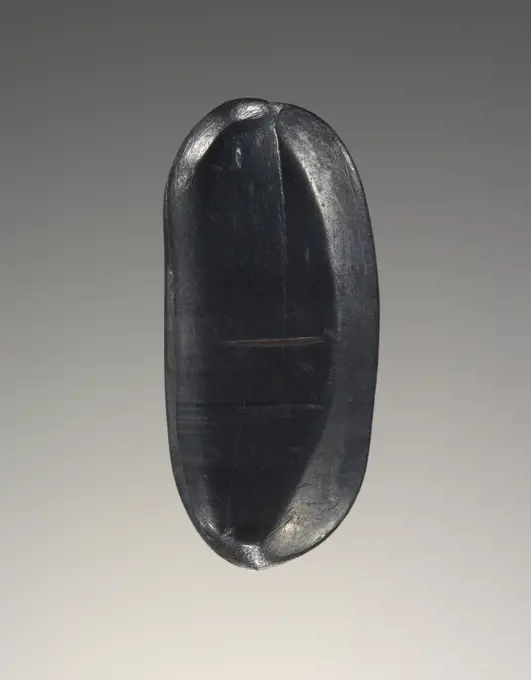
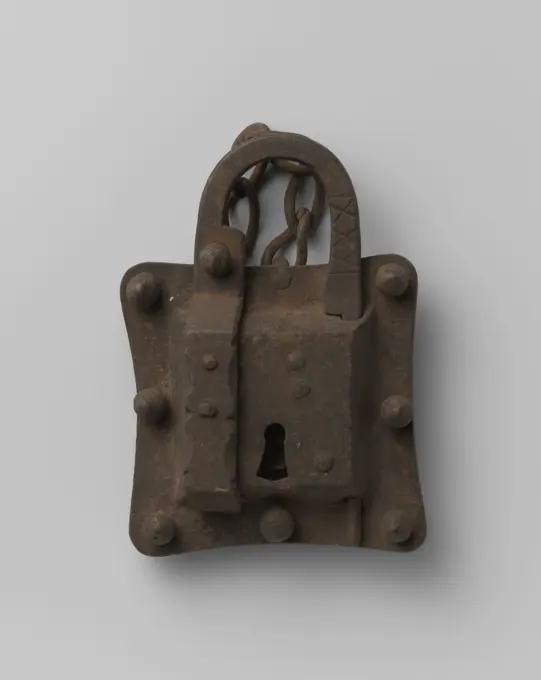
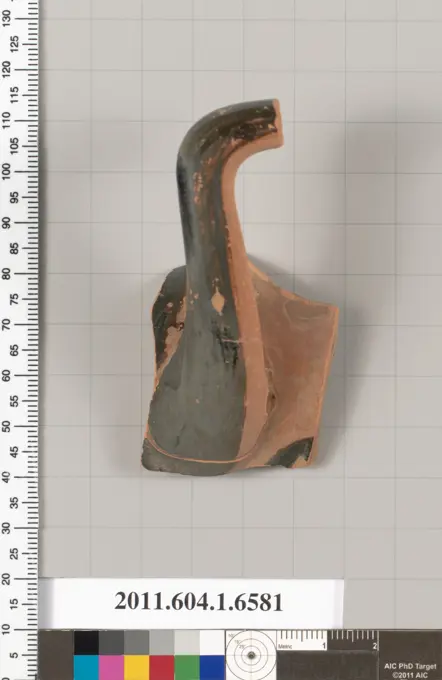
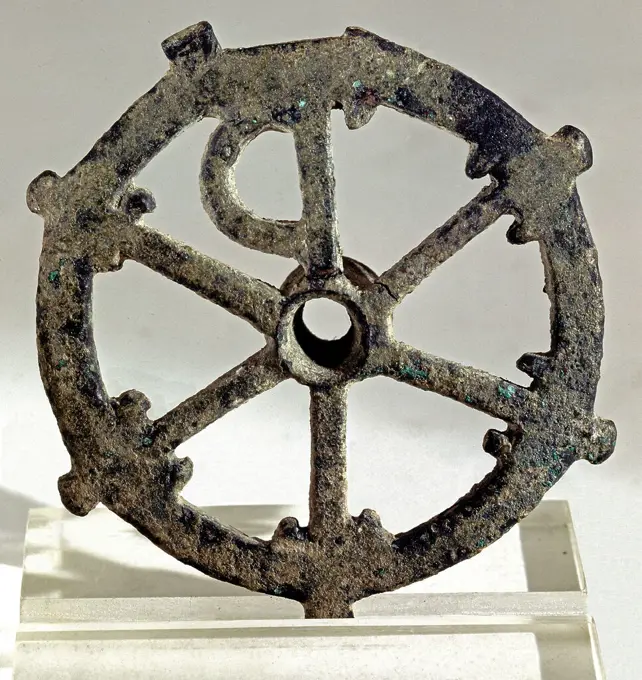
CAMA DE FRENO DE CABALLO CALADA CIRCULAR CON TEMA PALEOCRISTIANO-CRISMON- SIGLO IV-V. Location: MUSEO ARQUEOLOGICO NACIONAL-COLECCION. MADRID. SPAIN.Krzyż ręczny. unknown, authorKey, c. 1300 - c. 1400 Key with a diamond -shaped handle, with a hole and a shaft past the beard.  iron (metal) Key with a diamond -shaped handle, with a hole and a shaft past the beard.  iron (metal)Emilia-Romagna Ferrara Ferrara Museo Civico di Schifanoia42. Hutzel, Max 1960-1990 General Notes: INCOMPLETE RECORD--NEGATIVES PROCESSED, PRINTS FILED German-born photographer and scholar Max Hutzel (1911-1988) photographed in Italy from the early 1960s until his death. The result of this project, referred to by Hutzel as Foto Arte Minore, is thorough documentation of art historical development in Italy up to the 18th century, including objects of the Etruscans and the Romans, as well as early Medieval, Romanesque, Gothic, Renaissance and Baroque monuments. Images are organized by geographic region in Italy, then by province, city, site complex and monument.Taught. Two felines faced. Bronze. LURISTAN. II-DIE Millennium BC. J-C. Paris, Cernuschi museum. 35176-7 Bronze, brand, Felin facesHorse Trapping 400-100 B.C. Celtic. Horse Trapping. Celtic. 400-100 B.C.. Copper alloy. Metalwork-Copper alloySword Guard (Tsuba) 18th century Japanese A tsuba is a sword guard and part of a sword mounting. It is mounted between the swords blade and grip to protect the users hands.. Sword Guard (Tsuba) 26270Ring Bottle. Dated: c. 1940. Dimensions: overall: 38.2 x 25.3 cm (15 1/16 x 9 15/16 in.) Original IAD Object: 6 1/2" High 5 1/4" Wide 2 1/2" Dia.(base). Medium: watercolor and graphite on paperboard. Museum: National Gallery of Art, Washington DC. Author: Giacinto Capelli.corrosion on brass elbow of bath tub isolated corrosion on brass elbow of bath tub close up isolated on white background Copyright: xZoonar.com/ValeryxVoennyyx 21467281. Oval tsuba with relief at the front and Iroe Takazogan an eagle that deposits down; A small monkey hides in a rock at the rear; Signed "Hiroyoshi".Ornament ca. 3rd-7th century A.D. Sasanian. Ornament 322792Pendant Fragment. UnknownFibula, bow-shaped Italic. Fibula, bow-shaped 245991Earplug, one of 15, 15th century, 5/8 x 1 5/8 in. (1.59 x 4.13 cm) (outer frame), Jade, Mexico, 15th centuryDoorplate With Knob; Designed by Louis Henry Sullivan (American, 1856-1924); Overall: 35.5 x 10.7 x 7.5 cm (14 x 4 3/16 x 2 15/16 in.)Two Arrowheads ca. 1550-1292 B.C. Egyptian, Thebes. Two Arrowheads. Egyptian, Thebes. ca. 1550-1292 B.C.. Bronze. Thebes. Archery Equipment-ArrowheadsForearm Defense (Vambrace). Culture: Italian. Dimensions: H. 8 1/4 in. (21 cm); W. 4 1/8 in. (10.5 cm); D. 4 1/4 in. (10.8 cm); Wt. 13.7 oz. (388.4 g). Date: ca. 1450-70. Museum: Metropolitan Museum of Art, New York, USA.Handen van Vertind iron with rank motifs, anonymous, 1600 - 1800 Handen of Vertind iron. At the bottom a large, round opening of a hinge. From there, two symmetrical, stylized rank motifs, which are curling towards the end in volutes.  iron (metal). tin (metal) Handen of Vertind iron. At the bottom a large, round opening of a hinge. From there, two symmetrical, stylized rank motifs, which are curling towards the end in volutes.  iron (metal). tin (metal)Bracelet ca. 6th-8th century A.D. Sasanian or Islamic. Bracelet 322933Objects from the Roman silver hoard known as the Capheaton treasure. Dated 2nd Century ADOrnamental Knife 12th-15th century Chimú. Ornamental Knife 315281Sword Guard (Tsuba). Culture: Japanese. Dimensions: H. 3 1/4 in. (8.3 cm); W. 3 3/16 in. (8.1 cm); thickness 1/4 in. (0.6 cm); Wt. 3.9 oz. (110.6 g). Date: ca. 1615-1868. Museum: Metropolitan Museum of Art, New York, USA.Profile Warrior Ornament 6th-7th century Moche (Loma Negra). Profile Warrior Ornament 315122Luckenbooth brooch -Coat hook or coat closure with round eye and bent hook, closure clothing accessory clothing soil find copper metal, cast archeology rugs closeECU topped with a phrygian cap, s. d. (Dummy title) Anonymous. ECU surmounted by a phrygian cap (obverse).Coin fromBritain.  Maker: UnknownArchaic Greek bronze of a horse and rider, 6th century BC. Artist: UnknownAnonymous. "Sturmabzeichen infantry in Silber". Brass. 1939-1945. General Leclerc Museum of Hauteclocque and the Liberation of Paris, Jean Moulin Museum. 158818-18Africa, Somalia, tribal art, Boni headrestLock fitting for cupplate or chest, fitting lock closing device soil finding brass metal, Fragment of lock: keyhole plate at one piece of fittings archeology Rotterdam closing railroad sier Soil discovery: trajectory rail tunnel Rotterdam.Loop .Bird-Shaped Ornament Korea. Bird-Shaped Ornament 57462Belt Hook in the Shape of a Carnivore 5th-4th century B.C. Northwest China. Belt Hook in the Shape of a Carnivore. Northwest China. 5th-4th century B.C.. Bronze. MetalworkButton or Bead 8th-10th century The dot-in-circle motif recalls designs presumed to be of magical significance, most likely an abstract eye to ward off the evil-eye, which serves an apotropaic function. Easily reproduced with a tool and visible in many cultures and times, this symbol may have lost its meaning, and become simply a decorative pattern, or may have one that we have not yet discovered.. Button or Bead 450078Horse Trapping 250-500 Late Roman. Horse Trapping 464945 Late Roman, Horse Trapping, 250500, Copper alloy, Overall: 1 7/16 x 9/16 in. (3.7 x 1.4 cm). The Metropolitan Museum of Art, New York. Gift of J. Pierpont Morgan, 1917 (17.191.241)Buckle Shank 5th-7th century Visigothic. Buckle Shank. Visigothic. 5th-7th century. Bronze. Miscellaneous-Buckles & OrnamentDish 11th-12th century This five-sided vessel is unique among the material from Nishapur in eastern Iran by the Metropolitan Museum. A rare shape in general, its specific use is difficult to determine. In terms of scale, it is comparable to the metal lamps excavated at the site. Its form, however, does not seem suitable for a lamp, as there is no conceivable place for a wick. It is more likely that this piece served as a dish.. Dish 449140Small padlock of sheet iron, convex lock case with closing bracket, padlock lock closing agent iron copper, hinges and hingesKey Handle 1st-7th century Roman. Key Handle 462896Bracelet 5th-8th century. Bracelet 449184Loop (Username), -276. Copper alloy. Carnavalet museum, history of Paris.Buckle, anonymous, -206 - 220 Buckle with pin. China bronze (metal). gilding (material) gilding Buckle with pin. China bronze (metal). gilding (material) gildingComponent Wind instrument from the wreck of the East Indieschief Hollandia. Wind instrument; Fragment of TRUMPET MOUTHPIECE: TUBE SIM. NG 1979-175H565.Fragment sheet metal from the wreck of the East Indieschief Hollandia. Parts or artifacts; eroded fragments: Materials; Copper.Standing Male FigureSingle buoy, anonymous, c. 1600 - c. 1800   Netherlands iron (metal) forgingBracelet 11th-16th century Middle Niger civilization. Bracelet 318382Arthus-Bertrand (company), badge of the 12th African hunter regiment (RCA) (attributed title), 1945. Metal. General Leclerc Museum of the Liberation of Paris - Jean Moulin Museum.Sword Guard (Tsuba) 18th century Japanese A tsuba is a sword guard and part of a sword mounting. It is mounted between the swords blade and grip to protect the users hands.. Sword Guard (Tsuba) 26361Adze blade 19th century or earlier Cook Islands (). Adze blade 317308Deraisme, Pierre-Georges (n.1859-D.1932), Bécasse belt loop (main title), 1900. Petit Palais, Museum of Fine Arts of the city of Paris.Key, c. 1400 - c. 1950 Key with bracket -shaped eye, a small palm decoration at the bottom. The handle was probably attached to the four -sided profiled keyboard with a hinge. This includes the flattened shaft with openwork beard and the perpendicularly placed four teeth. Rome bronze (metal) Key with bracket -shaped eye, a small palm decoration at the bottom. The handle was probably attached to the four -sided profiled keyboard with a hinge. This includes the flattened shaft with openwork beard and the perpendicularly placed four teeth. Rome bronze (metal)Buckle ca. 3rd-2nd century B.C. Xiongnu. Buckle. Xiongnu. ca. 3rd-2nd century B.C.. Silver, stone inlays. Eurasian steppesGold plated ring, consisting of three segments, puzzle ring, ring jewel clothing accessory clothing soil find silver gold metal, Puzzle ring Three interlocking rings with V-shaped bend Silver plated archeology Rotterdam rail tunnel status prosperity wear adorn puzzles Soil discovery: Railway tunnel 1988-1993.Morion-Cabasset ca. 1585 Italian. Morion-Cabasset 27157Lock 11th century or later Byzantine (). Lock 472764Powder Horn, c. 1830, 12 3/4 x 6 x 2 1/16 in. (32.39 x 15.24 x 5.24 cm), Bronze, copper, 19th centuryOrnament Fragment () 6th-7th century Moche (Loma Negra). Ornament Fragment () 313508Bronze Dotaku bell, Japan. Japanese Civilisation, Yayoi period, 4th century BC-3rd century AD.Massive bronze spurs of Carolingian Provenance. Gornji Koljani-Crkvina. Croatia. Museum of Croatian Archaeological Monuments, Split, Croatia.Inner Plate of a Forearm Defense (Vambrace) ca. 1450-70 Italian This is part of a large find of medieval armor discovered in 1840 in the ruins of the fortress of Chalcis, on the Greek island of Euboea (then a Venetian colony called Negroponte). The fortress had been captured and destroyed by the Turks in 1470. Now divided largely between the Ethnological Museum, Athens, and The Metropolitan Museum of Art, the Chalcis hoard contains many rare and unusual elements of fourteenth- and fifteenth-century armor. Of particular importance are the variety of headpieces and the many fragments of brigandines (armor for the torso constructed of small plates riveted to layers of fabric), some of which retain portions of their original velvet covering. The Chalcis armor provides a unique picture of the armament used in the Aegean, one of the easternmost military outposts of the Venetian empire.. Inner Plate of a Forearm Defense (Vambrace) 662438Mortise lock 14th century French The decoration of Gothic iron locks and keys was often elaborate and of the highest standard of workmanship. The motifs were frequently drawn from Gothic architecture, reproducing on a miniature scale complicated tracery patterns and even tiny statuettes. A number of these tiny locks were compound, with some of the mechanisms concealed from view, and required two or even three keys used in sequence to open them. It has been suggested that the greatly expanded use of locks on doors, or coffrets and other types of storage chests was a result of the increasing urbanization of life and the new emphasis on material wealth and private ownership which developed in the late Middle Ages.. Mortise lock 468854Horse-Shaped Brooch 6th century Frankish The dress of Frankish women generally consisted of a tunic, cinched by a belt from which hung an array of pendants. A wrap or cloak went over the tunic. Shoes and hosiery, fastened with buckles, covered the legs. Earrings, necklaces, and hairpins completed the ensemble.Aspects of this dress changed from the 300s to the 600s, and brooches in particular convey changes in taste. From the 300s to the 500s, pairs of small brooches, in an array of inventive shapes, held the wrap in place. By the 600s, a single large disc brooch, usually elaborately decorated, served the same function. No other piece of jewelry is more characteristic of Frankish dress than the brooch, and no other better demonstrates the virtuosity of Frankish metalworkers.. Horse-Shaped Brooch. Frankish. 6th century. Silver-gilt, garnet with foil backing(); iron spring. Made in Northern France. Metalwork-SilverCoin fromBritain.   Maker: UnknownBrooch, Saxon.. Made from Anglo-Saxon Copper Alloy II, Amber & Other Metals.old antique iron iron old antique iron iron with coal compartment Copyright: xZoonar.com/Dr.xNorbertxLangex 20729617Pendant. Western Inner Mongolia, 5th-3rd century B.C.. Jewelry and Adornments; pendants. Bronze, castBronze disc from v.O.c.-ship the 'white lion'. Bronze round disc or wheel with a round hole and 6 spokes in the middle. Probably intended for the large cover case and the part of the East India de Witte Leeuw. With this heavy hoist, the large RA, to which the mainsail was attached, could be lifted or lowered.Goldweight Two Crossed Crocodiles, 19th-20th century, 1/2 x 1 7/8 x 2 in. (1.27 x 4.76 x 5.08 cm), Brass, Ghana, 19th-20th centuryCIRCULO. Author: SANTIAGO SERRANO (1942-). Location: PRIVATE COLLECTION. MADRID. SPAIN.Shaft-hole Axehead. Iran, Luristan, circa 1350-1000 B.C.. Arms and Armor; axes. Bronze, castHand Iron. Dated: c. 1939. Dimensions: overall: 21.4 x 32.4 cm (8 7/16 x 12 3/4 in.). Medium: watercolor, graphite, and pen and ink on paperboard. Museum: National Gallery of Art, Washington DC. Author: Michael Chomyk.Harness Ring 800 BCE-600 BCE Thessaly. These precious bronzes objects are votives, or devotional gifts, made for gods. They come in many forms. Some are miniature sculptures of animals, mostly depicting horses, deer, and birds. Others are items of personal adornment, including beads and brooches. Quite a few seem once to have been attached to something else. This assemblage is characteristic of the thousands of votives that were hung from sacred trees or placed in sanctuaries around Greece. Once a shrine was full, the votives were gathered together and ceremonially buried to make room for more offerings. This comes from Thessaly in north-eastern Greece.. Bronze . Ancient GreekArcher's Ring. Unknown, 15th century. Jewelry and Adornments; rings. Ivory, carvedSweden, Stockholm, axes of the Battle Axe CultureEtruscan civilization, Crescent shaped bronze razor with engraving depicting a swastika from Vetulonia, Tuscany region, Italy, 0th-8th century b.c.Engraved Gem; Roman Empire; 2nd - 4th century; Haematite; 2.6 × 1.2 cm (1 × 1,2 in.)Bracelet Italic, Villanovan 9th-8th century BCEIndian armor, Iran. Detail. Persian Civilisation, beginning 19th century.Six-Pointed Stone Mace Head before 16th century Peruvian. Six-Pointed Stone Mace Head 317466Ax head with monkey figure ca. 1981-1640 B.C. Middle Kingdom. Ax head with monkey figure 544815Oval Basin. Culture: China. Dimensions: H. 4 1/2 in. (11.4 cm); W. 17 1/2 in. (44.5 cm); D. 12 1/2 in. (31.8 cm). Museum: Metropolitan Museum of Art, New York, USA.Torcs of the Castro of San Lourenzo Pastor. Gold. 1st century BC. O Pino, A Corua province (Galicia, Spain). Archaeological and History Museum (San Anton Castle). A Corua, Galicia, Spain.Ring 5th-8th century. Ring 449205Foot of a Vessel 11th-12th century. Foot of a Vessel 452503Medicine Horn (NagaMorsarang)Bucket with attachments and handle ca. 9th century B.C. Iran. Bucket with attachments and handle 325135Finger Grip before 16th century Colima (). Finger Grip 317421Bird of prey ca. late 3rd-early 2nd millennium B.C. Bactria-Margiana Archaeological Complex. Bird of prey 327324Pietroasele Treasure, gold and precious stone collarHandlot of copper, c. 1400 - c. 1950   copper (metal)   copper (metal)Keyhole, isolated on white background Keyhole, isolated on white background Copyright: xZoonar.com/OleksandrxKostiuchenkox 9750040Copper ring with stone in hexagonal setting, ring ornament clothing accessory clothing soil find copper glass metal d 0.1, drawn cast Copper ring Hexagonal setting for stone. Stone or filling of glass paste undefined material archeology Rotterdam rail tunnel wear adorn status prosperity Soil discovery: rail tunnel 1988-1993.Eastern spur unknownSilver ring ca. late 5th or early 4th century B.C. Greek Maenad with thyrsos (fennel stalk topped with ivy) and sword in an ecstatic dance.. Silver ring. Greek. ca. late 5th or early 4th century B.C.. Silver. Classical. GemsCOLADOR ROMANO DE BRONCE PROCEDENTE DE IZNALLOZ, GRANADA - FECHADO ENTRE EL AÑO 75 Y EL 124. Location: MUSEO ARQUEOLOGICO-METALISTERIA ROMANA. GRANADA. SPANIEN.Terracotta fragment of a kylix (drinking cup) 490-480 B.C. Greek, Attic Exterior, left half of handle and part of handle patch. Terracotta fragment of a kylix (drinking cup). Greek, Attic. 490-480 B.C.. Terracotta; red-figure. Late Archaic. VasesPair of Gauntlets German, probably Augsburg ca. 1560 View more. Pair of Gauntlets. German, probably Augsburg. ca. 1560. Steel, gold, copper alloy. probably Augsburg. Armor Parts-GauntletsIron fender lock with rectangular lock plate, one bolt and one curl, door lock padlock lock closing device iron, handforged riveted hinges