Ancient Bronzes and Decorative Items

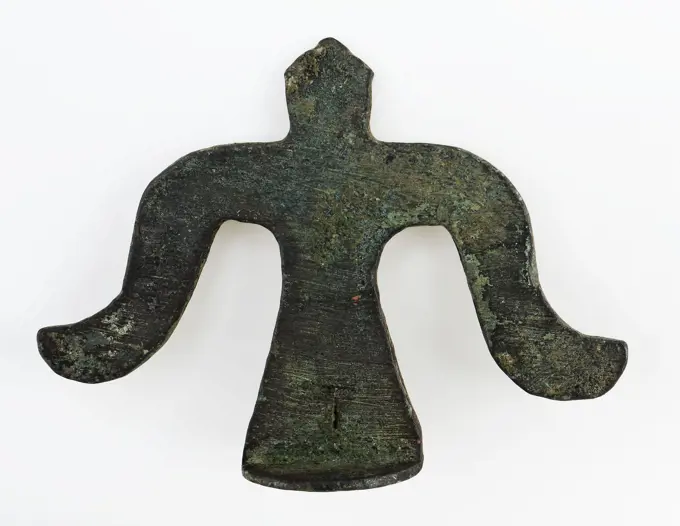
Artifacts like buckles, armbands, and axeheads made of bronze, highlighting the craftsmanship of ancient cultures and their utility.

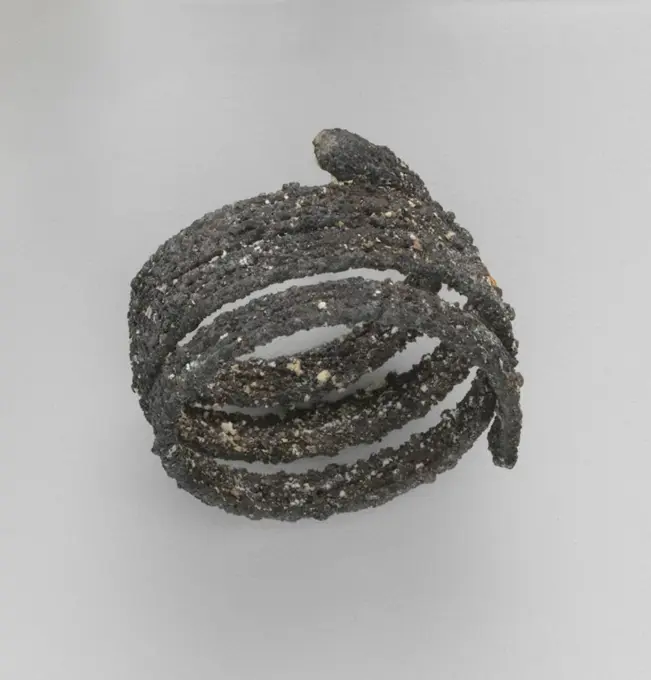
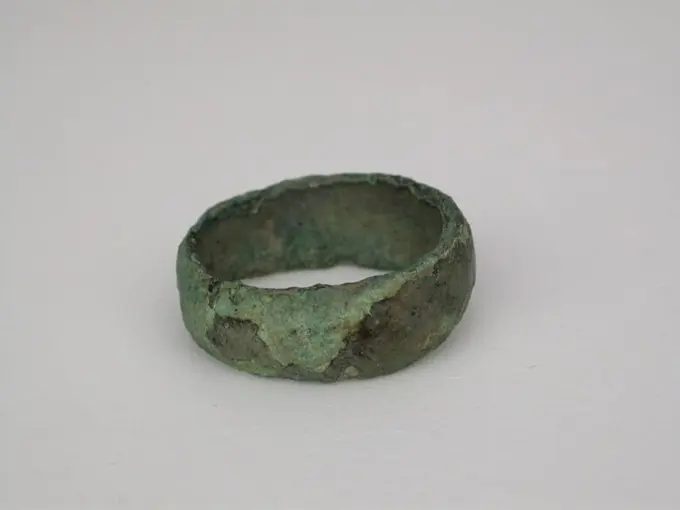
Armband, anonymous, -600 - -100 Tube bracelet, shape of a cuff that is narrower downwards. Ban Chiang bronze (metal) Tube bracelet, shape of a cuff that is narrower downwards. Ban Chiang bronze (metal)
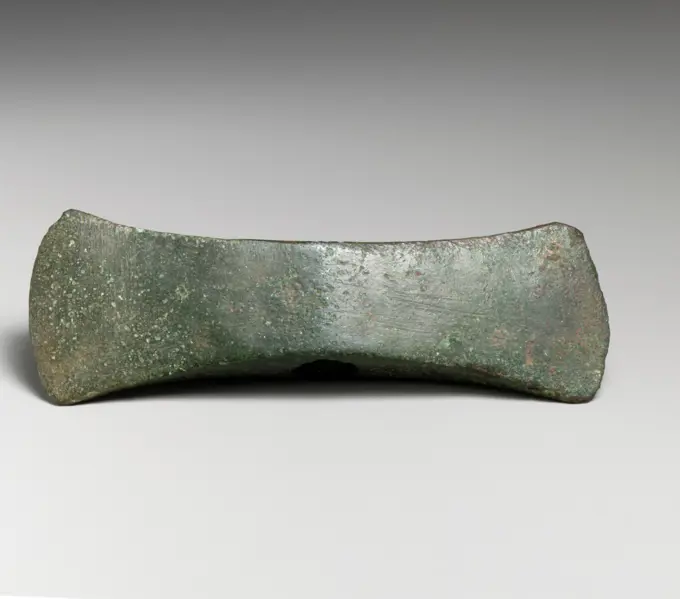
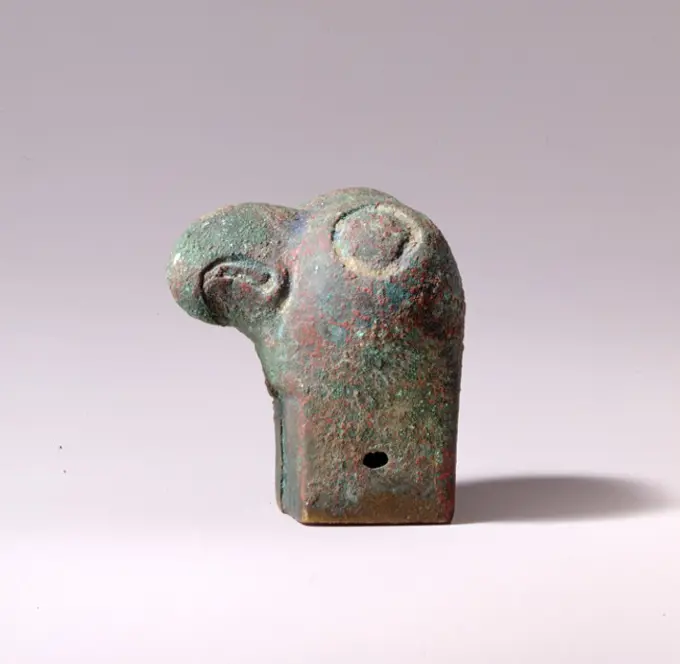
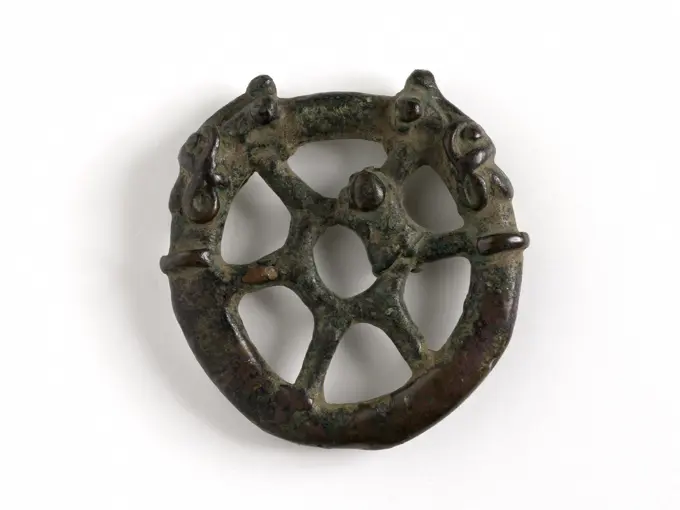
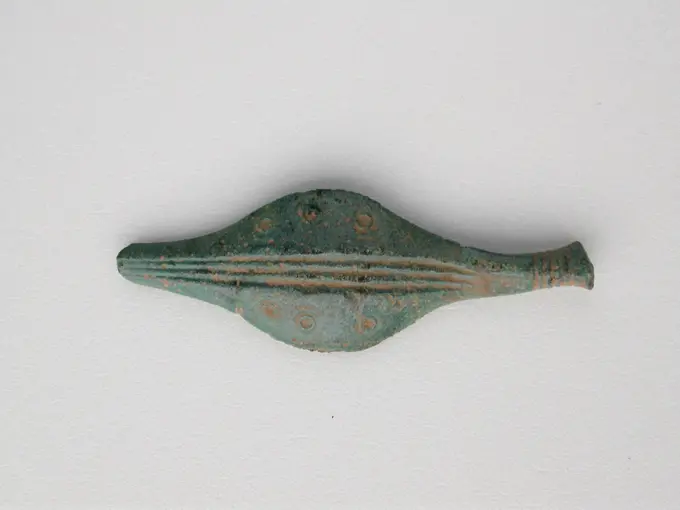
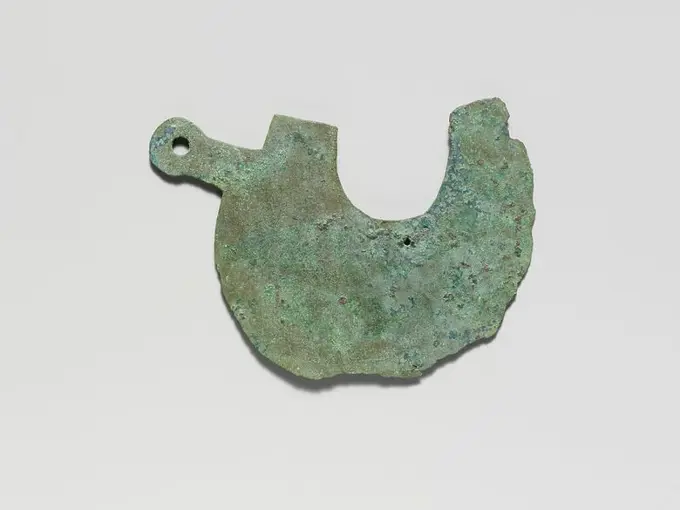
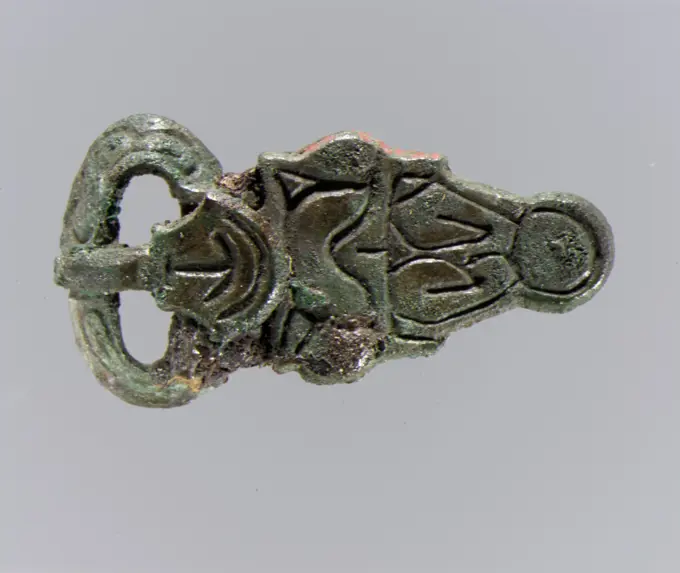
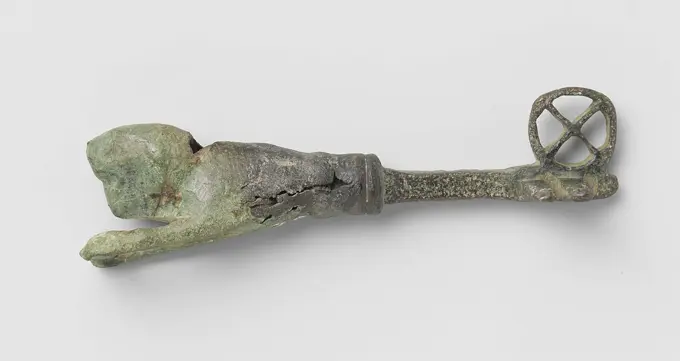
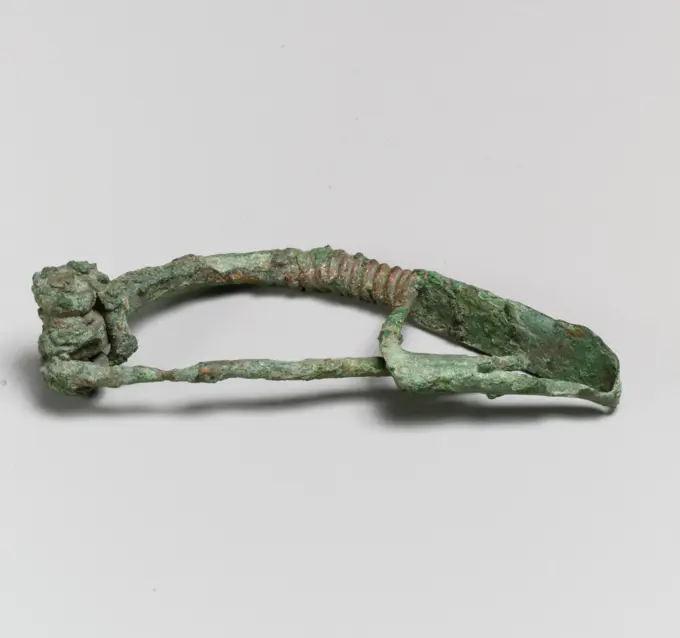
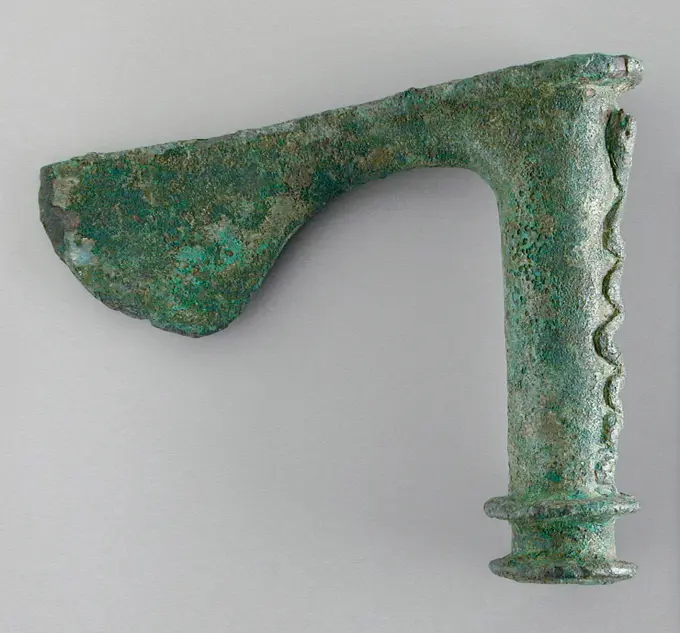
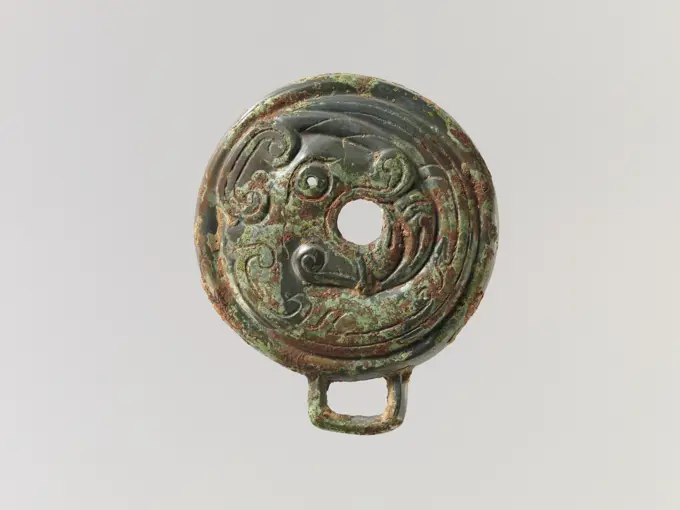
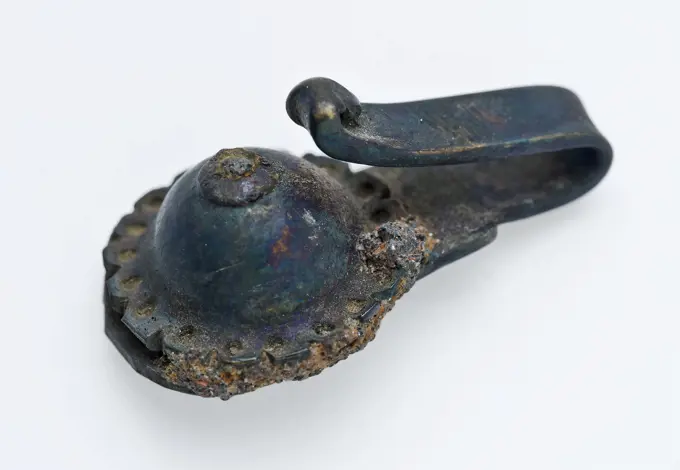
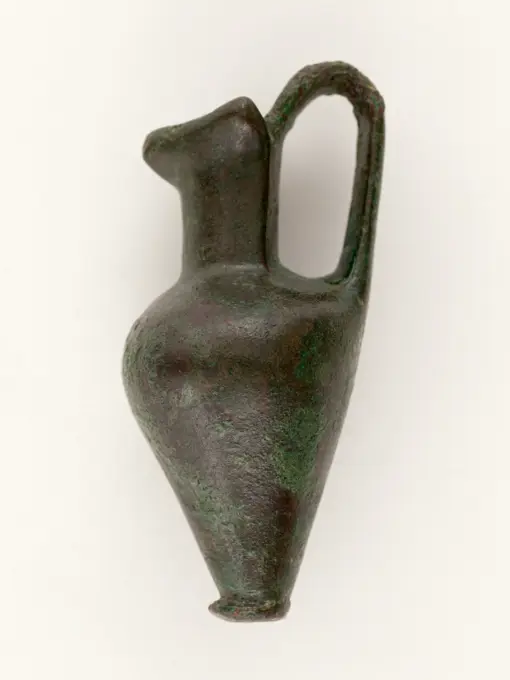
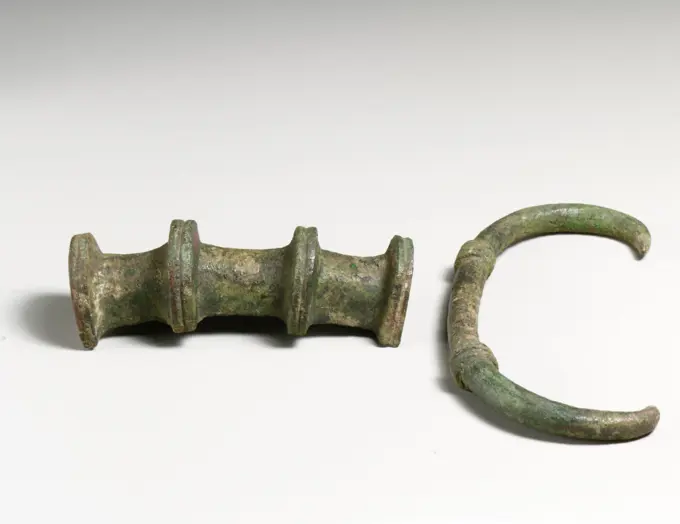
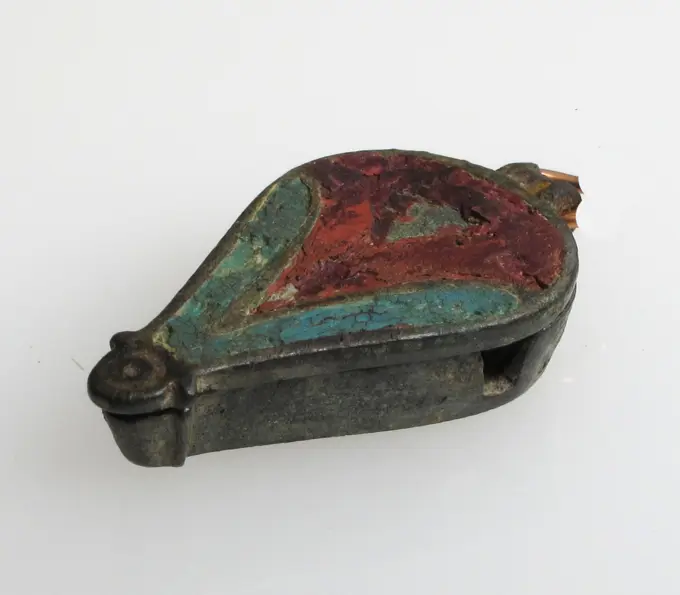
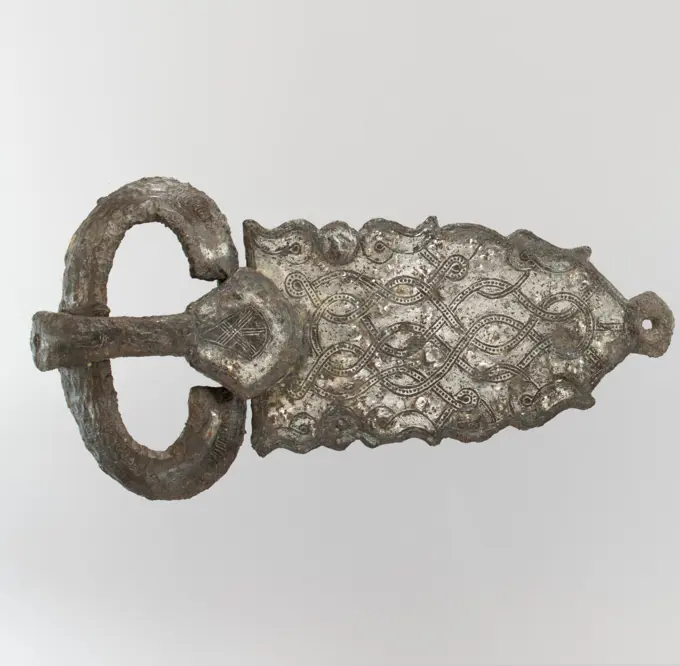
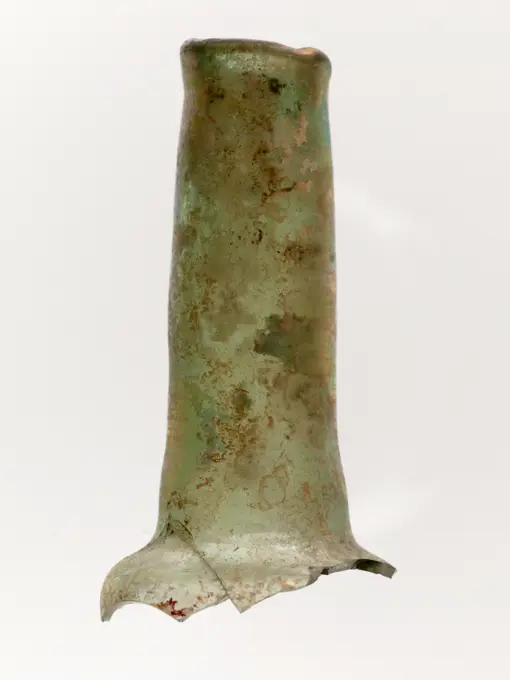
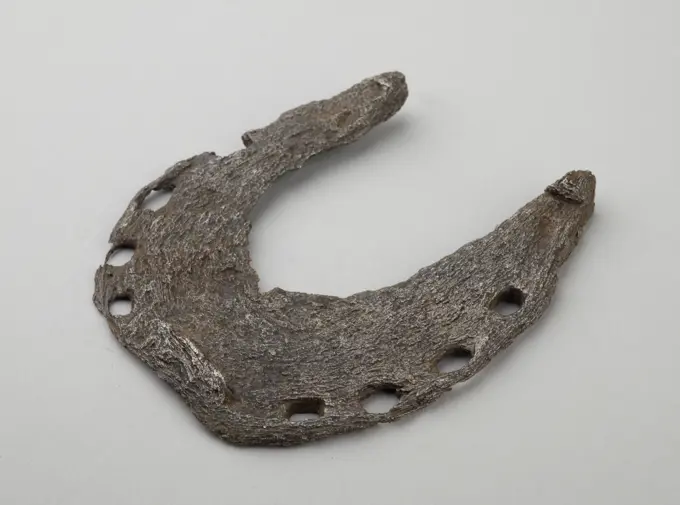
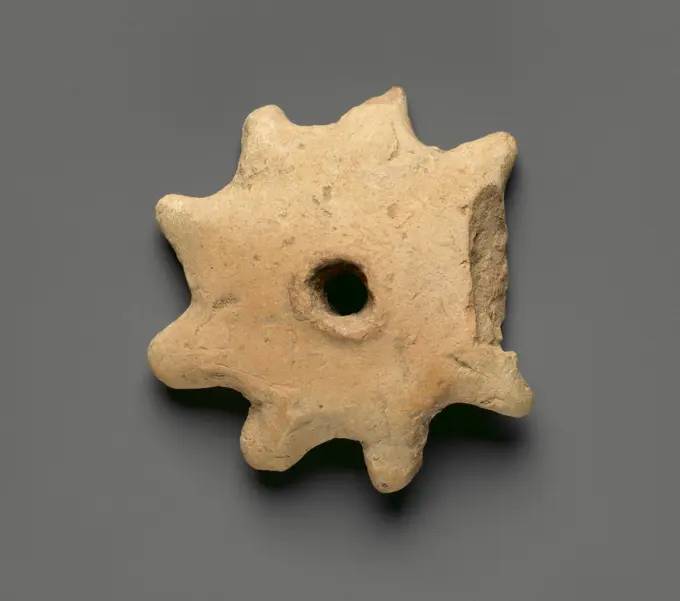
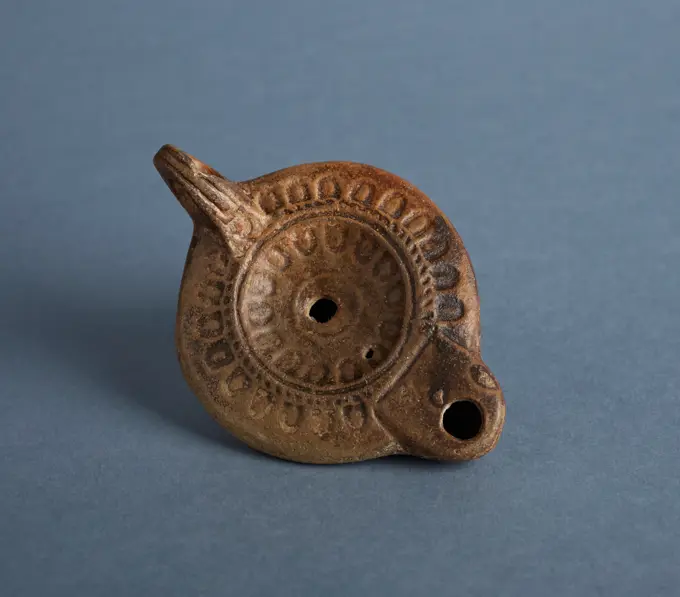
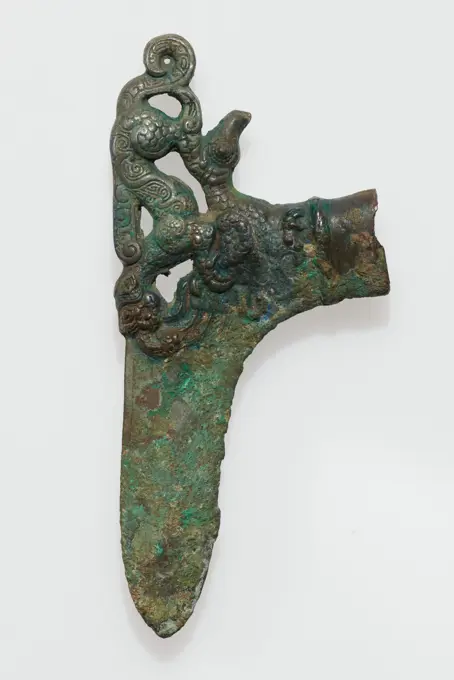
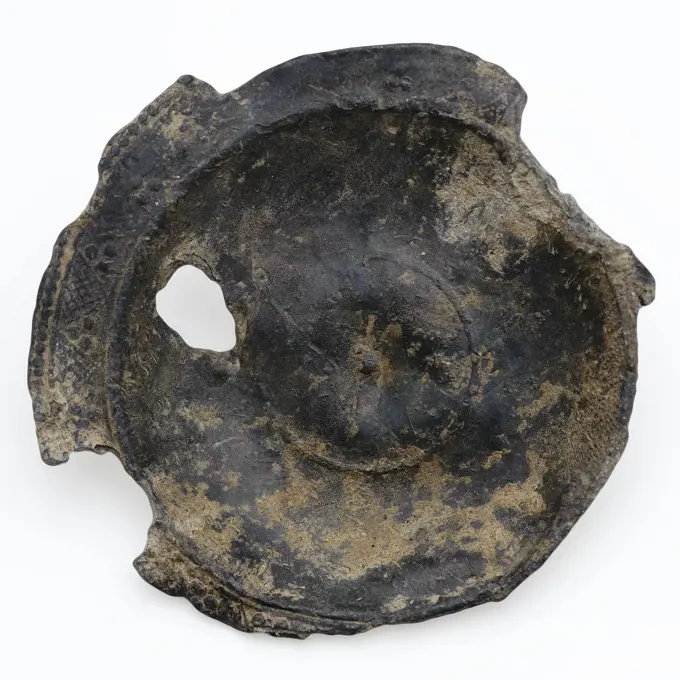
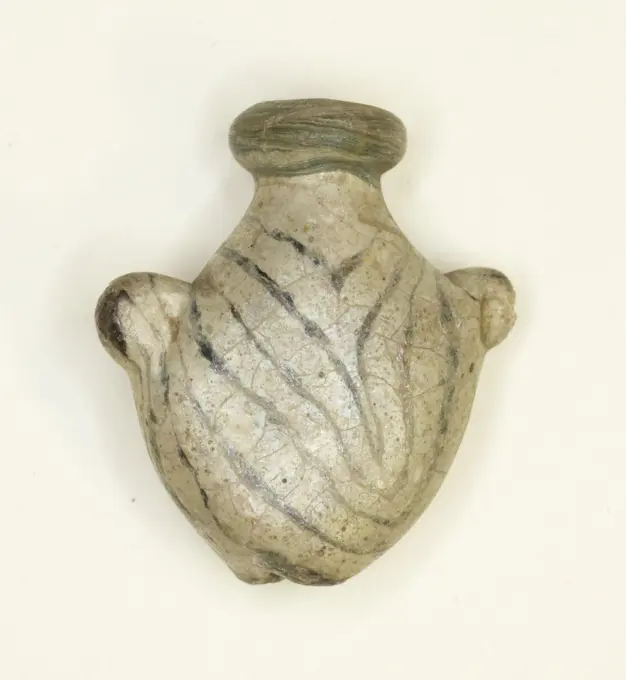
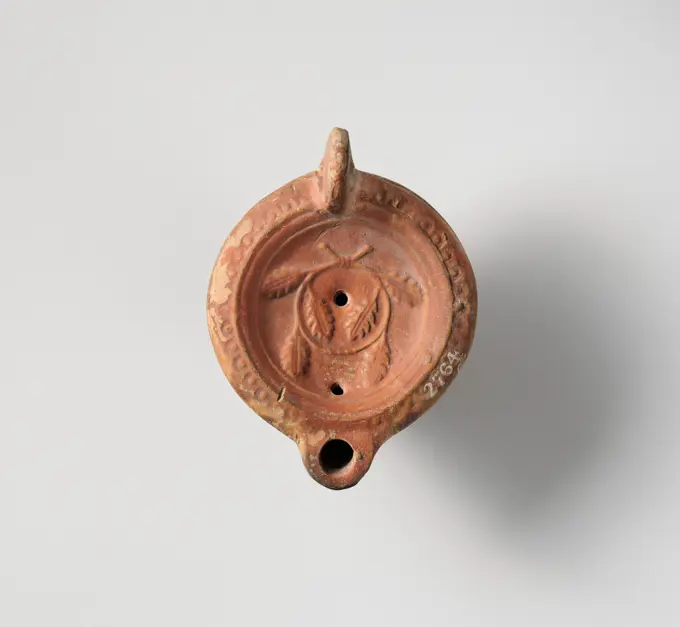
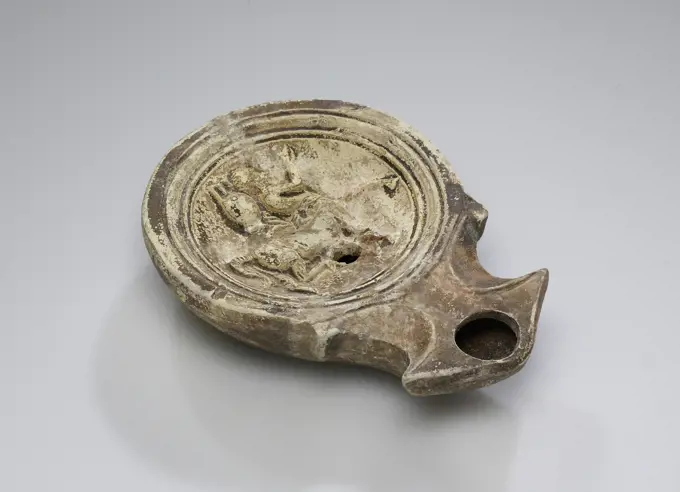
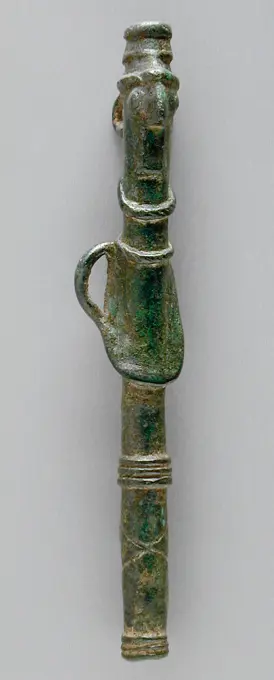
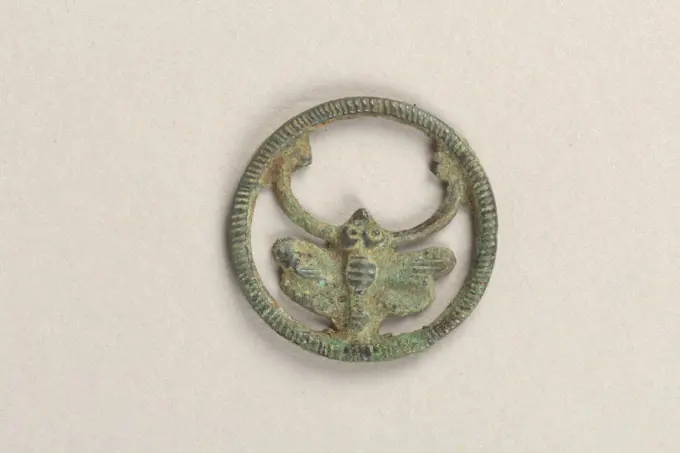
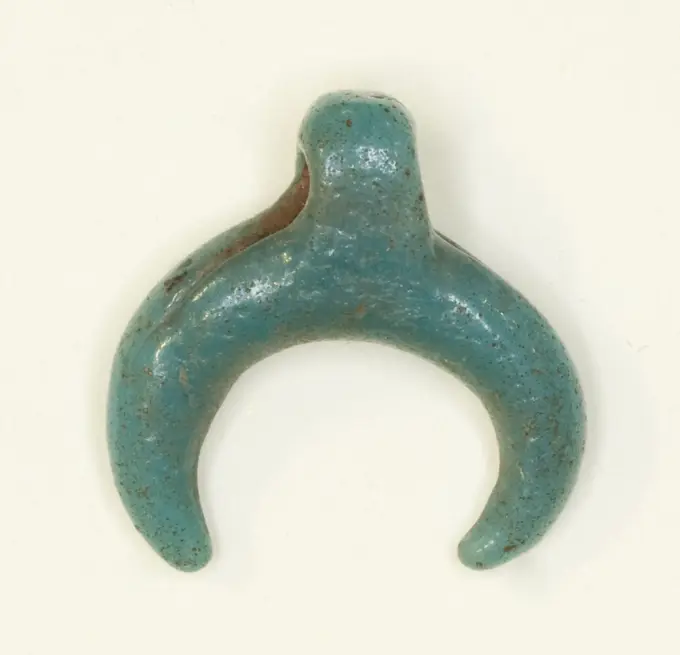
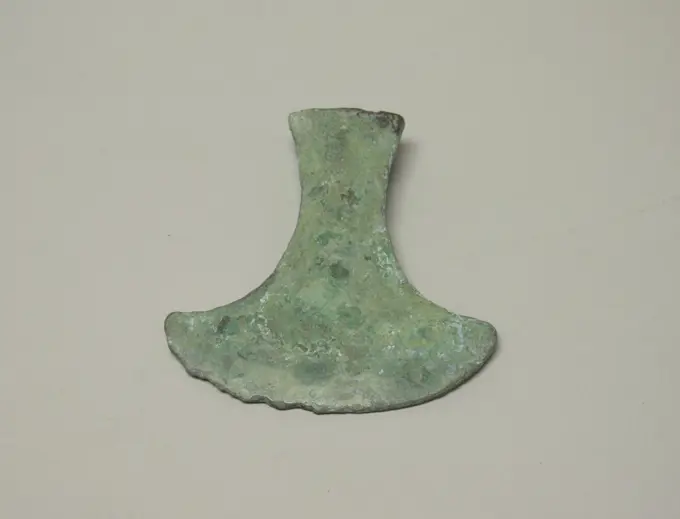
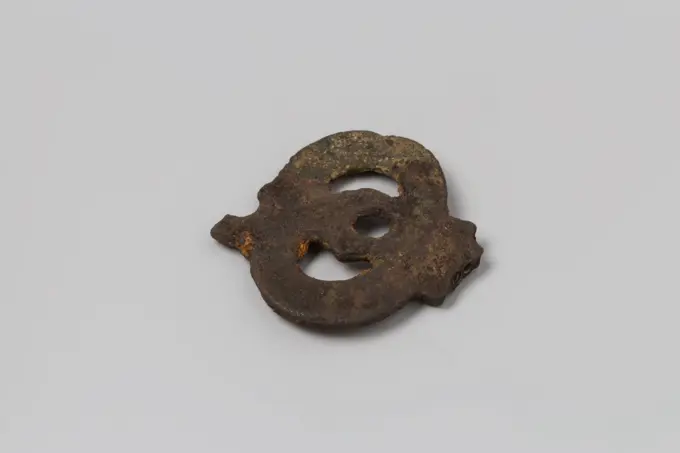
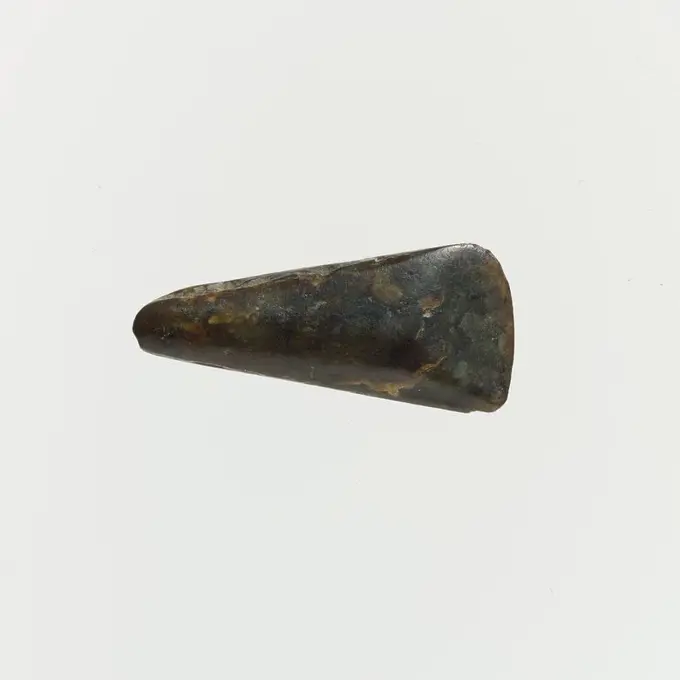
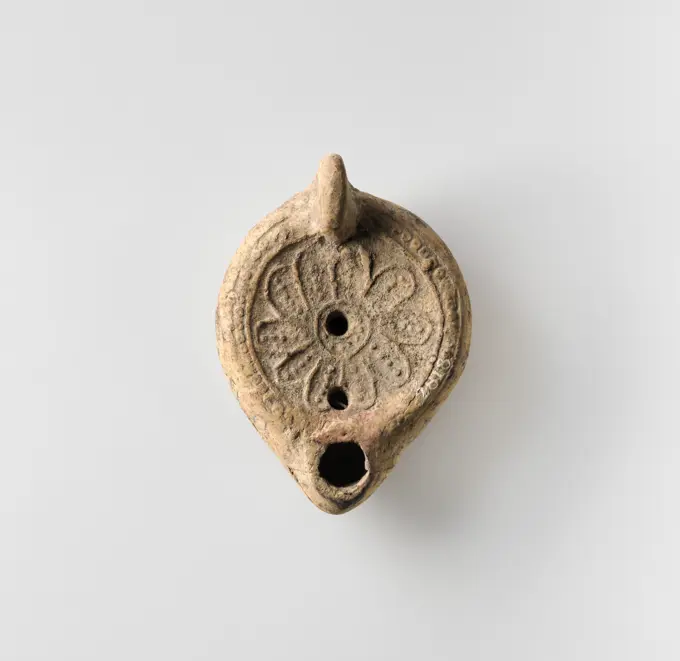
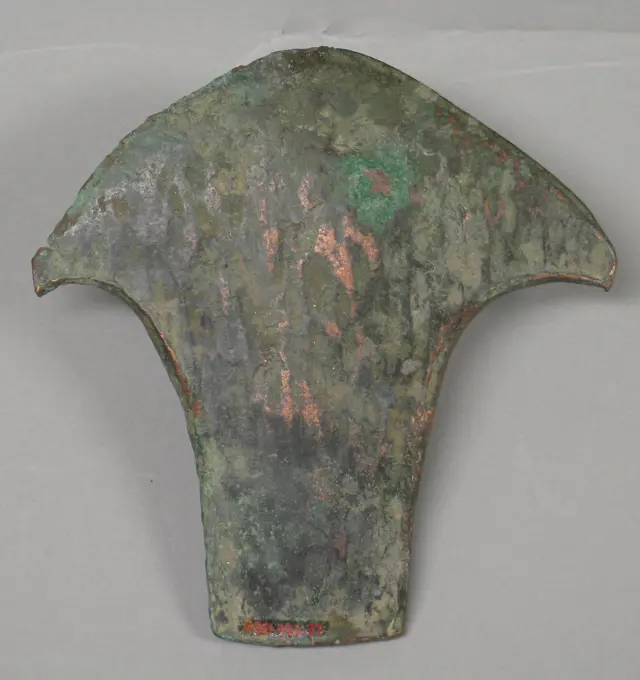
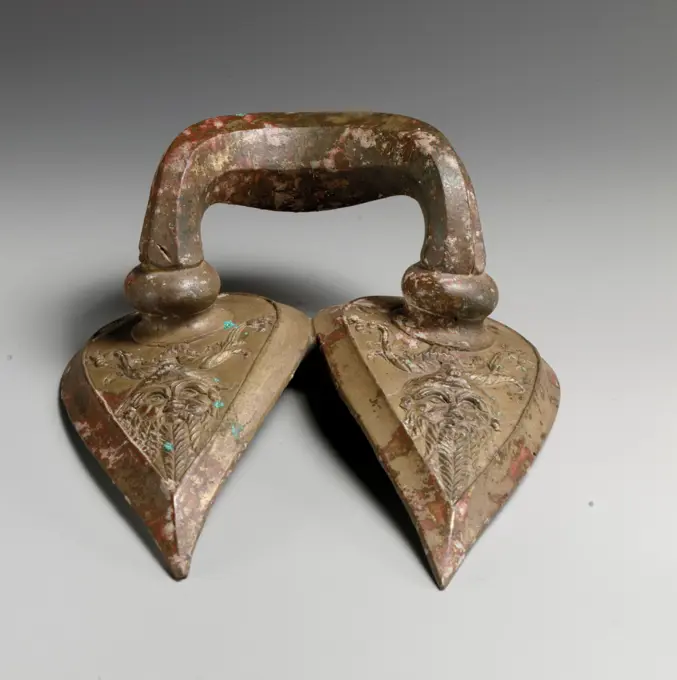
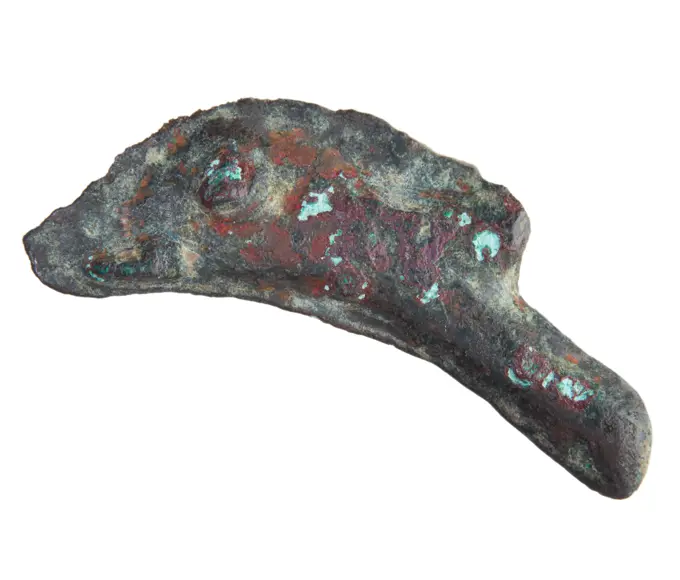
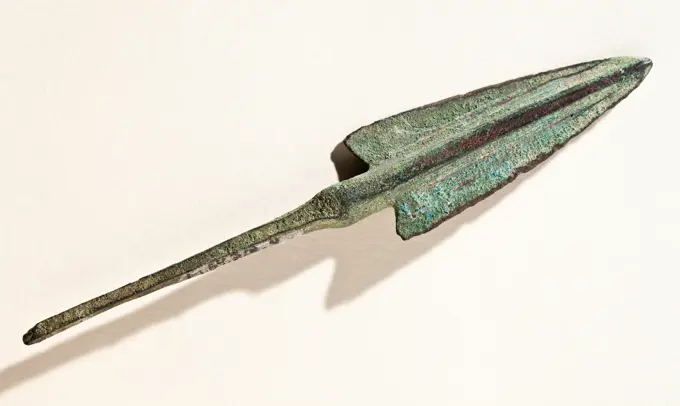
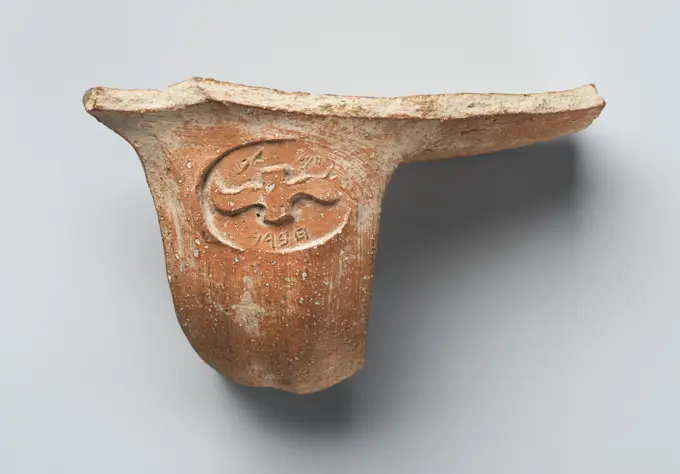
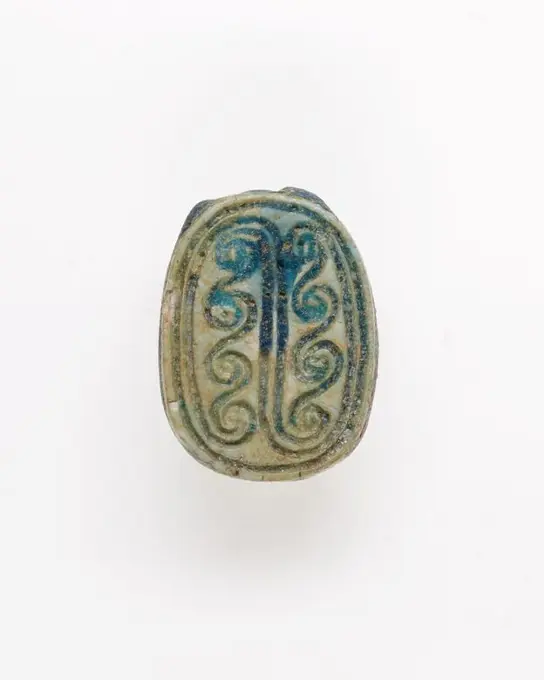
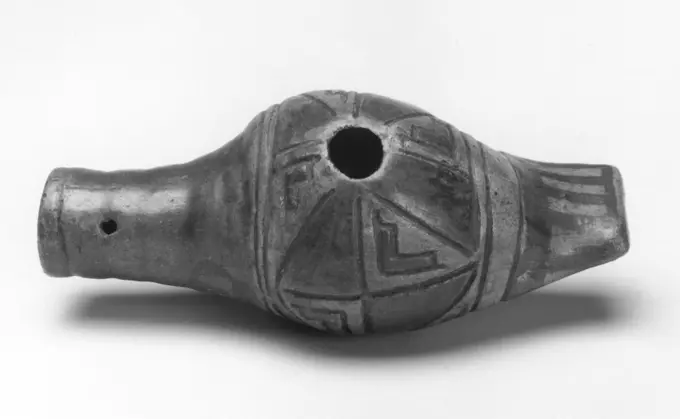
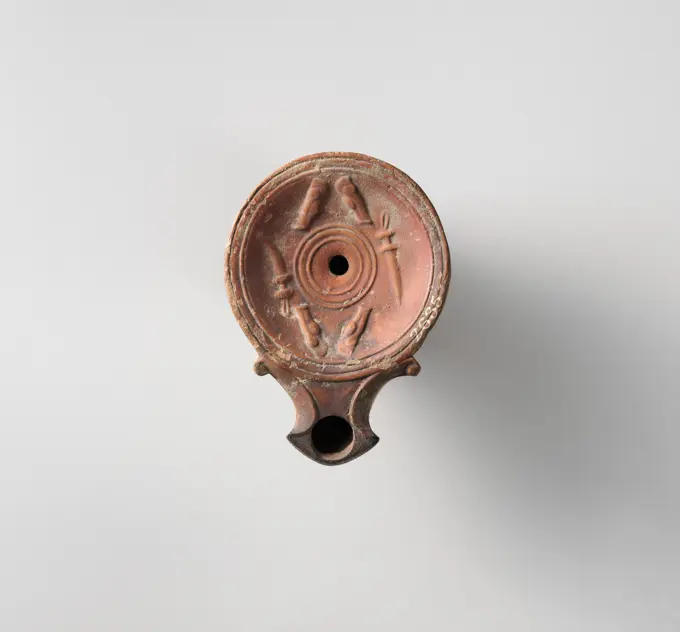
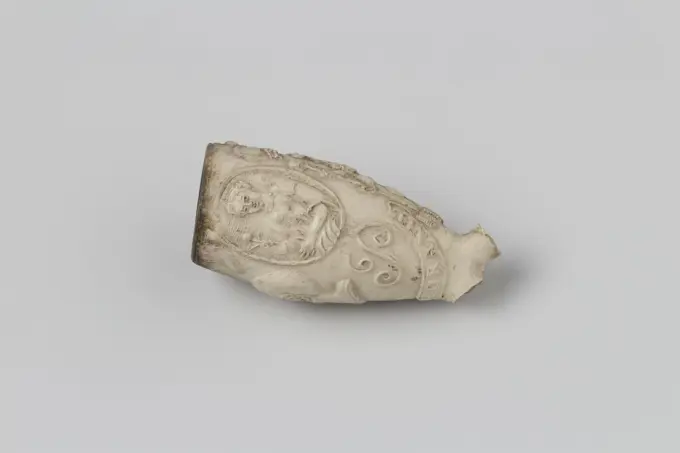
Small Buckle 7th century () Frankish. Small Buckle 465743 Frankish, Small Buckle, 7th century (), Copper alloy, Overall: 1 11/16 x 7/8 x 1/2 in. (4.3 x 2.2 x 1.2 cm). The Metropolitan Museum of Art, New York. Gift of J. Pierpont Morgan, 1917 (17.193.40)Armband, anonymous, -600 - -100 Tube bracelet, shape of a cuff that is narrower downwards. Ban Chiang bronze (metal) Tube bracelet, shape of a cuff that is narrower downwards. Ban Chiang bronze (metal)Bronze double axe ca. 1400-1050 B.C. Minoan Axehead.. Bronze double axe 252403 Minoan, Bronze double axe, ca. 14001050 B.C., Bronze, 6 1/8 in. x 2 1/4 in. (15.5 x 5.7 cm). The Metropolitan Museum of Art, New York. Bequest of Richard B. Seager, 1926 (26.31.483)Finial in the Shape of a Bird's Head ca. 4th century B.C. Northwest China. Finial in the Shape of a Bird's Head 59500Ring in the shape of a wheel, decorated with two similar animal heads. LURISTAN. 900-750 BC. Paris, Cernuschi museum. 35171-1 Iron age, ring, bronze, wheelDecorative batter from the wreck of the East Indies Hollandia, Anonymous, 1700 - in or Before 1743  Fitting, decorative fitting or fragment; fragm, id. NG 1980-27H1133, scrolling end of right wing, eroded. Netherlands lead (metal)   SecondFibula (leech type) 800 BCE-700 BCE Thessaly. This precious bronze object is a votive, or devotional gift, made as an offering to the gods. They come in many forms, such as animals, beads and brooches. Many seem once to have been attached to something else. Votives were hung from sacred trees or placed in sanctuaries around Greece. Once a shrine was full, the votives were ceremonially buried to make room for more offerings.. Bronze . Ancient GreekBracelet. Western Iran, circa 1000-650 B.C.. Jewelry and Adornments; bracelets. Bronze, castBronze lunate razor. Culture: Italic. Dimensions: length 4 7/16in. (11.2cm). Date: 9th-8th century B.C..Objects resembling this one have often been found in male burials throughout Italy. They were perhaps used to trim hair rather than to shave beards. The small perforated appendage, a frequent feature on these crescent-shaped razors, allowed them to be suspended from a fibula. Museum: Metropolitan Museum of Art, New York, USA.Fibula Fragment. Greek; Thessaly. Date: 800 BC-600 BC. Dimensions: 3.4 x 1.4 x 1.3 cm (1 3/8 x 9/16 x 1/2 in.). Bronze. Origin: Thessaly. Museum: The Chicago Art Institute, Chicago, USA. Author: ANCIENT GREEK.Buckle 7th century () Frankish. Buckle. Frankish. 7th century (). Copper alloy. Made in Niderbreisig, Germany. Metalwork-CopperBronze phallic amulet 1st century A.D. Roman A phallus extends horizontally from the central ring. Projecting to the other side is a human hand displaying a sexually explicit, obscene gesture, its fingers curled and thumb protruding between the index and middle fingers. Directly below the ring hangs a scrotum.. Bronze phallic amulet 255088 Roman, Bronze phallic amulet, 1st century A.D., Bronze, W. 2 1/8 in. (5.4 cm.). The Metropolitan Museum of Art, New York. Gift of A. Hyatt Mayor, 1960 (60.117.3)Two hinged parts of ornamental fittings, book fittings, decorative fittings soil found brass copper metal, engraved Two hinged pieces of batter; one with two holes with pointed end and others with hook on the end archeology Rotterdam rail tunnel book close ground Soil discovery: trajectory rail tunnel Rotterdam.Buckle, 600s. Merovingian, Burgundian, Migration period, 7th century. Iron with silver overlay; overall: 4.5 cm (1 3/4 in.).Anonymous, plays from Mors (Biaoxian) (usual name), 1050. Cernuschi museum, Asia Museum of Asia in the city of Paris.Shawabty of Ditamenpaankh, 715-656 BC. Egypt, Late Period, Dynasty 25. Terracotta; overall: 4.7 x 1.6 x 1.4 cm (1 7/8 x 5/8 x 9/16 in.).Sword Guard (Tsuba). Culture: Japanese. Dimensions: 17.222.4: H. 3 3/8 in. (8.6 cm); W. 2 3/4 in. (9.5 cm); Wt. 2.2 oz. (62.4 g)17.222.5: H. 3 in. (7.6 cm); W. 2 1/4 in. (5.7 cm); Wt. 2.1 oz. (59.5 g). Date: ca. 3rd century-538. Museum: Metropolitan Museum of Art, New York, USA.Oil Lamp with Floral Decoration. Egypt, Roman Period (30 BCE - 395 CE) or later. Furnishings; Lighting. BronzeThe Amsterdam apothecary and art collector Emmanuel Vita Israël. He donated his collection, comprising keys dating from Roman antiquity to the 19th century, to the Koninklijk Oudheidkundig Genootschap (Royal Antiquarian Society) in 1937. Vita Israël claimed that his key collection had grown more or less by accident: being one of the few collectors of keys, dealers automatically made their way to him.Branded, bronze, lily-shaped handle of stopper, grip part soil find bronze metal, cast sawn Gray-green bronze handle of stopper in the shape of lily on flat round foot Probably shown in the middle between the wings mark in the middle of lily, H Or r Barely visible archeology tap tap stop holder barrel wine beerFibula 7th century B.C. Etruscan The end of the foot is twisted spirally around the bow.. Fibula 246441Bead, plaque from a necklace Cypriot. Bead, plaque from a necklace 242710Key handle, c. 1400 - c. 1950 Key handle, crown -shaped, with a remnant of the iron stem. A profiled button on the crown. Rome bronze (metal) Key handle, crown -shaped, with a remnant of the iron stem. A profiled button on the crown. Rome bronze (metal)Cymbal. Dimensions: h. 1.9 cm (3/4 in); diam: 7 cm (2 3/4 in). Date: 30 B.C.-A.D. 364. Museum: Metropolitan Museum of Art, New York, USA.Excerpt copper from the wreck of the East Indies Hollandia, 1700 - in or before 1743 fragment Parts of artefacts; eroded fragments: materials; copper. Netherlands copper (metal)   SecondShaft-hole Axehead. Iran, Luristan, circa 2600-2350 B.C.. Arms and Armor; axes. Bronze, castFibula, serpentine type 9th century B.C. Italic There are two spirals, one of one turn, the other of two.. Fibula, serpentine type 246377Bridle Cheekpiece 11th-10th century B.C. China. Bridle Cheekpiece 61336Strap hanger or belt hook, convex rosette with hook bent up, belt accessory soil find silver metal, Double circular baffle plate between which belt can be clamped. Upper baffle plate rolled up below an arch arch hooked upwards Rotterdam railroad tunnel confirmation Soil discovery: trajectory Rotterdam rail tunnel.Oenochoé Miniature. All. Cu. G. R. Paris, Carnavalet museum. 51856-1 Oenochoe, wine pitcher, miniatureStatuette of an Ibis Head. Egyptian. Date: 664 BC-332 BC. Dimensions: 16.2 × 20.3 × 4.8 cm (6 3/8 × 8 × 1 7/8 in.). Bronze. Origin: Egypt. Museum: The Chicago Art Institute, Chicago, USA. Author: Ancient Egyptian.Handle of a bowl. Handle of a bowl 244335Lamp. UnknownVase fragment Roman. Vase fragment. Roman. Terracotta. VasesPart faucet from the wreck of the East Indieschief Hollandia. Tap, spigot, removable; Fragm, circular ring-shaped handle, part of NG 1979-523H.Box seal 3rd century Roman. Box seal 465085 Roman, Box seal, 3rd century, Champlev enamel, copper alloy, Overall: 1 5/16 x 13/16 x 1/4 in. (3.3 x 2.1 x 0.6 cm). The Metropolitan Museum of Art, New York. Gift of J. Pierpont Morgan, 1917 (17.191.39)Belt Buckle 600-700 Frankish Belts were important features of early medieval dress. Not only did they serve the practical function of holding weapons and tools, but their fittings, which could vary in terms of material, decoration, and size, were also highly visible indicators of rank and status. Iron buckles, many imposing in size, were worn by both men and women. Their intricate decoration was achieved by squeezing narrow twisted strips of silver into patterns engraved on the surface of the prefabricated iron pieces. A complete belt would have consisted of a buckle, a counter plate that was placed opposite the buckle, and sometimes a rectangular plate placed in the middle of the belt at the back for decoration.. Belt Buckle 465040 Frankish, Belt Buckle, 600700, Iron overlaid, inlaid with silver, iron rivets, Overall: 4 3/16 x 8 1/2 x 3/8 in. (10.6 x 21.6 x 1 cm). The Metropolitan Museum of Art, New York. Gift of J. Pierpont Morgan, 1917 (17.191.326)Cylindrical neck. Glass. Paris, Carnavalet museum. 51537-4 Bottle, cylindrical neck, glassBelt Fitting 6th-7th century Frankish. Belt Fitting 465441 Frankish, Belt Fitting, 6th7th century, Copper alloy (), Overall: 9/16 x 3/16 in. (1.4 x 0.4 cm). The Metropolitan Museum of Art, New York. Gift of J. Pierpont Morgan, 1917 (17.193.133)Excavated horseshoeHand guard, Teimei (possibly), 1700 - 1800 Ovale tsuba with a Phoenix, three Paulownia plants and stylized clouds at the front in the flat in the flat in the flat in the flat-insert; At the rear two Paulownia plants and a cloud; Signed "kishu ju teimei" or "kishu ju sadatoshi". Japan iron (metal). gold (metal). silver (metal) Ovale tsuba with a Phoenix, three Paulownia plants and stylized clouds at the front in the flat in the flat in the flat in the flat-insert; At the rear two Paulownia plants and a cloud; Signed "kishu ju teimei" or "kishu ju sadatoshi". Japan iron (metal). gold (metal). silver (metal)Spindle whorl ca. 2900-2600 B.C. Sumerian. Spindle whorl. Sumerian. ca. 2900-2600 B.C.. Ceramic. Early Dynastic I-II. Mesopotamia, NippurOil LampOlive lamp with quadriga and victoria; Draco C (Aius) Iunnus (Fl. 50-100); 2nd half 1st century (51-00-00-100-00-00);Dagger probably 3rd century Late Roman. Dagger 465356Squarish Disk with Rounded Corners. China. Date: 3500 BC-2500 BC. Dimensions: 13.3 × 13.3 × 0.4 cm (5 1/4 × 5 1/4 × 3/16 in.). Jade. Origin: China. Museum: The Chicago Art Institute, Chicago, USA.Fibula, boat-shaped type 8th-6th century B.C. Italic The bow is solid.. Fibula, boat-shaped type 246371Dagger-axe (ge), 6th-5th century BCE, 5 13/16 × 2 15/16 × 9/16 in., 0.4 lb. (14.76 × 7.46 × 1.43 cm, 0.2 kg), Huai style Bronze, China, 6th-5th century BCETin toy sign with decorated border, plate crockery holder toy relaxant miniature soil find tin metal, cast tin plate. Toy Stand with very shallow stand ring. Decorated embossed along the board edge divided into triangular planes alternating with fields with three dots. Decoration is molded archeology Rotterdam rail tunnel indigenous tin playing child child's play Soil discovery: rail tunnel Rotterdam.Amulet of a Heart 1550 BCE-1069 BCE Egypt. Glass . Ancient EgyptianTerracotta oil lamp. Culture: Roman. Dimensions: Overall: 1 1/2 x 3 5/8 in. (3.8 x 9.2 cm). Date: 7th century A.D..Mold-made, with applied handle. Discus: "Catherine wheel" lines radiating from a single central filling hole, surrounded by a double ridge; the inner ridge continuing forward around the wick hole, forming a shallow channel. On the broad, sloping shoulder, slanting strokes round discus and nozzle channel. Small, solid lug handle, slightly hooked at rear. sharply carinated body. Circular hollow on base; linear ridge from base to underside of nozzle.Intact, except for small hole in shoulder at left and chipped area on edge. Deep reddish brown micaceous fabric. Museum: Metropolitan Museum of Art, New York, USA.Masque. Bronze, China, Iv-Iie s. to. J.-C. Par musée musée malée. Asian art, Chinese art, bronze, Asian civilization, Chinese civilizationTerracotta oil lamp 2nd century A.D. Roman Loeschcke Type 8. Mold-made, with ring handle. Discus: oak wreath; two small filling holes, one central, the other at bottom behind nozzle; broad band with two grooves around edge of discus. Shoulder: impressed ovules. Incised base ring, and broad, uneven base.Intact.. Terracotta oil lamp. Roman. 2nd century A.D.. Terracotta. Imperial. TerracottasLamp, Anatolia; 1st - 4th century; Terracotta; 2.5 x 7 x 10 cm (1 x 2 3,4 x 3 15,16 in.)Glass appliqué with theatrical mask Roman 2nd-4th century CE Translucent deep turquoise green, appearing black; vessel wall colorless.Thick oval appliqué attached to wall of vessel; on inside of wall, bulb.Grotesque female mask with straight-haired peruke, parted at middle and with an outturned fringe at sides of face; deep eye holes and large curved mouth cavity.Complete but with chipped and weathered edges, and most of nose missing; pitting, dulling, and iridescent weathering on all surfaces.The appliqué was probably attached to a large glass jug or bottle as decoration below the handle. View more. Glass appliqué with theatrical mask. Roman. 2nd-4th century CE. Glass; mold-pressed or stamped. ImperialDecorated Tube. Iran, Luristan, Luristan bronzes, circa 1000-650 B.C.. Sculpture. Bronze, castHarness Ornament ca. 3rd century Japanese. Harness Ornament. Japanese. ca. 3rd century. Iron, bronze, gold. Miscellaneous-Buckles & OrnamentHandle of a jug 6th-5th century B.C. Cypriot. Handle of a jug 244341Ornament Korea. Ornament. Korea. Bronze. Goryeo dynasty (918-1392). MetalworkAmulet of the Lunar Crescent 1600 BCE-400 CE Egypt. Glass . Ancient EgyptianHafted Ax 500 B.C.-A.D. 300 Indonesia. Hafted Ax 53082 Indonesia, Hafted Ax, 500 B.C.A.D. 300, Bronze, H. 4 1/2 in. (11.4 cm); W. 3/4 (1.9 cm); L. 4 1/8 in. (10.5 cm). The Metropolitan Museum of Art, New York. Samuel Eilenberg Collection, Bequest of Samuel Eilenberg, 1998 (2001.433.445)Fibula, semi-circular type 12th-10th century B.C. Italic The bow is twisted spirally.. Fibula, semi-circular type 246368Fragment wall hook from the wreck of the East Indians Hollandia, Anonymous, 1700 - in Or Before 1743 hook Wall hook; fragm of wall plate, id. NG 1979-213H1822, hook broken off. Netherlands copper (metal)   SecondAmulet of the God Bes 30 BCE-395 CE Egypt. Faience . Ancient EgyptianPipe key, c. 1400 - c. 1950 Pipe key with grip on round shaft, massive square beard, with rectangular teeth. Rome bronze (metal) Pipe key with grip on round shaft, massive square beard, with rectangular teeth. Rome bronze (metal)Rectangular lid with rotating latch, lid closure soil find copper metal, Rectangular lid cut out of plate and bent. Narrow curved scallop on the corners kept in shape by nails (one missing). Top frayed oval hole Next to the hole plate movable in the lid with an eye on the end in which ring is hanging. Possible part of lantern not sure archeology Rotterdam save rail tunnel lighting Soil discovery: trajectory Rotterdam rail tunnel.Small hornblende triangular axe. Culture: Cretan. Dimensions: Length 1 1/4 in. (3.2 cm); H. 1/2 in. (1.2 cm). Date: 6th-4th millennium B.C..Celt. Museum: Metropolitan Museum of Art, New York, USA.Anillo romano. Can Serra Museu de Mataró.Fragments Steel van Fork or Spoon from the wreck of the East Indians Hollandia, Anonymous, 1700 - in Or Before 1743 spoon Cutlery, fragment: stem of fork or spoon; fragm, id. NG 1980-27H67. Netherlands tin (metal)   SecondRitual Spoon (Bi) China. Ritual Spoon (Bi). China. Bronze. mid-Zhou dynasty (1046-256 B.C.). MetalworkKey Handle 1st-7th century Roman. Key Handle 462935Copper Snake Head Mace 3rd century B.C.-A.D. 2nd century Vicús (). Copper Snake Head Mace 315264Terracotta oil lamp 3rd century A.D. Roman Mold-made, with unpierced, tall handle. Discus: stylized rosette of ten rounded petals, each with a spine of raised dots, around a central raised circle with a ring of dots within; two filling holes, one in central circle, the other at bottom edge. Narrow shoulder: small, raised dots flanked by raised lines. Large wick hole. Undefined, slightly uneven base.Intact.. Terracotta oil lamp. Roman. 3rd century A.D.. Terracotta. Late Imperial. TerracottasKey, c. 1400 - c. 1950 Key with flat bell -shaped handle, decorated with brought leaf motif and crowned by an eye. France bronze (metal) Key with flat bell -shaped handle, decorated with brought leaf motif and crowned by an eye. France bronze (metal)Silver spiral 7th-6th century B.C. Etruscan With four revolutions.. Silver spiral. Etruscan. 7th-6th century B.C.. Silver. Archaic. Gold and SilverLead disk with a hole in the center 6th-5th century B.C. Greek, Laconian. Lead disk with a hole in the center 251718 Greek, Laconian, Lead disk with a hole in the center, 6th5th century B.C., Lead, 1 1/16  1 1/8 in. (2.7  2.9 cm). The Metropolitan Museum of Art, New York. Gift of A. J. B. Wace, 1924 (24.195.152)Ax 1500-1000 B.C. India These anthropomorphic figures, harpoons, ax blades (celts), and antennae swords were cast and hammered from unalloyed copper. They may be dated to 1500 to 1000 B.C. Given that pure copper is a relatively soft metal and most of the objects show little or no signs of wear, it seems likely that their function was largely dedicatory. Hoards of such objects have been found across north India, the greatest concentration being in Uttar Pradesh. The findspots suggest they were ritually deposited in rivers or marshes, though several related antennae swords were recorded in late Indus Valley civilization (ca. 1500 B.C.) burials at Sanauli.. Ax 50646Anklet/BraceletBronze handle of a vessel with Silenos mask early 4th century B.C. Etruscan These heavy, solid-cast handles were once attached to a stamnos, a large vessel frequently used by Etruscans during the Late Classical and Hellenistic periods for cremated remains. Each leaf-shaped attachment is decorated with a frontal Silenos head crowned by an elaborate floral wreath.. Bronze handle of a vessel with Silenos mask 248319Vizier of the Jacobs Staff from the wreck of the East Indians Hollandia, Anonymous, 1700 - in Or Before 1743  Navigation, cross staffs' vizor; id. NG 1980-27H102, squashed, lugs bent. Netherlands copper (metal)   SecondEye of Horus Amulet, 945-715 BC. Egypt, Third Intermediate Period, Dynasties 22-25. Turquoise faience; overall: 3 x 0.6 cm (1 3/16 x 1/4 in.).Lamp 5th-6th century. Lamp 448006Soil fragment wine bottle from the wreck of the East Indians Hollandia, Anonymous, 1700 - in or before 1743  Onion-shaped bottle or bottle with vertical side, base, cs-kick-up. Continental production. Netherlands .   SecondGreece, Sarmacja, Olmia, V The beginning of the 4th century BC, Dolphin money, AE MintSpindle Whorl 10th-early 16th century Mexican. Spindle Whorl 307710Spearhead. Iran, Luristan, circa 1000-550 B.C.. Arms and Armor; spears. BronzeCoat hook or coat closure with ornamental decoration, round eye and bent end as hook, closure clothing accessory clothing soil find copper metal, cast archeology rugs closeEmilia-Romagna Ferrara Ferrara Museo Civico di Schifanoia72. Hutzel, Max 1960-1990 General Notes: INCOMPLETE RECORD--NEGATIVES PROCESSED, PRINTS FILED German-born photographer and scholar Max Hutzel (1911-1988) photographed in Italy from the early 1960s until his death. The result of this project, referred to by Hutzel as Foto Arte Minore, is thorough documentation of art historical development in Italy up to the 18th century, including objects of the Etruscans and the Romans, as well as early Medieval, Romanesque, Gothic, Renaissance and Baroque monuments. Images are organized by geographic region in Italy, then by province, city, site complex and monument.Jar handle with a seal impression ca. late 8th-7th century B.C. Israelite. Jar handle with a seal impression. Israelite. ca. late 8th-7th century B.C.. Ceramic. Iron Age II. Levant, Lachish (modern Tell ed-Duweir)Scarab. Dimensions: l. 1.2 cm (1/2 in). Dynasty: Dynasty 12-18. Date: ca. 1981-1295 B.C.. Museum: Metropolitan Museum of Art, New York, USA.Ocarina 1300-1550 probably Colombian Although numerous types of instruments survive from pre-conquest South and Central America, little is known of how they were used. Whistles, trumpets, and rattles in animal or human form probably had ceremonial functions or served as playthings. Smaller whistles in animal shapes, perhaps worn suspended from the neck, frequently have fingerholes that allow variation of pitch.. Ocarina 504008Terracotta oil lamp late 1st century B.C.-early 1st century A.D. Roman Loeschcke Type 1A. Mold-made. Deep, concave discus, two pairs of greaves and two swords, one straight, the other curved, both with straps above the hilt, and pointing in opposite directions, all arranged in a circle around a central, small filling hole, surrounded by three raised concentric circles; a narrow band of lines and grooves around edge. Volutes flanking broad, angular nozzle with large wick hole. Raised base ring, and uneven base.Intact.. Terracotta oil lamp. Roman. late 1st century B.C.-early 1st century A.D.. Terracotta; mold-made. Early Imperial, Augustan. TerracottasNose Ornament 6th-7th century Moche (Loma Negra). Nose Ornament 313408Belt Ornament 2nd-7th century Moche. Belt Ornament 315494Scarab Inscribed with Hieroglyphs ca. 1850-1640 B.C. Middle Kingdom The scarab is inscribed with a symmetric arrangement of hieroglyphs, not meant to form words but chosen instead for their positive meaning. Such compositions are particularly prevalent on design scarabs of the late Middle Kingdom (late Dynasty 12-Dynasty 13, ca. 1850 -1640 B.C.). They serve as models for the wide array of variations seen on Egyptian scarabs of the Second Intermediate Period (Dynasty 14-17, ca. 1640-1550 B.C.) and on Canaanite scarabs (Middle Bronze Age IIB-IIC, ca. 1700-1500 B.C.).. Scarab Inscribed with Hieroglyphs 545704Fragment Pijpenkop, Evert Meurs (Possible), 1774 - 1808 Fragment Pijpenkop with portraits of (possibly) Prince Willem V and Frederica Sophia Wilhelmina van Pruisen, on the Ketel Steelzijde a caricatural head with the letters VP and on ribbon Vivat Oranie and standing Dutch Lion with Lans in a Dutch garden. Of the excavations on the Hofstede Arentsburg 1827-1831 under the supervision of Professor Reuvens. Gouda pipe clay Fragment Pijpenkop with portraits of (possibly) Prince Willem V and Frederica Sophia Wilhelmina van Pruisen, on the Ketel Steelzijde a caricatural head with the letters VP and on ribbon Vivat Oranie and standing Dutch Lion with Lans in a Dutch garden. Of the excavations on the Hofstede Arentsburg 1827-1831 under the supervision of Professor Reuvens. Gouda pipe clayOlive lamp; Unknown Gallic workshop; early II century (Trajan rule) (98-00-00-117-00-00);Mirror with Ibex 5th-4th century B.C. Northwest China. Mirror with Ibex 59495Jar. Red dough terracotta, gilding. Cernuschi Museum, Asia Museum of Asia in the city of Paris.Harness Ring. Greek; Thessaly. Date: 800 BC-600 BC. Dimensions: 0.8 x 2.3 x 2.3 cm (3/8 x 7/8 x 7/8 in.). Bronze. Origin: Thessaly. Museum: The Chicago Art Institute, Chicago, USA. Author: ANCIENT GREEK.