Ancient Brooches and Amulets

A selection of ancient brooches and amulets, featuring diverse shapes and materials that reflect historical craftsmanship from different cultures.
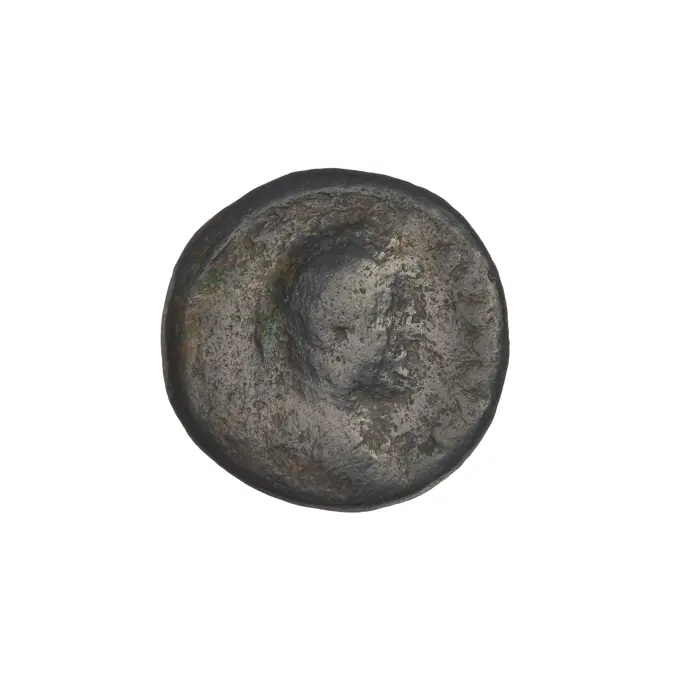
quarter of an hour; Hadrian (76-138; Roman emperor 117-138); 119-138 (119-00-00-138-00-00);Lyry, Busters, Laurel Wreaths
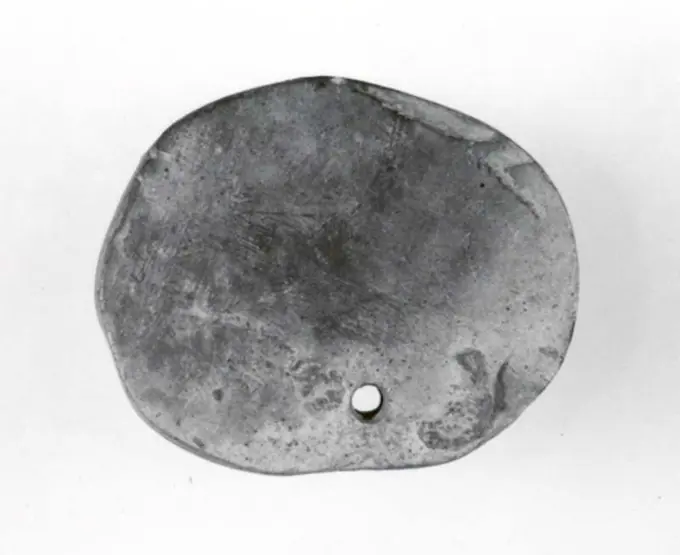
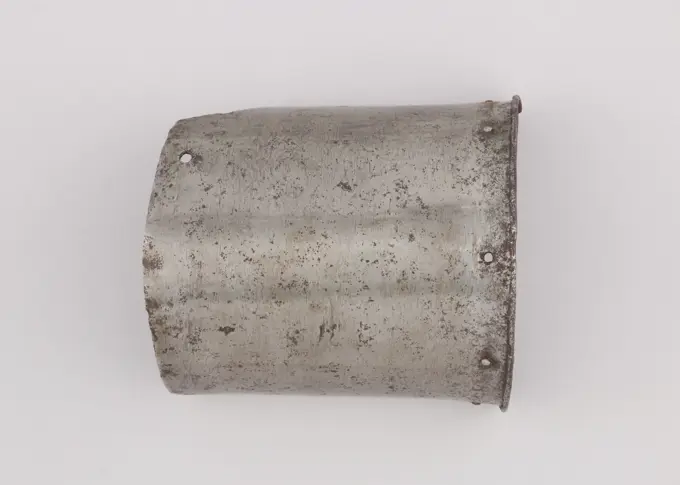
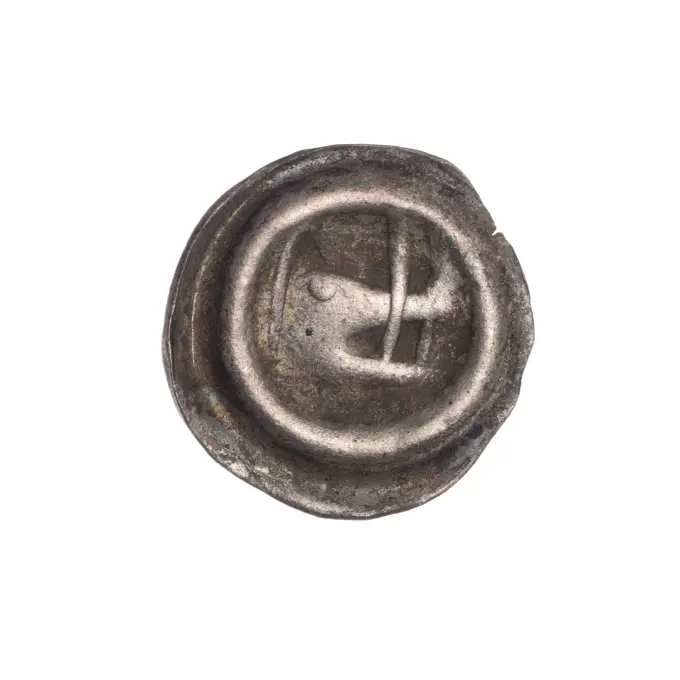
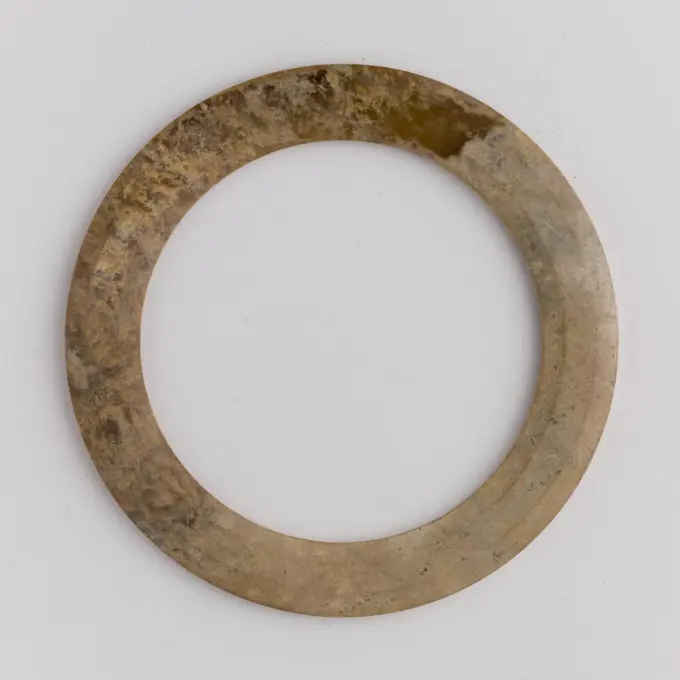
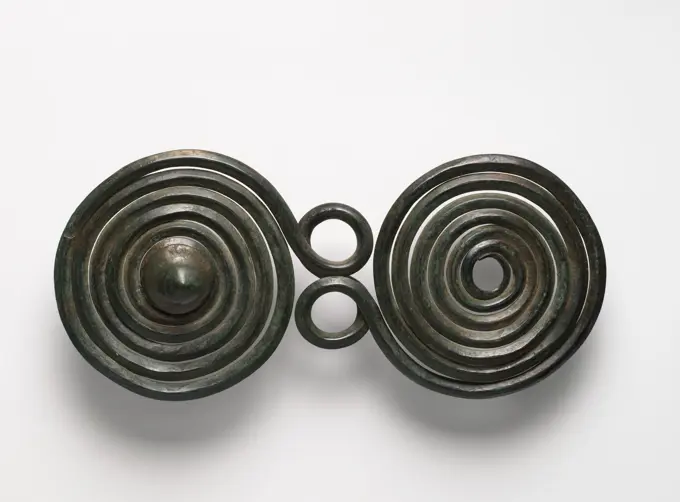
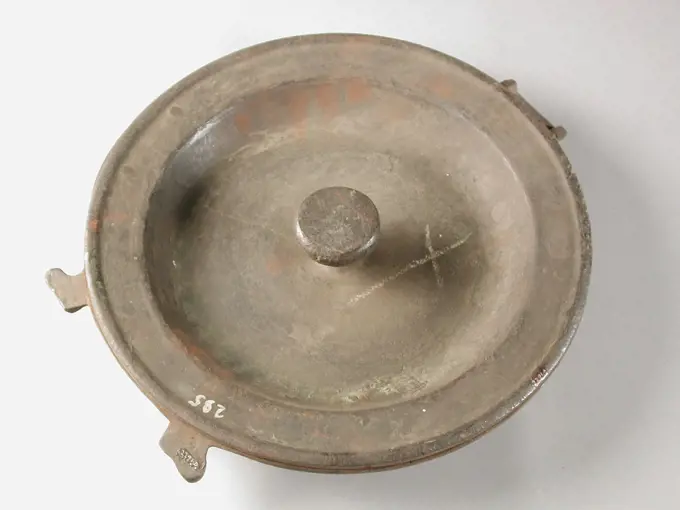
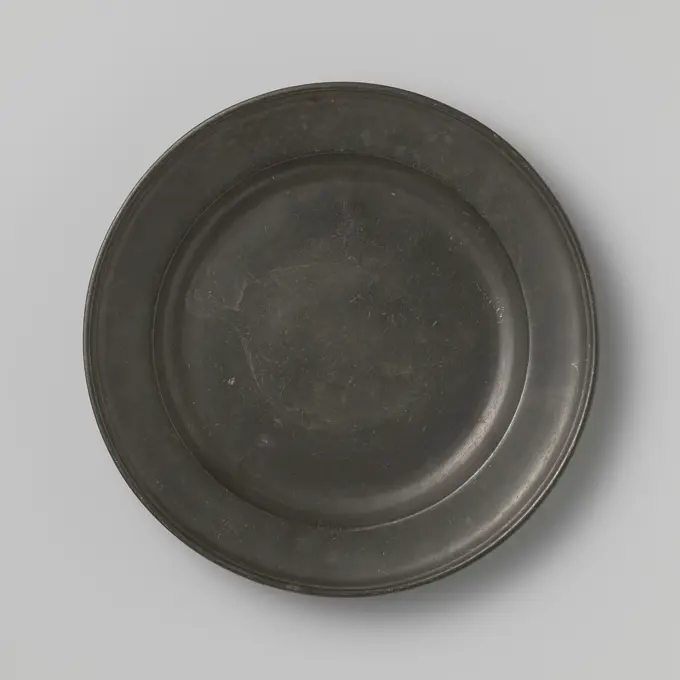
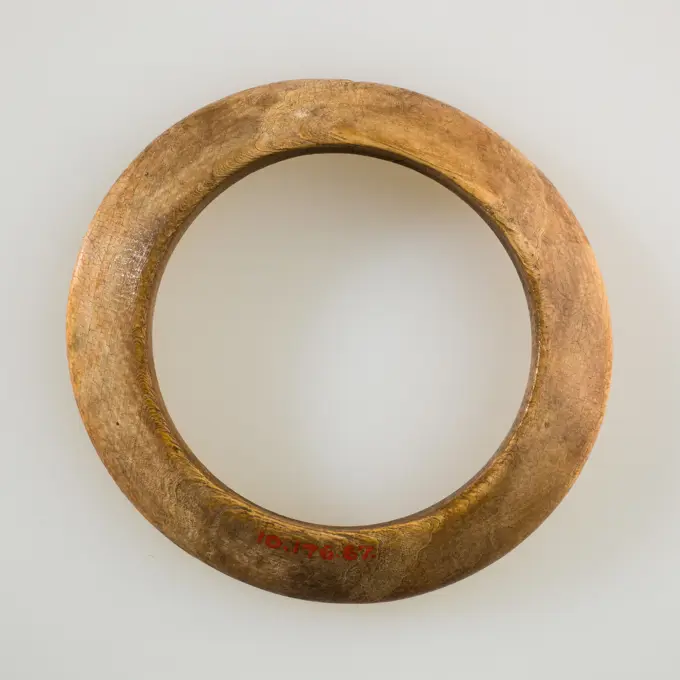
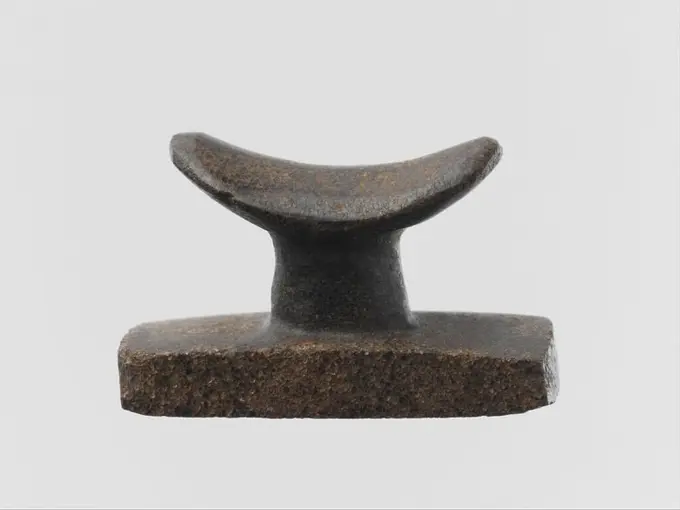
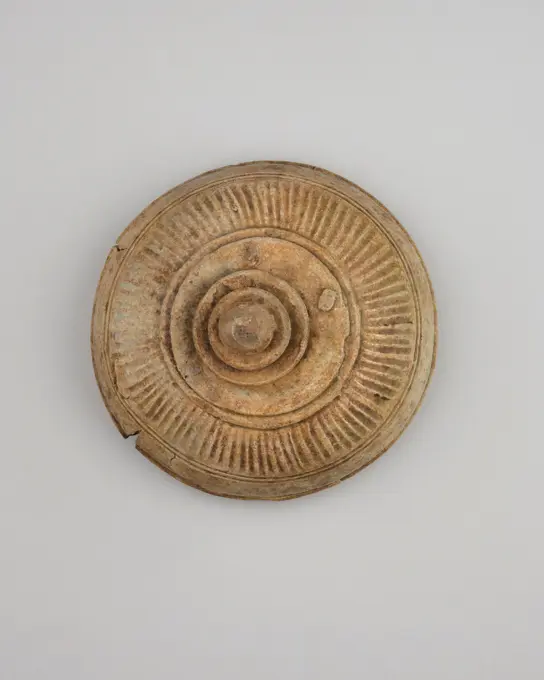
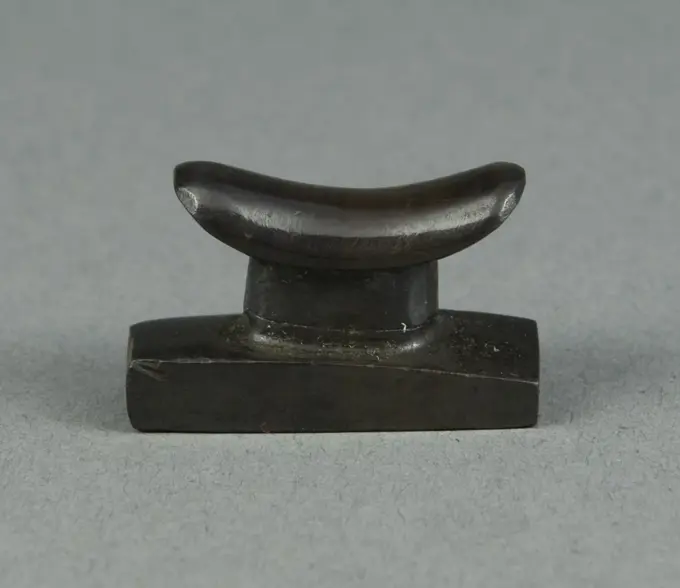
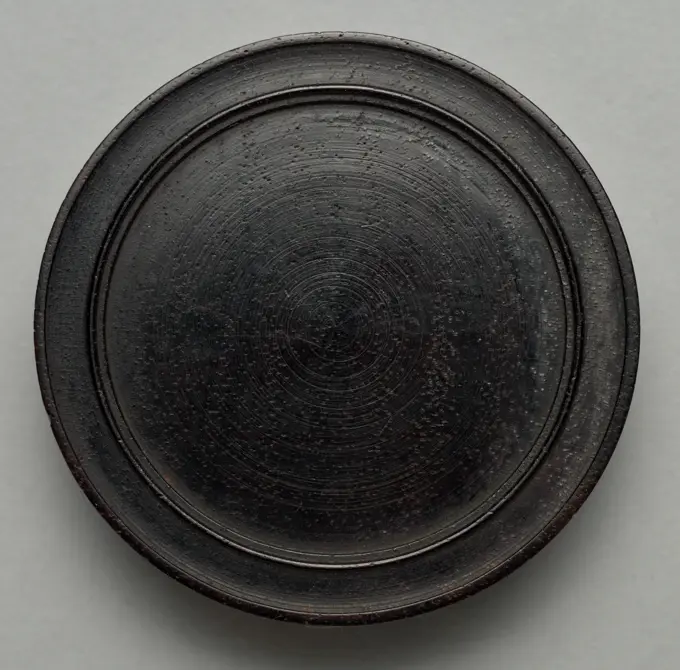
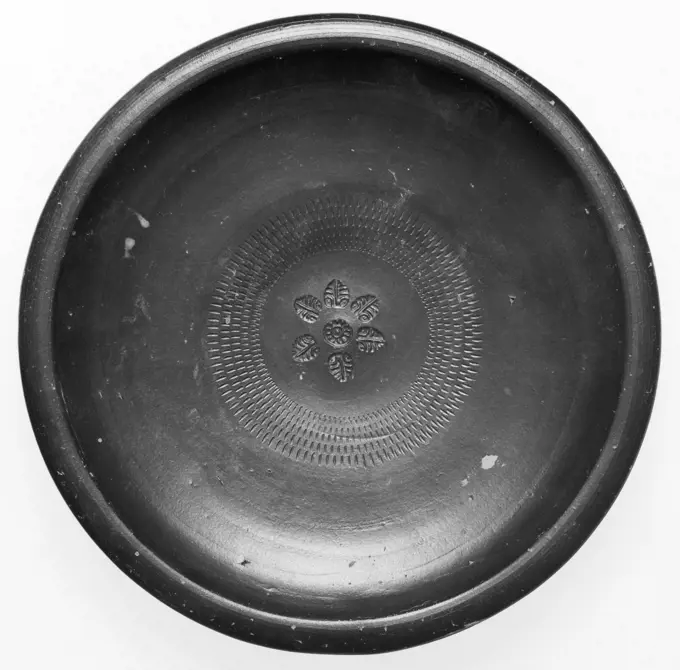
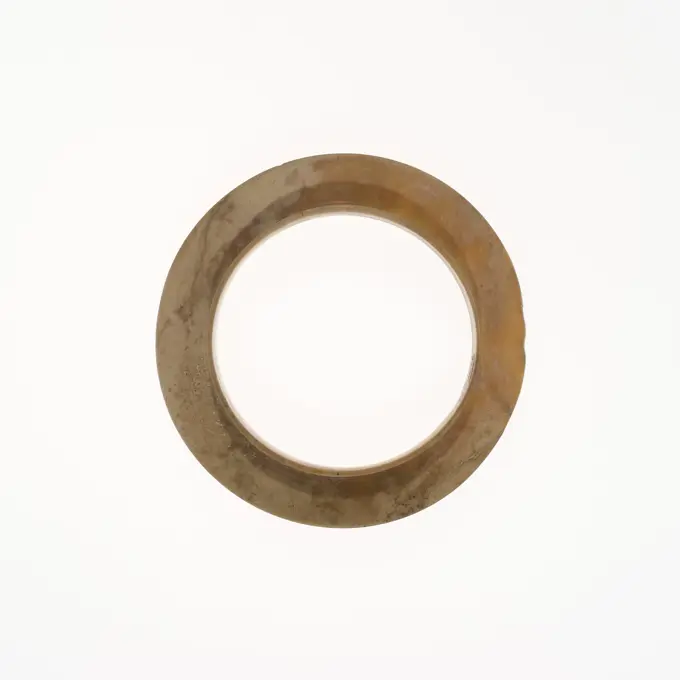
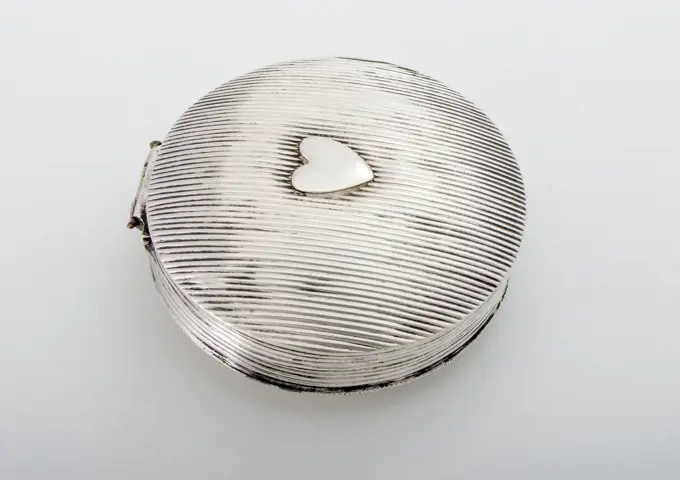
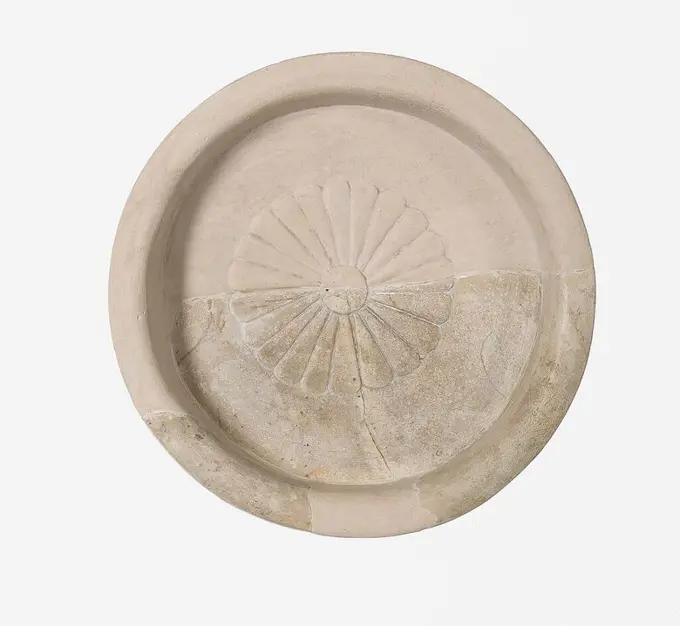
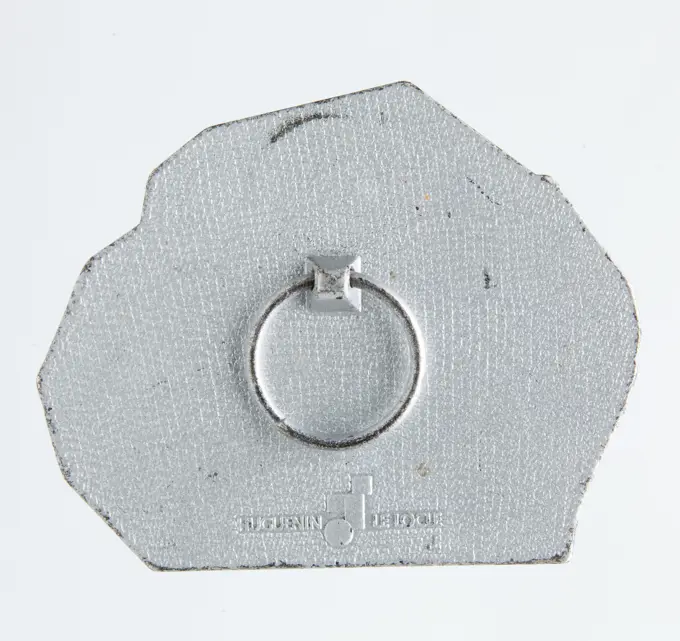
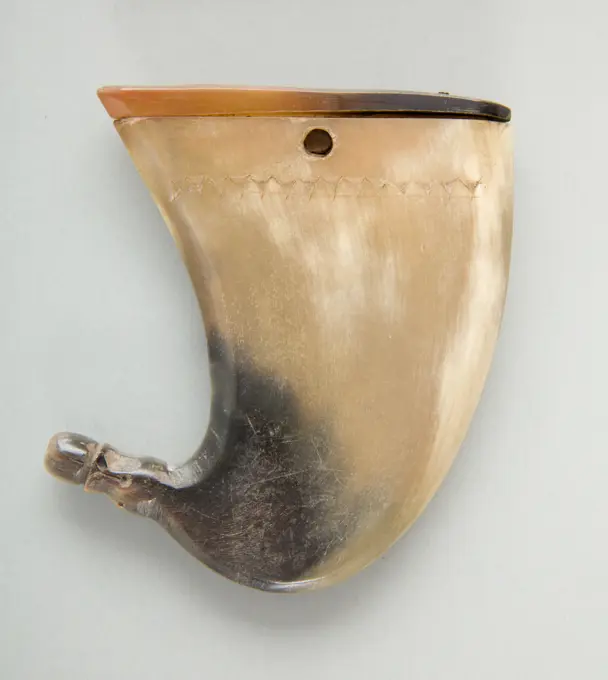
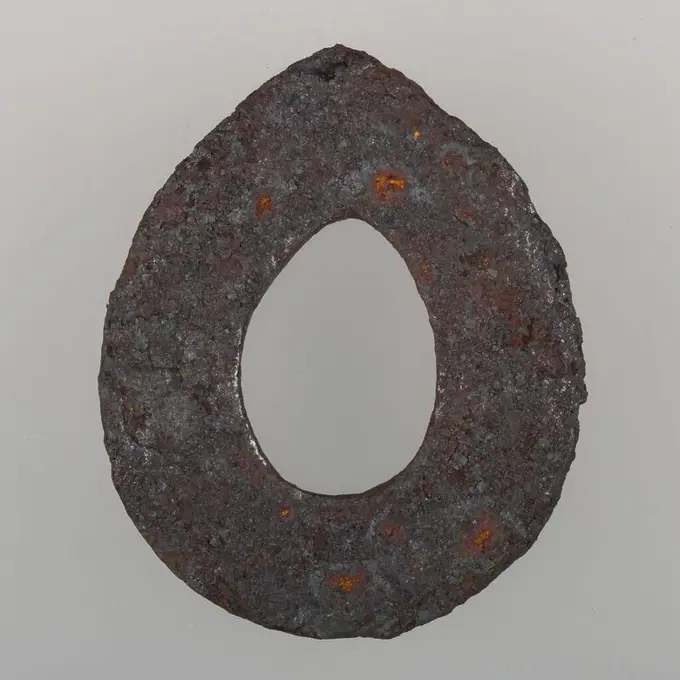
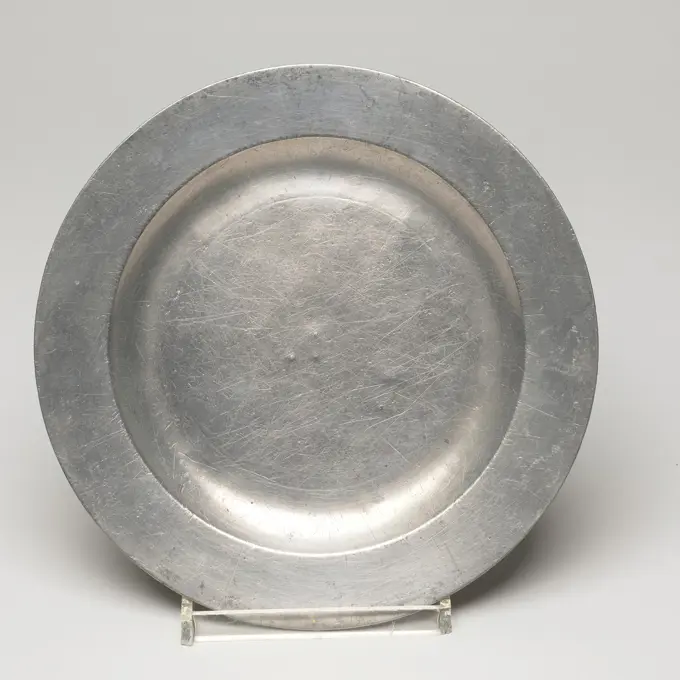
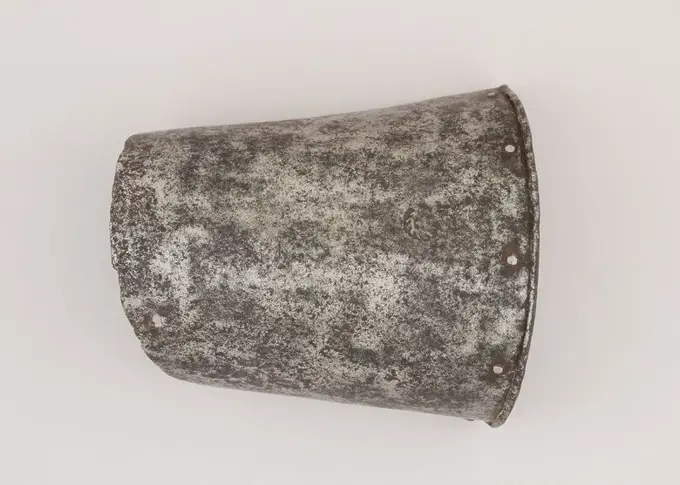
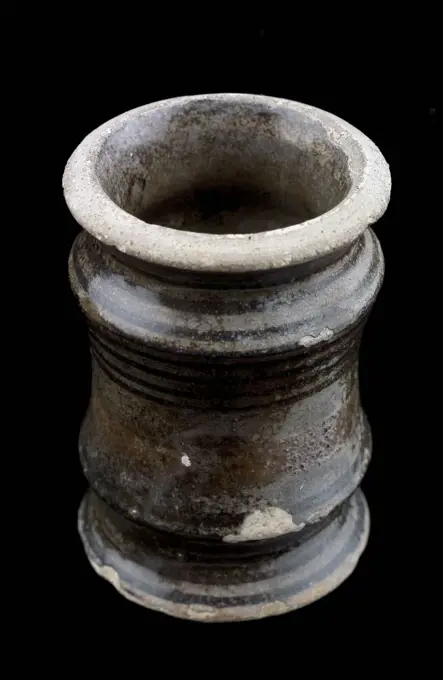
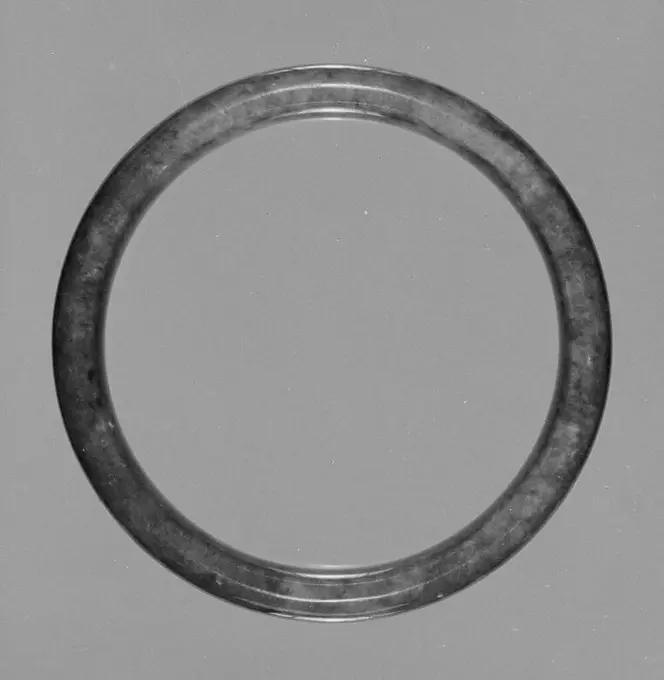
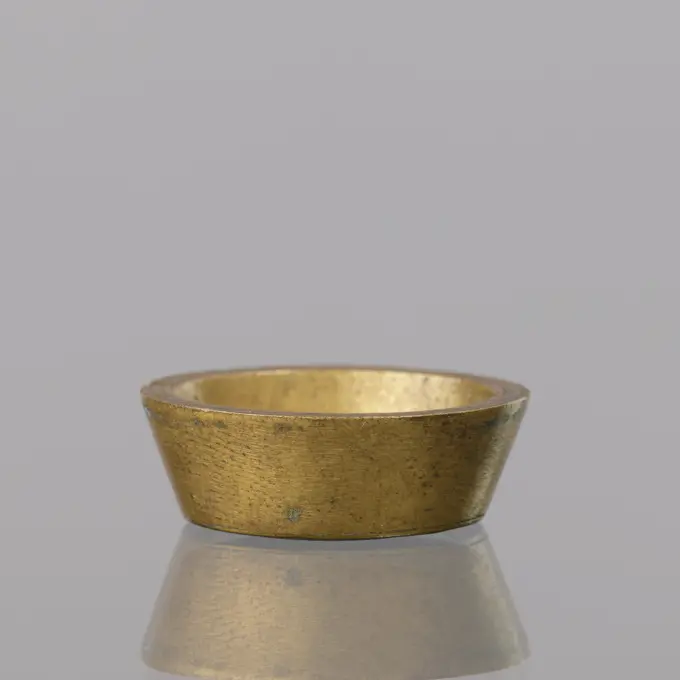
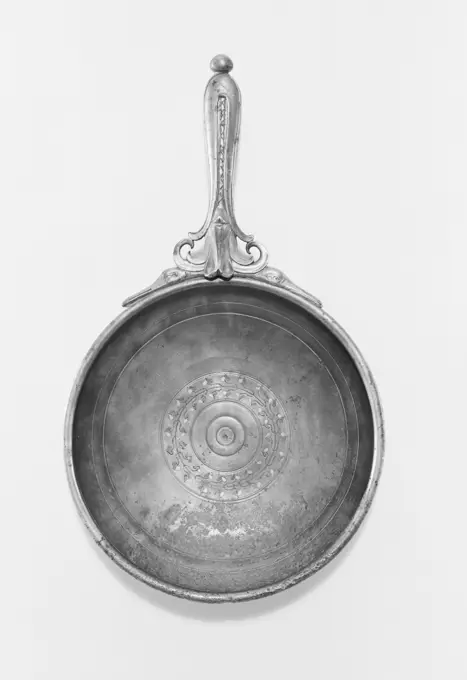
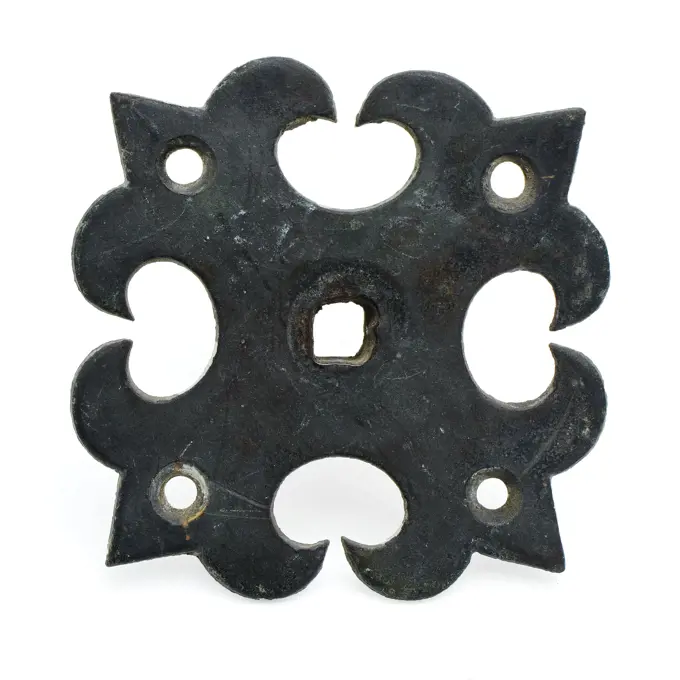
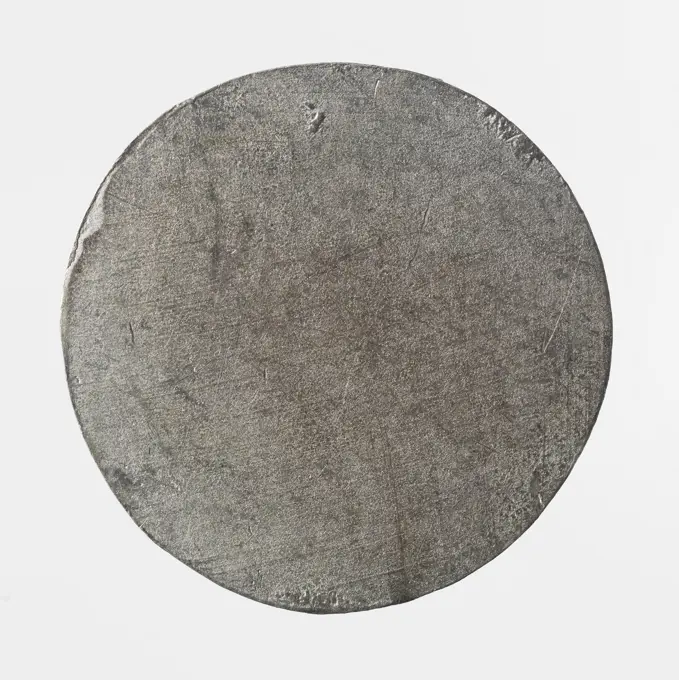
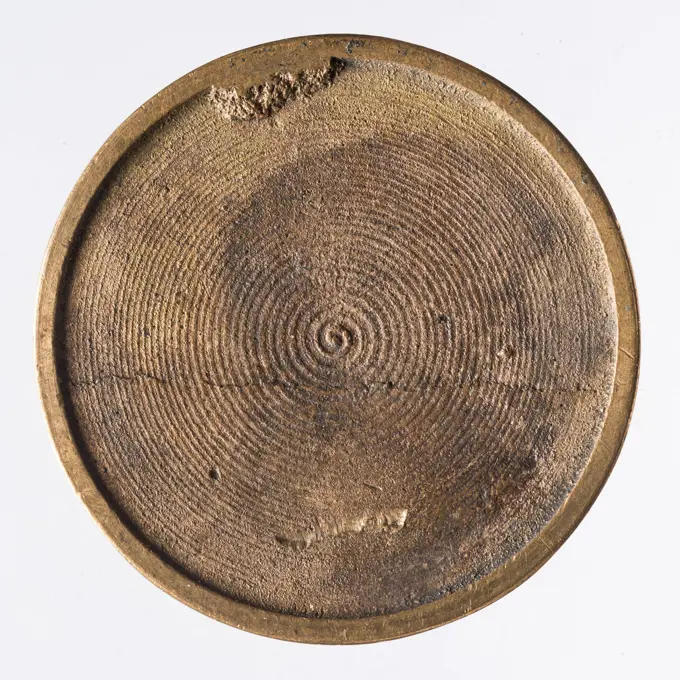
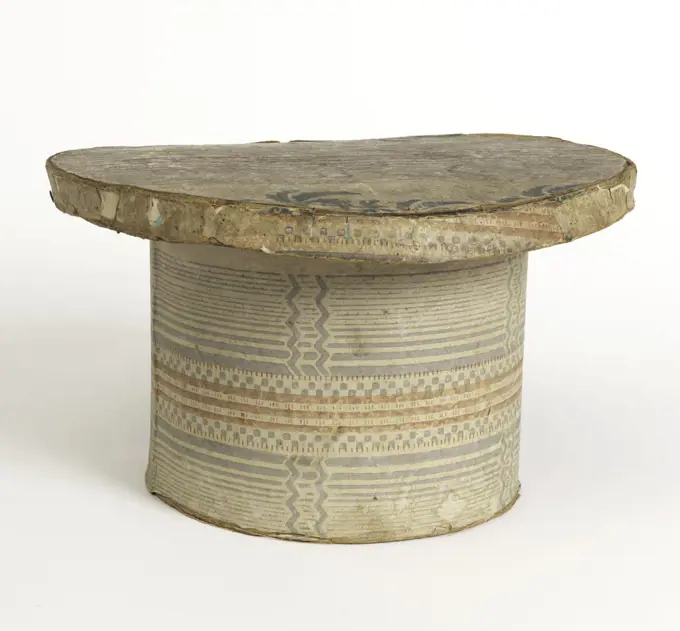
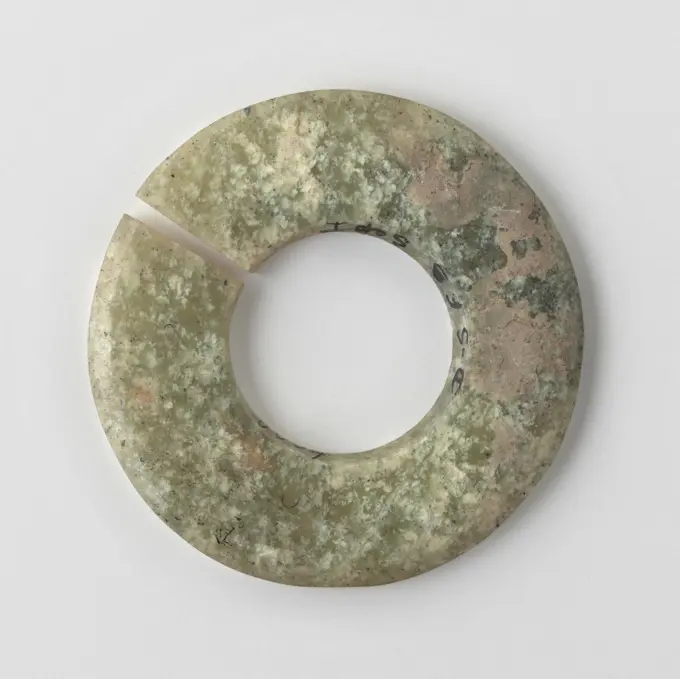
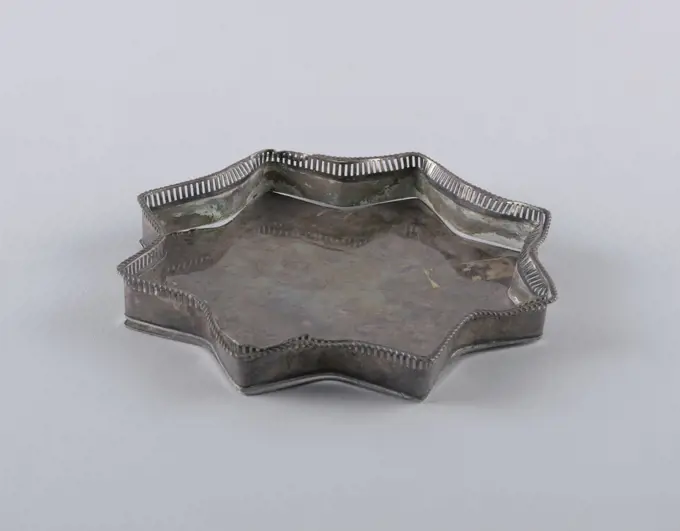
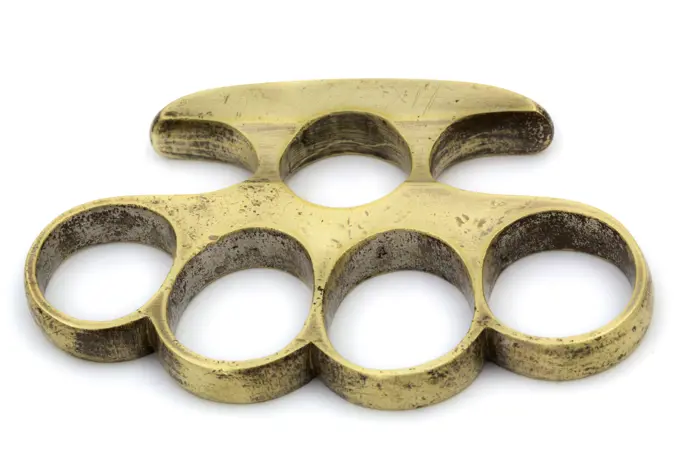
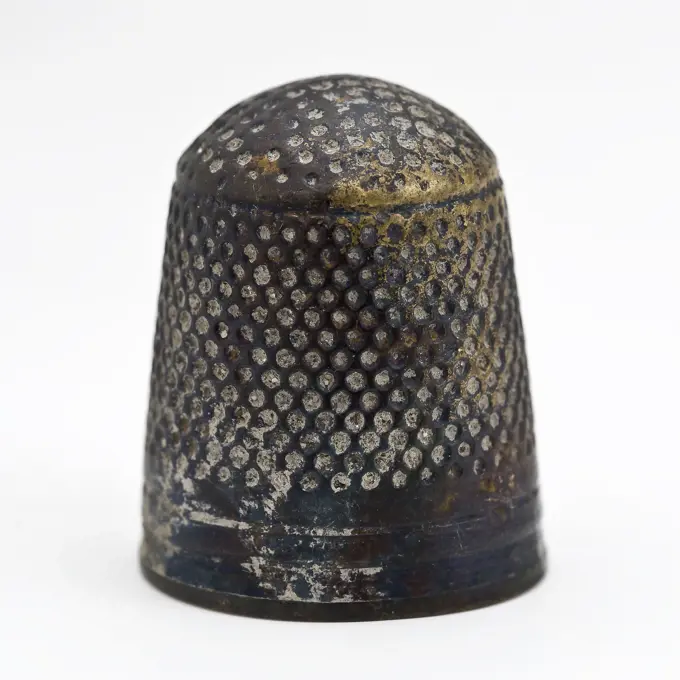
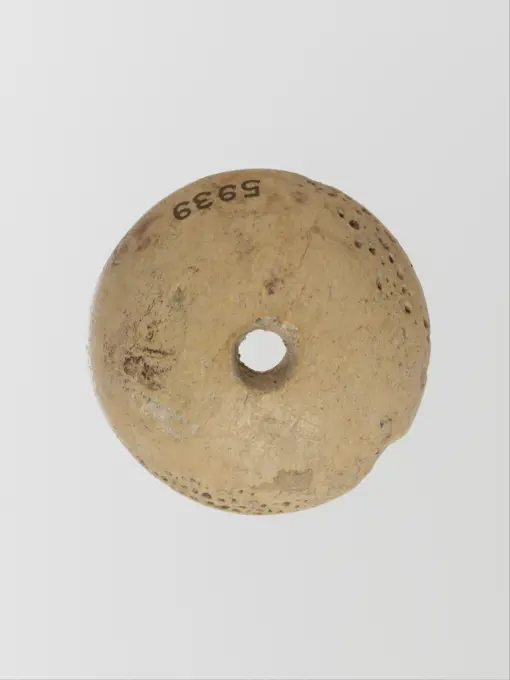
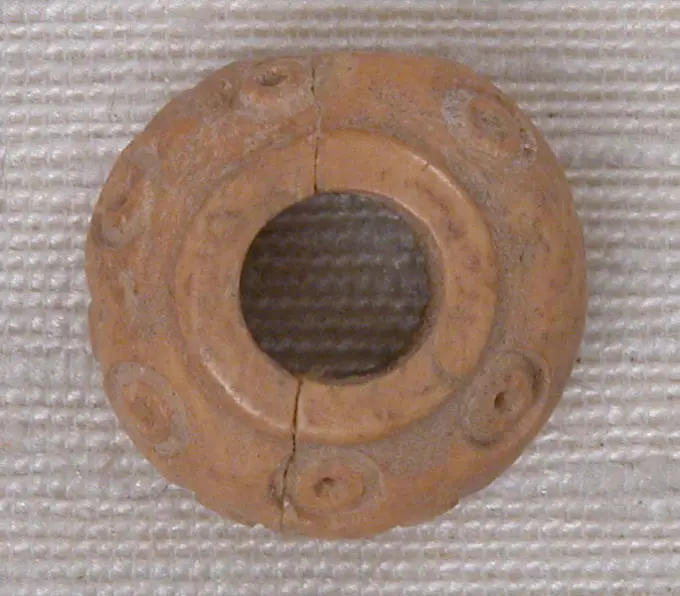
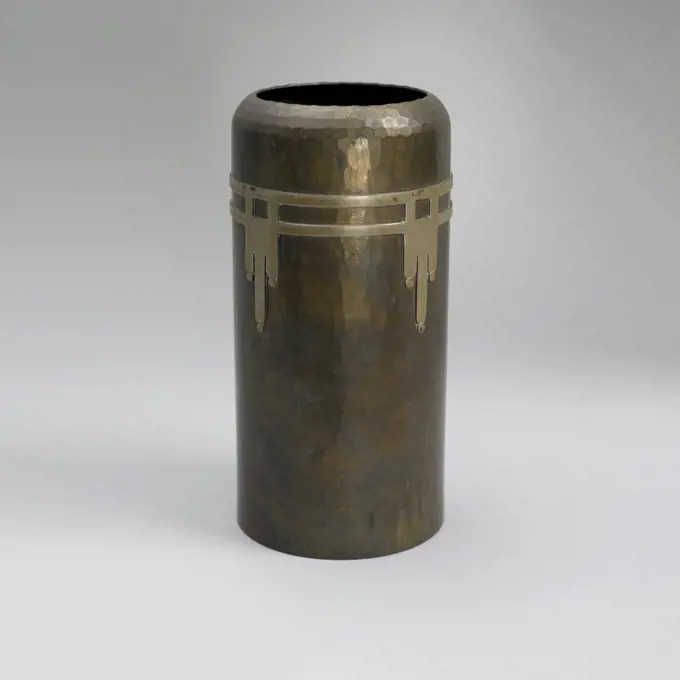
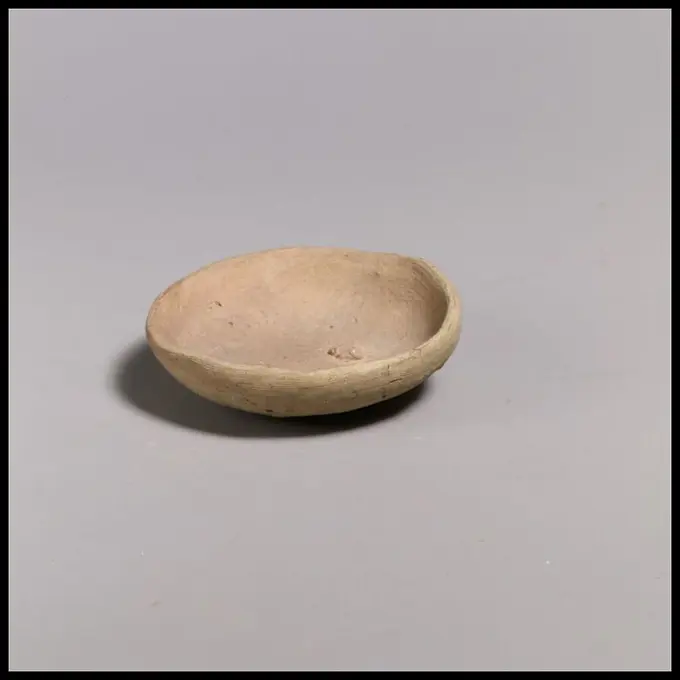
Brooch -Brooch -quarter of an hour; Hadrian (76-138; Roman emperor 117-138); 119-138 (119-00-00-138-00-00);Lyry, Busters, Laurel WreathsAmulet ca. 2500-1750 B.C. Iran This sherd is made of a buff clay. It is typical of Namazga IV/V ceramics from Turkmenistan, dating to ca. 2500-1750 B.C. It was excavated in 1937 at a prehistoric site in the vicinity of Nishapur in northeastern Iran. While Nishapur itself was founded by the Sasanian king Shapur I (reigned ca. A.D. 241-272), this sherd shows that human habitation there goes back to the prehistoric period. Furthermore, the prehistoric pottery from Nishapur has close affinities with ceramic materials from Central Asia rather than with contemporary sites in Iran, meaning that in this period its inhabitants were likely culturally linked to their neighbors to the east. At the same time, Nishapurs location on what later became known as the Great Khorasan Road suggests that it was part of the trade network that facilitated the import of precious stones such as lapis lazuli, carnelian and turquoise from Central Asia to Mesopotamia.. Amulet 323673Bracelet or Arm Ring. China. Date: 3000 BC-2000 BC. Dimensions: Diam. 10.2 cm (4 in.); thickness 1.5 cm (9/16 in.). Jade. Origin: China. Museum: The Chicago Art Institute, Chicago, USA.Brooch -Rouelle. Copper alloy. Paris, Carnavalet museum. 51539-1 Copper alloy, RouelleBoss from a Horse Breast Collar late 17th - 18th century Ottoman or Tatar This boss, decorated with a flower in the center, adorned the cross-section of the three straps of a horse breast collar (straps preventing the saddle from slipping backwards). This example is a simpler version of the luxury bosses attached to some Ottoman deluxe tacks, usually made of silver and gold.. Boss from a Horse Breast Collar. Ottoman or Tatar. late 17th - 18th century. Copper alloy. Equestrian Equipment-Bitspolished Jet lignite gemstone isolated macro shooting of geological collection mineral - polished Jet lignite gemstone isolated on white background Copyright: xZoonar.com/ValeryxVoennyyx 10387369Emilia-Romagna Ferrara Ferrara Museo Civico di Schifanoia06. Hutzel, Max 1960-1990 General Notes: INCOMPLETE RECORD--NEGATIVES PROCESSED, PRINTS FILED German-born photographer and scholar Max Hutzel (1911-1988) photographed in Italy from the early 1960s until his death. The result of this project, referred to by Hutzel as Foto Arte Minore, is thorough documentation of art historical development in Italy up to the 18th century, including objects of the Etruscans and the Romans, as well as early Medieval, Romanesque, Gothic, Renaissance and Baroque monuments. Images are organized by geographic region in Italy, then by province, city, site complex and monument.Inkstand (Netherlands); pewterbracteate denarius. Zakon krzyżacki (1190-), issuerSpindle Whorl 9th-10th century Spindle whorls aided in the making of thread by maintaining the momentum of the spindle. This flat bottomed, bone spindle whorl was excavated at Nishapur. Its low convex curve is differentiated from the flat top with an incised circle that mimics the central hole. Hundreds of spindle whorls were excavated at Nishapur, providing further evidence that the city possessed a thriving textile industry. Their incised designs exhibit a wide variety of motifs ranging from geometric forms to zoomorphic figures.. Spindle Whorl 450032Upper Arm Defense (Rerebrace) ca. 1430-40 Italian This is part of a large find of medieval armor discovered in 1840 in the ruins of the fortress of Chalcis, on the Greek island of Euboea (then a Venetian colony called Negroponte). The fortress had been captured and destroyed by the Turks in 1470. Now divided largely between the Ethnological Museum, Athens, and The Metropolitan Museum of Art, the Chalcis hoard contains many rare and unusual elements of fourteenth- and fifteenth-century armor. Of particular importance are the variety of headpieces and the many fragments of brigandines (armor for the torso constructed of small plates riveted to layers of fabric), some of which retain portions of their original velvet covering. The Chalcis armor provides a unique picture of the armament used in the Aegean, one of the easternmost military outposts of the Venetian empire.. Upper Arm Defense (Rerebrace) 23125Bowl of tin. Small, untangled bowl of tin, with a narrow edge.Brakedate Halter; 15th century (1401-00-00-1500-00-00);Dzik's head (iconogr.), Unilateral coins, city coinsAnnaeau. Jade, China, Iv-Iie s. to. J.-C. Par musée musée malée. Ring, circle, Asian civilization, Chinese civilization, disc, jadeBit Boss. Culture: French or South Netherlandish. Dimensions: Diam. 4 3/16 in. (10.6 cm); Wt. 2 oz. (57 g). Date: first half 16th century.Bit bosses were ornamental elements decorating both sides of a horse bit. This boss, embossed on its center with a stylized scallop, bears stamped on its rim a proverb in French, partly illegible. It belongs to a large group of bosses, some inscribed with proverbs, produced in Northern France or in the Southern Netherlands during the 16th century. Museum: Metropolitan Museum of Art, New York, USA.Dirck Messchaert II, Two-piece bronze mold for plate and initials, mold casting tool tools equipment base metal bronze, and year 1735 Rotterdam tin tinker tin tin Meeuws Druy artisan Shapes are from the originally 18th century Rotterdam tinnegieter J Druy. The large molds that were not signed or dated were the property of the tinker guild and were rented to the small tin caster.Ear plug ca. 1295-1070 B.C. New Kingdom, Ramesside. Ear plug 551968Disc (bi). China. Date: 300 BC-100 BC. Dimensions: 13.9 × 4.8 × 0.5 cm (5 1/2 × 1 7/8 × 3/16 in.). Jade. Origin: China. Museum: The Chicago Art Institute, USA.Sword Guard (Tsuba) 16th century Japanese A tsuba is a sword guard and part of a sword mounting. It is mounted between the swords blade and grip to protect the users hands.. Sword Guard (Tsuba) 29999Boss and Nail 15th-16th century European. Boss and Nail. European. 15th-16th century. Iron. Metalwork-IronGrecja, Egypt, Nero (54 68), Aleksandria 67 68 N.E., Opol, AE Neron, Alexandria MintSaucer 19th century Japan. Saucer. Japan. 19th century. White porcelain decorated with black, silver and gold (Hizen ware, Kutani type). Edo (1615-1868) or Meiji period (1868-1912). CeramicsMountBases; bronzeArmlet 400-100 B.C. Celtic. Armlet 465781 Celtic, Armlet, 400100 B.C., Copper alloy, Overall: 2 13/16 x 2 3/4 x 3/16 in. (7.1 x 7 x 0.4 cm). The Metropolitan Museum of Art, New York. Gift of J. Pierpont Morgan, 1917 (17.193.61)Large Brooch with Spirals 1400-1100 B.C. European Bronze Age. Large Brooch with Spirals. European Bronze Age. 1400-1100 B.C.. Copper alloy. Metalwork-Copper alloyBrooch -C.v.D., Two-piece mold for large plate with initials C V D and 1731, cast molding tool tools base metal bronze, cast Two-piece bronze mold for casting large plate or shell outside: C.V.D. 1731 (possibly Van Duyveland tinkling family) Rotterdam tin tinker tin tin Meeuws Druy craft Shapes come from the originally 18th century Rotterdam tinnegieter J Druy. The large molds that were not signed or dated were the property of the tinker guild and were rented to the small tin caster.Round dish. Tin round dish.Carnavalet Museum, Medals CollectionWhorl ca. 3rd-7th century A.D. Sasanian. Whorl. Sasanian. ca. 3rd-7th century A.D.. Diorite (). Sasanian. Mesopotamia, CtesiphonPlate 1793-1801 London. Pewter . Edgar, Curtis & Co.Bracelet ca. 3850-2960 B.C. Predynastic Period. Bracelet. ca. 3850-2960 B.C.. Ivory (elephant). Predynastic Period. From EgyptJasper amulet of headrest. Culture: Egyptian. Dimensions: H.: 1 in. (2.5 cm). Date: 664-30 B.C..Amulet of a pillow charm. Museum: Metropolitan Museum of Art, New York, USA.Printing Block (USA); wood, copper, brass; 1941-87-1-jChlorite spindle whorl ca. 1200-1050 B.C. Cypriot Around the central hole are circles in low relief against a background of punctate dots.. Chlorite spindle whorl. Cypriot. ca. 1200-1050 B.C.. Chlorite. Late Cypriot III. Miscellaneous-StoneVase cover. Gray cutting sandstone. Cernuschi Museum, Asia Museum of Asia in the city of Paris.Amulet of a Headrest 664 BCE-332 BCE Egypt. Hematite . Ancient EgyptianSword Guard (Tsuba) ca. 1615-1868 Japanese A tsuba is a sword guard and part of a sword mounting. It is mounted between the swords blade and grip to protect the users hands.. Sword Guard (Tsuba) 33472Ring -shaped fragment from the wreck of the East Indians Hollandia, Anonymous, 1700 - in Or Before 1743 fragment Varied parts or fragments, rings or ring-shaped fragments; id. 80H946. Netherlands copper (metal)   SecondSpittoon -Nose Ornament 6th-7th century Moche (Loma Negra). Nose Ornament 313496Sword Guard (Tsuba). Culture: Japanese. Dimensions: H. 3 3/16 in. (8.1 cm); W. 3 in. (7.6 cm); thickness 3/16 in. (0.5 cm); Wt. 5 oz. (141.7 g). Date: ca. 1615-1868. Museum: Metropolitan Museum of Art, New York, USA.Gaming Piece (obverse), c.1700. Martin Brunner (German, 1659-1725). Wood; diameter: 6.1 cm (2 3/8 in.); overall: 1.3 cm (1/2 in.).Spindle Whorl, one of seven, 3/4 x 1 7/8 in. (1.91 x 4.76 cm), Clay, MexicoBuckle ca. 409-711 Visigothic. Buckle. Visigothic. ca. 409-711. Bronze, gilt. Miscellaneous-Buckles & OrnamentCampanian Black Dish; Campania, South Italy, Europe; 323 - 31 B.C; Terracotta; 3.1 x 15.5 cm (1 1,4 x 6 1,8 in.)Dike piece right. Dighting stuff, iron, white, articulated, consists of a top to which three iron buckles are riveted. The edges of the buckles are taberted. Six horizontal articulated strips under the top of which the lower over the upper strip is going. The underside is wider than the other strips. The rivets are white. The edges are folded and taabeld. The inside of the slice piece is brown-colored with a white painted letter A on the bottom. On the side the remnant of a leather belt visible. Rivets are set with square bolts.Penningdoos, anonymous, c. 1879 medal box Round wooden box with purple velvet and turning lid. With accompanying medal NG-2001-17-C-1.  wood (plant material). velvet (fabric weave)   ArnhemBrooch -Collared Disc Made 1600 BCE-1046 BCE China. Jade .round magnet isolated on whiteSilver round peppermint box with heart, peppermint box pillbox box holder silver, running lion Biedermeier medicine drugOpened lock and key DIsh. Dimensions: H. 4 cm (1 9/16 in), Diam. 14 cm (5 1/2 in). Dynasty: Dynasty 18. Reign: reign of Amenhotep III. Date: ca. 1390-1353 B.C.. Museum: Metropolitan Museum of Art, New York, USA.Shooting medal HugueninSESTERC (with a hole); 183-184 (161-00-00-169-00-00);Gunner or snackLidded Bowl; tinned and engraved copper; Overall: 14 x 16.2 cm (5 1/2 x 6 3/8 in.)Sword Guard (Tsuba). Culture: Japanese. Dimensions: H. 2 7/8 in. (7.3 cm); W. 2 3/8 in. (6 cm); thickness 1/8 in. (0.3 cm); Wt. 1.8 oz. (51 g). Date: ca. 3rd century-710. Museum: Metropolitan Museum of Art, New York, USA.Back plate of half harness, c. 1575 - c. 1625  Back plate, iron, white, the arm and neck outings as well as the bottom edge of the lumbar strip flules around. On both sides of the neck outlet two fairly wide-ranging leather belts that can be attached to the breastplate, at the bottom, directly above the lumbar collar, rumbled and conversation of the middle belt. On the right -hand side under a pierced button, on the left a clocked eye. There is 8 109 under the neck exit. Inside is blackly reversed. North Europe iron (metal). leatherFossil shell Corbicula fluminalis on white backgroundDish with scalloped edge, c. 1770 - 1795 Dish van Tin with scalloped, profiled edge. Roermond tin (metal) casting Dish van Tin with scalloped, profiled edge. Roermond tin (metal) castingPlate, 18th century, 1/2 x 8 1/8 x 8 1/8 in. (1.27 x 20.64 x 20.64 cm), Pewter, England, 18th centuryUpper Arm Defense (Rerebrace) with Lining. Culture: Western European. Dimensions: H. 6 1/2 in. (16.5 cm); W. 3 1/4 in. (8.3 cm); D. 5 5/8 in. (14.3 cm); Wt. 12.5 oz. (354.4 g). Date: 14th century. Museum: Metropolitan Museum of Art, New York, USA.Albarello, ointment jar decorated with polychrome bands, albarello holder soil find ceramic earthenware glaze tin glaze, hand-turned baked glazed decorated baked Albarello with orange band in the middle and blue circles over the entire height Cylindrical pot on stand with three noses. Yellow shard entirely glazed except the bottom of the bottom and the neck edge. Glaze probably discolored by staying in the soil Baking mistake: part enamel is melted and sintered archeology indigenous pottery packing ointment apothecary medicine drug craftClosing from the wreck of the East Indies Hollandia, Anonymous, 1700 - in or before 1743 cap Fitting, cover; squashed, oval, domed (egg-shaped), flat rim with 2 circular holes, ring-shaped finial of flat strip, bent. Netherlands copper (metal)   SecondBracelet. Culture: China. Dimensions: Diam. 2 13/16 in. (7.1 cm); D. 1/2 in. (1.3 cm). Date: 20th century. Museum: Metropolitan Museum of Art, New York, USA.Gwicht;  XVIII W (1701-00-00-1800-00-00);Pair of Platters 1800-1812 Paris. Gilded silver . Jean Baptiste Claude OdiotPatera with Silver Incrustation. UnknownCopper wall plate for doorbell Schielandshuis, wall plate building component copper metal, cast Copper plate cut out in the form of single-armed lily cross with small hole for screw. In the middle square hole behind which short square tube Montpoort of doorbell Schielandshuis Rotterdam City Center Stadsdriehoek Museum Boymans Archive attaching facade Wallplate was probably placed when accommodating the Archives in Schielandshuis in 1868 at the entrance Bulgersteyn.Dish China. Dish. China. Nephrite, dark seaweed green with veinings of lighter shade and a staining of brown on one side. Ming dynasty (1368-1644). JadeCoaster 1832-39 Oliver Trask. Coaster. American. 1832-39. Pewter. Made in Beverly, Massachusetts, United StatesSword Guard (Tsuba) ca. 1615-1868 Japanese A tsuba is a sword guard and part of a sword mounting. It is mounted between the swords blade and grip to protect the users hands.. Sword Guard (Tsuba) 33439Uniface test for the 20-francs of the Second Republic, 1848 Tournier, Henry Alexis. Uniface test for the 20-francs of the Second Republic, 1848. Etain. 1848.Mairie de Montenils (Seine-et-Marne), Restoration Fouquet. "Mairie de Montenils (Seine-et-Marne), Catering". Brass, Reverse.Bandbox, Machine-printed paper, pasteboard support, In the shape of a top hat; covered with striped paper in white, gray and red, with portions of foliage stripes., USA, 1840s, Wallcoverings, BandboxNutmeg Grater. Joseph Taylor; Birmingham, England. Date: 1789-1800. Dimensions: H. 3.5 cm (1 3/8 in.). Silver and iron. Origin: Birmingham. Museum: The Chicago Art Institute, Chicago, USA.Vase fragment Roman, Gaul Inscribed; red-gloss sigillata.. Vase fragment. Roman, Gaul. Terracotta. VasesBrooch -Bowl with Fish. Thailand, Sukhothai, 14th-15th century. Furnishings; Serviceware. Wheel-thrown stoneware with cream slip, underglaze brown painted decoration, and pale blue glazeIt's lying. Pierre. Provenance: Vietnam. Par musée musée malée. 78816-5 Ring, Archeological ObjectHoly Water Vessel 11th-12th century Indonesia (Java). Holy Water Vessel 39813Tile, Glazed, lustered and painted stonepaste, rolled and pierced silver (later mount), Eight-pointed star tile set in modern silver mounting with pierced gallery. Tile has blue border containing calligraphy surrounding floral design on brownish ground., Iran, 1301-50, ceramics, Decorative Arts, TileSteel smell reducing soap isolatedFragment of a money pouch, anonymous, c. 1590 - 1596  Fragment money pouch consisting of the top of the leather bag with along the edge in each folding surface a hole for the closing laces, after being folded, two zigzag rows are created. The pouch is closed by attracting the two closing laces. The type of leather is unthinkable. The suspension veter or reinforcement pieces are not present, but the sewing bats thereof. The majority of the ZIG-Zag folded edge is present. The length of the neck is completely present. The suspension veter or reinforcement pieces are not present, but the sewing bats thereof. Netherlands leather   Nova Zembla. Saving Huysbracteate denarius. Zakon krzyżacki (1190-), issuerFitting ring from the wreck of the East Indians Hollandia, Anonymous, 1700 - in or before 1743  Fittings, bands and bracing, conical; squashed, longitudinal soldered seam broken, short threaded pin fitted in rim. Netherlands copper (metal)   SecondEar Ornament(), 500-200 BC. Peru, North Highlands, Chavín de Huantar(), Chavín style. Hammered and cut gold; diameter: 2.8 cm (1 1/8 in.); overall: 1.6 cm (5/8 in.).Brass knuckle-duster, weapon for hand, isolated on white background Brass knuckle-duster, weapon for hand, isolated on white background Copyright: xZoonar.com/OleksandrxKostiuchenkox 8897315Copper molded thimble, thimble sewing kit soil find copper metal, cast Copper molded thimble with rounded holes on the top in lines with groove passing to the shaft with wheel punch with two grooves on the board archeology seamstress tailor sewing textile machining clothing needle and repairing wire Rotterdam Soil discovery Rotterdam.Ring. Dimensions: 0.2 in. (0.51 cm). Date: 3rd-2nd millennium B.C.. Museum: Metropolitan Museum of Art, New York, USA.Bone disk or button ca. 1450-ca. 1050 B.C. Cypriot No decoration.. Bone disk or button 244112Button or Bead 9th-10th century This object was excavated at Nishapur.Nishapur was a vital city in the early and middle Islamic periods, located along one of the main trajectories that connected Iran and West Asia Islamic lands with Central Asia and China. These itineraries are often referred to by the term Silk routes’ but were in fact crucial to the movement of constellations of materials and objects, as well as people and ideas. The diverse population of Nishapur and its surroundings, from the better-researched elite groups of merchants, land-owning aristocracy, and literates, to the less-known artisans, farmers, miners, and servants, were instrumental in adapting global cultural trends to create their own distinctive visual languages. This is seen in the material remains of everyday life in medieval Nishapur - from pots and pans to lighting devices, inkwells, textiles and trimmings, jewelry, games and toys, talismanic devices, weapons, coins, and architectural fragments.Nishapur lVase, Hand-hammered copper, 'German silver' (white metal alloy), Hammered cylindrical vase gently narrowing at the top with a simple decoration of German silver in a Native American pattern, a double band encircling the vase with a dropping design at four points., East Aurora, New York, USA, ca. 1910, metalwork, Decorative Arts, VaseTerracotta saucer. Culture: Helladic. Dimensions: H. 3/4 in. (1.9 cm.)Diameter 2 1/2 in. (6.3 cm.). Date: ca. 2650-2150 B.C..Small bowl with no decoration. Museum: Metropolitan Museum of Art, New York, USA.