Ancient Brooches and Amulets

A selection of ancient brooches and amulets, featuring diverse shapes and materials that reflect historical craftsmanship from different cultures.
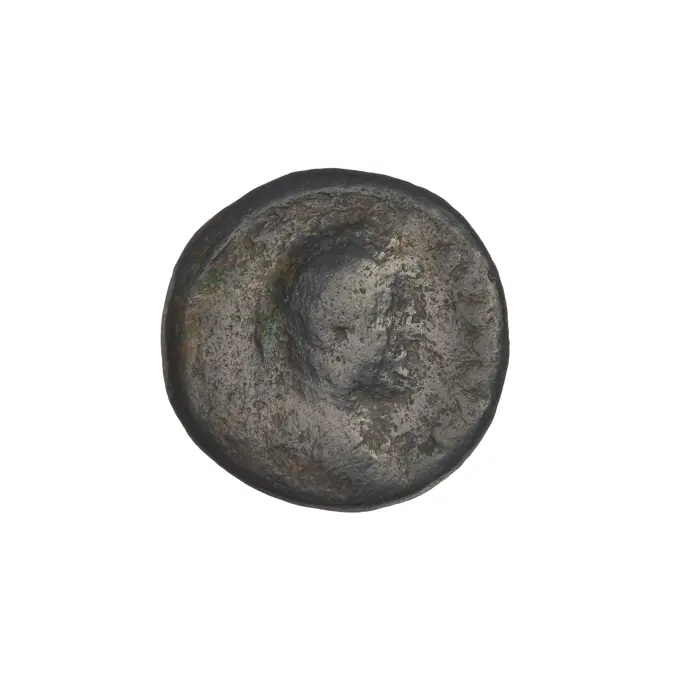
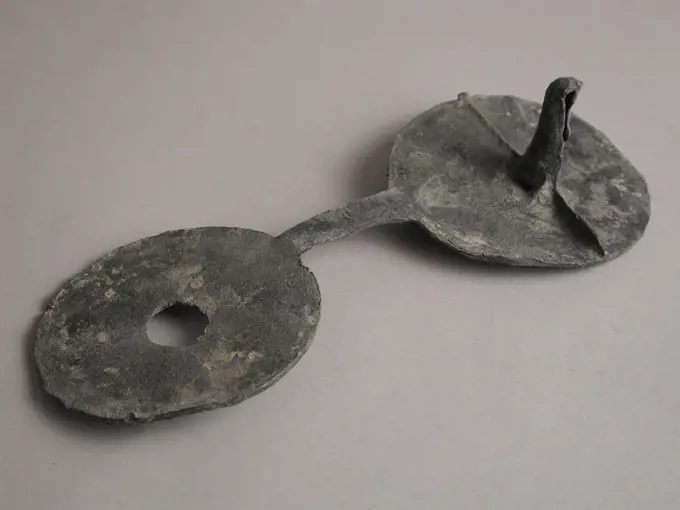
quarter of an hour; Hadrian (76-138; Roman emperor 117-138); 119-138 (119-00-00-138-00-00);Lyry, Busters, Laurel Wreaths
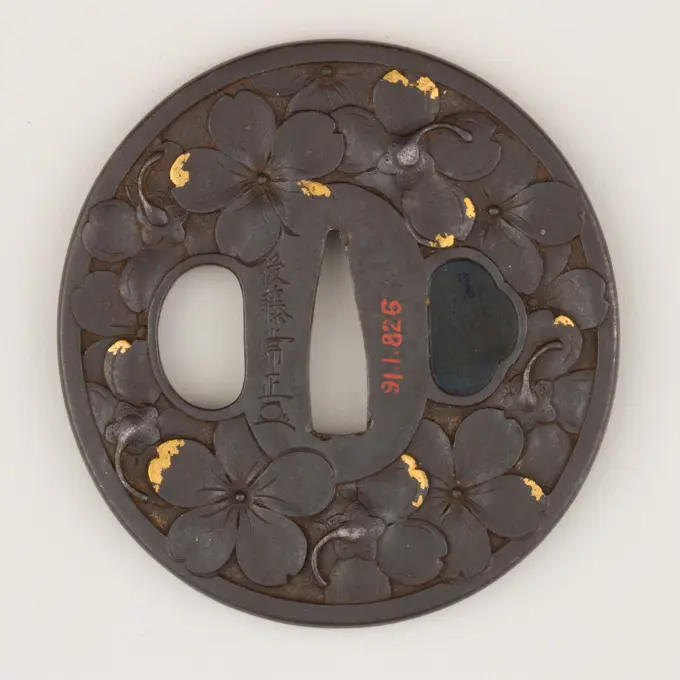
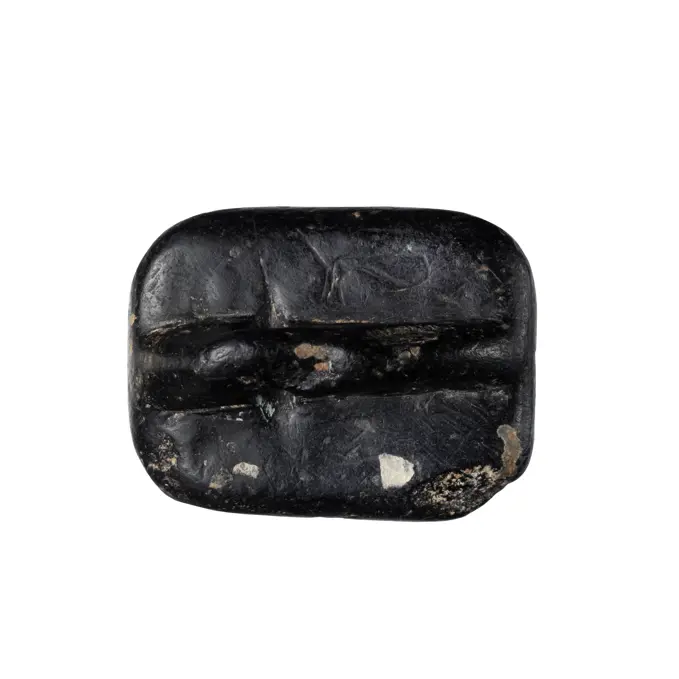
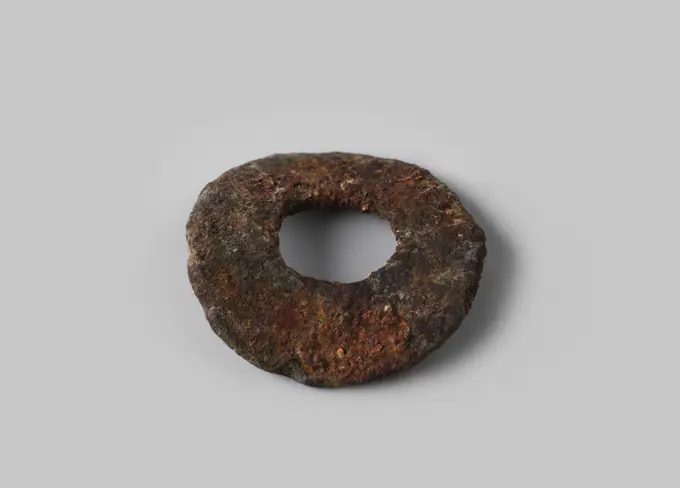
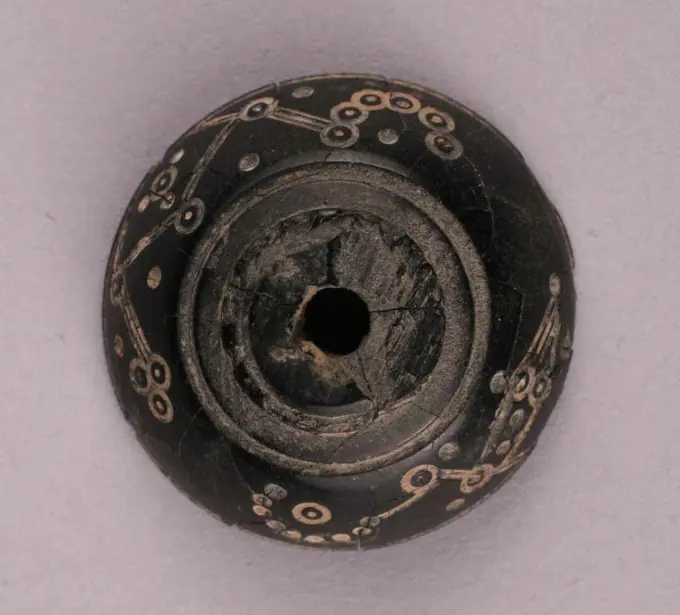
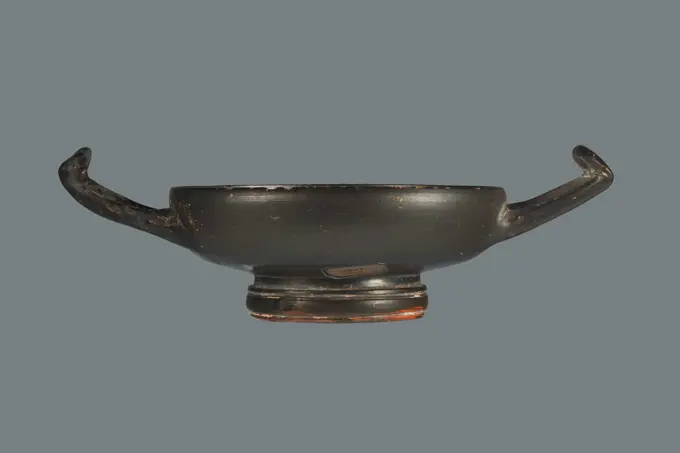
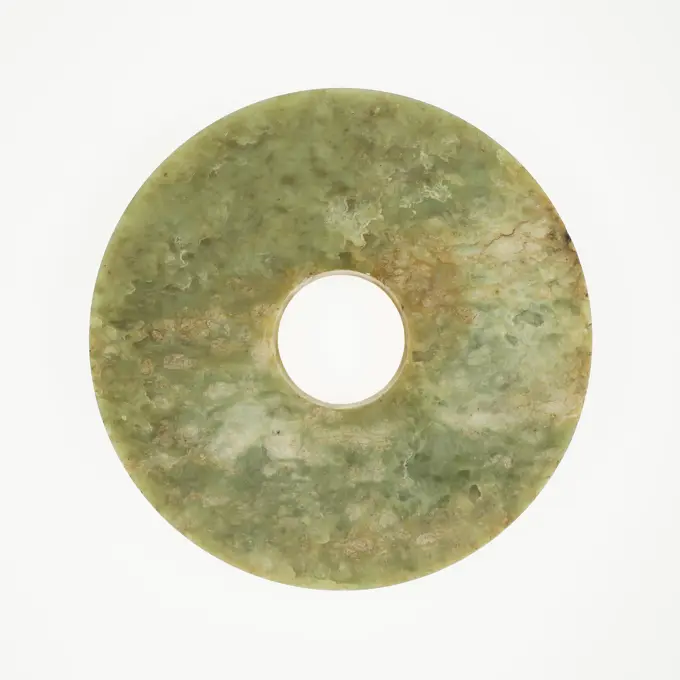
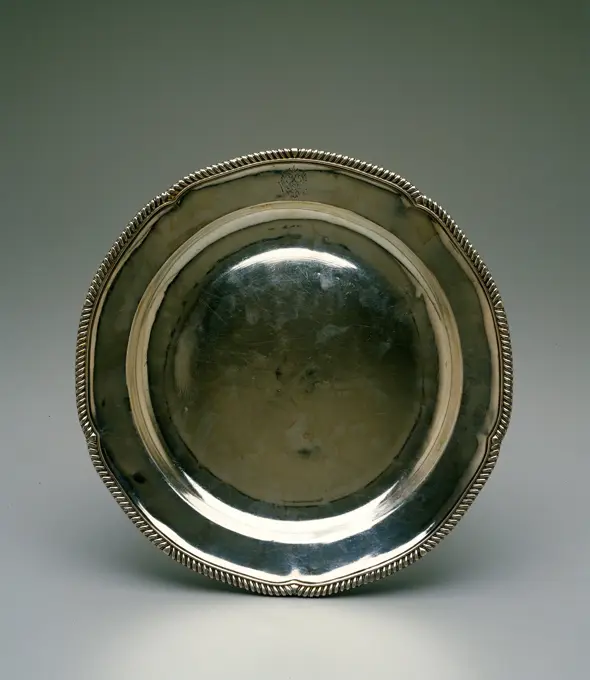
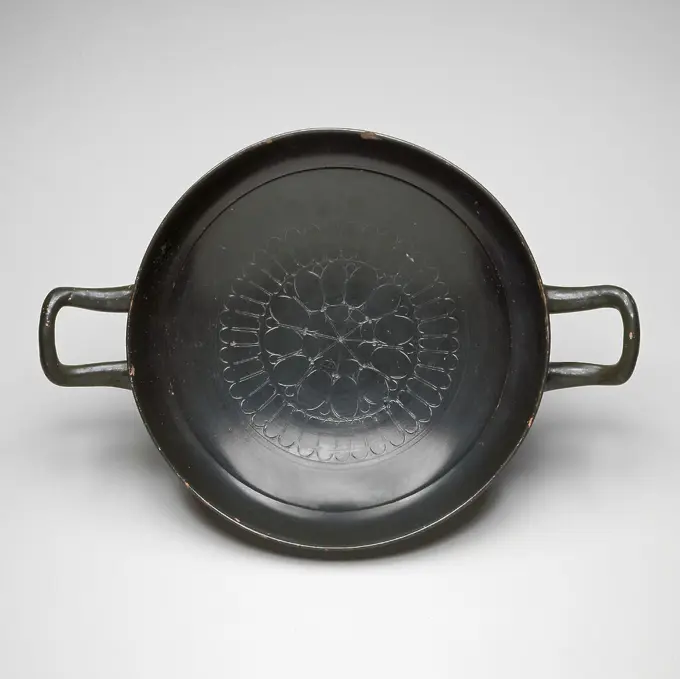
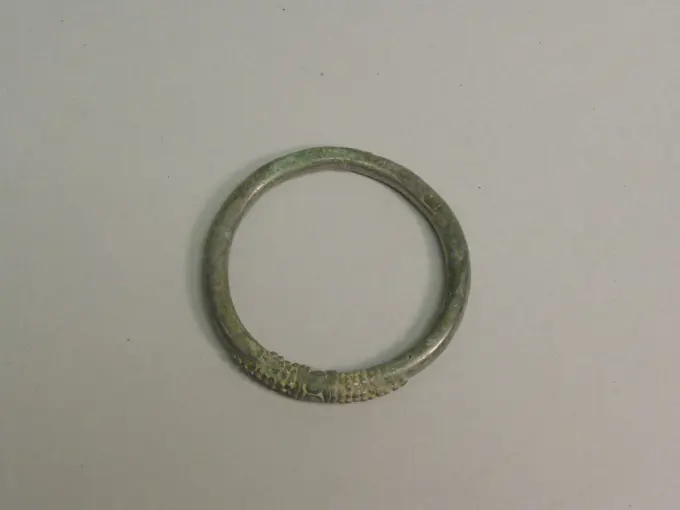
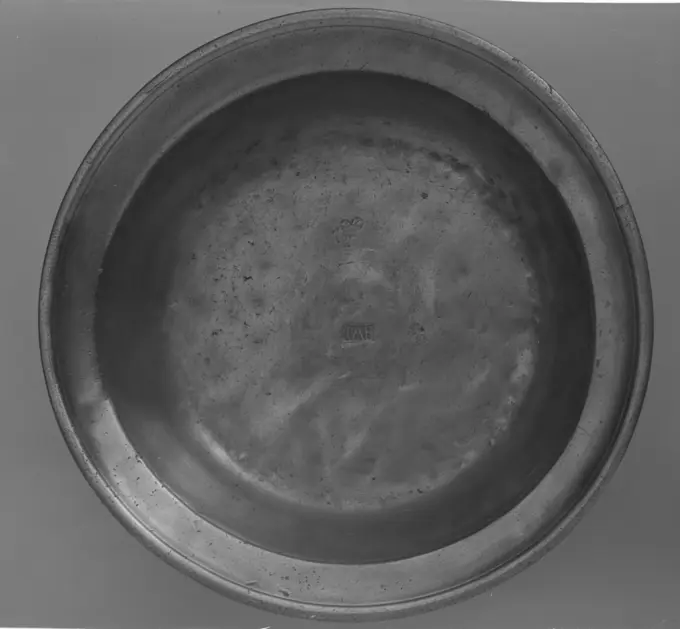
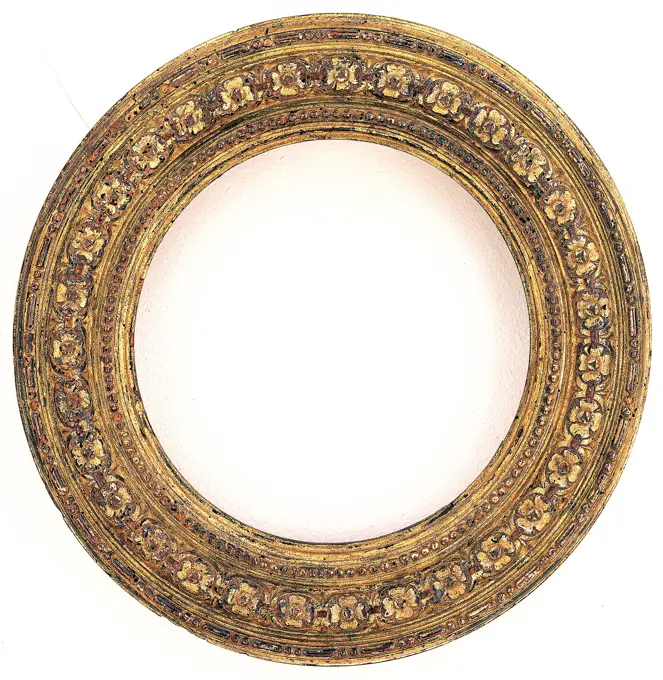
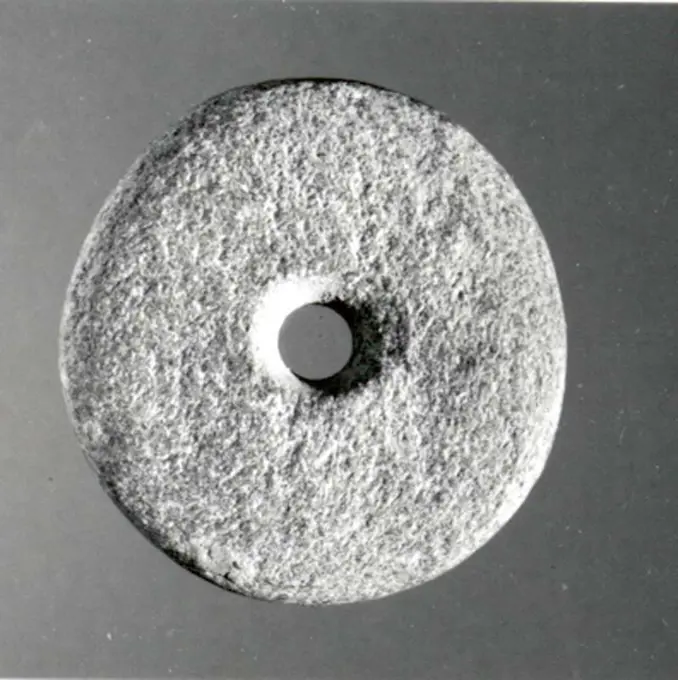
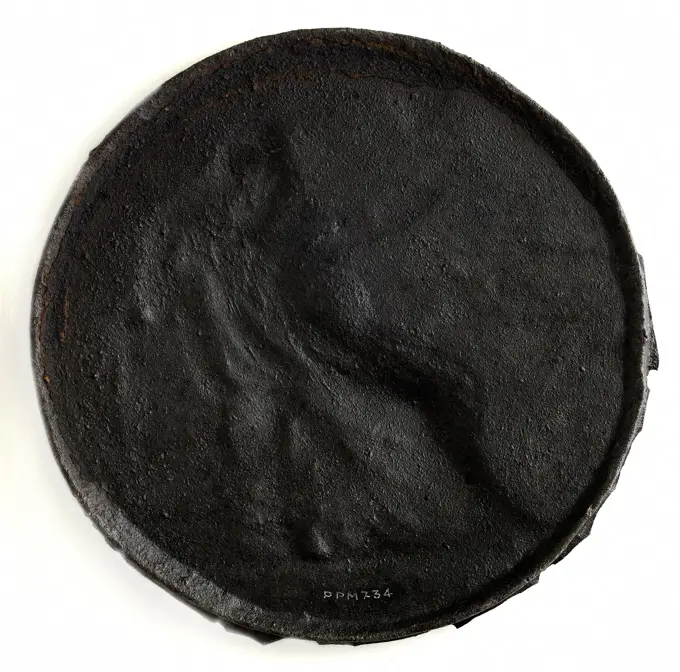
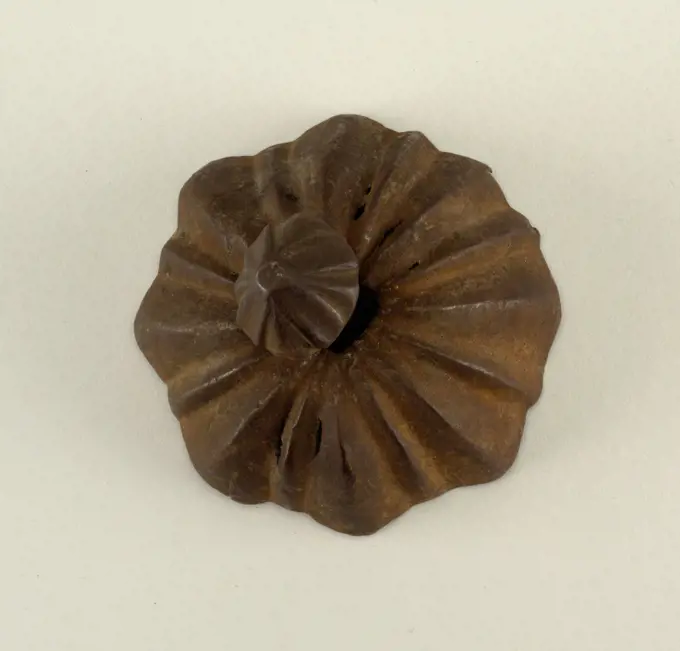
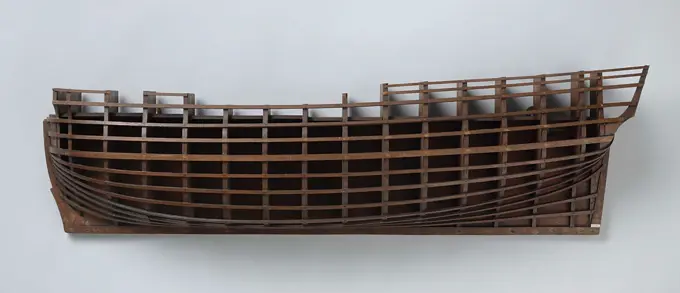
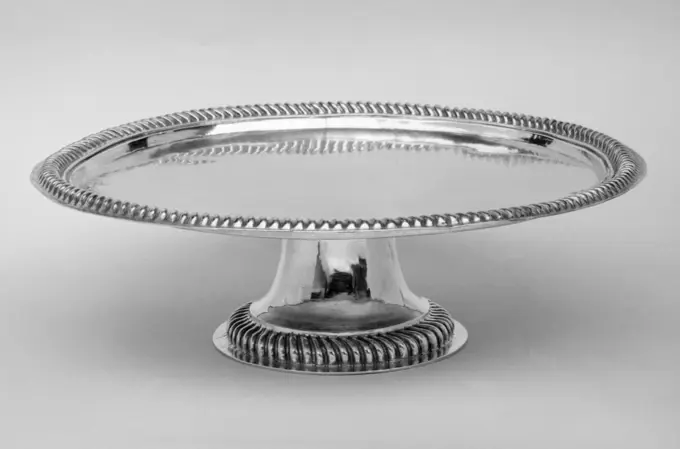
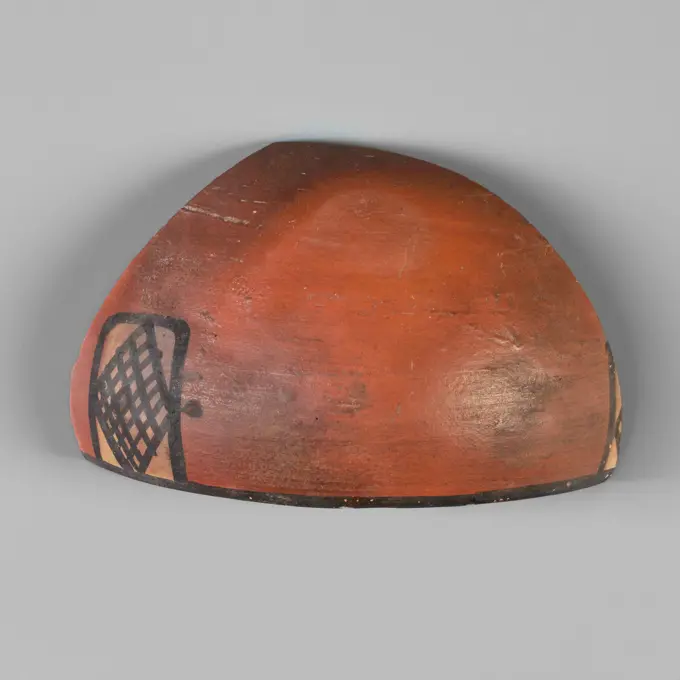
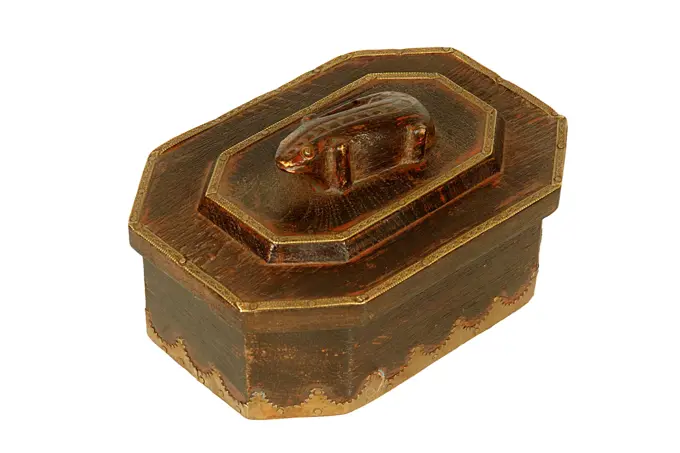
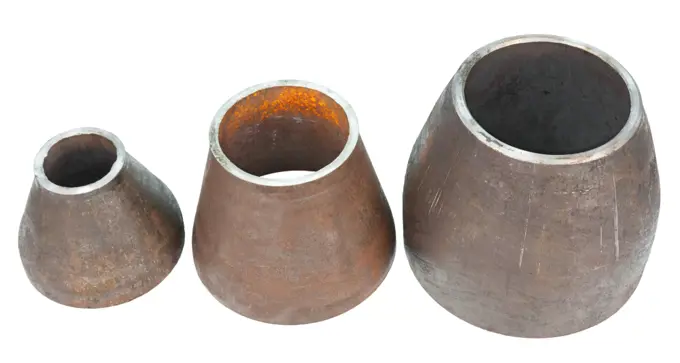
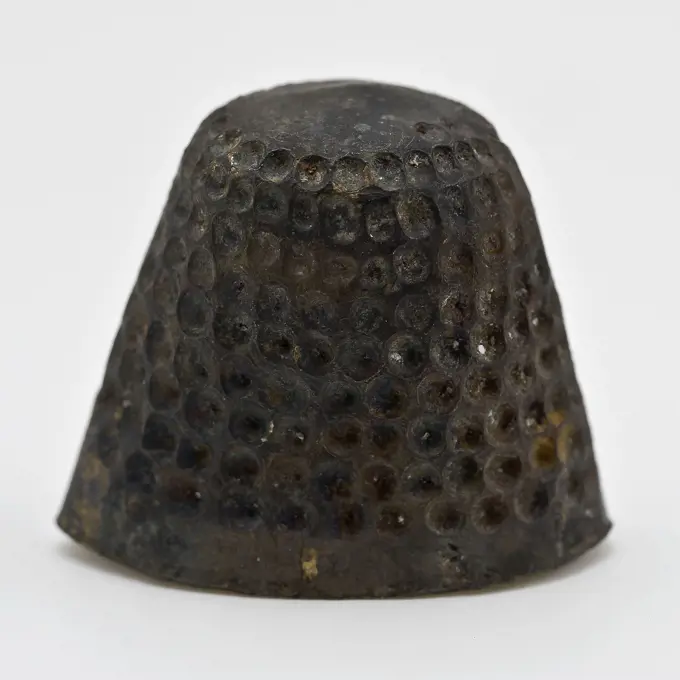
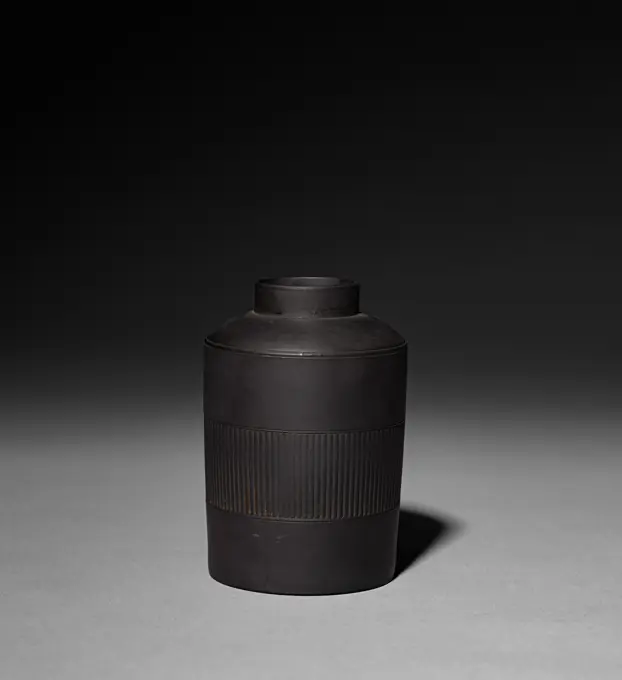
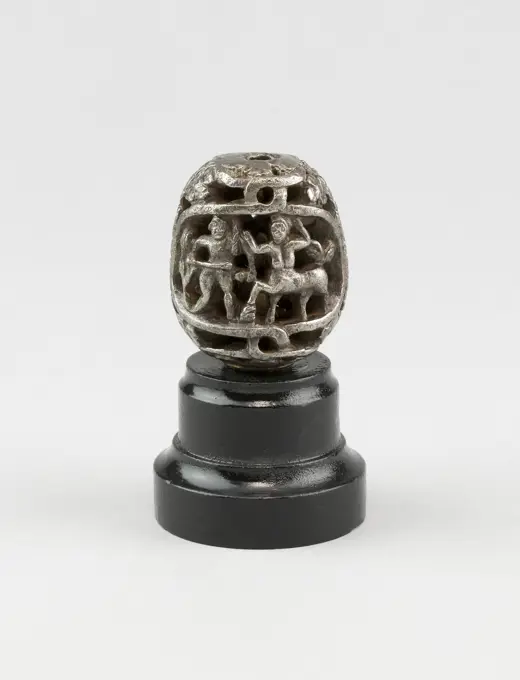
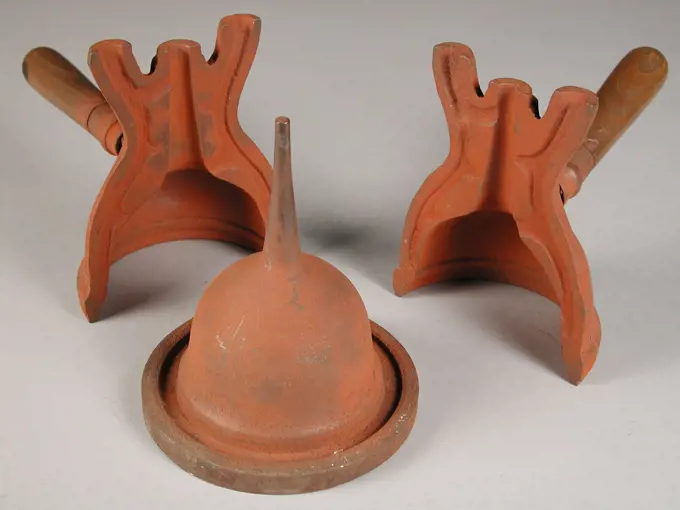
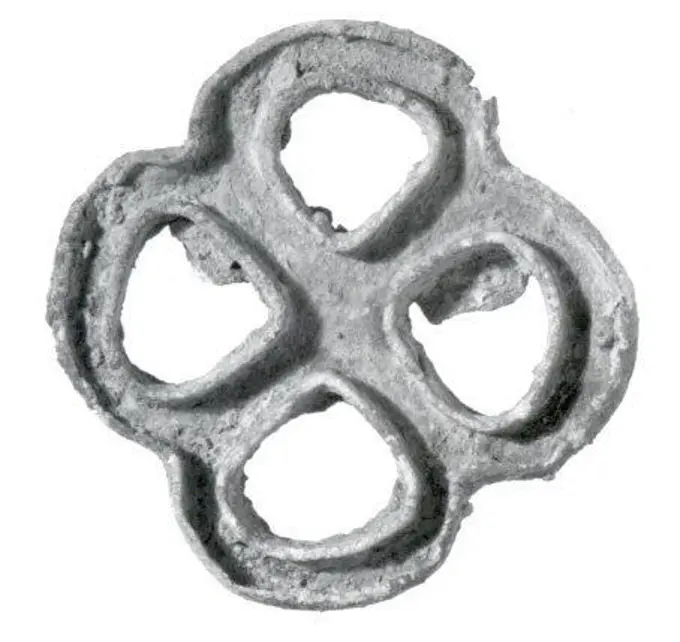
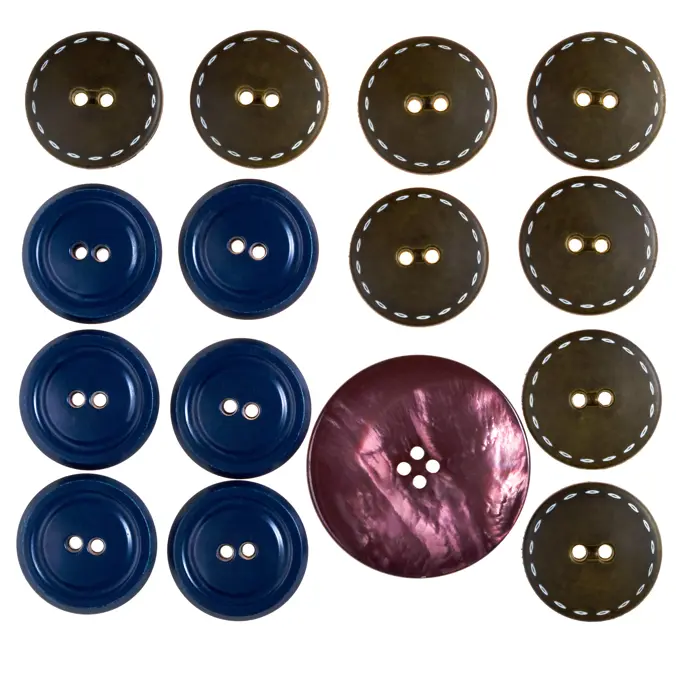
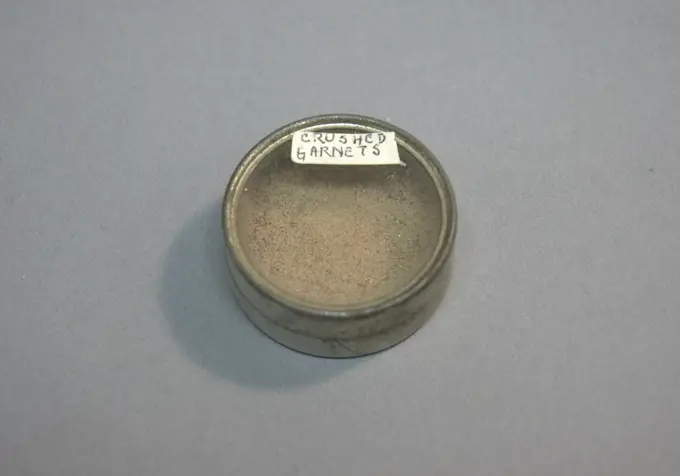
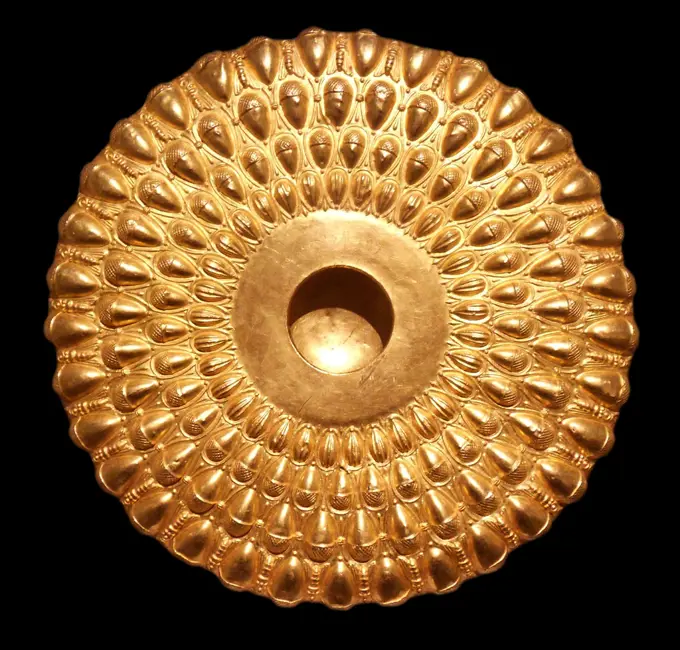
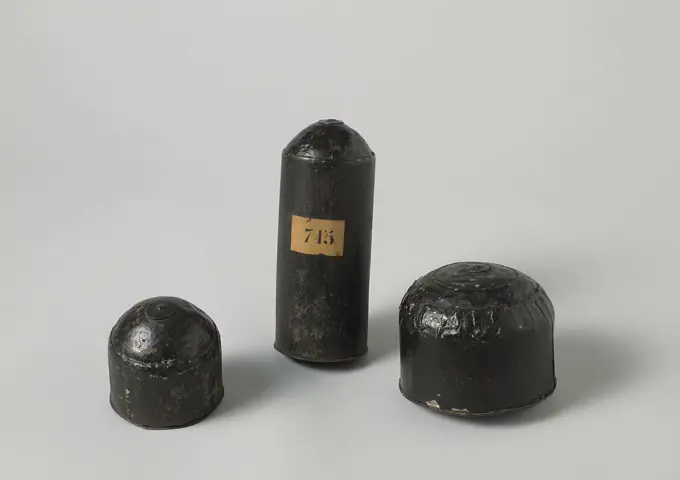
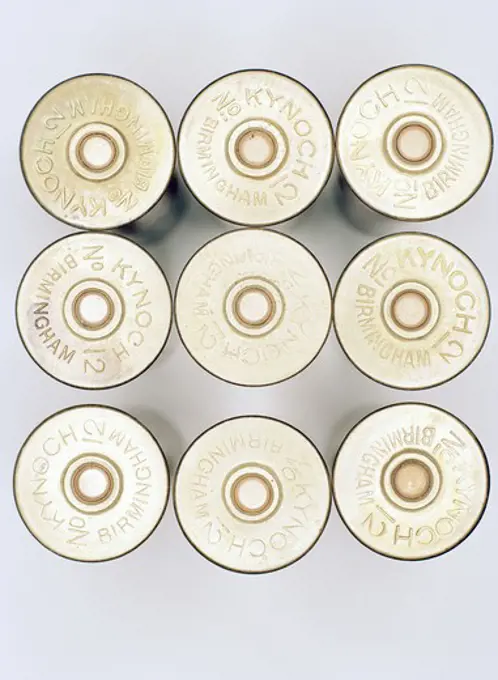
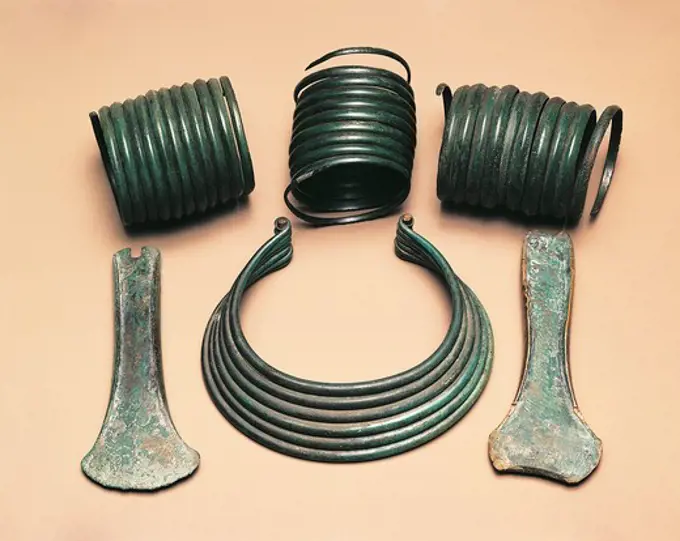
Cloth lead, unused, sheeting quality seal ground find lead metal, Cloth bob unused and thus opened with four circles possible for something other than used for cloth archeology authentication government cloth trade textile trade trade guildEmpty wooden plate, knife, fork and cutting board set on textured concrete backgroundSword Guard (Tsuba) ca. 1615-1868 Japanese A tsuba is a sword guard and part of a sword mounting. It is mounted between the swords blade and grip to protect the users hands.. Sword Guard (Tsuba) 25754Emilia-Romagna Ferrara Ferrara Museo Civico di Schifanoia01. Hutzel, Max 1960-1990 General Notes: INCOMPLETE RECORD--NEGATIVES PROCESSED, PRINTS FILED German-born photographer and scholar Max Hutzel (1911-1988) photographed in Italy from the early 1960s until his death. The result of this project, referred to by Hutzel as Foto Arte Minore, is thorough documentation of art historical development in Italy up to the 18th century, including objects of the Etruscans and the Romans, as well as early Medieval, Romanesque, Gothic, Renaissance and Baroque monuments. Images are organized by geographic region in Italy, then by province, city, site complex and monument.Spindle Whorl 10th-early 16th century Mexican. Spindle Whorl 307563Collar 1880-84 American. Collar 92153Metallic shield of a fighter Metallic shield of a fighterBake  stamp;  around 1650 1350 BC ; the period of the seed Brown (-1650-00-00--1350-00-00);Czartoryska, Maria Ludwika (1883-1958), Czartoryska, Maria Ludwika (1883-1958)-collection, Działyńska, Izabela (1830-1899), Działyńska, Izabela Elżbieta née Czartoryski (1830-1899)-collection, demons, filling elements ( iconog.), Glyptics, stamp seals, transmission (provenance)Skiopticon image with motifs of paintingSuppling ring from the wreck of the East Indians Hollandia, Anonymous, 1700 - in Or Before 1743  Varied parts or fragments, washers; corroded, squashed, id. 80H163. Netherlands copper (metal)   SecondMetate, 9th century, 9 1/2 x 18 3/4 x 9 5/8 in. (24.1 x 47.6 x 24.4 cm), Basalt, Mexico, 9th centuryButton or Bead 9th-10th century This object was excavated at Nishapur.Nishapur was a vital city in the early and middle Islamic periods, located along one of the main trajectories that connected Iran and West Asia Islamic lands with Central Asia and China. These itineraries are often referred to by the term Silk routes’ but were in fact crucial to the movement of constellations of materials and objects, as well as people and ideas. The diverse population of Nishapur and its surroundings, from the better-researched elite groups of merchants, land-owning aristocracy, and literates, to the less-known artisans, farmers, miners, and servants, were instrumental in adapting global cultural trends to create their own distinctive visual languages. This is seen in the material remains of everyday life in medieval Nishapur - from pots and pans to lighting devices, inkwells, textiles and trimmings, jewelry, games and toys, talismanic devices, weapons, coins, and architectural fragments.Nishapur lSword Guard (Tsuba) first quarter 17th century Japanese A tsuba is a sword guard and part of a sword mounting. It is mounted between the swords blade and grip to protect the users hands.. Sword Guard (Tsuba) 30032bracteate denarius. Zakon krzyżacki (1190-), issuerAnthracite Mirror before 16th century Mexico (). Anthracite Mirror 315675Pendant with Buffalo Head. China. Date: 1100 BC-900 BC. Dimensions: 1 1/16 × 7/8 × 3/16 in. Jade. Origin: China. Museum: The Chicago Art Institute, Chicago, USA.Fragment of stem and cup from drinking bowl or coupe, drinking glass drinking utensils tableware holder soil find glass, free blown and shaped Two fragments of leftover stem and parts chalice from drinking bowl or coupe in clear colorless glass in façon de Venise style archeology Rotterdam IJsselmonde drinking wine serve serving Soil discovery: IJsselmonde Castle 1 and 2 Rotterdam 1972.08.30.Lo 19th century Chinese. Lo 500587Czara czarnofirnisowana. unknown, authorAcupuncture needlesBracelet 400-100 Celtic. Bracelet 464958 Celtic, Bracelet, 400100, Copper alloy, Overall: 2 1/2 x 1 15/16 x 3/16 in. (6.3 x 4.9 x 0.5 cm). The Metropolitan Museum of Art, New York. Gift of J. Pierpont Morgan, 1917 (17.191.253)Coverage of earthenware, Neale & Palmer (Hanley), c. 1790 - c. 1825 A ribbed, curved lid with a button in the shape of a mourning woman. Hanley earthenware A ribbed, curved lid with a button in the shape of a mourning woman. Hanley earthenwareRing ca. early 1st millennium B.C.. Ring 327448Disc (bi) 3000 BCE-2000 BCE China. Jade .Sword Guard (Tsuba). Culture: Japanese. Dimensions: H. 3 5/16 in. (8.4 cm); W. 3 1/4 in. (8.3 cm); thickness 1/4 in. (0.6 cm); Wt. 4.7 oz. (133.2 g). Date: ca. 1615-1868. Museum: Metropolitan Museum of Art, New York, USA.Sword Guard (Tsuba). Culture: Japanese. Dimensions: Diam. 2 7/8 in. (7.3 cm); thickness 3/16 in. (0.5 cm); Wt. 4.2 oz. (119.1 g). Date: possibly 18th-19th century. Museum: Metropolitan Museum of Art, New York, USA.Etruscan funerary objects, pottery and brazier, 5th Century B.C.Plate from the dinner service of the Governors of Tula, Russia, 1776, William Chawner; Artist: George Henning, English (London), English, 15 15/16 x 11 in. (40.48 x 27.94 cm), Sterling silver, England, 18th centurySilver loop.Plate, 15th century, 2 3/8 x 11 x 11 in. (6.03 x 27.94 x 27.94 cm), Stoneware with incised decor under white glaze, Myanmar (Burma), 15th centuryTin case or cup with decoration of grotesque, candle cup, tube holder soil find tin metal, cast Tin candle cup with vines and floral decoration two ribs vertical casting seam circles on bottom archeology Valckensteyn Poortugaal Albrandswaard lighting evening night storage Soil discovery: castle Valckensteyn in Poortugaal now Albrandswaard.Sword Guard (Tsuba). Culture: Japanese. Dimensions: H. 2 7/8in. (7.3 cm); W. 2 5/8 in. (6.7 cm); thickness 3/16 in. (0.5 cm); Wt. 3.1 oz. (87.9 g). Date: ca. 1615-1868. Museum: Metropolitan Museum of Art, New York, USA.August Bosch. Medal. Portrait of a man. Plaster. Museum of Fine Arts of the City of Paris, Petit Palais. 58757-16 Label, medal, inventory number, numismatics, plaster, reverseStemless Kylix (Drinking Cup). Greek; Athens. Date: 460 BC-450 BC. Dimensions: 6.5 × 31.4 × 22.2 cm (2 5/8 × 12 3/8 × 8 3/4 in.). Terra-cotta with incised decoration, black-glaze technique. Origin: Cales. Museum: The Chicago Art Institute, FLORENCIA, USA. Author: ANCIENT GREEK.Bowl -Collared Disc Made 1600 BCE-1046 BCE China. Jade .Bowl ca. 9th-10th century A.D. Islamic. Bowl 322970Brooch -Sword Guard (Tsuba) late 17th-early 18th century Inscribed by Shōami Denbei A tsuba is a sword guard and part of a sword mounting. It is mounted between the swords blade and grip to protect the users hands.. Sword Guard (Tsuba) 34454Necklace Bead with Granulation. UnknownBracelet with Applied Chevron Design 300 B.C.-A.D. 400 Thailand. Bracelet with Applied Chevron Design 53294 Thailand, Bracelet with Applied Chevron Design, 300 B.C.A.D. 400, Bronze, H. 1/4 in. (0.6 cm); Diam. 2 3/4 in. (7 cm). The Metropolitan Museum of Art, New York. Samuel Eilenberg Collection, Bequest of Samuel Eilenberg, 1998 (2001.433.218)To the knight Bayard. "Grandssly Rouvillois Brigadier General Doute". Metal. 1945-1954. General Leclerc Museum of Hauteclocque and the Liberation of Paris, Jean Moulin Museum. 158807-2Basin second half 18th century possibly German. Basin. possibly German. second half 18th century. Pewter. Metalwork-PewterStudent hat unknown labelTondo frame 1520-40 Italian, Florence. Tondo frame. Italian, Florence. 1520-40. Single piece of walnut.. FramesSpindle whorl 5th-3rd millennium B.C. Iran This stone spindle whorl was excavated in 1937 at a prehistoric site in the vicinity of Nishapur in northeastern Iran. While Nishapur itself was founded by the Sasanian king Shapur I (reigned ca. A.D. 241-272), this whorl shows that human habitation there goes back to the prehistoric period. Furthermore, the prehistoric pottery from Nishapur has close affinities with ceramic materials from Central Asia rather than with contemporary sites in Iran, meaning that in this period its inhabitants were likely culturally linked to their neighbors to the east. At the same time, Nishapurs location on what later became known as the Great Khorasan Road suggests that it was part of the trade network that facilitated the import of precious stones such as lapis lazuli, carnelian and turquoise from Central Asia to Mesopotamia.Spindle whorls were used to make thread. A dowel was inserted through the hole, to which plant fibers or wool were attached. The whorl Eugène André Oudiné (1810-1887). "Medal. The ball during the seat (1870)". Metal, bronze. Museum of Fine Arts of the City of Paris, Petit Palais. 57551-15 Bronze, ball, medal, metal, numismatics, reverse, seatPewter spline without further components, buckle fastener component soil find tin metal, archeology Rotterdam Kralingen-Crooswijk Kralingsche Bos Kralingse Plas Soil discovery: collected in 1972 at the Kralingse Plas from sprayed dredge: metal detector finds and sight finds.Nail Head 15th-16th century European. Nail Head. European. 15th-16th century. Iron. Metalwork-IronSword Guard (Tsuba). Culture: Japanese. Dimensions: H. 3 in. (7.6 cm); W. 2 3/4 in. (7 cm); thickness 3/16 in. (0.5 cm); Wt. 2.5 oz. (70.9 g). Date: 19th century. Museum: Metropolitan Museum of Art, New York, USA.Decorative door boss and nail, Wrought iron, Gadrooned hemispherical boss. Nail has gadrooned mushroom-shaped head on square shank., Spain, 15th century, metalwork, Decorative Arts, Decorative door boss and nailHalf Model of a 74-Gun Ship of the Line.Molds model (port) of a ship, small back plate. No guns, no decks except baking deck, semi-deck and top champion by gillings indicated. Wrinkled mirror, hollow wulf, no details of fence or side gallery; No stir. Side backwards. The sents between the lower mountain wood and the Reehout are wider than those of the underwater ship. Running, swept storm.Pair of Shoe Buckles 1775-1825 England. Steel, copper and brass plated . William SoameRusted circular saw isolatedBead Roman. Bead. Roman. Glass. GlassFondant Ring, cookieTazza 1698-99 Joseph Ward. Tazza 198826Incense burner China. Incense burner. China. Porcelain. Modern. CeramicsFragment of a bowl without a foot; Unknown Nubian workshop; VI century (501-00-00-600-00-00);Brass frog design fitting on antique wooden box, Jodhpur, Rajasthan, India Copyright: xSafatxAli/DinodiaxPhotoxPorringerThree-Sectional Altar Group: Small Bowl with Carved Dragon (upper section of base), Qing Dynasty. China, Qing dynasty (1644-1911). Jade; overall: 7 x 6.7 cm (2 3/4 x 2 5/8 in.); with base: 10.8 cm (4 1/4 in.); upper base: 2.5 x 5.5 cm (1 x 2 3/16 in.); base assembled: 3.8 x 5.5 cm (1 1/2 x 2 3/16 in.).some metal bushings (fittings) for pipe weldingDish with Green Glaze and Carved Floral Designs, 1736-1795. China, Qing dynasty (1644-1911), Qianlong mark and reign (1735-1795). Glazed porcelain; diameter: 27.7 cm (10 7/8 in.); overall: 5.3 cm (2 1/16 in.).Round cardboard box with melted cheese in aluminium foil. Naural lightCopper molded thimble, thimble sewing kit soil find copper metal, cast Copper cast thimble spirally drawn on top with blank round in the middle without groove in the shaft with rather wide blank board archeology Rotterdam rail tunnel seamstress tailor sewing textile processing clothing needle and thread repair Soil discovery: rail tunnel Rotterdam.Sword Guard (Tsuba) ca. 1615-1868 Japanese A tsuba is a sword guard and part of a sword mounting. It is mounted between the swords blade and grip to protect the users hands.. Sword Guard (Tsuba) 33489Ribbon on roll, striped, green with magenta, black, gray and orange, in or before 1926 Ribbon on roll, striped, green with magenta, black, gray and orange. NijmegenFrance (possibly) textile materials. cardboard. paper Ribbon on roll, striped, green with magenta, black, gray and orange. NijmegenFrance (possibly) textile materials. cardboard. paperExcavated horseshoeTea Caddy, c. 1770-80. England, Staffordshire. Black basalt stoneware; diameter: 7.7 cm (3 1/16 in.); overall: 15.1 cm (5 15/16 in.); container: 11.2 cm (4 7/16 in.).Cup. UnknownArmband. Culture: European Bronze Age. Dimensions: Overall: 9 3/8 x 2 15/16 in. (23.8 x 7.5 cm). Date: 1200-900 B.C.. Museum: Metropolitan Museum of Art, New York, USA.Tray;  XVIII-XIX century (1701-00-00-1899-00-00);Shield (Dhàl). Culture: Indian. Dimensions: Diam. 13 3/4 in. (34.9 cm); D. 2 3/4 in. (7 cm); Wt. 1 lb. 10.3 oz. (745.6 g). Date: 19th century. Museum: Metropolitan Museum of Art, New York, USA.Plate.   Maker: Samuel Danforth, American, 1774-1816Dish.   Maker: Joseph Badger, American, 1708-1765Ring from V.O.C. ship De 'Witte Leeuw', Before 1613  Ring from V.O.C. ship the 'Witte Leeuw'. One of five rings from a Martavaaan. Dark glass.  glass   Sint-HelenaSword Pommel Made 1600-1633 Germany. Iron .Three parts of four-part cast iron mold for funnel, cast molding tool equipment kit metal_metal cast iron , cast Four-part cast iron mold to cast funnel with the centering ring to hold the mold together lacking is the core Rotterdam tingieterij tin stainer tin Meeuws Druy craft Shapes are from the originally 18th century Rotterdam tinnegieter J Druy. The large molds that were not signed or dated were the property of the tinker guild and were rented to the small tin caster.Mohnsamen auf Holzteller poppy seeds on a wooden plate BLWS709980 *** Poppy seed at Wood plate Poppy Seeds ON a Wooden Plate BLWS709980 Copyright: xblickwinkel/SteidixCompartmented stamp seal ca. late 3rd-early 2nd millennium B.C. Bactria-Margiana Archaeological Complex. Compartmented stamp seal 326668square from many dark and one big dark pink buttons square from many dark and one big dark pink buttons Copyright: xZoonar.com/VVxVoennyyx 5022266Container of Crushed Garnets 20th century China. Container of Crushed Garnets 62107Gold phiale or libation bowl. Greek 4th-3rd century BCFlower-Shaped Plaque mid-7th-9th century Northwest China/Eastern Central Asia. Flower-Shaped Plaque. Northwest China/Eastern Central Asia. mid-7th-9th century. Gold. period of Tibetan rule. MetalworkNord, Lille, France, EuropeModel of a Metal cartridge. Empty cylinder-shaped cardus, painted black. The back is made of beaten copper and spherical; The sides and the flat front on the side of the bullet are canned.Doll dessert plate - Inconnu / UnknownCartridges, close-up.Bronze axes, bracelets and necklace.Six parts of plated bronze chandelier and multi-colored painted Meissen porcelain. Chandelier with multicolored painted Meissen porcelain. The crown consists of a baluster-shaped strain and six arms, which are inserted into six round holes in the copper plate, which closes the scale-shaped ballus part at the top. The trunk consists of porcelain, gold-plated bronze and an unforced copper. The poor with candle holders and fat catchers are of porcelain. The porcelain parts of the arms and the trunk are painted with Indinian Blumen. The crown has been marked.