Ancient Ceramic Artifacts

A selection of ancient ceramic vessels, including decorative anthropomorphic forms and Mesoamerican styles, highlighting historical art.
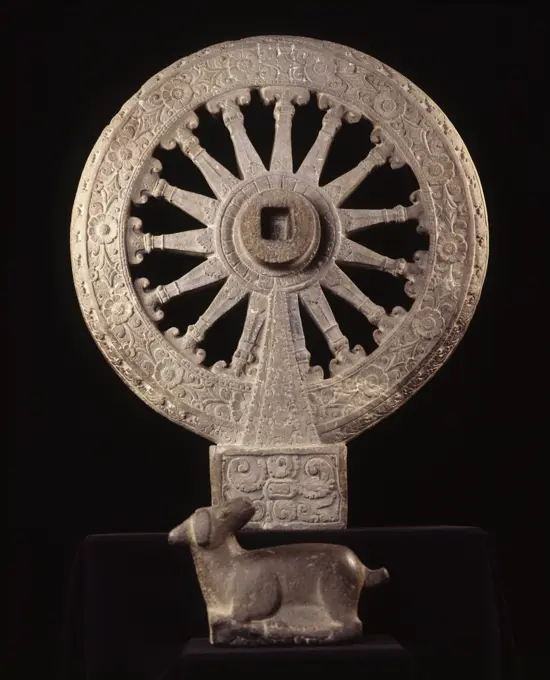
Wheel of the Law dating from the Dvaravati Period, National Museum, Bangkok, Thailand, Southeast Asia, Asia
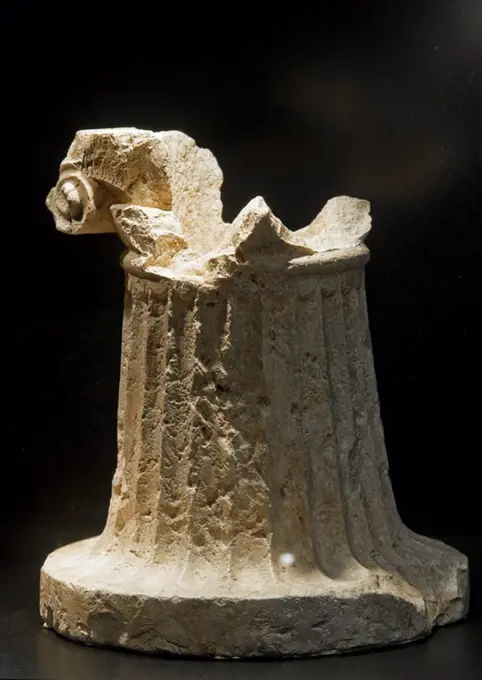
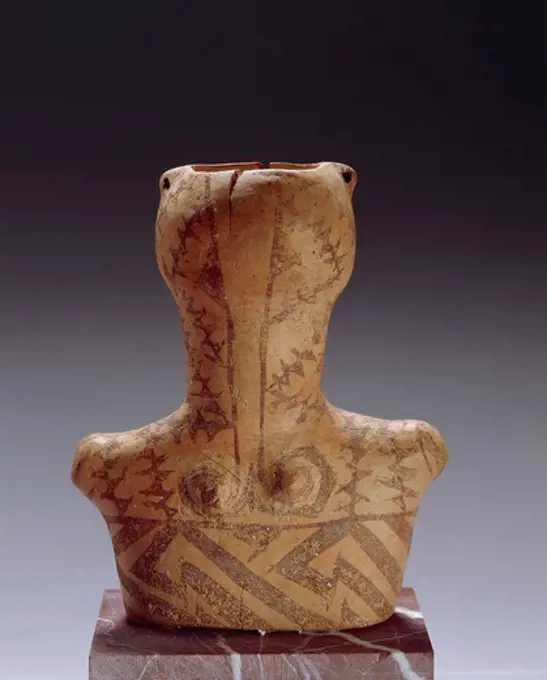
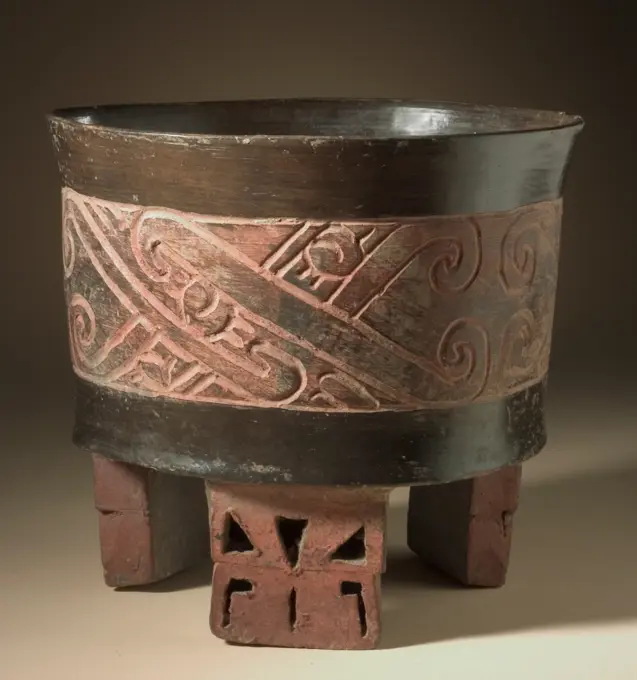
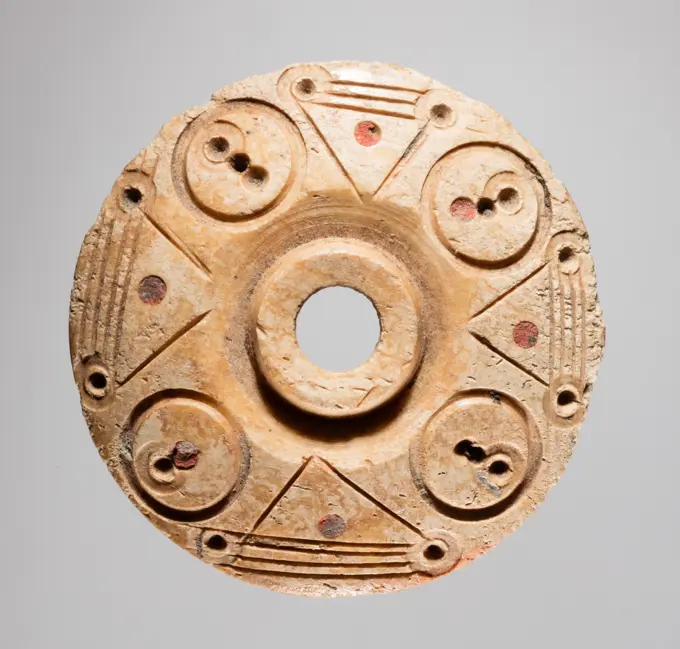
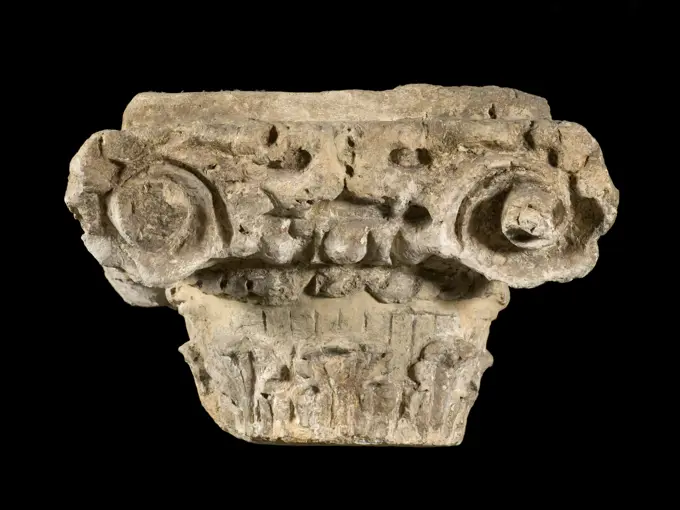
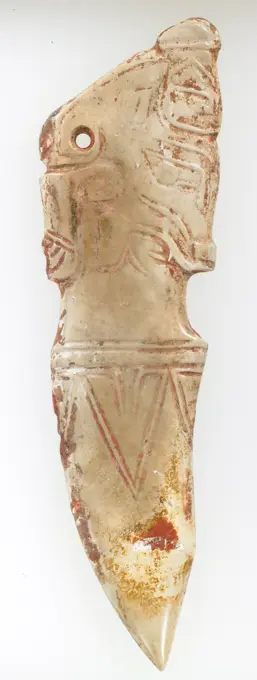
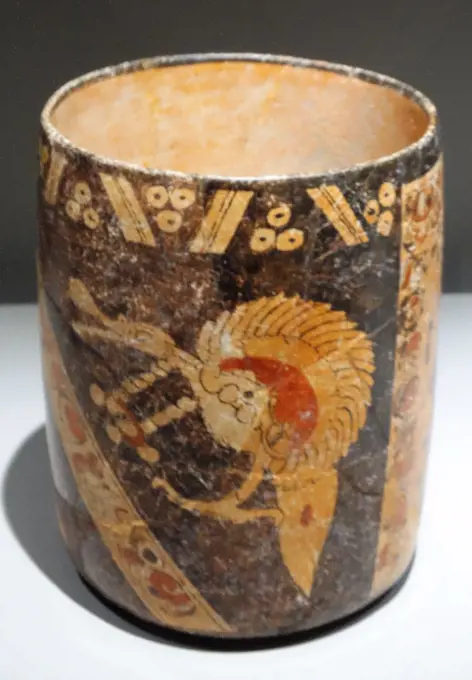
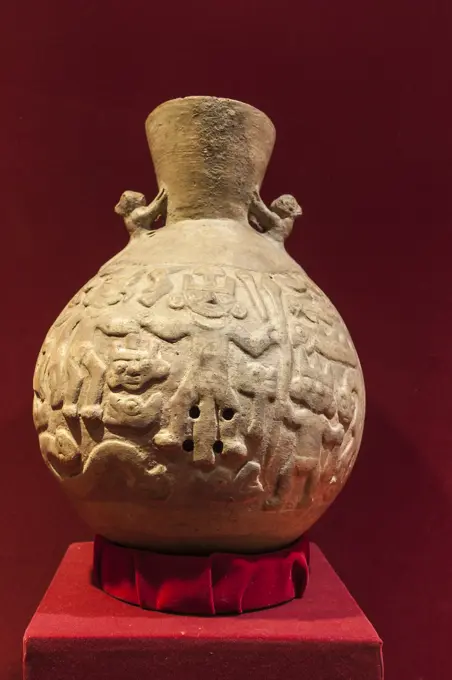
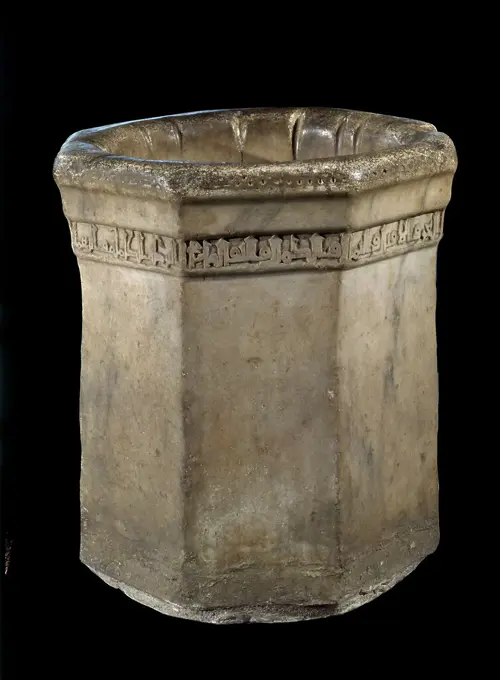
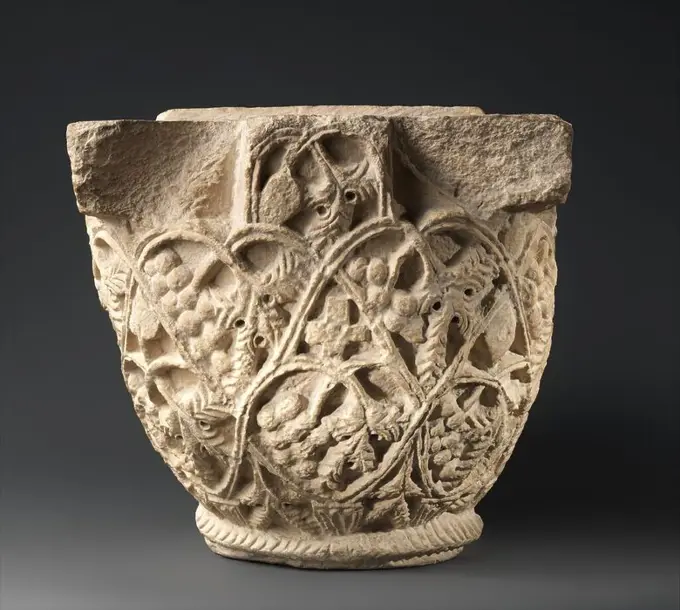
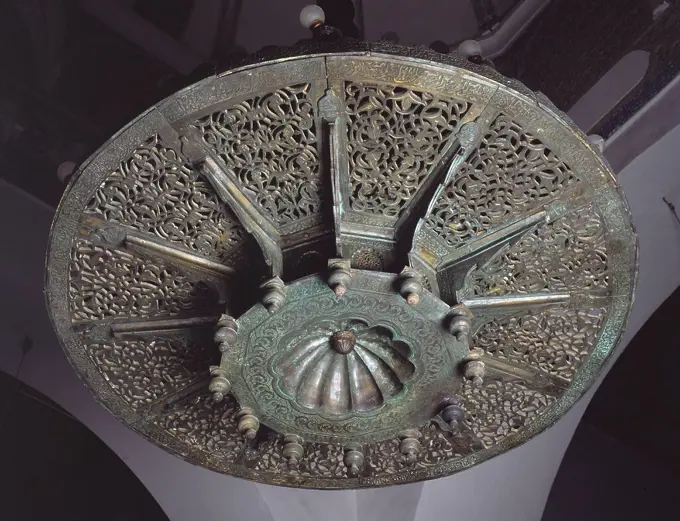
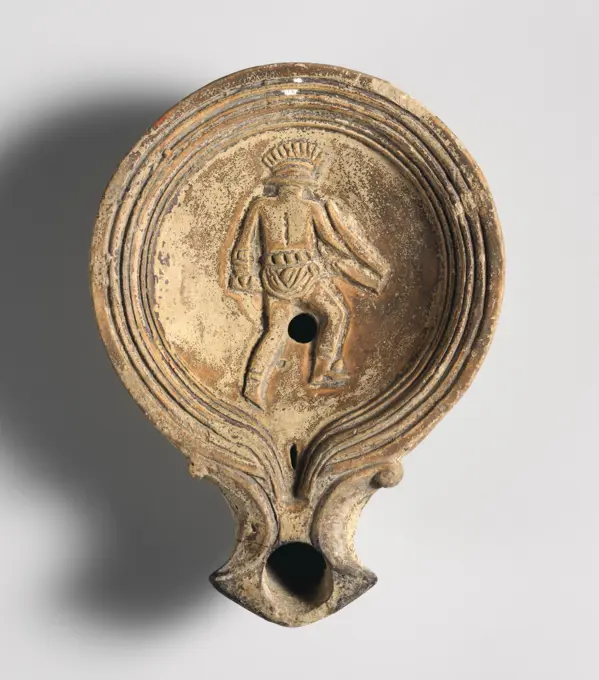
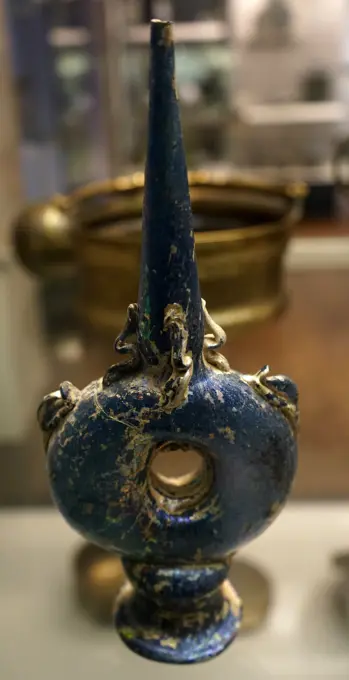
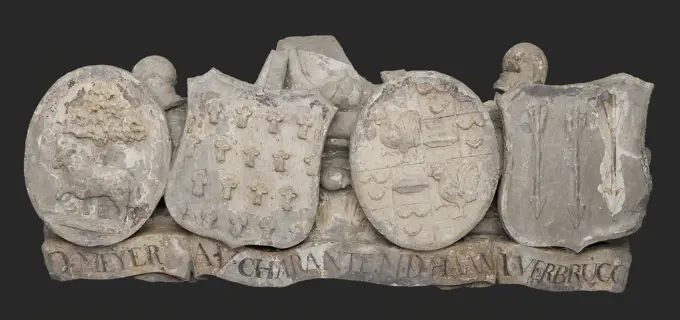
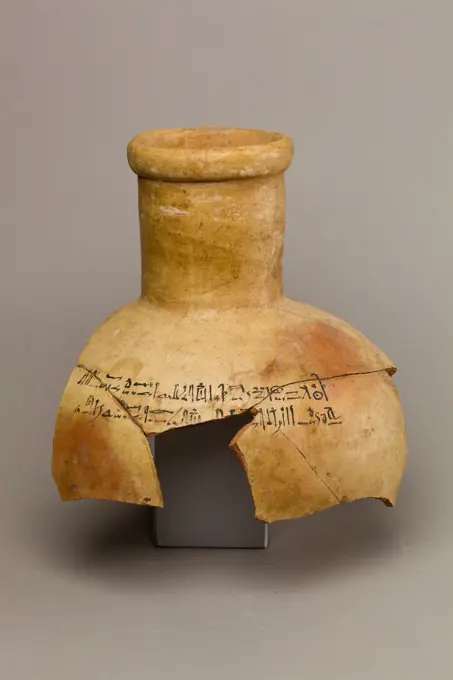
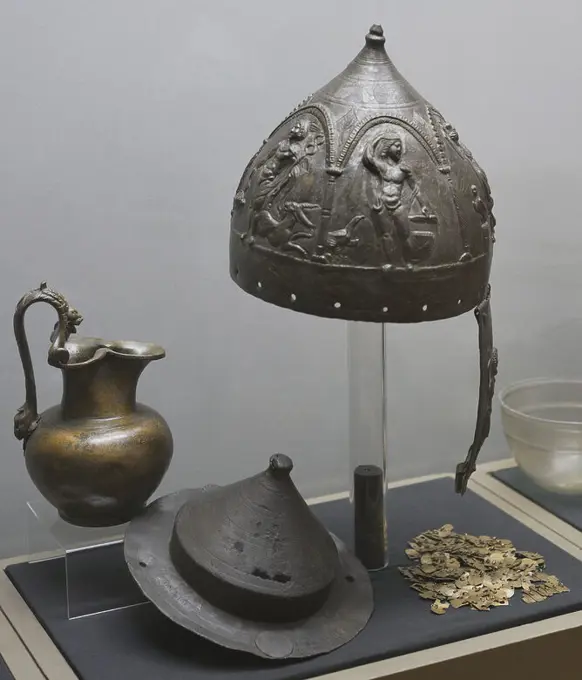
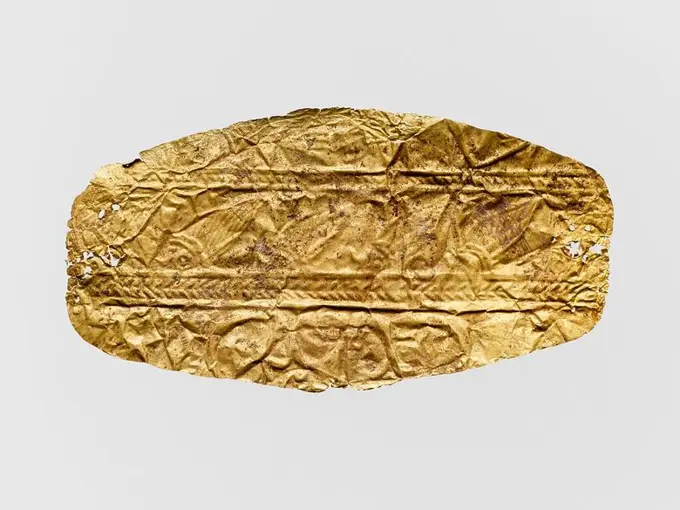
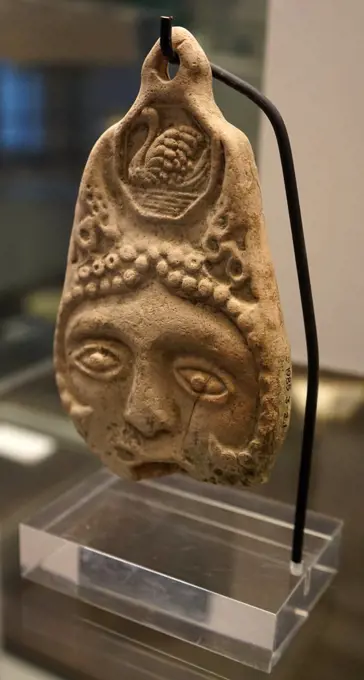
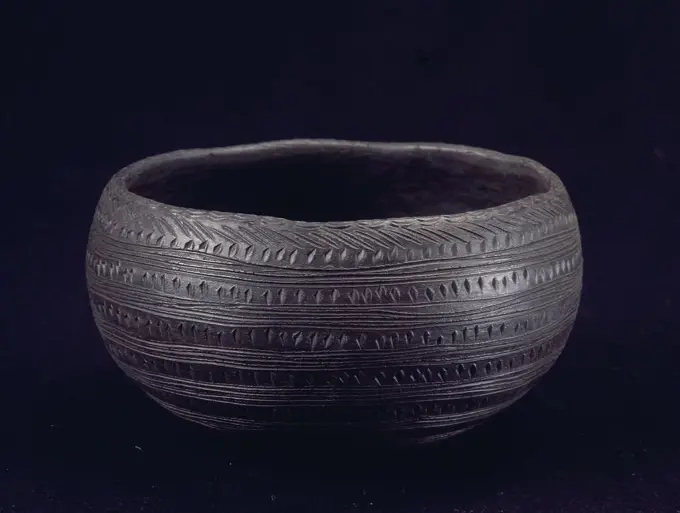
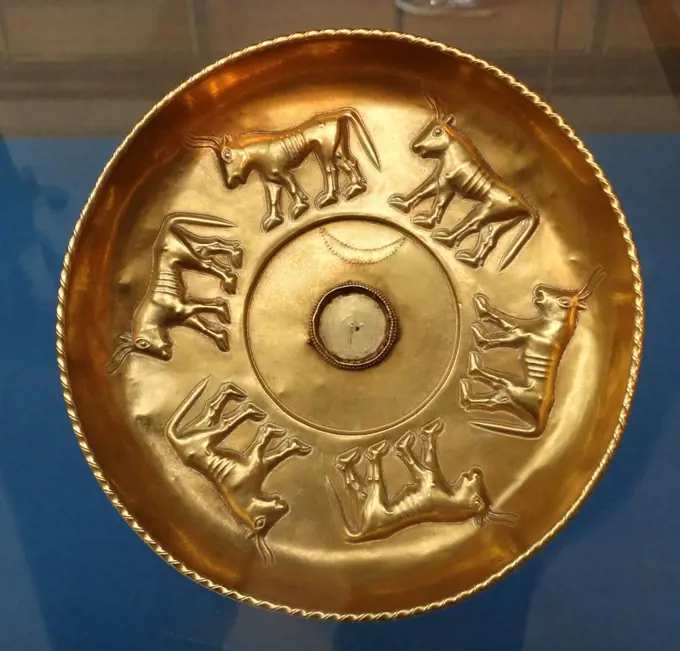
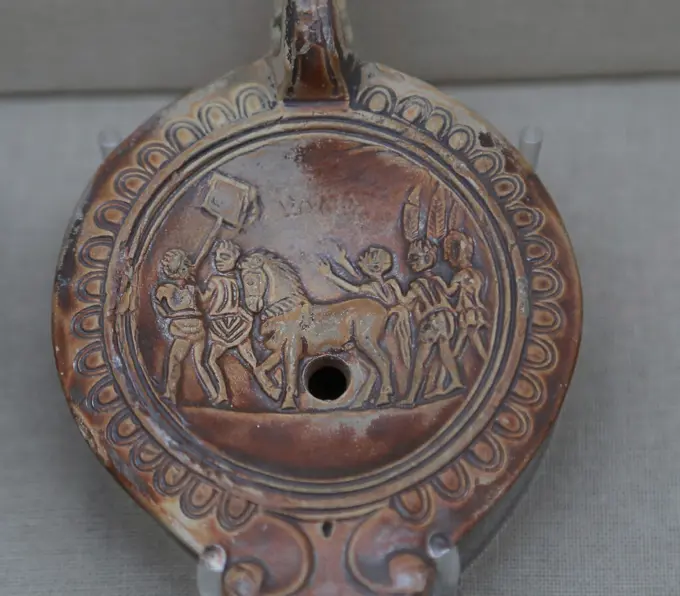
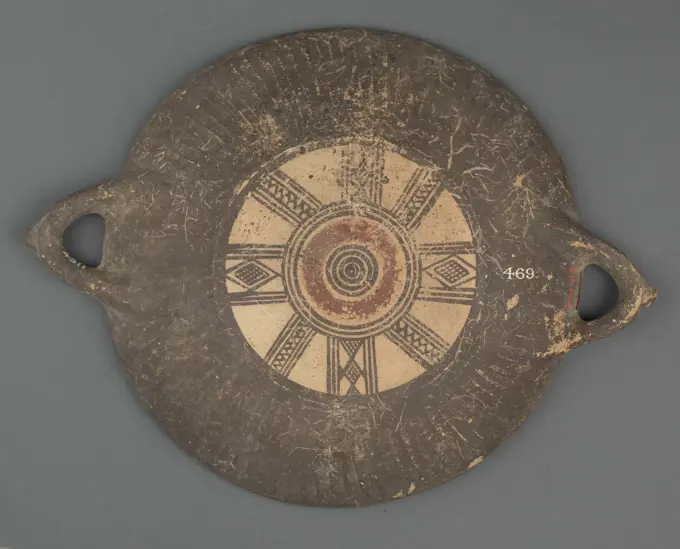
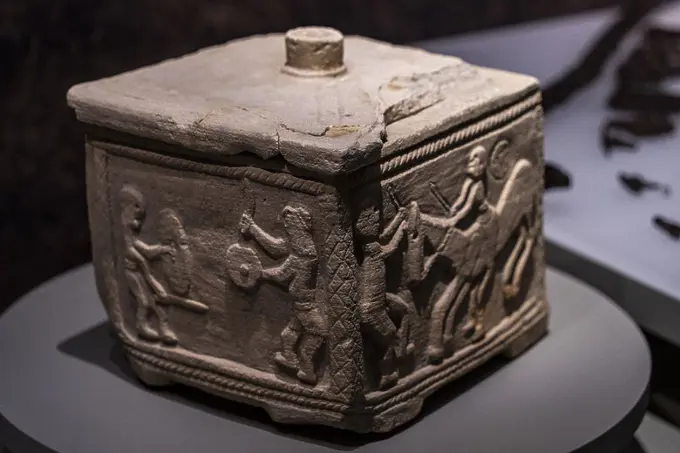
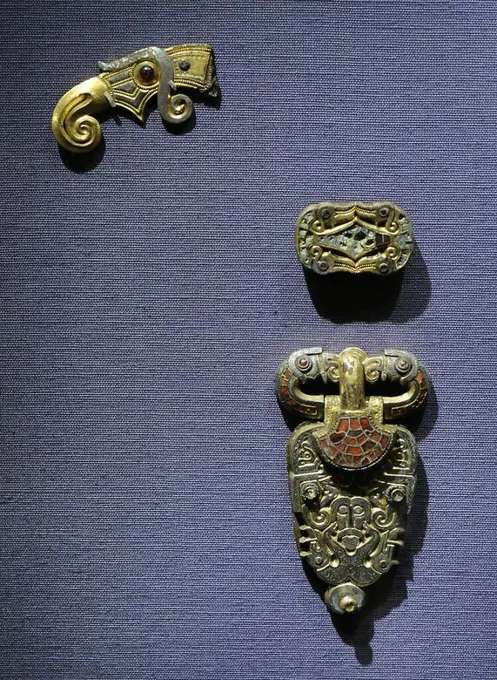
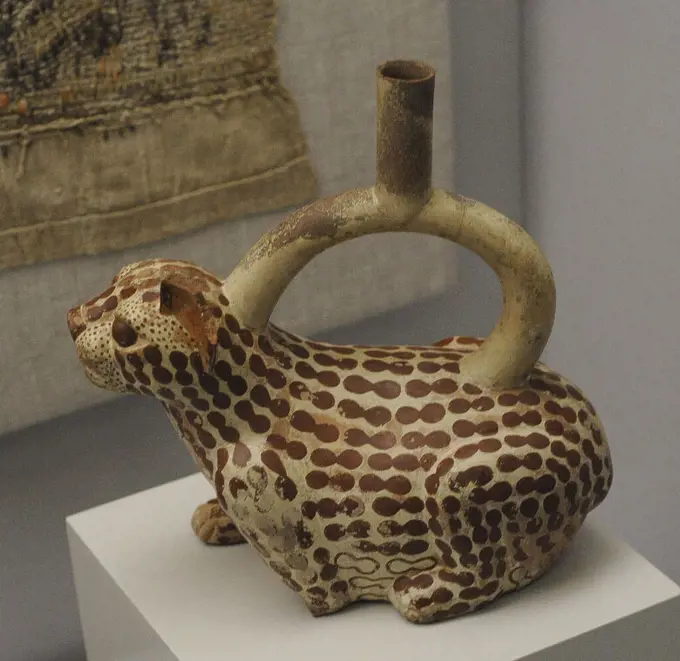
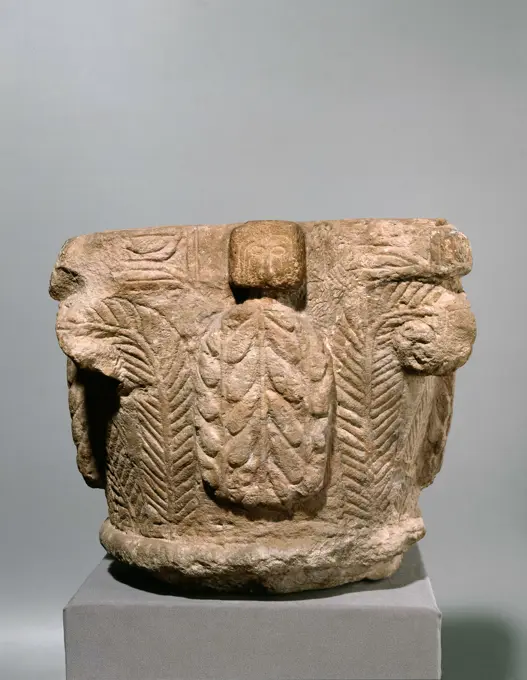
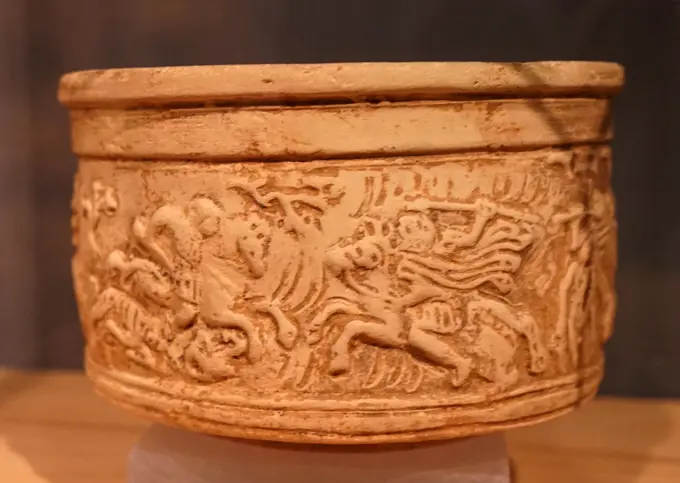
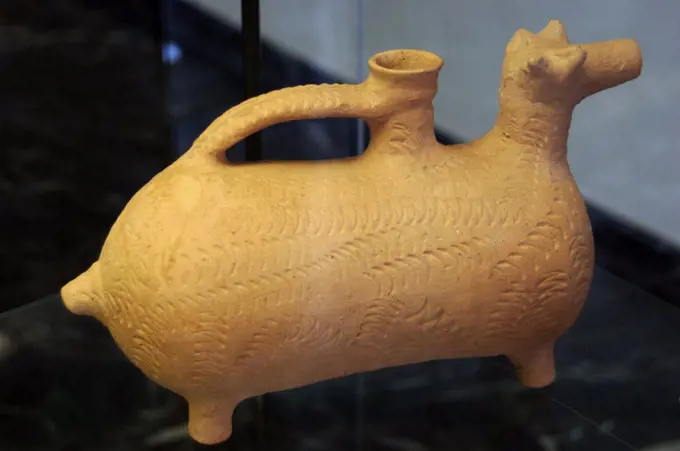
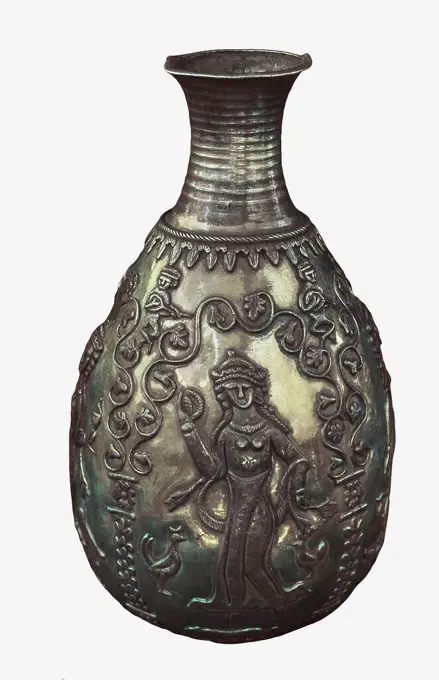
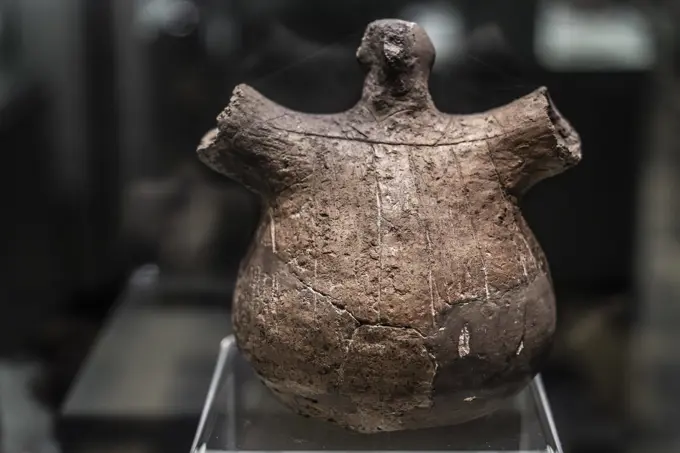
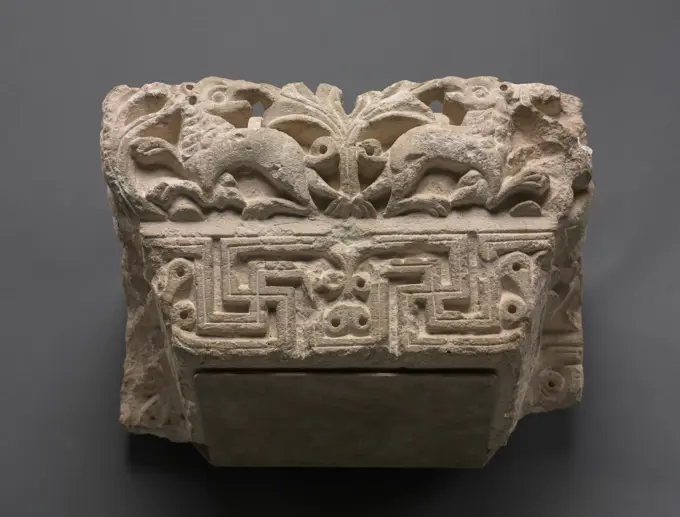
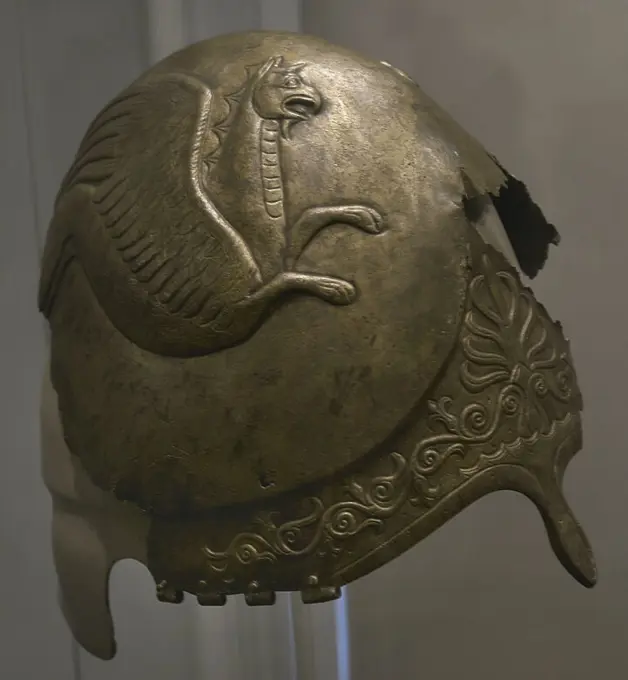
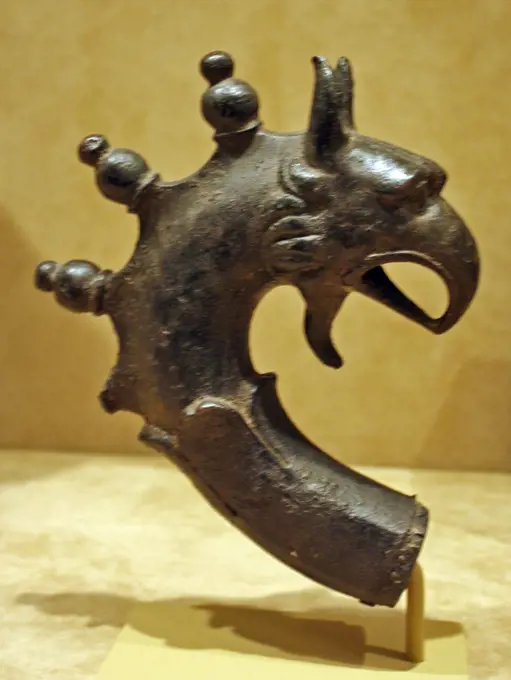
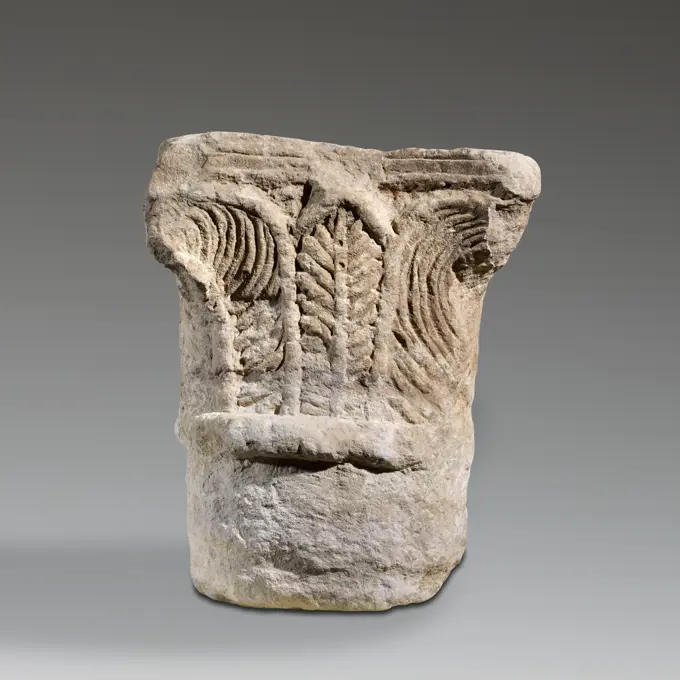
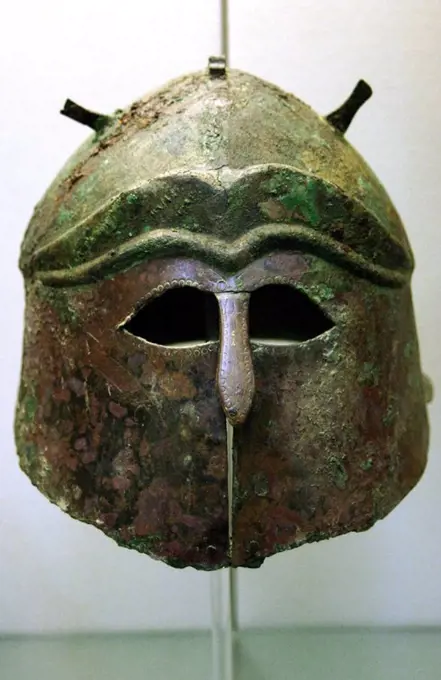
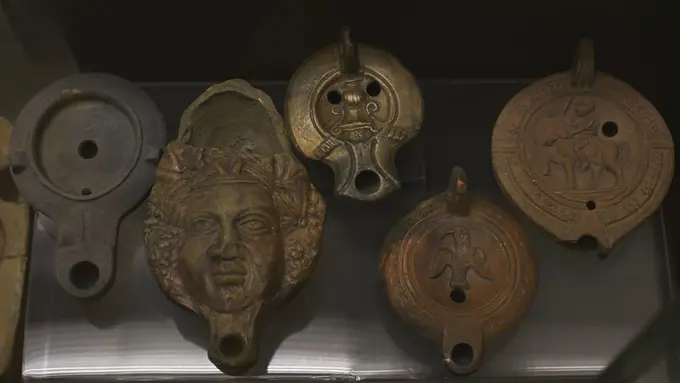
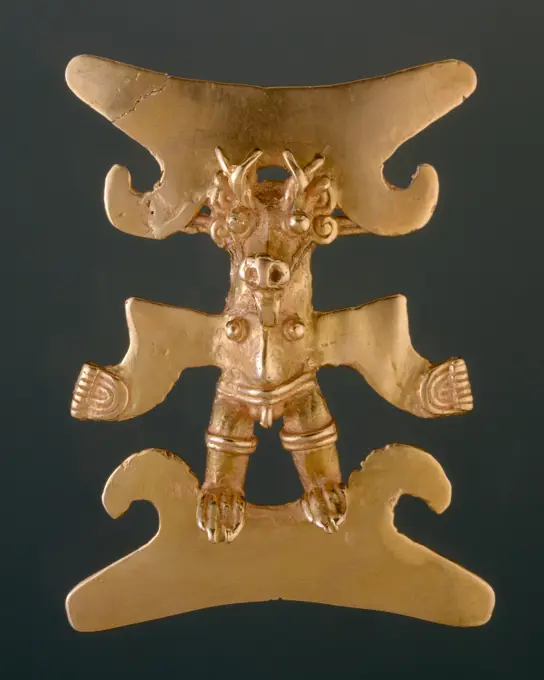
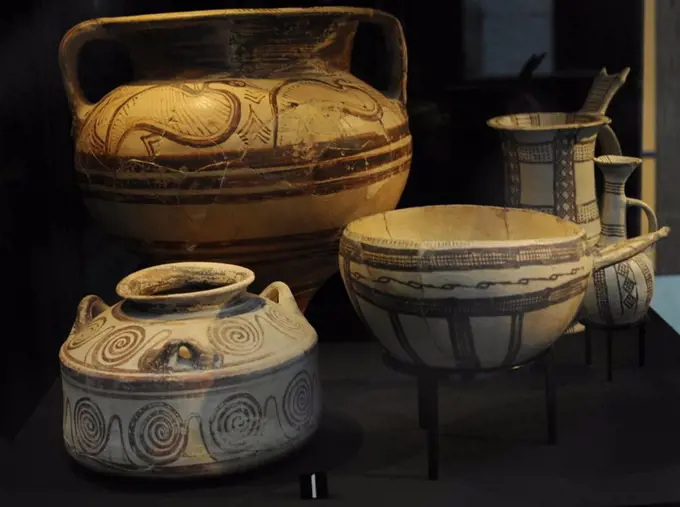
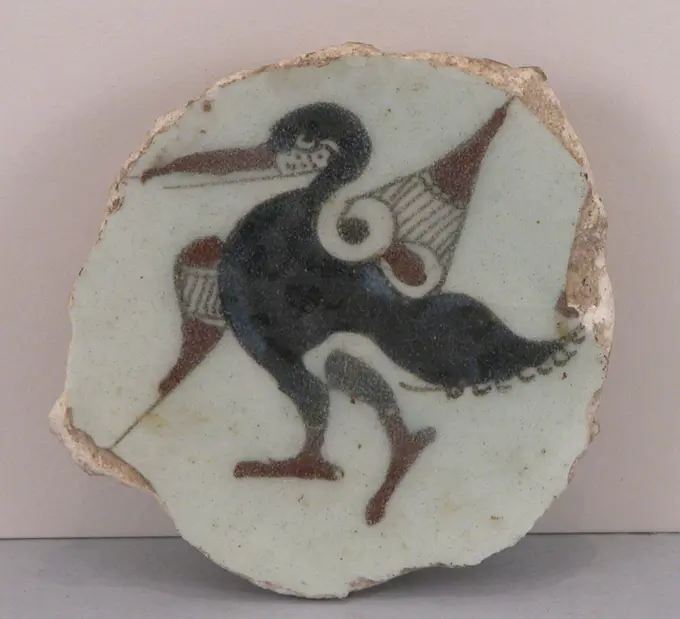
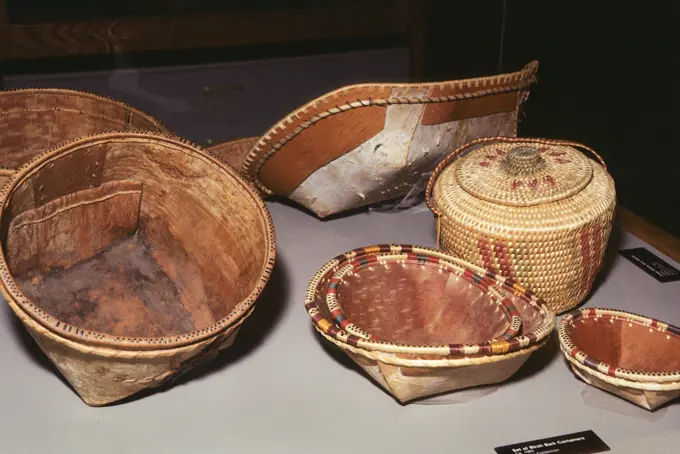
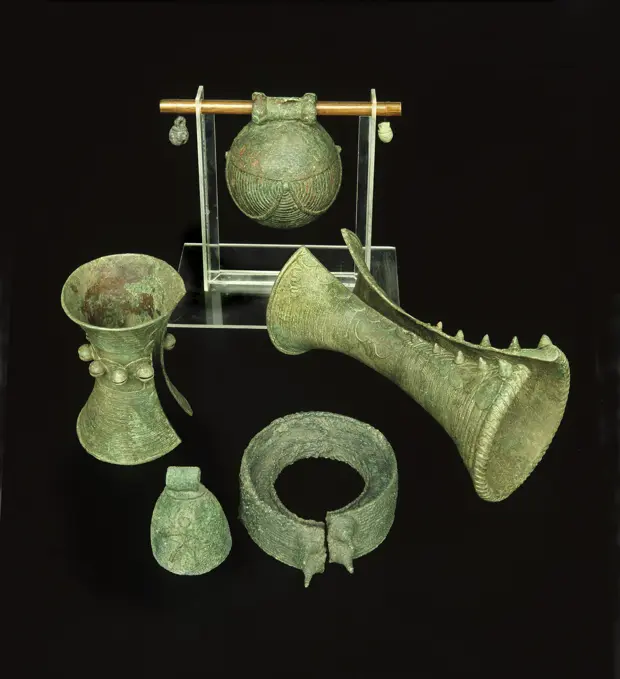
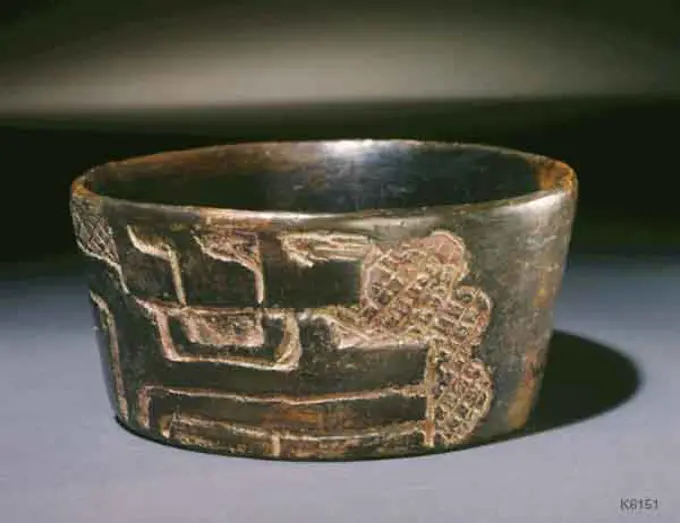
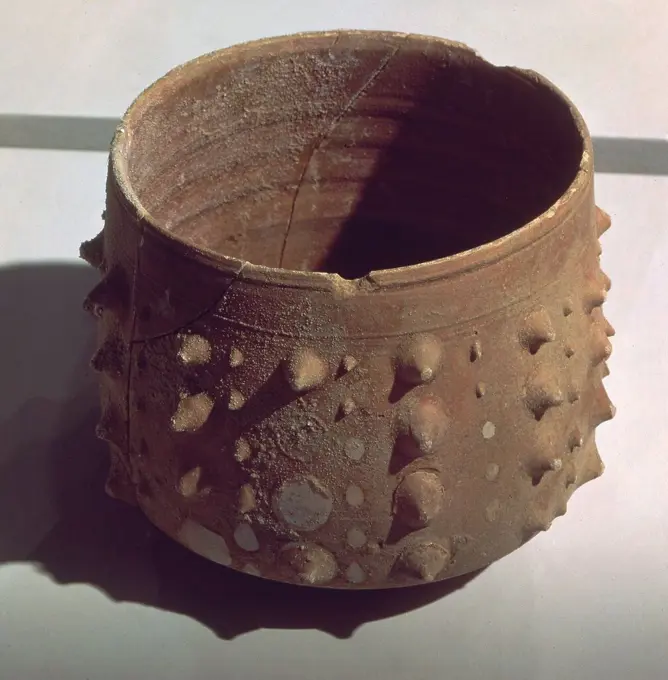
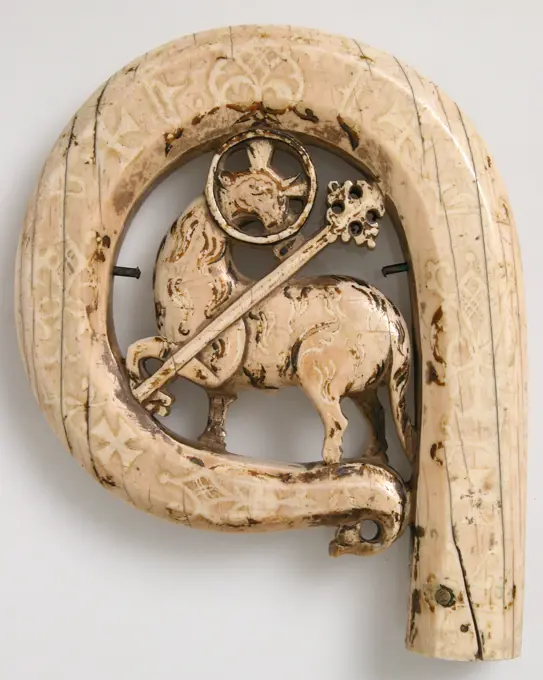
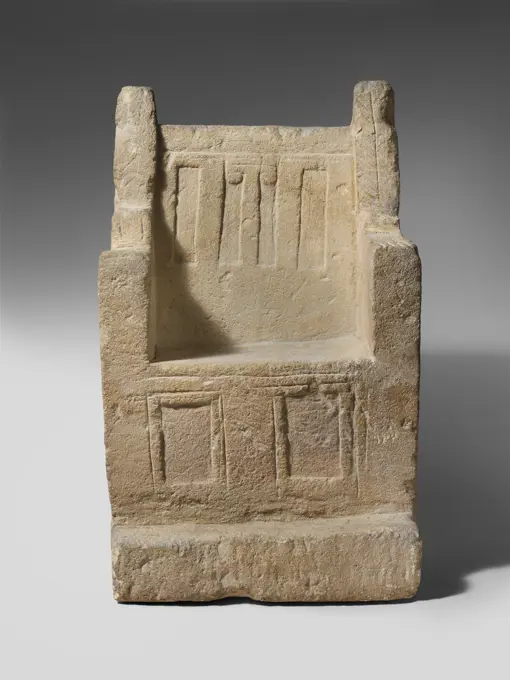
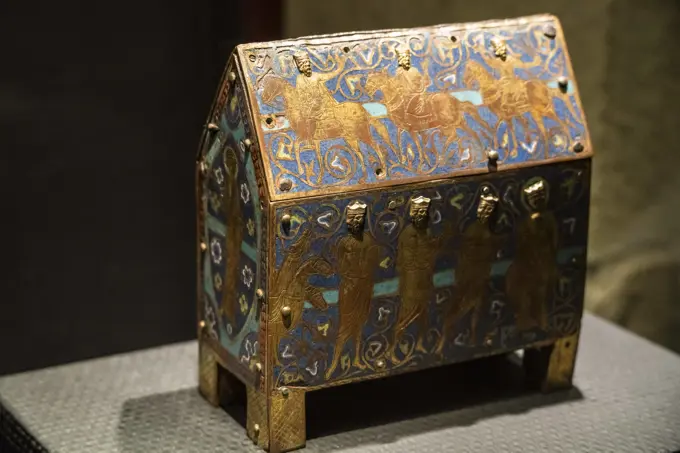
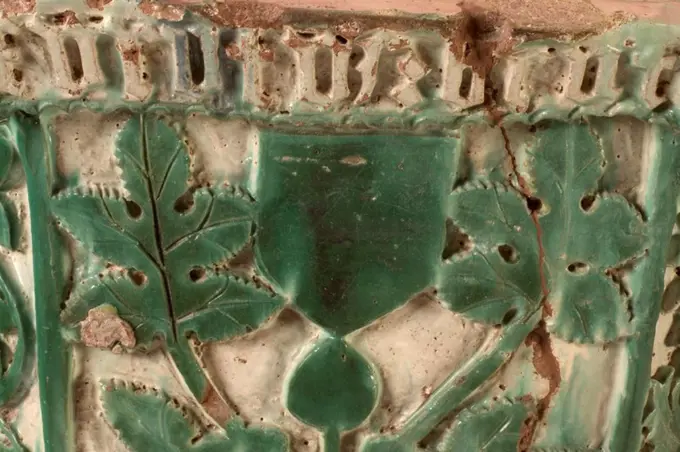
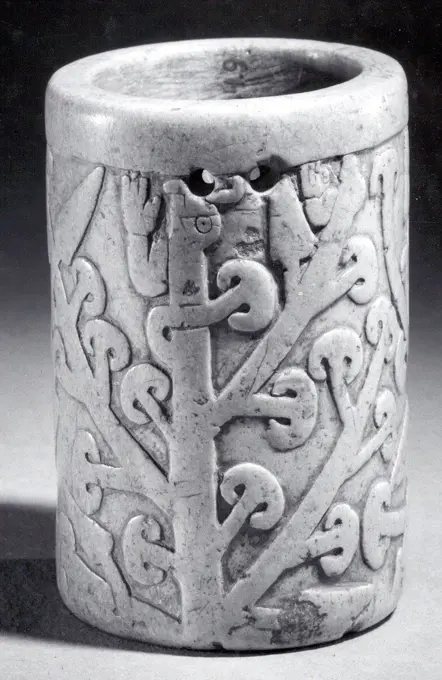
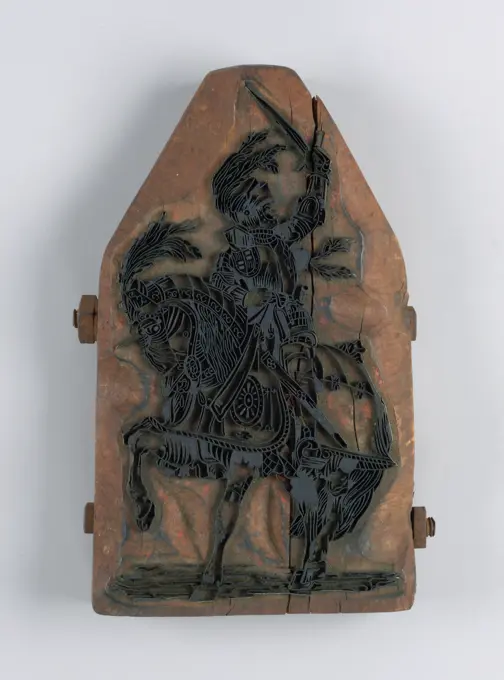
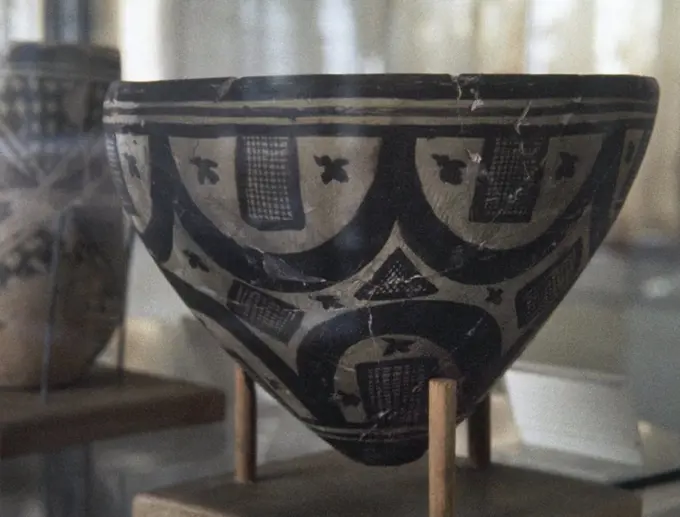
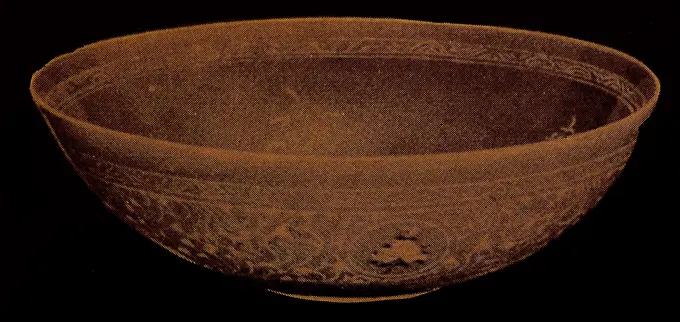
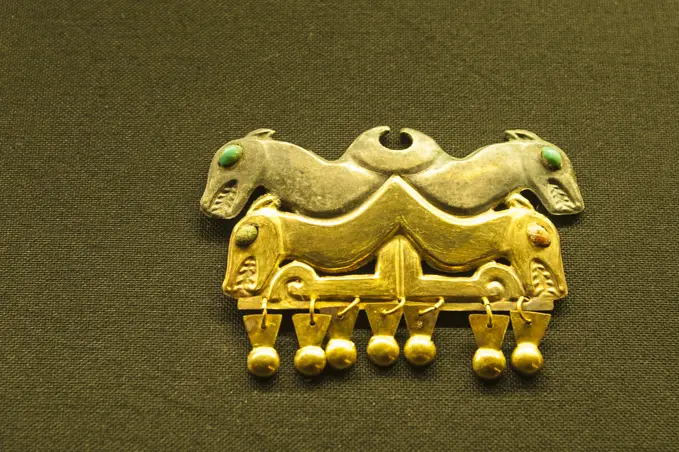
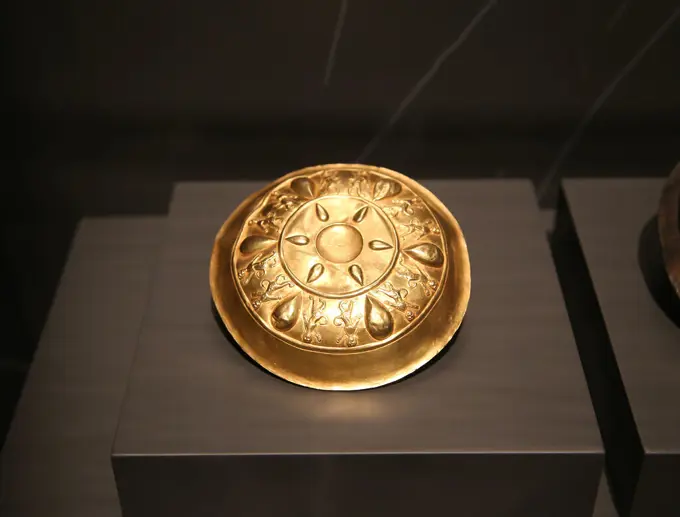
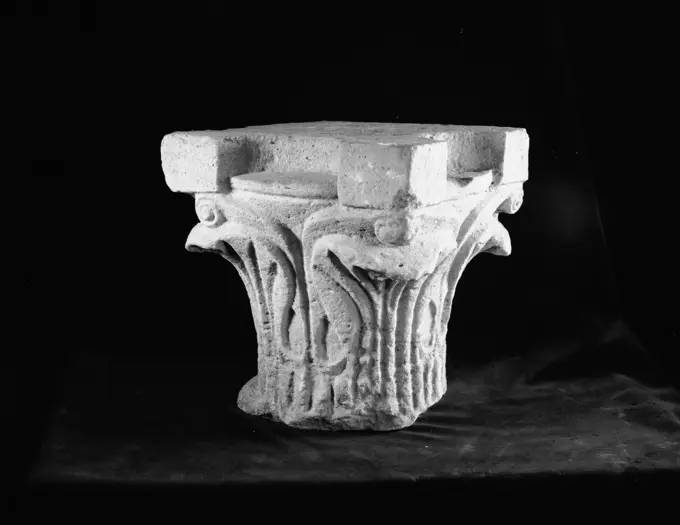
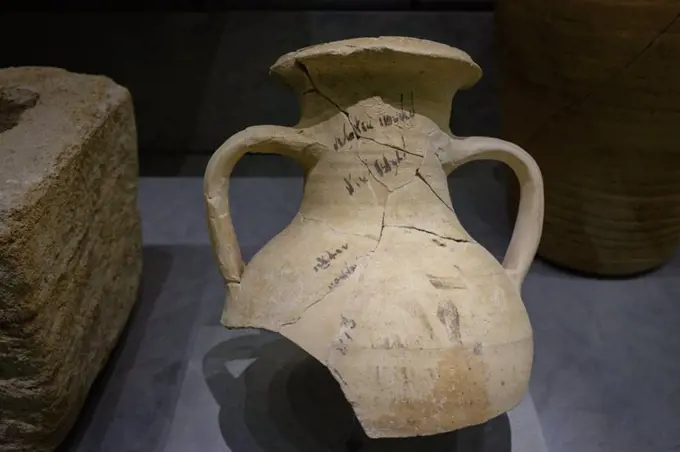
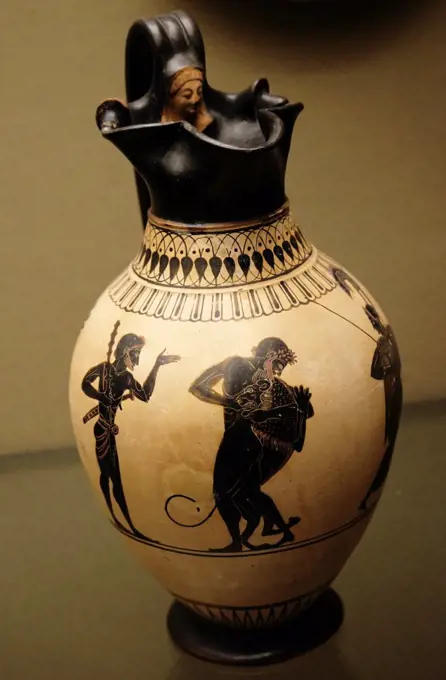
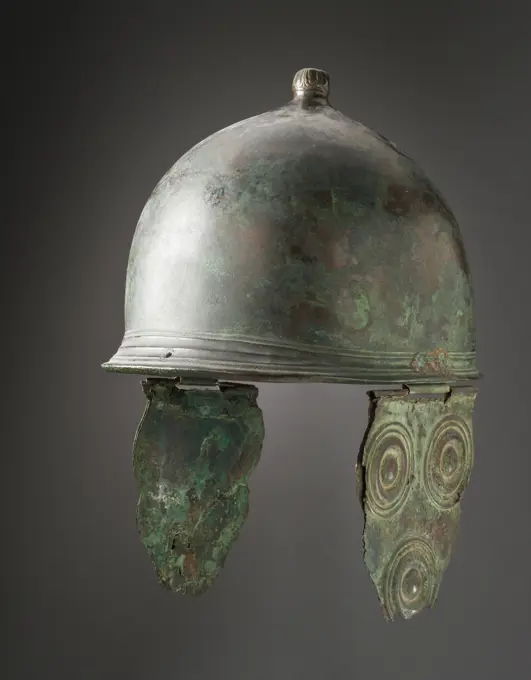
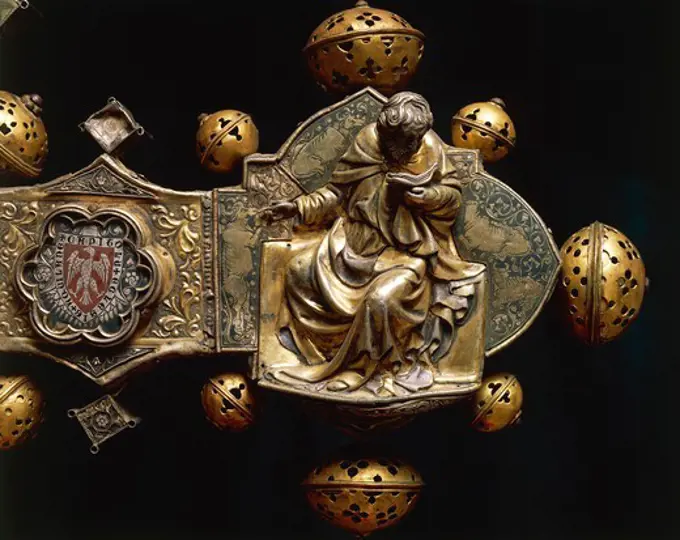
Painted resource vessel;  VI century (501-00-00-600-00-00);Restos de esculturas griegas. Empuries.Pre-Colombian art. Mesoamerican. Ceramic vessel. Geometric decoration. 12 x 13 cm (diameter). From Mesoamerica. Private collection.Prehistory, Albania, Neolithic. Anthropomorphic ceramic vase with decorations. From Kamniku.Egyptian mummy case (Coffin) designed to contain the entire contour of the body of its deceased owner. dated to the Roman Period (1s-2nd centuries ADTripod Vessel. Mexico, Teotihuacan, Teotihuacan, 400-600 CE. Ceramics. Carved ceramic with red pigmentFragment of a BowlSpindle Whorl, 700s - 900s. Iran, early Islamic period, 8th - 10th century. Bone, incised; overall: 0.4 x 2.8 x 2.8 cm (3/16 x 1 1/8 x 1 1/8 in.).Wheel of the Law dating from the Dvaravati Period, National Museum, Bangkok, Thailand, Southeast Asia, AsiaCUERNO PARA POLVORA DEL SIGLO XVIII (ESPANOL). Location: MUSEO ARQUEOLOGICO NACIONAL-COLECCION. MADRID. SPAIN.The Oseberg ship . A Viking ship discovered in a large burial mound at the Oseberg farm near Tønsberg in Vestfold county, Norway. Dating from around 800 AD, the ship was excavated by Norwegian archaeologist Haakon Shetelig and Swedish archaeologist Gabriel Gustafson in 1904-1905. The ship is displayed at the Viking Ship Museum, in Bygdøy.Composite marquee with acanthus sheet and scales volutes from excavations of the thermal baths of the Collège de France in 1904 ". I-IIth century. Limestone Pierre. Paris, Carnavalet museum. Composite marquee with basket covered with water leaves and hypertrophied scrolls. Taulter decorated with nesting similar to scales. Marquee, college france, composite, squaille, acanthe leaf, limestone, proven excavations, thermal baths, voluteMi Bow Tip, 1766-1122 BCE, 3 5/8 x 1 x 3/16 in. (9.21 x 2.54 x 0.4 cm), Calcified ivory jade wtih tracesof red pigment, China, 18th-12th century BCEStraight-walled polychrome vase representing a double stage on a light and dark background. The dark background contains a representation of a bird while the light shows a male character richly dressed and standing beside a column and a band of decorative glyphsAmphor funéraire , Urns, Antiquities. Nicholas Catsimpoolas CollectionPre-Columbian pottery in the Museum of Archaeology, Trujillo, Peru.BROCAL DE POZO EN MARMOL-59X52-S X-XI. Location: MUSEO ARQUEOLOGICO-COLECCION. Sevilla. Seville. SPAIN.Fragment of a Bowl 9th century View more. Fragment of a Bowl. 9th century. Earthenware; white slip, polychrome decoration under transparent glaze. Excavated in Iran, Nishapur. CeramicsAryballs pier Shadowy; Unknown Korinthian workshop; 590-550 BC (-590-00-00--550-00-00);Capital. Dimensions: H. 13 3/8 in. (34 cm)Max. W. 14 15/16 in. (38 cm)Max. D. 18 1/8 in. (46 cm)Wt. 156 lbs. (70.8 kg). Date: 6th-7th century.Vineleaves and grapes cover the surface of the stone, veiling its mass. This new style was used throughout the Byzantine world in the sixth century, most elegantly in the emperor Justinian's rebuilding of the church of Hagia Sophia in Constantinople. Museum: Metropolitan Museum of Art, New York, USA.LAMPARA DE LA MEZQUITA-PERIODO MERINI-1333/37-BASE VISTA DE ABAJO ARRIBA. Location: MEZQUITA QARAWIYYIN. FEZ.Terracotta oil lamp late 1st century B.C.-early 1st century A.D. Roman Loeschcke Type 1A. Mold-made. Deep concave discus: a gladiator, standing facing backward, wearing a crested helmet, short trunks, and boots, and holding a long, rectangular shield in one hand and a weapon (concealed by his body) in the other; single filling hole near center between his legs, surrounded by a broad band of lines and grooves at edge. A funnel-shaped channel, with a small central slit, runs from the discus towards the large wick hole. Volutes flanking angular nozzle. Base ring outlined by two concentric lines.The gladiator is heavily armed and so can be recognized as a samnis (Samnite) or murmillo. Here, unusually, he is shown as being left-handed.Complete except for base, which has been carefully cut out, perhaps in antiquity.On the discus, a gladiator, seen from the rear, advances to the fight away from the viewer. He is heavily armed and so can be recognized as a samnis (Samnite) or murmillo. Here, uJug with a cutaway spout, Incised Red Polished Ware, Early Bronze Age, 2000 BC. from CyprusTalaiotyc Bulls head Talaiotyc Bulls head, 650 - 123 B.C. Museo Municipal de Ciutadella, Bastió de sa Font, Ciutadella, Menorca,balearic islands, Spain Copyright: xZoonar.com/Tolox 21724277Blown blue glass bottle with trailed designs from Syria. Dated 13th CenturyPre-Columbian pottery in the Museum of Archaeology, Trujillo, Peru.Chinese bronze, Ritual wine vessel, zun. Spring and Autumn period (771-475 BC)Johannis de Graef, Four coats of arms with ribbon, top of relief main entrance west side Reformed Burgerweeshuis, facing stone sculpture sculpture building component sandstone stone, sculpted Four coats of arms of regents and regentesses of the orphanage above the relief (10092 ). continuous ribbon under the arms. On the left weapon from Meyer sheep for tree; also the Van Charante coat of arms in silver eighteen black ermine tails; the next coat of arms of Haan with the shield quartered I and IV lovingly stepping cock II and III quartered I and IV three waxers II and III crossbar, on the right arm of Verbrugge the shield in green three silver arrows the points down 2 and 1 On continuous ribbon under the arms: D. MEYER .V. CHARANTE M.D. HAAN I. VERBRUGG (E) (fallen) heraldry Gereformeerd Burgerweeshuis Gereformeerd Burger Orphanage war Second World War bombardment Rotterdam City Center Stadsdriehoek Goudsewagenstraat Goudsewagenstraat Rotterdam from rubble after the bombing of May 1940.Hieratic Jar Label ca. 1390-1353 B.C. New Kingdom The Museum's Egyptian Expedition to Malkata (1910-1920) recovered some fourteen hundred hieratic jar labels from the palace complex of Amenhotep III. Written in black ink, the inscriptions identify the commodity inside the jar (wine, ale, fat, meat, etc.). The longer texts also provide the year, the source of the commodity, the occasion for which it was prepared, and the name and title of the official making the donation. Because these inscriptions are stereotyped, it is often possible to restore a complete label from a small fragment.The inscription on this jar dates to year 38 in the reign of Amenhotep III. It contained fat prepared by a man named Iuamen and donated by the royal scribe Ahmose.. Hieratic Jar Label 544510Geometric vase, 8th cent. BC. Funeral procession with soldiers. GREECE.Helmet, shield boss, trefoil pitcher and scales from a cuirass used in Roman times (lorica squamata). Bronze. 1st century AD. From a tomb attributed to a Roman soldier. Kara Agach (present-day Bryastovets), Bourgas region, Bulgaria. National Archaeological Museum. Sofia. Bulgaria.Gold leaf frontlet (band for forehead). Culture: Cypriot. Dimensions: Other: 3 1/8 in. (7.9 cm). Date: ca. 1450-1200 B.C..Three rows of ornament. In the central one, leaping fish. Museum: Metropolitan Museum of Art, New York, USA.Fireplace with the coat of arms of Prince Maurits of Oranje Nassau, Anonymous, c. 1567 - c. 1625  Semi -round hairstone with weapon of Prince Maurits; Above Schild Crown and 1606, on either side Leeuwen -Linker with letter g between front legs, right with m between front legs and plant motifs, border in relief decorated with leaf motif and rosettes; At the top left and above and bottom right chunks, remains of black, white, yellow and pink paint, especially on shield. Netherlands brick (clay product)Double-sided plaque with face, swan motif in head-dress and hole for suspension. Dated 13th Centuryblued mitten, 16th century, Álava Armory Museum, Vitoria, Basque Country, Spain.Montefortino type helmet, Etruscan-Italic bronze helmet, 2nd century BC, Soto de Medinilla, Valladolid Museum - Provincial Museum of Antiquities, Autonomous Community of Castile and Leon, Spain.The shovel used during the Sept. 26, 1921 ground breaking ceremony of the Airship Hangar at Scott Air Force Base, Illinois, is photographed April 29, 2022. After being lost for more than 100 years, the shovel was found during an estate sale by an antique store owner who contacted the 375th Air Mobility Wing. Mark Wilderman, 375th AMW historian, then completed the necessary paperwork to procure the artifact and bring it back to the installation.VASIJA DE CERAMICA CON DECORACION INCISA - S XX. Location: ALFARERIA. LAS PALMAS. SPAIN.Close-up of paw of a guardian statue, Forbidden City, Xicheng District, Beijing, ChinaGold phiale (libation bowl) decorated in relief with six bulls; Sicily, perhaps at Gela, under Phoenician influence about 600 BCRoman lamp, from the Roman city of Iluro. Museum: MUSEO DE MATARÓ.Terracotta lamp with the victorious principal racehorse surrounded by jubilant supporters. 1st century. Italy. British Museum. London. United Kingdom.Plate 1050-950 B.C. Cypriot. Plate. Cypriot. 1050-950 B.C.. Terracotta. Cypro-Geometric I. VasesBox of the Warriors, archaeological piece from the Iberian period, 1st century BC. C., Piquía necropolis, Arjona, Iberian Museum of Jaén, Andalusia, Spain.Scandinavia. Scandinavia. Shield grip. Buckle plate. Aker, Vang, Hedmark, About year 600. Norway. Historical Museum. Oslo. Norway.Jaguar shaped vessel. Stirrup-spout bottle. Ceramic. Moche civilization (100 BC-700 AD). Peru. Museum of the Americas. Madrid, Spain.Fragments (possibly) belonging to the retable of Soest, c. 1475 - c. 1499   wood (plant material)   wood (plant material)Fragment of a Bowl 14th-15th century. Fragment of a Bowl 445405Bronze helmet, gilded hoop. Celtic artefact, France, La Tene I.Kapitel. warsztat nubijski, workshopRoman decorated bowl from Corinth, Greece. 2nd-3rd Century ADWax seal of James I (British king,1566-1625).  Mint: UnknownOlive lamp; Unknown Gallic workshop; 1st century (1-00-00-100-00-00);Terracotta bowl on a high stand 4th quarter of the 8th century B.C. Greek, Attic These objects, consisting of one piece, evolved from containers placed upon a support, frequently a tripod; the prototypes would have been of bronze. The rectangular cutouts in the stands also recall metalworking. In a funerary context, such "fruit stands," as they are often called, probably held offerings.. Terracotta bowl on a high stand. Greek, Attic. 4th quarter of the 8th century B.C.. Terracotta. Geometric. VasesMedieval vase shape as a mammal. Local Ceramics. National Museum of the Early Middle Ages (Museo dell' Alto Medioevo). Rome. Italy.VASO CON DANZARINA-ORO. Location: MUSEO BASTAN. Teheran. IRAN.anthropomorphes Gefäß anthropomorphes Gefäß Copyright: xZoonar.com/TOLOxBALAGUERx 22682484Engaged Capital with Animals, 400s - 500s. Egypt, 5th - 6th centuries, Coptic period. Limestone; overall: 21 x 34.3 x 23.2 cm (8 1/4 x 13 1/2 x 9 1/8 in.).Bronze Dish (221 BC - AD 581) at The Capital Museum, Beijing, ChinaShard ca. 4th-5th century Pakistan. Shard 50849Helmet. Bronce. 4th century BC. Unknown provenance. National Archaeological Museum. Sofia. Bulgaria.Partial remains of a gilded bronze divine headdress, with only the solar disc and horns surviving, from Napata. Dated 8th Century BC Helmet with a Standing Horse 7th century B.C. Northeast China. Helmet with a Standing Horse 59435Lamp Handle wih a Griffin's Head. Copper alloy. Byzantine Made 500-700. The size and weight suggest that this handle was fastened to a large standing lamp.Column capitel; Unknown Nubian workshop; VI century (501-00-00-600-00-00);architectural elements, capitals, calabinity, palm trees, nubian artistApulo-Corinthian helmet. Bronze. 400-350 BC. From Ruvo, Apulia. British Museum. London. England. United Kingdom.Roman clay oil lamps. Clay. 2nd-3rd centuries AD. From different provenances. National Archaeological Museum. Sofia. Bulgaria.Fragment of the vessel; Unknown Egyptian workshop; VI century (501-00-00-600-00-00);Decorative dishes, utility vessels, Coptic dishes painted, table vessels, Polish excavations in Tell ATRIB (Egypt)LLAMADOR DE LUIS XIV EN MARFIL. Location: PRIVATE COLLECTION. MADRID. SPAIN.Deer-Head Figure Pendant A.D. 800-1519 Chiriquí This Chiriquí pendant features a deer head with a protruding tongue and antlers, while the rest of the body is more anthropomorphic with spiral earflares, a belt, leg ties, and outstretched, stylized arms.. Deer-Head Figure Pendant. Chiriquí. A.D. 800-1519. Gold. Costa Rica, Burica Peninsula. Metal-OrnamentsPerfume or jewel case, pyxis, Mycenaean IIIA. From Enkomi, ca.1450-1200 BC; Vessel, crater for mixing wine and water. From Enkomi, ca.1450-1200 BC; Painted jugs and bowl. White Slip. From Enkomi and Kourion, ca.1450-1200 BC. Museum of Mediterranean and Near Eastern Antiquities. Stockholm. Sweden.Goblet ca. 1479-1425 B.C. New Kingdom. Goblet. ca. 1479-1425 B.C.. Travertine (Egyptian alabaster), gold. New Kingdom. From Egypt, Upper Egypt, Thebes, Wadi Gabbanat el-Qurud, Wadi D, Tomb of the Three Foreign Wives of Thutmose III. Dynasty 18VASO DE MAZZARA DEL VALLO - SIGLO XIV - CERAMICA NAZARI - LLAMADO JARRON DE PALERMO. Location: NATIONAL MUSEUM. PALERMO. ITALIA.Fragment of a Bowl late 12th-first half 13th century. Fragment of a Bowl 452870Collection of traditional Athabaskan baskets made from birch bark and beargrass. AlaskaBan Chiang bronzes, Suan Pakaad Museum, Bangkok, Thailand, Southeast Asia, Asia,Olmec Bowl with Serpent Motifs (1/3)VASO CERAMICO ROMANO SIGLO I. Location: MUSEO DE CADIZ-ARQUEOLOGIA. Cadiz. SPAIN.Crozier Head with the Lamb of God 13th century North Italian. Crozier Head with the Lamb of God. North Italian. 13th century. Ivory, with traces of paint and gilding, silver pins. IvoriesLimestone votive throne 6th century B.C. Cypriot Throne with panelled back and front.. Limestone votive throne 242049Reliquienschrein Reliquary casket, gilded copper on wood with enamels, 13th century, Limoges workshops, Huesca Diocesan Museum, Aragon community, Spain Copyright: xZoonar.com/Tolox 22307941PILA BAUTISMAL PROCEDENTE DE LA IGLESIA DE SAN SALVADOR (TOLEDO), EN EL MUSEO DE SANTA CRUZ.Ointment Jar ca. 1479-1458 B.C. New Kingdom. Ointment Jar. ca. 1479-1458 B.C.. Travertine (Egyptian alabaster). New Kingdom. From Egypt, Upper Egypt, Thebes, Deir el-Bahri, Temple of Hatshepsut, Foundation Deposit 8 (H), MMA excavations, 1926-27. Dynasty 18Bleeding cups and case of surgical instruments. Hellenistic Period. Greek.Tumbler 12th-5th century B.C. Cupisnique. Tumbler. Cupisnique. 12th-5th century B.C.. Soapstone. Peru. Stone-ContainersTerracotta fragments of a kylix (drinking cup) second quarter of the 5th century B.C. Greek, Attic Interior, on exergue, filleted youth wearing a himation with left arm extended toward the filleted, draped youth standing in front of him; in between them, in the field, a sponge and aryballos; Obverse, three handle palmettes and tendrils; filleted youth, wearing a himation, seated on a rock, holding a staff in his left hand; filleted youth wearing a himation, holding a stick in his right hand; in the field, an aryballos; filleted youth to left, wearing a himation, and holding a stick; Obverse, two handle palmettes and tendrils; drapery and feet of male to right, with a stick or staff; draped youth to left; filleted youth wearing a himation with his left hand holding a staff, and his right arm extended towards the ground; a separate rim fragment has part of a tendril and palmette. Terracotta fragments of a kylix (drinking cup). Greek, Attic. second quarter of the 5th century B.C.. TerracoPrinting Block (USA); wood, copperPoterry bowl. Geometric motifs. 3500 BC. From Tell-i-Bakun. Museum of Archaelogical Iran. Tehran. Iran.Celtiberian vessel, 4th-1st century BC, Cerro de San Miguel, Arnedo, Museum of Romanization, Calahorra, La Rioja, Spain, Europe.Drinking Bowl from 12th century Koryo. Celadon glaze; incised decoration filled with white and black slips. From the time of Koryo (Goreyo) (Goreyo) dynasty (918 - 1392)Terracotta lekanis (covered dish). Culture: Greek, Attic. Dimensions: Overall: 7 9/16in. (19.2cm)Other (total height): 7 9/16 x 11 3/4in. (19.2 x 29.9cm). Date: ca. 400 B.C..On the lid, woman, youths, and ErotesMany covered dishes of this type were decorated with scenes of women. Apparently, they were often brought to brides to fill with food and other gifts. Museum: Metropolitan Museum of Art, New York, USA.Gold artifacts in Cao Museum in the El Brujo Archaeological Complex near Trujillo, Peru, South AmericaAtaifor with figurative decoration in manganese green, Muslim period, site of the former church of San Juan, Barbastro, Huesca museum, Aragon community, Spain.Lobed bowl. Takht-i Kuwad, Tajikistan. 500-300 BC. Gold. Oxus Treasure. British Museum. London. GBR.Stone Adossee column marquee decorated with large nerve foliage, from the Abbey of Montmartre, second half of the 13th century (Cat 158) Anonymous. Stone-backed column marquee decorated with large nervous foliage, from the Abbey of Montmartre, the second half of the 12th century (Cat 158). Pierre.jarra utilizada como urna cineraria y decorada con nombres propios en escritura neopunica, 200-100 antes de Cristo, Museo arqueológico de Ibiza y Formentera, Patrimonio de la Humanidad «Ibiza, biodiversidad y cultura», Ibiza, balearic islands, Spain.White-ground oinochoe depicting Herakles and the Nemean Lion. Dated 500 BCHelmet. Italy, Etruscan, 3rd century B.C.. Arms and Armor; armor. BronzeFragment of a Frieze with Addorsed Lions 12th century This piece and objects 18.112 and 37.55 speak to two transformation” trends of the early twentieth century: the improvement” (if not forging) of artifacts, and the application of a limited number of geographical attributions (galvanized by a discovery and then standardized in the trade). This frieze and 18.112 are said to have come from Rayy, a claim made about many artifacts traded at the time. Spontaneous digs and organized, legal commercial excavations were carried out on the site from the nineteenth century, but their details went undocumented. In this case, comparison with artifacts unearthed in scientific excavations in the 1930s substantiates the attribution to Rayy.. Fragment of a Frieze with Addorsed Lions 447049Silversmith's art, Italy, 15th century. Nicola Gallucci da Guardiagrele (1385-1462), processional cross of Saint Maximus, 1434, in silver, enamel and copper. Height 90 cm. Back side. Detail: Saint Luke the Evangelist.