Ancient Ceramic Artifacts

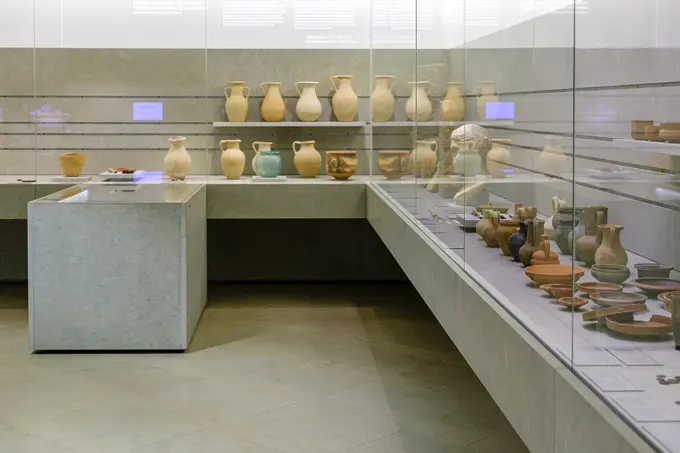
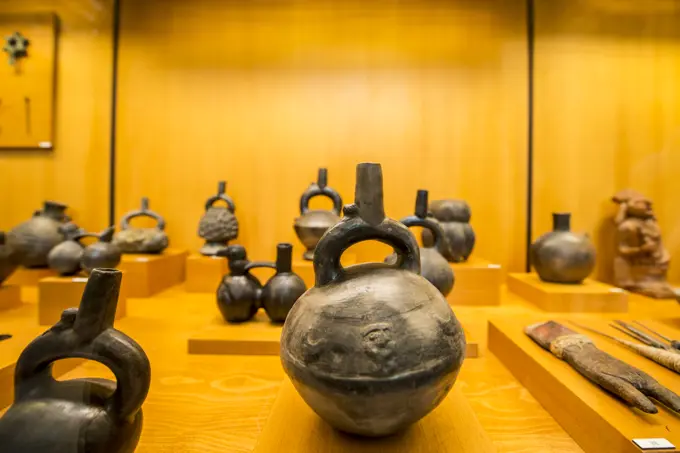
A selection of ancient ceramic vessels, including decorative anthropomorphic forms and Mesoamerican styles, highlighting historical art.
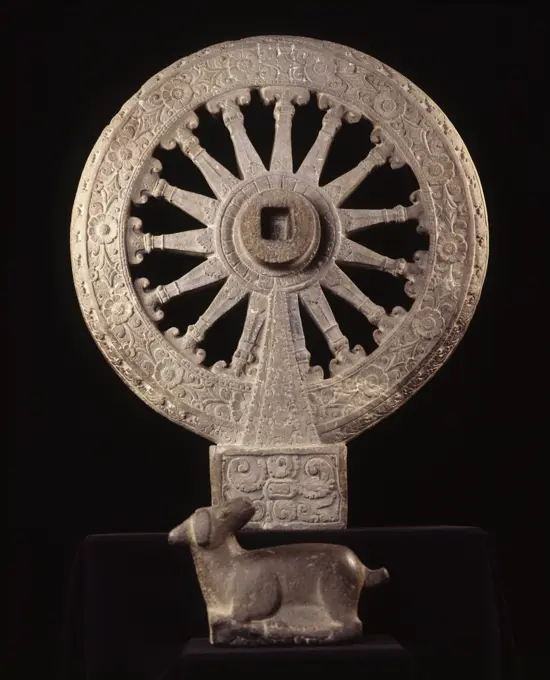
Wheel of the Law dating from the Dvaravati Period, National Museum, Bangkok, Thailand, Southeast Asia, Asia
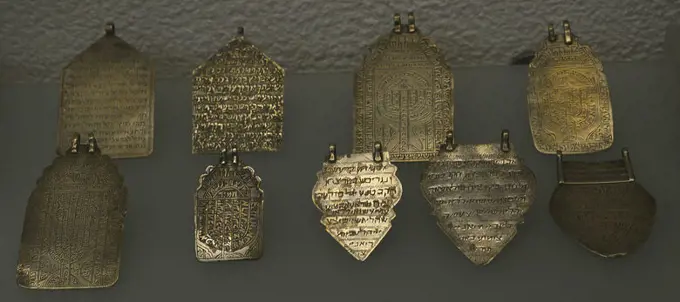
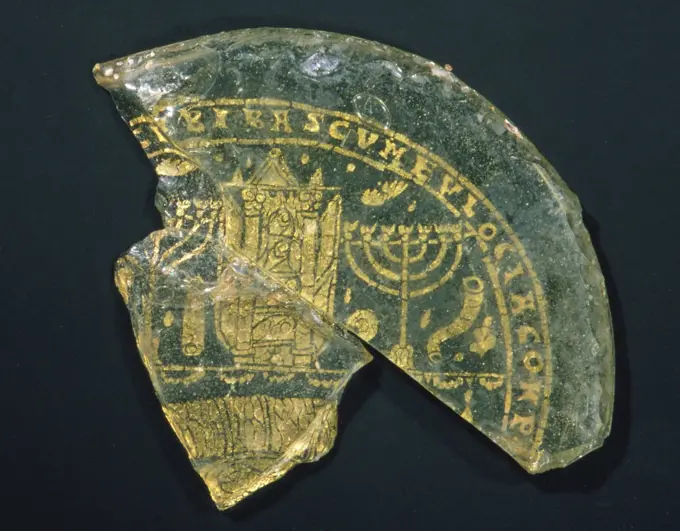
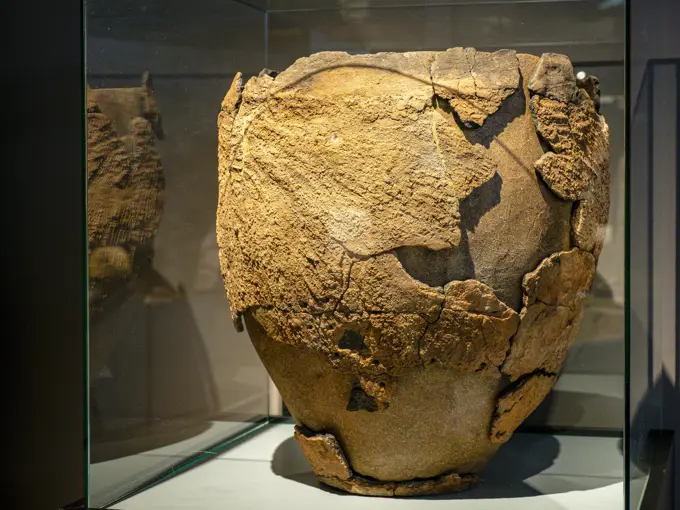
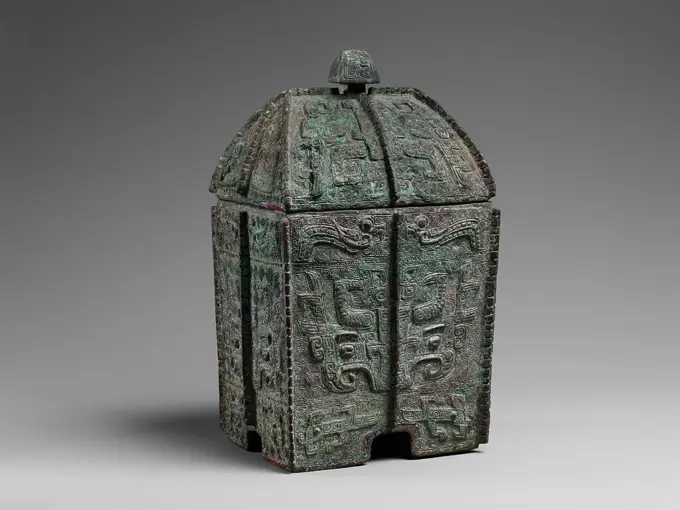
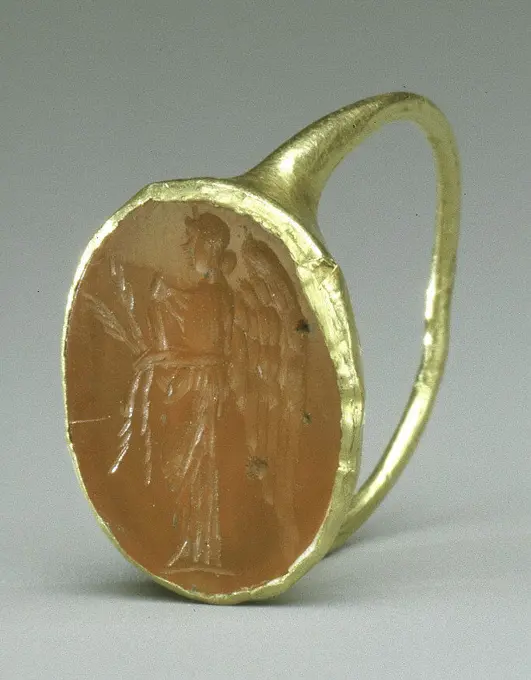
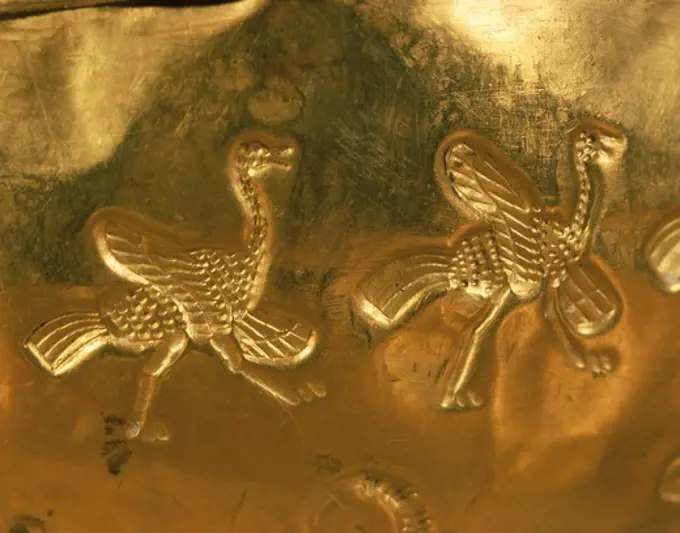
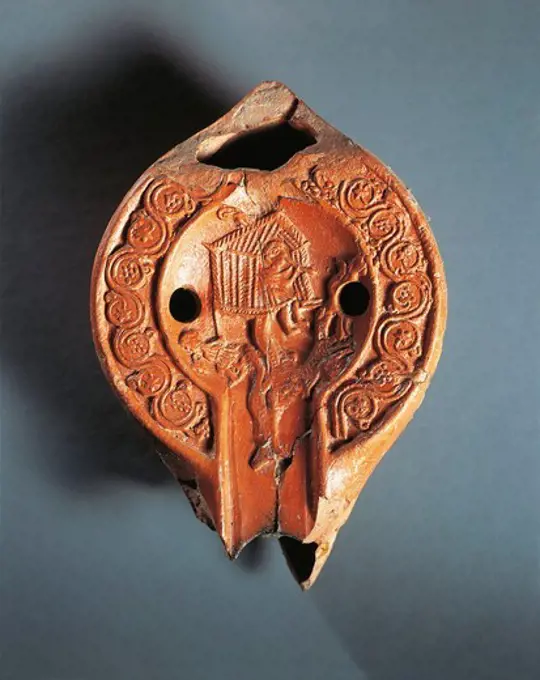
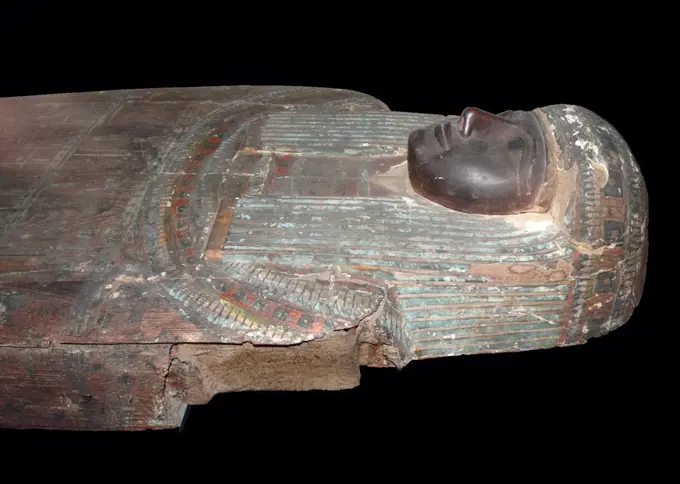
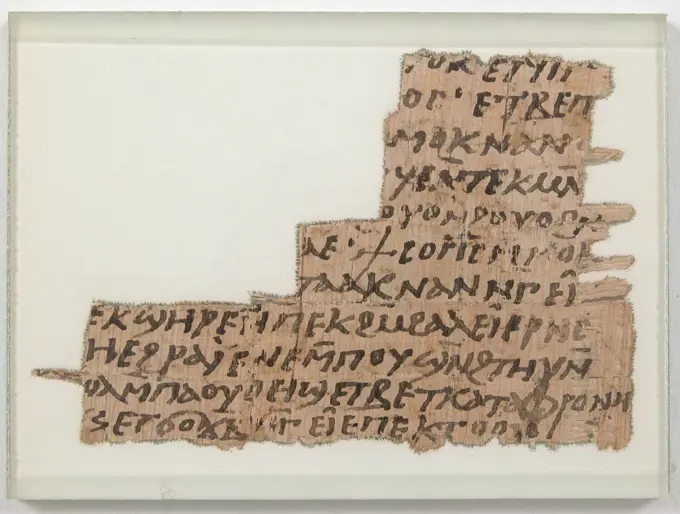
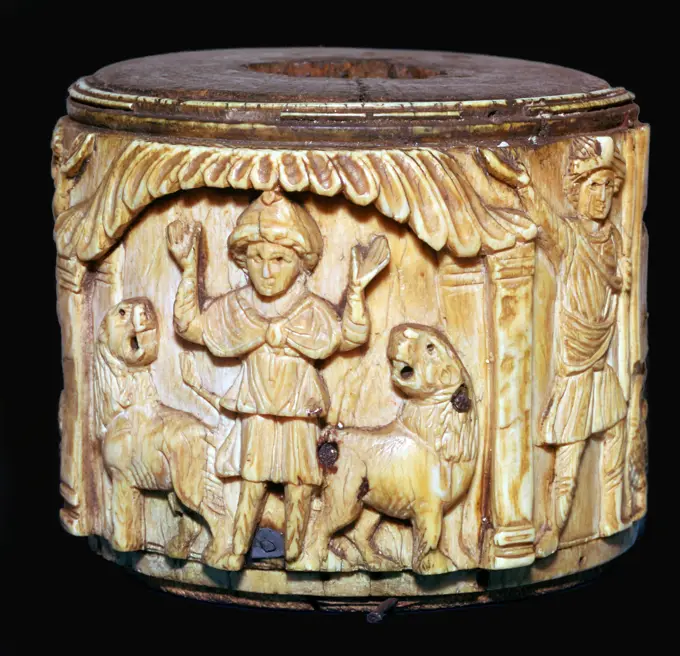
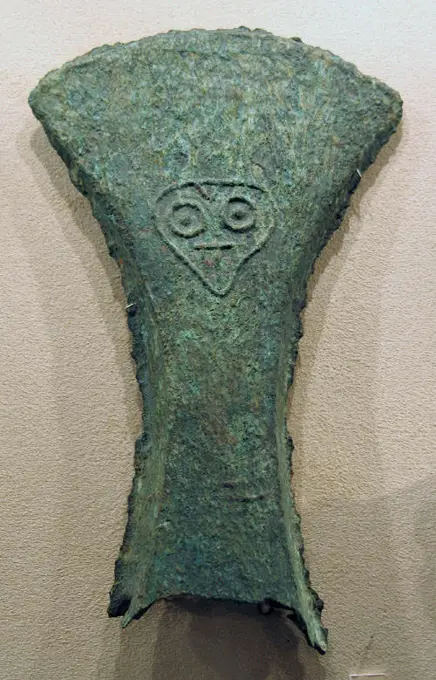
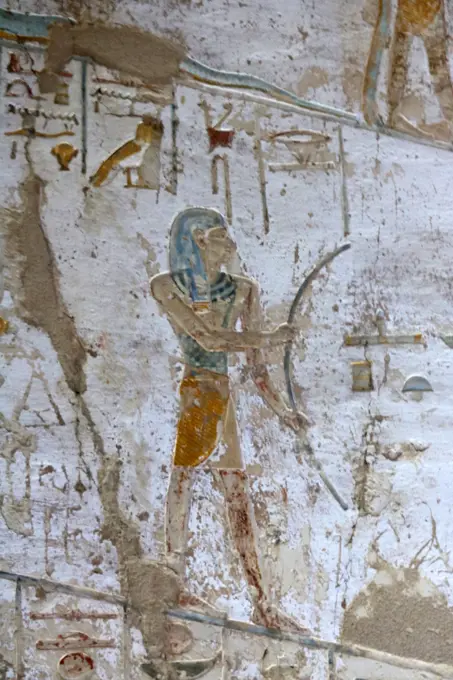
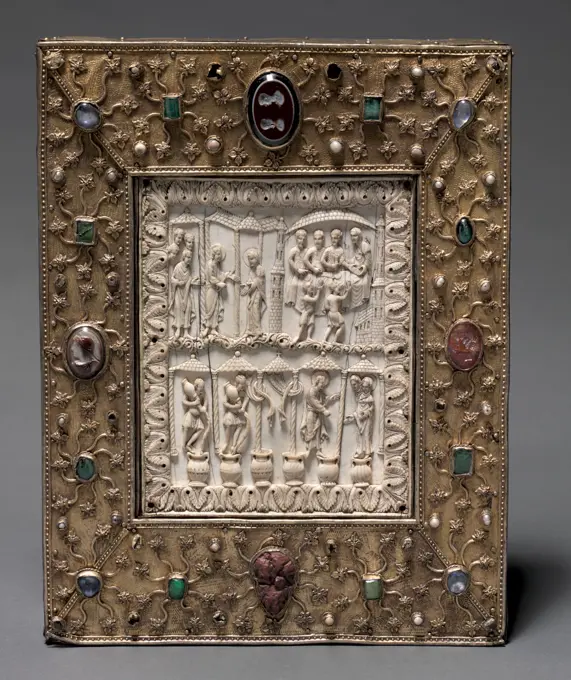
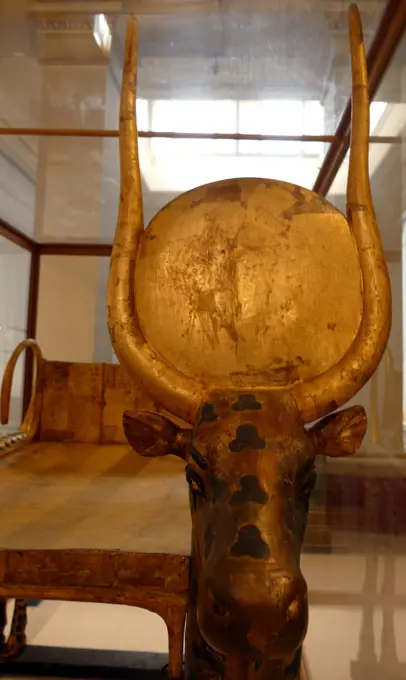
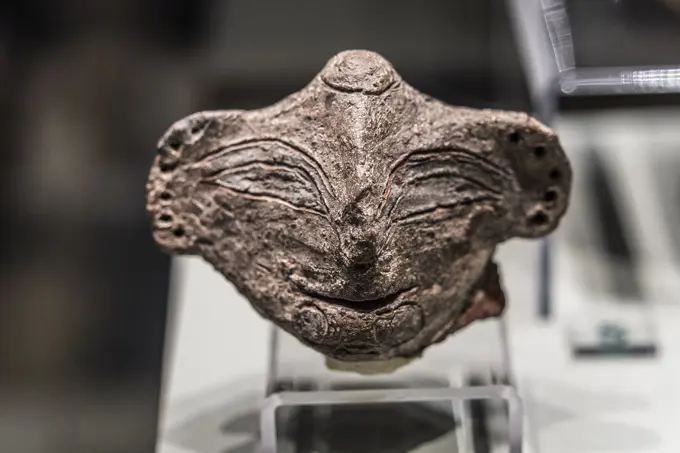
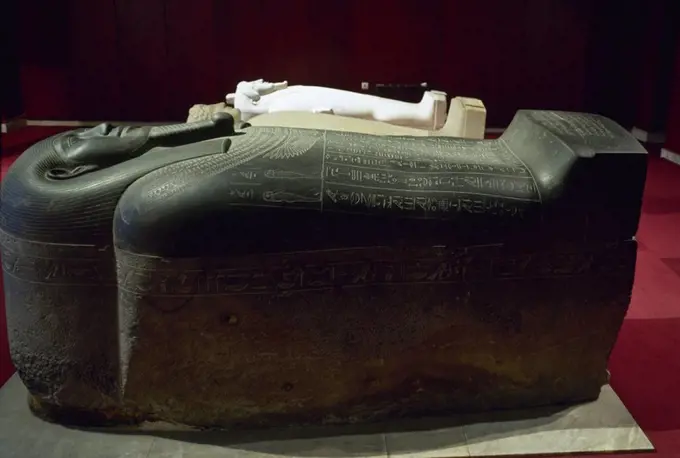
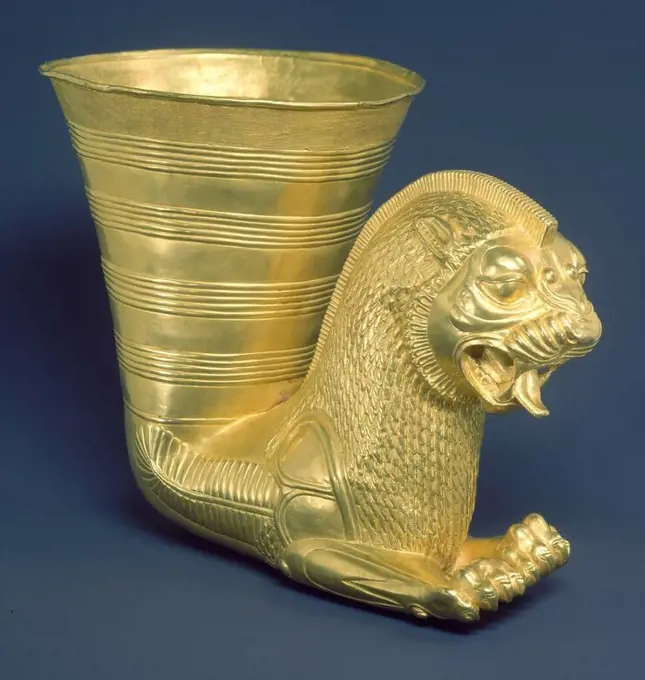
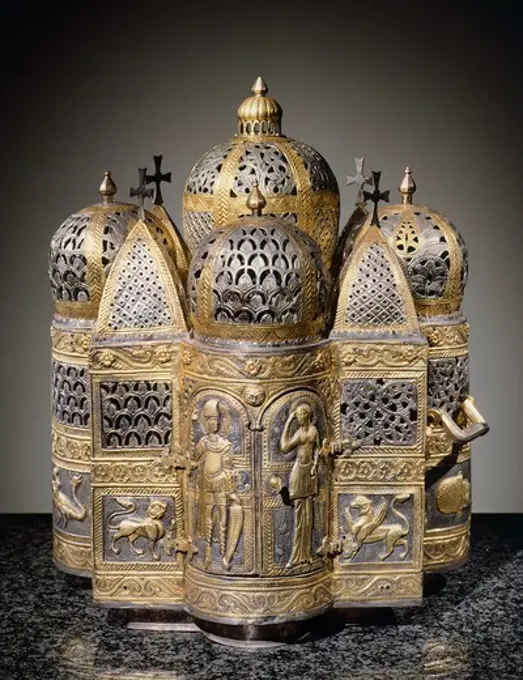
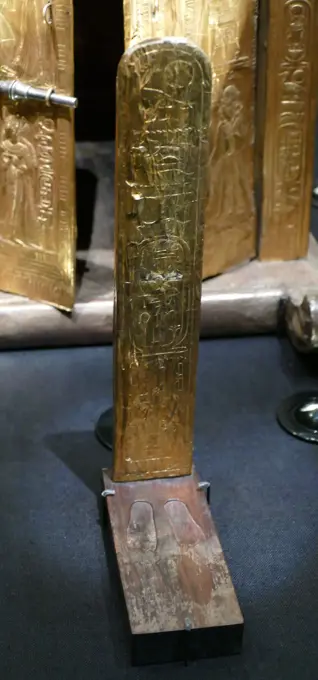
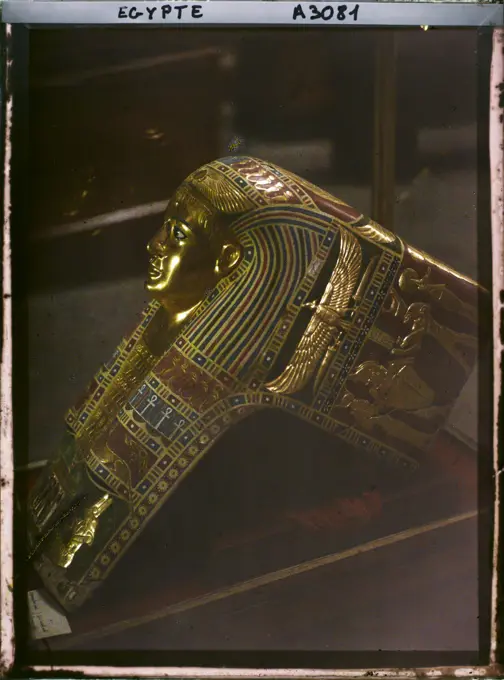
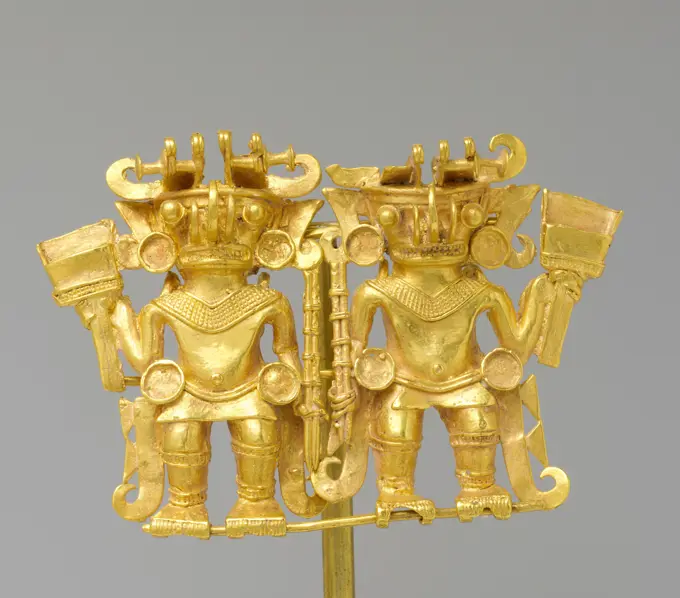
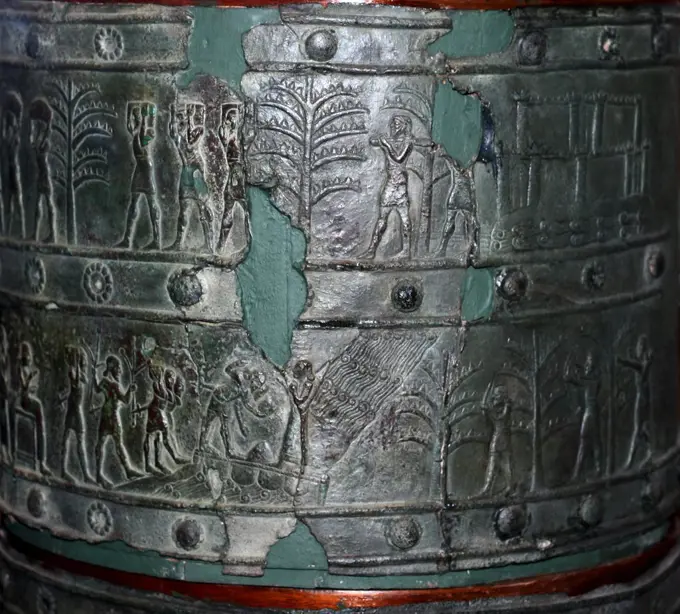
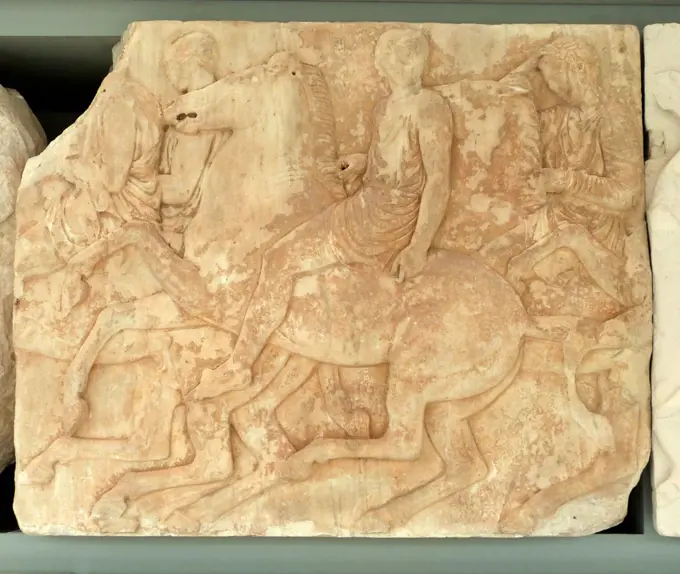
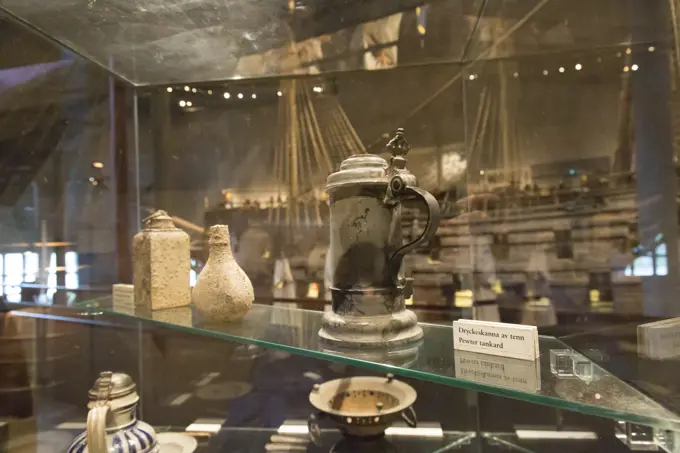
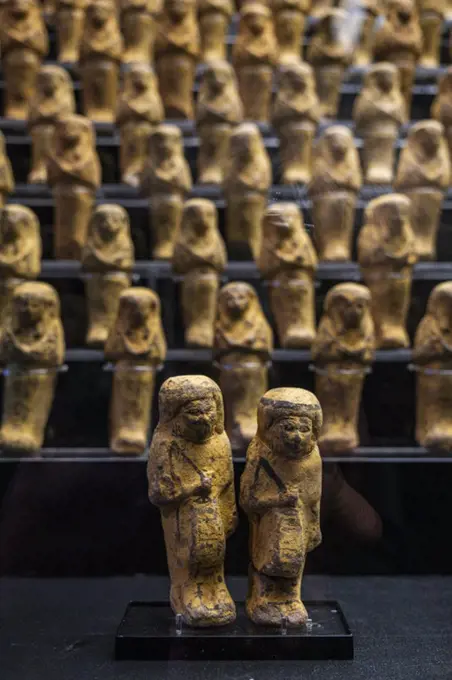
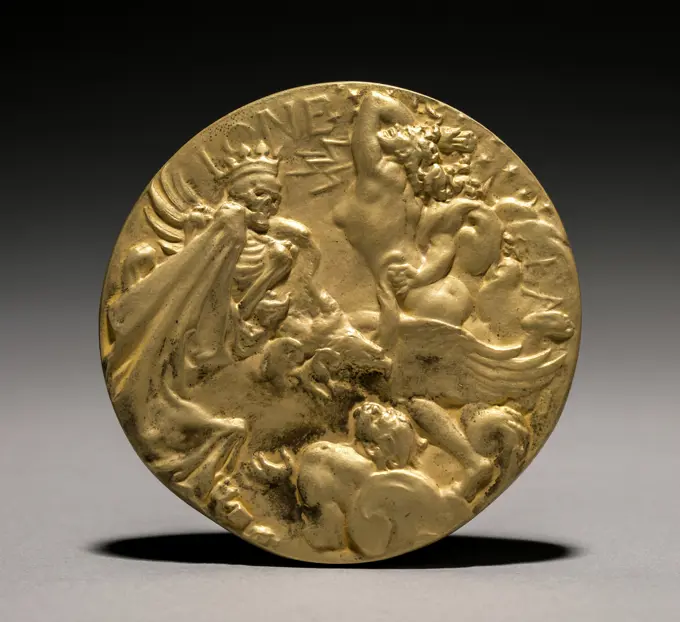
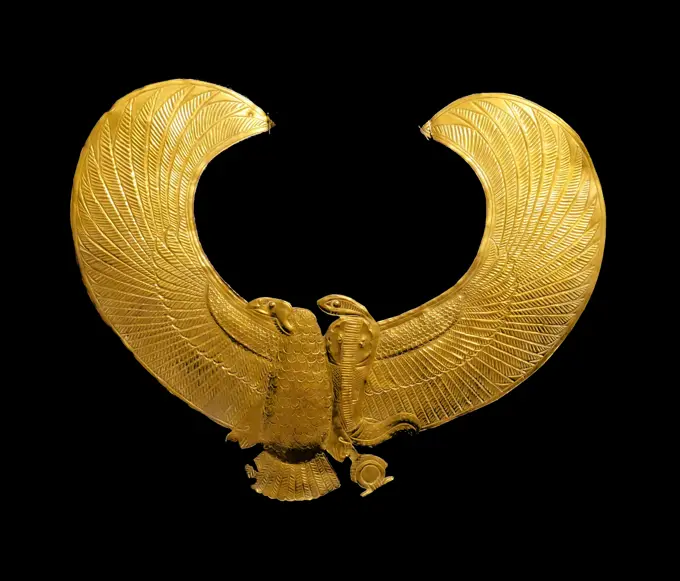
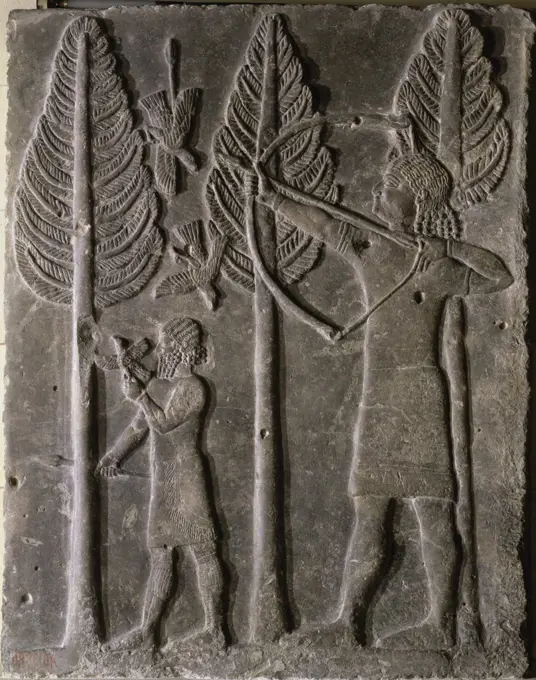
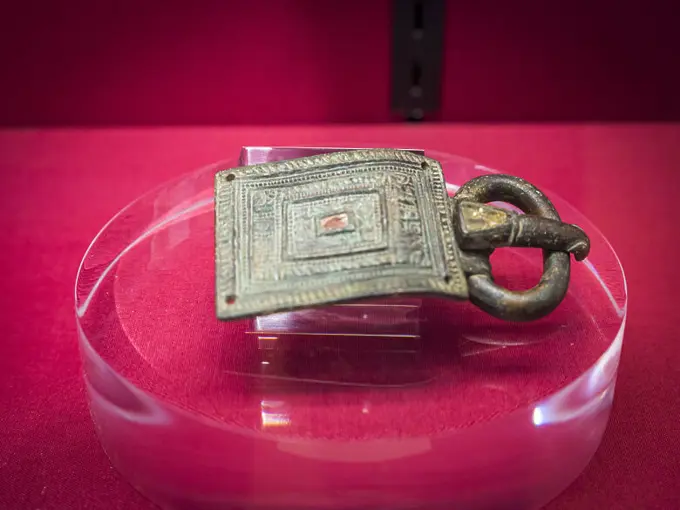
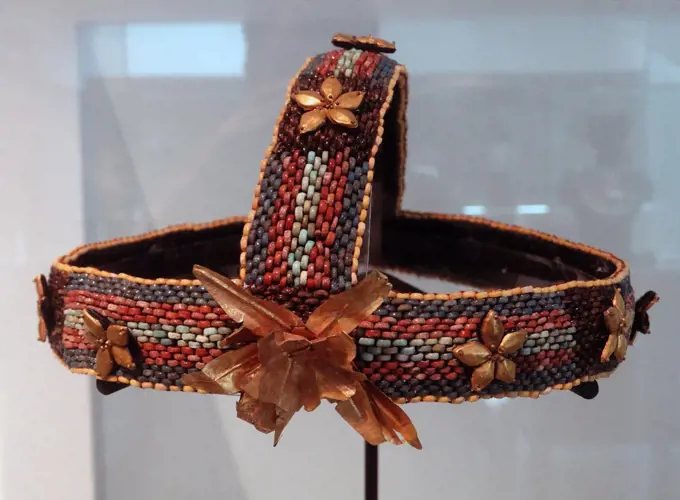
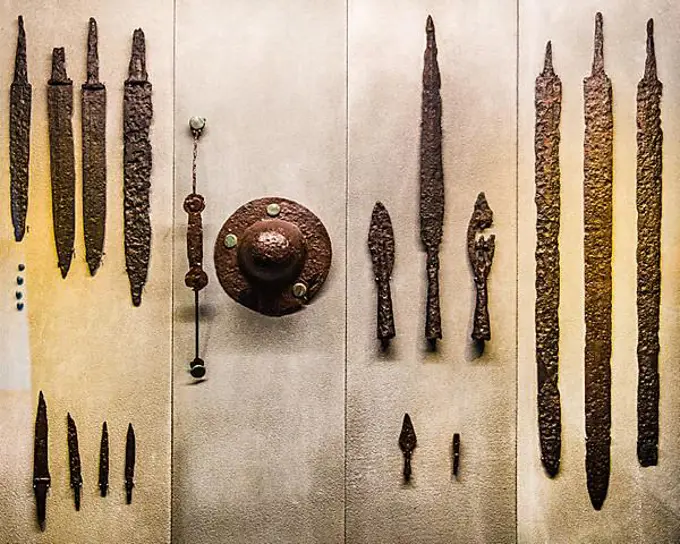
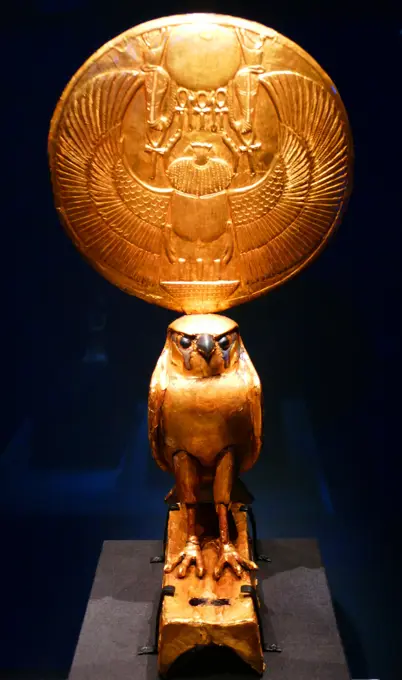
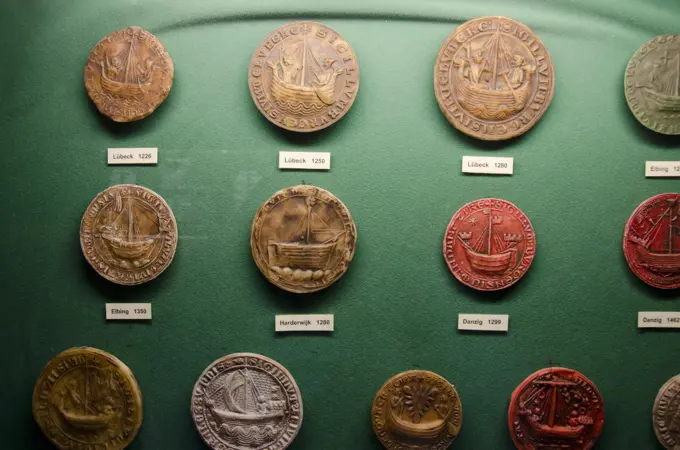
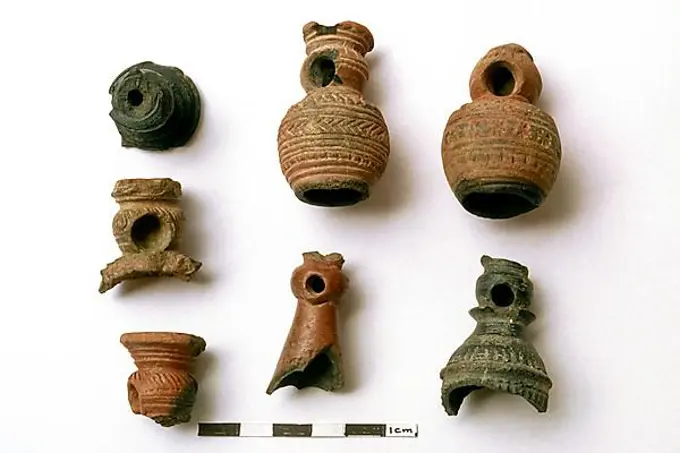
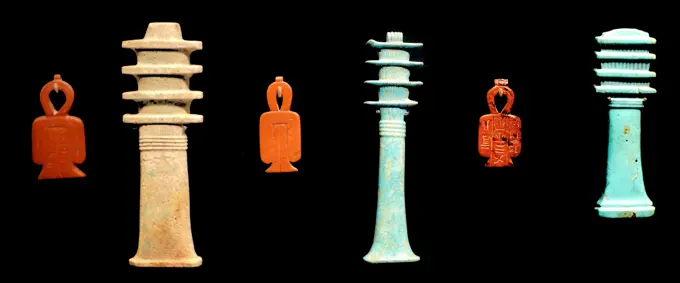
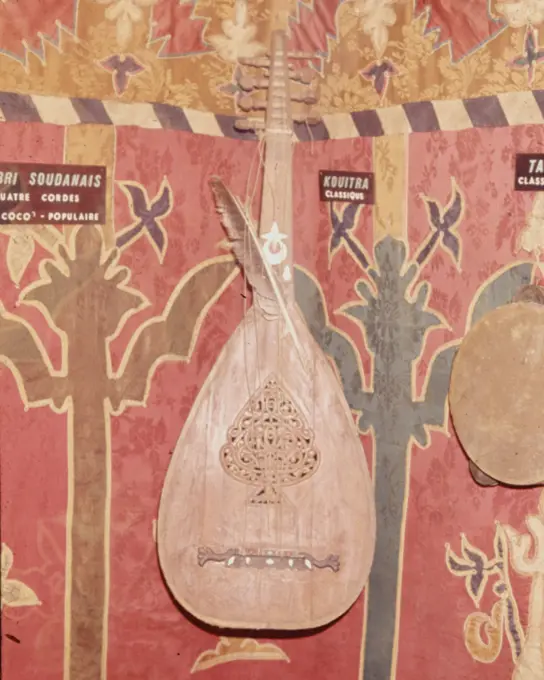
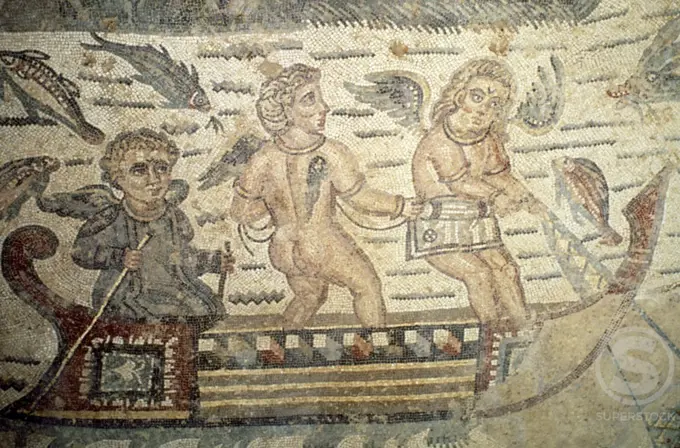
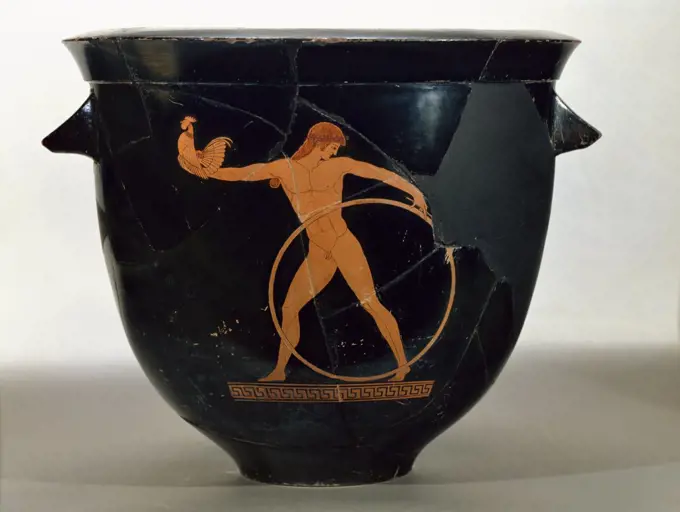
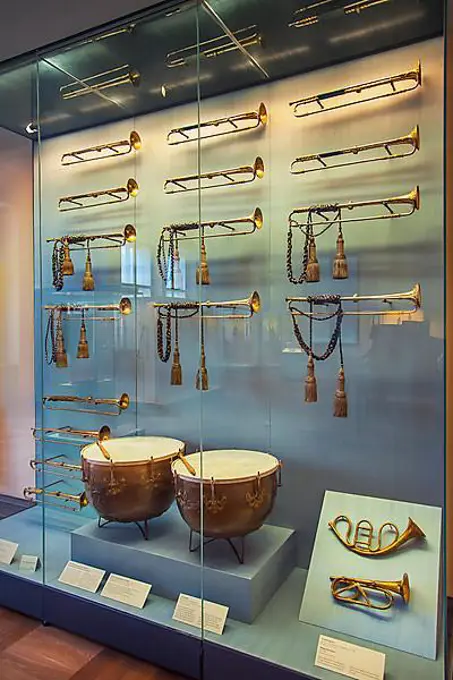
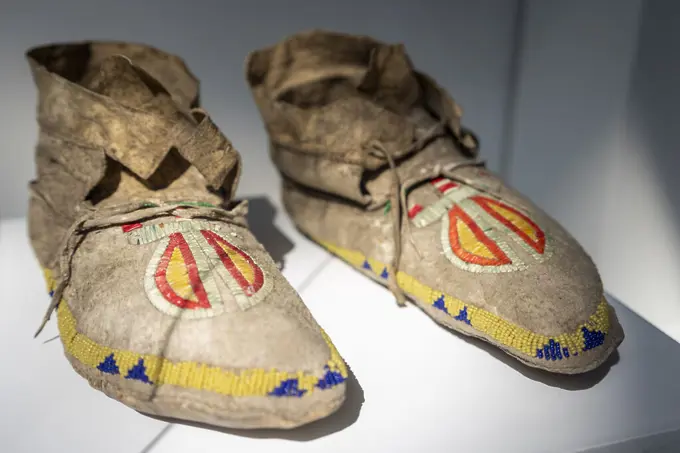
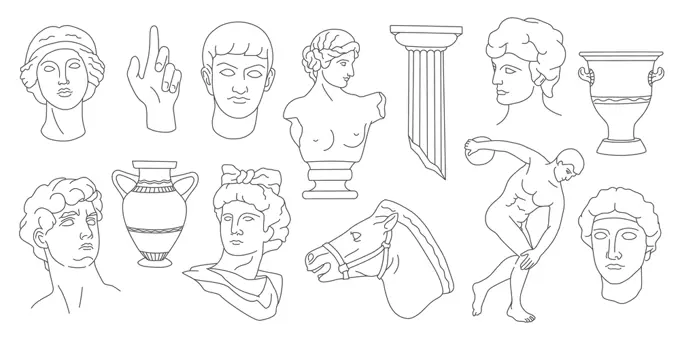
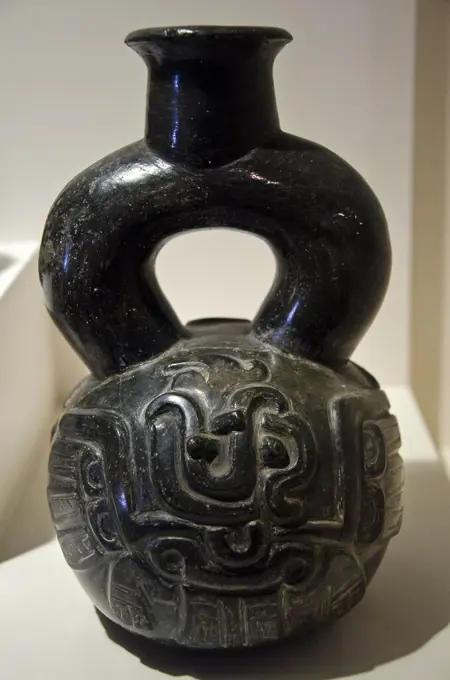
Ceramic vessel Chavín culture 900 BC-200 BC Perú.female anthropomorphic vessel, Neolithic, sixth millennium BC,, Bulgarian National Archaeological Museum, Sofia, Republic of Bulgaria, Europe.Kabbalistic amulets (kemia) from Persia. 20th century. Silver. Sephardic Museum. Toledo. Castile-La Mancha. Spain.Bowl Fragments with Menorah, Shofar, and Torah Ark 300-350 Roman This rare example of Jewish gold glass depicts an open Torah ark, with rolled scrolls on its shelves, and ritual implements of the temple-including two menorot (candelabra), a shofar (ram's horn), and an etrog (citron). Originally, a banqueting scene was shown below, with a fish on the tripod table in front of a cushion.. Bowl Fragments with Menorah, Shofar, and Torah Ark. Roman. 300-350. Glass, gold leaf. Glass-Gold glassKeramikbehälter ceramic container, El Bortal, Karrantza, Arkeologi Museoa, archaeological museum, Bilbao, Bizkaia, Basque Country, Spain Copyright: xZoonar.com/BartomeuxBalaguerxRotgerx 22845564Ritual Covered Wine Vessel. Culture: China. Dimensions: H. 10 1/2 in. (26.7 cm); W. 6 1/8 in. (15.6 cm). Date: 13th-11th century B.C.. Museum: Metropolitan Museum of Art, New York, USA.Belt Buckle (2 Fragments). UnknownGold ring with carnelian intaglio: winged Nemesis 1st-early 3rd century A.D. Roman, Cypriot These items, all found on Cyprus, are very representative of Roman decorative jewelry, in which various designs are combined and highlighted with colored gems in order to make them look as rich and impressive as possible. Similar jewelry is found throughout the Roman Empire. 1. Gold, beryl, and garnet earrings, 3rd century A.D. (74.51.3967, .3968)2. Gold and carnelian ring, carved with the figure of Eros, late 1st century B.C.-1st century A.D. (74.51.4233)3. Gold and carnelian ring, 1st-early 3rd century A.D. (74.51.4234)4. Gold and pearl earrings, 3rd century A.D. (74.51.3853, .3854)5. Gold and garnet ring, 1st century B.C.-1st century A.D. (74.51.4261)6. Gold and beryl ring, late 1st century B.C.-early 1st century A.D. (74.51.4272)7. Gold and banded agate ring, 1st-2nd century A.D. (74.51.4264)8. Gold and garnet ring, 2nd century A.D. (74.51.4262). Gold ring with carnelian intaglio: winged NemCorinthian cup Corinthian cup, Ceramic wheel, 6th century BC., Huelva Museum, Huelva, Andalusia, Spain Copyright: xZoonar.com/BartomeuxBalaguerxRotgerx 21720793CESTILLO MINERO - PROCEDE DE MURCIA. Location: MUSEO ARQUEOLOGICO NACIONAL-COLECCION. MADRID. SPAIN.Half Coat  Bishop coat of arms Jana Rzeszowski  Knocznik (state with a damaged mitra ribbon on the left)  treasury, Wawel Cathedral, KrakowDetail of gold cupSet of jewelry ca. 330-300 B.C. Greek Pediment-shaped gold diadem (06.1217.1)Pair of gold earrings with disk and boat-shaped pendant (06.1217.11-.12)Gold strap necklace with seedlike pendants (06.1217.13)Gold necklace of beads and tubes (06.1217.3)Gold snake ring (06.1217.2)Seven gold rosettes (06.1217.4-.10)This group of jewelry is said to be from Madytos on the European side of the Hellespont. The gold diadem is richly worked in repoussé with an elaborate floral pattern. Dionysos, the god of wine, and his wife Ariadne sit in the center; muses playing musical instruments perch among vines along the sides. The tiny figure of a muse playing a lyre also appears just above the crescent form on each of the boat-shaped earrings. The seedlike pendants of the earrings are identical to those on the elaborate necklace.. Set of jewelry. Greek. ca. 330-300 B.C.. Gold. Hellenistic. Gold and SilverAlgeria, Constantine, Terrracotta Lamp depicting a woman watching at the gatheringOuter coffin of Padimut with a 'Negative Confession' inscription.Papyrus Fragment of a Letter 580-640 Coptic. Papyrus Fragment of a Letter 475006Sarcophagus of Ramses III. Small Side: Nephthis.  1200-1080 B.C. Artist Unknown (Egyptian)  Rose Granite  Musee du Louvre, Paris, France Palettes and tags with cow horns, early predynastic, British museum, London, England, Great BritainPlate with embossed decoration, 4th century, Roman villa of Carranque, Museum of the Councils and the Visigoth Culture, Church of San Román, Toledo, Castilla-La Mancha, Spain.Ivory box showing Daniel in the lions den, 6th century. Artist: UnknownHafted Ax with Moko-Style Face ca. 500 B.C.-A.D. 300 Indonesia. Hafted Ax with Moko-Style Face. Indonesia. ca. 500 B.C.-A.D. 300. Bronze. Bronze and Iron Age period. MetalworkA photograph taken within Tomb KV8, located in the Valley of the Kings, used for the burial of Pharaoh Merenptah of Ancient Egypt's Nineteenth Dynasty. Merneptah or Merenptah (reigned July or August 1213 BC - May 2, 1203 BC) was the fourth ruler of the Nineteenth Dynasty of Ancient Egypt.Book-Shaped Reliquary, c. 1000. Circle of The Master of the Registrum Gregorii (German, active c. 972-1000). Ivory, silver: gilded, pearls, rubies, emeralds, crystals, onyx, carnelian, oak; overall: 31.6 x 24.4 x 7.5 cm (12 7/16 x 9 5/8 x 2 15/16 in.); part 1: 17.8 x 14 cm (7 x 5 1/2 in.).Funerary Bed with Sides in the form of Mehet-Weret. Belonging to Egyptian King Tutankhamen. anthropomorphic figurine head, Chalcolithic, fifth millennium BC, Bulgarian National Archaeological Museum, Sofia, Republic of Bulgaria, Europe.Sarcophagus of Tabnit. Egyptian king of Sidon. 6th century BC. Archaeological Museum of Istanbul. Turkey.ESPEJO ENCONTRADO EN EXCAVACIONES DE BAR KOKHBA.Wine cooler. Work of Charles Frederick Kandler I (active 1727-1750). Silver. London, 1734-1735. The State Hermitage Museum. Saint Petersburg. Russia.Vessel terminating in the forepart of a fantastic leonine creature. Culture: Achaemenid. Dimensions: H. 17 cm. Date: ca. 5th century B.C..Horn-shaped vessels ending in an animal's head have a long history in the Near East as well as in Greece and Italy. Early Iranian examples are straight, with the cup and animal head in the same plane. Later, in the Achaemenid period, the head, or animal protome, was often placed at a right angle to the cup, as in this piece. In the manufacture of this gold vessel, several parts were invisibly joined by brazing, which demonstrates superb technical skill. One hundred and thirty-six feet of twisted wire decorate the upper band of the vessel in forty-four even rows, and the roof of the lion's mouth is raised in tiny ribs. Typical of Achaemenid style, the ferocity of the snarling lion has been tempered and restrained by decorative convention. The lion has a crest running down his back; his mane has the disciplined appearance of a woven material; and his Incense burners and reliquary in the shape of a domed building, filigreed. Goldsmith art, Italy, 12th century.Gilded wooden shrine with depictions of Tutankhamun and Ankhesenamun. From the tomb of King Tutankhamun. 1326 BCDouble Figure Pendant 11th-16th century Chiriqui. Double Figure Pendant 316669Cairo, Egypt, Africa mask in gold at the Egyptian museum , 1914 - Egypt - Auguste Léon - (January -February) (French - Le Caire , Egypte , Afrique Masque en or au musée égyptien). Museum, engraving, mask, painted decor, showcase , display, Art, Egypt, Cairo Museum, golden mummy mask and enamel inlays (4276) Ptolemaic periodRectangular VotiveOfferingRoman lycurgus cup depicting king Lycurgus stuck in branches of vine, 4th CenturyDouble Bat-Nosed Figure Pendant 12th-14th century Coclé (Parita). Double Bat-Nosed Figure Pendant 309421Collar of Khnumit from Dahshur, 1929-1897 b.c.CELADA DE PARADA-NAZARI-FIN S XV-ACERO DORADO/PLATEADO Y ESMALTE CLOISONNE. Location: METROPOLITAN MUSEUM OF ART. NEW YORK.Bronze gate ornaments. Assyrian (circa 883-859 BC). From Balawat, near Nimrud. Embossed with scenes of warfare, prisoners and tribute bearers to represent the achievements of Ashurnasirpal II.Plastered and painted wood casket, for canopic jars of deceased TakhamPurse, Medium: silk, metal Technique: tapestry woven, Very small green silk bag composed of four shield-shaped panels joined with very narrow gold braid and edged at the top with the same. Silk is woven with gold, silver and orange silk threads in a symmetrical floral design. Silk draw cords and drops covered with silver net. Lined with blue taffeta., France, 17th century, costume & accessories, PurseHorsemen depicted in part of the Parthenon friezes at the Parthenon/Acropolis museum, AthensSweden, Stockholm, island of Djurgarden. Vasa Maritime museum. Fully intact, restored, 17th century ship relics. (Editorial Use Only)French light cavalry dragon helmet, Álava Armory Museum, Vitoria, Basque Country, Spain.Ushabti, Gregorian Egyptian Museumn Musei Vaticani, State of the Vatican City, Roma, Lazio, Italia.Medal: Lindbergh's Flight (reverse), 1900s. Frederick William MacMonnies (American, 1863-1937). Bronze; diameter: 7.2 cm (2 13/16 in.).Replica gold pectoral in the shape of a vulture; from the Tomb of King Tutankhamen. Howard Carter (1874 - 1939); British archaeologist and Egyptologist who became world-famous after discovering the intact tomb (designated KV62) of the 18th Dynasty Pharaoh, Tutankhamen (colloquially known as "King Tut" and "the boy king"), in November 1922.Relief:  Hunting Scene  Mesopotamian Art  Musee du Louvre, Paris belt clasp, Arroyo del Ojanco, Visigothic era, Archeological Museum. Úbeda, Jaén province, Andalusia, Spain.Egyptian beaded skullcap. Faience and gold sheet. New Kingdom (1550-1070 BC). In the front is a large lotus, a flower that emerges from the waters every morning, disappearing at night; itís a symbol of regeneration and resurgence.Weapons from the Lombard period, Santa Giulia, City Museum, Brescia, Lombardy, Italy, Brescia, Lombardy, Italy, EuropeBell Cardinal (Herb Dębno)  Zygmuntów Tower, Wawel Cathedral, Krakow B KOWSKI, J.Gilded wooden figure of a hawk carrying a sun disk. from the tomb of King Tutankhamun. 1326 BCArchaeological Museum of Ibiza and Formentera, World Heritage Site "Ibiza, biodiversity and culture", Ibiza, balearic islands, Spain.Norway, Bergen. Hanseatic Museum. Historic city seals. UNESCO7th century terracotta smoking pipes, Tamil Nadu, South India, India, AsiaPrehistory, Italy, Iron Age. Pectoral pendant. From Pianello di Castelbellini, province of Ancona.Egyptian Faience Djed pillar, amulets from an 18th Dynasty Tomb, circa 1400 BCArabic musical instruments.Italy, Sicily, Piazza Armerina, Villa of Casale, Mosaic with fishing scene, 2nd-4th C. A.D.Krater:  Athlete  Greek Art  Musee du Louvre, Paris  Pendant, Slate, gold, circa 1450 BC, Nederlands, Leiden, Rijksmuseum van Oudheden,Papyrus Fragments of a Letter 7th century Coptic. Papyrus Fragments of a Letter. Coptic. 7th century. Papyrus with ink. Made in Thebes, Byzantine Egypt. PapyrusArtifacts in the Archaeological Museum at the Convent of Our Lady of Mount Carmel (Church of Santa Maria do Carmo), Bairro Alto, Lisbon, Portugal.Florence, Collection Bardini, Collection of decorated vases, recto - printed, photomechanical print, photos, Pl. 17, height 268 mm, width 363 mm, maker, manufacturer, 1875 - 1930, paper, collotype, photoprint, container of ceramics: jar, jug, pot, vase12 natural trumpets of silver, Nuremberg 1744 and 1775, a pair of timpani 17th century, National Museum, Munich, Upper Bavaria, Bavaria, Germany, EuropeEngland, Cornwall, Geevor Tin Mine, Display of Cornish Smelters' House MarksWolf teeth necklace from South Newton barrow, bronze dagger from Winterbourne Stoke. With permission of Wiltshire Museum, Devizes, England, UKbison hoof moccasins, Hidatsa culture, Great Plains of the United States, 1800-1920, leather, porcupine quills, glass beads, sinew thread,Anthropology National Museum, Madrid, Spain.Ancient Chinese currency, copper coins, on display in the Shanghai Museum, ChinaAntique greek sculptures heads, columns, amphoras and gypsum hand. Ancient horse sculpture. Line classic greece statue silhouette vector set. Antique statue body from marble. Antique greek sculptures heads, columns, amphoras and gypsum hand. Ancient horse sculpture. Line classic greece statue silhouette vector set