Ancient Ceramic Bowls and Jars

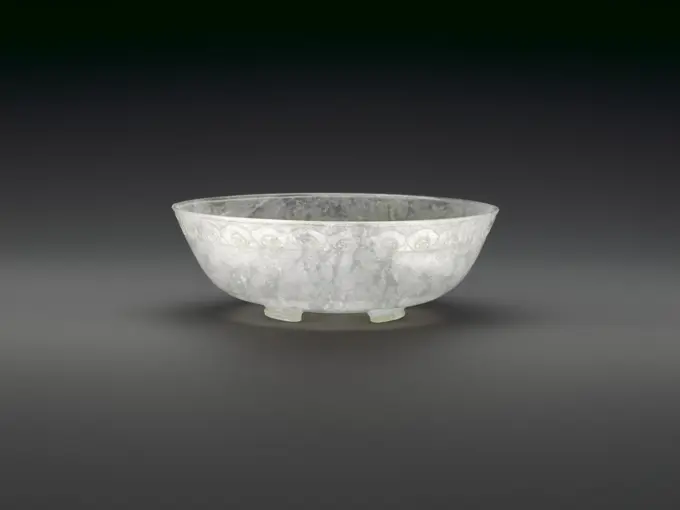
Artistic representations of ancient ceramic bowls and jars, featuring intricate designs and historical context, showcasing craftsmanship from various cultures.

Bowl with four lines, anonymous, c. 1175 - c. 1224 Come from quartz fritry with four wide radial blue lines under transparent alarm laze. Iran earthenware. glaze. cobalt (mineral) painting / vitrification Come from quartz fritry with four wide radial blue lines under transparent alarm laze. Iran earthenware. glaze. cobalt (mineral) painting / vitrification
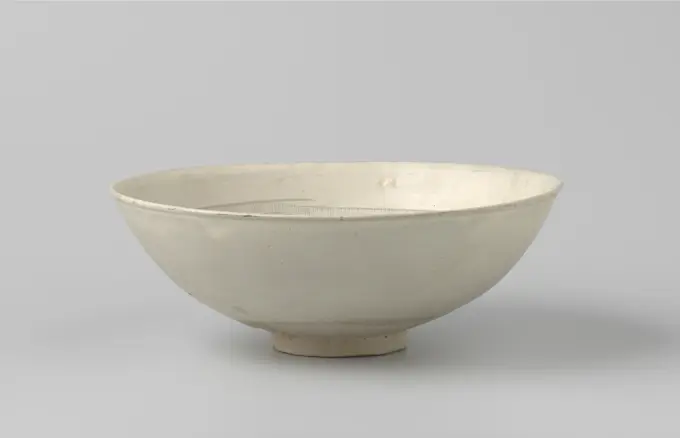
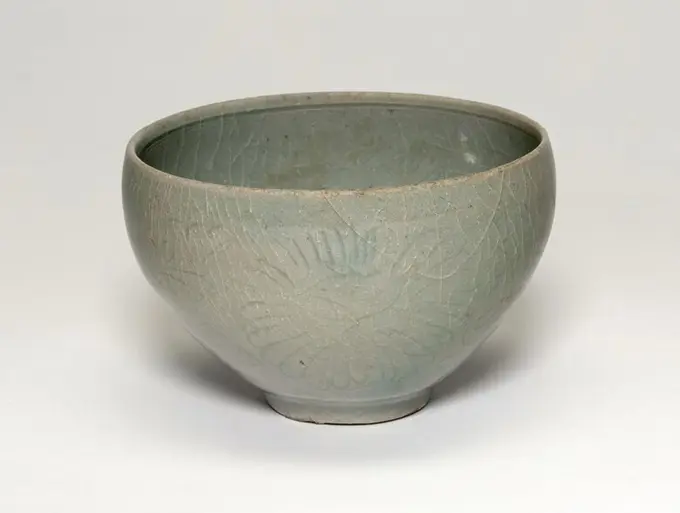
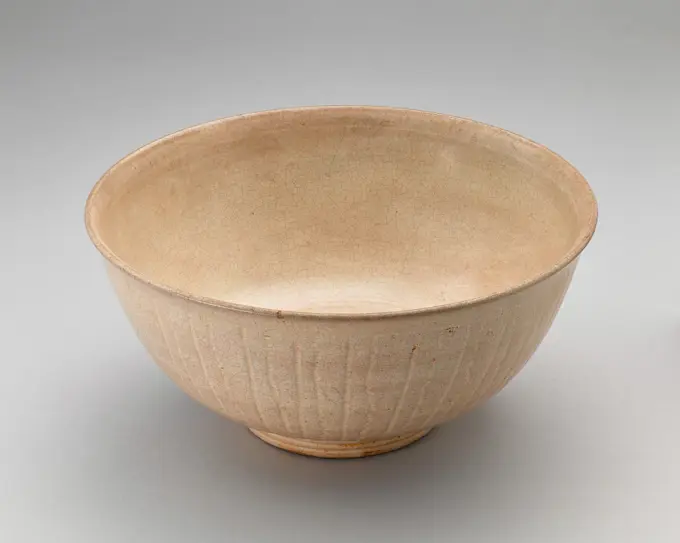
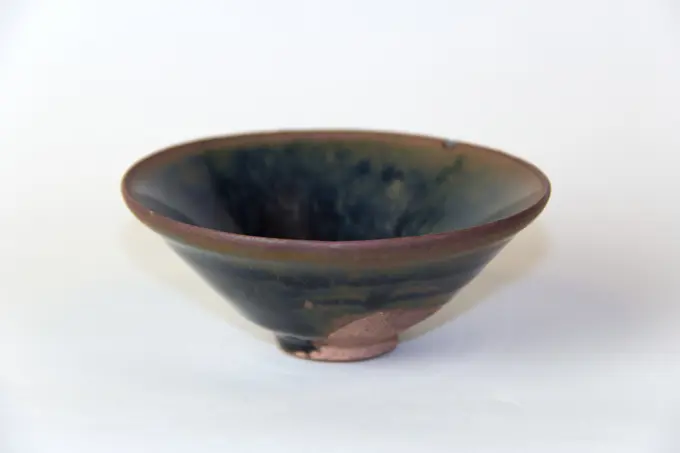
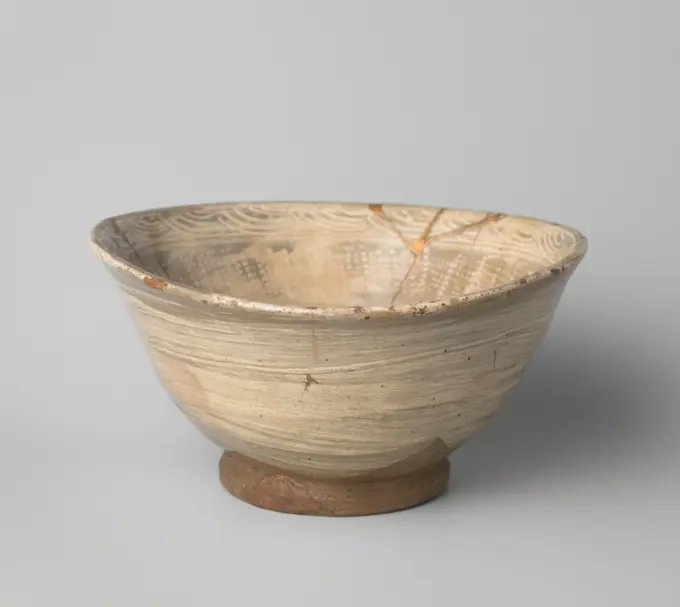
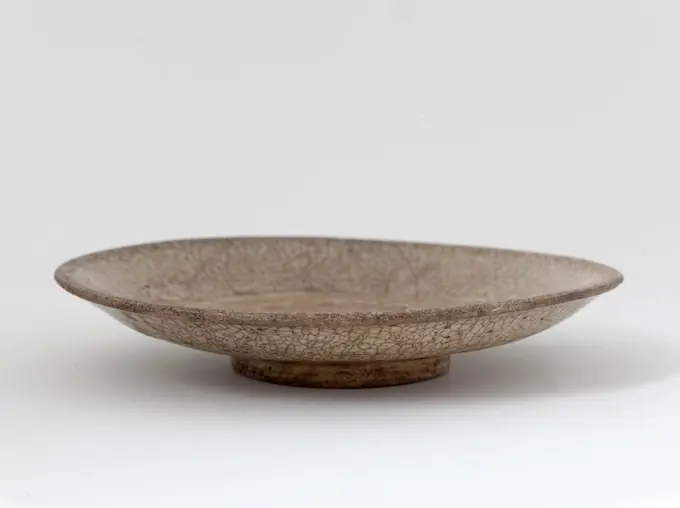
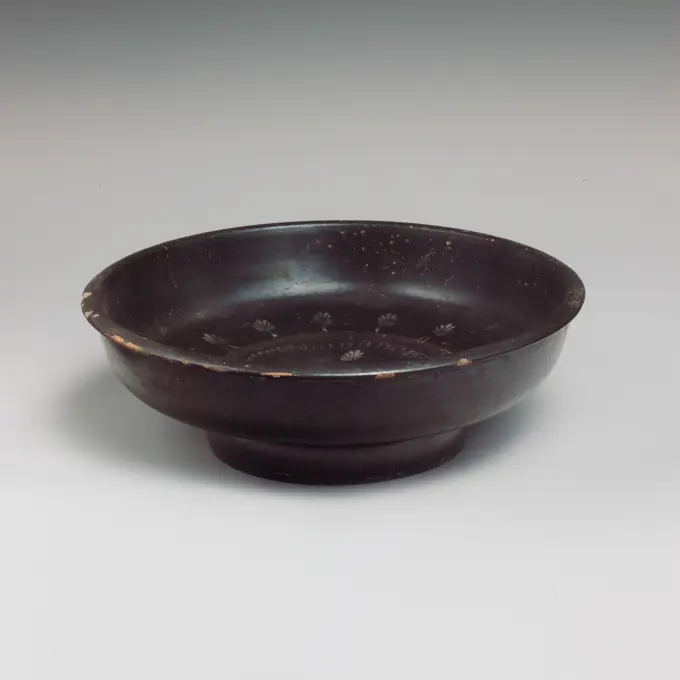
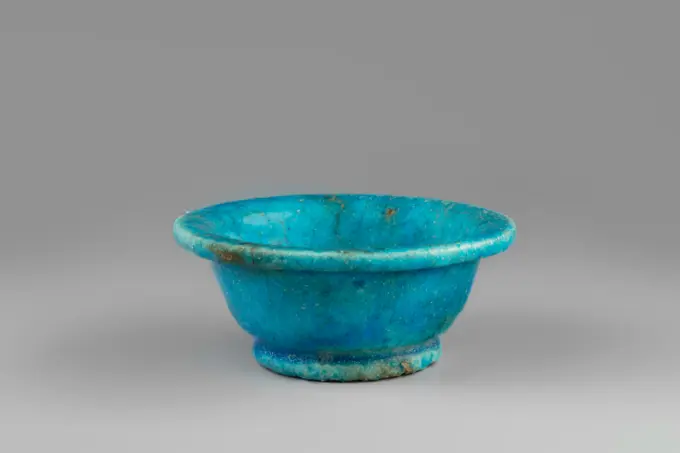
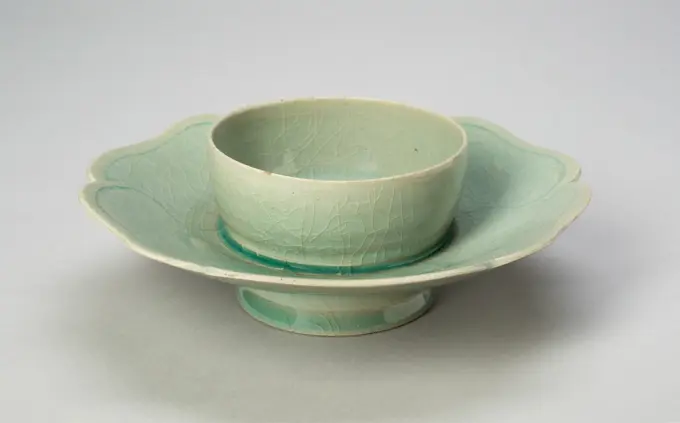
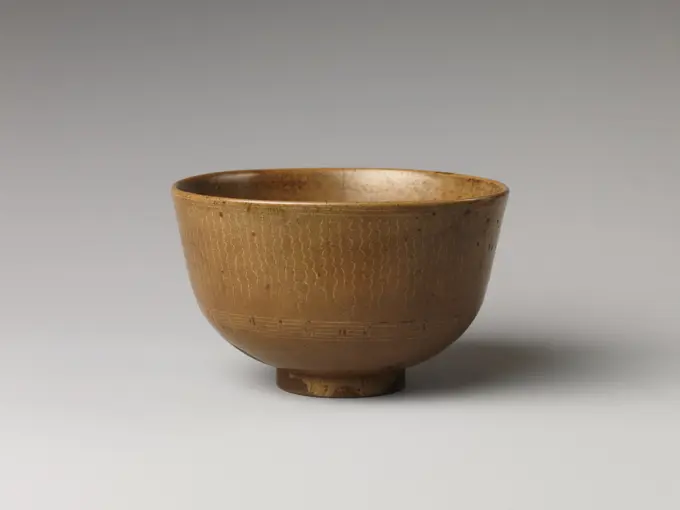
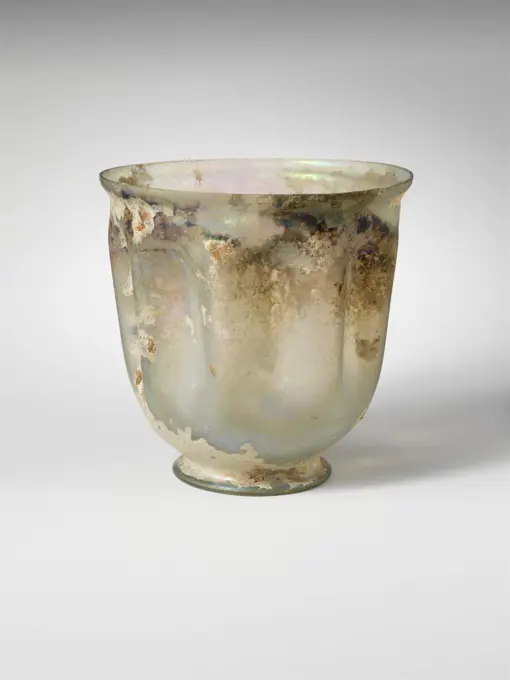
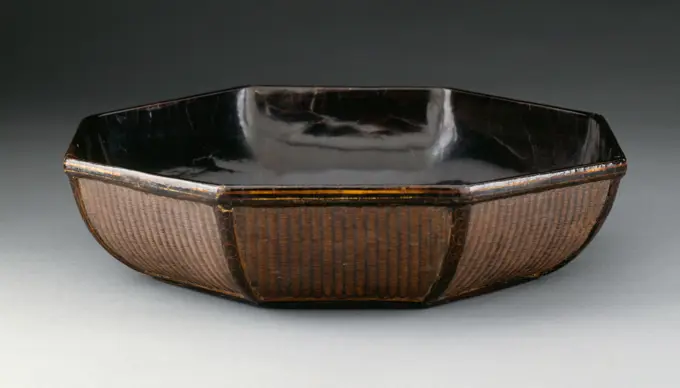
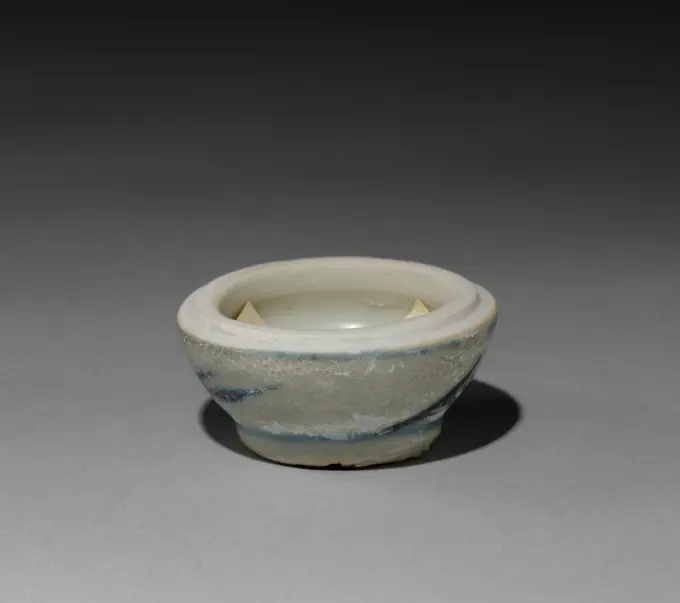
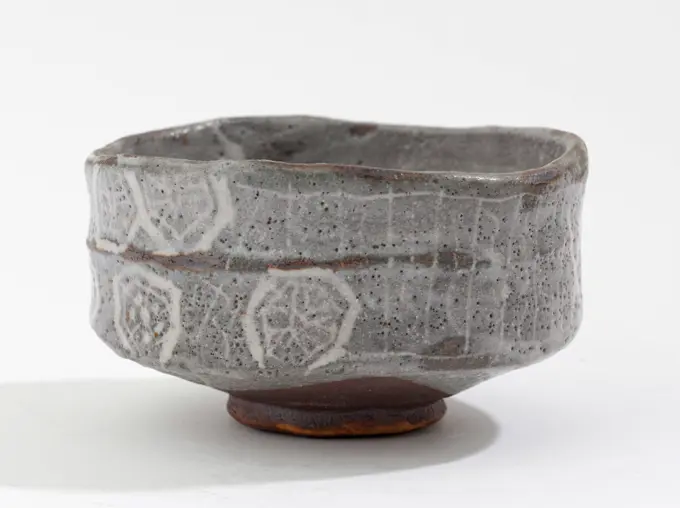
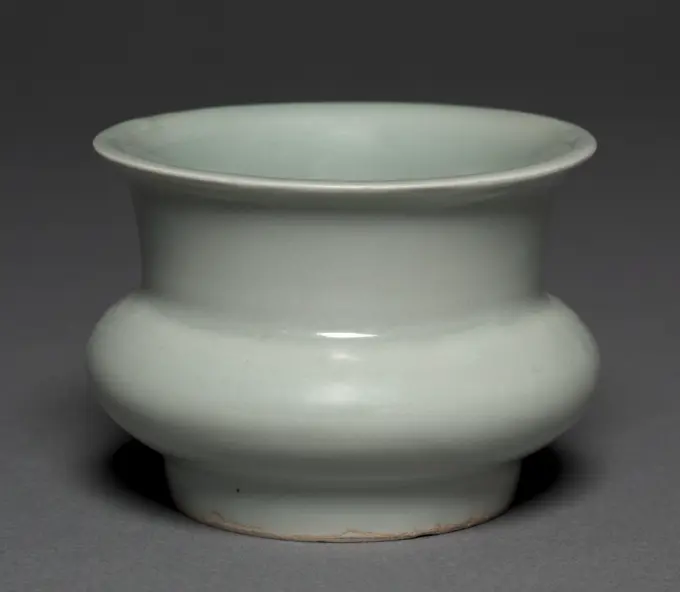
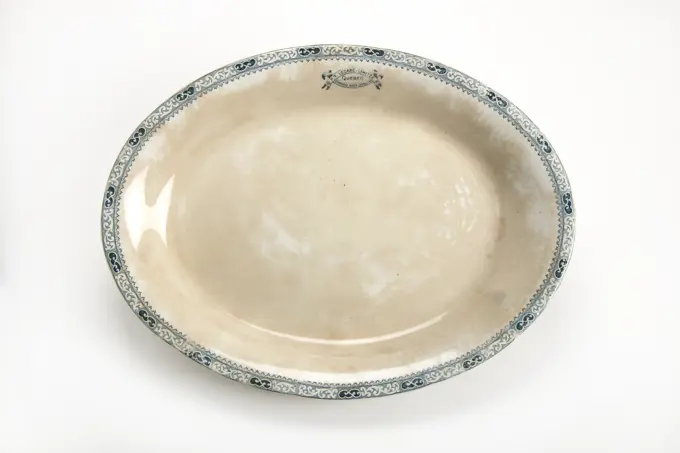
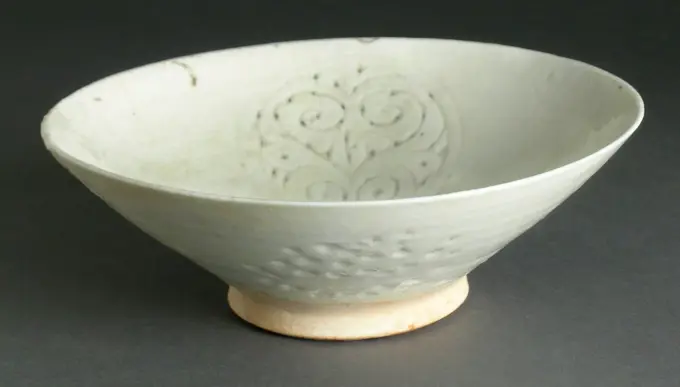
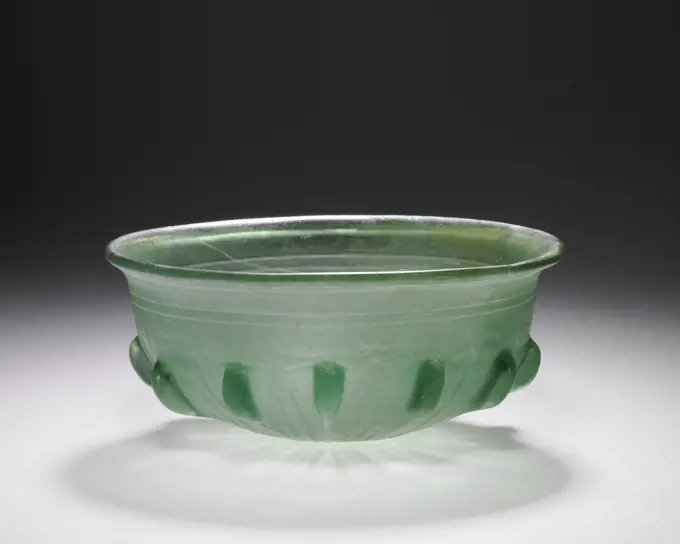
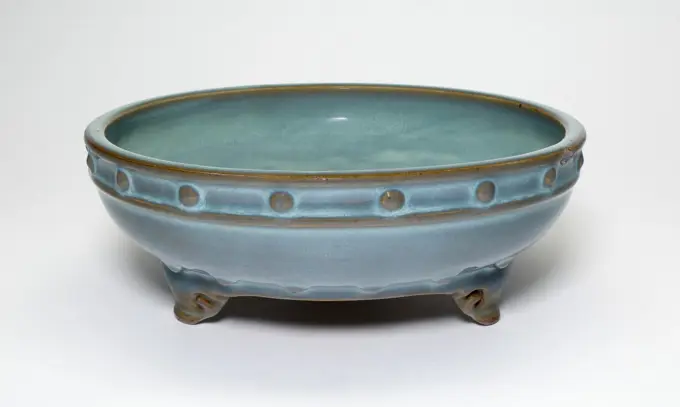
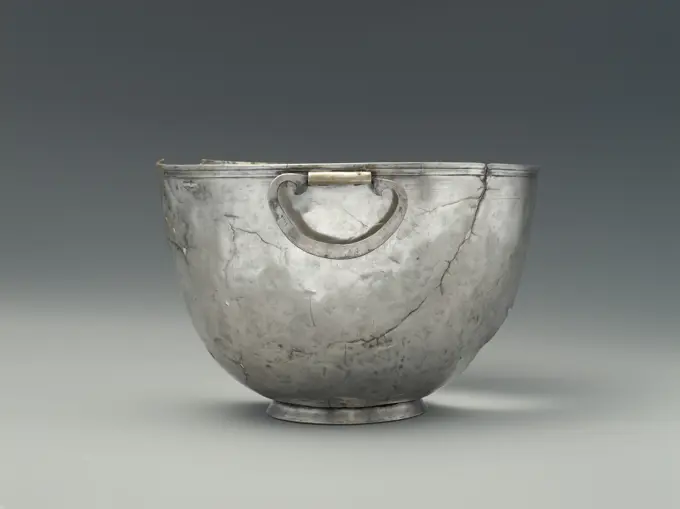
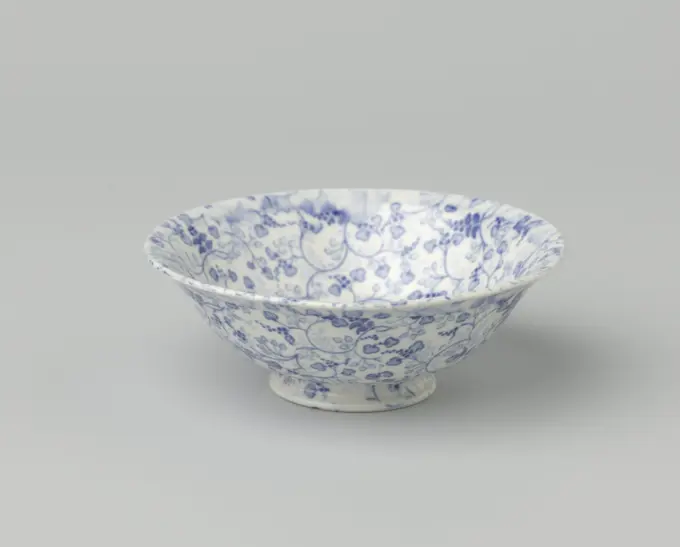
Plat. Qingbai couvertship. Par musée musée malée. 78845-14 Asian art, ancient ceramic, containerBowl with pseudo-inscription and scrolls, anonymous, c. 1200 - c. 1299 Come from quartz fritry with a painting of pseudo-script and ranks in brown and blue under transparent alarm laze. Iran earthenware. glaze. cobalt (mineral) painting / vitrification Come from quartz fritry with a painting of pseudo-script and ranks in brown and blue under transparent alarm laze. Iran earthenware. glaze. cobalt (mineral) painting / vitrificationBowl with four lines, anonymous, c. 1175 - c. 1224 Come from quartz fritry with four wide radial blue lines under transparent alarm laze. Iran earthenware. glaze. cobalt (mineral) painting / vitrification Come from quartz fritry with four wide radial blue lines under transparent alarm laze. Iran earthenware. glaze. cobalt (mineral) painting / vitrificationBowl -Jar with Fluted Rim. China. Date: 900 AD-999 AD. Dimensions: H. 8.9 cm (3 1/2 in.); diam. 14.0 cm (5 1/2 in.). Ding ware; glazed porcelain. Origin: China. Museum: The Chicago Art Institute, Chicago, USA.Glass bowl with cut decoration. Culture: Roman. Dimensions: H. 1 7/8 in. (4.8 cm) diameter 3 9/16 in. (9 cm). Date: 4th century A.D..Colorless.Uneven, slightly inverted, ground rim; hemispherical body; slightly flattened but round bottom.Wheel-cut decoration on exterior: immediately below rim band of three parallel horizontal lines, the central one being broader than the two flanking lines; on body, continuous frieze of four standing figures, alternating with vertical columns: each figure faces front with head turned in profile to left, wearing tunic with vertical stripes and holding long-stemmed plants in both hands outstretched to either side, and the columns are rendered with three vertical grooves, with capitals and bases represented by two horizontal grooves; on bottom, a rosette or star with eight radiating lines.Intact; very few bubbles; dulling, iridescence, and patches of limy weathering.A number of bowls with very similar cut decoration are known from the Rhineland. As eBowl mid 6th-5th millennium B.C. Ubaid This dish is decorated with a dark brownish paint in three concentric rings. The band around the rim is the widest, while the inner ring is ornamented with three groups of double half-moons in solid paint facing the center of the dish. The dark painted pale pottery characteristic of the Ubaid period has been found throughout Mesopotamia. It originated in the south, and then spread north and west. Over time the designs changed, which helps archaeologists to date sites where it is found. The whole sequence of Ubaid pottery was excavated at the southern Mesopotamian site of Eridu, where this bowl was discovered in a grave (Ubaid Cemetery, Grave 136). Toward the end of the Ubaid period in the south, pottery was less skillfully painted but some of the grave pottery, like this one, has simple but bold and effective designs.. Bowl. Ubaid. mid 6th-5th millennium B.C.. Ceramic. Ubaid. Mesopotamia, Eridu (modern Abu Shahrein)Come with Lotus motifs, Anonymous, 1200 - 1399  China stoneware. earthenware. vitrification  China stoneware. earthenware. vitrificationSmall Bowl with Peony Flowers. Korea. Date: 1000-1035. Dimensions: H. 5.3 cm (2 1/16 in.); diam. 8.3 cm (3 1/4 in.). Celadon-glazed stoneware with underglaze incised decoration. Origin: Korea. Museum: The Chicago Art Institute, Chicago, USA.Glass conical bowl. Culture: Greek. Dimensions: H.: 2 15/16 in. (7.5 cm)Diam.: 5 1/4 in. (13.3 cm). Date: mid-2nd to early 1st century B.C..Translucent honey brown.Upright rounded rim with almost pointed upper edge; straight side, tapering diagonally downward; convex bottom.On interior, three horizontal grooves cut in a band below rim; on exterior, two lightly abraded grooves in a band around lower body.Broken and repaired, with two holes in side and large chip in rim; few bubbles; patches of deep pitting and weathering with brilliant iridescence on exterior, and thick creamy weathering on interior. Museum: Metropolitan Museum of Art, New York, USA.Small bowl (common name). Celadon coverage sandstone. Cernuschi Museum, Asia Museum of Asia in the city of Paris.Bowl with a stylized bird and sprays, anonymous, c. 900 - c. 999 Come of earthenware with white sludge and a painting of colored sludge under a transparent lead glaze. A medallion with a stylized bird on the bottom. A stylized branch twice on the inner wall. Nishapur (possibly) earthenware. glaze painting / vitrification Come of earthenware with white sludge and a painting of colored sludge under a transparent lead glaze. A medallion with a stylized bird on the bottom. A stylized branch twice on the inner wall. Nishapur (possibly) earthenware. glaze painting / vitrificationBowl. China. Date: 618 AD-907 AD. Dimensions: H. 5.4 cm (2 1/8 in.); diam. 17.6 cm (6 15/16 in.). Slip-coated earthenware with cream glaze. Origin: China. Museum: The Chicago Art Institute, Chicago, USA.Dish with Incised Fan Pattern 1301-1400 Chiang Mai, Changwat. Stoneware with celadon glaze .Bowl - Portneuf potteryBowl with four seated women in panels, anonymous, c. 1170 - c. 1200 Come from quartz-fritgoed decorated with polychrome luster on the surface of Opaak Wit Tin-Lood-Alkarlaze. The inside is covered with curls with four lobed cartouches with a sitting woman. is the earthenware. glaze. luster (textile) painting / vitrification Come from quartz-fritgoed decorated with polychrome luster on the surface of Opaak Wit Tin-Lood-Alkarlaze. The inside is covered with curls with four lobed cartouches with a sitting woman. is the earthenware. glaze. luster (textile) painting / vitrificationCup (usual name), 1400. Covered sandstone. Cernuschi Museum, Asia Museum of Asia in the city of Paris.Tea Bowl with Indented Lip and Hare's Fur markings, 13th century, 2 1/2 × 4 3/4 × 4 3/4 in. (6.35 × 12.07 × 12.07 cm), Jian ware; stoneware with dark brown glaze and hare's-fur markings, China, 13th centuryBowl China. Bowl. China. Nephrite, dark seaweed green with mottlings of very light green. Ming dynasty (1368-1644). JadeTeabowl China. Teabowl 52598Bowl with ornamental borders, anonymous, c. 900 - c. 999 Come of earthenware with white sludge and a painting in black sludge under a transparent lead glaze. Two decorative tires on the inner edge. Nishapur earthenware. glaze painting / vitrification Come of earthenware with white sludge and a painting in black sludge under a transparent lead glaze. Two decorative tires on the inner edge. Nishapur earthenware. glaze painting / vitrificationBowl - Portneuf pottery. Tea bowl of stoneware, partly covered with a gray-brown glaze. The lower part of the bowl is unglazed. Old label on the bottom with 'W690'. Marked on the outer wall with 'Ranzan'. Ki-Seto.Bowl. China, Fujian, 14th-15th century. Furnishings; Serviceware. Qingbai ware, stoneware with white glazeBowl - Portneuf pottery. Bowl of porcelain, covered with a transparent glaze. The wall is partly open to flower drinks, interrupted by scalloped cartouches containing a medallion with landscaped flower branches, deer and birds. The underside of the wall with stylized ruyi motifs in low-relief. On the edge a bond with flower drinks in relief. Thick foot ring; The edge is underglazed. Marked on the bottom with the four-character mark of Emperor Chenghua. A crack in the edge; Partly missing from the Ajourwerk. White porcelain.. Tea bowl of stoneware, covered with a crackled green glaze. Some golden lacquer repairs in the edge and the wall. Old label on the bottom with 'w135'.. Conical bowl of stoneware with a scalloped edge, covered with a transparent glaze with a light blue hue. On the inner wall three times a rebel medallion with a decoration. Two cracks in the edge. Qingbai.. Bowl of quartz frying goods decorated with floral motifs in brown luster covered on white and blue surface with transparent glaze. A rosette of flower branches on the bottom.Teabowl 1100-1279 China. Jian ware; stoneware with dark brown glazes and hare's fur markings .Jasnobłykitna bowl with streaks of purple unknownBowl with six blue lines and perforations, anonymous, c. 1175 - c. 1224 Come from quartz-frit goods decorated in under-glaze blue with blue stripes, a bond with breached branches and small perforations on which a transparent slightly greenish alarm laze has been applied. Iran earthenware. cobalt (mineral). glaze painting / perforating / engraving / vitrification Come from quartz-frit goods decorated in under-glaze blue with blue stripes, a bond with breached branches and small perforations on which a transparent slightly greenish alarm laze has been applied. Iran earthenware. cobalt (mineral). glaze painting / perforating / engraving / vitrificationBowl with incised floral patterns and ornamental borders, c. 1700 - c. 1799 Come from stoneware, covered with a white sludge and a green glaze. On the bottom a medallion with a pressed flower pattern. The inner wall with tires with different decorative patterns. The entered decoration is filled with a white sludge sanggam technique). The outer wall is partially covered with a white sludge, on which a green glaze. The underside is unglazed. The bowl has been broken and repaired with gold lacquer. Korea stoneware. glaze engraving / vitrification Come from stoneware, covered with a white sludge and a green glaze. On the bottom a medallion with a pressed flower pattern. The inner wall with tires with different decorative patterns. The entered decoration is filled with a white sludge sanggam technique). The outer wall is partially covered with a white sludge, on which a green glaze. The underside is unglazed. The bowl has been broken and repaired with gold lacquer. Korea stoneware. glaze enCome or scodello, multi -colored painted with a bear between leaves, anonymous, c. 1500 Half -spherical bowl of multi -colored painted majolica. On the inside of the bowl a bear is painted between leaves (in Grafitto). Italy earthenware. tin glaze. lead glaze majolica Half -spherical bowl of multi -colored painted majolica. On the inside of the bowl a bear is painted between leaves (in Grafitto). Italy earthenware. tin glaze. lead glaze majolicaBowl (Wan) with Peony, Chrysanthemum, and Prunus Sprays. China, Hebei Province, Quyang County, Jin dynasty, about 1100-1200. Furnishings; Serviceware. Ding ware, wheel-thrown stoneware with impressed decoration, transparent glaze, and banded metal rimBowl. China. Date: 960 AD-1279. Dimensions: H. 6.7 cm (2 5/8 in.); diam. 18.2 cm (7 3/16 in.). Qingbai ware; stoneware with underglaze incised decoration. Origin: China. Museum: The Chicago Art Institute, Chicago, USA.Cup with figures first half of the 19th century China. Cup with figures. China. first half of the 19th century. Porcelain painted in overglaze brown enamel and gilding (Jingdezhen ware). Qing dynasty (1644-1911). CeramicsMedium-sized Dish from Dining Set with Plum Blossoms and Cracked-Ice, c. 1875-78. Seifū Yohei II (Japanese, 1844-1878). Porcelain with molded designs; overall: 3.2 x 16.4 cm (1 1/4 x 6 7/16 in.).Cup ". Yellowish gray covered sandstones. Paris, Cernuschi museum. Chinese art, table art, Chinese ceramic, cup, gresTerracotta bowl 4th century B.C. Greek, South Italian, Campanian Black-glazed bowl with impressed patterns.. Terracotta bowl 250254 Greek, South Italian, Campanian, Terracotta bowl, 4th century B.C., Terracotta, H. 1 15/16 in. (5 cm); diameter 6 in. (15.2 cm). The Metropolitan Museum of Art, New York. Gift of J. Pierpont Morgan, 1917 (17.194.1888)Miseczka. unknown, authorDish green glazed with floral medallion and foliate rim North-central Thailand, Sukhothai Province, Sisatchanali kilns 15th-16th century Green glazed wares of this type have been identified with the Sisatchanlai kilns north of Sukhothai, in north central Thailand. They appear to have had a long production life, spanning the 15th and sixteenth centuries, and were produced in direct imitation of Chinese Longquan celadon, the famed green wares of Zhejiang Province that became a staple of Chinas glazed ceramic export industry. The Thai imitations are technically inferior ad were presumably marketed to a lower end clientele in Southeast Asia. They were transported downstream on the Yom River system to Ayutthaya, which by the later 15th century was emerging as a major Asian entrepot. They have been recorded throughout insular Southeast Asia and the Philippines, and appear archaeologically at such disparate locations as southern Japan, Sri Lanka and Fostat, (Old Cairo). View more. Dish green CarinatedBowl, 1st century A.D., Mosaic glass, 4.5 × 10 cm (1 3/4 × 3 15/16in.), Roman, Eastern Mediterranean orEgyptian(?), Roman, Containers -GlassBowl 11th-14th century Mississippian. Bowl 318582Bowl with red medallions, anonymous, c. 900 - c. 999 Come of earthenware decorated in red, green and white sludge with three dots in a medallion surrounded by a dotted line on the Engobe of mangan -brown sludge. Iran earthenware. glaze painting / vitrification Come of earthenware decorated in red, green and white sludge with three dots in a medallion surrounded by a dotted line on the Engobe of mangan -brown sludge. Iran earthenware. glaze painting / vitrificationBowl with Cranes and Chrysanthemum Flower Heads 1365-1399 Korea. Celadon-glazed stoneware with underglaze inlaid decoration of black and white clays .Bowl with Peonies, c. 1100s. China, Shaanxi province, Tongchuan, Huangbaozhen, Jin dynasty (1115-1234). Green-glazed stoneware with molded decoration, Yaozhou ware; overall: 5 x 19.3 cm (1 15/16 x 7 5/8 in.).. Tea bowl of stoneware, partially covered with a white sludge and painted in front of this blue. On the outer wall alternating five times a standing person, a flower branch and six clouds. The foot ring is unglazed. Three notches in the foot ring. Old label on the bottom with 'W679'.Teil with two handles, decorated with blue wave line on gray fond, anonymous, c. 1700 - c. 1799 Teil of light gray painted wood decorated with blue wave line on the edge; Two handles. Amsterdam (possibly) wood (plant material) Teil of light gray painted wood decorated with blue wave line on the edge; Two handles. Amsterdam (possibly) wood (plant material)Cup and Saucer With Flower Sprays Near a Rock and a Dark Brown Glaze. Cup and saucer of porcelain, partially covered with a brown glaze, painted in underglaze blue and on the glaze in red and gold. On the flat of the dish flowering plants at a rock; The edge with napkin interspersed with a flower branch in a cart shower; The outside is covered with a brown glaze; Cup with donated decoration. A crack in the edge of the dish. Chinese Imari with monochrome brown.Bowl; Eastern Mediterranean or Italy; end of 1st century B.C. - 1st century A.D; Glass; 4 x 7.5 cm (1 9,16 x 2 15,16 in.)Satsuma tea cup, c. 1900, Unknown Japanese, 2 1/2 x 3 x 3 in. (6.35 x 7.62 x 7.62 cm), Satsuma ware; glazed stoneware, Japan, 19th centuryRibbed Bowl. UnknownSugar bowl, 1700 - 1800  Black lacquered semicircular sugar bowl standing on a black lacquered base with gilded inside. The outside of the bowl is decorated with three lobed cartouches in relief, representing pagodas and a figure in a boat in the midst of a traditional Chinese landscape with trees and birds. The inside is gilded. Tonkin . casting  Vietnam. CantonCup Stand with Lobed Rim 1101-1200 Korea. Stoneware with celadon glaze and underglaze carved decoration .Globular Bowl. China. Date: 600 AD-650 AD. Dimensions: H. 11.3 cm (4 7/16 in.); diam. 18.1 cm (7 1/8 in.). Glazed stoneware. Origin: China. Museum: The Chicago Art Institute, Chicago, USA.Teabowl ca. 1740 Japan. Teabowl 63200Glass cup mid-1st-early 2nd century A.D. Roman Colorless with blue green tinge.Rim outsplayed, cracked off and ground; side almost straight and then curving in; integral tubular splayed ring base, made by folding; deep concave bottom.On body, nine deep elongated indents.Intact; a few pinprick bubbles; large patches of limy encrustation, creamy weathering, and iridescence.. Glass cup 245366Octagonal Box Lid (Bajiao Hegai) with Rosettes. China, Chinese, Late Ming dynasty, 1550-1644. Furnishings; Accessories. Black lacquer on wood core with red and gold painted decoration and wickerwork panelsPill Box, c. 1752. China, Qing dynasty (1644-1911). Porcelain with blue and white decoration; diameter: 3.6 cm (1 7/16 in.); overall: 3 cm (1 3/16 in.).Bowl withLotusesGlass mosaic bowl. Culture: Roman. Dimensions: H.: 1 5/8 in. (4.2 cm). Date: late 1st century B.C.-early 1st century A.D..Semi-opaque deep purple, appearing black, opaque white, opaque yellow, and opaque red; color(s) of base ring uncertain, but including trails of yellow and blue, appearing opaque green.Outsplayed rim with uneven rounded lip; carinated side, with two convex curves, the upper being shallow and the lower deep; slightly convex bottom within applied outsplayed base ring with rounded edge.Composite mosaic pattern formed from polygonal sections of a single cane in a purple ground outlined in white, each with a ring of yellow rods around concentric circles in yellow and red and a central white dot.Broken and repaired, but complete; dulling, pitting, and iridescent weathering. Museum: Metropolitan Museum of Art, New York, USA.Bowl - Portneuf potteryNezumi-Shino" style ths. GRS, covered and oxides. XXME SICLE. Paris, Muse Cernuschi. Bol the de style "NEZUMI-SHINO Asian art, bowl a the, covered, gres, oxides, noseumi-shino style, XXth XXth XX 20th 20th 20th centuryVase in the Shape of a Grain Measure (Zhadou), 1127-1279. China, Zhejiang province, Longquan region, Southern Song dynasty (1127-1279). Green-glazed porcelaneous stoneware, Longquan ware; diameter: 8.4 cm (3 5/16 in.); overall: 9 cm (3 9/16 in.).Bowl with Interior Geometric Decoration 4th-7th century Coptic The geometric decoration on this bowl is also found on pottery from Nubia and represents the ways in which objects and visual ideas from throughout Egypt and Africa made their way to Kharga. The pigment, however, was likely from a local source of red-ochre, which suggest that the bowl was made by a pottery workshop in the Western Desert.. Bowl with Interior Geometric Decoration 477341Serving plate - P. T. Legaré-Limitée Quebec. Demandez notre catalogue Alfred Colley Limited Alfred Colley LimitedBowl 250 BCE-50 BCE Syria. Glass, cast (sagged ) . Ancient RomanCup And Saucer; Manufactured by Royal Worcester (England, GB, United Kingdom); soft-paste porcelain with transfer-printed underglaze cobalt decoration; cup: 4.1 x 6.5 cm (1 5/8 x 2 9/16 in.) saucer: 10.9 x 2.5 cm (4 5/16 x 1 in.); Bequest of Erskine Hewitt; 1938-57-596-a,bQingbai Ware Bowl with Cover, 1100s-1200s. South China, Southern Song dynasty (1127-1279). Porcelain with pale bluish-white glaze, Qingbai ware; silver mount; overall: 12.3 x 15.1 cm (4 13/16 x 5 15/16 in.).Wine Cup with Stand, 12th-13th century, Unknown Korean, 2 1/8 x 6 1/4 x 6 1/4 in. (5.4 x 15.88 x 15.88 cm) (a., saucer)2 x 3 7/8 x 3 7/8 in. (5.08 x 9.84 x 9.84 cm) (b., cup), Porcelaneous stoneware with carved decor under celadon glaze, Korea, 12th-13th centuryBowl. Byzantine, 11th-12th century. Furnishings; Serviceware. CeramicBowl, Copper, tin, Bulbous bowl with wide lip, under which is a decorative band with text. Repeating pomegranate pattern on body., Iran, 14th century, metalwork, Decorative Arts, BowlBowl. Syria, mid-12th century. Ceramics. Fritware, incised, pierced, and glazedBowl with scrolls in a panel decoration, anonymous, c. 900 - c. 999 Come of earthenware decorated in black sludge with curl work in three times two compartments of white sludge Engobe, with locally yellow lead glaze. Nishapur earthenware. glaze painting Come of earthenware decorated in black sludge with curl work in three times two compartments of white sludge Engobe, with locally yellow lead glaze. Nishapur earthenware. glaze painting. Fragment of the bottom and wall of a dish of pottery. Soft brown earth with yellow glaze decorated with an accumulated tape with flower drinks. Broken into two pieces.Chlorite miniature bathtub 12th or 11th century B.C. Cypriot The bathtub was introduced to Cyprus at the beginning of the twelfth century B.C. with the arrival of the first Aegean settlers. Several real bathtubs of clay and limestone have been found in tombs, where they were used for purification purposes. Miniature bathtubs may have served as substitutes.. Chlorite miniature bathtub. Cypriot. 12th or 11th century B.C.. Chlorite. Late Bronze Age. Miscellaneous-Stone VasesGreen Bowl with Knobs and Incised Floral Pattern; Eastern Mediterranean; 3rd - 2nd century B.C; Glass; 6.6 x 15.8 cm (2 5,8 x 6 1,4 in.)Bowl 18th century Chinese. Bowl 460691Circular Flowerpot Stand with Three Cloud-Shaped Feet 1200-1234 China. Jun ware; stoneware with light blue glaze .Teacup from Teacups with Chinese Landscapes, c. 1915-40. Seifū Yohei IV (Japanese, 1872-1951). One from a set of eleven teacups; porcelain with underglaze blue; overall: 4 x 6.6 cm (1 9/16 x 2 5/8 in.).Bowl - Portneuf potteryBowl 4th-7th century Coptic. Bowl 478687Bowl (crow cup) with a bird on a rock, flower sprays and auspicious symbols in a panel decoration, anonymous, c. 1600 - c. 1624 Come or crow head of porcelain with scalloped edge, painted in underlaze blue. The outside wall is divided into wide and narrow compartments, with a flower branch or happiness symbols alternately in the wide courses. The narrow compartments with hanging bows. A bird on a rock on the bottom. The wide compartments on the inner wall with flower branches, the narrow with hanging bows. Crack porcelain in blue and white. China porcelain. glaze. cobalt (mineral) painting / vitrification Come or crow head of porcelain with scalloped edge, painted in underlaze blue. The outside wall is divided into wide and narrow compartments, with a flower branch or happiness symbols alternately in the wide courses. The narrow compartments with hanging bows. A bird on a rock on the bottom. The wide compartments on the inner wall with flower branches, the narrow with hanging bows. CraUndecorated painted bowl with flared sides. Culture: Paracas. Dimensions: Overall: 2 in. (5.08 cm)Other: 7 in. (17.78 cm). Date: 6th-3rd century B.C. (). Museum: Metropolitan Museum of Art, New York, USA.Bowl - Portneuf potteryCup. Whitish sandstone covered with pale green covered. Don of M. Maybon, 1927. Intermediate period (4th-the past century). Paris, Cernuschi museum. 60212-2 Cup, pale green coverage, intermediate period, white gres, Vietnamese objectBowl with Flower Roundels and Landscapes. Bowl of porcelain, painted in underglaze blue. On the outer wall four times a large, stylized flower retro (peony) and a pattern consisting of five dots. A bond with tendrils on the outer edge. The inner edge with a band with three landscapes with rocks and trees. On the bottom and the underside marked with the six character mark of Emperor Chenghua in a double circle. Ming porcelain in blue and white.Cup and stand decorated with lotus seeds and petals first half of the 12th century Korea Lotus seeds and petals are carved on and around the raised center of this stand. When the cup is placed atop it, only the petals are visible.. Cup and stand decorated with lotus seeds and petals 50353Dish 1800-1830 American. Dish 3214Bell-Shaped Cup with 'Egg and Spinach' Pattern and Cock Among Plants. Bell-shaped head of porcelain, painted in underglaze blue and on the glaze green, yellow and eggplant. The head depicts the 'Egg and Spinach' pattern on the outside and the rooster on the inside. Marked on the underside with a mushroom (Lingzhi). Famille Verte.Terracotta stemmed bowl 1st half of 1st century A.D. Roman, Asia Minor, Tarsus While red-gloss terra sigillata wares dominated the Roman pottery industry, various other types of fine ware were produced intermittently. One distinctive group is made up of lead-glazed vessels such as this bowl, made at Tarsus in Cilicia (southern Asia Minor).. Terracotta stemmed bowl 249175Bowl with Tendril Pattern; Eastern Hellenistic Empire; 1st century B.C; Silver with gilding; 5.2 × 22.2 cm, 0.5521 kg (2 1,16 × 8 3,4 in., 1 3,16 lb.);Bowl, 16th century, Unknown Korean, 2 5/8 × 5 1/8 × 5 1/8 in. (6.67 × 13.02 × 13.02 cm), Porcelain, Korea, 16th centuryBowl. Japan, 19th century. Ceramics. Satsuma ware; stoneware with iron glazeTea Bowl: Jian ware, 960-1279. China, near Shui ch'i, Song dynasty (960-1279). Stoneware; diameter: 10.8 cm (4 1/4 in.); overall: 5.8 cm (2 5/16 in.).Silver bowl with swinging handles late 4th century B.C. Greek, South Italian In 1895 the tomb of a Gallic warrior was excavated in a necropolis at Montefortino, about thirty miles west of Ancona in central Italy. The cemetery is that of Gauls who in the fourth century B.C. began to invade central Italy and to stage raids as far south as Apulia. The tomb contained iron weapons, bronze and terracotta vessels, and also a gold ring and five silver vessels that must have been brought as loot from another part of Italy. The hoard includes a silver jug (08.258.51), a silver bowl with swinging handles (08.258.50), a pair of stemless silver cups decorated on the inside with a complex floral pattern (08.258.52-.53), and a silver kyathos (cup-shaped ladle) with a handle that terminates in a duck's head (08.258.54).. Silver bowl with swinging handles. Greek, South Italian. late 4th century B.C.. Silver. Hellenistic. Gold and SilverKom, Petrus Regout, 1867 Come of earthenware, with blue continuous flower decor, belonging to a children's service. Maastricht . Come of earthenware, with blue continuous flower decor, belonging to a children's service. Maastricht .Dish with Floral Scrolls and Foliate Rim. China. Date: 960 AD-1279. Dimensions: H. 6.7 cm (2 5/8 in.); diam. 36.7 cm (14 7/16 in.). Celadon-glazed stoneware with underglaze molded decoration. Origin: China. Museum: The Chicago Art Institute, Chicago, USA.Bowl China. Bowl. China. Jadeite. Qing dynasty (1644-1911), Qianlong period (1736-95). Jade