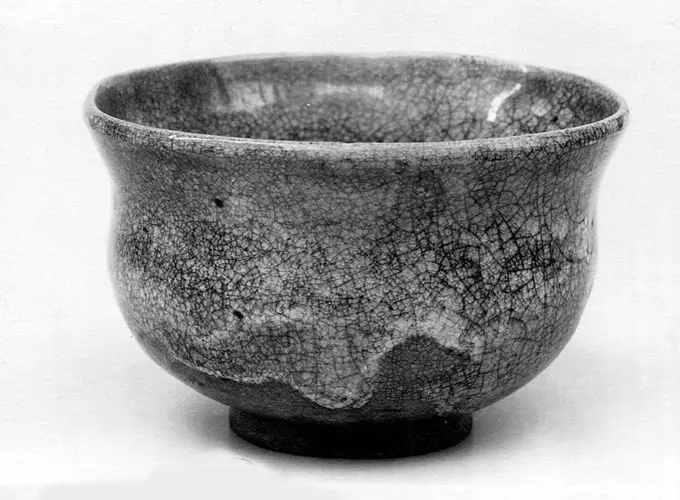
Ancient Ceramic Bowls and Jars

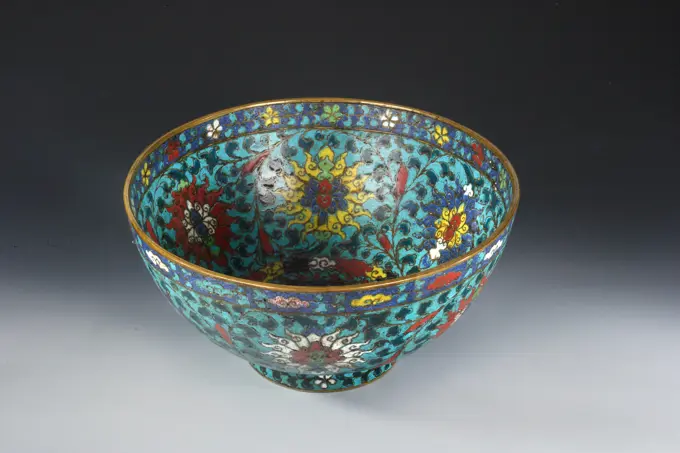
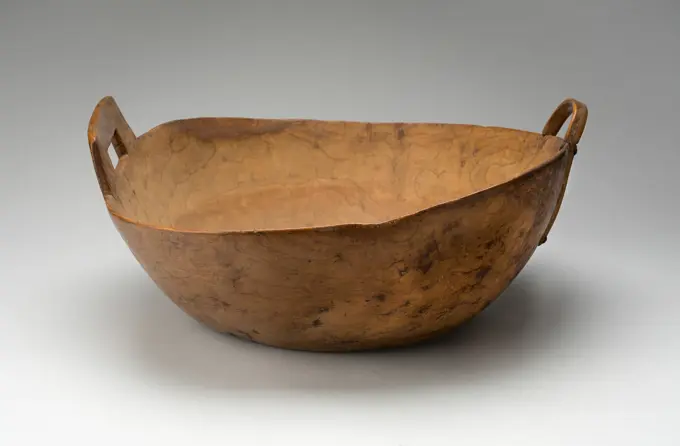
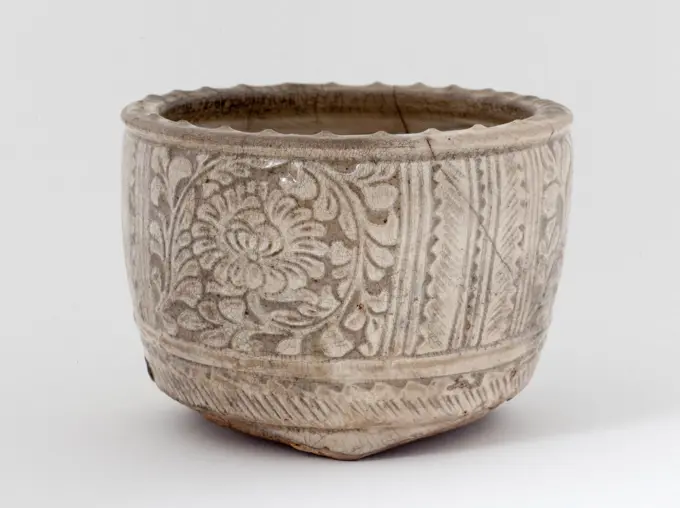
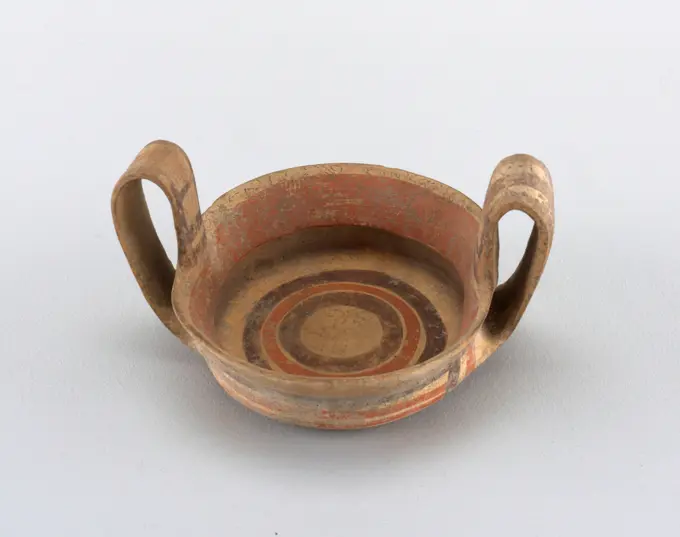
Artistic representations of ancient ceramic bowls and jars, featuring intricate designs and historical context, showcasing craftsmanship from various cultures.

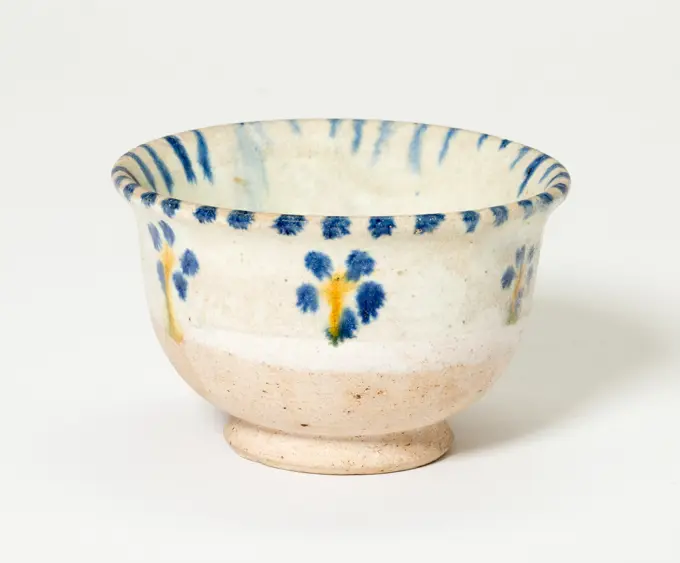
Bowl with four lines, anonymous, c. 1175 - c. 1224 Come from quartz fritry with four wide radial blue lines under transparent alarm laze. Iran earthenware. glaze. cobalt (mineral) painting / vitrification Come from quartz fritry with four wide radial blue lines under transparent alarm laze. Iran earthenware. glaze. cobalt (mineral) painting / vitrification
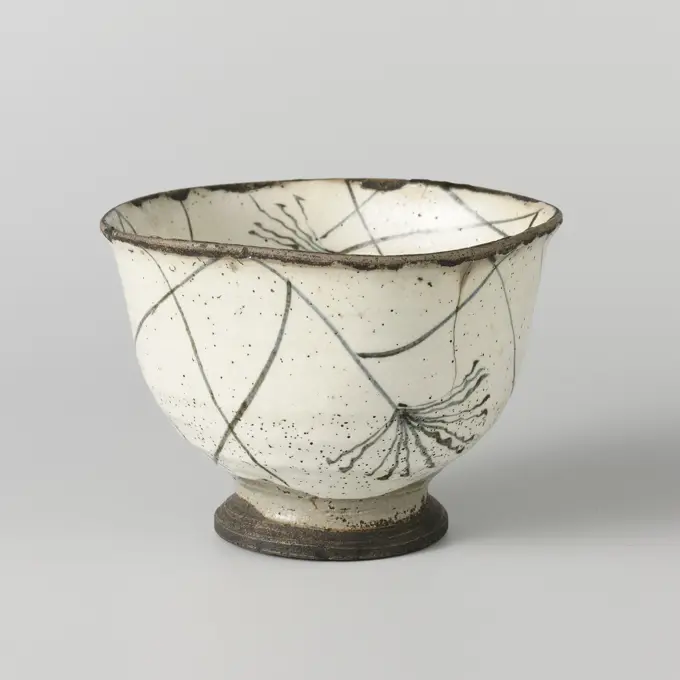
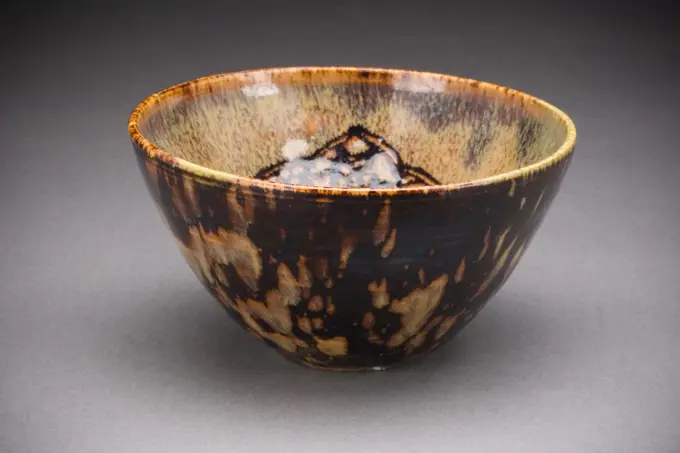
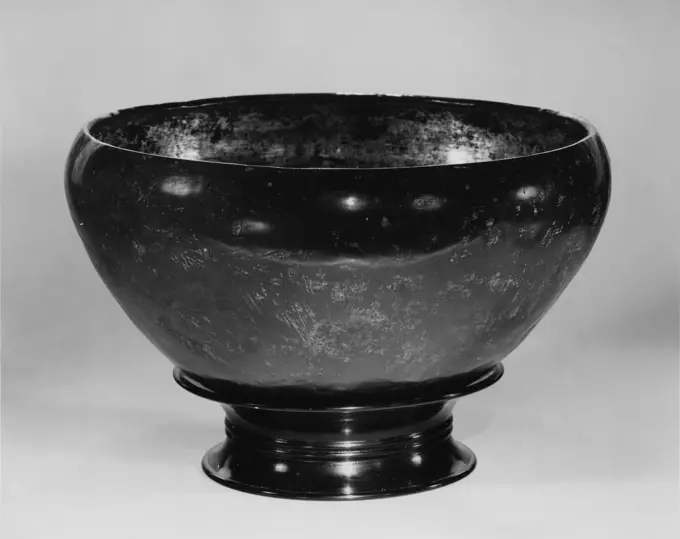
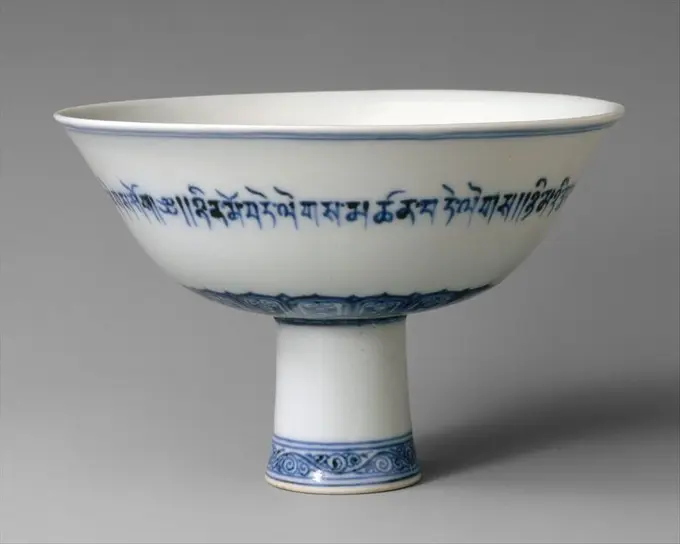
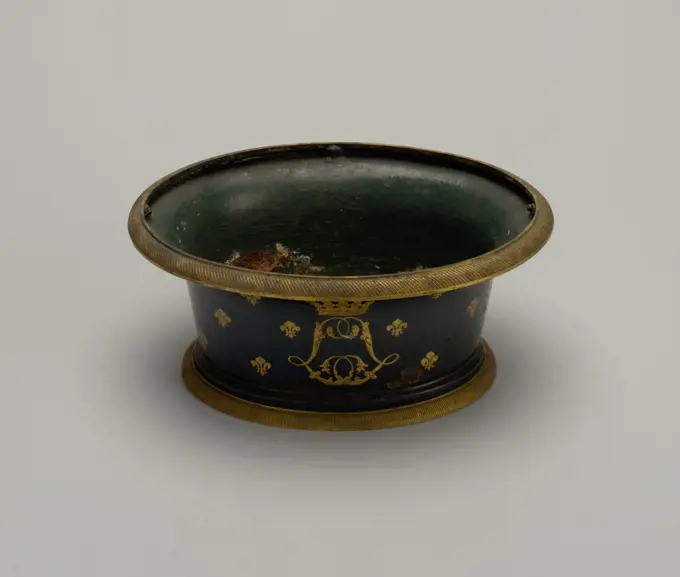
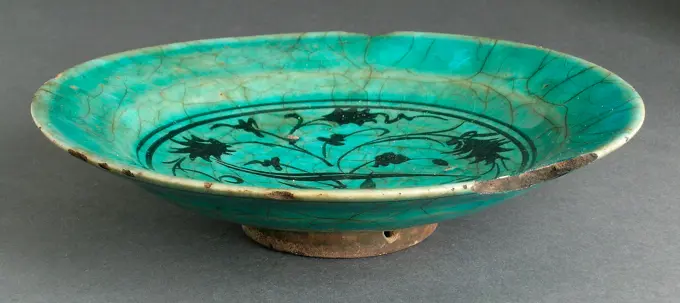
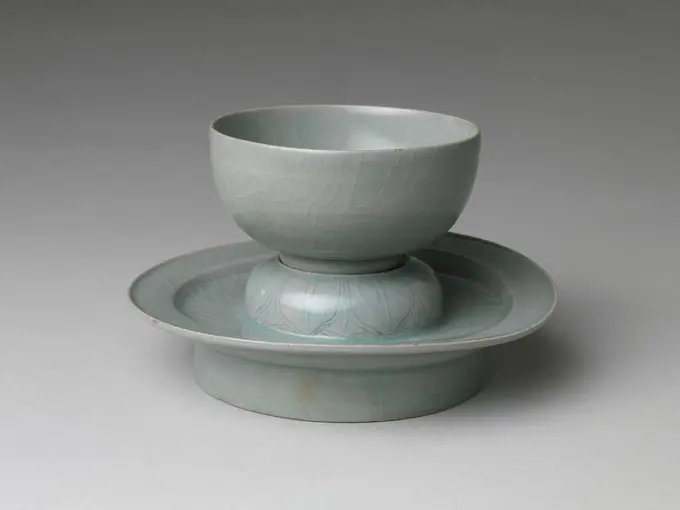
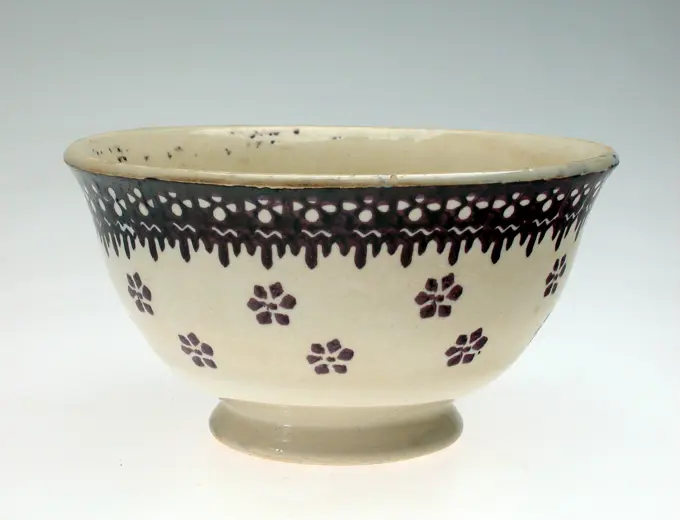
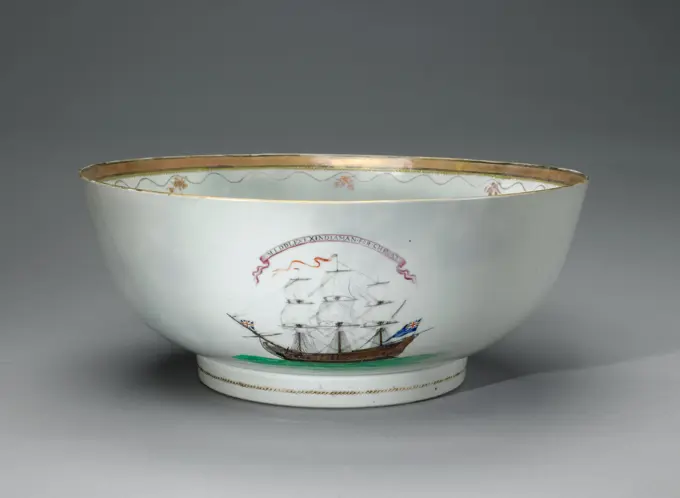
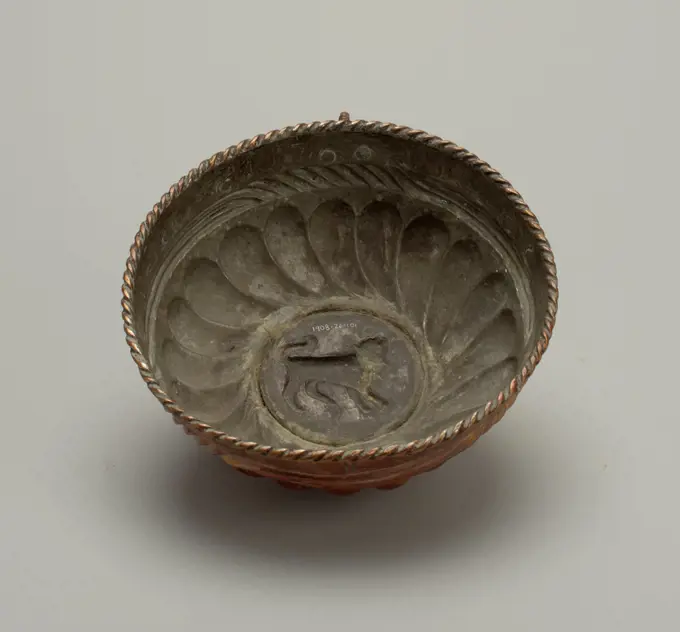
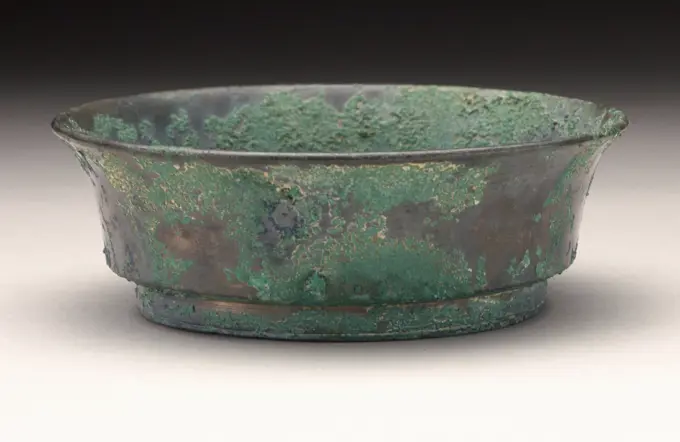
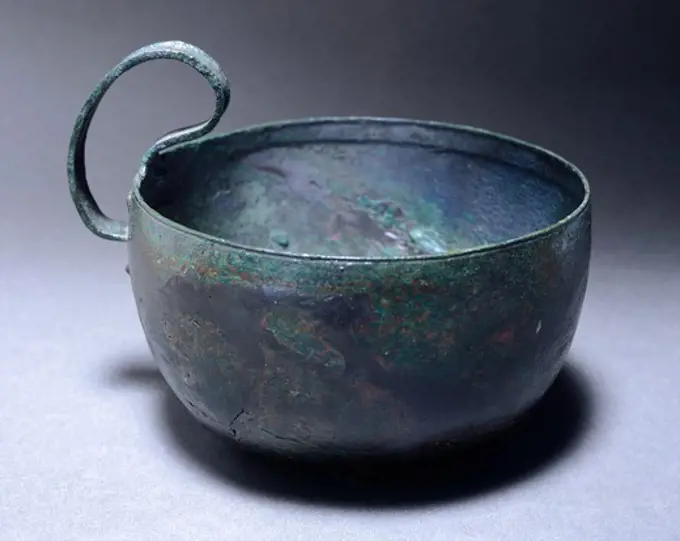
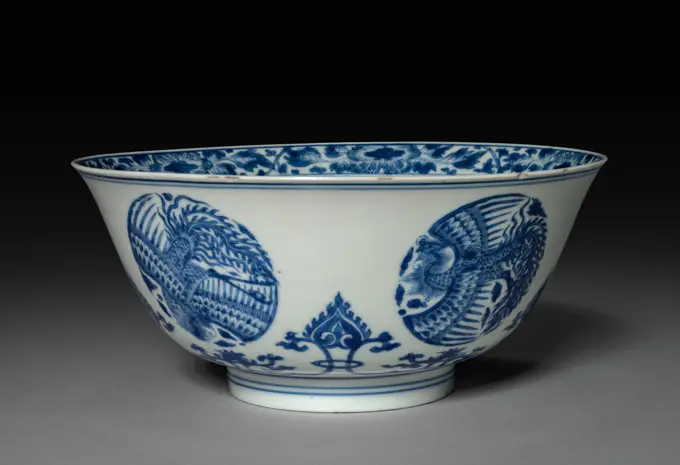
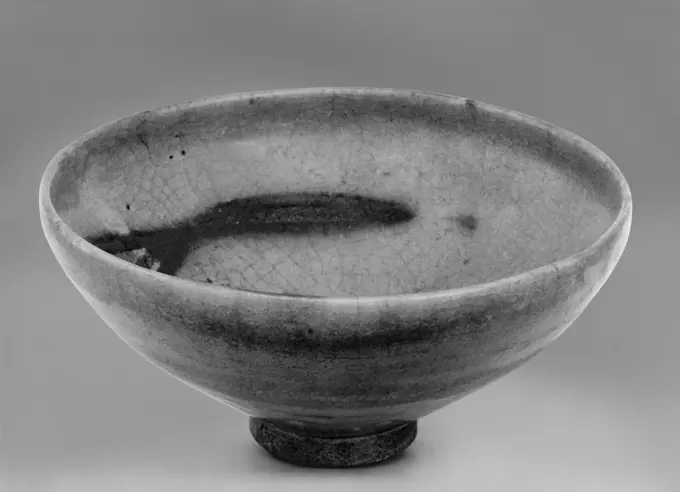
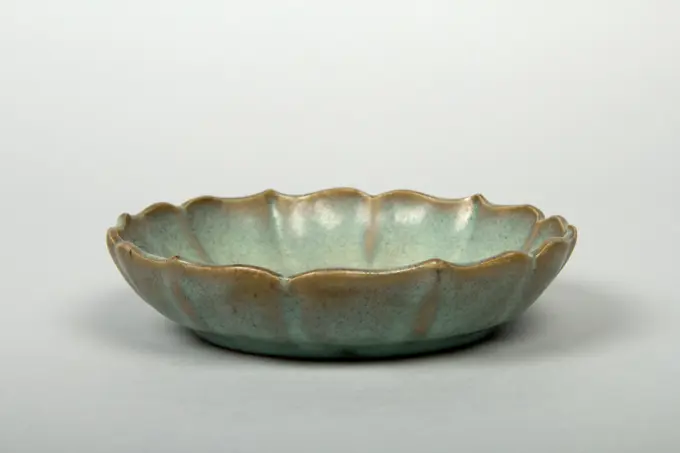
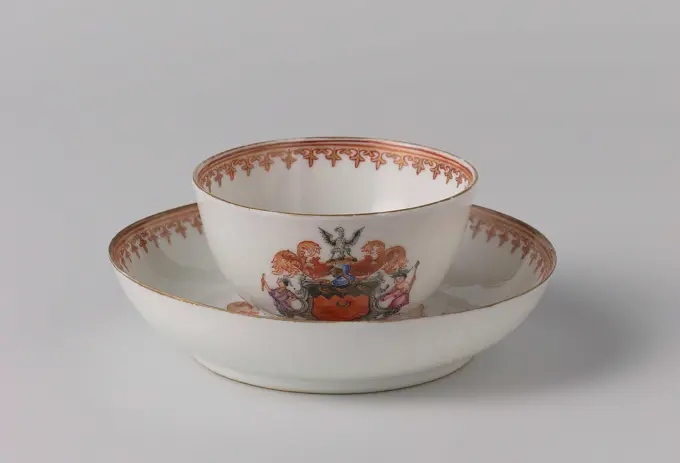
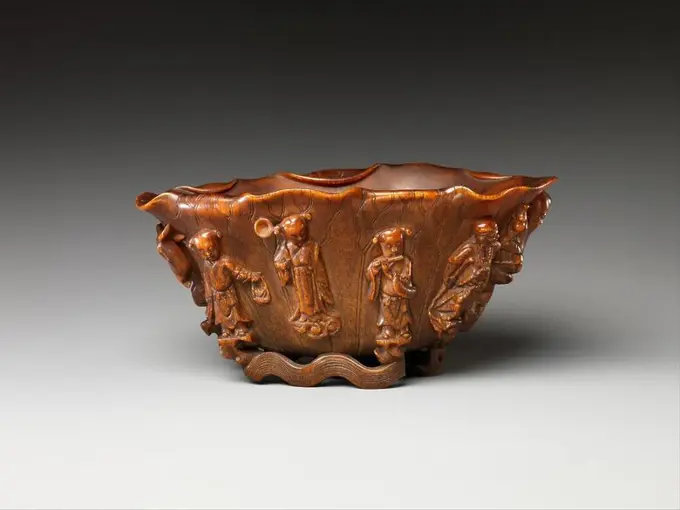
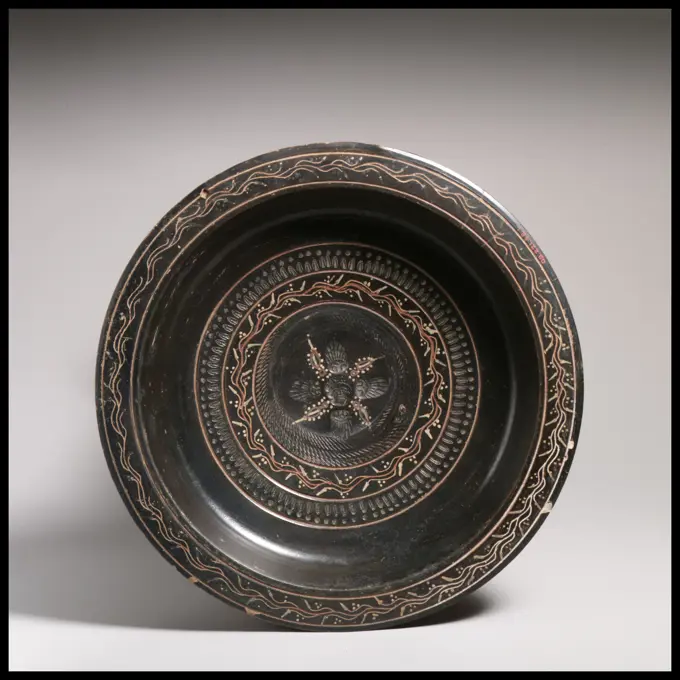
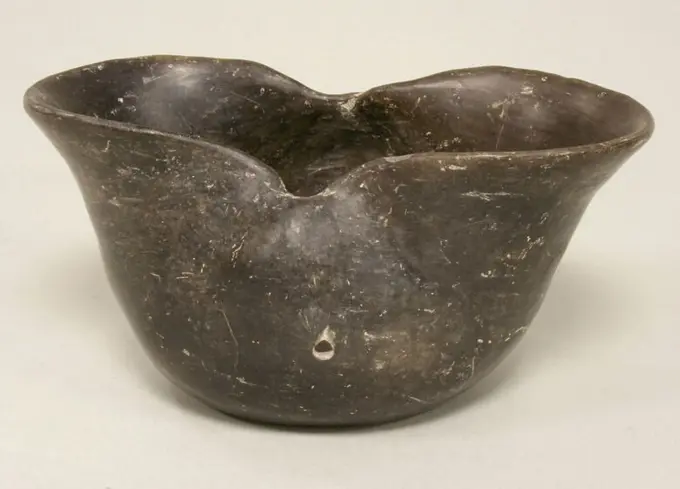
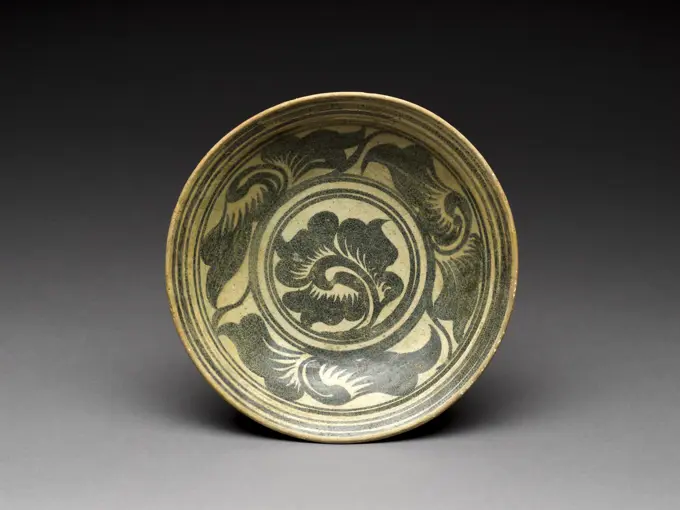
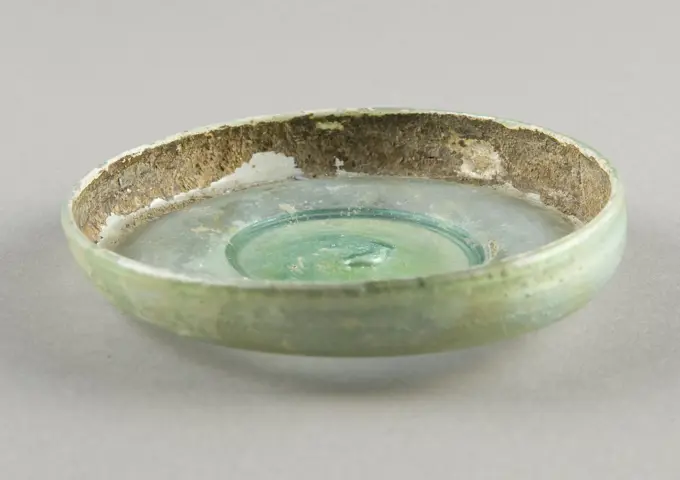
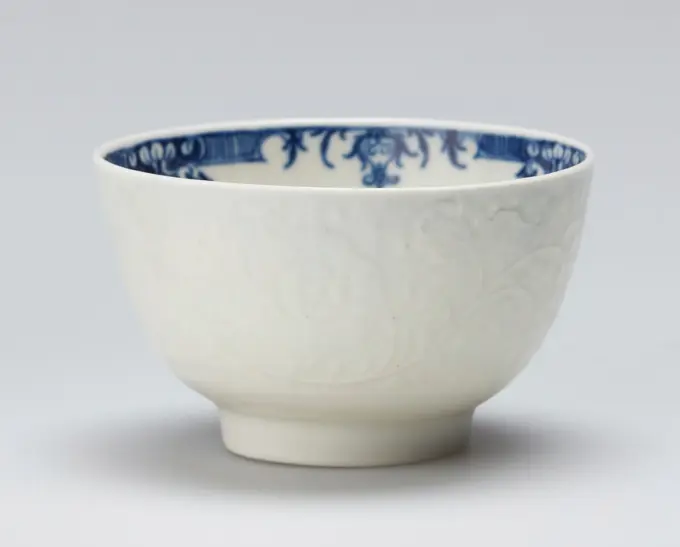
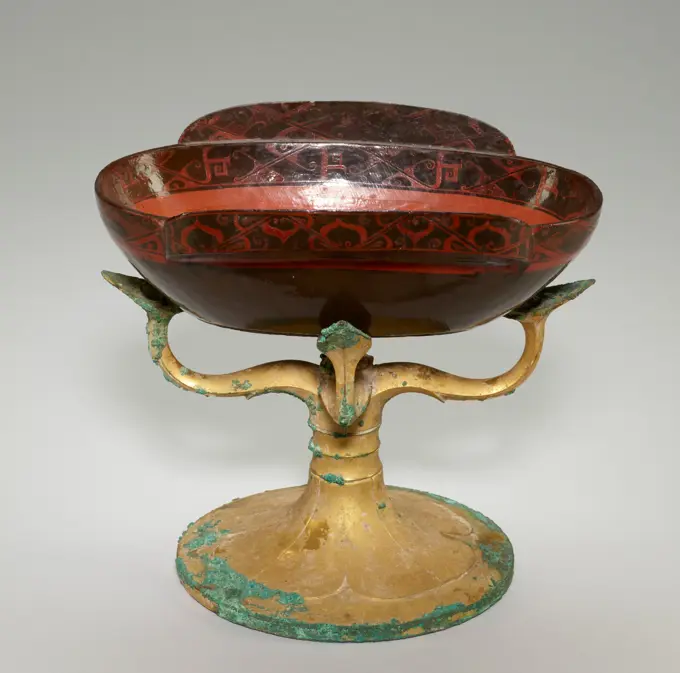
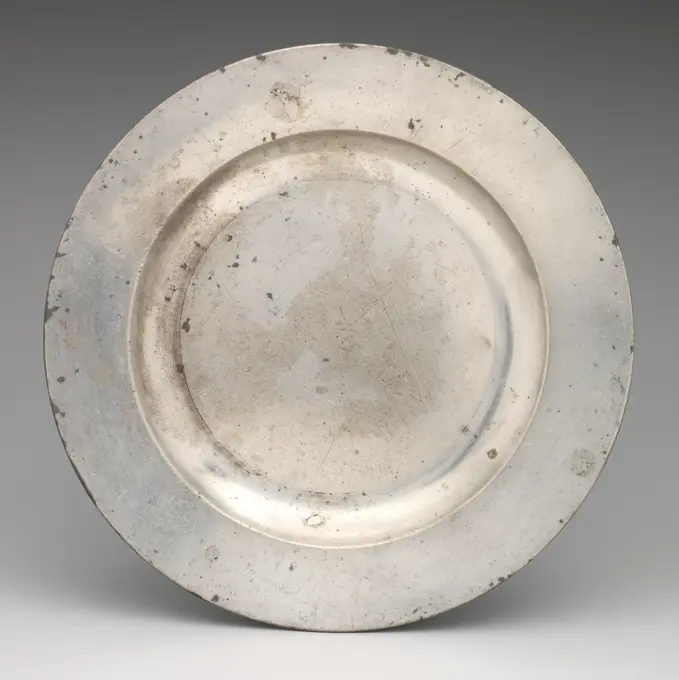
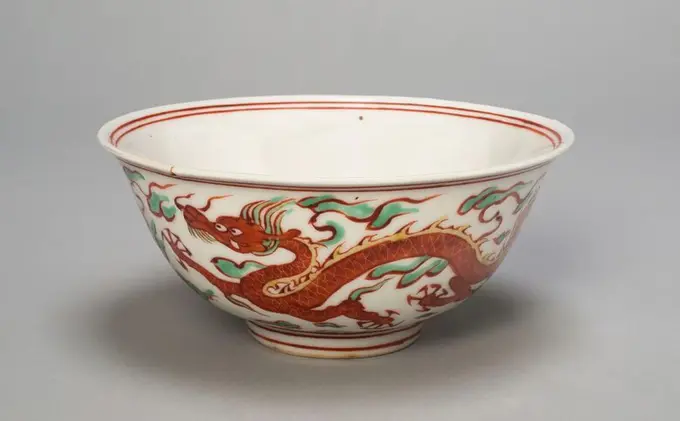
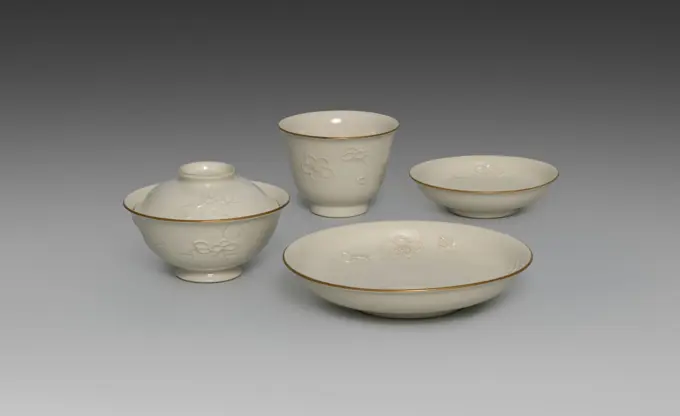
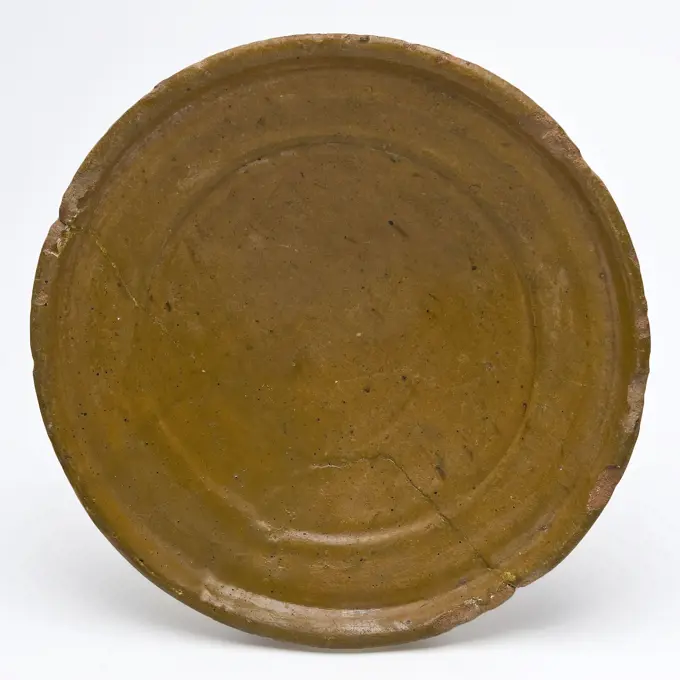
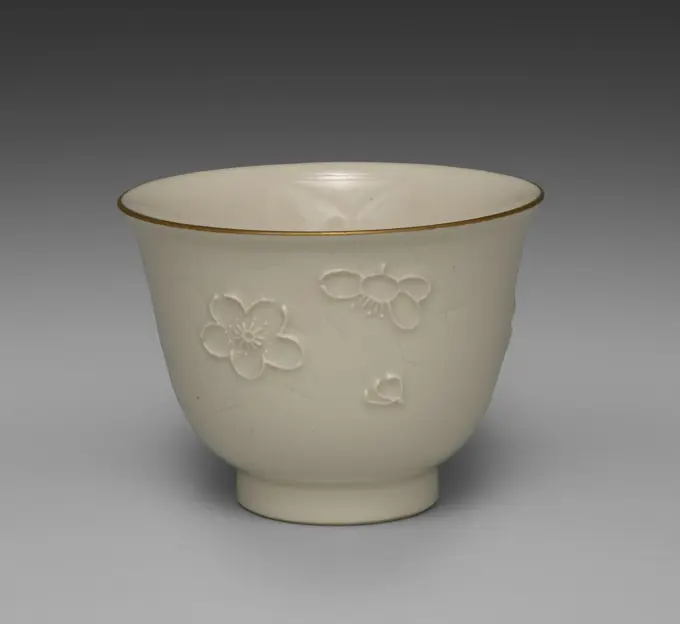
Drinking Cup from Dining Set with Plum Blossoms and Cracked-Ice, c. 1875-78. Seifū Yohei II (Japanese, 1844-1878). Porcelain with molded designs; overall: 6.7 x 9.3 cm (2 5/8 x 3 11/16 in.).Saucer with Thai mythical figures 19th century China. Saucer with Thai mythical figures 46169ancient metal bowl on dark background. antique bronze tableware. ancient metal utensilsBasin. UnknownBowl - Tiffany Studios, 1902-1933 Tiffany Studios, 1902-1933Square tea bowl with grasses, anonymous, Kiyomizu Rokubei, c. 1750 - c. 1799 Square Tea Com of stoneware, covered with a gray and white sludge and painted in underlaze blue. Stylized grass blades on the inner and outer wall. The foot ring and the edge are unglazed. Above the foot marked with 'Roku-Ichi'. A few chips and a crack in the edge. Kyoyaki. Japanese stoneware. glaze. cobalt (mineral) painting / vitrification Square Tea Com of stoneware, covered with a gray and white sludge and painted in underlaze blue. Stylized grass blades on the inner and outer wall. The foot ring and the edge are unglazed. Above the foot marked with 'Roku-Ichi'. A few chips and a crack in the edge. Kyoyaki. Japanese stoneware. glaze. cobalt (mineral) painting / vitrificationBowl with an insiced decoration, anonymous, c. 1600 - c. 1799 Come of earthenware with azure blue glaze. Decorated on the outside with alternating horizontal and vertically brought decorative tires. Under the excellent edge a wave line and concentric circles on the edge itself. A number of baking pronen on the bottom of the inside. Iran earthenware. glaze engraving / vitrification Come of earthenware with azure blue glaze. Decorated on the outside with alternating horizontal and vertically brought decorative tires. Under the excellent edge a wave line and concentric circles on the edge itself. A number of baking pronen on the bottom of the inside. Iran earthenware. glaze engraving / vitrificationTea Bowl (Chawan), inscribed 'Wishes for Longevity, Prosperity, and Good Health'. China, Jiangxi Province, Ji'an County, Southern Song dynasty, 1127-1279. Furnishings; Serviceware. Jizhou ware; wheel-thrown stoneware with paper-cut resist decoration and mottled brown glazeBuddhist Ceremonial Alms Bowl Japan Along with three garments, a stool, and a water strainer, the alms bowl was traditionally one of only six items that a Buddhist monk could own. While monks bowls were most often made of iron or wood, this bowl—cast in bronze, finished on a lathe, gilded, and supplied with a low stand—was probably placed on a Buddhist altar, where it would have been filled with offerings for a Buddhist deity. Its swelling body and the slight inward curve of its rim are typical of bowls produced in the eighth century.. Buddhist Ceremonial Alms Bowl 53623Altar Bowl with Tibetan Inscription. Culture: China. Dimensions: H. 4 5/8 in. (11.7 cm); Diam. 6 5/8 in. (16.8 cm); Diam. of foot 1 13/16 in. (4.6 cm). Date: early 15th century.Often found in Chinese decorative arts and textiles, the inscription on the rim offers wishes and blessings to the user. Museum: Metropolitan Museum of Art, New York, USA.Jardiniere, Painted tôle, brass, Oval, with straight sides and everted lip. Outside painted dark teal, with gilt interlacing double L, crowned, and scattered fleur-de-lis. Inside painted green. Foot and rim mounted in ribbed brass., France, ca. 1820, metalwork, Decorative Arts, JardiniereDish. Iran, 16th century. Ceramics. Fritware, underglaze-paintedConical Bowl with Peony Scroll. China. Date: 1100-1150. Dimensions: H. 7.9 cm (3 in.); diam. 21.3 cm (8 1/2 in.). Yaozhou ware; stoneware with underglaze molded decoration. Origin: China. Museum: The Chicago Art Institute, Chicago, USA.Sauceboat; Williams (Birmingham) Ltd (Birmingham; company Z Otnicz and Platernicza; Fl. 1902-1929); 1908/09 (1908-00-00-1909-00-00);Covered Bowl. Artist: in the style of Eiraku Hozen (1795-1854). Culture: Japan. Dimensions: H. 3/1/4 in. (8.3 cm); W. 5 in. (12.7 cm). Date: 19th century.Nagayo ware originally come from a daimyo kiln under the jursidiction of the Omura lords and is part of the late-eighteenth-century phenomena of daimyo families creating and patronizing a specific kiln. Museum: Metropolitan Museum of Art, New York, USA.Cup and stand decorated with lotus seeds and petals. Culture: Korea. Dimensions: Overall: H. 3 7/8 in. (9.8 cm); Diam. 6 1/2 in. (16.5 cm). Date: first half of the 12th century.Lotus seeds and petals are carved on and around the raised center of this stand. When the cup is placed atop it, only the petals are visible. Museum: Metropolitan Museum of Art, New York, USA.Bowl - Portneuf potteryFruit bowl or pottery bowl, anonymous, c. 1400 - c. 1950 Earthenware fruit bin or bowl. Rouaans with colored flowers and ajour edge.  earthenware Earthenware fruit bin or bowl. Rouaans with colored flowers and ajour edge.  earthenwareFooted Cup Made 550 CE-577 CE China. Earthenware with brown and lead green glazes .Bowl - Portneuf potteryBowl - Portneuf potteryBowl;  16th century (1650-00-00-1750-00-00);Jingtai (period-1450-1456), Ming (Styl), Paderewski, Ignacy Jan (1860-1941), Paderewski, Ignacy Jan (1860-1941)-collection, Chinese (culture), Chrysanthemus, Cloisonné, Dar (provenance), vessels, vegetable (ornament), fish, antidated signatures, Chinese artCzarka with purple blue enamel with krakelurai unknownGlass handkerchief bowl. Culture: Roman. Dimensions: H.: 3 5/8 in. (9.3 cm). Date: 3rd-4th century A.D..Translucent blue green; trail in same color.Vertical, rounded, thickened rim; deep body with almost vertical side, then curving in sharply at bottom; low, tubular base ring, made by folding; flat bottom but with low internal kick at center and circular pontil mark.On body, single trail applied two-thirds down side and wound round and upwards in an irregular spiral six times to rim and then wound down again in a spiral twice, ending near where it began, reduced to faint rib by reheating on upper body; rim crumpled, with eight uneven projecting folds.Intact; a few large bubbles; small patches of soil encrustation, weathering, and iridescence.Vessels that have been deliberately worked to create a wavy rim and sides are extremely rare in Roman glassware. This bowl is perhaps the best example known to have survived. Museum: Metropolitan Museum of Art, New York, USA.Scoop 1690 Connecticut. Walnut . Artist unknownPinnen plate from the wreck of the East Indies Hollandia, Anonymous, 1700 - in Or Before 1743 plate (dishes) Plate, (2) fragm (1), eroded; circular convex bowl with flat base (c.27-27.5d, 7h), overhanging horizontal single-reeded rim (c.32.5-34.5d, 3w, 0.3t). Netherlands tin (metal)   SecondHemispherical bowl. unknown, craftsmanTripod Incense Burner. Chen Mingyuan; Chinese, active 1650/1700. Date: 1650-1699. Dimensions: H: 4.8 × diam. 11.0 cm (1 7/8 × 4 5/16 in.). Yixing stoneware. Origin: China. Museum: The Chicago Art Institute, Chicago, USA.Pot ". Grès to Couverts Couverts. Dynastie Yuan (1279-1368). Parior Museum Creams. Chinese art, Chinese Ceramic, Yuan, GRES dynasty, decorative motif, potCAZUELA CON DOS ASAS Y VIDRIADA. Location: ALFARERIA. VALL DE UXO. Castellón. SPAIN.NarcissusbowlCantharus; terra-cottaVessel in the shape of a chrysanthemum China. Vessel in the shape of a chrysanthemum 43967Bowl with BananaLeavesBOL BOL BOL (common name), 618. Sandstone with brown chocolate brown animated with bluish drips. Cernuschi Museum, Asia Museum of Asia in the city of Paris.Documentary shipping bowl, late 18th century, 6 7/16 x 15 9/16 x 15 9/16 in. (16.35 x 39.56 x 39.56 cm), Porcelain, China, Chinese export, This bowl offers a view of 18th century nautical life with ten sailors engaged in various activities, including catching crabs, carousing, and drinking. The bowl's text refers to a dispute over sailors' wages under Ship Steward William Brown aboard the Middlesex, a trading ship belonging to England's East India Company.Bowl with Shoulao, God of Longevity 18th century China. Bowl with Shoulao, God of Longevity 56174Octagonal bowl with prunus and hôô, anonymous, c. 1670 - c. 1690 Octagonal bowl of porcelain with outstanding mouth edge, painted on the glaze in blue, red, green, yellow and black with a hôô on one side on the outside wall and a prunus branch on the other, on the inside on the bottom two pumpkins with leaves, Symmetrical flower and leaf vines on the edge. Brown edge. Kakiemon. Japan porcelain. glaze. painting / vitrification Octagonal bowl of porcelain with outstanding mouth edge, painted on the glaze in blue, red, green, yellow and black with a hôô on one side on the outside wall and a prunus branch on the other, on the inside on the bottom two pumpkins with leaves, Symmetrical flower and leaf vines on the edge. Brown edge. Kakiemon. Japan porcelain. glaze. painting / vitrificationBowl with Bands and Spirals in Relief, late 7th-early 8th Century. China, Tang dynasty (618-907). Glazed earthenware with molded decoration; diameter: 10.1 cm (4 in.); overall: 3.9 cm (1 9/16 in.).Bowl. "Blue and white" porcelain, Ming. Provenance: China. Paris, Cernuschi museum. 78842-2 Asian art, Chinese art, living art, tableware, bowl, fine ceramic, ming dynasty, porcelainMosaic Bowl. UnknownRitual Wash Basin (Ashitsuki-darai) 16th century Japan This wash basin has a round body and three curving legs. Buddhist monks used this type of vessel during a monthly service of atonement and purification (fusatsu) to make amends for their sins and renew their vows. The sturdy construction and the durable surface indicates its frequent use. The basin is an example of Negoro ware, a generic term used to refer to simple, functional vessels covered in red lacquer over layers of black lacquer that are revealed where the red is rubbed off. Mostly produced for Buddhist and Shinto ceremonial use, Negoro was originally created at the head temple of the Shingi Shingon sect in Wakayama Prefecture.. Ritual Wash Basin (Ashitsuki-darai) 40279Glass ribbed bowl mid-1st century A.D. Roman Translucent honey yellow; trail in opaque white.Knocked-off, ground rim; short concave neck; horizontal bulging collar below; squat globular body curving in to almost flat bottom.Trail wound spirally from bottom around body to neck, thick at bottom, but fine and thin at top; twenty-seven, shallow, slightly irregular, vertical ribs, extending from bulge below neck to undercurve of side.Intact, except for one small, weathered chip in rim; a few bubbles; dulling and pitting of surface bubbles, most of surfaces covered with thick white weathering and iridescence.. Glass ribbed bowl 249521Glass bowl mid-2nd-early 1st century B.C. Greek, Eastern Mediterranean Translucent yellow green, with one patch in light blue green.Rounded, slightly inverted rim; hemispherical body with convex curving side; convex bottom.On interior, two horizontal grooves cut in a band below rim; on exterior, a band of two concentric circles around bottom and a single, small central circle.Intact, but internal strain cracks around top of side below rim; a few bubbles; slight dulling and isolated patches of brown iridescent weathering on exterior.Rotary grinding marks on interior.Hemispherical and conical bowls were two of the most common and popular shapes of the Late Hellenistic period. They were fashioned not only in glass but also in metal and pottery. Those made of glass were later supplanted by deeply colored varieties and by bowls decorated with tooled ribs.. Glass bowl 245194Cup. UnknownBowl with wheel-cut facets. Culture: Sasanian. Dimensions: H. 7.9 cm. Date: ca. 6th-7th century A.D..This hemispherical bowl may have been made by blowing molten glass into an open mold (though possibly it was free-blown); subsequently, four rows of oblong-to-round facets were wheel-cut and polished. The thick glass, originally pale green, has lost much of its surface color and gained extensive iridescence through weathering.Faceted bowls such as this one are characterized by uniformity of shape, size, and arrangement of the facets in four or five rows. They represent the most widespread type of late Sasanian glass vessel, found in excavations of Mesopotamian and Iranian sites dating from the fifth to seventh century A.D. Some examples--probably carried along the Silk Road to the Far East by Persian merchants and traveling embassies--have been found in Japanese contexts, namely in the sixth-century tomb of the emperor Ankan and in the Shoso-in Treasure at Nara, which was assembled byBowl in the shape of a flower with a yellow glaze, anonymous, c. 1279 - c. 1368 Come from stoneware, covered with a yellow glaze. Modeled in the form of a flower with two rows of eight leaves. Come has been broken. Old label on the bottom with 'Eastern treasures Rijksmuseum 1954/183'. China stoneware. glaze vitrification Come from stoneware, covered with a yellow glaze. Modeled in the form of a flower with two rows of eight leaves. Come has been broken. Old label on the bottom with 'Eastern treasures Rijksmuseum 1954/183'. China stoneware. glaze vitrificationRound Libation Vessel. 1000 B.C.. Furnishings; Serviceware. CeramicGlass ribbed bowl. Culture: Roman. Dimensions: H.: 15/16 in. (2.4 cm)Diam.: 6 1/2 in. (16.5 cm). Date: late 1st century B.C.-mid-1st century A.D..Translucent honey brown.Outsplayed rim, with almost pointed edge and concave band sloping inward below; side curving in downwards; concave bottom.On interior, fine horizontal groove on inner edge of rim, two concentric grooves around bottom and small, broader circle at center; on exterior, fifty-one slightly slanting ribs of varying length and width, with tops ground off, arranged around bulging middle section of body.Intact, except for one small chip and crack in rim; some internal strain cracks; few bubbles; dulling on interior and around band below rim on exterior, and one patch of encrusted limy weathering on lower side and bottom, elsewhere small patches of iridescent brownish weathering.Rotary grinding marks on interior and plain band around top of sides on exterior. Museum: Metropolitan Museum of Art, New York, USA.Bowl with medallions in a panel decoration, anonymous, c. 900 - c. 999 Come of earthenware decorated with black sludge on Engobe from white sludge. With greenish transparent lead glaze. The inner wall is divided into four compartments, separated by decorative tires. A medallion in the courses. Nishapur earthenware. glaze painting / vitrification Come of earthenware decorated with black sludge on Engobe from white sludge. With greenish transparent lead glaze. The inner wall is divided into four compartments, separated by decorative tires. A medallion in the courses. Nishapur earthenware. glaze painting / vitrificationBowl - Portneuf potteryFood mold, Copper, tin, Concave mold, top fitted with high rim, for support, enframing repoussé figure of a lamb. Side gadrooned in repoussé. Base edged with twisted molding, border inscribed with 'ELISABET HALDERE ENbackwardsDE 1656' (upside down as if decoration for mouth of a bowl); fitted with a ring for hanging., France, ca. 1656, metalwork, Decorative Arts, Food moldDish from Snow-Flake Side Dishes, c. 1893-1914. Seifū Yohei III (Japanese, 1851-1914). One from a set of six porcelain dishes; porcelain with lobed rims and pink glaze; overall: 5 x 13.5 cm (1 15/16 x 5 5/16 in.).Small Bronze Bowl. Korea, Goryeo dynasty (918-1392). Tools and Equipment; bowls. Cast bronzeGlass bowl. Culture: Roman. Dimensions: H.: 1 5/8 x 6 3/4 in. (4.1 x 17.1 cm). Date: late 1st century B.C.-early 1st century A.D..Translucent blue.Plain rounded rim; convex curving side; slightly concave bottom.Intact; a few bubbles; thick creamy brown weathering covering most of interior, and dulling, pitting, and iridescence, with patches of weathering on exterior. Museum: Metropolitan Museum of Art, New York, USA.Silver bowl. Culture: Roman. Dimensions: H.: 1 1/2 x 4 3/8 in. (3.8 x 11.1 cm). Date: ca. A.D. 200-250.The foliate decoration on the exterior of this shallow bowl is similar to that on a number of vessels belonging to silver hoards found in Gaul and Germany, buried as a result of the threat of barbarian raids from across the Rhine in the mid-third century A.D. This bowl, however, has no recorded provenance and for a long time was considered to be of Parthian (Iranian) origin. It thus demonstrates the universal nature of luxury art, which in later Roman times spread eastward through Iran to Central Asia and China. Museum: Metropolitan Museum of Art, New York, USA.Faceted jar decorated with plum blossoms and bamboo Korea end of the 18th-early 19th century Exemplary of late Joseon blue-and-white porcelain produced at the court kilns (Bunwon), this faceted jar features delicately painted plum blossoms on one side and bamboo on the othermotifs associated with winter and summer respectively that also (with the chrysanthemum and orchid) symbolize the virtuous Confucian scholar.Tea Service, Manufactuur Oud-Loosdrecht, c. 1774 - c. 1778 Rinse bowl of porcelain, painted in sepia with figures on a ground with a landscape background. On the back a ground with trees and a rock. Along the mouth rim a beet red Frisian of alternating standing shaded and diagonated blocks, pissed off at the bottom with rocailles with hanging leaf hangers in gold. Golden trim along mouth and foot edge. Loosdrecht porcelain Rinse bowl of porcelain, painted in sepia with figures on a ground with a landscape background. On the back a ground with trees and a rock. Along the mouth rim a beet red Frisian of alternating standing shaded and diagonated blocks, pissed off at the bottom with rocailles with hanging leaf hangers in gold. Golden trim along mouth and foot edge. Loosdrecht porcelainShallow Dish, 2770-2647 BC. Egypt, Early Dynastic Period, Dynasty 2, reign of Nynetjer or later. Travertine; diameter: 41.8 cm (16 7/16 in.); overall: 8.9 cm (3 1/2 in.).Bowl; pewterBronze cup with raised handle, from the Tomb of the Studded Vases discovered in 1974 in Padua, Veneto, Italy. Paleoveneti Civilization, 8th-7th Century BC.Bowl 12th-13th century. Bowl 451672Tea bowl - View of Quebec Possiblement Possiblement  $eognl:#state.prefix  Enoch Wood & Sons, 1818-1845Basin (Pan) 6th century BC China. Basin (Pan) 61039Inkwell Berlin (KPM)Bell-shaped bowl with ducks, fish and water plants, anonymous, c. 1575 - c. 1599 Large, bell -shaped bowl of porcelain, painted in under -glaze blue. Fishing between water and lotus plants on the outer wall. Above the foot a band with stylized leaf motifs. The soil with a fish between aquatic plants. On the inner edge a wide band with swimming ducks between lotus and aquatic plants. Marked on the underside with the six-character brand of Keizer Chenghua in a double circle. Some chips in the edge; Come has been broken. Ming porcelain in blue and white. China porcelain. glaze. cobalt (mineral) painting / vitrification Large, bell -shaped bowl of porcelain, painted in under -glaze blue. Fishing between water and lotus plants on the outer wall. Above the foot a band with stylized leaf motifs. The soil with a fish between aquatic plants. On the inner edge a wide band with swimming ducks between lotus and aquatic plants. Marked on the underside with the six-character brand of Keizer ChenghuaCup with Streaks and Stylized Florets 618 CE-906 CE China. Slip-coated earthenware with cobalt blue and lead amber streaks .Glazed bowl ca. 6th-8th century A.D. Sasanian or Islamic. Glazed bowl 322932Cup with image of Van Speijk, Anonymous, in or after 1831  One of two almost identical cups of printed pottery, printed in black on the inside and outside; Soil inside: Bustel of a man (J.C.J. van Speijk), Binnen edge four weapons (van Utrecht, Friesland, Gelderland and the Generality) between which image of exploded ship in kind of cartouche; On the outside idem, this time weapons of Zeeland, Holland, Overijssel and Groningen. The prints are not entirely equal. Note: see NG-1069-A. Netherlands (possibly) earthenware printing / vitrification  BelgiumScale with two ears on stand ring, red gain. Scale, rotated from wood on stand ring, with two ears, from outside of red reddish.Bowl, 1662-1722. China, Qing dynasty (1644-1911), Kangxi reign (1661-1722). Porcelain; overall: 45.2 cm (17 13/16 in.). The apocryphal inscription in a double circle on the base reads "made in the Ming dynasty, Jiajing period," but the bowl was made during the reign of the Qing emperor Kangxi.Kyliks czarnofigurowy, typ Kassel. unknown, authorStraight-sided cup with stylized flowers on a feather or scale ground and scrolls, anonymous, c. 1725 - c. 1749 Porcelain head with straight wall, painted on the glaze in red and gold. On the outside of the head three stylized flowers against a ground with feathers or scaly motif; A flower on the underside and the bottom; The inner edge with tenders. Part of a tea set. European forms with email colors. China porcelain. glaze. gold (metal) painting / gilding / vitrification Porcelain head with straight wall, painted on the glaze in red and gold. On the outside of the head three stylized flowers against a ground with feathers or scaly motif; A flower on the underside and the bottom; The inner edge with tenders. Part of a tea set. European forms with email colors. China porcelain. glaze. gold (metal) painting / gilding / vitrificationBowl late 12th-13th century China. Bowl. China. late 12th-13th century. Stoneware with blue glaze ("splashed Jun" ware). Jin (1115-1234)-Yuan (1271-1368) dynasty. CeramicsBowl. Syria, 14th-15th century. Metal. Bronze or brassDish China. Dish. China. Stoneware with blue-gray glaze (Jun ware). Yuan dynasty (1271-1368). Ceramics. Cup and saucer of porcelain, painted on the glaze in blue, red, pink, purple, black and gold. On the flat the coat of arms of the Lovelace family divided into two parts separated by a cartel edge. 1. Three birds against a black background; 2. A half moon on a red background. The helmet mark is an eagle surrounded by acanthus leaves; The weapon is flanked by two classically dressed people. Among the weapon a banderole with the inscription 'Praemium virtutis honor'. A Spearhead border on the inner edge. Bottom with an old label with 'Lovelace'. The head with the same decoration. Weapon porcelain with email colors.Cup with Eight Daoist Immortals. Culture: China. Dimensions: H. 3 1/8 in. (7.9 cm); W. (rim) 6 1/4 in. (15.9 cm); D. 3 1/2 in. (8.9 cm). Date: late 18th-19th century.By the early thirteenth century a historical group of eight figures--six male, one female, and one hermaphrodite--had become symbolic of the attainment of immortality, one of the primary goals of Daoism. Each figure is a patron of a specific group and is identifiable by the object that he (or she) holds. For example, Lan Caihe, patron of gardeners and florists, carries a basket; He Xiangu, patron of housewives, holds a lotus; and Han Xiangzi, patron of musicians, has a flute. Museum: Metropolitan Museum of Art, New York, USA.Terracotta dish ca. 330-300 B.C. Greek, South Italian, Campanian, Teano Flat dish with ring base, decorated with ivy vine and stamped pattern.. Terracotta dish 248192Bowl. Culture: Olmec (). Dimensions: H. 3 7/16 x W. 7 x D. 4 5/8 in. (8.7 x 17.8 x 11.7 cm). Date: 3rd century B.C.-A.D. 4th century. Museum: Metropolitan Museum of Art, New York, USA.Dish with lotus-leaf design 15th-16th century Northern Thailand, Kalong kilns The distinctive glazed ceramics produced at Kalong, in Chiang Rai Province, northern Thailand represent a regional tradition that emerged in the 15th century to service the kingdom of Lanna. Clay sources in the vicinity of the Mae Lo River that passes through Chiang Rai and Chiang Mai Provinces determined the location of the kilns. Most examples have been recovered either at the cluster of kilns or in the vicinity of the Lanna citadel at Wiang Kalong. They have also been recorded, in considerable quantities, as grave goods in hill community burial sites in Tak Province.. Dish with lotus-leaf design. Northern Thailand, Kalong kilns. 15th-16th century. Stoneware with iron-brown underglaze décor. CeramicsPlate or Dish 1 CE-400 CE Syria. Glass, blown technique . Ancient RomanVessel, 6th century, 2 3/4 x 4 1/4 x 4 1/4 in. (7.0 x 10.8 x 10.8 cm), Clay, pigments, Peru, 6th centuryCup and schotel with a boy and a butterfly in a landscape, anonymous, c. 1725 - c. 1749 Klock -shaped head and dish of porcelain, painted on the glaze in red, black and gold. On the flat of the dish a medallion with a boy and a butterfly in a landscape; Around the medallion eight petal comparts with alternating the young in the landscape and a tree; between the curls; On the edge a tire with servetwork interspersed with a flower in a cartouche. Head and saucer broken. The head with the same decoration. Encre de Chine. China porcelain. glaze. gold (metal) painting / gilding / vitrification Klock -shaped head and dish of porcelain, painted on the glaze in red, black and gold. On the flat of the dish a medallion with a boy and a butterfly in a landscape; Around the medallion eight petal comparts with alternating the young in the landscape and a tree; between the curls; On the edge a tire with servetwork interspersed with a flower in a cartouche. Head and saucer broken. The head with the sChangsha (ceramic production center), a pair of miniature bowls (usual name), 0350. Sandstone (red earth). Covered greenish brown (proto-celedon). Cernuschi Museum, Asia Museum of Asia in the city of Paris.Cup in the form of a half of peach. unknown, craftsmanTea cup, from a tea service, 18th century, Worcester Porcelain Works (a.k.a. Royal Worcester Porcelain Company), Worcester, England, est. 1751, Porcelain, England, 18th centuryGlass bowl early 1st century A.D. Roman, Syrian Opaque white, appearing semi-translucent.Thin horizontal rim with rounded outer edge; convex curving side to hemispherical body; slightly convex bottom inside outsplayed base ring with rounded edge.Intact, except for one tiny weathered chip in rim; pitting of pinprick and larger bubbles, dulling and small patches of creamy brown weathering.. Glass bowl. Roman, Syrian. early 1st century A.D.. Glass; cast. Early Imperial. GlassCup 6th century B.C. Etruscan One-handled with loop handle; no decoration.. Cup. Etruscan. 6th century B.C.. Terracotta; bucchero. Archaic. VasesMisa Huta Prądniczanka, Cooperative of LaborCup stand, 2nd-1st century BCE, 4 5/16 x 6 11/16 x 4 3/4 in. (10.95 x 16.99 x 12.07 cm), Gilt bronze, China, 2nd-1st century BCEPlate third quarter 18th century Thomas Giffin. Plate. British, London. third quarter 18th century. Pewter. Metalwork-PewterBowl with Dragons Chasing Flaming Pearls amid Clouds. China. Date: 1501-1600. Dimensions: H. 6.7 cm (2 5/8 in.); diam. 14.7 cm (5 13/16 in.). Porcelain painted in overglaze enamels. Origin: China. Museum: The Chicago Art Institute, Chicago, USA.Dining Set with Plum Blossoms and Cracked-Ice, c. 1875-78. Seifū Yohei II (Japanese, 1844-1878). Porcelain with molded designs; (each) small dish: 2.9 x 11.5 cm (1 1/8 x 4 1/2 in.); (each) medium dish: 3.2 x 16.4 cm (1 1/4 x 6 7/16 in.); (each) drinking cup: 6.7 x 9.3 cm (2 5/8 x 3 11/16 in.); (each) covered bowl: 7.5 x 11.5 cm (2 15/16 x 4 1/2 in.).Bowl with a white glaze. Bell-shaped bowl of porcelain, covered with a white glaze. Old label on the bottom with 'D86'. White porcelain.Tripod Bowl 15th-early 16th century Aztec. Tripod Bowl 320209Teabowl ca. 1750 Japan. Teabowl 63164Come on foot with Ruth and Boaz, Petrus Regout, c. 1874 Come of earthenware with purple transferdecor. On the outside of the wall and the bottom of the bowl of Ruth and Boaz. The inside of the wall with cartouches with flowers. Maastricht earthenware Come of earthenware with purple transferdecor. On the outside of the wall and the bottom of the bowl of Ruth and Boaz. The inside of the wall with cartouches with flowers. Maastricht earthenwareSmall earthenware plate on stand or salt plate, salt-dish crockery holder earth discovery ceramic earthenware glaze lead glaze, hand-turned glazed baked Red shard brown glaze pinched stand ring two revolutions upright straight edge containing slit internal glazed external underside single glaze spatters archeology Valckensteyn Poortugaal Albrandswaard indigenous pottery seasoning to serve salty salt food Soil discovery: canal at kitchen castle Valckensteyn at Poortugaal now Albrandswaard 1961Cup andCupstand