Ancient Ceramic Bowls and Jars

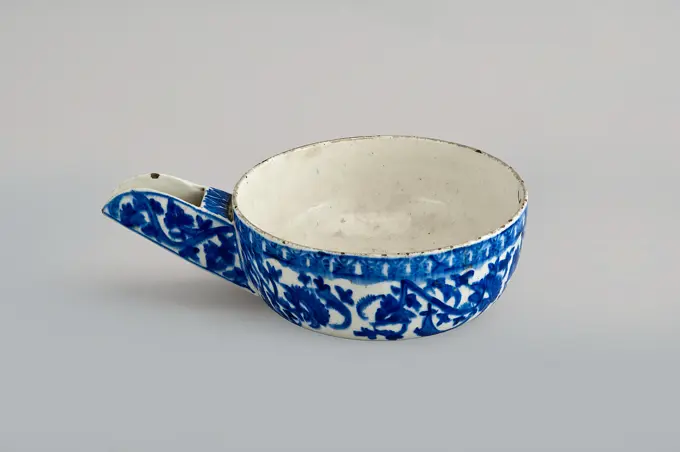
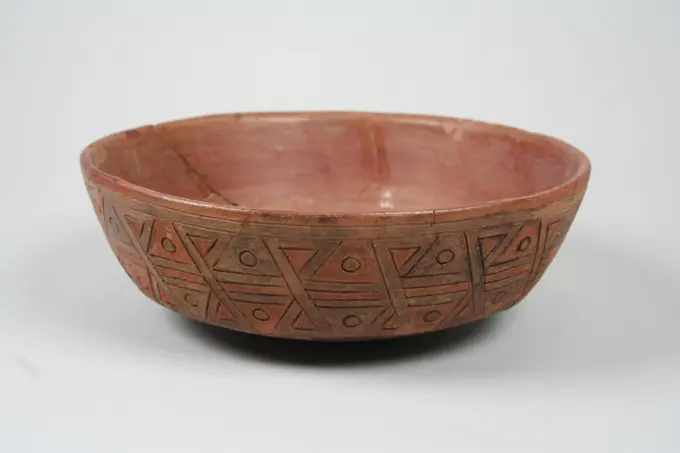
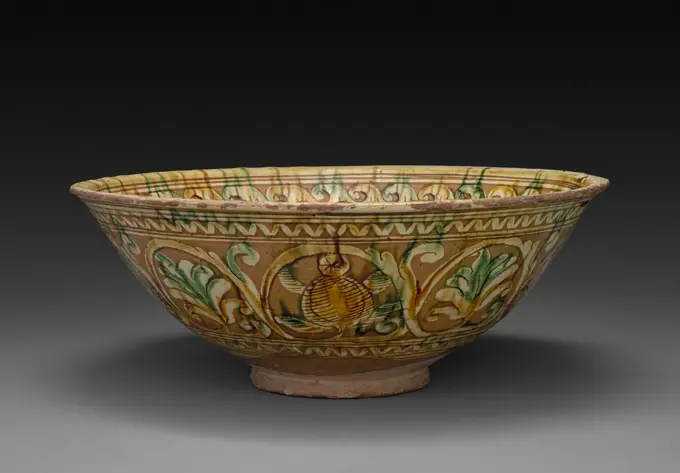
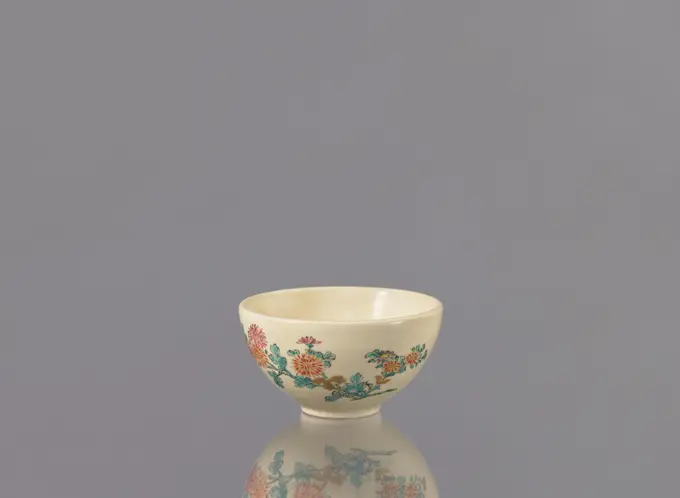
Artistic representations of ancient ceramic bowls and jars, featuring intricate designs and historical context, showcasing craftsmanship from various cultures.

Bowl with four lines, anonymous, c. 1175 - c. 1224 Come from quartz fritry with four wide radial blue lines under transparent alarm laze. Iran earthenware. glaze. cobalt (mineral) painting / vitrification Come from quartz fritry with four wide radial blue lines under transparent alarm laze. Iran earthenware. glaze. cobalt (mineral) painting / vitrification
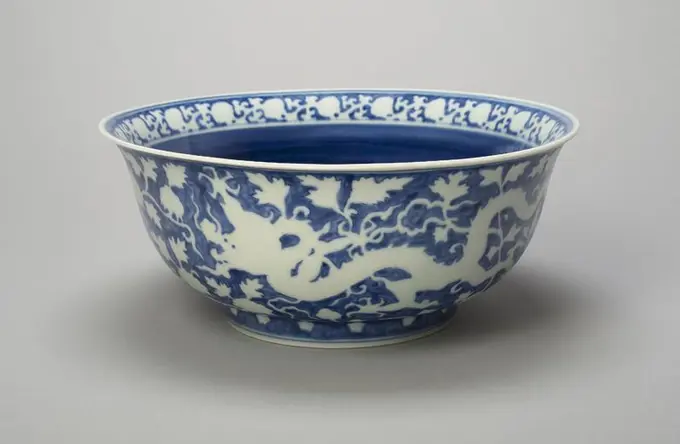
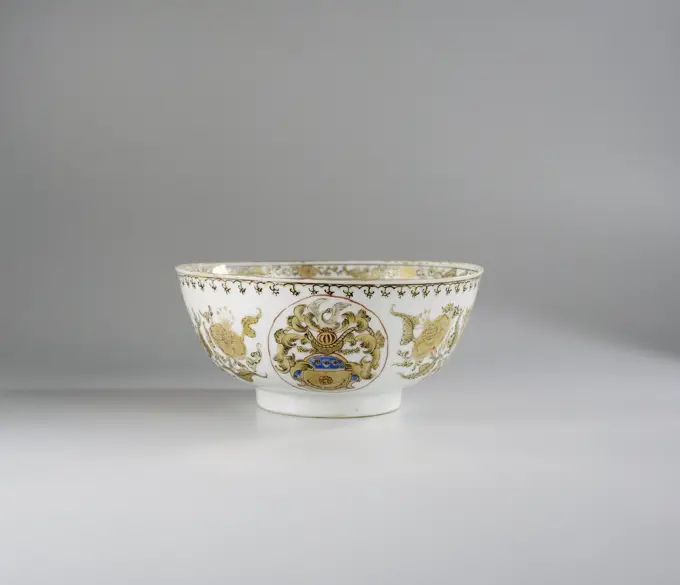
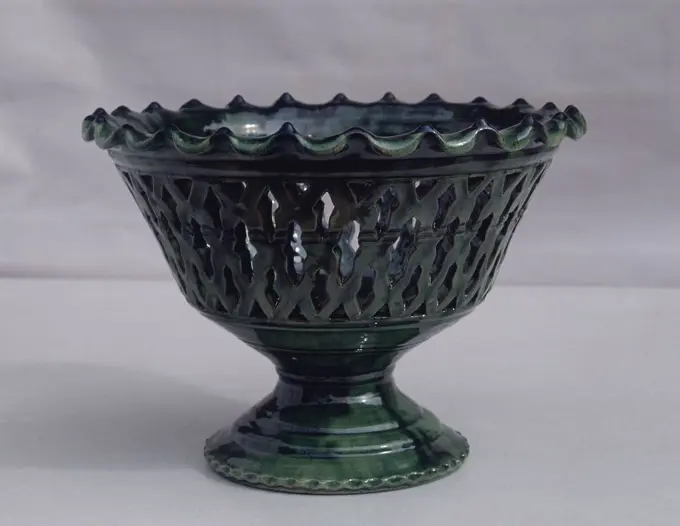
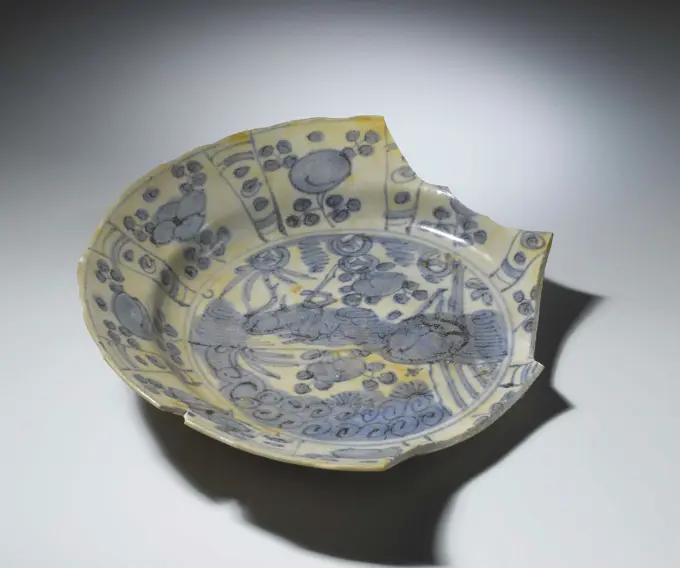
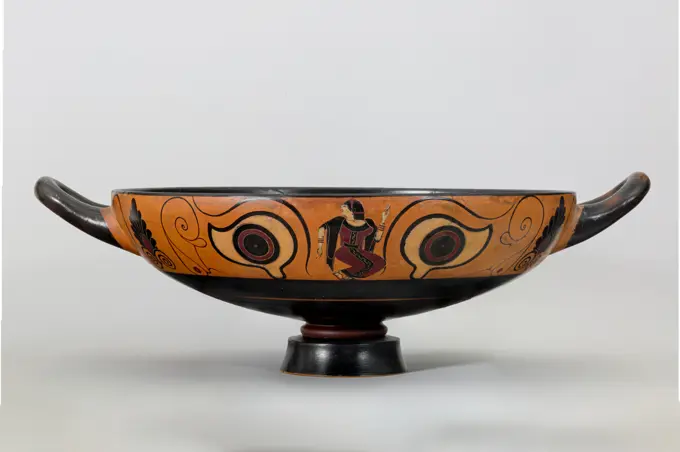
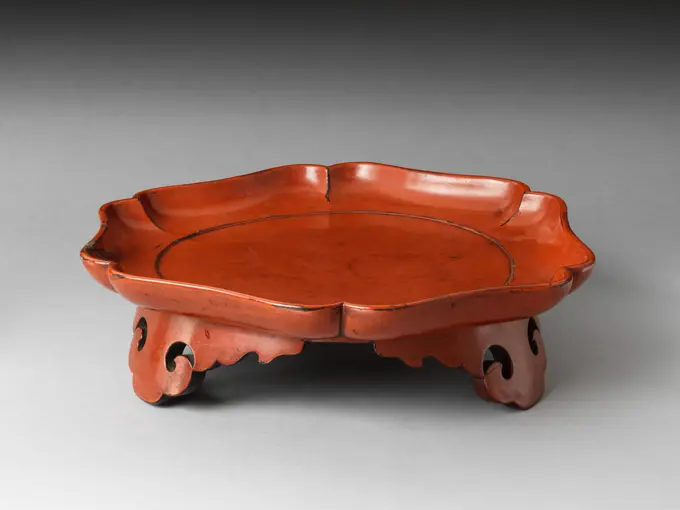
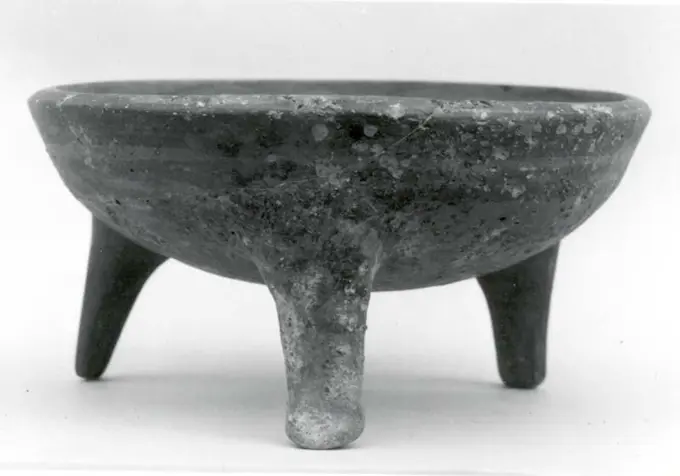
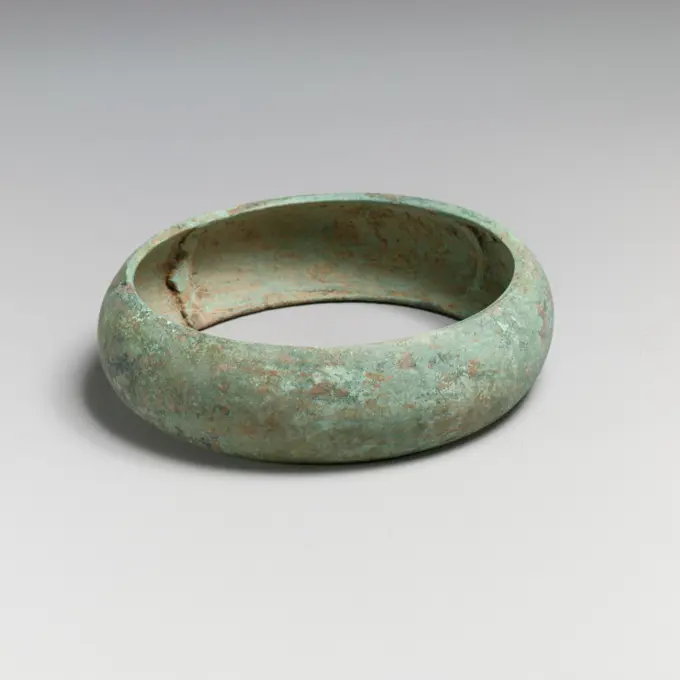
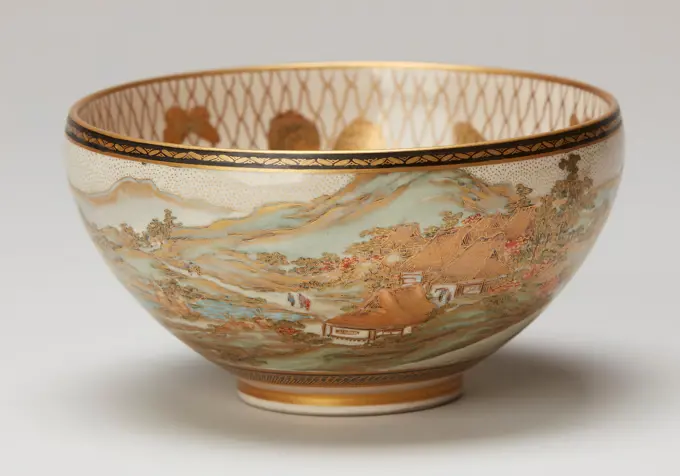
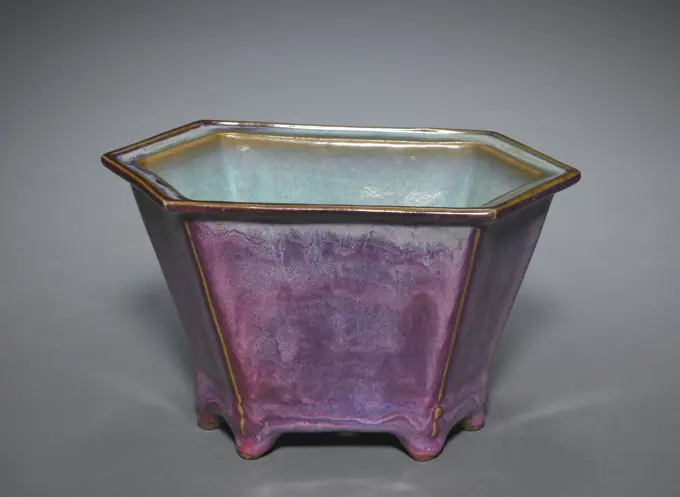
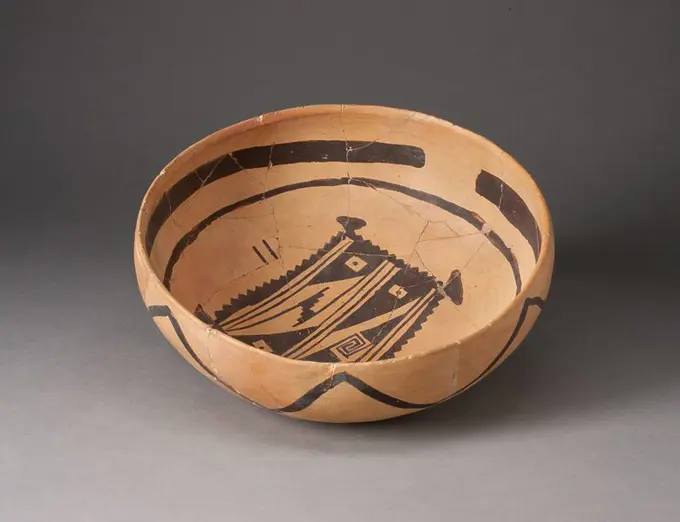
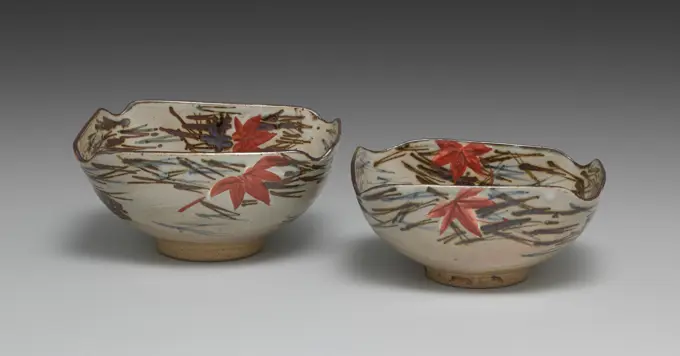
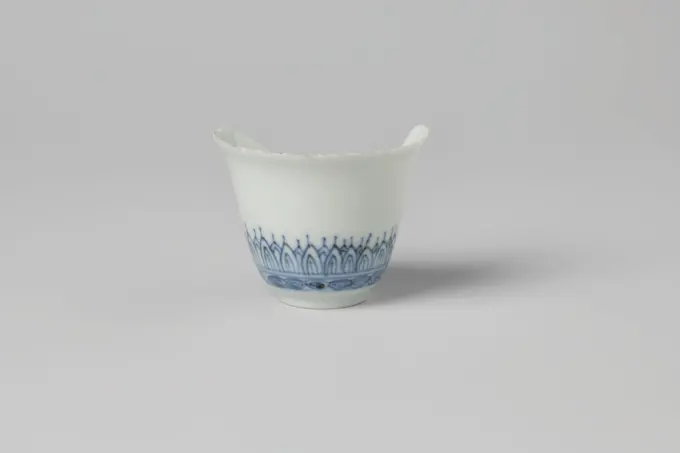
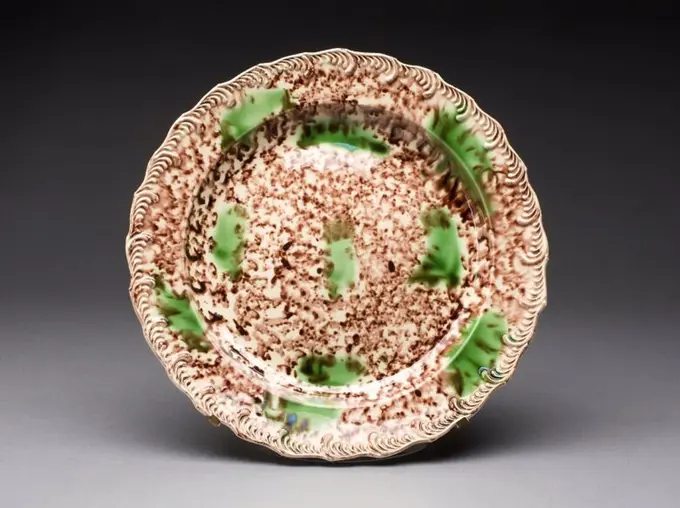
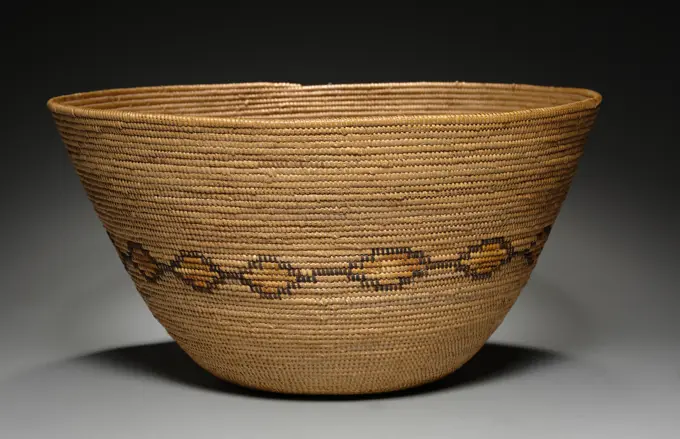
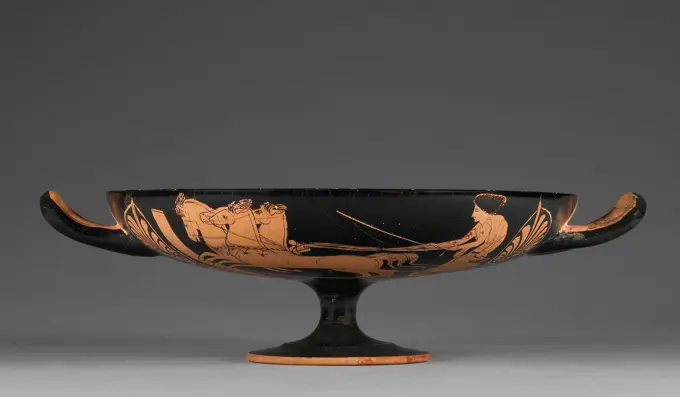
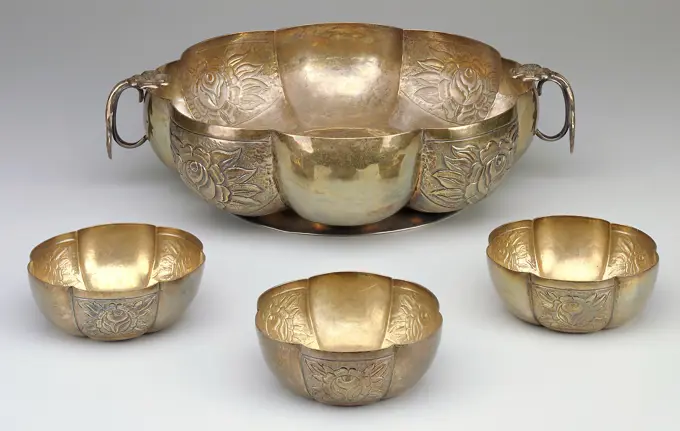
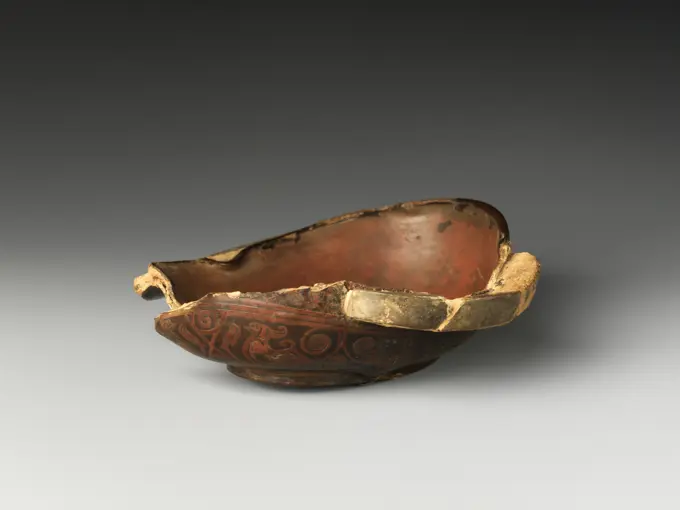
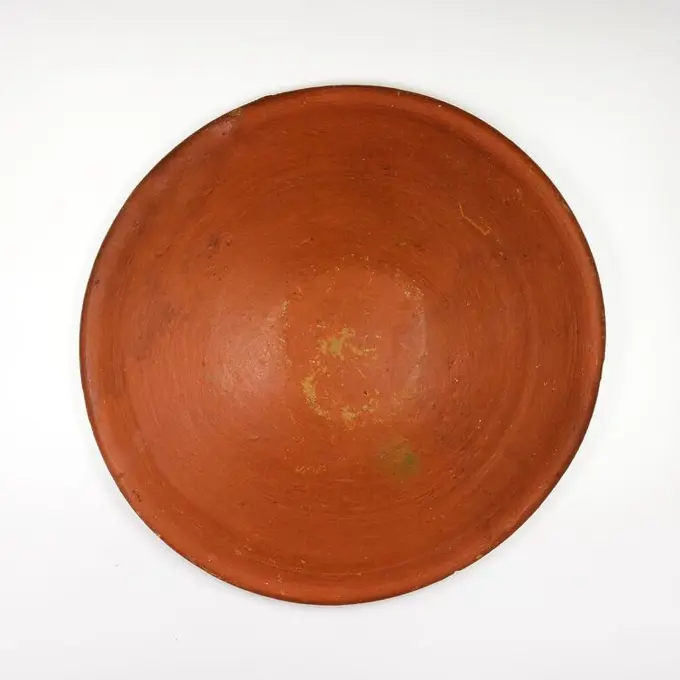
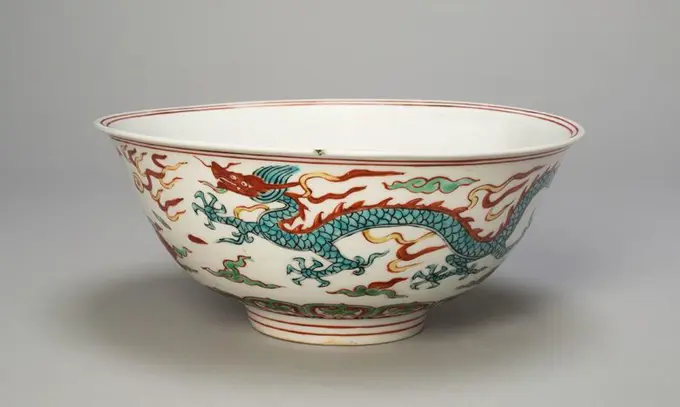
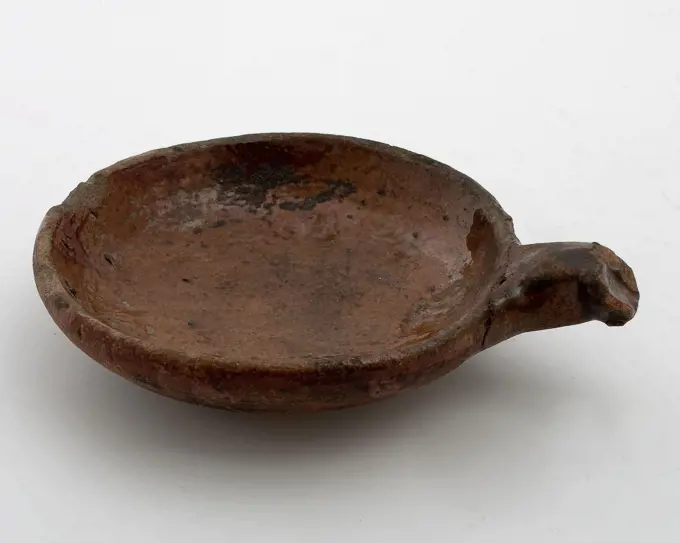
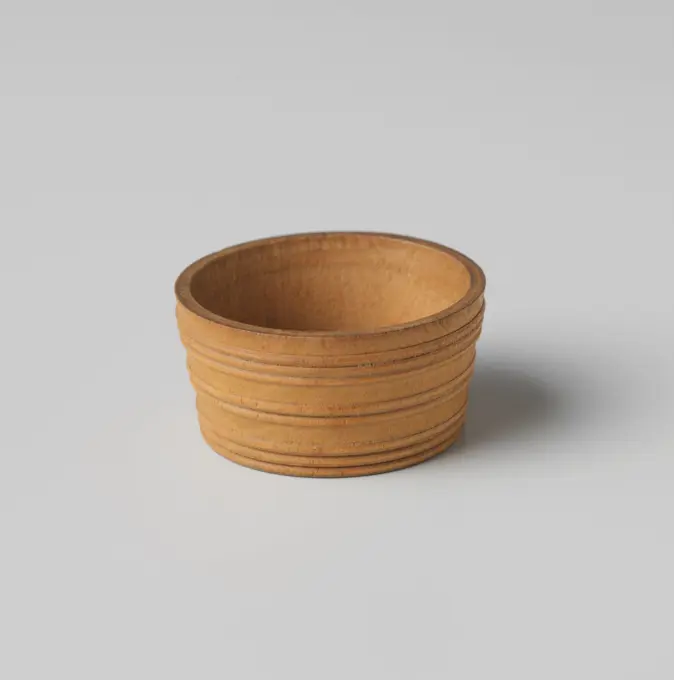
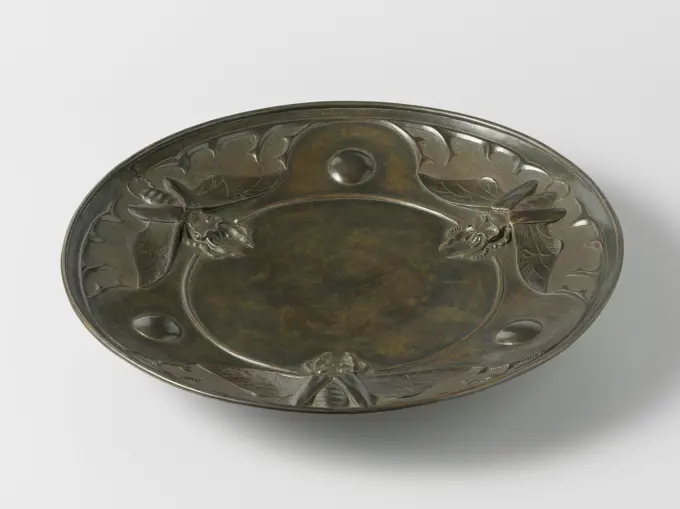
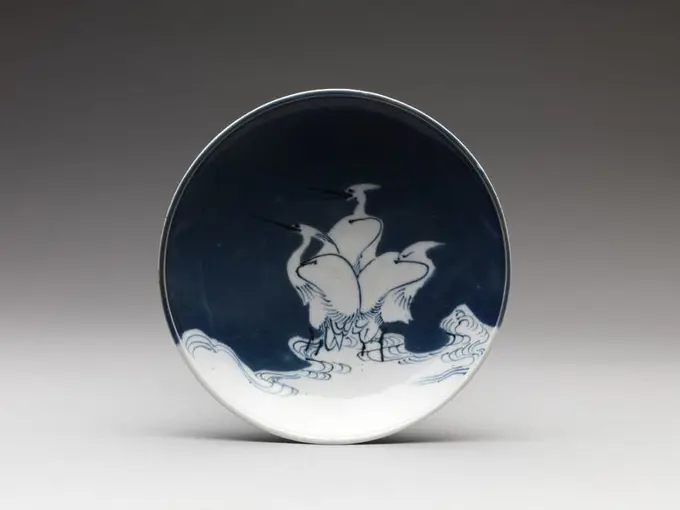
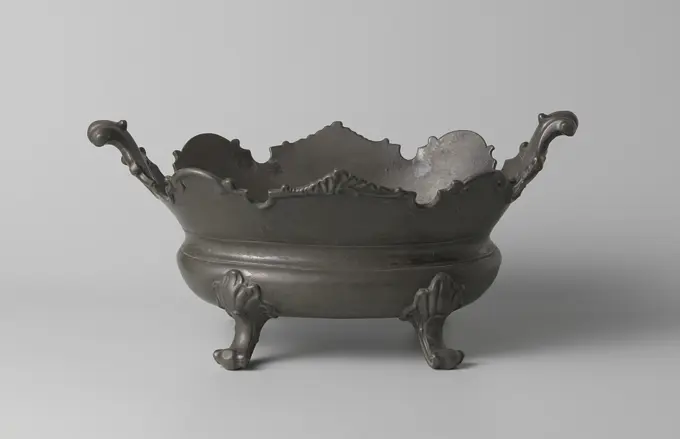
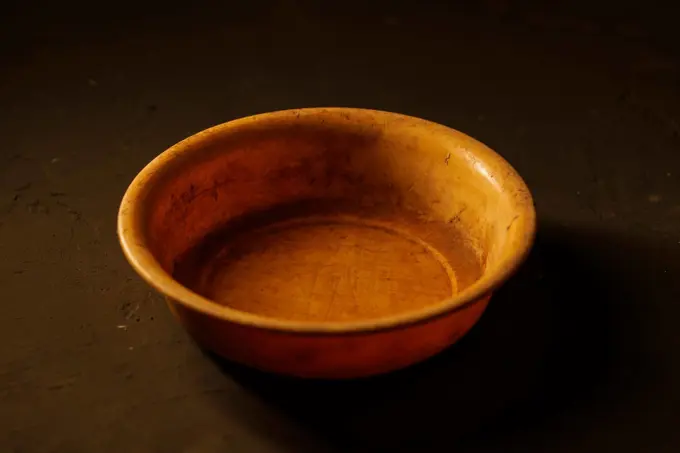
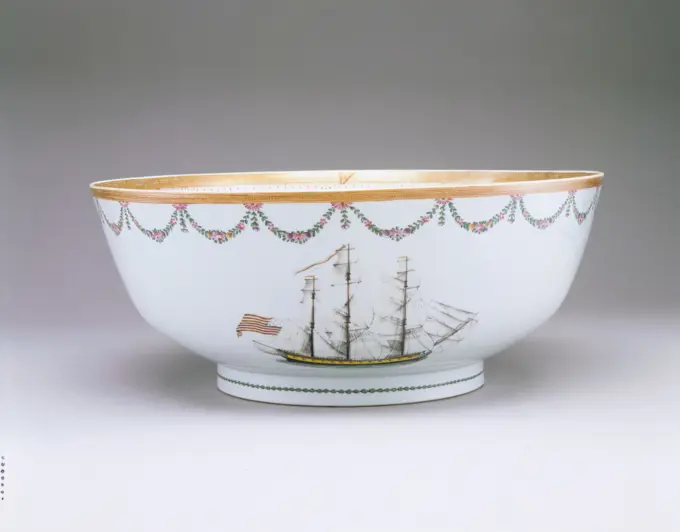
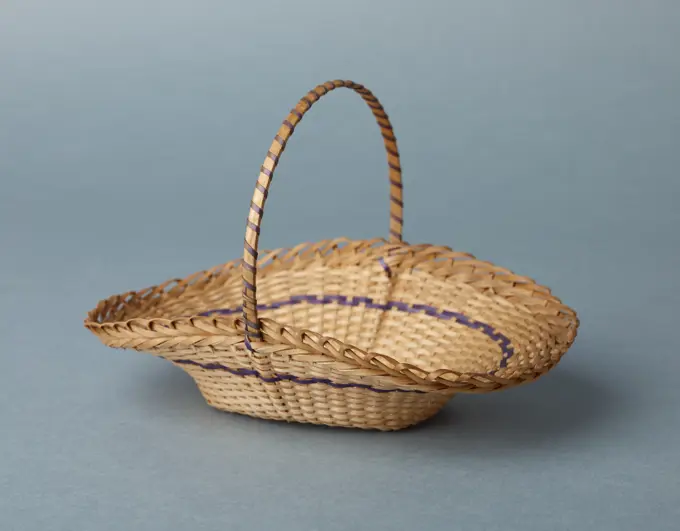
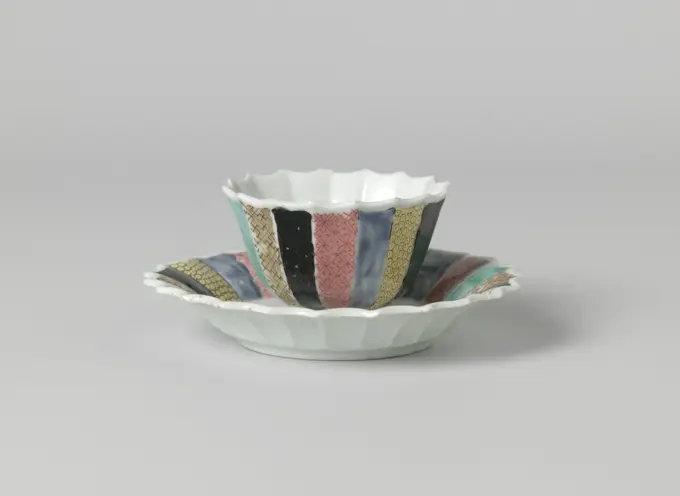
. Cup without ear, from Böttger porcelain. The head has a stand ring and is decorated with three identical flower and leaf branches in relief. The flowers are slightly damaged.Pair Of Bowls (China); glazed porcelain; b: 5.7 x 11 cm (2 1/4 x 4 5/16 in.)Lobed Basin for Flowerpot 1400-1499 China. Jun ware; stoneware with opaque pale-blue and reddish-purple glaze .Bowl. American. Date: 1810-1840. Dimensions: 15.2 × 51.8 × 52.1 cm (6 × 20 3/8 × 20 1/2 in.). Wood. Origin: United States. Museum: The Chicago Art Institute, Chicago, USA.Oval CoveredBoxDish China. Dish. China. Porcelain with incised decoration under aubergine glaze. Qing dynasty (1644-1911), Yongzheng mark and period (1723-35). CeramicsTerracotta dish ca. 330-300 B.C. Greek, South Italian, Campanian, Teano Shallow dish with ring base decorated with ivy vine and stamped pattern; leaves and dots in added white.. Terracotta dish 248186Sake Ewer with Decoration of Chrysanthemums on a Stream Bank 17th century Japan. Sake Ewer with Decoration of Chrysanthemums on a Stream Bank 40473Bowl China. Bowl 40681Flattened Globular Bowl, 1661-1722. China, Qing dynasty (1644-1911), Kangxi reign (1661-1722). Porcelain; diameter: 9.2 cm (3 5/8 in.); overall: 3 cm (1 3/16 in.).Fragment from v.o.c.-ship the 'white lion'. Fragment from v.o.c.-ship the 'white lion', 75%% present. High bowl with a spreading and light scalloped lip, decorated in underglaze blue. The indoor and outer wall are decorated with wide and narrow fields. In the wide fields of blooming plants and tendrils, in the narrow fields of polka. Type 1.4.2.Basin with Zodiac Signs and Royal Titles late 13th-early 14th century The bottom of this basin depicts the sun surrounded by all twelve signs on the zodiac and the seven planets of medieval belief. The titles of an unknown noble are arranged around the rim. This basin, with a matching ewer, may have been used for ablutions.. Basin with Zodiac Signs and Royal Titles. late 13th-early 14th century. Brass; engraved and inlaid with silver and black compound. Attributed to Egypt or Syria. MetalIncised bowl with felines 7th-5th century B.C. Paracas. Incised bowl with felines 308315Bowl with Dragons, Peony Scrolls, and Band of Lingzhi Mushrooms. China. Date: 1522-1566. Dimensions: H. 11.8 cm (4 5/8 in.); diam. 28.5 cm (11 1/4 in.). Porcelain painted in underglaze blue with design in reserve. Origin: China. Museum: The Chicago Art Institute, Chicago, USA.Cup and Saucer with Four Ladies in a Landscape. Cup and saucer of porcelain with straight wall, painted on the glaze in red, black and gold. On the flat of the dish four ladies, two standing and two sitting, in a landscape with trees, rocks, plants and a building; A decorative band on the edge. The head with the same decoration. A crack in the wall of the head. Encre the chine.Anonymous / "Baptismal font", Transition XV-XVI centuries.Straight-sided bowl with a coat of arms and flower scrolls, anonymous, c. 1725 - c. 1749 Come from porcelain with straight wall, painted on the glaze in blue, red, black and gold. On the outer wall a family crest in a medallion twice. The upper part of the weapon with three flowers on a blue background and the lower part with a flower and seven loose leaves on a golden soil. The cover consists of flower vines and the helmet sign is a swan with a flower as a head. Between the weapons of flower vines; A Spearhead border around the outer edge; On the inner edge a band with flower vines. Soil has been restored. Weapon porcelain with email colors. China porcelain. glaze. gold (metal) painting / gilding / vitrification Come from porcelain with straight wall, painted on the glaze in blue, red, black and gold. On the outer wall a family crest in a medallion twice. The upper part of the weapon with three flowers on a blue background and the lower part with a flower and seven loose leaves on a gTerracotta skyphos (deep drinking cup) 2nd quarter of the 5th century B.C. Greek, Attic Ringbase; the handles are those of a kylix.. Terracotta skyphos (deep drinking cup) 256612Ladle. unknown, craftsmanFRUTERO VIDRADO EN VERDE - CERAMICA POPULAR. Location: ALFARERIA. JAEN. SPAIN.John Robins, Two Bowls, 1813/14, silver gilt.Dish: Ding ware, 1100s. China, Hebei province, Chuyang district, Jin dynasty (1115-1234). White porcelain, Ding ware; diameter: 11.8 cm (4 5/8 in.).Terracotta saucer-shaped lamp. Culture: Cypriot. Dimensions: Overall: 1 3/8 x 5 1/4 in. (3.5 x 13.3 cm). Date: 4th century B.C.. Museum: Metropolitan Museum of Art, New York, USA.Coral-Glazed Bowl 1644-1911 China. Porcelain with red glaze .Dish, c. 1475-1500. Spain, probably Valencia. Tin-glazed earthenware with luster-painted design; diameter: 42.6 cm (16 3/4 in.). Alternating leaves and pomegranates circle the rim of this dish, emerging from the swirling vegetal motif in the background. The pomegranate is a common decorative element in Islamic art. It is mentioned in the Quran as one of the fruits of paradise and is prized for its beauty and nutritional benefits. The use of the pomegranate on this luminous dish may indicate that it was produced for the court of the Nasrid dynasty (1232-1492) in Spain. The palace of Alhambra, the seat of power for the emirs, dynastic Muslim rulers, from the early 1300s, is in Granada, which translates to pomegranate.Dish with Grasses and Flowers ca. 1620-40 Japan. Dish with Grasses and Flowers 50320Bowl 5th-3rd century B.C. Paracas. Bowl 308319Dram Cup 1700-1730 American. Dram Cup 688Fragment board from v.O.c.-ship the 'white lion'. Fragment board from v.o.c.-ship the 'white lion' with a flat edge and slightly wavy lip, decorated in underglaze blue, 75%% present. The decoration is sketchy. In the flat two deer in a landscape. On the wall and edge, separated by thin vertical lines, wide and narrow fields with flower branches and polka dots. Type 1.9.1.Bronze statuette of a lion Greek late 6th century BCE Statuette of a lion with the head turned to the right. View more. Bronze statuette of a lion. Greek. late 6th century BCE. Bronze. Archaic. BronzesRound Negoro Tray (Ashitsuki-ban) with Three Feet 15th-16th century Japan Negoro lacquer implements and utensils were typically used by those residing in Buddhist temples and monasteries or by Shinto shrines and the upper echelons of society. Their strong wooden structure was designed to withstand many years of use, and the vivid contrast of the black gradually appearing from beneath the outermost layer of red lacquer made them very appealing. Round Negoro Tray (Ashitsuki-ban) with Three Feet. Japan. 15th-16th century. Wood with coatings of red over black lacquer (Negoro ware). Muromachi period (1392-1573). LacquerBowl, 12th Century. China, Hebei province, Chuyang District, Jin dynasty (1115-1234). White porcelain, Ding ware; diameter: 21 cm (8 1/4 in.); overall: 6.4 cm (2 1/2 in.).Maker Unknown, Ecuelle, c. 1740, Silver.Tripod bowl ca. 2000-1600 B.C. Iran This round bowl stands on three legs. It is made of a buff clay. It was found in a grave at Kamterlan II, a mound in Luristan in the Zagros Mountains of western Iran. Although it had been a settlement in the late third millennium B.C., by the second millennium the site had become a cemetery. It is difficult to say what purpose this bowl served, or even to determine whether it was a special funerary item or an object of everyday use.It is often thought that the inhabitants of Luristan in this period were pastoral nomads, who moved with their herds from the high valleys of the Zagros during the summer to lowland pastures in the winter. This theory arises from the dearth of evidence for settlements, and the occurrence of isolated cemetery sites. At the same time, the infrastructure necessary for bronze working, an important industry in Luristan, suggests that some sedentary settlements must have existed. In all likelihood these settlements were not locaDice Bowl, 1426-1435. China, Jiangxi province, Jingdezhen, Ming dynasty (1368-1644), Xuande mark and period (1426-1435). Porcelain with mottled blue glaze; diameter: 25 cm (9 13/16 in.); overall: 11.6 cm (4 9/16 in.).Bracelet 9th-8th century B.C. Italic, Villanovan. Bracelet 256026Sauce Dish. Culture: American. Dimensions: H. 2 3/8 in. (6 cm); Diam. 4 in. (10.2 cm). Maker: Challinor, Taylor and Company (1866-1891). Date: 1870-90. Museum: Metropolitan Museum of Art, New York, USA.Talerz. unknown, authorJar first half of the 19th century China. Jar 47366Bowl with design of landscapes, butterflies, and fishnet, late 19th century, Unknown Japanese, 2 3/4 x 5 1/8 x 5 1/8 in. (6.99 x 13.02 x 13.02 cm), Glazed porcelain with overglaze gold, Japan, 19th centuryEcuelle and lid, Pewter, Circular bowl with baroque cartouche-shaped handles moulded with decoratve scrolls, the circular lid also decorated with spiral lambrequins and scrolls., Angers, France, ca. 1700, metalwork, Decorative Arts, Ecuelle and lidHexagonal Flower Pot, early 1400s. China, Henan province, Yuxian, Juntai, Ming dynasty (1368-1644). Porcelaneous stoneware, numbered Jun ware; overall: 13.4 x 14 cm (5 1/4 x 5 1/2 in.).Bowl with Abstract, Geometric Rendering of Blanket on Interior. Hopi, Jeddito Black-on-yellow; Northeastern Arizona, United States. Date: 1400-1600. Dimensions: Diam. 22 cm (8 5/8 in.). Ceramic and pigment. Origin: Arizona. Museum: The Chicago Art Institute, Chicago, USA.Dish 9th-11th century. Dish 449770Bowl, early 1500s. Italy, early 16th century. Reddish earthenware, incised slipware; diameter: 41 cm (16 1/8 in.).Czarka;  19th/20th century (1891-00-00-1910-00-00);Neck of a Vessel 4th-early 5th century Coptic. Neck of a Vessel 479606Covered Bowl With Scrolls, Diaper Pattern and Scattered Flowers. Cover bowl of porcelain with ribbed wall and lobed edge, painted on the glaze in red, green, yellow, eggplant, turquoise, black and gold. The outer wall of the bowl is divided into elongated compartments with alternating napkin and flour rinks; Around the foot a bond with curl. A stylized flower on the bottom; The inner wall with five loose stylized flowers. Porcelain with emailing.Seif Yohei I made both blue and white porcelains after Ming dynasty (1368-1644) Chinese wares fired in the kilns at Jingdezhen for export. He also made colorful stoneware in the style of his teacher, Nin’ami Dhachi (Takahashi Dhachi II) (1783-1855). Nesting Dishes with Scattered Pine Needles and Maple Leaves, c. 1844-57. Seifū Yohei I (Japanese, 1801-1861). Pair of dishes; stoneware with underglaze blue, iron oxide, slip, and crackled glaze, and overglaze color enamel; inner dish: 6.7 x 14.4 x 11.5 cm (2 5/8 x 5 11/16 x 4 1/2 in.); outer dish: 7.5 x 15.3 x 12.7 cm (2 15/16 x 6 x 5 in.).Bowl with Ornamented Rosette 11th-13th century Byzantine A large number of glazed Byzantine ceramics have been excavated from shipwrecks along major Byzantine trade routes in the Aegean and Mediterranean seas. Ships would sail along the coastline, selling goods and taking on new cargo at each port. Differences in the chemical composition and manufacture of the excavated ceramics are evidence of multiple production centers and the complex trade network that moved wares throughout the Empire. The green color of the glaze on this bowl is the result of the vessels long immersion in sea water, probably after a shipwreck.. Bowl with Ornamented Rosette 466278Fragment of a winecup of Chinese porcelain from the wreck of the Dutch East Indiaman Witte Leeuw, anonymous, before 1613  Wine head from V.O.C. ship De 'Witte Leeuw', 90 present. Jingdezhen bone china (material)   Sint-HelenaSet of four plates (part of a set). Culture: British, Bristol. Dimensions: Diameter (each): 8 1/2 in. (21.6 cm). Maker: Robert L. Bush. Manufacturer: Bush & Co.. Date: 1781-93. Museum: Metropolitan Museum of Art, New York, USA.Plate (one of a set of twelve) Thomas Farren British 1715/16 View more. Plate (one of a set of twelve). British, London. 1715/16. Silver. Metalwork-SilverCup 1700 Japan. Cup. Japan. 1700. Soft paste porcelain decorated with colored enamels and gold (Hizen ware, Kutani type). Edo period (1615-1868). CeramicsTerracotta kylix (drinking cup) ca. 510 B.C. Attributed to the Euergides Painter Interior, youth with keras (drinking horn)Exterior, obverse, panther attacking fawn, and youth;reverse, athletes and trainerThe inclusion of the panther felling a fawn in the iconography of this cup is noteworthy; the youth running away makes the animal encounter very immediate. The representation may have something to do with prowess and cowardice.. Terracotta kylix (drinking cup) 254301Plate. England, Staffordshire. Date: 1760-1770. Dimensions: Diam. 22.9 cm (9 in.). Lead-glazed earthenware (creamware). Origin: Staffordshire. Museum: The Chicago Art Institute, Chicago, USA.Beaker and saucer ca. 1775 Imperial Porcelain Manufactory, St. Petersburg Russian The Cyrillic letter E/II Ekaterina on the back of the saucer is the personal cipher of Catherine the Great.. Beaker and saucer 207074BowlKylixFood/ Carrying Bowl, before 1929. California, Southern, Gabrielino (San Babriel, Mission, or Tongva), 20th century. Coiled; diameter: 26.5 x 49.5 cm (10 7/16 x 19 1/2 in.).Bowl with Dragon mid-16th century China. Bowl with Dragon. China. mid-16th century. Porcelain with incised decoration under and colored enamels over transparent glaze (Jingdezhen ware). Ming dynasty (1368-1644), Zhengde mark and period (1506-21). CeramicsPlate (one of a set of twelve) Richard Bayley British 1715/16 View more. Plate (one of a set of twelve). British, London. 1715/16. Silver. Metalwork-SilverSalt ca. 1785-95 Possibly David Tyler. Salt 7092Bowl, c. 1730-1740. Austria (), Vienna (), 18th century. Porcelain; diameter: 7.4 x 8.7 cm (2 15/16 x 3 7/16 in.).19th century wooden commemorative dish, Hawaiian1615. sandstone coated with polychrome enamels. Cernuschi Museum, Asia Museum of Asia in the city of Paris.Attic Red-Figure Cup. Attributed to the Marlay Group (Greek (Attic))Miniature Dish. Culture: China. Dimensions: H. 13/16 in. (2 cm); W. 3 3/16 in. (8.1 cm). Museum: Metropolitan Museum of Art, New York, USA.Fingerbowl, from a set of 12, c. 1929-1930, 1 5/8 x 4 3/4 x 4 9/16 in. (4.1 x 12.1 x 11.6 cm), Silver, Mexico, 20th centuryWinged cup China. Winged cup. China. Lacquer. Western Han dynasty (206 B.C.-A.D. 9). LacquerDish from Tutankhamun's Embalming Cache. Dimensions: H. 3.7 cm (1 7/16 in.); Diam. 18.4 cm (7 1/4 in.). Dynasty: Dynasty 18. Reign: reign of Tutankhamun. Date: ca. 1336-1327 B.C.. Museum: Metropolitan Museum of Art, New York, USA.Bowl ca. late 3rd-early 2nd millennium B.C. Bactria-Margiana Archaeological Complex. Bowl 326757Bowl with Dragons Chasing Flaming Pearls amid Clouds. China. Date: 1522-1566. Dimensions: H. 9.2 cm (3 5/8 in.); diam. 21.0 cm (8 1/4 in.). Porcelain painted in overglaze enamels. Origin: China. Museum: The Chicago Art Institute, Chicago, USA.Miniature Bowl With a Flower Spray. Miniature bowl of porcelain, painted in underglaze blue with a flower branch. Wide, flat, unglazed upper edge. Blue White.Cup. Half spherical head of multicolor painted porcelain, on a stand ring. A landscape is painted on the head with buildings and cypresses. The head is marked and belongs to a dish.Small earthenware toy saucepan, red shard, partially glazed, on pinched stand fins, saucepan pan tableware holder kitchenware toy relaxation tool model soil find ceramic earthenware glaze lead glaze, hand turned glazed baked Pottery saucepan fashion toy red shard inside covered with lead glaze short handle three pinched standfins archeology indigenous pottery food prepare cooking play kitchenOffering Tray (Talam), anonymous, c. 1300 - c. 1500 Talam, sacrificial sheet, bronze, in the middle decorated with a bull including a border with different animals. East Java bronze (metal) Talam, sacrificial sheet, bronze, in the middle decorated with a bull including a border with different animals. East Java bronze (metal)Lotus-Leaf Dish China. Lotus-Leaf Dish. China. Nephrite, very dark sage-green. Qing dynasty (1644-1911), Kangxi period (1662-1722). JadePainted Bowl 1st-6th century Nasca. Painted Bowl 309727Lazio Roma Rome SS. Giovanni e Paolo, Museum15. Hutzel, Max 1960-1990 Medieval: Ceramic fragments, sculptural fragments, fresco fragments, inscribed tomb markers. Houses one of the best collections of Malagan medieval ceramics for casting wall monuments, copies of which are housed in campanile. Specific Location: Museum Antiquities: Ceramic fragments, sculptural fragments, architectural fragments Object Notes: Basilica has separate record and is filed separately. German-born photographer and scholar Max Hutzel (1911-1988) photographed in Italy from the early 1960s until his death. The result of this project, referred to by Hutzel as Foto Arte Minore, is thorough documentation of art historical development in Italy up to the 18th century, including objects of the Etruscans and the Romans, as well as early Medieval, Romanesque, Gothic, Renaissance and Baroque monuments. Images are organized by geographic region in Italy, then by province, city, site complex and monument.Czark for alcohol with a stand;  19th century (1800-00-00-1900-00-00);Tobbe with profile edge, twisted, anonymous, c. 1675 - c. 1700 A tub turned from Esdoornhout with profile edge. Amsterdam maple (wood) A tub turned from Esdoornhout with profile edge. Amsterdam maple (wood)Scale with flying deer in relief, G. Dikkers & Co, c. 1905 The driven scale is equipped with a ornament punched in a stamp shape, consisting of three flying deer with spread wings, to the edge interconnected by stylized antlers and granulated flat sections. This decoration is interspersed by three unprocessed surfaces with a smooth, flat -ball nop in the middle and they are closed by a rib. The scale has a thickened edge and is placed on a round base, in which two holes are installed on the wall. manufacturer: Hengelodesigner: Netherlands brass (alloy) granulation The driven scale is equipped with a ornament punched in a stamp shape, consisting of three flying deer with spread wings, to the edge interconnected by stylized antlers and granulated flat sections. This decoration is interspersed by three unprocessed surfaces with a smooth, flat -ball nop in the middle and they are closed by a rib. The scale has a thickened edge and is placed on a round base, in which two holes are installedDish with Heron Design. Culture: Japan. Dimensions: H. 1 1/4 in. (3.2 cm); Diam. 5 1/2 in. (14 cm). Date: late 17th century. Museum: Metropolitan Museum of Art, New York, USA.Tazza on high diaboloid feet; Part of a crockery. Tazza on high diaboloid feet; Part of a crockery, painted in sepia with landscapes or topographical faces. Marked in the foot in Sepia: a.t.v.Bowl 12th-15th century Chimú. Bowl 310641Strainer, c. 1765. Daniel Parker (American, 1726-1785). Silver; overall: 3 cm (1 3/16 in.); with handle: 28.8 cm (11 5/16 in.); without handle: 10.1 cm (4 in.).Oval wine cooler from tin on four legs. Tin oval wine cooler on four bent legs. The vessel consists of a convex belly, a smooth wall and a vaulted, widening upper part. On the top edge two slanted upright ears ending in a volute. The rest of the top edge has been turned and decorated.Bowl 8th-9th century Demonstrating in its body color and shape the close relationship between buff ware and certain "splash" ware pieces, this bowl's interior is divided into the less common number of five radial compartments.. Bowl 449565Deep Footed Plate with Decoration of Leaves ca. early 19th century Japan. Deep Footed Plate with Decoration of Leaves 49391Bell-shaped cup with a flower basket, floral scrolls and flower sprays, anonymous, c. 1725 - c. 1749 Klock -shaped cup of porcelain, painted on the glaze in blue, red, pink, green, black and gold. A medallion with six petal-shaped courses formed by lotus vends shown; In the medallion a flower vase, different flower areas in the courses; between the compartments of servetwork; On the edge a band with servetwork. A chip in the edge of the head. Famle Rose. China porcelain. glaze. gold (metal) painting / gilding / vitrification Klock -shaped cup of porcelain, painted on the glaze in blue, red, pink, green, black and gold. A medallion with six petal-shaped courses formed by lotus vends shown; In the medallion a flower vase, different flower areas in the courses; between the compartments of servetwork; On the edge a band with servetwork. A chip in the edge of the head. Famle Rose. China porcelain. glaze. gold (metal) painting / gilding / vitrificationEmpty bowl on dark background with copy spacePORCELANA CHINA S XVIII. Location: CONVENTO DE SAN CLEMENTE-MUSEO. Toledo. SPAIN.Punch Bowl ca. 1790 Chinese, for American market. Punch Bowl. Chinese, for American market. ca. 1790. Porcelain. Made in ChinaBasket Company: J.K.Bell-shaped cup and saucer with a woman in a garden and diaper patterns on various colored grounds, anonymous, c. 1725 - c. 1749 Klock -shaped cup and dish of porcelain with ribbed wall and scalloped edge, painted on the glaze in blue, red, pink, green, yellow, black and gold. On the flat of the dish a woman (long lijs) sitting on a rock in a fenced garden with flowering plants; The edge divided into narrow compartments with servetwork on different colored backgrounds. The head with the same decoration. Head has been broken. Famle Rose. China porcelain. glaze. gold (metal) painting / gilding / vitrification Klock -shaped cup and dish of porcelain with ribbed wall and scalloped edge, painted on the glaze in blue, red, pink, green, yellow, black and gold. On the flat of the dish a woman (long lijs) sitting on a rock in a fenced garden with flowering plants; The edge divided into narrow compartments with servetwork on different colored backgrounds. The head with the same decoration. Head One of a Pair of Cups early 18th century Japan. One of a Pair of Cups 49419Plate. Culture: China. Dimensions: Diam. 7 in. (17.8 cm). Museum: Metropolitan Museum of Art, New York, USA.Sunflower Bowl: Guan ware, Southern Song dynasty (1127-1279). China, Southern Song dynasty (1127-1279). Glazed reddish-brown porcelain; diameter: 17.5 cm (6 7/8 in.); overall: 7 cm (2 3/4 in.).monochromatic still life assortment with tableware 3