Ancient Ceramic Fragments

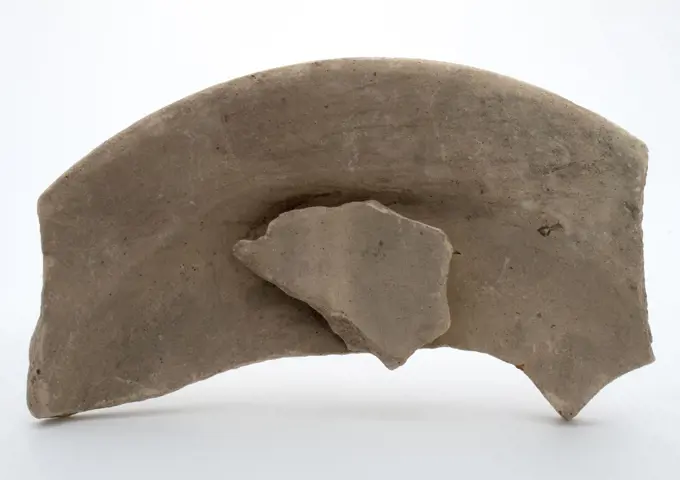
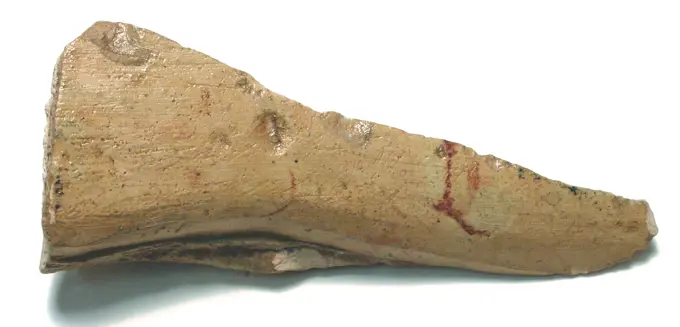
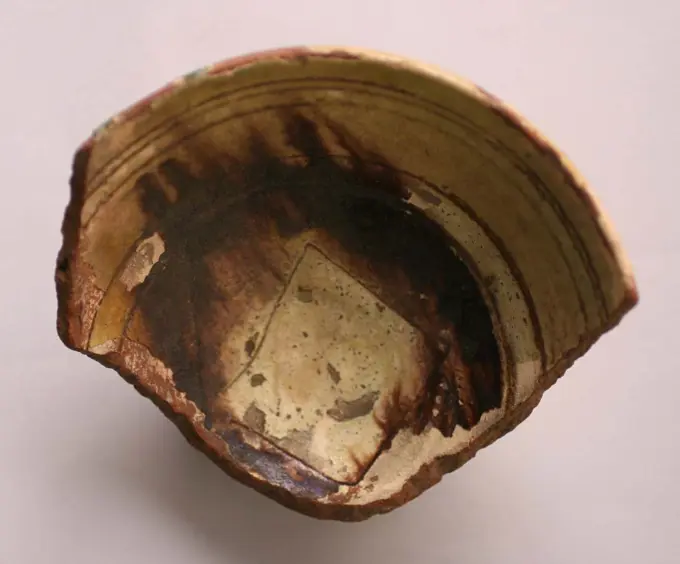
Historical pottery fragments from ancient civilizations, highlighting intricate decorations and materials from various periods.
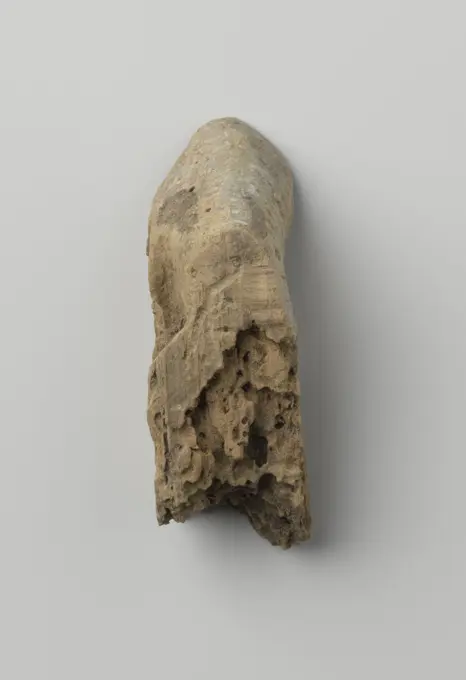
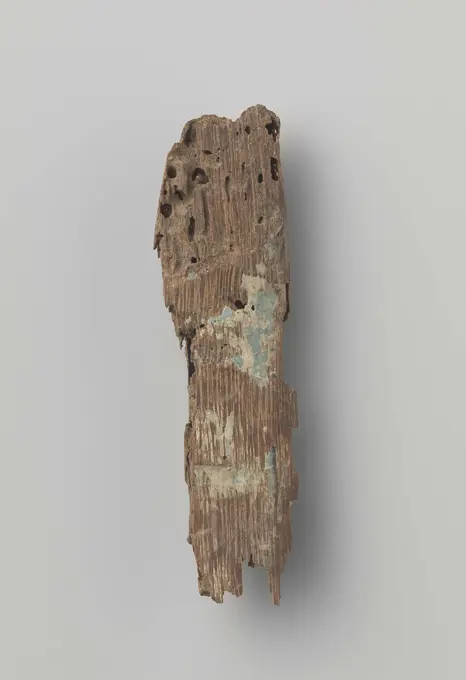
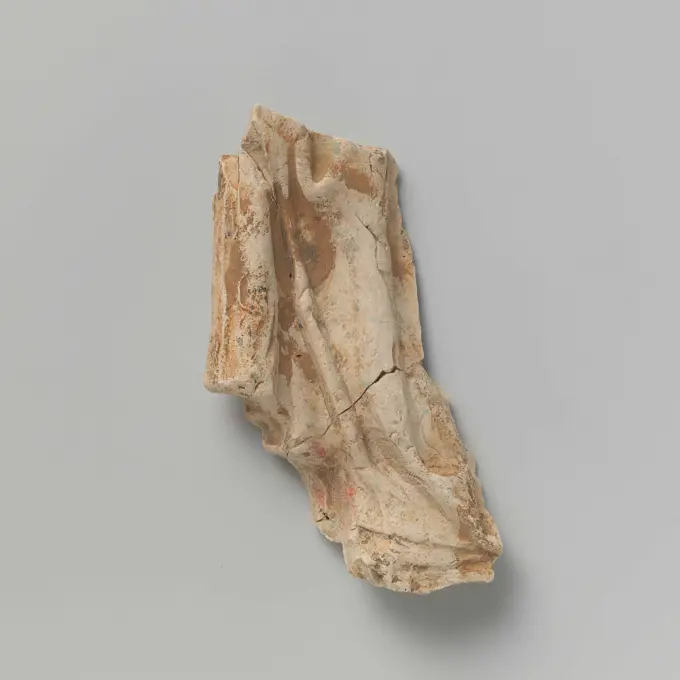
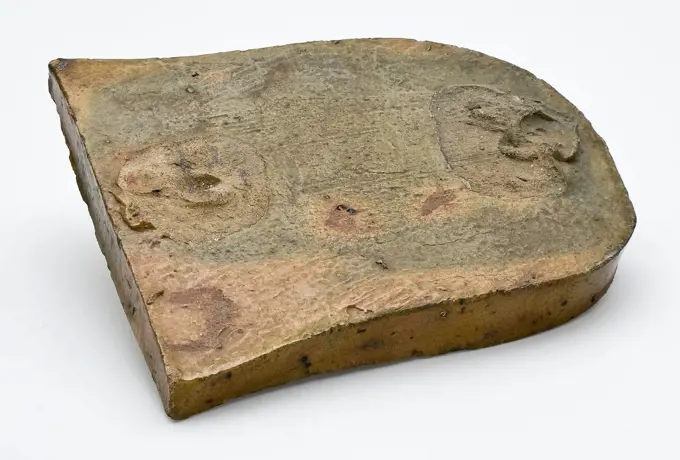
Fragment; (possibly) belonging to the retable of Soest, c. 1475 - c. 1499   wood (plant material)   wood (plant material)
Fragment; (possibly) belonging to the retable of Soest, c. 1475 - c. 1499 wood (plant material) wood (plant material)
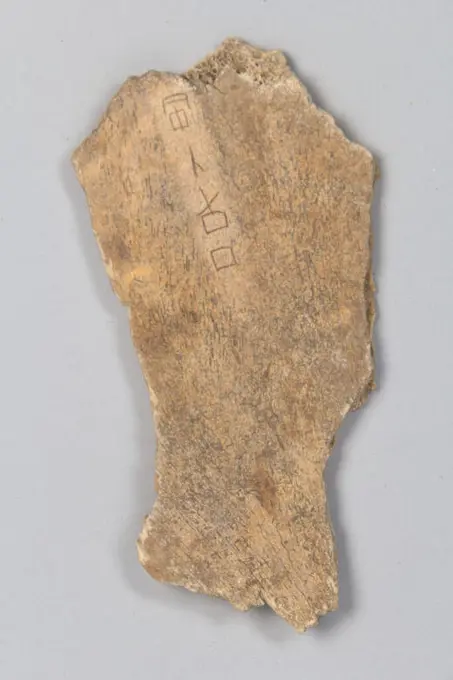
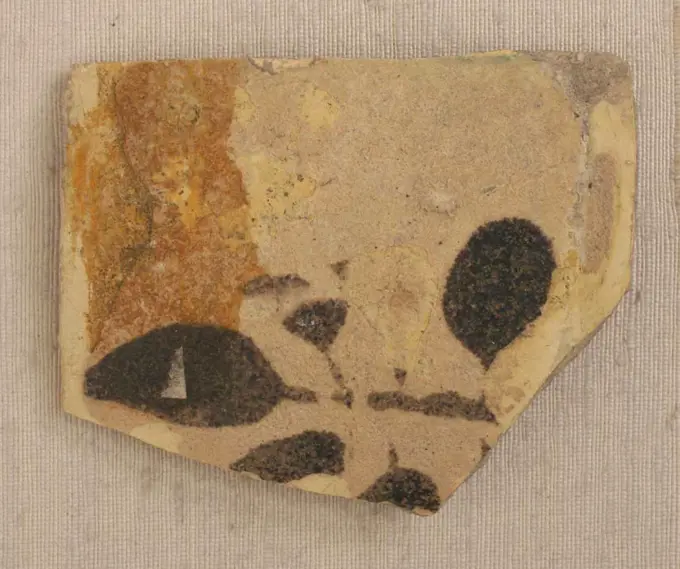
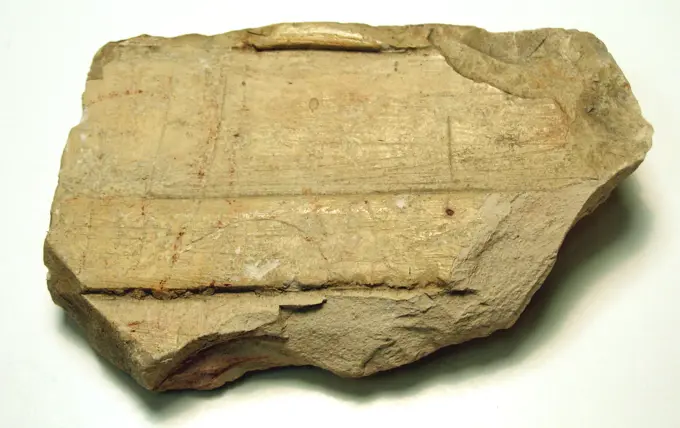
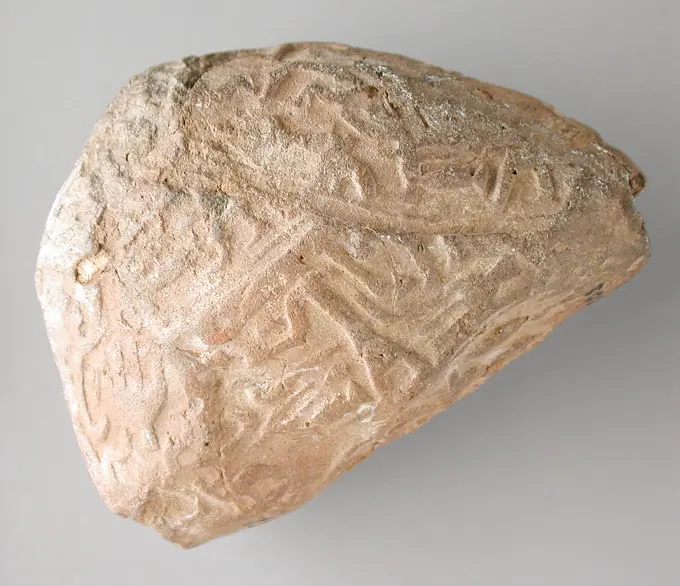
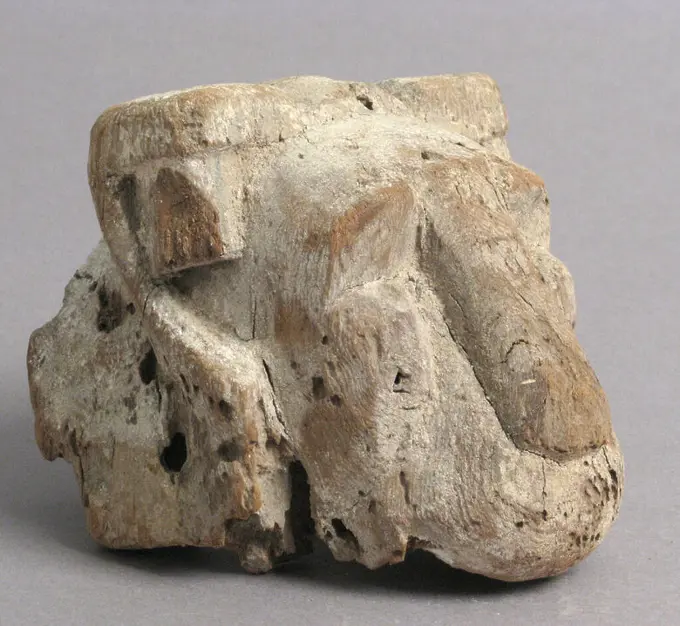
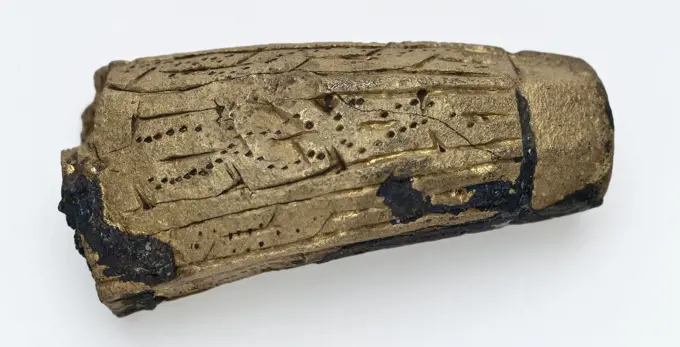
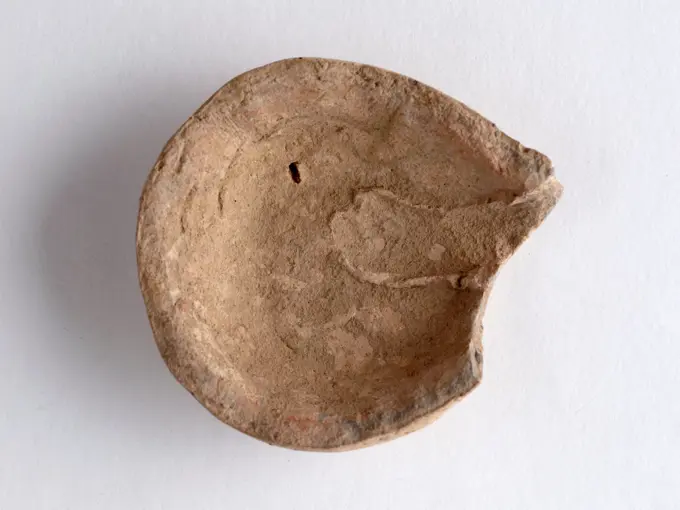
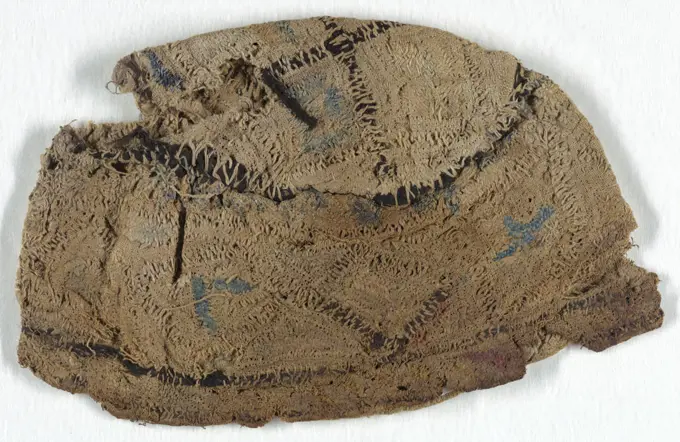
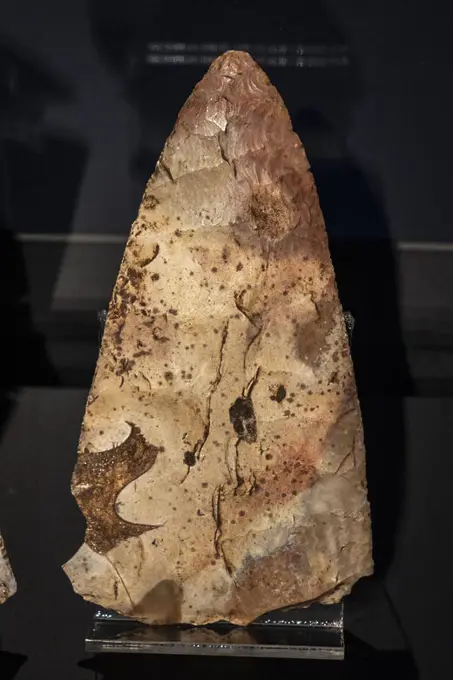
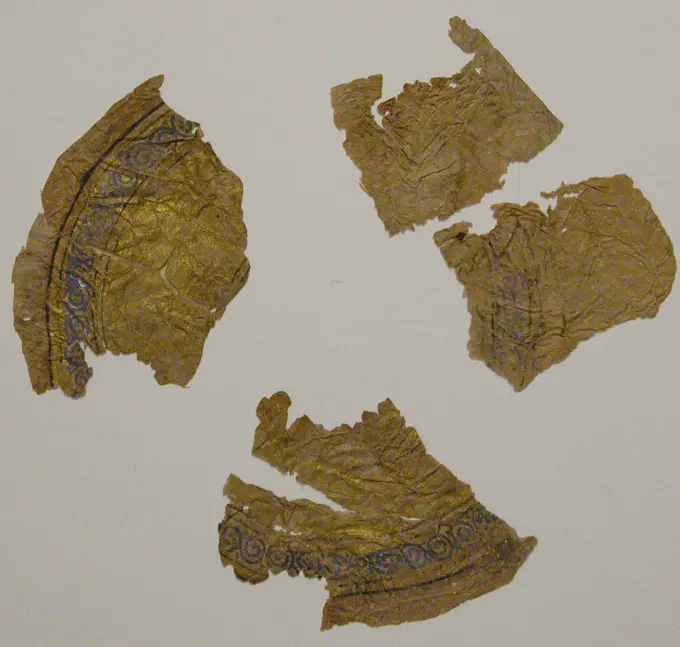
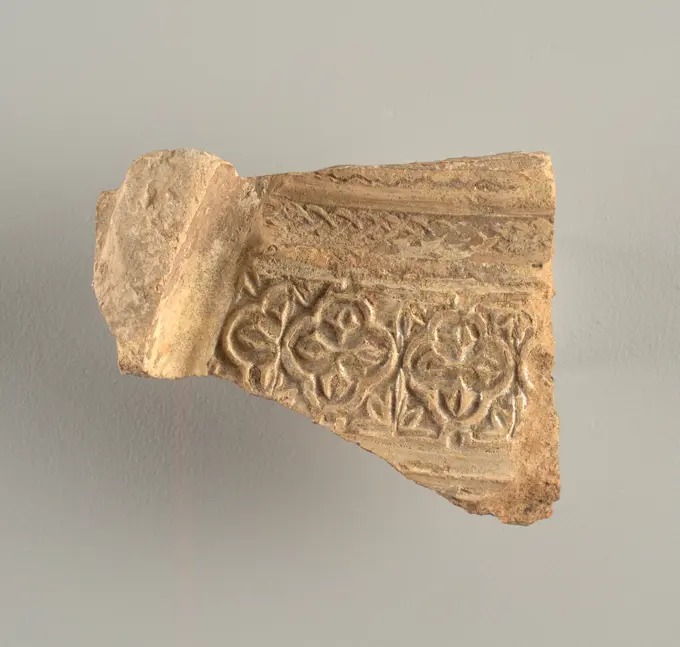
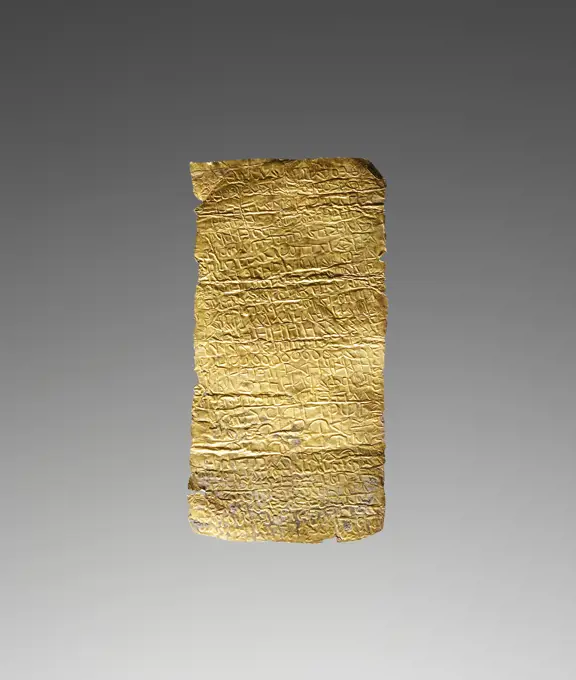
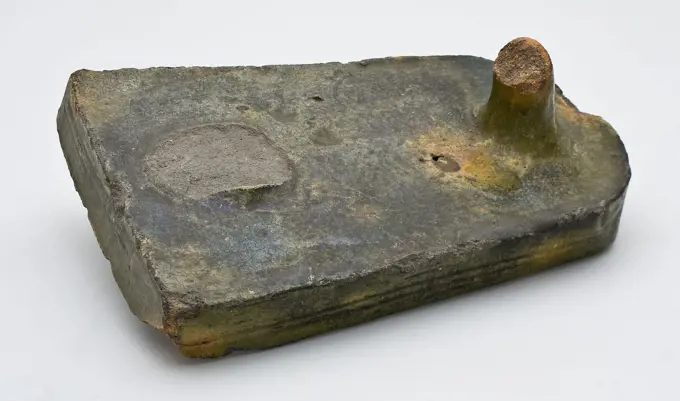
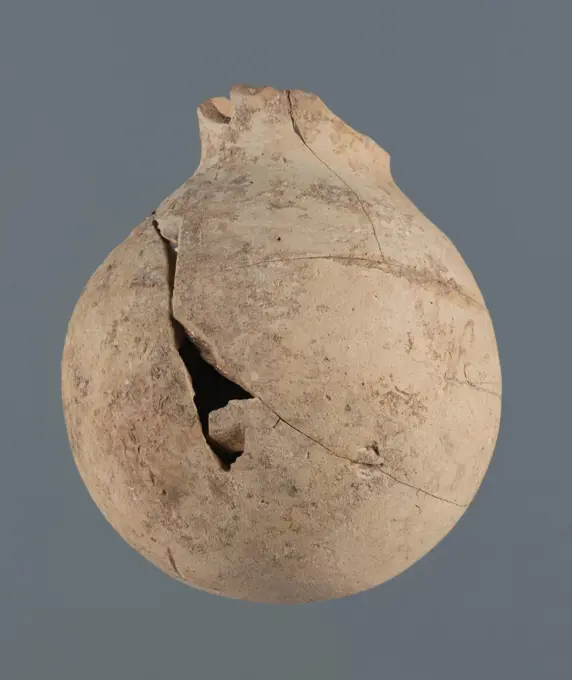
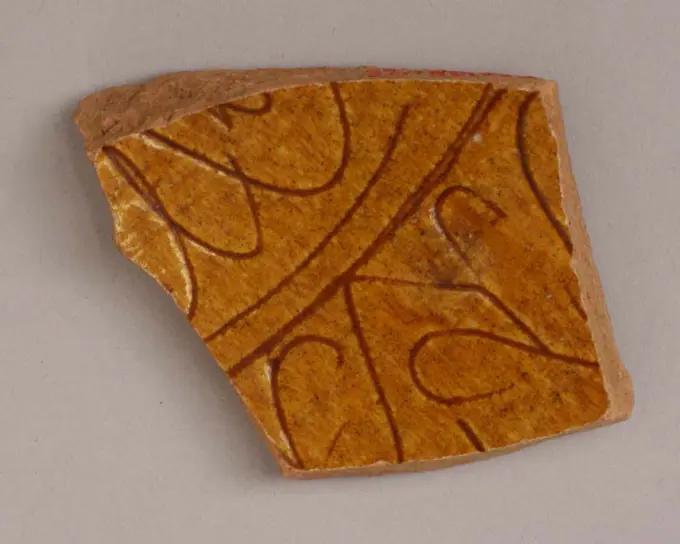
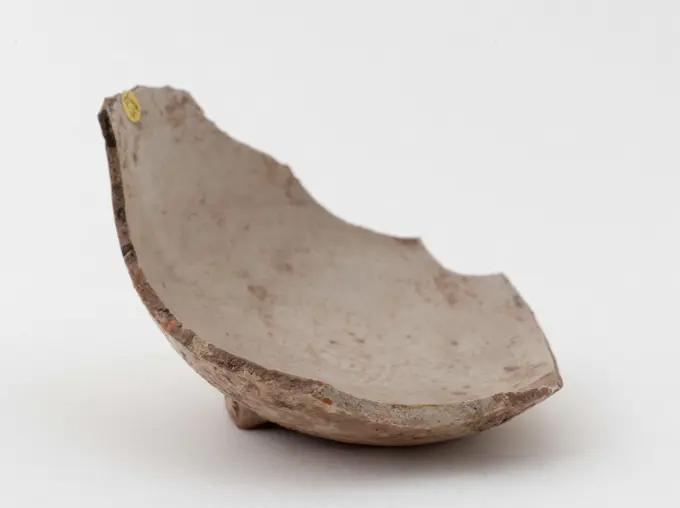
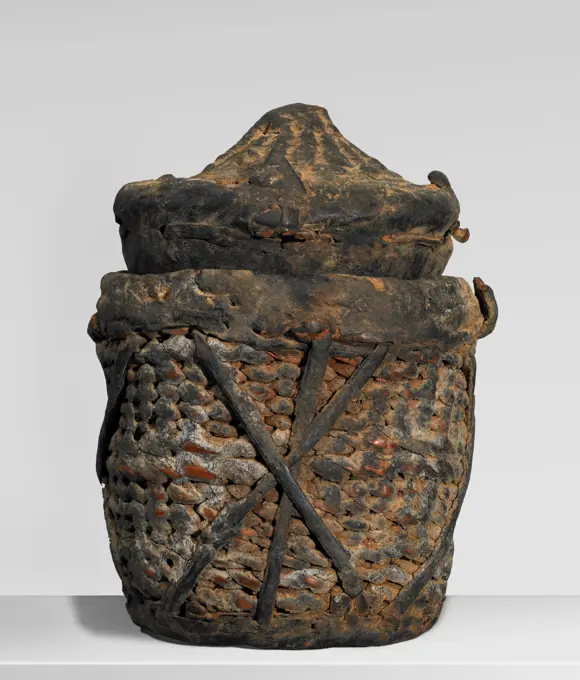
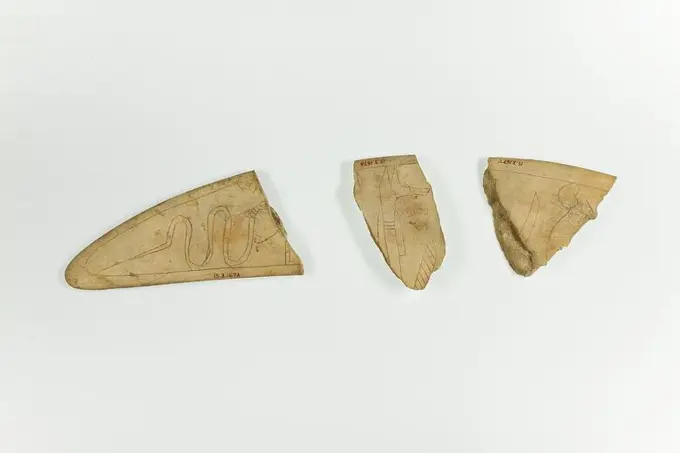
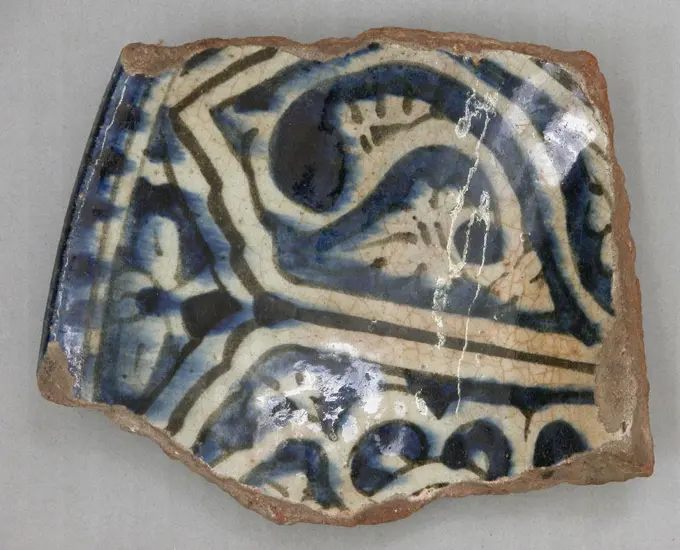
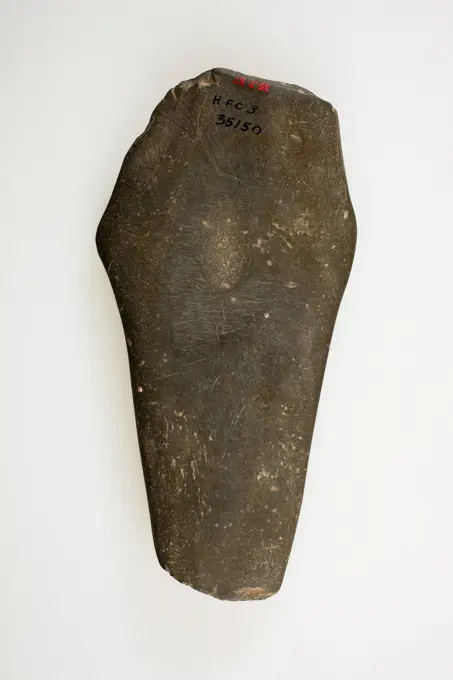
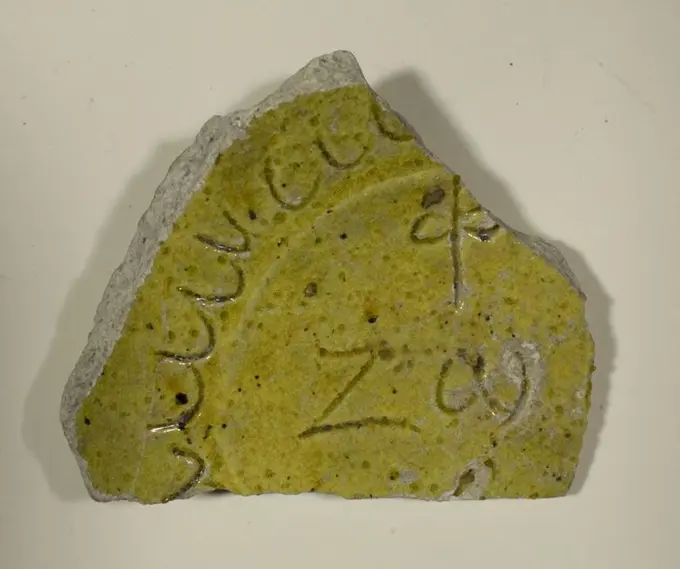
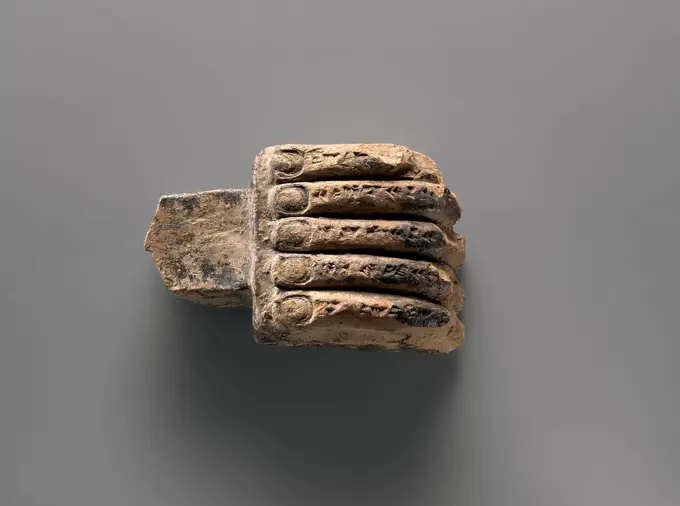
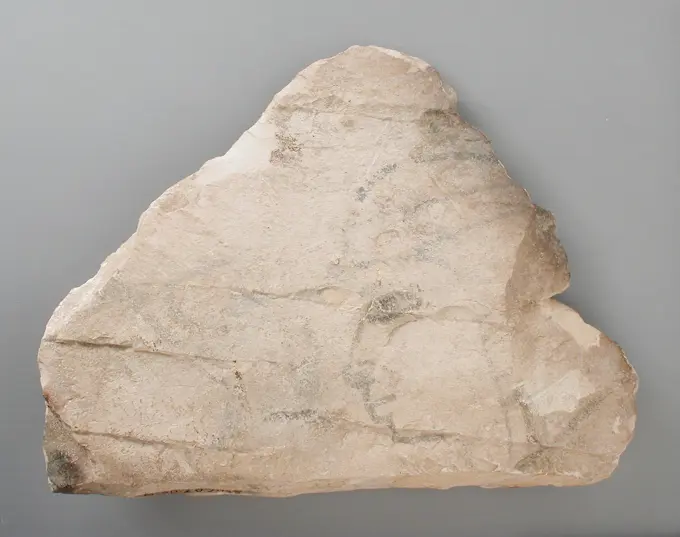
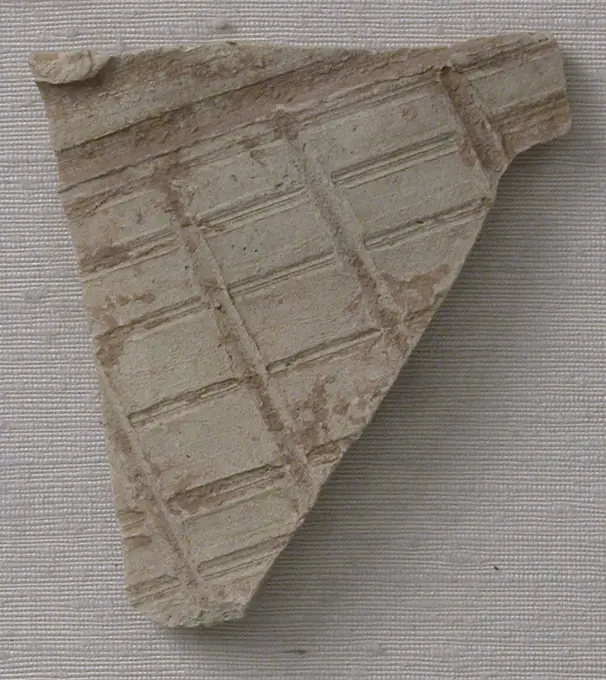
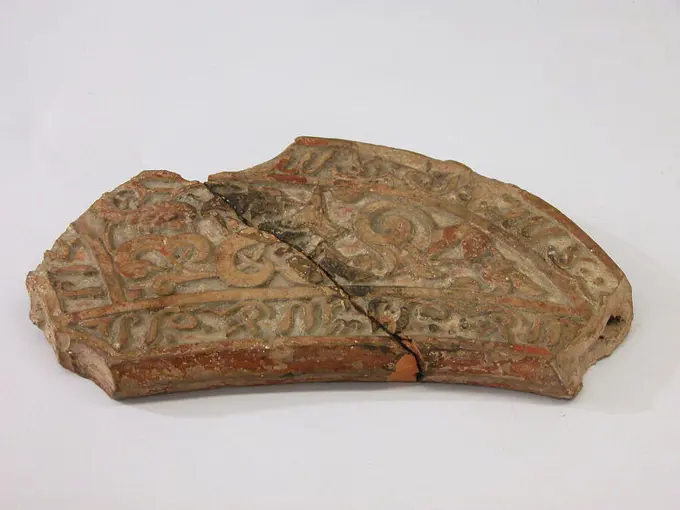
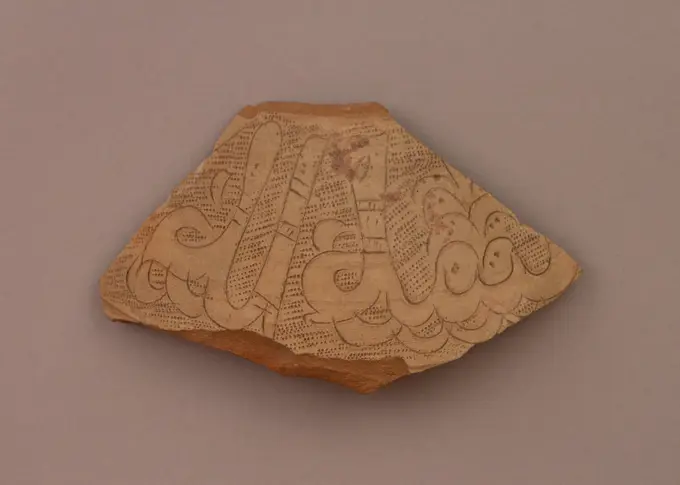
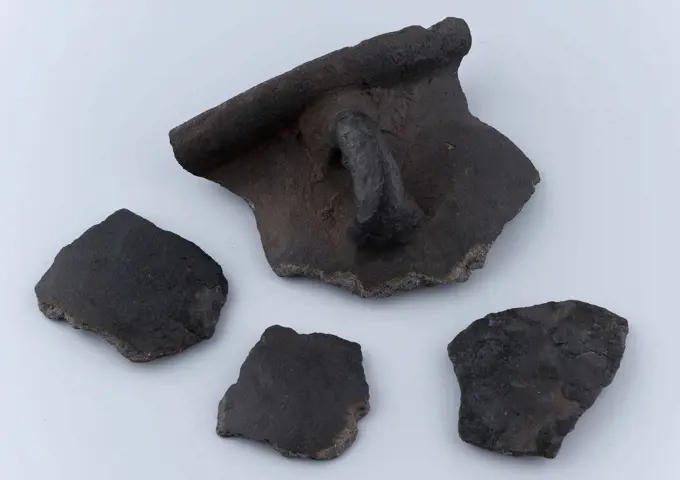
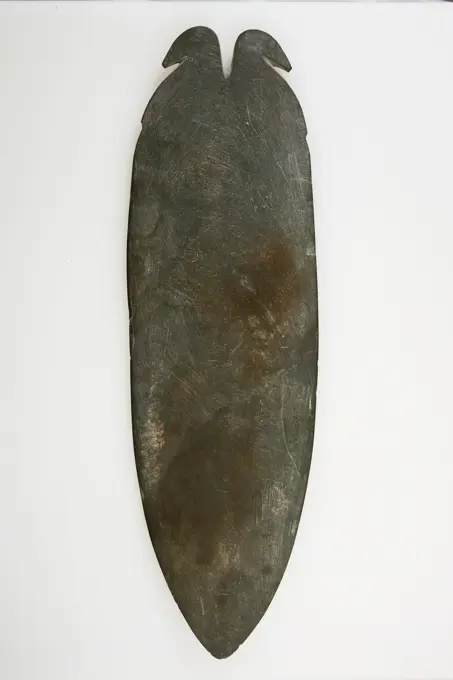
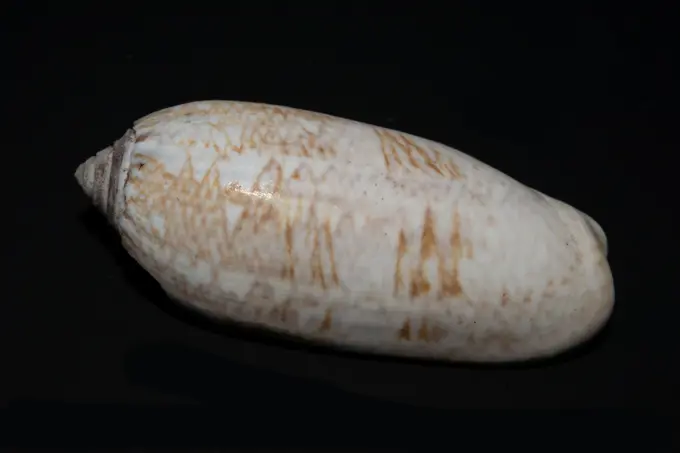
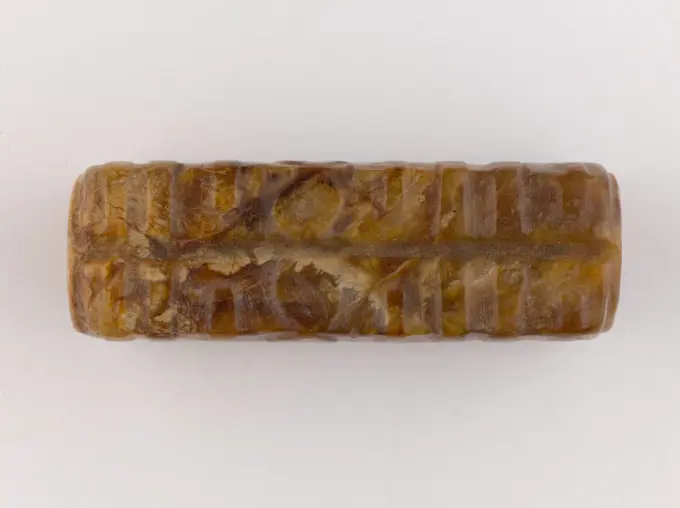
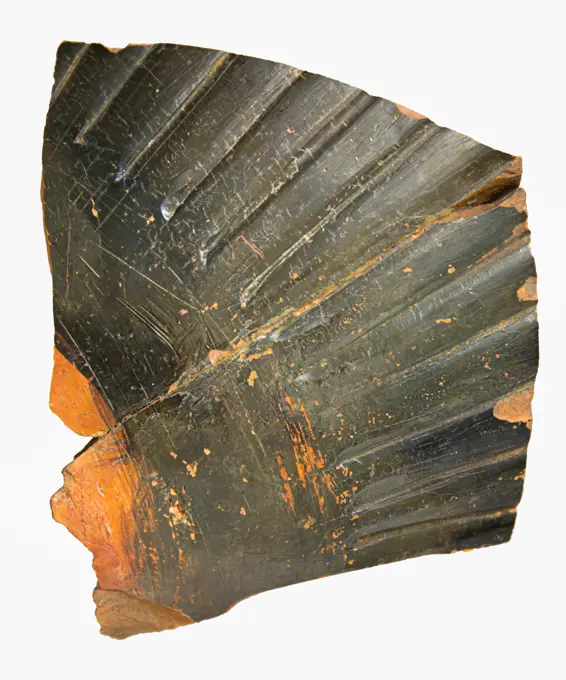
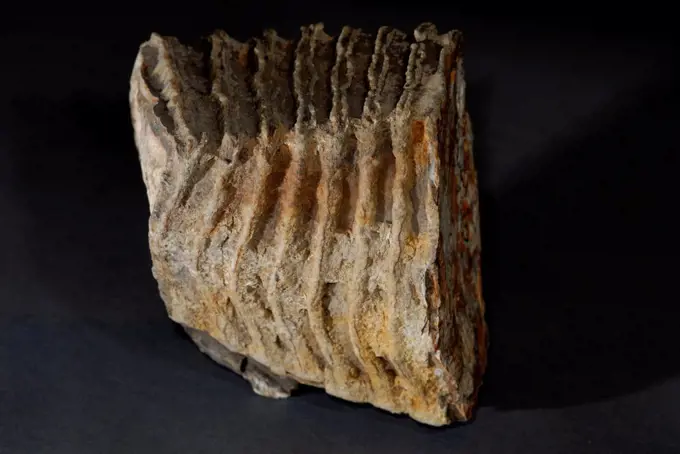
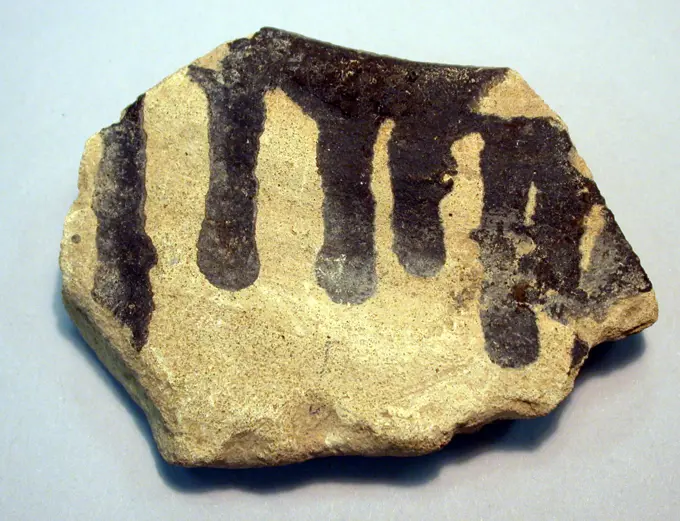
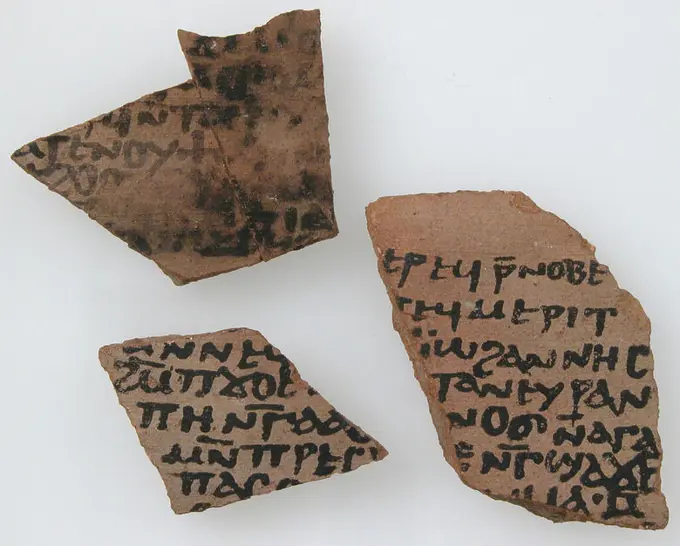
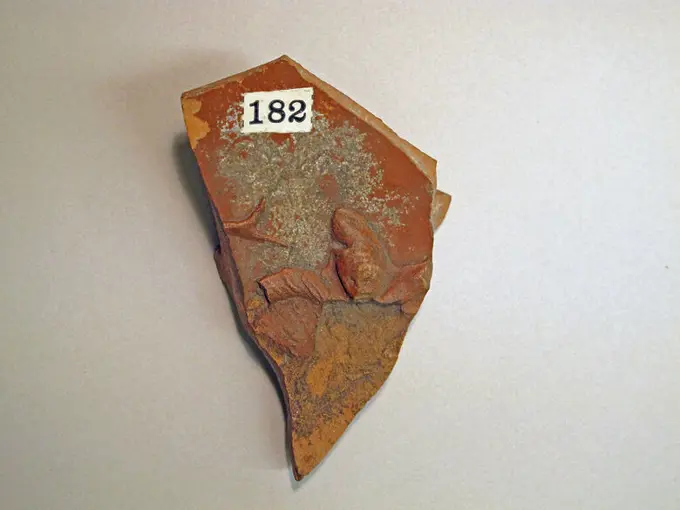
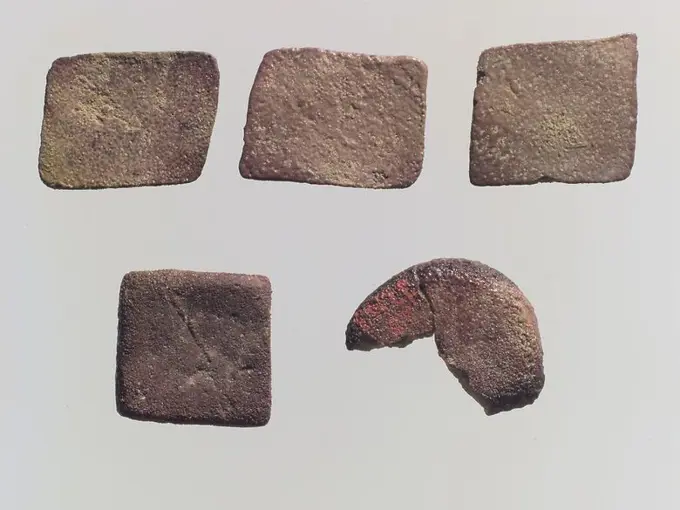
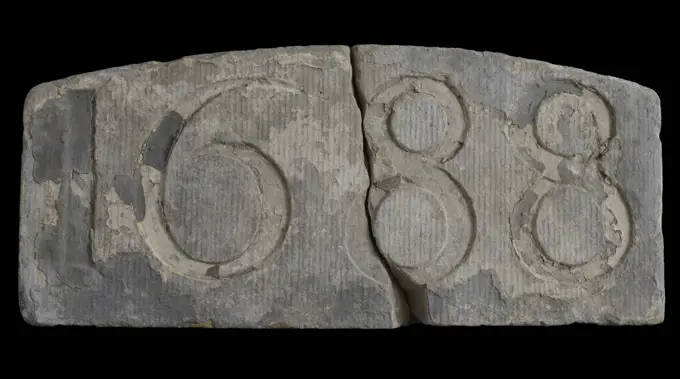
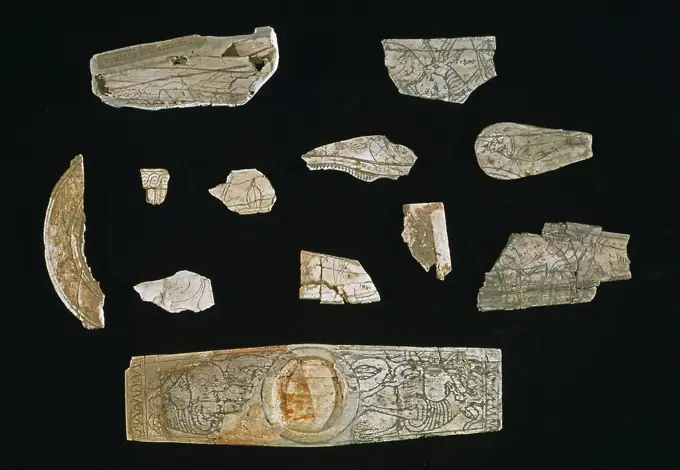
Fragment 14th-15th century. Fragment. 14th-15th century. Earthenware; incised decoration through white slip and coloring under transparent glaze. Attributed to Egypt. CeramicsOstracon 595-30 B.C. Late Period-Ptolemaic Period. Ostracon 588350Raised relief fragment 664-610 B.C. Late Period, Saite see 23.3.468. Raised relief fragment. 664-610 B.C.. Limestone. Late Period, Saite. From Egypt, Upper Egypt, Thebes, Deir el-Bahri, Tomb of Nespekashuty (TT 312, MMA 509), 1st chamber N. door, MMA excavations, 1922-23. Dynasty 26Oracle bone fragment. Culture: China. Dimensions: 3 1/8 × 5 in. (7.9 × 12.7 cm). Museum: Metropolitan Museum of Art, New York, USA.Fragment; (possibly) belonging to the Retable of Soest. .Magic knife fragment ca. 1850-1775 B.C. Middle Kingdom. Magic knife fragment 557353Fragment 12th-13th century. Fragment 451564Raised relief fragment 664-610 B.C. Late Period, Saite see 23.3.468. Raised relief fragment 548196Fragment; (possibly) belonging to the retable of Soest, c. 1475 - c. 1499   wood (plant material)   wood (plant material)Fragment 9th-10th century. Fragment 451577Vase fragment Minoan. Vase fragment. Minoan. Terracotta. Early Minoan II. VasesFragment 8th-9th century. Fragment 448870Fragment 9th-10th century. Fragment 451536Plate. Culture: Coptic. Dimensions: Overall: 2 1/16 x 6 7/16 in. (5.2 x 16.4 cm). Date: 4th-7th century. Museum: Metropolitan Museum of Art, New York, USA.Shard with Figural Decoration ca. 4th-5th century Pakistan. Shard with Figural Decoration 50754Raised relief fragment 664-610 B.C. Late Period, Saite see 23.3.468. Raised relief fragment 547980Cap (Egypt); linen, silk, woolFragment 9th-10th century. Fragment 451575Bulla. Egypt, early Dynastic() (3050 - 2687 BCE). Tools and Equipment; seals. TerracottaFurniture element ca. 18th century B.C. Old Assyrian Trading Colony. Furniture element. Old Assyrian Trading Colony. ca. 18th century B.C.. Ivory. Middle Bronze Age-Old Assyrian Trading Colony. Anatolia, probably from AcemhöyükFragment of image. .Head of Lion. Culture: Coptic. Dimensions: Overall: 3 1/2 x 3 5/16 x 3 15/16 in. (8.9 x 8.4 x 10 cm). Date: 4th-7th century. Museum: Metropolitan Museum of Art, New York, USA.Fragment 13th century. Fragment 445201Fragment of copper bracelet, heavy and open model, engraved decorations, bracelet jewelry clothing accessory clothing soil find copper bronze metal, cast Curved end piece of heavy bracelet open model. brass or yellow copper. Rectangular cross-section. Beveled edges. Decorated with small pits and deep cuts that form simple meandering patterns. Polygonal end is undecorated archeology Rotterdam rail tunnel wear adorn status prosperity Soil discovery: Railway tunnel 1988-1993.Oil lamp. Terracotta. High Empire. Toulouze collection (Anc. Dr Martin), acquisition 1889. Paris, Carnavalet Museum. 50208-6 Toulouze collection, high-Empire, oil lamp, terracottaCap, Medium: linen, silk, wool Technique: embroidered and quilted plain weave, Skull cap with flat circular crown, band around the head, of double thickness of undyed linen with embroidered, couched, and quilted decoration. Diamonds around headband with various fillings in forms of herringbone stitch; double guard strips at top and bottom enclosing what may be Islamic inscriptions. Crown divided into four irregular squares containing illegible motifs in forms of herringbone. In natural and blue linen, blue and yellow, pink silk thread; thick bunches of black silk floss caught down by linen thread around borders and crossing crown of hat., Egypt, 9th-12th century, costume & accessories, CapFragment; (possibly) belonging to the retable of Soest, c. 1475 - c. 1499   wood (plant material)   wood (plant material)halberd, flint, 3000-2500 BC, Casaínhos, Loures, Portugal, Huelva Museum, Huelva, Andalusia, Spain.Fragments of a Non-Illustrated Single Work 13th century. Fragments of a Non-Illustrated Single Work 452905Placa romana con inscripción procedente del yacimiento arqueológico de Can Modolell, 69-79 d.C. Can Serra Museu de Mataró.Plate 4th-7th century Coptic. Plate 478738Bowl. Egypt, early Dynastic Period (3050 - 2687 BCE). Furnishings; Serviceware. CalcitePot Sherd (Spain); tin-enamelled earthenwareVase fragment ca. 3000-2000 B.C. Aegean. Vase fragment 253301 Aegean, Vase fragment, ca. 30002000 B.C., Terracotta, Other: 2 3/4in. (7cm). The Metropolitan Museum of Art, New York. Anonymous Gift, 1930 (30.119.96)Tablet (Lamella) with an Incantation against Epilepsy; 3rd century; Gold; 4.2 × 2 cm (1 5,8 × 13,16 in.)Iron or glaze of red earthenware, green glazed, rounded front, ironing stone iron pin floor found ceramic earthenware glaze lead glaze, hand-formed glazed baked earthenware polished or glazed orange red shard covered with green lead glaze (largely missing) sausage-shaped handle front archaeological rounded indigenous pottery washing clothes ironingSpherical vessel; Unknown Night -Tamanian workshop; approx. 2600 2350 BC ; Early period D Azira III (-2600-00-00--2350-00-00);Fragment 8th-9th century. Fragment 453425Shards of earthenware from V.O.C. ship De 'Witte Leeuw', Anonymous, Before 1613  Shards of Red-lying earthenware from V.O.C. ship the 'Witte Leeuw'.  earthenware. stoneware   Sint-HelenaRaised relief fragment 664-610 B.C. Late Period, Saite see 23.3.468. Raised relief fragment 548017Belt Plate Fragment 4th-7th century Frankish. Belt Plate Fragment 469800Fragment of bowl ". GRS covered ivory. Paris, Muse Cernuschi. Fragment De Bol Vietnamese art, bowl, Vietnamese collection, ivory covered, fragament, gres, archeological vestigeDisk-shaped Jar Lid ca. 1194-1188 B.C. New Kingdom, Ramesside. Disk-shaped Jar Lid 549564Form of musket or iron bolt or rod in concretion from the wreck of the East India Flying Heart. The three-hearting chunks of concretion exhibit traces of a print of a musket or iron bolt or rod. Originally the object has been presumably made of iron or other metal. Concretion.Fragment, Medium: silk, metallic thread Technique: woven, Vertical bands separating broader bands with detached motifs in silver., 17th century, woven textiles, FragmentLeather-Covered Lidded Basket. UnknownFragment 8th-9th century. Fragment 448800Vessel fragment. Dimensions: h. 5.6 cm (2 3/16 in); w. 5.4 cm (2 1/8 in); th. 0.6 cm (1/4 in). Dynasty: Dynasty 18. Reign: reign of Amenhotep III. Date: ca. 1390-1353 B.C.. Museum: Metropolitan Museum of Art, New York, USA.Vessel () Fragment. Culture: Coptic. Dimensions: Overall: 2 1/16 x 2 1/4 x 7/16 in. (5.3 x 5.7 x 1.1 cm). Date: 4th-7th century. Museum: Metropolitan Museum of Art, New York, USA.Spandrel Fragment. Turkey, 13th century. Stucco. Stucco, moldedMagic knife fragments. Dimensions: a): L. 9.4 × W. 4.2 × Th. 0.9 cm (3 11/16 × 1 5/8 × 3/8 in.); b): L. 3.5 × W. 5.4 × Th. 0.9 cm (1 3/8 × 2 1/8 × 3/8 in.); c): L. 5.2 × W. 4.6 × Th. 0.7 cm (2 1/16 × 1 13/16 × 1/4 in.). Dynasty: mid to late dynasty 13. Date: ca. 1750-1640 B.C..Magical wands are typically found in Middle Kingdom burials. Many are decorated with incised figures of protective demons and deities, and inscriptions refer to the protection of children. Some show traces of wear on the tips. It has been suggested that these were instruments used in magic performances aimed at the protection of children. As parts of burial equipments they would then have served to procure rebirth for the deceased. The three fragments of this magical wand were found in shaft tomb 466 at Lisht North. In the same thoroughly plundered shaft system was also found a statuette, now in the Egyptian Museum, Cairo (JE 45245, published Bulletin of the Metropolitan Museum of Art 10, October 1914, p. 200 w. Fragment of the shoulder of a piece of crockery made of soft red-brown earth with a brunette glaze in which Arabic letter figures are reduced. The inside is decorated with edges of red.Fragment 15th century. Fragment 445460Fragment late 9th-10th century. Fragment 451506Polished ax. Neolithic flint. Paris, Carnavalet museum. Neolithic time, polished ax, tool, tapee stone, flintBroken rhomboid palette ca. 3300-3100 B.C. Predynastic, Naqada III. Broken rhomboid palette. ca. 3300-3100 B.C.. Greywacke. Predynastic, Naqada III. From Egypt, Southern Upper Egypt, Hierakonpolis (Nekhen), Fort Cemetery (Hk 27), MMA excavations, 1934-35Shawabty of Ditamenpaankh, 715-656 BC. Egypt, Late Period, Dynasty 25. Terracotta; overall: 3.5 x 1.4 x 1.3 cm (1 3/8 x 9/16 x 1/2 in.).Oval insertion unknownFragment of a Bowl. Byzantine; Asia Minor, Constantinople or Greece, Thessaloniki. Date: 1201-1400. Dimensions: 1.6 × 5.7 × 5.1 cm (5/8 × 2 1/4 × 2 in.). Ceramic. Origin: Istanbul. Museum: The Chicago Art Institute, Chicago, USA.Costume Ornament 11th-12th century Central coast (). Costume Ornament 308665Miniature corbel in the shape of a hand. Culture: Assyrian. Dimensions: 2 1/4 × 5 9/16 × 3 9/16 in. (5.75 × 14.2 × 9 cm). Date: ca. 883-859 B.C..The interiors of Assyrian palaces were richly decorated, with reliefs on the stone slabs lining the thick mud brick walls, giant standing statues representing mythological figures as gatekeepers, and colored glazed tiles and painted decorative motifs running along the walls above the stone reliefs. Also found in the palace rooms were intriguing clay objects in the shape of hands.Assyrian clay hands were first discovered in the mid-nineteenth century by British and French archaeologists in the remains of palaces and temples of major Assyrian cities in northern Iraq. These architectural devices were mainly employed in the Assyrian capitals of Ashur, Nimrud, Khorsabad, and Nineveh, but similar objects were also excavated at Zincirli, capital of the Aramaean kingdom of Samal in north-western Syria.This object represents a hand in the shape of a clFragments of Polychrome Luster Vessels 9th century. Fragments of Polychrome Luster Vessels 451189Shawabty of Ditamenpaankh, 715-656 BC. Egypt, Late Period, Dynasty 25. Terracotta; overall: 2.9 x 1.5 x 0.8 cm (1 1/8 x 9/16 x 5/16 in.).Fragment 8th-9th century. Fragment 448787Raised relief fragment 664-610 B.C. Late Period, Saite see 23.3.468. Raised relief fragment. 664-610 B.C.. Limestone, varnish. Late Period, Saite. From Egypt, Upper Egypt, Thebes, Deir el-Bahri, Tomb of Nespekashuty (TT 312, MMA 509), 1st chamber E. wall; 2nd register, MMA excavations, 1922-23. Dynasty 26Ostracon Inscribed with Hieroglyphs and a Face. Egypt, New Kingdom, Ramesside Period, 19th and 20th Dynasty (1315-1081 BCE). Tools and Equipment; ostraka. LimestoneEarthenware, smooth or glazed, completely glazed, rounded front, stoneware iron bone soil find ceramic earthenware glaze lead glaze, hand-formed glazed earthenware red shard red shard covered with lead glaze with green spots sausage-shaped handle (missing). Finished at the front at the back to smoothly widen archeology indigenous pottery washing clothes ironingFragment; (possibly) belonging to the Retable of Soest. .Half of a Case for Storing Meat. Dimensions: L. 49 cm(19 5/16 in.); W. 31 cm (12 3/16 in.); Th. 2.5 cm (1 in.). Dynasty: early Dynasty 18. Date: ca. 1550-1479 B.C.. Museum: Metropolitan Museum of Art, New York, USA.Fragment 8th-9th century. Fragment 448888Fragments 14th-15th century. Fragments 445402Fragment of a FriezeHandle. Dimensions: H. 15/16 in. (2.4 cm)W. 9 in. (22.9 cm)D. 4 7/8 in. (12.4 cm)Wt. 21.3 oz. (603.9 g). Date: 15th century. Museum: Metropolitan Museum of Art, New York, USA.Fragment of a Dish 11th-12th century. Fragment of a Dish 446510Fragment 11th-12th century. Fragment. 11th-12th century. Earthenware; slip covered and sgraffito decoration, unglazed. Excavated in Iran, Nishapur. CeramicsStucco Fragment probably 8th-12th century. Stucco Fragment. probably 8th-12th century. stucco; carved; painted. Excavated in Iran, Nishapur. StuccoFragments of baked dishes, unglazed, biscuit earthenware, dish crockery holder soil find ceramic earthenware, w 9.5 h 3.2 hand-turned baked Dish fragment on which small fragment of another board is baked. Semi-finished or biscuit pottery misbaksel Yellow shard. Shaved pottery. Unglazed archeology Rotterdam Stadscentrum Stadsdriehoek Zandstraat Town hall indigenous pottery handicraft pottery soil found on the Raadhuis site in the Zandstraat Rotterdam area.Raised relief fragment 664-610 B.C. Late Period, Saite see 23.3.468. Raised relief fragment. 664-610 B.C.. Limestone, mortar traces. Late Period, Saite. From Egypt, Upper Egypt, Thebes, Deir el-Bahri, Tomb of Nespekashuty (TT 312, MMA 509), 1st chamber E. wall; N. section, MMA excavations, 1922-23. Dynasty 26Fragment (with object number); (possibly) belonging to the Retable of Soest. .Fragment of a Bowl 14th-15th century. Fragment of a Bowl 445421Vincent Coster (1553-1608 / 10). Fragment of a bust. Head and shoulders are missing. The image ends in a mascaron with the letters HDK in ligature between the eyes. It has been an image in the style of the Keysers bust of an unknown man from 1606 (BK-NM-4191). The image is painted.Four fragments of cooking pot with small upright ear, unglazed, gray shard, cooking pot crockery holder kitchen utensils earthenware ceramic earthenware, hand-formed baked Four fragments of an earthenware cooking pot with small upright ear and outstanding top edge. Roetsporen on the underside Gray earthenware with sandy structure archeology underground pit Rotterdam Kralingen Muted Slaak indigenous pottery import cooking food preparation Soil discovery underground pit Muted Slaak January 1978.Property for a strip of bobbin on brown parchment with flowers and curved tendrils, anonymous, c. 1600 - c. 1799 Pattern or working drawing for a strip of bobbin side - Valenciennes side - stung in brown -colored pork theory. The repeating and continuous pattern consists of curved vens, flowers and leaves. Flanders (Possible) leather. pigskin Pattern or working drawing for a strip of bobbin side - Valenciennes side - stung in brown -colored pork theory. The repeating and continuous pattern consists of curved vens, flowers and leaves. Flanders (Possible) leather. pigskinPalette ca. 4500-4000 B.C. () Predynastic Period. Palette. ca. 4500-4000 B.C. (). Stone. Predynastic Period. From EgyptOlive Shell (Oliva sp), IndonesiaPettle ornament. Jade, China, Iv-Iie s. to. J.-C. Par musée musée malée. Asian art, Chinese art, Asian civilization, Chinese civilization, JadeVolute-krater fragment ca. 400-350 B.C. Greek, South Italian, Apulian. Volute-krater fragment. Greek, South Italian, Apulian. ca. 400-350 B.C.. Terracotta; red-figure/black-glaze. Late Classical. VasesMammoth molar in Geology house of Sentheim FranceSherd ca. 3rd-7th century A.D. Sasanian. Sherd 328952Ostrakon. Culture: Coptic. Dimensions: (a) 1 3/4 x 2 3/16 in. (4.5 x 5.6 cm)(b) 1 1/4 x 1 7/8 in. (3.2 x 4.8 cm)(c) 1 15/16 x 2 3/16 in. (4.9 x 5.6 cm). Date: 7th century. Museum: Metropolitan Museum of Art, New York, USA.Fragment 14th-15th century. Fragment 445406Vase fragment. Culture: Roman, Gaul. Dimensions: Height: 3 5/8 in. (9.2 cm)Width: 2 1/8 in., 3086.47167 gr (5.4 × 0.2 cm).Figure wearing a cap, extending arms. Museum: Metropolitan Museum of Art, New York, USA.Inlay. Culture: Old Assyrian Trading Colony. Dimensions: 0.57 x 0.44 in. (1.45 x 1.12 cm). Date: ca. 18th century B.C.. Museum: Metropolitan Museum of Art, New York, USA.Clasp, 600s. Merovingian, Burgundian, Migration period, 7th century. Iron with silver overlay; overall: 7.7 x 3.9 cm (3 1/16 x 1 9/16 in.).Year stone 1688, facing brick building component sandstone stone, minced Rotterdam Stadsdriehoek City center Spui Sint Laurensstraat Possibly from the corner house at Westzijde Spui corner Sint Laurensstraat Rotterdam demolished 1926; cadastre no. I 367.Sickle Blade, 1980-1801 BC. Egypt, Middle Kingdom, Dynasty 12. Flint; overall: 5 cm (1 15/16 in.).PALETAS DE TOCADOR Y COSMETICA- MARFIL GRABADO HACIA SIGLO VII AC - ARTE FENICIO. Location: MUSEO ARQUEOLOGICO-COLECCION. Sevilla. Seville. SPAIN.Pottery Fragment. Culture: Coptic. Dimensions: Overall: 2 1/16 x 15/16 x 1/4 in. (5.2 x 2.4 x 0.6 cm). Date: 4th-7th century. Museum: Metropolitan Museum of Art, New York, USA.Vase fragment Minoan. Vase fragment. Minoan. Terracotta. Early Minoan II. VasesFragment 8th-9th century. Fragment 448793