Ancient Ceramic Fragments

Historical pottery fragments from ancient civilizations, highlighting intricate decorations and materials from various periods.
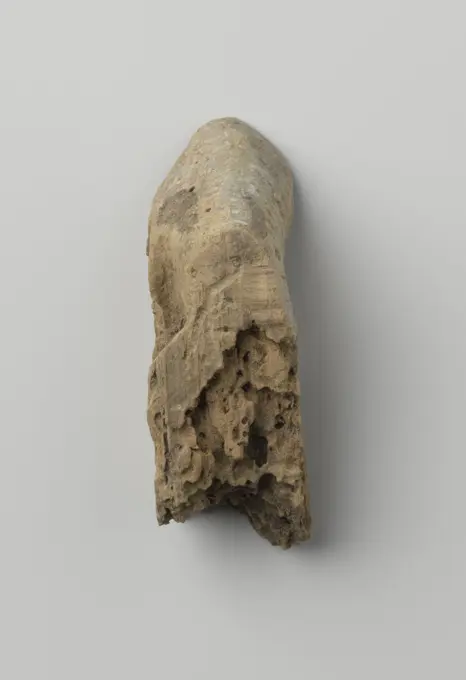
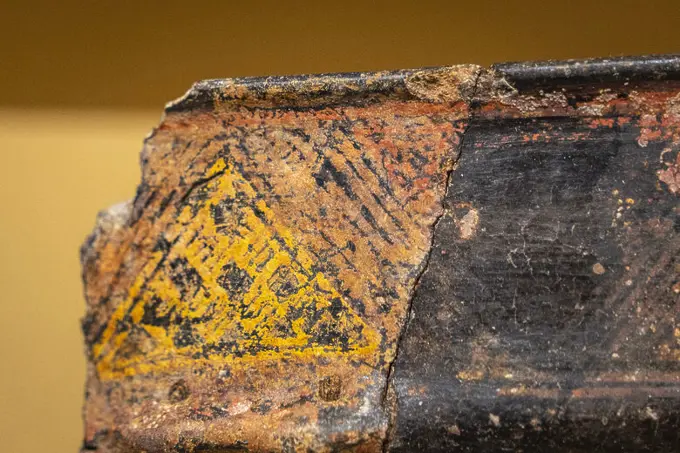
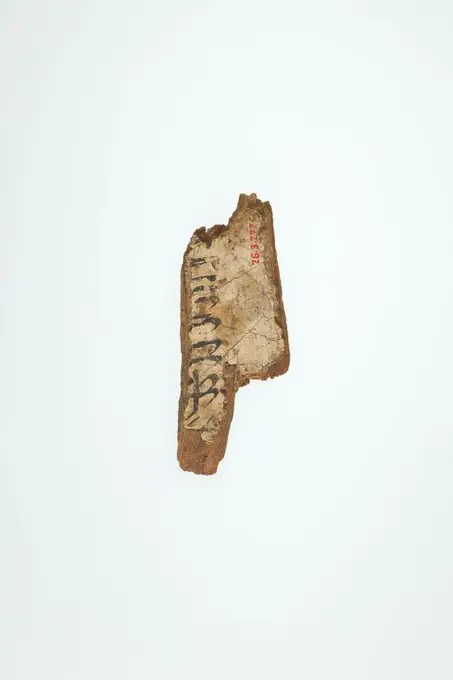
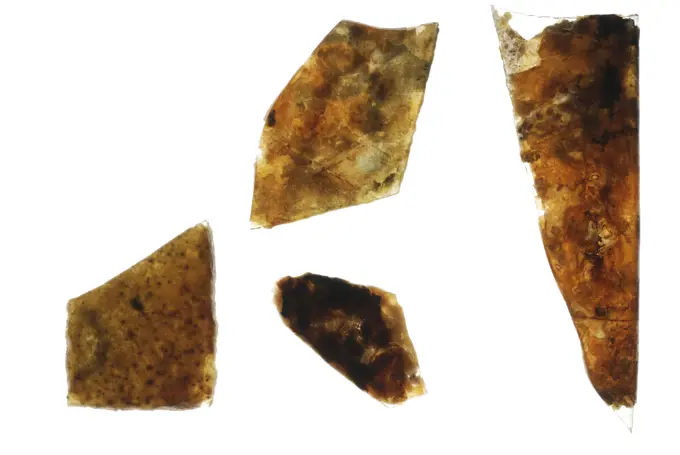
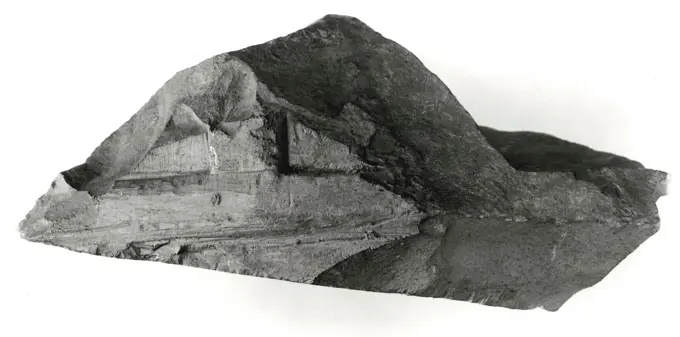
Fragment; (possibly) belonging to the retable of Soest, c. 1475 - c. 1499   wood (plant material)   wood (plant material)
Fragment; (possibly) belonging to the retable of Soest, c. 1475 - c. 1499 wood (plant material) wood (plant material)
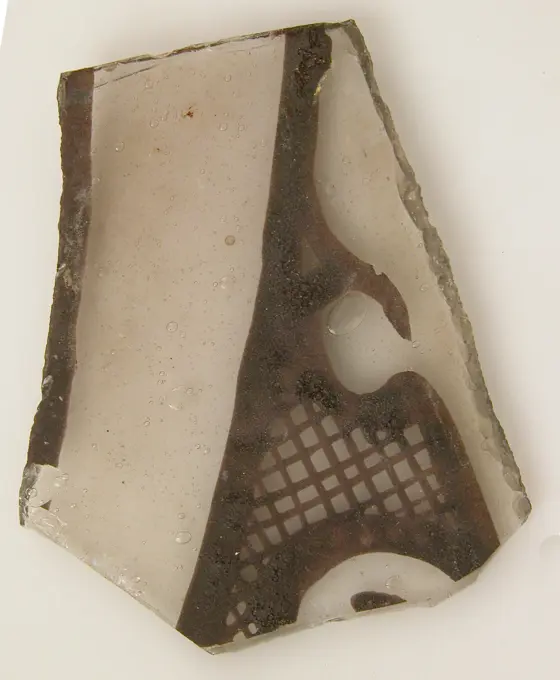
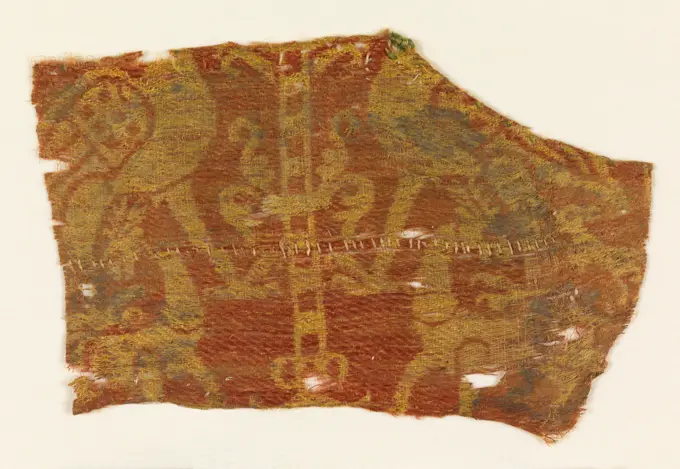
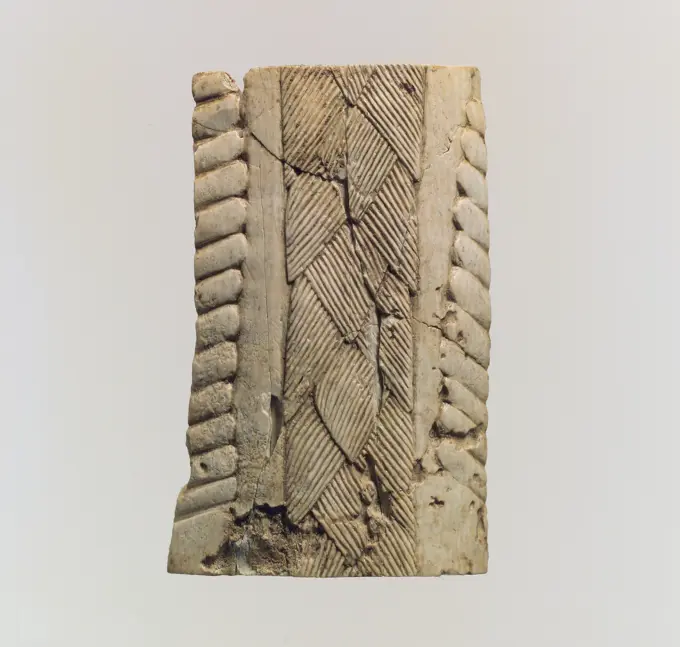
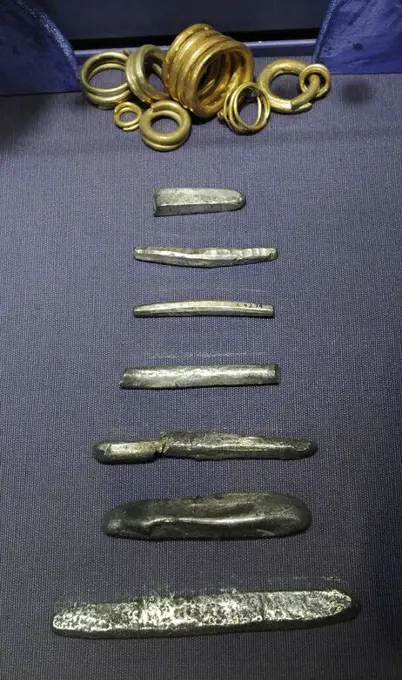
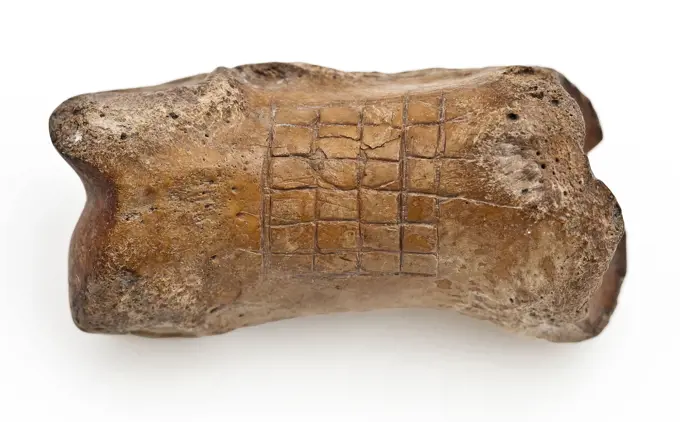
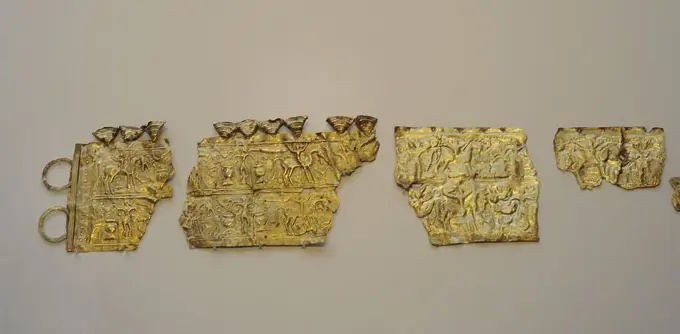
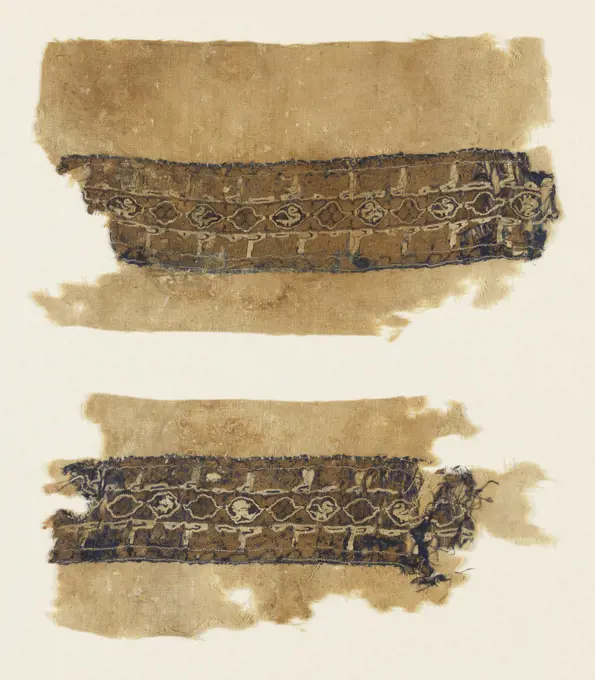
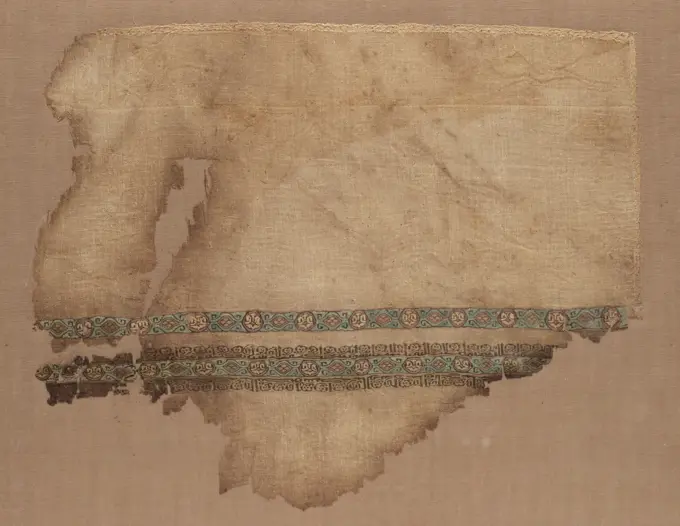
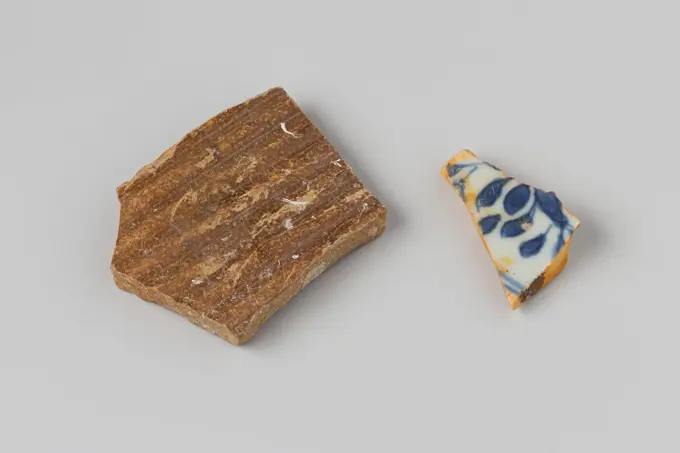
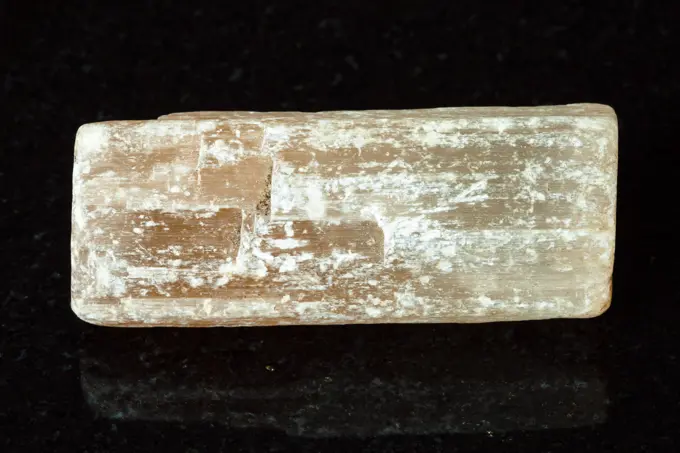
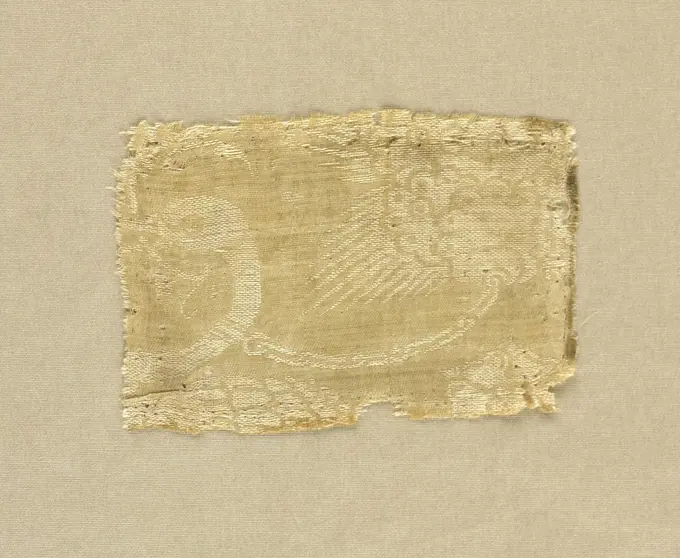
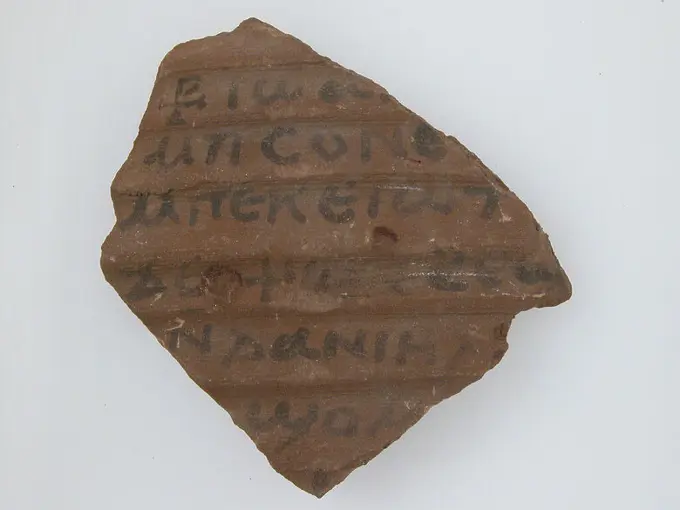
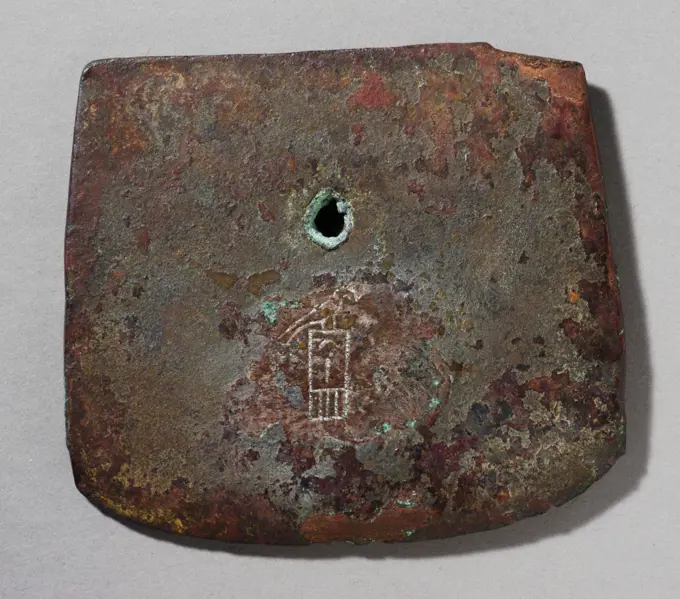
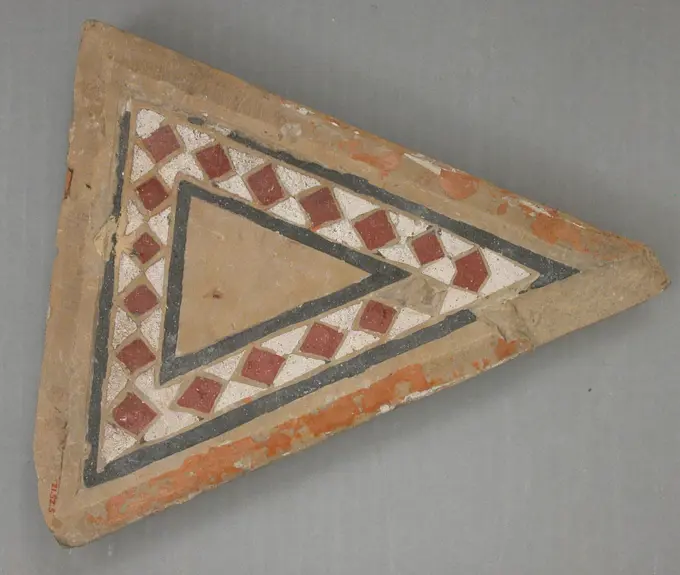
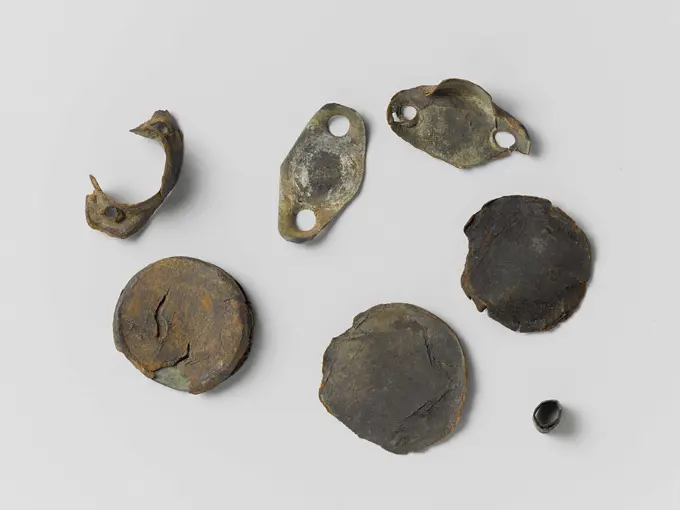
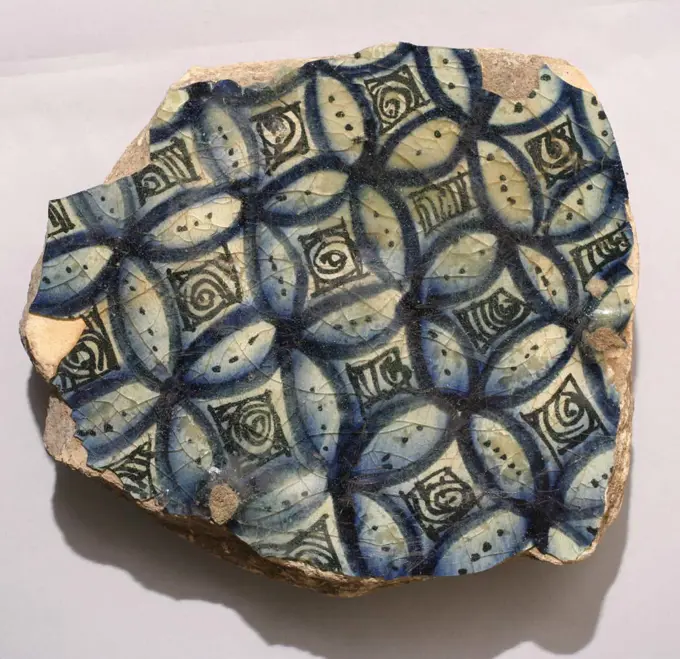
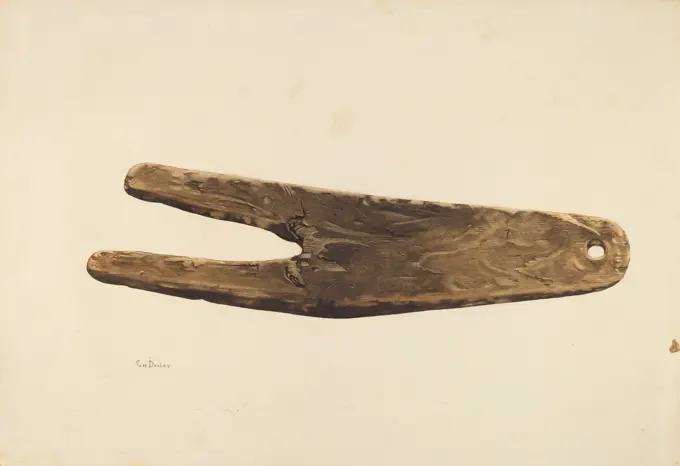
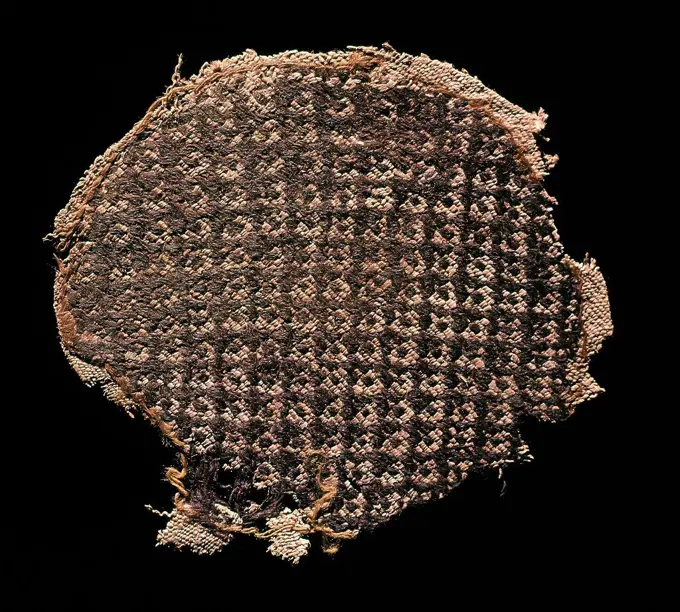
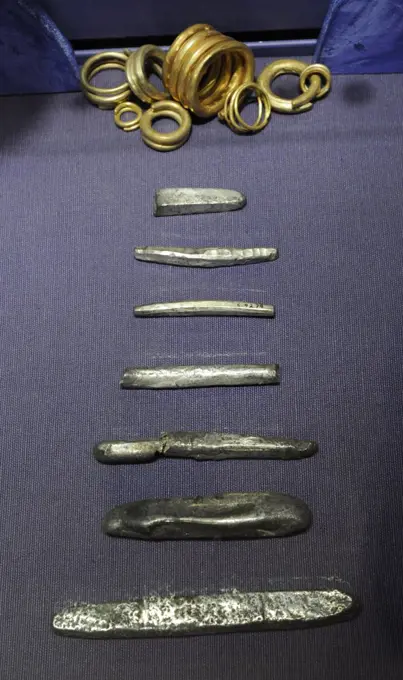
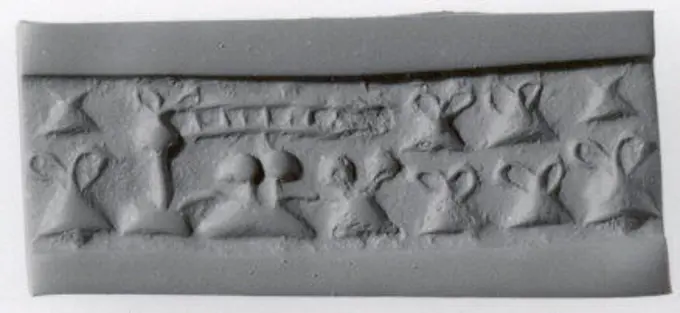
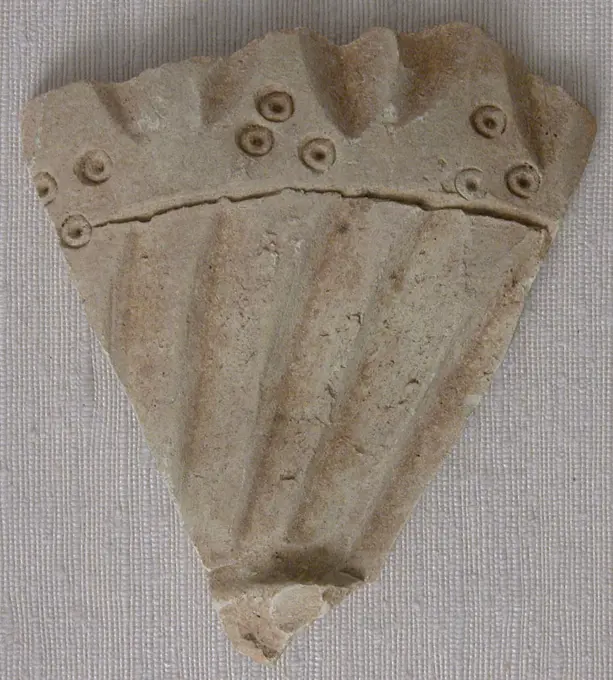
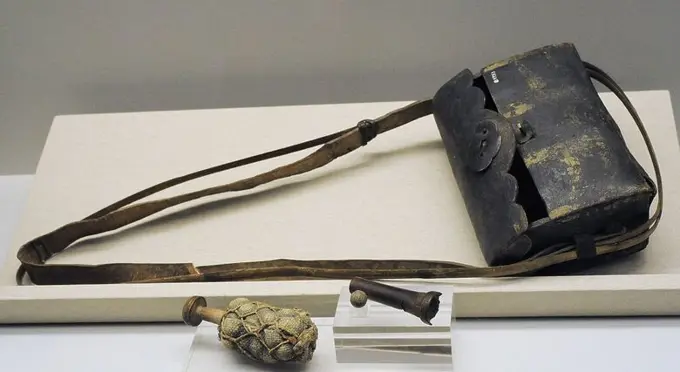
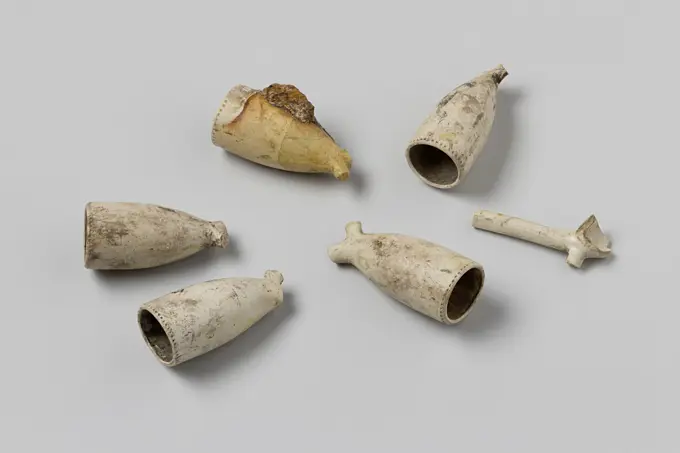
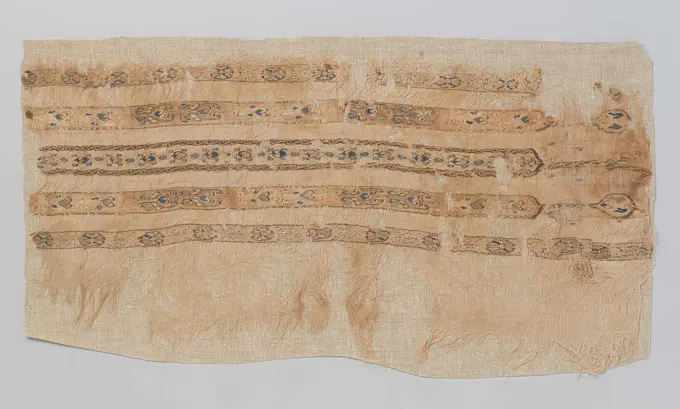
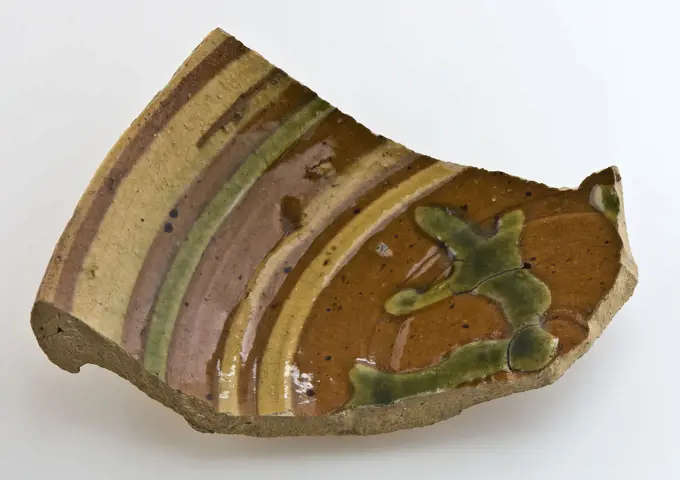
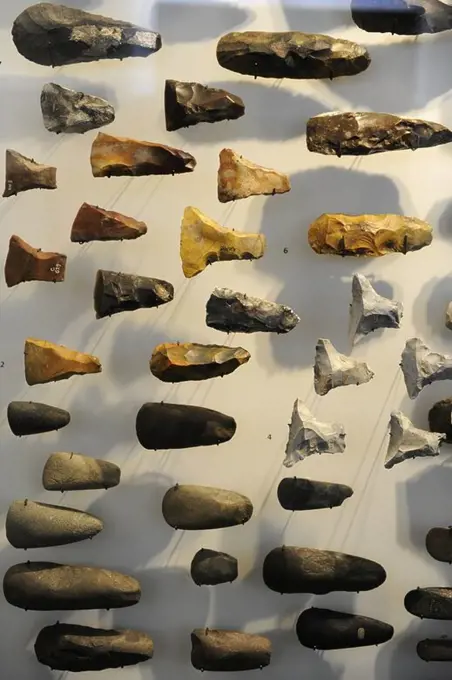
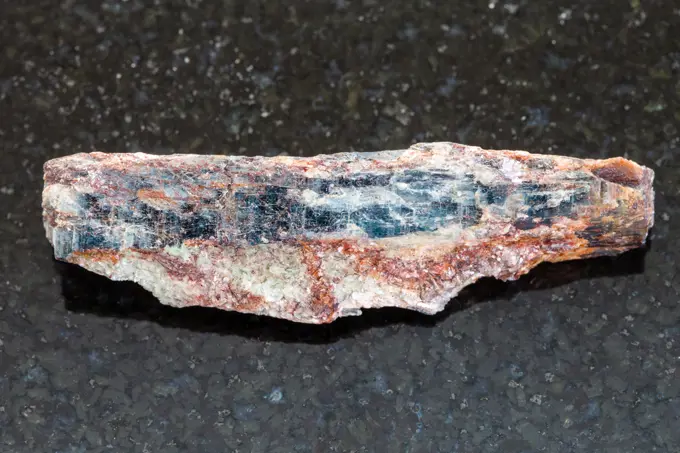
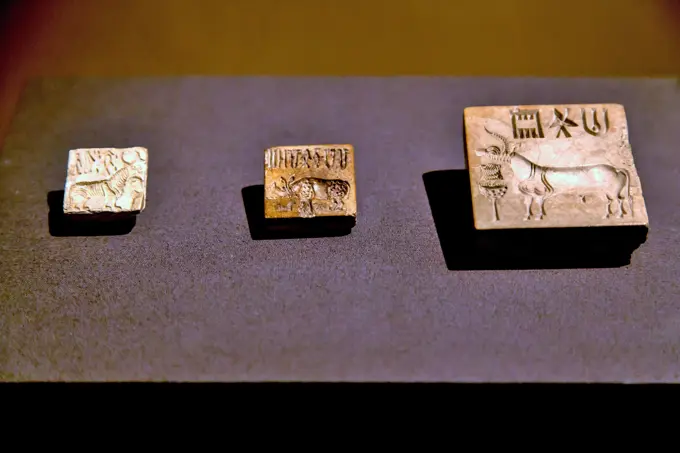
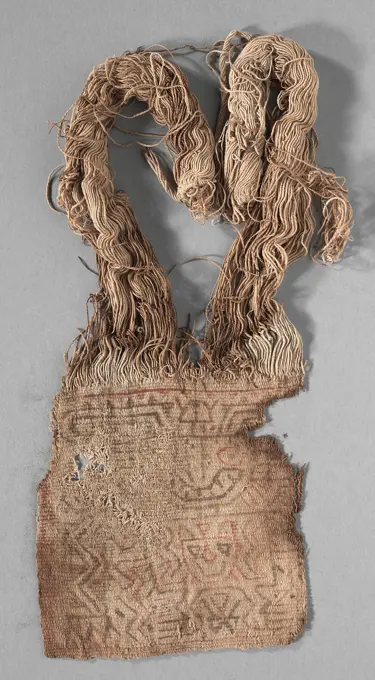
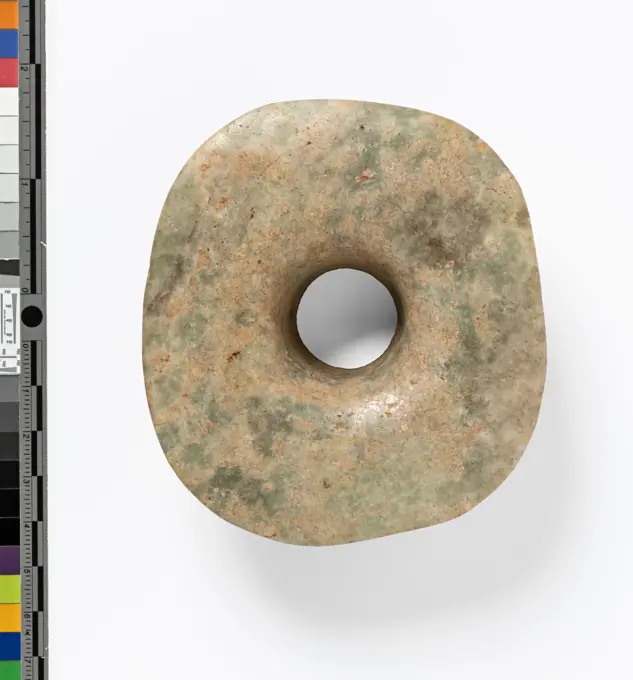
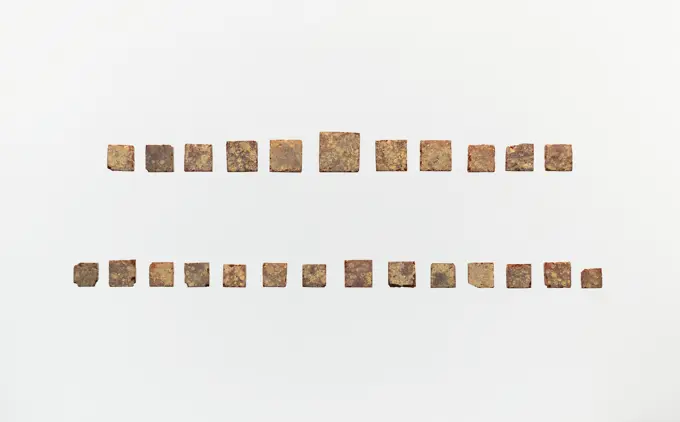
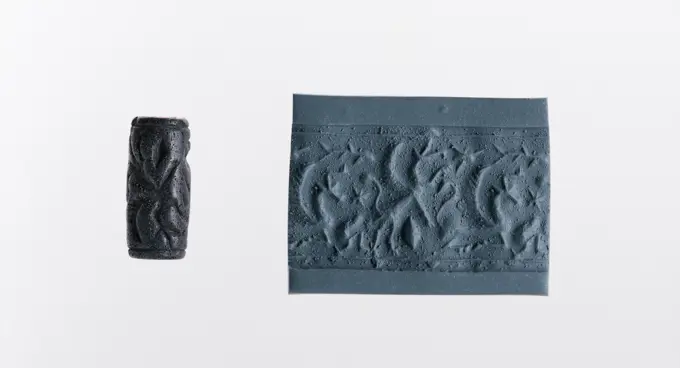
Old compasses caseAx 1500-500 B.C. India. Ax 50624Terracotta fragment of a cup with spiral and bands ca. 1800-1700 B.C. Minoan From Knossos, CretePolychrome fragment, spiral ornament and white and orange bands.. Terracotta fragment of a cup with spiral and bands 248540Shards of Martavanen from V.O.C. ship De 'Witte Leeuw', Before 1613 fragment Pieces of Martavans Porcelain from V.O.C. ship De 'Witte Leeuw'. southeast Asia porcelain   Sint-HelenaThree brass handle covers, knuckle fittings, knife cutlery cutting tool soil find brass metal, engraved Three handles in various shapes and sizes: two engraved and two in the form of crown archeology Rotterdam rail tunnel cutting food Soil discovery: trajectory rail tunnel Rotterdam.formon de bronce y mango de asta, cueva de Santimamiñe, Kortezubi, Arkeologi Museoa, museo aqueologico, Bilbao, Bizkaia, Pais Vasco, Spain.Grisaille Fragment with Plant Motif 1220-72 Crusader Painted in grisaille (shades of grey) in a style associated with the mid-1200s in France, these fragments are among numerous remnants of the elaborate glass windows that once decorated Castle Montfort/Starkenberg. One shows the nose and eye of a human face; the others display portions of vines with fleur-de-lis terminals.. Grisaille Fragment with Plant Motif 475343Fragment (Italy); silkTaler, emergency coin for the army of Markgraaf Albert van Brandenburg-Kulmbach, short after the Convention of Passau, possibly during the siege of Schweinfurt., Anonymous, 1553 coin. siege coin Almost diamond -shaped emergency coin. Front: two largely crossed rectangular stamp: coat of arms under letters A, M, Z and B between year. Reverse: private label Germany silver (metal) striking (metalworking) / engraving Peace of Passau PassauIvory fragment ca. 9th-7th century B.C. Assyrian This plaque has a flat back and a raised surface, carved in relief with a central design resembling plaited hair or tufts of hair, bordered at each side with a plain strip and a fluted edge. It must have been part of another object such as a statue or piece of furniture, but was found as a fragment, making it difficult to reconstruct the original design. Carved ivory pieces such as this were widely used in the production of elite furniture during the early first millennium B.C. They were often inlaid into a wooden frame using joinery techniques and glue, and could be overlaid with gold foil or inlaid with colored glass or stone pieces to create a dazzling effect of gleaming surfaces and bright colors.Built by the Assyrian king Ashurnasirpal II, the palaces and storerooms of Nimrud housed thousands of pieces of carved ivory. Most of the ivories served as furniture inlays or small precious objects such as boxes. While some of them were carScandinavia. Scandinavia. Silver hoard. Hahelle, Lier, Buskerud, 10th-11th century. Norway. Historical Museum. Oslo. Norway.Pouch. 1885. GAL1984.114.5Belt Attachment. UnknownBird Plaque Ornament 3rd century B.C.-A.D. 2nd century Vicús. Bird Plaque Ornament 315401Raised relief fragment 664-610 B.C. Late Period, Saite see 23.3.468. Raised relief fragment 548077Textile Fragment 4th century. Textile Fragment. 4th century. Wool, linen; tapestry weave. Made in Egypt. TextilesBasin sign of the Eendragt association with a silver gun, Anonymous, 1858 medal Carrying sign with a silver gun.  gun: Silver (Metal)Shards of wine bottles from the wreck of the East Indians' t Vliegend Hart ,, 1700 - 1735  Shards of onion -shaped wine bottles of green glass that has been in red (port) wine. Neck with cork. Netherlands cork (bark)Model Bread Loaf from the Foundation Deposit for Hatshepsut's Tomb ca. 1479-1458 B.C. New Kingdom. Model Bread Loaf from the Foundation Deposit for Hatshepsut's Tomb. ca. 1479-1458 B.C.. Bread. New Kingdom. From Egypt, Upper Egypt, Thebes, Valley of the Kings, Tomb of Hatshepsut (KV 20), Foundation deposit, Davis/Carter excavations, 1903-04. Dynasty 18Mosaic floor fragment. Culture: Roman. Dimensions: Other: 10 1/4 × 8 7/8 in. (26 × 22.5 cm).Angular pattern of white marble, basalt, serpentine and onyx. Museum: Metropolitan Museum of Art, New York, USA.Fragment multicolored brocatel, 1775 - 1800 Five fragments of a silk tissue. Brown silk warp with impacts of silver wire and of white, green, pink and red-brown side. The drawing consists of large diamond-shaped medallions in which leaf and fruit motifs. Note: Self -sides; put together small fragment; twill, satin, 1 cm wide. Different types and colors silk.  silk. linen (material). metal thread broach Five fragments of a silk tissue. Brown silk warp with impacts of silver wire and of white, green, pink and red-brown side. The drawing consists of large diamond-shaped medallions in which leaf and fruit motifs. Note: Self -sides; put together small fragment; twill, satin, 1 cm wide. Different types and colors silk.  silk. linen (material). metal thread broachStones By The Entrance To The Underground Tunnels In El Castillo, Chavin De Huantar, Ancash, PeruLegs leg, part of throwing game: koten, koot spelstuk relaxant soil find leg, Bone on long side marked, incised grid of twenty-four courses archeology Rotterdam rail tunnel play kootkoot fikkelen Soil discovery: trajectory rail tunnel Rotterdam.Silk Wall hanging unknownDiadem-belt from Mones. 3rd-1st centuries BC. Gold. Castro Culture. Depicts, in an aquatic landscape, figures carrying cauldrons and riders with torques-rattles and shields or daggers, depicting the transit to the alterlife. On the left, original fragments. On the right, replica fragments from the Museum of National Archeology and National Domain of Saint-Germain-en-Laye, and from the Instituto Valencia de Don Juan (Madrid). From Mones (Pilona, Asturias, Spain). National Archaeological Museum. Madrid. Spain.Tiraz fragment, Medium: linen, silk Technique: slit tapestry with eccentric weft, Tiraz fragment with a multicolored band with an Islamic inscription and rosettes alternately containing a bird and a flower. Stitched to a fragment of plain weave natural linen., Egypt, 10th-12th century, woven textiles, Tiraz fragmentFragment of a Tiraz, 1050 - 1058. Egypt, Fatimid period, Caliphate of al-Mustansir, c. AH 442-450 (A.D. 1050-1058). Tabby ground with inwoven tapestry ornament; linen and silk; overall: 22.3 x 27.3 cm (8 3/4 x 10 3/4 in.).Palette. Egypt, Pre-Dynastic Period (circa 5500 - 3050 BCE). Tools and Equipment; palettes. Slatepainted and engraved ceramics, 7th century BC, Gil de Olid, Baeza, Iberian Museum of Jaén, Jaén province, Andalusia, Spain.Hearthstone, from Antwerp Belgium, without frame, with male and female head, hearth fireplace component earth finding ceramics brick, baked Hearthstone of the Antwerp type without representation of men's and women's heads from the side in two laurel wreath medallions placed in two panes accompanied by the year 1581 half and quarter diamonds on top and bottom are filled with parts of medallions with star motif. year: 81 archeology Valckensteyn Poortugaal Albrandswaard building history heating Soil discovery: castle Valckensteyn in Poortugaal now Albrandswaard.Fragment 8th-9th century. Fragment 448769Shard of porcelain and shard of stoneware from the wreck of the East India Hollandia.Stoneware, Rhenish, Langerwehe-Ware, Storage-Jar; Fragm or body, sim. NG 1980-27H409; Fragm or porcelain.rough Selenite Gypsum crystal on black macro shooting of natural mineral - rough Selenite Gypsum crystal on black granite from Iren river in Perm Krai, Russia Copyright: xZoonar.com/ValeryxVoennyyx 12230856Vase fragment East Greek/Sardis, Lydian Glazed vase with lines.. Vase fragment 252710 East Greek/Sardis, Lydian, Vase fragment, Terracotta, Overall: 3 1/8 x 3in. (7.9 x 7.6cm). The Metropolitan Museum of Art, New York. Gift of The American Society for the Excavation of Sardis, 1926 (26.199.142)Bone disk or button. Culture: Cypriot. Dimensions: Diam.: 1 5/16 in. (3.3 cm). Date: ca. 1450-ca. 1050 B.C..No decoration. Museum: Metropolitan Museum of Art, New York, USA.Fragment, Medium: silk Technique: two integrated structures, 2/1 twill and plain weave, Swan with a flower in its beak wearing a collar and chained to a sunburst. The swan is in repeat and faces alternately in different directions in different rows. All in white., Lucca, Italy, 14th century, woven textiles, FragmentBottom fragment Werra plate, mirror finish acorn, year 1612, pale yellow, brown and green glaze, plate crockery holder earth discovery ceramic earthenware glaze, Red earthenware with drawing in light yellow and green glaze. year glazed: 1612 archeologyFragment of a Bowl 10th-12th century. Fragment of a Bowl 452722Border fragment of beaker decorated with white glass threads, beaker drinking glass drinking utensils tableware holder fragment soil find glass, free blown rim fragment of cylindrical beaker Decorated with white glass threads along the top edge Colorless and clear glass archeology Valckensteyn Poortugaal Albrandswaard drinking wine beer serving serve serving Soil discovery: castle Valckensteyn in Poortugaal now Albrandswaard 1961-1962.Empty wooden cutting board on gray textured concrete background Empty wooden cutting board on gray textured concrete background. Cutlery, preparation for dinner Copyright: xZoonar.com/TetianaxChernykovax 21909340Ostrakon. Culture: Coptic. Dimensions: 3 1/4 x 3 3/16 in. (8.3 x 8.1 cm). Date: 580-640. Museum: Metropolitan Museum of Art, New York, USA.Fragment of a Scribe's Writing Board. Dimensions: L. 8.5 cm (3 3/8 in.); W. 3 cm (1 3/16 in.); Th. 0.9 cm (3/8 in.). Dynasty: Dynasty 11. Date: ca. 2030-1981 B.C.. Museum: Metropolitan Museum of Art, New York, USA.Pair of Masks. French (probably Paris). Date: 1695-1705. Dimensions: 7 × 5 5/8 in. (18 × 14 cm). Wood with traces of gesso. Origin: French. Museum: The Chicago Art Institute, Chicago, USA.Peg from Wah's Coffin Middle Kingdom ca. 1981-1975 B.C. View more. Peg from Wah's Coffin. ca. 1981-1975 B.C.. Wood. Middle Kingdom. From Egypt, Upper Egypt, Thebes, Southern Asasif, Tomb of Wah (MMA 1102), MMA excavations, 1920. Dynasty 12Axe Head with Horus Name. Egypt, Old Kingdom - New Kingdom (2987 - 1081 BCE). Arms and Armor; axes. BronzePALETA DE LA CAZA DEL LEON O PALETA DE LOS CAZADORES - PERIODO DE NAQADA III (3250-3100 AC) - PIZARRA - 30,5 X 14 cm. Location: BRITISH MUSEUM. LONDON. ENGLAND.Stucco Fragment probably 8th-12th century. Stucco Fragment 741224Tile 12th-14th century. Tile 453488Ivory bracelet with incised decoration of parallel lines, final bronze, Huelva Museum, Huelva, Andalusia, Spain.Sailing lubricant prefers the first stone laying in 1648 from the Amsterdam town hall (the palace) on Dam Square. Pentagonal sailing leather. In the upstairs corner there is a green lubricated buttonhole. A green silk ribbon is sewn on both sides. A handwritten note is sewn on it. See BK kog-1494.Fragments of musket sizes. Fragments of musket sizes including a brass soil (D.3.2), three leather soils (3.6, 3.6 and 3.5 cm), a piece top of a leather lid (3.7), a piece of neck of a leather lid (3.5), a piece of The top of a brass lid (3.7) and a brass ear (0.8 cm).Fragment of a Bowl 14th-15th century. Fragment of a Bowl. 14th-15th century. Stonepaste; underglaze blue; transparent, colorless glaze. Made in Egypt. CeramicsFour fragments of window glass covered with thick layer of irisation, window glass building material soil find glass, w 3.3 cast drawn cut painted baked Four fragments of window glass Covered with thick layer of irides predominantly gray in color archeology Landpoortstraat Geervliet Bernisse indigenous glasswork adorn living build glasier hof van Putten Soil discovery Geervliet pit Landpoortstraat 1 September 1983.Fragment 8th-9th century. Fragment 448900Thomas Dooley, Bootjack, c 1939 BootjackTEJIDO DE LANA EGIPCIO SIGLO X. Location: ALHAMBRA-MUSEO TEXTIL. GRANADA. SPANIEN.Scandinavia. Scandinavia. Silver hoard. Hahelle, Lier, Buskerud, 10th-11th century. Norway. Historical Museum. Oslo. Norway.Fragment 15th century. Fragment 446307Gypsum. minerals. North America; USA; Kentucky; Edmonson County; Mammoth CaveTerracotta fragments of a kylix (drinking cup) second quarter of the 5th century B.C. Greek, Attic Interior, youth at altar; Obverse, seated figure, three youths; Reverse, flute case, four males. Terracotta fragments of a kylix (drinking cup). Greek, Attic. second quarter of the 5th century B.C.. Terracotta; red-figure. Classical. VasesFragment 6th-7th century. Fragment 448733Prehistory, Italy, Neolithic. Wild boar canines perforated for ornamental purpose. From Veneto Region.lead bag lead bag, Iberian culture, Archeological Museum. Úbeda, Jaén province, Andalusia, Spain Copyright: xZoonar.com/BartomeuxBalaguerxRotgerx 21702693Fragment Of Band; medium warp; linen. weft; linen, silkBird, before 1500, 11/16 x 1 1/8 x 11/16 in. (1.75 x 2.86 x 1.75 cm), Ivory, United States, 15th centuryTextile Fragment, undetermined Inca/Moquegua. Textile Fragment, undetermined. Cotton, camelid fiber, 9/16 x 1 15/16 in. (1.5 x 5 cm).   Arts of the AmericasCylinder seal and modern impression: "pigtailed" ladies in front of loom (); containers with loop handle ca. 3300-2900 B.C.. Cylinder seal and modern impression: "pigtailed" ladies in front of loom (); containers with loop handle 326963Fragment 8th-9th century. Fragment 448889Cartridge case, shrapnel bag, projectiles mold and projectile of a Cochinchina soldier, ca.1850. Vietnam. Naval Museum. Madrid. Spain.Red-Figure Volute Krater Fragment (part of 77.AE.11). Kleophrades Painter (Greek (Attic), active 505 - 475 B.C.)Knife, fork and cutting board, salt, pepper and other ingredients located on a textured concrete backgroundLeather Muil. Leather muil with cuts in the upper and two holes for a lace. Wooden nails in the sole.Pipe heads and fragment blowjob from the wreck of the East India Hollandia.Pipe, Bowl, Heelmark: Crowned 82; Fragm, no HSM.Bag Made 1501-1600 England. Tooled leather .Raised relief fragment 664-610 B.C. Late Period, Saite see 23.3.468. Raised relief fragment. 664-610 B.C.. Limestone. Late Period, Saite. From Egypt, Upper Egypt, Thebes, Deir el-Bahri, Tomb of Nespekashuty (TT 312, MMA 509), Lunette, North door, MMA excavations, 1922-23. Dynasty 26Shards of wine bottles from the wreck of the East Indians' t Vliegend Hart ,, 1700 - 1735  Shards of onion -shaped wine bottles of green glass that has been in red (port) wine. Neck with cork. Netherlands cork (bark)Weefselfragment in tapijtwerk.Natural linen tissue fragment with woven silk ornament in tapister technique of five tires within which various motifs. The middle band has small leaf motifs in dark blue, light blue and yellow with brown outline, with around a dotted pattern in blue. The narrow border comes together at the bottom and ends in a drop motif. The tires left and right of this, in the same color shift, have a motif of consecutive hearts, some of which with small leafwork and frame. Both tires have a meeting edge that also ends in a drop motif. The outer tires have a consecutive motif of a stylized flower, interspersed with a geometric motif.Museum piece, Museo Nacional de Antropologia, National Museum of Anthropology, Mexico City, Mexico, North America, Central AmericaFragment of small pottery plate or bowl, decorated with arrow decoration in sludge technology, plate container tableware holder toy relaxant fragment soil find ceramics earthenware glaze lead glaze clay, w 4.6 hand turned decorated glazed fried loin plate Small Weser plate Small stand with inclined bent side wall Thickened plate edge. Decorated in sludge technology with stylized arrow decor in the mirror yellow and green lines on brown background. Yellow-pink shard on the top glazed archeology Rotterdam IJsselmonde pottery serve garnish serving dinner table child playing child's play Soil discovery: IJsselmonde Castle 2 Rotterdam, the Netherlands.Group of axes for work and battle. Core axes, flint axes and flake axes. Some periods. National Museum of Denmark. Copenhagen. Denmark.macro shooting of natural mineral rock specimen - rough Schist stone with Kyanite crystal on dark granite backgroundAntique seals from Harappa and Mohenjo Daro, CSMVS Museum, Mumbai, Maharashtra, India, Asia India Copyright: xDuttagupta/DinodiaxPhotox -Mummy Bundle "Mask", 170 BC-AD 70 (radiocarbon date, 95% probability). Peru, South Coast, Ica Valley, Ocucaje site, Paracas style (700 BC-AD1). Plain warp-faced cloth, painted: cotton; overall: 58.5 x 18.8 cm (23 1/16 x 7 3/8 in.).Plant fern leafl fossil display in Radstock museum, Somerset, England, UKBowl of Raisins ca. 1479-1458 B.C. New Kingdom. Bowl of Raisins. ca. 1479-1458 B.C.. Pottery, raisins. New Kingdom. From Egypt, Upper Egypt, Thebes, Deir el-Bahri, Temple of Hatshepsut, Foundation Deposit 5 (E), MMA excavations, 1923-24. Dynasty 18Four fragments of the folio of the Code; unknown scriptor-copyist; IX-XIII century (801-00-00-1300-00-00);Nubian collectionFragment 9th century. Fragment 451515Fragment of painted wallpaper with columns, flowers and a basket with corn, anonymous, c. 1800 Fragment of paper wallpaper on linen in green-blue, rose, black and partly with gold. Partly painted, partly printed. The wallpaper shows columns with stretched vase -shaped shaft, above which stylized flowers, between these columns a basket with grain; Behind the columns are shrubs; Above the ear a diamond pattern with palmets. The back is covered with fragments of Dutch -speaking newspapers from 1800. France (possibly) paper. linen (material) printing Fragment of paper wallpaper on linen in green-blue, rose, black and partly with gold. Partly painted, partly printed. The wallpaper shows columns with stretched vase -shaped shaft, above which stylized flowers, between these columns a basket with grain; Behind the columns are shrubs; Above the ear a diamond pattern with palmets. The back is covered with fragments of Dutch -speaking newspapers from 1800. France (possibly) paper. linen (materialEarspool. Mexico, Chiapas or Guatemala, Maya, 200-900 CE. Stone. JadeiteShards of wine bottles from the wreck of the East Indians' t Vliegend Hart ,, 1700 - 1735  Shards of onion -shaped wine bottles of green glass that has been in red (port) wine. Calls with cork. Netherlands cork (bark)Fragment wylewu czarki. unknown, authorKnob ca. 8th century B.C. Assyrian This is one of a group of ivory knobs found in a storage room in the large building at Nimrud named Fort Shalmaneser by the excavators. Carved ivory was widely used in the production of elite furniture during the early first millennium B.C. Ivory plaques and strips were often inlaid into a wooden frame using joinery techniques and glue. Knobs such as these could have been used to mask dowel holes and nail heads in a finished piece of furniture. Built by the Assyrian king Ashurnasirpal II, the palaces and storerooms of Nimrud housed thousands of pieces of carved ivory. Most of the ivories served as furniture inlays or small precious objects such as boxes. While some of them were carved in the same style as the large Assyrian reliefs lining the walls of the Northwest Palace, the majority of the ivories display images and styles related to the arts of North Syria and the Phoenician city-states. Phoenician style ivories are distinguished by their use of iStrip of lace plunger, anonymous, c. 1925 - c. 1949  Strip of natural -colored lace -ups, work with extended threads and cut work. unknown linen (material)Crochet Sample Book (USA); linen, cottonWall panel showing the Assyrian camp. Assyrian, approximately 700-692 BC. From the South-West Palace in Nineveh. Part of the Lachish series, showing the base camp from which they launched the siege.Viking Textiles found at Oseberg, Norway in 1904. These date from 800 ADDecorative discs formed of red opaque glass, mounted on a bronze-back plate surrounded with iron nails. Dated 2nd Century BCSpacer beads from an apron-like garment 7th century B.C. Italic The squares are of different sizes but may have decorated a gold pectoral, or perhaps inlays for a piece of furniture.. Spacer beads from an apron-like garment 256110Walking Stick. Dated: c. 1940. Dimensions: overall: 26.6 x 35.7 cm (10 1/2 x 14 1/16 in.) Original IAD Object: 37" long. Medium: watercolor and graphite on paper. Museum: National Gallery of Art, Washington DC. Author: William McAuley.Cylinder seal and modern impression: winged griffin attacking seated winged bull late 9th-mid 6th century B.C. Elamite Although engraved stones had been used as early as the seventh millennium B.C. to stamp impressions in clay, the invention in the fourth millennium B.C. of carved cylinders that could be rolled over clay allowed the development of more complex seal designs. These cylinder seals, first used in Mesopotamia, served as a mark of ownership or identification. Seals were either impressed on lumps of clay that were used to close jars, doors, and baskets, or they were rolled onto clay tablets that recorded information about commercial or legal transactions. The seals were often made of precious stones. Protective properties may have been ascribed to both the material itself and the carved designs. Seals are important to the study of ancient Near Eastern art because many examples survive from every period and can, therefore, help to define chronological phases. Often preserving