Ancient Ceramic Fragments

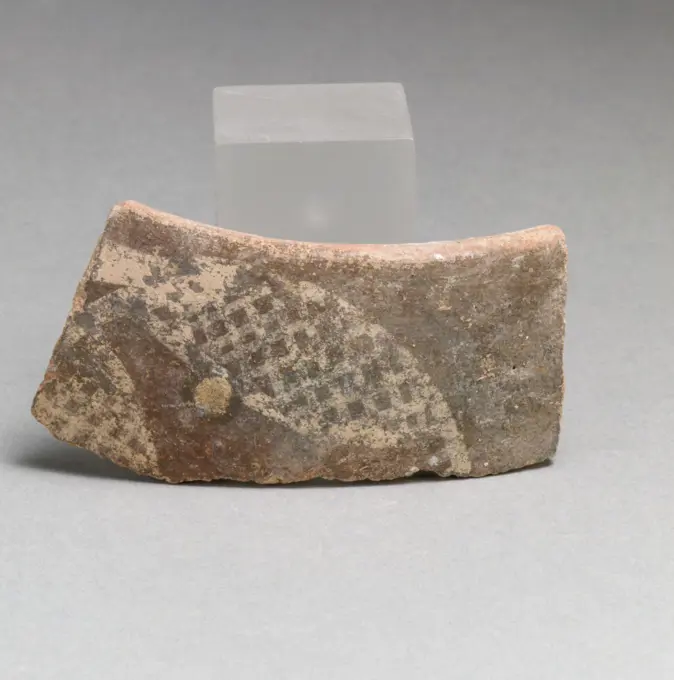
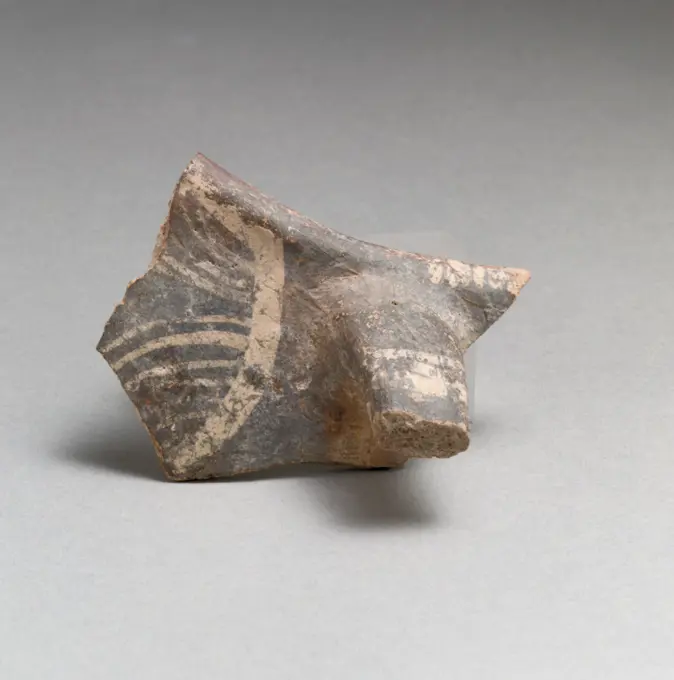
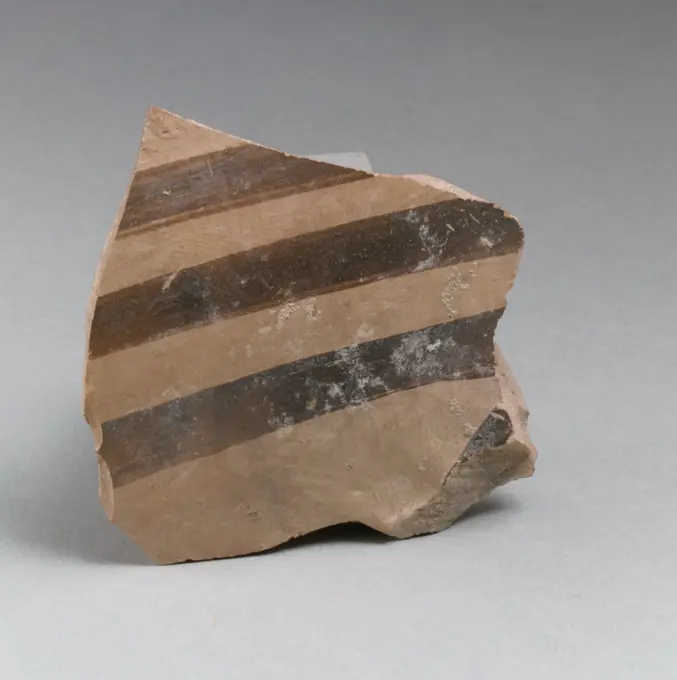
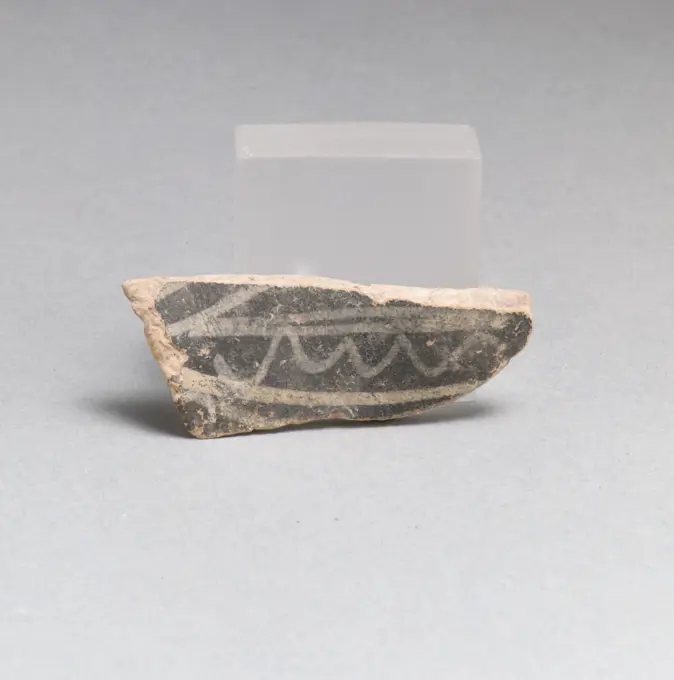
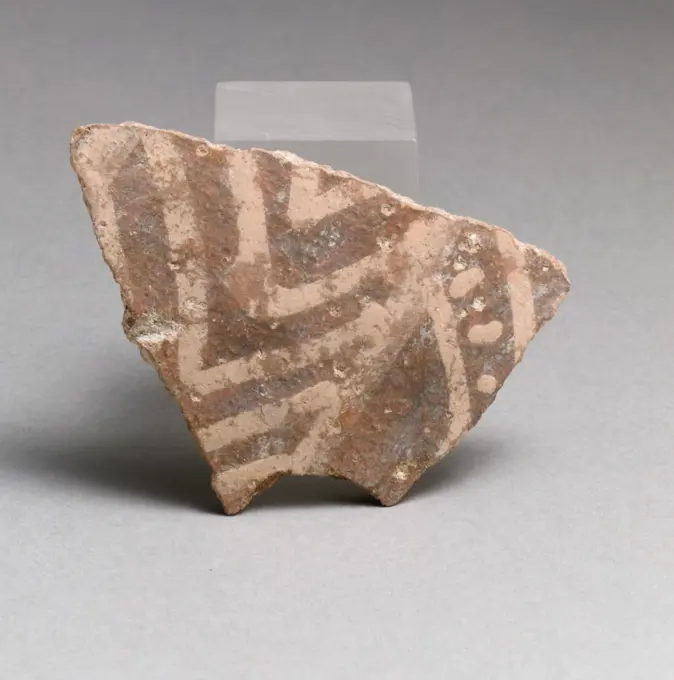
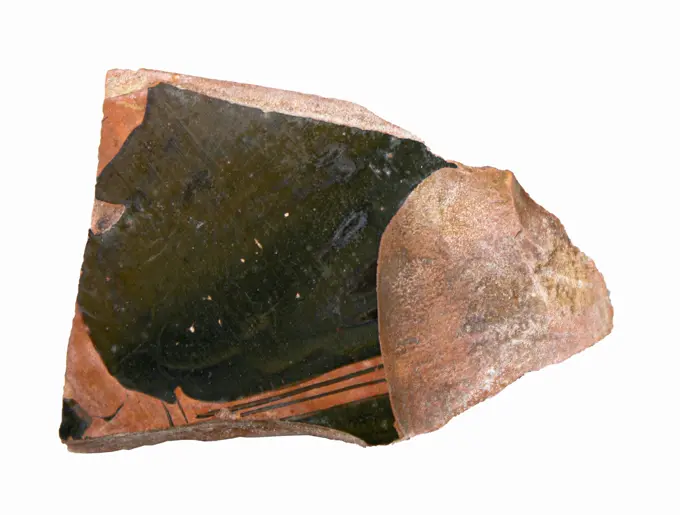
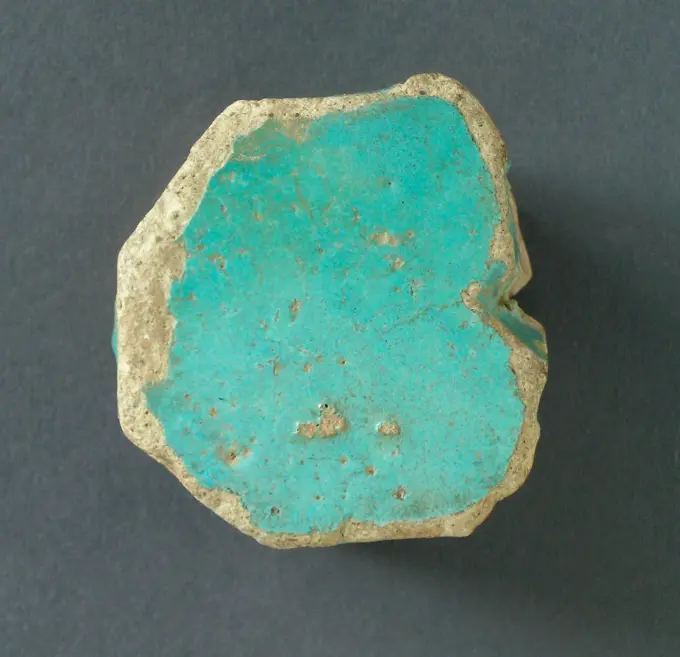
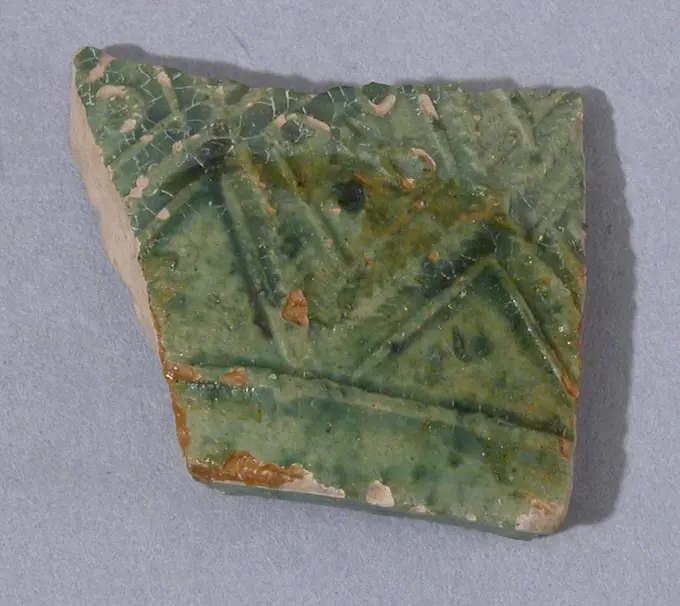
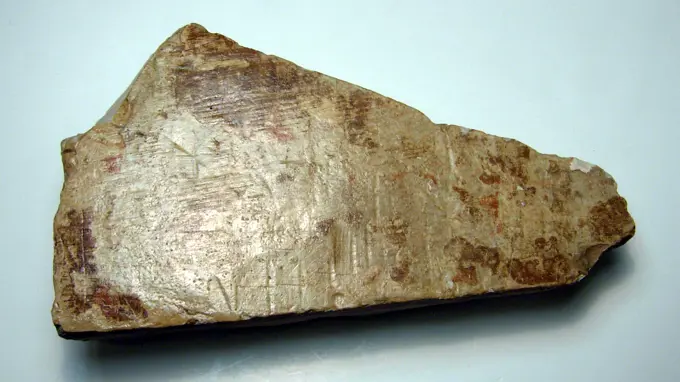
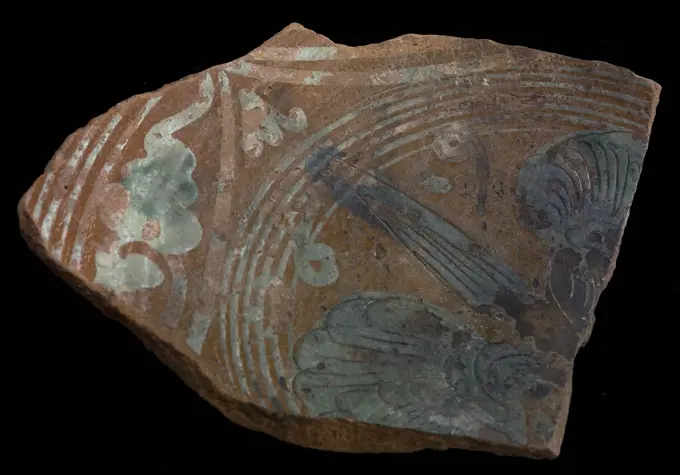
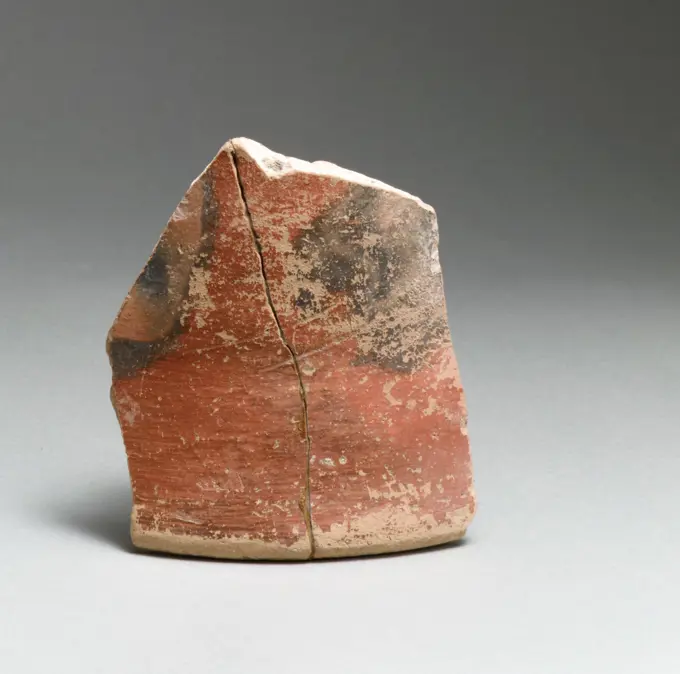
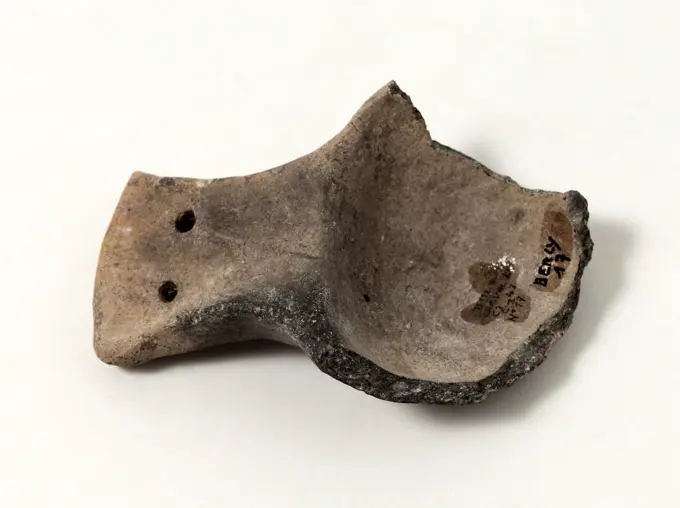
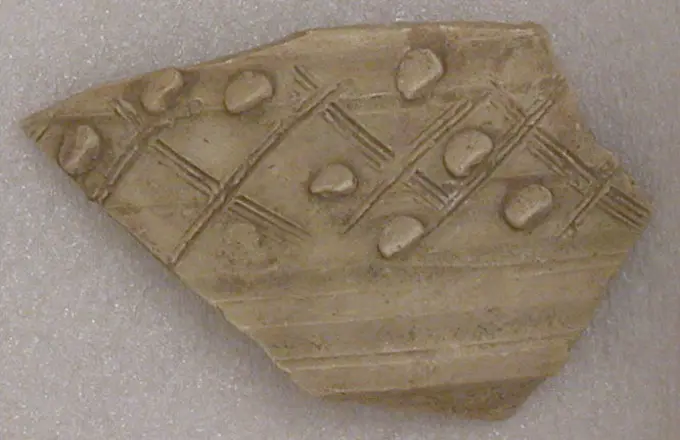
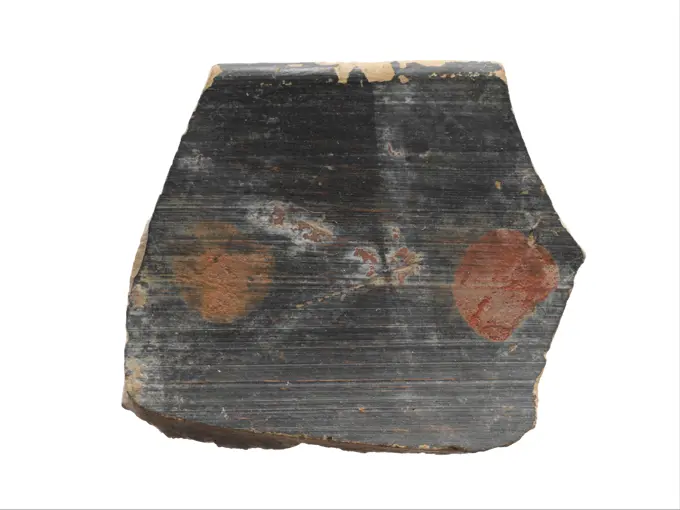
A series of historical ceramic fragments showcasing textures and colors, dating from the 3rd-15th centuries, with detailed surface patterns.
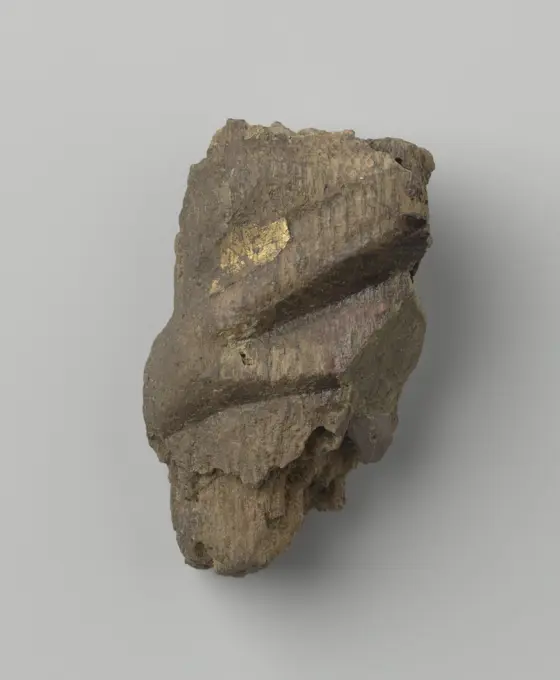
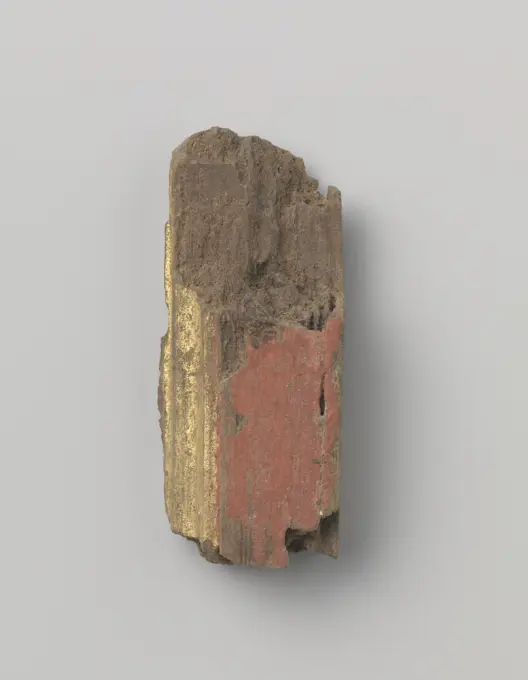
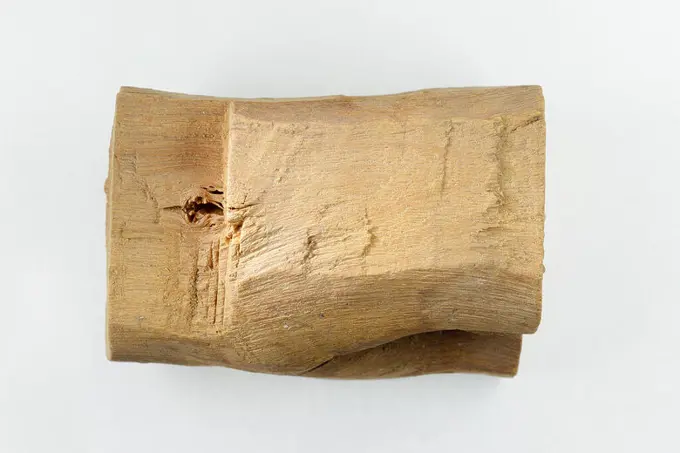
Fragment; (possibly) belonging to the retable of Soest, c. 1475 - c. 1499   wood (plant material)   wood (plant material)
Fragment; (possibly) belonging to the retable of Soest, c. 1475 - c. 1499 wood (plant material) wood (plant material)
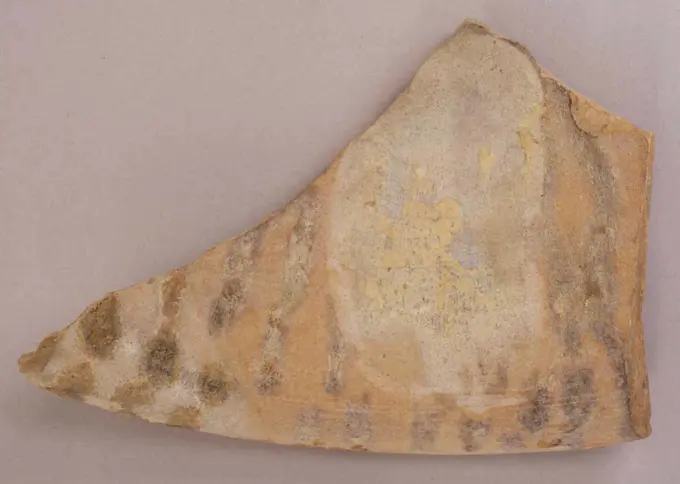
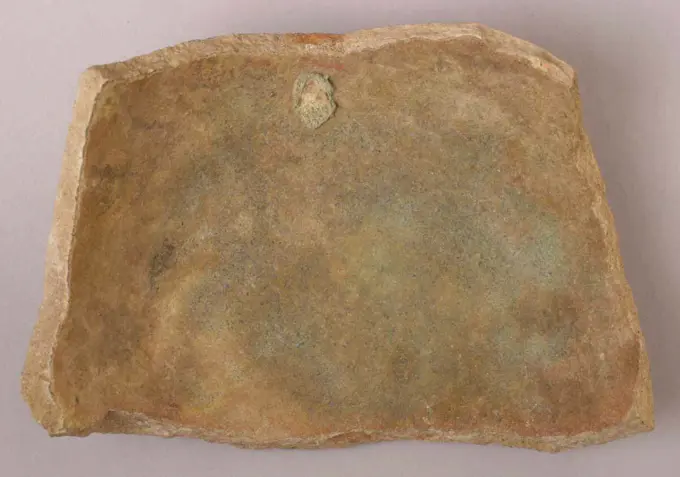
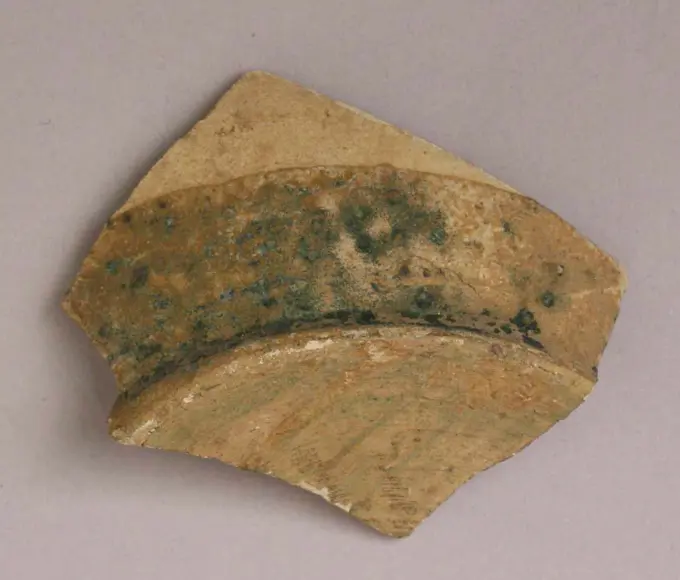
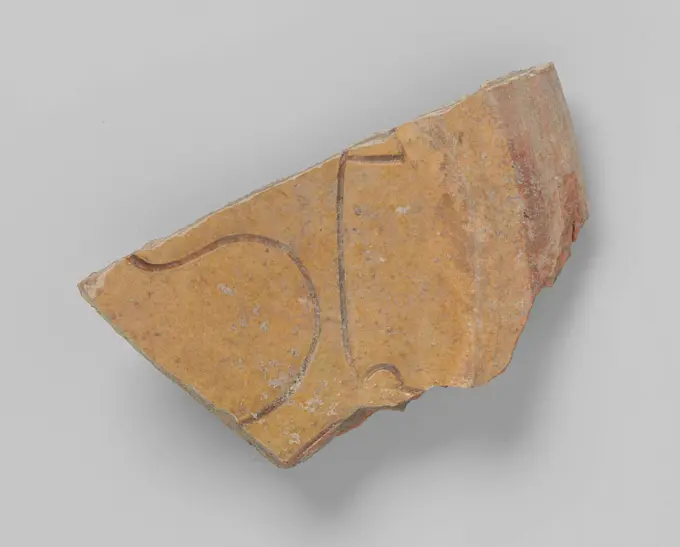
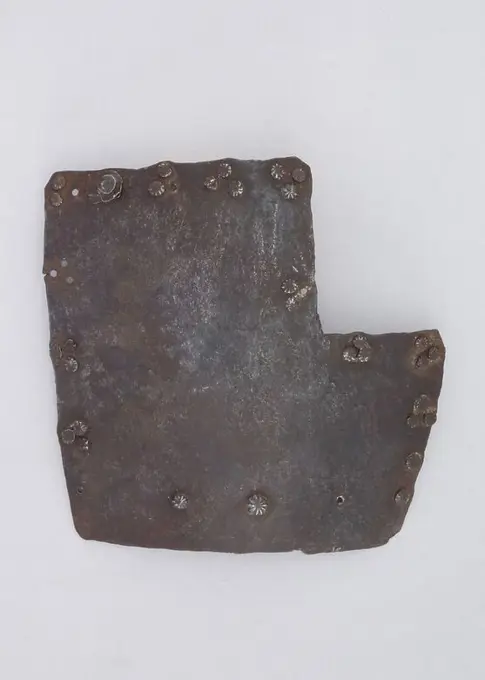
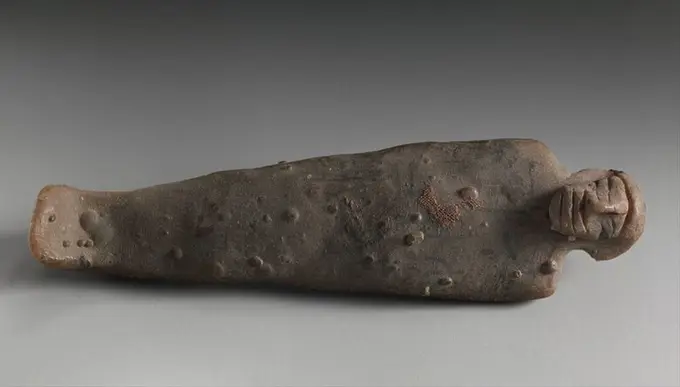
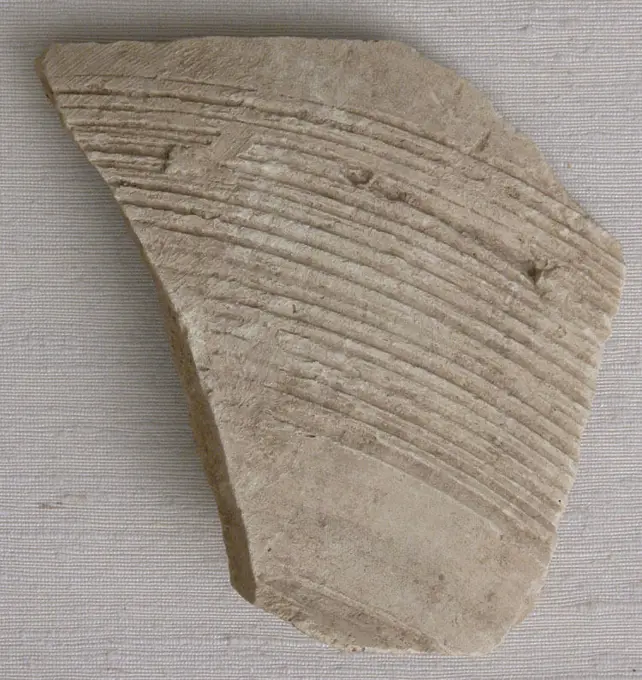
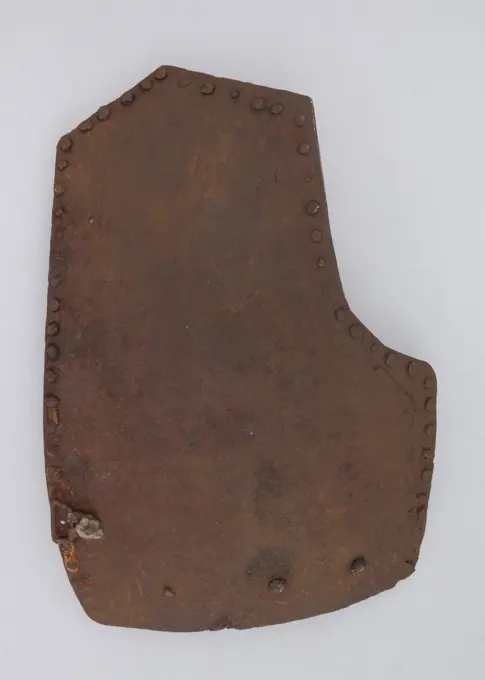
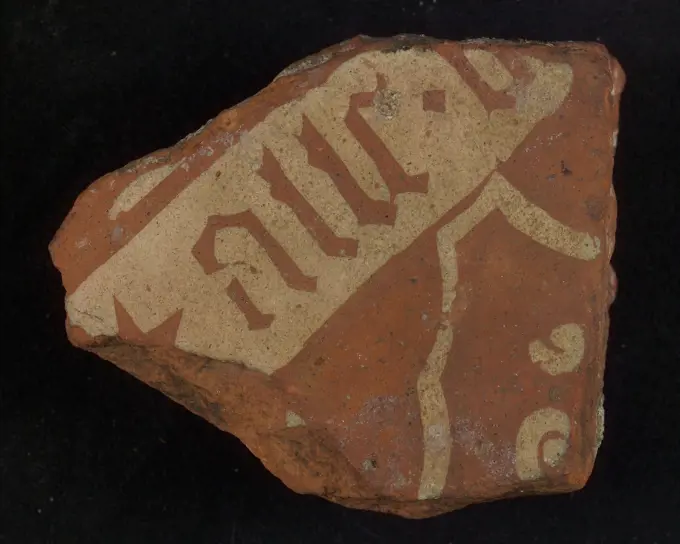
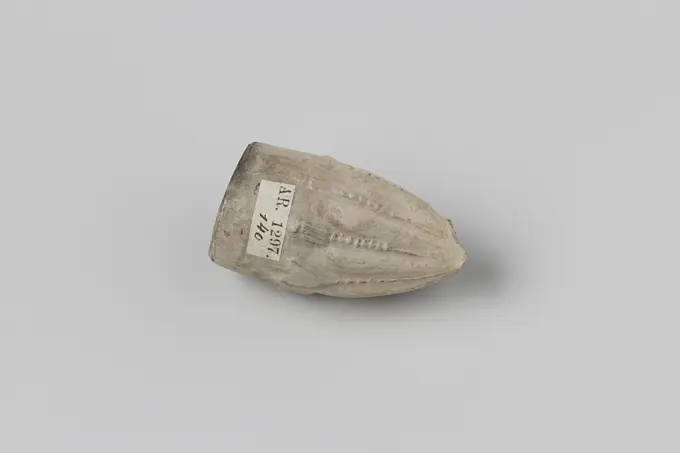
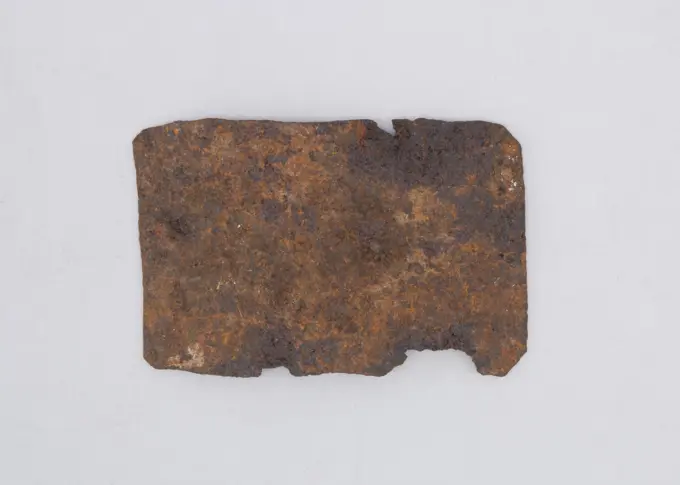
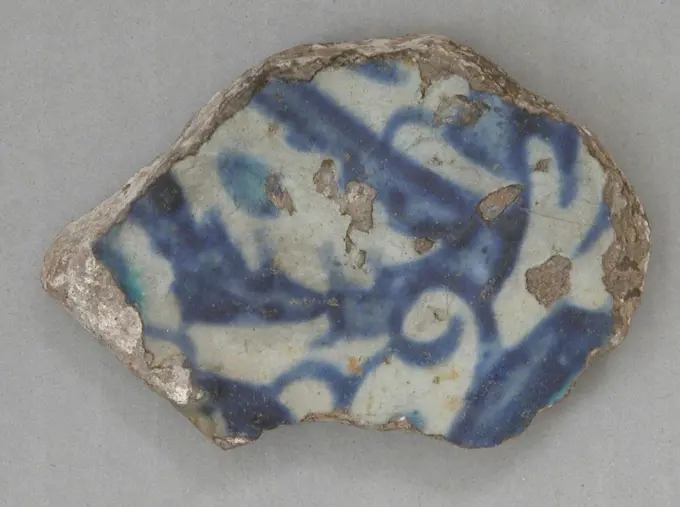
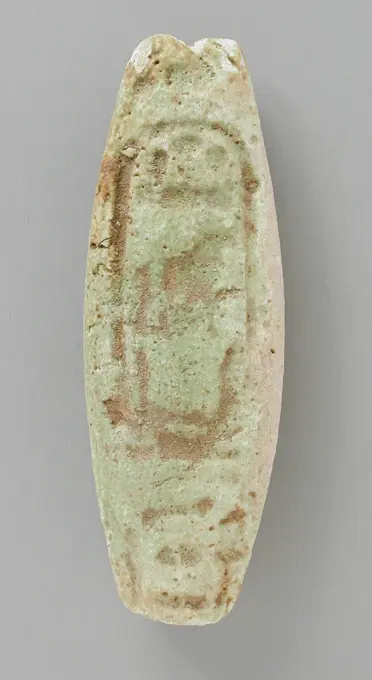
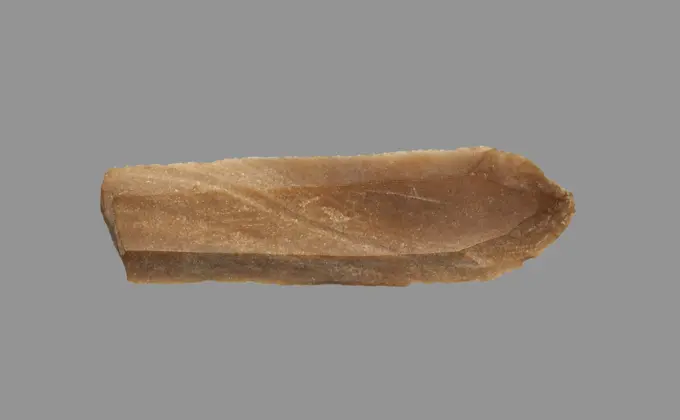
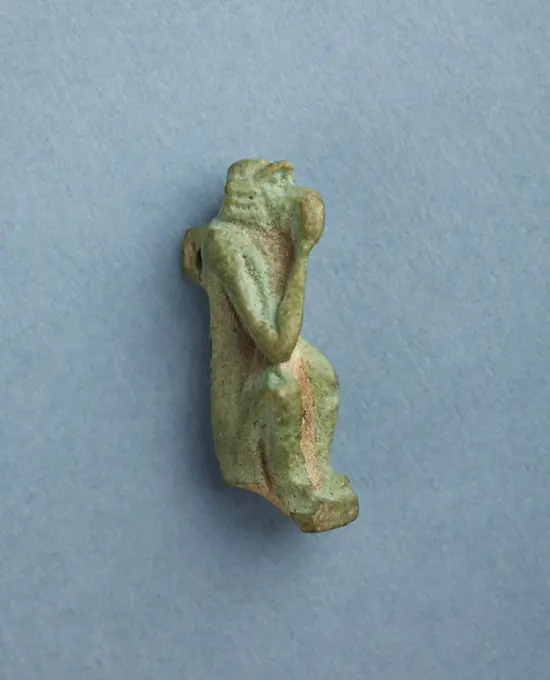
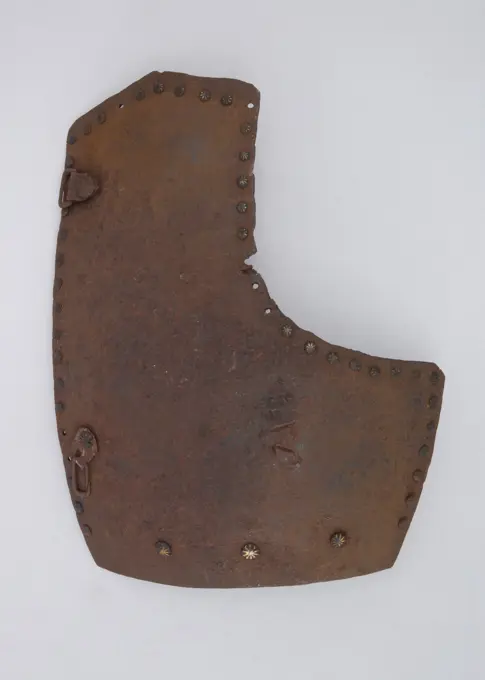
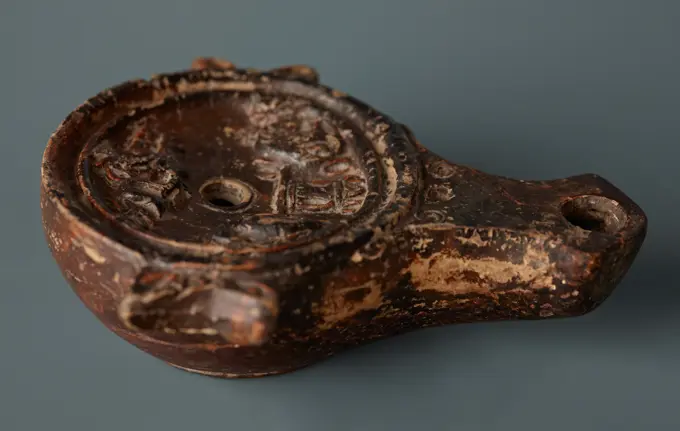
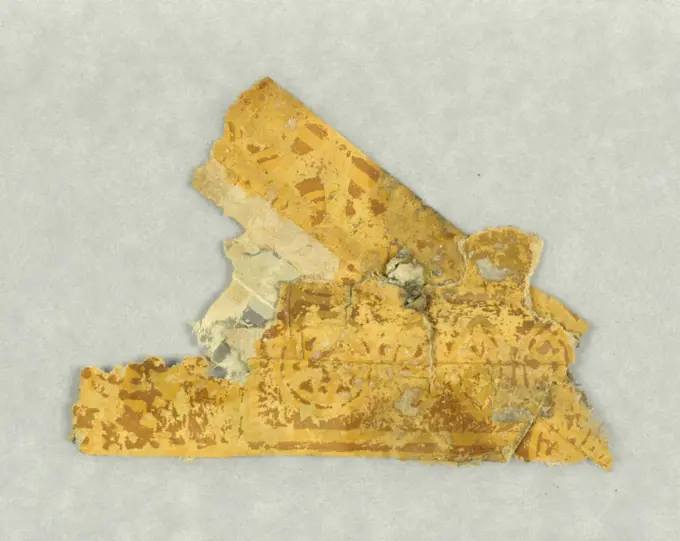
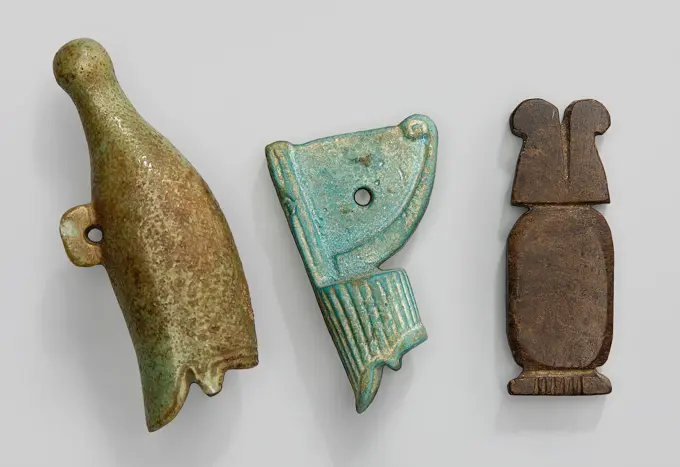
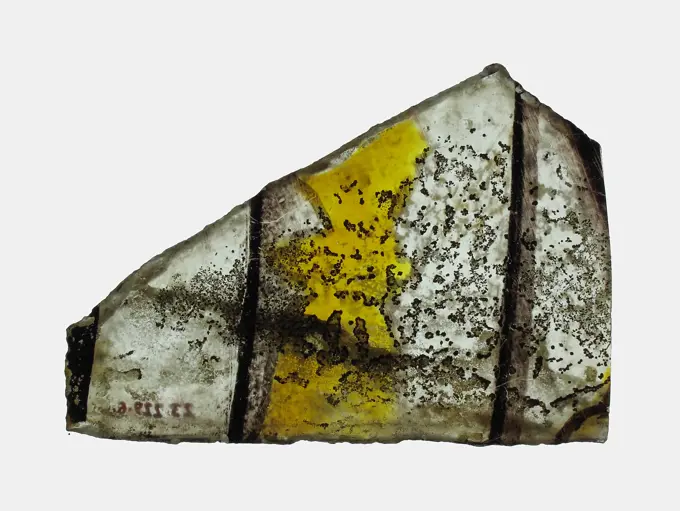
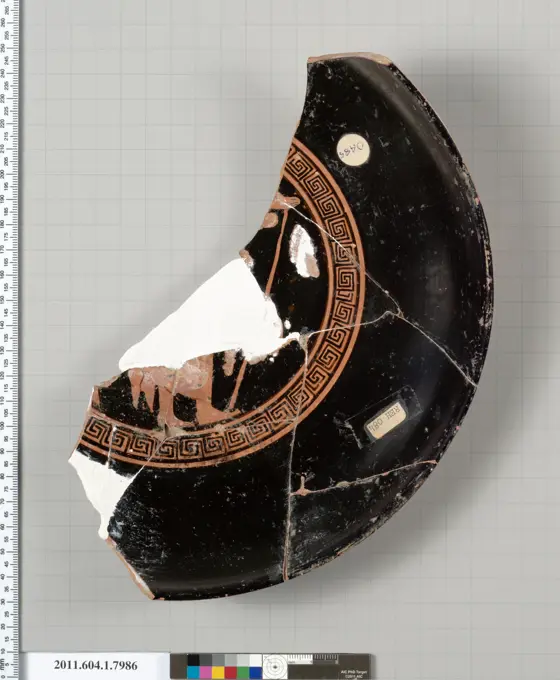
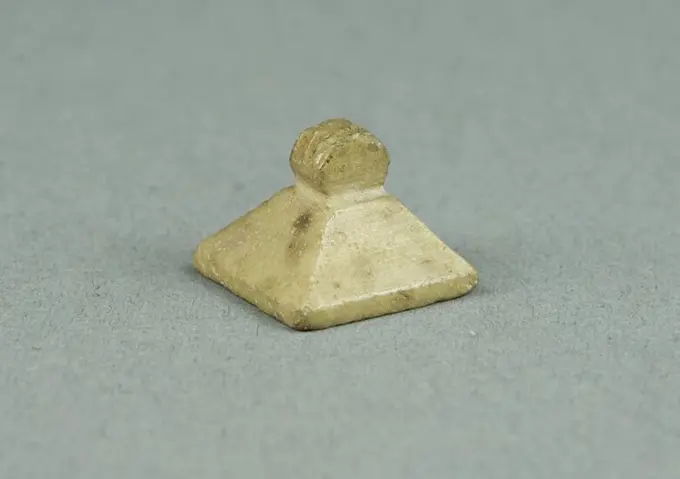
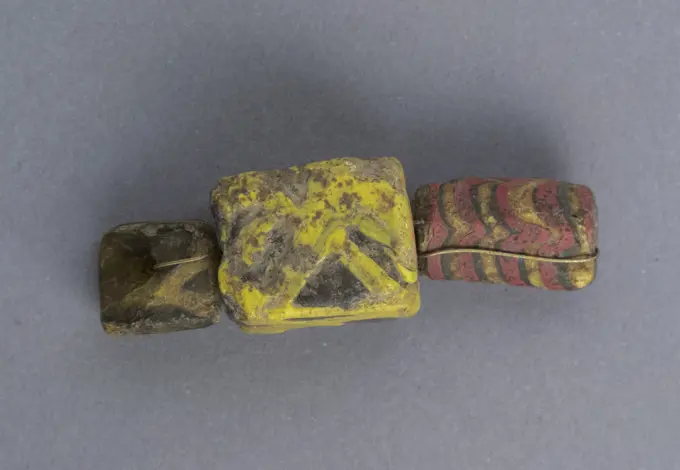
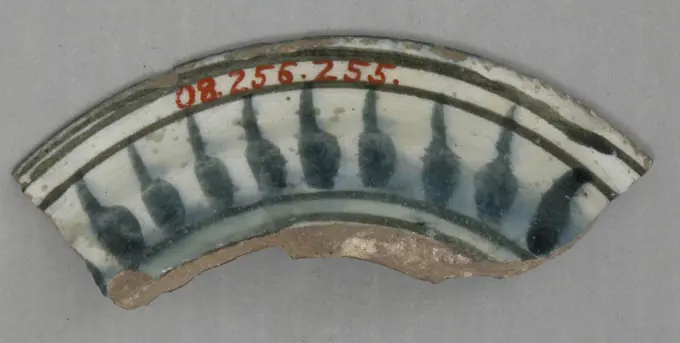
Fragment 3rd-8th century. Fragment 448811Fragment 8th-9th century. Fragment 448792Fragment 8th-9th century. Fragment 448821Fragment. Culture: European or Middle Eastern. Dimensions: L. 1 9/16 in. (4 cm). Date: ca. 1150-ca. 1250. Museum: Metropolitan Museum of Art, New York, USA.Fragment of a Bowl 14th-15th century. Fragment of a Bowl 446308Glazed Ceramic Fragments: Splashed, Opacified White, and Green Glazed 9th century. Glazed Ceramic Fragments: Splashed, Opacified White, and Green Glazed 853431Shard of red clay with white sludge layer in lead glaze. Shard of red clay with white sludge layer in lead glazing, in which an ornament scratched. Found in London, Middlesex Street near Liverpool Street Station.Vase fragment Minoan. Vase fragment 247835Fragment; (possibly) belonging to the retable of Soest, c. 1475 - c. 1499   wood (plant material)   wood (plant material)ScarabTerracotta rim and handle fragment from a jug ca. 2300-2100 B.C. Minoan From Gournia, CreteRim fragment with handle stub.. Terracotta rim and handle fragment from a jug 247789Artists Sketch of Flute Player () ca. 1479-1458 B.C. New Kingdom. Artists Sketch of Flute Player (). ca. 1479-1458 B.C.. Limestone, ink. New Kingdom. From Egypt, Upper Egypt, Thebes, Deir el-Bahri, Tomb of Senenmut (TT 353), MMA excavations, 1926-27. Dynasty 18Two figures, excavated in Utrecht at the old minor brother monastery (fragment), anonymous, c. 1400 - c. 1950 Part of the head of a kneeling man, behind a standing, praying figure. Dug up in Utrecht at the old Minderbroederklooster. Utrecht sandstone   Minderbroedersklooster Part of the head of a kneeling man, behind a standing, praying figure. Dug up in Utrecht at the old Minderbroederklooster. Utrecht sandstone   MinderbroederskloosterVase fragment ca. 1450-1400 B.C. Minoan. Vase fragment 252443 Minoan, Vase fragment, ca. 14501400 B.C., Terracotta, 2 1/4  1 5/16  3/8 in. (5.7  3.4  0.9 cm). The Metropolitan Museum of Art, New York. Bequest of Richard B. Seager, 1926 (26.31.524)Unidentified master stretch.Vase fragment Minoan. Vase fragment 247847Vase fragment Minoan. Vase fragment 247802Dagger-Blade (ge) 1300 BCE-1000 BCE China. Jade .Oracle bone fragment China. Oracle bone fragment. China. Inscribed bone. Shang dynasty (ca. 1600-1046 B.C.). BoneTile (Spain); glazed earthenware; L x W x D: 9.9 x 9.7 cm (3 7/8 x 3 13/16 in.)Vase fragment ca. 1400-1300 B.C. Mycenaean. Vase fragment 248283Sweatwoman (attributed title). Bronze. Carnavalet museum, history of Paris.Brigandine Plate. Culture: Italian. Dimensions: H. 6 1/4 in. (15.9 cm); W. 6 1/4 in. (15.9 cm); Wt. 9.8 oz. (277.8 g). Date: 1400-1450. Museum: Metropolitan Museum of Art, New York, USA.Vase fragment Minoan. Vase fragment. Minoan. Terracotta. Early Minoan III. VasesFragment; (possibly) belonging to the retable of Soest, c. 1475 - c. 1499   wood (plant material)   wood (plant material)Dog harness fastener -Vessel () Fragment 4th-7th century Coptic. Vessel () Fragment 478509Vase fragment Minoan. Vase fragment 247861Volute-krater fragment 4th century B.C. Greek, South Italian, Apulian. Volute-krater fragment. Greek, South Italian, Apulian. 4th century B.C.. Terracotta; red-figure. Late Classical. VasesExcerpt bone from the wreck of the East Indians Hollandia, 1700 - in or before 1743  Faunal remains: bones; indetermined bones; fragm.  bone (material)   SecondFragment of a Dish 15th century. Fragment of a Dish 446500Vase fragment ca. 3000-2000 B.C. Aegean. Vase fragment 253300 Aegean, Vase fragment, ca. 30002000 B.C., Terracotta, Other: 3 1/2in. (8.9cm). The Metropolitan Museum of Art, New York. Anonymous Gift, 1930 (30.119.95)Tile. Algeria, Qal'at bani Hammad (), second half of 11th century. Ceramics. Earthenware, glazedFragment 9th century. Fragment 451519Wall casing 664-610 B.C. Late Period, Saite see 23.3.468. Wall casing. 664-610 B.C.. Limestone. Late Period, Saite. From Egypt, Upper Egypt, Thebes, Deir el-Bahri, Tomb of Nespekashuty (TT 312, MMA 509), Undetermined, MMA excavations, 1922-23. Dynasty 26Bottom fragment Werra plate, mirror decor two thistles, year 1619, light yellow and green glaze, border decoration bows and leaves, plate crockery holder earth discovery ceramic earthenware glaze, Red earthenware with drawing in light yellow and green glaze glazed year: 1619 archeology Rotterdam City Triangle Cool post office Coolsingel Soil discovery: location post office Rotterdam.Fragment of a Bowl 14th-15th century. Fragment of a Bowl 446416Shard ca. 4th-5th century Pakistan. Shard 50859Funerary figurine of Saiah. Dimensions: H. 12 cm (4 3/4 in.); W. 3.5 cm (1 3/8 in.); D. 2 cm (13/16 in.). Dynasty: Dynasty 11. Date: ca. 2051-1981 B.C.. Museum: Metropolitan Museum of Art, New York, USA.Fragment 8th-9th century. Fragment 448883Fragment Pijpenkop, Unknown, 1735 - 1770 Fragment piping head with an arm with a tulip depicted. Of the excavations on the Hofstede Arentsburg 1827-1831 under the supervision of Professor Reuvens. Gouda pipe clay Fragment piping head with an arm with a tulip depicted. Of the excavations on the Hofstede Arentsburg 1827-1831 under the supervision of Professor Reuvens. Gouda pipe clayModel Tool from a Foundation Deposit. Dimensions: L. 7.8 × W. 5.5 × Th. 4 cm (3 1/16 × 2 3/16 × 1 9/16 in.). Dynasty: Dynasty 18. Reign: Joint reign of Hatshepsut and Thutmose III. Date: ca. 1479-1458 B.C.. Museum: Metropolitan Museum of Art, New York, USA.Brigandine Plate 1400-1450 Italian This is part of a large find of medieval armor discovered in 1840 in the ruins of the fortress of Chalcis, on the Greek island of Euboea (then a Venetian colony called Negroponte). The fortress had been captured and destroyed by the Turks in 1470. Now divided largely between the Ethnological Museum, Athens, and The Metropolitan Museum of Art, the Chalcis hoard contains many rare and unusual elements of fourteenth- and fifteenth-century armor. Of particular importance are the variety of headpieces and the many fragments of brigandines (armor for the torso constructed of small plates riveted to layers of fabric), some of which retain portions of their original velvet covering. The Chalcis armor provides a unique picture of the armament used in the Aegean, one of the easternmost military outposts of the Venetian empire.. Brigandine Plate 34356Fragment late 9th-10th century. Fragment 451509Vase fragment Minoan. Vase fragment 247797Terracotta rim of a cup with polychrome motifs. Culture: Minoan. Dimensions: Overall: 1 1/4 x 1 3/8in. (3.2 x 3.5cm). Date: ca. 1800-1700 B.C..From Knossos, CretePart of rim, polychrome, decorated in white and orange on a dark ground. Museum: Metropolitan Museum of Art, New York, USA.Saksonia , Denar of the Cross, between 1080 and 1100 unknownPottery Fragment. Culture: Coptic. Dimensions: Overall: 2 5/8 x 2 1/8 x 1/2 in. (6.7 x 5.4 x 1.3 cm). Date: 4th-7th century. Museum: Metropolitan Museum of Art, New York, USA.Floor tile, brown and white, wide white band with text in gothic lettering, tile floor tile tile sculpture ceramic earthenware clay engobe, doot is sne (l)Fragment 14th century. Fragment 445194Shard: Face from Inside of Vessel ca. 4th-5th century Pakistan. Shard: Face from Inside of Vessel 51256Grahal-Manzara. Carnavalet 2013-2016 collection sites. Numismatics.Fragment. Culture: European or Middle Eastern. Dimensions: L. 2 1/4 in. (5.7 cm). Date: ca. 1150-ca. 1250. Museum: Metropolitan Museum of Art, New York, USA.Fragment of jug, piece cast lead, anonymous, c. 1590 - c. 1596 fragment Fragment, piece of melted lead. Concerns whether the bottom of a tin jug or lead that is cast in a jug of ceramic.  lead (metal) soldering  Nova Zembla. Saving HuysVase fragment Minoan. Vase fragment. Minoan. Terracotta. Early Minoan II. VasesVase with low hull 429. Neolithic. Terracotta. Paris, Carnavalet museum. 429, Carene, Fragment, Neolithic, Content, Terracotta, Crockery, Vase, Archeological VestigeBeads 8th-13th century This object was excavated at Nishapur.Nishapur was a vital city in the early and middle Islamic periods, located along one of the main trajectories that connected Iran and West Asia Islamic lands with Central Asia and China. These itineraries are often referred to by the term Silk routes’ but were in fact crucial to the movement of constellations of materials and objects, as well as people and ideas. The diverse population of Nishapur and its surroundings, from the better-researched elite groups of merchants, land-owning aristocracy, and literates, to the less-known artisans, farmers, miners, and servants, were instrumental in adapting global cultural trends to create their own distinctive visual languages. This is seen in the material remains of everyday life in medieval Nishapur - from pots and pans to lighting devices, inkwells, textiles and trimmings, jewelry, games and toys, talismanic devices, weapons, coins, and architectural fragments.Nishapur lost its pLápida Campum Emporiae, época romana, Empúries. Museum: Museu d'Arqueologia de Catalunya, Empúries.Shard ca. 4th-5th century Pakistan. Shard 50864Jasper mineral on cottonPart roof tile, red shard, worked, rounded and pierced, roof tile roofing building material soil find ceramics pottery glaze lead glaze, in shape made glazed fried minced sanded drilled Part of flat roof tile leipan. Red shard and partially covered with lead glaze. Edited; the fragment is roughly rounded, the edges are smoothly sanded in the middle, hole is drilled in the shape of diabolo. Function lid or reinforcement mesh reinforcement archeology Capelle aan den IJssel House in Capelle castle indigenous pottery build close heavy duty reuse Soil discovery: Capelle Castle canal ± 1395-1500 Capelle aan den IJssel 1963.Fragment pipe head.Fragment pipe head with floral fashed motif and dotted flower drinks. Of the excavations at the Hofstede Arentsburg 1827-1831 under the supervision of professor Reuvens.Six Brigandine Plates 15th century European This is part of a large find of medieval armor discovered in 1840 in the ruins of the fortress of Chalcis, on the Greek island of Euboea (then a Venetian colony called Negroponte). The fortress had been captured and destroyed by the Turks in 1470. Now divided largely between the Ethnological Museum, Athens, and The Metropolitan Museum of Art, the Chalcis hoard contains many rare and unusual elements of fourteenth- and fifteenth-century armor. Of particular importance are the variety of headpieces and the many fragments of brigandines (armor for the torso constructed of small plates riveted to layers of fabric), some of which retain portions of their original velvet covering. The Chalcis armor provides a unique picture of the armament used in the Aegean, one of the easternmost military outposts of the Venetian empire.. Six Brigandine Plates 30496Bronze scalpel 1st-2nd century A.D. Roman The handle at the middle is square in section. At one end, there is a slot for the insertion of a sharp iron blade (now missing), and at other end, there is a leaf-shaped blade for blunt dissection procedures.. Bronze scalpel. Roman. 1st-2nd century A.D.. Bronze. Imperial. BronzesFragment probably 11th century. Fragment 451605Fragment 15th-16th century. Fragment 445343Inlay ca. 18th century B.C. Old Assyrian Trading Colony. Inlay 323598Molded Faience Amuletic Tube with Birth Name of Shabaka. Egypt, Late Period, 25th Dynasty, reign of Shabaka (712 - 698 BCE). Jewelry and Adornments; amulets. FaienceRelief fragment from tomb of Meketre ca. 1981-1975 B.C. Middle Kingdom. Relief fragment from tomb of Meketre 668998Bead 8th-13th century This object was excavated at Nishapur.Nishapur was a vital city in the early and middle Islamic periods, located along one of the main trajectories that connected Iran and West Asia Islamic lands with Central Asia and China. These itineraries are often referred to by the term Silk routes’ but were in fact crucial to the movement of constellations of materials and objects, as well as people and ideas. The diverse population of Nishapur and its surroundings, from the better-researched elite groups of merchants, land-owning aristocracy, and literates, to the less-known artisans, farmers, miners, and servants, were instrumental in adapting global cultural trends to create their own distinctive visual languages. This is seen in the material remains of everyday life in medieval Nishapur - from pots and pans to lighting devices, inkwells, textiles and trimmings, jewelry, games and toys, talismanic devices, weapons, coins, and architectural fragments.Nishapur lost its poHafted Ax 500 B.C.-A.D. 300 Indonesia(). Hafted Ax. Indonesia(). 500 B.C.-A.D. 300. Bronze. Bronze and Iron Age period. MetalworkDecorative door boss and nail, Steel-plated wrought iron, Square type, pierced and embossed with wrought lines. Quadrant leaf design with bean-shaped embossing on each leaf. Nail with square domed head on square shank., Spain, ca. 1550-1700, metalwork, Decorative Arts, Decorative door boss and nailFragment of Dish 14th-15th century. Fragment of Dish 446458Bronze daggers and knifeClick sprayer from the wreck of the East Indians Hollandia, Anonymous, 1700 - in Or Before 1743  Tools and instruments, medical, enema syringe; fragm of cylinder and pump system, extremely corroded: ffragm of upper end, circular, moulded rim, flat with fragm of shaft protruding, broken off (moulding 3.2d): (1)fragm of straight cylinder, broken, with piston inside sim. NG 1980-27H1456: fragm of lower end, circular, flanged, externally threaded rim with central hollow shaft: fragm of tube, sim. NG 1980-27H1632/1799. Netherlands tin (metal)   SecondThe Ancient Jama-Coaque Culture. Northern coast of Ecuador. 500 BC-500 AD. Loom weight. 7 x 1,5 cm. Private collection.Terracotta fragment of a dinos (deep round-bottomed bowl) or column-krater (bowl for mixing wine and water) 480-470 B.C. Greek, Attic Part of a band of up and down palmettes; the up palmettes are circumscribed; at the bottom; a double reserve line. Terracotta fragment of a dinos (deep round-bottomed bowl) or column-krater (bowl for mixing wine and water). Greek, Attic. 480-470 B.C.. Terracotta; red-figure. Early Classical. VasesFragment 8th-9th century. Fragment 448878Fragmentary gaming board: game of 58 holes ca. 18th century B.C. Old Assyrian Trading Colony This fragment belongs to a group of carved ivories, mostly furniture elements, probably found at the site of a palace at Acemhöyük in central Anatolia. Like another piece in the Metropolitan Museums collection (36.70.37a2), it was originally part of a gaming board for playing an ancient game known today as the game of fifty-eight holes. The game was played as a race between two players with game pieces in the form of pegs that were inserted into the holes making up each players track, as in the modern game of cribbage, although the two games are not related. Since the earliest boards for the game of fifty-eight holes come from Egypt, such as an example from Thebes which still has its animal-headed pegs (Department of Egyptian Art, 26.7.1287), the game itself may have originated there. Interestingly, the fragmentary and complete game boards found in Old Assyrian contexts in Anatolia all have 6Vase fragment Roman Lower part of brownish-yellow enamelled vase with raised garland decoration.. Vase fragment 250180Palette 4th-7th century Coptic. Palette 475438Sickle Blade, 1980-1801 BC. Egypt, Middle Kingdom, Dynasty 12. Flint; overall: 5 cm (1 15/16 in.).Amulet - BaboonHACHAS PLANAS TIPO CABRALES - EDAD DE HIERRO. Location: MUSEO ARQUEOLOGICO-COLECCION. Oviedo. ASTURIAS. SPAIN.Terracotta rim of a cup with polychrome motifs ca. 1800-1700 B.C. Minoan From Knossos, CretePart of rim, polychrome, decorated in white and orange on a dark ground.. Terracotta rim of a cup with polychrome motifs 248542Faience Scarab with Name of Queen Tiy. Egypt, New Kingdom, 18th dynasty, reign of Amenhotep III to Akhenaten (1410-1355 BCE). Sculpture. Blue faienceA sample of bright Orange crust on matrix. Dated 21st CenturyBrigandine Plate 1400-1450 Italian This is part of a large find of medieval armor discovered in 1840 in the ruins of the fortress of Chalcis, on the Greek island of Euboea (then a Venetian colony called Negroponte). The fortress had been captured and destroyed by the Turks in 1470. Now divided largely between the Ethnological Museum, Athens, and The Metropolitan Museum of Art, the Chalcis hoard contains many rare and unusual elements of fourteenth- and fifteenth-century armor. Of particular importance are the variety of headpieces and the many fragments of brigandines (armor for the torso constructed of small plates riveted to layers of fabric), some of which retain portions of their original velvet covering. The Chalcis armor provides a unique picture of the armament used in the Aegean, one of the easternmost military outposts of the Venetian empire.. Brigandine Plate 27689Blue pigment trace, techniques of restoration of Romanesque decorative stuccoes, find n 117, basilica of Santa Maria Maggiore, Lomello, Lombardy. Italy, 11th century.Oil LampChunk of concretion from the East Indians' t Vliegend Hart, 1700 - 1735 concretionary stone Brug concretion with the impression of a wooden board and inclusions of flint and glass and a fragment of a pipe stalk.  pipe clay. concretionary stone.Coin Weight 10th-11th century. Coin Weight 453525Sidewall - fragment, Block-printed, Fragments of pattern printed in ochre and green on light ochre ground. Bits of geometric elements that form square and circle and duplicate the full pattern pictured in Antiques Magazine, XLIV, No. 6, Dec 1943, P. 270. Also, fragment of border imitating architectural molding, leaf in bright yellow, orange, tan, brown on ochre., possibly USA, 1820-40, Wallcoverings, Sidewall - fragmentAmulet - white crown, amulet - red crown, amulet - cartouche with two feathers;  664-525 BC ; Half period, 26 dynasty (-664-00-00--525-00-00), 664-332 BC ; Half period (-664-00-00--332-00-00);Scene.gal.eg., Power amulets, cartouches, crowns, purchase (provenance)Face Fragment 4th-7th century Coptic. Face Fragment 478552Glass Fragment 15th century French. Glass Fragment. French. 15th century. Colorless glass. Glass-StainedTerracotta fragment of a kylix (drinking cup) 460-450 B.C. Greek, Attic Interior, draped male to right, holding a stick in his right hand; Obverse, head, chest, and forelegs of a horse to right; horse to right; above the horse, a shield; handle roots and handle patch preserved to rim; below, an ivy leaf; Reverse, tail, hindquarters, genitals, and hind legs of a horse to right. Terracotta fragment of a kylix (drinking cup). Greek, Attic. 460-450 B.C.. Terracotta; red-figure. Classical. VasesAmulet of a Stamp Seal. Egyptian. Date: 664 BC-332 BC. Dimensions: 1.1 x 1.3 x 1.3 cm (7/16 x 1/2 x 1/2 in.). Stone. Origin: Egypt. Museum: The Chicago Art Institute, Chicago, USA. Author: Ancient Egyptian.Beads, 3. Beads, 3. Glass. GlassFragment 14th century. Fragment 445541