Ancient Ceramic Fragments

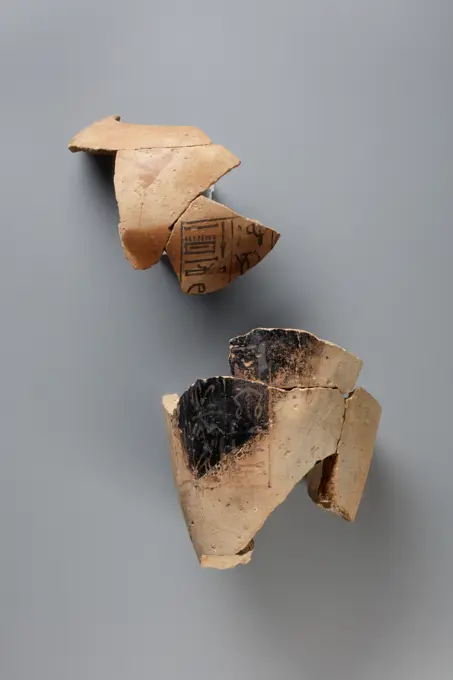
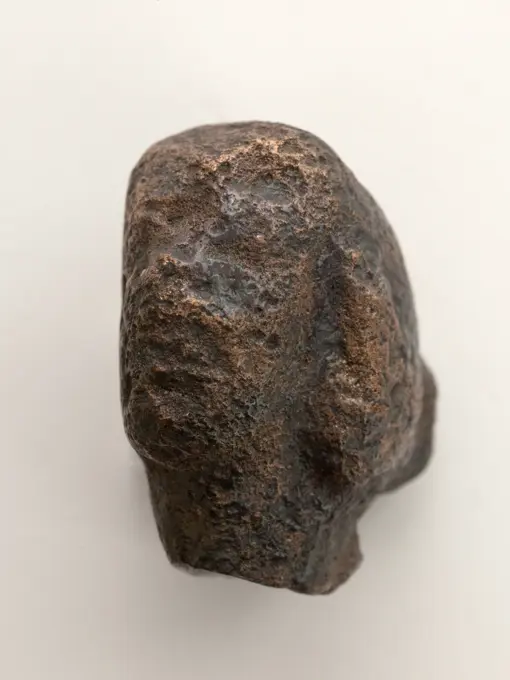
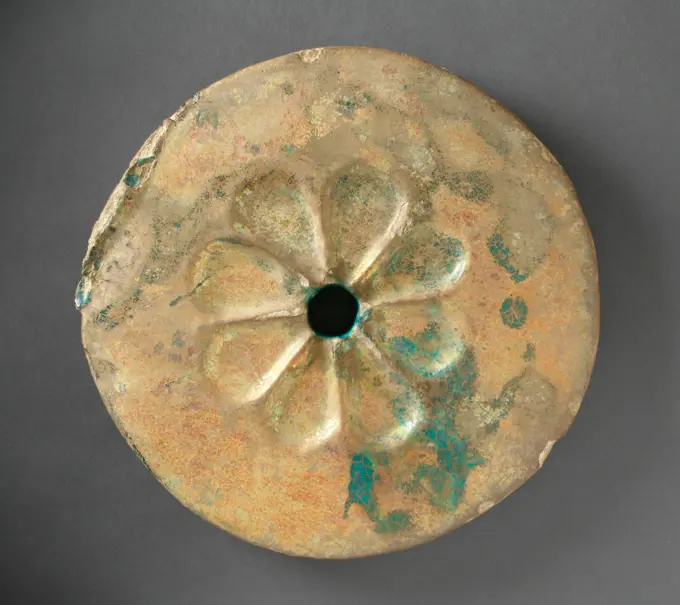
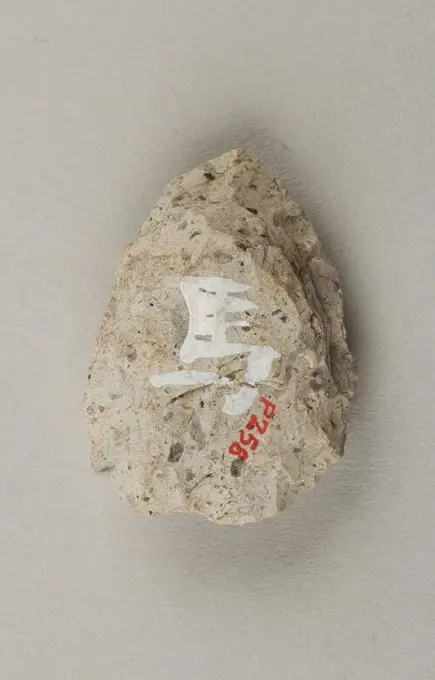
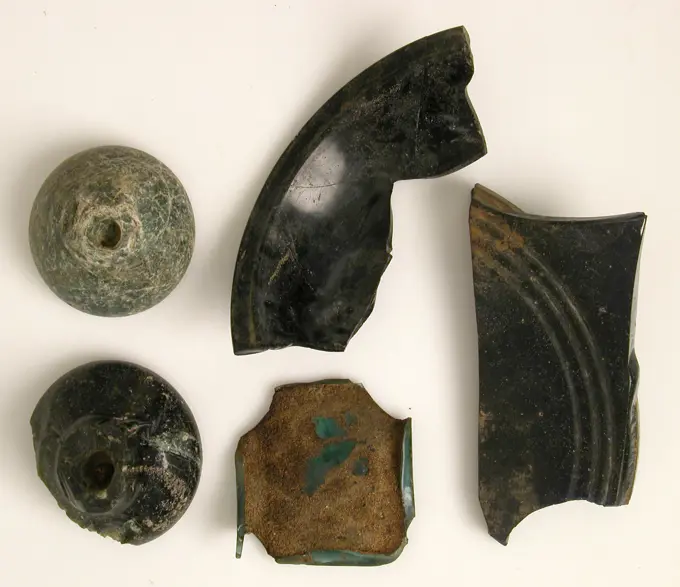
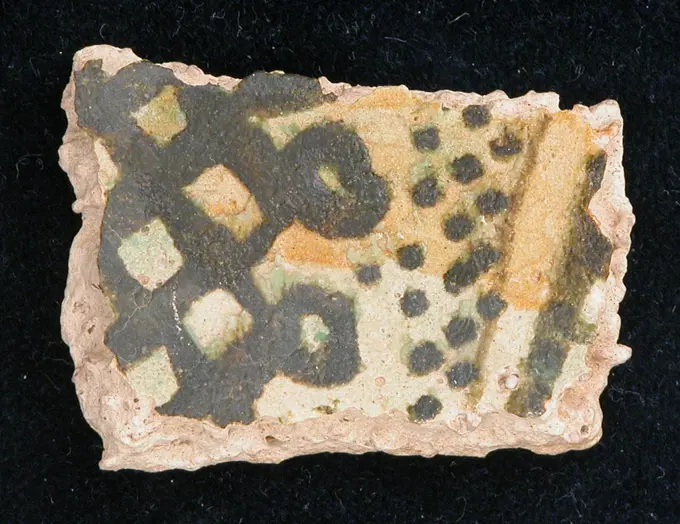
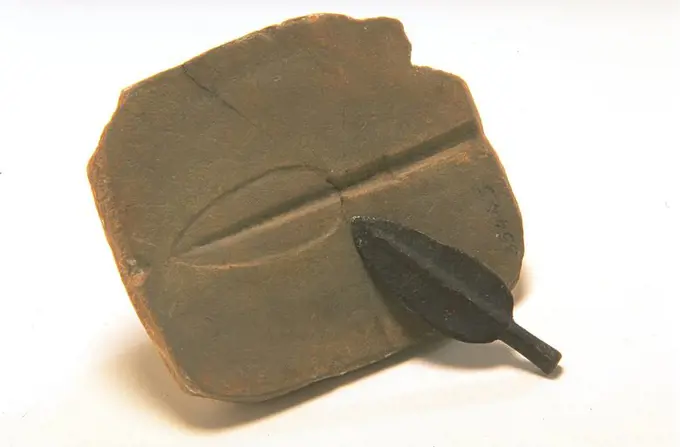
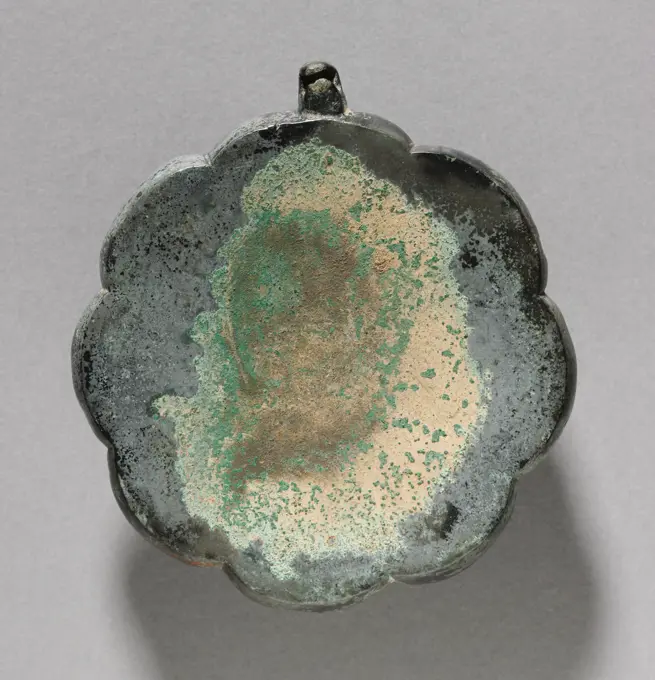
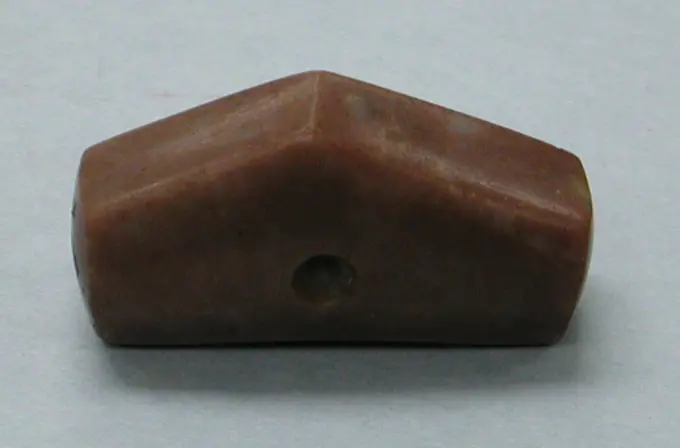
A series of historical ceramic fragments showcasing textures and colors, dating from the 3rd-15th centuries, with detailed surface patterns.
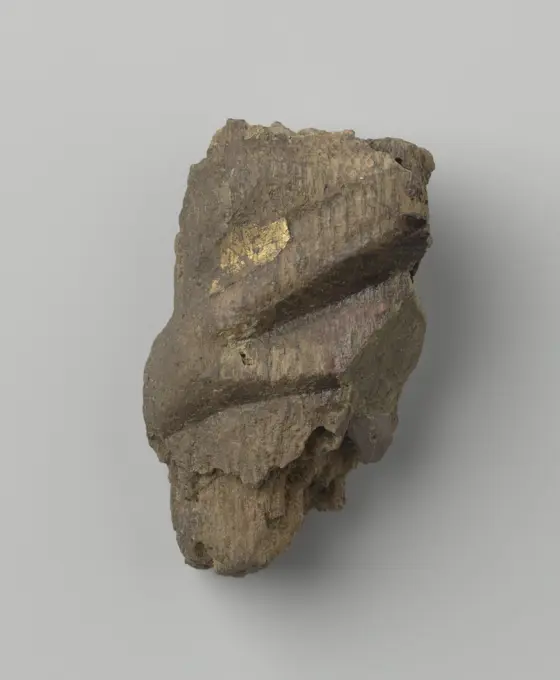
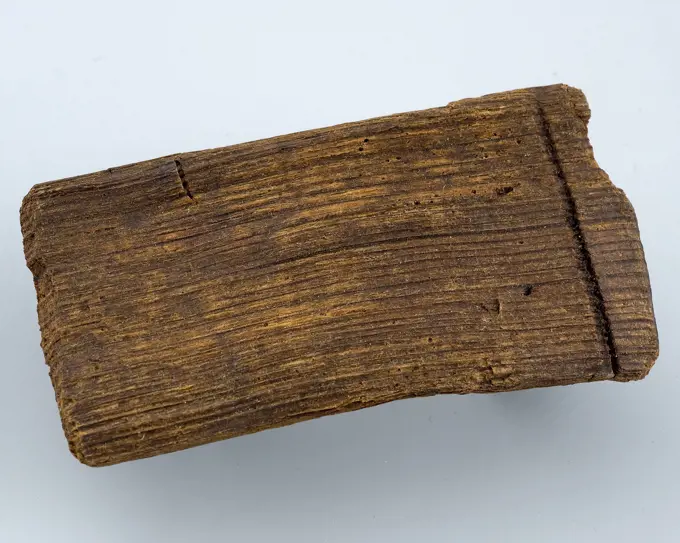
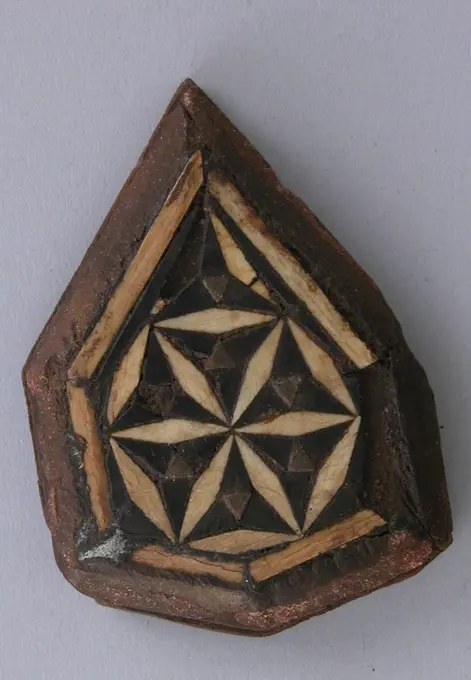
Fragment; (possibly) belonging to the retable of Soest, c. 1475 - c. 1499   wood (plant material)   wood (plant material)
Fragment; (possibly) belonging to the retable of Soest, c. 1475 - c. 1499 wood (plant material) wood (plant material)
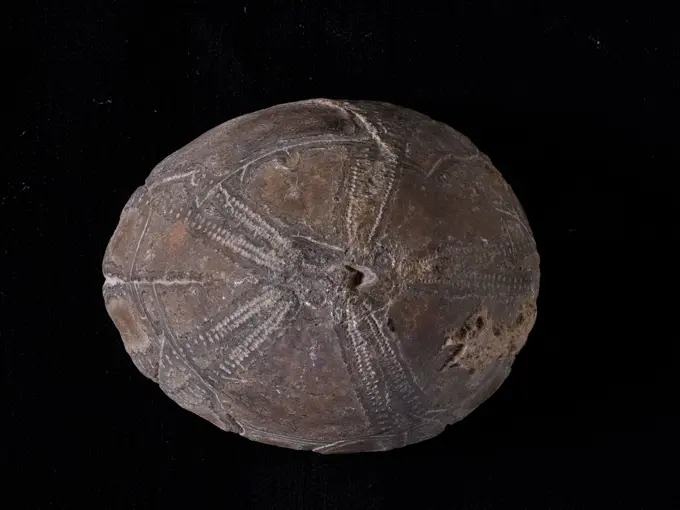
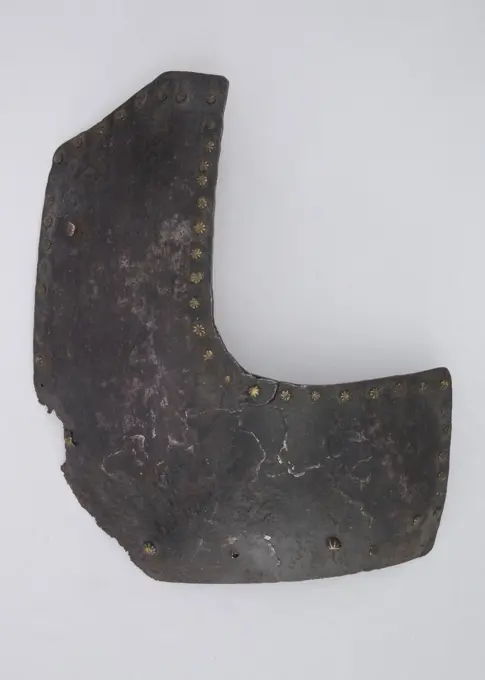
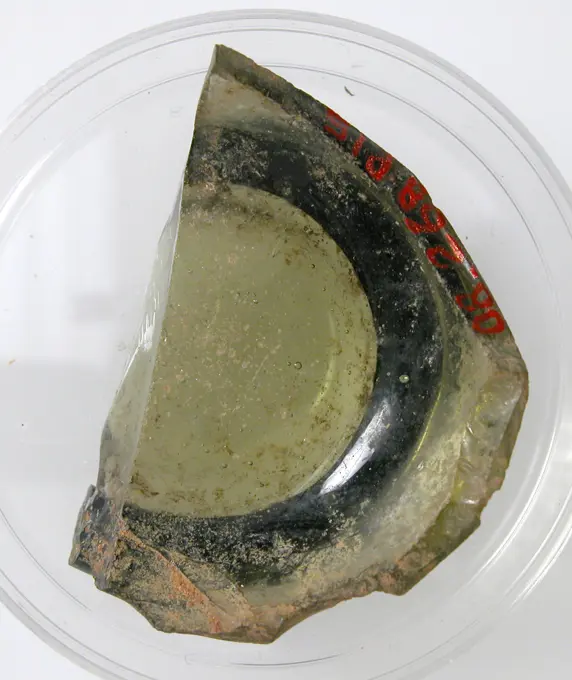
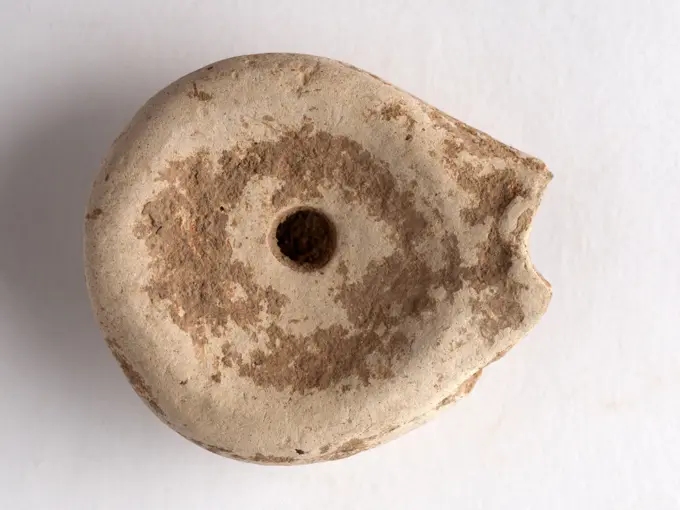
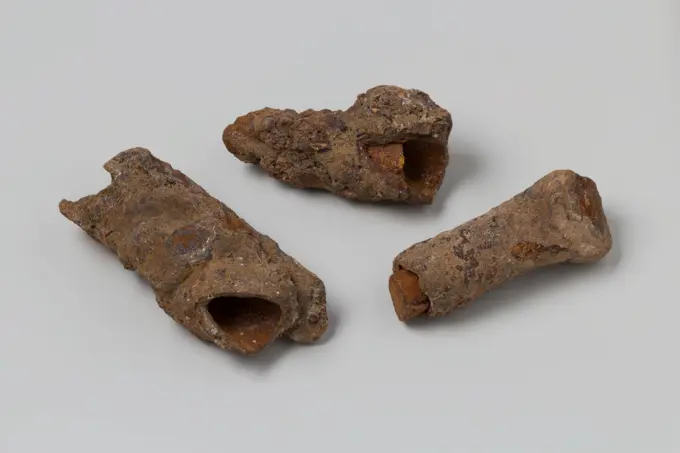
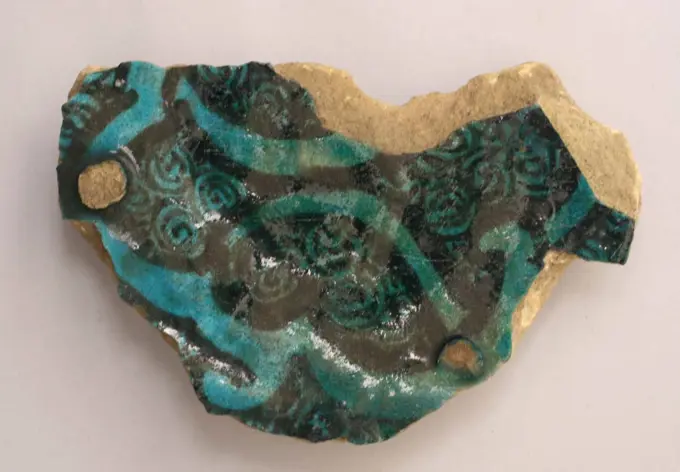
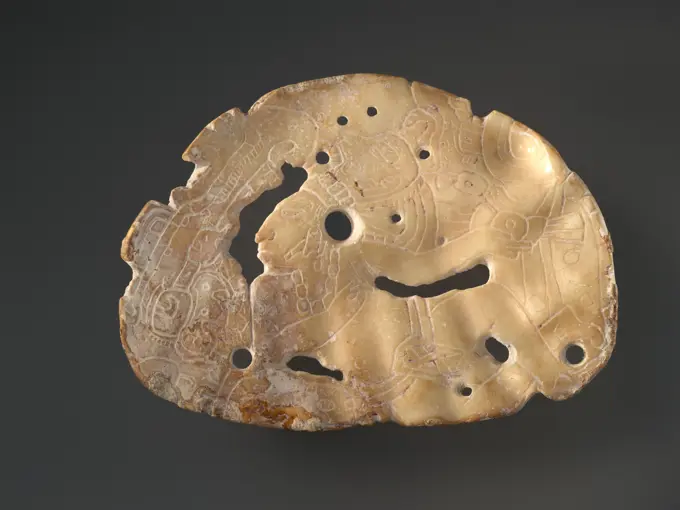
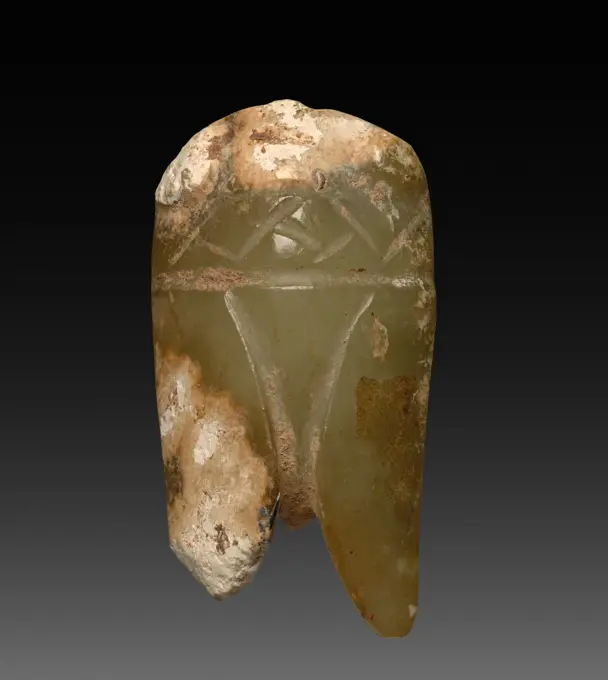
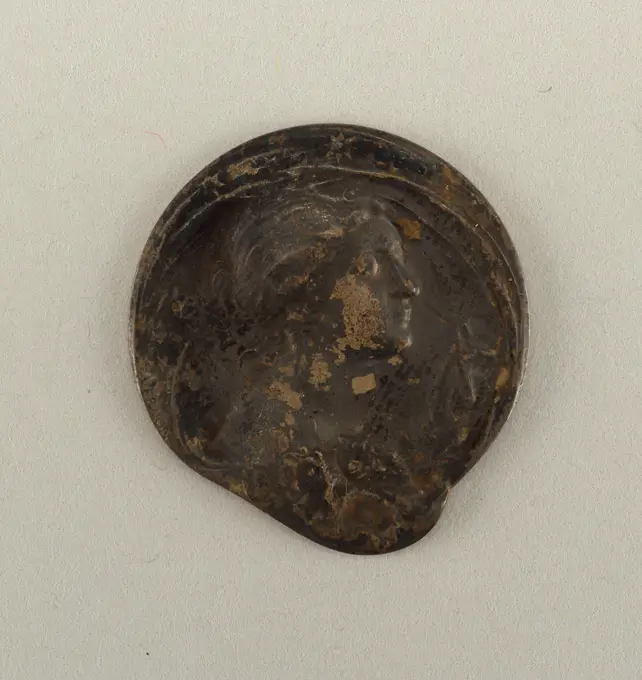
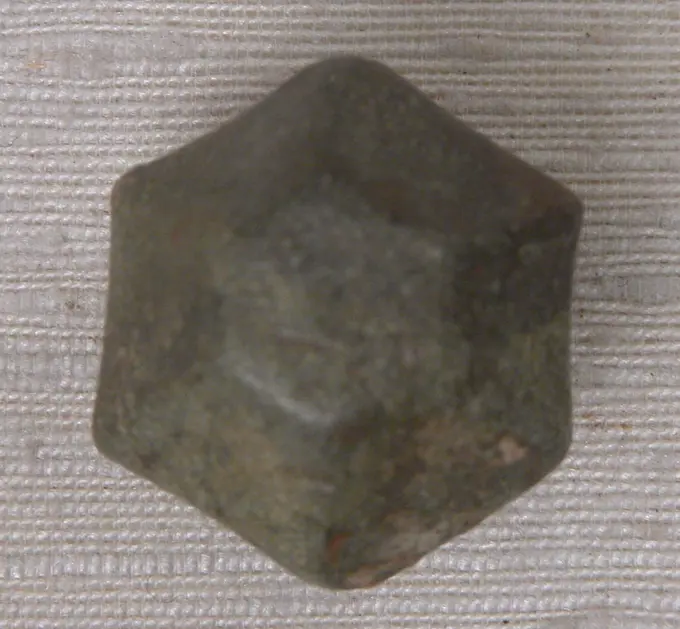
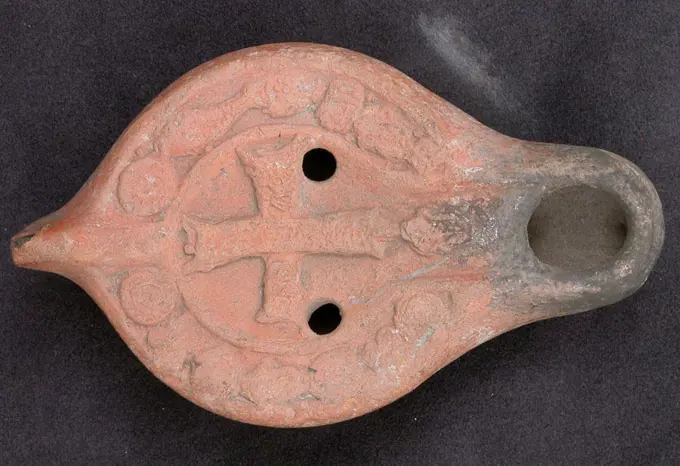
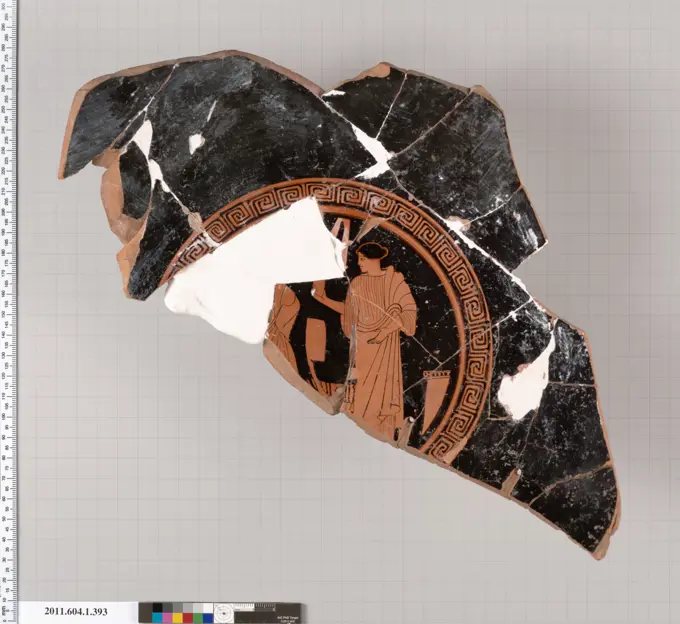
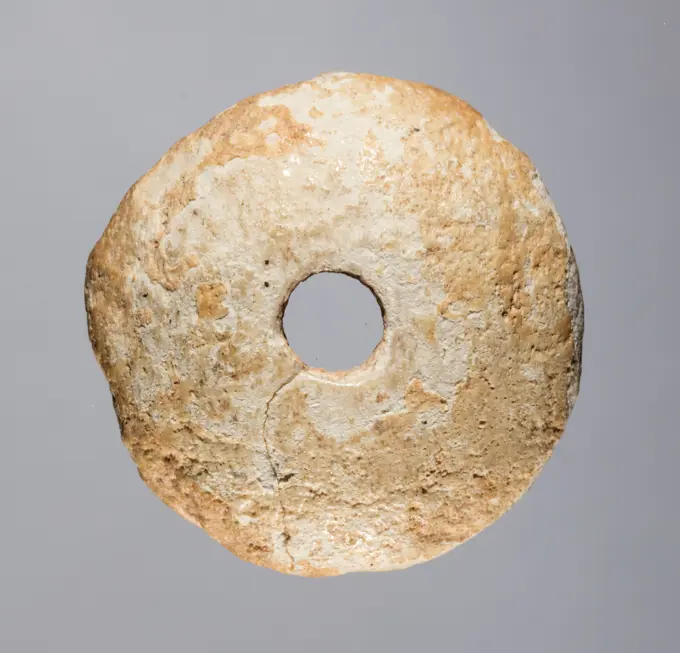
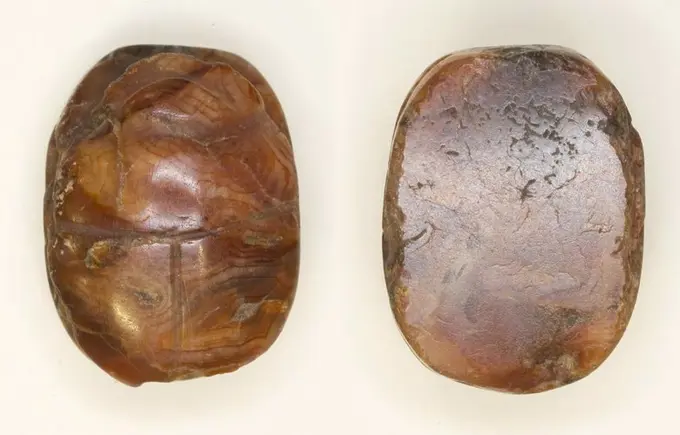
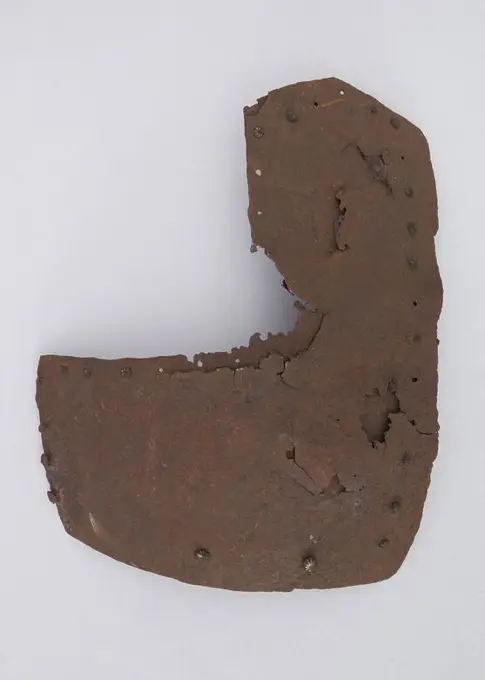
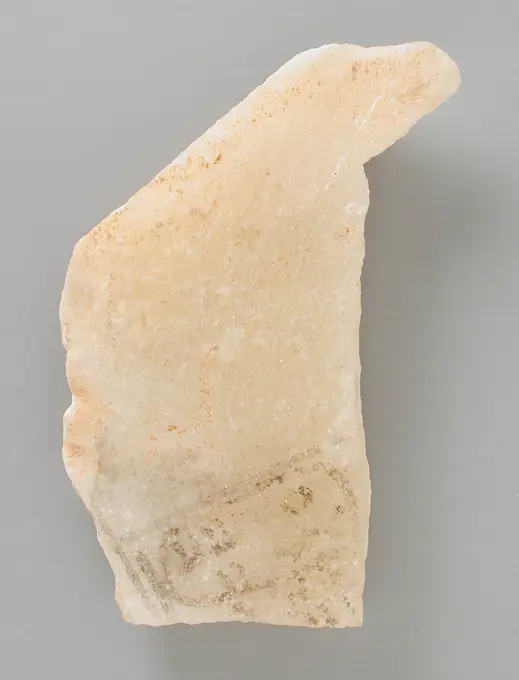
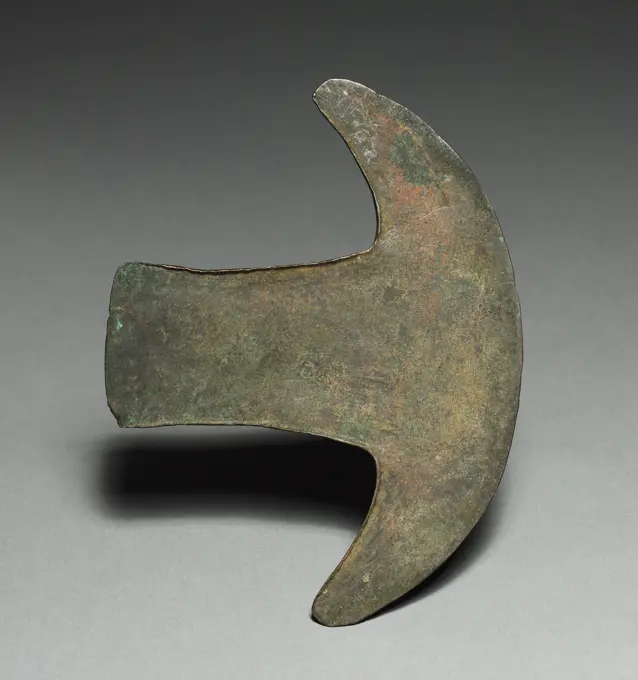
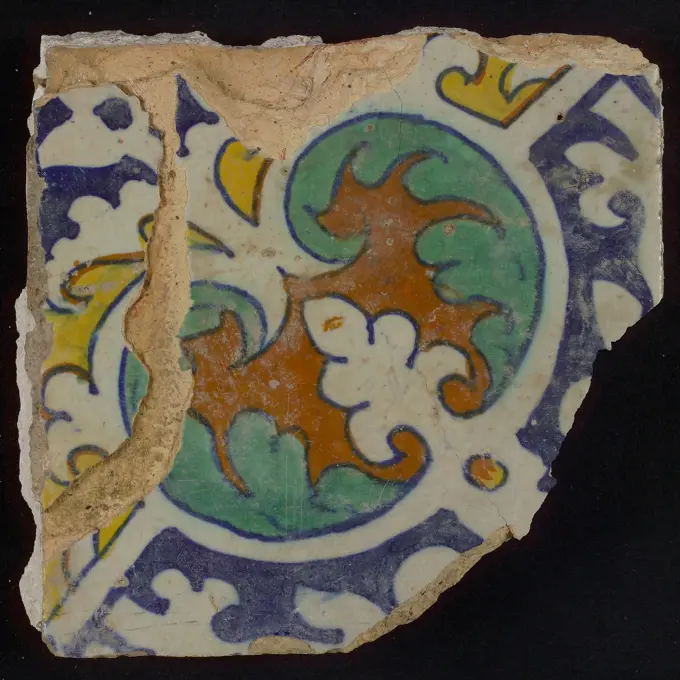
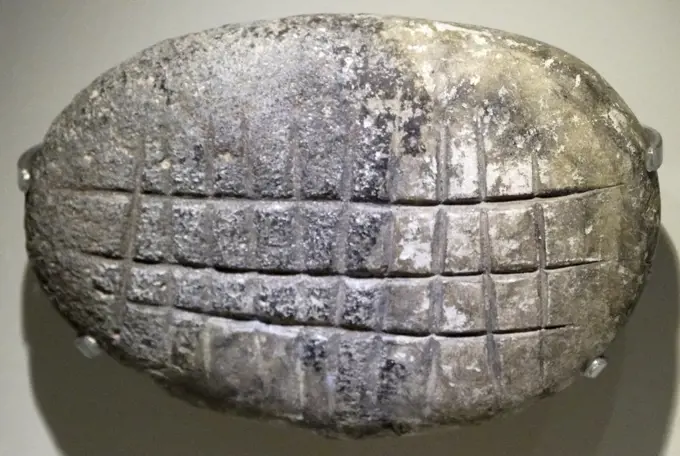
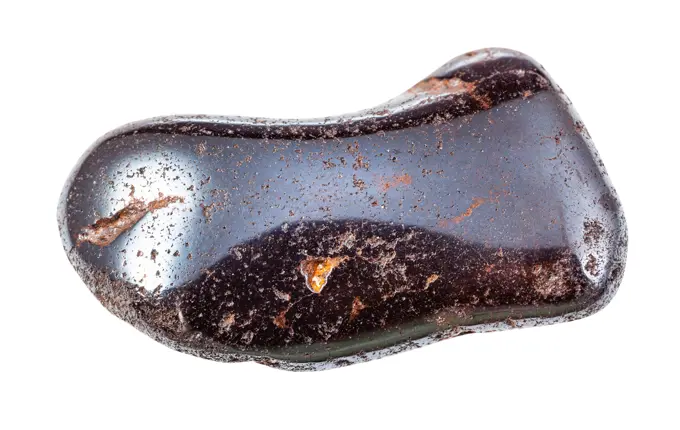
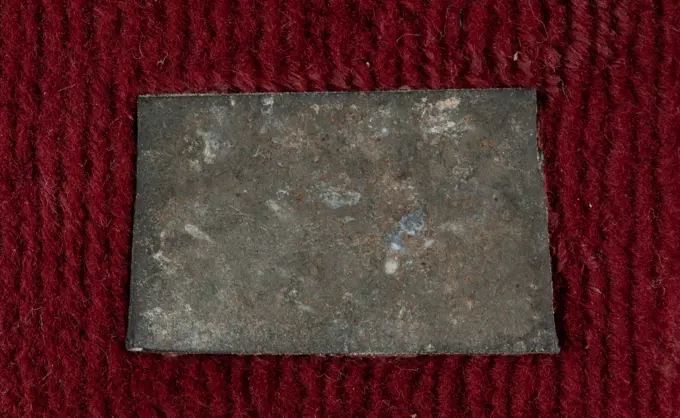
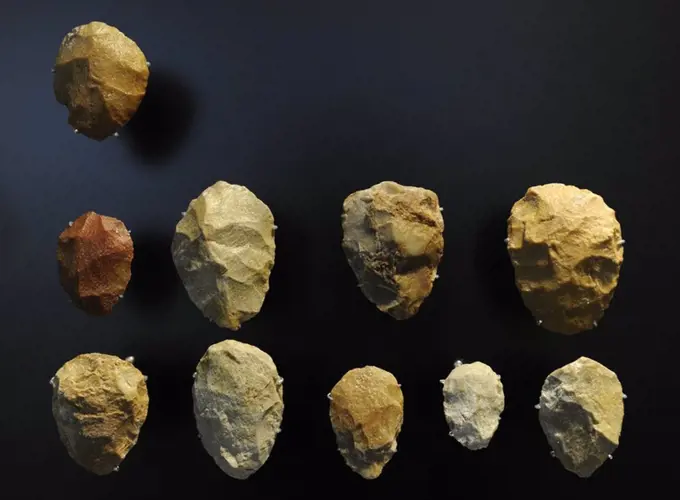
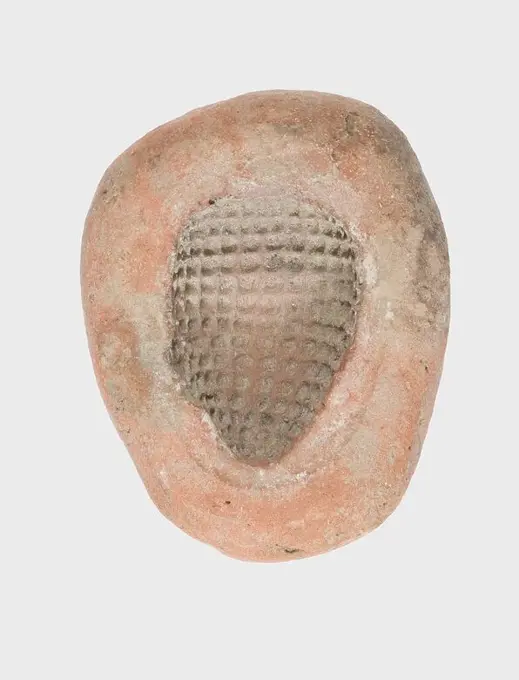
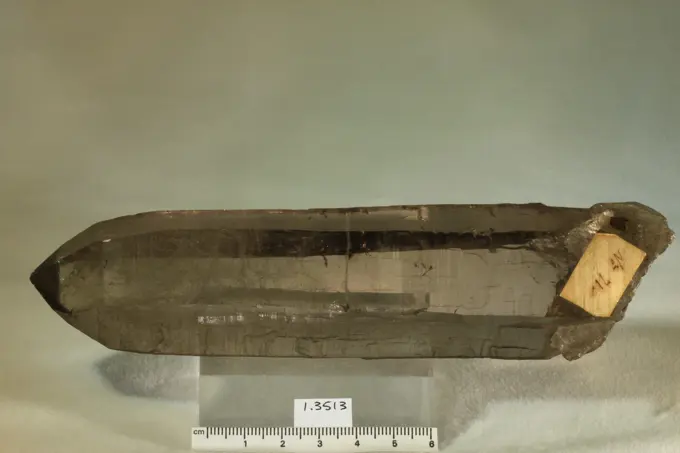
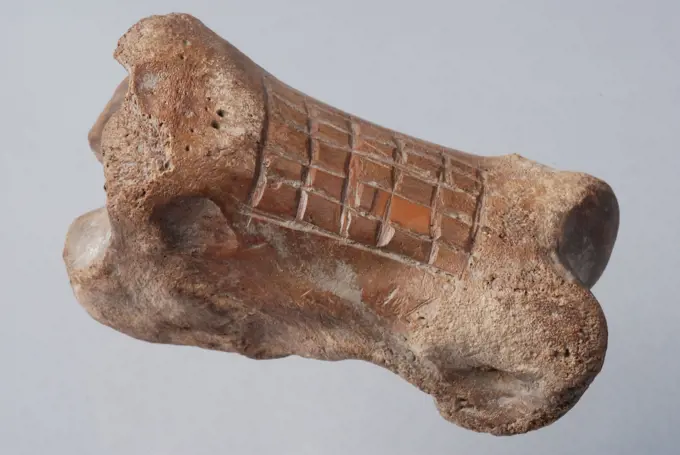
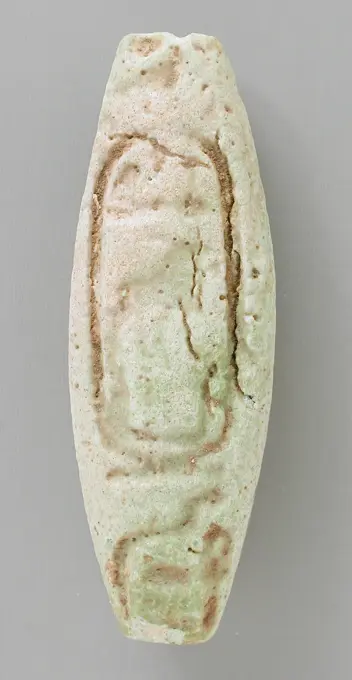
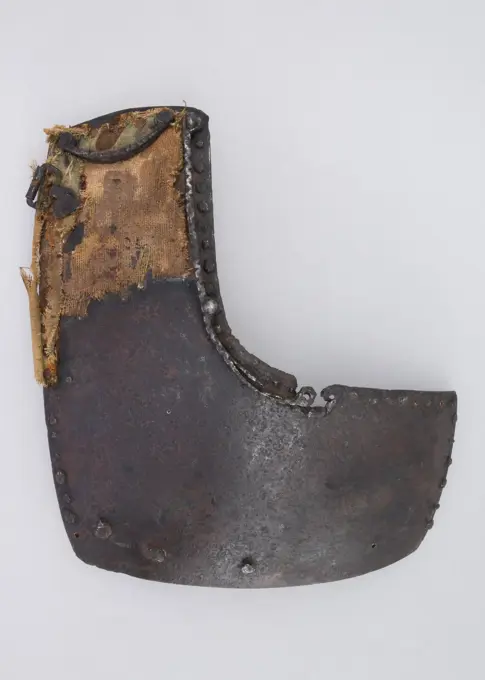
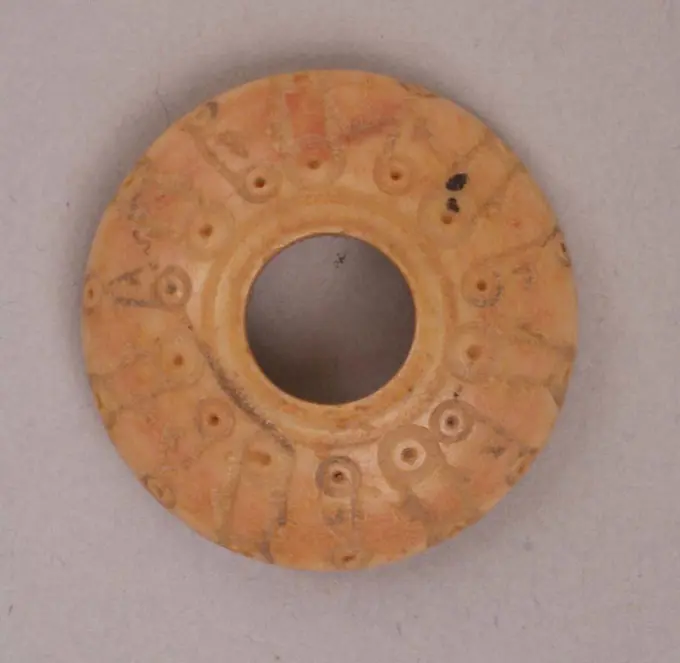
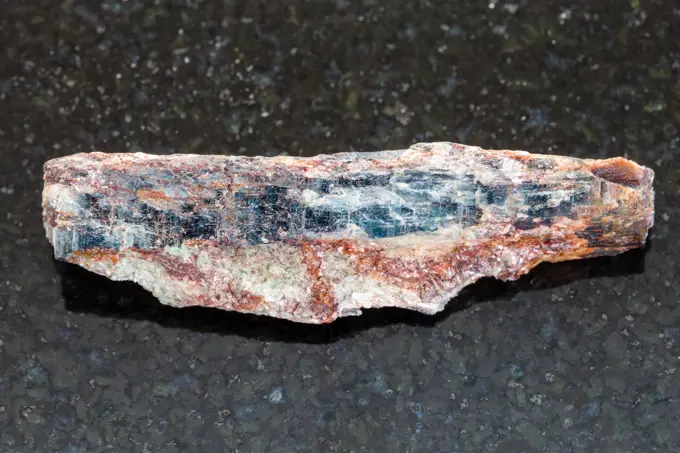
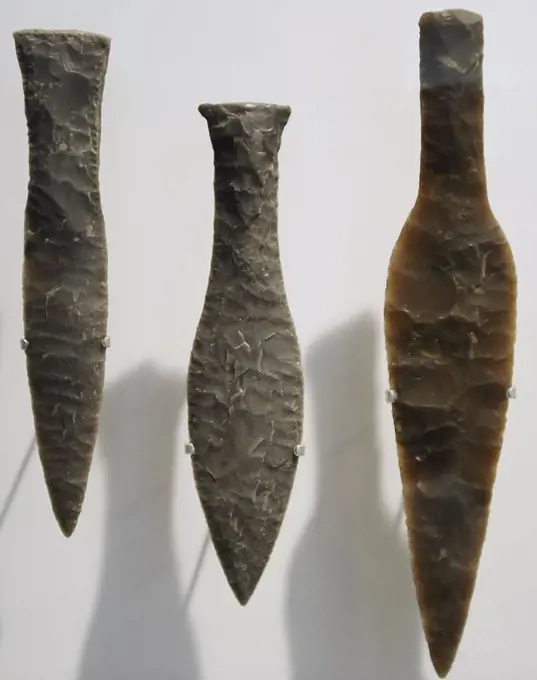
Flint daggers. Middle Dagger Period to Early Bronze Age. 2000-1500 BC. National Museum of Denmark. Copenhagen. Denmark.Three pieces of iron, Anonymous, 1831 fragment Three pieces of iron of very irregular shape. Netherlands iron (metal) forging  ScalesFossil Echinoid, Echinocorys Scutata. Preserved in flint from the Upper Chalk, Gravesend, UK. Natural Science Collection - PalaeontologyMirror with Frame. Egyptian. Date: 301 AD-700 AD. Dimensions: 17.8 × 9.2 × 2.5 cm (7 × 3 5/8 × 1 in.). Alabaster and glass. Origin: Egypt. Museum: The Chicago Art Institute, Chicago, USA. Author: Ancient Egyptian.Decorative Door Boss And Nail; wrought ironCostume Ornament 11th-12th century Central coast (). Costume Ornament 308777Copper Against Black BackgroundFragment 13th-16th century. Fragment 451557Brigandine Plate 1400-1450 Italian This is part of a large find of medieval armor discovered in 1840 in the ruins of the fortress of Chalcis, on the Greek island of Euboea (then a Venetian colony called Negroponte). The fortress had been captured and destroyed by the Turks in 1470. Now divided largely between the Ethnological Museum, Athens, and The Metropolitan Museum of Art, the Chalcis hoard contains many rare and unusual elements of fourteenth- and fifteenth-century armor. Of particular importance are the variety of headpieces and the many fragments of brigandines (armor for the torso constructed of small plates riveted to layers of fabric), some of which retain portions of their original velvet covering. The Chalcis armor provides a unique picture of the armament used in the Aegean, one of the easternmost military outposts of the Venetian empire.. Brigandine Plate 27690Fragment of a Dish 11th-12th century. Fragment of a Dish 446468Cup (Mukozuke). Beige terracotta, cracked transparent glaze, raku style. Nineteenth century. Paris, Cernuschi museum. Japanese art, Japanese ceramic, cut, mukozuke, raku style, terracotta, 19th 19th 19th 19th 19th 19th centuryBottom of a Vessel with Foot 4th-early 5th century Coptic. Bottom of a Vessel with Foot 479128Panel 13th-14th century. Panel 445036Bird Plaque Ornament. Culture: Vicús. Dimensions: H. 2 x W. 2 in. (5 x 5 cm). Date: 3rd century B.C.-A.D. 2nd century. Museum: Metropolitan Museum of Art, New York, USA.Small wooden clapplate, with one notch for soil, cubby tons of soil finds timber, sawn planed Small wooden clapboard with one notch. Flat wooden object with clear nerthructure archeology Rotterdam City Triangle Groenendaal underground pit transporting cradle basket archaeological find in the soil Rotterdam underground pit Groenendaal from 15th century vuellag 1975-09-22.Fragments of a Canopic Jar Inscribed for Senimen ca. 1479-1458 B.C. New Kingdom Fragments of several canopic jars, including a fragmentary human-headed lid, were uncovered during the Museum's excavations in the vicinity of Theban tomb (TT) no. 252, the tomb of a man named Senimen. A high official during the reign of Thutmose II and the joint reign of Hatshepsut and Thutmose III, Senimen was the steward and tutor of Princess Neferure, Thutmose II and Hatshepsuts daughter.The purpose of canopic jars in ancient Egypt was to hold and protect the viscera removed from the deceaseds body during the mummification process. They traditionally came in sets of four, with the liver, lungs, stomach and intestines each embalmed and stored separately. The four containers were usually put inside a chest and placed in the tomb chamber.These two groups of joined fragments represent parts of a jar bearing an inscription that names Senimen and invokes the goddess Selket and the deity Qebehsenuef, one of Woman's head. Copper alloy. Gallo-Roman. Paris, Carnavalet museum. 51468-8 Copper alloy, Gallo-Roman, Gallo-Roman time, woman's headVase fragment East Greek/Sardis, Lydian. Vase fragment. East Greek/Sardis, Lydian. Terracotta. VasesTile. Syria, 12th century. Ceramics. Fritware, molded and glazedFragments Pijpenkoppen from the wreck of the East Indians Hollandia, Anonymous, 1700 - in Or Before 1743  Pipe, bowl, heelmark illegible; fragments, no hsm. Netherlands pipe clay. concretionary stone   SecondArrowhead. Culture: Japan. Dimensions: W. 3/4 in. (1.9 cm); L. 1 1/8 in. (2.9 cm). Museum: Metropolitan Museum of Art, New York, USA.Oil lamp. Toulouze collection (Anc. Dr Martin), acquisition 1889. Terracotta. High Empire. Paris, Carnavalet museum. 50035-11 Toulouze collection, high-Empire, oil lamp, terracottaBelt Fittings 10th century. Belt Fittings. 10th century. Bronze; cast, gilded, incised. Excavated in Iran, Nishapur. MetalTerracotta vase fragment with white inlay. Culture: Minoan. Dimensions: Overall: 1 13/16 x 2 3/4in. (4.6 x 7cm). Date: ca. 1800-1700 B.C..From Knossos, CreteFragment with white inlay. Museum: Metropolitan Museum of Art, New York, USA.Three iron concreteiez warin The remains of wooden pens from the wreck of the East Indies' t Vliegend Hart, c. 1700 - c. 1735 concretionary stone Parts of a wooden pen are almost completely enclosed by concretion.  wood (plant material). concretionary stoneStone Pendant before 16th century Mexican. Stone Pendant 317372Scarab Uninscribed 2055 BCE-1773 BCE Egypt. Amazonite . Ancient EgyptianFragment 16th century. Fragment 445468Pendant with Figure and Double-Headed Crocodilian 8th century Maya The main subject of this pendant is a human figure in a dynamic pose atop a large bicephalic reptilian creature. The artist carved this openwork and incised image in one half of a ridged bivalve that retains its undulating surface. Carefully drilled sections of negative space delineate the figures feet, legs, arms, and head. Two holes also pierce the tip of each reptilian head. Two smaller holes at the top of the composition may have been used to suspend the shell from a cord or affix it to a garment. Remains of red pigment in some of the incised lines may indicate that this was once part of a funerary assemblage, as descendants often coated their ancestors remains with red pigment upon burial. Maya artists represented both the sky and the surface of the earth as large, two-headed, crocodilian creatures. The larger head, to the viewers left, consists of the upper jaw and head flaring up to frame the human figures faBowl 9th-10th century. Bowl 449587Pendant with Incised Profile Head. Guatemala or Mexico, Maya, 300-800 CE. Shell with jadeite inlayFlat Rectangular Plaque middle of 6th century Frankish. Flat Rectangular Plaque 464962 Frankish, Flat Rectangular Plaque, middle of 6th century, Copper alloy, Overall: 1 3/4 x 1 3/16 x 1/8 in. (4.5 x 3 x 0.3 cm). The Metropolitan Museum of Art, New York. Gift of J. Pierpont Morgan, 1917 (17.191.257)Molded Cornice Fragment 10th century. Molded Cornice Fragment. 10th century. Plaster; molded. Excavated in Iran, Nishapur. PlasterCicada, 11th-10th Century BC. China, Zhou dynasty (c. 1046-256 BC). Jade; diameter: 6 cm (2 3/8 in.).Model cup ca. 1900-1850 B.C. Middle Kingdom. Model cup 557364Medal; 1902-26-13Weight 9th-11th century This object was excavated at Nishapur.Nishapur was a vital city in the early and middle Islamic periods, located along one of the main trajectories that connected Iran and West Asia Islamic lands with Central Asia and China. These itineraries are often referred to by the term Silk routes’ but were in fact crucial to the movement of constellations of materials and objects, as well as people and ideas. The diverse population of Nishapur and its surroundings, from the better-researched elite groups of merchants, land-owning aristocracy, and literates, to the less-known artisans, farmers, miners, and servants, were instrumental in adapting global cultural trends to create their own distinctive visual languages. This is seen in the material remains of everyday life in medieval Nishapur - from pots and pans to lighting devices, inkwells, textiles and trimmings, jewelry, games and toys, talismanic devices, weapons, coins, and architectural fragments.Nishapur lost its Half guilders, emergency coin from Haarlem, beaten during the siege, Anonymous, 1573 coin. siege coin Unilateral, diamond -shaped emergency coin with beveled corners. Front: two stamps above each other; From the bottom to top: city coat of arms: reverse sword with two stars on either side, a cross in a cartouche between the year in pearl edge on either sword; Master sign: star and crescent. Reverse: Blanco Haarlem silver (metal) striking (metalworking)  HaarlemLamp 5th-6th century Small earthenware lamps, made from double molds, were the most commonly used source of light in daily Coptic life. A wick produced from linen fabric or plant fiber was placed in a reservoir filled with oil, generally castor or sesame oil, and illuminated. Christian symbols used as decoration, such as the cross on this lamps disc, were thought to offer protection for its owner.. Lamp 447974Prehistory, Bulgaria, Eneolithic. Symbolic mask. From Varna excavations.Fragment of a Mosaic Glass Vessel. Unknown 1st century B.C.-1st century A.D. Colorless glass with canes of red, white, green and yellow in a floral and plant motif.Terracotta fragment of a kylix (drinking cup) second quarter 5th century B.C. Greek, Attic Interior, left elbow and part of lower body of draped figure, woman with a chiton and a himation, holding an alabastron in her right hand, behind her, an altar, in between the two figures, chair with cushion; in field, cloth; Obverse, hand and lower body of draped figure, lower bodies of two figures wearing chitons and himatia; draped figure with stick, draped figure, likely a woman, holding an unidentified object in her left hand; Reverse, draped figure wearing a chiton and himation, handle palmette. Terracotta fragment of a kylix (drinking cup) 668577Decorative elements for harnesses, Ukraine. Cimmerian Civilization, 8th-7th Century BC.Spindle Whorl, 700s - 900s. Iran, early Islamic period, 8th - 10th century. Bone, incised; overall: 0.6 x 2.4 x 2.4 cm (1/4 x 15/16 x 15/16 in.).Scarab: Uninscribed. Egyptian. Date: 1985 BC-525 BC. Dimensions: 1.3 × 2.2 × 1.9 cm (1/2 × 7/8 × 3/4 in.). Agate. Origin: Egypt. Museum: The Chicago Art Institute, Chicago, USA. Author: Ancient Egyptian.Chess Piece, Pawn 8th-11th century. Chess Piece, Pawn 452319Double-Sided Comb 7th century Frankish. Double-Sided Comb 465639 Frankish, Double-Sided Comb, 7th century, Bone, iron pins, Overall: 4 x 1 3/4 x 13/16 in. (10.2 x 4.5 x 2.1 cm). The Metropolitan Museum of Art, New York. Gift of J. Pierpont Morgan, 1917 (17.193.306)Brigandine Plate. Culture: Italian. Dimensions: H. 10 in. (25.4 cm); W. 7 7/8 in. (20 cm); Wt. 1 lb. 3.7 oz. (558.5 g). Date: 1400-1450. Museum: Metropolitan Museum of Art, New York, USA.Fragment Bearing the Throne Name of King Senwosret III. Egypt, Middle Kingdom, reign of Senwosret III (1878 - 1843 BCE). Fragments. CalcitePortrait of John Haslett, M.D. Eliab Metcalf (American, 1785-1834). Portrait of John Haslett, M.D., ca. 1822. Watercolor on ivory portrait, printed business card (backing paper), and brass liner and lens, Image: 3 x 2 5/16 in. (7.6 x 5.9 cm).   American Art ca. 1822Shards of wine bottles and a cork from the wreck of the East Indians' t Vliegend Hart ,, 1700 - 1735  Shards of onion -shaped wine bottles of green glass with red (port) wine and a cork. Netherlands cork (bark)Relief fragment from the tomb of Meketre ca. 1981-1975 B.C. Middle Kingdom. Relief fragment from the tomb of Meketre 668906Fragment ca. 1150-ca. 1250 European or Middle Eastern. Fragment 695175Late 13th century clog for left foot, clog shoe footwear clothing soil find wood, Alder wooden shoe deformed by staying in alder wood with an elevation at the foot of the arch archeology Rotterdam rail tunnel Soil discovery of Rotterdam rail tunnel.Fragment. Culture: European or Middle Eastern. Dimensions: L. 1 7/8 in. (4.8 cm). Date: ca. 1150-ca. 1250. Museum: Metropolitan Museum of Art, New York, USA.Axe-shaped Implement, 1200-1519. Mexico, Oaxaca, Mixtec. Cast and hammered copper; overall: 10 x 14.5 cm (3 15/16 x 5 11/16 in.).Native copper stone on dark granite background macro shooting of natural mineral rock specimen - Native copper stone on dark granite background Copyright: xZoonar.com/ValeryxVoennyyx 11380837Ornament tile, central kidney-shaped green and brown floral shape, corner motifs, quarter rosette and saving technique, wall tile tile sculpture soil find ceramic earthenware glaze, baked 2x glazed painted Multicolored: blue pull; green yellow brown blue on white fond archeology underground pit Churchillplein Rotterdam City center Stadsdriehoek Soil discovery: Churchillplein underground pit 1968 Gerzon.Mosaic floor fragment Roman Angular pattern of white marble, basalt, serpentine and onyx.. Mosaic floor fragment. Roman. Tile, mortar. Miscellaneous-MosaicSymbolic object from Sha'ar Hagolan and Nahal Zehora. From the Yarmukian Culture over 8,000 years ago made from basalt and limestone.polished Hydrogoethite rock isolated on white closeup of sample of natural mineral from geological collection - polished Hydrogoethite rock isolated on white background Copyright: xZoonar.com/ValeryxVoennyyx 14986203A fragment of zinc sheet from Adam Mickiewicz's coffinFragment of a Bowl 15th centuryGarment Plaque with Raptor's Heads 6th-5th century B.C. North China and south-central Inner Mongolia. Garment Plaque with Raptor's Heads 59472Axe head ca. 2300-2000 B.C. Hattian. Axe head 324471Fragment of the vessel; Unknown Nubian workshop; VI-VII century (500-00-00-00-700-00-00);Nubian ceramics, geometric decorations, nubian vessels, nubian dishes paintedHand axes of quartzite. Petite Lande, France. Mousterian Culture. 100000-40000 BC. National Museum of Denmark. Copenhagen. Denmark.Mold for a Grape Inlay. Dimensions: H. 5.6 cm (2 3/16 in); w. 4.6 cm (1 13/16 in). Dynasty: Dynasty 18. Reign: reign of Amenhotep III. Date: ca. 1390-1353 B.C.. Museum: Metropolitan Museum of Art, New York, USA.tumbled Graywacke sandstone on dark background macro shooting of natural mineral rock specimen - tumbled Graywacke sandstone on dark granite background Copyright: xZoonar.com/ValeryxVoennyyx 11380465Panel 14th-15th century. Panel 445121Silver. minerals. Europe; Germany; Saxony; Freiberg; Himmelsfürst MineQuartz. minerals. Europe; Switzerland; Ticino Canton; St. Gotthard; Mt. FibbiaLegs leg, part of throwing game: chaps, koot spelstuk relaxant bottomfound leg, Bone on long side marked: incised grid of twenty-five elongated fields archeology Rotterdam rail tunnel play kootkoot fikkelen Soil discovery: trajectory rail tunnel Rotterdam.Vase fragment ca. 600-550 B.C. Greek, Laconian. Vase fragment. Greek, Laconian. ca. 600-550 B.C.. Terracotta. Archaic. VasesMolded Faience Amuletic Tube with Birth Name of Shabaka. Egypt, Late Period, 25th Dynasty, reign of Shabaka (712 - 698 BCE). Jewelry and Adornments; amulets. FaienceBowl. Dimensions: H. 2 7/16 in. (6.2 cm)Diam. 4 13/16 in. (12.3 cm)Wt. 4 oz. (113.4 g). Date: 17th century. Museum: Metropolitan Museum of Art, New York, USA.Glass Fragments 4th-7th century Coptic. Glass Fragments 479229Lock 580-640 Coptic. Lock 474918Left Breastplate from a Brigandine ca. 1400-1425 Italian This breastplate retains some of its original textile covering, and it has notched stop-ribs to protect the throat and armpit areas of the wearer.. Left Breastplate from a Brigandine 23155Button or Bead or Spindle Whorl 9th-10th century The dot-in-circle motif recalls designs presumed to be of magical significance, most likely an abstract eye to ward off the evil-eye, which serves an apotropaic function. Easily reproduced with a tool and visible in many cultures and times, this symbol may have lost its meaning, and become simply a decorative pattern, or may have one that we have not yet discovered.. Button or Bead or Spindle Whorl 449222LA MAISON DE POETE - 1983 - TIERRA COCIDA - 38x58x50. Author: EDUARDO CHILLIDA. Location: PRIVATE COLLECTION. MADRID. SPAIN.Bifacial (two-sided) tip dating back to the Acheuleana Era, lithic artifact from Saint Acheul, France. Lower Paleolithic.rough Schist stone with Kyanite crystal on dark macro shooting of natural mineral rock specimen - rough Schist stone with Kyanite crystal on dark granite background Copyright: xZoonar.com/ValeryxVoennyyx 11380582Fragment 12th-13th century. Fragment 451558Bowl. Egypt, probably Fayyum, 10th-11th century. Ceramics. Earthenware, glazed and overglaze-paintedMOLDE DE FLECHA Y PUNTA DE FLECHA TIPO PALMELA. EDAD DEL BRONCE CAMPOS DE URNAS S VII a.C. (DEPOSITO: MUSEO ARQUEOLOGICO NACIONAL).Flower-shaped Mirror, 1100s-1200s. Korea, Goryeo period (918-1392). Bronze; overall: 9.2 x 0.6 cm (3 5/8 x 1/4 in.).Stone Pulidor before 16th century Mexican. Stone Pulidor 317025Fragment 9th century. Fragment 451524Fragment. Culture: European or Middle Eastern. Dimensions: L. 1 1/2 in. (3.8 cm). Date: ca. 1150-ca. 1250. Museum: Metropolitan Museum of Art, New York, USA.Fragment. Culture: European or Middle Eastern. Dimensions: L. 1 7/8 in. (4.8 cm). Date: ca. 1150-ca. 1250. Museum: Metropolitan Museum of Art, New York, USA.The Wedjat-Eye, the left eye of the god Horus, symbolising light and provides protection against the evil eye.Round Plaque 3rd century B.C.-A.D. 2nd century Vicús. Round Plaque 315571Gold grave object from the Pylos Tholos Tombs; 14th century BC; Mycenaean.Stone Earflare before 16th century Mexican. Stone Earflare 317431Costume Ornament 11th-12th century Peru; central coast (). Costume Ornament. Peru; central coast (). 11th-12th century. Silver. Peru. Metal-OrnamentsFrog Ornament, 50-800. Peru, Moche, 1st-9th Century. Shell, stone, gold; overall: 3.6 x 10.7 x 10.6 cm (1 7/16 x 4 3/16 x 4 3/16 in.).Copper axes, Aztec, Mexico, AD 1300-1520.Fragment. Culture: European or Middle Eastern. Dimensions: L. 2 1/16 in. (5.2 cm). Date: ca. 1150-ca. 1250. Museum: Metropolitan Museum of Art, New York, USA.Fragment. Culture: European or Middle Eastern. Dimensions: L. 1 3/4 in. (4.5 cm). Date: ca. 1150-ca. 1250. Museum: Metropolitan Museum of Art, New York, USA.