Ancient Ceramic Fragments

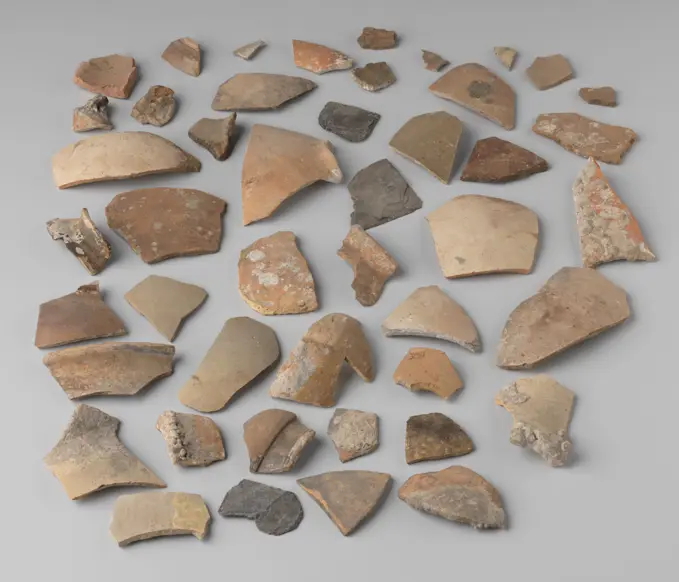
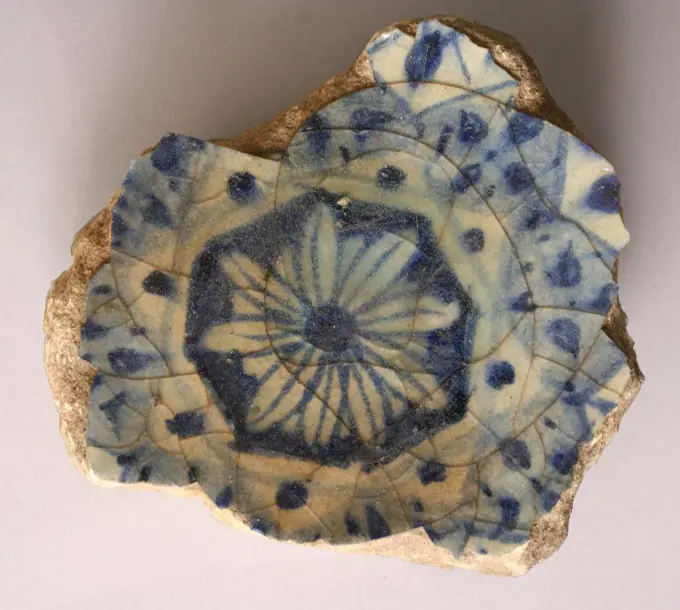
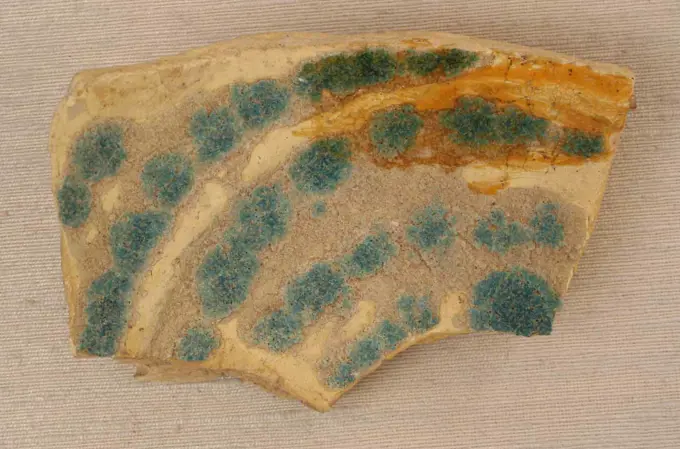
A series of historical ceramic fragments showcasing textures and colors, dating from the 3rd-15th centuries, with detailed surface patterns.
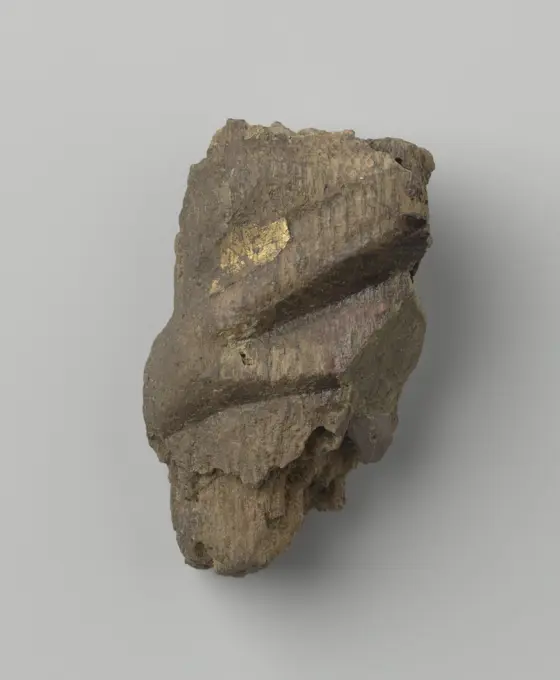
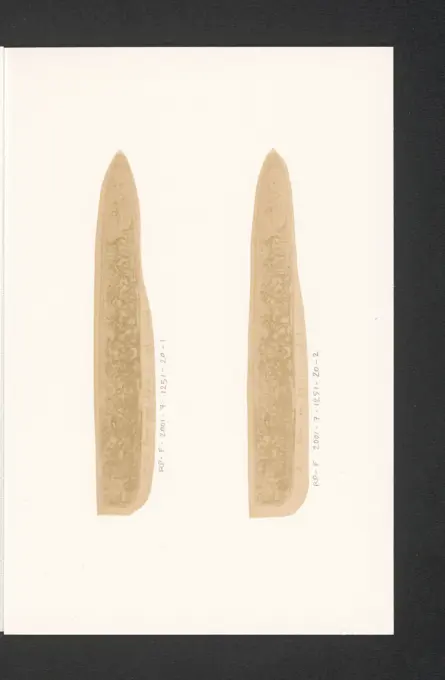
Fragment; (possibly) belonging to the retable of Soest, c. 1475 - c. 1499   wood (plant material)   wood (plant material)
Fragment; (possibly) belonging to the retable of Soest, c. 1475 - c. 1499 wood (plant material) wood (plant material)
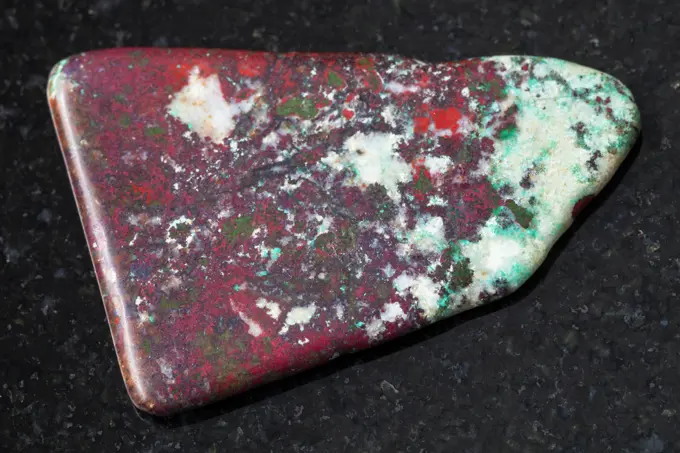
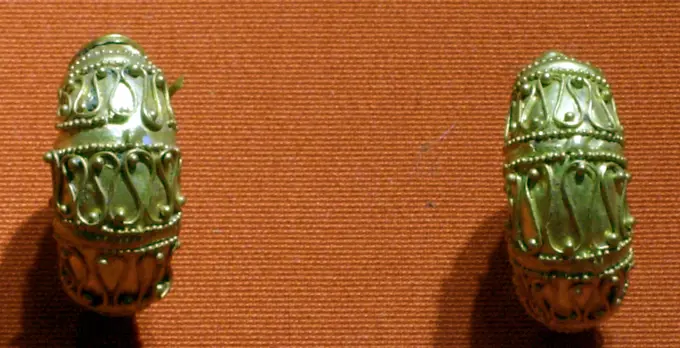
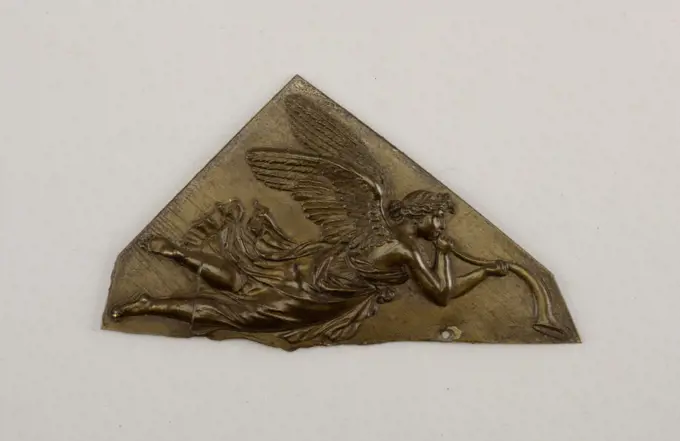
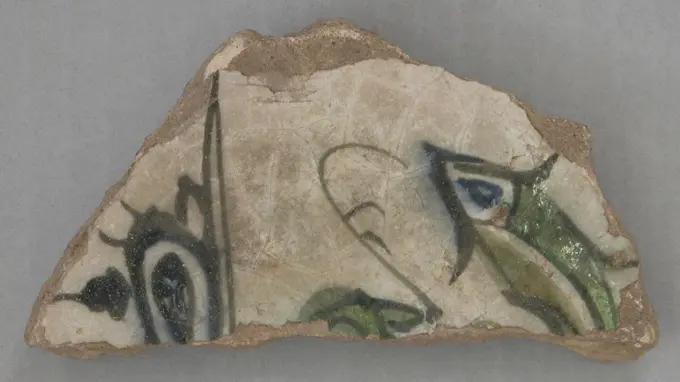
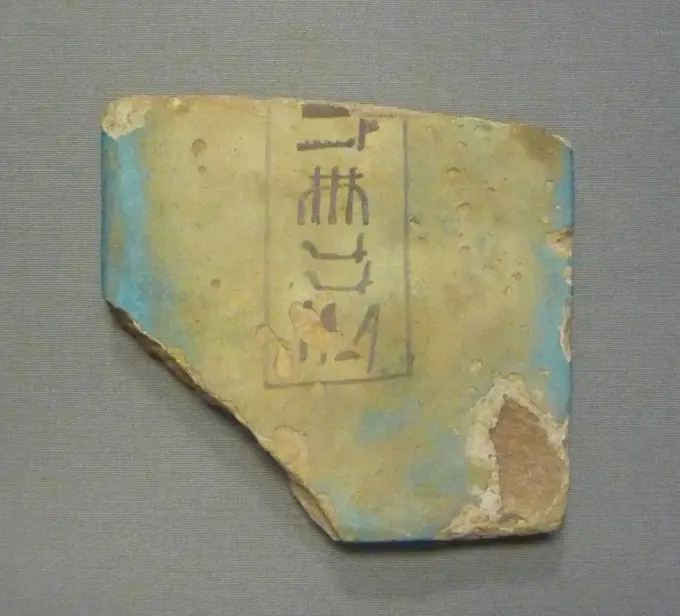
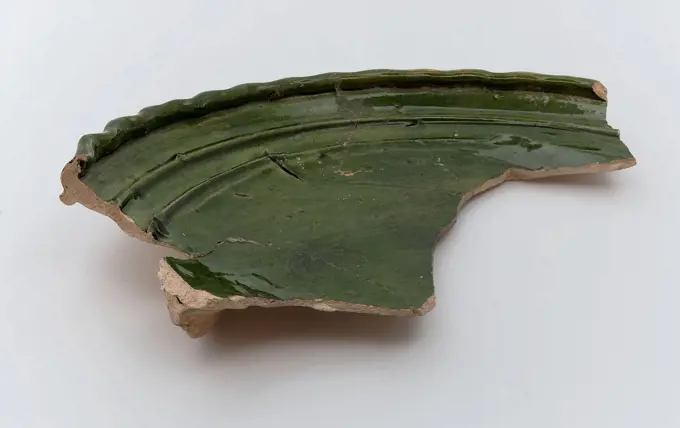
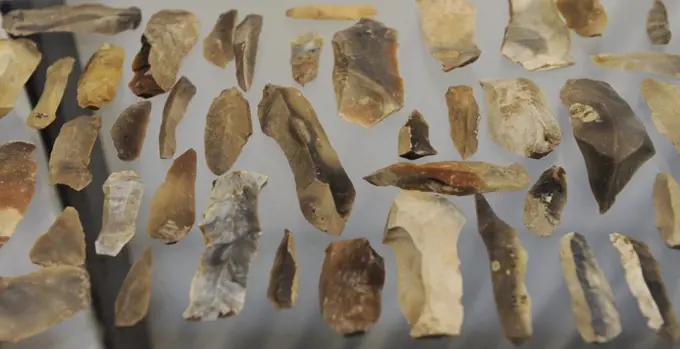
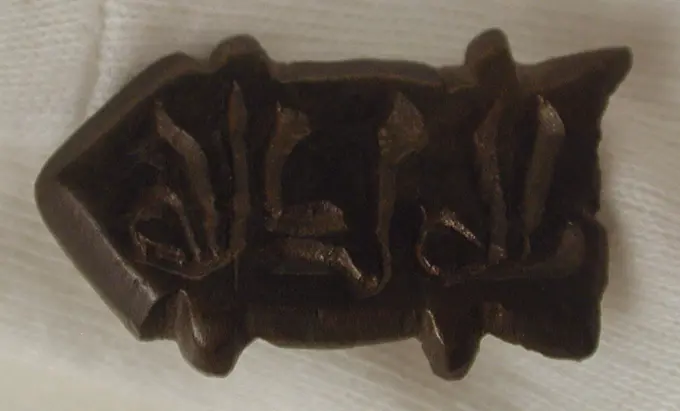
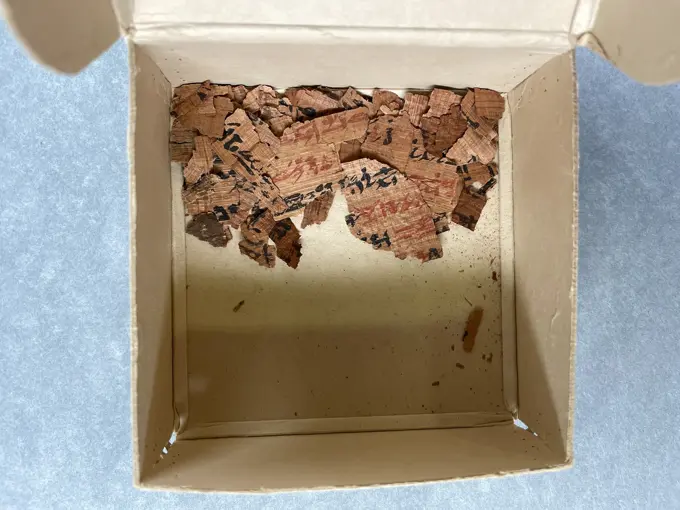
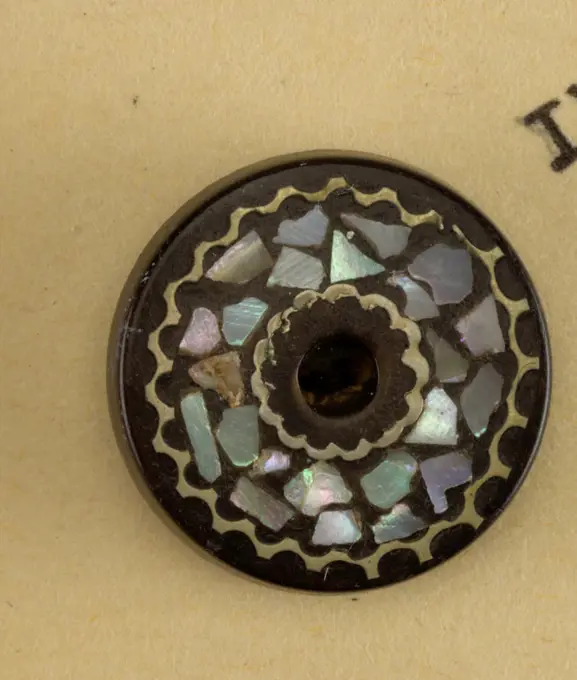
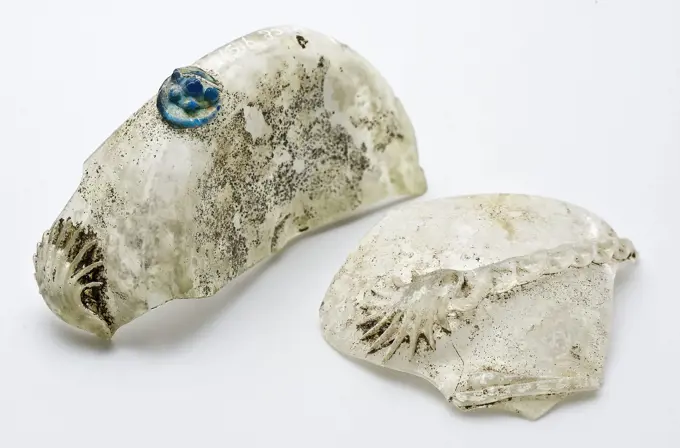
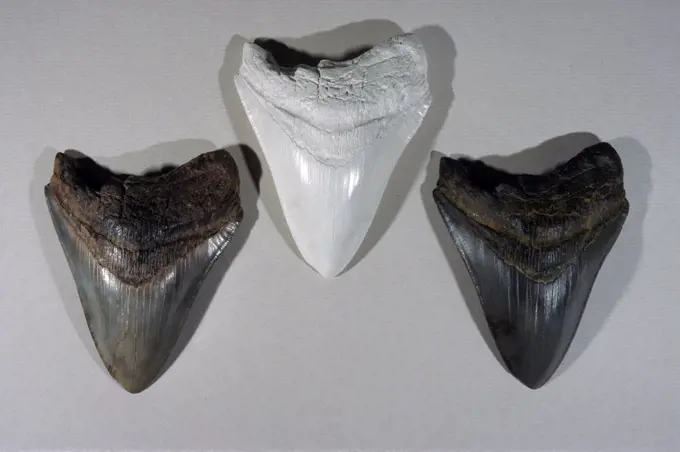
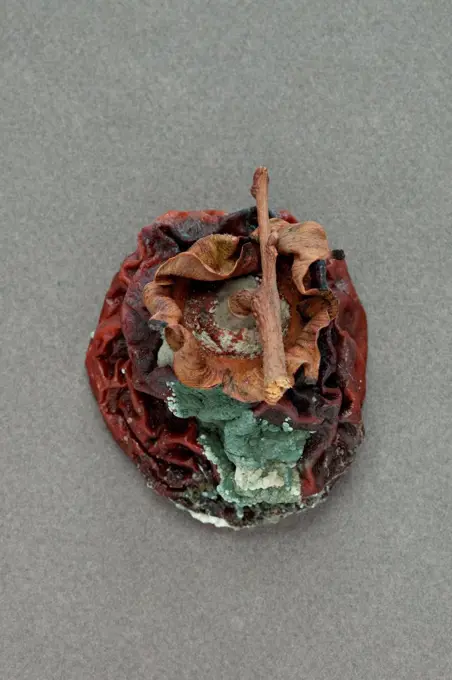
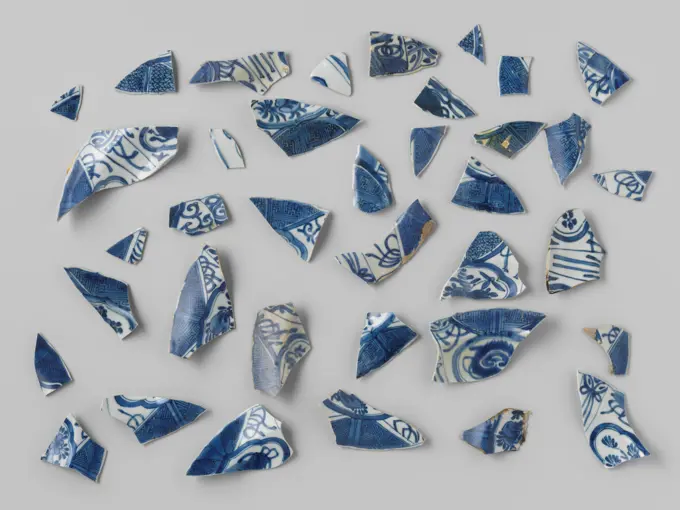
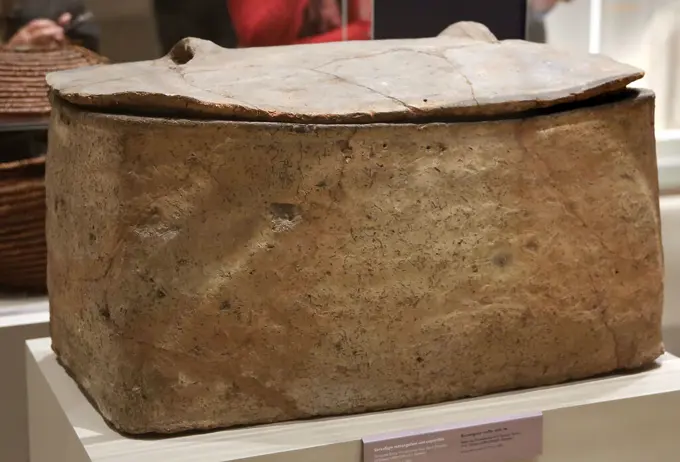
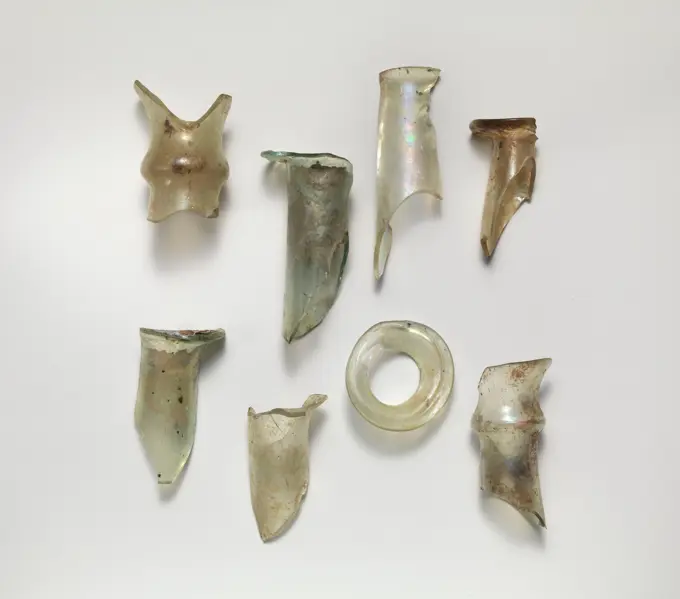
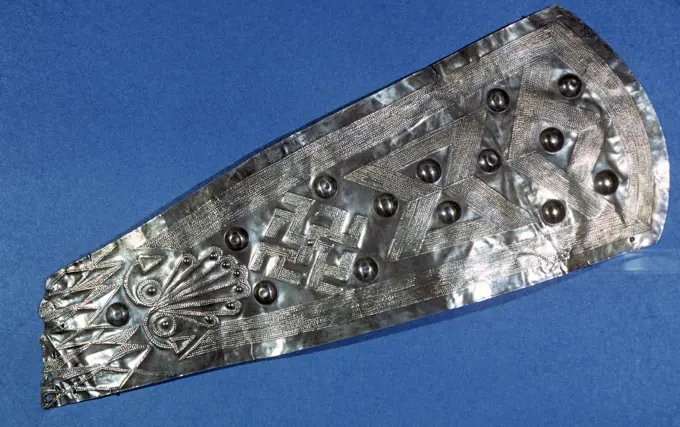
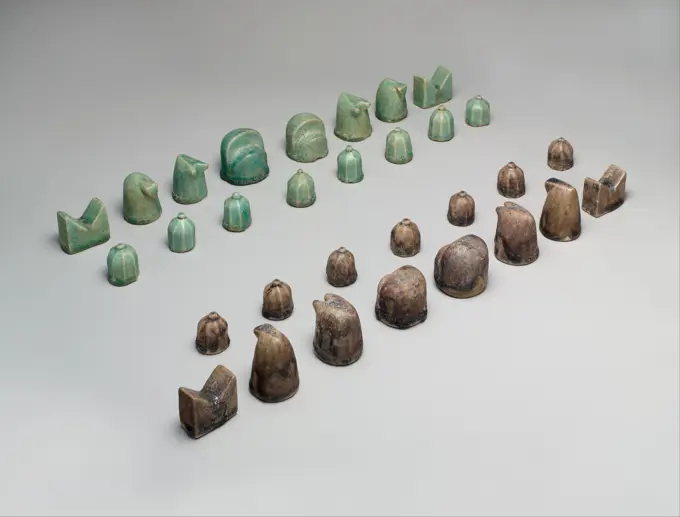
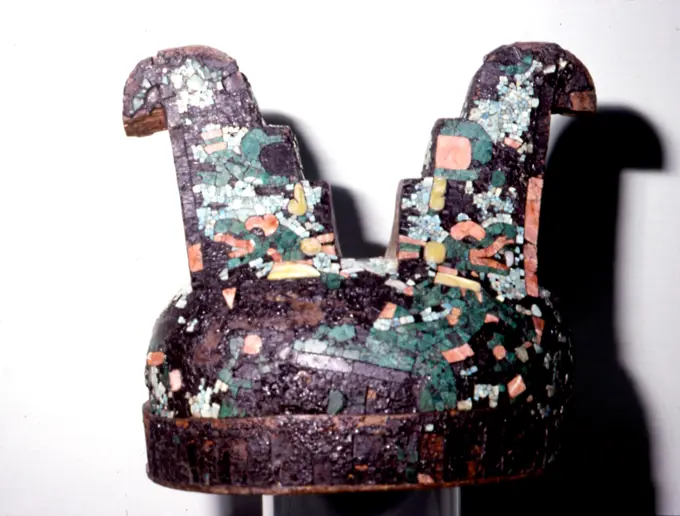
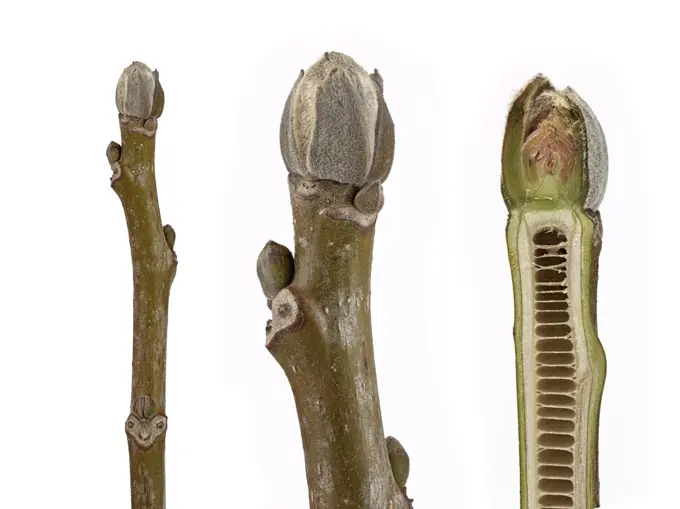
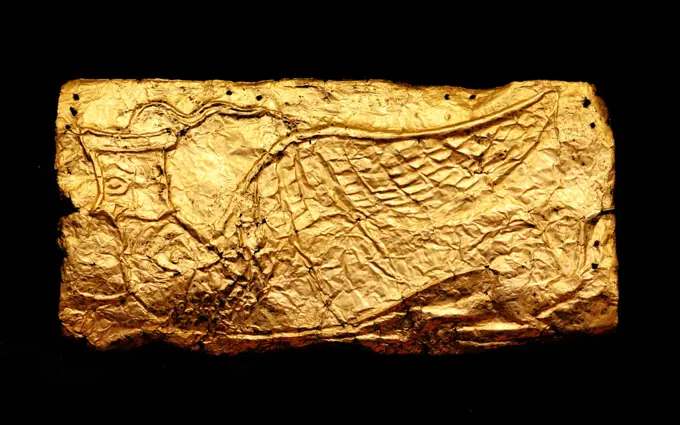
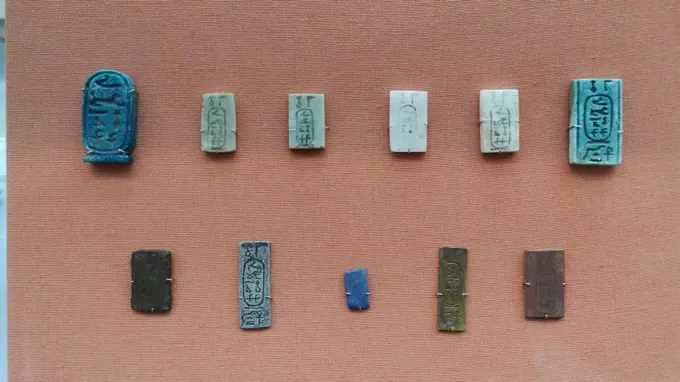
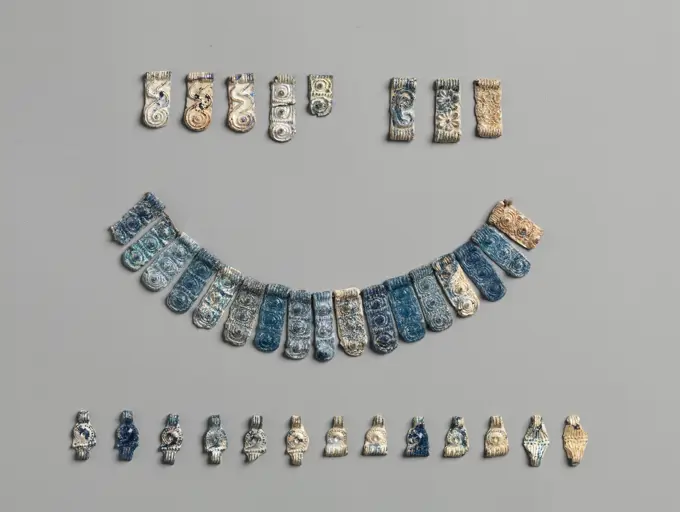
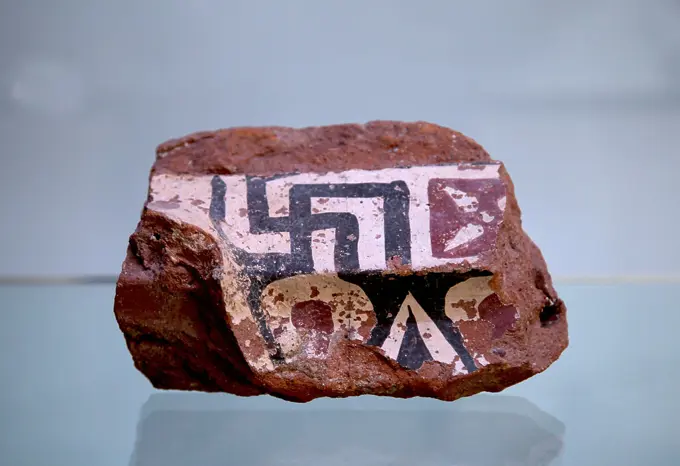
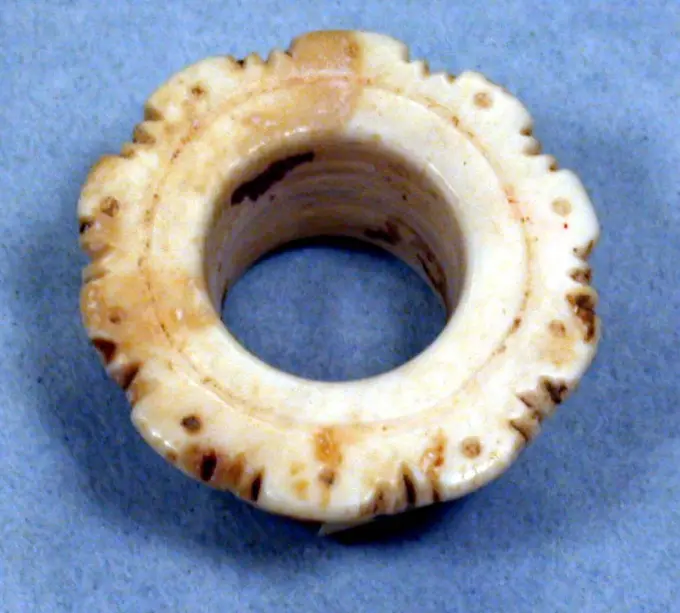
Screen and frame fragments;  19th century (1801-00-00-1900-00-00);Portrait of a manSpodumene. minerals. North America; USA; Massachusetts; Hampshire County; NorwichHoe-Shaped Ax 500 B.C.-A.D. 300 Indonesia. Hoe-Shaped Ax. Indonesia. 500 B.C.-A.D. 300. Bronze. Bronze and Iron Age period. MetalworkPhoto production of a print of a children's bacchanal, Bibois, After Anonymous, c. 1852 - in or before 1857 photograph   photographic support salted paper print children's bacchanalpolished red Cuprite and green Chrysocolla on dark macro shooting of natural mineral rock specimen - polished red Cuprite and green Chrysocolla gemstone on dark granite background from Milpillas mine, Mexico Copyright: xZoonar.com/ValeryxVoennyyx 11392373Button 9th-10th century The dot-in-circle motif recalls designs presumed to be of magical significance, most likely an abstract eye to ward off the evil-eye, which serves an apotropaic function. Easily reproduced with a tool and visible in many cultures and times, this symbol may have lost its meaning, and become simply a decorative pattern, or may have one that we have not yet discovered.. Button 449243Fragment ca. 1150-ca. 1250 European or Middle Eastern. Fragment 694216Fragment. Culture: European or Middle Eastern. Dimensions: L. 1 5/16 in. (3.3 cm). Date: ca. 1150-ca. 1250. Museum: Metropolitan Museum of Art, New York, USA.Buckle (clasp), 600s. Merovingian, Burgundian, Migration period, 7th century. Iron with silver overlay; overall: 4.5 cm (1 3/4 in.).Saddle quern with rubbing stone used for grinding grain. From Wales. Dated 6th Century BCBoat-shaped earrings with filagree and granule decoration A.D. 1st-2nd century Roman Period Boat-shaped, sometimes called leech-shaped earrings, are a common type in Egypt and the eastern Mediterranean world, and few are well-dated.This earring with the addition of some granulation and and filagree decoration is likely to date from the late Ptolemaic Period into the second century AD.. Boat-shaped earrings with filagree and granule decoration 560934Amber necklace and gold discs from the Early Bronze Age. Dated 17th Century BCMount, Brass, Irregular triangular polygon with repoussé figure of a winged draped female with a horn., Italy, early 19th century, metalwork, Decorative Arts, MountFragmentary Ostracon Depicting a Priest ca. 1295-1070 B.C. New Kingdom, Ramesside. Fragmentary Ostracon Depicting a Priest 590911Fragment ca. 1150-ca. 1250 European or Middle Eastern. Fragment 695438Bowl probably 8th-12th century. Bowl 449975Bird, before 1500, 5/8 x 1 5/8 x 3/8 in. (1.59 x 4.13 x 0.95 cm), Ivory, United States, 15th centuryBird, before 1500, 3/8 x 1 1/2 x 3/8 in. (0.95 x 3.81 x 0.95 cm), Ivory, United States, 15th centuryFragment ca. 1150-ca. 1250 European or Middle Eastern. Fragment. European or Middle Eastern. ca. 1150-ca. 1250. Glass, ceramic. Glass-VesselsSquare Plaque 3rd century B.C.-A.D. 2nd century Vicús. Square Plaque 314887marine reef aquarium on a white backgroundFragment 13th-14th century. Fragment 453591Inscribed Plaque ca. 1479-1458 B.C. New Kingdom. Inscribed Plaque. ca. 1479-1458 B.C.. Faience, paint. New Kingdom. From Egypt, Upper Egypt, Thebes, Deir el-Bahri, Temple of Hatshepsut, forecourt, Foundation Deposit 6 (F), MMA excavations, 1923-24. Dynasty 18Shards Kraakporcelain from V.O.C. ship De 'Witte Leeuw', Anonymous, Before 1613 plate (dishes) Shards of cracking porcelain plates from V.O.C. ship De 'Witte Leeuw'. Jingdezhen bone china (material)   Sint-HelenaFragment of dish on stand lobes, green, rippled edge, dish kitchenware holder soil find ceramic earthenware glaze tin glaze copper oxide, hand turned hand shaped glazed fried Fragment of low dish on stand lobsters. White shard topside completely green glazed Rising edge wavy pinched Double ridge in the shoulder archeology Rotterdam City Triangle Pakkenbrug Newhaven indigenous pottery import cooking nutrition food preparation food serve serving Newhaven Rotterdam Found between the piles of the northern bridgehead of the Pakkenbrug.Bromme Culture, 11000 BC. Points, scrapers, burins, blades and cores. National Museum of Denmark. Copenhagen. Denmark.Belt Fitting 10th century This belt fitting was excavated at the site of Tepe Madrasa in Nishapur.  Nishapur was a vital city in the early and middle Islamic periods, located along one of the main trajectories that connected Iran and West Asia Islamic lands with Central Asia and China. These itineraries are often referred by the term Silk routes’ but were in fact crucial to the movement of constellations of materials and objects, as well as people and ideas. The diverse population of Nishapur and its surroundings, from the better-researched elite groups of merchants, land-owning aristocracy, and literates, to the less-known artisans, farmers, miners, and servants, were instrumental in adapting global cultural trends to create their own distinctive visual languages. This is seen in the material remains of everyday life in medieval Nishapur — from pots and pans to lighting devices, inkwells, textiles and trimmings, jewelry, games and toys, talismanic devices, weapons, coins, and architeString of flattened beads 10th-early 16th century Mexican. String of flattened beads 307732Relic with fitomorphic and geometric decoration, 13th century, Relics Room, Monastery of Santa María de San Salvador de Cañas, Cañas, La Rioja, Spain.Snakebite Papyrus Snakebite Papyrus, 589-525 B.C.E. Papyrus, ink, Overall: 10 5/8 × 68 7/8 in. (27 × 175 cm).   Egyptian, Classical, Ancient Near Eastern Art 589-525 B.C.E.Scoop. Dated: 1938. Dimensions: overall: 21.7 x 32.4 cm (8 9/16 x 12 3/4 in.) Original IAD Object: 4" high; 6" in diameter. Medium: watercolor and graphite on paper. Museum: National Gallery of Art, Washington DC. Author: Alfonso Moreno.front view of a starfish in detail isolated on white backgroundShards of earthenware, stoneware and slate from v.o.c.-ship the 'Witte Leeuw', Anonymous, Before 1613  Unguarded and glazed shards red-baking and yellow-baking earthenware and stoneware, and slate from V.O.C. ship the 'Witte Leeuw'.  earthenware. stoneware. glaze. slate (rock)   Sint-HelenaBread loaf with dried cake from an ancient Egyptian tomb circa 1350 BCbutton, rubber; mother of pearl, brass in tin, one circular button with two holes for sewing and ornamented on top with bits of mother of pearl between waving lines of brass - this button originally part of components making up 1941-91-2-a/f. See 1941-91-2-b,c,e deaccessioned and -a still accessioned for other original components., Component -d is on Cooper Union Exhibition card 4, USA, ca. 1880, costume & accessories, Decorative Arts, buttonShards of basement bottles from the wreck of the East Indians' t Vliegend Hart ,, 1700 - 1735  Sharp of the belly of a square basement bottle at the neck, of green glass but purplished purplish. Another similar shard. And a third similar shard but then yellow -brown. Case Bottle. Middelburg .Two fragments of foot, bottom and part of the wall of cup with blue burr bud, beaker drinking glass drinking utensils tableware holder soil find glass , free blown and formed glass application Two fragments of foot bottom and part wall of kometenbeker in clear colorless glass archeology Rotterdam rail tunnel drink Soil discovery: rail tunnel Rotterdam.Cutlery fork, knife and spoon on a dark textured concrete background Cutlery fork, knife and spoon on a dark textured concrete background. Kitchen items and accessories Copyright: xZoonar.com/TetianaxChernykovax 21852739Silver. minerals. Europe; Norway; Buskerud Province; KongsbergFragment majolica dish, polychrome, apples or pomegranates, plate crockery holder soil find ceramic earthenware glaze, baked underside covered with lead glaze. Polychrome archeology Rotterdam City triangle Haagseveer Doele Decorate decorate food Soil discovery Rotterdam de Doelen 1956.Piece of granite stone on white background with shadowsFragment 9th-10th century. Fragment 442918Fragments of pipe heads and pipe stems from the wreck of the East India "t flying heart. Four cups, two of which are broken and one with a piece of stem, from earthen golden pipes with heel brand WS. Four pieces of stem that are blue-white in color. Fragments or bowls and votes.Lion from the Hacienda Botella Lion from the Hacienda Botella, found in the necropolis, Iberian art, archaeological and history museum of Elche Alejandro Ramos Folqués, Elche, Alicante, Spain Copyright: xZoonar.com/Tolox 23019074Polyurethane resin models of fossilized shark teethDagger-Axe or Halberd Dian. Dagger-Axe or Halberd, 5th century B.C.E.-early 1st century C.E. Bronze, 10 3/4 x 3 1/4in. (27.3 x 8.3cm).   Asian Art 5th century B.C.E.-early 1st century C.E.Rotten khaki in studioThe Wedjat-Eye, the left eye of the god Horus, symbolising light and provides protection against the evil eye.Shards Kraakporcelain from V.O.C. ship De 'Witte Leeuw', Anonymous, Before 1613  Shards Kraakporcelain from V.O.C. ship De 'Witte Leeuw'. Jingdezhen bone china (material)   Sint-HelenaRectangular coffin with lid. Baked clay. Protodynastic-Early Dynastic period. 1st-2nd Dynasty (3300-2590). Gebelein. Egyptian Museum of Turin. Italy.Fragment of a Bowl 12th-13th century. Fragment of a Bowl 447206Fragment. Culture: European or Middle Eastern. Dimensions: L. 1 1/4 in. (3.2 cm). Date: ca. 1150-ca. 1250. Museum: Metropolitan Museum of Art, New York, USA.Pendants 3rd-12th century. Pendants 444870The Cuerdale Hoard, a hoard of more than 8,600 items, including silver coins, English and Carolingian jewellery, hack silver and ingots. Dated 9th CenturyFragment European or Middle Eastern ca. 1150-ca. 1250 View more. Fragment. European or Middle Eastern. ca. 1150-ca. 1250. Glass, ceramic. Glass-VesselsFragment European or Middle Eastern ca. 1150-ca. 1250 View more. Fragment. European or Middle Eastern. ca. 1150-ca. 1250. Glass, ceramic. Glass-VesselsFragment European or Middle Eastern ca. 1150-ca. 1250 View more. Fragment. European or Middle Eastern. ca. 1150-ca. 1250. Glass, ceramic. Glass-VesselsFragment European or Middle Eastern ca. 1150-ca. 1250 View more. Fragment. European or Middle Eastern. ca. 1150-ca. 1250. Glass, ceramic. Glass-VesselsFragment European or Middle Eastern ca. 1150-ca. 1250 View more. Fragment. European or Middle Eastern. ca. 1150-ca. 1250. Glass, ceramic. Glass-VesselsFragment European or Middle Eastern ca. 1150-ca. 1250 View more. Fragment. European or Middle Eastern. ca. 1150-ca. 1250. Glass, ceramic. Glass-VesselsFragment European or Middle Eastern ca. 1150-ca. 1250 View more. Fragment. European or Middle Eastern. ca. 1150-ca. 1250. Glass, ceramic. Glass-VesselsEurope, Former Yugoslavia. Silver belt from Umcari near Belgrade. 6 - 5thC. BC SerbiaChess Set 12th century This nearly complete chess set is one of the earliest extant examples in the world. The pieces are abstract forms: the shah (king) is represented as a throne; the vizier (the equivalent of the queen) is a smaller throne; the elephant (bishop) has two tusklike protrusions; the horse (knight) has a triangular knob representing its head; the chariot (rook) is rectangular with a wedge at the top; and the pawns are faceted hemispheres with knobs. Listen to experts illuminate this artwork's story Listen Play or pause #6605. Chess set Play or pause #908. Kids: Chess set Supported by Bloomberg Philanthropies We're sorry, the transcript for this audio track is not available at this time. We are working to make it available as soon as possible.. Chess Set. 12th century. Stonepaste; molded and glazed. Attributed to Iran, Nishapur. Gaming piecesJar ca. 3rd-7th century A.D. Sasanian. Jar 322759Papyrus Fragments Inscribed in Hieratic Papyrus Fragments Inscribed in Hieratic, ca. 1938-1630 B.C.E. Papyrus, ink, a: Glass: 12 x 12 1/16 in. (30.5 x 30.7 cm).   Egyptian, Classical, Ancient Near Eastern Art ca. 1938-1630 B.C.E.Fragment of a Bowl 14th-15th century. Fragment of a Bowl 446317Scroll and Chinese traditional chopConcretie filled with silicone (rubber) from the wreck of the East Indied Flying Heart. Rubber casting, consisting of 4 parts, free square, match each other. Probably wood on the outside, which may have iron on iron.Silicified wood, Triassic.raw bauxite ore on dark background macro shooting of natural mineral rock specimen - raw bauxite ore on dark granite background from Ukraine Copyright: xZoonar.com/ValeryxVoennyyx 11392092Basalt Nutcrackers from the Acheulean industry. Acheulean refers to an archaeological industry of stone tool manufacture characterized by distinctive oval and pear-shaped 'hand-axes' associated with early humans.Fresco Fragment. UnknownGlass Fragment 4th-early 5th century Coptic. Glass Fragment 477116Decorated helmet. Mixtec-Aztec. 1400-1520 AD.Fragment of a Bowl 14th century. Fragment of a Bowl 446311Fragment of a Bowl 9th-10th century. Fragment of a Bowl 454612Persian walnut (Juglans regia), branch with bud cut open, Germany, EuropeMycenaean Sheet gold covers for glass vase-shaped plaques. Circa 1350-1200 BC. Ancient Greek.Stone Pulidor before 16th century Mexican. Stone Pulidor 317134Fragment 9th-10th century. Fragment 451593Foundation deposit of King Malenaqen, Napatan Period, about 555-542 BC From Nuri, pyramid Nu 5, Egypt. faience cartouche-plaque and tablets made of gold, lead, copper, jasper, feldspar, limestone, lapis lazuli and faience.Opals for sale, polished, Coober Pedy, South Australia, Australia, OceaniaSilver bars from the wreck of the East Indies Slot ter Hooghe, Anonymous, c. 1650 - Before 1724  Silver Staves Slot ter Hooghe, 9 silver bars from the wreck of the East Indians Slot ter Hooghe. Netherlands silver (metal) casting  MadeiraGlass ornaments ca. 1370-1200 B.C. Helladic, Mycenaean Group of thirty-seven ornaments, of seven different designs.1. One example. Translucent blue.Thin, vertical rectangular panel; flat back; tapering edges at sides; horizontal bar at top and bottom, both pierced lengthwise with a small horizontal hole.Molded decoration on front: fine vertical ribs on top and bottom bars; in central panel, a single, large ear-shaped motif (stylized ivy leaf) in high relief with pointed tip to left.Intact; but tiny weathered chips in edges; pitting, creamy white weathering, and iridescence.2. One example. Translucent blue green.Thin, vertical rectangular panel; flat back; tapering edges at sides; horizontal bar at top and bottom, both pierced lengthwise with a small horizontal hole.Molded decoration on front: fine vertical ribs on top and bottom bars; in central panel, two six-petaled rosettes.Intact; creamy white weathering and iridescence.3. Two examples. Translucent blue.Thin, vertical diamond-shapeFragment ca. 1150-ca. 1250 European or Middle Eastern. Fragment 695341Fragment; linenVariscite. minerals. North America; USA; Utah; Utah County; Fairfield; Clay CanyonFragment of architectural terracotta (540-530 BC) whit swastika motif. Roof decoration temple in Paestum. Paestum Museum, Campania, Italy.TESORILLO DE LA FINCA LA PALOMA: ALABARDAS, PUÑALES DE LENGÜETA, PUNTAS PALMERAS, CINTA DE ORO, EN EL MUSEO DE SANTA CRUZ (AÑOS 1750-1500 A.C.).Fragments of the Pyramid Texts. Cartouches of Pepi II from Egypt, SaqqaraFragment 14th century. Fragment 445338Earflare before 16th century Colima. Earflare 317440Tanuki, late 18th-19th century, Unknown Japanese, 1 5/8 × 1 1/8 × 7/8 in. (4.13 × 2.86 × 2.22 cm), Ivory, Japan, 18th-19th centuryESTRELLA DE MAR.Artifacts recovered from the wreck of USS Cumberland, a Union Navy sloop-of-war, are pictured here in careful storage at the Hampton Roads Naval Museums artifact storage facility onboard Naval Station Norfolk. USS Cumberland, a sloop-of-war in the Union Navy, sank on March 8, 1862 during a battle with the Confederate ironclad ram CSS Virginia. The museum is the repository for artifacts recovered from the Cumberland.Faience Fragments Faience Fragments. Faience, 14.206a: 1/4 x 3/4 in. (0.7 x 1.9 cm).   Egyptian, Classical, Ancient Near Eastern Art