Ancient Ceramic Fragments

A collection of ancient ceramic fragments, including vase and bowl pieces from various historical periods, showcasing intricate decorations and textures.
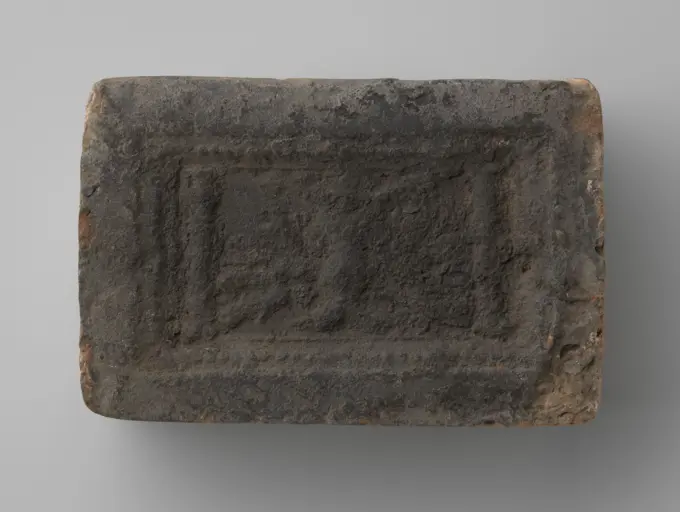
Highstone with representation of the two -headed eagle between the columns of Hercules, c. 1550 - c. 1600 Highstone with representation of the two -headed eagle between the columns of Hercules. Southern Netherlands earthenware Highstone with representation of the two -headed eagle between the columns of Hercules. Southern Netherlands earthenware
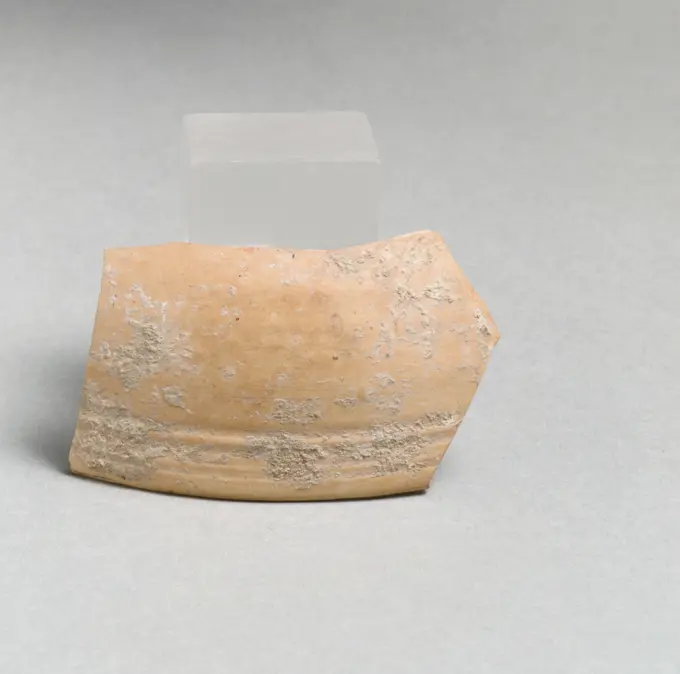
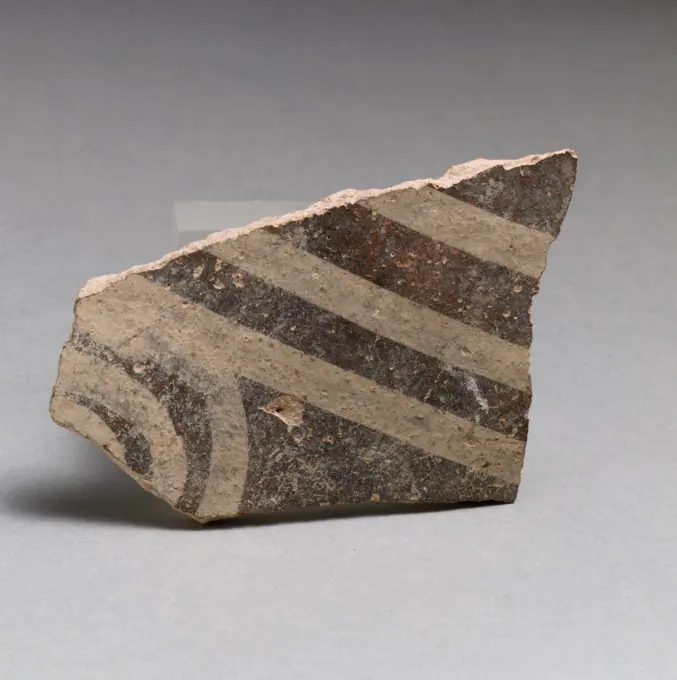
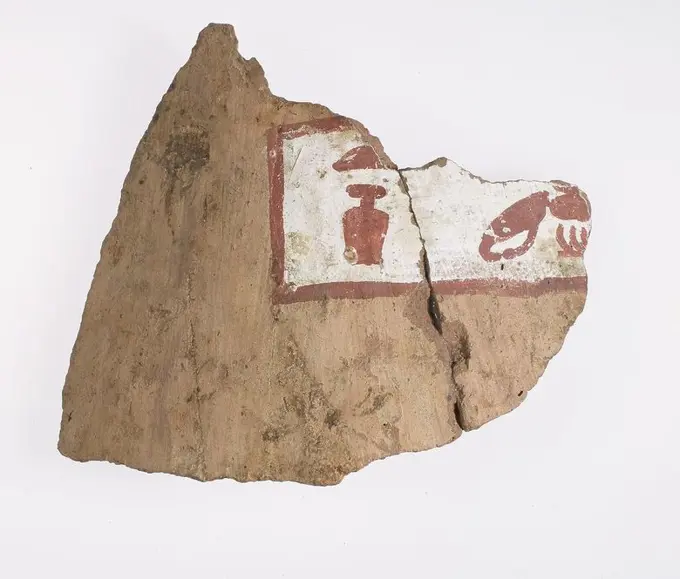
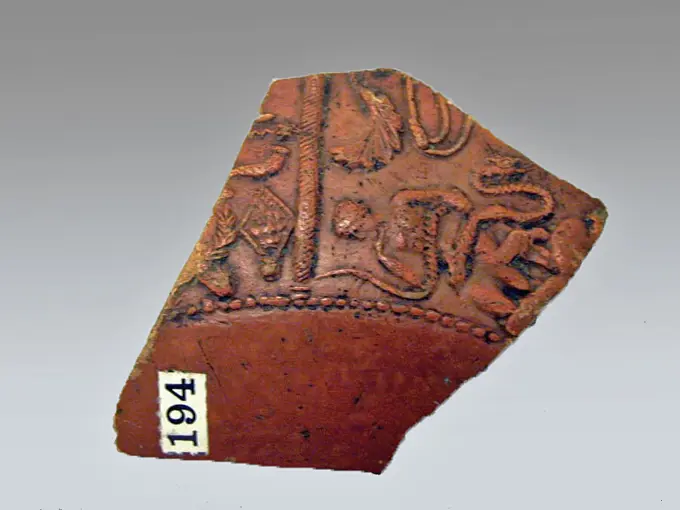
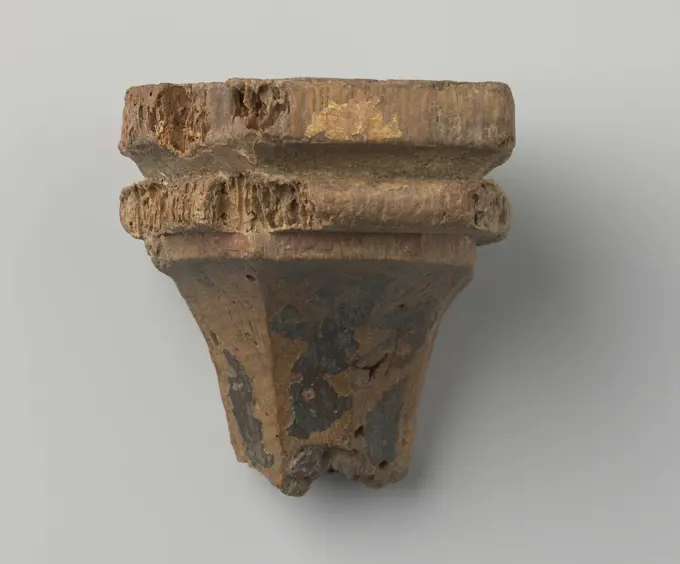
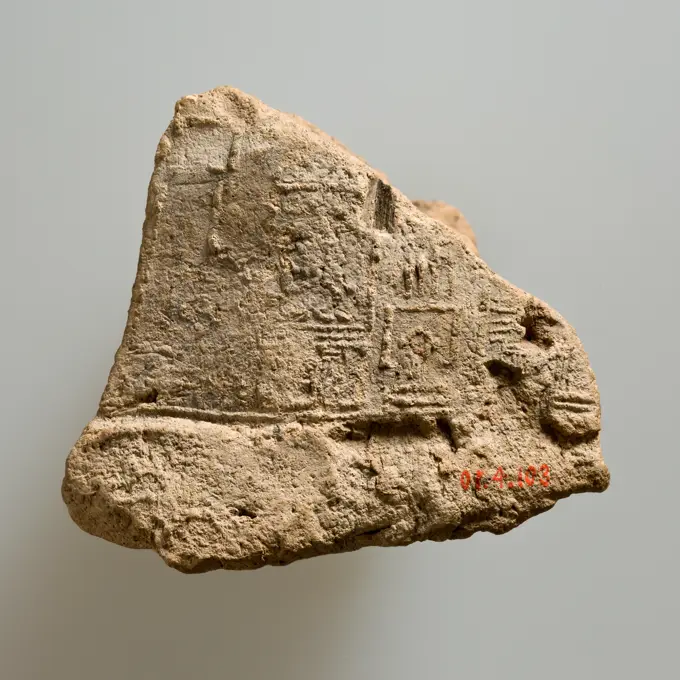
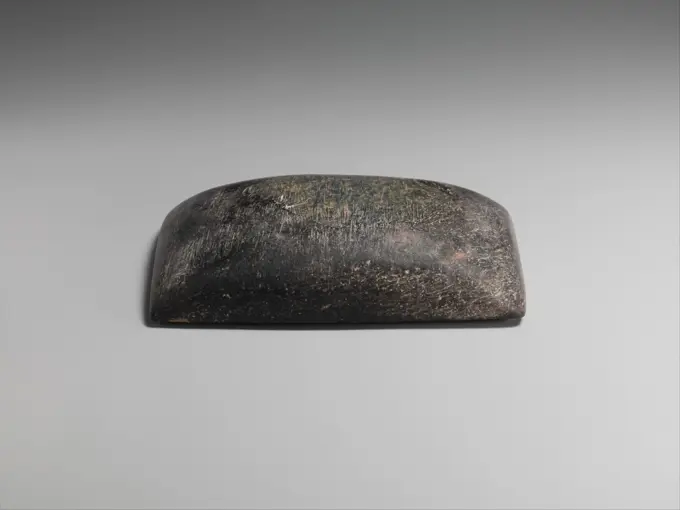
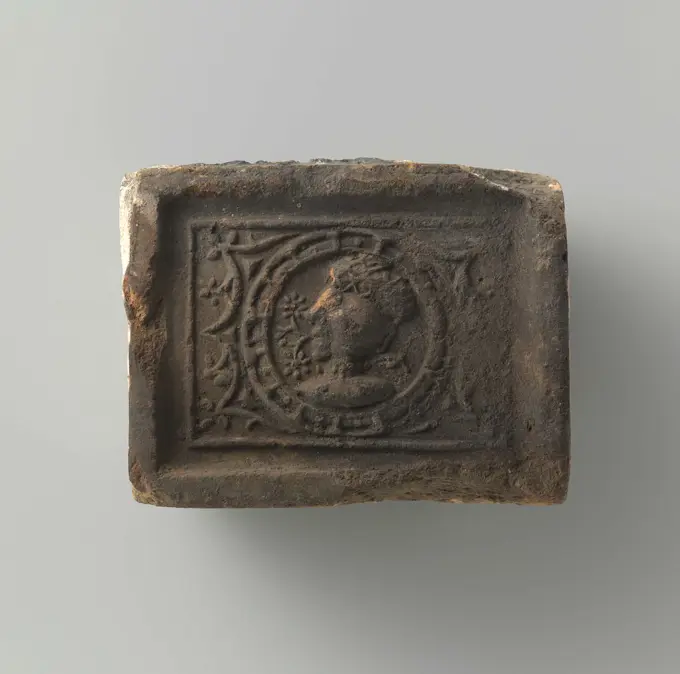
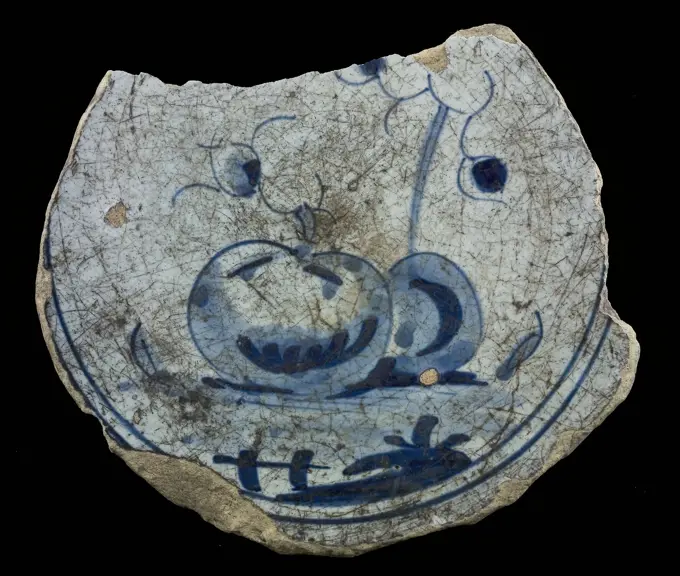
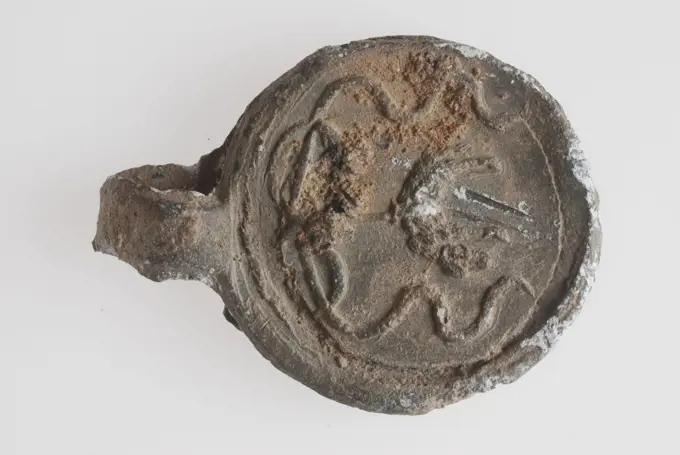
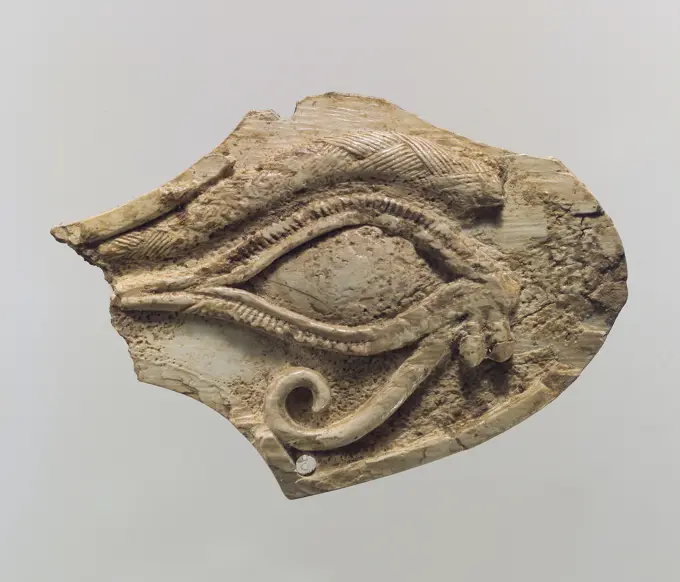
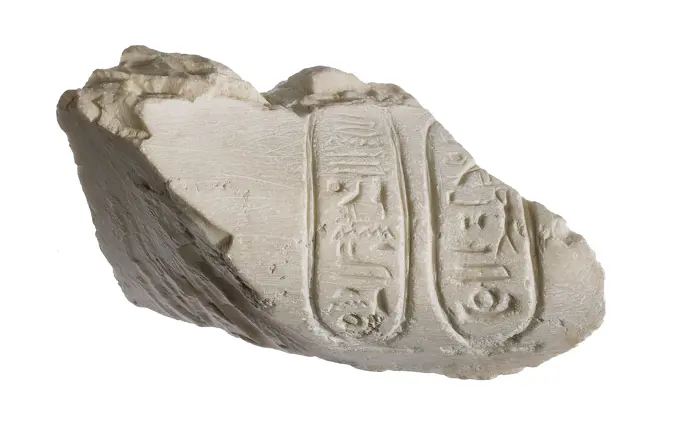
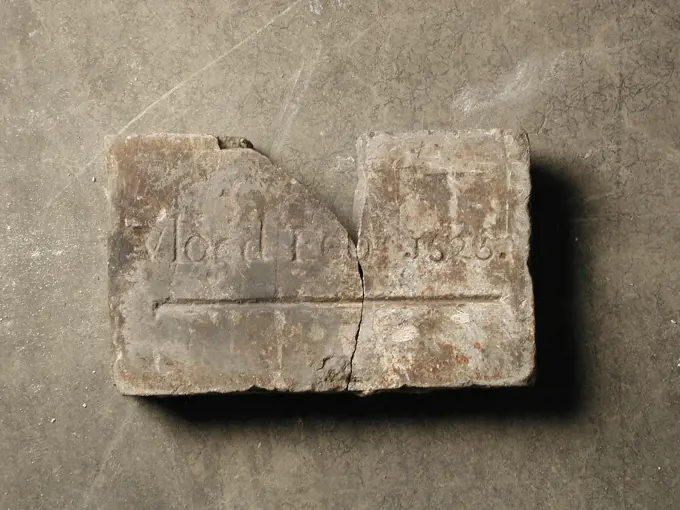
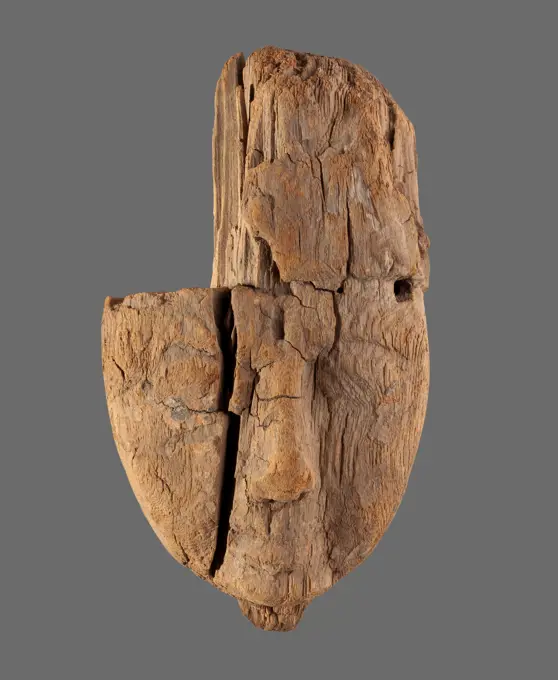
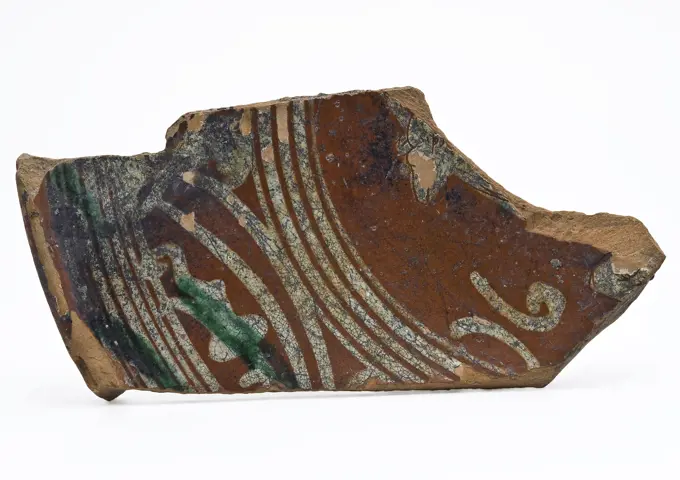
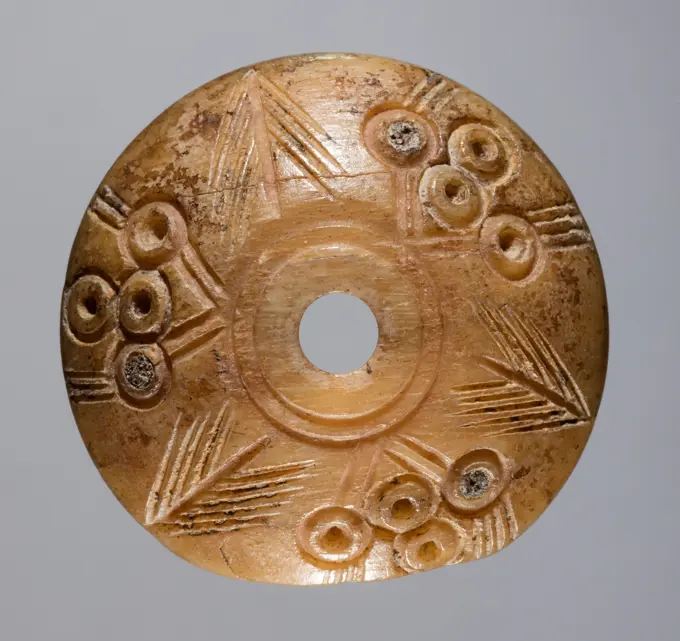
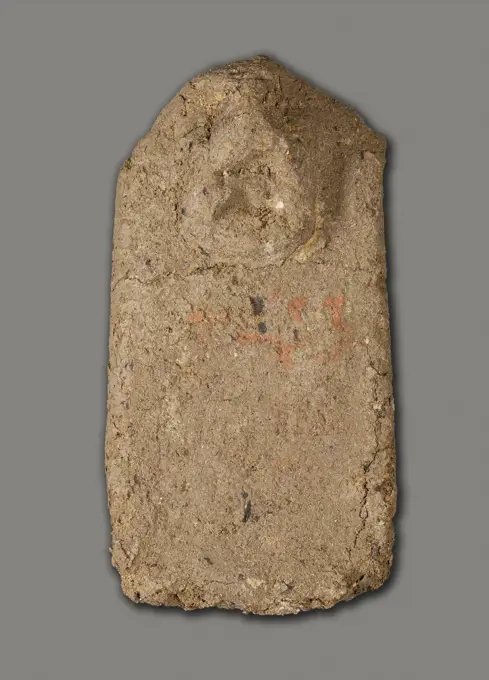
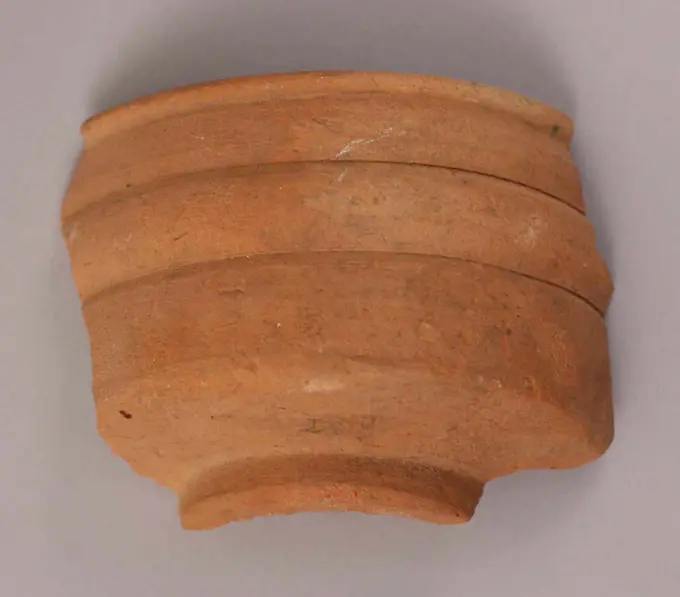
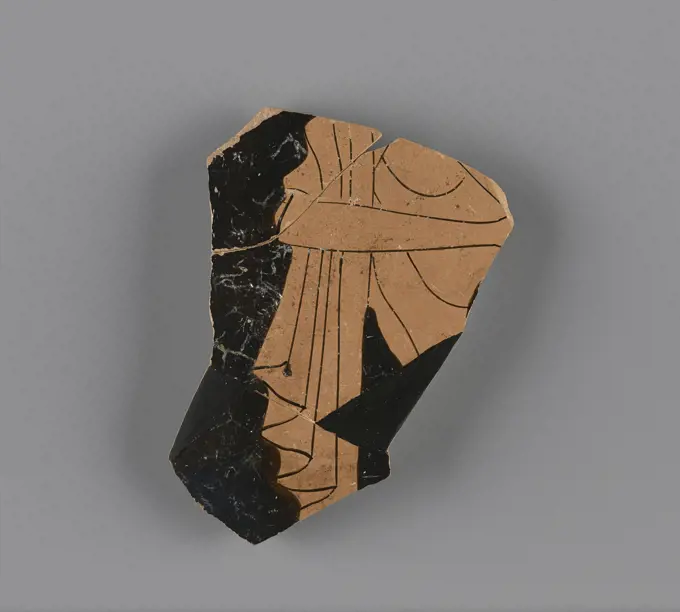
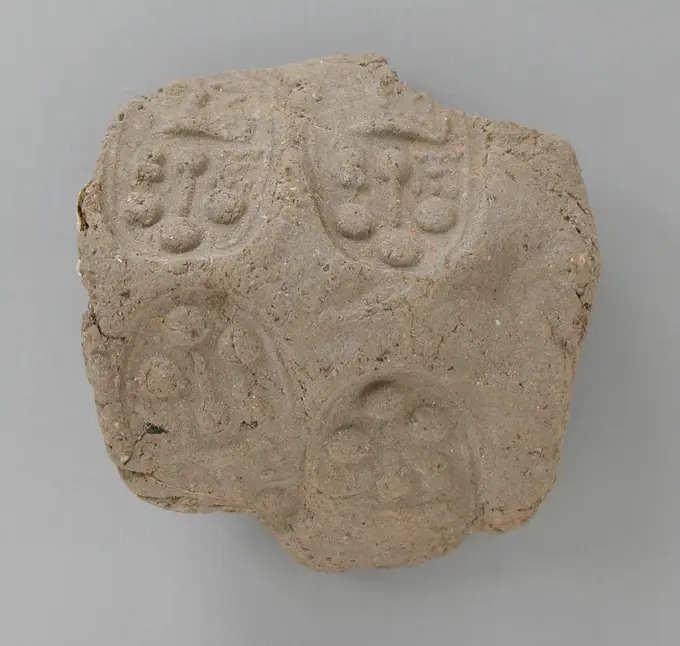
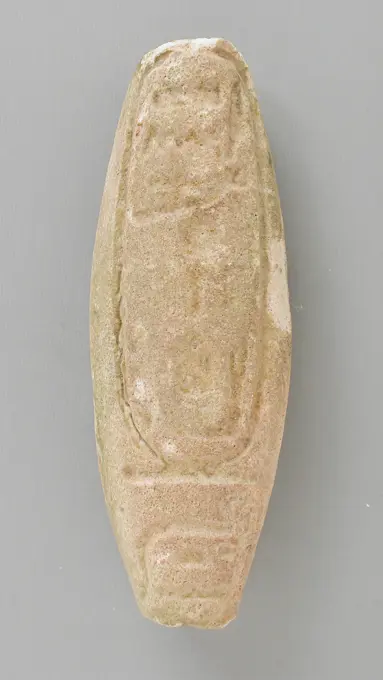
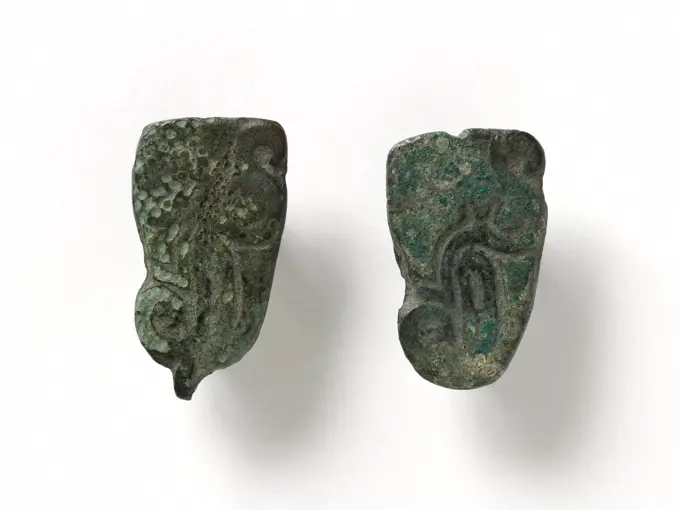
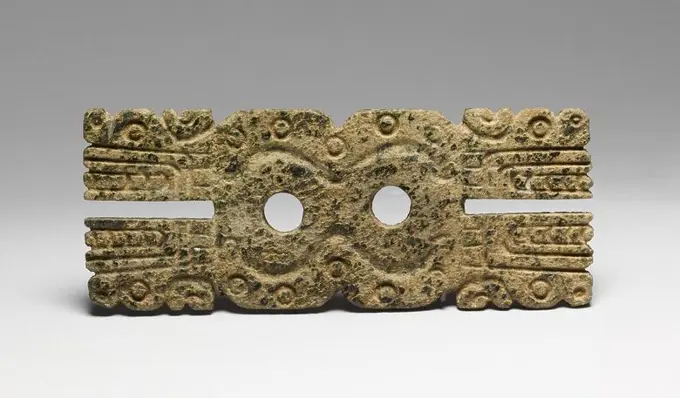
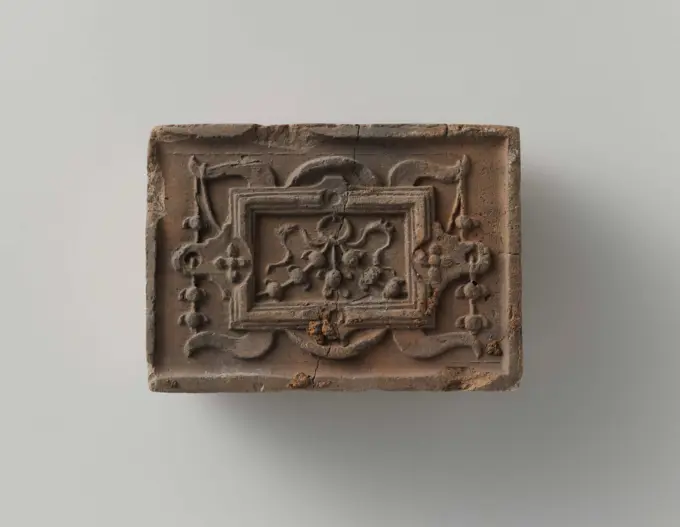
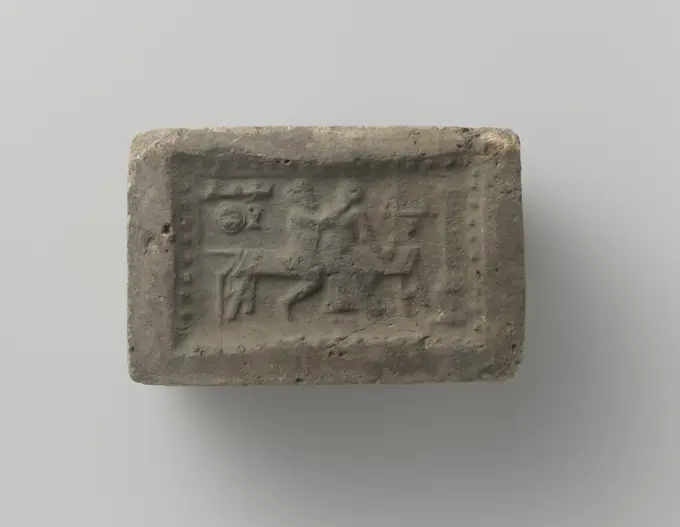
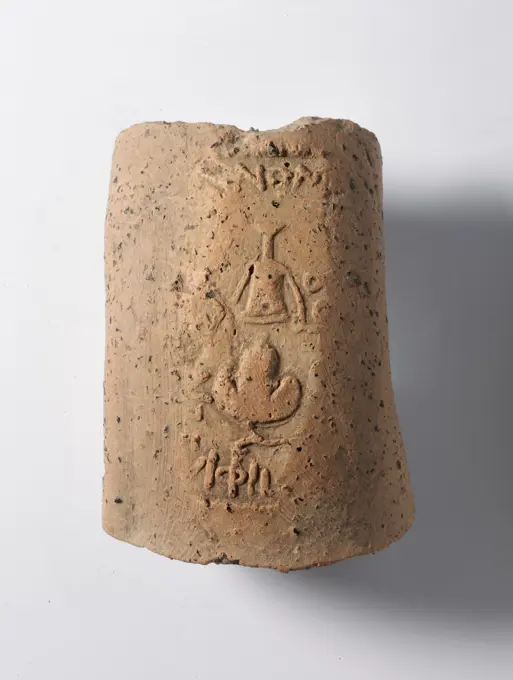
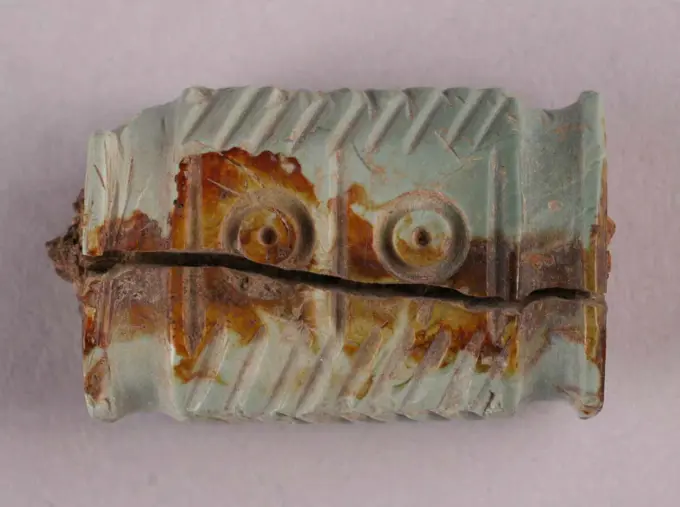
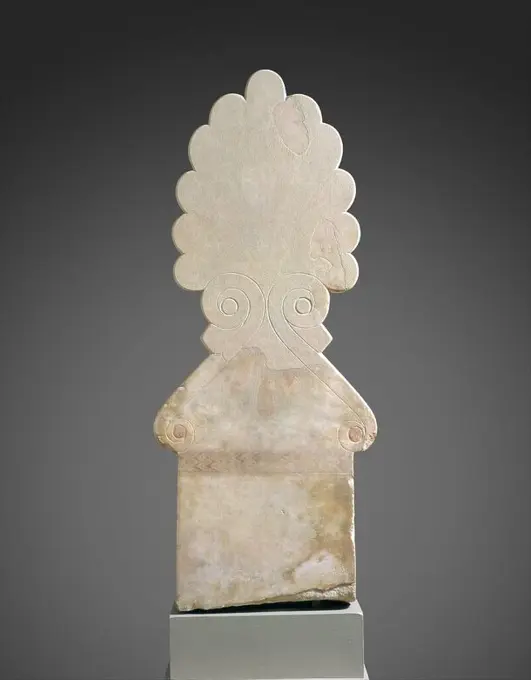
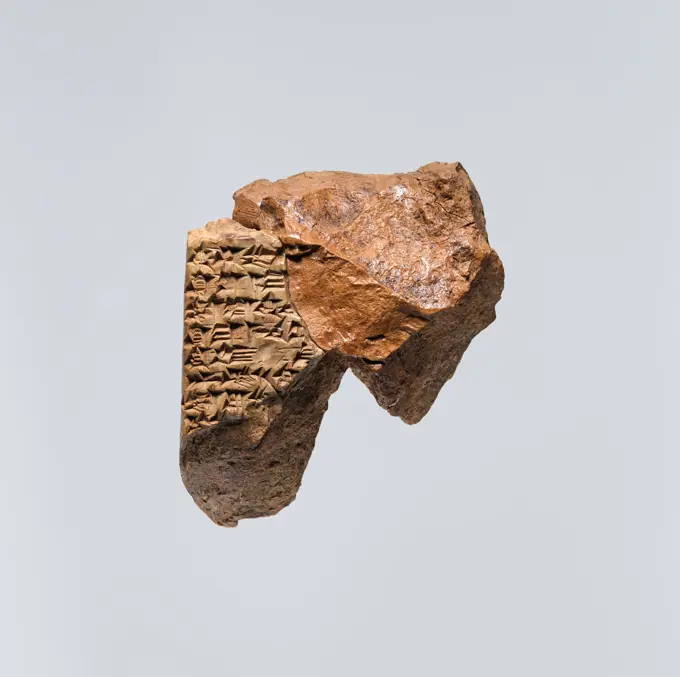
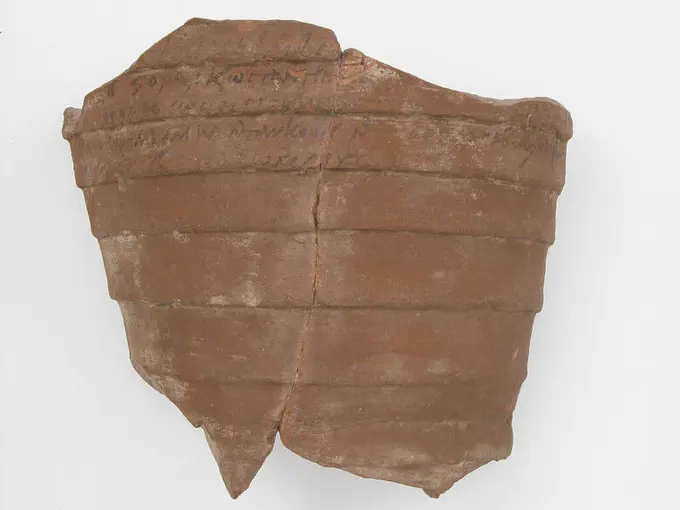
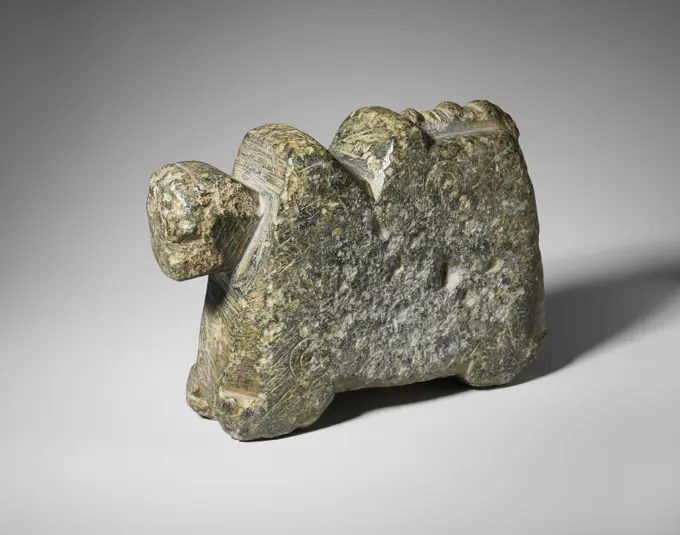
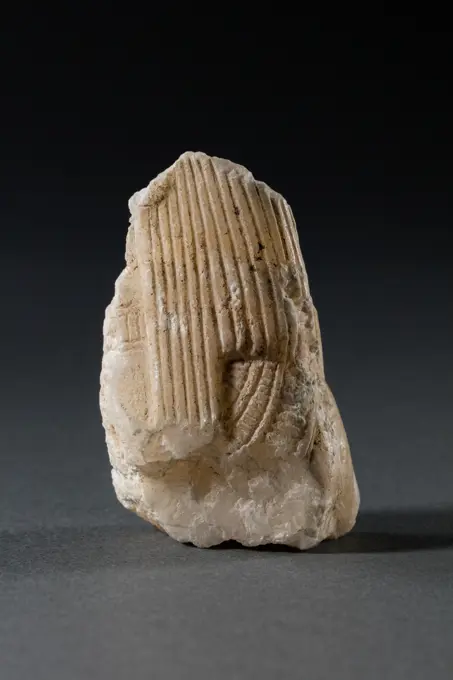
Furniture element ca. 18th century B.C. Old Assyrian Trading Colony. Furniture element 323594Fragment of a Bowl 14th-15th century. Fragment of a Bowl 445328Vase fragment ca. 3000-2000 B.C. Aegean. Vase fragment 253299 Aegean, Vase fragment, ca. 30002000 B.C., Terracotta, Other: 2 1/16in. (5.2cm). The Metropolitan Museum of Art, New York. Anonymous Gift, 1930 (30.119.94)Fragment of a Bowl 14th-15th century. Fragment of a Bowl. 14th-15th century. Earthenware; incised decoration through a white slip and coloring under transparent glaze. Attributed to Egypt, Kush. CeramicsMutulus plaque with Triton. UnknownVase fragment Minoan. Vase fragment 247699Vase fragment Minoan. Vase fragment 247693Medallion from a Lamp. UnknownHighstone with representation of the two -headed eagle between the columns of Hercules, c. 1550 - c. 1600 Highstone with representation of the two -headed eagle between the columns of Hercules. Southern Netherlands earthenware Highstone with representation of the two -headed eagle between the columns of Hercules. Southern Netherlands earthenwareLamp 7th-9th century. Lamp 448992Fragment 15th century. Fragment 445342Fragment of inscribed vessel. Dynasty: Dynasty 18. Date: ca. 1550-1295 B.C.. Museum: Metropolitan Museum of Art, New York, USA.Fragment 12th century. Fragment 452716Vase fragment Roman, Gaul Human figure entwined by a snake.. Vase fragment. Roman, Gaul. Terracotta. VasesVase fragment Minoan. Vase fragment 247856Fragment (console of the altar cabinet); (possibly) belonging to the Retable of Soest. .Bell (Inscription: Rye  Postycla)  Parish Church St. Grzegorz the Great, RuszczaClay jar sealing impressed faintly with name of Khasekhemwy ca. 2650 B.C. Early Dynastic Period. Clay jar sealing impressed faintly with name of Khasekhemwy 570769Model of a "plano-convex" brick ca. 2112-2004 B.C. Neo-Sumerian. Model of a "plano-convex" brick 324832ESPATULA: CON OCRE CON DECORACION GEOMETRICA. REVERSO. PALEOLITICO. (DEPOSITO: MUSEO ARQUEOLOGICO NACIONAL).piedra de machacar tipo tazon,clásico , museo de la plaza central, Chichicastenango , Municipio del departamento de El Quiché, Guatemala, Central Amer...Fair stone, a portrait with striking hair like in a medallion. Fair stone, a portrait with striking hair like in a medallion. In late gothic edge. Of fine baked earth.Fragment majolica dish, blue on white, with an apple and cherry on ground, plate dish crockery holder soil find ceramic earthenware glaze, baked underside covered with milky lead glaze. Monochrome archeology adorn serving foodSheet of cloth with coat of arms of Delft and golden fleece, cloth seal hallmark ground find lead metal, cast sheet Welded sheet with at the front the coat of arms of Delft with two climbing lions as shield holders pole cuts the shield in two with two branches above it and under three and two small slices or beans On the reverse in circle hangs on ribbon lamb the golden fleece Closed archeology heraldry authenticate government textile trade textile textile trade trade guild city Charles V Burgundy Philips the Good awardFragment of a figure dressed as Roman soldiers; (possibly) belonging to the Retable of Soest. .Anthropromorphic Gaming Piece, 14th-15th Century. Bone carved gaming piece, likely to be for chess, from Weoley Castle.Horse blinker carved in relief with a wedjat eye ca. 8th century B.C. Assyrian This fragmentary, spade-shaped piece is carved in relief with a stylized eye. It was found in a large storeroom at Fort Shalmaneser, a royal building at Nimrud that was probably used to store booty and tribute collected by the Assyrians while on military campaign. Originally bordered by a thin, raised strip of ivory, fragments of which are preserved along the upper and lower edges, the piece is broken at the flaring handle and the upper edge is abraded. The thick eyebrow is intricately woven into a braid and the eyelids are incised with short lines indicating the eyelashes. A tendril ornamented with two droplets curls under the eye. Certain details including the iris and pupil may have been added with paint that did not survive. In Egyptian art, the image of an eye with the curling tendril of a Horus falcons cheek is known as the wedjat. Egyptian features frequently appear on Phoenician style ivories such aVase fragment East Greek/Sardis, Lydian Fragment of a plate with concentric circles.. Vase fragment 252705 East Greek/Sardis, Lydian, Vase fragment, Terracotta, Overall: 5 13/16 x 4in. (14.8 x 10.1cm). The Metropolitan Museum of Art, New York. Gift of The American Society for the Excavation of Sardis, 1926 (26.199.137)Fragment of tile ca. 1295-1070 B.C. New Kingdom, Ramesside. Fragment of tile 558742Excerpt of a dish with red-baking shard, with flower shapes and geometric forms in the front and rear, anonymous, 1200- 1899 in sgrafitto technology in Sgrafitto technology  Italy earthenware  Italy earthenwareFragment 14th-15th century. Fragment. 14th-15th century. Earthenware; incised decoration through white slip and coloring under transparent glaze. Made in Egypt. CeramicsHearing stone with lion's head in profiled diamond, c. 1575 - c. 1625 Hearing stone with a representation of Leeuwenkop in Lauwerkrans, placed in profiled diamond, which motif repeated itself in the half windows on the sides. The Hale windows at the top and bottom are filled with half medallions with star motif. Southern Netherlands earthenware Hearing stone with a representation of Leeuwenkop in Lauwerkrans, placed in profiled diamond, which motif repeated itself in the half windows on the sides. The Hale windows at the top and bottom are filled with half medallions with star motif. Southern Netherlands earthenwareArm at wrist, Aten cartouches ca. 1353-1336 B.C. New Kingdom, Amarna Period. Arm at wrist, Aten cartouches 549680Console for a list decoration, anonymous, c. 1400 - c. 1950 A sliced pine console for the list decoration of a house. Netherlands pine (wood) A sliced pine console for the list decoration of a house. Netherlands pine (wood)Scarab Menmaatra (Sety I) 1294 BCE-1279 BCE Egypt. Steatite . Ancient EgyptianVase fragment Minoan. Vase fragment 247665Model rzeźbiarski z lwem. unknown, authorFragment of a VesselVase fragment Roman, Gaul Foreparts of a lion.. Vase fragment 250362Glazed fireplace with year .. Glazed fireplace with the year 1606. At the stone a stone belongs to Inv. Nr. BK-NM-1649.Two-piece stone with text Flood Febr 1825, stone memorial stone facing brick building component stone 16.3, minced Rectangular flat. In bas-relief line above text Hardstone. Flood FEw 1825 water flooding floodGrinding Stone. Culture: Coptic. Dimensions: Overall: 4 1/2 x 2 15/16 x 1 3/16 in. (11.4 x 7.4 x 3 cm). Date: 4th-7th century. Museum: Metropolitan Museum of Art, New York, USA.Sarcophagus mask;  around 747-332 BC ; Third passing period-ny (-747-00-00--332-00-00);Genius, Mieczysław (1852-1920), Geniusz, Mieczysław (1852-1920)-collection, gift (provenance), fragments of sarcophagus, masks, facesPendant: head and neck of a horse. Culture: Italic. Dimensions: H.: 1 1/2 in. (3.8 cm). Date: 5th-4th century B.C..Pendant in the shape of a horse's head. Museum: Metropolitan Museum of Art, New York, USA.Fragment of the side wall of a woman's box sarcophagus;  around 2055 1650 BC ; Average state (-2060-00-00--1645-00-00);Steatite scaraboid seal Greek 8th century BCE Flattened scaraboid of green, translucent steatite, perforated horizontally. Two men, in reversed positions, on either side of a large quadruped. The latter has its mouth wide open and is perhaps a lion, for ot has a long, tufted tail; but the long, erect ears (or horns) make the identity uncertain. In the field are other, nondescript animals and ornaments. View more. Steatite scaraboid seal. Greek. 8th century BCE. Steatite. Geometric. GemsThree dated fragments Werra pottery, sludge technique and sgraffito, dish plate bowl crockery holder soil find ceramics earthenware clay engobe glaze lead glaze, hand-turned glazed petite sgraffito baked Fragments of dated Werra earthenware. Red shard Decorated in sludge technology ring-seal technique and sgraffito. White engobe green accents obtained by application of copper oxide On fragment deer or sheep can be depicted fragment, 16 ** archeology Rotterdam City center Stadsdriehoek Schielandshuis decorate serve serve food Soil discovery: Schielandshuis during the restoration.Moneda romana procedente de Iluro. Can Serra Museu de Mataró.Inlay ca. 1780-1580 B.C.. Inlay 323114Vase fragment ca. 4000-3000 B.C. Neolithic, Thessaly. Vase fragment 253220 Neolithic, Thessaly, Vase fragment, ca. 40003000 B.C., Terracotta, length 2 3/16in. (5.6cm). The Metropolitan Museum of Art, New York. Anonymous Gift, 1930 (30.119.15)Bronze plaque ca. A.D. 247 Roman The inscription names a senior Vestal Virgin, Flavia Publicia, and may be a grant of exemption to a horse or bull from use in harness for pulling a cart or plough.. Bronze plaque. Roman. ca. A.D. 247. Bronze. Late Imperial. BronzesFragments from the Stela of the Chief Steward Henenu ca. 2030-2000 B.C. Middle Kingdom. Fragments from the Stela of the Chief Steward Henenu 547706Spindle Whorl, 700s - 900s. Iran, early Islamic period, 8th - 10th century. Bone, incised; overall: 0.6 x 2.5 x 2.5 cm (1/4 x 1 x 1 in.).Magical Figure ca. 1802-1550 B.C. Late Middle Kingdom-Second Intermediate Period These tablets of unfired clay with attached crude faces were found as a group by the Museum's excavators at Lisht South in loose surface sand west of the mastaba of Senwosretankh, a high official and possibly the architect of the pyramid complex of Senwosret I (ca. 1961-1917 B. C.), east of which he erected his own very elaborate mastaba tomb (see acc. nos. 33.1.2 and other pieces). The mud figures and little coffin (acc. no. 33.1.66) that had contained some of them must have been buried, however, considerably later than the early twelfth dynasty tomb close to which they were found. In fact, during the thirteenth and following dynasties people deposited a number of objects in the by then sacred area around a legendary ruler's pyramid and its dependant monuments, believing conceivably that potent magical powers could thus be released. These flat mud figures, for instance, are inscribed in now much-faded redBrandenburg (Saxony, Anhalt), Denar; The beginning of the fourteenth centuryBaked fireplace, with windows with climbing lions and fan-shaped stars. Baked fireplace, with windows with climbing lions and fan-shaped stars.Fragment 9th century. Fragment 451133Attic Red-Figure Oinochoe Fragment; Attributed to the Manner of the Berlin Painter (Greek (Attic), active about 500 - about 460 B.C.); Athens, Greece; 5th century B.C; Terracotta; 6.7 cm (2 5,8 in.)Three-Cornered Stone (Trigonolito). Portable-sized sculptures, known as three-pointed stones or trigonolitos. Stone. They used to show human attributes interpreted as depictions of the yucca god. Taino culture (1000-1500 AD). Antilles. Museum of the Americas. Madrid, Spain.Ornament tile, central kidney-shaped green and brown floral shape, corner motifs, quarter rosette and saving technique, wall tile tile sculpture soil find ceramic earthenware glaze fragments, baked 2x glazed painted Multicolored: blue draft; green yellow brown blue on white fond archeology underground pit Churchillplein Rotterdam City center Stadsdriehoek Soil discovery: Churchillplein underground pit 1968 Gerzon.Reclining Bull, c. 3000 BCE, 1 x 2 1/4 x 1 1/4 in. (2.54 x 5.72 x 3.18 cm), Marble, Iraq, 31st-30th century BCELadrillo con huellas de cánido. Villa romana de Cambre. Fechada entre los siglos II y IV. Museo Arqueológico de Cambre. Provincia de La Coruña. Galicia. España.Jar Seal with Name of King Akhenaten Stamped Four Times. Egypt, New Kingdom, 18th Dynasty, reign of Akhenaten (1372 - 1355 BCE). Tools and Equipment; seals. Semi-baked clay of light gray colorBuddha's Footprints (Buddhapada) 1 CE-200 CE Andhra Pradesh. Limestone .Fragment stemplowanego imadła amfory. Kefalion (ca 260-ca 205 a.C.), potter's workshopReduced housing model: right scale. Terracotta. Cernuschi Museum, Asia Museum of Asia in the city of Paris.Shoes 16th century British. Shoes 101688Ring Stone ca. 1st-2nd century B.C. India. Ring Stone. India. ca. 1st-2nd century B.C.. Stone. Shunga period. SculptureMORILLOS. EDAD DEL BRONCE. CAMPOS DE URNAS S VII a.C (DEPOSITO: MUSEO ARQUEOLOGICO NACIONAL).Vase fragment 1st century B.C.-1st century A.D. Roman Iphigenia.. Vase fragment 250357Hearing cover with the weapon of Prince Maurits van Oranje Nassau, Anonymous, 1606 Semi -round hairstone with weapon of Prince Maurits; Upstairs Schild Kroon and 1606, on either side lions - left with letter g between front legs, right with m between front legs - and plant motifs, simple border in relief; Pieces from the bottom and back, very black brackled, on the back under fault line, remnants cement, horintale stripe over lions and shield. Netherlands brick (clay product) Semi -round hairstone with weapon of Prince Maurits; Upstairs Schild Kroon and 1606, on either side lions - left with letter g between front legs, right with m between front legs - and plant motifs, simple border in relief; Pieces from the bottom and back, very black brackled, on the back under fault line, remnants cement, horintale stripe over lions and shield. Netherlands brick (clay product)Molded Faience Amuletic Tube with Throne Name of Shabaka. Egypt, Late Period, Dynasty 25, reign of Shabaka (712 - 698 BCE). Jewelry and Adornments; amulets. FaienceLoop fragments. Bronze. Ordos. 5th century BC. Paris, Cernuschi museum. 35173-4 Jewel, buckle, bronze, fragment, hetao, meridional Mongolia, ordos, prehistory, prehistoricPendant. Culture: Mixtec. Dimensions: H. 2 1/4 x W. 5 1/2 x D. 1/4 in. (5.7 x 14 x 0.6 cm). Date: 12th-14th century.This flat, rectangular pendant depicts four profile faces with long, toothy snouts at each corner joined to undulating, spotted bodies separated by two round holes. The creatures may represent serpents, felines, or crocodilians, or a combination of these animals. All were commonly associated with water and fertility in Mesoamerica. The composition is bilaterally symmetrical on both horizontal and vertical axes. Two small holes at the top in back are for suspension.The pendant is worked in a stone of green color, a hue symbolic of water, fertility, and life. Greenstone was thus considered more precious than gold by the peoples of ancient Mexico. The pendant is attributed to the Mixtecs of southern Mexico, renowned for their lapidary artistry. Museum: Metropolitan Museum of Art, New York, USA.Fragment of the carton;  indefinite (0-00-00-0-00-00);Fireplace with presentation of two climbing lions, placed in two windows. Fireplace with a show of two climbing lions, placed in two windows and accompanied by the year 1598. The half and a quarter windows on the top and bottom are filled with a diamond-shaped flower.Fireplace of baked earth, with a square cartouche in which fruits on a ring. Fireproone of baked earth, with an elongated square cart shower in which some fruits to a ring and around it a fruit garden land.Fragment of a Dish 15th century View more. Fragment of a Dish. 15th century. Earthenware; gritty body, black decoration under blue glaze. Excavated in Iran, Nishapur. CeramicsHearing stone with a representation of a loving pair, c. 1499 - c. 1699 Hearing stone with a representation of a loving pair. Southern Netherlands earthenware Hearing stone with a representation of a loving pair. Southern Netherlands earthenwareFragment of the amphoras behind the stamp; Synope (asia minor); IV-Pocz Tex of the 3rd century BC (-400-00-00--290-00-00);Wasyl Wasylewicz, Dar, WiesiołowCapital 14th century French. Capital. French. 14th century. Stone. Sculpture-ArchitecturalFragment (part of a set) French, Nevers 17th century Faience, or tin-glazed and enameled earthenware, first emerged in France during the sixteenth century, reaching widespread usage among elite patrons during the seventeenth and early eighteenth centuries, prior to the establishment of soft-paste porcelain factories. Although characterized as more provincial in style than porcelain, French faience was used at the court of Louis XIV as part of elaborate meals and displays, with large-scale vessels incorporated into the Baroque garden designs of Versailles. Earlier examples of French faience attest to the strong influence of maiolica artists from Italy. Later works demonstrate the ways in which cities such as Nevers, Rouen, Lyon, Moustiers, and Marseille developed innovative vessel shapes and decorative motifs prized among collectors throughout Europe. While faience can be created from a wide mixture of clays, it is foremost distinguished by the milky opaque white color achieved by the aFireplace with presentation of two climbing lions, placed in two windows. Fireplace with a show of two climbing lions, placed in two windows and accompanied by the year 1634. The half windows at the top and bottom are filled with diamond-shaped flowers.Glass Fragment 14th century French (). Glass Fragment. French (). 14th century. Pot metal glass. Glass-StainedFragment of Jar 14th-15th century. Fragment of Jar 445604Handle or Ornament or Tool 8th-13th century The dot-in-circle motif recalls designs presumed to be of magical significance, most likely an abstract eye to ward off the evil-eye, which serves an apotropaic function. Easily reproduced with a tool and visible in many cultures and times, this symbol may have lost its meaning, and become simply a decorative pattern, or may have one that we have not yet discovered.. Handle or Ornament or Tool 450883Head of a Man with Fragmentary Inscription. Egypt, 25th - 26th Dynasty (755 - 525 BCE). Sculpture. Black basaltFinial of a marble stele (grave marker). Culture: Greek, Attic. Dimensions: width of shaft 13 1/2 in. (34.3 cm)thickness of shaft at bottom 4 3/8 in. (11.1 cm). Date: ca. 525-500 B.C..The finial consists of a pair of volutes combined with a pair of palmettes, the larger on top, the smaller between the volutes. The decoration was executed in fine incised lines supplemented with color. It is important to note that motifs, colors, and techniques such as incision were shared by media as diverse as sculpture and vase-painting in Athens at the end of the sixth century B.C. Museum: Metropolitan Museum of Art, New York, USA.Base cut 1106. Terracotta, Neolithic. Paris, Carnavalet museum. Base, neolithic, terracotta cutTile with ThreePomegranatesSpindle Whorl, 700s - 900s. Iran, early Islamic period, 8th - 10th century. Bone, incised; overall: 0.4 x 2.7 x 2.7 cm (3/16 x 1 1/16 x 1 1/16 in.).Asia, Israel. Ivory comb, 12th c. BC, Israel.Fragment of a Cup 14th-15th century. Fragment of a Cup 446427Engraved stamp or seal. UnknownCuneiform tablet: Atra-hasis, Babylonian flood myth ca. 7th-6th century B.C. Babylonian or Achaemenid The invention of writing in approximately 3300 B.C. was one of many developments in administrative technology--including the use of geometric tokens for counting and cylinder seals to guarantee transactions--that accompanied the growth of the first cities and states in southern Mesopotamia. Proto-cuneiform is the name given to the earliest form of writing--pictograms that were drawn on clay tablets. Gradually, the pictograms became abstracted into cuneiform (Latin, "wedge-shaped") signs that were impressed rather than drawn. At its greatest extent, cuneiform writing was used from the Mediterranean coast of Syria to western Iran and from Hittite Anatolia to southern Mesopotamia. It was adapted to write at least fifteen different languages. The last dated cuneiform text has a date corresponding to A.D. 75, although the script probably continued in use over the next two centuries.This claOstrakon with an Account. Culture: Coptic. Dimensions: Overall: 6 3/16 x 7 3/16 x 2 11/16 in. (15.7 x 18.2 x 6.8 cm). Date: 600. Museum: Metropolitan Museum of Art, New York, USA.Disk-shaped Jar Lid ca. 1194-1188 B.C. New Kingdom, Ramesside. Disk-shaped Jar Lid 549561Animal-Shaped Spit Rest 9th-10th century Made of fire-resistant stone, this object has been identified as a spit rest. Two such rests would have been placed on either side of an underground hearth, a feature found in buildings throughout Nishapur.. Animal-Shaped Spit Rest 449147Fragment of the Corner of a Canopic Chest ca. 1194-1188 B.C. New Kingdom, Ramesside. Fragment of the Corner of a Canopic Chest. ca. 1194-1188 B.C.. Travertine (Egyptian alabaster). New Kingdom, Ramesside. From Egypt, Upper Egypt, Thebes, Valley of the Kings, Tomb of Siptah (KV 47), Davis excavations, 1912. Dynasty 19Glazed ceramic tile with geometric decoration 10 x 9, 5 cm. (15 th CE ) - Modern era belonging of the " Burgo de Santiuste Museum" in Alcalá de Henares. (Madrid). SPAIN.