Ancient Ceramic Fragments

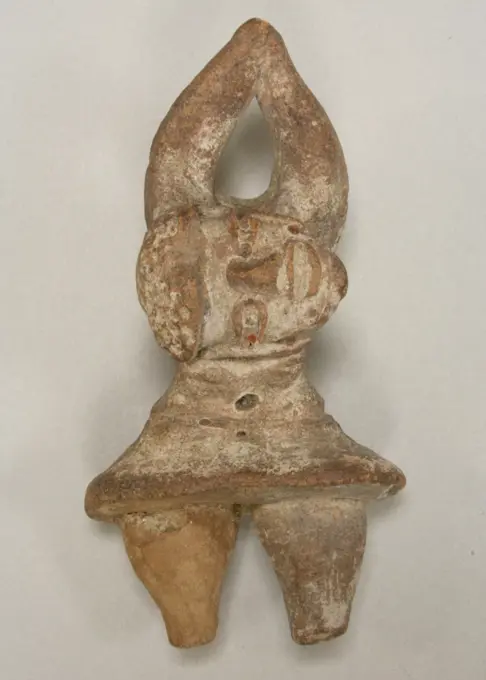
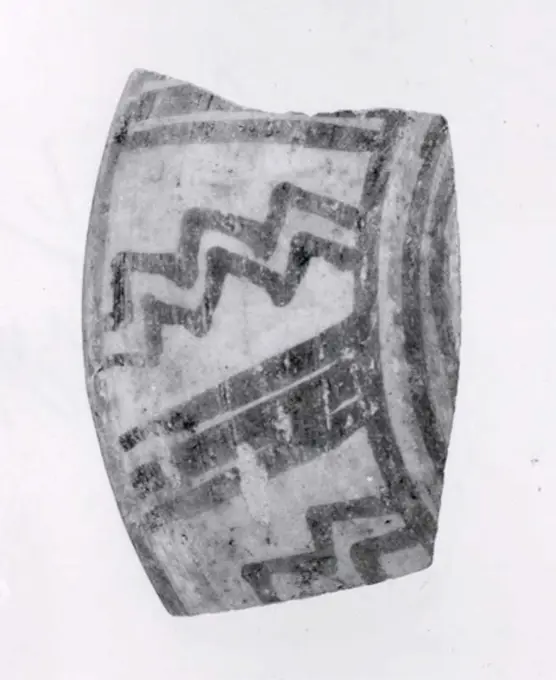
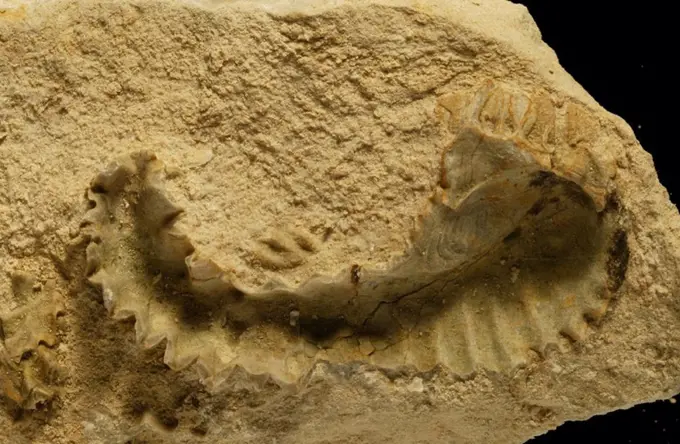
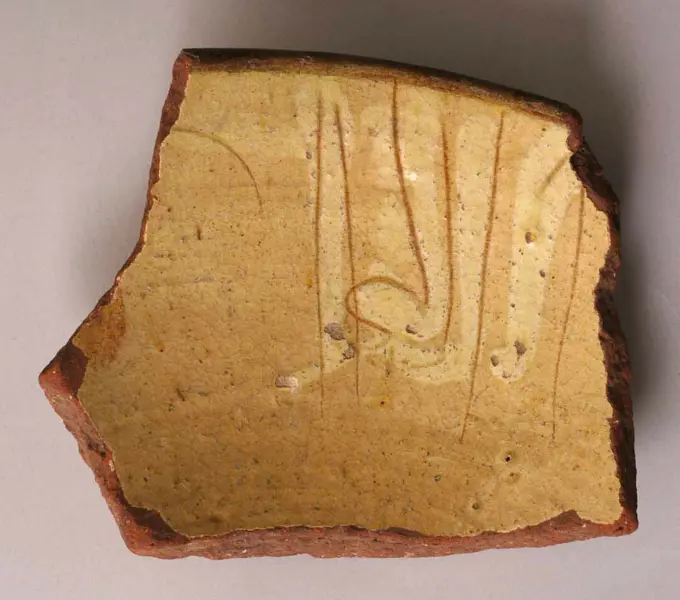
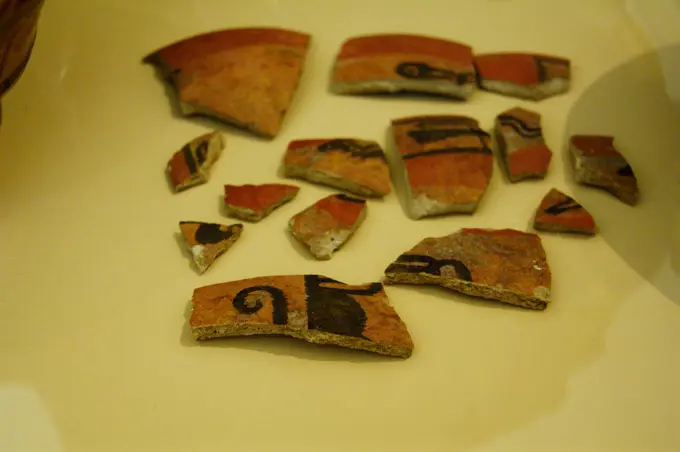
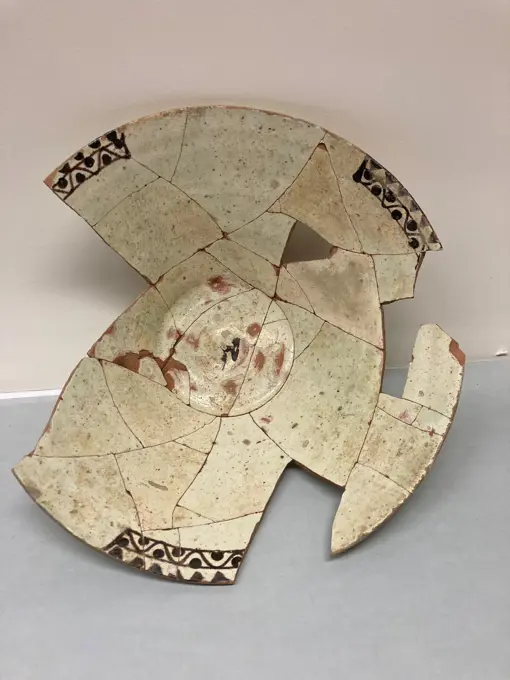
A collection of ancient ceramic fragments, including vase and bowl pieces from various historical periods, showcasing intricate decorations and textures.
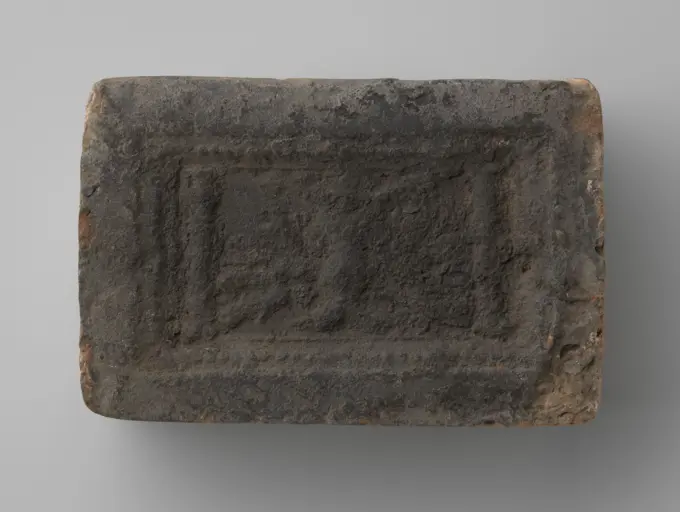
Highstone with representation of the two -headed eagle between the columns of Hercules, c. 1550 - c. 1600 Highstone with representation of the two -headed eagle between the columns of Hercules. Southern Netherlands earthenware Highstone with representation of the two -headed eagle between the columns of Hercules. Southern Netherlands earthenware
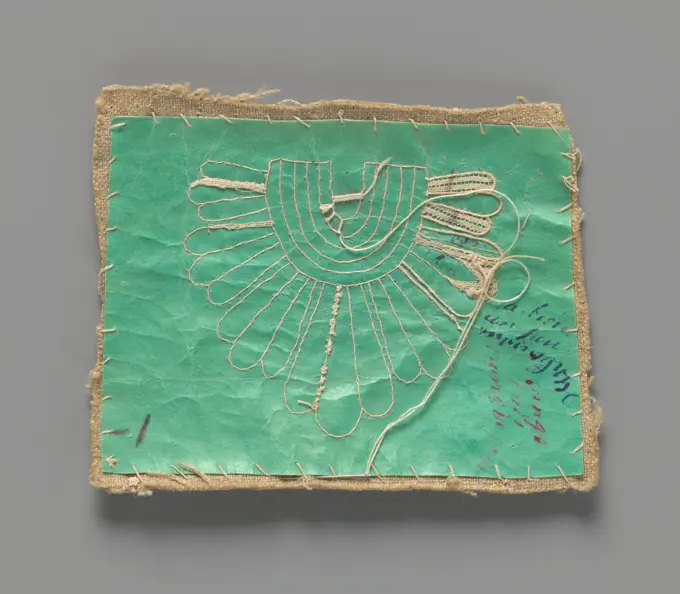
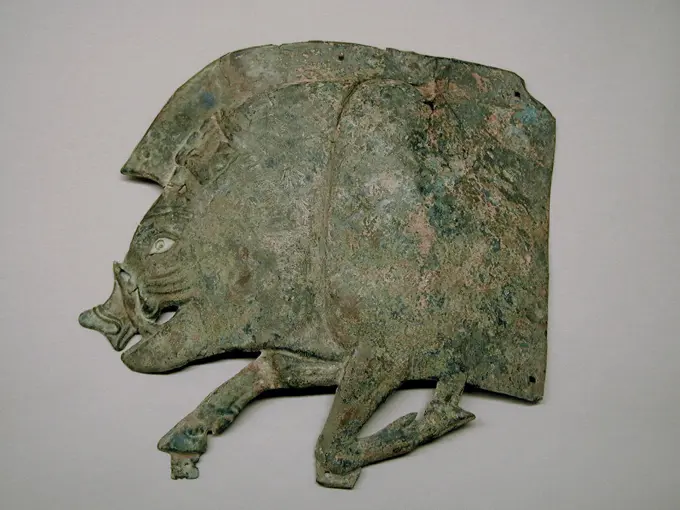
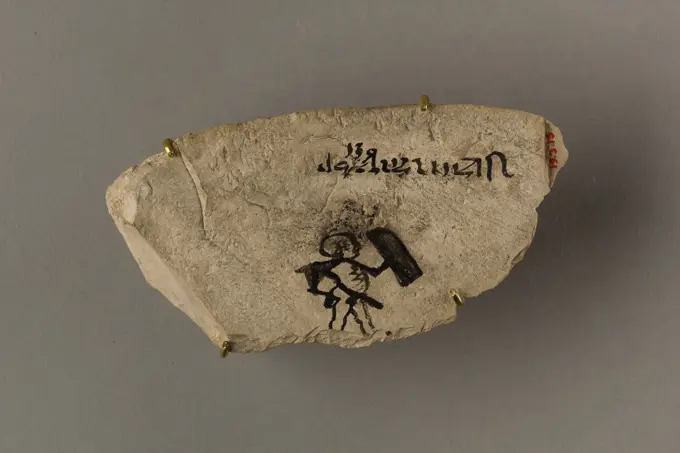
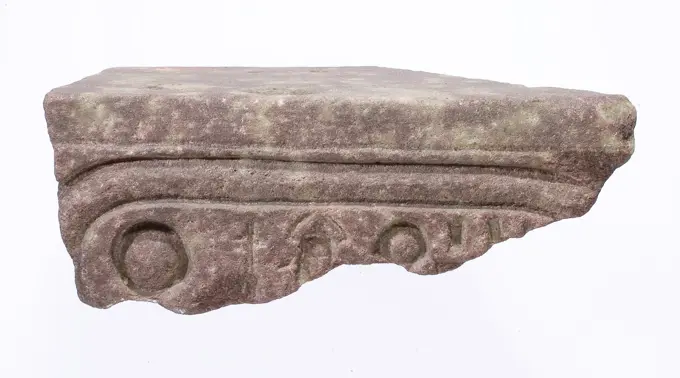
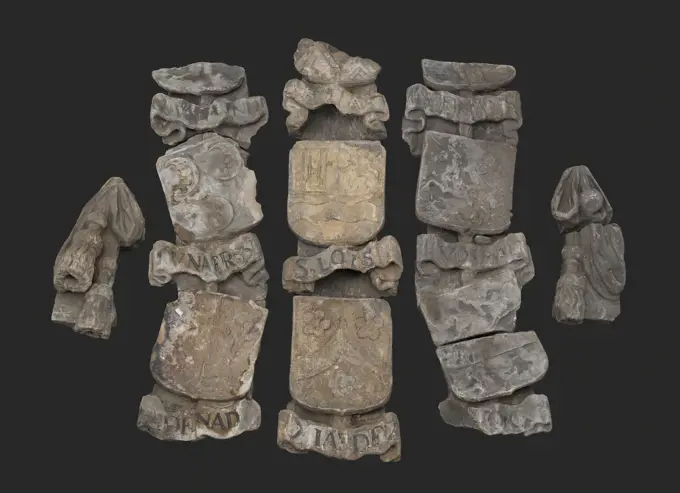
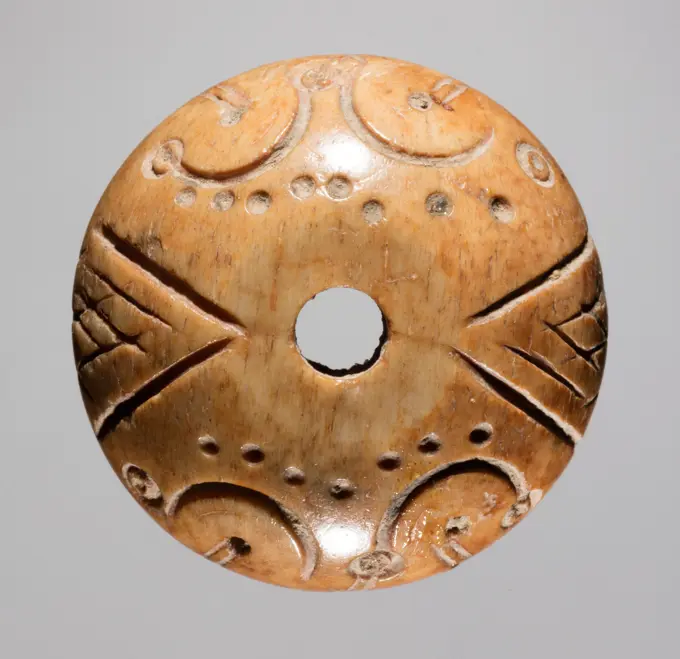
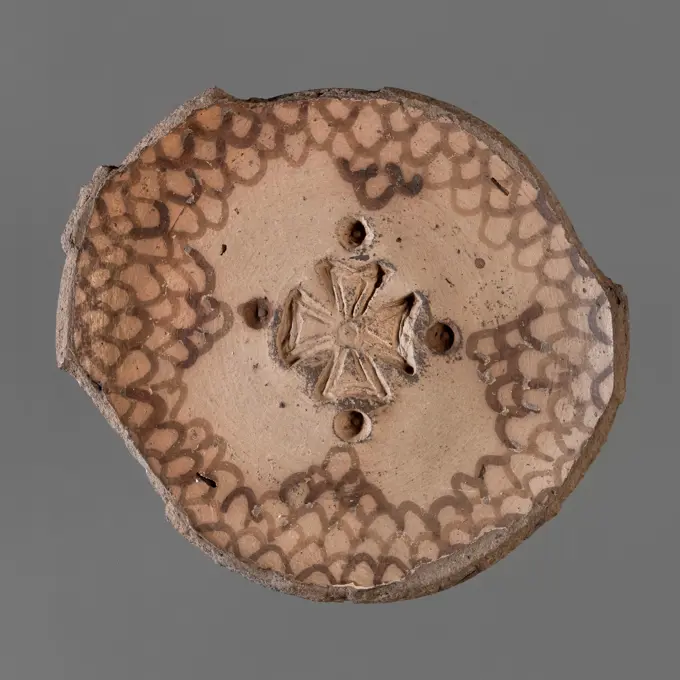
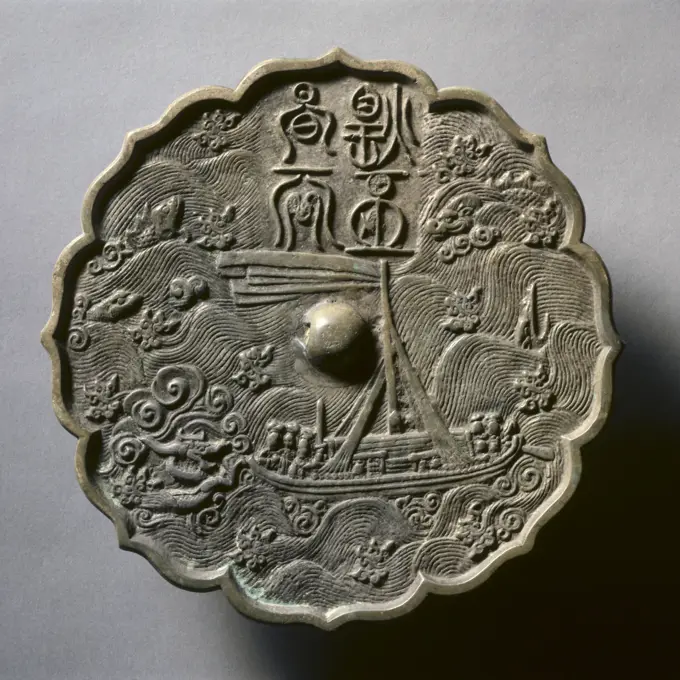
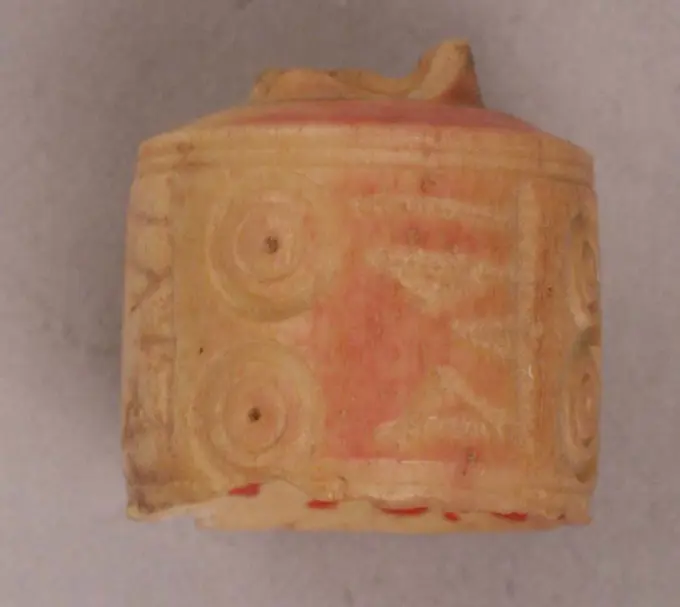
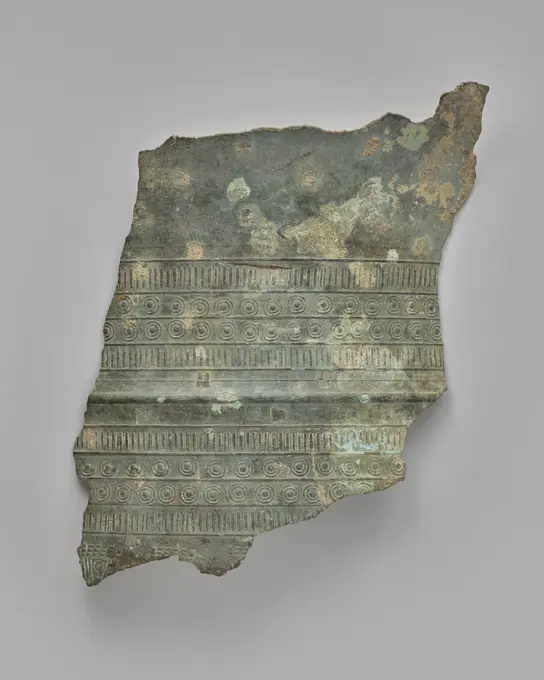
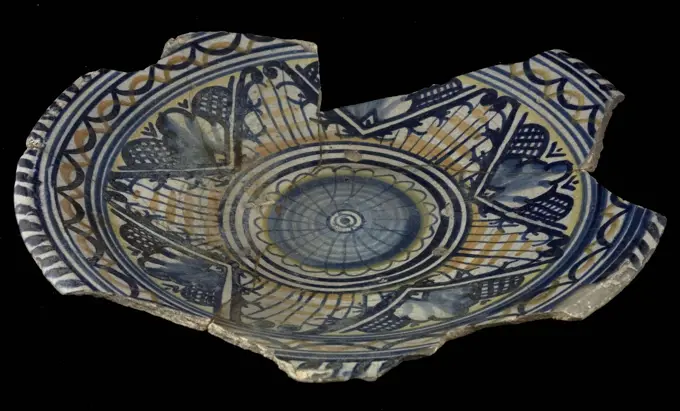
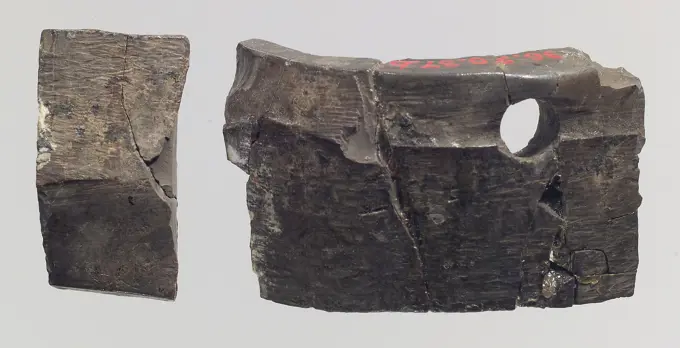
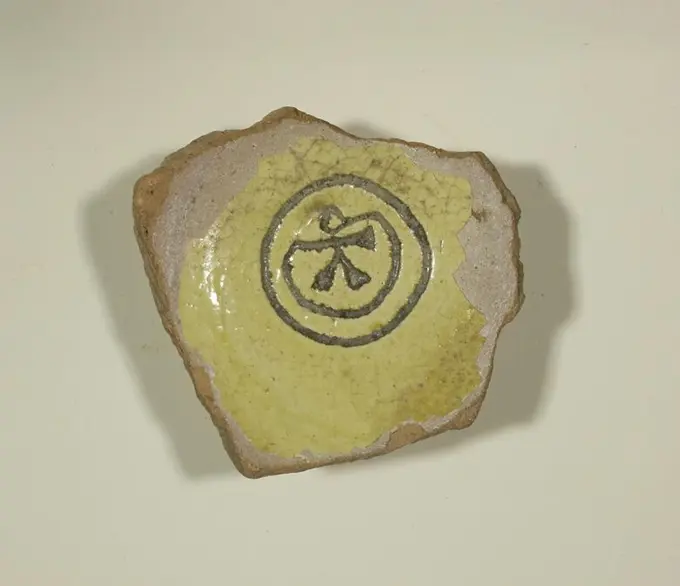
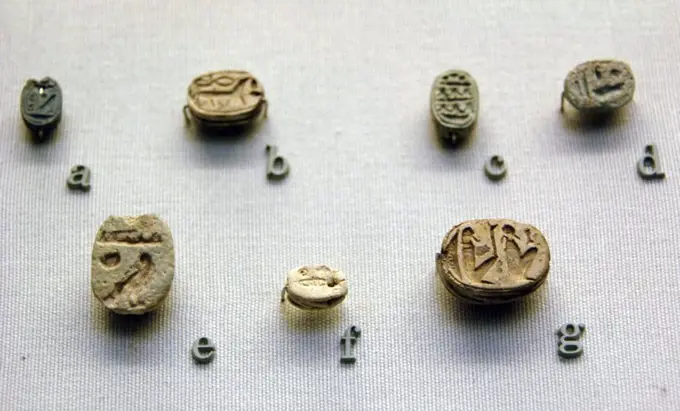
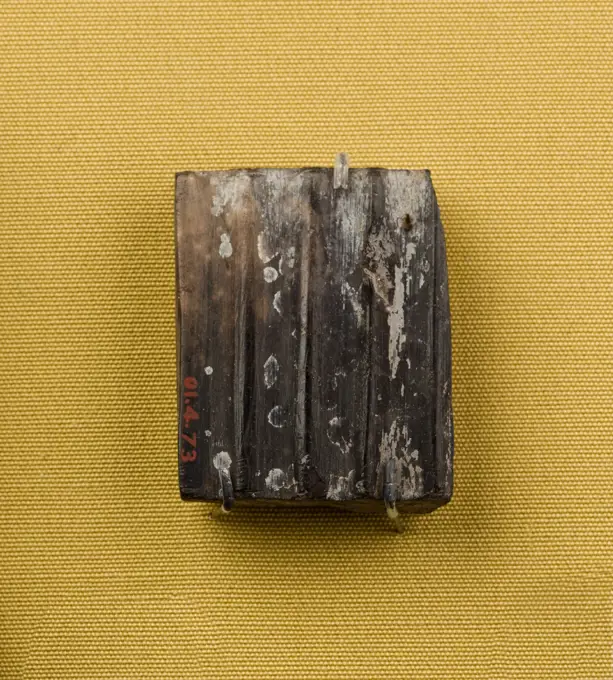
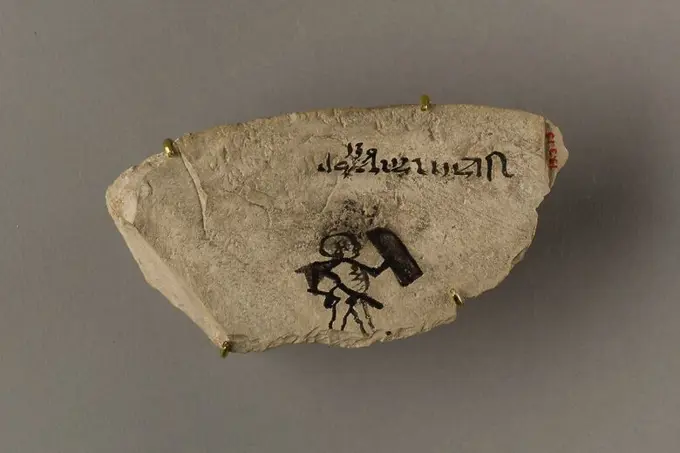
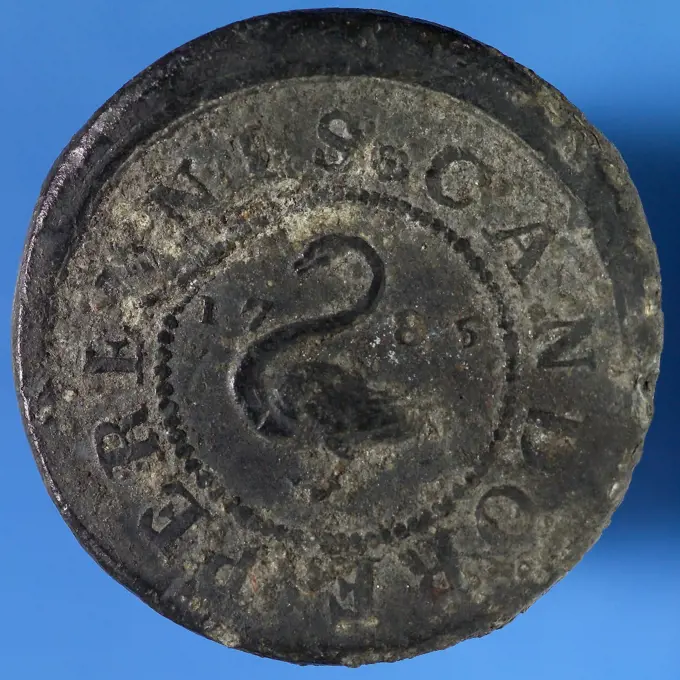
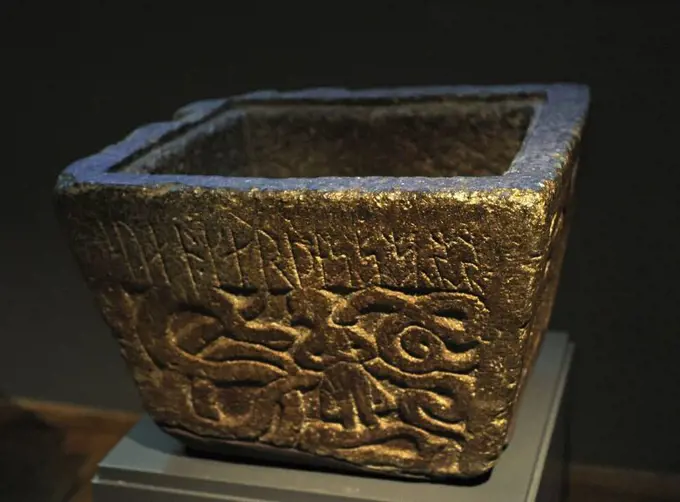
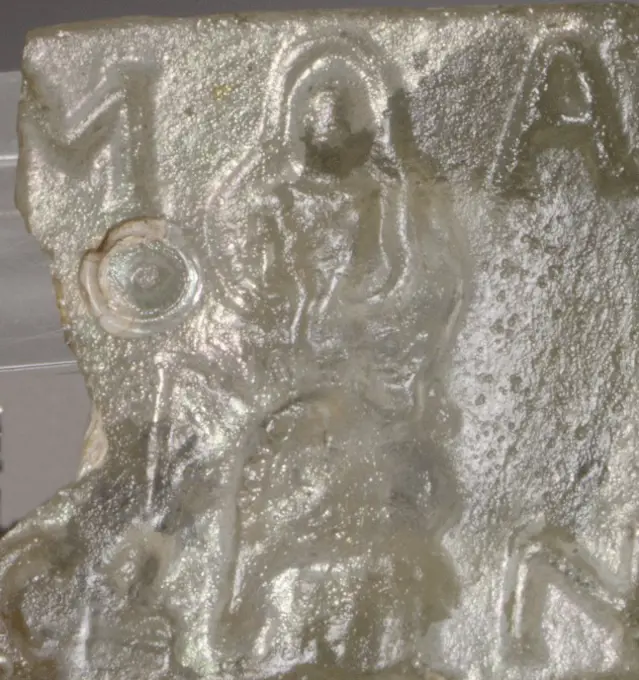
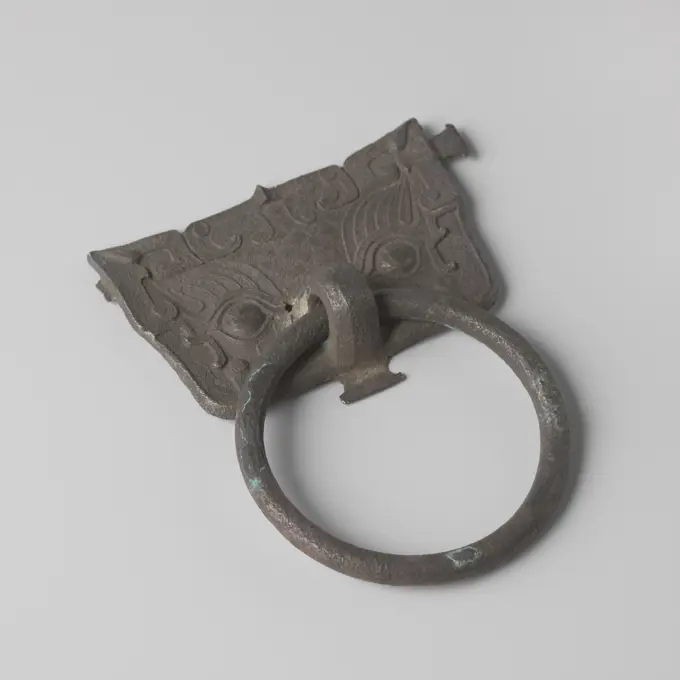
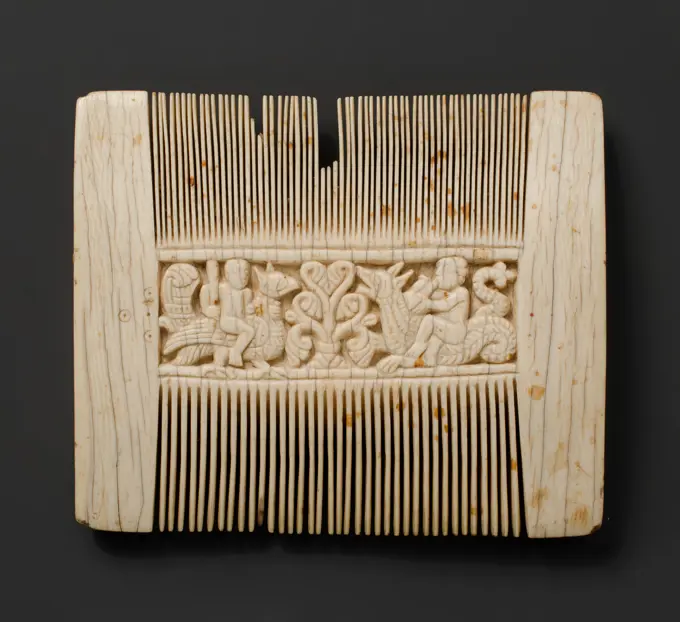
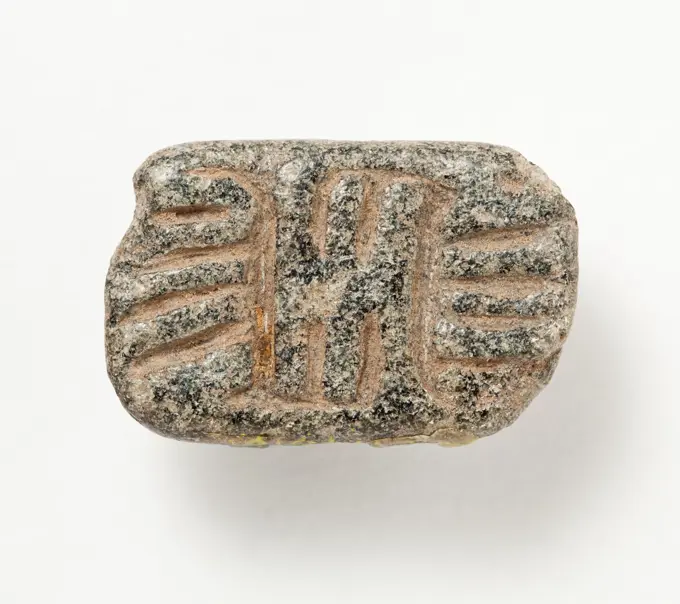
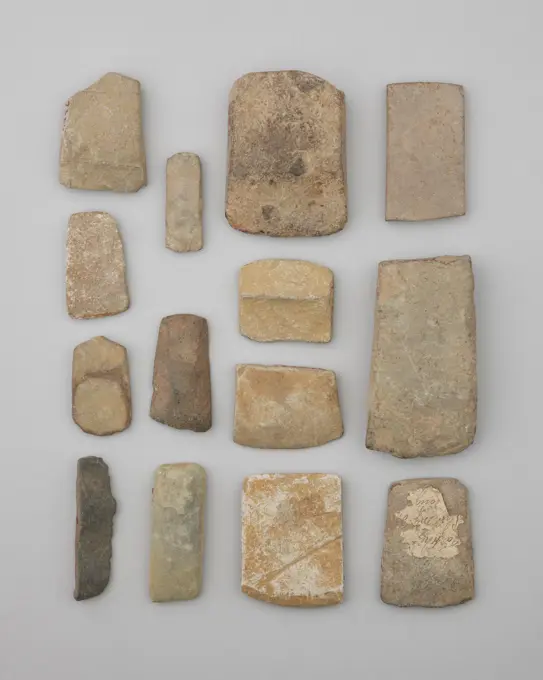
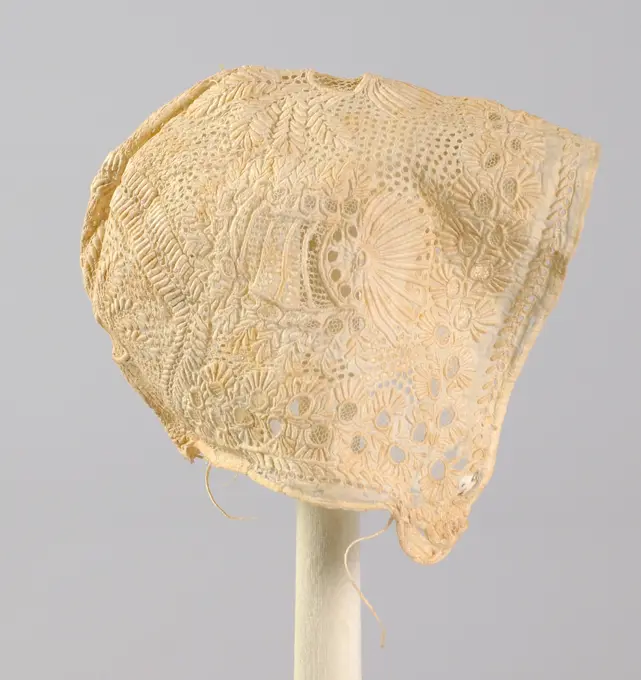
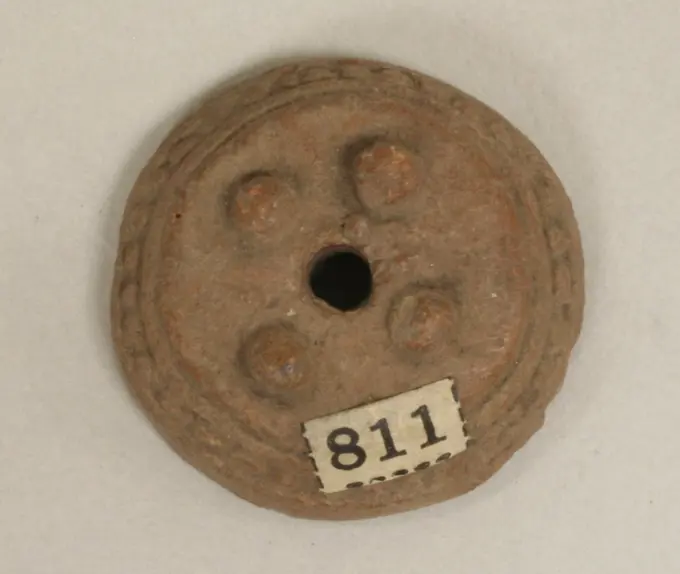
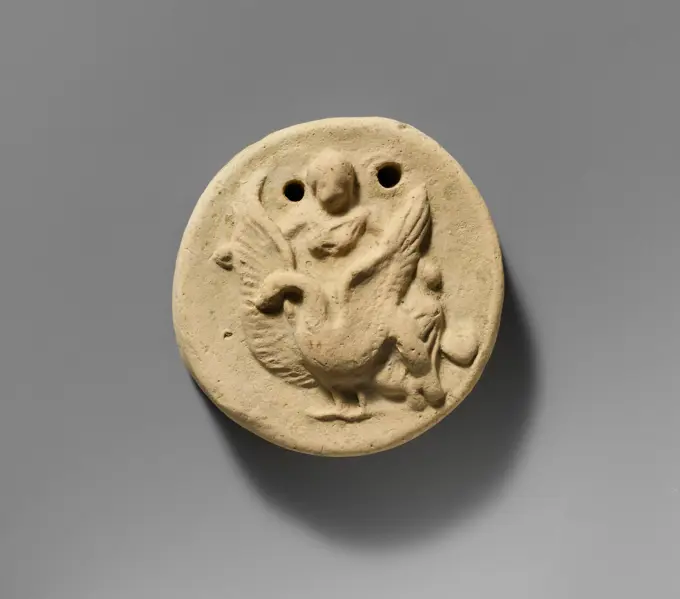
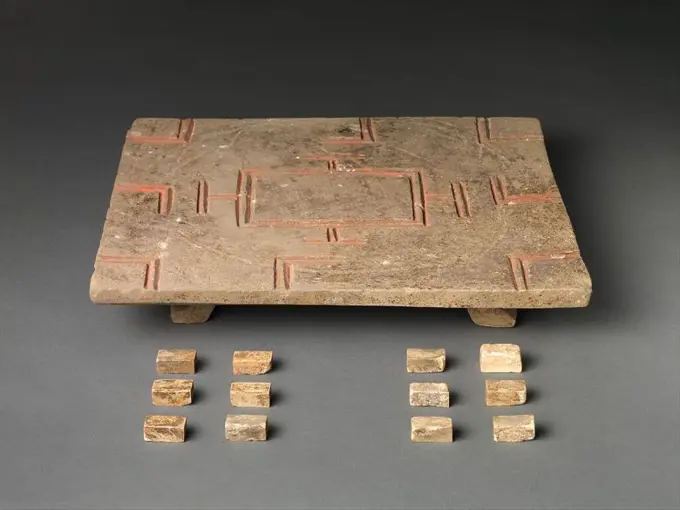
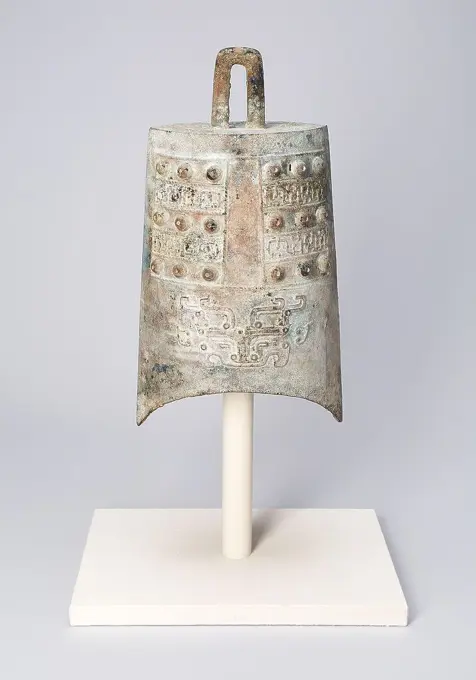
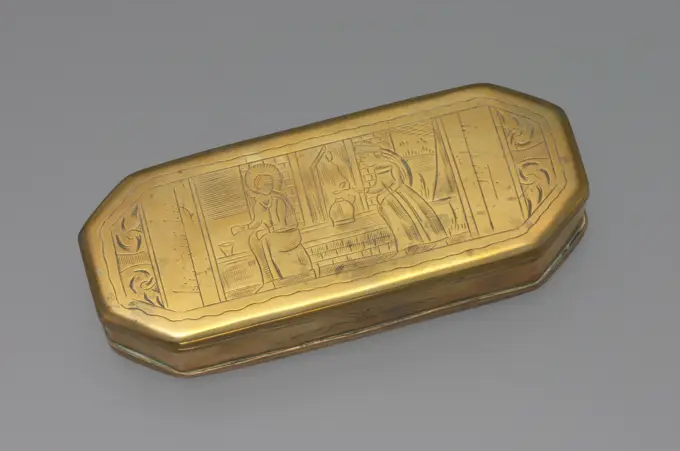
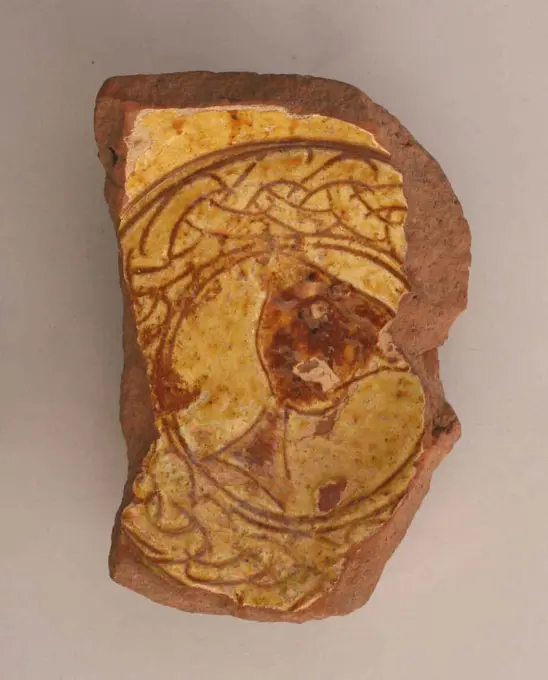
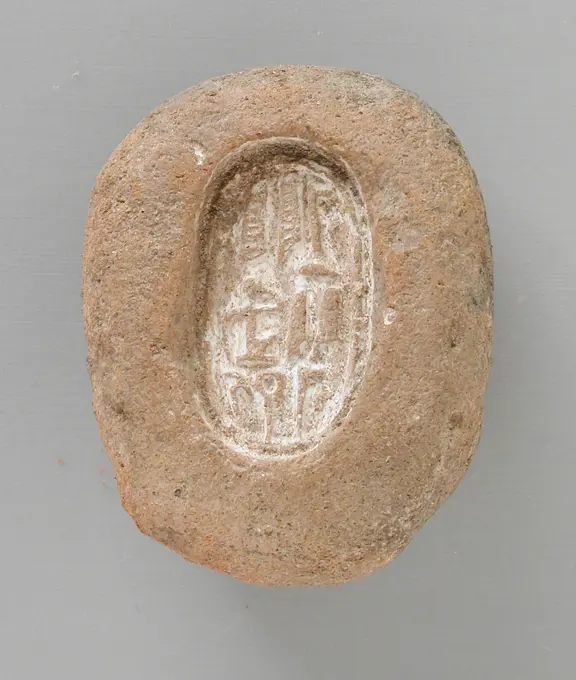
Mold with Birth Name of King Ay. Egypt, New Kingdom, 18th Dynasty, reign of Ay (1346 - 1343 BCE). Tools and Equipment; molds. TerracottaConical spindle-whorl with flat base. Culture: Cypriot. Dimensions: H. 1 5/8 in. (4.1 cm). Date: ca. 1900-1725 B.C..Spindle whorls aided in the making of cloth for garments and bedding. They were placed in tombs, perhaps so that the deceased could continue to spin wool in the afterlife. Museum: Metropolitan Museum of Art, New York, USA.Fragment majolica plate, polychrome moresken motif, on reverse purple rings, plate dishware holder soil find ceramics pottery glaze, On the bottom series of figures partially swept on the bottom of the bottom figures: 18 8 2 11 5 archeology to serve indigenous pottery serveShards of a Martavan from V.O.C. ship De 'Witte Leeuw', Before 1613  Shards of a Martavan from V.O.C. ship the 'Witte Leeuw'.  earthenware   Sint-HelenaPlaque with Interlinked Scrolls 700 BCE-600 BCE China. Jade .Ostracon ca. 1295-1070 B.C. New Kingdom, Ramesside Ostraca (plural for ostracon) are potsherds used as surfaces for writing or drawing. By extension, the term is applied to chips of limestone which were employed for similar purposes. Figural ostraca vary from sketches of a single feature to polychrome painted compositions. They were used to practice drawing, draft compositions, and copy scenes. However, some ostraca were created for more durable functions, used as cult images in religious practice and deposited at tombs or shrines as sites of access to the divine. Ostraca on which animals appear acting as humans have been variously interpreted as playful jokes, political satire, or illustrations to fables or myths in the oral tradition.Depicted on this ostracon is a man holding a shield and an axe, wearing nothing but a belt and penis sheath.. Ostracon. ca. 1295-1070 B.C.. Limestone, ink. New Kingdom, Ramesside. From Egypt, Upper Egypt, Thebes, Asasif, East of Pabasa, Radim, MMA excavaShawabty of Ditamenpaankh, 715-656 BC. Egypt, Late Period, Dynasty 25. Terracotta; overall: 3.2 x 1.4 x 1.2 cm (1 1/4 x 9/16 x 1/2 in.).Base fragment inscribed with the prenomen of Akhenaten ca. 1353-1336 B.C. New Kingdom, Amarna Period. Base fragment inscribed with the prenomen of Akhenaten 567656Tulle hat with Rijssel side; Be Bol consists of tulle -embroidered tulle that is trimmed along the forehead with a strip of Rijssel side, anonymous, c. 1800 - c. 1900 Tulle hat with Rijssel side. The sphere consists of tulle embroidered with moesjes. The ball is trimmed with a strip of Rijssel side that is folded along the forehead. maker: FrieslandLille whole: Linen (Material). embroidering / Lille lace Tulle hat with Rijssel side. The sphere consists of tulle embroidered with moesjes. The ball is trimmed with a strip of Rijssel side that is folded along the forehead. maker: FrieslandLille whole: Linen (Material). embroidering / Lille lacePieter Rijckx, Sculpture boys' dormitories Burgerweeshuis, coats of arms, tresses and ribbon, facing brick sculpture sculpture building component sandstone stone circa, sculpted Coats of arms tufts and ribbon of the sculpture of two boys above the entrance of the boys' dormitories of the Gereformeerd Burgerweeshuis Twelve parts of which five fractions. Full façade decoration: two boys standing on consoles holding long ribbon on which the family coat of arms hang with the names of the Regents who then ran the orphanage. These regents were the husbands of the regentesses on the coats of arms of 10094 On coats of arms: (poorly readable by many layers of burnt paint) S. Lois Q. of Linden T. van Naerssen . den Adel D. Jardez J. Weijmans J. Vosmaer Y Dircks (illegible) . Hofflant heraldic night Gereformeerd Burgerweeshuis Gereformeerd Burger Orphanage war Second World War Rotterdam City Center Stadsdriehoek Goudsewagenstraat Goudsewagenstraat Rotterdam from rubble after the bombing of May 19Spindle Whorl, 700s - 900s. Iran, early Islamic period, 8th - 10th century. Bone, incised; overall: 0.8 x 2.1 x 2.1 cm (5/16 x 13/16 x 13/16 in.).A fragment of a tile with a Korzbig coat of arms (three carp arranged horizontally)  Greater Poland Museum, PoznańPalette 10th-11th century. Palette 449663Fragment of a small bowl without a foot; Unknown Nubian workshop; 2. PO. IX-1. after. 10th century; Classic Christian period (851-00-00-950-00-00);Nubian ceramics, geometric decorations, imprinted decorations, crosses, fans without foot, nubian vessels, nubian dishes paintedFloor tile. Square floor tile. Image of a men's head in profile to the right, with blue hat.Octafoil-shaped Mirror Featuring Ci Fei, the Dragon Slayer, 900s-1300s. China, Jin dynasty (1115-1234) or Korea, Goryeo dynasty (918-1392). Bronze; diameter: 17.2 cm (6 3/4 in.); overall: 1.1 cm (7/16 in.); rim: 0.5 cm (3/16 in.).Fragment of a terracotta plaque 7th century B.C. Greek, Cretan Fragmentary, head in helmet with visor and long waving crest; part of spear at left.. Fragment of a terracotta plaque 254729 Greek, Cretan, Fragment of a terracotta plaque, 7th century B.C., Terracotta, 2 1/2 in. x 4 1/2 in. (6.4 cm x 11.5 cm). The Metropolitan Museum of Art, New York. Gift of the Archaeological Institute of America, 1953 (53.5.4)Spindle Whorl, 700s - 900s. Iran, early Islamic period, 8th - 10th century. Bone, incised; overall: 0.7 x 2.1 x 2.1 cm (1/4 x 13/16 x 13/16 in.).Shards of Martavanen from V.O.C. ship De 'Witte Leeuw', Anonymous, Before 1613  Shards of Martavanen from V.O.C. ship De 'Witte Leeuw'. With and without glaze. southeast Asia stoneware. porcelain. glaze   Sint-HelenaPanel 14th-15th century. Panel 445118Button or Bead 9th-10th century This object was excavated at Nishapur.Nishapur was a vital city in the early and middle Islamic periods, located along one of the main trajectories that connected Iran and West Asia Islamic lands with Central Asia and China. These itineraries are often referred to by the term Silk routes’ but were in fact crucial to the movement of constellations of materials and objects, as well as people and ideas. The diverse population of Nishapur and its surroundings, from the better-researched elite groups of merchants, land-owning aristocracy, and literates, to the less-known artisans, farmers, miners, and servants, were instrumental in adapting global cultural trends to create their own distinctive visual languages. This is seen in the material remains of everyday life in medieval Nishapur - from pots and pans to lighting devices, inkwells, textiles and trimmings, jewelry, games and toys, talismanic devices, weapons, coins, and architectural fragments.Nishapur lFragment of a Frieze 6th-7th century. Fragment of a Frieze 446113Mold in Two Parts, 305-30 BC. Egypt, Ptolemaic Dynasty (or later). Limestone; overall: 8.8 x 9 x 3.5 cm (3 7/16 x 3 9/16 x 1 3/8 in.).Panel 14th-15th century. Panel 445059Fragment of the box of a drum. Bronze. Cernuschi Museum, Asia Museum of Asia in the city of Paris.Standing Ceramic Female Figure 12th-9th century B.C. Tlatilco. Standing Ceramic Female Figure 317818Hair stone, on which a man and woman, watching each other, between them a mast. Hair stone, on which a man and woman, watching each other, between them a mast. Of fine baked earth.Relief-decorated Lentoid Bottle ("New Year's Bottle"); Horus falcon in marshes on one side; cow goddess in marshes on the other. Dimensions: H 11.4 cm (4 1/2 in). Dynasty: Dynasty 26. Date: 664-525 B.C..The goddess Nebethetep, who is invoked in the inscription and who is related to Hathor, strides through the marshes in the scene on one side of this jar. On the other the falcon god Horus is depicted in a thicket in the marshes.Relief-decorated faience vessels of the first half of the first millennium B.C. form a distincitve group. The scenes they exhibit are drawn from a set of interconnected cycles mainly having to do with divine and royal rebirth and great female goddesses, mythological events that were filled with meaning for society's continuity and prosperity. As the inscription on the rim of this vessel indicates, these themes were evoked at the transition to a new year, which in Egypt occurred when the Inundation began to cover the land and the success of the coming growing seBelt Plate 6th-7th century Frankish. Belt Plate 465022 Frankish, Belt Plate, 6th7th century, Iron, silver inlay, Overall: 1 3/4 x 1 3/4 x 3/8 in. (4.5 x 4.4 x 1 cm). The Metropolitan Museum of Art, New York. Gift of J. Pierpont Morgan, 1917 (17.191.310)Sherd ca. early to mid-3rd millennium B.C. Indus. Sherd 324711BASA DE MARMOL - SIGLO XI - PROCEDENTE DEL CONVENTO DE SANTA ISABEL DE LOS REYES - Nº INV 5240. Location: INSTITUTO VALENCIA DE DON JUAN-COLECCION. MADRID. SPAIN.Tile Wall Facing (Netherlands); tin-glazed earthenware, underglazeTextile Fragment 4th-6th century or 9th century. Textile Fragment 456918Bird Plaque Ornament 3rd century B.C.-A.D. 2nd century Vicús. Bird Plaque Ornament 314730Museu de Mallorca, Palma, Majorca, Spain.Scarab, 1648-1540 BC. Egypt, Second Intermediate Period. Turquoise-glazed steatite; overall: 1.1 cm (7/16 in.).Limestone inscribed disk Cypriot. Limestone inscribed disk 241913Tools for a needle side motif in the form of tailor linen on which green parchment is sewn with white traced wires in a half -fan -shaped flower, Kantwerkschool (The Hague), c. 1906 - c. 1910 Tools for a needle side motif in the form of double tailor linen on which green parchment is sewn. On the parchment, a fan shape has been made with white tracer threads with a rainbow in the center with three -stern flower leaves around it, seven in total to the highest point increasing in size. Part of the trace wires has already been processed with feston stitches and the flower leaves have started making fillings. On the parchment is written with pencil: "1-" and a poorly readable text in blue and red ink. The Hague linen (material). parchment (animal material) sewing Tools for a needle side motif in the form of double tailor linen on which green parchment is sewn. On the parchment, a fan shape has been made with white tracer threads with a rainbow in the center with three -stern flower leaves PILA DE LOS PATOS. Location: MUSEO ARQUEOLOGICO-COLECCION. Sevilla. Seville. SPAIN.Stone Temple Model 1st-8th century Mezcala. Stone Temple Model 317553Excerpt (foot) with red shard, in sgraffito technology some leaves (), Between which the letters brod, on a beige stock with here and there ocher and green, anonymous, 1200 - 1899  Italy earthenware  Italy earthenwareVase fragment Roman Seated man.. Vase fragment. Roman. Terracotta. VasesZygmunt Bell (Bell Between Akantu Leaves)  Zygmuntów Tower, Wawel Cathedral, Krakow Beheem, Hans (FL. 1520)Bliżej Kultury unknownPlaque and fragment from a golden diadem. Hallstatt style. Found in Ribadeo. Marid, Valencia de Don Juan Institute. Location: INSTITUTO VALENCIA DE DON JUAN-COLECCION. MADRID. SPANIEN.Fragment of a Bowl. Byzantine; Asia Minor, Constantinople. Date: 1201-1400. Dimensions: 3.2 × 6.4 × 6 cm (1 1/4 × 2 1/2 × 2 3/8 in.). Ceramic. Origin: Istanbul. Museum: The Chicago Art Institute, Chicago, USA.FOSSILES.Stamp Seal, Tabloid. Western Iran, circa 4th millennium B.C.. Tools and Equipment; seals. Greenish gray serpentineHearing stone of baked earth with diamond -shaped distribution, anonymous, 1587 Hearing stone of baked earth with diamond -shaped distribution. With the year 1587. In two pieces. Southern Netherlands earthenware Hearing stone of baked earth with diamond -shaped distribution. With the year 1587. In two pieces. Southern Netherlands earthenwarePurse. Culture: probably French. Date: fourth quarter 17th century. Museum: Metropolitan Museum of Art, New York, USA.Fragment of a Bowl 12th-13th century. Fragment of a Bowl 447210Fragment of Bowl 14th-15th century. Fragment of Bowl 446528Majolica dish, polychrome, rosette and star shape in the rim, plate dish tableware holder majolica soil finding ceramic earthenware enamel, baked underside covered with partly shrunken and greenish lead glaze. Italian Dutch decor Polychrome archeology Italy decorate serving foodInscribed fragment, Aten cartouches ca. 1353-1336 B.C. New Kingdom, Amarna Period. Inscribed fragment, Aten cartouches 549856Hollow Bangle with Pellets and Decoration 300 B.C.-A.D. 400 Thailand. Hollow Bangle with Pellets and Decoration 53335Furniture element ca. 18th century B.C. Old Assyrian Trading Colony. Furniture element 329687Bible illustrations, c. 1550 - c. 1699    wood (plant material)Fragment from the Base of a Bowl with "K" Monogram. Byzantine; Constantinople or vicinity. Date: 1201-1400. Dimensions: H. 2.75 cm (1 1/8 in.); w. at widest point: 7 cm (2 3/4 in.). Glazed terra-cotta. Origin: Constantinople. Museum: The Chicago Art Institute, Chicago, USA.Faience scarabs. a) Egyptian, probably with the name of Psammetichus I (664-610 BC), b) Type imitated in the Aegean area, c) Maybe made __in Phoenicia, d) Possibly made __in Rhodes, e) Egyptian, possibly with the name Psammetichus II (595-589 BC): f) Egyptian style imitated freely; g) Imitation of Egyptian style. 7th-6th centuries BC. From Isis Tomb, Polledrara Cemetery, Italy. British Museum. London. England. United Kingdom.Fragment of burned ivory furniture ca. 3100-2900 B.C. Early Dynastic Period. Fragment of burned ivory furniture. ca. 3100-2900 B.C.. Ivory. Early Dynastic Period. From Egypt, Northern Upper Egypt, Abydos, Umm el-Qaab, Tomb of Djer, Egypt Exploration Fund excavations. Dynasty 1Ostracon. Dimensions: 7.5 x 14.5 x 3.8 cm (2 15/16 x 5 11/16 x 1 1/2 in.). Dynasty: Dynasty 19-20. Date: ca. 1295-1070 B.C.. Museum: Metropolitan Museum of Art, New York, USA.Daalder, emergency coin from Haarlem, beaten during the siege, Anonymous, 1572 - 1573 coin. siege coin Unilateral, diamond -shaped emergency coin with beveled corners. Front: three stamps above each other, and one right of it; From bottom to top: Master sign: star and crescent; City coat of arms: Conversely, sword with two stars on either side, a cross on the point of sword; year; On the right a knock: lion on shield. Reverse: Blanco Haarlem silver (metal) striking (metalworking)  HaarlemEvening meal medal 1786, supper medal penny exchange lead metal, d 0.2 Supper medal of the Evangelical Lutheran congregation with on the front in circle text CANDORE PERENNIS with rosettes between and in the middle of pearl ring swan or pelican with on both sides 17 and 86 and on the other side in circle text REGNUM CHRISTI with rosettes between and in the middle in pearl ring branch with leaves and with grains or palms and kind of braided branches possibly crown of thorns, 17 86 CANDORE PERENNIS Christ supper religion bible gospel commemorationHead of a WomanFragments, 1100s. Egypt, Ayyubid, 12th century. Tabby with supplementary weft; silk; average: 21.5 x 5 cm (8 7/16 x 1 15/16 in.).Paleo-Christian Era. Baptismal font with the inscription "Sven made me" and a relief depicting Gunnar in the serpent's nest, the scene of the Volsunga saga. From Norum, provincial of Bohuslan. Historic museum. Stockholm. Sweden.Grated. Bronze. Cernuschi Museum, Asia Museum of Asia in the city of Paris.Copper alloy razor ca. 1800-1725 B.C. Cypriot Leaf-shaped blade with tang and no rivet-holes.. Copper alloy razor. Cypriot. ca. 1800-1725 B.C.. Bronze. Middle Bronze Age. BronzesThirteen hexagonal floor tiles. Thirteen hexagonal floor tiles decorated with stylized petal motifs. The edges are deposited with wide piping. In the middle of a long side the coat of arms of the Montmorency family.Keystone from the Chapterhouse of the Cistercian Monastery in Jędrzejów unknownVessel with a hieratic inscription;  around 2686- 2181 BC ; Old PAGlass Mercury’ bottle fragment 2nd-3rd century A.D. Roman Translucent pale yellow green.Fragment of square bottle: square, thick-walled body, tapering downwards; slightly concave bottom.In relief on bottom, cloaked figure, facing three-quarters left, seated on a cushioned chair with proper right leg raised and resting on footstool; in each corner, a large capital letter: M A C N; below M, indented circle with small central boss.Broken around body (with weathered edges) and most of left edge of bottom also missing; pinprick bubbles; pitting and iridescent whitish weathering.This base fragment has an impression of the stamp that was carved into the mold. It depicts a draped and veiled figure seated on an armchair. Flanking the figure are the letters MACN, the meaning of which remains unclear.. Glass Mercury’ bottle fragment 256588Ancient Rome. Ceramic Stamp-seal. National Archaeological Museum. Tarragona. Spain.Terracotta loom weights, from Forli, Emilia Romagna region, ItalyHandle. Main motif taotie; furthermore characteristic leave Zhou-ornamentics; Forms a couple with Mak 16b.Central America, El Salvador, San Salvador, Joya de Ceren (Jewel of Ceren) Museum. Pottery shards. UNESCO World Heritage Site.Copper-Alloy Bracelet 6th-8th century This bracelet consists of four medallions linked by a series of circles and rectangles, decorated with concentric circles and triangles. Incised on the medallions are a woman's face, a fish, a boat, and a Greek inscription that has yet to be identified. Images of women like the one seen here are common in early Byzantine art. They were associated with the abundance of the earth and were meant to attract good fortune.. Copper-Alloy Bracelet 454699Fragment. Dimensions: L 7.5 cm x W 7 x H 2. Date: probably 8th-12th century. Museum: Metropolitan Museum of Art, New York, USA.Liturgical Comb late 11th-early 12th century Italian Decorated double-sided combs were generally used for the ritual preparation of the priest before the celebration of the Mass, but they could have a secular function as well. In some cases they entered church treasuries as relics of saints. The vigorous design of two youths mounted on confronting griffinlike beasts derives from Eastern motifs. Southern Italy had many political, cultural, and artistic contacts with Byzantium and the Islamic world.. Liturgical Comb. Italian. late 11th-early 12th century. Ivory. IvoriesHearing stone with a double -headed eagle and two stars, Anonymous, 1500 - 1558  Hairstone of Grove Earth. Double eagle with two stars. Southern Netherlands earthenwareStamp, Gabled with Rounded Back. Northern Syria or southeast Anatolia, circa 3500 - 3100 B.C.. Tools and Equipment; stamps. White-mottled serpentine rockArras - cup cover. unknown, authorFragment of the vessel; Egyptian workshop; VII-VIII century (601-00-00-800-00-00);Anonymous set of fragments of cut stones (common name). Rock. Cernuschi Museum, Asia Museum of Asia in the city of Paris.Cap ca. 1830 American. Cap 168365Part of the neck and handle of an Attic marble funerary loutrophoros 4th C BCSpindle Whorl 10th-early 16th century Mexican. Spindle Whorl 307579Terracotta disk with Aphrodite riding on a swan 4th century B.C. Greek In Greek art, beginning at least in the Archaic period, Aphrodite was sometimes depicted with a swan, a symbol of good health, music, divination, and grace. In Roman times, Latin poets, such as Ovid and Horace, also referred to the goddess in her chariot being drawn through the air by swans.. Terracotta disk with Aphrodite riding on a swan 248373Coin fromBritain.  Artist: UnknownLiubo Board and Pieces. Culture: China. Dimensions: L. 14 1/4 in. (36.2 cm); W. 12 3/8 in. (31.4 cm); H. 2 in. (5.1 cm). Date: 1st century B.C.-1st century A.D..A popular game in the Han dynasty, liubo involves two players who gamble using dice, counters, gaming pieces, and a marked board. These figures, captured in a dramatic moment, embody the wish for the continuation of life in the tomb. Museum: Metropolitan Museum of Art, New York, USA.Excerpt of copper from the wreck of the East Indians Hollandia, 1700 - in or before 1743 fragment Varied parts or fragments; unidentified and miscellaneous parts or fragments; fragm of fitting, possibly part of mechanism, groundplate, eroded; disc, flat, circular, straight and wavy rim, on one side along rim 2 short, vertical knob-shaped fittings, square in section and with flattened, spherical ends, circular holes. Netherlands copper (metal)   SecondGreen floor tile, anonymous, c. 1500 - c. 1800 Green glazed, square tile from the church in Hoogkerk near Groningen. Probably a floor tile. Netherlands earthenware Green glazed, square tile from the church in Hoogkerk near Groningen. Probably a floor tile. Netherlands earthenwareLoop Suspension Bell (Niuzhong). China. Date: 799 BC-500 BC. Dimensions: 34.8 × 19.9 cm (13 3/4 × 7 13/16 in.). Bronze. Origin: China. Museum: The Chicago Art Institute, USA.TobaccoBoxSilver Disk Ornament 12th-15th century Ecuador. Silver Disk Ornament. Ecuador. 12th-15th century. Silver (hammered). Ecuador. Metal-OrnamentsBronze plaque in the shape of a boar ca. 5th-4th century B.C. Greek Perhaps a shield ornament. Repoussé in relief. Appears to be charging with head down and one knee bent. A garland of inverted palmettes is incised around the neck.. Bronze plaque in the shape of a boar. Greek. ca. 5th-4th century B.C.. Bronze. Classical. BronzesKindershos van wit piqué, au printmps, c. 1800 - c. 1900 Children's shoe made of white piqué with band decorations. Closure through two hooks and trensen. Along the closure three knots with linen exaggerated. Paris pique Children's shoe made of white piqué with band decorations. Closure through two hooks and trensen. Along the closure three knots with linen exaggerated. Paris piqueBowl 9th century. Bowl. 9th century. Earthenware; slip covered and monochrome decorated under transparent glaze. Excavated in Iran, Nishapur. Attributed to Iran, Nishapur. CeramicsBust of a goddess. Culture: Greek, Sicilian. Date: 4th-3rd century B.C.. Museum: Metropolitan Museum of Art, New York, USA.Fragment of a Bowl 14th-15th century. Fragment of a Bowl 445214