Ancient Ceramic Fragments

A collection of ancient ceramic fragments, including vase and bowl pieces from various historical periods, showcasing intricate decorations and textures.
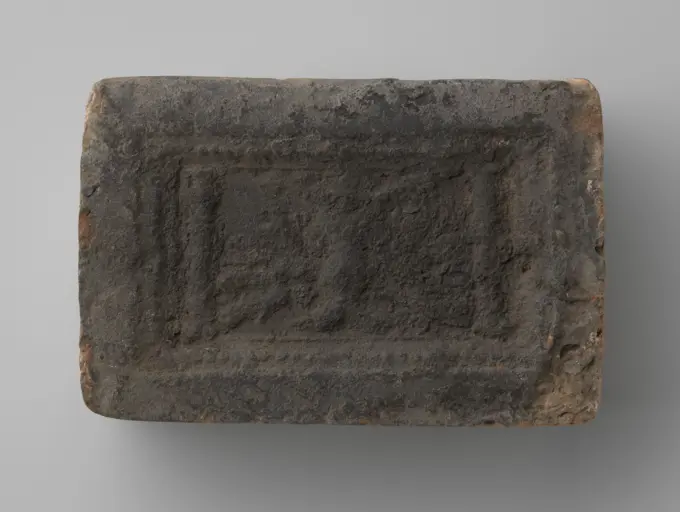
Highstone with representation of the two -headed eagle between the columns of Hercules, c. 1550 - c. 1600 Highstone with representation of the two -headed eagle between the columns of Hercules. Southern Netherlands earthenware Highstone with representation of the two -headed eagle between the columns of Hercules. Southern Netherlands earthenware
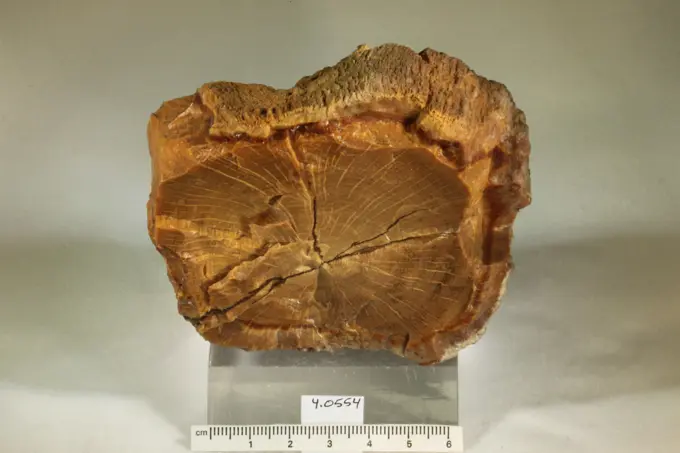
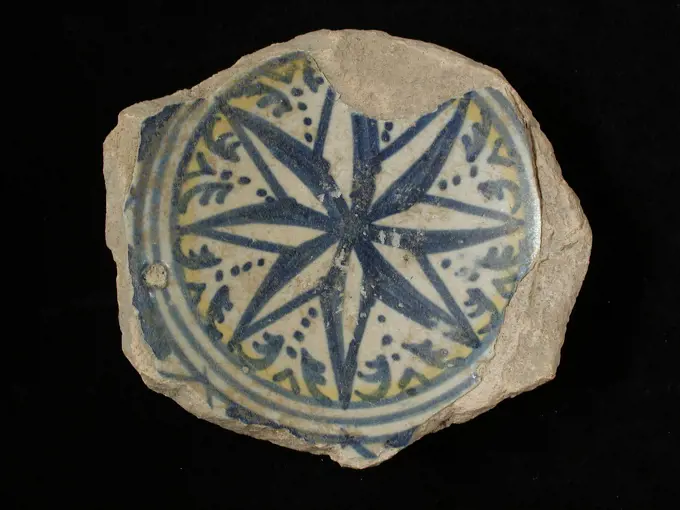
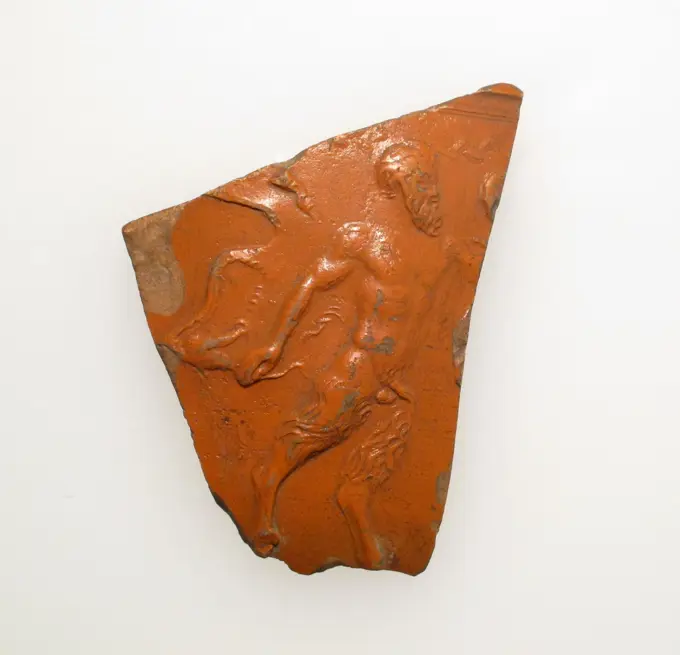
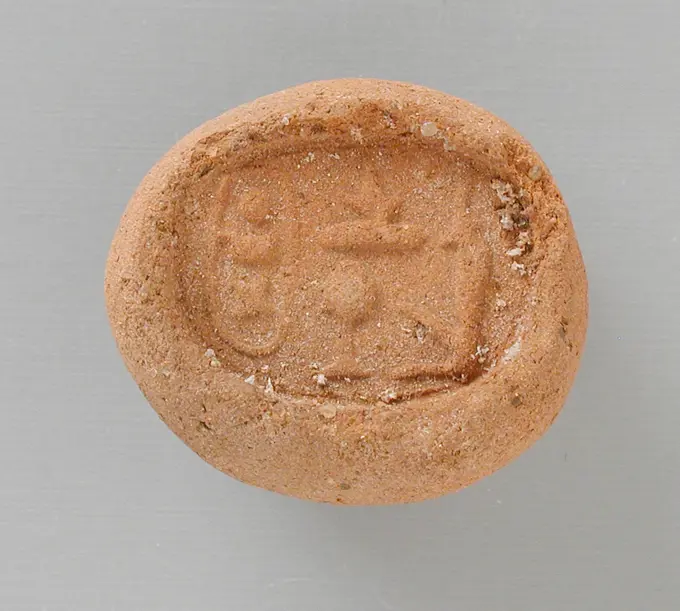
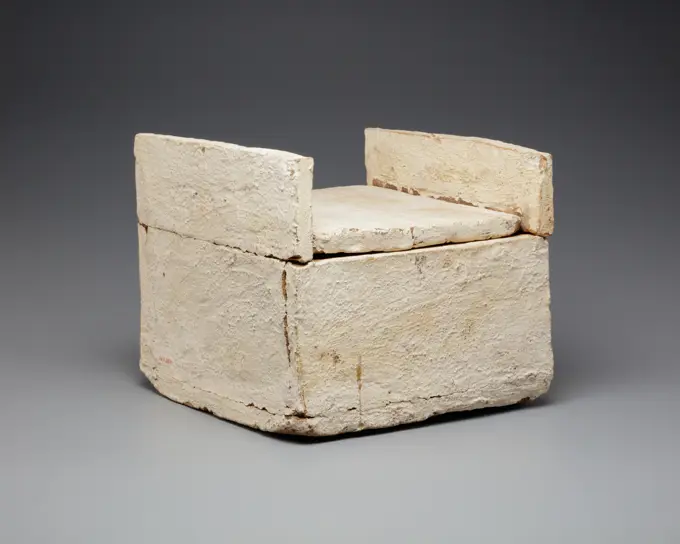
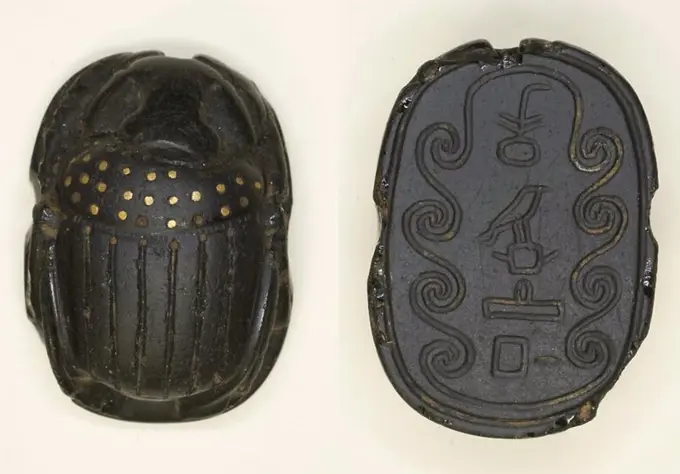
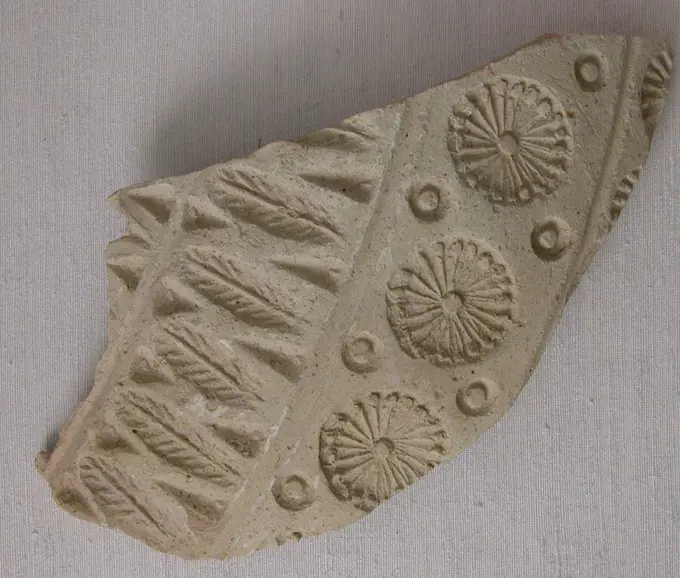
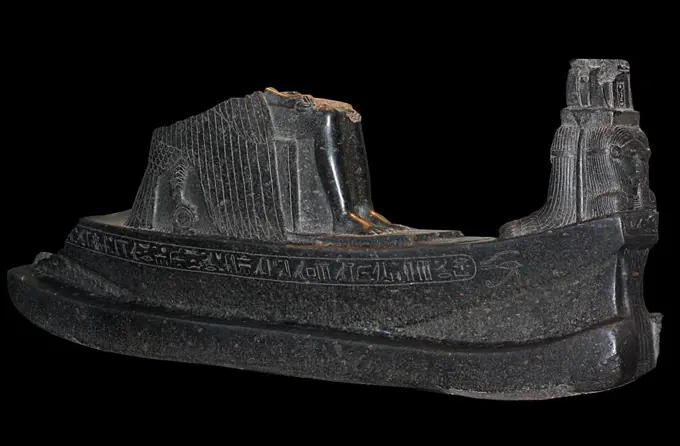
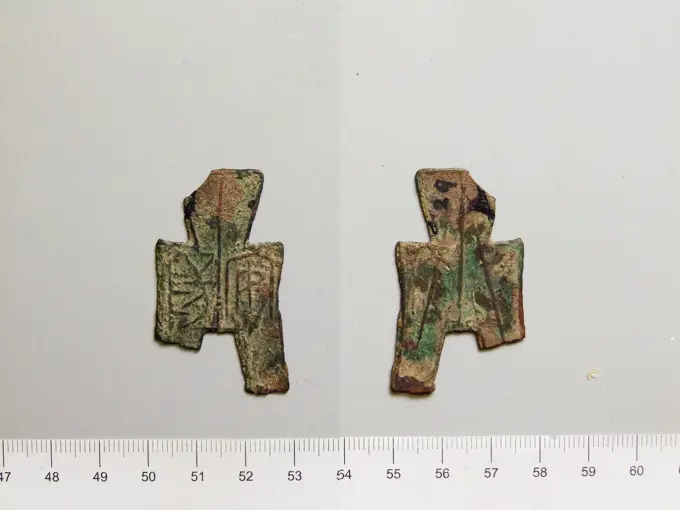
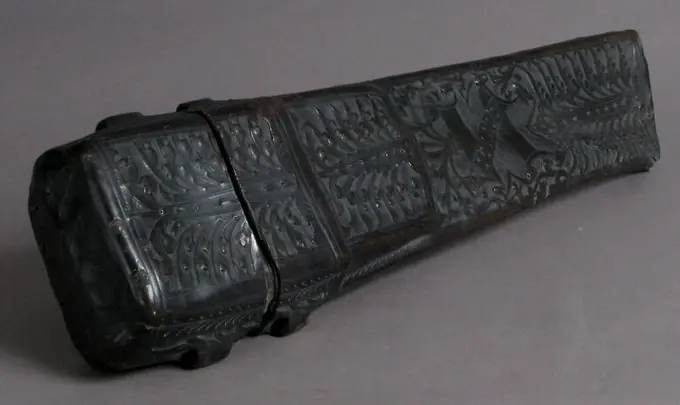
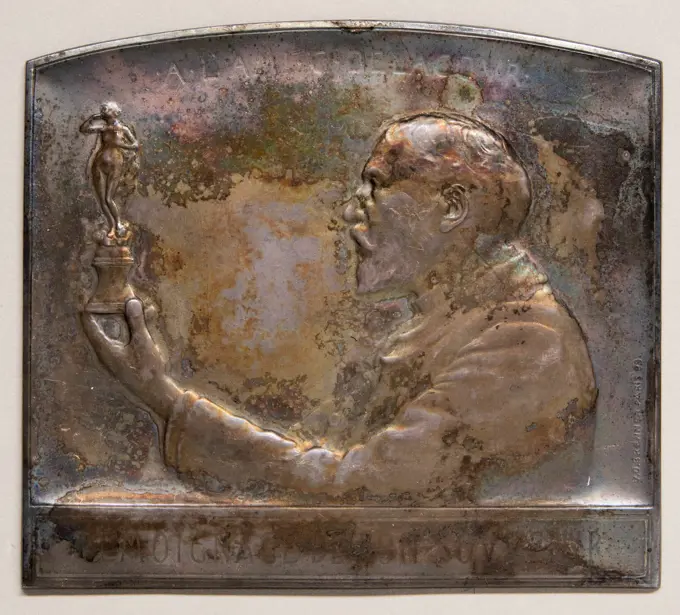
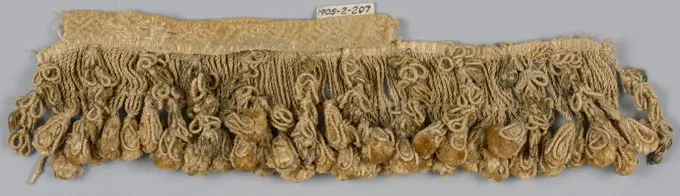
Offering slab for seven oils of Ankhwadjes ca. 2649-2100 B.C. Old Kingdom The slab is provided with seven circular depressions for the "seven sacred oils" that were used in mortuary rituals. The names of the oils are written above the hollows. The signs are delicately incised, but then less carefully covered with green pigment, much of which remains. Above the labes is a horizontal line of inscription asking that offerings be made for the owner of the slab, a nobleman named Ankhwadjes.. Offering slab for seven oils of Ankhwadjes. ca. 2649-2100 B.C.. Travertine (Egyptian alabaster). Old Kingdom. From Egypt. Dynasty 5-6Cylinder seal ca. early 3rd millennium B.C.. Cylinder seal 326921Opal. minerals. North America; USA; IdahoSK, Fragment majolica bowl or plate, polychrome, eight-pointed star, signed, bowl plate crockery holder soil find ceramic earthenware glaze, baked underside covered with lead glaze Milky white Polychrome. Signed on back: S and K archeology decorate serving foodBroken ball bearings. Documentation of Axel Crime that occurred 8/6 1958 at Motorvagn Trafikaktiebolaget Grängesberg - Oxelösund Railway, TGOJ YOA 104.Wedge-shaped Capital. Culture: Italian. Dimensions: Overall: 11 1/8 x 23 1/2 x 7 5/8 in. (28.3 x 59.7 x 19.4 cm). Date: late 11th century. Museum: Metropolitan Museum of Art, New York, USA.Vase fragment 1st century B.C.-1st century A.D. Roman Satyr.. Vase fragment 250374Mummy Mask Made 200 BCE-100 BCE Peru. Cotton, plain weave; painted . ParacasMold with Throne Name of Thutmose III. Egypt, probably Late Period (664 - 525 BC). Tools and Equipment; molds. ClayShabti Box of Nauny ca. 1050 B.C. Third Intermediate Period Seven shabti boxes were interred with Nauny; five came to New York in the division of finds (30.3.26-.30) and two are now in the Egyptian Museum, Cairo. All are made of sycomore wood and have high ends and flat lids that were meant to slide into grooves, although only one box (Cairo JE 55044) actually had these made. A white stucco wash was applied after the lids were closed. A total of 392 faience shabtis were divided between the boxes, in most cases packed tightly in an upright position. They are of two types: foremen and workers, with an average ratio of one foreman to ten workers. This box contained 5 supervisors and 51 workers.. Shabti Box of Nauny. ca. 1050 B.C.. Sycomore, stucco, paint. Third Intermediate Period. From Egypt, Upper Egypt, Thebes, Deir el-Bahri, Tomb of Meritamun (TT 358, MMA 65), first corridor, burial of Nauny, MMA excavations, 1928-29. Dynasty 21Vase. Bronze. Chine. Par musée musée malée. 71171-16 Chinese art, bronze, below, inscription, vaseScarab: Title and Personal Name (). Egyptian. Date: 2055 BC-1650 BC. Dimensions: 1.3 × 3.2 × 2.2 cm (1/2 × 1 1/4 × 7/8 in.). Stone, gold pigment. Origin: Egypt. Museum: The Chicago Art Institute, Chicago, USA. Author: Ancient Egyptian.Fragment with Stamped Leaves and Rosettes 7th-9th century This ceramic fragment was excavated in Ctesiphon, the Sasanian metropolis and administrative capital conquered by Arab Muslim armies in 637. The city was known in Arabic as al-Madain, or "the cities", for its extended area. Arab historians indulge in describing al-Madain/Ctesiphons grand monuments, which obsessed Muslim rulers and may have acquired a symbolic meaning related to its imperial past. This was the case of the Taq-i Kisra, an impressively-sized ivan (a vaulted hall with one side open) partially dismantled to reuse its bricks in caliphal buildings in the new capital Baghdad.Finds like this unglazed fragment attest to the patterns of continuity and change in material culture between the late Sasanian and the early Islamic period. The fragment bears a design of stamped leaves and rosettes found on late Sasanian and early Islamic unglazed wares. The decoration would have been obtained by juxtaposing the impression of sStatue of the 'Sacred boat of Queen Mutemwia', 18th Dynasty Egyptian (approx. 1400 BC). Made from black granite. Found recovered from the Temple of Karnak.Spade from Board ofRevenue.  Mint: Board of Revenue Artist: UnknownMarble Fragment with Greek Inscription. Egypt, Ptolemaic Period - Roman Period (332 BCE - 250 CE). Tablets. CalciteKnife Case. Culture: Austrian. Dimensions: Overall: 20 1/16 x 6 x 3 7/8 in. (50.9 x 15.2 x 9.9 cm). Date: 15th-16th century. Museum: Metropolitan Museum of Art, New York, USA.Dress Fragments 4th century Coptic. Dress Fragments 475076PIEZAS DEL TESORO DE CASTRO ELVIRA. Location: MUSEO ARQUEOLOGICO / CASTILLO. LA CORUNA. A CORUÑA. SPAIN.Tablet. Anatolia, circa 1900 B.C.. Tablets. ClayAncient stone engravings, interior view, exhibition in the State History Museum, Bishkek, Kyrgyzstan, AsiaFunerary Cone of First Prophet of Amun Djehuty ca. 1550-1525 B.C. New Kingdom. Funerary Cone of First Prophet of Amun Djehuty 559227Medal portraying Delacour 1899 United States. Silver . V. D. Brenner, Sr.Relief fragment from Tomb of Meketre ca. 1981-1975 B.C. Middle Kingdom. Relief fragment from Tomb of Meketre. ca. 1981-1975 B.C.. Limestone, paint. Middle Kingdom. From Egypt, Upper Egypt, Thebes, Southern Asasif, Tomb of Meketre (TT 280, MMA 1101), Court, Radim, MMA excavations, 1920. Dynasty 12Suggestions for Urns. Artist: L. V. Grave (British, 18th century). Dimensions: sheet: 8 1/2 x 5 in. (21.6 x 12.7 cm). Date: 18th century. Museum: Metropolitan Museum of Art, New York, USA.potter's seals, Archeological Museum. Úbeda, Jaén province, Andalusia, Spain.Fragment (Peru); woolLazio Viterbo Viterbo Museo Civico67. Hutzel, Max 1960-1990 Views of paintings (Middle Ages through 18th c.), frescoes, a tabernacle, coffin, sculpture reliefs, portal fragments, busts, sculpture, tapestry found in the Pinacoteca, Second floor gallery and Second floor cloister sequences. Antiquities: Many views of Etruscan and Roman fragments, sculpture, sarcophagi, pottery, masks, jewelry and other objects found in the Storeroom sequence (inventory numbers on back of prints), and the Cloister, Second floor Cloister, Valle Giulia, Sala Romana and Sala Etrusca sequences. General Notes: There are eight separate numerical sequences for this location. The cloister as an architectural structure, rather than museum site, is documented in the record and file for S. Maria della Verita, Cloister, all views of which are stored in Medieval core collection. Five views from the Museo Civico Second floor cloister sequence are stored in Medieval. German-born photographer and scholar Max Hutzel (1911-Half Daalder, emergency coin from Groningen, beaten during the siege, Anonymous, 1672 coin. siege coin Unilateral, diamond -shaped, silver emergency coin of Groningen, of 25 pennies. Front: Crowned coat of arms between value indication within the change. Reverse: Blanco. Groningen silver (metal) striking (metalworking)  GroningenTrimming (Spain); silk, copper wireRandfliese edge tile, sixteenth century, tile makers of Mudejar tradition, Huesca Diocesan Museum, Aragon community, Spain Copyright: xZoonar.com/TOLOxBALAGUERx 22307616Pijpop van Pijpaarde., Anonymous, c. 1600 - c. 1800 Pipe head of pipe earth. The pipe head is part of a series of seven pipe heads (BK-NM-6, BK-NM-5-1 to BK-NM-5-6), which on a cardboard, with a inscription (G.H.W.5. And G.H.W.6: Initials of the original collector Heinrich Gottfried Haasloop Werner (Kleef 16 April 1792-Elburg September 29, 1864), with sequence numbers), are mounted. Six heads have part of a stem, a head has no stem. Netherlands earthenware. pipe clay Pipe head of pipe earth. The pipe head is part of a series of seven pipe heads (BK-NM-6, BK-NM-5-1 to BK-NM-5-6), which on a cardboard, with a inscription (G.H.W.5. And G.H.W.6: Initials of the original collector Heinrich Gottfried Haasloop Werner (Kleef 16 April 1792-Elburg September 29, 1864), with sequence numbers), are mounted. Six heads have part of a stem, a head has no stem. Netherlands earthenware. pipe clayUninscribed scarab 30 B.C.-A.D. 364 Roman Period. Uninscribed scarab 552319Cylinder seal ca. 15th-14th century B.C. Mitanni. Cylinder seal 321410Relief fragment ca. 1981-1917 B.C. Middle Kingdom. Relief fragment 546669Taler, emergency coin of Gulik, beaten for paying the troops of Emperor Charles V who had taken the city without a fight in the previous year., Anonymous, 1543 coin. siege coin Unilateral silver emergency coin on thick irregular plate. Front: A stamp in Cartouche: Standing lion with sword in raised right claw between grades 4 and 3. Rail side: Blanco. Jülich silver (metal) striking (metalworking)  JülichRattle Native American (Arapaho) 19th century The etched and painted designs on this rattle include an eagle (thunderbird), a swallow-tailed kite, a Maltese cross (morning star) with zigzag lines, and a four-pointed star. The rattle is used by one person at a time to accompany solo singing during the peyote ritual.Jade bead necklace, central plaza museum, Chichicastenango, municipality of El Quiché department, Guatemala, Central America.Mold with birth Name of King Ay. Egypt, New Kingdom, 18th Dynasty, reign of Ay (1346 - 1343 BCE). Tools and Equipment; molds. TerracottaPiece of brown color cardboard in hand. Child holding a piece of brown color cardboardMedal Commemorating the Countess ofFlanders.  Artist: Armand Bonnetain, Belgian, 1883-1973Still life of pieces of gold and map