Ancient Ceramic Fragments

Historical pottery fragments from ancient civilizations, highlighting intricate decorations and materials from various periods.
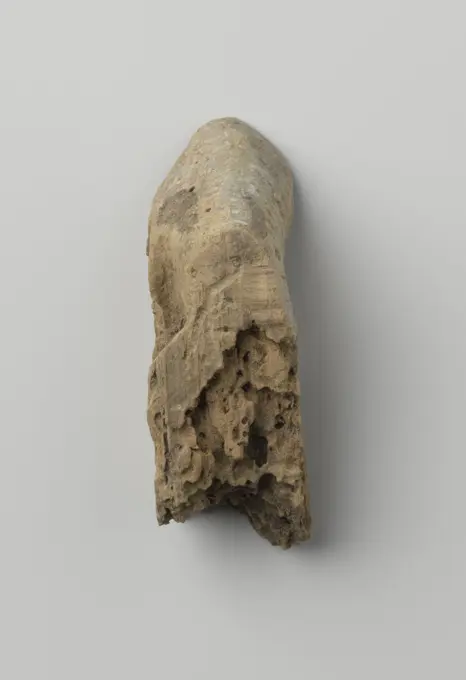
Fragment; (possibly) belonging to the retable of Soest, c. 1475 - c. 1499   wood (plant material)   wood (plant material)
Fragment; (possibly) belonging to the retable of Soest, c. 1475 - c. 1499 wood (plant material) wood (plant material)
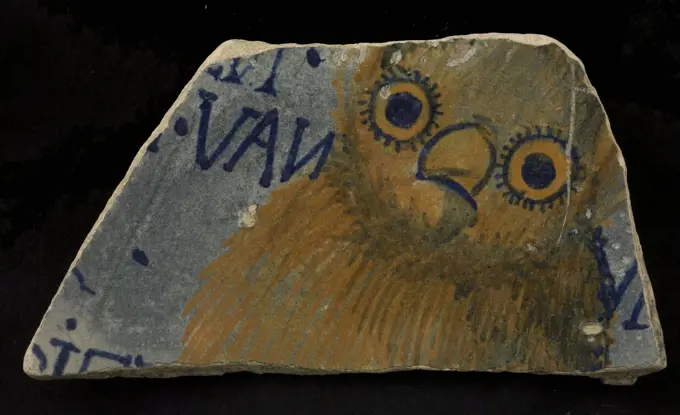
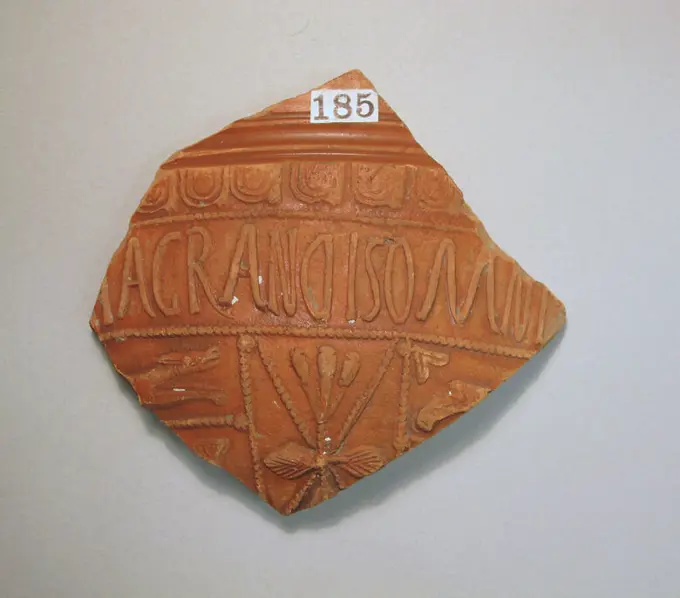
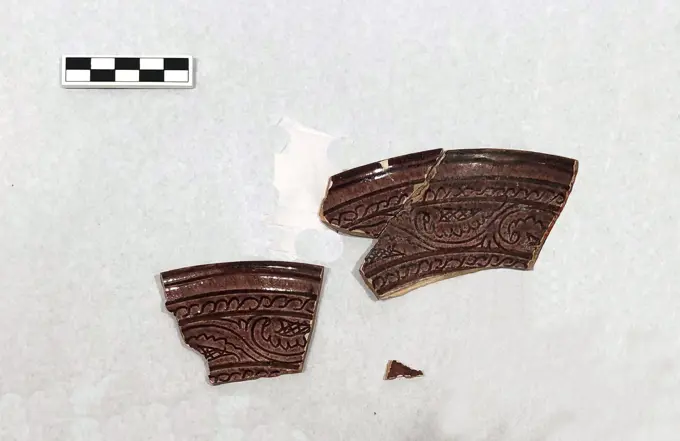
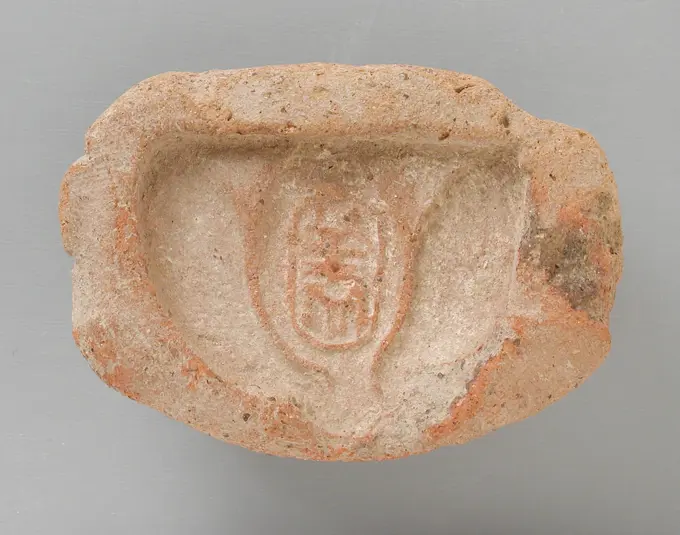
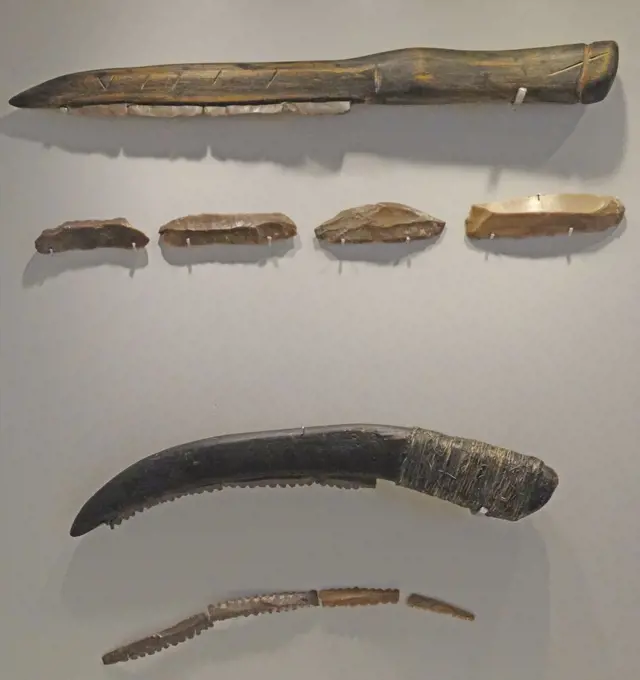
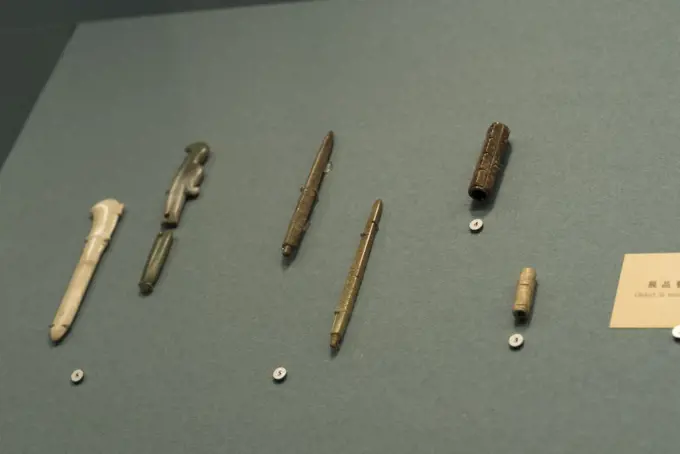
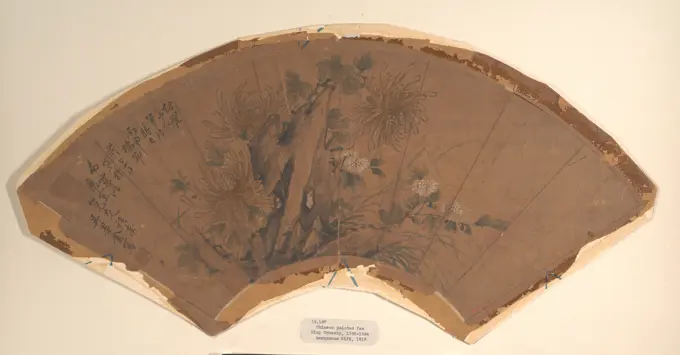
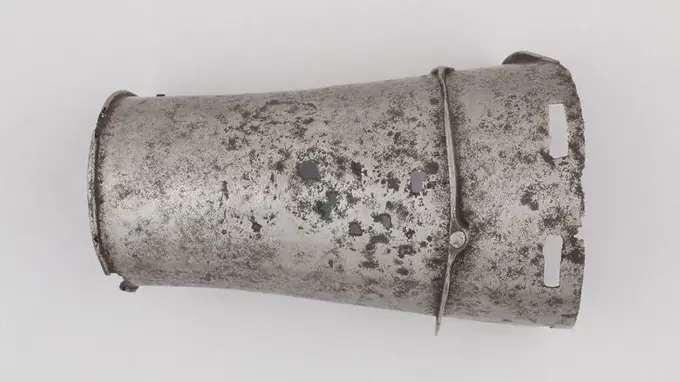
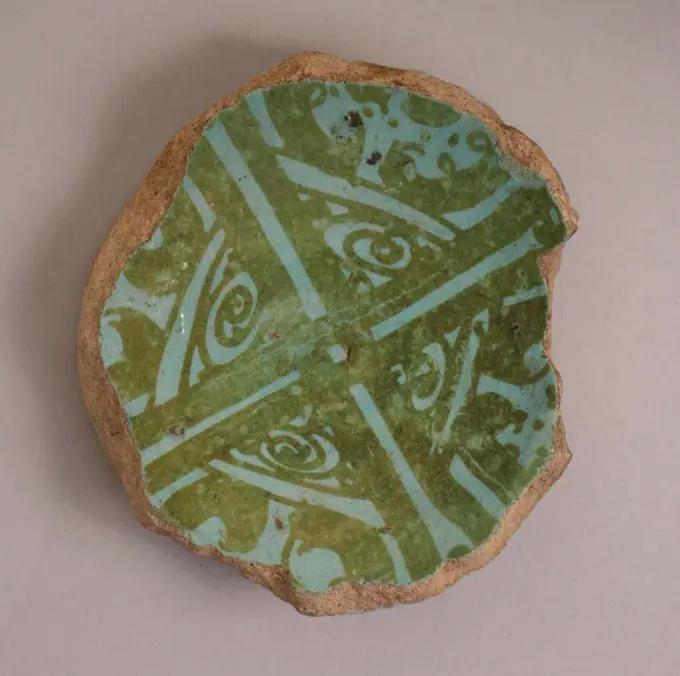
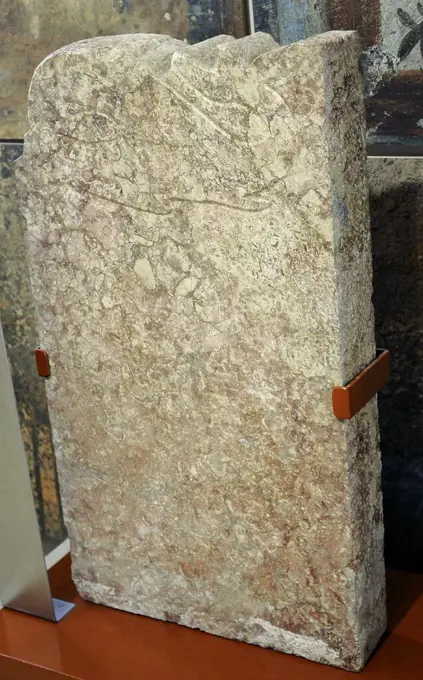
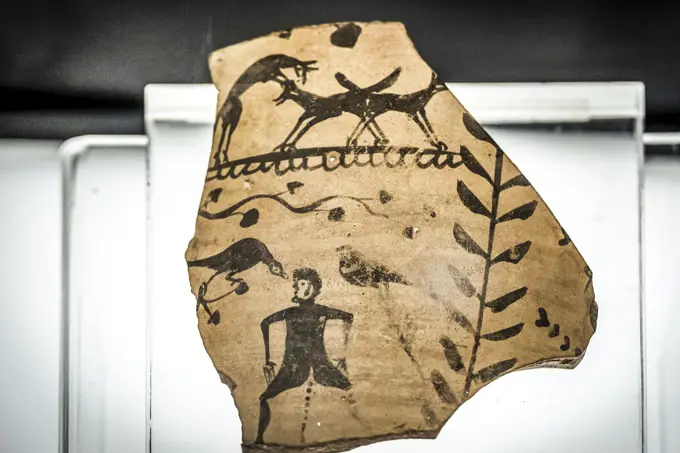
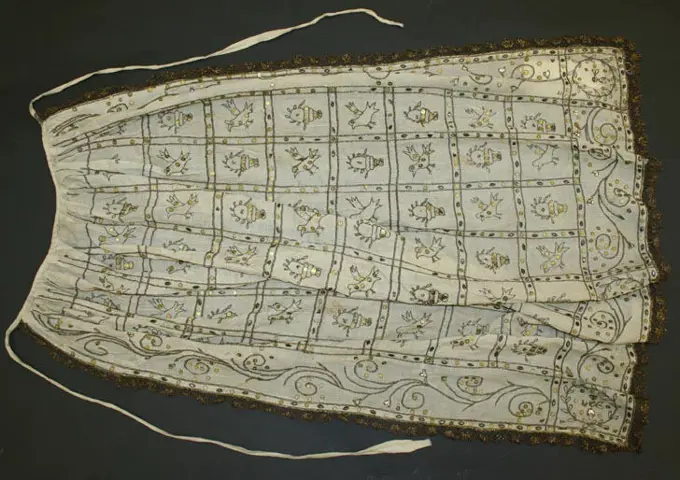
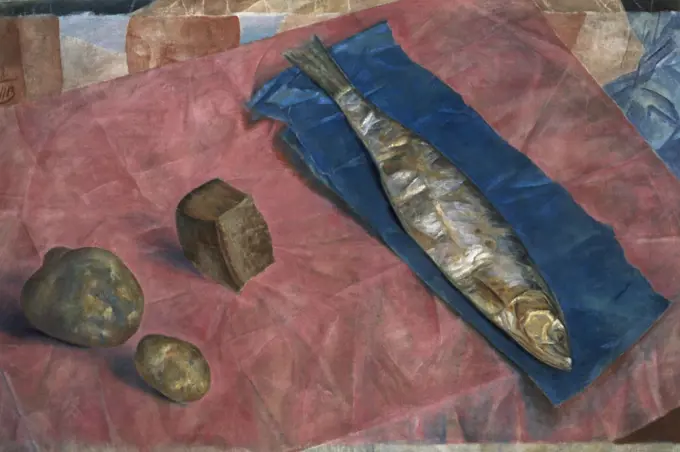
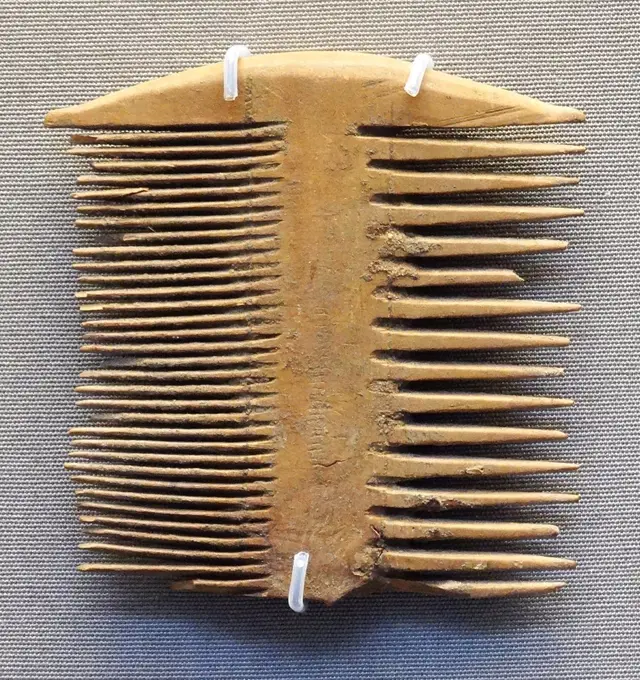
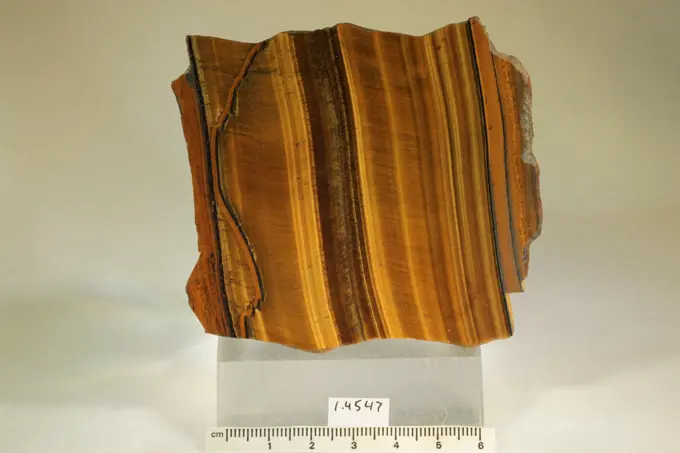
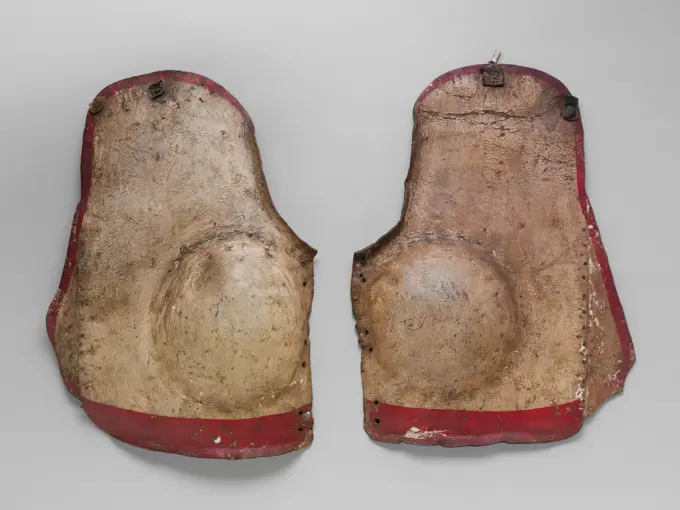
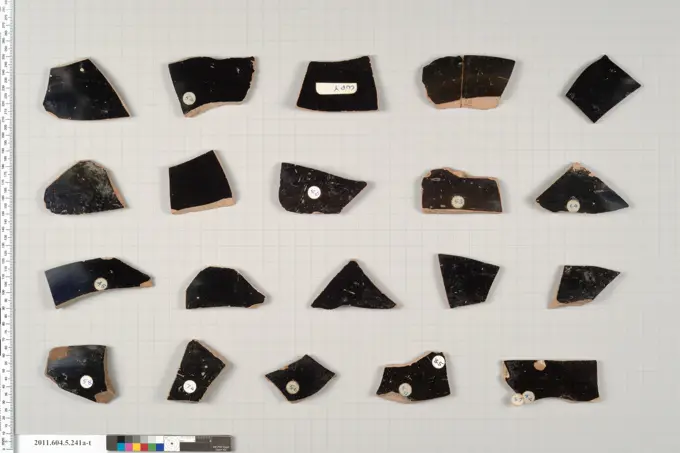
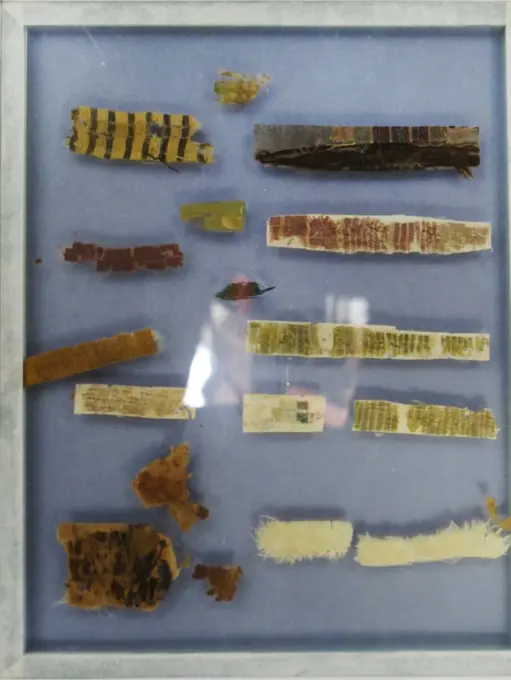
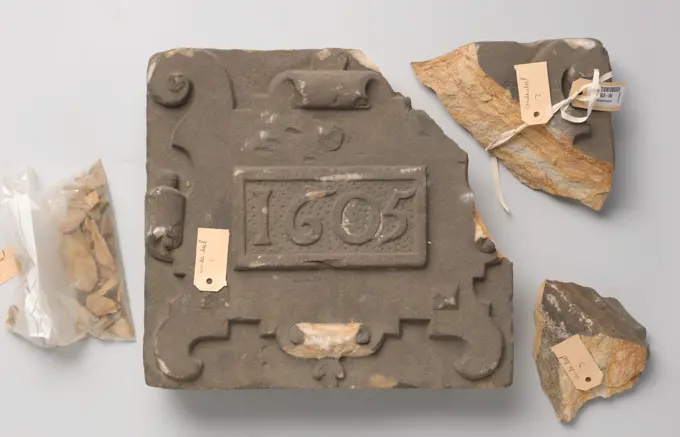
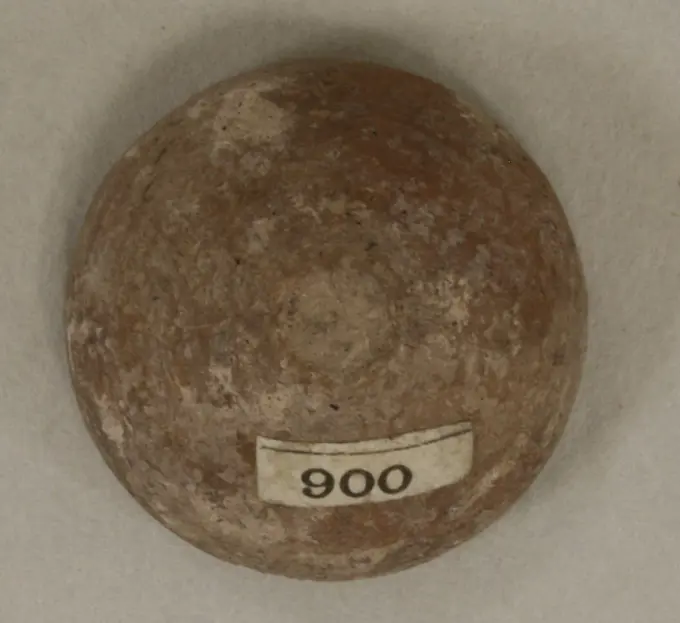
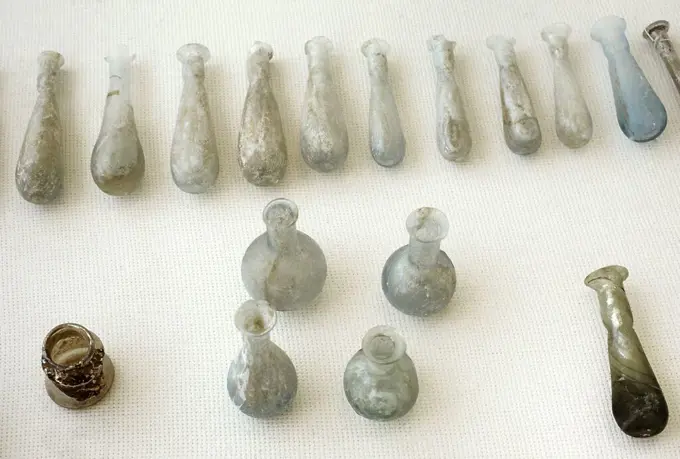
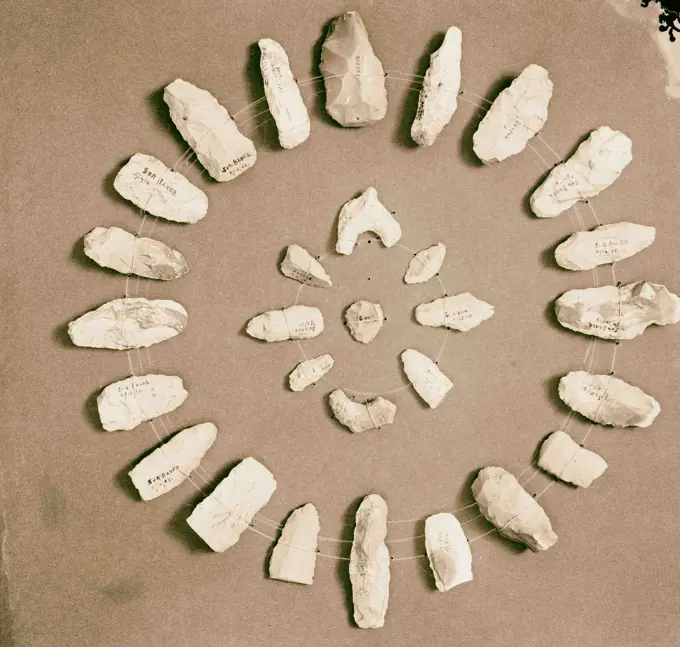
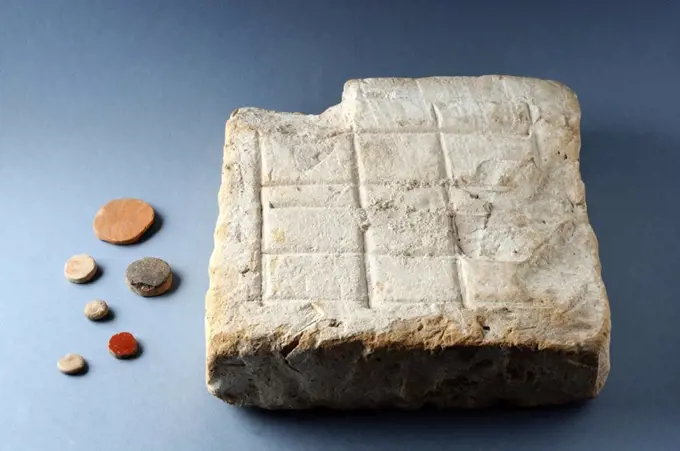
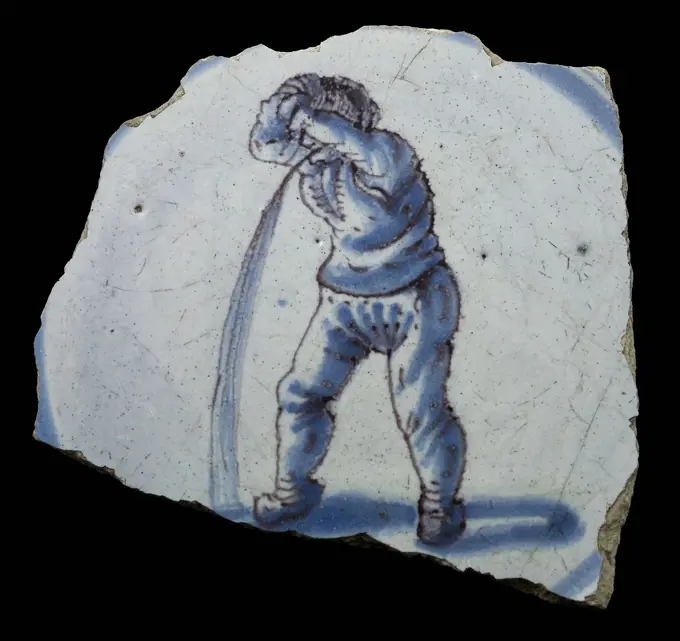
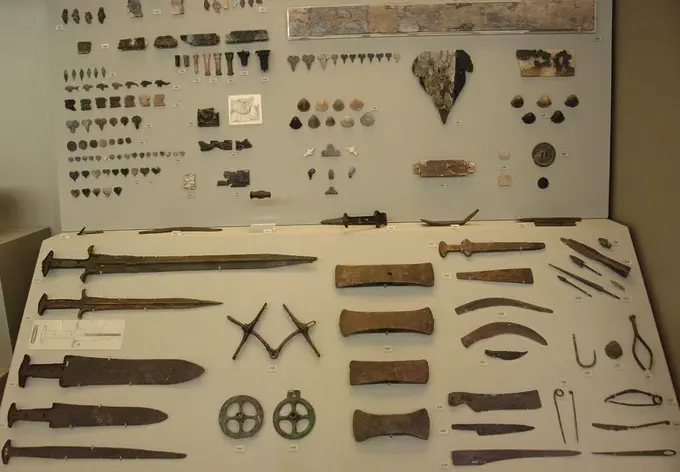
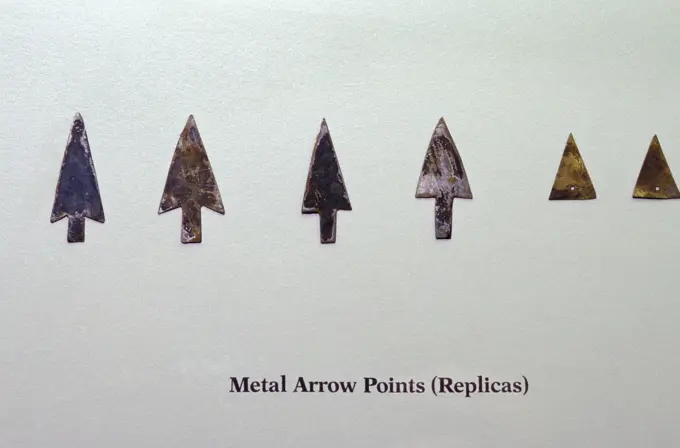
4 St fromUnknown .  Artist: UnknownPendant in the Shape of a Claw or Fang 400 BCE-1200 México. Greenstone .ABRIGO DE VALDESAELICES. PINTURAS.Part of tile floor from the Dutch Reformed Church in Heukelum ,, 1325 - 1375 tile Right -wing part of floor consisting of glazed tiles in the colors black, green, red and yellow. The tiles are stuck on a thick plate. Utrecht . vitrification  HeukelumSoul fragment of polychrome majolica dish with owl and text, plate crockery holder soil find ceramic earthenware glaze tin glaze lead glaze, majolica baked 2x glazed painted Soul fragment of majolica dish Cooked on prunes. Yellow shard lightly scraped. Pictured is an owl chick or owl in the middle of all kinds of text fragments left: .. FROM ... archeology food serve serving home interiorVase fragment. Culture: Roman, Gaul. Dimensions: 3 3/8 × 3 5/8 × 5/16 in. (8.6 × 9.2 × 0.8 cm).Inscribed. Museum: Metropolitan Museum of Art, New York, USA.Flint with a 'Rainbow' symbol incised on a plaque. From the Mousterian Culture. Dated 55,000 years agoBronze and iron arrowheads, 701 BC, IsraelFragments of a Bowl 10th-11th century. Fragments of a Bowl. 10th-11th century. Earthenware; white slip, incised and splashed with polychrome glazes under transparent glaze (sgraffito ware). Excavated in Iran, Nishapur. CeramicsEdging 16th century Italian. Edging. Italian. 16th century. Bobbin lace. Textiles-LacesMold with Illegible Cartouche. Egypt, New Kingdom - Late Period (1569 - 343 BCE), but probably Late Period (724 - 343 BCE). Tools and Equipment; molds. TerracottaSnuffbox or tobacco boxTin and bronze combs. Viking era. From Uppland and Gotland. Historical Museum. Stockholm. Sweden.PIEZA DE LA EXPOSICION "ARTE SIN ARTISTAS", EN EL MUSEO ARQUEOLOGICO REGIONAL DE ALCALA DE HENARES.PLACAS DE MOSAICO. Location: MUSEO ARQUEOLOGICO-COLECCION SIN CLASIFICAR. GRANADA. SPAIN.Collection of agricultural tools featuring sickles, sickle blades, axes and adzes from Nahal Oren, Gilgal, Sha'ar Hagolan, Munhata and Beisamun. From the Sultanian, Tahunian and Yarmukian cultures over 11,500-8,000 years ago made from flint, limestone, basalt, bitumen, wood and rope.Funerary Cone of the Herald Ibety ca. 1550-1295 B.C. New Kingdom. Funerary Cone of the Herald Ibety 559211TAIPEI, TAIWAN - November 24 : Antiques are displayed in Taipei’s National Palace Museum on November 24, 2016 in Taipei, Taiwan, Asia.Fan Unidentified artist. Fan. Unidentified artist. China. Folding fan mounted as an album leaf; gold paper. Ming (1368-1644) or Qing (1644-1911) dynasty. PaintingsDefense for the Left Forearm (Vambrace). Culture: Italian. Dimensions: H. 7 3/16 in. (18.3 cm); W. 3 1/4 in. (8.3 cm); D. 4 7/16 in. (11.3 cm); Wt. 8.9 oz. (252.3 g). Date: ca. 1400. Museum: Metropolitan Museum of Art, New York, USA.Fragment of Bowl 11th-12th century. Fragment of Bowl. 11th-12th century. Earthenware; tin enameled, luster painted. Attributed to Syria. CeramicsCancel decorated with dolphin. Roman Villa dels Munts. 2nd-3rd century AD. Brocatello marble. Slab separating the seats from the latrines of the villa, decorated with an engraved dolphin. National Archaeological Museum. Tarragona. Spain.Fragment of a ceramic vessel from an indigenous tradition fragment of a ceramic vessel from indigenous traditionTextile Fragment ca. 946-74. Textile Fragment 448633Apron late 18th century French. Apron 102522Fragment of a Sleeve 5th-6th century. Fragment of a Sleeve 443780Shards of jugs and porcelain from the wreck of the East Indiesman Hollandia. Stoneware, rhenish, frechen-ware, jug; Fragm or bodies.Still Life with a Herring  1918  Kuzma Petrov-Vodkin (1878-1939/ Russian)  Russian State Museum, St. Petersburg Neolithic Pot Lid, 6500 BC - 4000 BC. Pottery lid excavated in Vinča region, Yugoslavia (present day Serbia), central Balkanscomb, 300 BC - AD 350. Egyptian comb from a Meroitic house within the fortress at Qasr Ibrim.USA, Alaska, Ancient slate bladesQuartz. minerals. Africa; South Africa; Cape Province; Orange RiverHouse Sale Aramaic. House Sale, December 12, 402 B.C.E. Papyrus, ink, mud, a: Box: 26 5/8 × 14 7/8 × 1 in. (67.6 × 37.8 × 2.5 cm).   Egyptian, Classical, Ancient Near Eastern Art December 12, 402 B.C.E.Rawhide parfleche carrying case and storage bag used by the Ute Indians during travelPeytral Plates early 16th century Possibly Flemish or German Much lighter, and probably faster and cheaper to produce than metal defenses, armor made from shaped and hardened leather (cuir bouilli) was used throughout Europe for war, tournament, and parades from at least Roman times until the end of the sixteenth century. Although very few examples of cuir bouilli armor survive, its use as a defense for both man and horse was once much more widespread than is commonly assumed. In 1547, for example, the Master of the Armoury at the Tower of London bought forty-six "leather barbes" (bards), together with the same number of leather crinets, for an imminent campaign in Scotland. In addition, the inventories of the armory at Neuburg Castle, Bavaria, seat of the Counts Palatine of the Rhine, list no less than half a dozen sixteenth-century leather bards for the personal use of the counts' horses. Leather bards could be worn without further protection for the head or neck, although shaffrons,Terracotta fragments of kylikes (drinking cups) 6th/5th centuries B.C. Greek, Attic Twenty black glazed fragments from kylikes. Terracotta fragments of kylikes (drinking cups). Greek, Attic. 6th/5th centuries B.C.. Terracotta; black glaze. Archaic/Classical. VasesNineteen Fragments 8th century Japan. Nineteen Fragments. Japan. 8th century. Silk / Brocaded. Nara period (710-794), Tempy (729-749). Textiles-WovenKnife from Board ofRevenue.  Mint: Board of Revenue Artist: UnknownClovis Spear Points, Illinios Late Archaic (4) (000), St. Louis, Missouri, USA, North AmericaFacing brick with year 1605. ,, 1605  Square within which a cartouche of rolling and volutes within which a horizontal rectangle with the year 1605 is broken into pieces. Netherlands (possibly) .Meißel und Dolch chisel and dagger, Arenaza cave, galdames, Arkeologi Museoa, museum aqueologico, Bilbao, Bizkaia, Basque Country, Spain Copyright: xZoonar.com/Tolox 22845509Dried Fruit on Ground, Namib-Naukluft National Park, Namibia   Spindle Whorl 10th-early 16th century Mexican. Spindle Whorl. Mexican. 10th-early 16th century. Ceramic. Mexico, Mesoamerica. Ceramics-ImplementsFragment of edging 16th century Italian, Venice. Fragment of edging. Italian, Venice. 16th century. Bobbin lace. Textiles-LacesCopper Face Ornament with Dangles 3rd century B.C.-A.D. 2nd century Vicús. Copper Face Ornament with Dangles 315312Driftwood fragment, weathered wood, natural wooden texture driftwood fragment, weathered wood, natural wooden textureRoman Ointments. Located in Tarragona. National Archaeological Museum. Tarragona. Catalonia, Spain.Bracelet. Culture: Halstatt. Dimensions: Overall: 1/2 x 3 3/4 x 3 3/16 in. (1.2 x 9.6 x 8.1 cm). Date: ca. 800 B.C..Many Bronze Age objects, like these bracelets, were finished with subtle geometric designs incised into the cast metal surface. Museum: Metropolitan Museum of Art, New York, USA.Silenus on whiteCollection of flints, Middle EastGame board.( 1st- 3 rd CE ) - Roman period, from the archaeological site of Complutum in Alcala de Henares (Madrid). SPAIN.18th dynasty ancient Egyptian arrow heads of reed and bone, some with traces of red poison.Fragment faience plate, blue and purple on white, vomiting man, plate dish crockery holder soil find ceramic earthenware glaze tin glaze, In tube baked archeology drinking waterCoffee bean in deep shadows over unfocused grains backgroundBlue Ointment from Ship's Medicine Chest, from an Aberdeen Trawler wrecked on Hoy,  early 20th centuryCANCEL O PLACA DE MARMOL DE EPOCA VISIGODA PROCEDENTE DEL PALACIO DEL DUQUE DE LA ROCA -SEGUNDA MITAD S VI DC. Location: MUSEO NACIONAL DE ARTE ROMANO. MERIDA. Badajoz. SPAIN.dogBronze coins of the 4th century AD. Roman period. National Roman Museum. Palazzo Altemps. Rome. Italy.Prehistoric Art. Age of Metals. Greece. Different types of knives, axes and various utensils. National Archaeological Museum. Athens.Paris siege bread (dummy title). Glass, material of vegetable origin. Houses of Victor Hugo Paris - Guernsey.artifacts in the Herschel Island museum off the Mackenzie River delta Yukon Territory CanadaS62-06767 (1962) --- A radar reflector, survival equipment for the Mercury astronauts.The Shawnee Indians traded for valuable European metal goods such as these replicated metal arrowheads