Ancient Ceramic Vessels

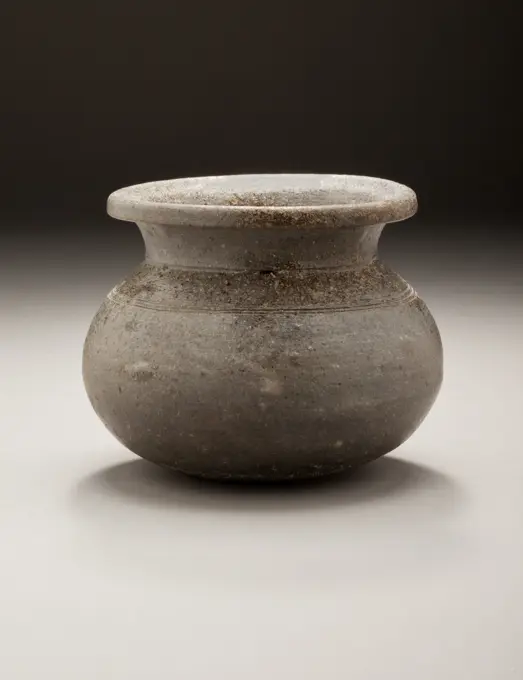
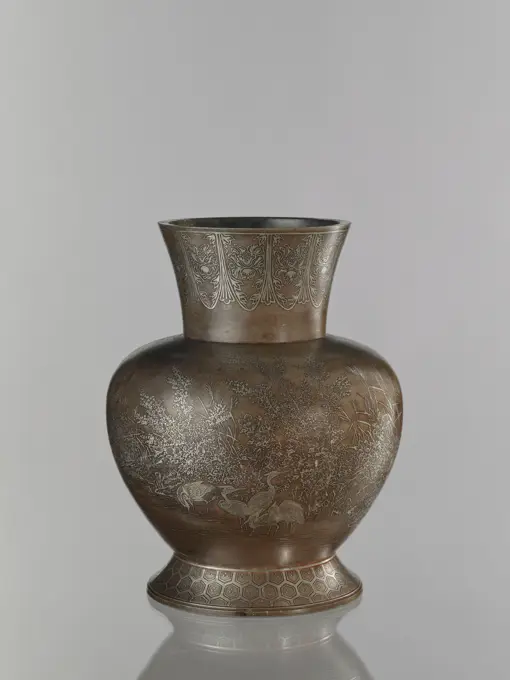
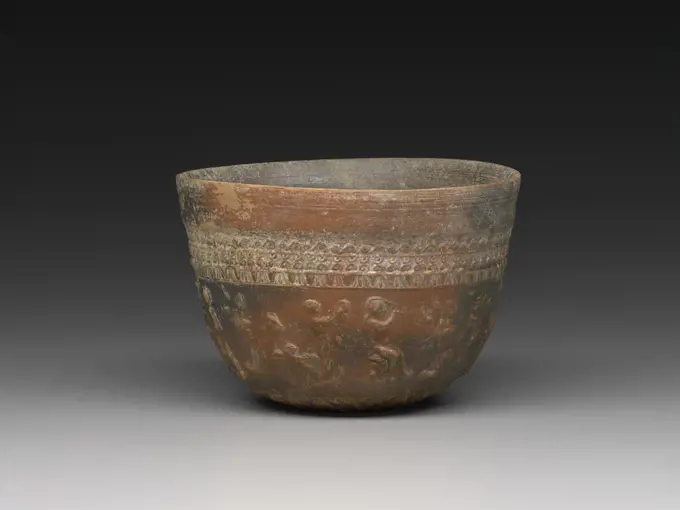
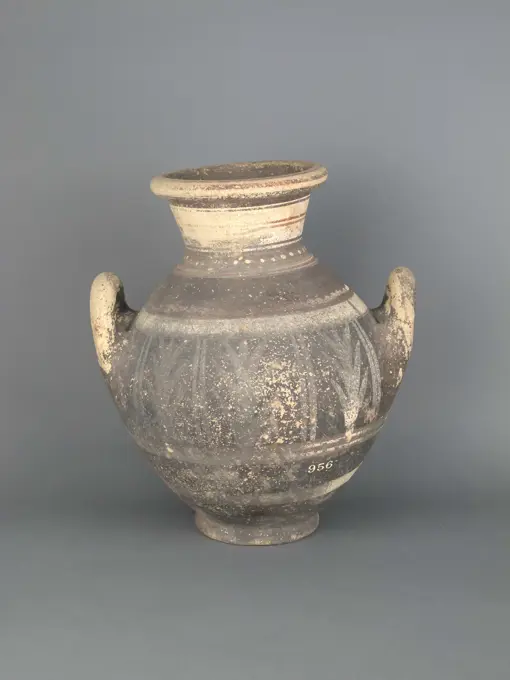
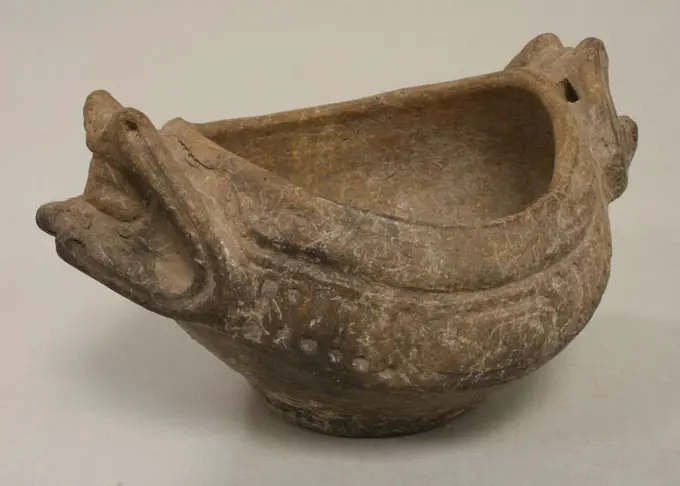
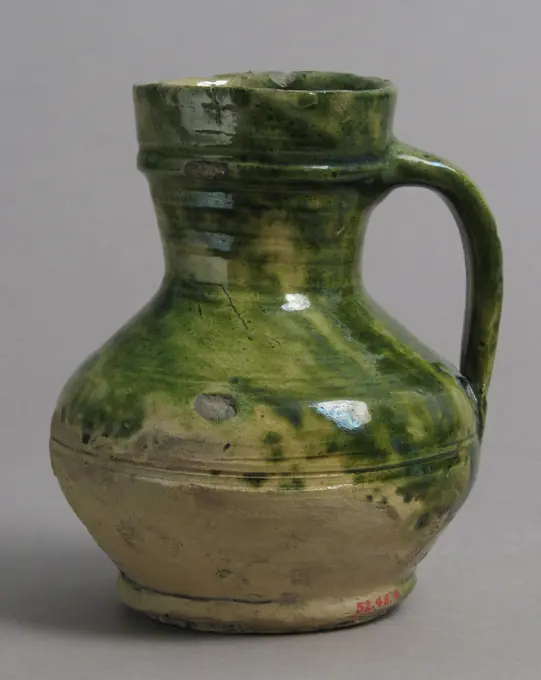
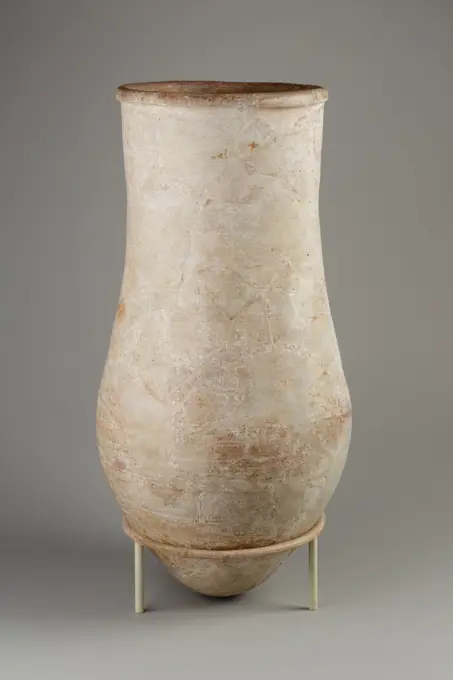
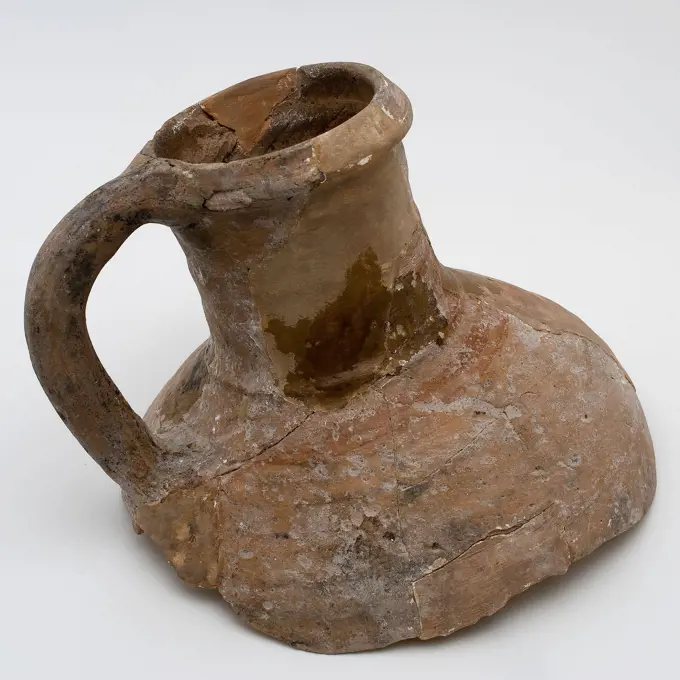
A collection of diverse ancient ceramic vases and jars, showcasing various shapes and textures, from terracotta to stone, highlighting historical craftsmanship.
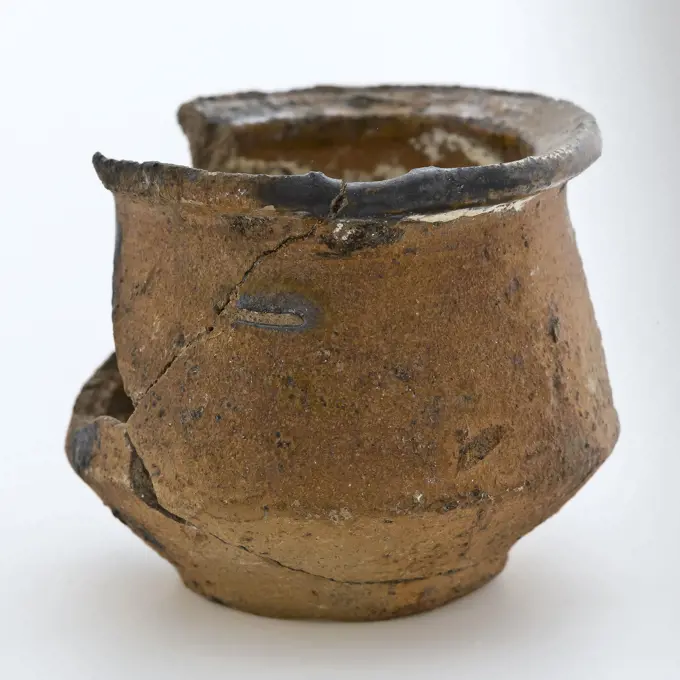
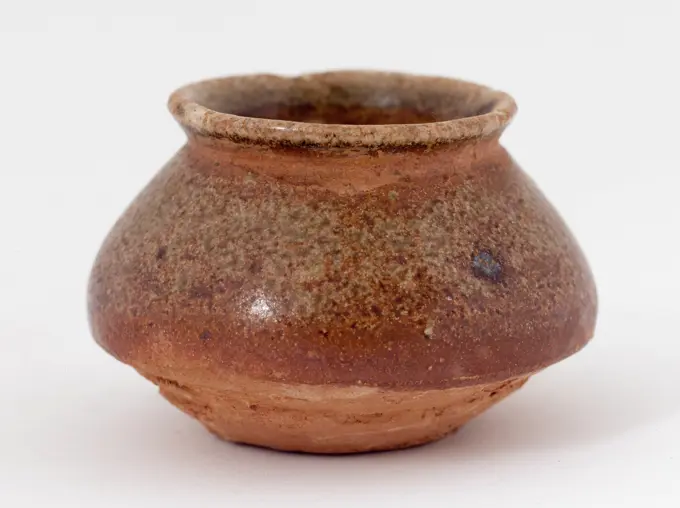
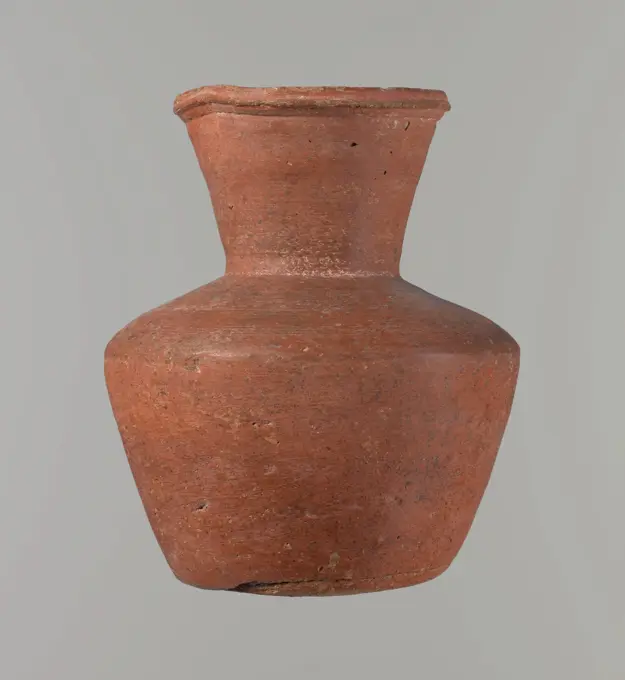
Earthenware ointment jar, double conical model with outstanding top edge, ointment jar pot holder soil find ceramic earthenware glaze lead glaze, hand turned glazed baked Pottery ointment jar. Double conical model with low abdomen Position plane Outwardly directed upper edge. Red shard internal glazed archeology Rotterdam IJsselmonde health care indigenous earthenware ointment care medication medicine packaging pharmacy handicraft Soil discovery: IJsselmonde Castle well 2 Rotterdam 1972.
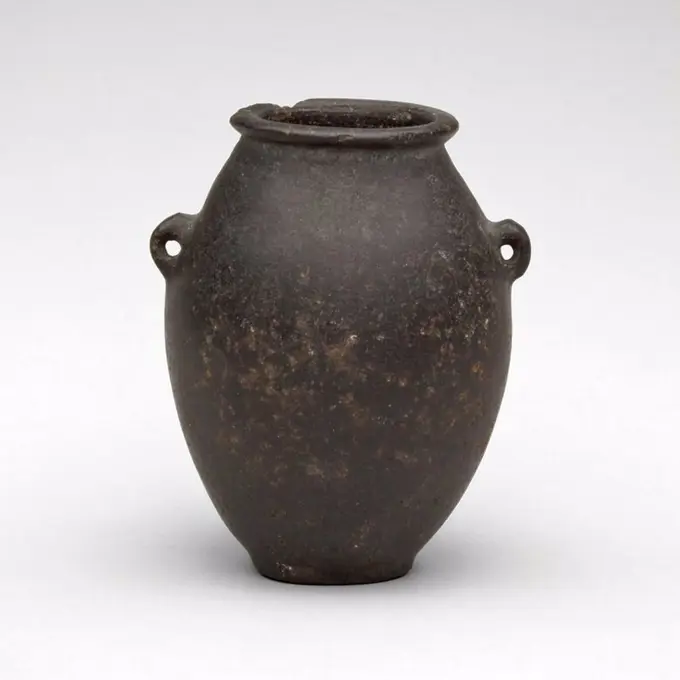
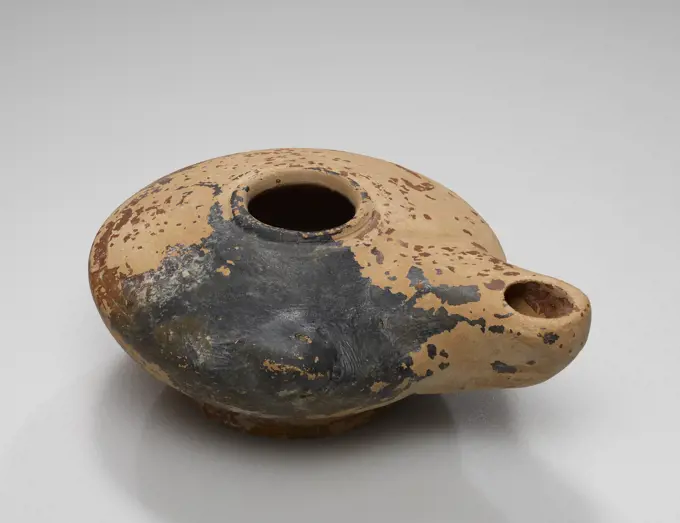
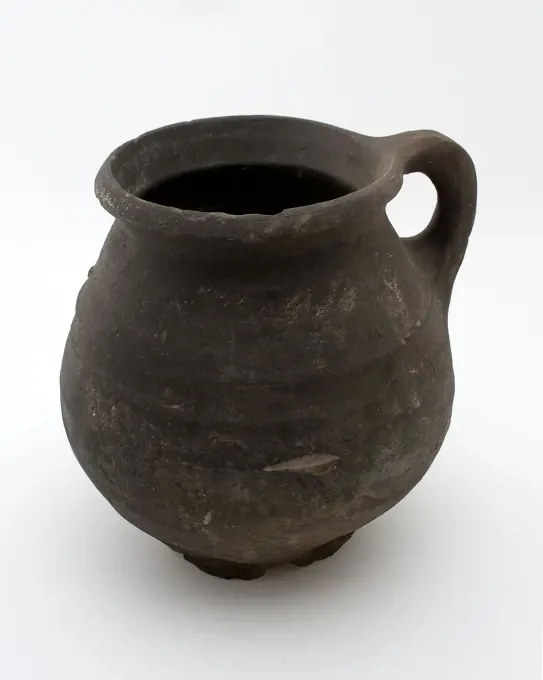
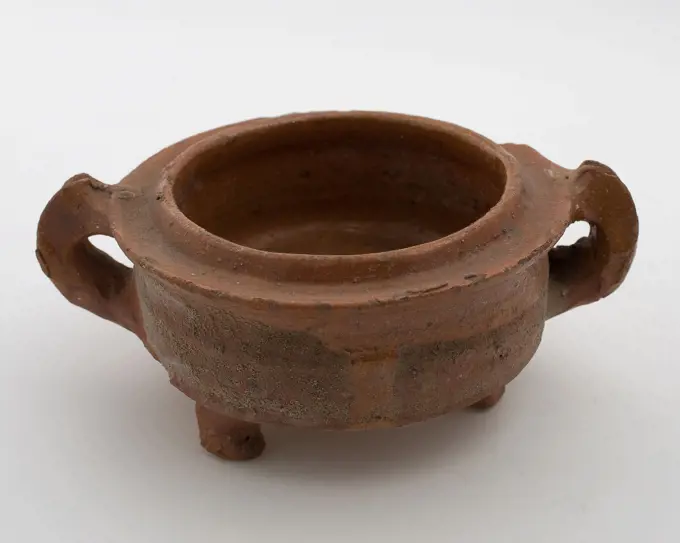
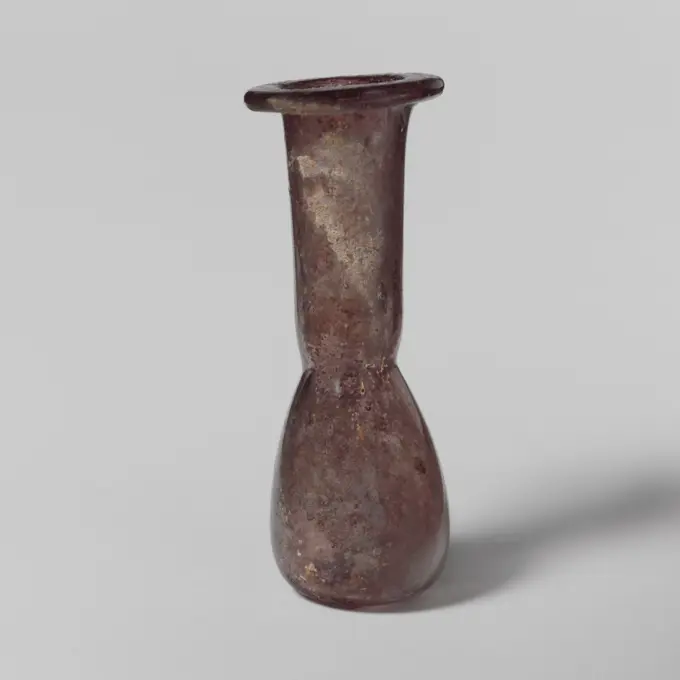
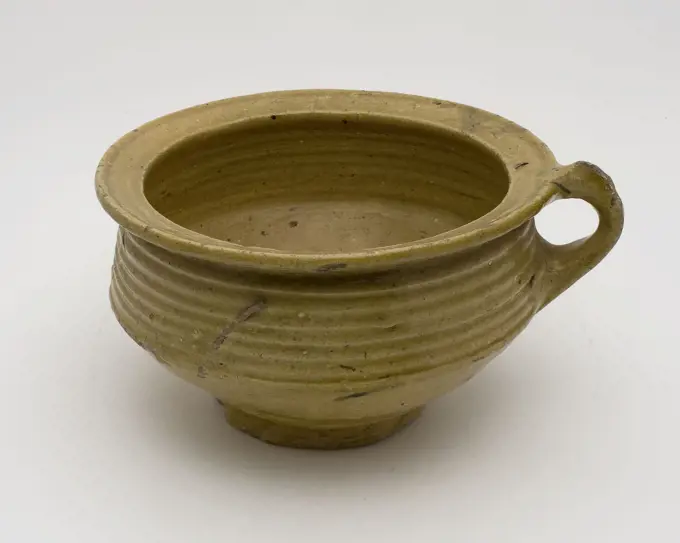
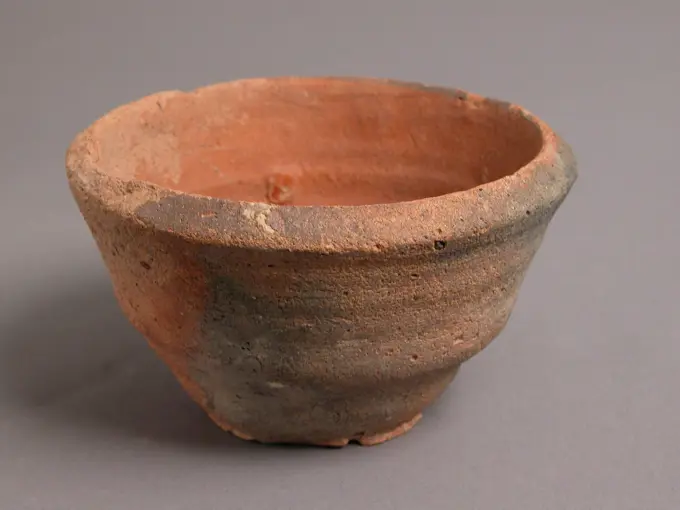
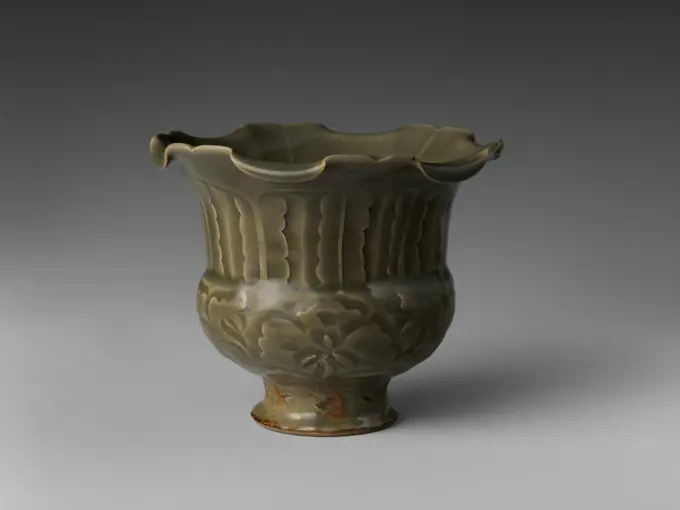
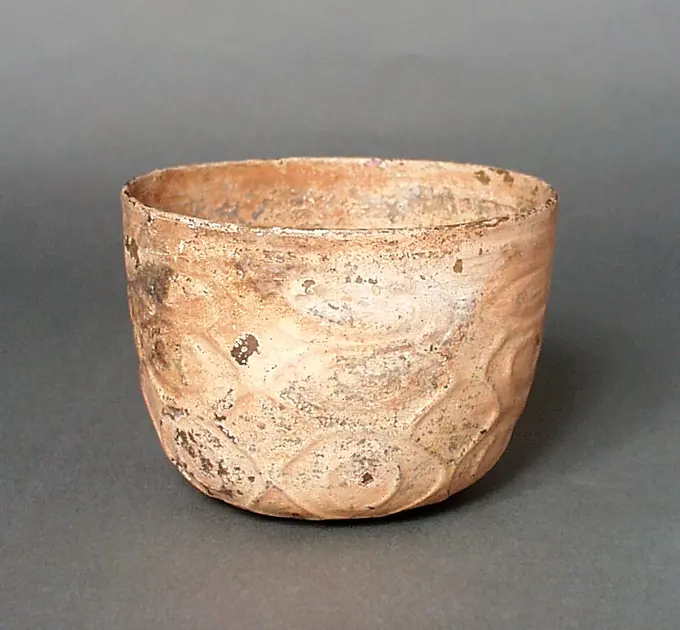
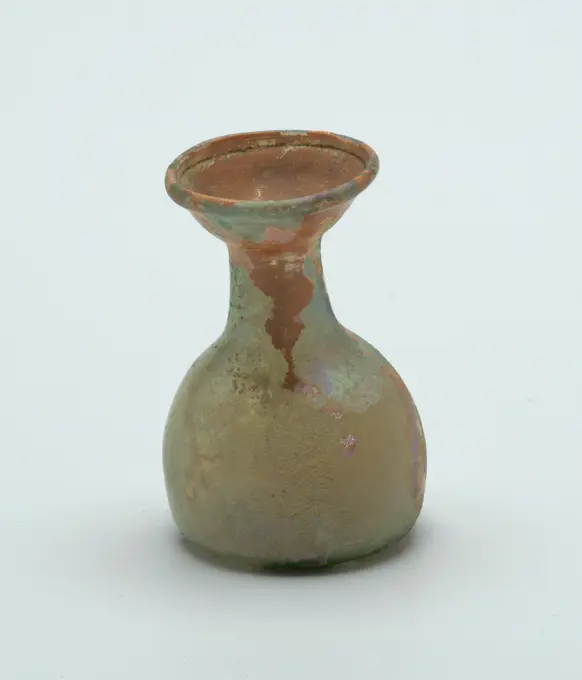
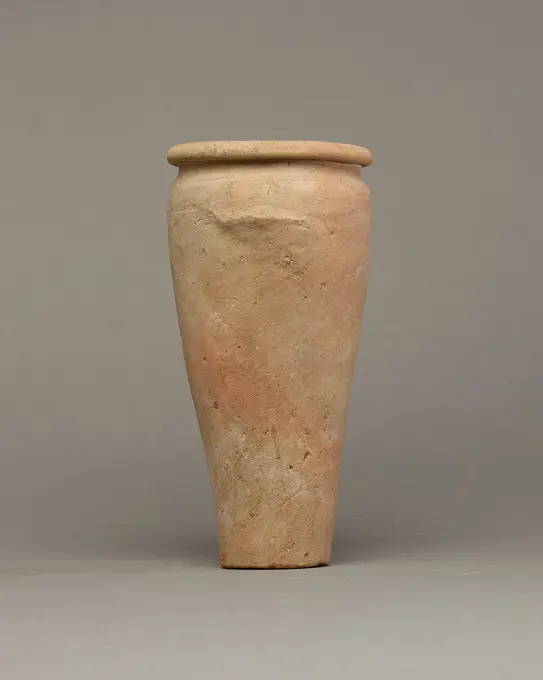
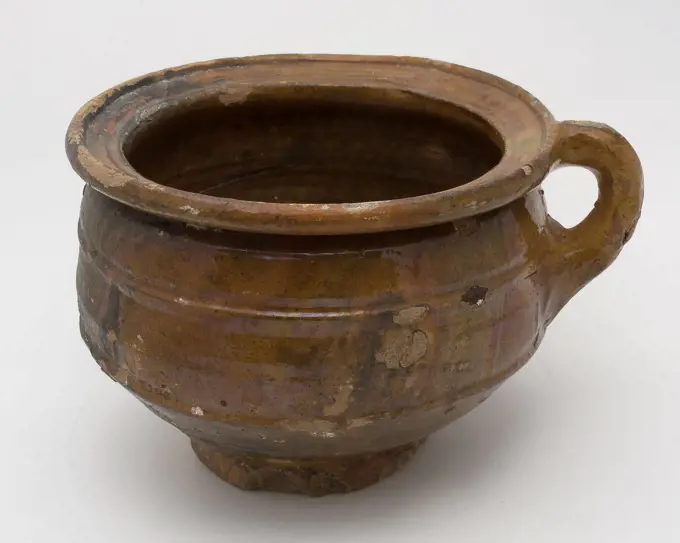
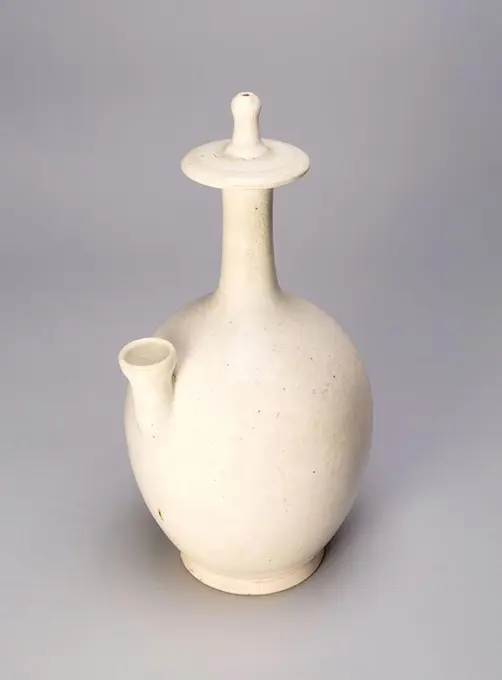
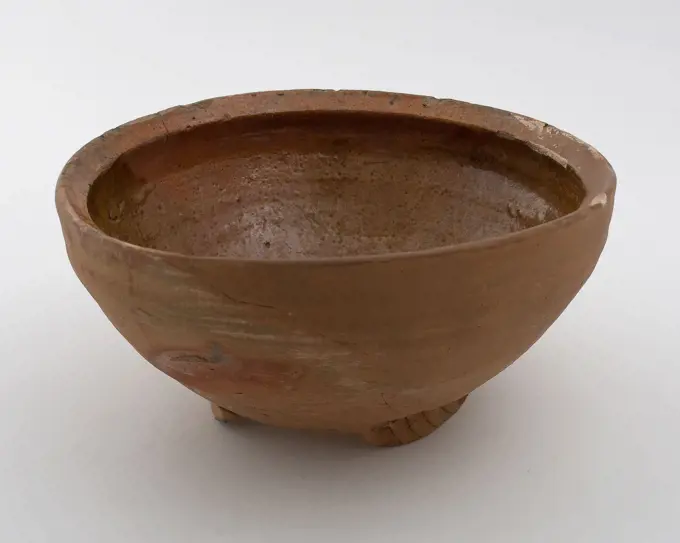
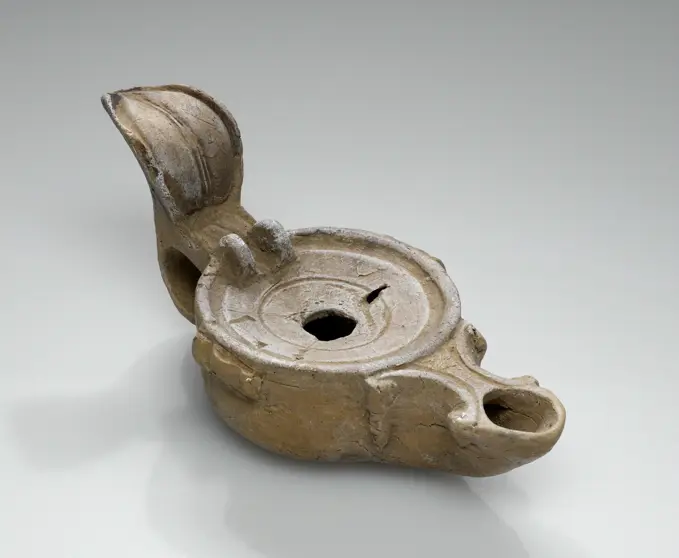
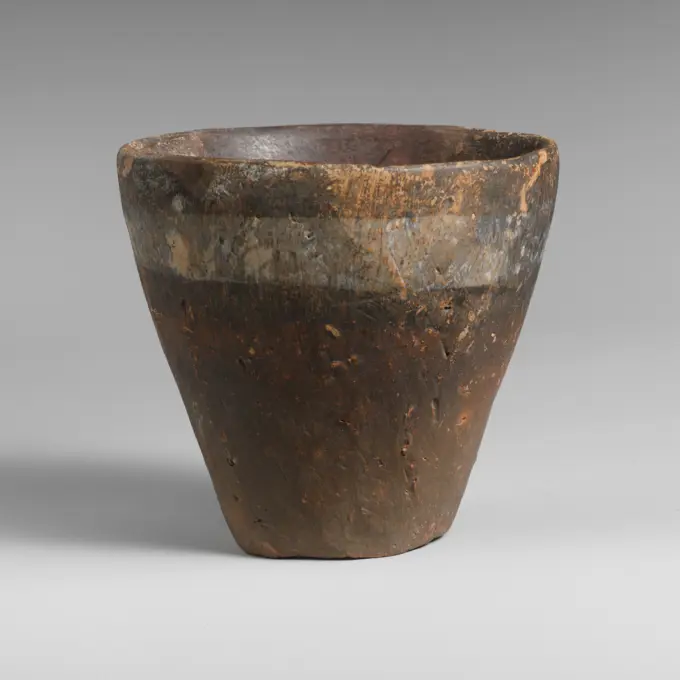
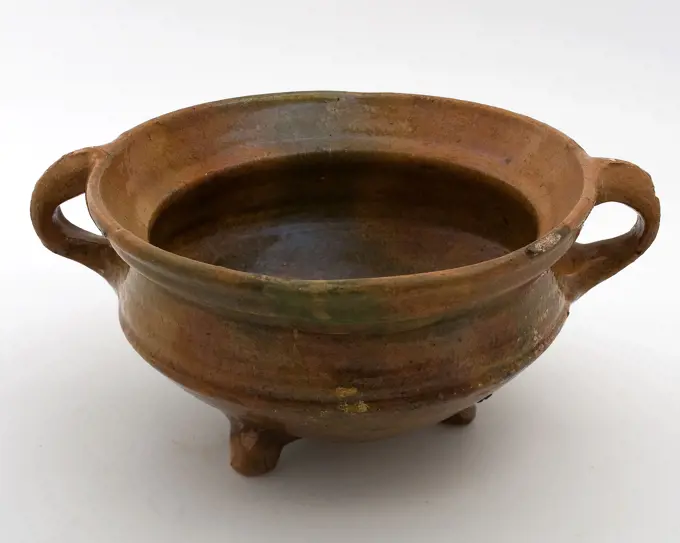
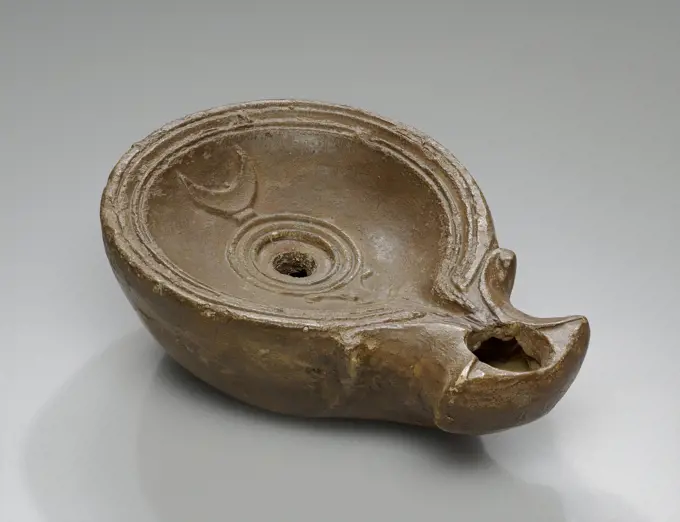
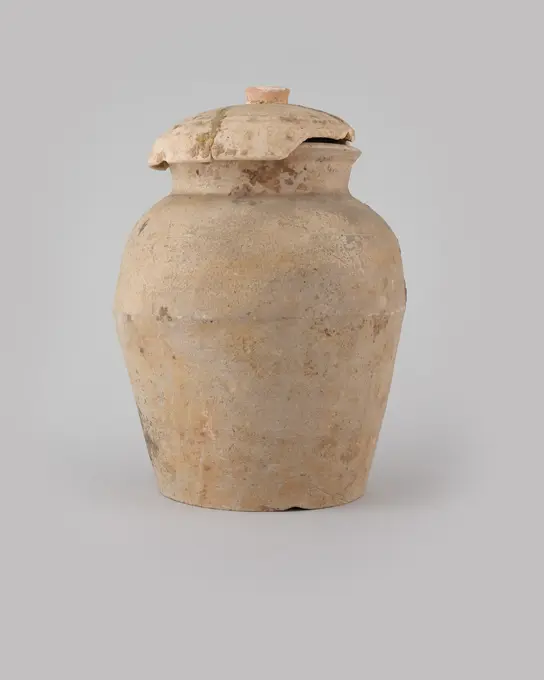
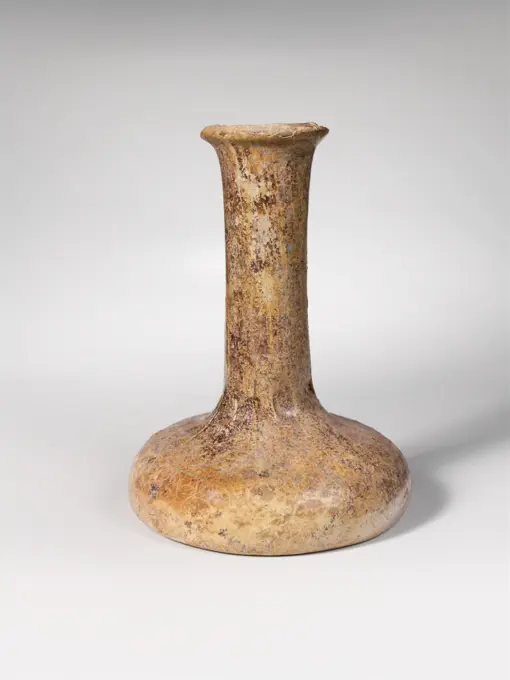
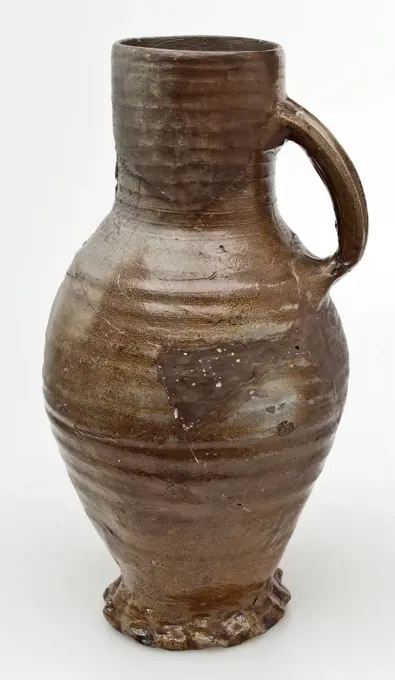
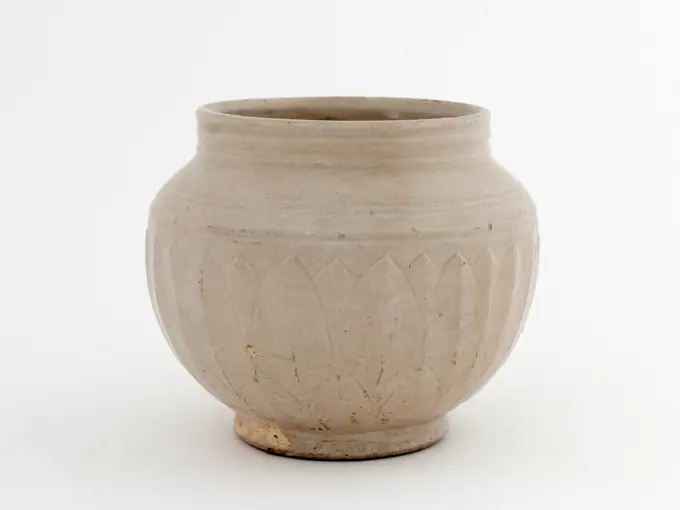
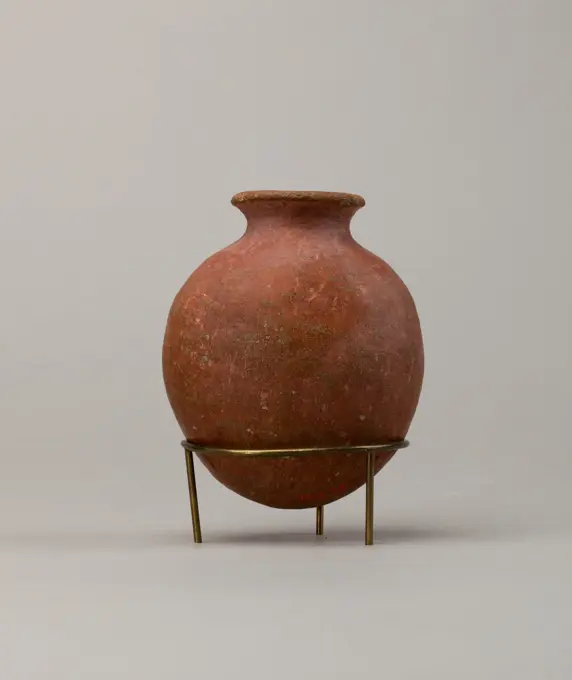
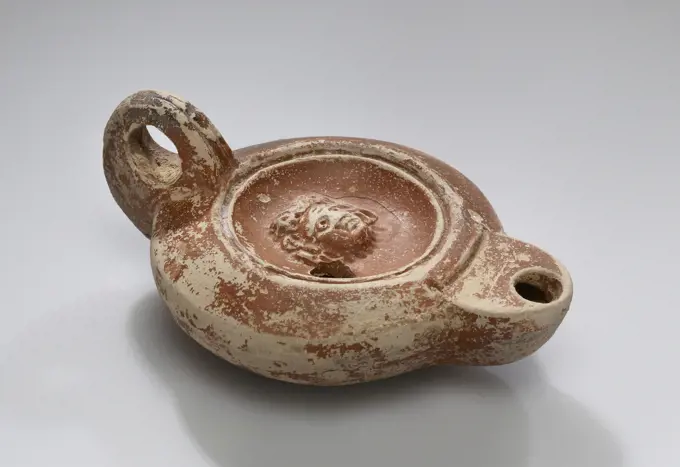
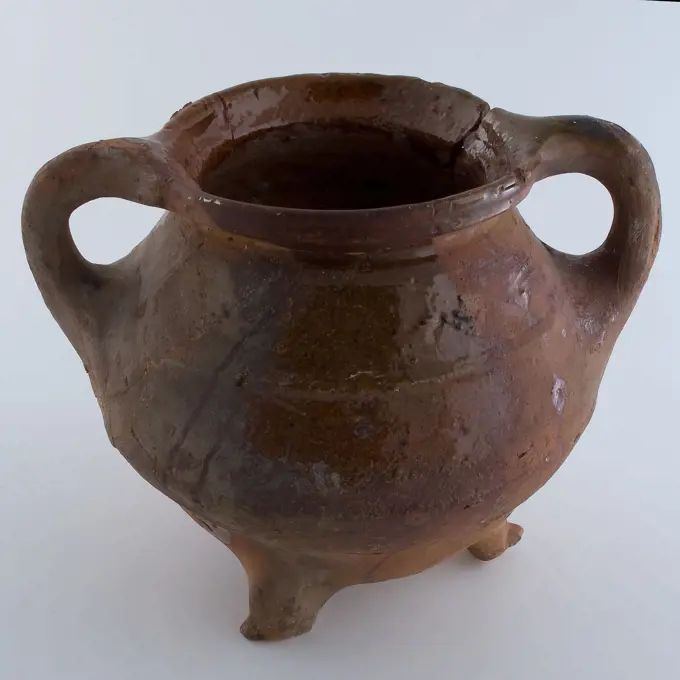
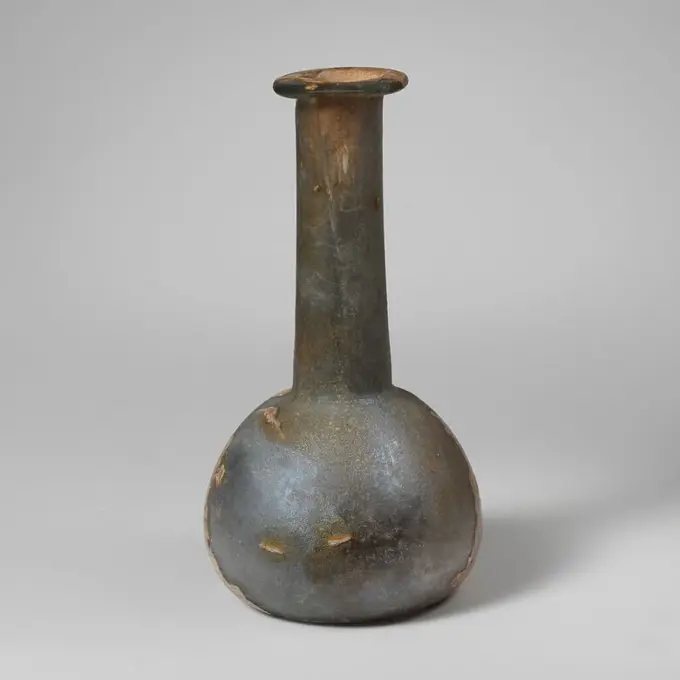
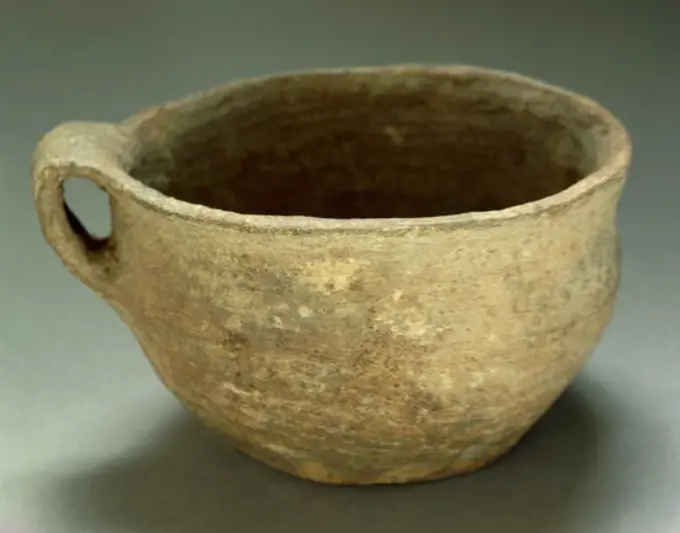
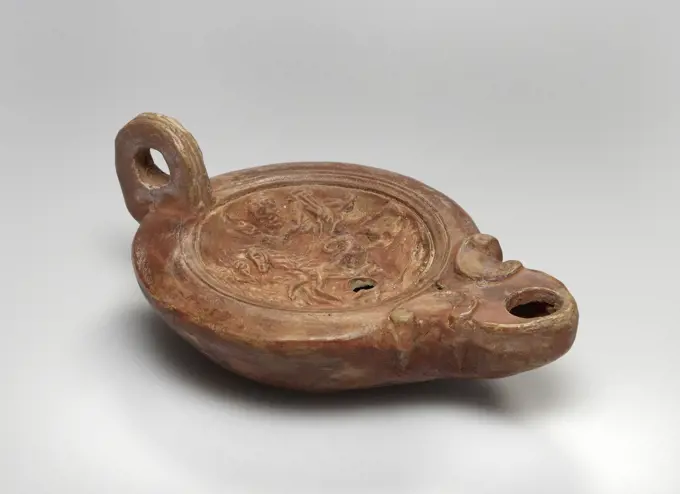
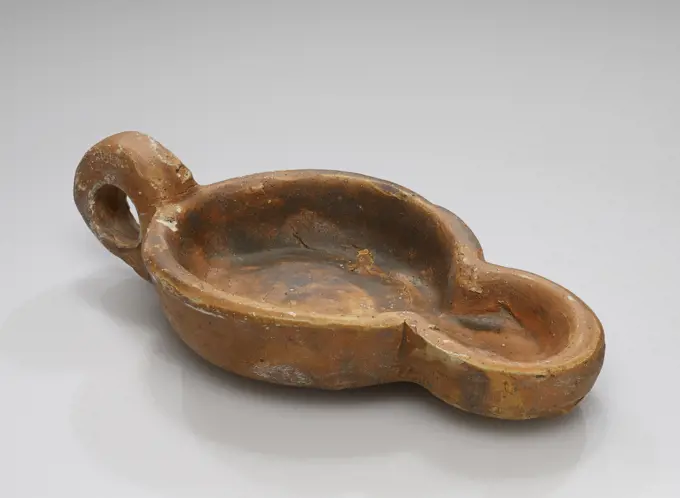
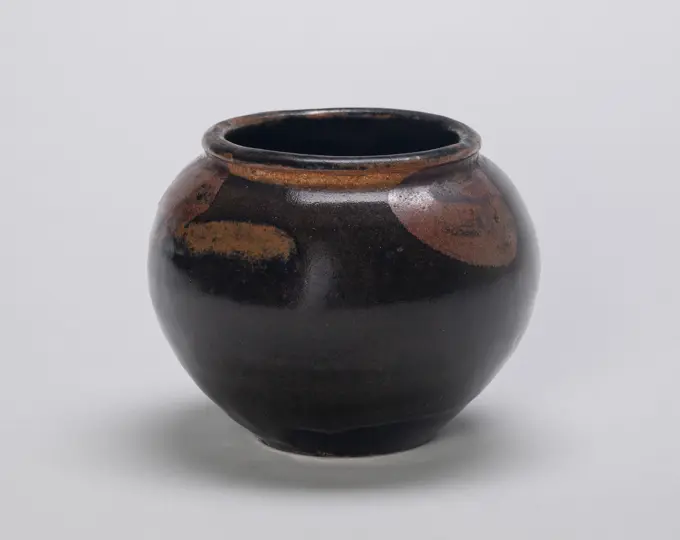
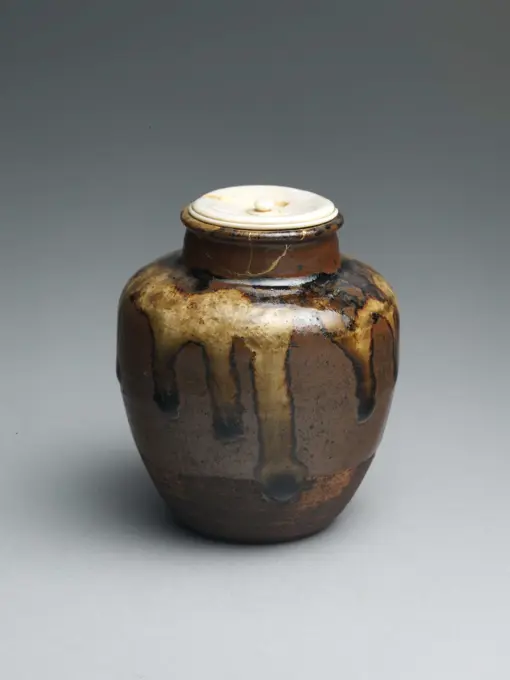
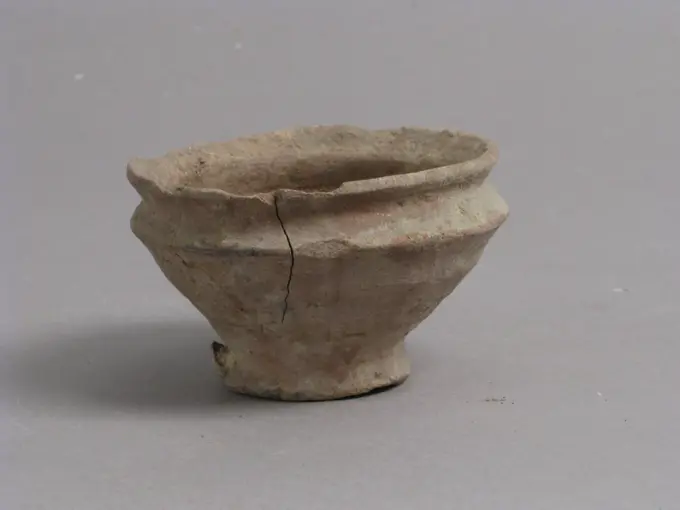
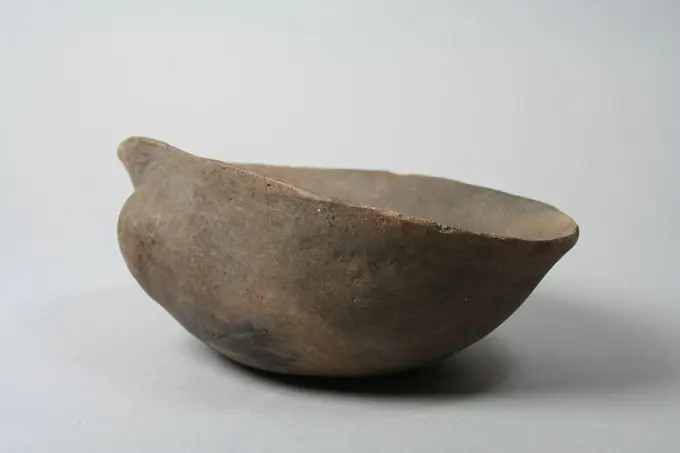
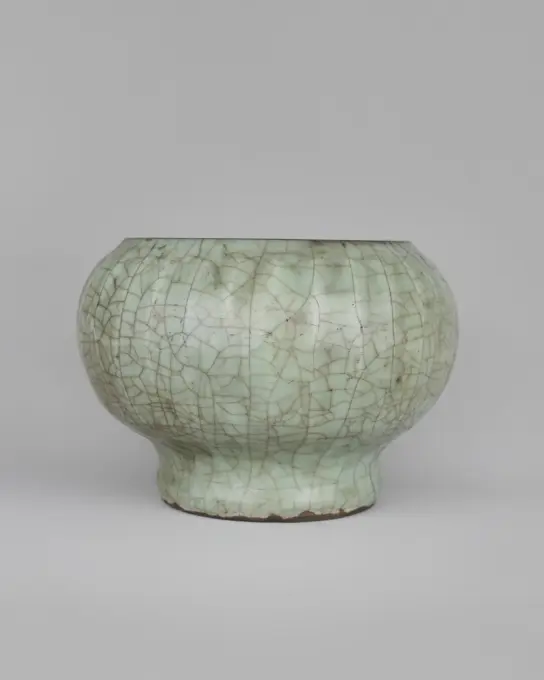
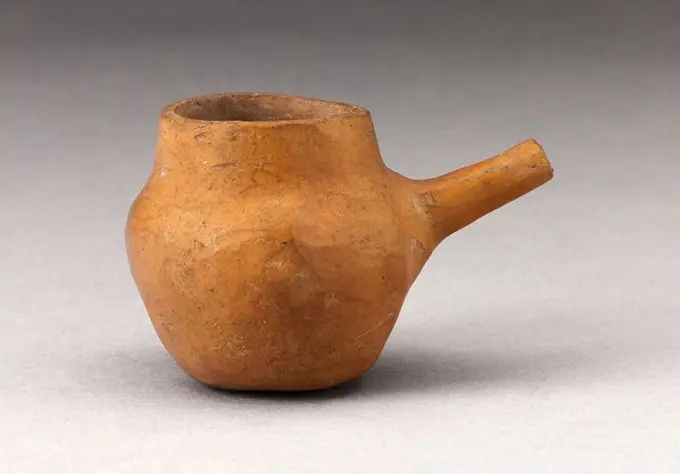
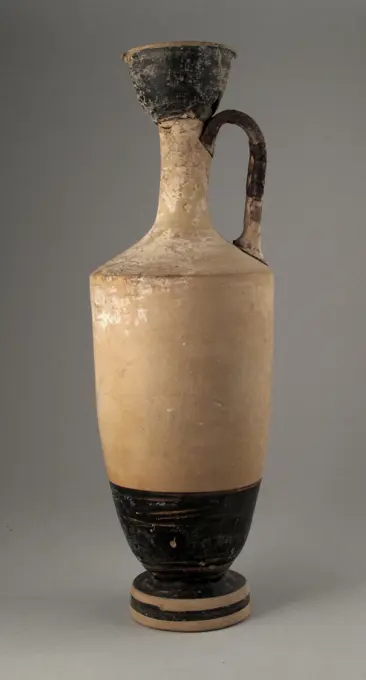
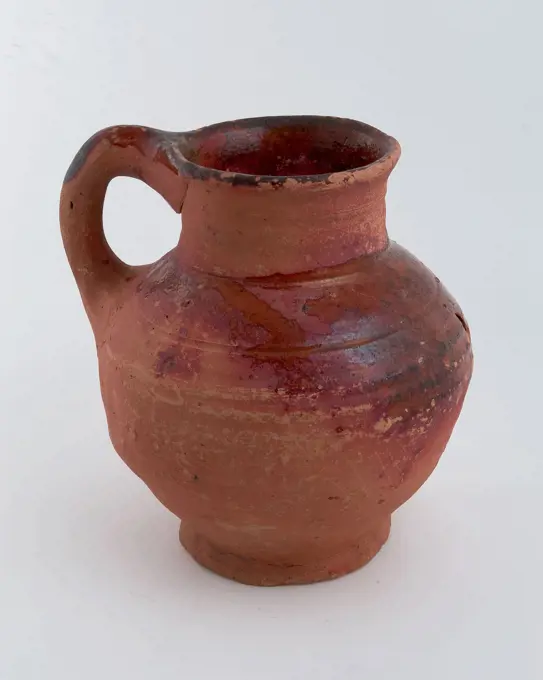
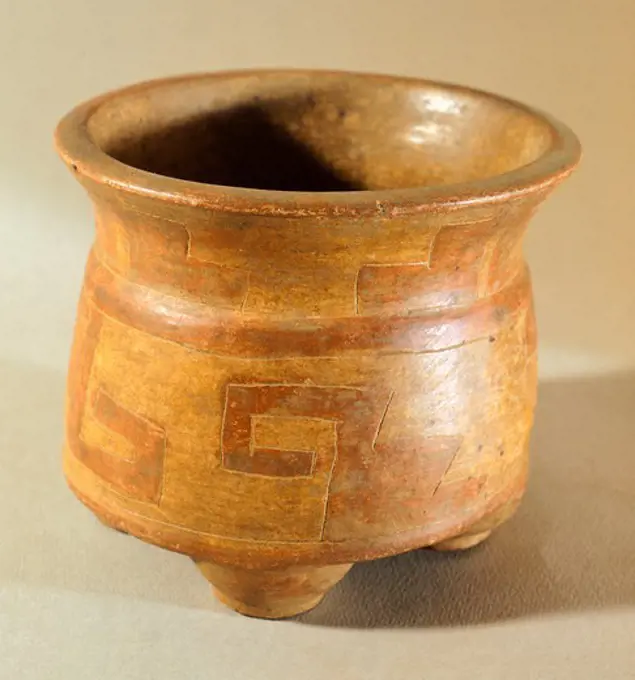
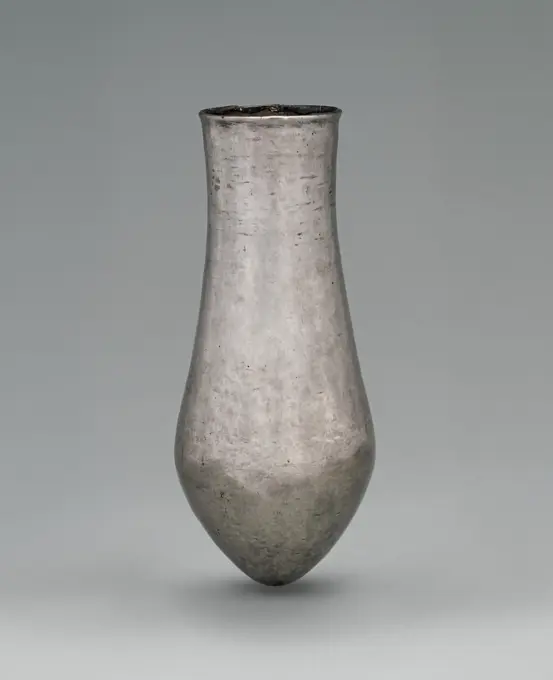
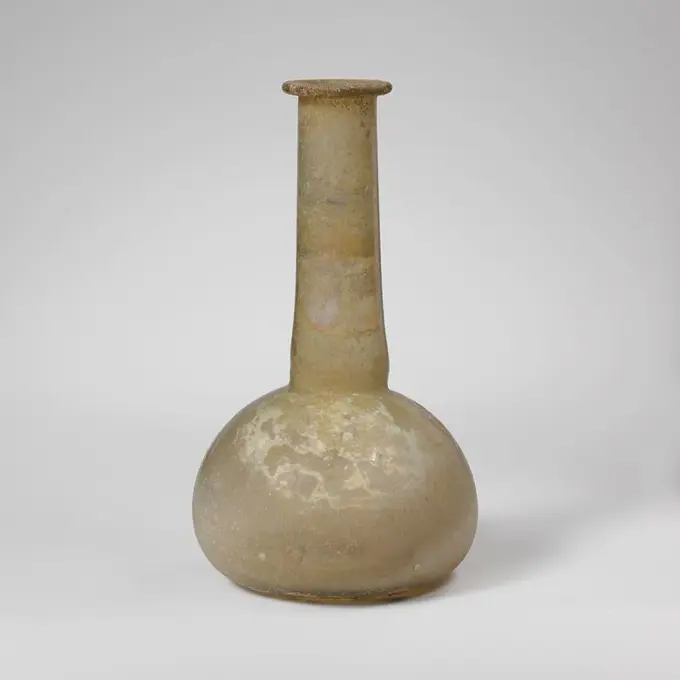
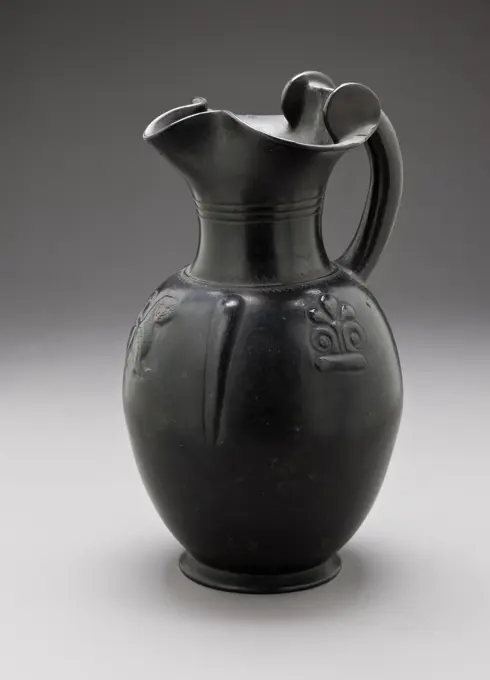
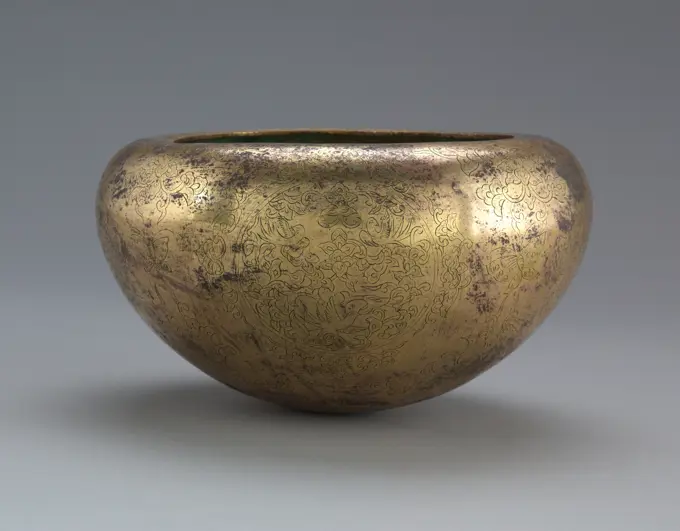
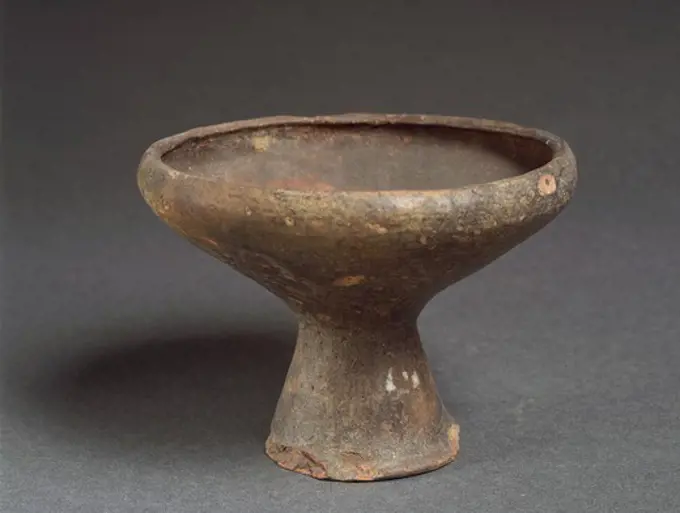
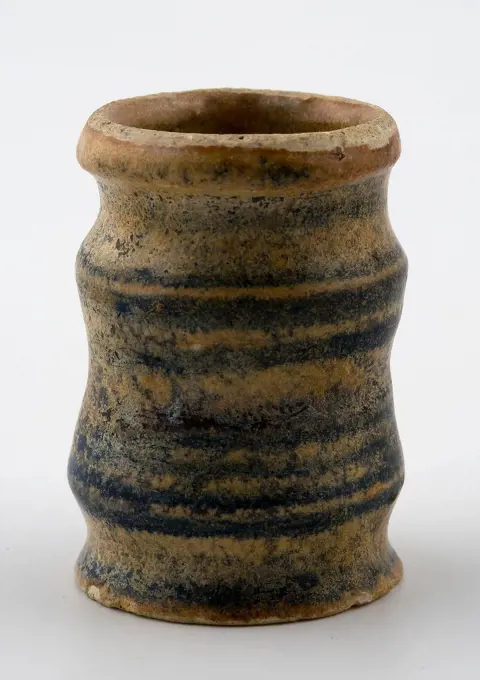
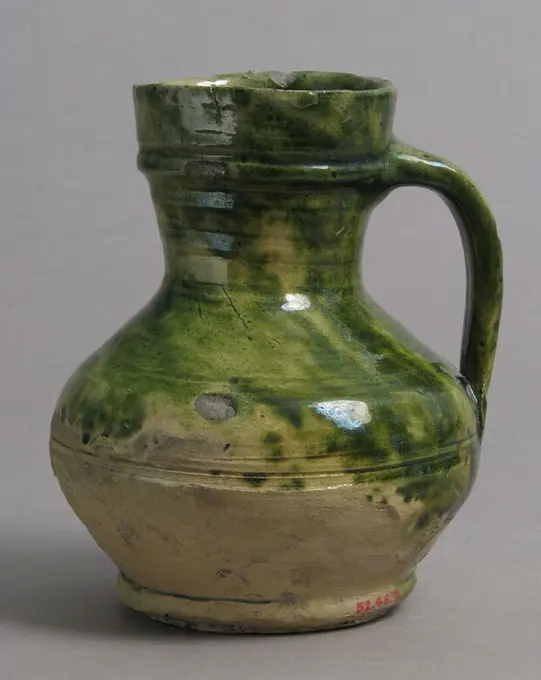
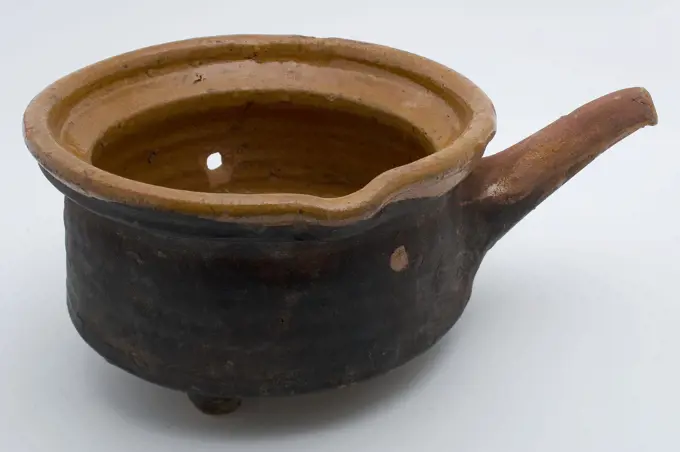
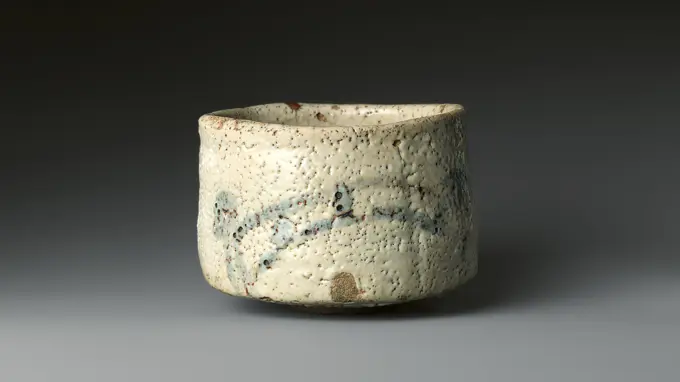
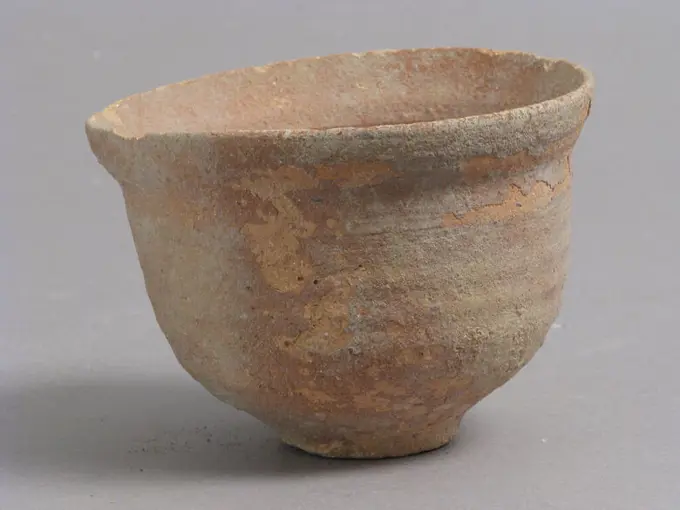
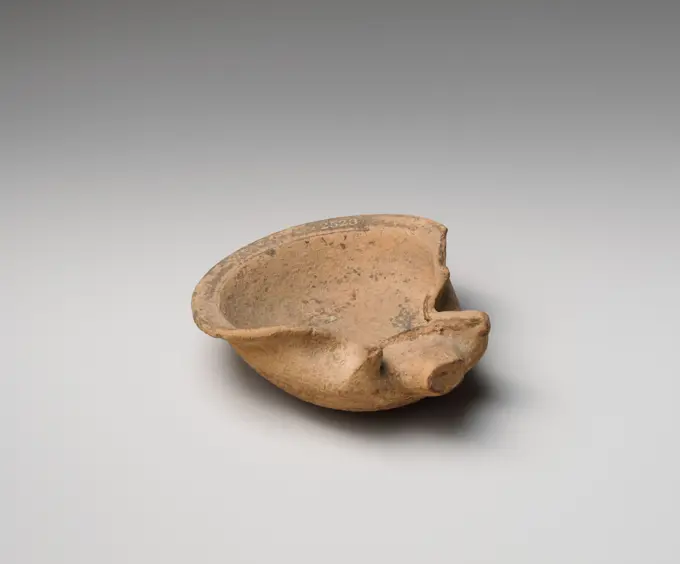
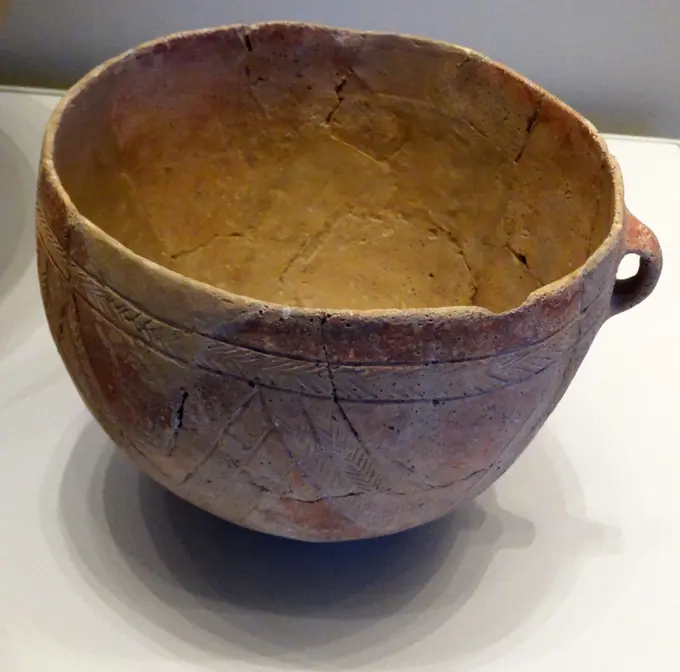
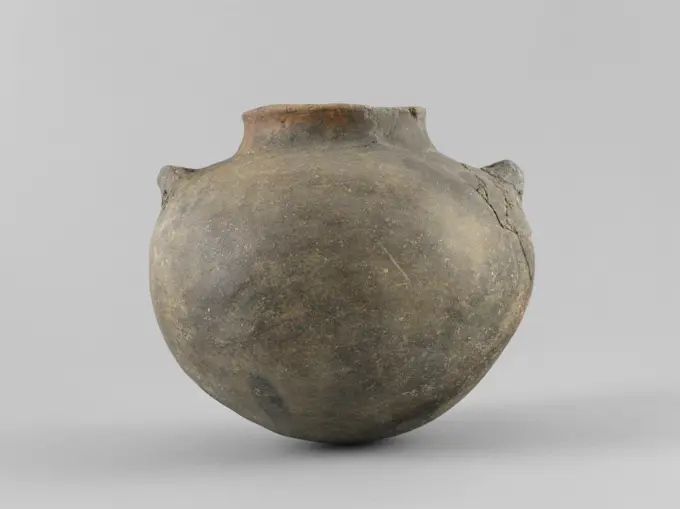
Vase with narrow collar with two pierced tenons (attributed title), -4205. Beige ceramics. Carnavalet museum, history of Paris.Ovoid vase with profiled collar ". Terracotta. Vietnam-Xe-Xive s. Paris, Cernuschi museum. 72185-22 Collar profile, Vietnamese object, terracotta, vase ovoleStorage jar. Culture: Paracas. Dimensions: Overall: 7 3/4 in. (19.69 cm)Other: 8 1/2 in. (21.59 cm). Date: 3rd-2nd century B.C. (). Museum: Metropolitan Museum of Art, New York, USA.Vessel with Lug Handles. Egyptian. Date: 4000 BC-2250 BC. Dimensions: 8.8 × 5.2 × 4.8 cm (3 1/2 × 2 1/16 × 1 7/8 in.). Stone. Origin: Egypt. Museum: The Chicago Art Institute, Chicago, USA. Author: Ancient Egyptian.Lamp, Anatolia; 4th - 3rd century B.C; Terracotta; 3.6 × 7.2 × 9.1 cm (1 7,16 × 2 13,16 × 3 9,16 in.)Dark-gray earthenware jug be used with coarse, twisted ears on six fins at the top, casserole can be found in the earthenware ceramic pottery, hand-turned (reducing) baked Pottery cooker blue-gray shard sausage ear coarse rotational round shoulder and belly six pinched stand fins. Egg-shaped with wide neck opening and forward neck edge. Standing sausage ear attached to the top and the shoulder archeology Rotterdam native pottery food preparation cooking kitchen disposal hygienePottery cooking pot, red shard, with lead glaze, two bands on three legs, cooking pot crockery holder kitchenware toy relaxing device model earthenware ceramics earthenware glaze lead glaze, hand turned glazed baked Pottery cooking pot model toy red shard inside covered with lead glaze two vertical top pinched up bandwidths three legs archeology indigenous pottery play food prepare cooking cuisineEarthenware ointment jar, double conical model with outstanding top edge, ointment jar pot holder soil find ceramic earthenware glaze lead glaze, hand turned glazed baked Pottery ointment jar. Double conical model with low abdomen Position plane Outwardly directed upper edge. Red shard internal glazed archeology Rotterdam IJsselmonde health care indigenous earthenware ointment care medication medicine packaging pharmacy handicraft Soil discovery: IJsselmonde Castle well 2 Rotterdam 1972.Glass perfume bottle 1st century A.D. Roman Miniature perfume bottleTranslucent pale purple.Rim folded out, over, and in, flattened on top; long, slightly funnel-shaped neck, tooled in around base; conical body with convex sides; flattened bottom, concave at center.Intact; few bubbles; patches of dulling and iridescent weathering.Stands insecurely on bottom; the flattened rim allows for it to be stood securely upside down.. Glass perfume bottle 239744Pottery chamber pot, easy to use on stand, yellow glazed with standing ear, pot holder sanitary soil found ceramic earthenware glaze lead glaze, hand turned glazed baked Pottery chamber pot on stand ring. White shard fully glazed except the bottom of the bottom Yellow glazed. Double conical in shape with wide neck opening and narrow foot. Rotations between the shoulder and the edge. Oblique outstanding pot edge. Standing and scaled bandoor archeology indigenous pottery drains night sleeping room hygieneBowl 4th-7th century Coptic. Bowl 478492Miniature marmit ". Terracotta, green covered. China, six dynasties (311-589). Paris, Cernuschi museum. Chinese art, Chinese Ceramic, containing, time six dynasty, oval form, pot, container, terracotta, miniatureJar with Peony Scroll 11th-12th century China Also known as northern celadon,” Yaozhou wares were produced in numerous kilns centered in Shaanxi Province.. Jar with Peony Scroll. China. 11th-12th century. Stoneware with carved decoration under celadon glaze (Yaozhou ware). Northern Song dynasty (960-1127). CeramicsCupDish;  around 2686- 2181 BC ; Old PAVessel (Roman Empire, probably Syria); glassWavy-handled jar. Date: ca. 3850-2960 B.C.. Museum: Metropolitan Museum of Art, New York, USA.Pottery chamber pot, ease of use on stand, standing ear and wide neck opening, pot holder sanitary soil found ceramic earthenware glaze lead glaze, hand-turned glazed baked Pottery chamber pot on stand ring. Red shard entirely glazed except the bottom. High pot doubly conical in shape Single profile ring or turn ring over the shoulder. Standing sausage above the rim is excellent. Almost flat outstanding top edge Wide pot edge archeology indigenous pottery drains night sleeping room hygienePottery ointment jar, gray shard, tapered model on narrow foot with outstanding top edge, ointment jar pot holder soil find ceramic earthenware glaze lead glaze, glazed hand-turned baked High light tapered shape with outward flared rim. Inside, the outside is sparsely glazed. Gray shard. Stand surface with cut-off track Rotary arches on the inside archeology Valckensteyn Poortugaal Albrandswaard health care indigenous pottery ointment care medication medicine pharmacy packaging Soil discovery: castle Valckensteyn in Poortugaal now Albrandswaard 1961-1962.Buddhist Water Sprinkler (Kundika). China. Date: 618 AD-699 AD. Dimensions: H. 26.2 cm (10 5/16 in.); diam. 14.0 cm (5 1/2 in.). Northern white ware; stoneware with yellowish-white glaze. Origin: China. Museum: The Chicago Art Institute, Chicago, USA.Cup. Culture: Coptic. Dimensions: Overall: 4 x 3 3/4 in. (10.1 x 9.6 cm). Date: 4th-7th century. Museum: Metropolitan Museum of Art, New York, USA.Red -made earthenware ointment pot, with lead glaze on the inside, anonymous, 1500 - 1799   earthenware. glaze   earthenware. glazeNesting Bowl 4th-7th century Coptic. Nesting Bowl 478426Earthenware bowl, red shard, inside lead glaze, on three pinched stand fins, bowl crockery holder soil find ceramic earthenware glaze lead glaze, hand-turned glazed baked Pottery bowl red shard inside covered with lead glaze three pinched stand fins Supplemented and adorned archeology indigenous pottery food drink mixing cooking kitchenVase (USA); Company: Biloxi Art Pottery (United States); Ceramist: George E. Ohr (American, 1857-1918); glazed earthenwareAryballos;  II-I century BC (-200-00-00-1-00-00);Lamp. UnknownBowl with Handles 16th-18th century Colonial. Bowl with Handles 316856Pottery cooking jug, red shard, glazed, vertical sausage ear, on three legs, grape cooking pot tableware holder utensils earthenware ceramics earthenware glaze leagic, hand turned glazed baked Pottery cooking can grape-model sparingly glazed lead glaze one vertical sausage ear on the top edge on three legs underside unusual white touch archeology Rotterdam City Triangle Oostplein indigenous pottery food preparation cooking cuisine food war Second World War Soil discovery from debris after the bombing of May 1940: Oostplein or surroundings.Terracotta tumbler ca. 2100-1950 B.C. Minoan Decorated with white band on a dark slip.. Terracotta tumbler. Minoan. ca. 2100-1950 B.C.. Terracotta; White-on-dark ware. Middle Minoan IA. VasesEarthenware cooking pot, glazed with two vertical bands, on three legs, cooking pot tableware holder kitchenware earth discovery ceramics earthenware lead glaze enamel, hand-turned glazed baked earthenware cooking pot entirely glazed glaze varied green and brown two vertically arranged edge ears on the shoulder rotating legs on three legs archeology indigenous pottery food prepare cooking kitchen foodLamp. UnknownJar late 8th-9th century. Jar 449455Bowl 4th-7th century Coptic. Bowl 478832Glubular pot with high flared collar ". Terracotta. Vietnam-Xe-Xive s. Paris, Cernuschi museum. 72186-49 High Col Evase, Vietnamese object, globular pot, terracottaLamp, North Africa; 1st - 4th century; Terracotta; 3.5 x 7.5 x 10 cm (1 3,8 x 2 15,16 x 3 15,16 in.)Jar. White proto-Grès with ivory glaze. Cernuschi Museum, Asia Museum of Asia in the city of Paris.Dish;  around 2345 2181 BC ; Old PABottle ca. 3rd-7th century A.D. Sasanian. Bottle 322717Vase 8th century China. Vase 39559Shard of Tea Bowl: Jian ware, 960-1279. China, near Shui ch'i, Song dynasty (960-1279). Stoneware; overall: 6.5 cm (2 9/16 in.).Glass jar 3rd-4th century A.D. Roman Colorless with yellow green tinge; trail in same glass.Thickened, rounded rim, with beveled outer edge; flaring mouth; short, concave neck; tall, bulbous body; deep kick in bottom and circular pontil mark.Thick trail applied around neck.Intact; pinprick and a few larger bubbles; dulling and faint iridescent weathering on exterior; soil encrustation, dark enamel-like weathering, and brilliant iridescence on interior.. Glass jar 245408Stoneware jug, with ear, on pinched foot ring, brown and gray salt glaze, jug be found in the earth ceramic stoneware glaze salt glaze, hand-turned glazed baked Slightly slanted can be completely twisted with twists, gray-brown glazed one ear Round model with elongated body and cylindrical neck. Upright bandoor with vertical groove archeology Valckensteyn Poortugaal Albrandswaard indigenous pottery import drink beverage cuisine Soil discovery: castle Valckensteyn in Poortugaal now Albrandswaard 1962 Gracht bij de brug.Pot ". Ceramics. China, Dynasty of Song. Paris, Cernuschi Museum. 72685-5 Chinese, ceramic art, Song dynasty, potBottle with spherical body, anonymous, c. 1725 Deeply inserted soul, narrowing body through rounded shoulders transferring to a highly tapered neck with a high -placed ring. Northwest Europe glass glassblowing Deeply inserted soul, narrowing body through rounded shoulders transferring to a highly tapered neck with a high -placed ring. Northwest Europe glass glassblowingRed polished ware jar ca. 3850-2960 B.C. Predynastic Period. Red polished ware jar. ca. 3850-2960 B.C.. Pottery. Predynastic Period. From EgyptLamp; North Africa, Tunisia; second half of 1st century; Terracotta; 4.2 x 6.8 x 10 cm (1 5,8 x 2 11,16 x 3 15,16 in.)Banquy vessel; Unknown Night -Tamanian workshop; approx. 2600 2350 BC ; Early period D Azira III (-2600-00-00--2350-00-00);Earthenware grape with two ears, double conical in shape, on three legs, grape cooking pot crockery holder kitchen utensils earthenware ceramics earthenware glaze lead glaze, hand-turned glazed baked Pottery grape on three legs Two standing sausage ears Narrow top edge inclined inwards on the outside with groove. Double conical in shape few coarse twisted arms over the shoulder. Sharply sculpted legs with hollow stand. Sparely glazed internal only under the neck opening Restoration is repainted archeology underground pit Rotterdam City Triangle Blaak Groenendaal indigenous pottery food preparation food kitchen cooking Soil discovery underground pit Groenendaal Blaak from beerton of wood 1977.05.20.Glass perfume bottle. Culture: Roman. Dimensions: 5 1/8in. (13.1cm)Other: 2 11/16 in. (6.9 cm)Diam. of rim: 1 1/4 in. (3.2 cm). Date: late 1st-mid-2nd century A.D..Translucent pale blue green.Rim, folded out, over, and in, flattened on top and partially into mouth; cylindrical neck, expanding slightly downward, tooling marks around base; squat, bulbous body; flat bottom with rounded edge.Intact, except for cracks in side; pinprick bubbles; dulling, pitting, and iridescence, with areas of creamy brown weathering. Museum: Metropolitan Museum of Art, New York, USA.Small Jar with Wide Mouth. Korea, Unified Silla dynasty (668-935), 9th-early 10th century. Furnishings; Serviceware. Wheel-thrown stoneware with impressed decorationVase;  19th/20th century (1891-00-00-1910-00-00);Oil Lamp supervisory workshopsBowl 4th-7th century Coptic. Bowl 478854Painted Vase 360 B.C. Megarianbowl, ca. 250-150 B.C., Terracotta, 8.7 × 12.5 cm (3 7/16 × 4 15/16in.), Greek,Attic, Hellenistic, Containers -CeramicsAmphora 600-480 B.C. Cypriot Black slip, and panels with trees in white.. Amphora. Cypriot. 600-480 B.C.. Terracotta. Cypro-Archaic II. VasesPrehistory, Italy, Bronze Age. Terramare culture. Cup with handle. From Emilia Romagna Region.Lamp, South Anatolia, Anatolia; 1st century B.C. - 4th century A.D; Terracotta; 3.4 x 10.4 x 15.4 cm (1 5,16 x 4 1,8 x 6 1,16 in.)Lamp, Cologne, Germany; 1st - 2nd century; Terracotta; 1.9 x 6.1 x 11.5 cm (3,4 x 2 3,8 x 4 1,2 in.)Globular Jar 1101-1200 China. Northern Blackware, Cizhou type; glazed stoneware .Tea Jar 18th century Japan. Tea Jar. Japan. 18th century. Clay covered with a thin glaze and with streaks in overglaze (Seto ware). Edo period (1615-1868). CeramicsBowl 4th-7th century Coptic. Bowl 478859Bowl. Culture: Mississippian. Dimensions: Height 3 in.. Date: 11th-14th century. Museum: Metropolitan Museum of Art, New York, USA.Vase (usual name). Sandstone, Céladon. Cernuschi Museum, Asia Museum of Asia in the city of Paris.Miniature Cup with Side Spout. Nievería; Central coast, Peru. Date: 500 AD-800 AD. Dimensions: 7.1 x 4.6 cm (2 13/16 x 1 13/16 in.). Ceramic and pigment. Origin: Nievería. Museum: The Chicago Art Institute, Chicago, USA.Lekythos late 5th century B.C. Greek, Corinthian. Lekythos. Greek, Corinthian. late 5th century B.C.. Terracotta. Classical. VasesRed earthenware jug placed on stand, jug crockery holder soil find ceramic earthenware glaze lead glaze, hand-turned glazed baked Red earthenware jug on stand ring Convex cylindrical neck light outstanding top edge. Fors standing ear completely smooth and slightly pinched at the top. Some rotating lips on the shoulder. Sparely glazed with lead glaze only on the shoulder and on the bottom archeology Hellevoetsluis Nieuwenhoorn drink serve soil found filling bottom tonput Welleweg tonput Nieuwenhoorn 1981.01.06.Vase originating from El Salvador. Pre-Colombian Civilization.Situla with plain rim ca. 1279-1213 B.C. New Kingdom, Ramesside Wine was a coveted drink starting in Egypts earliest days, though wine services do not have a long history there, as strainers were not found before the New Kingdom. The importance of wine grew during that period, as intoxicating drinks played a prominent role in festivals and in communal celebrations. When associated with Bastet and other feline goddesses, these drinks helped partakers emulate the drunkenness that brought about the goddesses pacification. Such practices probably occurred in festivals for Bastet in Tell Basta, where this and other vessels were found. The vessels were buried in two caches close to the temple, along with silver and gold jewelry, ingots, and lesser objects. Rare in antiquity, most silver and gold vessels were later melted down and reused for new projects. The Tell Basta hoards are thus exceptional finds.Jars like this one, shaped like a long teardrop (situlae) were used for drinking.. SitulGlass perfume bottle. Culture: Roman. Dimensions: 5 7/8in. (15cm)Other: 3 3/8in. (8.6cm)Diam. of rim: 1 5/16 in. (3.3 cm). Date: 2nd-3rd century A.D..Translucent pale yellowish green.Rim folded out, over, and in, flattened on top and into mouth; tall, cylindrical neck, expanding downward and tooled in around base; squat, bulbous body; flat bottom.Intact, except for one crack and small chip in rim and larger cracks around body radiating from small hole; pinprick bubbles; dulling, with patches of pitting and iridescent weathering. Museum: Metropolitan Museum of Art, New York, USA.Pot (usual name). Sandstone covered with enamels. Cernuschi Museum, Asia Museum of Asia in the city of Paris.Yan vase. Bronze. China. Paris, Cernuschi museum. Chinese art, bronze, tripod, three feet, yan vaseLamp. UnknownPot 4th-7th century Coptic. Pot. Coptic. 4th-7th century. Earthenware, slip decoration. Made in Kharga Oasis, Byzantine Egypt. CeramicsBucchero Oinochoe with Feline and Palmettes. Italy, Etruscan, 6th century. B.C.. Furnishings; Serviceware. CeramicAlms Bowl, c. 900s. Japan, Heian period (794-1185). Gilt bronze; overall: 12.8 x 23.8 cm (5 1/16 x 9 3/8 in.).Bowl. Culture: Taino. Dimensions: Diameter 5-3/4 in. (14.6 cm). Date: 13th-15th century. Museum: Metropolitan Museum of Art, New York, USA.Jug 15th-16th century British Jugs without spouts were used much like mugs are today. Potters were active in Kingston-on-Thames (now part of London) from the 1260s, and their earliest described products were royal orders. Both men and women were eventually listed among the citys "Poters," who supplied large numbers of ceramic pieces to the nearby capital.. Jug 468395Terracotta amphora lying on a white background Storage Jar from Tutankhamun's Embalming Cache ca. 1336-1327 B.C. New Kingdom This large open-mouthed jar is one of approximately a dozen discovered in a pit (KV 54) in the Valley of the Kings during excavations sponsored by Theodore M. Davis in 1907. The jars contained objects inscribed with the name of an obscure king by the name of Tutankhamun. In 1909, Davis gave several jars and their contents to the Metropolitan Museum where they are on display in gallery 122.. Storage Jar from Tutankhamun's Embalming Cache 549573Lamp. Culture: Greek or Roman. Dimensions: Overall: 1 3/8 x 3 5/8 in. (3.5 x 9.2 cm). Museum: Metropolitan Museum of Art, New York, USA.Loving cup dated 1715 British, Nottingham (Derbyshire) Large cups with arching handles were often termed loving cups, and the inscription on this example indicates its celebration of a husband and wife. The incised date of 1715, which may indicate the year of the wedding or of an anniversary, makes this one of the earliest cups of this type made in salt-glazed stoneware. Both Nottingham and Derbyshire were renowned for producing wares of this type in the eighteenth century, and the medium of salt-glazed stoneware was an inexpensive one, allowing wares such as these to be affordable to the middle classes.. Loving cup. British, Nottingham (Derbyshire). dated 1715. Salt-glazed earthenware. Ceramics-PotteryVase 1292 BCE-1202 BCE Egypt. Glass . Ancient EgyptianSmall stoneware room pot, ease of use, belly model with outstanding rim and sausage ear, pot holder sanitary soil found ceramic stoneware glaze salt glaze, hand-turned glazed baked stoneware chamber pot Very small size. braided side wall with small standing surface and slanting neck edge with lid slot Along the outside under the neck edge profile ring Standing sausage stand Stand surface with subtraction rails Completely covered with salt glaze archeology Rotterdam IJsselmonde indigenous earthenware import drains child night sleeping room toilet care Soil discovery: Castle IJsselmonde pit 2 Rotterdam 1972.Gray stoneware jug with pinched foot, around greasy twisted lips, jug crockery holder soil find ceramic stoneware glaze salt glaze, hand turned glazed baked stoneware jug gray shard gray salt glaze protruding ring round neck under the mouth rim profiled shoulder and upper half of the belly pinched foot. Double conical belly. Rare sloppy shaped archeology import pottery serve serve store save transport store transportNeck of pottery jug from Andenne, red shard, lead glaze on the shoulder, kitchen utensils fragment soil found ceramic earthenware glaze lead glaze, hand turned glazed fried Fragment of Andennekan. Orange-red earthenware with lead glaze on the shoulder. Triangular neck edge Standing sausage ear attached to the upper rim Rotating bowls over the entire height archeology Poortugaal Albrandswaard pottery store water washing pour serving Soil discovery: Poortugaal terp 1 pit XXII mottegracht.Prehistory, Italy, Iron Age. Golasecca culture. Cup.Small majolica albarello on stand with banded pattern, albarello holder soil find ceramic earthenware glaze lead glaze tinglaze h 5,1, hand turned fried glazed painted fried Small albarello on stand surface Lightly constricted cylindrical sidewall. Deep constrictions above the standing surface and below the upper edge. Band decor on white ground faded by too high baking temperature. Internally covered with lead glaze archeology Rotterdam City Triangle Hoogstraat Kipstraat health care pottery ointment care pharmacy packaging craft archaeological find in the soil Rotterdam found Hoogstraat Kipstraat.Jug. Culture: British. Dimensions: Overall: 4 1/2 x 3 3/4 x 3 5/8 in. (11.5 x 9.6 x 9.2 cm). Date: 15th-16th century.Jugs without spouts were used much like mugs are today. Potters were active in Kingston-on-Thames (now part of London) from the 1260s, and their earliest described products were royal orders. Both men and women were eventually listed among the city's "Poters," who supplied large numbers of ceramic pieces to the nearby capital. Museum: Metropolitan Museum of Art, New York, USA.Bowl. Culture: Coptic. Dimensions: Overall: 2 3/8 x 3 5/8 in. (6.1 x 9.2 cm). Date: 4th-7th century. Museum: Metropolitan Museum of Art, New York, USA.Jacoba jug, anonymous, c. 1300 - c. 1499 Ribbed, narrow Kan (Jacobakan) of stoneware on wavy foot with an egg -shaped body and long neck. The C-shaped ear is attached to the neck. The jug is decorated with turning rings. Siegburg. Siegburg stoneware. glaze vitrification Ribbed, narrow Kan (Jacobakan) of stoneware on wavy foot with an egg -shaped body and long neck. The C-shaped ear is attached to the neck. The jug is decorated with turning rings. Siegburg. Siegburg stoneware. glaze vitrificationJarPottery saucepan, with straight wall, red shard, internally glazed, pouring lip, on three legs, saucepan pan crockery holder kitchenware earth discovery ceramics earthenware glaze lead glaze, hand turned fried glazed earthenware saucepan with straight wall red shard inside and mouth rim covered with lead glaze pouring lip three legs underside and outside wall blackened archeology native pottery food prepare cooking food cuisineBarrel of turned, solid wood. A barrel of solid maple wood.Shino Teabowl with Bridge and House, known as Bridge of the Gods” (Shinky?) late 16th century Japan This Shino-ware tea bowl has a linear design of a bridge and a Shinto shrine. The arched bridge is drawn with two parallel lines, and its pillars are indicated by four vertical strokes. The guardrails are represented by short lines emerging from the body of the bridge. The application of rich iron oxide under the thick white glaze creates the illusion of a misty landscape. Some Shino tea bowls with similar stylized compositions came to be associated with Chapter 45, The Divine Princess at Uji Bridge” (Hashihime), referring to a female deity protecting the Uji Bridge, enshrined in the Hashihime Shrine on the bridge’s west side. This tea bowl can also be associated with the Sumiyoshi Shrine in Osaka.. Shino Teabowl with Bridge and House, known as Bridge of the Gods” (Shinky?). Japan. late 16th century. Glazed stoneware with design painted in iron oxide (Mino ware, Shino type). Momoyama Bowl. Culture: Coptic. Dimensions: Overall: 2 13/16 x 3 13/16 in. (7.2 x 9.7 cm). Date: 4th-7th century. Museum: Metropolitan Museum of Art, New York, USA.Terracotta saucer-shaped oil lamp 4th century B.C. Cypriot Open, wheel-made. Narrow, horizontal rim, pinched in on one side with two projections flanking an applied, solid handle. Raised base ring and slightly concave base.One large chip in rim and most of handle missing.. Terracotta saucer-shaped oil lamp. Cypriot. 4th century B.C.. Terracotta. Cypro-Classical. TerracottasBowl with a brown glaze, anonymous, anonymous, c. 1700 - c. 1799 Come from stoneware, partially covered with a brown glaze. The lower part of the bowl is unglazed. Two old labels on the bottom with 'W684' and 'Sastuma'. Satsuma. Japan stoneware. glaze Come from stoneware, partially covered with a brown glaze. The lower part of the bowl is unglazed. Two old labels on the bottom with 'W684' and 'Sastuma'. Satsuma. Japan stoneware. glazeEarly pottery vessels including storage vessels, jars, cooking pots, bowls, chalices, spoons and other miniature vessels. From Munhata, Tel Teo, Tel Kiri and Herzlia from the Yarmukian culture from over 8,000 years ago. Made from pottery and pigments.