Ancient Ceramic Vessels

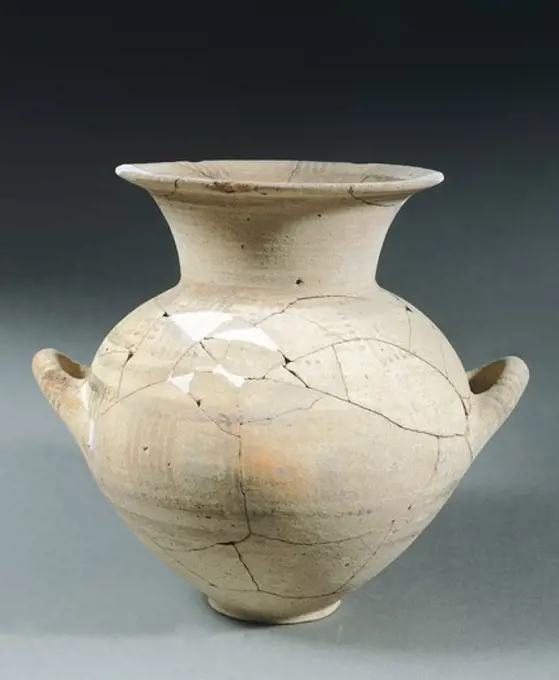
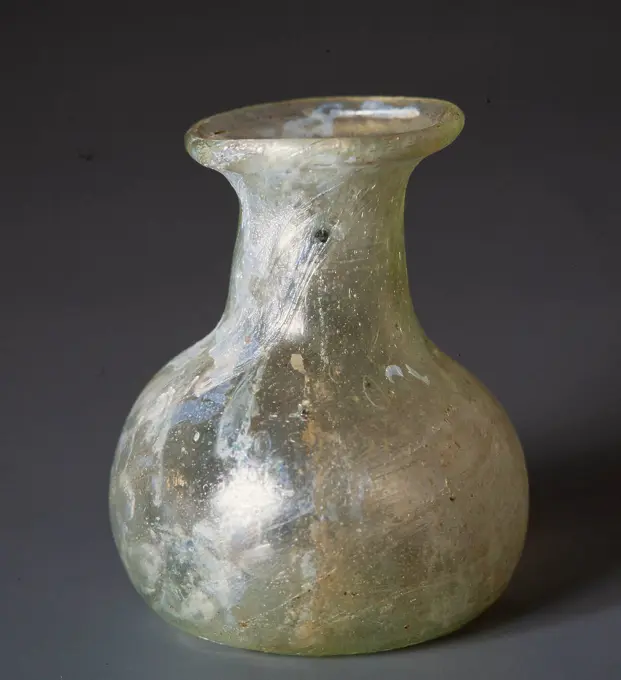
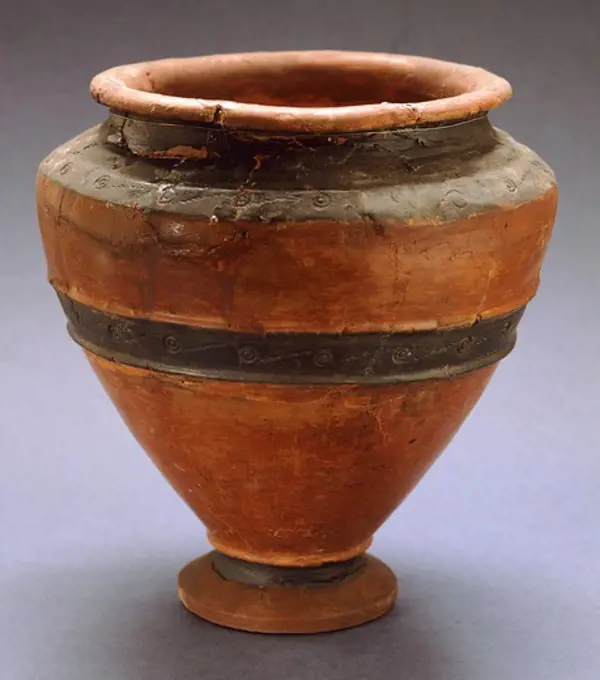
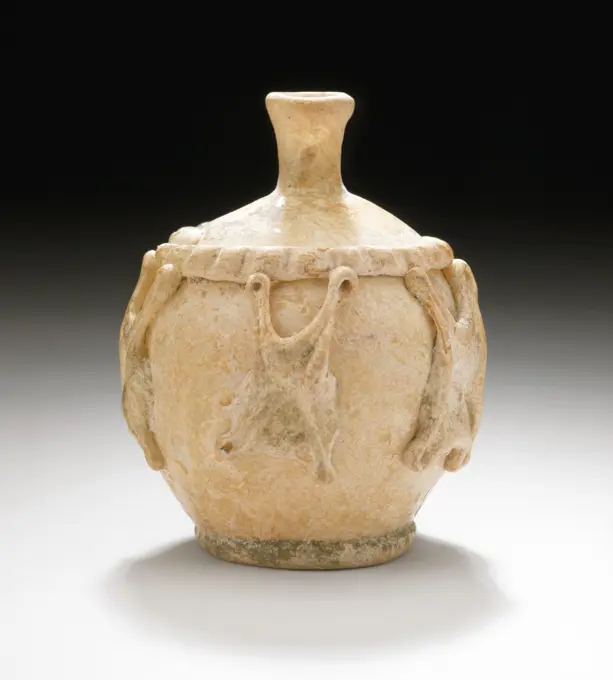
Various ancient ceramic jugs and jars, showcasing Greek and Roman designs, decorated with animal and floral motifs from different historical periods.
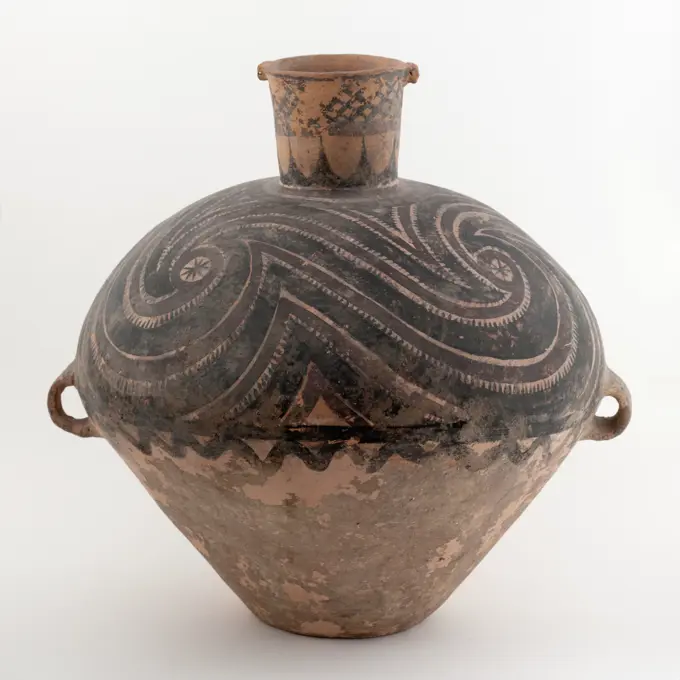
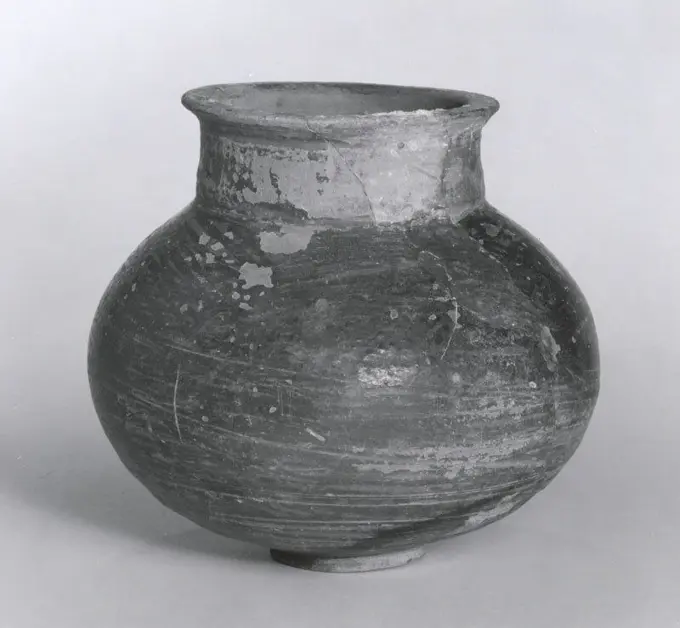
Jar ". Terracotta. China, Neolithic. Paris, Cernuschi museum. 74781-15 Chinese, ceramic, jar, neolithic, terracotta archeology
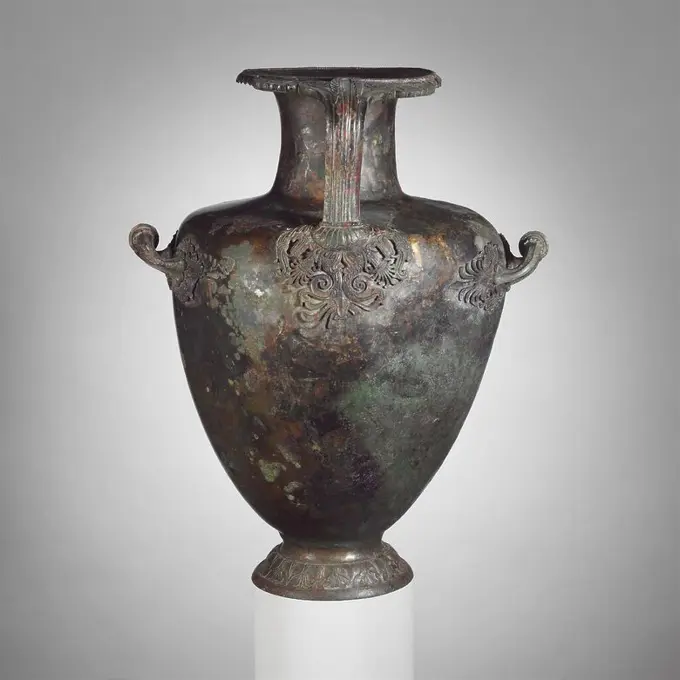
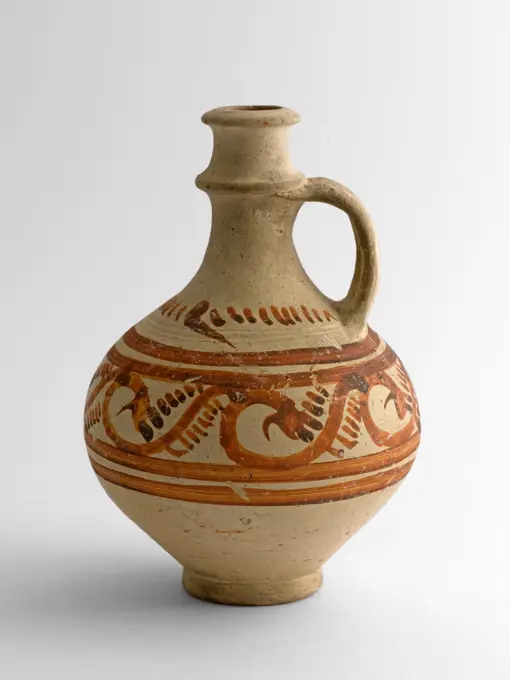
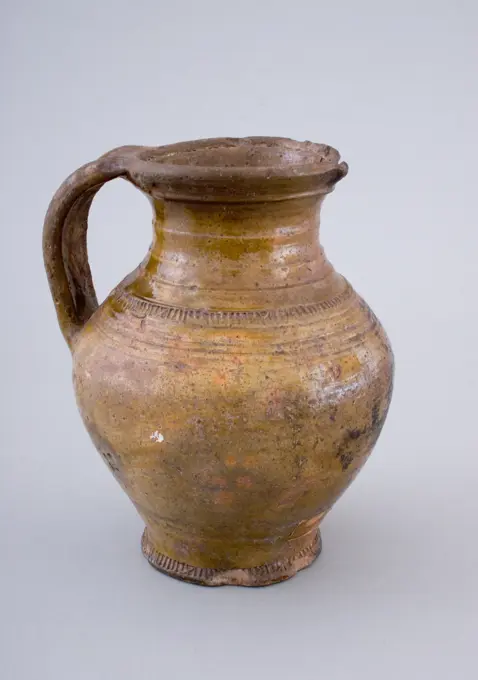
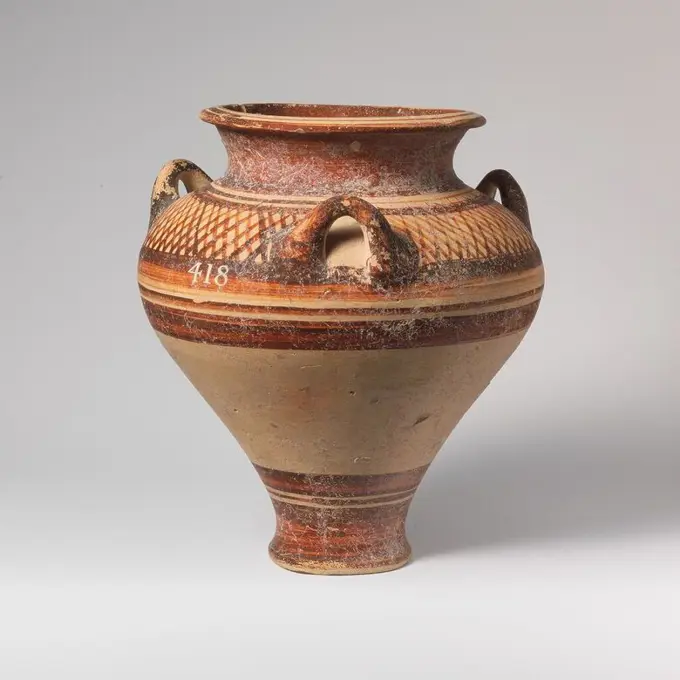
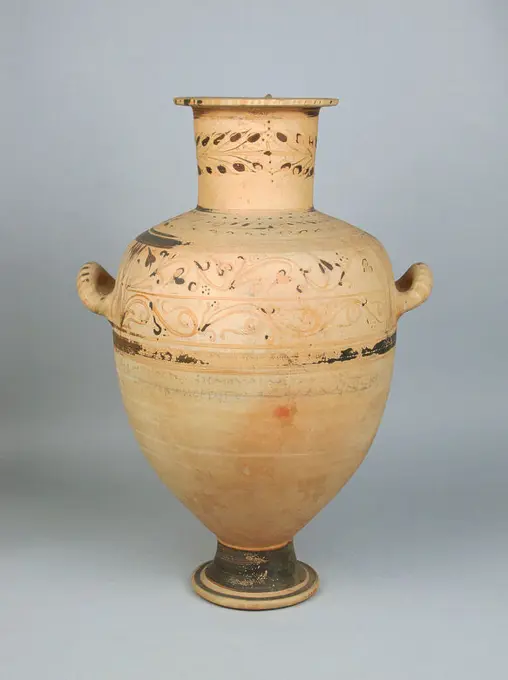
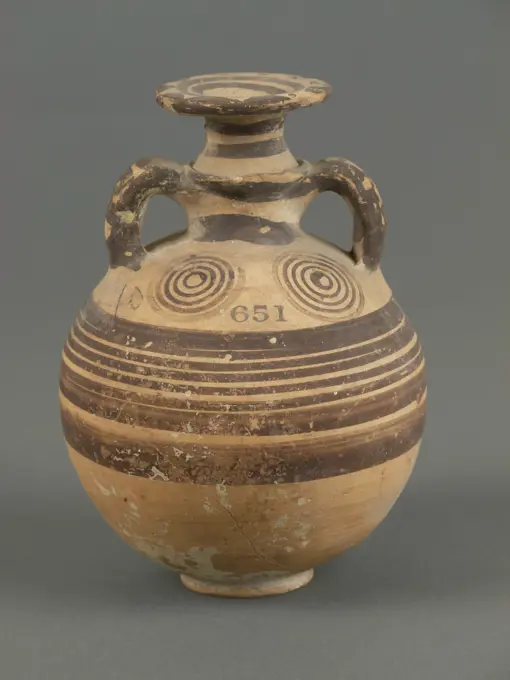
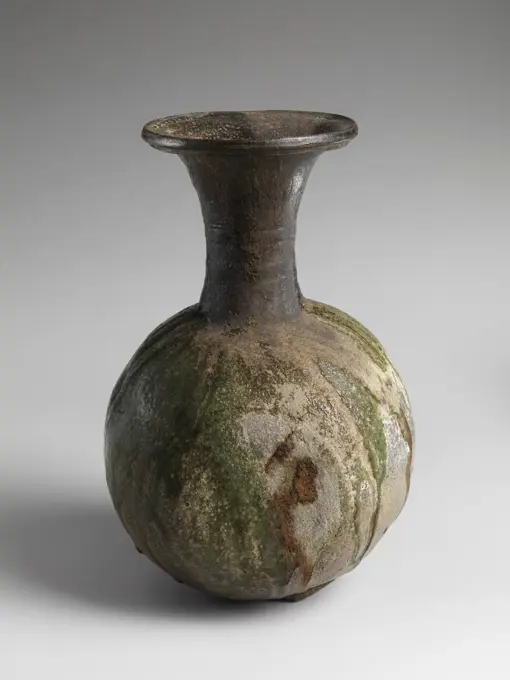
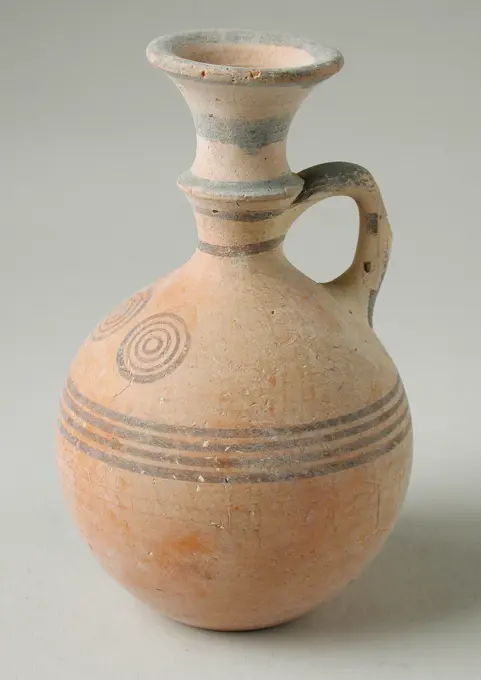
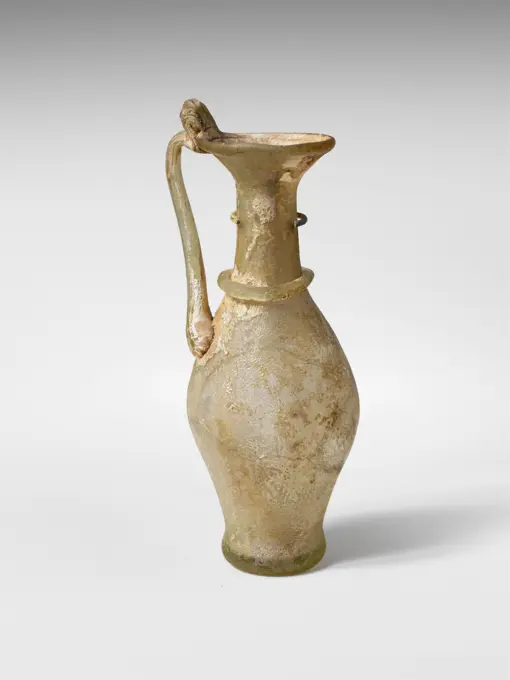
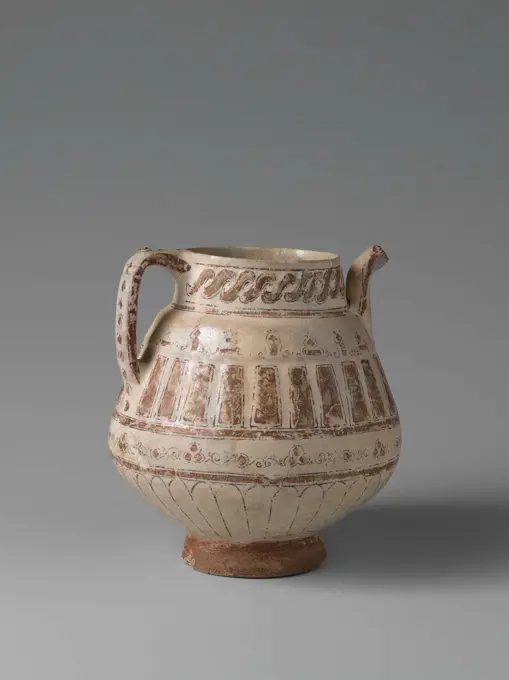
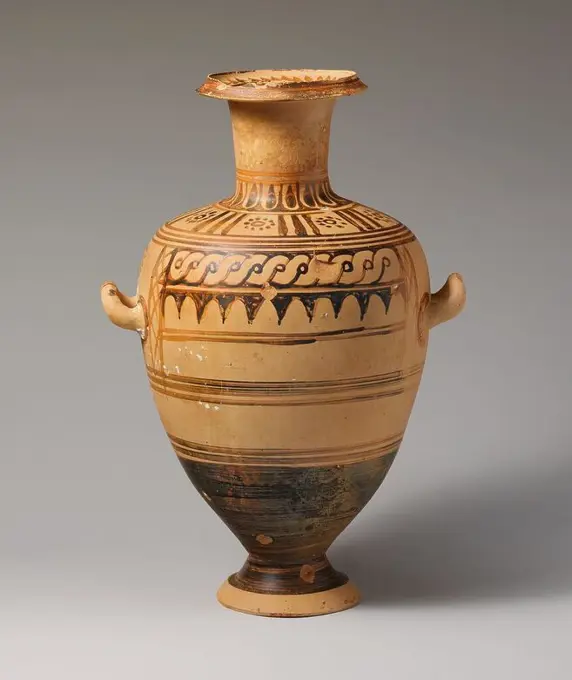
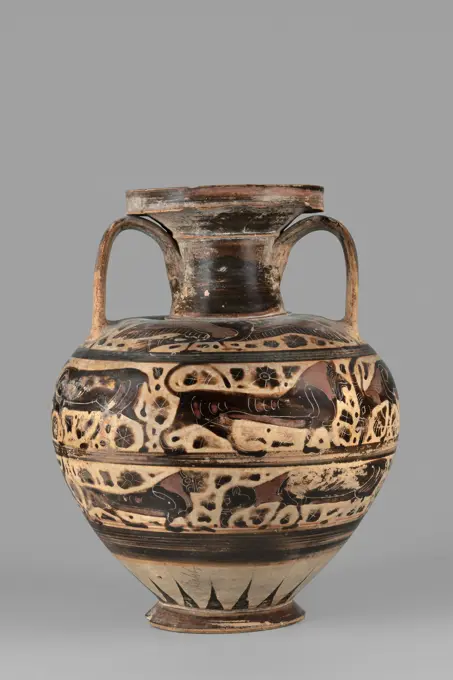
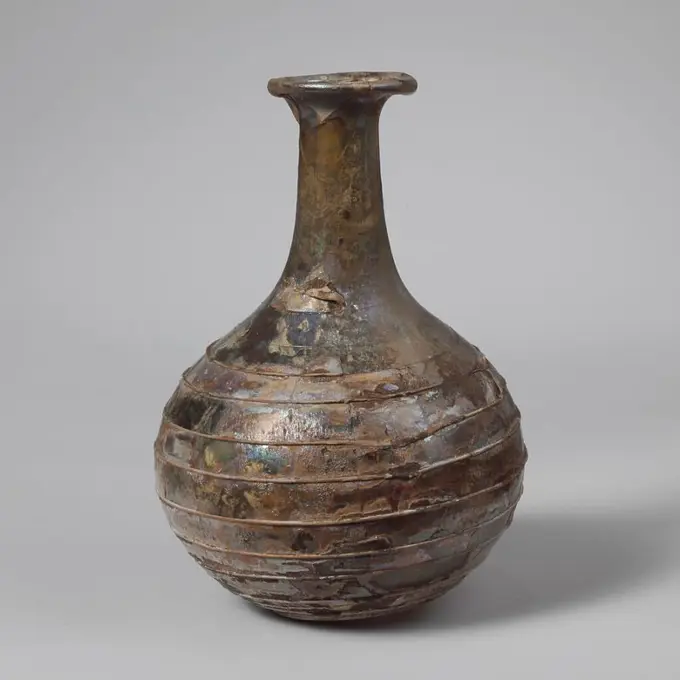
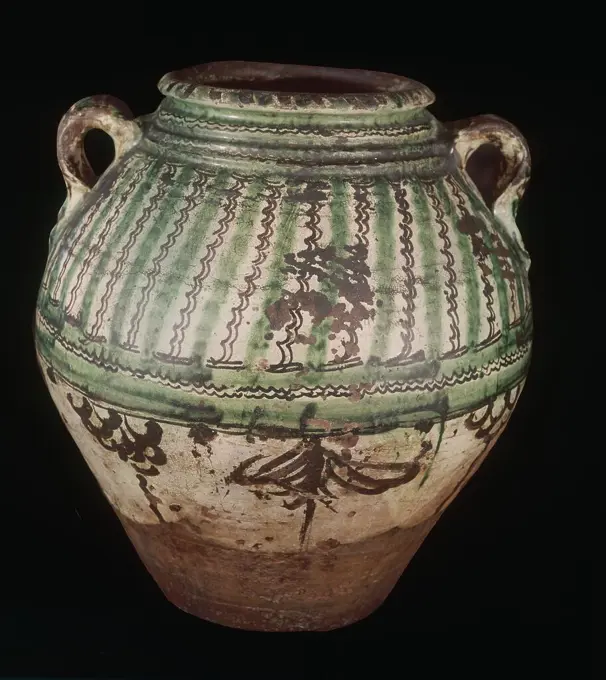
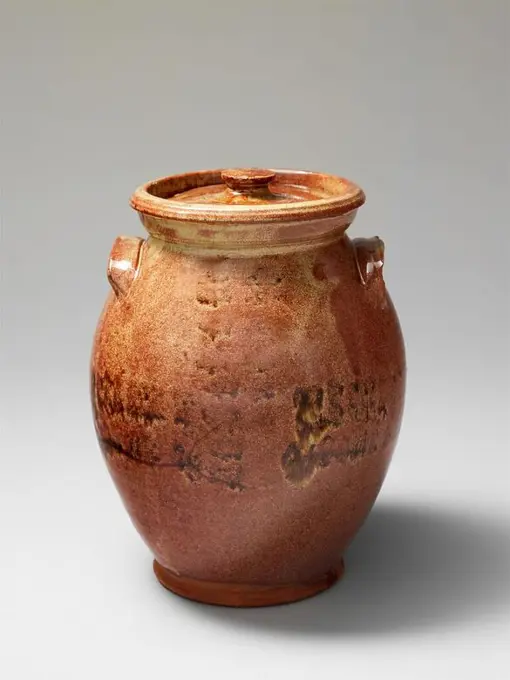
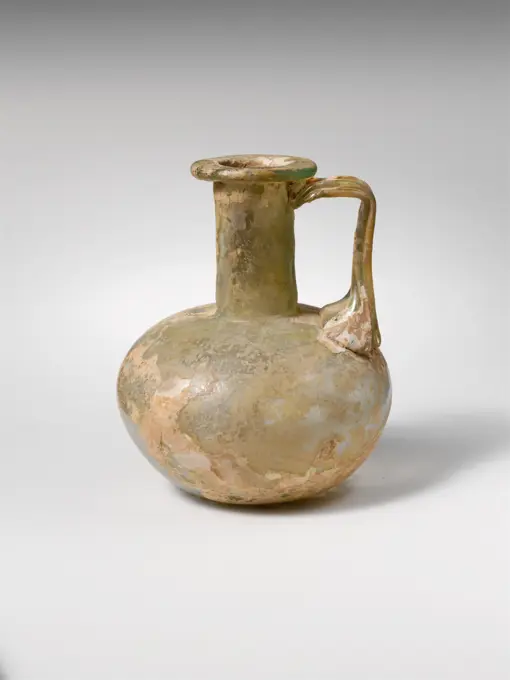
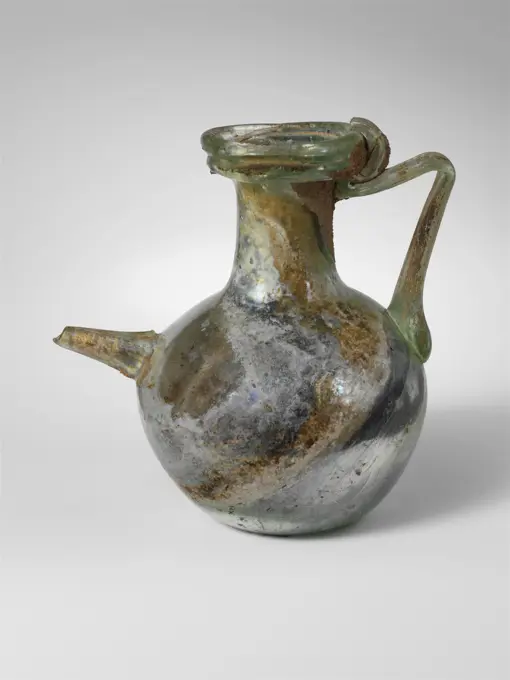
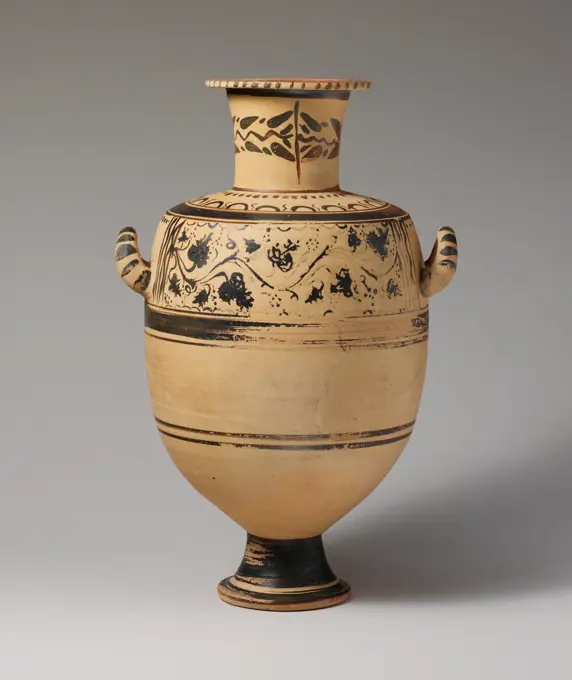
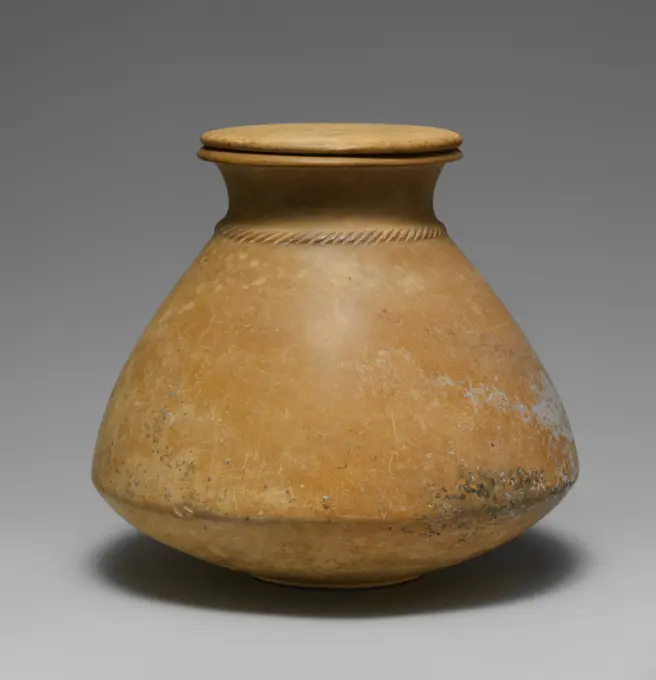
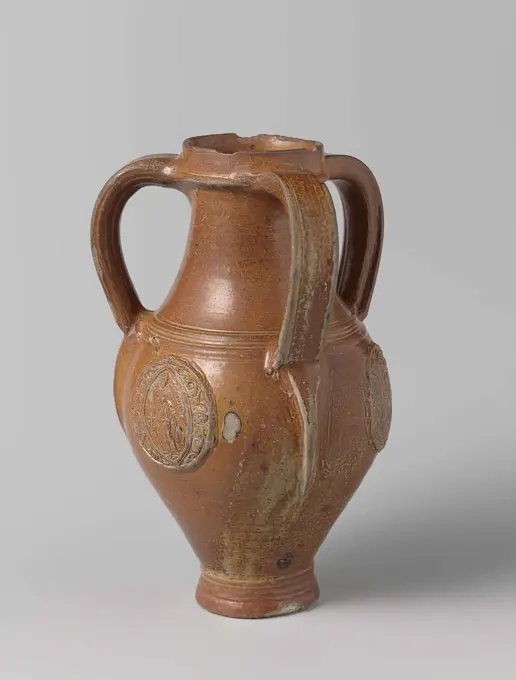
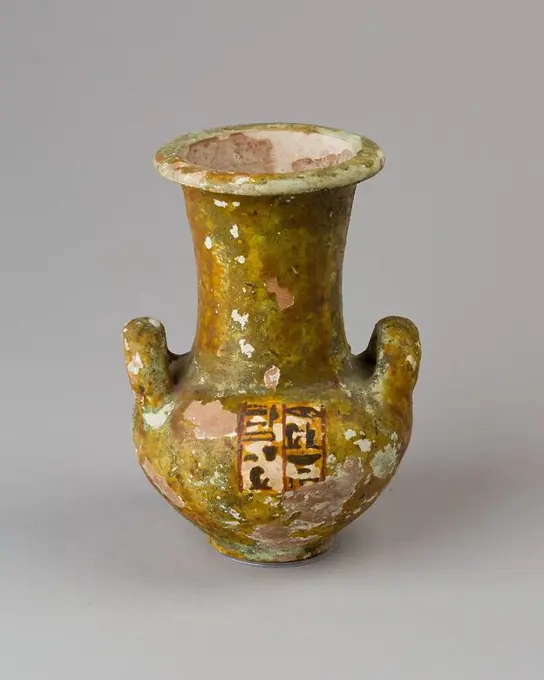
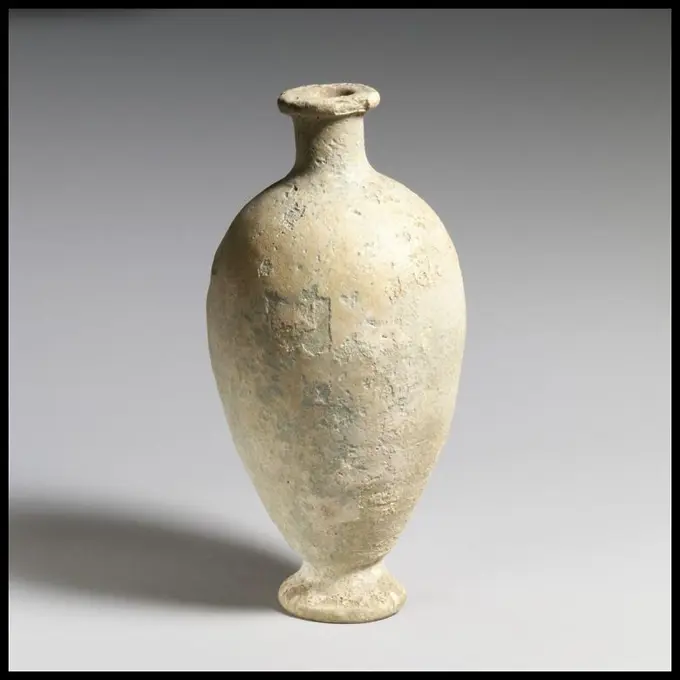
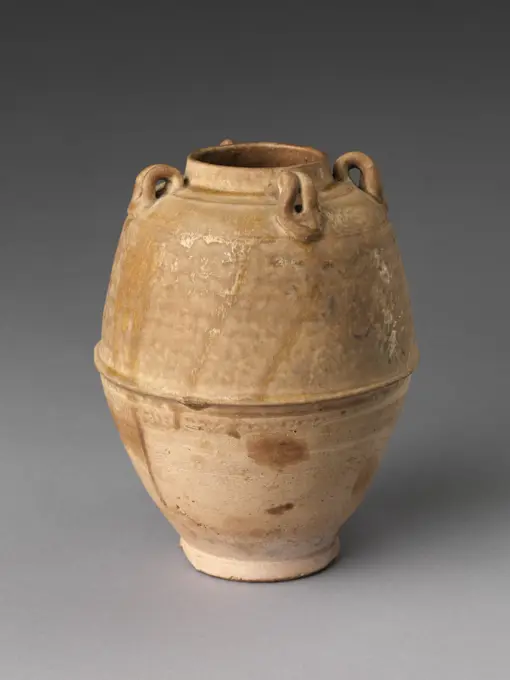
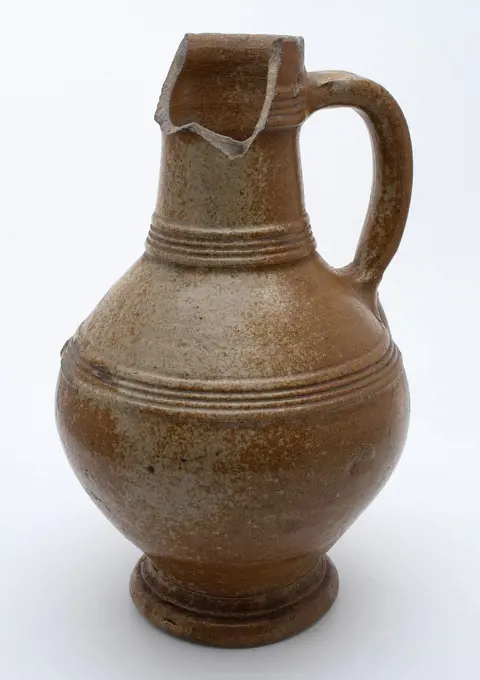
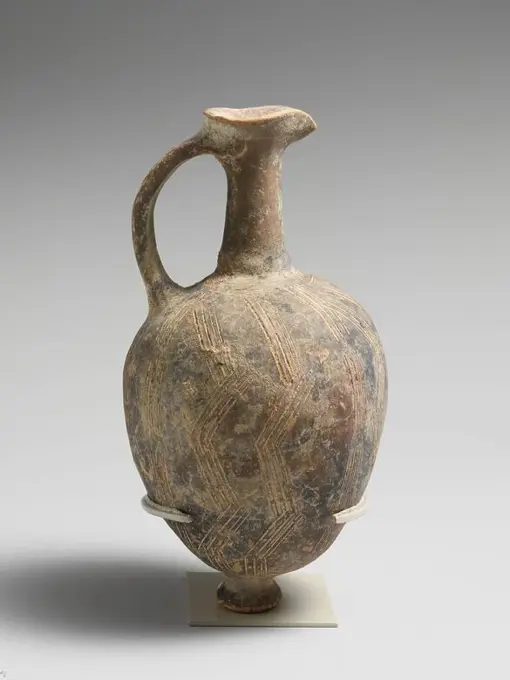
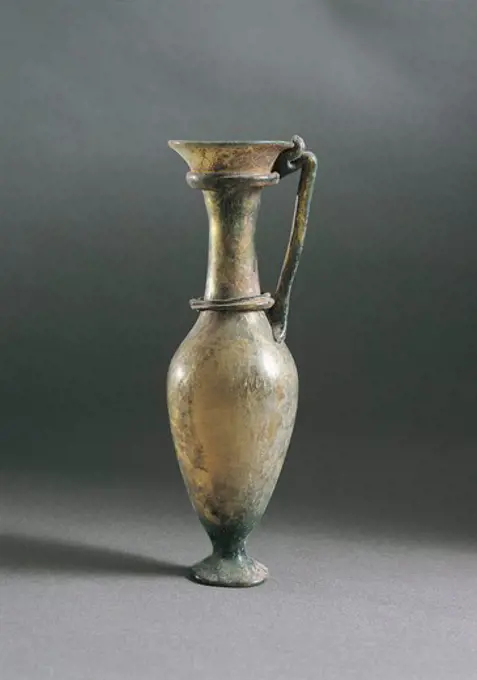
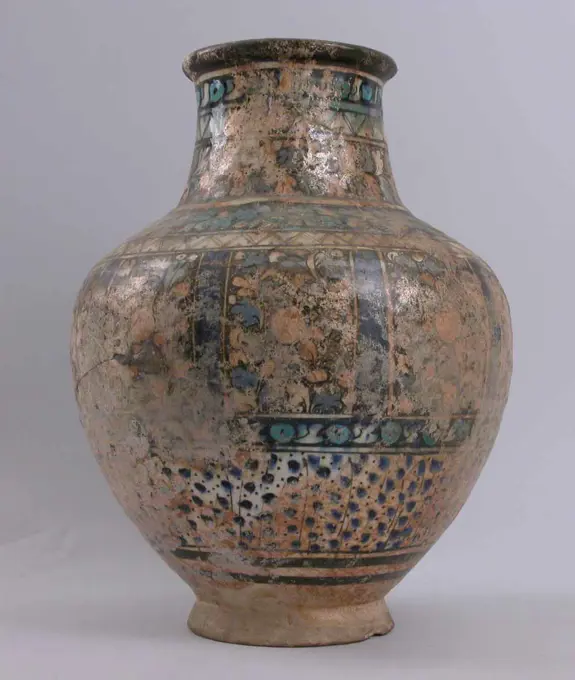
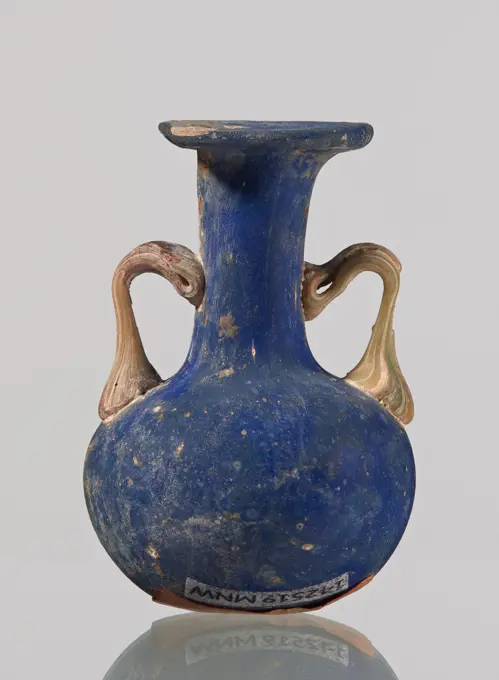
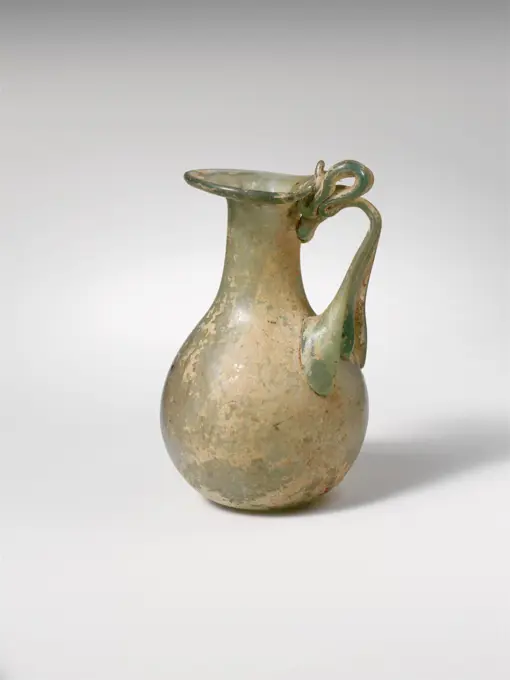
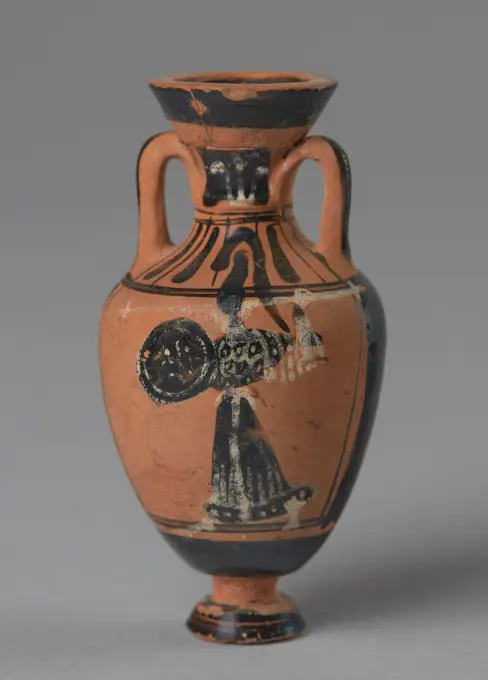
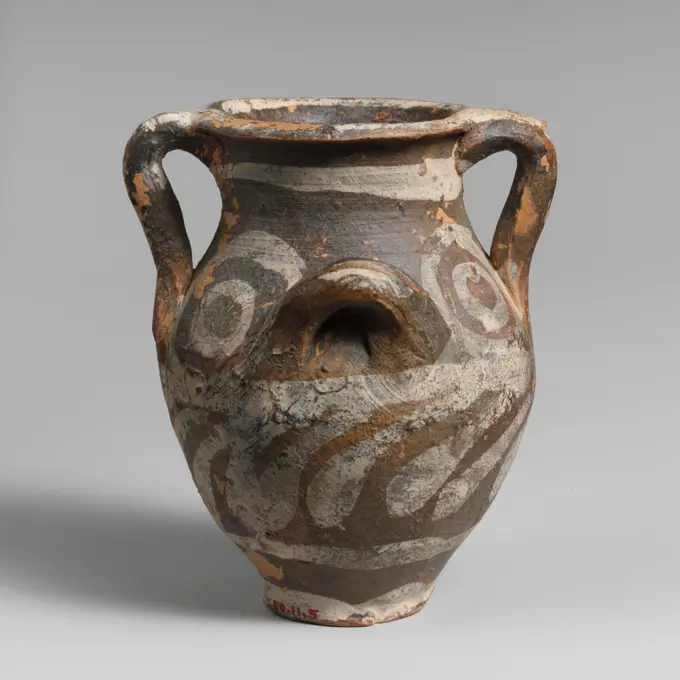
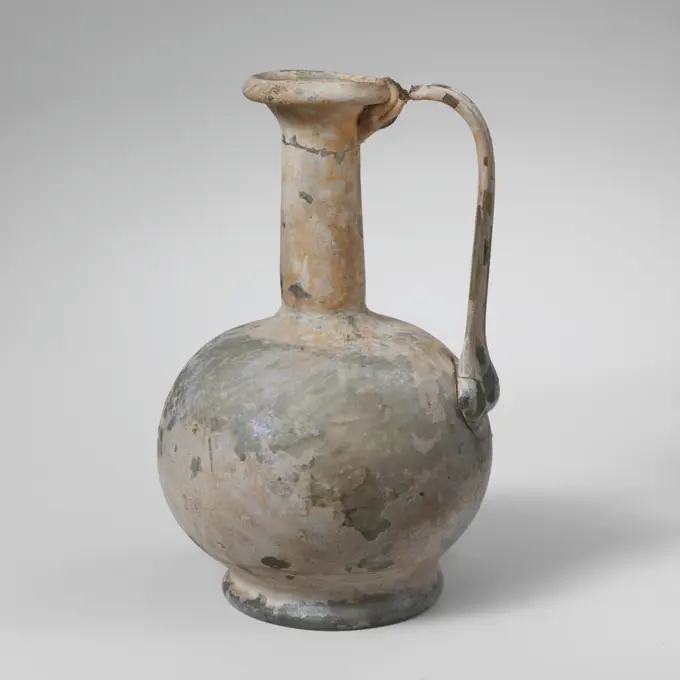
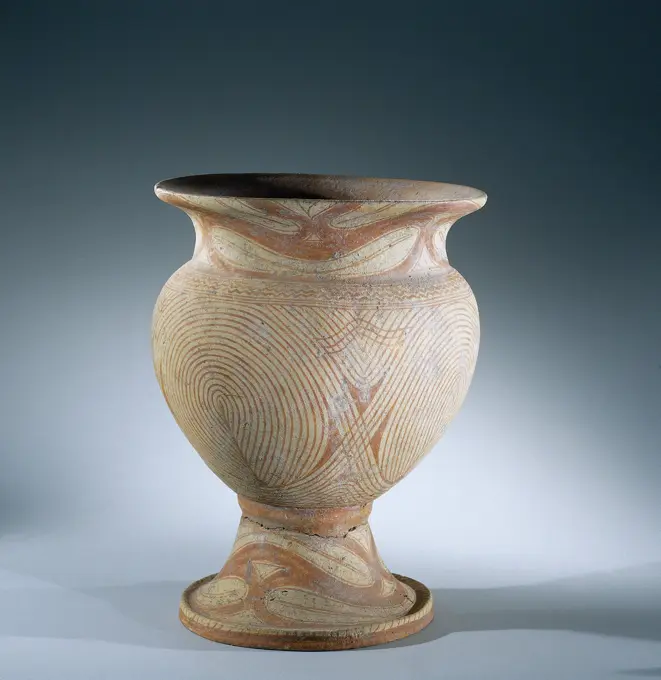
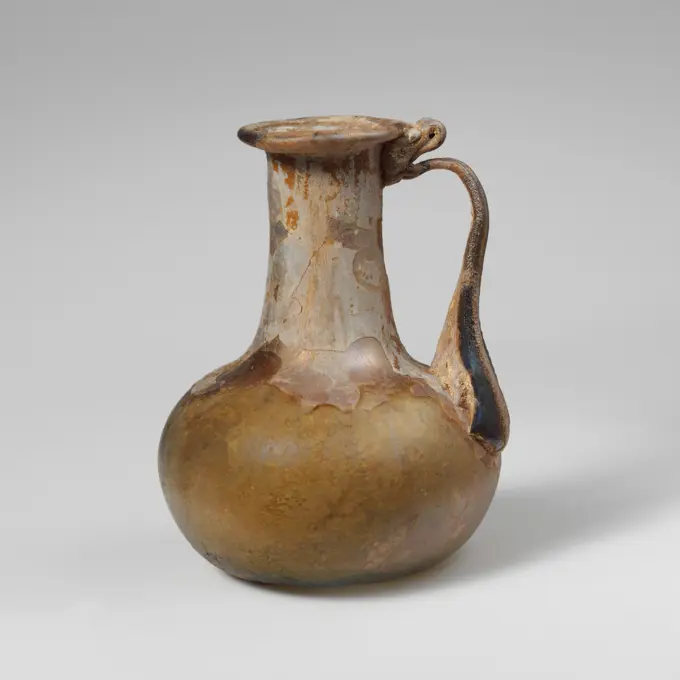
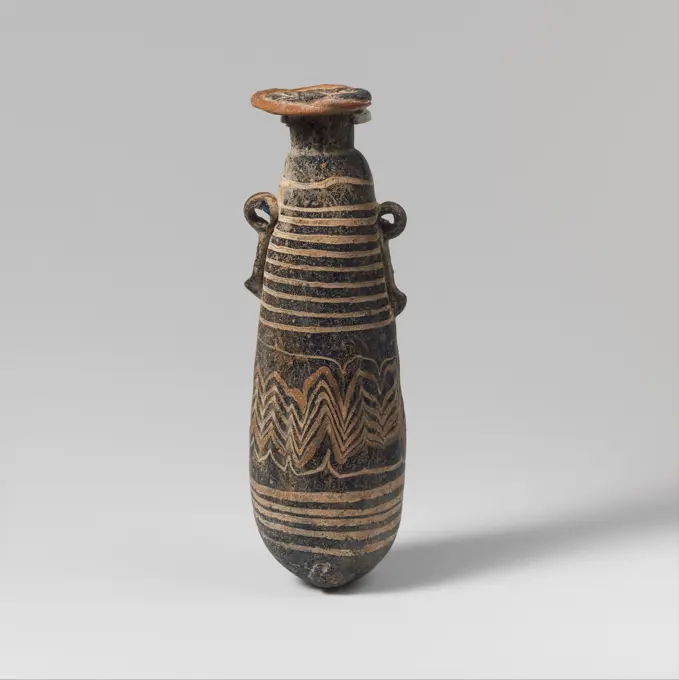
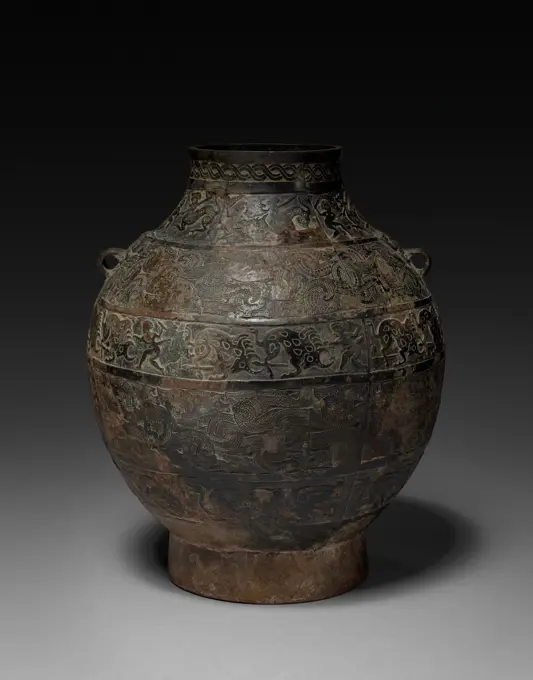
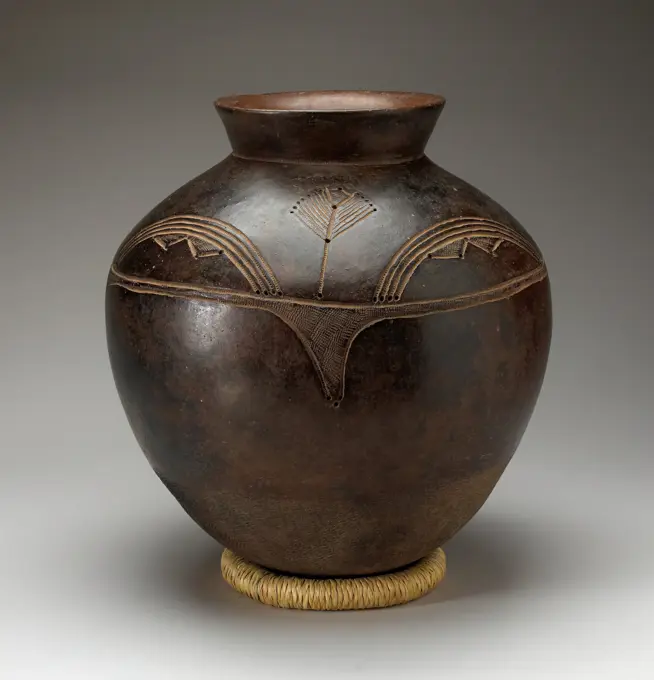
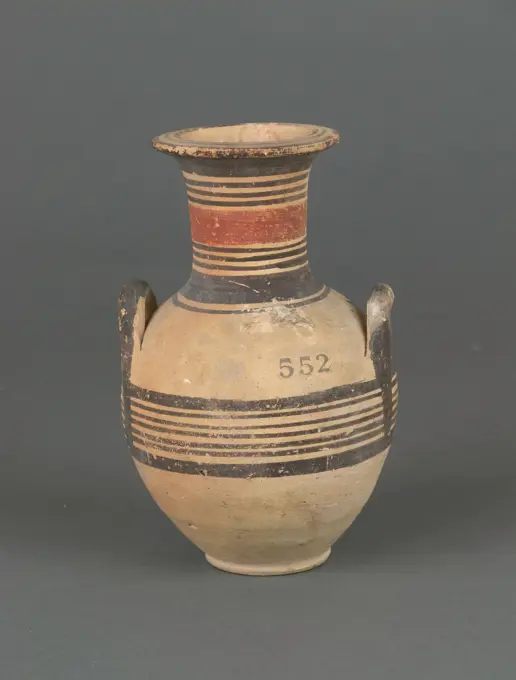
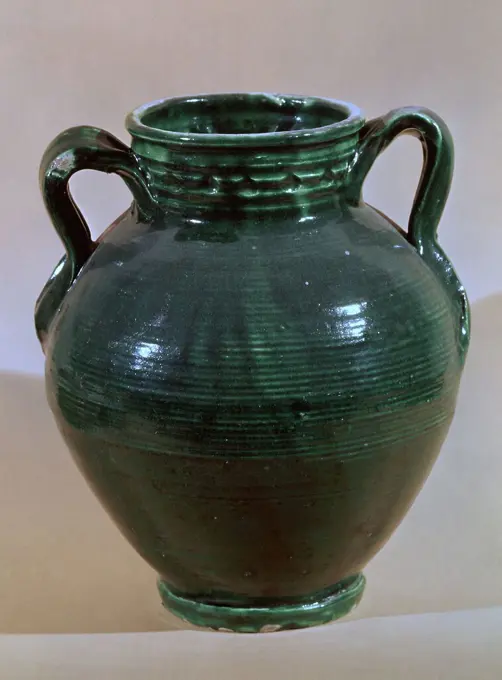
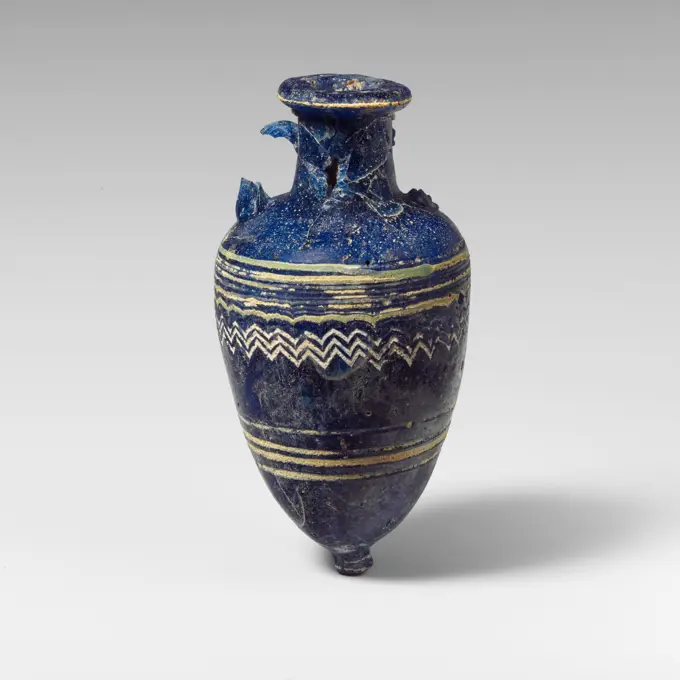
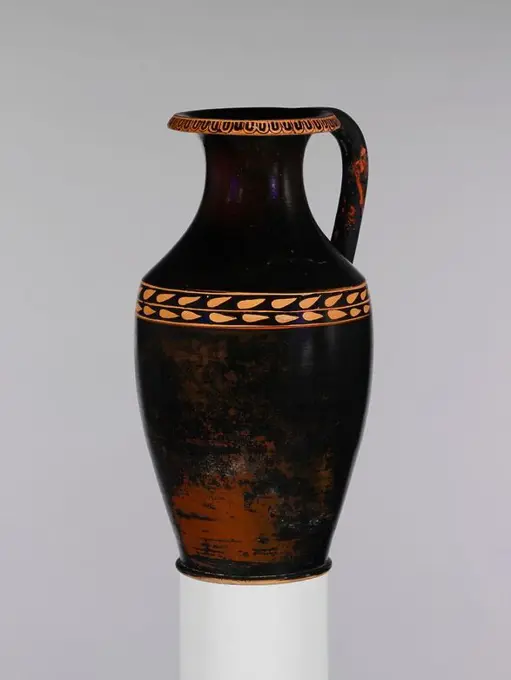
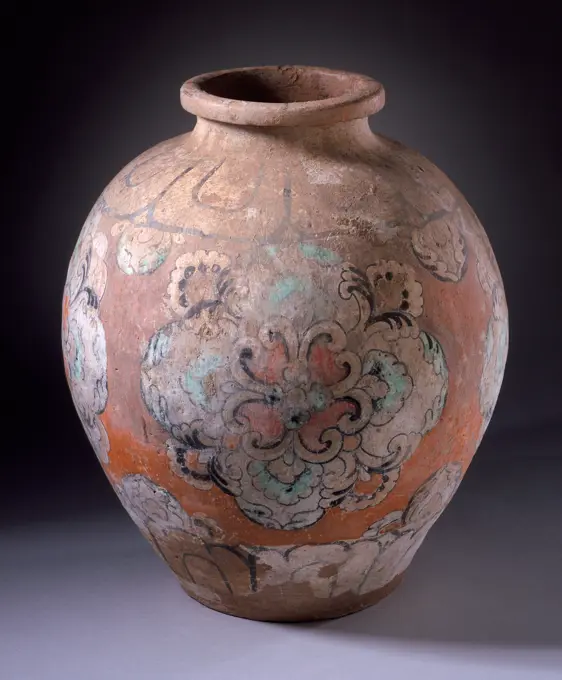
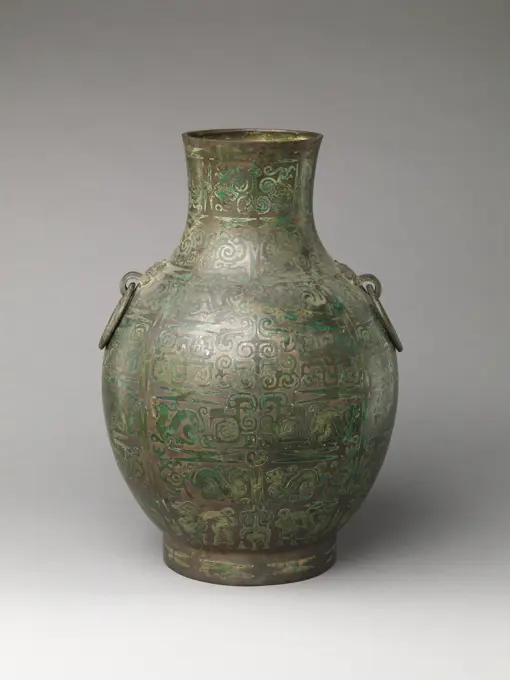
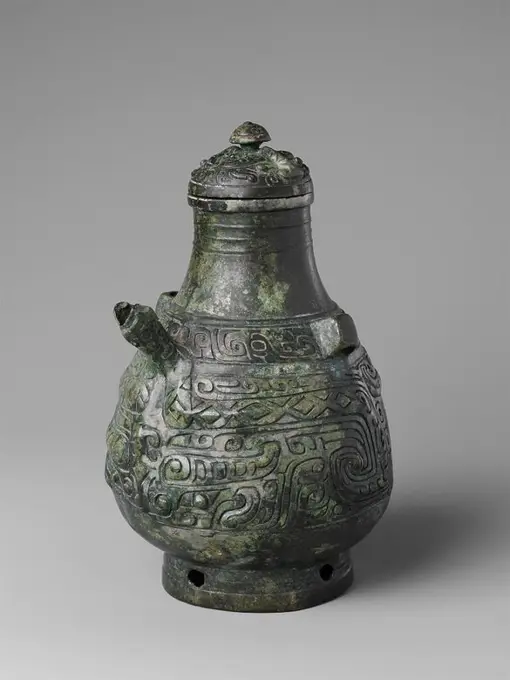
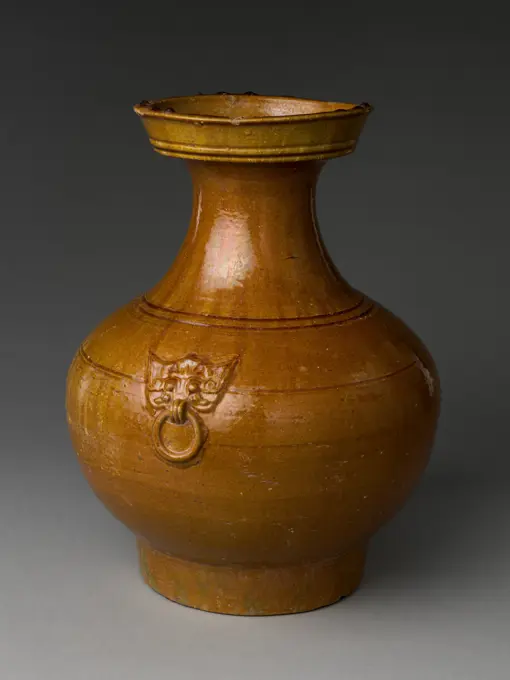
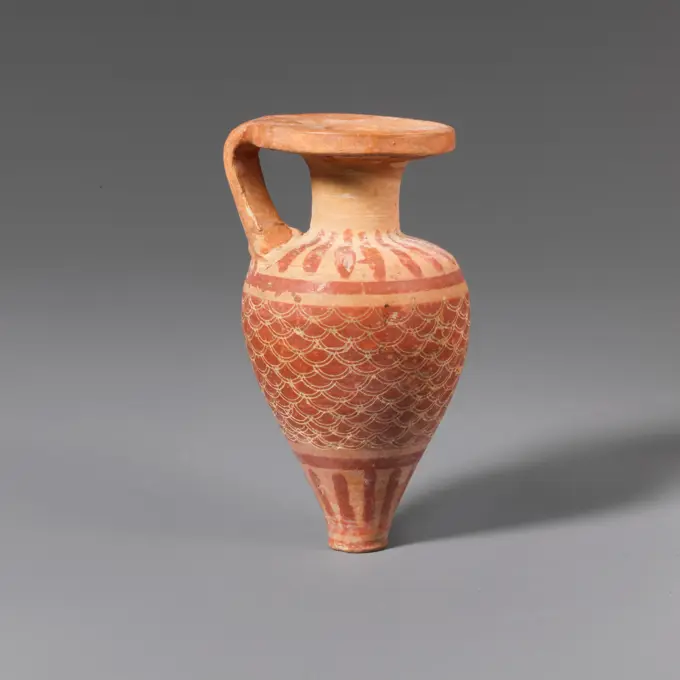
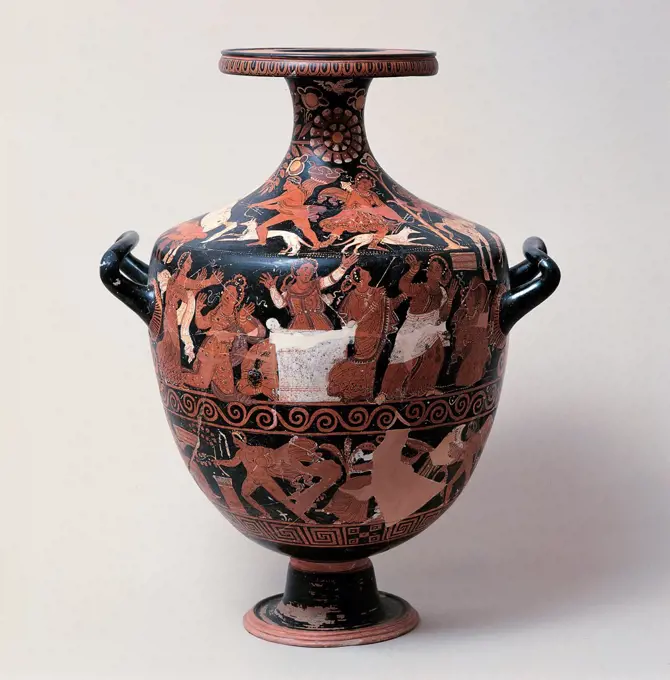
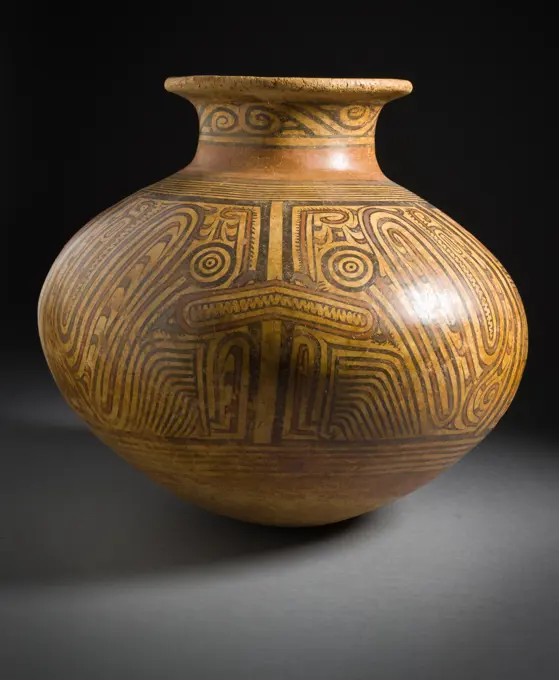
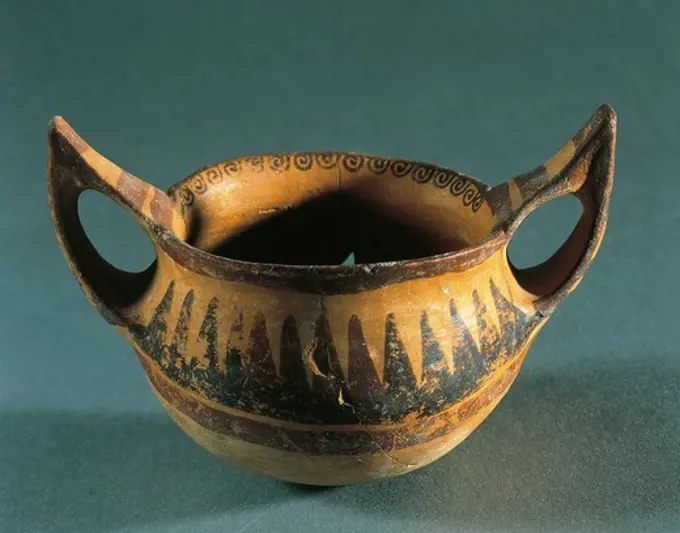
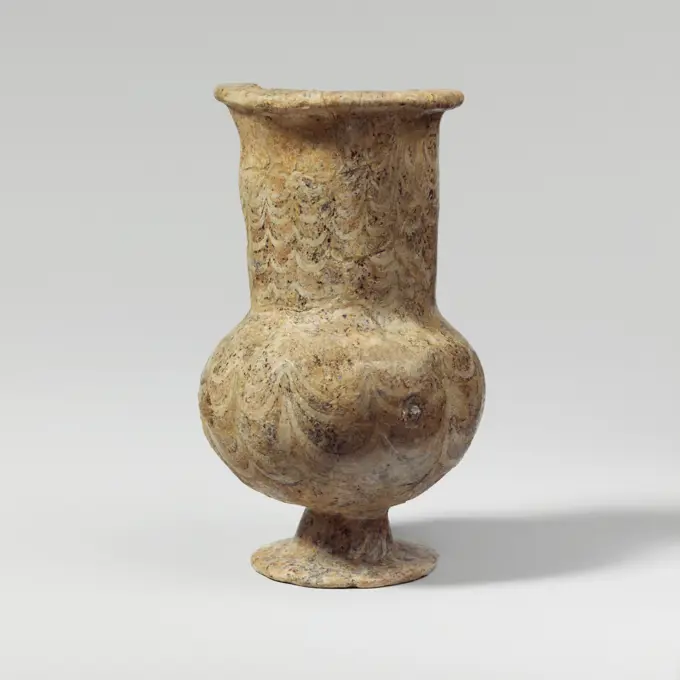
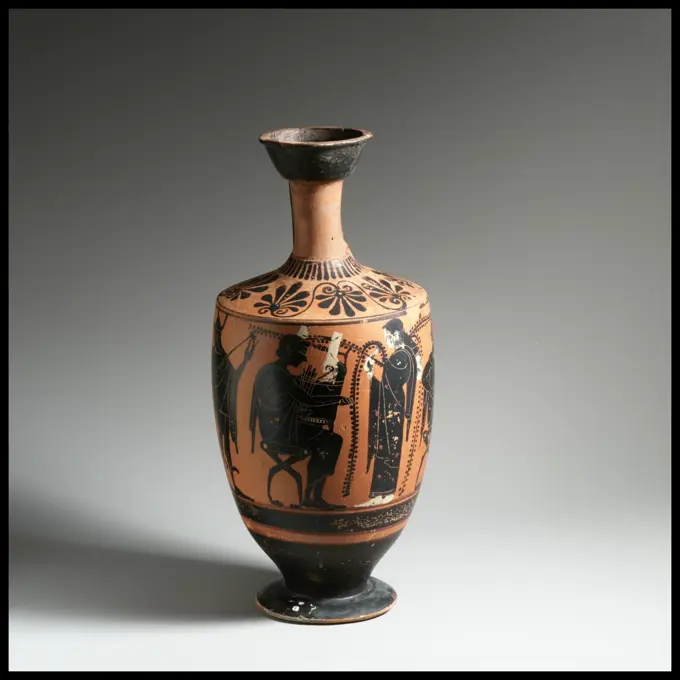
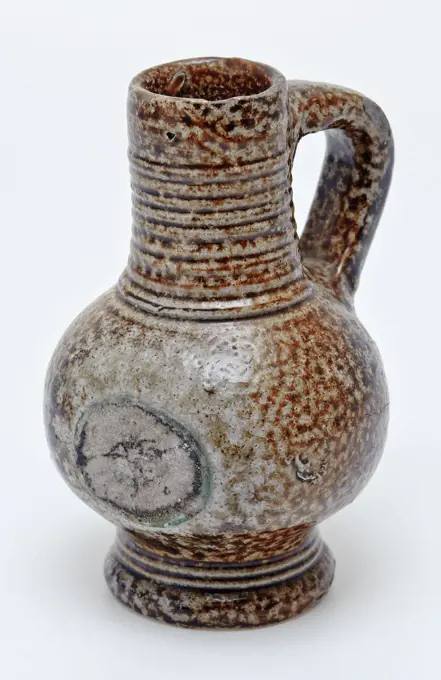
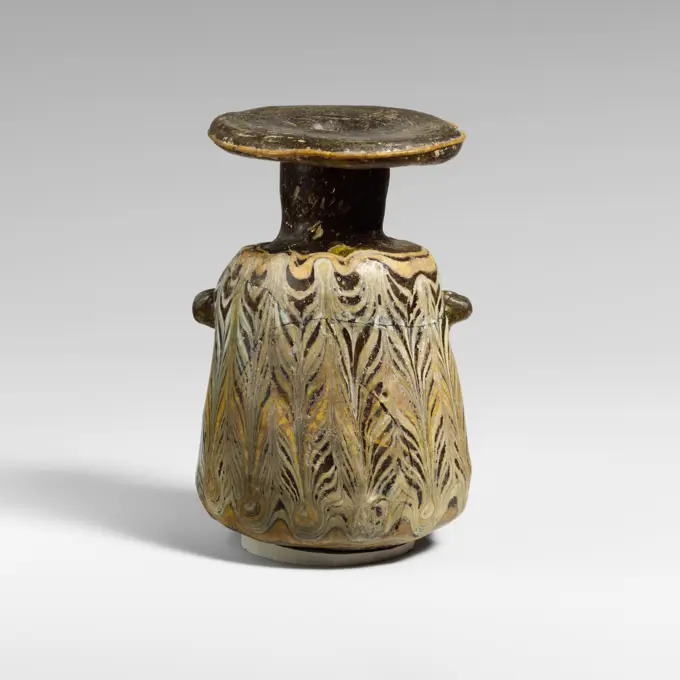
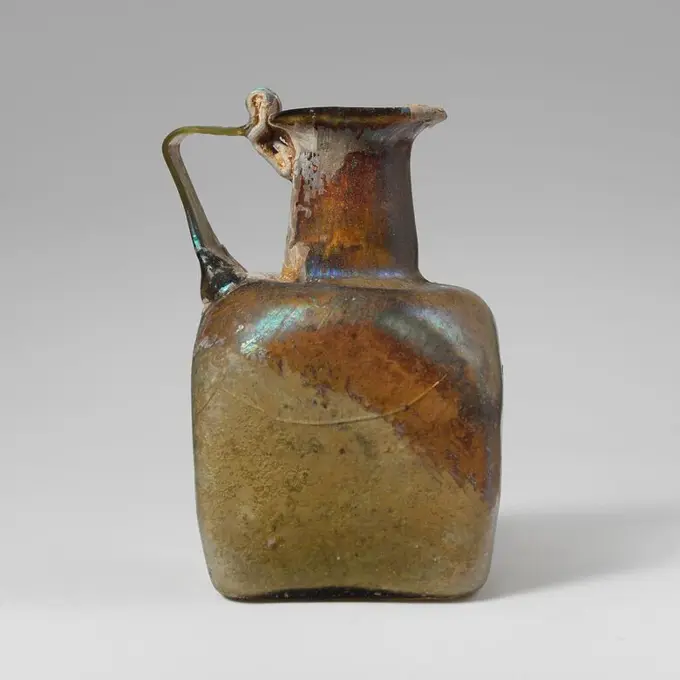
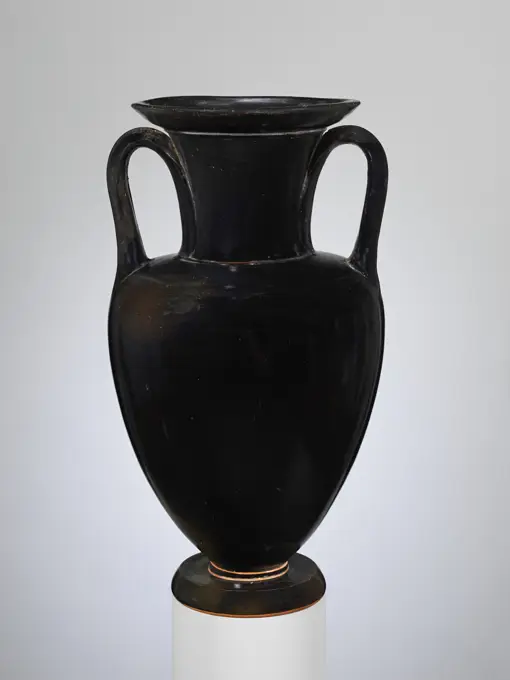
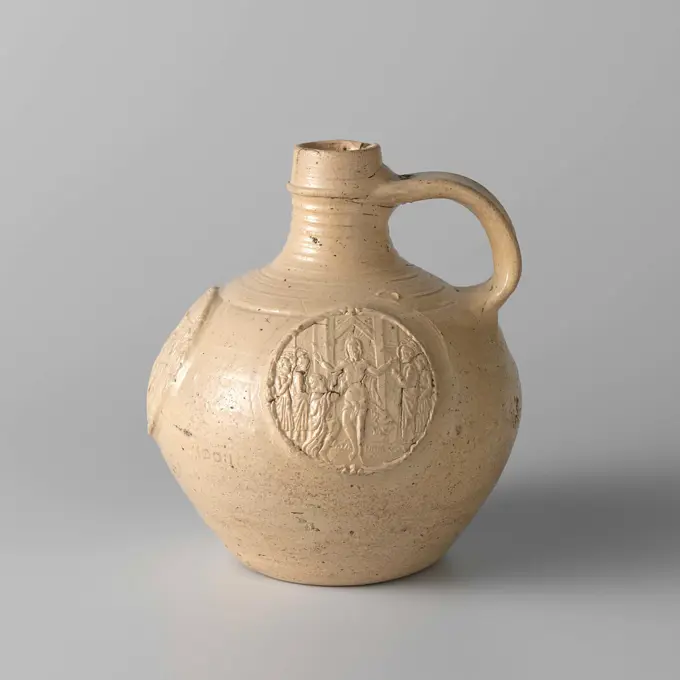
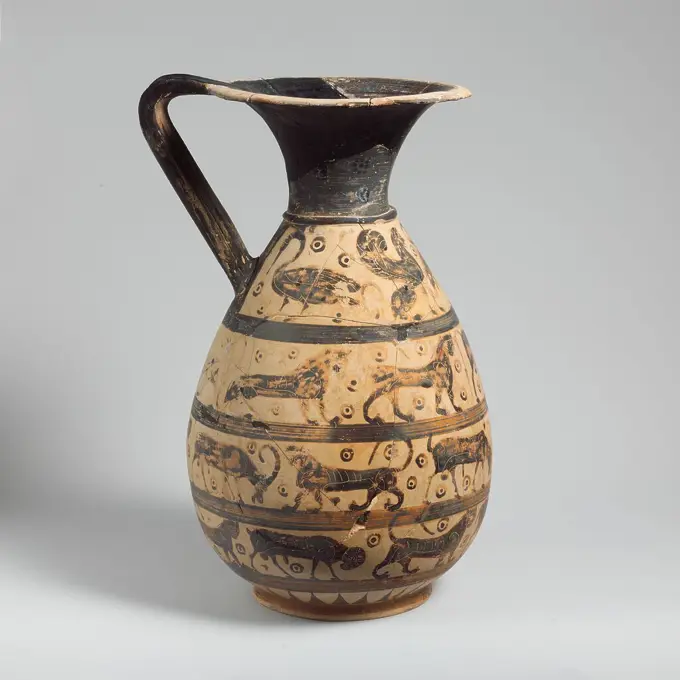
Terracotta oinochoe:olpe (jug). Culture: Greek, Corinthian. Dimensions: H. 14 5/16 in. (36.4 cm). Date: ca. 630-615 B.C..Four friezes with animalsOlpai were greatly favored by Corinthian artists, particularly during the last three decades of the seventh century. The decoration consists almost exclusively of animal friezes; there are virtually no examples with narrative figural subjects. Museum: Metropolitan Museum of Art, New York, USA.Bronze hydria (water jar). Culture: Greek. Dimensions: H. 20 3/16 in. (51.2 cm). Date: early 4th century B.C..The plaques at the attachments of the side handles and the vertical handle are embellished with palmettes interspersed with other floral motifs. Holes in the lip for the attachment of a lid indicate that the last function of this hydria was as a cinerary urn. Museum: Metropolitan Museum of Art, New York, USA.Professor decorated jug. Low-Empire. Ceramic. Paris, Carnavalet museum. Around the paunch, a register of stylized plants delimited by two horizontal bands takes place. Roman antiquity, barbotine, low Empire, Ceramic, Decree Cruche, Decoration, Roman Empire, AncientJar ". Terracotta. China, Neolithic. Paris, Cernuschi museum. 74781-15 Chinese, ceramic, jar, neolithic, terracotta archeologyTerracotta amphoriskos (oil flask). Culture: Greek, Corinthian. Dimensions: H. 6 1/4 in. (15.9 cm). Date: ca. 575-500 B.C..On the shoulder, duck and deer. Museum: Metropolitan Museum of Art, New York, USA.PitcherTerracotta pithoid jar. Culture: Mycenaean. Dimensions: H. 6 5/16 in. (16 cm). Date: ca. 1400-1350 B.C..Pear-shaped with three handles and diagonal intersecting lines on shoulder. Museum: Metropolitan Museum of Art, New York, USA.Terracotta Hadra hydria (water jar). Culture: Greek, Egypt, Alexandria-Hadra. Dimensions: Overall: 16 3/4 x 11 11/16 in. (42.5 x 29.7 cm). Date: 220-219 B.C..On body, ivy branch and vine pattern; on shoulder, foliage; on neck, laurel sprays. Museum: Metropolitan Museum of Art, New York, USA.Jug ca. 1050-900 B.C. Cypriot. Jug. Cypriot. ca. 1050-900 B.C.. Terracotta. Iron Age. VasesLong-Necked Jar Japan. Long-Necked Jar. Japan. Stoneware with natural ash glaze (Sue ware). Kofun period (ca. 300-710). CeramicsMiniature Jug. Cyprus, 1350-550 B.C.. Furnishings; Serviceware. Red terracottaGlass jug 4th century A.D. Roman Small jug.Colorless with yellow green tinge; handle and trail in same color.Rim folded out, round, and pressed into side of flaring mouth; cylindrical neck expanding downwards and joining imperceptibly with slender bulbous body; thick bottom, concave at center and with splayed outer edge; rod handle attached to upper body in a clawed pad, drawn up and slightly outwards, then turned in sharply onto rim, with projecting pinched fold above.Around neck, single uneven trail, forming an incomplete circle and now unattached to vessel.Broken and repaired around body with several losses; many pinprick bubbles; dulling, severe pitting, and iridescent weathering.. Glass jug 245336. Can be made of quartz frites with a polychrome decoration. Different decorative tires with leaf motifs, tendrils and geometric patterns on the wall.Cypro-Mycenean Jar. Cyprus, Late Bronze Age, 1400-1200 B.C. Furnishings; Serviceware. CeramicJug. Culture: Sasanian. Dimensions: 8 in. (20.32 cm). Date: ca. 3rd-7th century A.D..Plain unglazed ceramics, like this jar, are the most common type of pottery found during the Sasanian period. These plain vessels were part of the everyday household materials. Ceramics during this period were mostly wheel-made. One handle is preserved and across from the handle a small indented spout is visible on the rim. The jar was excavated from a house at the site of Ma'aridh II in the Ctesiphon area.The city of Ctesiphon was located on the east bank of the Tigris River, 20 miles (32 km) south of modern Baghdad in Iraq. It flourished for more than 800 years as the capital of the Parthians and the Sasanians, the last two dynasties to rule the ancient Near East before the Islamic conquest in the seventh century. Systematic excavations in the Ctesiphon area were undertaken by an expedition in 1928-29 sponsored by the German Oriental Society (Deutsche Orient-Gesellschaft). The Metropolitan Museum of Vessel, 1st century BCE - 1st century CE, 3 3/4 x 2 9/16 x 2 9/16 in. (9.53 x 6.51 x 6.51 cm), Glazed ceramic, Thailand, 1st century BCE - 1st century CETerracotta Hadra hydria (water jar). Culture: Greek, Ptolemaic, Cretan. Dimensions: h. 18 1/4 in. (46.4 cm); d. 10 1/8 in. (25.7 cm). Date: late 3rd century B.C..inscribed on neck "AR"This Hadra hydria is somewhat unusual: its shape is slightly more attenuated then most; its lower body is glazed to the foot; and it has a twisted back handle, a less common but not altogether rare variation, seen as well on 90.9.16 nearby. The inscription may be an abbreviation of "Architheoros," a title referring to the priest of a sacred embassy, and thus may allude to the vocation of the deceased whose remains were once contained within this vessel. Museum: Metropolitan Museum of Art, New York, USA.eter Knötgen (), Brown stoneware jug, ear with tail, round neck frieze with circles and masks, hearts, signed, crockery holder soil find ceramic stoneware clay engobe glaze salt glaze, surface 8.1 hand turned stamped molded glazed baked carved Stoneware jug gray shard brown engobe and salt glaze bandoor with tail. Excellent ring under mouth edge and round transition neck shoulder Profiled foot On upper half of the belly in the 'weapon' the letters: K and P archeology import pottery serve serve drink wine beerAmfora orientalizująca. unknown, authorUnknown maker in China, Water Bottle (Kundika), earthenware.Jug with the coat of arms of the duke of Bavaria, anonymous, c. 1581 - c. 1620 Jug of stoneware on high foot with an egg -shaped body and narrow neck. The C-shaped ear is attached to the neck and shoulder. A wide band of profiles on the neck and some closely. Covered with a brown Engobe. On the abdomen twice a printed and imposed medallion with the coat of arms of the Duke of Bavaria with the date '1581' and the inscription 'Ernst Herzog van Baieren'. Marked on the medallions with 'H.H.'. Attached to the ear a pewter frame with lid. Raeren. Rae Stoneware. Glaze. Engobe. frame: tin (metal) vitrification Jug of stoneware on high foot with an egg -shaped body and narrow neck. The C-shaped ear is attached to the neck and shoulder. A wide band of profiles on the neck and some closely. Covered with a brown Engobe. On the abdomen twice a printed and imposed medallion with the coat of arms of the Duke of Bavaria with the date '1581' and the inscription 'Ernst Herzog van Baieren'. Marked on theGlass perfume bottle. Culture: Roman. Dimensions: 3 15/16in. (10cm)Other: 2 11/16in. (6.8cm)Diam. of rim: 1 in. (2.6 cm). Date: 1st century A.D..Colorless with bluish tinge, with same color trail.Rim folded out, down, over, and in; flaring mouth; neck expanding downward, joining imperceptibly with globular body; rounded bottom.Fine, unmarvered spiral trail from base of neck to bottom in thirteen turns.Intact, except for parts of trail on upper part of body, and crack in neck; bubbles; thick enamel-like weathering, iridescence, and pitting. Museum: Metropolitan Museum of Art, New York, USA.Vessel ca. 1280 B.C. Mitanni. Vessel 327277ORZA DECORADA AL MODO ARABE Y VIDRIADA S XVI. Location: MUSEE D'ARTS DECORATIFS. MADRID. SPAIN.Covered jar. Culture: American. Dimensions: H. 10 in. (25.4 cm); Diam. 6 1/2 in. (16.5 cm). Date: ca. 1820-60. Museum: Metropolitan Museum of Art, New York, USA.Vase (Hu) with Horizontal Bands, Loop Handles, and Lionlike Medallions 581 CE-618 CE China. Stoneware with underglaze molded and applied decoration .Glass jug 1st-2nd century A.D. Roman Small, one-handled jug.Translucent pale blue green; handle in same color.Rim, folded out, round, and in, pressed flat and into top of mouth; cylindrical neck, with horizontal tooled indent around base; squat globular body; slightly concave bottom; four-ribbed strap handle attached to upper body, drawn up, turned in horizontally, and trailed on to top of neck under rim.Intact; some bubbles; dulling, pitting, iridescence, and areas of creamy weathering.. Glass jug 245269Glass spouted bottle late 2nd-4th century A.D. Roman Translucent pale blue green, with same color handle, spout, and trail.Thick rim, folded over and in; flaring mouth; cylindrical neck, expanding at base to join globular body; low kick in bottom; straight spout, tapering to a fire-rounded point, attached at an angle to upper body on opposite side to handle; rod handle, applied as a thick pad to upper body, drawn up and outward, then turned in at an acute angle, and trailed onto top of neck, over trail and outside of rim.Below rim, a single solid trail wound round neck slightly over 1½ times before handle was attached.Intact; some pinprick and elongated bubbles, with a few black impurities; patches of gritty brown encrustation, weathering, and brilliant iridescence.Such vessels have frequently been called "feeder bottles," although it is more likely that they were used for pouring oil and other liquids onto food or into other receptacles.. Glass spouted bottle 245219Romania, Bucharest, Muzeul National de Istorie al Romaniei, Terracotta vase with painted spiral motif from TrusestiTerracotta Hadra hydria (water jar) late 3rd century B.C. Greek, Ptolemaic, Cretan The body carries very faint traces of an inscription. The "L" shaped stroke indicates that the regnal year, and therefore the date of this hydria, were at one time possible to determine before the part of the inscription which included the actual year faded. Still visible however is the word "Gortinos," which tells us that the deceased came from ancient Gortyns on the island of Crete.. Terracotta Hadra hydria (water jar) 245568Carinated Stone Jar with Rope Pattern ca. 1550-1458 B.C. New Kingdom This limestone vessel with its baggy shape and sharp carination of the lower body is a traditional Egyptian shape called the deshret-jar. The form is common in pottery found in burials from the Old Kingdom onward. A raised band with carved diagonal lines imitating a twisted cord decorates the base of the neck. The vessel was deposited in the lowest chamber of a pit tomb cut into the forecourt of a reused Middle Kingdom tomb and belonged to the burial of a man named Nakht. The tomb was covered over during the construction of the causeway of Hatshepsut's mortuary temple sometime after year 7 of her reign. Carinated Stone Jar with Rope Pattern 544018Etruscan-Corinthian olpe (container for wine) decorated with wheels painted by the Vitelleschi PainterJug of stoneware. Jug of stoneware. The belly is overwhelmed up to the upper narrow neck. With three big ears ending in a pointed point ending on the belly.Askos Gnathia decorated with bird performances; Laboratory of small stamps (300-250 BC), Pocolom group (approx. 300-250 BC); approx. 300 BC (-305-00-00--295-00-00);EtruriaTerracotta jug 1st century A.D. Roman Bluish-green enamel vase with mask handle and vine-pattern on shoulder.. Terracotta jug. Roman. 1st century A.D.. Terracotta; lead-glazed ware. Early Imperial. VasesGlass jar with two handles (amphora) 3rd century A.D. Roman Colorless with pale yellow tinge; same color handle and ribs.Horizontal rim, folded round and in; flaring mouth; cylindrical neck, expanding downwards; rounded shoulder; piriform body, tapering downwards; outsplayed tubular foot rim, made by folding; deep kick in bottom; two thin strap handles, pressed onto shoulder, with thick projecting pads below, drawn out and up, curved in, and applied to underside of mouth and rim.On body, extending from shoulder almost to foot ring, eighteen irregular ribs, some vertical, some slanting, and other curved.Intact; few bubbles; dulling, slight pitting, creamy weathering, and iridescence on exterior, patches of thick black weathering and brilliant iridescence on interior.. Glass jar with two handles (amphora) 245326Vase inscribed for the Mistress of the House Amenemweskhet. Dimensions: H. 15.2 cm (6 in.); Diam. 11.2 cm (4 7/16 in.). Dynasty: Dynasty 18. Date: ca. 1479-1390 BC. Museum: Metropolitan Museum of Art, New York, USA.Bottle. Culture: Cypriot. Dimensions: Diameter: 3 3/16 × 1 3/16 × 1 5/8 in. (8 × 3.1 × 4.2 cm)Height: 6 7/16 in. (16.4 cm). Date: ca. 1600-1050 B.C.. Museum: Metropolitan Museum of Art, New York, USA.Jar with four lugs late 6th century China. Jar with four lugs. China. late 6th century. Stoneware with yellowish brown glaze. Northern Qi (550-577)-Sui (581-619) dynasty. CeramicsStoneware jug stand on foot, ovoid with three bands of rotations, jug crockery holder soil find ceramic stoneware glaze salt glaze, surface 10.3 hand turned glazed baked Stoneware jug gray shard brown with local gray salt glaze banding with pointed tail three series profiled revolving round neck and belly Profiled foot archeology Rotterdam Delfshaven Lage Erf import pottery serving drinks wine beer Soil discovery Rotterdam: Lage Erf Delfshaven (1924).Terracotta jug. Culture: Cypriot. Dimensions: H. 5 3/16 in. (13.2 cm). Date: ca. 1725-1600 B.C..This type of vase, with a long narrow neck and funnel spout, may have contained perfumed oils. The shape and engraved decoration were probably inspired by Tell el-Yahudieh jugs. Museum: Metropolitan Museum of Art, New York, USA.Spain, Empúries, Glass vaseEwer 13th century. Ewer 447146Jar 14th century. Jar 446902Amphora;  III-IV century (201-00-00-400-00-00);Terracotta amphora ca. 1900-1600 B.C. Cypriot Amphora with one vertical and one horizontal handle.. Terracotta amphora 240926Perfume vase Late Period 664-332 B.C. View more. Perfume vase. 664-332 B.C.. Glass. Late Period. From Egypt. Dynasty 26-30VASO DECORADO DE TOYA. IBERICO CERAMICA. (DEPOSITO: MUSEO ARQUEOLOGICO NACIONAL).Anonymous alcohol bottle, 1600. Flécélé cream and transparent covered cream sandstone. Cernuschi Museum, Asia Museum of Asia in the city of Paris.Jug. Uneven, brown colored jug. Belly with a straight-handed center piece that is decorated with a reflection fries in which 3 oval medallions with coats of arms. The lower part of the abdomen was led by Cannelures.Glass jug 1st-3rd century A.D. Roman Small, one-handled jug.Translucent blue green; handle in same color.Broad everted rim with partially folded outer lip; cylindrical neck, expanding downwards and joining imperceptibly with globular body; kick and deep pontil scar in bottom; three-ribbed strap handle attached to upper body, drawn up and out, curved inwards and trailed with an upward loop on to underside of rim and top of neck.Intact; pinprick bubbles and a few black impurities; dulling, iridescence, and creamy weathering.. Glass jug 245273Small Panathenaic AmphoraSmall terracotta jar with four handles ca. 1800-1750 B.C. Minoan Handled pot with black and white decoration.. Small terracotta jar with four handles. Minoan. ca. 1800-1750 B.C.. Terracotta; Light-on-dark ware. Middle Minoan IIB. VasesJug. Brown jug of pottery. Decorated with 3 medallions, two with a weapon.Jug. Jar with ear. The belly is pear-shaped, flared in a thin, ribbed neck. On the belly 3 medallions in which a musician lady.Glass jug mid-1st-2nd century A.D. Roman Translucent pale blue green; handle in same color.Rim folded out, round, and in, with beveled edges; flaring mouth; tall, cylindrical neck, with tooling marks at base; globular body; integral base ring with pronounced outward fold; flat bottom; flat bottom; strap handle of three ribs, applied as a thick, broad pad to upper body, drawn up and curved in, then trailed on to outer edge of rim and top of neck.Broken and repaired, complete except for top of handle, where possible vertical thumb rest is missing; some pinprick bubbles; dulling and creamy weathering with iridescence.. Glass jug 239712Jar with a spiraling pattern, anonymous, anonymous, c. -3000 - c. -2000 Egg -shaped pot on high, spreading base of earthenware with a wide, flared neck, painted in red. On the belly a spiral pattern with thin lines; On the shoulder a narrow band with three wavy lines. The foot and neck with a stylized leaf pattern. The foot has been demolished; A chip in the edge and in the foot. Thailand earthenware. dye painting Egg -shaped pot on high, spreading base of earthenware with a wide, flared neck, painted in red. On the belly a spiral pattern with thin lines; On the shoulder a narrow band with three wavy lines. The foot and neck with a stylized leaf pattern. The foot has been demolished; A chip in the edge and in the foot. Thailand earthenware. dye paintingGlass jug 2nd-3rd century A.D. Roman Colorless with green tinge; handle in same color.Uneven rim folded out, over, and in; slightly concave, cylindrical neck; squat, bulbous body; thick, slightly concave bottom; strap handle applied in two large claw pads to top of body, drawn up and slightly outward, curved in, and trailed on to top of neck, with fold above projecting out under rim.Intact; some bubbles; creamy weathering on rim and neck; dulling, pitting, and iridescence on body.. Glass jug 239703Glass alabastron (perfume bottle) late 6th-5th century B.C. Greek, Eastern Mediterranean Translucent cobalt blue, with handles in same color; trails in opaque yellow and opaque white.Uneven rim-disk, with tooling indents in upper surface; cylindrical neck; narrow rounded shoulder; elongated oval body with marked upward taper; convex, slightly pointed bottom; below shoulder, two vertical ring handles with knobbed tails applied over trail decoration; one with a longer tail than the other.A yellow trail attached unevenly at edge of rim-disk; a white trail applied as a thick blob at top of body and wound down in spiral ten times and overlaid with a yellow trail, then tooled into a close-set zigzag pattern around the central part of body, flanked at top and bottom by overlaid thicker yellow trails; below this, the white trail continuesfive and a half times horizontally around lower body, again overlaid with a yellow trail; one large round blue blob protrudes from side of bottom.Complete, exHu (Jar), 481-221 BC. China, Eastern Zhou dynasty (771-256 BC), Warring States period (475-221 BC). Bronze; overall: 25.5 cm (10 1/16 in.).Vessel, 16 9/16 x 15 1/16 x 15 1/16 in. (42.07 x 38.26 x 38.26 cm), Terra cotta, Burkina FasoBottleJug. Converse pear-shaped jug (crucible) of lead glazing pottery, on a small foot. The inside is greenish glazed.Pilgrim flask Cypriot Angular body and short wide neck.. Pilgrim flask. Cypriot. Terracotta. VasesAmphora 950-850 B.C. Cypriot. Amphora. Cypriot. 950-850 B.C.. Terracotta. Cypro-Geometric II. VasesORZA VIDRIADA Y DECORADA EN VERDE-PROCEDE DE LUCENA-CORDOBA. Location: MUSEO DEL PUEBLO ESPAÑOL. MADRID. SPAIN.Ewer, Glazed and lustred earthenware, On flaring foot, a pyriform body, contracting to narrow neck with rim compressed to form spout. Loop handle. Greenish glaze with brown iridescent and turquoise filling areas between large Kufic letters., possibly Kashan, Iran, possibly Sultanabad, Iran, 13th century, ceramics, Decorative Arts, EwerGlass amphoriskos (perfume bottle) mid-4th-early 3rd century B.C. Greek, Eastern Mediterranean or Italian Translucent cobalt blue, with handles and base-knob in same color; trails in opaque yellow and opaque white.Broad horizontal rim-disk with rounded edge; cylindrical neck, expanding slightly downwards; sloping shoulder; elongated ovoid body, tapering sharply downwards; applied small circular base-knob with uneven edge and tooling indent on flat bottom; two slender strap handles applied to shoulder and drawn up, turned in, and pressed on to neck.One yellow trail attached at edge of rim-disk; another applied to top of body and wound horizontally and then tooled into a close-set zigzag pattern, formed by uneven shallow vertical tooling indents around middle of body, where a second trail in white is added, mingling with the yellow trail; a third yellow trail wound in a spiral 3 1/2 times horizontally around lower part of body; another yellow trail wound unevenly around base-knob.Broken Terracotta oinochoe: olpe (jug). Culture: Greek, Attic. Dimensions: H. 9 1/8 in. (23.2 cm). Date: ca. 460-440 B.C..The handle terminates flush with a circular mouth, double band of leaves on shoulder; tongues around mouth. The shoulder is offset. Museum: Metropolitan Museum of Art, New York, USA.Jar (Guan) with Floral Medallions. China, Middle Tang dynasty, about 700-800. Furnishings; Serviceware. Wheel-thrown earthenware with painted decorationWine Container (Hu) 5th century B.C. China During the Eastern Zhou period, vessel shapes became simpler, gradually losing their elaborate flanges, while their surfaces were ornamented with intricate patterns of interlaced dragons and inlays of colored stone or precious metals. Listen to experts illuminate this artwork's story Listen Play or pause #2601. Ritual Wine Container (Hu) Supported by Bloomberg Philanthropies We're sorry, the transcript for this audio track is not available at this time. We are working to make it available as soon as possible.. Wine Container (Hu) 53960Spouted Wine Vessel (He). Culture: China. Dimensions: H. 8 1/2 in. (21.6 cm); W. 5 5/8 in. (14.3 cm). Date: late 14th century B.C.. Museum: Metropolitan Museum of Art, New York, USA.Jar in Shape of Archaic Bronze Vessel (Hu) 1st-3rd century China Like many early ceramic shapes, the shape of this storage jar is based on more expensive bronze and lacquer prototypes. The wide mouth, the articulated rim, and the amber glaze of this example help date the piece to the Eastern Han dynasty.. Jar in Shape of Archaic Bronze Vessel (Hu). China. 1st-3rd century. Earthenware with incised decoration under amber glaze. Eastern Han dynasty (25-220). CeramicsTerracotta pointed aryballos (oil flask) ca. 640-625 B.C. Greek, Corinthian Ornamented with scale pattern incised.. Terracotta pointed aryballos (oil flask) 251265 Greek, Corinthian, Terracotta pointed aryballos (oil flask), ca. 640625 B.C., Terracotta, H. as restored 2 1/2 in. (6.4 cm). The Metropolitan Museum of Art, New York. Gift of Joseph Brummer, 1923 (23.44)Hydria by painter from Arpi, III Century, ceramic,Wine bottle from the wreck of the East Indies Hollandia, Anonymous, 1700 - in or before 1743  Wine bottle, continental production, onion-shaped, complete; (1) eroded (17h, belly 14.5d, base 11d), vs-string rim, cs-kick-up. Netherlands .   SecondClay two-handled amphora, Italy. Italic Civilization, 8th Century BC.Jug 6th-4th century B.C. Etruscan. Jug. Etruscan. 6th-4th century B.C.. Terracotta. Archaic or Classical. VasesContainer in the Form of an Ancient Bronze Jar (hu) Made 206 BCE-9 CE China. The squared shape and vibrantly painted decoration of this jar imitates those of bronze and lacquer vessels. Its images of monster-mask ring handles duplicate, in larger scale, functional fittings in bronze. When excavated from Han tombs, some clay jars of this type were found to contain grain offerings provided for the deceased as part of the funerary rites.. Earthenware .Jar ca. 9th century B.C. Iran. Jar. Iran. ca. 9th century B.C.. Ceramic. Iron Age II. Iran, HasanluRoman glass ungentary, 1st century. Museum: MUSEO DE MATARÓ.Jug or can. Gray with blue jug or can of stoneware. Decorated with line ornament. The neck is funnel-shaped.Alabastron 6th century B.C. Italic, Etruria. Alabastron 246118Terracotta vase, from the Necropolis in Vicolo Ognissanti in Padua, Veneto, Italy. Paleoveneti Civilization, 4th Century BC.Bottle. Eastern Mediterranean, 8th-9th century. Glass. Glass, free-blown and tooled, with applied and trailed decorationJar with Front-Facing Mythical Creature. Panama, Barancosa, Macaracas or Parita style, Panama, 800-1000 CE. Ceramics. Burnished ceramic with slipGreek civilization, Helladic period, 14th-13th century b.C. Matt-painted kantharos decorated with geometric patterns. From Aiani, Livadeia.Glass krateriskos (unguent jar) ca. 1400-1350 B.C. Egyptian or Cypriot Translucent blue, with opaque white trail(s).Thickened and rounded rim with everted horizontal lip; tall cylindrical neck, tapering slightly downward; sloping shoulder; bulbous body; pedestal foot, conical, then tooled out into a flat, circular pad; uneven bottom with central kick; on opposite sides of body, two loop handles, applied over trail decoration.Marvered trail(s) on neck and body, tooled into a festoon pattern.Broken and repaired, with part of rim and neck missing, a large hole in one side of body, and most of handles lost; thick creamy enamel-like weathering covering all of surfaces, with some soil encrustation on interior.Among Bronze Age imports into Cyprus from Egypt were glass containers that held perfumes, scented oils, or cosmetics used for funeral purposes. Afterward, the jars were left in the burials. Such jars have been found on Cyprus at Kalavassos in tombs of the fourteenth century B.C. An addiTerracotta amphora (jar). Culture: Greek, South Italian, Apulian. Dimensions: H.: 30 1/2 in. (77.5 cm). Date: 4th century B.C..In the general shape of the body, lip, handles, and foot, the vase is a descendant of the Panathenaic prize amphora. The ribbing on the body, by contrast, reflects a predilection of contemporary Apulian workshops. The fine foliate ornament on the neck, which originally would have been gilded, is both decorative and an evocation of the original function of the shape as a prize vase. Museum: Metropolitan Museum of Art, New York, USA.Lekythos Attributed to the Leagros Group. Lekythos 247248Double Spout and Bridge Bottle with Chevron Design 5th-2nd century B.C. Paracas. Double Spout and Bridge Bottle with Chevron Design. Paracas. 5th-2nd century B.C.. Ceramic, pigment. Peru. Ceramics-ContainersSmall stoneware jug, ball round, cylindrical neck with rings, jug crockery holder soil find ceramic stoneware glaze salt glaze, hand turned baked glazed stoneware jug gray shard brown brindled salt glaze bandoor with short tail profiled neck and foot traces on the bottom. Cylindrical neck decorated with revolving rings. Sat probably baked on the wall of the oven given the flat must on the belly archeology import pottery serve drink transport storeGlass squat alabastron (perfume bottle) late 4th-early 3rd century B.C. Eastern Mediterranean or Italian Translucent light greenish yellow, with handles in same color; trails in opaque yellow, opaque white, and opaque turquoise blue.Very broad, thick slanting rim-disk, made as a spiral coil around top of neck; cylindrical neck with convex sides; uneven shoulder, almost horizontal on one side and concave on the other; bell-shaped cylindrical body; convex lop-sided bottom, with indent along one side; on upper body, two solid handles, tooled into angular knobs, applied over trail pattern.A yellow trail attached at edge of rim-disk; on body, alternating bands of yellow, white, and opaque turquoise blue, tooled from top of body to undercurve at bottom into a close-set feather pattern in thirteen vertical panels with alternating upward and downward strokes, forming large round loops at bottom and bottom.Broken and repaired around body, with one large and two small holes, and several cracks aJug with rilling, anonymous, c. 1500 - c. 1549 Jug of earthenware on wavy base with a pear -shaped body and narrow neck. The C-shaped ear is attached to the neck. Covered with a brown Engobe. The jug is decorated with hiring and profiles. Raeren. Rae stoneware. glaze. engobe vitrification Jug of earthenware on wavy base with a pear -shaped body and narrow neck. The C-shaped ear is attached to the neck. Covered with a brown Engobe. The jug is decorated with hiring and profiles. Raeren. Rae stoneware. glaze. engobe vitrificationBubble Słowicki, AntoniUnguent Bottle (Krateriskos), c. 1336-1295 BC. Egypt, New Kingdom, Late Dynasty 18 (1540-1296 BC). (post-Amarna period or later). Glass; diameter: 8.1 cm (3 3/16 in.); diameter of mouth: 7.1 cm (2 13/16 in.); overall: 11 cm (4 5/16 in.).Can. Can be from stoneware. The straight-handed middle piece of the belly is decorated with the eleven handles from the musket to I de ghein.Glass square bottle. Culture: Roman. Dimensions: 3 5/8 × 2 3/16 × 2 3/16 in. (9.2 × 5.6 × 5.5 cm)Diam. of rim: 1 3/16 in. (3 cm). Date: 2nd-3rd century A.D..Small square one-handled bottleTranslucent pale yellow green; handle in same color.Plain rim with bevelled lip to flaring mouth; cylindrical neck expanding downward; pushed-in, horizontal shoulder with rounded corners; four flat sides, tapering downward; slightly concave bottom with slight ribbing in parallel lines; traces of large circular pontil mark; handle applied as a broad pad along outer edge of sholuder, drawn up and outward as a narrow strap, then turned in horizontally and trailed on to top of neck and outer edge of rim with loop above rim.Broken with half of rim and part of neck missing (with weathered edges); crack running around two sides of body; many bubbles; some pitting, brilliant iridescence, and patches of thick, creamy weathering. Museum: Metropolitan Museum of Art, New York, USA.Terracotta Nolan neck-amphora (jar) 1st half of the 5th century B.C. Greek, Attic Black Attic amphora of the Nolan style without decoration.. Terracotta Nolan neck-amphora (jar). Greek, Attic. 1st half of the 5th century B.C.. Terracotta; black-glaze. Classical. VasesJug. Jug of stoneware. The bullet-shaped belly and the neck are completely ribbed. 3 round medallions have been printed on the belly in which Christ and the unbelieving Thomas.