Ancient Ceramic Vessels

Various ancient ceramic jugs and jars, showcasing Greek and Roman designs, decorated with animal and floral motifs from different historical periods.
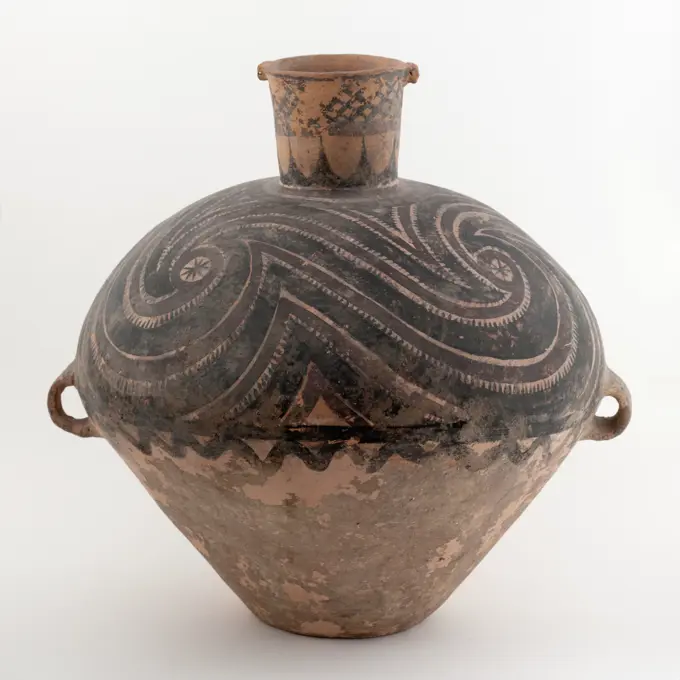
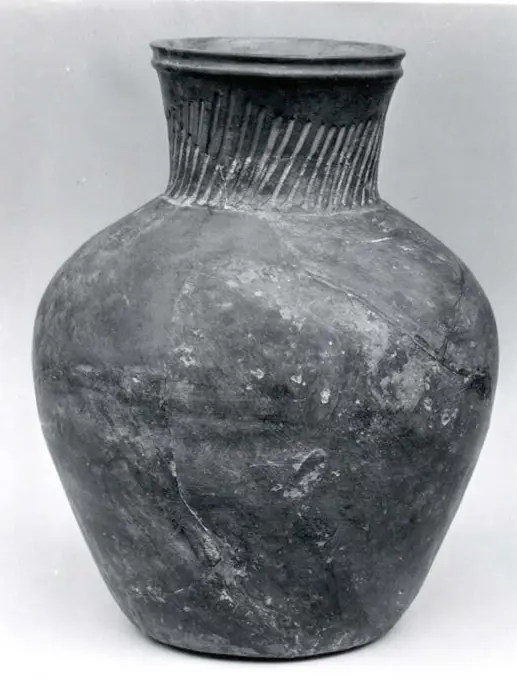
Jar ". Terracotta. China, Neolithic. Paris, Cernuschi museum. 74781-15 Chinese, ceramic, jar, neolithic, terracotta archeology
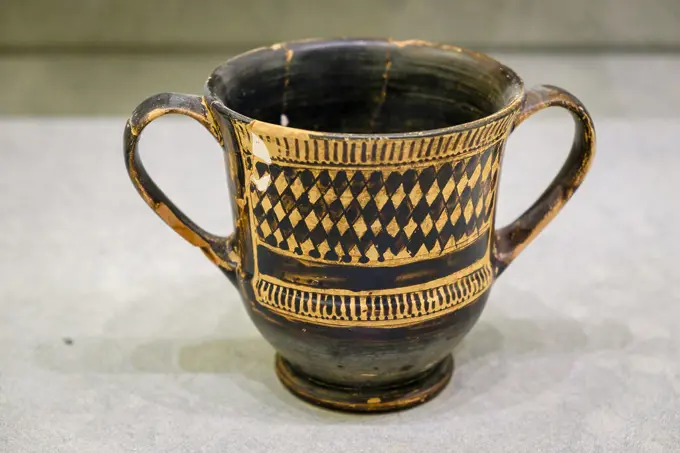
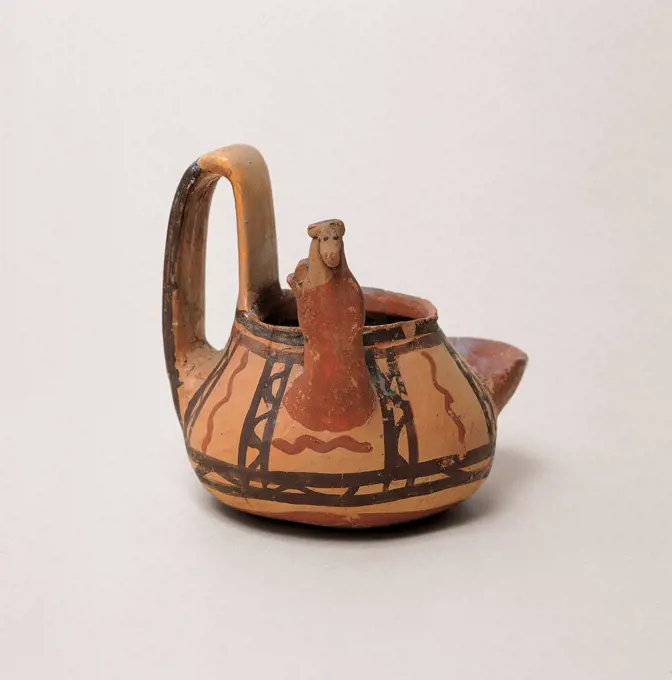
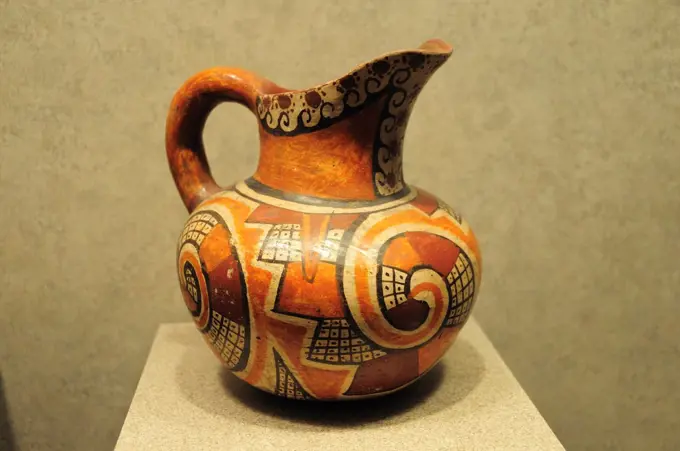
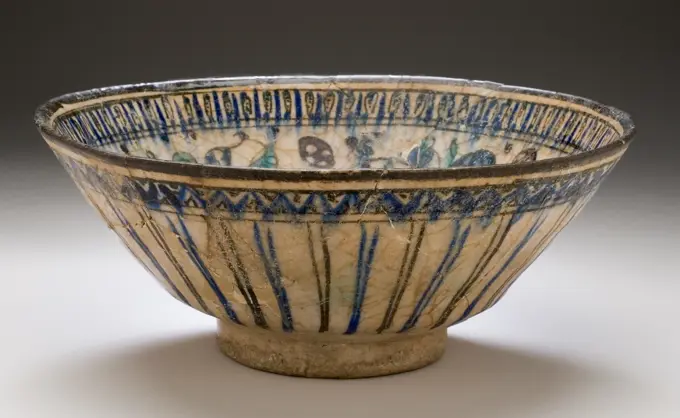
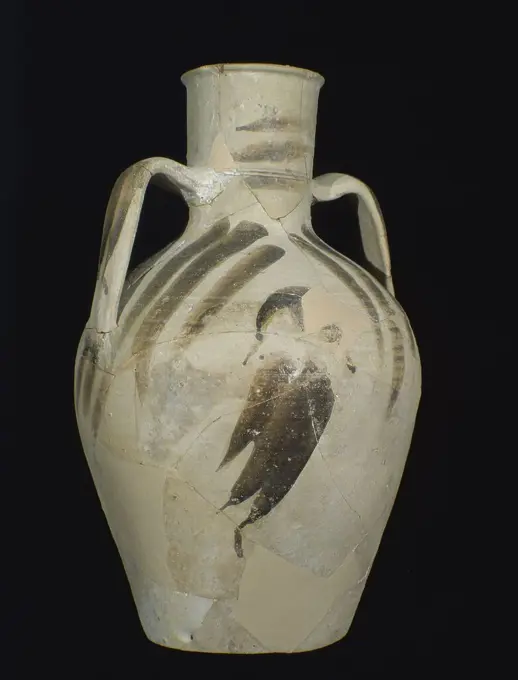
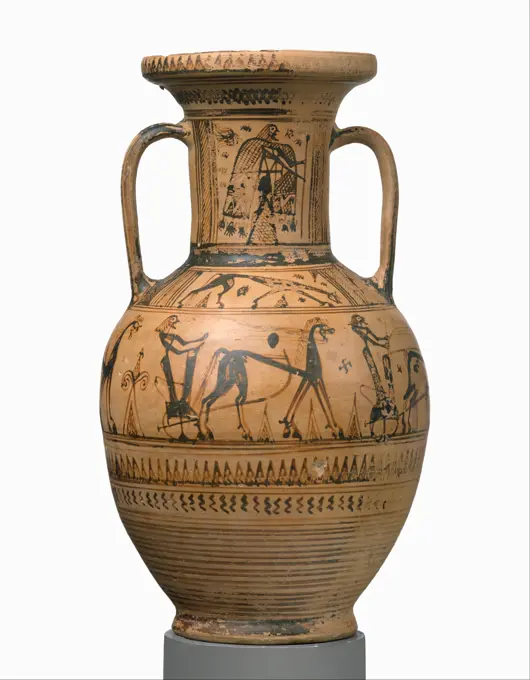
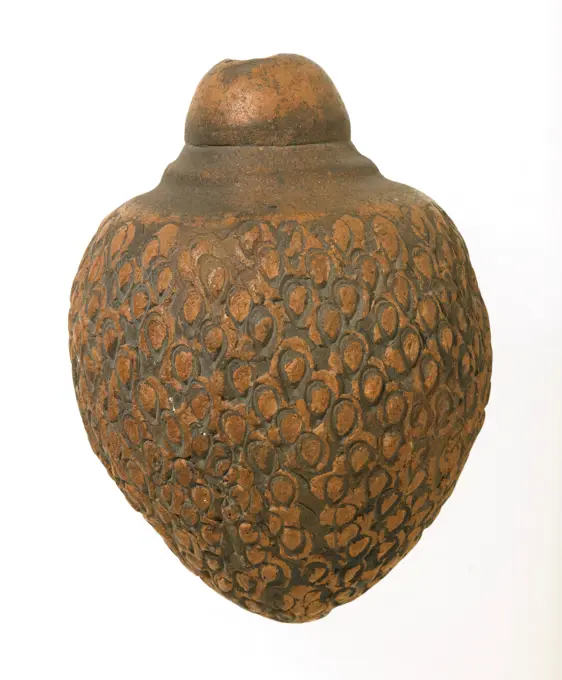
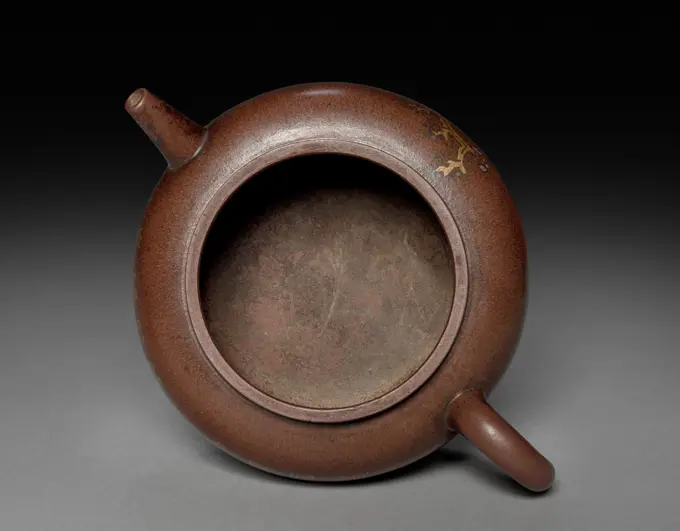
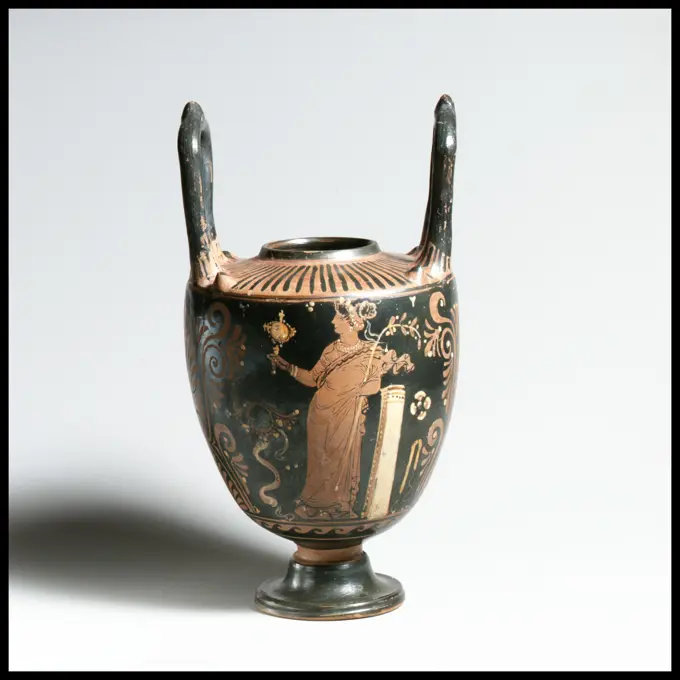
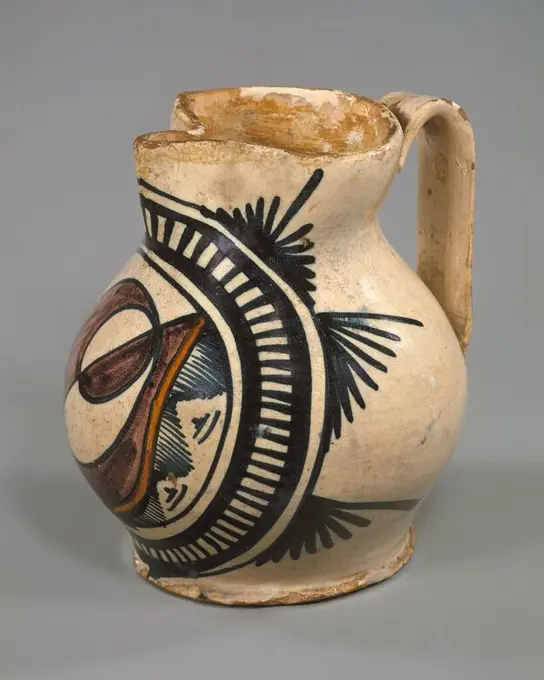
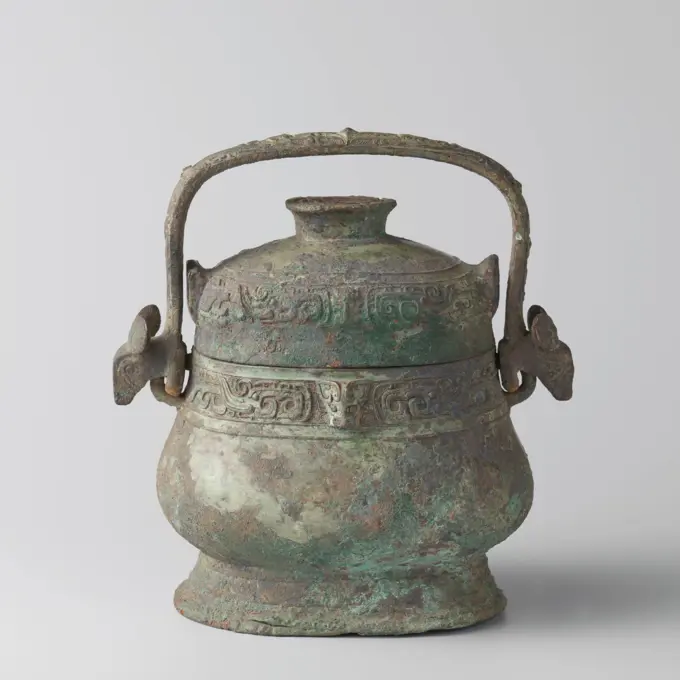
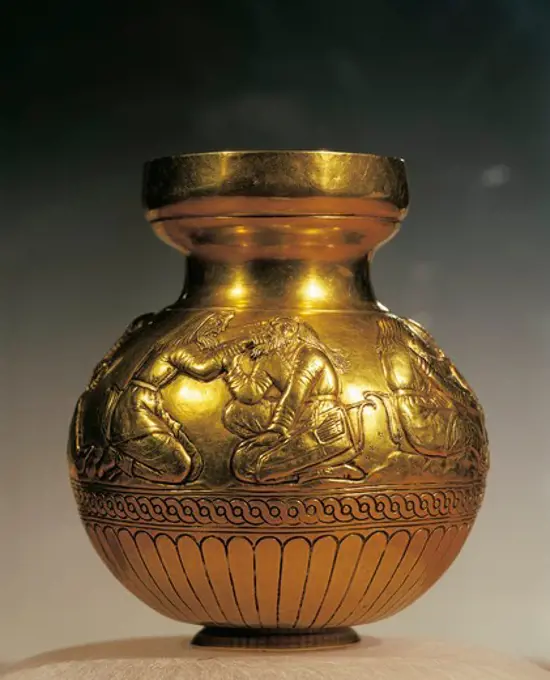
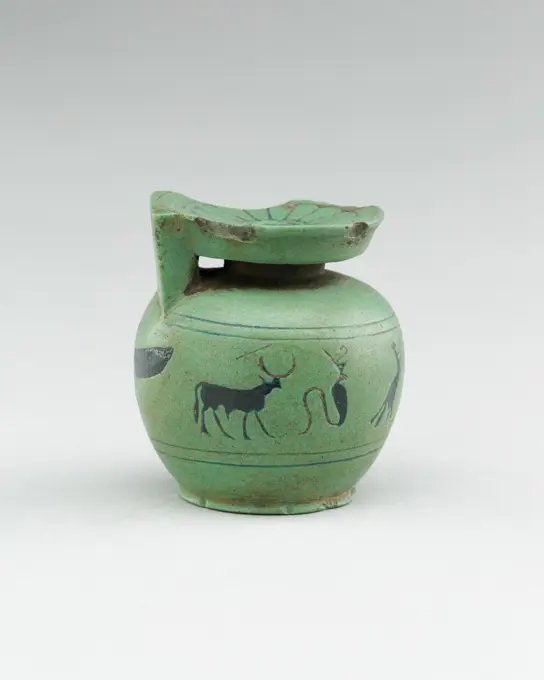
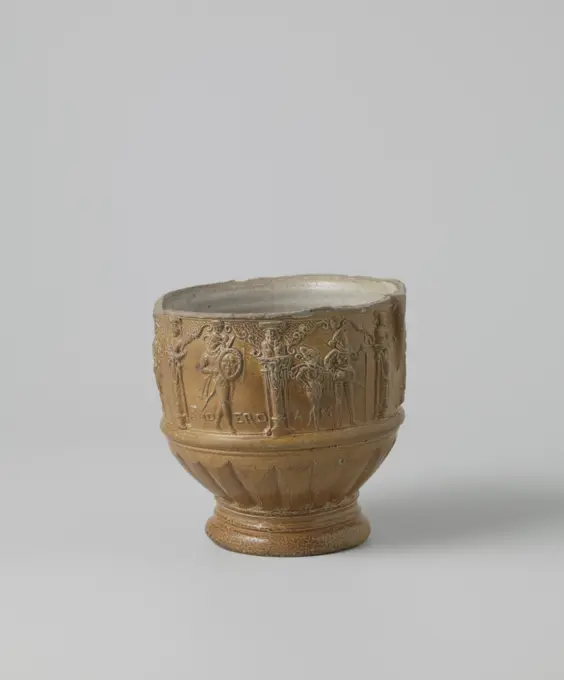
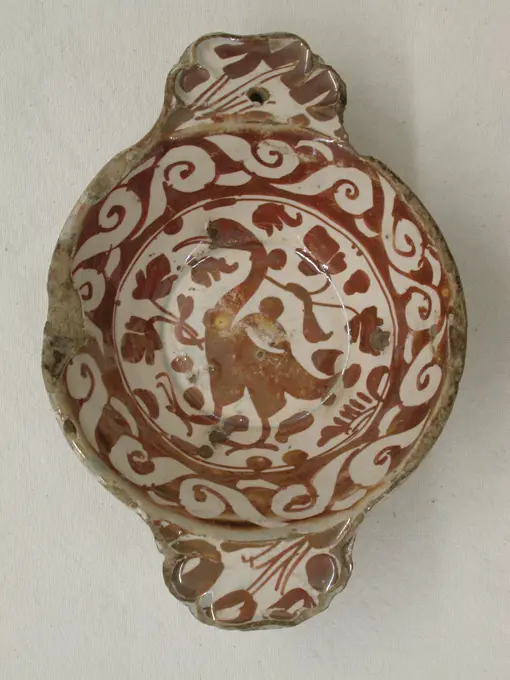
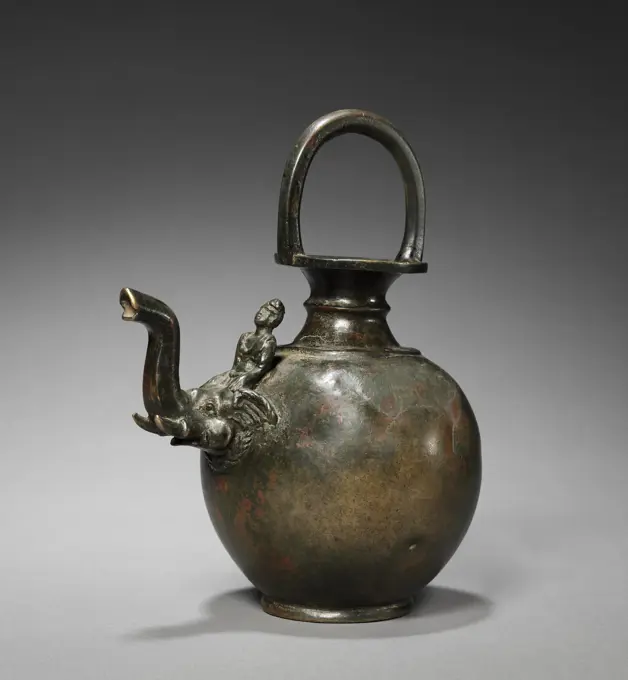
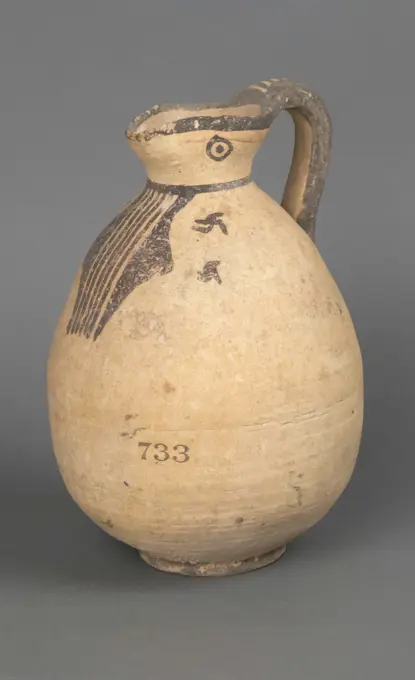
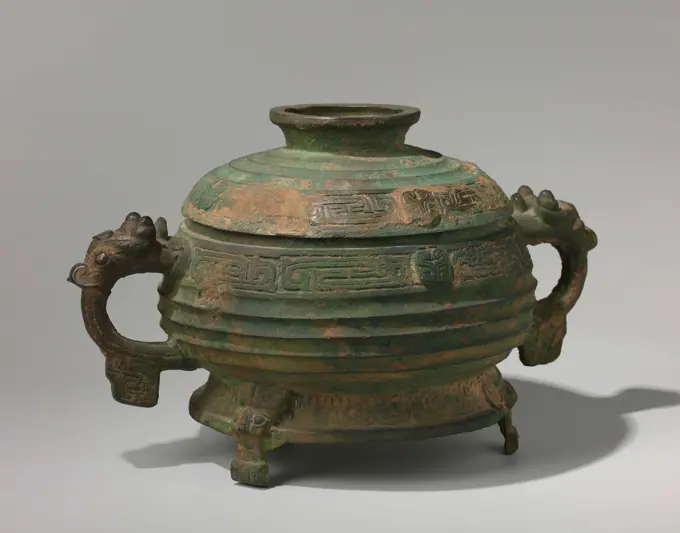
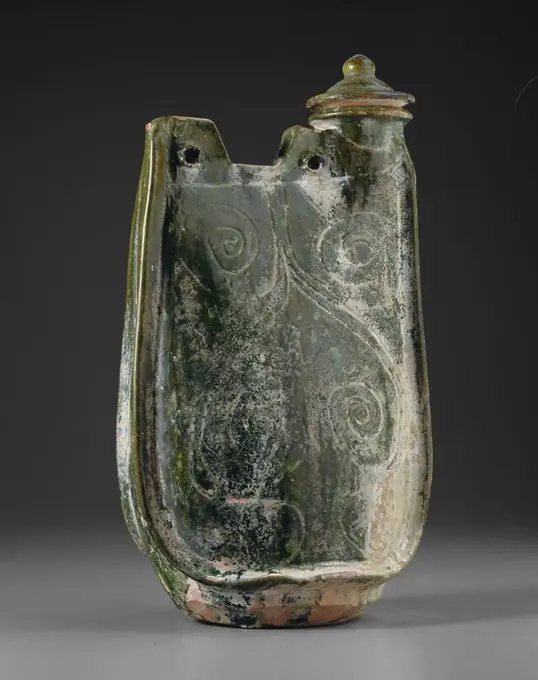
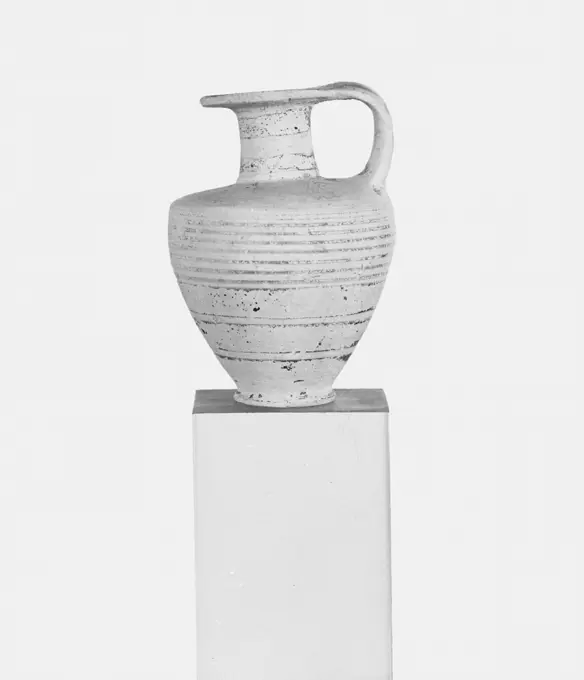
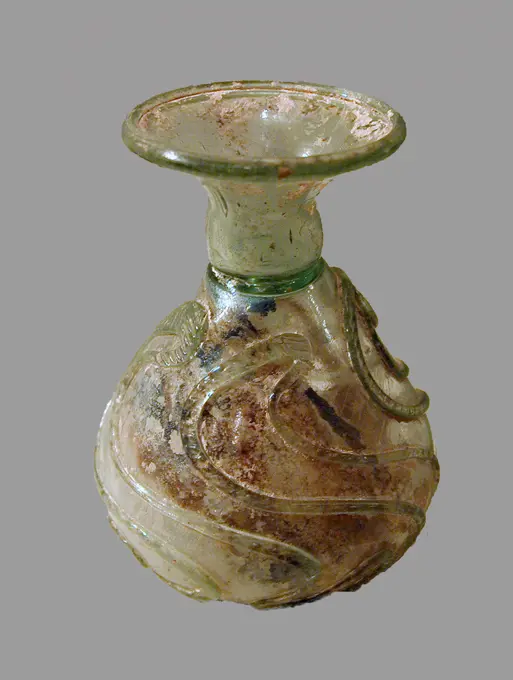
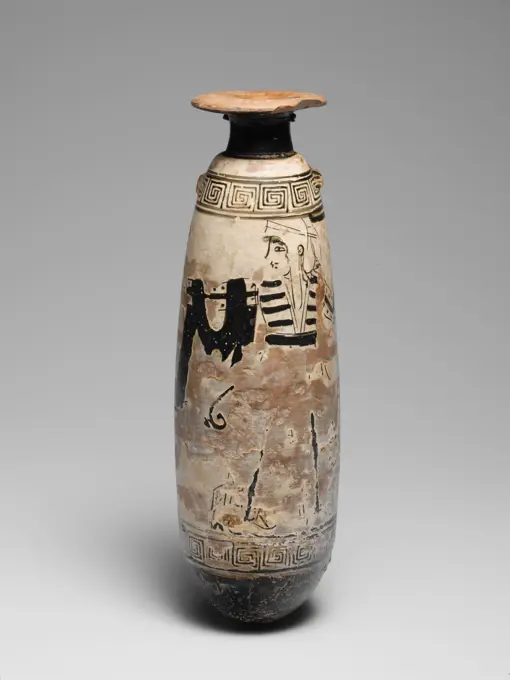
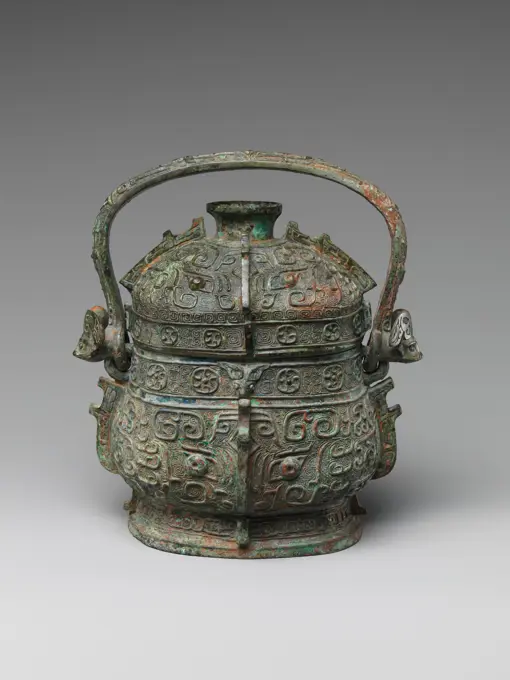
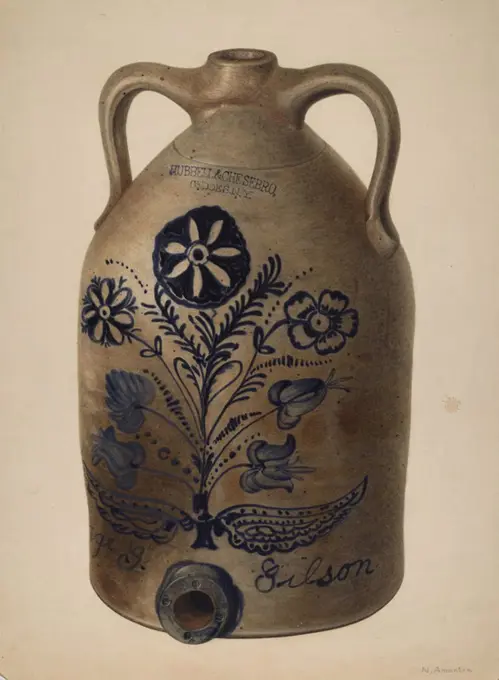
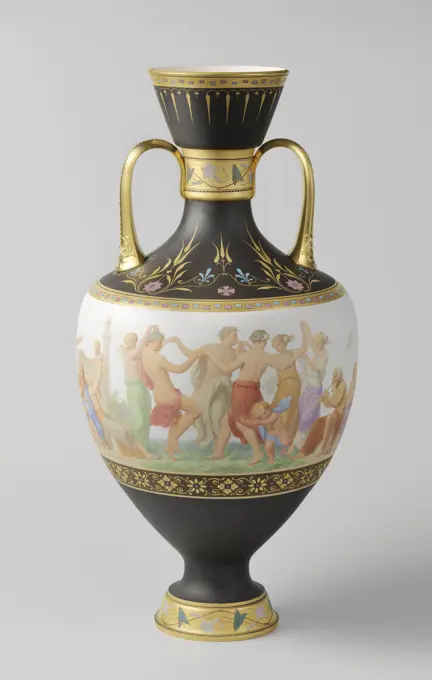
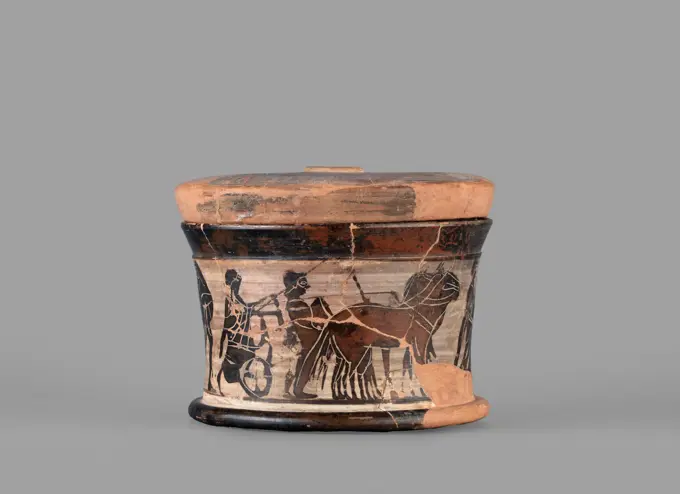
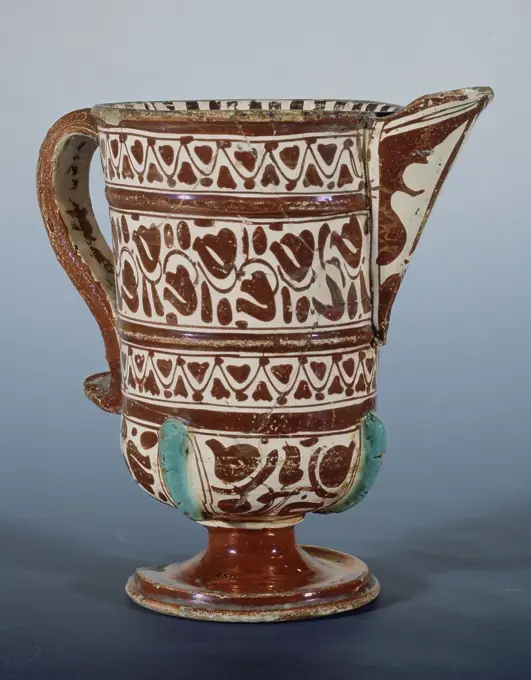
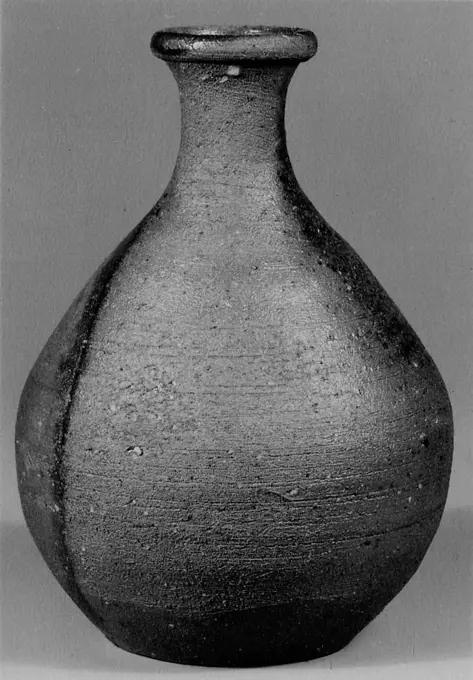
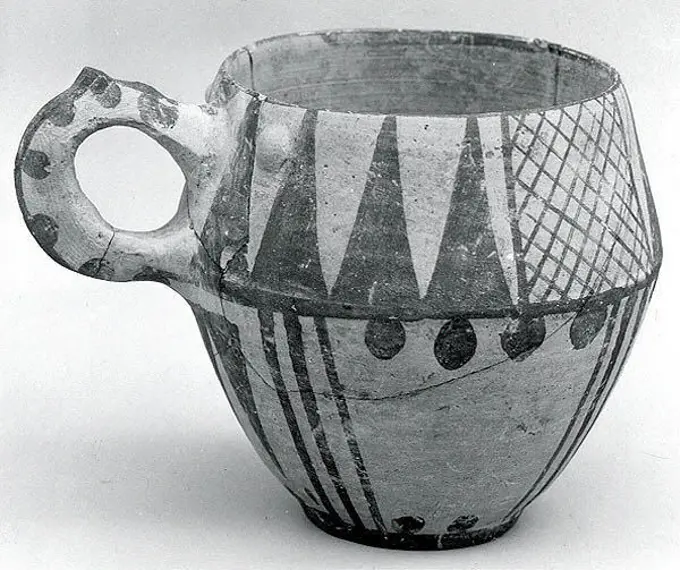
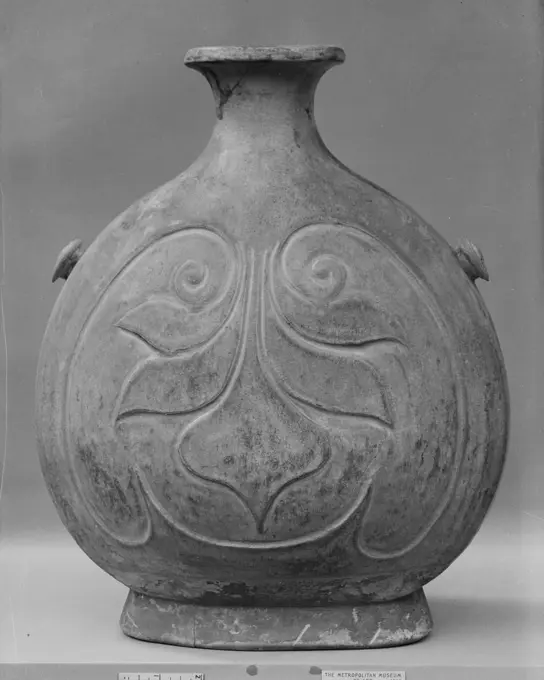
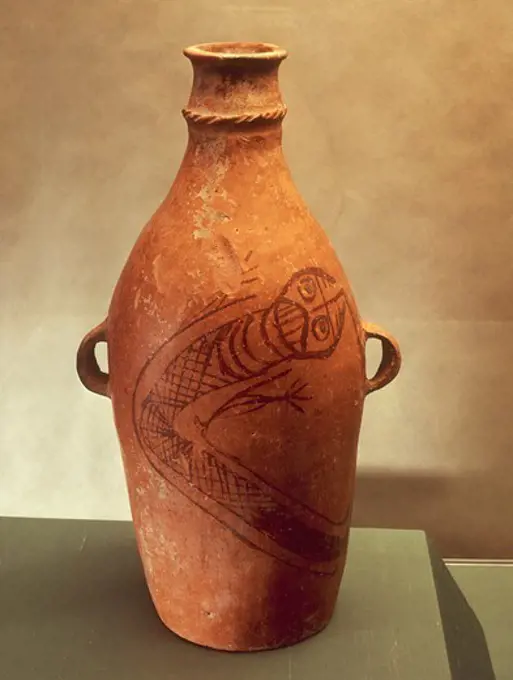
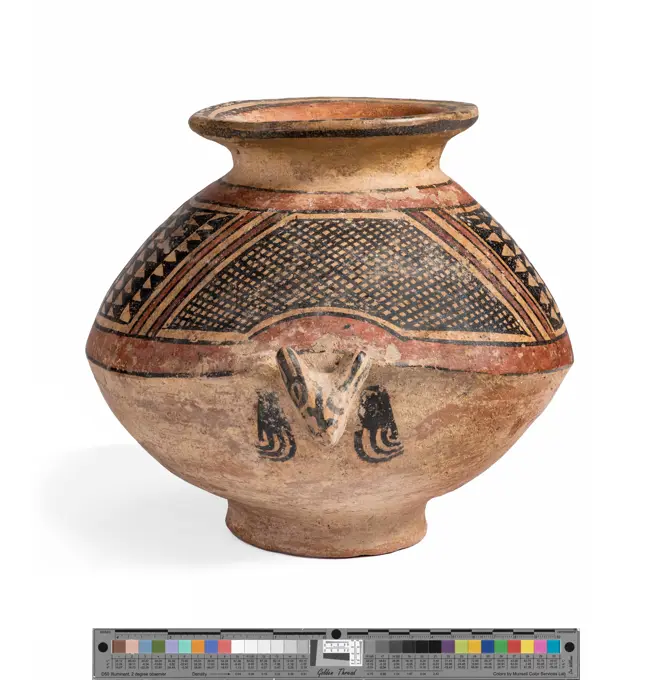
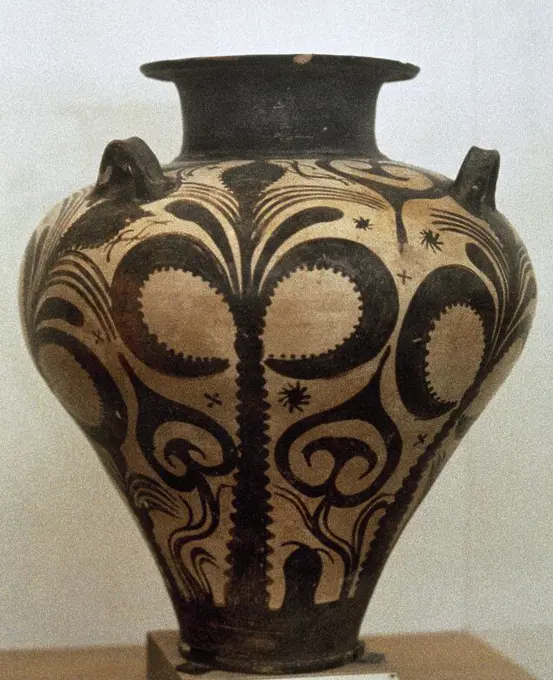
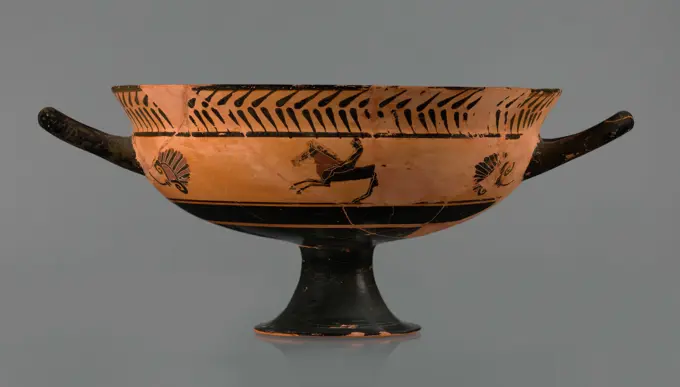
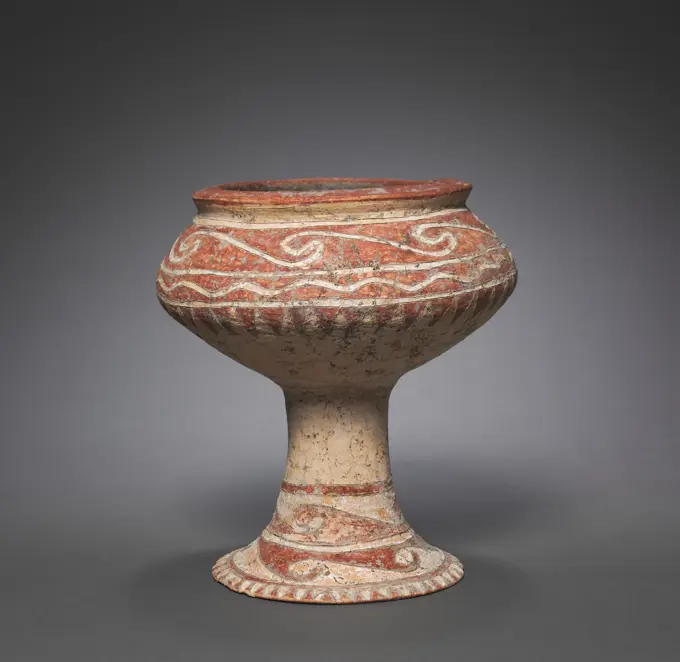
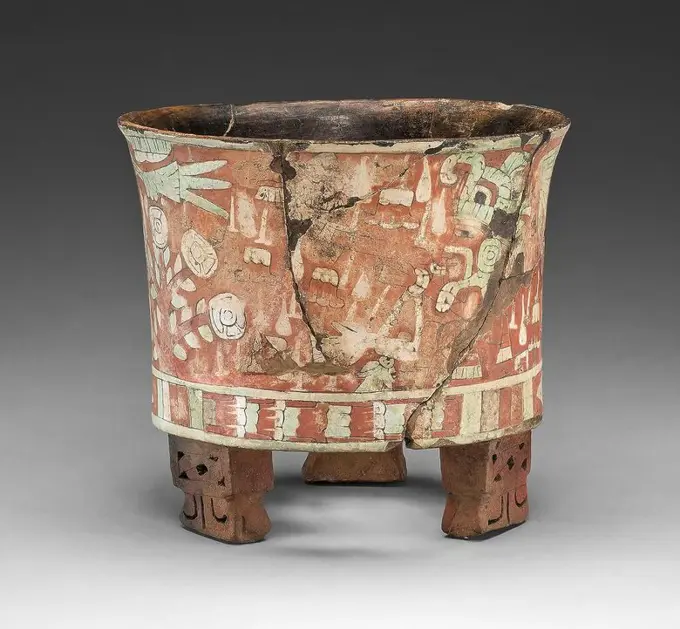
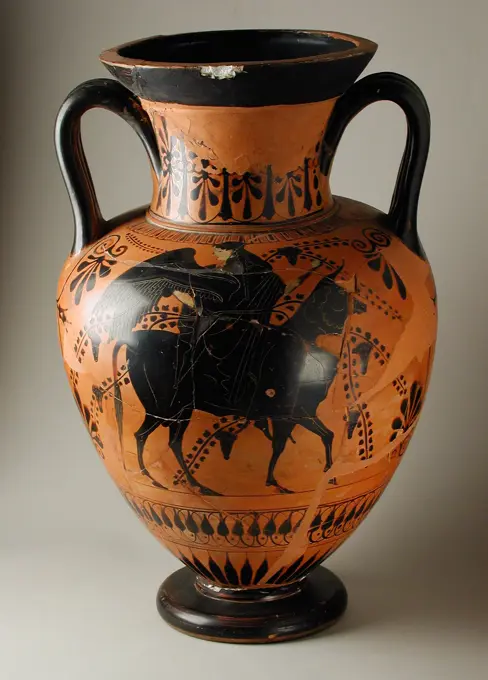
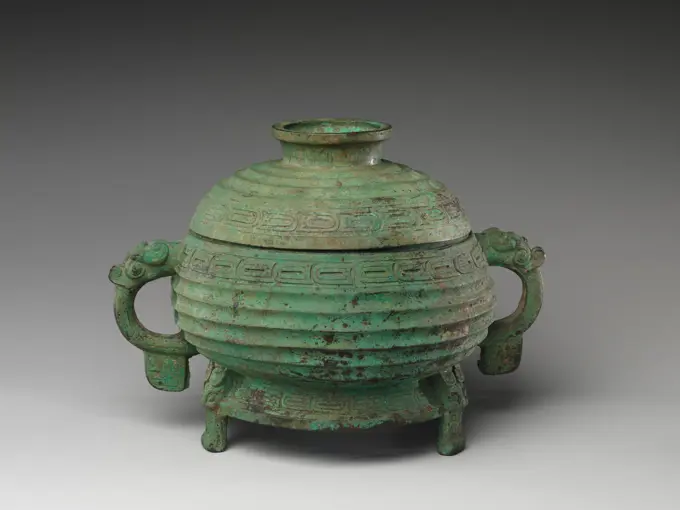
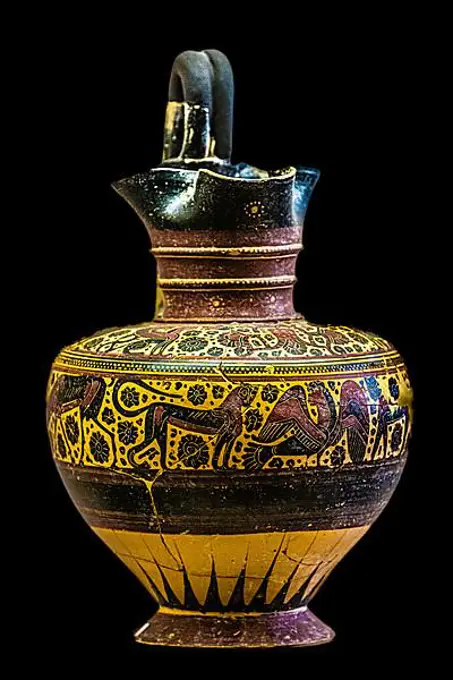
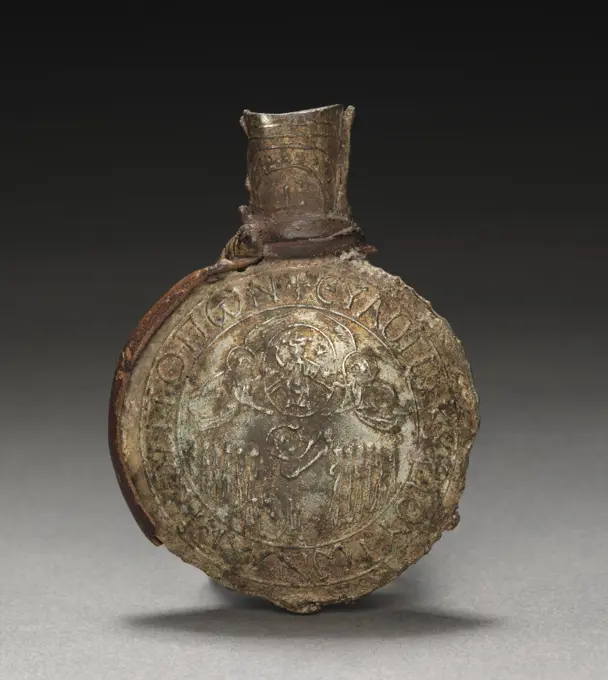
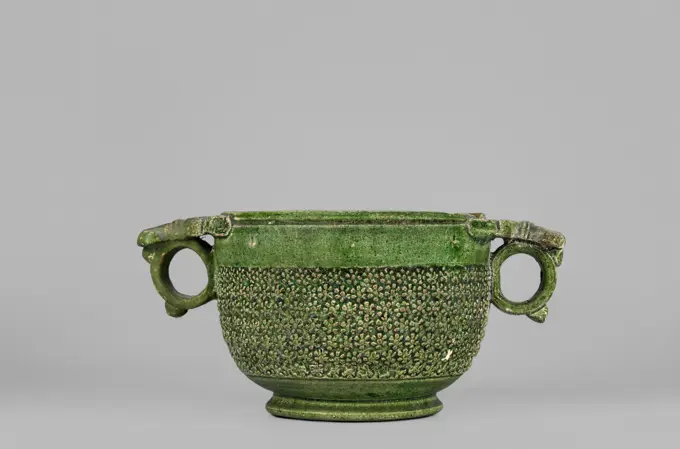
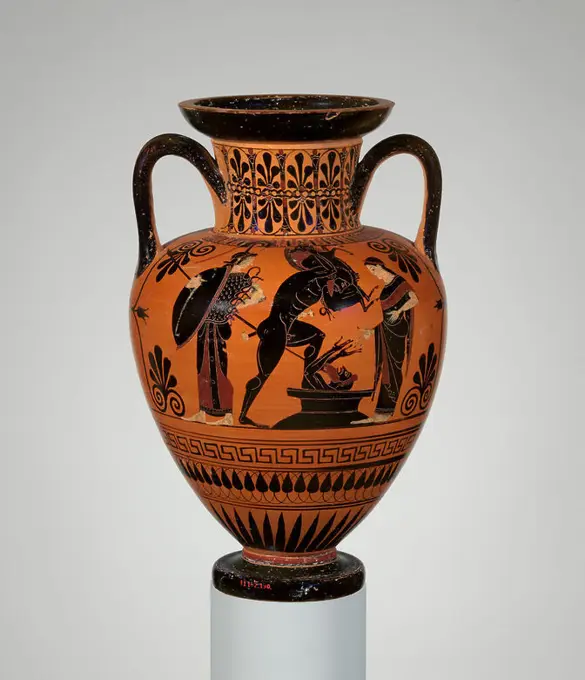
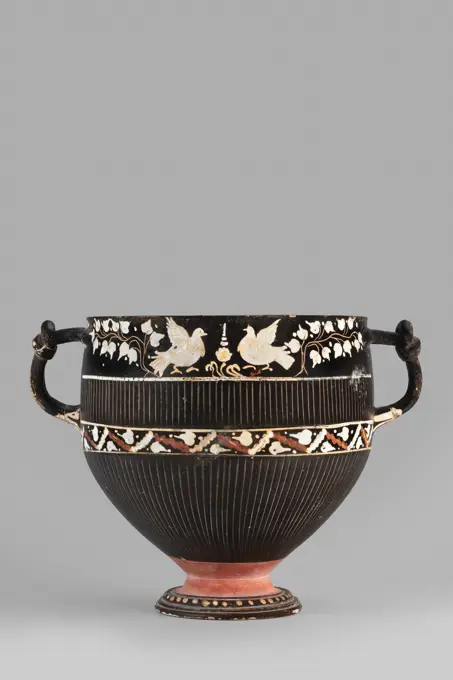
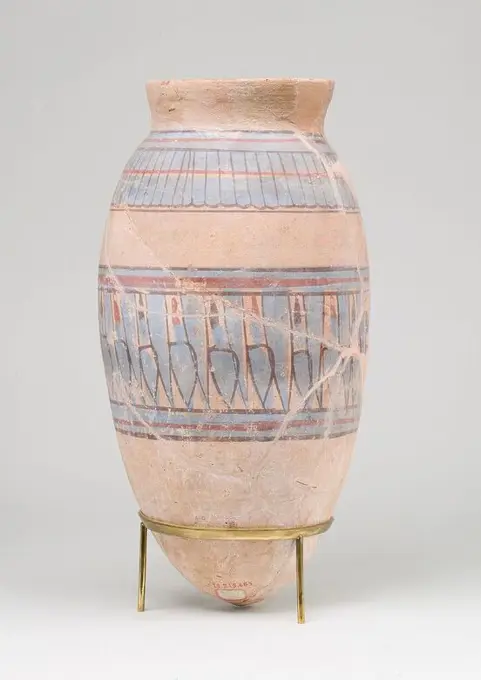
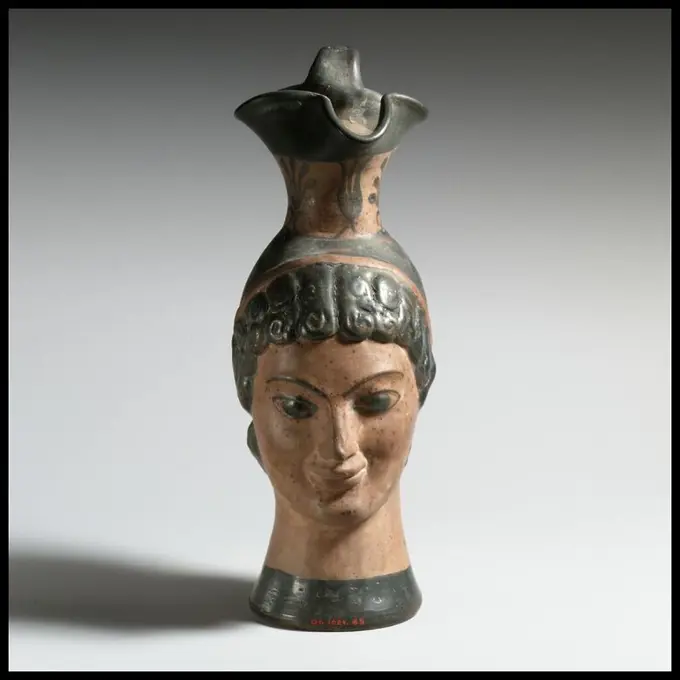
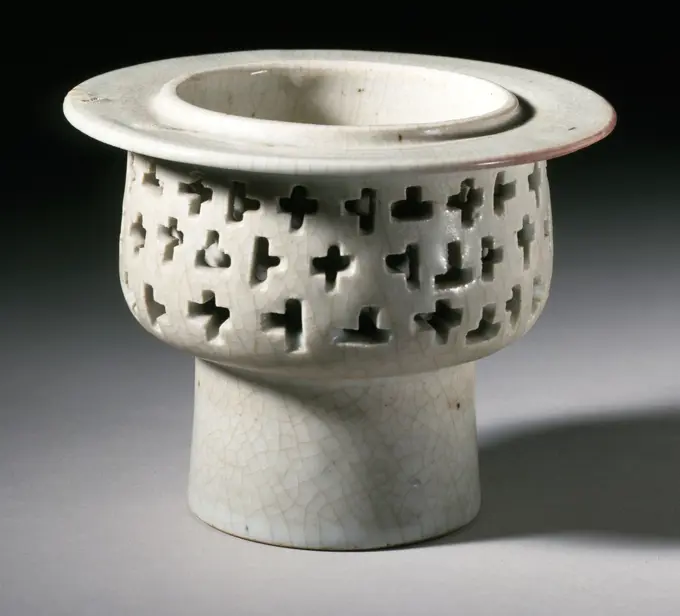
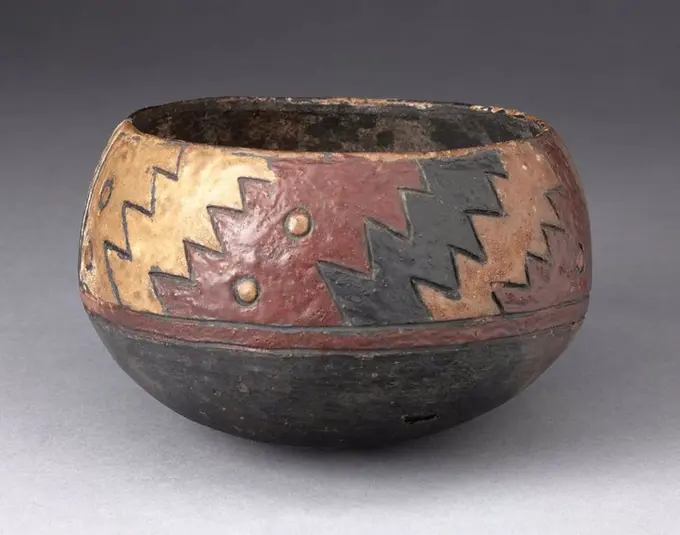
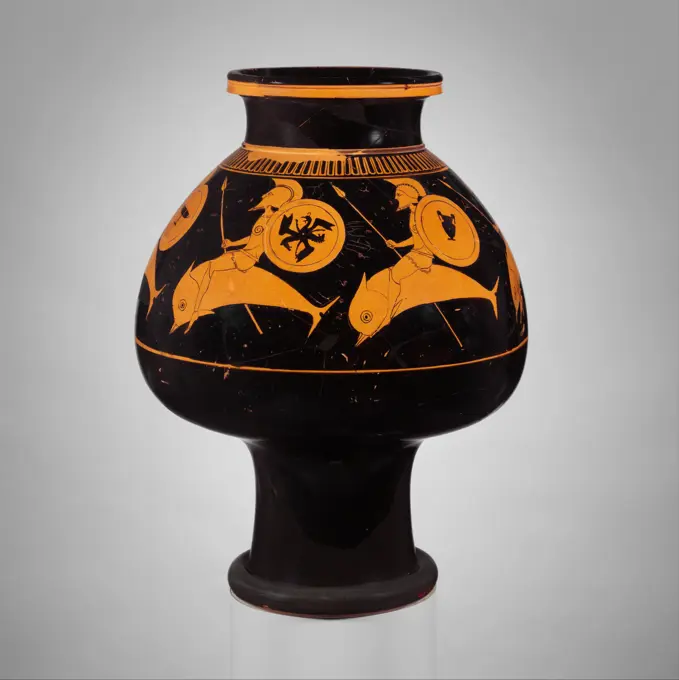
Amphoriskos. UnknownJar 12th century. Jar 450929Jar early 20th century Korea. Jar 57370Terracotta vase, 450-425 BC, Archaeological Museum of Ibiza and Formentera, Spain.Terracotta jug ca. 750-600 B.C. Cypriot The mouth has been carefully shaped into the head of a horned animal, undoubtedly a bull. The small openings at its muzzle and behind the horns indicate that the vase was used for a specific, probably ritual, purpose.. Terracotta jug 240193COPA CON DECORACION ESQUEMATICA Y GEOMETRICA - ESTILO MIXTECA-PUEBLA - PERIODO POSTCLASICO TARDIO (1350-1500 DC) - MEXICO - NUM INV 85/. Location: MUSEO DE AMERICA-COLECCION. MADRID. SPAIN.Jar ca. 7th-8th century A.D. Sasanian or Islamic. Jar 322944Canosa filter vase with plastic figure Daunian II pottery, ceramic,Anonymous, pair of Fanghu vases (common name), -0206. Polychrome terracotta. Cernuschi Museum, Asia Museum of Asia in the city of Paris.Cauldron (common name), -0499. Cernuschi Museum, Asia Museum of Asia in the city of Paris.Mexico, Federal District, Mexico City, Museo Nacional de Antropologia Painted Mixteca ceramic jug from Oaxaca in Ancient Mexico.'Wine Jar with Hunting Scene in Relief. Han Dynasty, 206 BC - AD 221, (1927). From Old Furniture, Volume II., edited by Lieut.-Col. E. F. Strange, C.BItaly, Prehistory, Iron Age, Terracotta bowl, From Moie di Pollenza (Macerata Province)Oinochoe. UnknownBowl. Iran, late 13th-early 14th century. Ceramics. Fritware, underglaze-paintedVase, 7th-9th century, 5 1/4 x 5 3/4 x 5 3/4 in. (13.34 x 14.61 x 14.61 cm), Ceramic, Mexico, 7th-9th centuryMUSEO-JARRA PINTA EN NEGRO-40 X 14 CMS-CALIFAL S X-XI. Location: MEDINA AZAHARA / MADINAT AL-ZAHRA-MUSEO-CERAMICA. PROVINCIA. CORDOBA. SPAIN.Terracotta neck-amphora early 7th century B.C. Greek, Attic The style of this vase represents the transition from Geometric, with its preponderance of ornament and its spare artistic idiom, to what would become the black-figure technique, which at this time was already practiced in Corinth. The main scene on the body continues the tradition of chariots in procession.. Terracotta neck-amphora 251044 Greek, Attic, Terracotta neck-amphora, early 7th century B.C., Terracotta, H. 11 11/16 in. (29.7 cm). The Metropolitan Museum of Art, New York. Rogers Fund, 1921 (21.88.18)Strap-Handled Vessel in the Form of a Bird with Abstract Pattern on Body Made 650 BCE-150 BCE Peru. Ceramic with resinous postfire painting . NazcaVessel in the shape of a Pine Cone, 3 1/2 x 4 1/2 x 3 1/2 in. (8.89 x 11.43 x 8.89 cm), Ceramic, EgyptTeapot with Gold Leaf Landscape and Imperial Poem, 1762-95. China, Qing Dynasty (1644-1911), Qianlong reign (1736-95). Stoneware with gold leaf decoration, Yixing ware; diameter: 10.8 cm (4 1/4 in.); with spout: 15 cm (5 7/8 in.).Egypt, Funerary vessels from the tomb of Kha and his wife Merit in Deir el-Medina, eighteenth dynastyJug Late Period 664-332 B.C. View more. Jug. 664-332 B.C.. Faience. Late Period. From Egypt. Dynasty 26-30Jug. Jug of stoneware, with pewter lid. Decorated in blue with a medallion on the belly in which a kicking square, between two crowned lions.Lebes gamikos ca. 340-320 B.C. Attributed to the Liverpool Group. Lebes gamikos 246731VASO DE TERRACOTA CON DECORACION ROJA. NAGADA II. PERIODO GERZIENSE 3400 A.C. Location: EGYPTIAN MUSEUM. KAIRO. EGYPT.Armorial jug (boccale). Culture: Italian, Faenza or Florence. Dimensions: Height: 7 3/8 in. (18.7cm). Date: ca. 1470-1500. Museum: Metropolitan Museum of Art, New York, USA.Lazio Viterbo Viterbo Museo Civico59. Hutzel, Max 1960-1990 Views of paintings (Middle Ages through 18th c.), frescoes, a tabernacle, coffin, sculpture reliefs, portal fragments, busts, sculpture, tapestry found in the Pinacoteca, Second floor gallery and Second floor cloister sequences. Antiquities: Many views of Etruscan and Roman fragments, sculpture, sarcophagi, pottery, masks, jewelry and other objects found in the Storeroom sequence (inventory numbers on back of prints), and the Cloister, Second floor Cloister, Valle Giulia, Sala Romana and Sala Etrusca sequences. General Notes: There are eight separate numerical sequences for this location. The cloister as an architectural structure, rather than museum site, is documented in the record and file for S. Maria della Verita, Cloister, all views of which are stored in Medieval core collection. Five views from the Museo Civico Second floor cloister sequence are stored in Medieval. German-born photographer and scholar Max Hutzel (1911-Ritual wine vessel, anonymous, c. -1046 - c. -256  China bronze (metal)  China bronze (metal)Ukraina, Kerch, Electrum vase representing a tooth extraction scene from Kul-Oba tumulusAryballos with the name Wahibre, probably in this instance refering to Apries 589-570 BC or later Late Period. Aryballos with the name Wahibre, probably in this instance refering to Apries 550928Fragment of a jug with men beneath arches, anonymous, c. 1580 - c. 1610 Fragment of a jug of stoneware on a high foot with a cylindrical body. Upper half of the jug is missing. A few profiles on the foot and covered with a brown Engobe. On the abdomen a broad band with a printed and imposed decoration of men or soldiers standing under bows in relief. Divided over the arches The inscription 'This is that guard of AMDERDAM' and 'EE HH'. Raeren. Rae stoneware. glaze. engobe vitrification Fragment of a jug of stoneware on a high foot with a cylindrical body. Upper half of the jug is missing. A few profiles on the foot and covered with a brown Engobe. On the abdomen a broad band with a printed and imposed decoration of men or soldiers standing under bows in relief. Divided over the arches The inscription 'This is that guard of AMDERDAM' and 'EE HH'. Raeren. Rae stoneware. glaze. engobe vitrificationBowl 17th century Spanish, Valencia Tin-glazed earthenware, of which lusterware is one type, was developed in the Middle East in the ninth and tenth centuries to imitate the porcelains produced in China. The opaque white glaze concealed the clay body, which could range from pale buff to brick red, allowing for brilliant effects created by painting the white surface with metal oxides that fired to a range of colors. This technique, as well as the use of metallic lusteran iridescent, coppery painted glazespread throughout the Muslim world, arriving among the potters of Valencia in the thirteenth century. The so-called Hispano-Moresque lusterware, with its fusion of Islamic and Gothic styles and motifs, often in shaped imitating those of metal vessels, was treasured by the elite in Spain during the fifteenth century and exported to the courts of Europe. The Valencian industry declined in the late sixteenth century, as colorful Italian Renaissance maiolica gained in popularity among the Armorial jug (boccale) ca. 1470-1500 Italian, Faenza or Florence. Armorial jug (boccale). Italian, Faenza or Florence. ca. 1470-1500. Maiolica (tin-glazed earthenware). Ceramics-PotteryEwer with Spout in the Form of an Elephant with a Mahut, AD 1-100. Afghanistan, Gandhara, probably Taxila or environs, Early Kushan Period (1st century-320). Bronze; overall: 21 cm (8 1/4 in.); diameter of base: 6.4 cm (2 1/2 in.).Cylindrical tripodvessel.  Artist: UnknownJuglet 750-600 B.C. Cypriot "Bird Jug" type, with geometric ornament and swastikas in front.. Juglet. Cypriot. 750-600 B.C.. Terracotta. Cypro-Archaic I. VasesKero.  Artist: UnknownTerracotta holmos (stand) late 8th-early 7th century B.C. Etruscan A small version of a popular type of banquet vessel used to mix wine and water and then serve guests. The holmos has two rows of perforations on the base. Ovoid perforations alternate with large bosses on the spherical midsection. The plain flaring top supports an undecorated dinos.. Terracotta holmos (stand) 246645. Ritual barrel with lid for food with decoration on three tires. The ears have the shape of a monster that devours a stylized bird.Covered Pilgrim Flask with Scrolls. China. Date: 907 AD-1124. Dimensions: 30.8 × 17.0 × 12.6 cm (12 1/8 × 6 11/16 × 4 15/16 in.). Stoneware with lead glaze and underglaze incised decoration. Origin: China. Museum: The Chicago Art Institute, Chicago, USA.Aryballos. UnknownGlass sprinkler flask with snake-thread decroation 3rd century A.D. Roman, Syrian Translucent light blue green; base ring and trail in same color.Outsplayed rim, folded down, round, and in; slanting, funnel-shaped mouth; short, cylindrical neck, with folded diaphragm at base; conical body with straight side, then curving in sharply; applied, solid base ring; low kick in bottom with small pontil scar at center.A single continuous trail wound around body in a sinuous pattern, partially flattened and decorated with close-set tooled notches.Intact; a few pinprick and elongated bubbles, and blowing striations; slight dulling and small patches of limy encrustation and iridescent weathering on exterior, larger patches of soil encrustation, weathering, and brilliant iridescence on exterior.Although the snake-thread decoration seen here is found on Roman glassware throughout the Empire, the shape of this flask belongs firmly in the eastern tradition. It has a constriction at the base of the necPharmacy pot, Late 14th century - early 15th century, Pottery (porcelain decorated with metallic reflections and superposed reticulated borders), of Manises or Paterna, Valencia, Height: 17.5 cm. Museum: Museo Fundación Francisco Godia, Barcelona, Cataluña, España.Tankard. Switzerland, 17th-18th century. Furnishings; Serviceware. Earthenware, faienceTerracotta alabastron (perfume vase) ca. 510-500 B.C. Related to the Group of the Paidikos Alabastra Two archers with dog hunting a felineThe archers in their oriental garb are connected with the Amazons who appear on white alabastra at the very end of the sixth century B.C. It is likely that the iconography evokes the exotic fragrance contained within the vase.. Terracotta alabastron (perfume vase). Greek, Attic. ca. 510-500 B.C.. Terracotta; white-ground. Archaic. VasesLazio Roma Grottaferrata Museo99. Hutzel, Max 1960-1990 German-born photographer and scholar Max Hutzel (1911-1988) photographed in Italy from the early 1960s until his death. The result of this project, referred to by Hutzel as Foto Arte Minore, is thorough documentation of art historical development in Italy up to the 18th century, including objects of the Etruscans and the Romans, as well as early Medieval, Romanesque, Gothic, Renaissance and Baroque monuments. Images are organized by geographic region in Italy, then by province, city, site complex and monument.Jar ca. 100-300 Japan. Jar 50311You wine vessel, 10th-9th century BCE, 9 15/16 × 7 15/16 × 4 13/16 in., 4.4 lb. (25.3 × 20.1 × 12.2 cm, 2 kg), Bronze, China, 10th-9th century BCE, This is a typically shaped you vessel with an oval cross section, but the exaggerated high collar of the lid, topped by a spherical knob, gives it an impression of height. The decoration, divided into three bands at the foot, neck, and lid, displays dragons with S-shaped bodies, turned heads, and large S-shaped crests or horns. The neck belt is divided into two panels by a three-dimensional animals head and the foot and lid belts by very shallow lines in low relief representing flanges. The handle ends in animals heads with bottle-shaped horns.Ritual wine container with handle (You) China 10th-9th century BCE The entire surface, even the handle, of this you is covered with low- and high-relief patterns. There are stylized animal masks (taotie) with circular knots for eyes on the body, animal heads at the ends of the handle, and inscriptions on the underside of the lid and body.Kettle with Handle, 1700s-1800s. China, Qing dynasty (1644-1911) or Republican period (1912-49). Bronze;Terracotta aryballos (oil flask) ca. 640-625 B.C. Greek, Corinthian On the body, winged lion surrounded by rosettes in the field.. Terracotta aryballos (oil flask) 247182Kohl Bottle. Iran, 9th-10th century. Metal. MetalworkWater or Cider Jug. Dated: c. 1939. Dimensions: overall: 58.1 x 45.5 cm (22 7/8 x 17 15/16 in.) Original IAD Object: 20 1/2" High 11" Dia(base). Medium: watercolor and graphite on paperboard. Museum: National Gallery of Art, Washington DC. Author: Nicholas Amantea.Vase (Etruscan vase of Naples), Imperial Manufacture of Sèvres, 1858 Amphora-shaped vase of multicolored painted biscuit porcelain. The vase has two ears and stands on a foot. The vase has a black stock in which some recesses, including a Frisian on the belly. On Frisian, men, women and children are painted in pastel colors, dancing, kite kite, drinking at a table and playing with boulders () And bikkels. The ears are decorated with palmets in relief. The Frisian is signed: P.M. Roussel and the vase is marked. Sèvres biscuit (porcelain, material). bronze (metal) gilding Amphora-shaped vase of multicolored painted biscuit porcelain. The vase has two ears and stands on a foot. The vase has a black stock in which some recesses, including a Frisian on the belly. On Frisian, men, women and children are painted in pastel colors, dancing, kite kite, drinking at a table and playing with boulders () And bikkels. The ears are decorated with palmets in relief. The Frisian is signed: P.M. Roussel Vessel, 20th century, 9 1/4 x 9 3/4 in. (23.5 x 24.77 cm), Ceramic, South Africa, 20th centuryPyksis from the lid; Unknown Beock workshop; End of the 5th century BC (-410-00-00--401-00-00);Falkenhausen, Ernst von (1925) - collection, KingdomCricket cage 18th-19th century China. Cricket cage 60718JARRO DE PICO CON TALLOS DE HOJAS HENDIDAS - MUEL- SIGLOS XVI-XVII. Location: INSTITUTO VALENCIA DE DON JUAN-COLECCION. MADRID. SPAIN.Miniature black -refreshed ascos;  III century BC (-300-00-00--201-00-00);Sake bottle mid-20th century Yu Fujiwara Japanese. Sake bottle. Yu Fujiwara. Japan. mid-20th century. Earthenware; round body with short, narrow neck and everted lip; flat base with maker's initial; partially covered with clear glaze and area of purple glaze with orange hue (Bizen ware). CeramicsBowl 8th century B.C. Greek, Attic Two-handled bowl with geometric key-fret panel.. Bowl 240180One-handled cup ca. 900-700 B.C. Iran This biconical cup has a small ring handle and a flat base. The top of the handle features a ridge that provides traction for the drinkers thumb. The cup is made of a buff clay with red painted decorations, including wedges, crosshatches, vertical lines and dots. Wheel lines on the interior indicate that it was made on a potters wheel.This cup was excavated at Tepe Sialk, near Kashan in central Iran. Sialk was the site of a fortified town, constructed in the early first millennium B.C. Several hundred yards from the town there was a large cemetery, called Necropolis B by the archaeologists who explored it between 1933 and 1937. The graves were pits covered with pitched roofs made of stone or clay, and in addition to the bodies of the dead they contained jewelry, weapons, leather armor, horse trappings and ceramic vessels, including many similar cups. Possibly it was used in a funerary banquet or ritual before it was placed in the grave; regardlesPilgrim Bottle China. Pilgrim Bottle. China. Pottery. Tang dynasty (618-907). CeramicsA reproduction of a Nikosthenic black figure amphora from the Hellenic period. The original was found on the  Cyprus. The copy is typical of a genre of mass produced archaeological tourist souvenirs sold throughout Greece and Cyprus.Prehistory, China, 3rd millennium b.C. Ceramic amphora with decoration representing a snake with feet. From Kan-Ku.Painted ceramics of Celtiberian tradition, Museum-Interpretation Center of the Segóbriga Archaeological Park, Saelices, Cuenca, Castilla-La Mancha, Spain.Armadillo-Effigy Jar. Panama, Conte Style, Panama, 600-900 CE. Ceramics. Slip-painted ceramicMycenaean amphora decorated with large palm trees, other trees and floral motifs between them. From the cemetery of Deiras, Argos. Palace style, 15th century BC. National Archaeological Museum of Athens. Greece.Kyliks czarnofigurowy typu Siana. Malarz C, authorTazza, 3rd millennium BC. South East Asia, Thailand, Ban Chiang, Neolithic period. Reddish earthenware with painted and incised decoration; overall: 9.2 x 7.4 cm (3 5/8 x 2 15/16 in.).Tripod Vessel with a Blowgunner Scene. Teotihuacan; Teotihuacan, Mexico. Date: 300 AD-500 AD. Dimensions: 8.9 × 15.9 cm (3 1/2 × 6 1/4 in.). Ceramic, stucco, and pigment. Origin: Mexico. Museum: The Chicago Art Institute, Chicago, USA.Dropper flask 3rd-4th century Roman. Dropper flask. Roman. 3rd-4th century. Either colorless or transparent very pale green or very pale yellowish brown glass. Blown (the body blown in a dip mold), tooled, the rim finished at the furnace.. GlassTerracotta bowl with lid. Culture: Etruscan. Dimensions: H.: 8 1/4 in. (21 cm). Date: late 6th century B.C..Cover surmounted by cocks; decorated with swans in relief, handles ending in human heads. Museum: Metropolitan Museum of Art, New York, USA.Papkom, anonymous, c. 1600 - c. 1699 Papomy of lead glaze pottery, with two ears. The bowl is decorated with sludge technique in the colors yellow and green, with a flower (poppy) With symmetrically placed leaves. The bowl has stripes along the edge. Holland earthenware. lead glaze Papomy of lead glaze pottery, with two ears. The bowl is decorated with sludge technique in the colors yellow and green, with a flower (poppy) With symmetrically placed leaves. The bowl has stripes along the edge. Holland earthenware. lead glazeAttic Black-Figure Neck-Amphora with a Winged Female on a Bull on Both Sides. Group of Copenhagen 114, near the Painter of Munich 1519 (attributed to the). Greece, Athens, circa 500 B.C.. Furnishings; Serviceware. CeramicRound Vessel with Lid (Gui) ca. 9th century B.C. China. Round Vessel with Lid (Gui) 61310Ceramic vessel Wari culture 500AC-1000AC Perú.Jug with miniature scenes in black-figure technique, Proto-Corinthian phase 720-550 BC, Archaeological Museum in the former Order Hospital of the Knights of St. John, 15th century, Old Town, Rhodes Town, Greece, EuropeBol romano de cerámica, procedente del yacimiento arqueológico de Torre Llauder. Can Serra Museu de Mataró.Mycenaean chariot krater, first half of 13th century B.C. still image. 1885. The Miriam and Ira D. Wallach Division of Art, Prints and Photographs: Picture Collection. Pottery , Cypriot, Chariots, Vases , To 499, Art, Mycenaean, Terra-cotta, KratersPilgrim's Ampulla with the Ascension (back), c. 600. Byzantium; Palestine, early Byzantine period, early 7th Century. Tin-lead alloy with leather fragments; overall: 6.3 x 4.6 x 1.5 cm (2 1/2 x 1 13/16 x 9/16 in.). The images found on the sides of surviving lead pilgrims' ampullae include scenes relating to the life of Christ, and by extension to the holy sites (loca sancta) where the events took place. Cast into the sides of this ampulla are scenes of Christ's Crucifixion on the front and the Ascension on the back. The use of such sacred images on these vessels illustrates the early Christian belief that images were carriers of divine power. This ampulla is known as a "Monza" or "Bobbio" type after caches of similar examples discovered in those two Italian towns.Asia. Northern China. Vessel fragment. Porcelaneous mass. 13th century. Excaved at Tsarevskoe site. The State Hermitage Museum. Saint Petersburg. Russia.Skyfos dekorowany rozetkami. warsztat małoazjatycki, workshopGold tableware from graves in MycenaeNeck-amphora. Culture: Greek, Attic. Dimensions: H. 16 3/16 in. (41.1 cm)diameter 10 1/2 in. (26.7 cm). Date: last quarter of 6th century B.C..Herakles bringing the Erymanthian boar to Eurystheus. Warrior and archer. Museum: Metropolitan Museum of Art, New York, USA.Czara dekorowana przedstawieniem pary gołębi. nieznany warsztat apulijskiBlue-painted Jar from Malqata. Dimensions: H. 31 cm (12 3/16 in). Dynasty: Dynasty 18. Reign: reign of Amenhotep III. Date: ca. 1390-1353 B.C.. Museum: Metropolitan Museum of Art, New York, USA.Whistling Jar 1000-1476 Peruvian. Whistling Jar 502537Perfume bottle 7th century BC Corinthian, GreekRed -purital hydria;  5th century BC (-500-00-00--401-00-00);Greek Colonial Vases. Southern Italian. Apulia. 4th cent. BC.Lazio Viterbo Viterbo Museo Civico09. Hutzel, Max 1960-1990 Views of paintings (Middle Ages through 18th c.), frescoes, a tabernacle, coffin, sculpture reliefs, portal fragments, busts, sculpture, tapestry found in the Pinacoteca, Second floor gallery and Second floor cloister sequences. Antiquities: Many views of Etruscan and Roman fragments, sculpture, sarcophagi, pottery, masks, jewelry and other objects found in the Storeroom sequence (inventory numbers on back of prints), and the Cloister, Second floor Cloister, Valle Giulia, Sala Romana and Sala Etrusca sequences. General Notes: There are eight separate numerical sequences for this location. The cloister as an architectural structure, rather than museum site, is documented in the record and file for S. Maria della Verita, Cloister, all views of which are stored in Medieval core collection. Five views from the Museo Civico Second floor cloister sequence are stored in Medieval. German-born photographer and scholar Max Hutzel (1911-Oinochoe in the form of a woman's head. Culture: Greek or Etruscan, South Italian (Campanian). Dimensions: Other: 8 7/8 × 3 1/8 × 4 1/2 × 2 13/16 in. (22.5 × 7.9 × 11.4 × 7.1 cm). Date: early 5th century B.C.. Museum: Metropolitan Museum of Art, New York, USA.Incense Burner in OpenworkPaduan 16th Century, A Lamp, early 16th century A LampBowl with Thickly-Painted Polychrome Zigzag Motif. Paracas; Ocucaje area, Ica Valley, south coast, Peru. Date: 650 BC-150 BC. Dimensions: 8.3 x 13 cm (3 1/4 x 5 1/8 in.). Ceramic and pigment. Origin: Peru. Museum: The Chicago Art Institute, Chicago, USA.Terracotta psykter (vase for cooling wine) ca. 520-510 B.C. Attributed to Oltos Around the body, hoplites(foot soldiers) mounted on dolphinsThis procession of identically dressed foot soldiers seems to advance with military precision. A number of other dolphin-riding hoplites appear on vases of this period. All are accompanied by a flute player, suggesting that this scene illustrates a dramatic chorus, probably from a contemporary play. The six dolphins would have seemed to leap and dive as the psykter bobbed in the ice water inside a large krater. Listen to experts illuminate this artwork's story Listen Play or pause #1016. Terracotta psykter (vase for cooling wine) Supported by Bloomberg Philanthropies We're sorry, the transcript for this audio track is not available at this time. We are working to make it available as soon as possible.. Terracotta psykter (vase for cooling wine) 255946Ointment Jar with Lid ca. 1479-1458 B.C. New Kingdom This jar is inscribed "The Good Goddess, Lady of the two Lands, Maatkare, may she live! Beloved of Amun who is in Djeser-djeseru." Maatkare was the throne name of Hatshepsut.. Ointment Jar with Lid 544465Zodiac Beaker with Lid. Indonesia, Eastern Java, 1361. Furnishings; Serviceware. Copper alloy