Ancient Ceramic Vessels

Various ancient ceramic jugs and jars, showcasing Greek and Roman designs, decorated with animal and floral motifs from different historical periods.
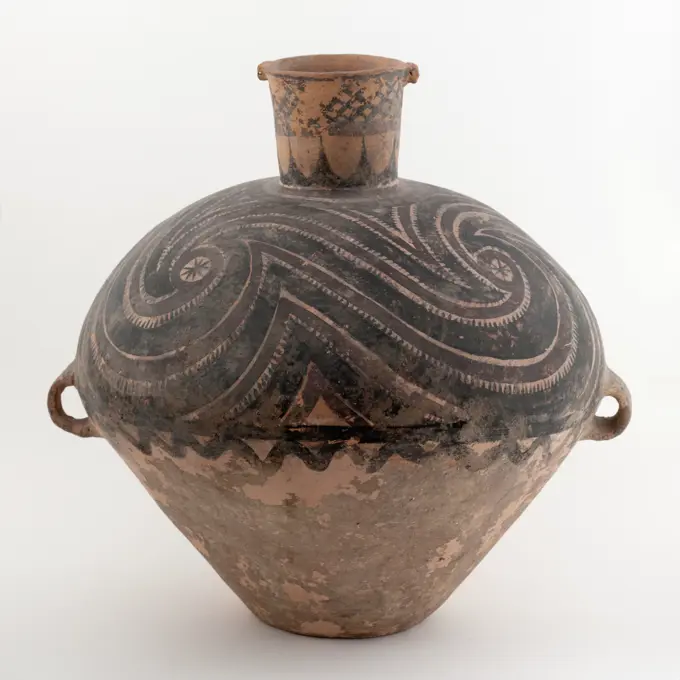
Jar ". Terracotta. China, Neolithic. Paris, Cernuschi museum. 74781-15 Chinese, ceramic, jar, neolithic, terracotta archeology
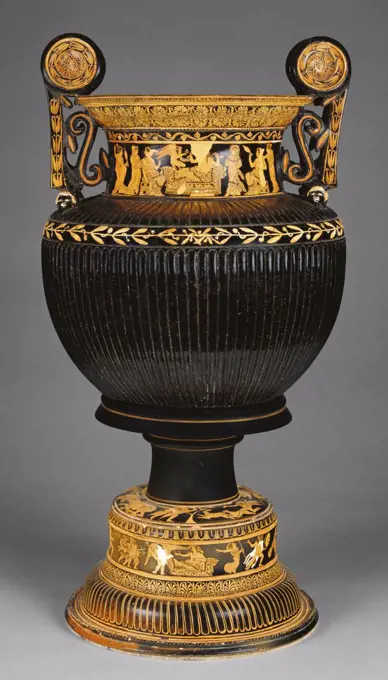
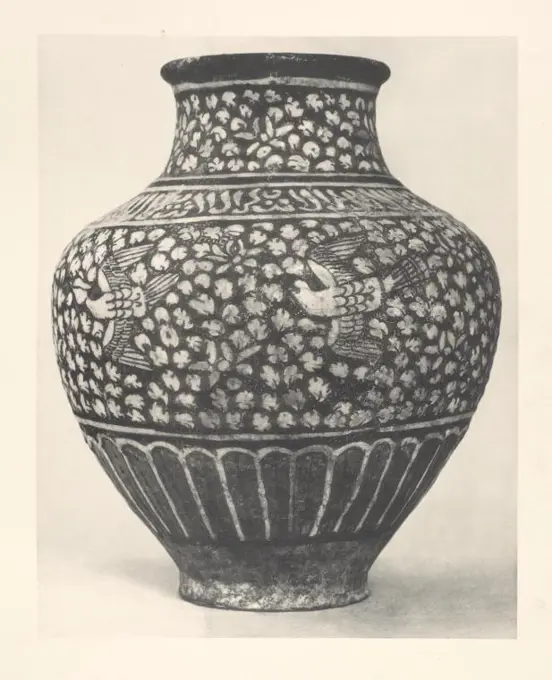
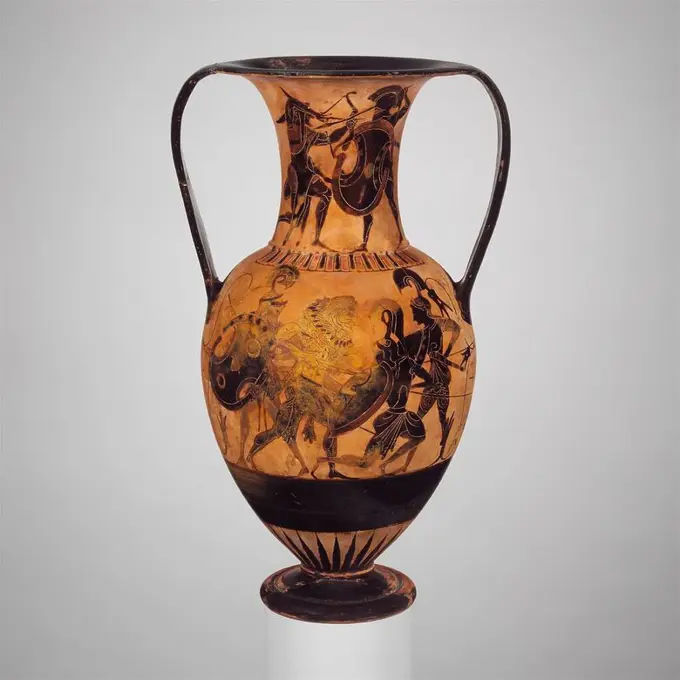
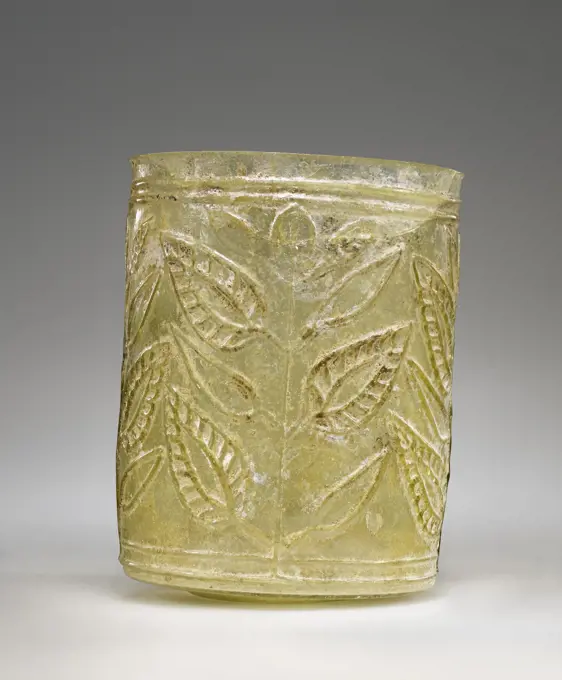
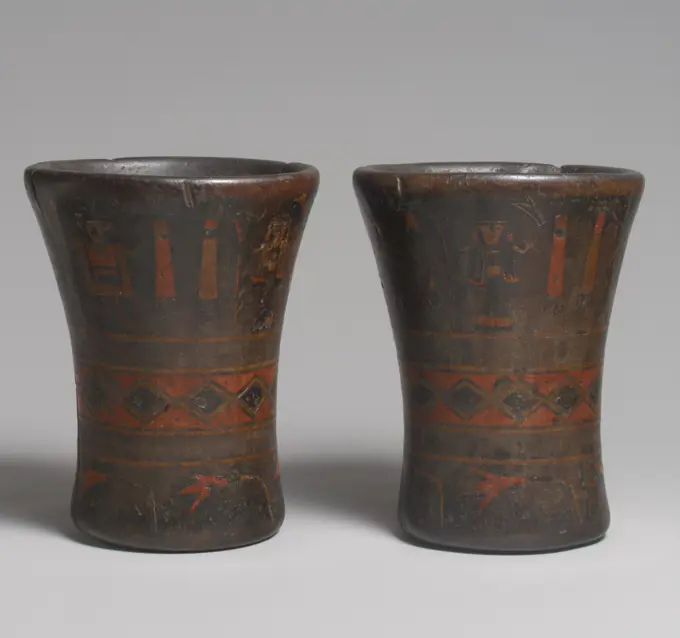
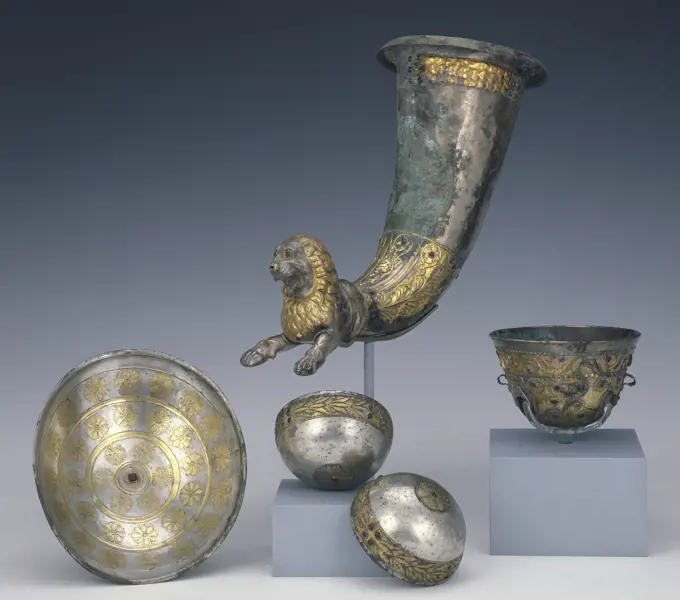
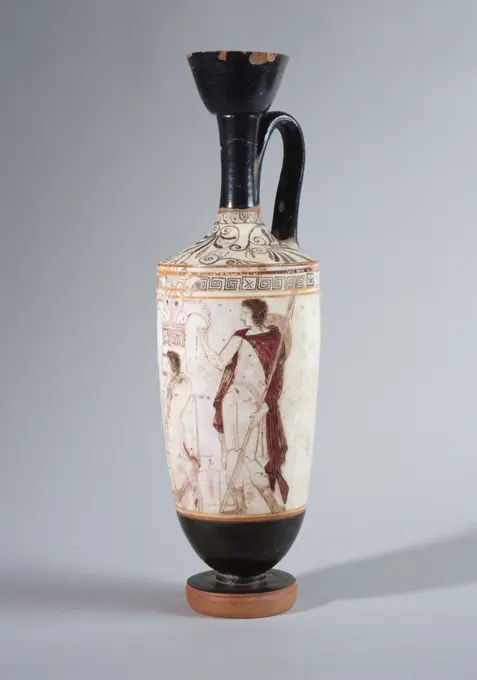
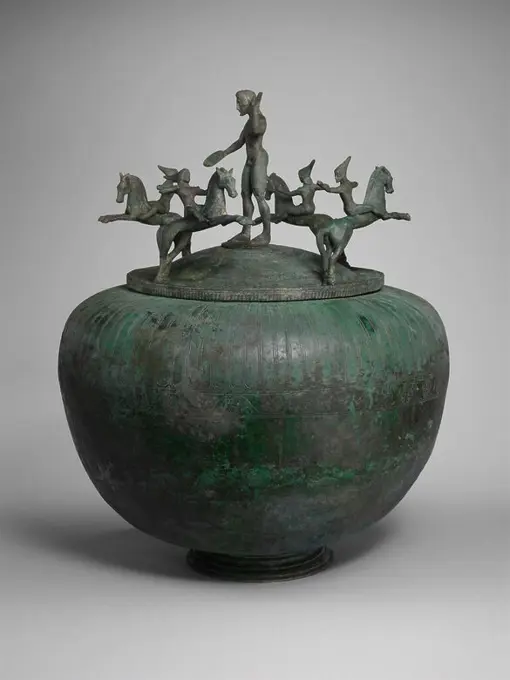
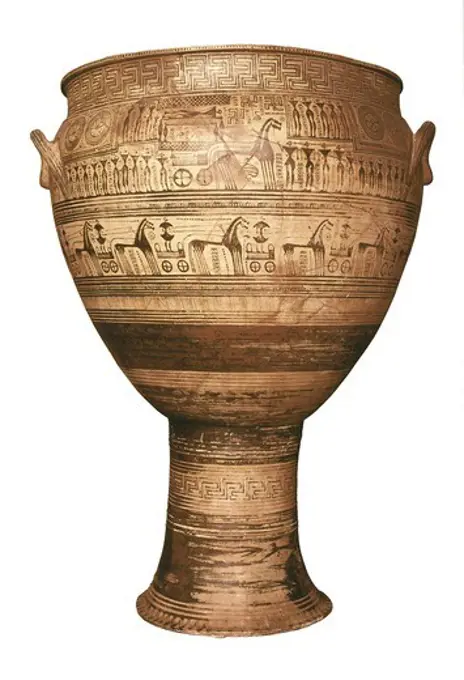
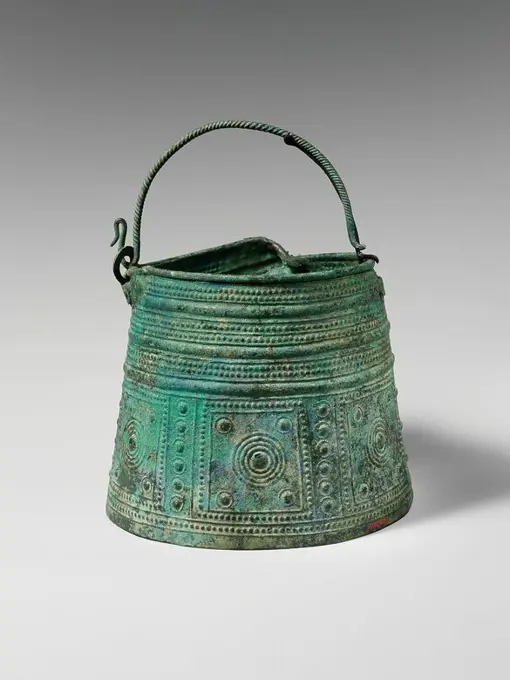
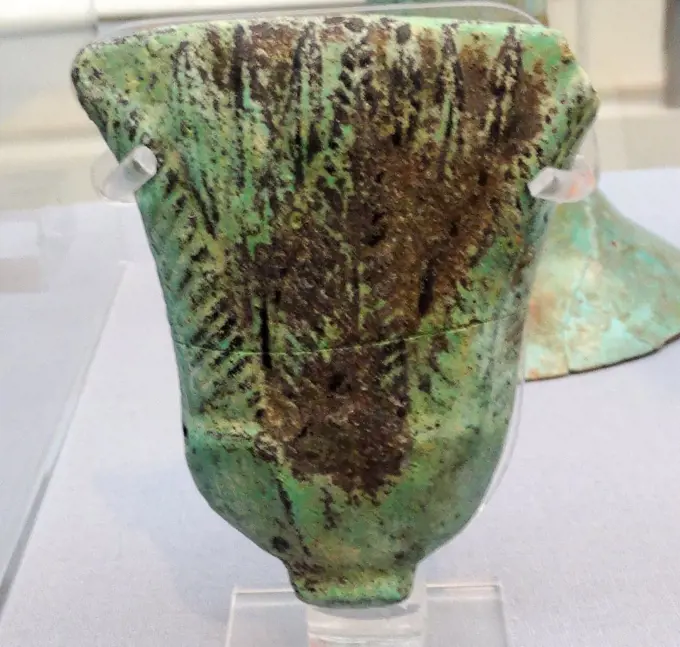
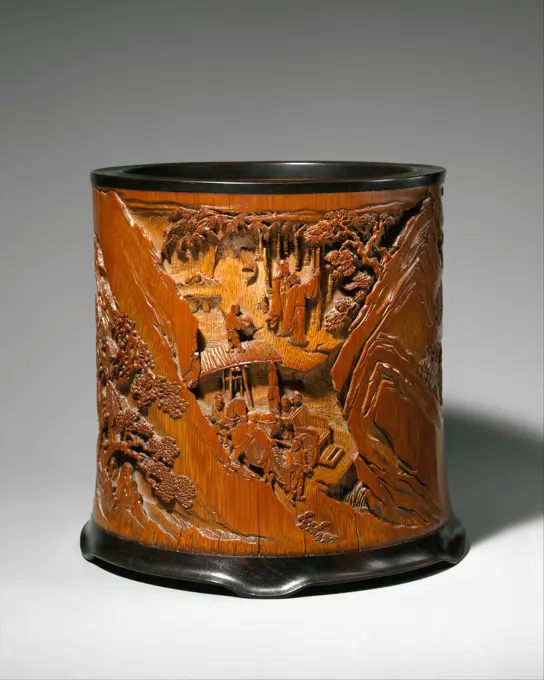
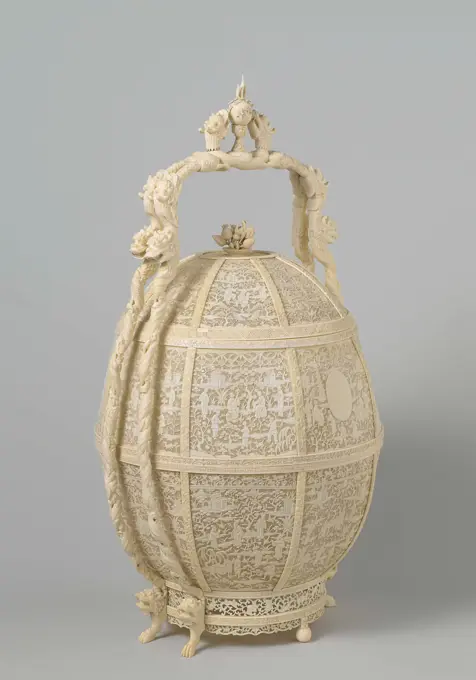
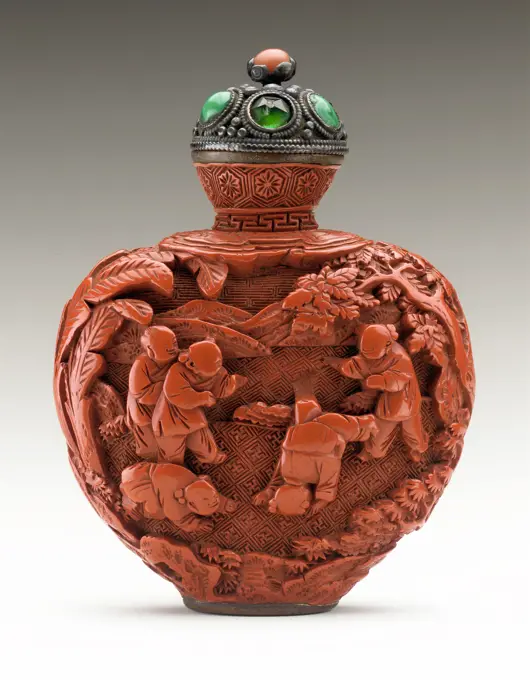
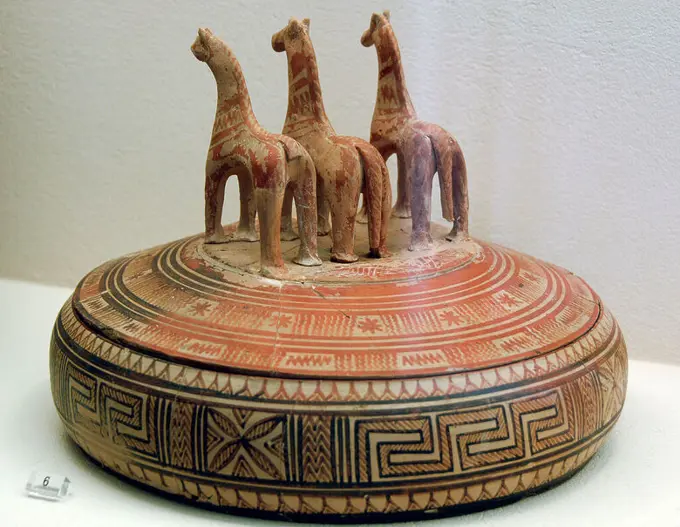
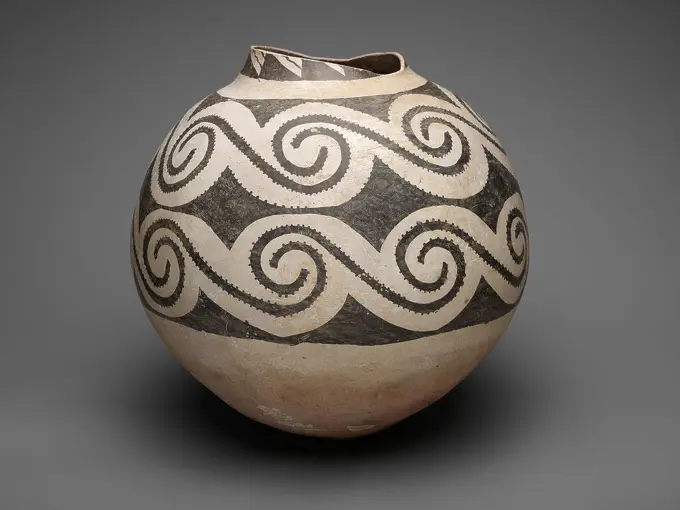
Storage Jar with Horizontal Bands of Interlocking Scrolls. Ancestral Pueblo (Anasazi), Black Mesa Black-on-white; Kayenta area, northeastern Arizona, United States. Date: 875 AD-1130. Dimensions: 43.2 × 45.7 cm (17 × 18 in.). Ceramic and pigment. Origin: Southwest. Museum: The Chicago Art Institute, USA.Ewer or cruet late 15th or early 16th century Italian, Venice. Ewer or cruet 198793Attic Red-Figure Dinoid Volute Krater and Stand; Meleager Painter, Greek (Attic), active 420 - 380 B.C.; Athens, Greece, Europe; 390 - 380 B.C.; Terracotta; Object (total): Max H.: 78.7 x Max W.: 40.6 cm (31 x 16 in.)CERAMICA IRANI-JARRO DE BARRO BLANCO S XI. Location: MUSEO ARQUEOLOGICO NACIONAL-COLECCION. MADRID. SPAIN.Vase.. Prints. 1912. The Miriam and Ira D. Wallach Division of Art, Prints and Photographs: Art & Architecture CollectionTombak late 19th century Iranian (Persian) Goblet shaped drums are distributed in areas of Sub-Saharan Africa, across North Africa and eastward to the Philippines. This Persian drum is elaborately decorated Khatam kari marquetry. Its surface is finely inlaid with bone, wood, and brass micro-mosaics forming stars, lozenges, and inscriptions. The poetic calligraphy at the top reads: "When it sounds, it makes everyone in the world happy.". Tombak 501876Jar, Whiskered Face 4th-6th century Nasca. Jar, Whiskered Face 309741Terracotta neck-amphora of Nicosthenic shape (jar). Culture: Greek, Attic. Dimensions: H. 11 1/4 in. (28.5 cm); diameter of mouth 5 1/4 in. (13.3 cm); diameter of foot 3 3/8 in. (8.5 cm). Date: ca. 510 B.C..Obverse, Herakles fighting Amazons; on the neck, fightReverse, Dionysos and satyrs; on the neck, courting sceneThe Nicosthenic neck-amphora is characterized by ribbon handles that are attached at the top of the lip and on the shoulder. In addition the body tends to be egg-shaped and the neck quite narrow. The shape is named after Nikosthenes, the enterprising owner of a potter's establishment that exported actively to Etruria. Nikosthenes signed his wares often and specialized in Atticizing Etruscan shapes that evidently appealed to his western clientele. Museum: Metropolitan Museum of Art, New York, USA.'Vase'. Ancient Rome, first half of the 2nd century. Dimensions: h. 68,3 cm. Museum: State Hermitage, St. Petersburg.Leaf Beaker; Eastern Mediterranean, Roman Empire; 1st century; Glass; 7.3 × 6.4 cm (2 7,8 × 2 1,2 in.)Pair of Keros 16th-17th century Quechua The counterpoised figures depicted here may echo the traditional Andean worldview of balanced dichotomy. The opposing forces, male figures (in short tunics) and females (in long dresses and shawls), each hold a mace and a banner.. Pair of Keros 698417Terracotta vase in the shape of a cockerel. Culture: Etruscan. Dimensions: H. 4 1/16 in. (10.31 cm). Date: ca. 650-600 B.C..This small vase, inscribed with the twenty-six letters of the Etruscan alphabet, may have been a container for ink. The head acts as a stopper and could be attached to the bird's body by a cord. The missing tail no doubt curved downward to form a third foot. Museum: Metropolitan Museum of Art, New York, USA.Monumental grave vessel, Apulian in Gnathia style, 325-300 BC, Staatliche Antikensammlung, Munich, Upper Bavaria, Germany, EuropePolychrome Jar with Katsina Designs, by Nampeyo, Hopi-Tewa, First Mesa, Arizona, c. 1890-1900Situla with a Frieze of Athletic Contests; Unknown; Roman Empire; 75 - 100; Bronze; Object: H: 9.5 x Diam. (body): 14 cm (3 3/4 x 5 1/2 in.), Object (foot): Diam.: 7.9 cm (3 1/8 in.), Object (rim): Diam.: 7.6 cm (3 in.)Group of Drinking Vessels; Eastern Parthian Empire; Bactrian Empire; 1st century B.C; Gilt silver, garnet, inlaid glass, semi-precious stones;Vase Lécythe attic with white background (seen on the left side of the handle), ancient Greece, last quarter of the 5th century BC. Ceramic. Museum of Fine Arts of the City of Paris, Petit Palais. 34206-1 Attic, ceramic, dutuit collection, white background, ancient Greece, dishes, lecythe vase, left side view, throwBronze cinerary urn with lid. Culture: Etruscan, Campanian. Dimensions: H. 19 1/16 in. (48.5 cm). Date: ca. 500 B.C..Large hammered-bronze urns, often with solid-cast figures on the lid, were frequently used for cremated remains in Etruscan dominated Campania. Several examples have been found at Capua, that region's major city, and they were likely produced there from the late sixth to the mid-fifth century B.C. The statuettes added to the lid of this elaborately incised urn show a large nude diskos thrower surrounded by four Scythian archers mounted on rearing horses.On the underside of the urn a two-letter inscription is engraved on the attached foot ring. It comprises two Etruscan characters: a khi (which looks like a V with a line in the center), and a V. These two characters probably indicate the number 55. The khi is in a late Etruscan letter form that is appropriate for the urn's date. The significance of the numeral remains unclear. Museum: Metropolitan Museum of Art, New YorVessel with mythical character. Ceramic. Chimu-Inca culture. Late Horizon (1470-1532 AD). Peru. Museum of the Americas. Madrid, Spain.Geometric amphora from the Dipylon. 8th c. AD. Geometric Greek art. Ceramics. GREECE. ATTICA. Athens. National Museum of Archaeology. Proc: GREECE. ATTICA. Athens. Kerameikos.Kitchen mugs, National Archaeological Museum, Villa Cassis Faraone, UNESCO World Heritage Site, important city in the Roman Empire, Aquileia, Friuli, Italy, Aquileia, Friuli, Italy, EuropeBronze situla (bucket). Culture: Villanovan. Dimensions: H. 6 3/8 in. (16.2 cm); diameter of bottom 7 3/4 in. (19.7 cm). Date: 8th century B.C..The precise function of early vessels like this one is unknown. However, by the sixth century B.C., similar objects were represented as banqueting vessels with wine or some other drink being ladled from them. Interestingly, the decorative patterns on the lower portion of this example are precisely paralleled on contemporaneous bronze shields. Museum: Metropolitan Museum of Art, New York, USA.Bottle -ceramic pot isolated on white backgroundFaience lotus-flower inlay, Napatan Period, about 700-300 BC From Kawa, Temple ëTí EgyptBrush Holder Gu Jue Chinese This brush holder illustrates scenes from the famous poem Ode to the Pavilion of the Inebriated Old Man” by Ouyang Xiu (1007-1072). Demoted in 1045 to the remote Anhui Province, Ouyang took solace in wine and the natural world. Listen to experts illuminate this artwork's story Listen Play or pause #7381. Brush Holder, Part 1 Play or pause #7482. Brush Holder, Part 2 Supported by Bloomberg Philanthropies We're sorry, the transcript for this audio track is not available at this time. We are working to make it available as soon as possible.. Brush Holder 42158vessel, chomo, Shipibo culture, Amazon, Peru, collected in 2008, clay, natural pigments and resin, Anthropology National Museum, Madrid, Spain.CERAMICA POLICROMADA PERUANA EPOCA NAZCA. Location: BRITISH MUSEUM. LONDON. ENGLAND.Stacking box. In Asia, stacking boxes were used to transport food provisions. During the 19th century they became popular among European merchants in Canton - not because of their function, but rather because of the virtuoso carving in ivory. The walls of the box are decorated with Chinese figures in a landscape against an openwork background. The handles are dragon-shaped.Peru, Pre-Inca civilization, Nazca culture, Double spout and bridge vessel with painted pelican figurevessel, chomo, Shipibo culture, Amazon, Peru, collected in 2008, clay, natural pigments and resin, Anthropology National Museum, Madrid, Spain.Polychrome terracotta container with zoomorphic decoration, from Tikalvessel vessel, chomo, Shipibo culture, Amazon, Peru, collected in 2008, clay, natural pigments and resin, Anthropology National Museum, Madrid, Spain Copyright: xZoonar.com/BartomeuxBalaguerxRotgerx 21996492Apulian jug ; Campanische Campanian flask ; Italic flask still image. 1883. The Miriam and Ira D. Wallach Division of Art, Prints and Photographs: Picture Collection. Pottery , Greece, Pottery, Greek, Bottles, Antiquities, Pitchers, Containers , To 499, Vases, Greek, VasesSnuff Bottle (Biyanhu) with Children at PlayInterior baptismal font, St Severin's Church, Keitum, North Sea island of Sylt, North Friesland, Schleswig-Holstein, Germany, EuropeSmall olive oil cans as grave goods, Lekythos, 650-600 BC, Tsampikos, Archaeological Museum in the former Order Hospital of the Knights of St John, 15th century, Old Town, Rhodes Town, Greece, EuropeGreek Art. Geometric perios. Pyxis decorated with geometric motifs and lid topped with figures of horses. Greece. Kerameikos Museum. Athens.Retro cartoon with texture. Isolated on White.Set of ancient vase hand drawn ink sketch. Engraved style vector illustrationSet of ancient vase hand drawn ink sketch. Engraved style vector illustration