Ancient Ceramic Vessels

A collection of historical jugs and amphorae, showcasing various ancient styles and materials, including terracotta and glass, used for storing liquids.
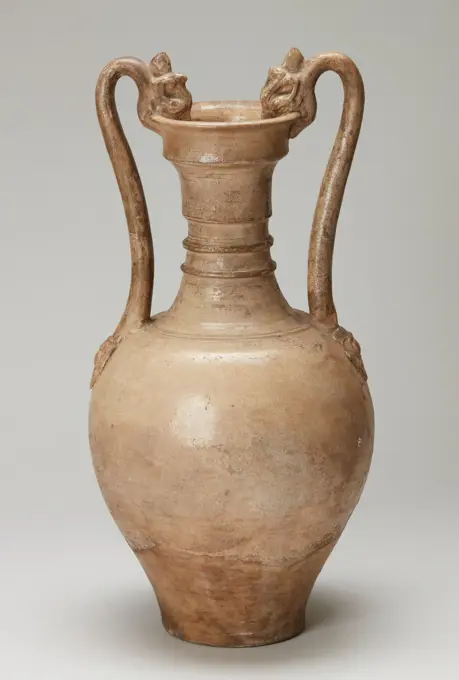
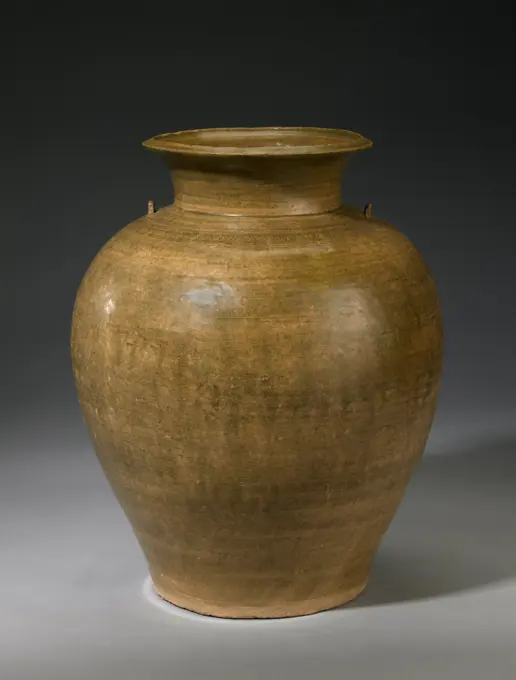
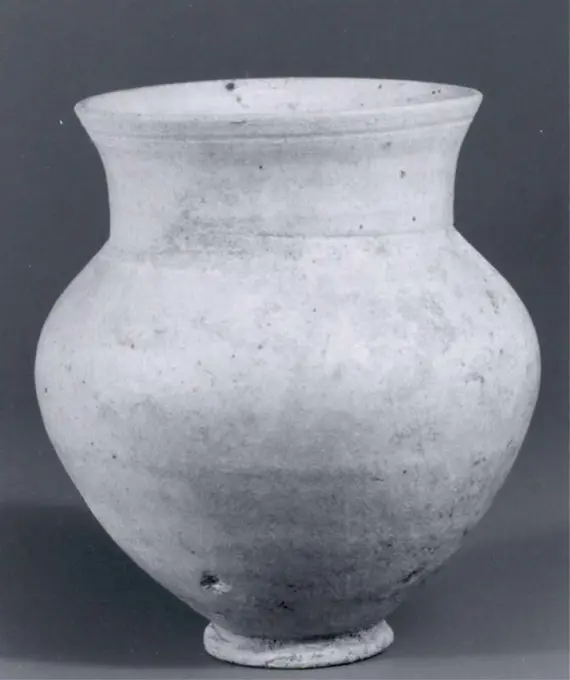
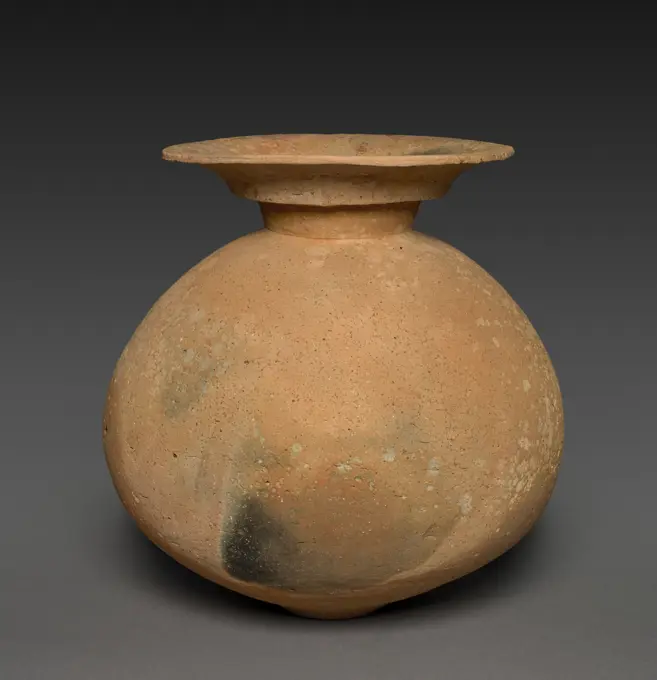
Funeral amphora, 7th-8th century, 18 in. (45.7 cm) (height), Hard grey ware, China, 7th-8th century
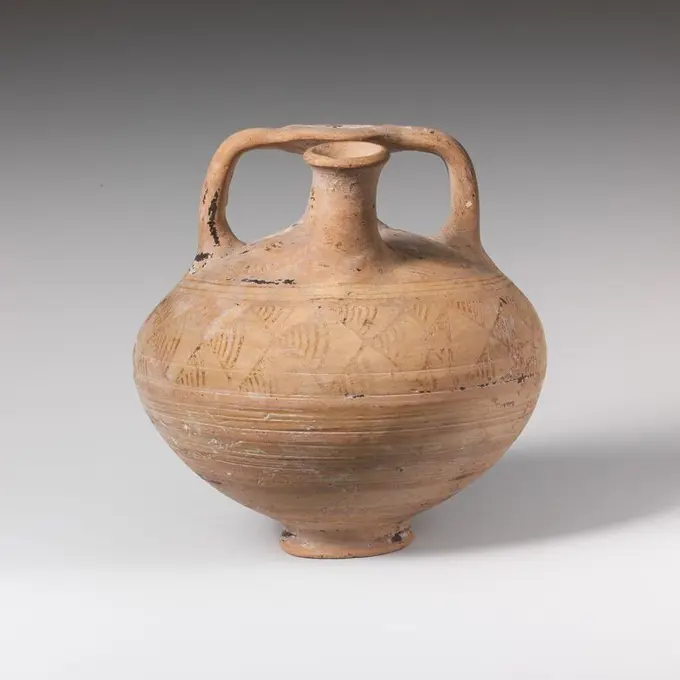
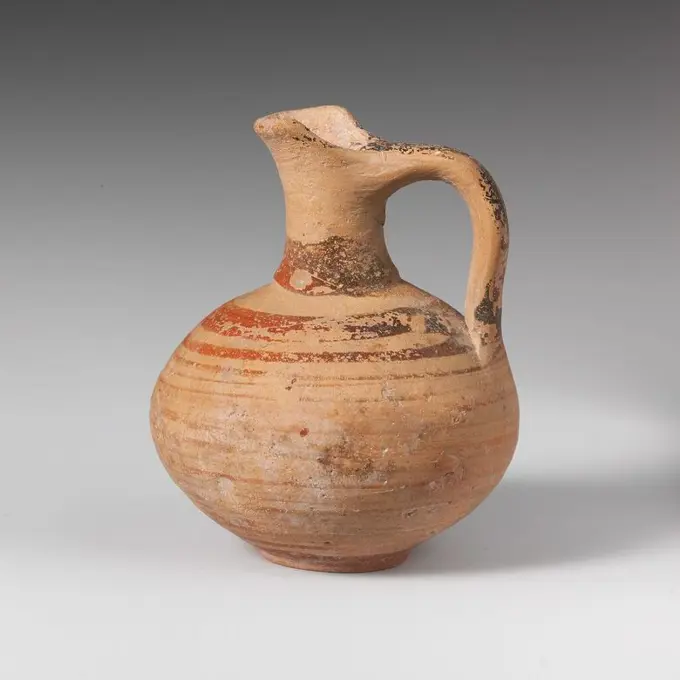
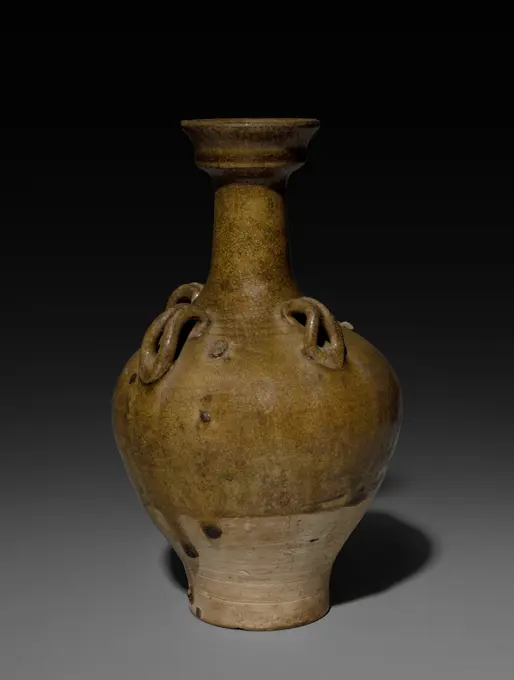
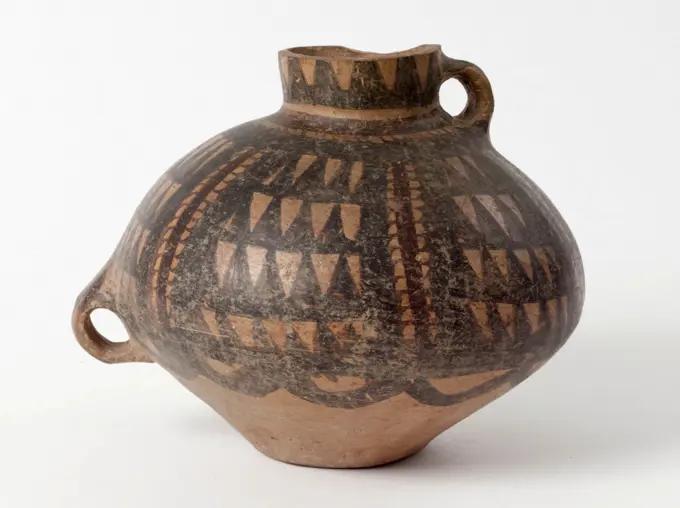
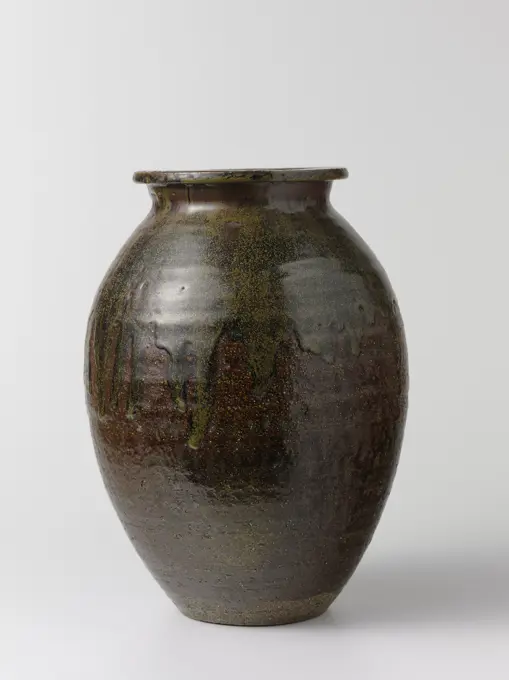
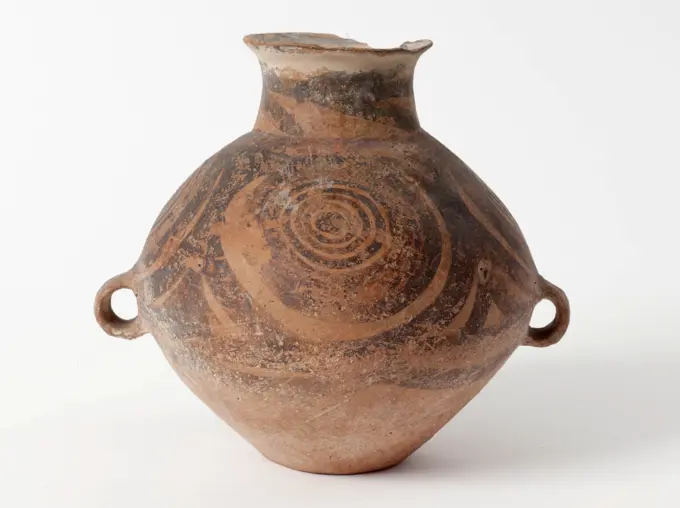
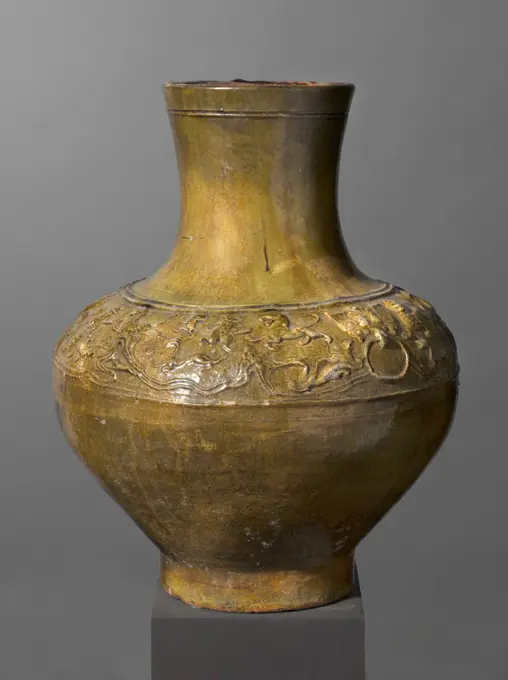
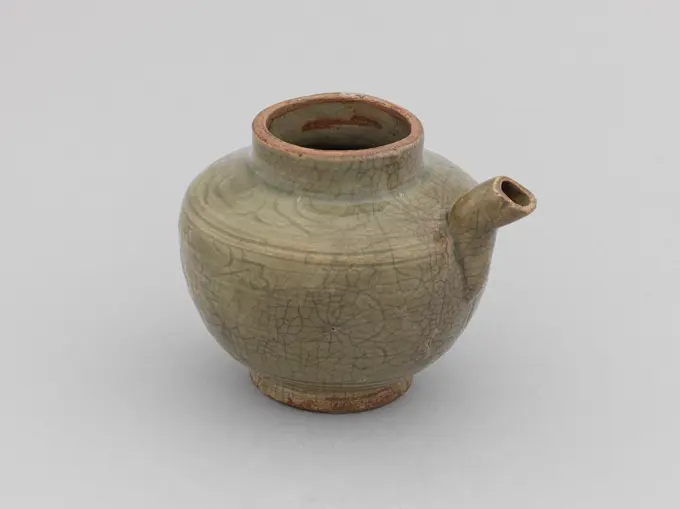
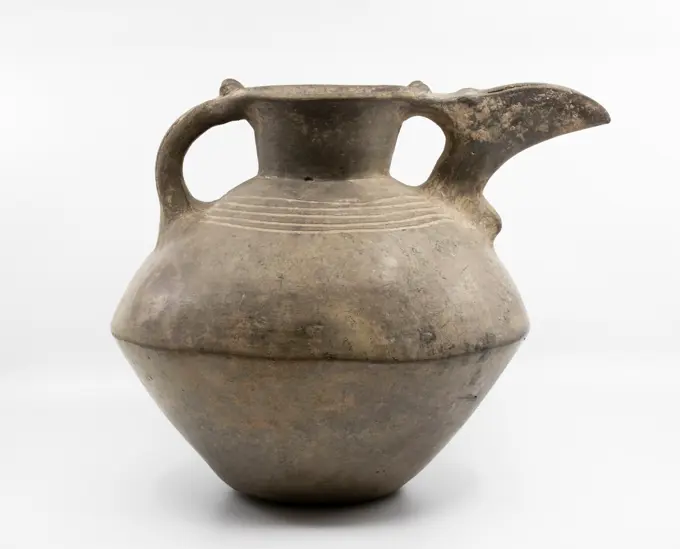
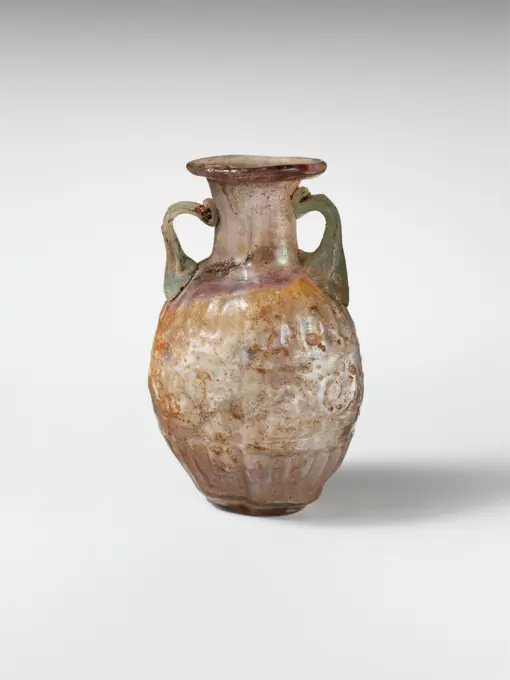
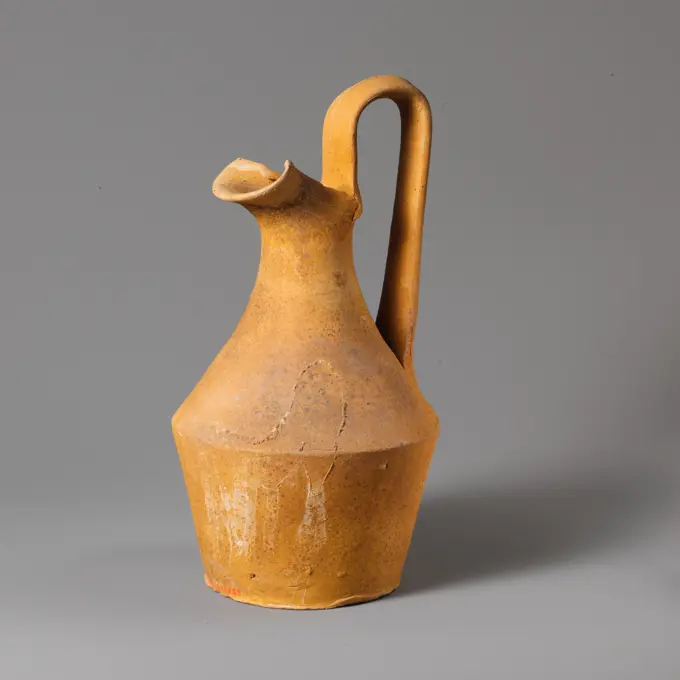
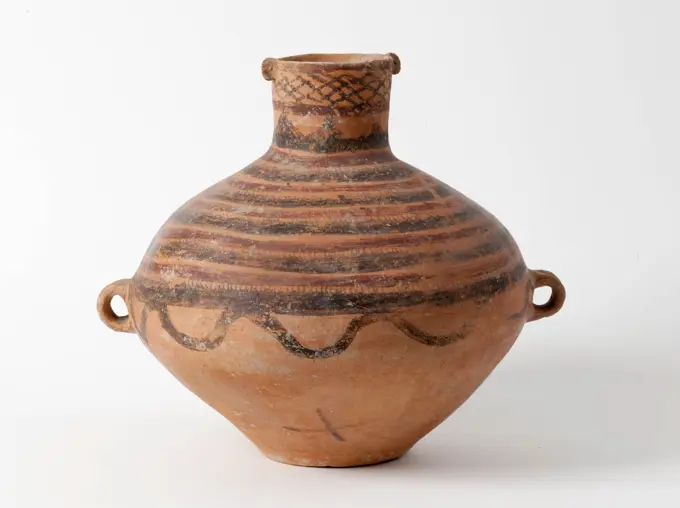
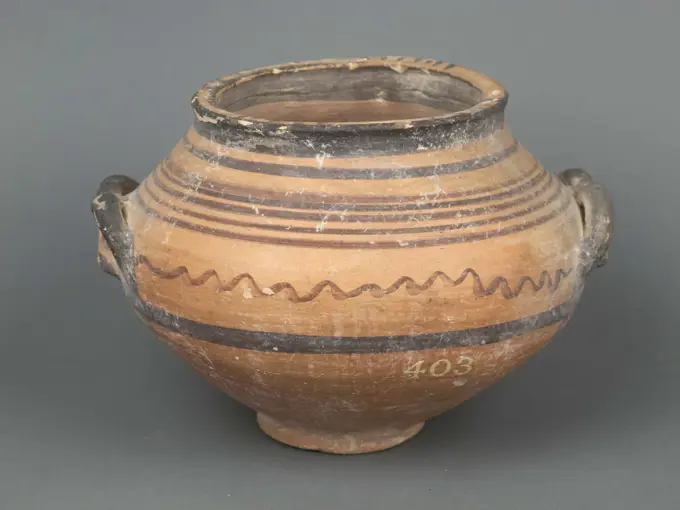
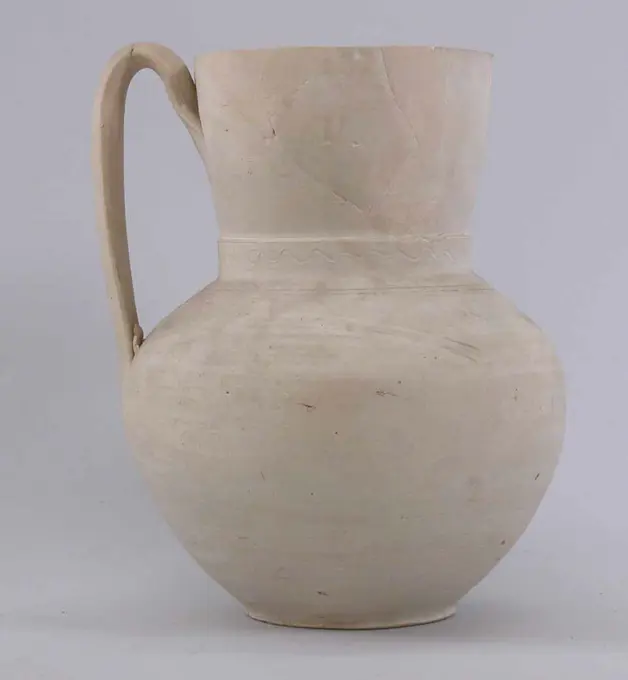
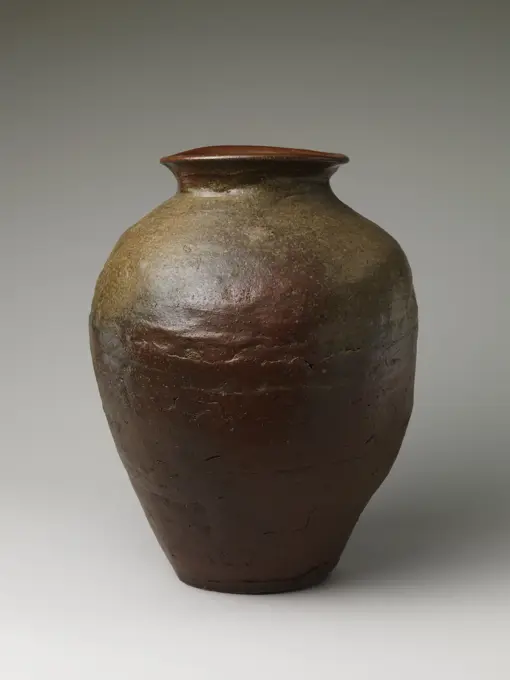
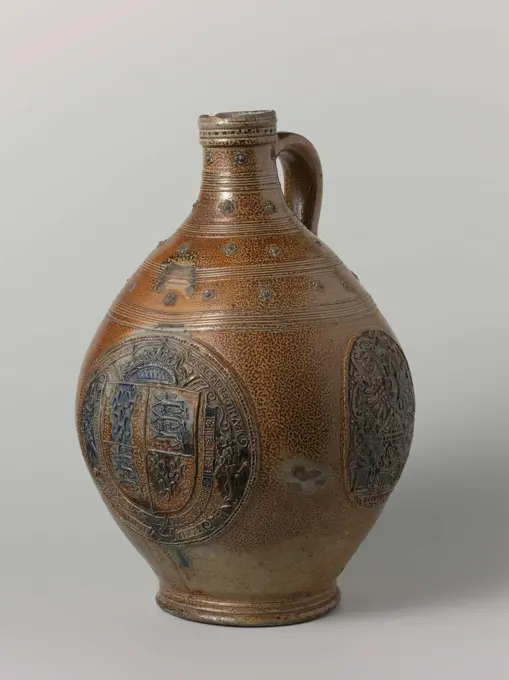
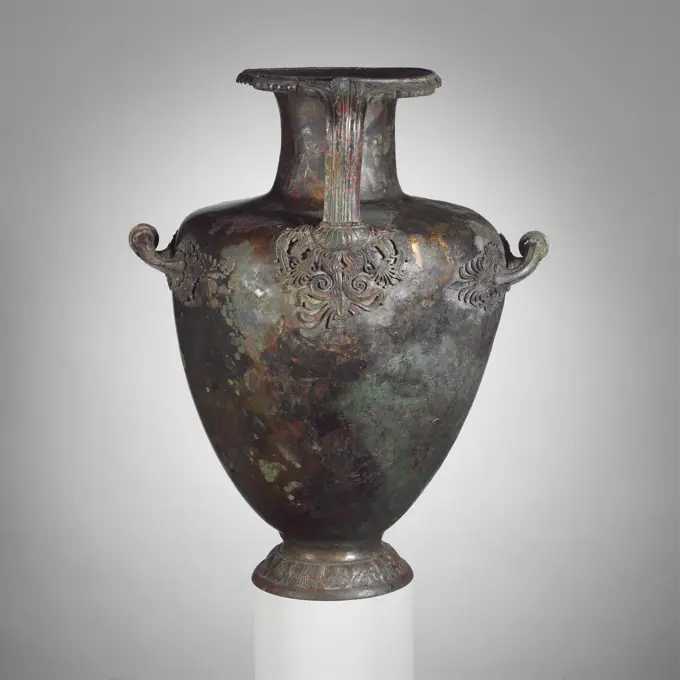
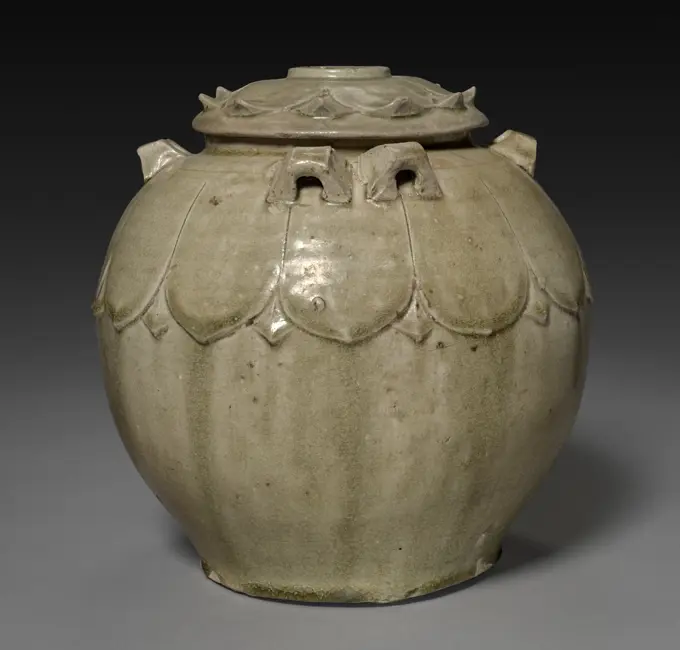
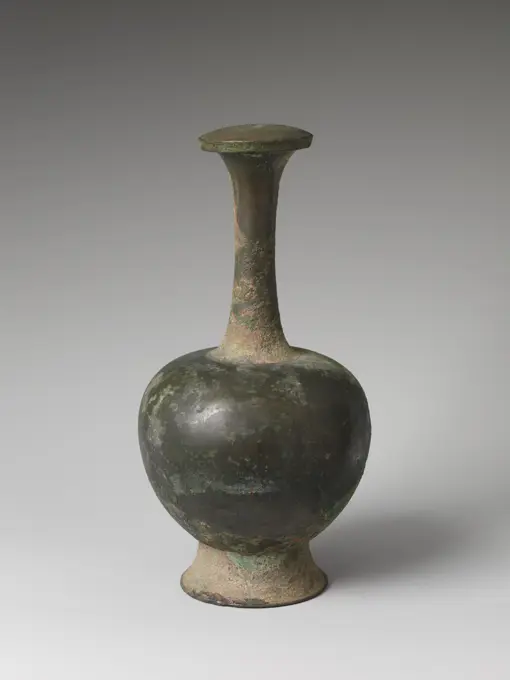
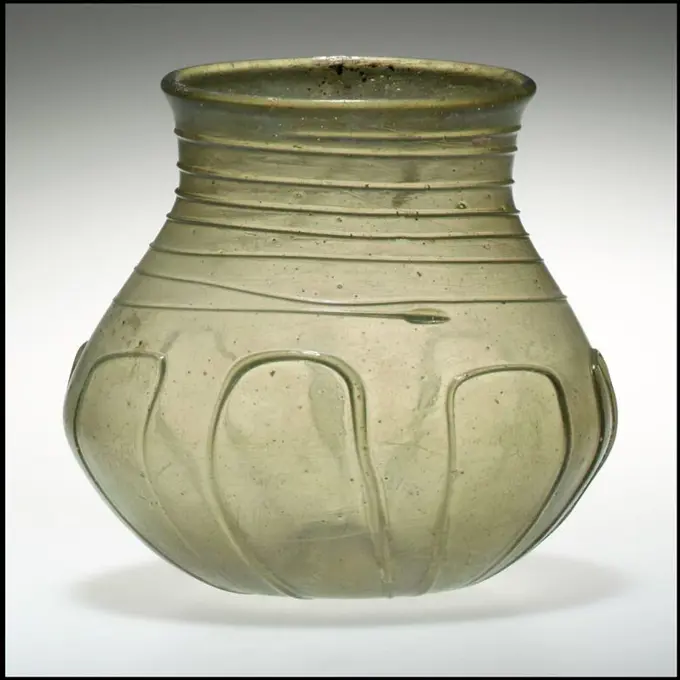
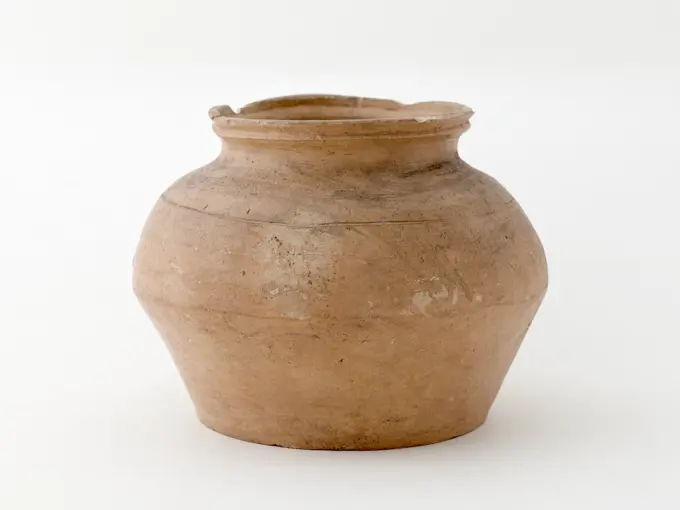
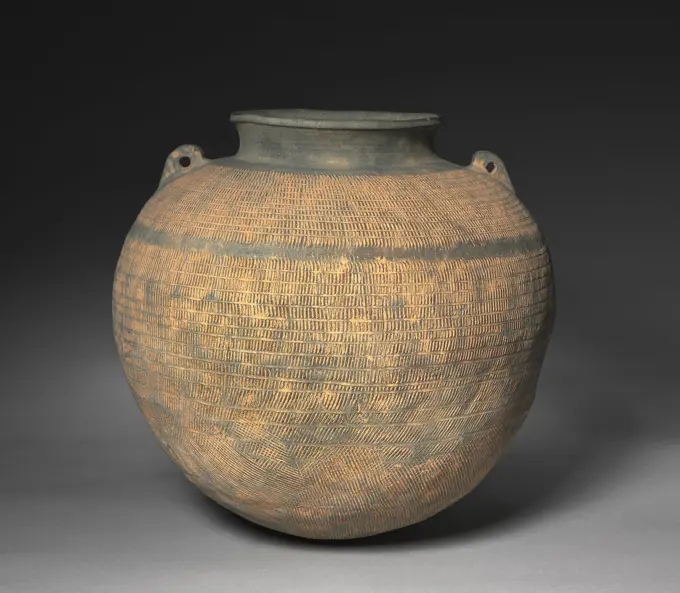
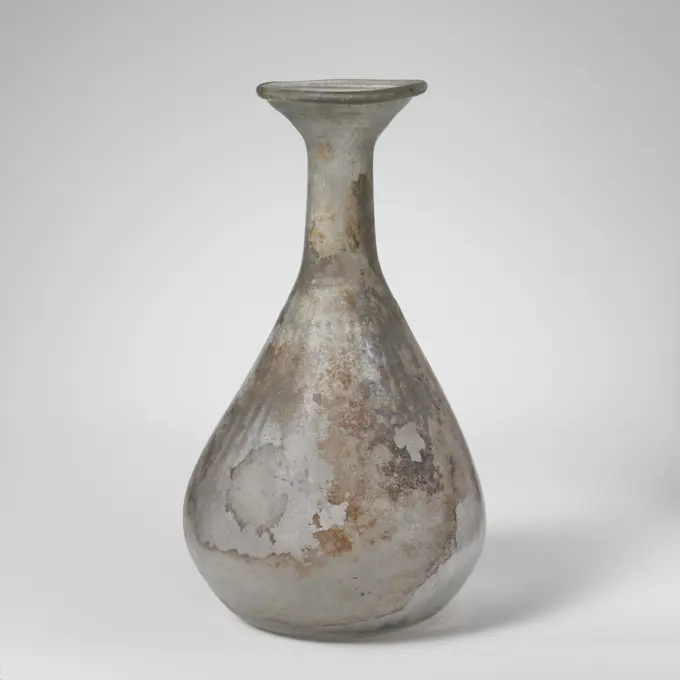
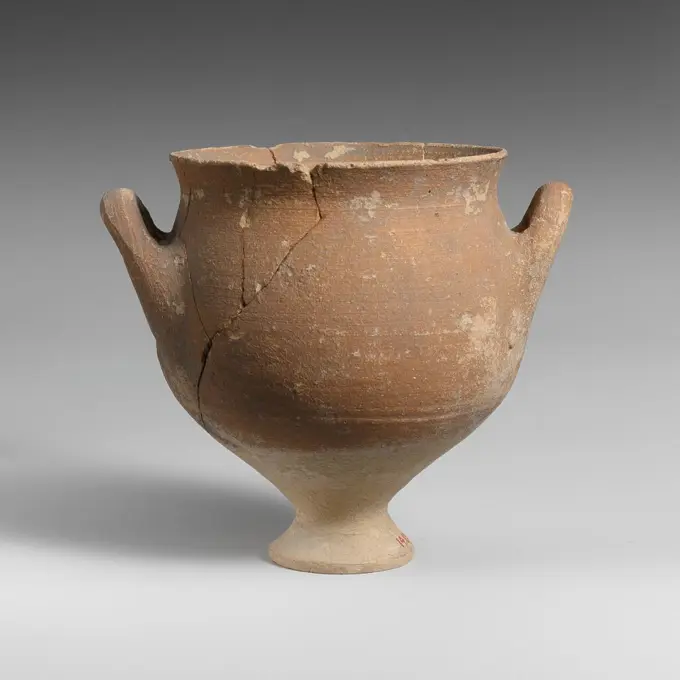
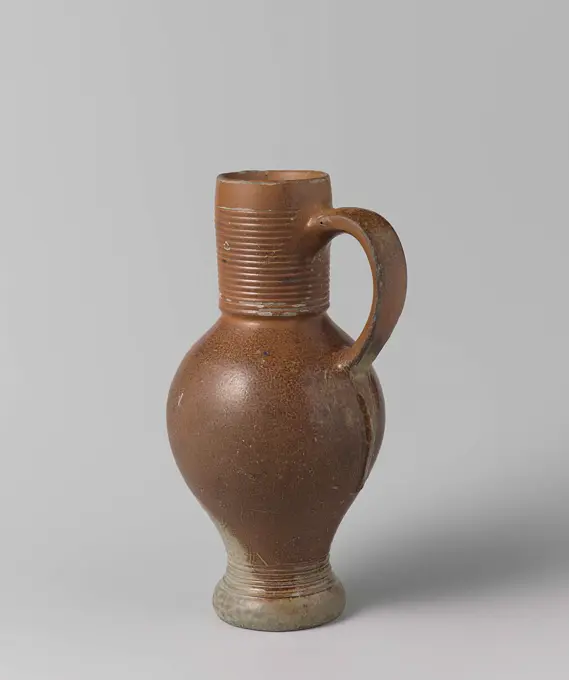
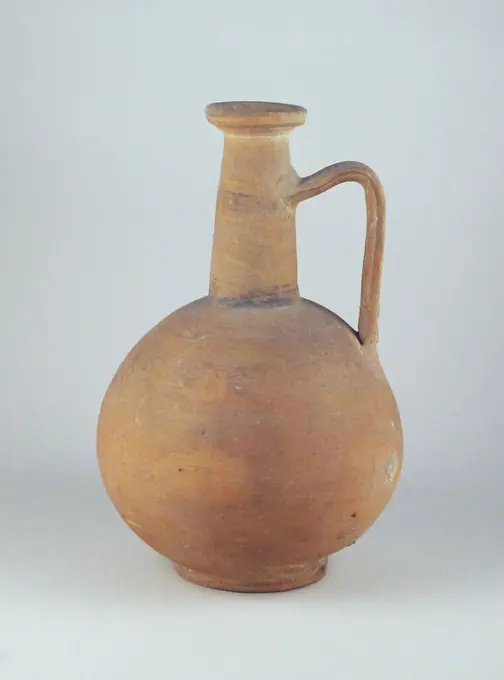
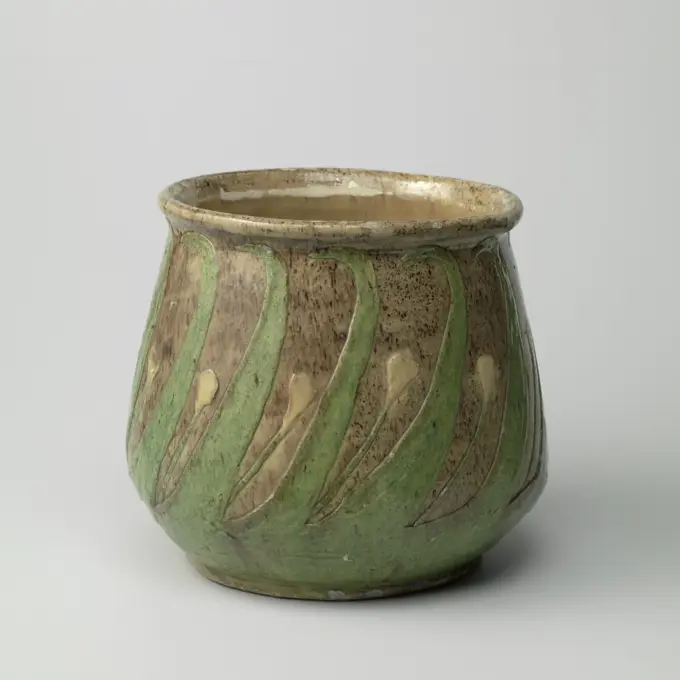
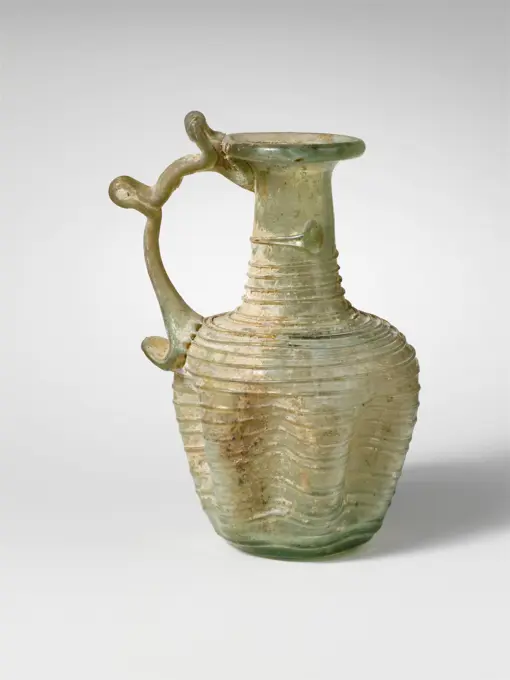
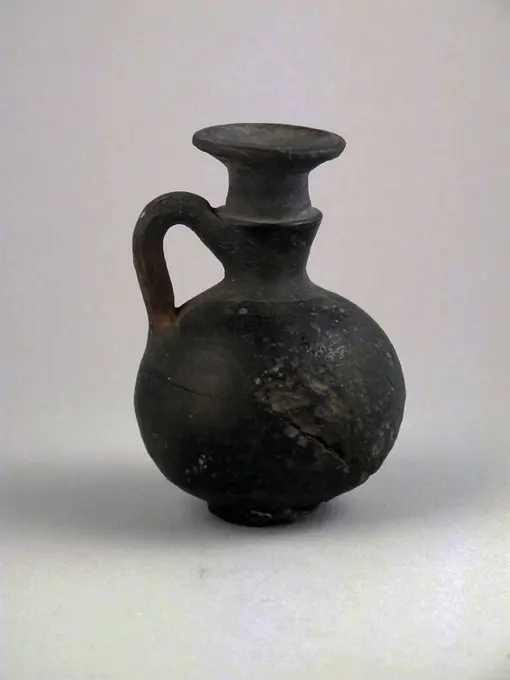
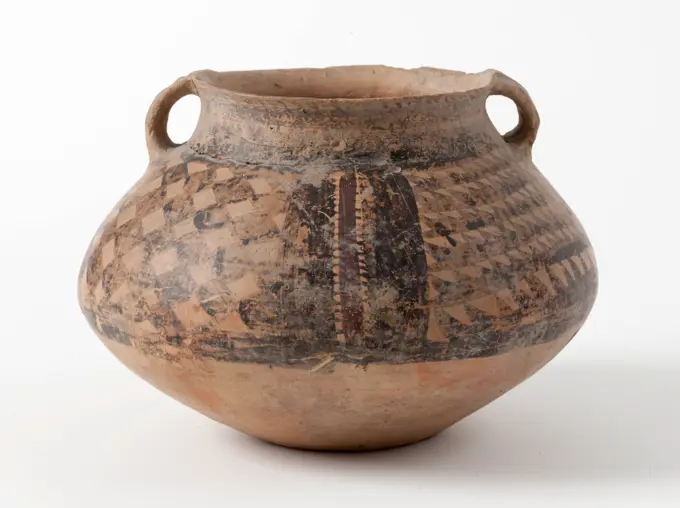
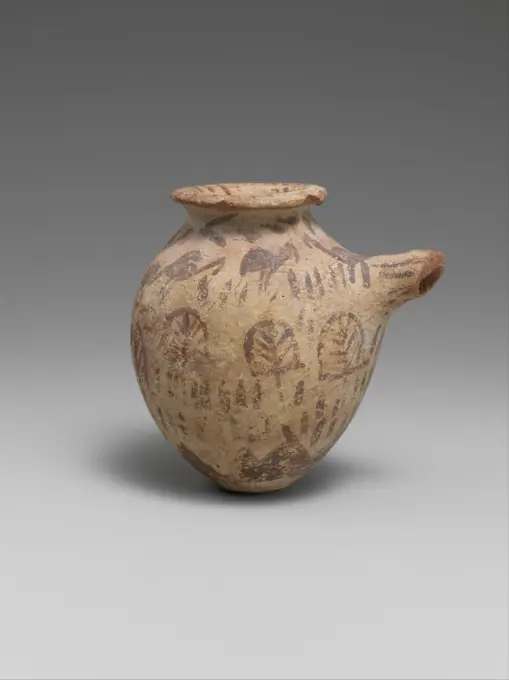
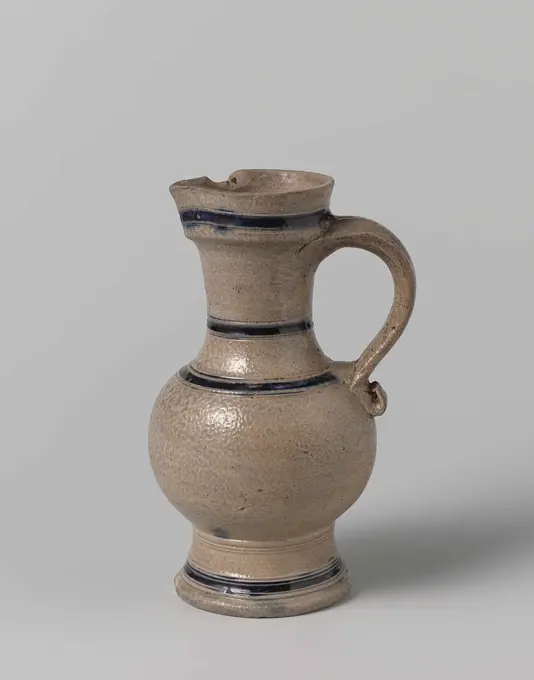
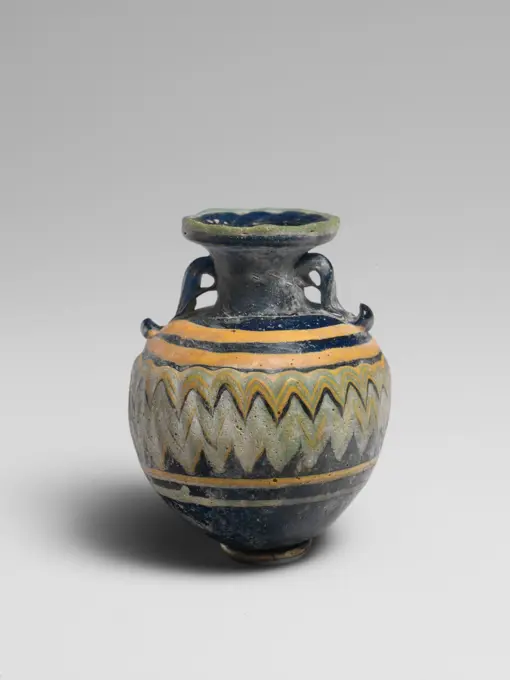
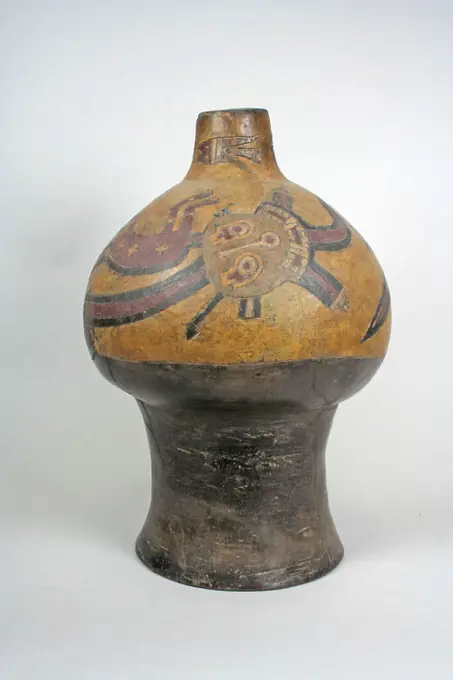
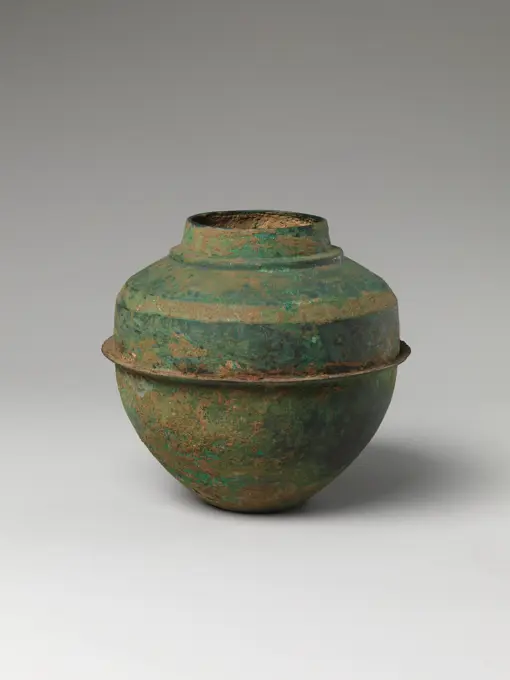
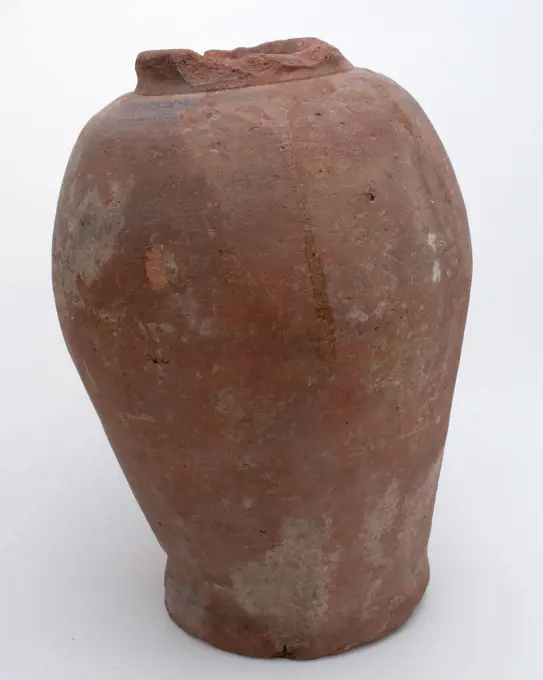
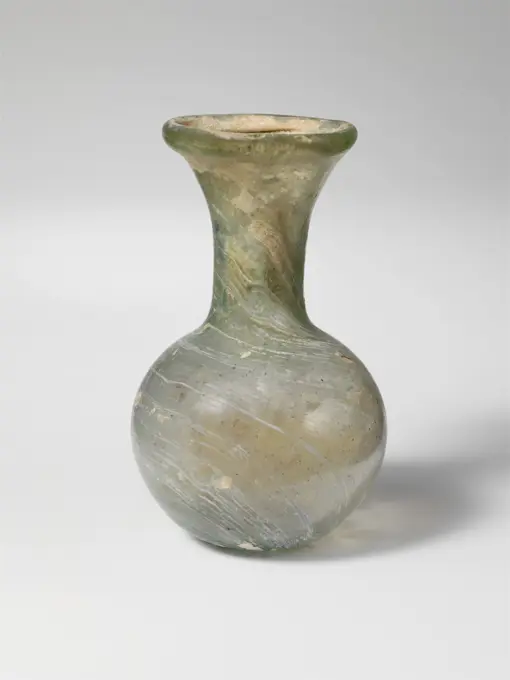
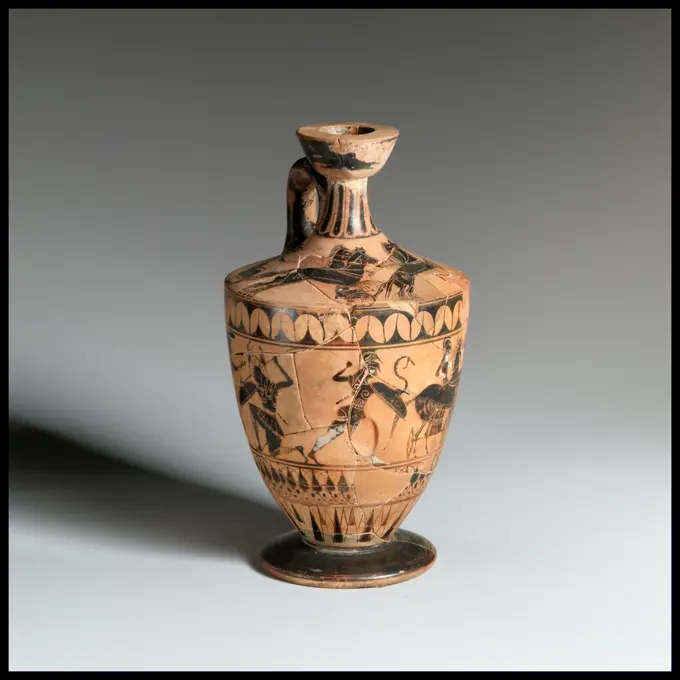
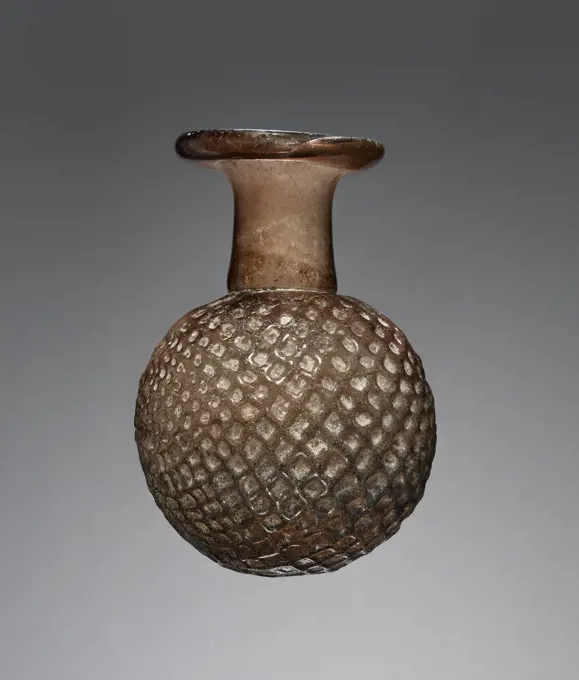
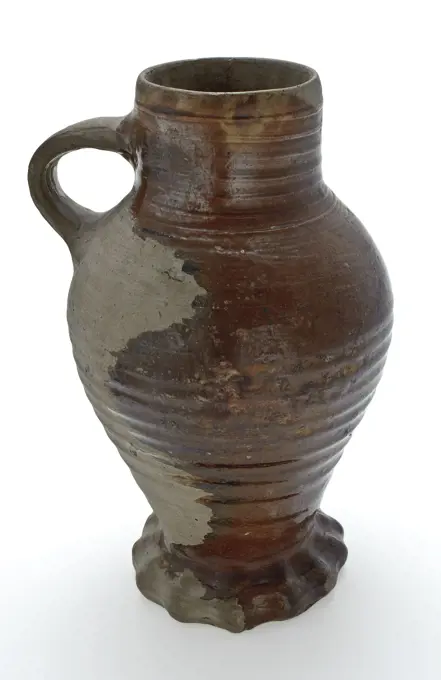
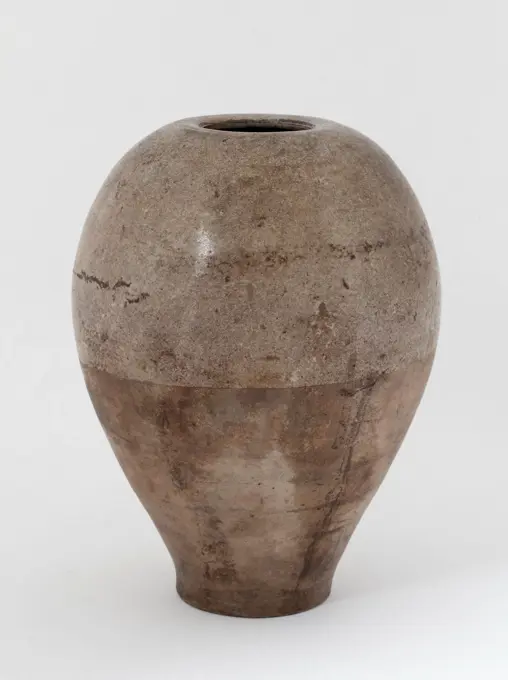
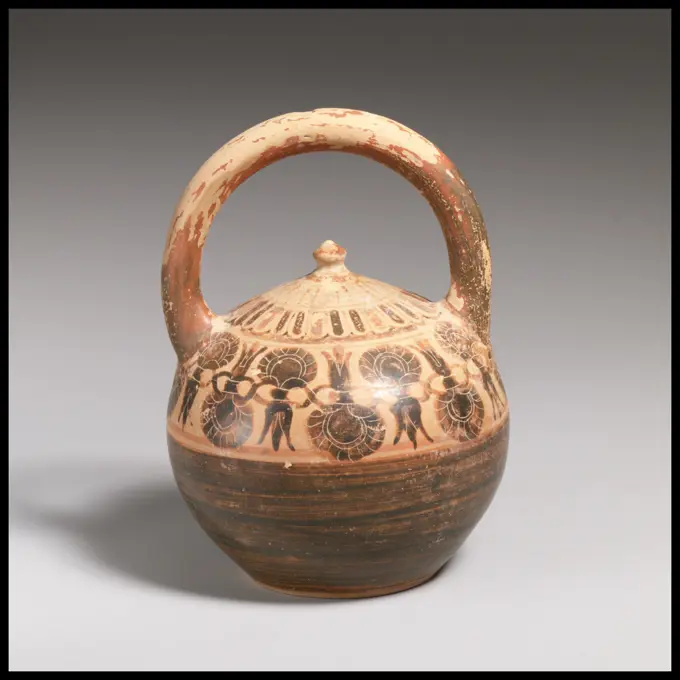
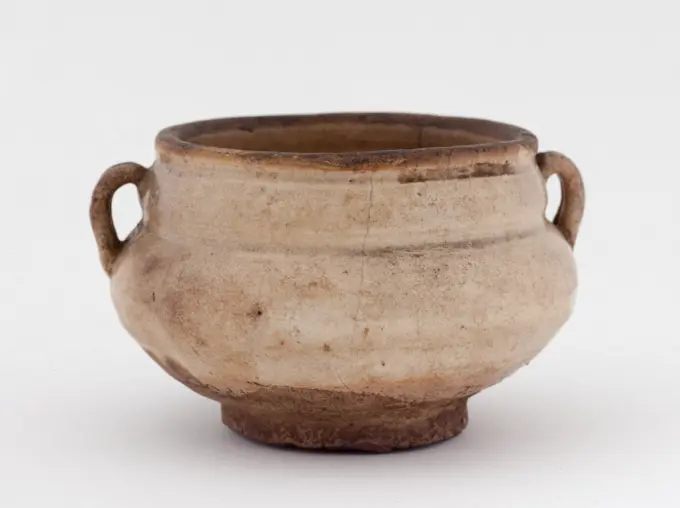
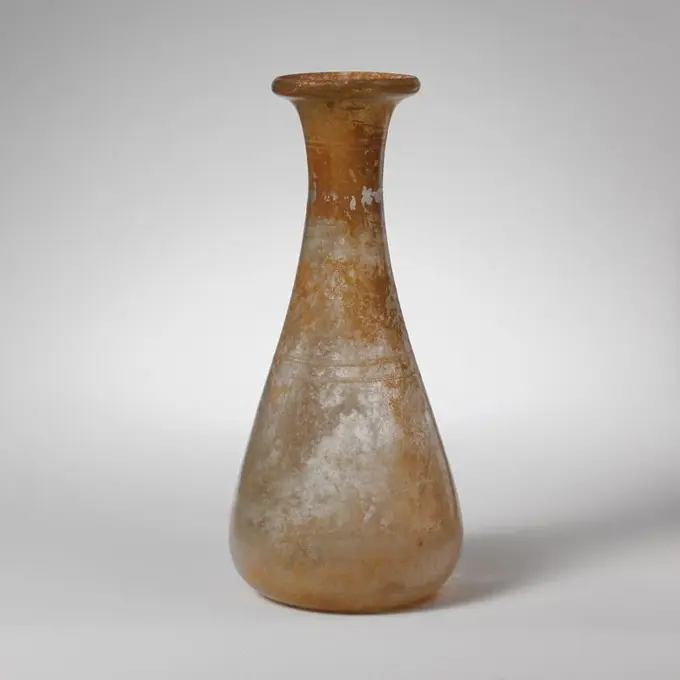
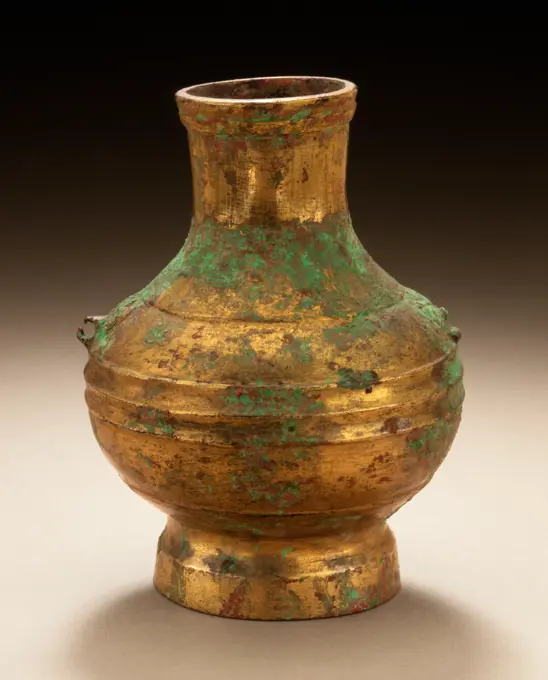
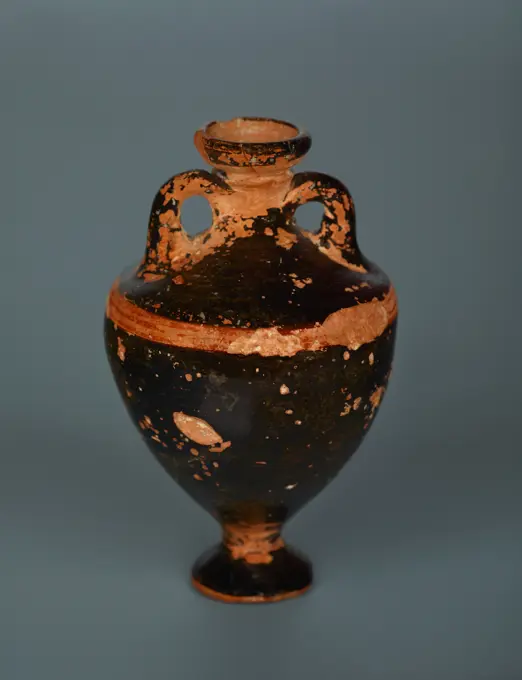
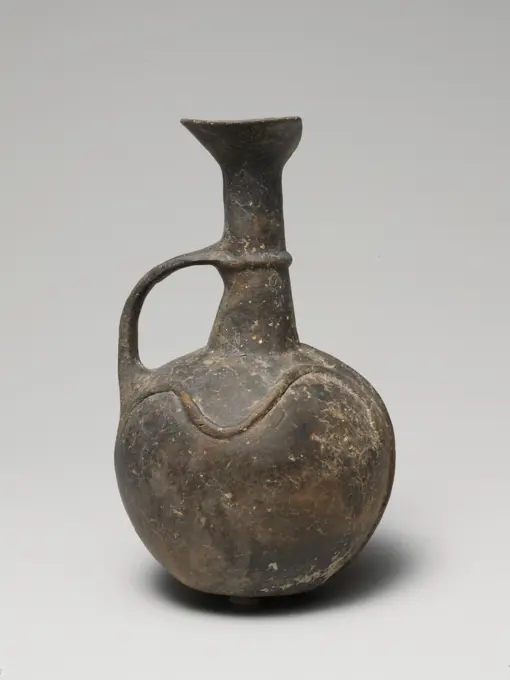
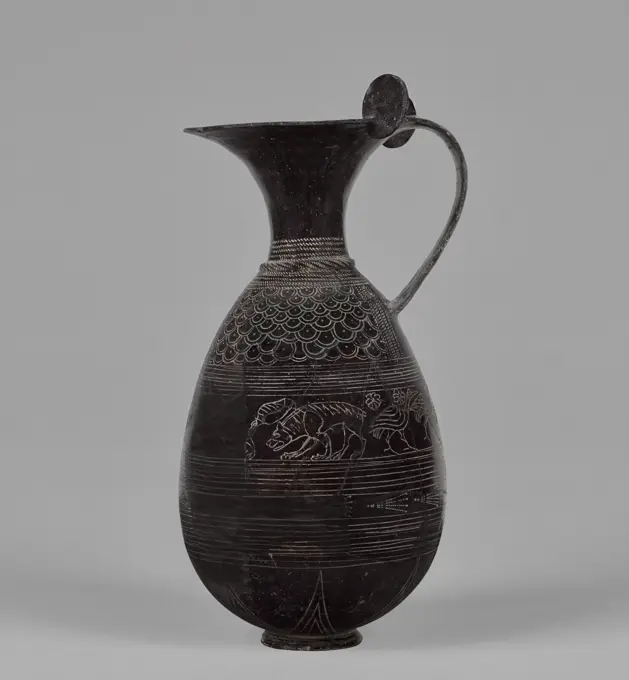
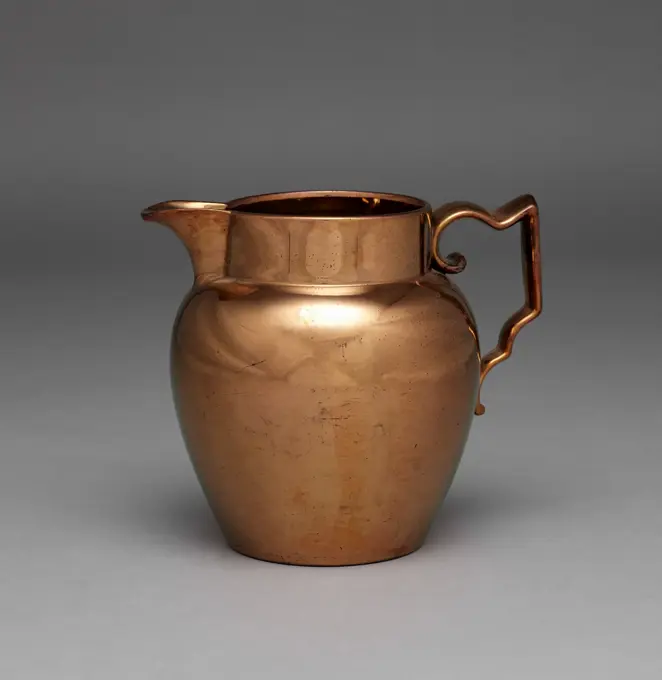
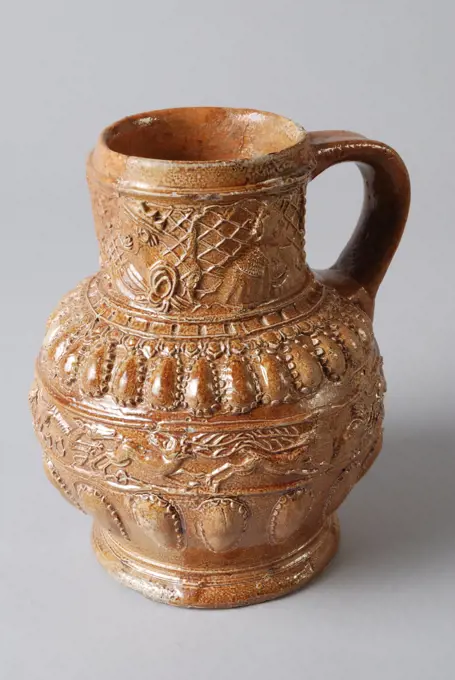
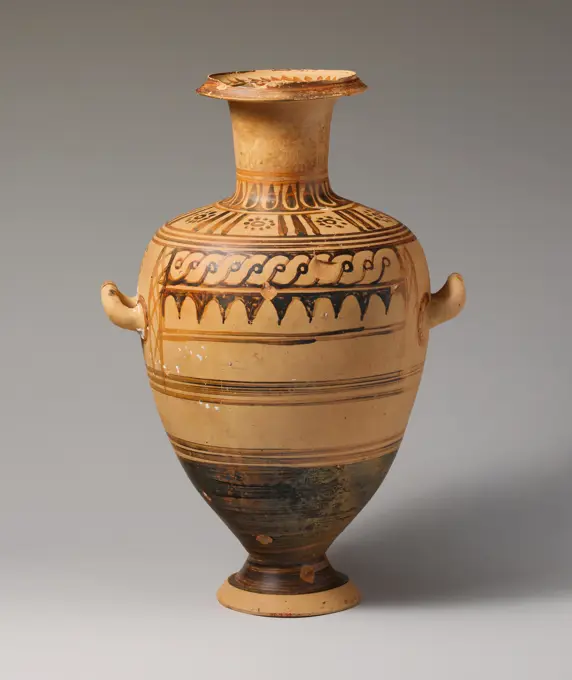
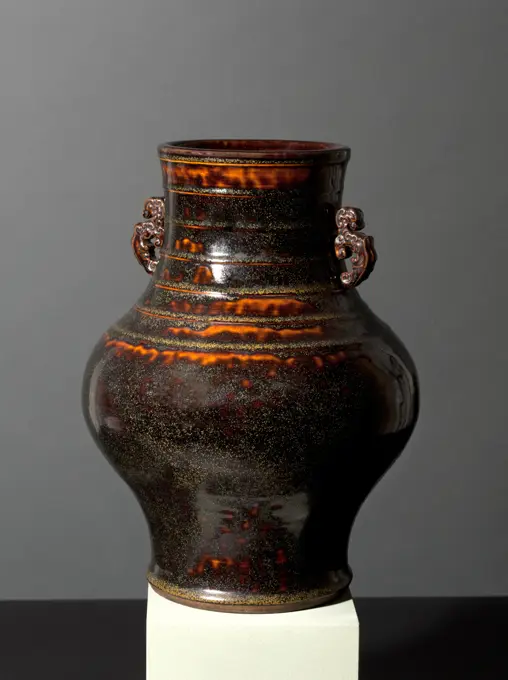
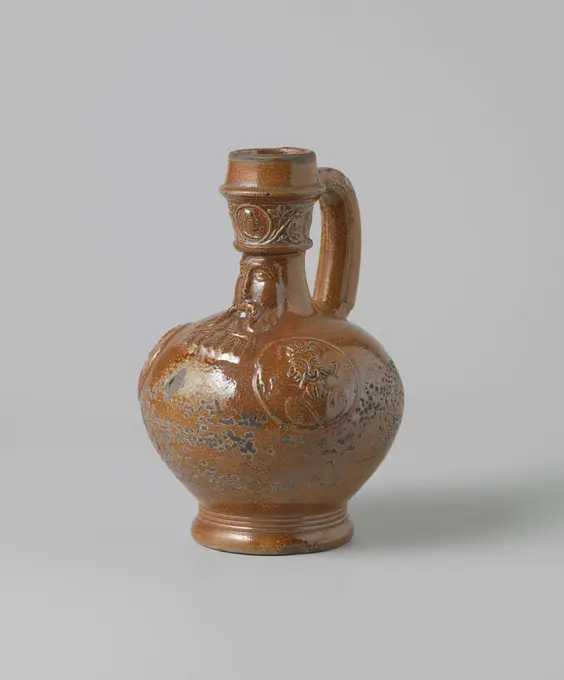
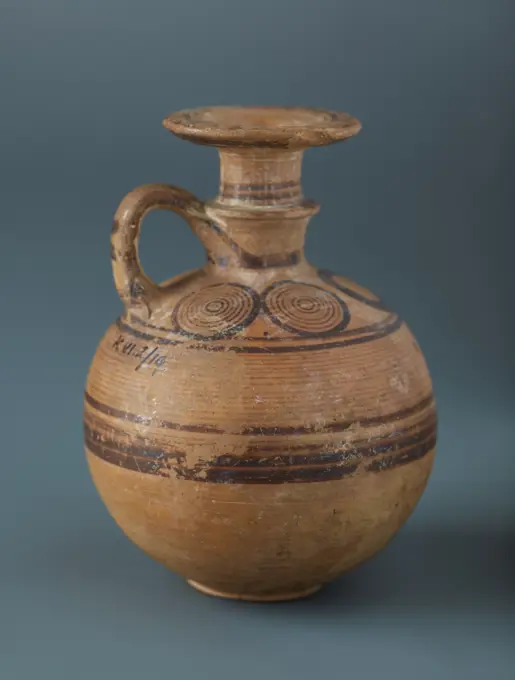
Small JugTerracotta stirrup jar. Culture: Mycenaean. Dimensions: H. 4 11/16 in. (11.9 cm.). Date: ca. 1400-1050 B.C..The stirrup jar is one of the most common Mycenaean shapes used to contain liquids such as oil or wine. Museum: Metropolitan Museum of Art, New York, USA.Funeral amphora, 7th-8th century, 18 in. (45.7 cm) (height), Hard grey ware, China, 7th-8th centuryGlass perfume bottle. Culture: Roman. Dimensions: 2 13/16in. (7.1cm)Other: 2in. (5.1cm)Diam. of rim: 11/16 in. (1.8 cm). Date: 1st century A.D..Translucent pale blue.Rim folded out, over, and in, with jagged upward inner lip; short, cylindrical neck, tooled in around base; convex, sloping shoulder, with horizontal tooling marks below; squat, bulbous body; small, slightly concave bottom. Thick, heavy glass.Intact; heavy pitting and iridescence, with patches of creamy weathering. Museum: Metropolitan Museum of Art, New York, USA.Terracotta jug. Culture: Mycenaean. Dimensions: 2 3/4 in. (7 cm.). Date: ca. 1600-1050 B.C..With conventional designs. Museum: Metropolitan Museum of Art, New York, USA.Vase with Loop Handles, 581- 618. China, Sui dynasty (581-618). Glazed stoneware; overall: 21.9 cm (8 5/8 in.).Jar, 14th century, 14-11/16 x 11-1/4 x 11-1/4 in. (37.3 x 28.6 x 28.6 cm), Glazed ceramic, 14th centuryJar ". Terracotta with polychrome decoration. Neolithic period (around 8000 BC). Paris, Cernuschi museum. Anse, Chinese art, Chinese Ceramic, container, jar, decorative motif, Neolithic period, container, terracottaOvoid jar with a brown black glaze, anonymous, anonymous, c. 1800 - c. 1899 Egg -shaped pot of stoneware with a short, wide neck with a flat edge, partly covered with a brown -black glaze. The lower part of the pot is unglazed. Probably intended for storing tea leaves. Shigaraki. Japan stoneware. glaze vitrification Egg -shaped pot of stoneware with a short, wide neck with a flat edge, partly covered with a brown -black glaze. The lower part of the pot is unglazed. Probably intended for storing tea leaves. Shigaraki. Japan stoneware. glaze vitrificationTerracotta oval-mouthed amphora ca. 1750-1600 B.C. Minoan Horizontal black bands on the body.. Terracotta oval-mouthed amphora. Minoan. ca. 1750-1600 B.C.. Terracotta; Dark-on-light ware. Middle Minoan III. VasesJar ". Terracotta with black drawings. Neolithic period (around 8000 BC). Paris, Cernuschi museum. Anse, Chinese art, Chinese Ceramic, container, jar, decorative motif, Neolithic period, container, terracottaVase. Terre Civa. Vietnam. Paris, Muse Cernuschi. Vase Asian art, art of extreme orient, art of Vietnam, Vietnamese art, terracotta, dishesAmphoriskos. Culture: Cypriot. Dimensions: H. 8 1/4 in. (21 cm). Date: 600-480 B.C..Wide-mouthed amphora with cable and lattice ornament. Museum: Metropolitan Museum of Art, New York, USA.HU "Bottle". Terracotta. Han. Paris, Cernuschi museum. 157046-10 Asian artTerracotta pithoid jar. Culture: Mycenaean. Dimensions: H. 21 1/4 in. (54 cm.). Date: ca. 1375-1325 B.C..Conventionalized floral designs on the shoulder. Museum: Metropolitan Museum of Art, New York, USA.Anonymous Buire (common name), between 0960 and 1368. Sandstone, celadon, incised decor. Cernuschi Museum, Asia Museum of Asia in the city of Paris.Jug ca. 1050-800 B.C. Iran This large pitcher has a biconical body with a flat base and a high neck. The two conical halves of the pitcher form a sharp ridge where the meet at the middle of the body. A thick handle connects the rim to the body; opposite it a pointed spout rises from the pitchers shoulder. The spout is attached to the rim by a small bridge, and both the bridge and the handle have raised lumps, perhaps in imitation of metal rivers, where they join the rim. Five incised lines decorate the upper part of the body. The pitcher is made of burnished grey clay. It was made on a potters wheel in two pieces, with the spout and handle added later.This pitcher closely resembles examples excavated at Hasanlu a large settlement site in northwestern Iran, and this pitcher probably comes from this same region. During the Iron Age Hasanlu was one of the largest and most powerful towns in Iran, and probably controlled much of the Ushnu-Solduz valley until its destruction ca. 800 B.C. bGlass amphoriskos with band of scrolls 1st century A.D. Roman Translucent pale streaky purple, with handles in translucent pale blue green.Rim folded out, down, round, and in, and pressed into sides of mouth; cylindrical neck; ovoid body; low cylindrical base, with concave, oval bottom; rod handles attached in large claw pads to shoulder, drawn up, round, and in, and folded onto neck. One continuous mold seam around body and across bottom, but edges of molds not carefully aligned.On body, frieze of twenty-six downturned contiguous flutes in raised outline on upper body and thirty upturned flutes on lower body, joined by a central band of tendril scrolls bordered above and below by a single horizontal raised line.Intact, except for small weathered chip in one handle; bubbles in rim; dulling and slight encrustation on exterior, patches of brownish weathering and brilliant iridescence on interior.. Glass amphoriskos with band of scrolls 245385Jug with foliate scrolls, anonymous, c. 1680 - c. 1780 Can be made of stoneware on a high base with a spherical abdomen and a narrow, slightly spreading neck upwards with a pinched spout in the edge. The C-shaped ear is attached to the neck and shoulder. Partly covered with cobalt blue and mangangan purple. A few lines in the foot and neck. The front of the abdomen with a breached decoration of three vertical lines and in the middle a saved in a purple background a leaf motif with a blue grain. On either side of this leaf vines in blue. On the foot and neck some blue lines. Westerwald. Westerwald stoneware. glaze. cobalt (mineral). manganese oxide vitrification Can be made of stoneware on a high base with a spherical abdomen and a narrow, slightly spreading neck upwards with a pinched spout in the edge. The C-shaped ear is attached to the neck and shoulder. Partly covered with cobalt blue and mangangan purple. A few lines in the foot and neck. The front of the abdomen with a breached dTerracotta oinochoe (jug) late 4th-early 3rd century B.C. Greek, South Italian, Apulian Yellow-slipped pottery is unusual in Apulia but typically occurs in pairs of oinochoai and paterae. The jug served to pour liquids and the patera was one of several shapes used for offerings. The handle of the patera is in the shape of a youth with hands raised; two rams form the transition to the bowl; and a ram's head appears below the youth's feeta convention for bronze handles since the Archaic period.. Terracotta oinochoe (jug) 247420Jar ". Terracotta with polychrome decoration. Neolithic period (around 8000 BC). Paris, Cernuschi museum. Anse, Chinese art, Chinese Ceramic, container, jar, decorative motif, Neolithic period, container, terracottaBowl 850-750 B.C. Cypriot Bowl with ibex heads for handles, and straight and wavy bands.. Bowl. Cypriot. 850-750 B.C.. Terracotta. Cypro-Geometric III. VasesJug 1584 Engel Kran. Jug 201758Ewer 9th century. Ewer 449747Short-necked Storage Jar, 300s. Korea, Three Kingdoms period (57 BC-AD 668). Gray earthenware with impressed cord design; overall: 38 cm (14 15/16 in.); outer diameter: 36.8 cm (14 1/2 in.).Storage Jar 14th-15th century Japan The rugged shape evokes the hand of the potter, while the glaze, which was created during the firing, alludes to this process. This immediacy, which distinguishes the jar from the polished works produced in European factories at the time, is one of the qualities that appealed to studio potters working in the early twentieth century.. Storage Jar 45205. Jug of stoneware, uneven brown colored. Three medallions on the egg-shaped belly. The middle contains the coat of arms of England and the year 1594. In the two others the crowned double Rijksadlaar.Jug of stoneware. Jug of stoneware. Horizontal ribs are over the cylindrical neck. Around the belly a belt from which four rows of loose. Under the band vertical stripes, five to five linked.Small stoneware jar with two pierced ears, spider jar, jug holder soil find ceramic stoneware glaze salt glaze, hand turned glazed fried Stoneware jug gray shard salt glaze local mustard-colored wide mouth rim two ears. Two pierced ears designed to string cord Belly model with waistline and under the neck archeology import pottery oil fat spinning wool edit clothingBronze hydria (water jar) early 4th century B.C. Greek The plaques at the attachments of the side handles and the vertical handle are embellished with palmettes interspersed with other floral motifs. Holes in the lip for the attachment of a lid indicate that the last function of this hydria was as a cinerary urn.. Bronze hydria (water jar). Greek. early 4th century B.C.. Bronze. Classical. BronzesPitcherGlass oinochoe (perfume jug) late 6th-5th century B.C. Greek, Eastern Mediterranean Opaque white, with handle and foot in same color; trails in translucent purple.Applied trefoil rim-disk; rather tall cylindrical neck, tapering slightly downwards; angular shoulder; ovoid body; applied outsplayed foot with uneven concave bottom; handle attached to top of body over trail decoration, drawn up and out,arching above rim-disk, then turned in and pressed on to back of rim-disk and top of neck.One trail attached at edge of rim-disk; a second thick trail applied to shoulder, wound horizontally four or five times around top of body, then tooled into a close-set zigzag pattern around upper half of body; below this, another trail wound horizontally twice around lower body; finally, a fourth trail wound around edge of foot.Intact; dulling, and severe pitting and weathering.. Glass oinochoe (perfume jug) 253087 Greek, Eastern Mediterranean, Glass oinochoe (perfume jug), late 6th5th century B.C., GOinochoe first half of the 6th century B.C. Etruscan Flaring lip and three incised lines about shoulder.. Oinochoe. Etruscan. first half of the 6th century B.C.. Terracotta; bucchero. Archaic. VasesDish;  around 2055 1650 BC ; Medium Pa (-2055-00-00--1650-00-00);Terracotta jug ca. 2900-2300 B.C. Minoan Decorated with cross-hatched triangles and broad bands.. Terracotta jug. Minoan. ca. 2900-2300 B.C.. Terracotta; Koumasa ware. Early Minoan II. VasesTerracotta jug ca. 1725-1600 B.C. Cypriot The shape and engraved decoration is probably inspired by Tell el-Yahudieh jugs.. Terracotta jug. Cypriot. ca. 1725-1600 B.C.. Terracotta; Black Slip Ware. Middle Cypriot III. VasesCovered Jar with Carved Lotus Petals, 386-581. China, Northern Dynasties period (386-581). Glazed stoneware; lid: 2.8 x 14.1 cm (1 1/8 x 5 9/16 in.); vessel only: 21.8 x 24.3 cm (8 9/16 x 9 9/16 in.). This jar still has its original cover, which is rare among surviving examples. Its missing knob most likely had the shape of a lotus bud. Beautifully carved lotus petals cover the vessels shoulder and lid under a translucent green glaze. In Buddhism, the lotus is a flower symbolizing purity and detachment from worldly affairs; its presence suggests that this vessel was meant to be used in a religious context. The well-crafted double loop handles may have held a silk cloth or other textile that would have been folded over the lid to keep it in place. This aesthetic prefigures the celebrated green celadons in adjacent regions.Pottery pot on stand, baluster shape, used in sugar production, sugar pot pot holder soil find ceramic earthenware glaze lead glaze, hand-turned glazed earthenware pot on stand. Baluster shape with small neck opening Thick and round neck edge Red shard internal glazed Vague turning lips Sugar cones made in the pot archeology indigenous pottery sugar confectionery sugar industry craftWine container (hu ) China 2nd-1st century BCEGlobular Beaker with Trails. Culture: Anglo-Saxon. Dimensions: Overall: 3 3/4 x 4 in. (9.5 x 10.2 cm). Date: 5th-7th century. Museum: Metropolitan Museum of Art, New York, USA.Jar ". Terracotta. Vietnam-Xe-Xive s. Paris, Cernuschi museum. 72361-43 Jar, Vietnamese object, terracottaStorage Jar with Loop Handles, AD 200s-300s. Korea, Kaya period (AD 42-562). Earthenware with impressed and incised designs; diameter: 34.3 cm (13 1/2 in.); overall: 32.1 cm (12 5/8 in.).Oinochoe Cypriot Vertical circles and lotus-flower in panel.. Oinochoe. Cypriot. Terracotta. Iron Age. VasesGlass perfume bottle 2nd-3rd century A.D. Roman Translucent pale green.Uneven rim folded out, round, and in, with thick rounded outer lip; cylindrical neck, expanding downward, tooled in around base; conical body, curving in to flat bottom.Intact; many bubbles; deep pitting and brilliant iridescence with areas of creamy brown weathering.. Glass perfume bottle 239688Anonymous / "Redoma", 14th century, Barro cooked.Glass flask 3rd-4th century A.D. Roman, Syrian Colorless with grey green tinge.Everted rim, folded over and in; funnel-shaped mouth; cylindrical neck, expanding slightly downwards; tall conical body, with straight side, then curving in to pushed-in bottom.Body decorated in relief with numerous faint vertical ribs, which extend from below neck to undercurve, fading towards bottom.Intact; some bubbles; dulling and faint iridescence on exterior, large patches of creamy brown weathering on interior.. Glass flask 256764Terracotta deep skyphos (drinking cup). Culture: Greek, Cretan. Dimensions: H. 3 in. (7.6 cm.)Diameter of mouth 2 1/2 in. (6.4 cm.). Date: 11th-9th century B.C..The deep skyphos (drinking cup), which is essentially in the shape of a miniature bell-krater, is one of the most notable shapes, together with the stirrup jar and kalathos, to survive on Crete from the Late Bronze Age. Examples occur at many Cretan Iron Age sites, including Vrokastro, Knossos, Kavousi, Erganos, and Tylissos. Museum: Metropolitan Museum of Art, New York, USA.Jug of stoneware. Jar of gray earth with light, red-brown glaze. Horizontal ribs on the neck.Jug with floral ornaments, anonymous, c. 1650 - c. 1699 Can be made of stoneware on high foot with a narrow neck, egg -shaped body and a pinched spout in the edge. The C-shaped ear is attached to the neck and belly. Partly covered on the glaze with cobalt blue and mangan purple. On the foot and the neck some entry lines. The KAN is decorated with a relief decoration with vertical tires of printed, imposed floral motifs with blue and purple on a dotted soil. On the neck a rosette and two blue lines. Westerwald. Westerwald stoneware. glaze. cobalt (mineral) vitrification Can be made of stoneware on high foot with a narrow neck, egg -shaped body and a pinched spout in the edge. The C-shaped ear is attached to the neck and belly. Partly covered on the glaze with cobalt blue and mangan purple. On the foot and the neck some entry lines. The KAN is decorated with a relief decoration with vertical tires of printed, imposed floral motifs with blue and purple on a dotted soil. On the neck a roseJug. Culture: Roman. Dimensions: 3 13/16in. (9.7cm)Other: 5 1/16in. (12.9cm).Unglazed reddish jug with handle. Museum: Metropolitan Museum of Art, New York, USA.Vase 1890-1900 England. Earthenware with lustre decoration . William De Morgan (Designer)Cauldron (common name), -0499. Cernuschi Museum, Asia Museum of Asia in the city of Paris.Pot with design of lancet leaves in green, anonymous, c. 1900 - c. 1925 Potty pot. The wall decorated in relief with slender striker tapered and curling of green leaves at the top, between which a beige flower on a green stem always, all against a purple marbled stock. Unnoticed. Netherlands earthenware Potty pot. The wall decorated in relief with slender striker tapered and curling of green leaves at the top, between which a beige flower on a green stem always, all against a purple marbled stock. Unnoticed. Netherlands earthenwareGlass jug 3rd-4th century A.D. Roman Small jug.Translucent pale blue green; same color handle and trail.Rim folded out, down, round, and in, and pressed into side of flaring mouth; cylindrical neck expanding downwards; sloping shoulder; convex side to body, tapering downwards; slight kick in bottom and pontil mark; rod handle applied in a pad, tooled into an upturned pinched projection, on outer edge of shoulder, drawn up and out, tooled into a projecting fold, then drawn inwards, and folded onto top of neck, underside of mouth, and edge of rim, with another projecting fold above level of rim.Fine spiral trail applied as a large pad on neck, wound round twenty-four times down lower half of neck, shoulder, and body, and extending onto bottom; on body, seven deep vertical indents.Intact, except for slight loss to trail on shoulder; many bubbles; dulling, limy brownish weathering, and iridescence.. Glass jug 245335Ovoid jar ". Terracotta. Vietnam-Xe-Xive s. Paris, Cernuschi museum. 72185-18 Jarre Ovow, Vietnamese object, terracottaAryballos (perfume vase) with two registers of animals Late Period 7th century BC This aryballos has two registers of animals.The uppermost shows lions, and the register around the middle shows stylized horses. An East Greek Egyptianizing workshop produced these vessels incised in low relief. The term East Greek applies to the mingled culture of an area of Greek islands and Ionia. View more. Aryballos (perfume vase) with two registers of animals. 7th century BC. Faience. Late Period. From Egypt. Dynasty 26-30Bronze oinochoe (jug) ca. 460 B.C. Greek The handle attachment is in the form of a frontal siren.The function of a handle attachment is to secure the base of the handle securely to the body of the vase; a broad surface provides a stronger bond. From a purely mechanical viewpoint, the siren with its extended wings fulfills the purpose effectively. She wears a silver fillet.. Bronze oinochoe (jug). Greek. ca. 460 B.C.. Bronze, silver. Classical. BronzesJuglet. Culture: Cypriot. Dimensions: 2 7/8in. (7.3cm). Date: 750-600 B.C..Handle-ridge jug of black clay without decoration. Museum: Metropolitan Museum of Art, New York, USA.Jar ca. 19th-16th century B.C. Iran. Jar 325936Jar ". Terracotta with polychrome decoration. Neolithic period (around 8000 BC). Paris, Cernuschi museum. Anse, Chinese art, Chinese Ceramic, container, oval form, jar, decorative motif, neolithic period, container, terracottaVessel, 300s BC. Japan, Yayoi period (c. 300s BC-AD 200s). Earthenware; height: 34 cm (13 3/8 in.); diameter: 33 cm (13 in.). Pottery existed for thousands of years in Japan before the Yayoi period, but the development of wet rice agriculture and permanent settlements by previously nomadic communities changed its form significantly. Yayoi period pots were aimed more at long-term storage than those from prior millennia. Their smooth, unadorned surfaces and round shapes also reflect the style of contemporaneous works from the Korean peninsula, indicating the strong ties between Japanese communities and Korean kingdoms at the time.Terracotta trefoil oinochoe (jug) ca. 550 B.C. Etruscan Trefoil lip, perforated circles and rope-pattern in relief.. Terracotta trefoil oinochoe (jug). Etruscan. ca. 550 B.C.. Terracotta; bucchero pesante. Archaic. VasesSpouted vessel in decorated ware ca. 3500 B.C. Predynastic, Naqada II. Spouted vessel in decorated ware 547452Jug. Jug of stoneware. Decorated with 4 blue horizontal stripes.Conical ointmentJug ca. 1050-900 B.C. Cypriot. Jug. Cypriot. ca. 1050-900 B.C.. Terracotta. Iron Age. VasesGlass aryballos (perfume bottle) late 6th-5th century B.C. Greek, Eastern Mediterranean Translucent cobalt blue, with same color handles; trails in opaque turquoise blue and opaque yellow. Broad inward-sloping oval rim-disk with radiating tooling marks on upper surface; cylindrical neck; almost horizontal shoulder; almost spherical body; convex, slightly pointed bottom; two ring handles with knobbed tails, applied over trail decoration, extend from shoulder to neck .A turquoise blue trail applied to outer edge of rim-disk; a broad yellow trail applied on upper body and wound down in spiral, at first in horizontal lines, then tooled into a close-set zigzag pattern around central section of body, formed by uneven vertical tooling indents; a second trail in turquoise blue added to zigzag, mingling with the yellow trail; below, a yellow trail and two turquoise blue trails wound horizontally once round body.Intact; dulling, pitting, and whitish iridescent weathering.Blue pomiform aryballos Drum, Monkey Figures. Culture: Paracas. Dimensions: Height 15-5/8 in.. Date: 4th-2nd century B.C.. Museum: Metropolitan Museum of Art, New York, USA.Pelike 4th century B.C. Greek, Attic. Pelike. Greek, Attic. 4th century B.C.. Terracotta; red-figure. Late Classical. VasesCooking Vessel (Xian) China. Cooking Vessel (Xian) 53557Glass amphoriskos (perfume bottle) late 6th-5th century B.C. Greek, Eastern Mediterranean Translucent cobalt blue, with handles in same color; trails in opaque yellow and opaque turquoise blue.Deeply inward-sloping rim-disk; cylindrical neck; broad sloping shoulder; top-shaped body; circular base-knob with flat bottom; two vertical strap handles applied to shoulder, drawn up and in, and pressed onto neck.A thick yellow trail attached at edge of rim-disk; another thick yellow trail applied on shoulder, wound in a spiral, then tooled into an uneven zigzag pattern on upper half of body, where a turquoise blue trail is added, mingling with the yellow, forming vertical ridges in sides; below, a yellow and a turquoise blue trail wound horizontally once around body; and a yellow trail wound around base-knob, covering most of bottom.Intact; dulling, pitting, and iridescence.. Glass amphoriskos (perfume bottle). Greek, Eastern Mediterranean. late 6th-5th century B.C.. Glass; core-formed, Group Earthenware cooking pot, grape-model, red shard with sparing lead glaze, two sausage ears, three legs, cooking pot tableware holder kitchen utensils earthenware ceramics earthenware glaze lead glaze, hand-turned glazed baked Pottery cooking pot grape-model red shard with sparing lead glaze two sausages three legs archeology indigenous earthenware food prepare cooking eat cuisinePottery pot on stand, baluster shape, was used in the sugar industry, sugar bowl pot holder soil find ceramic earthenware glaze lead glaze, hand-turned glazed earthenware pot on stand. Baluster shape with round shoulder and narrow neck opening. Thick and round straight on standing neck edge Smooth finished. Slight constriction of the sidewall above the foot Red shard internally glazed three enamel tears over the shoulder. In it sugar cones were made archeology indigenous pottery sugar confectionery craft sugar industryJug 15th century French. Jug 465882 French, Jug, 15th century, Earthenware, Overall: 5 9/16 x 4 7/16 in. (14.2 x 11.2 cm). The Metropolitan Museum of Art, New York. Gift of J. Pierpont Morgan, 1917 (17.194.2195)Glass flask 3rd-4th century A.D. Roman Translucent pale blue green.Everted tubular rim, folded over and in; funnel-shaped mouth; concave cylindrical neck; globular body; thick bottom with small central kick and pontil scar.Intact; some pinprick and larger bubbles, blowing striations; pitting, dulling, whitish weathering, and iridescence.. Glass flask 245231Terracotta lekythos (oil flask) ca. 530 B.C. Attributed to the Painter of New York 07 On the body, Herakles fighting Amazons.On the shoulder, racing chariots.. Terracotta lekythos (oil flask). Greek, Attic. ca. 530 B.C.. Terracotta; black-figure. Archaic. VasesTerracotta two-handled jar. Culture: Italic, Villanovan. Dimensions: H. 2 5/8 in. (6.7 cm). Date: early 7th-mid 7th century BC.Reddish-brown, two-handled, with incised curvilinear decoration. Museum: Metropolitan Museum of Art, New York, USA.Sprinkler Flask; Eastern Mediterranean; 3rd - 4th century; Glass; 12.5 cm (4 15,16 in.)Stoneware jug be on pinched foot, ovoid with cylindrical neck, partly brown loam glaze, jug crockery holder soil find ceramic stoneware clay engobe glaze loam glaze, hand turned glazed baked Stoneware jug gray shard partially covered with brown engobe small bandoor rings around neck and abdomen pinched foot Egg-shaped model archeology import pottery serve serve serveVase ". Grès à couvels. Dynastie symph / yuan. Paris, eeroamchi. Chinese art, Chinese ceramic, gray covered, Song dynasty, Yuan dynasty, oval form, gres, vaseGlass amphoriskos (perfume bottle). Culture: Greek, Eastern Mediterranean or Italian. Dimensions: H.: 2 15/16 in. (7.5 cm). Date: 4th century B.C..Translucent cobalt blue, with handle and base-knob in same color; trail in uncertain color.Everted horizontal rim with rounded outer lip; cylindrical neck; sloping shoulder; ovoid body, tapering downwards; applied base-knob; strap handle applied in a large pad to shoulder, drawn up and slightly outward, then curving in and pressed on to neck under rim.Trail applied on neck below rim and wound down in spiral, drawn across shoulder, and then tooled into a close-set zigzag pattern around upper half of body, formed by uneven vertical tooling indents, and with an irregular raised line running aslant across shoulder.Broken and repaired, with several holes in body and second handle completely missing; dulling, pitting, and iridescence, with large areas of thick, milky weathering. Museum: Metropolitan Museum of Art, New York, USA.Terracotta siphon 6th century B.C. Greek, Boeotian The siphon is filled by immersing it in liquid and stopping a small hole in the handle with one finger. Removing the finger from the hole allows the water to flow out. Although the shape is rare, it is attested over a rather extensive area from mainland Greece to Ionia.. Terracotta siphon 254928 Greek, Boeotian, Terracotta siphon, 6th century B.C., Terracotta, H. 6 in. (15.2 cm); diameter 4 3/8 in. (11.1 cm). The Metropolitan Museum of Art, New York. Rogers Fund, 1957 (57.11.1)Jarre ". Cream -in -law sandstone under a transparent cover. Northern China, Cizhou. Paris, Cernuschi museum. Anse, Asian art, Chinese art, Chinese Ceramic, Cizhou, Container, GRES, Contribute, TerracottaWater Bottle, one of a pair, 19th century, 12 1/16 x 6 13/16in. (30.6 x 17.3cm), Pottery, Egypt, 19th centuryGlass flask. Culture: Roman. Dimensions: 6 7/16 in. (16.4 cm)Other: 2 15/16 in. (7.4 cm)Diam. of rim: 1 13/16 in. (4.6 cm). Date: 2nd-3rd century A.D..Colorless.Flaring, solid rim with rounded ridge on outer edge; concave neck joining imperceptibly with sloping sides of body; concave bottom.Wheel-abraded decoration in three groups of horizontal bands; two parallel lines 1.95 and 2.1 cm below rim, two broader parallel lines 8.4 and 9.0 cm below rim, and two narrowm parallel lines 0.9 and 0.85 above bottom.Intact; few bubbles, but one or two gritty inclusions; patches of iridescence and enamel-like weathering. Museum: Metropolitan Museum of Art, New York, USA.Miniature Jar (Hu) with Horizontal Bands. China, Western Han dynasty, 206 B.C.-A.D. 25. Furnishings; Serviceware. Cast bronze with gildingAmphoriskosTerracotta juglet ca. 1600-1450 B.C. Cypriot The body of the jug is decorated with coiling snakes in relief.. Terracotta juglet. Cypriot. ca. 1600-1450 B.C.. Terracotta; Base-Ring Ware. Late Cypriot I. VasesPrehistory, Italy, Bronze Age. Ceramic vase.Olpe. UnknownJug, 2000-1800 BC. Cyprus, Early Cypriot III-Middle Cypriot II. Red ware; diameter: 4.3 cm (1 11/16 in.); overall: 10.8 x 6.8 cm (4 1/4 x 2 11/16 in.).Ewer. Iran, 12th-13th century. Ceramics. Earthenware, incised, with applied neck and handleCopper-lustre Pitcher, c. 1812. England, early 19th century. Ceramic; diameter of mouth: 11.5 cm (4 1/2 in.); overall: 19.4 x 21.9 cm (7 5/8 x 8 5/8 in.); diameter of base: 10.8 cm (4 1/4 in.).Cologne stoneware bullet belly with band with deers and dogs embossed over the belly, Bullet pewter jug crockery holder soil find ceramic stoneware glaze salt glaze, hand turned stamped molded glazed baked stoneware jug. brown glazed. Spherical shape with cylindrical neck Widened stand with soul Fully embossed decorated with central representation around the belly depictions of (hunting) dogs chasing deer On the shoulder and under the hunting show band of drop-shaped lobes On the neck two images of nobles for checkered background. The third section has been completed and smoothed Wide standing bandoor. Restoration is repainted partly embossed archeology underground pit Rotterdam City Triangle Blaak Groenendaal indigenous pottery import drinking pouring table serving Soil discovery: underground pit Groenendaal direction Blaak 1977.06.10.Terracotta Hadra hydria (water jar) late 3rd century B.C. Greek, Ptolemaic, Cretan inscribed on neck "AR"This Hadra hydria is somewhat unusual: its shape is slightly more attenuated then most; its lower body is glazed to the foot; and it has a twisted back handle, a less common but not altogether rare variation, seen as well on 90.9.16 nearby. The inscription may be an abbreviation of "Architheoros," a title referring to the priest of a sacred embassy, and thus may allude to the vocation of the deceased whose remains were once contained within this vessel.. Terracotta Hadra hydria (water jar). Greek, Ptolemaic, Cretan. late 3rd century B.C.. Terracotta. Hellenistic. VasesNargilli cylinder;  beginning of the 20th century (1901-00-00-1910-00-00);Earthenware storage jar or ash jar, unglazed, on stand, ovoid, storage jar aspot holder soil find ceramic earthenware, hand-turned baked Pottery storage jar or ash jar unglazed on stand ring. Red shard enamel spatter on the neck. Pivoting on the shoulder Function: storage pot was also used as an ash pot or extinguishing pot and buried in the floor archaeological indigenous earthenware kitchen cellar fire as well as extinguish fire preventionOvoid jar ". Terracotta. Vietnam-Xe-Xive s. Paris, Cernuschi museum. 72185-19 Jarre Ovow, Vietnamese object, terracottaVase. Porcelain with a brown switched covered with gold, Qing dynasty (1644-1912). Provenance: China. Paris, Cernuschi museum. 78839-24 Asian art, Chinese art, art of living, ceramic, fine ceramic, Ching dynasty, Qing dynasty, tsing dynasty, porcelain, container, vaseBearded manner. Brown bearded manner of stoneware. On the bullet-shaped belly 3 medallions in which a saterbuste with 3 faces and the year 1570. On the neck a beard man with symmetrical beard. Above the beard man a reflection fries with a medallion in which a female bra.