Ancient Ceramic Vessels

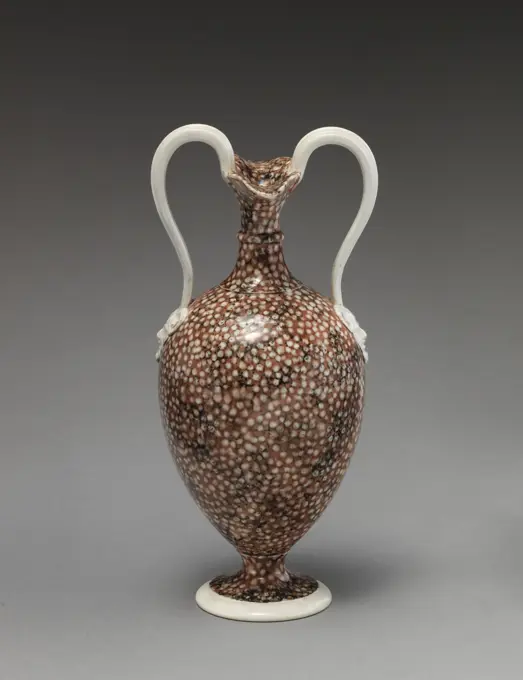
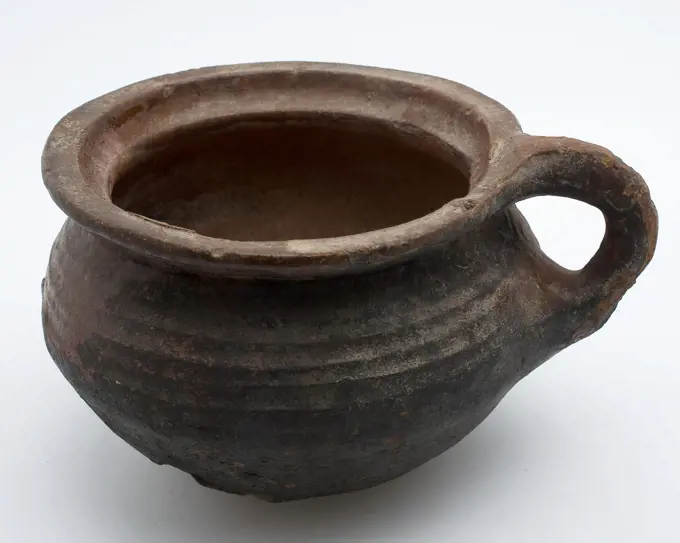
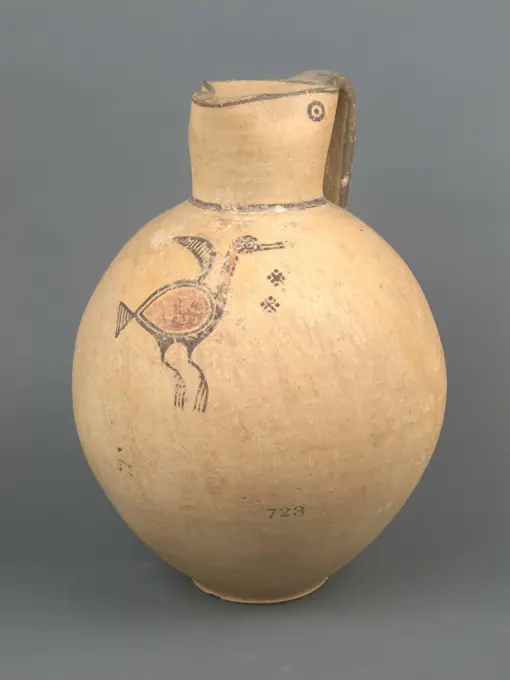
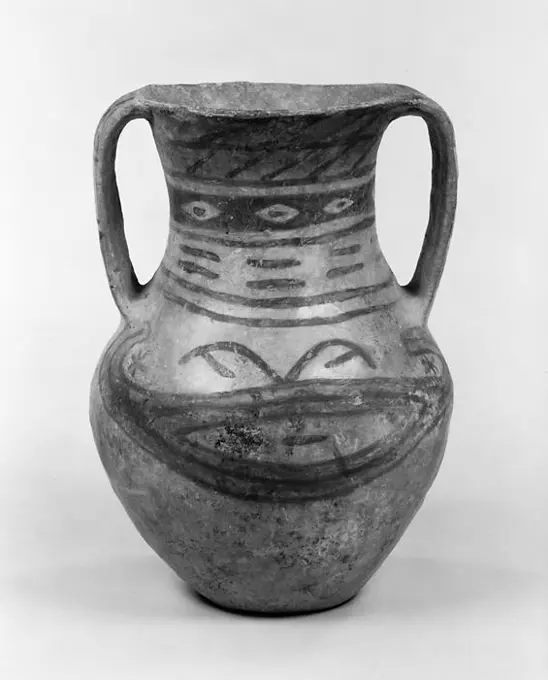
A collection of historical jugs and amphorae, showcasing various ancient styles and materials, including terracotta and glass, used for storing liquids.
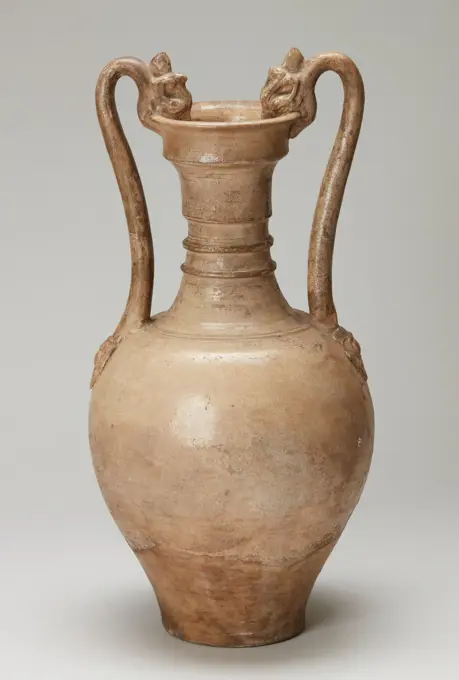
Funeral amphora, 7th-8th century, 18 in. (45.7 cm) (height), Hard grey ware, China, 7th-8th century
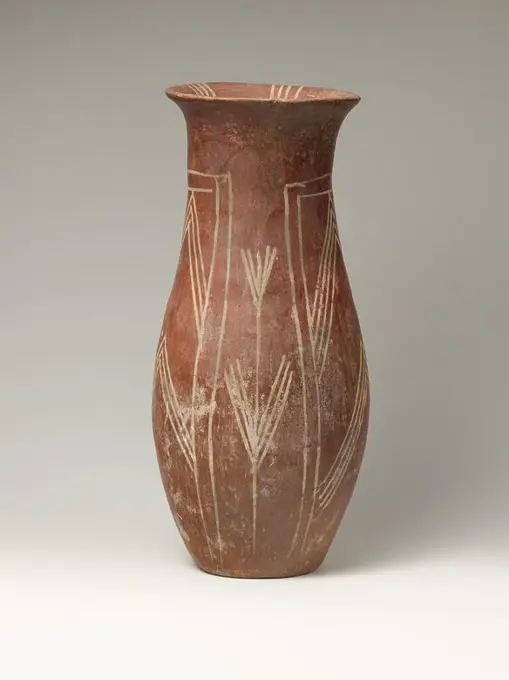
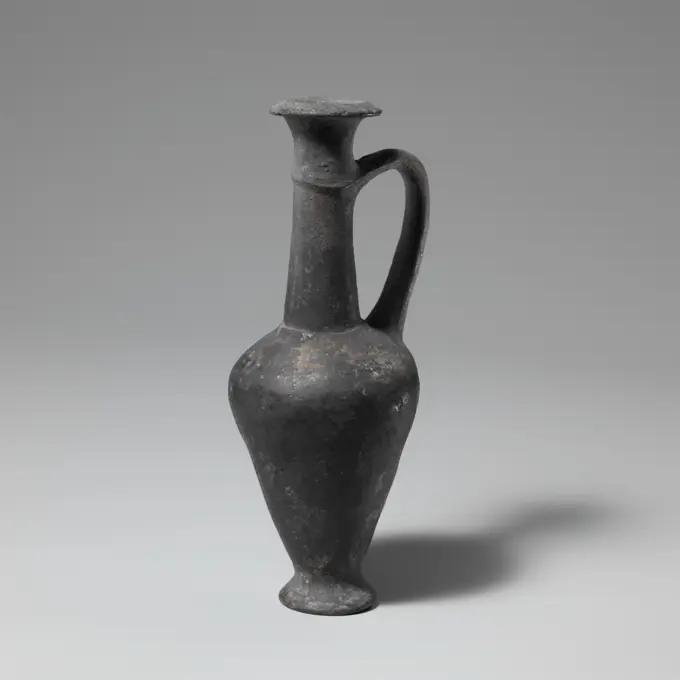
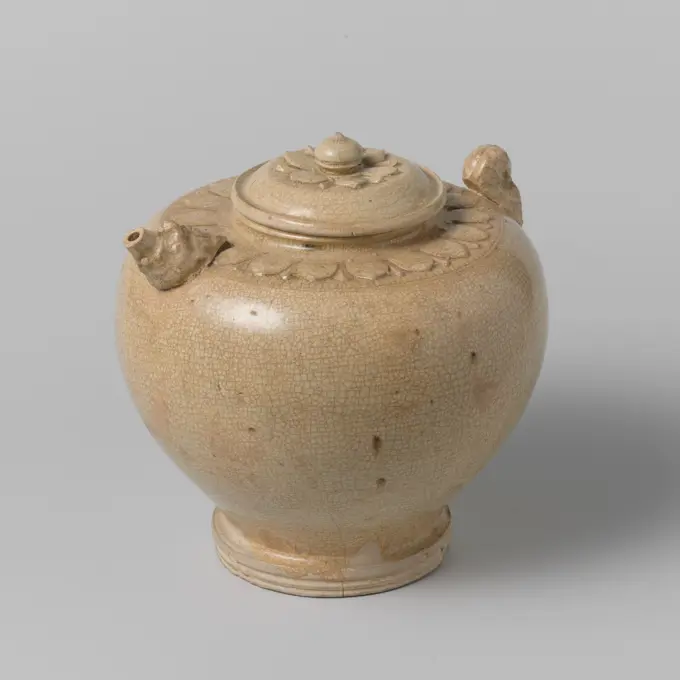
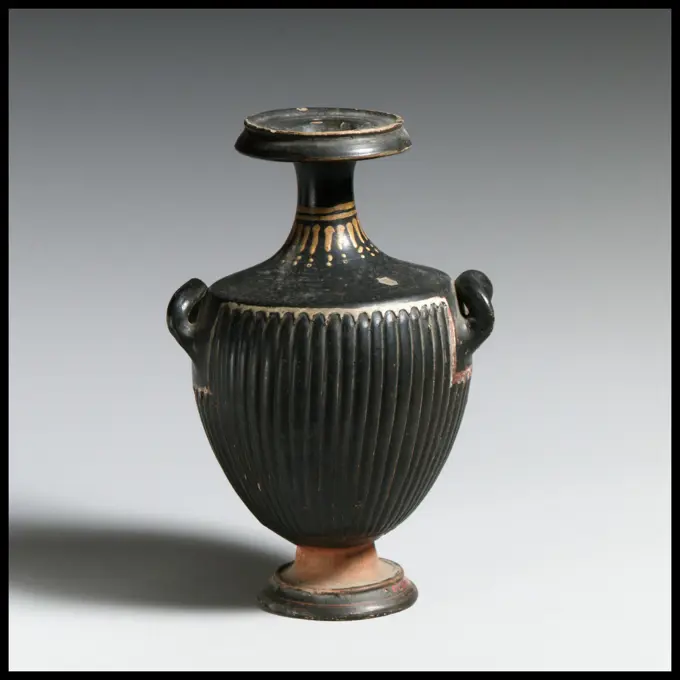
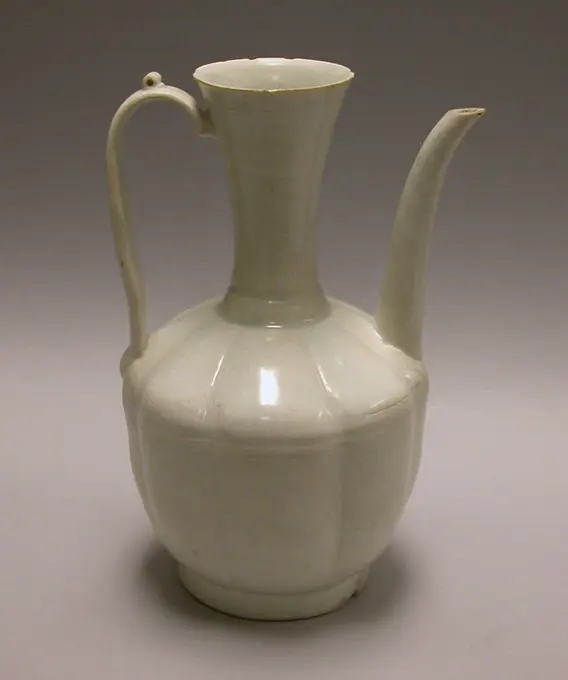
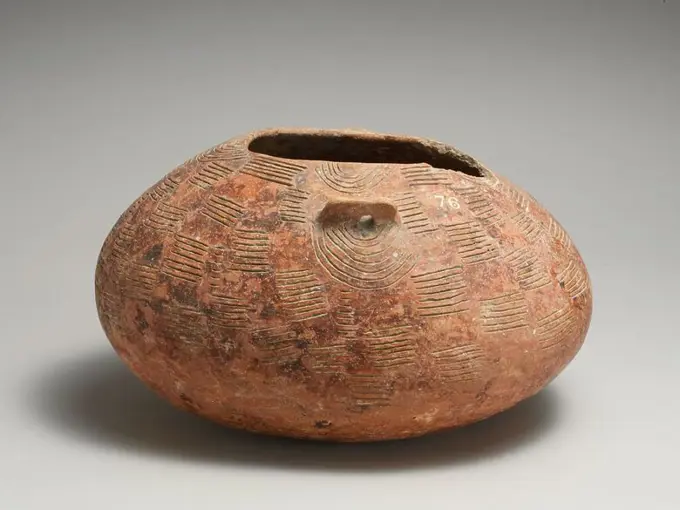
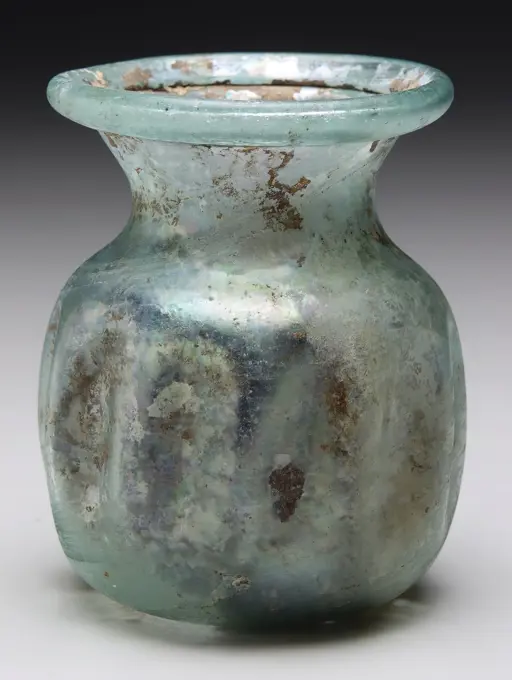
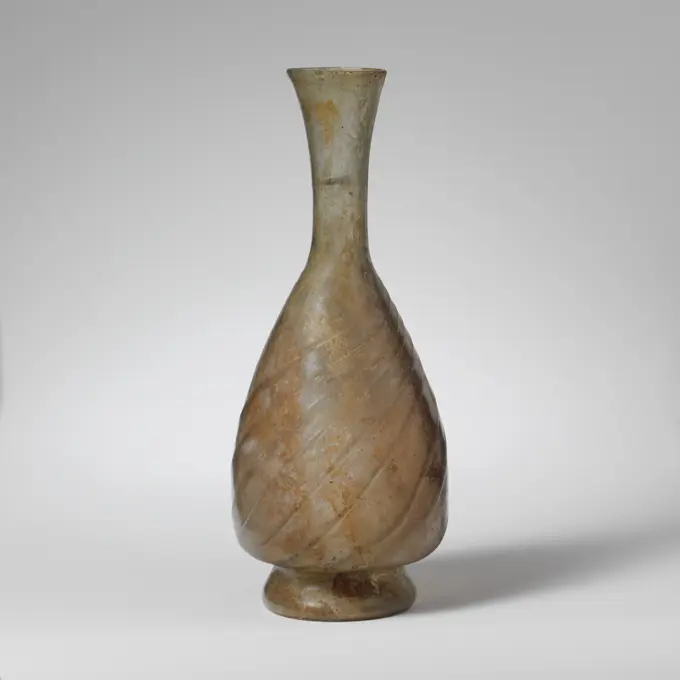
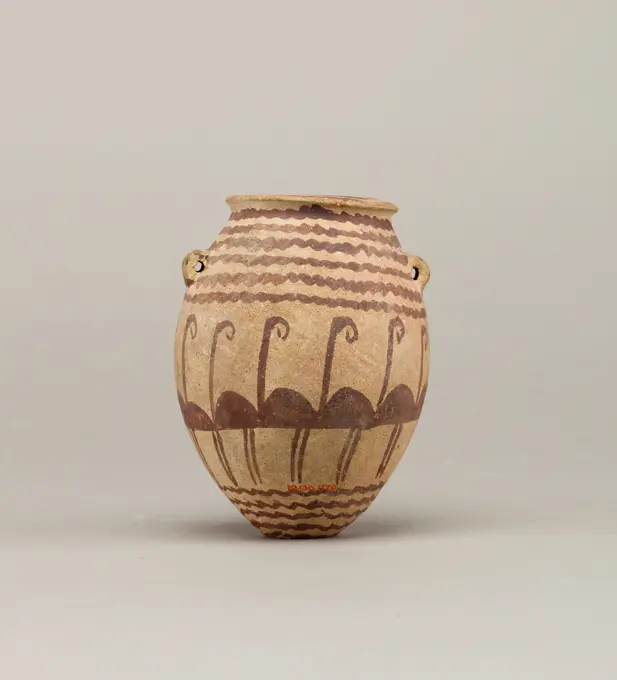
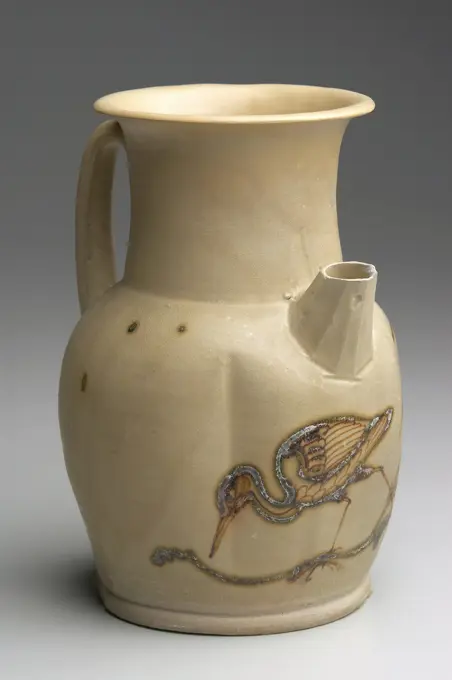
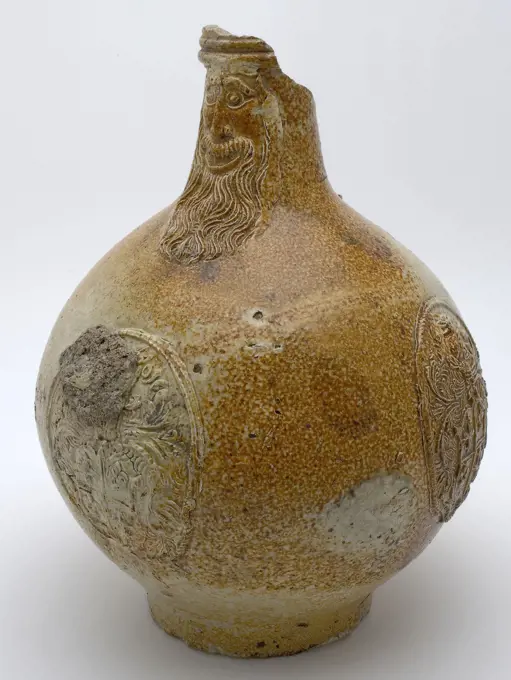
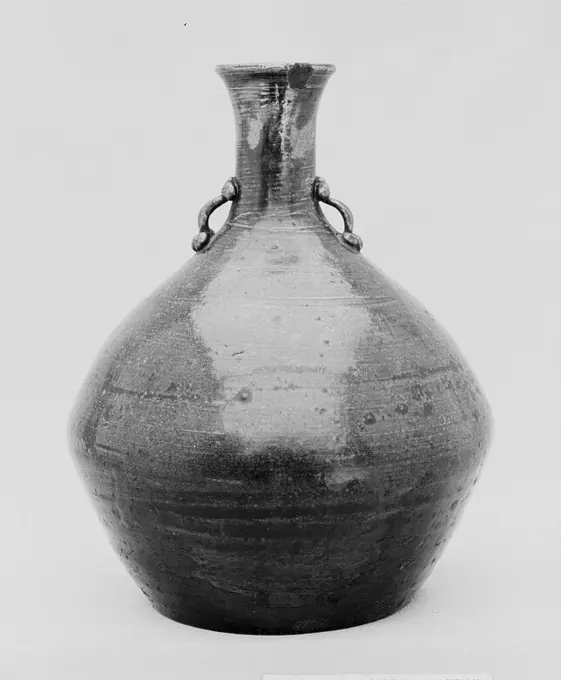
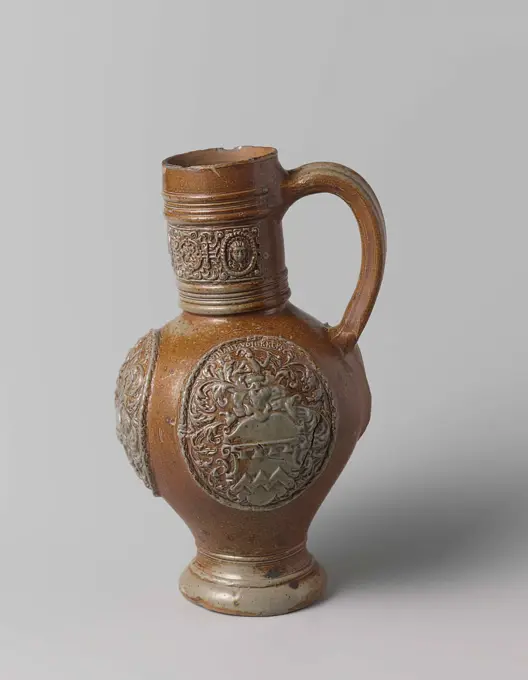
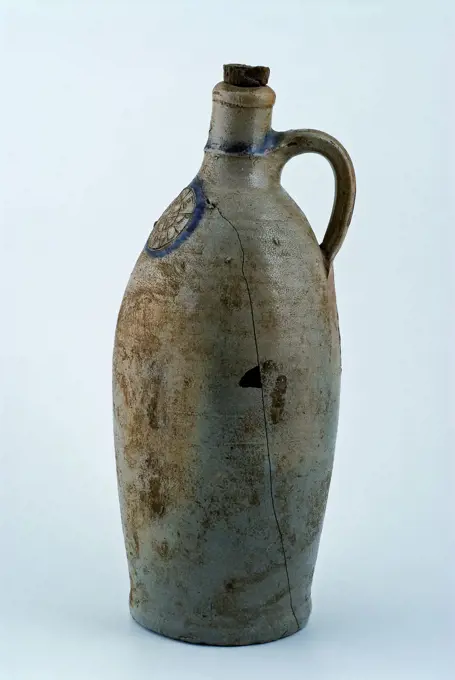
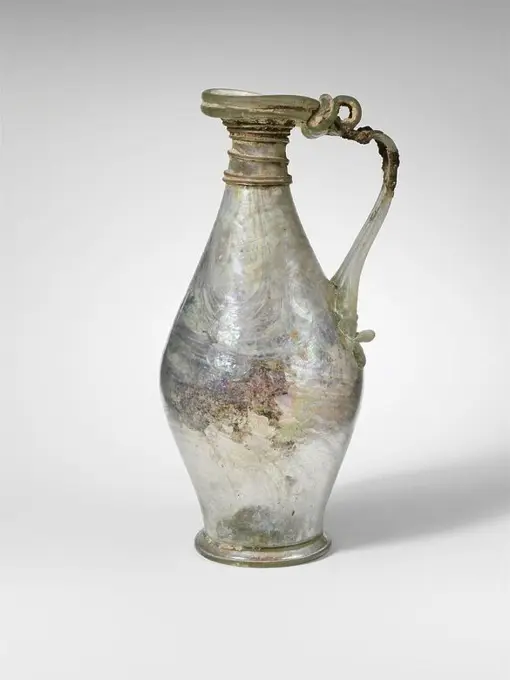
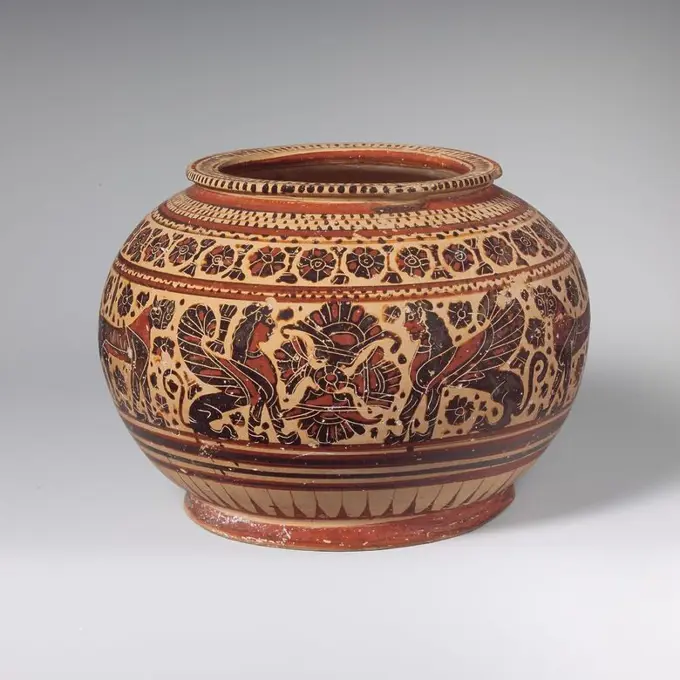
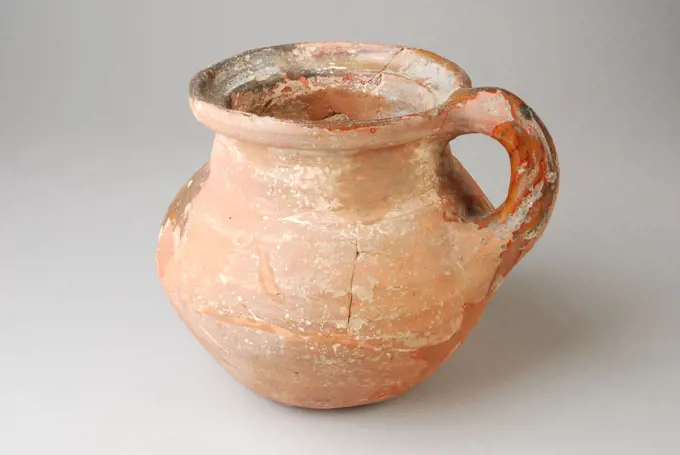
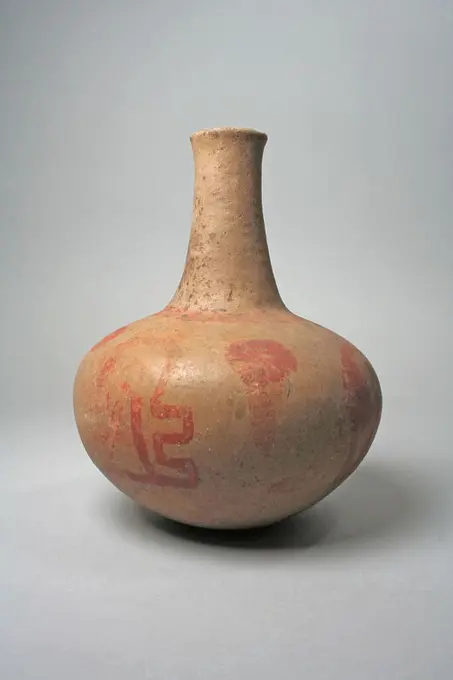
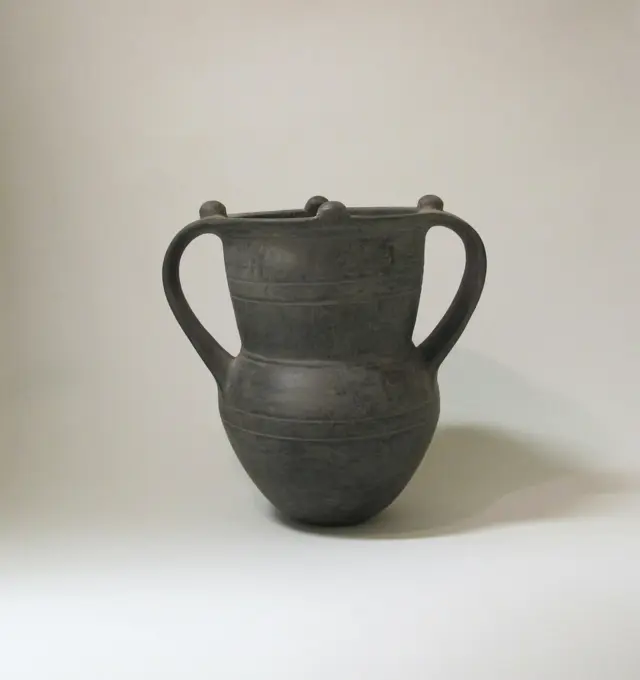
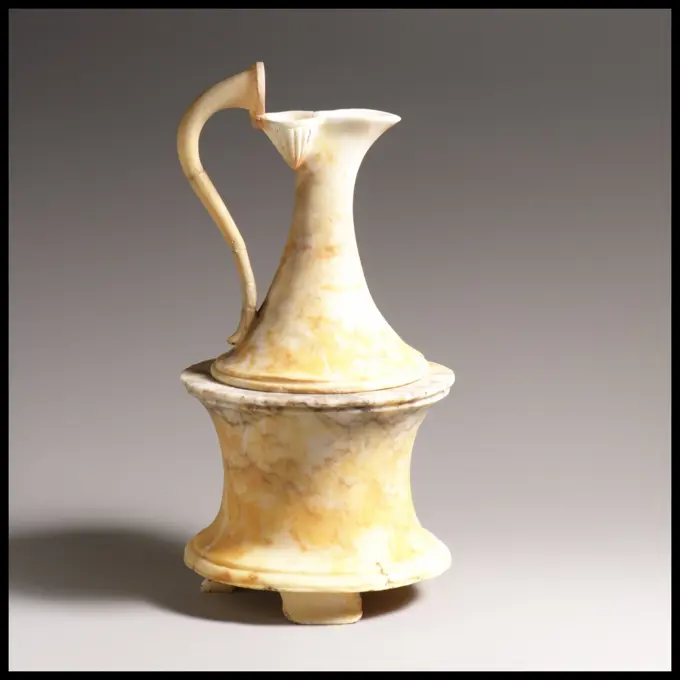
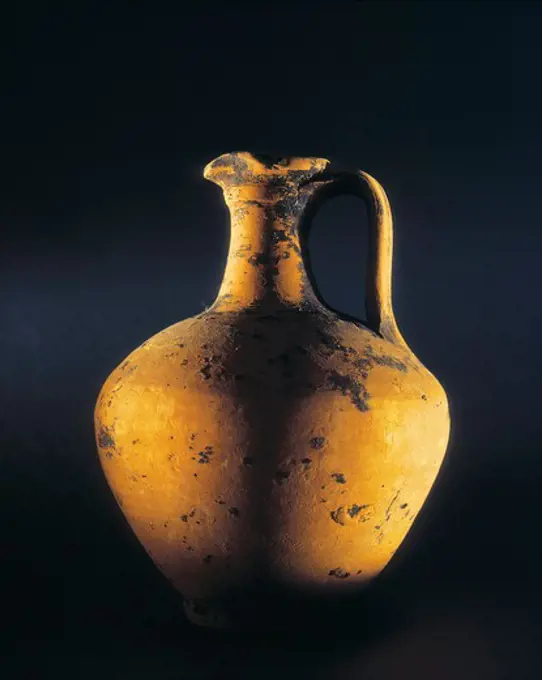
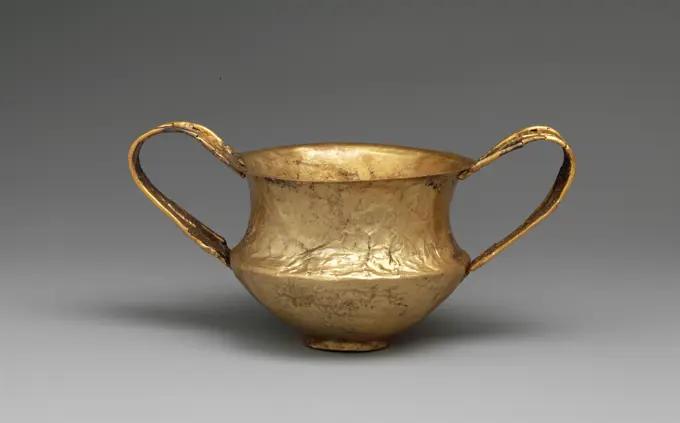
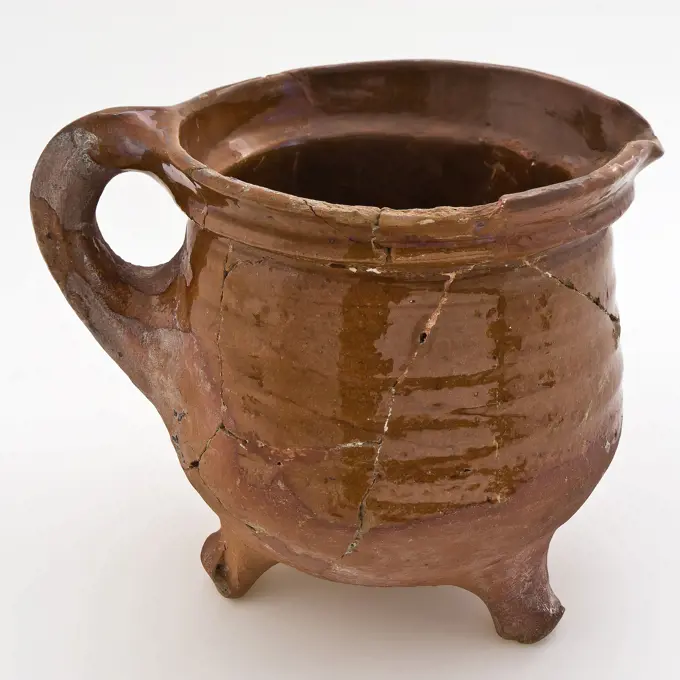
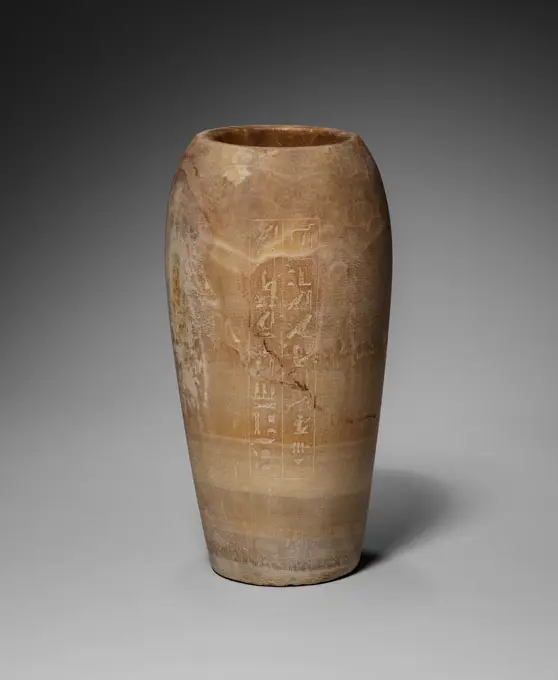
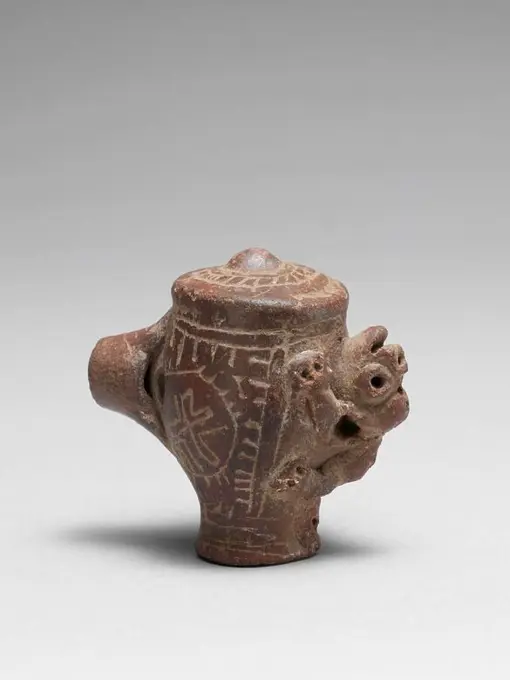
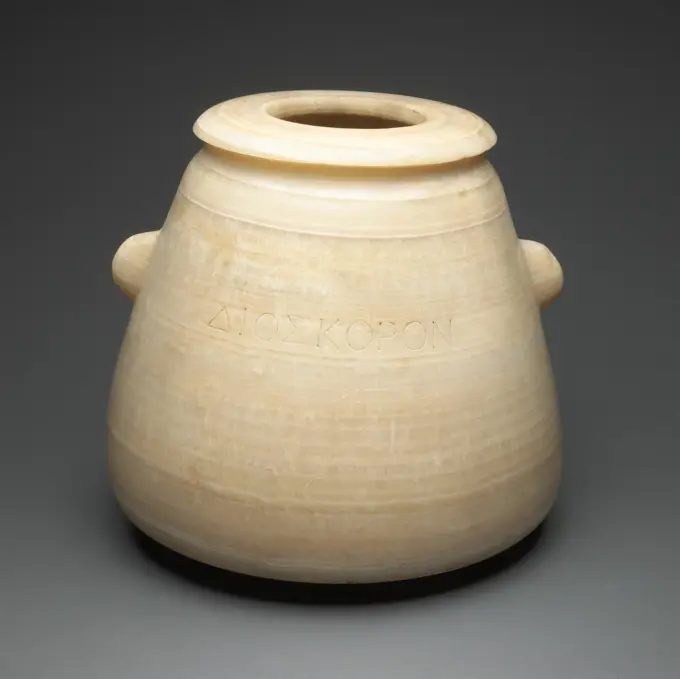
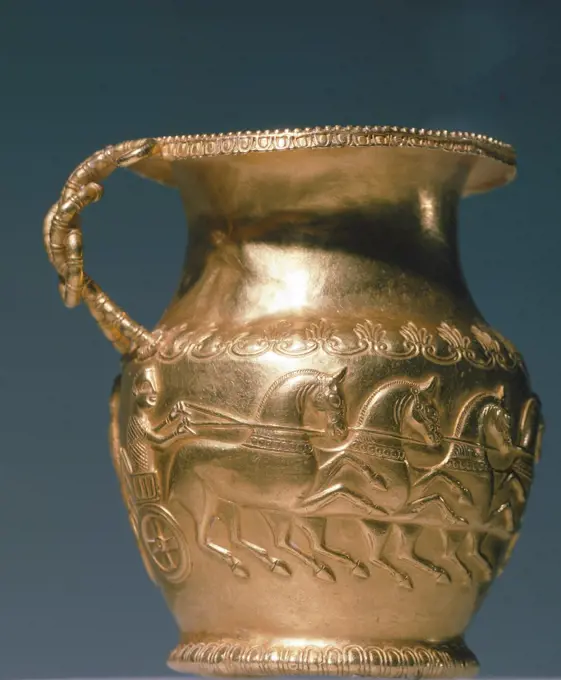
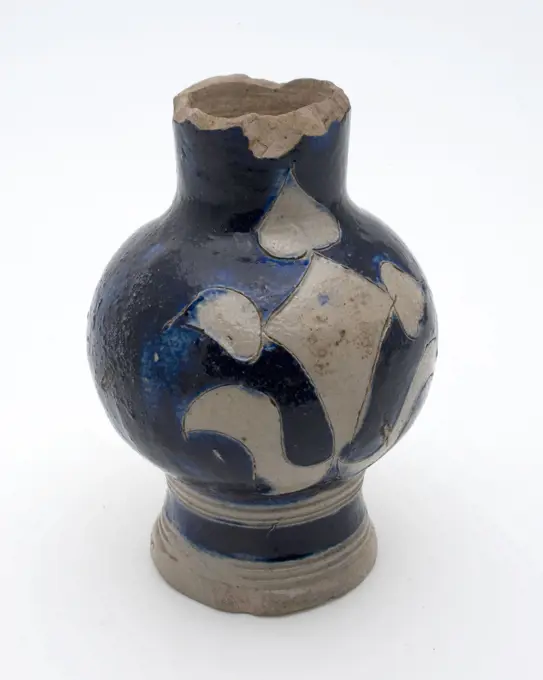
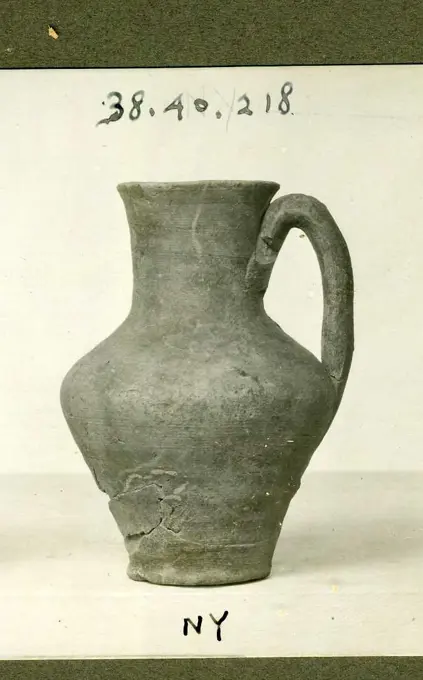
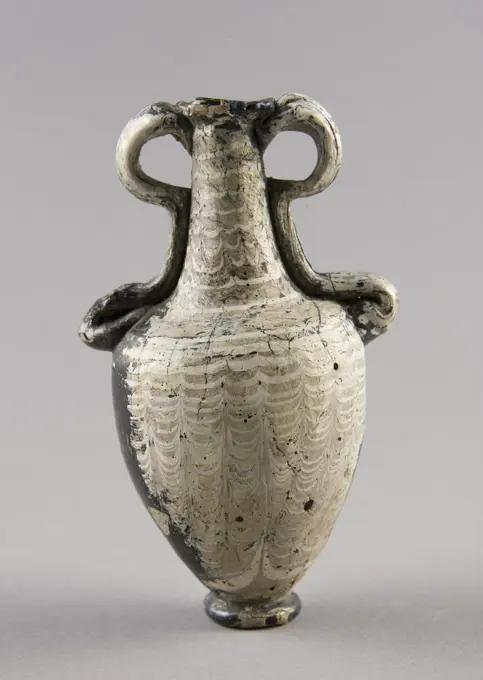
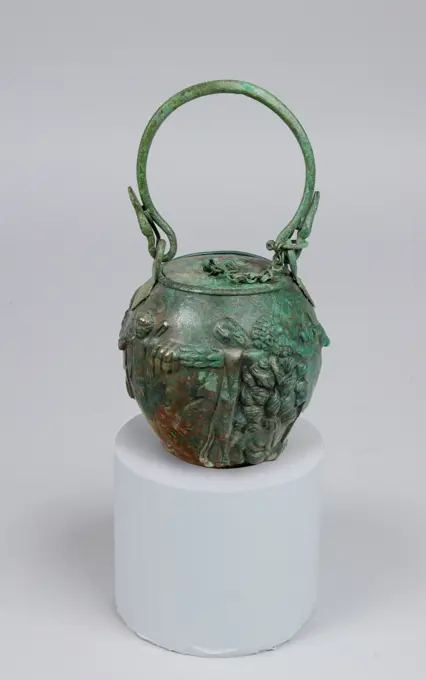
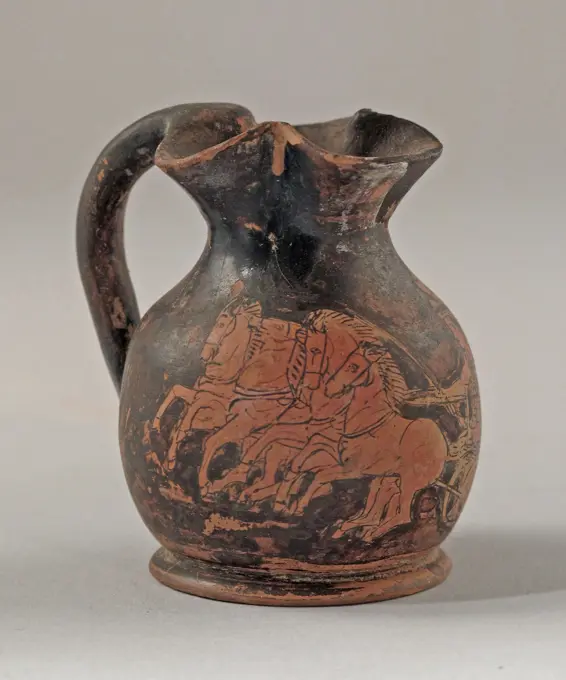
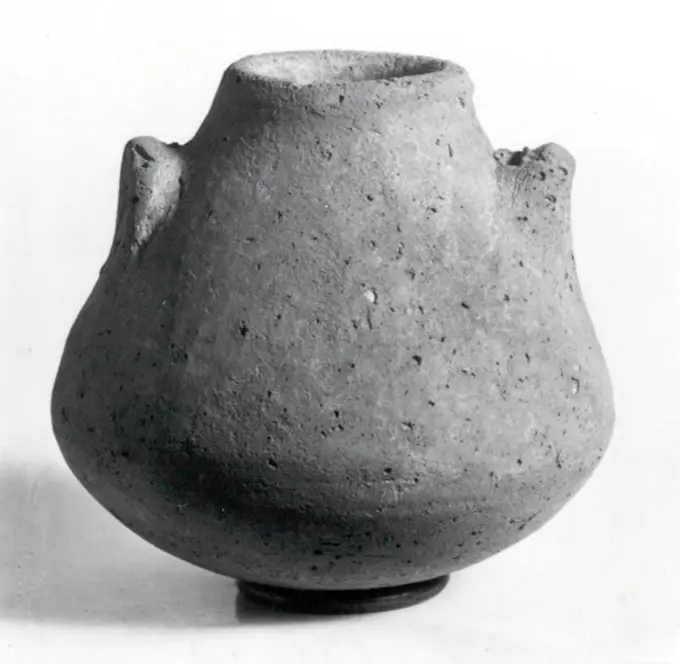
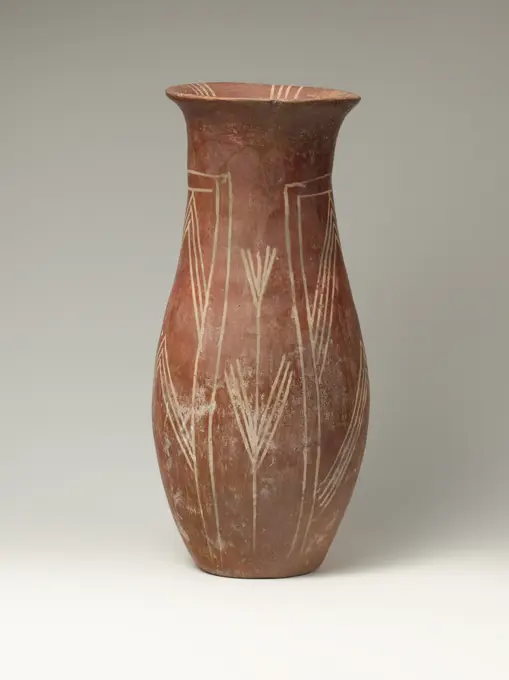
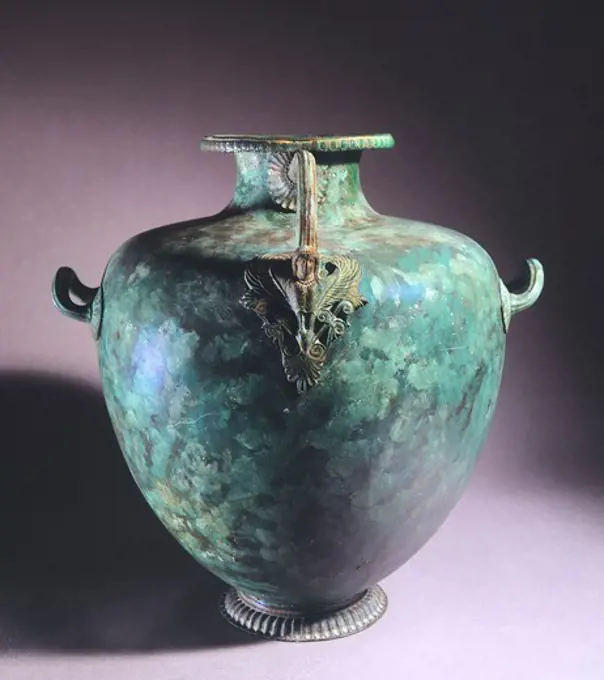
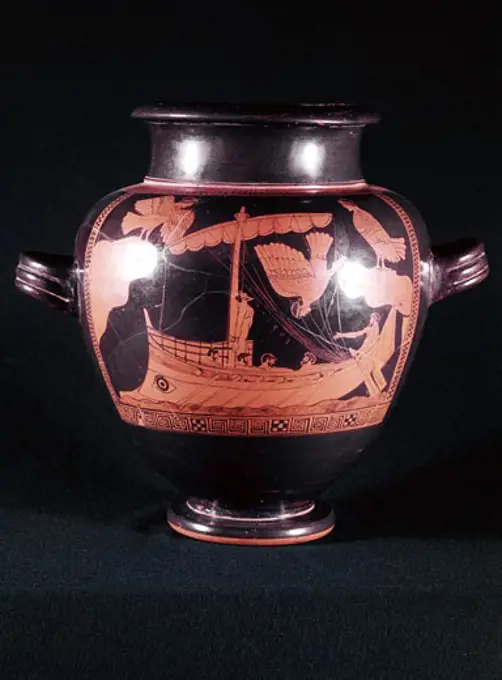
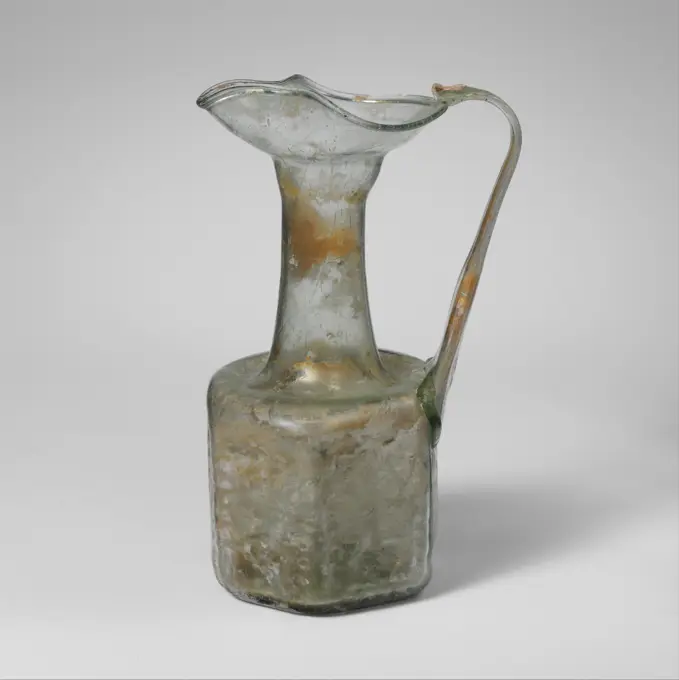
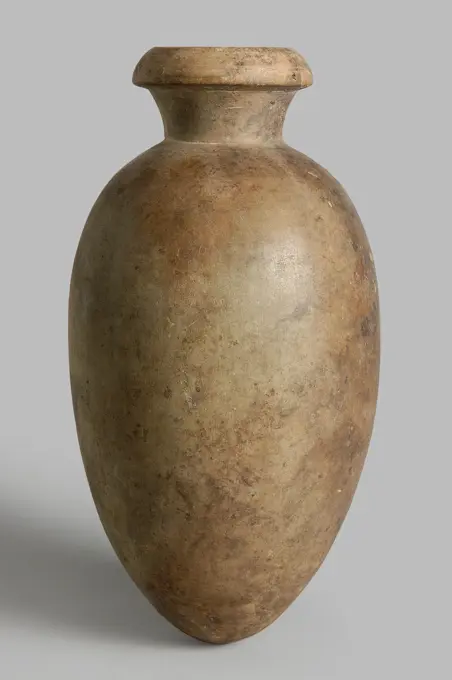
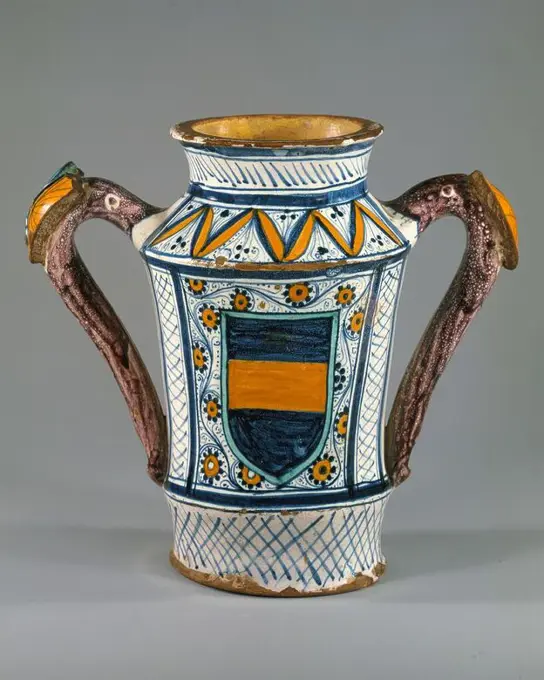
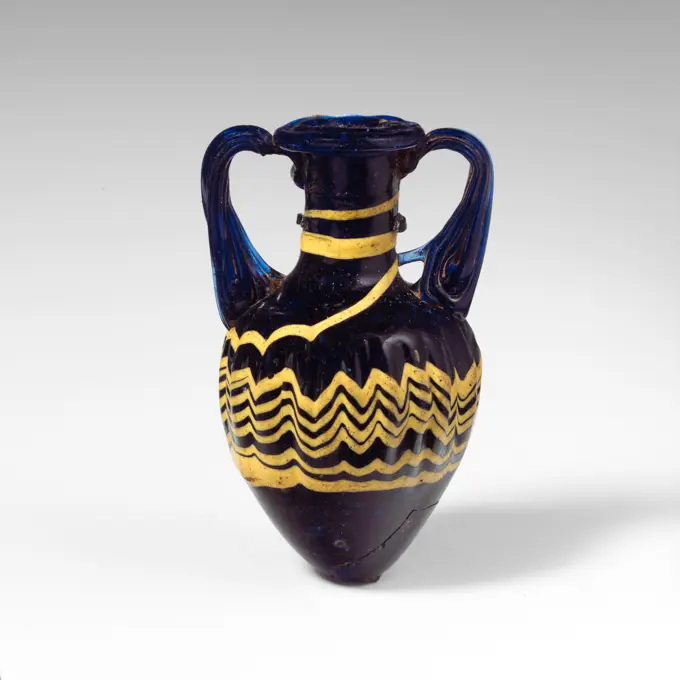
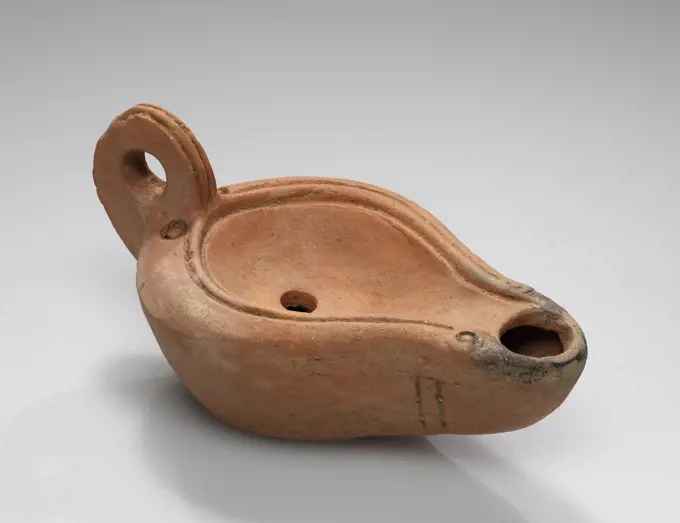
Lamp, Asia Minor; 1st - 4th century; Terracotta; 2.5 x 5 x 9.4 cm (1 x 1 15,16 x 3 11,16 in.)White cross-lined ware vase with plant designs. Dimensions: H: 28 cm (11 in.); diam: 11.1 cm (4 3/4 in.). Date: ca. 3900-3700 B.C.. Museum: Metropolitan Museum of Art, New York, USA.Wide-Mouthed Vase, 20th century, 11 1/2 x 10 1/2 in. (29.2 x 26.67 cm), Earthenware, Democratic Republic of Congo, 20th centuryVessel. Inca culture. Inca-Paya style. Late Horizon (1400-1532 AD). Argentine nortwest. Museum of the Americas. Madrid, Spain. Vase Late Period 664-332 B.C. View more. Vase. 664-332 B.C.. Glass. Late Period. From Egypt. Dynasty 26-30Small flower vase. de Vallombreuse Henri (1856-1919), ceramistBOTIJO EN CERAMICA NEGRA SIN VIDRIAR - PROCEDE DE QUART (GERONA). Location: MUSEO DEL PUEBLO ESPAÑOL. MADRID. SPAIN.Cypriote base-ring juglet ca. 1500-1400 B.C. New Kingdom Containers such as this were first imported into Egypt in the early 18th Dynasty and are often found in modest burials. The shape of some, such as this one, seem to be modeled after the inverted seedpod of the poppy (Papaver somniferum), cut to release its sap. This suggests that the jars once held opium, which is made from the sap. Opium is a powerful sedative that can be used not only as a painkiller but also in the treatment of diarrhea, dysentery, fever, and similar complaints.. Cypriote base-ring juglet 548229Wellhead with Water Bucket Artist's working dates 25 CE-220 CE China. Earthenware with green lead glaze .Covered vase or ewer with moulded flower petals, anonymous, c. 1009 - c. 1225 Egg -shaped lid vase or can be made of stoneware, covered with a cream -colored, cracked glaze. On the shoulder a band with modeled petals. On the belly on one side an ear and on the other side on the shoulder a spout. Vietnam stoneware. glaze vitrification Egg -shaped lid vase or can be made of stoneware, covered with a cream -colored, cracked glaze. On the shoulder a band with modeled petals. On the belly on one side an ear and on the other side on the shoulder a spout. Vietnam stoneware. glaze vitrificationTerracotta miniature hydria: kalpis (water jar) ca. 350-300 B.C. Greek, South Italian, Apulian, Gnathian Such small-scale vases were made for funerary purposes.. Terracotta miniature hydria: kalpis (water jar) 254395 Greek, South Italian, Apulian, Gnathian, Terracotta miniature hydria: kalpis (water jar), ca. 350300 B.C., Terracotta, H. 5 1/2 in. (14 cm). The Metropolitan Museum of Art, New York. Rogers Fund, 1941 (41.162.224)Lazio Viterbo Viterbo Museo Civico74. Hutzel, Max 1960-1990 Views of paintings (Middle Ages through 18th c.), frescoes, a tabernacle, coffin, sculpture reliefs, portal fragments, busts, sculpture, tapestry found in the Pinacoteca, Second floor gallery and Second floor cloister sequences. Antiquities: Many views of Etruscan and Roman fragments, sculpture, sarcophagi, pottery, masks, jewelry and other objects found in the Storeroom sequence (inventory numbers on back of prints), and the Cloister, Second floor Cloister, Valle Giulia, Sala Romana and Sala Etrusca sequences. General Notes: There are eight separate numerical sequences for this location. The cloister as an architectural structure, rather than museum site, is documented in the record and file for S. Maria della Verita, Cloister, all views of which are stored in Medieval core collection. Five views from the Museo Civico Second floor cloister sequence are stored in Medieval. German-born photographer and scholar Max Hutzel (1911-Vase. Emile Lenoble; French, 1875-1940. Date: 1910-1920. Dimensions: H. 21.8 cm (8 9/16 in.); diam. 24.1 cm (9 1/2 in.). Stoneware with engobe. Origin: France. Museum: The Chicago Art Institute, Chicago, USA.Ewer 11th century China. Ewer 49214Terracotta pyxis (container) with lid. Culture: Cypriot. Dimensions: H. 6 3/16 in. (15.7 cm); length 10 7/16 in. (26.5 cm). Date: ca. 2500-1900 B.C..The shape and incised decoration imitate basketry. Museum: Metropolitan Museum of Art, New York, USA.Bottle ca. 1600-1050 B.C. Cypriot. Bottle 243960Kohl jar ca. 1635-1458 B.C. Second Intermediate Period-Early New Kingdom. Kohl jar 547050Jar, 1st-5th century, 3 3/8 x 2 3/4 in. (8.57 x 6.99 cm), Glass, Roman / Near Eastern, 1st-5th centuryJug 17th century or later French, Avignon Faience, or tin-glazed and enameled earthenware, first emerged in France during the sixteenth century, reaching widespread usage among elite patrons during the seventeenth and early eighteenth centuries, prior to the establishment of soft-paste porcelain factories. Although characterized as more provincial in style than porcelain, French faience was used at the court of Louis XIV as part of elaborate meals and displays, with large-scale vessels incorporated into the Baroque garden designs of Versailles. Earlier examples of French faience attest to the strong influence of maiolica artists from Italy. Later works demonstrate the ways in which cities such as Nevers, Rouen, Lyon, Moustiers, and Marseille developed innovative vessel shapes and decorative motifs prized among collectors throughout Europe. While faience can be created from a wide mixture of clays, it is foremost distinguished by the milky opaque white color achieved by the addition of Square-Sectioned Jar (Fanghu) 206 BCE-9 CE China. The squared shape and vibrantly painted decoration of this jar imitates those of bronze and lacquer vessels. Its images of monster-mask ring handles duplicate, in larger scale, functional fittings in bronze. When excavated from Han tombs, some clay jars of this type were found to contain grain offerings provided for the deceased as part of the funerary rites.. Gray earthenware with polychrome pigments .Pot. Pot of stoneware, with an ear. The pot is yellow in color.Glass flask 3rd century A.D. Roman, Syrian Translucent pale yellow green; trails in same color.Rounded rim, partially folded out, over, and in; slender, funnel-shaped neck; body expanding downwards with convex side, then turned in; integral splayed foot ring; kick in bottom with pontil mark at center.A single fine trail wound horizontally once around middle of neck; thirteen spiral ribs of unequal length and shape covering body from base of neck to fold above foot ring.Cracked around lower body with one hole in side, most of trail around neck missing, with weathered broken end; many bubbles; dulling and faint iridescence on exterior, staining and brown weathering on interior.. Glass flask. Roman, Syrian. 3rd century A.D.. Glass; blown and trailed. Late Imperial. GlassDecorated ware jar depicting water and flamingos ca. 3850-2960 B.C. Predynastic Period. Decorated ware jar depicting water and flamingos. ca. 3850-2960 B.C.. Pottery, paint. Predynastic Period. From EgyptPilgrim bottle vase 19th century China. Pilgrim bottle vase. China. 19th century. Porcelain with crackled yellow glaze (Jingdezhen ware). Qing dynasty (1644-1911). CeramicsEwer, 9th century, 7 1/2 x 5 x 5 in. (19.05 x 12.7 x 12.7 cm), Dongguan ware (Changsha region) Stoneware with aquatic bird motifs painted in green and brown under clear glaze, China, 9th century, One of the most influential Tang ceramic achievements was the creation of underglaze decor. By painting their designs directly onto the clay body or slip coat and then covering them with a clear glaze before firing, potters could protect their designs in a way not previously possible. Potters working near Changsha in southern China seem to have been the first to experiment with and perfect underglaze decor. Understandably their early attempts were somewhat limited. The colors used in the underglaze designs seldom varied from the brown and green hues seen in this ewer and bowl. The durability of underglaze decoration, however, became readily appreciated. And, in the fourteenth century, when these techniques began to be used with blue underglaze, the practice spread worldwide.Jar ca. 3500-3300 B.C.. Jar 326493Phytomorphic VesselRitual vessel, Shang dynastyMagical Water Jar of Sithathoryunet with Lid. Dimensions: Overall . 56 cm (22 1/16 in); diam. 26.7 cm (10 1/2 in)h. of jar 41.9 cm (16 1/2 in)h. of lid 17.1 cm (6 3/4 in). Dynasty: Dynasty 12. Reign: reign of Senwosret II-Amenemhat III. Date: ca. 1887-1813 B.C..This highly sculptural image of a vessel resembles the much smaller metal ewers with spouts that Egyptians used--together with matching basins--for washing their hands before meals and pouring libations for deities and the dead. The utilitarian form has been enlarged and transferred into stone in order to assure an eternal water supply for the dead princess.The incised text reads, in translation:"Princess Sithathoryunet, accept these your cool waters from the earth, which beget everything living and all things, for they are what this earth gives--(this earth) that begets everything living and from which everything comes.May you (Sithathoryunet) live through them and be restored through them. May you live and be restored thTerracotta miniature oinochoe (jug). Culture: Greek, South Italian, Campanian. Dimensions: H. 2 3/8 in. (6.1 cm). Date: 4th century B.C..The body is ribbed and has a small head of a bearded man projecting at the front. The concept is noteworthy because figural embellishments usually occur at the bottom or the top of the vertical handle. Museum: Metropolitan Museum of Art, New York, USA.Krater decorated with figures of bigaeBartmann jug, also called Bellarmine jug, with three coats of arms under the beard mask, dated, Bartmann jug jug crockery holder soil find ceramic stoneware clay engobe glaze salt glaze, hand turned stamped molded glazed baked Part neck and ear missing. Stoneware jug gray shard uneven brown speckled salt glaze bandoor with short tail profiled under the neck edge In medallions the year: 1601 archeology import pottery drink pour keep store transport storeAbruzzo, Alba Fucens, General views, Italy, 20th century, photo, photography, EuropeBottle. Culture: Japan. Dimensions: H. 6 1/8 in. (15.6 cm). Date: 19th century. Museum: Metropolitan Museum of Art, New York, USA.Jug of stoneware. Spherical jar of stoneware. The jug is on a foot, has a cylindrical neck and a C-shaped ear. The belly is in relief decorated with three medallions in which a weapon with the inscription "Winant von Kreps 84. The neck is in reliefs with a frieze within which three medallions. The decorations are colored gray.Stoneware mineral water bottle for spring water from Nieder Selter, dated, mineral pitcher pitcher pitcher container soil find product packaging ceramic stoneware enamel salt glaze, hand turned fried glazed stoneware mineral water pitcher gray shard with salt glaze sausage ear with finger impression With stool Contained spring water from Nieder Selter stamped source: CURTRIER 1746 round Greek cross with blue ring archeology Rotterdam City center Stadsdriehoek Schielandshuis underground pit advertising import pottery packing serve drinking health Soil discovery Metro construction site at the Schielandshuis 1962.Glass jug. Culture: Roman. Dimensions: H.: 7 in. (17.8 cm)Diam.: 1 3/4 x 3 1/8 x 2 1/16 in. (4.4 x 7.9 x 5.2 cm). Date: 3rd-4th century A.D..Colorless with light green tinge; same color handle and trails.Plain, rounded rim; flaring mouth; short cylindrical neck, expanding downwards and joining imperceptibly with biconical body; outsplayed tubular foot rim, made by folding; deep kick in bottom, with large jagged pontil scar; four-ribbed strap handle, applied to body just above greatest diameter, with claws extending downwards, the two outer ones being larger and each tooled to have a pinched, horizontal projection; handle drawn out and up, curved in, and folded onto underside of mouth and edge of rim, with one hollow roll, on top of trail.A thicker trail wound slightly more than once around underside of mouth; another thinner trail wound six times in a spiral around neck.Body intact, but top of handle broken and repaired below hollow roll (with alien piece of glass); bubbles and blCan of red -baking earthenware, on the inner and partly the outside with glaze, with damaged edge, foot and ear, anonymous, 1500 - 1799   earthenware. glaze   earthenware. glazeJug with medallions and roundels, anonymous, c. 1600 - c. 1649 Jug of stoneware on stand ring with an egg -shaped body and a narrow neck. The C-shaped ear is attached to the neck and shoulder. Profiles on the neck. Partly covered with a brown Engobe. On the shoulder a broken -in tire divided into courses. A stamped rosette in every box. On the neck in relief three times a printed and imposed medallion with dots. Frechten. Cheek stoneware. glaze. engobe vitrification Jug of stoneware on stand ring with an egg -shaped body and a narrow neck. The C-shaped ear is attached to the neck and shoulder. Profiles on the neck. Partly covered with a brown Engobe. On the shoulder a broken -in tire divided into courses. A stamped rosette in every box. On the neck in relief three times a printed and imposed medallion with dots. Frechten. Cheek stoneware. glaze. engobe vitrificationAryballos; Roman Empire; 1st century; Glass; 7 cm (2 3,4 in.)Covered bottle with cloud scrolls 14th century China. Covered bottle with cloud scrolls 42008Krateriskos. UnknownTerracotta pyxis (box). Culture: Greek, Corinthian. Dimensions: H.: 6 3/8 in. (16.2 cm). Date: ca. 590-570 B.C..Frieze with animals and two women.Sirens, sphinxes, panthers and two women. Museum: Metropolitan Museum of Art, New York, USA.Ding crap;  18th century (1701-00-00-1800-00-00);Ming (Styl), Paderewski, Ignacy Jan (1860-1941), Paderewski, Ignacy Jan (1860-1941)-collection, Qianlong (style), qing (style), vanli (style), gift (provenance), meander (ornamentation ), plant motifs, Ding vesselsGlass jug with chain handle. Culture: Roman. Dimensions: H. 7 3/16 in. (18.3 cm). Date: 3rd century A.D..Colorless with pale blue green tinge; handle and trails in same glass.Outsplayed and rounded rim; funnel-shaped mouth and almost no neck; conical body, then turned in sharply with broad, shallow undercurve; applied solid foot ring, sloping inwards with tooled irregular indent in one side; central kick in bottom with circular pontil mark; chain handle applied to body as two large, thick pads, drawn up and outwards as two rods, pinched together five times to form vertical row of loop, then turned in horizontally as a single strap, folded up into a hollow loop above rim, and trailed off on underside of mouth.Single horizontal trail on underside of mouth below rim; a finer trail wound horizontally 1½ times around base of mouth; body decorated with a pattern of sixteen evenly-spaced ribs extending from base of mouth to edge of side.Broken and repaired, but complete, with cracks arounBake with three birds of prey cups on the edge, Amstelhoek, c. 1904 - c. 1910 Pottery box, round in shape. The container runs from below in a point. There are three protrusions on the edge that end in prey cups. Light brown surface on which in sludge technology is applied in dark brown and blue along the edge and around the point ornament. Amsterdam earthenware vitrification Pottery box, round in shape. The container runs from below in a point. There are three protrusions on the edge that end in prey cups. Light brown surface on which in sludge technology is applied in dark brown and blue along the edge and around the point ornament. Amsterdam earthenware vitrificationPolychrome Pitcher 1400-1520 Cholula. Earthenware . CholulaRoom comfort on the bottom with soul, red earthenware, with lid groove, pot holder sanitary soil found ceramic earthenware glaze lead glaze, hand turned glazed baked Room pot on curved bottom Red earthenware. Standing sausage ear. Double conical belly. narrowed neck. Upper edge with lid slot archeology Capelle aan den IJssel House at Capelle castle drains toilet urinating room night Soil discovery: House at Capelle Capelle aan den IJssel.Bottle. Culture: Mississippian. Dimensions: Height 9 in.. Date: 11th-14th century. Museum: Metropolitan Museum of Art, New York, USA.Trefoil Oinochoe with Etruscan HandleVase end of 7th-early 6th century B.C. Etruscan Two-handled with four knobs on lip.. Vase. Etruscan. end of 7th-early 6th century B.C.. Terracotta. Early Archaic. VasesMarble vase in the form a of a pyxis (box) surmounted by an oinochoe (jug) 4th-3rd century B.C. Greek Composite of pyxis below and oinochoe above.. Marble vase in the form a of a pyxis (box) surmounted by an oinochoe (jug) 251784 Greek, Marble vase in the form a of a pyxis (box) surmounted by an oinochoe (jug), 4th3rd century B.C., Marble, H.: 11 1/16 in. (28.1 cm). The Metropolitan Museum of Art, New York. Funds from various donors, 1924 (24.228a, b)Can. Gray with blue can of stoneware. The belly is littered with in flat relief rolled laps on a dark blue, almost purple, fond. On the neck, under the spout a kind of lion mask.Italy, Province of Bolzano-Bozen, Bronzolo, Pottery jugOinochoe; Roman Empire; 4th century; Glass; 18 x 9 cm (7 1,16 x 3 9,16 in.)Glass perfume bottle. Culture: Roman. Dimensions: 1 7/8 x 1 1/16in. (4.8 x 2.6cm)Diameter: 3/4 in. (1.9 cm). Date: 2nd-3rd century A.D..Small perfume bottleColorless with pale greenish tinge.Tubular rim, folded out, over, and in; flaring mouth; tall, slightly funnel-shaped neck; sloping shoulder; roughly shaped, four-sided body with shallow indent in each side; pushed-in bottom with traces of pontil mark.Intact; pinprick and some large bubbles; slight dulling and patches of iridescent weathering, with some soil encrustation. Museum: Metropolitan Museum of Art, New York, USA.Gold kantharos (drinking cup with two high vertical handles) ca. 1550-1500 B.C. Helladic, Mycenaean The kantharos, one of the oldest Greek vase shapes, first became prominent during the Middle Helladic period (ca. 2000-1600 B.C.). While the cup and handles of this example are ancient, both show evidence of reworking, and it is possible that elements have been combined that did not originally belong together.. Gold kantharos (drinking cup with two high vertical handles) 248002Pottery cooking jug on three legs, grape model, one ear, neck rim with lid slot, grape cooking pot crockery holder kitchen utensils earthenware ceramics earthenware glaze lead glaze, hand turned glazed baked Pottery cooking grape model Three legs and one standing sausage ear. Bag model. Neck edge with lid slot Coarse swirls around the neck and shoulder Half round bottom. Red shard entirely glazed except the bottom of the soil archeology Rotterdam IJsselmonde indigenous pottery cooking kitchen nutrition food preparation Soil discovery: Castle IJsselmonde pit 1 Rotterdam 1972.BEBEDERO DE PAJAROS-ARCILLA SIN VIDRIAR-ARTE POPULAR S XX. Location: ALFARERIA. JAEN. SPAIN.Jar 12th century. Jar 449509Canopic Jar with Jackal's Head, 664-525 BC. Egypt, Late Period, Dynasty 26. Travertine; diameter: 16.3 cm (6 7/16 in.); diameter of mouth: 9 cm (3 9/16 in.); overall: 42.6 cm (16 3/4 in.). In the process of mummification, the liver, lungs, stomach, and intestines were removed, separately embalmed, and stored in specialized jars known as canopic jars (after a sailor in Greek mythology, who died at the town of Canopus in the Nile Delta and was worshipped there in the form of a human-headed jar). Each organ was identified with one of four funerary deities collectively known as the Sons of Horus: the liver with Imsety (man's head), the lungs with Hapy (baboon's head), the stomach with Duamutef (jackal's head), and the intestines with Qebehsenuef (falcon's head). It was their duty to protect the deceased and restore to him his body parts in the hereafter.Pottery Whistle. Culture: Costa Rican. Dimensions: L. 5.4 cm (2-1/8 in.); W. 3.4 cm (1-3/4 in.); D. 5.7 cm (2-1/4 in.); Wt. 43 g. Date: ca. 800-1525. Museum: Metropolitan Museum of Art, New York, USA.Can. Can be from stoneware. On the belly a weapon is shown in a octagon and the name Iohan Georg Rheindorp. Flowers in a pot on either side. The decoration is in blue and purple. The can have a pewter lid.Alabastron with Inscription Made 664 BCE-404 BCE Egypt. The lug handles on this jar are derived from Egyptian vessels made 3000 years earlier.Alabaster jars had long been used as donations to Egyptian temples. The large size of this jar made it a very valuable object. Although Egyptian in design and function, the jar is inscribed with a Greek dedication to the twin gods Castor and Pollux, suggesting the vessel was dedicated in a temple in honor of those gods.. Calcite ( Egyptian alabaster ) . Ancient EgyptianGold pitcher depicting a winged chariot, from Tomb 2 in the Mogilanska Mogila burial mound, Mihailovgrad Region, Bulgaria. Goldsmith art. Thracian Civilization, 4th Century BC.Small stoneware jug with abstract gray ornament on blue fond over neck, shoulder, belly, jug crockery holder model toy relaxant soil find ceramic stoneware glaze salt glaze, hand turned curved cut glazed baked Stoneware jug gray shard with salt glaze small pointy tail profiled foot archeology import pottery serve serve save save transport playEwer late 8th-10th century. Ewer 449428Amphoriskos (Container for Oil) 200 BCE-1 BCE Eastern Mediterranean Region. Glass, core-formed technique . Ancient Eastern MediterraneanEwer ca. 1790 Josiah Wedgwood British. Ewer. British, Staffordshire. ca. 1790. Glazed white earthenware. Josiah Wedgwood (British, Burslem, Stoke-on-Trent 1730-1795 Burslem, Stoke-on-Trent). Ceramics-PotteryPot. Culture: Coptic. Dimensions: Overall: 2 3/16 x 2 5/16 in. (5.6 x 5.8 cm). Date: 4th-7th century. Museum: Metropolitan Museum of Art, New York, USA.Chinese Dou and Cover,  Ming Dynasty, Transitional Period, 1620-1644Large egg-shaped jug with vertical band handles from Golasecca CultureAryballos; Greece; 6th - 4th century B.C; Glass; 7.2 cm (2 13,16 in.)Gull (cylinder);  IV-VI century; Postmeroic period (301-00-00-600-00-00);Egyptian ceramics, transmission (provenance), rescue excavations, IV Qatract (Sudan)Madrid, M.A.N. Arte prehistórico. Huevo de avestruz procedente de Villaricos. Museum: MUSEO ARQUEOLOGICO, MADRID, SPAIN.Terracotta amphora with handles, 730 BC, from the excavations at Santa Restituta, Lacco Ameno, Ischia Island, Campania, Italy, 8th century bC.Terracotta straight-sided cup. Culture: Minoan. Dimensions: H. 2 1/2 in. (6.4 cm.)Diameter 3 5/8 in. (9.2 cm.). Date: ca. 1750-1600 B.C..Decorated with spiral ornament in white. Museum: Metropolitan Museum of Art, New York, USA.Pottery cooking jug, grape model, red shard with sparing lead glaze, sausage ear, on three legs, casserole can be found in the earthenware ceramic earthenware glaze lead glaze, hand-turned glazed baked Pottery cooking jug grape-model red shard with sparing lead glaze three-legged sausage blackened archeology indigenous pottery food prepare cooking eat cuisineVessel Made 2494 BCE-2160 BCE Egypt. Calcite . Ancient EgyptianBotella romana de vidrio. Can Serra Museu de Mataró.Prehistory, Italy, Iron Age. Golasecca culture. Vase.Stirrup Spout Vessel with Fineline Image of a Warrior Bird Made 100 BCE-500 CE North Coast. Ceramic and pigment . MocheJug 850-750 B.C. Cypriot Flying bird on front.. Jug. Cypriot. 850-750 B.C.. Terracotta. Cypro-Geometric III. VasesGlass bottle. Culture: Roman. Dimensions: H.: 2 13/16 in. (7.1 cm). Date: late 1st-3rd century A.D..Colorless with blue green tinge and purple streak.Everted rim, partially folded over and in, with thick lip on one side; cylindrical neck, expanding at base to join imperceptibly with conical body; side then curves in sharply; broad bottom, with circular hollow around central, flat boss.Intact; many bubbles and some impurities; iridescent, whitish weathering covering most of surfaces. Museum: Metropolitan Museum of Art, New York, USA.Jar (Guan) ca. 1300-1000 B.C. China. Jar (Guan) 44721Black-gloss kantharos, wheel-made pottery (3rd century BC) Roses workshop. Greek culture. Cabrera de Mar, Catalonia, Spain.Bronze balsamarium decorated with lion-skins and herms late 1st-early 2nd century A.D. Roman This flask was used to hold oil for cleaning the skin after athletic practice and competition. The swing handle and lid attached by a chain made it easy to carry and prevented spillage. The decoration itself evokes athletics. Statues of Hermes and Herakles, depicted here as herms, were traditionally set up in the palestra and the gymnasium where athletes trained.. Bronze balsamarium decorated with lion-skins and herms. Roman. late 1st-early 2nd century A.D.. Bronze. Mid-Imperial. BronzesOinochoe, miniature early 4th century B.C. Greek, Attic. Oinochoe, miniature. Greek, Attic. early 4th century B.C.. Terracotta; red-figure. Classical. VasesJug ca. late 8th-7th century B.C. Israelite. Jug. Israelite. ca. late 8th-7th century B.C.. Ceramic. Iron Age II. Levant, Lachish (modern Tell ed-Duweir)White cross-lined ware vase with plant designs ca. 3900-3700 B.C. Predynastic, Naqada I. White cross-lined ware vase with plant designs. ca. 3900-3700 B.C.. Pottery, paint. Predynastic, Naqada I. From EgyptBronze hydria (Greece). Greek Civilization, 5th Century BC.Odysseus (Ulysses) King of Ithaca: His adventures told in Homer's "Odyssey". Warned by sorceress Circe of irresistible song of Sirens, Odysseus stopped crew's ears with wax and had himself lashed to mast so passed their island safely.Vase. Sandstone, flambé covered. Paris, Cernuschi museum. 78837-26 Asian art, container, vaseAlabastron. UnknownGlass hexagonal jug with Jewish symbols late 6th-early 7th century A.D. Roman, Palestinian Translucent light green; handle in same color.Mouth and neck free blown. Rounded, partially tubular rim, folded out and down; broad trefoil mouth with narrowed spout; cylindrical neck with bulge at top, then expanding downwards; concave shoulder with rounded outer edge; hexagonal body with concave sides; pushed-in bottom with small central kick and circular pontil scar; broad strap handle applied in uneven pad to top of body and edge of shoulder, drawn up and outwards in a straight line, then curved in and trailed off on rim opposite spout with slight upward trail folded back on top of handle.On the body, six rectangular panels with impressed decoration, each of a different design bordered by lines of recessed dots. They comprise a five-branched menorah on a tripod base, a double lozenge with diamond-shaped central boss, and various vegetal motifs, including a stylized palm tree.Complete, but craDish;  around 2055 1650 BC ; Medium Pa (-2055-00-00--1650-00-00);Deposit of the University of Warsaw from 1937-1939, Egyptian ceramics, Polish-French excavations in Edfu (Egypt)CANTARO DE DOS CUERPOS CON GRAN ASA Y BOCA ESTRECHA - ARTE POPULAR S XX. Location: ALFARERIA. MOVEROS. Zamora. SPAIN.Vase. Culture: China. Dimensions: H. 5 3/4 in. (14.6 cm).This vase is one of four, each with a subtly different shape, included in a set of eight accoutrements designed for display on a writing table. Such sets are thought to have been made as gifts for officials working at court. Museum: Metropolitan Museum of Art, New York, USA.Apothecary jar (albarello). Culture: Italian, Faenza. Dimensions: Height: 22.9 cm. (9 inches). Date: ca. 1480-90. Museum: Metropolitan Museum of Art, New York, USA.Glass amphoriskos (perfume bottle) late 4th-early 3rd century B.C. Greek, Eastern Mediterranean or Italian Translucent dark cobalt blue, appearing black, with same color handles; single trail in opaque yellow.Horizontal rim with rounded edge and radiating tooling marks on top surface; cylindrical neck; broad sloping shoulder; ovoid body; pointed bottom; two vertical strap handles applied to shoulder, drawn up in a curve, then turned in and attached to top of neck and underside of rim.Trail applied below rim, wound spirally twice around neck and drawn down across shoulder to body, tooled into a zigzag pattern with close-set vertical indents around upper half of body, and ending as an uneven horizontal line.Body complete, but large chip in rim; base-knob missing and crack on lower part of body; only slight dulling and pitting.. Glass amphoriskos (perfume bottle) 249991