Ancient Ceramic Vessels

A collection of historical jugs and amphorae, showcasing various ancient styles and materials, including terracotta and glass, used for storing liquids.
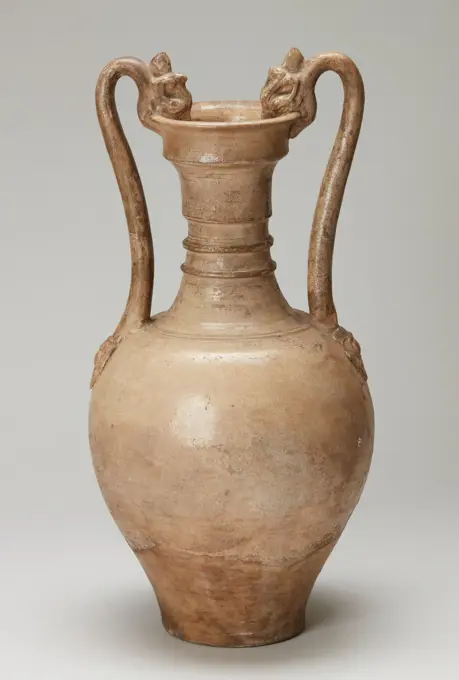
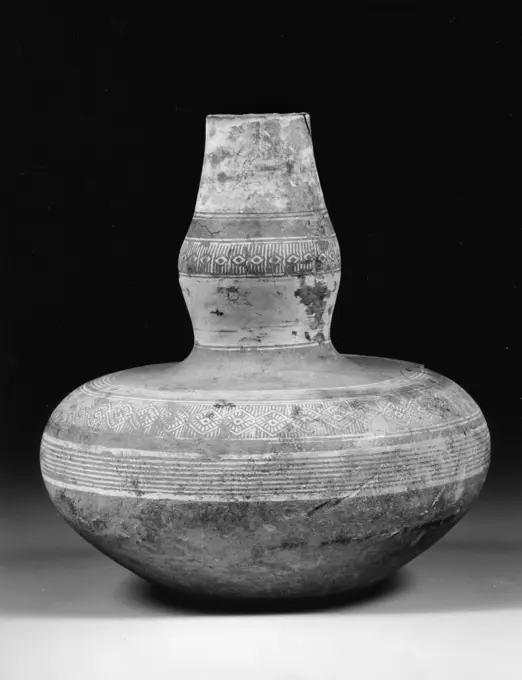
Funeral amphora, 7th-8th century, 18 in. (45.7 cm) (height), Hard grey ware, China, 7th-8th century
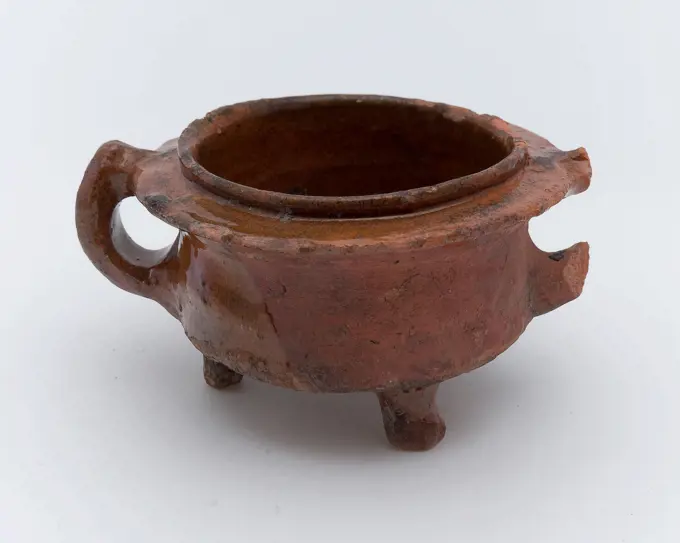
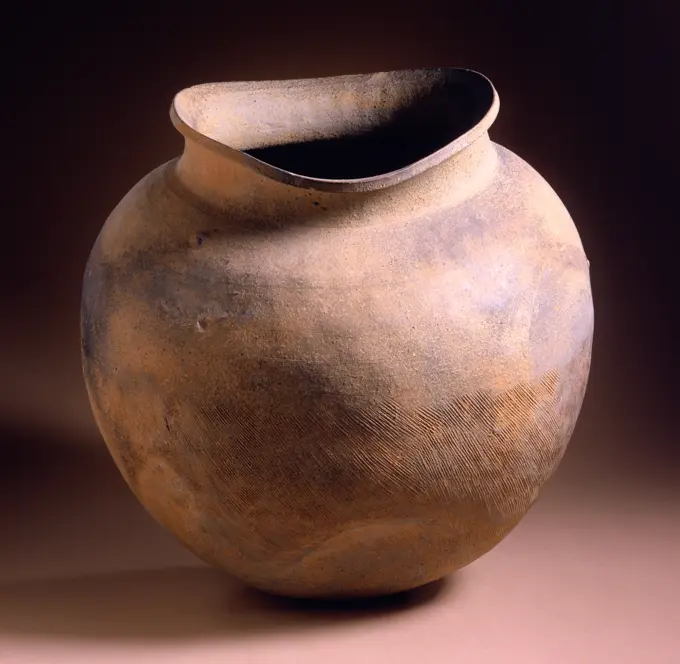
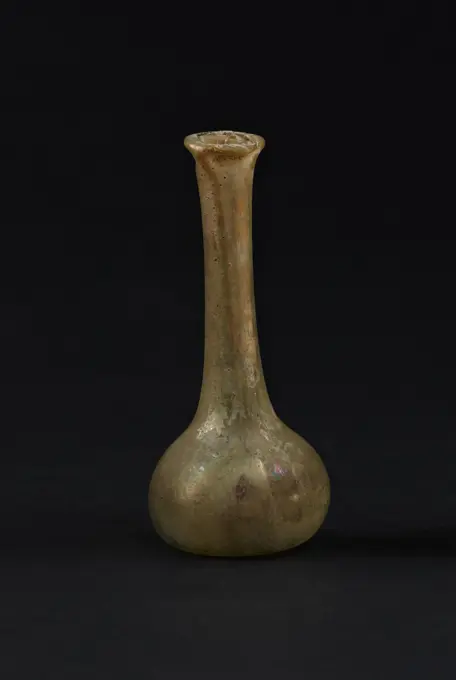
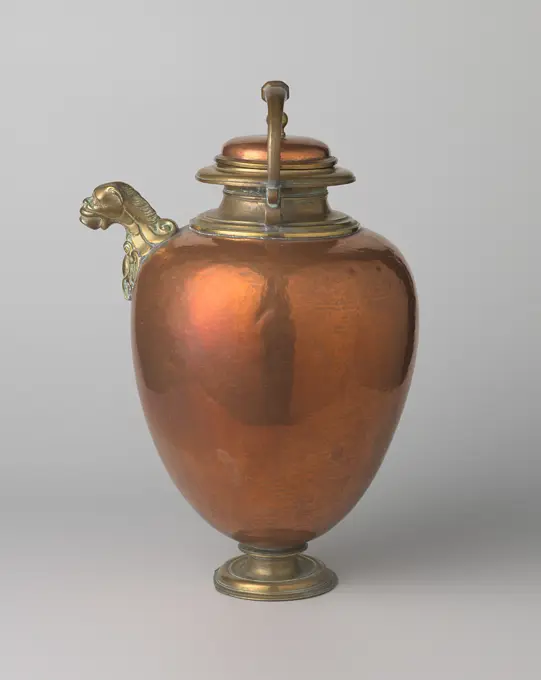
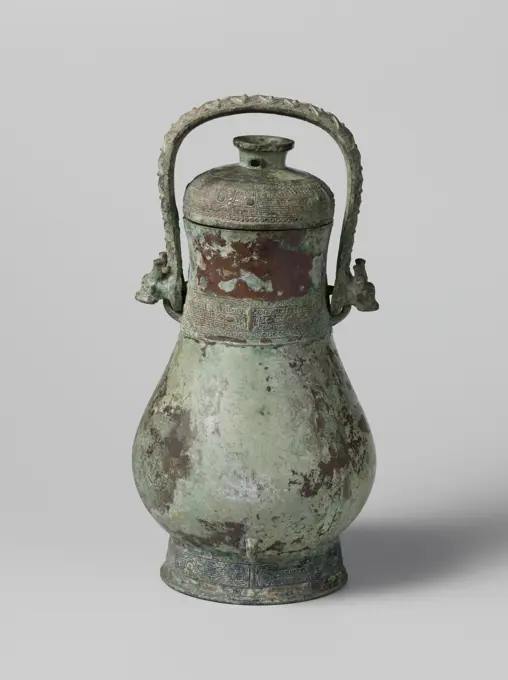
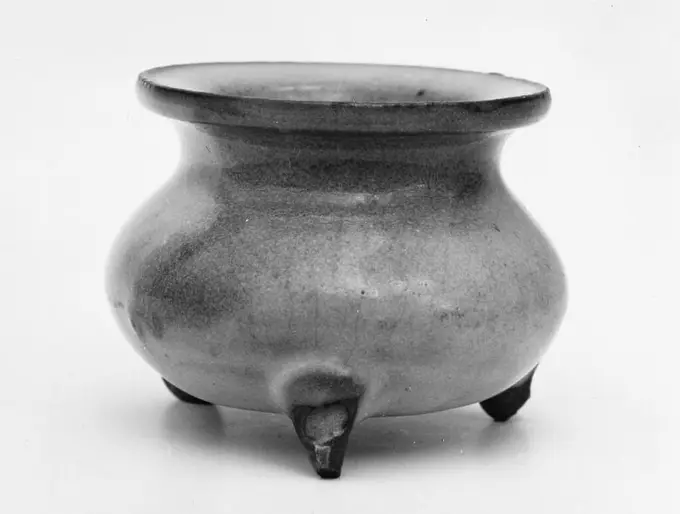
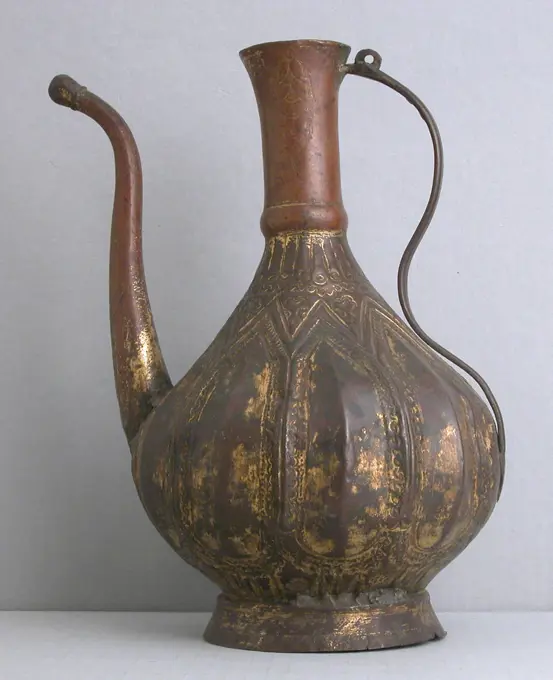
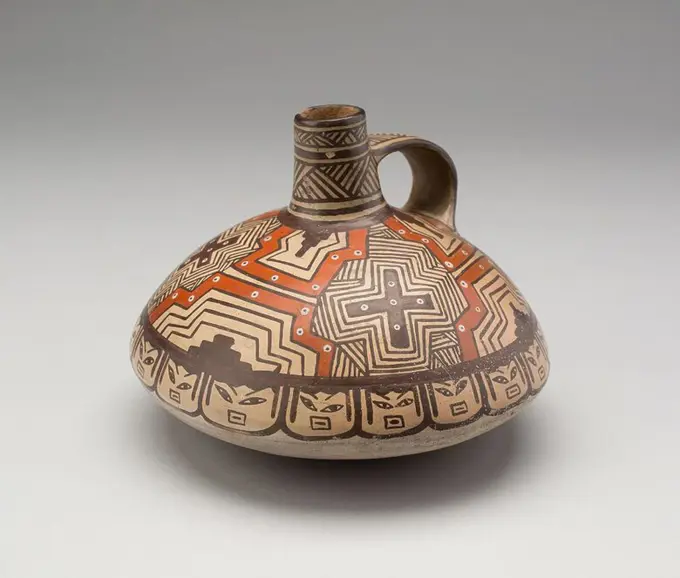
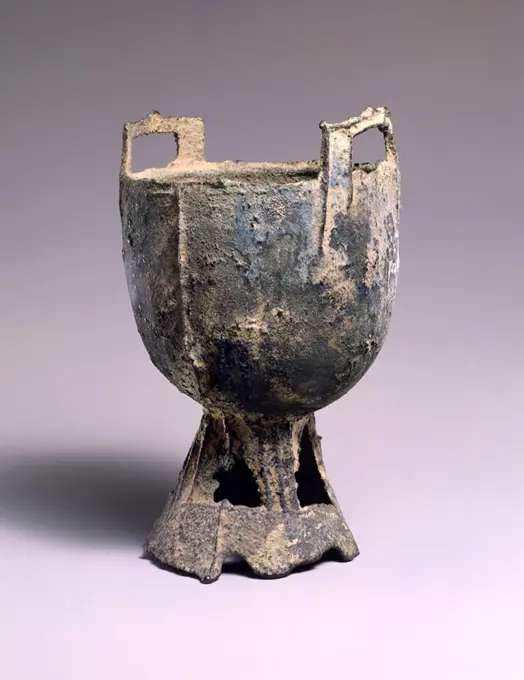
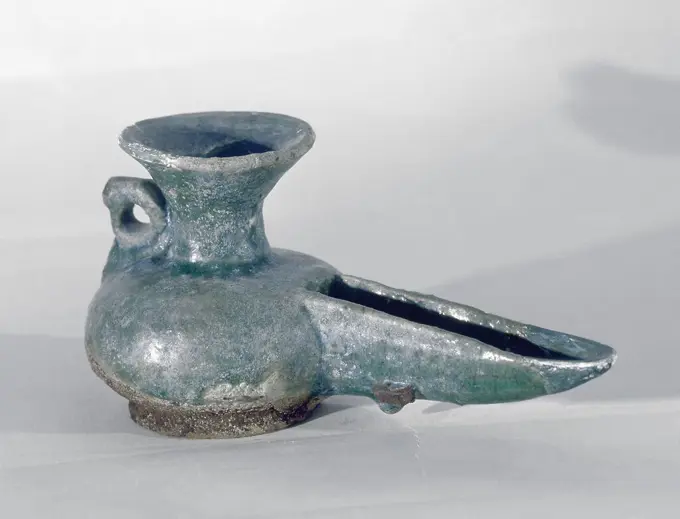
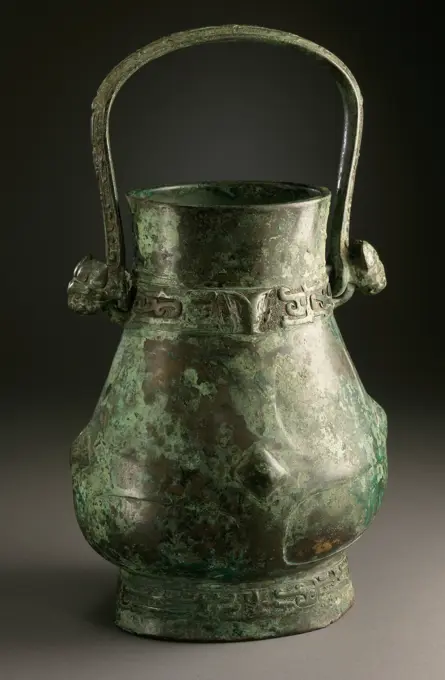
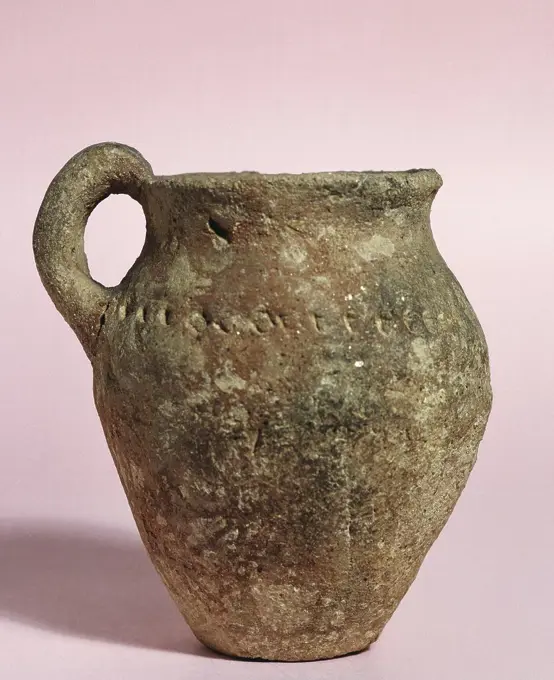
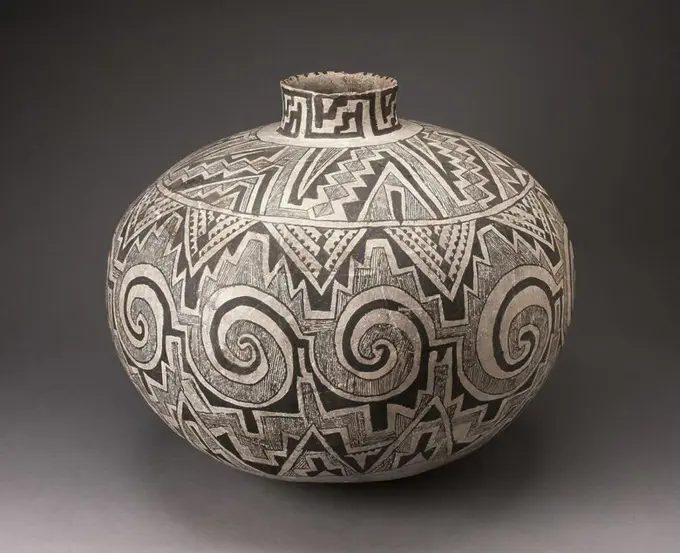
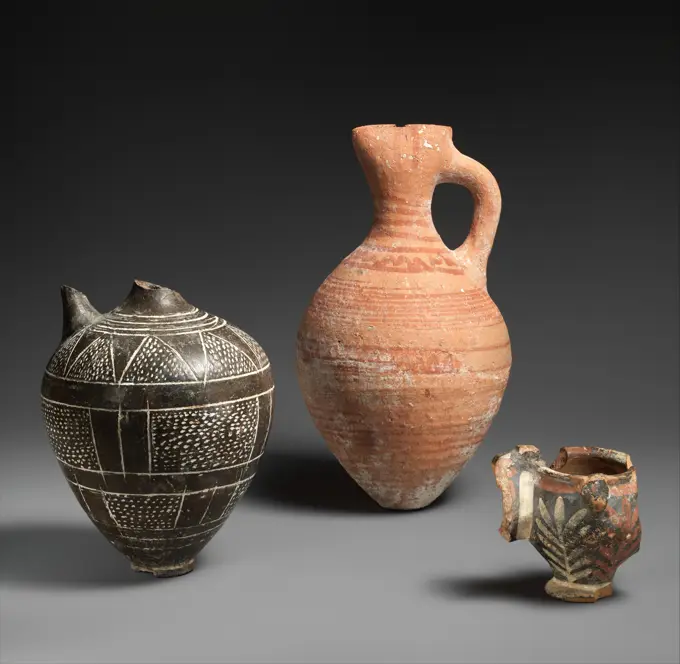
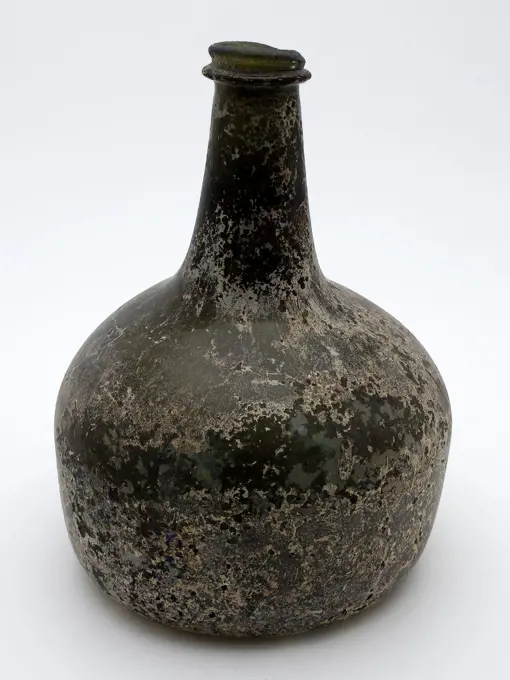
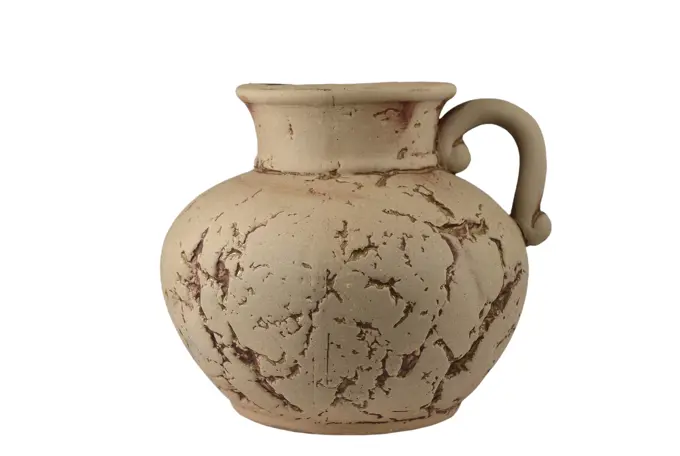
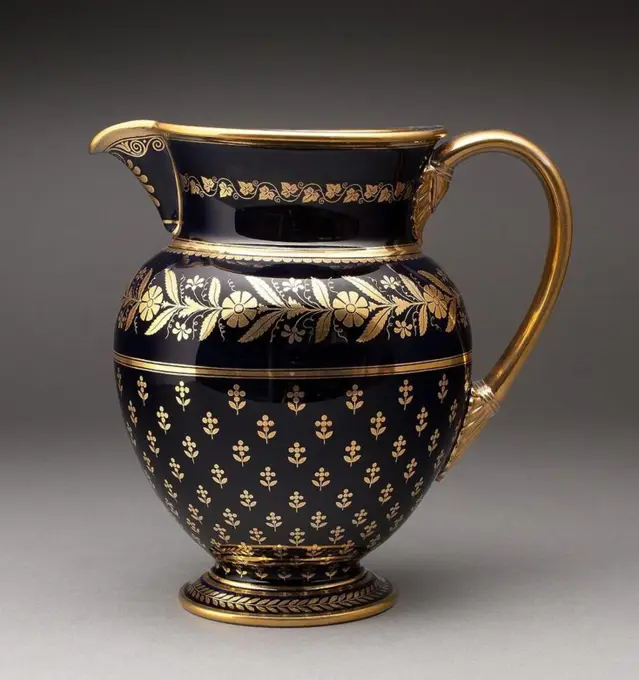
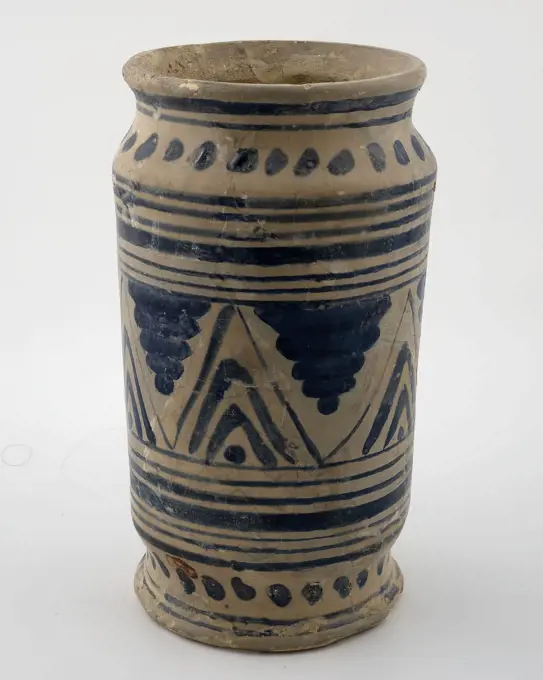
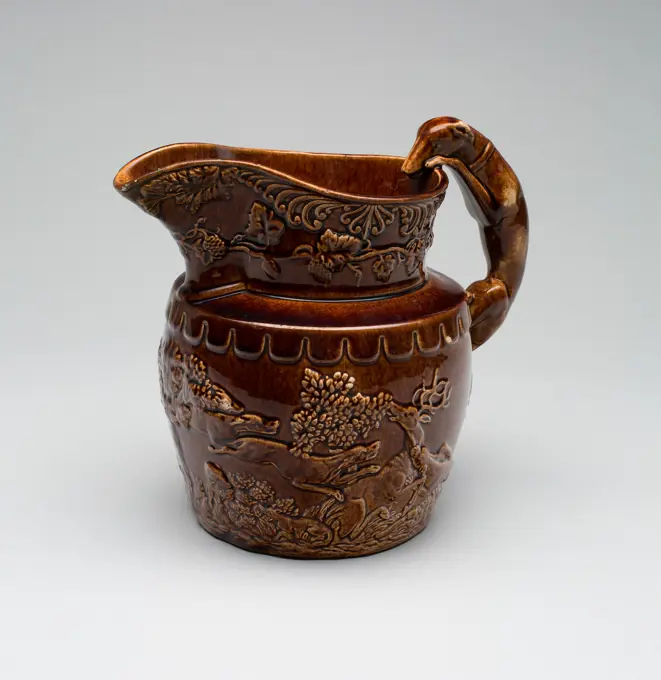
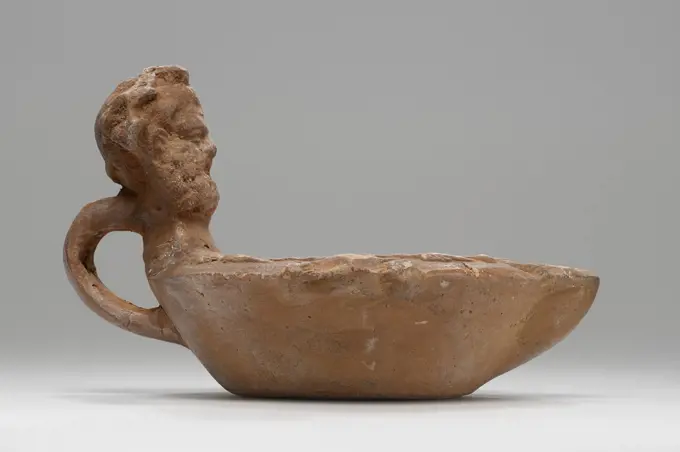
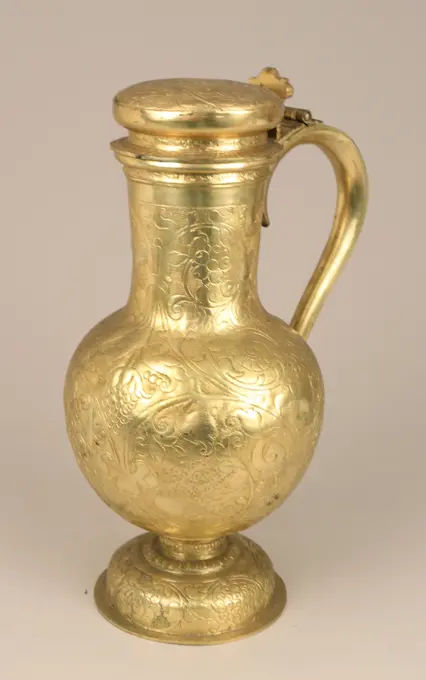
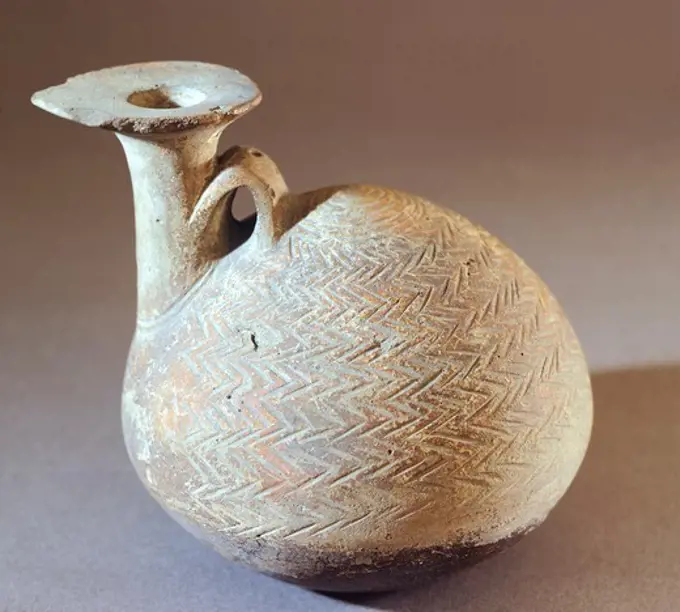
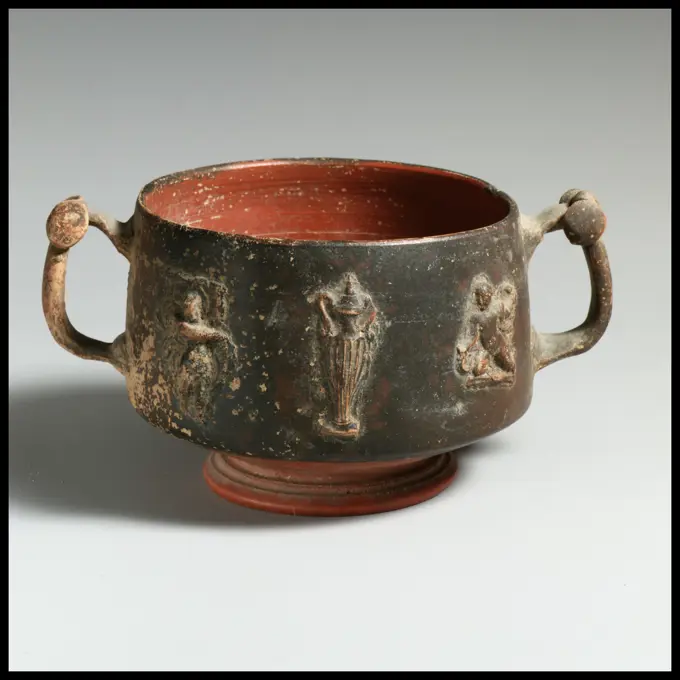
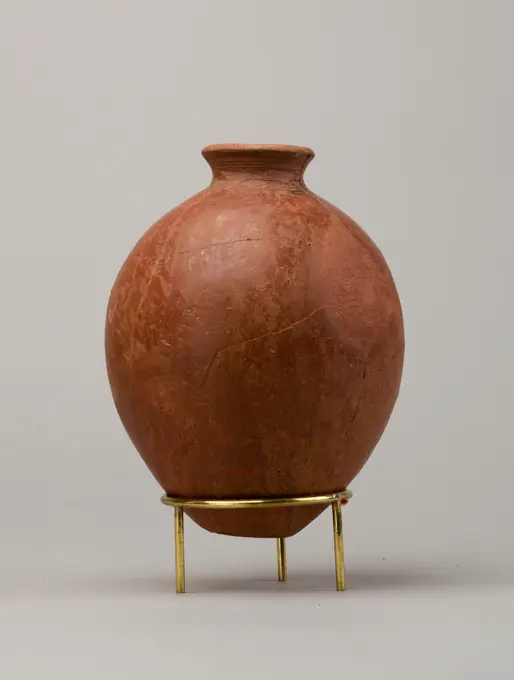
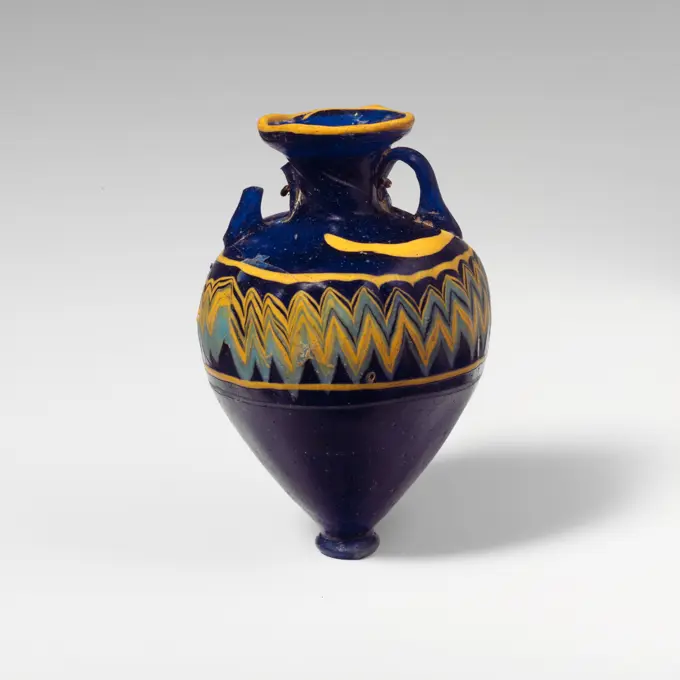
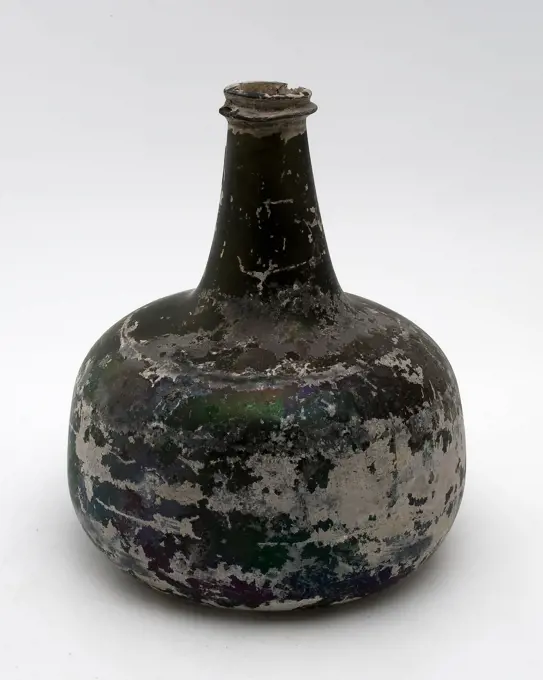
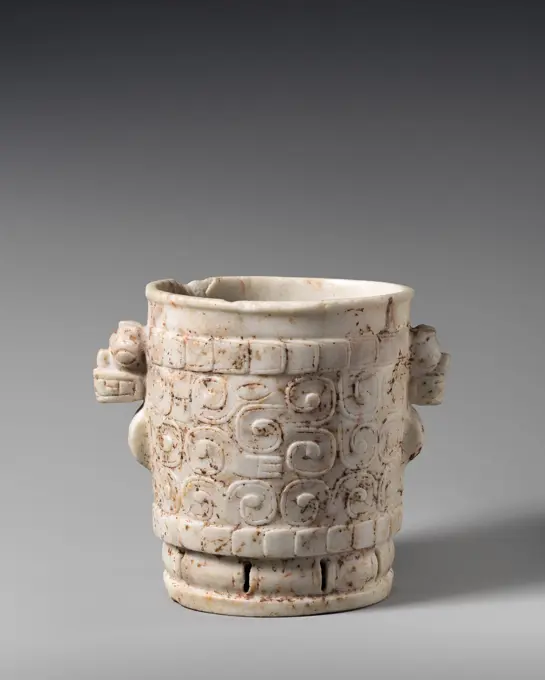
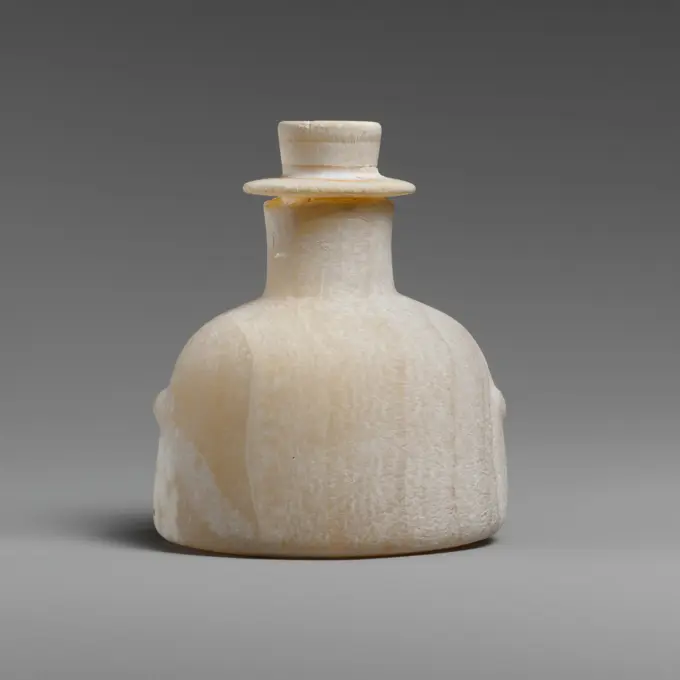
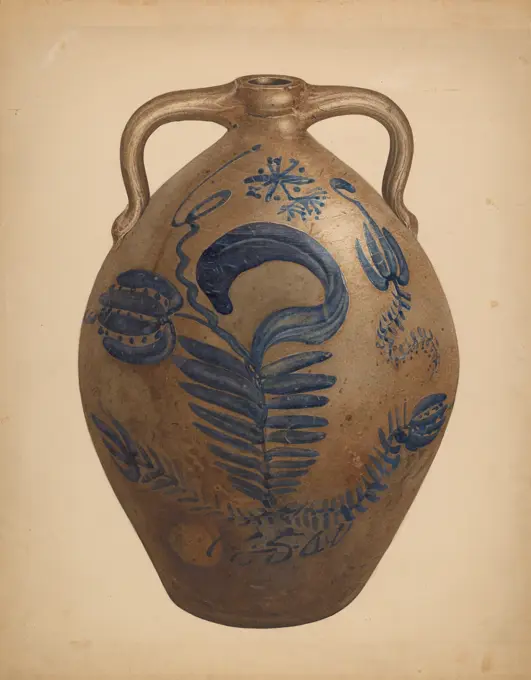
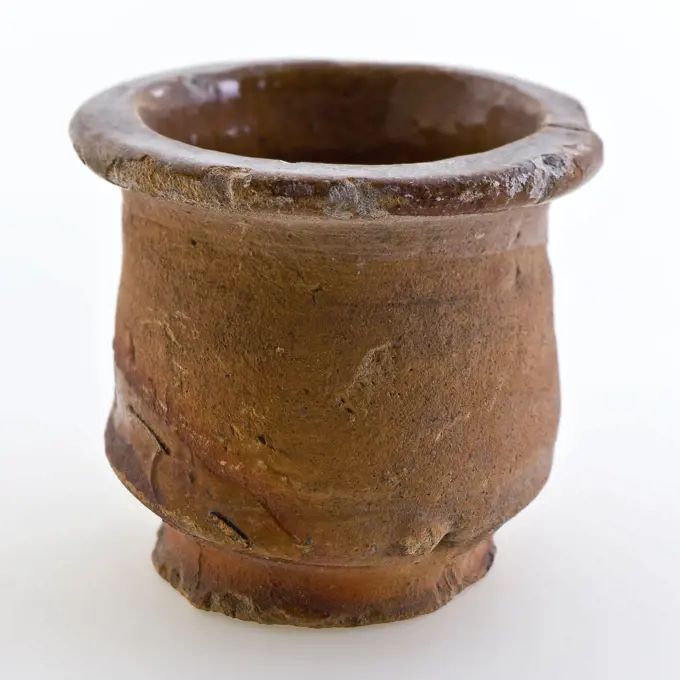
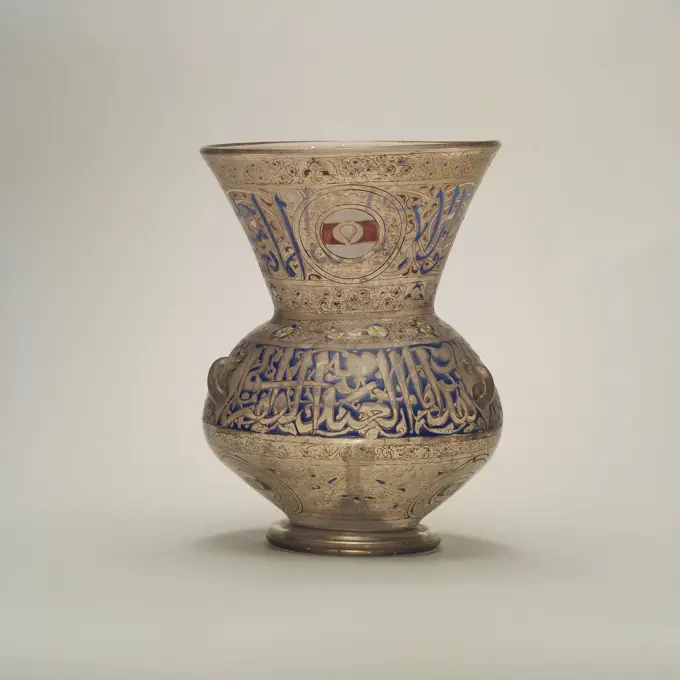
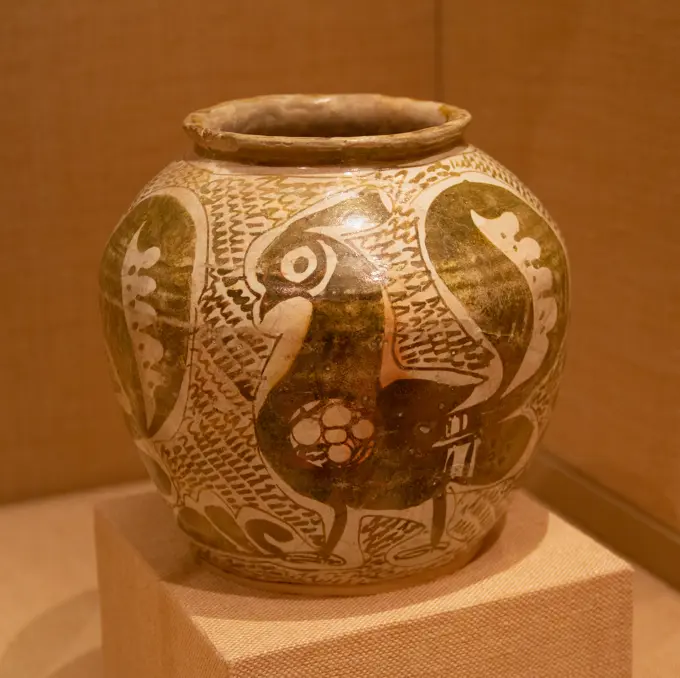
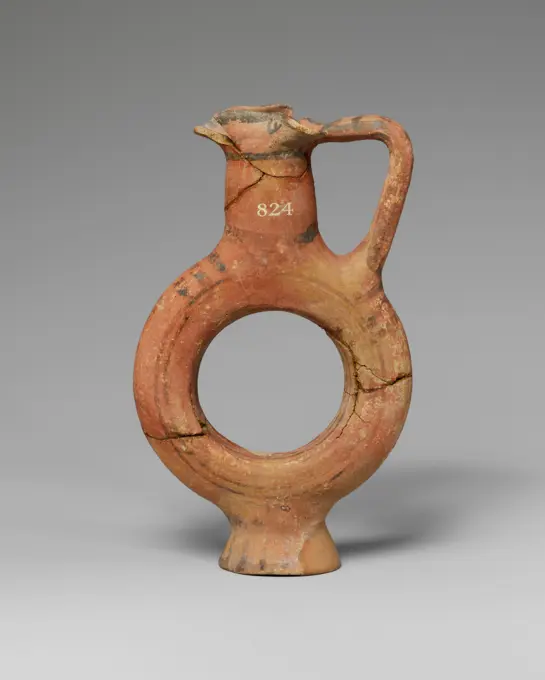
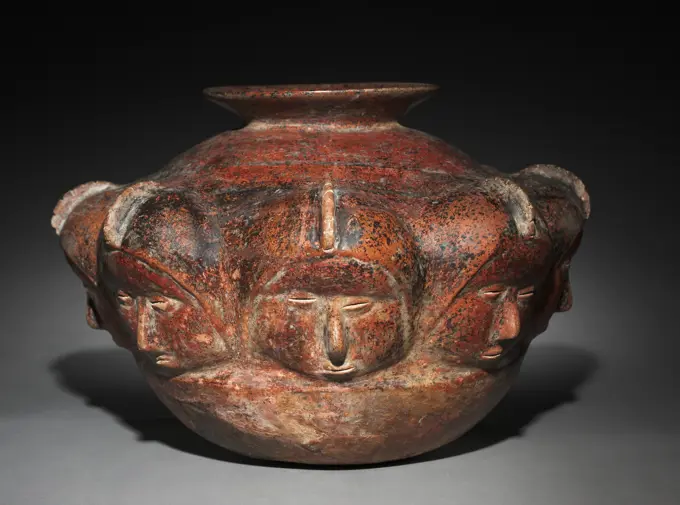
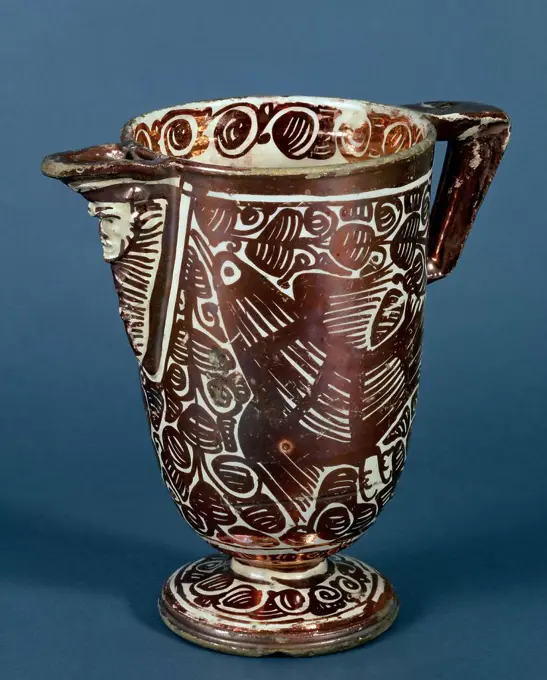
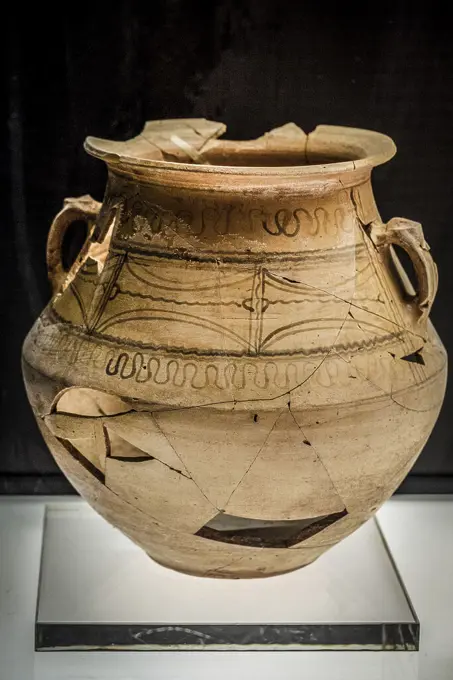
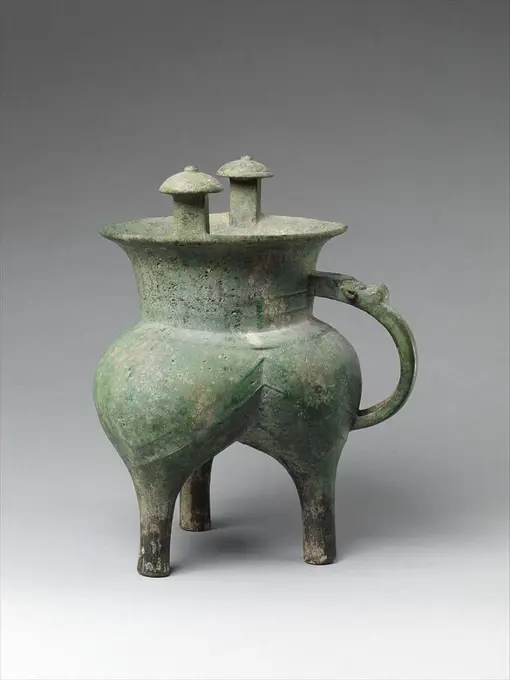
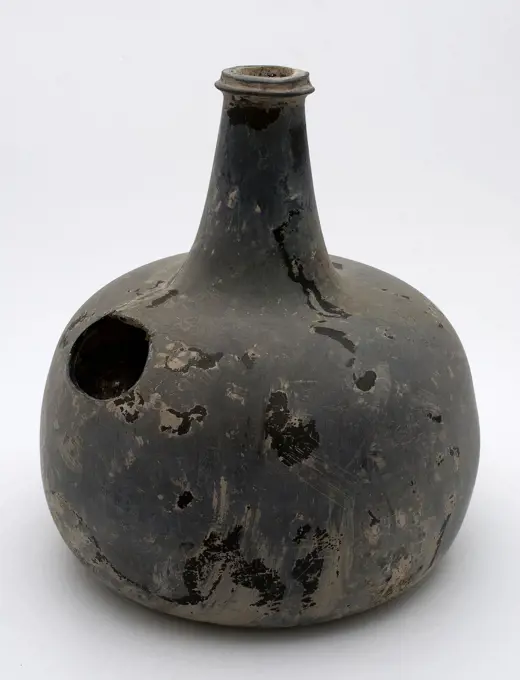
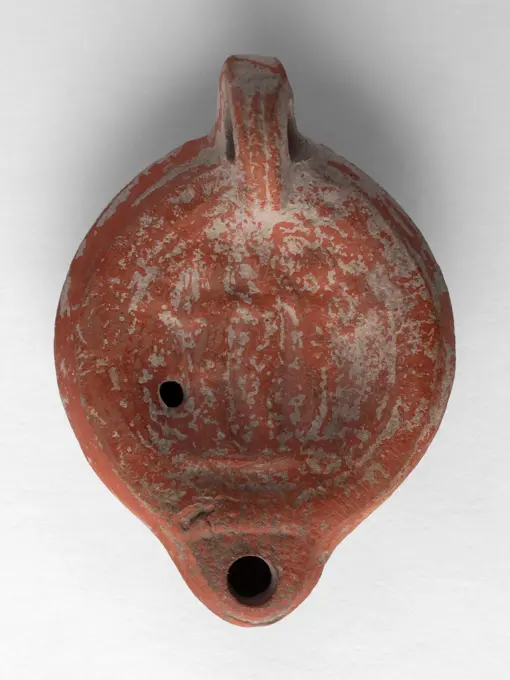
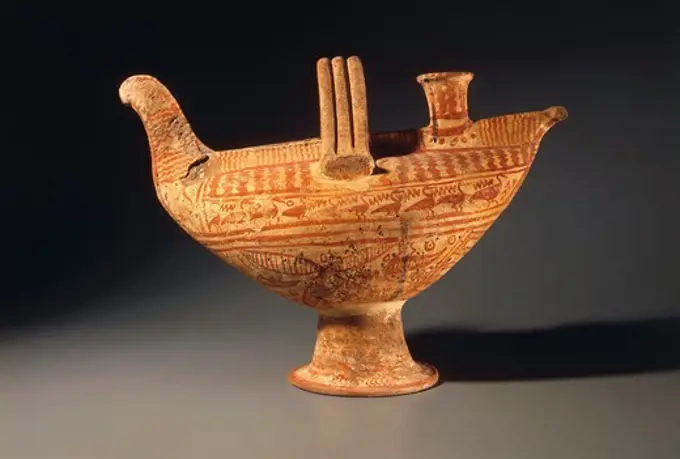
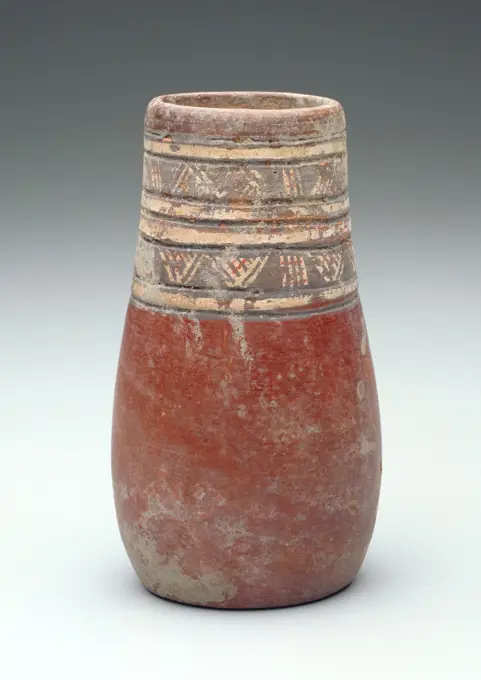
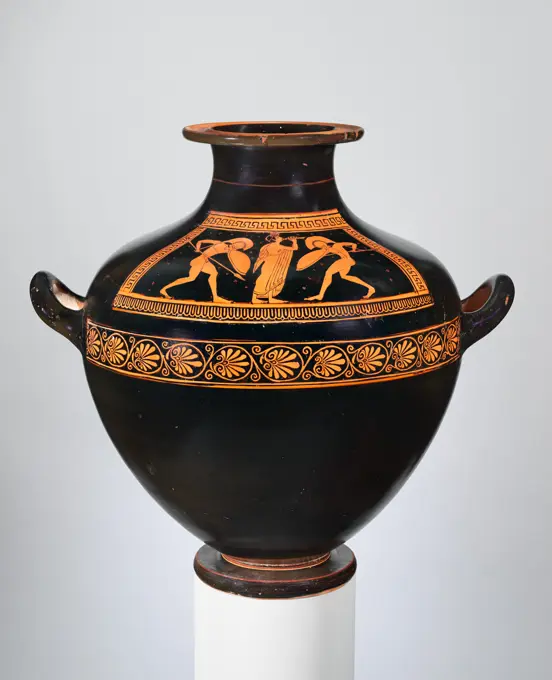
Prehistory, Italy, Iron Age. Terracotta pitcher from Picenum, 7th century b.C.Glass oinochoe (perfume jug) late 4th-early 3rd century B.C. Eastern Mediterranean or Italian Translucent honey brown, with handle in same color; trails in opaque yellow, opaque white, and opaque turquoise blue.Applied trefoil rim-disk; cylindrical neck, expanding downwards; broad rounded shoulder; slightly convex sides to body with downward taper; applied low circular coiled pad-base, with slightly convex uneven bottom; strap handle attached in pad to outer edge of shoulder, drawn up vertically, turned in, and pressed on to back of rim-disk.A fine yellow trail attached at edge of rim-disk; another unmarvered yellow trail wound spirally four and a half times around neck; on outer edge of shoulder and extending down body, alternating bands of yellow, turquoise, and white trails wound round in almost horizontal lines but with a central band of white tooled into a close-set zigzag pattern; another yellow trail attached at edge of pad-base.Broken and repaired, with one large hole in body aPottery toy cooking pot with two vertical bands, on three legs, cooking pot tableware holder kitchenware toy relaxing agent soil find ceramic earthenware glaze lead glaze, hand turned glazed baked Pottery toy cooking pot Three legs straight side with flared collar with upright lid edge. Two standing ears. Red Glazed inside and outside partially. underside traces of archeology Rotterdam railway tunnel indigenous pottery child play food preparation cooking kitchen Soil discovery: rail tunnel Rotterdam.Jar with Wide Mouth. Korea, Silla, Three Kingdoms Period (18 BCE - 668 CE), 5th-7th century. Furnishings; Serviceware. Coil-built stoneware with combed decorationFOREIGN OLDLakaina from a Vulci workshop, viewed from side B. Etrusco-Corinthian pottery from the tomb in Vulci (Lazio). Etruscan Civilisation, ca 600 BC.Waterkan with spout in form of animal head. The object is composed of the following parts: the barrel and lid driven red copper plate, poured from yellow copper, with lead reinforced foot, the spout, neck and the lid knob. The relatively small powerfully profiled round base, which is cut on the front along the edge on the right, contrasts with the incredible round barrel, which is under egg-shaped and above flat. The round neck has a holready superstructure with powerfully profiled edges upper and top. On the other hand, the round hanat is rooted, which is on top of eight-skilled with a profiled nodus in the middle. The lid decorated with a round button is flat and smooth. The spout is formed by a two-part spuger of yellow copper in the shape of an animal head with a cartouche and blank shield.Miniature slut in the shape of a gourd. Bronze. Cernuschi Museum, Asia Museum of Asia in the city of Paris.Ritual wine vessels, anonymous, c. -1046 - c. -256  China bronze (metal)  China bronze (metal)Ewer 14th century. Ewer 447005Lamp. UnknownMiniature tripod incense burner. Culture: China. Dimensions: H. 2 5/16 in. (5.9 cm); Diam. 2 11/16 in. (6.8 cm). Museum: Metropolitan Museum of Art, New York, USA.Ewer probably 18th century. Ewer. probably 18th century. Copper; repoussé, gilded. Attributed to Iran, Khurasan. MetalVat with lid, hollow, anonymous, c. 1700 - c. 1799 A barrel turned from Esdoornhout, hollow with groove and profile edge, and with a loose lid. Amsterdam (possibly) maple (wood) A barrel turned from Esdoornhout, hollow with groove and profile edge, and with a loose lid. Amsterdam (possibly) maple (wood)Tea caddy with a brown-spotted glaze, anonymous, c. 1600 - c. 1800 Egg -shaped dust bar or Chare of stoneware with an ivory lid, partially covered with a brown spotted enamel. The underside of the bus is unglazed. Kinkazan. Japan stoneware. glaze. deksel: ivory vitrification Egg -shaped dust bar or Chare of stoneware with an ivory lid, partially covered with a brown spotted enamel. The underside of the bus is unglazed. Kinkazan. Japan stoneware. glaze. deksel: ivory vitrificationWavy-handledJarVessel with Geometric Motifs. Tiwanaku-Wari; Bolivia or Peru. Date: 600 AD-1000. Dimensions: 10.8 × 13.8 cm (4 1/4 × 5 3/8 in.). Ceramic and pigment. Origin: Peru, southern. Museum: The Chicago Art Institute, Chicago, USA.Pitcher. Culture: American. Dimensions: 10 3/8 x 7 3/4 x 6 1/2 in. (26.4 x 19.7 x 16.5 cm). Manufacturer: D. & J. Henderson Flint Stoneware Manufactory (active 1829-33). Date: 1829-33. Museum: Metropolitan Museum of Art, New York, USA.Jug 301 CE-400 CE Syria. Glass vessels were one of the many kinds of objects that were made for pilgrims of different faiths who visited Jerusalem. This jug was probably used to store blessed oil or water.. Glass, mold-blown technique . Ancient RomanGERRA U ORZA VIDRIADA Y CON DOS ASAS - CERAMICA DE GERONA. Location: MUSEO DEL PUEBLO ESPAÑOL. MADRID. SPAIN.Cauldron (Fu) 3rd-2nd century B.C. Northwest China These bronze cauldrons, known as fu in Chinese, are typical of the cooking vessels associated with the nomadic people of the steppes. Their history extends from the early first millennium B.C. to the first few centuries of our era, and they were distributed over much of the Eurasian continentfrom the shores of the Black Sea to China's northern frontier. Examples with a pierced ring foot appear to date later than those with a solid ring foot, mostly from the third century B.C. or thereafter.. Cauldron (Fu) 58527CANDIL DE CERAMICA EN VERDE. Location: ALHAMBRA-MUSEO-CERAMICA. GRANADA. SPAIN.Lidless Ritual Wine Bucket (You) with Dragons. China, Early Western Zhou dynasty, about 1050-950 B.C.. Furnishings; Serviceware. Cast bronzePrehistory. Beginnings of Iron Age. Clay pot with handle. Rustic and poorly cooked preparation. From Emporium (Empuries, Girona, Catalonia). Episcopal Museum of Vic, Spain.Pottery belly model ointment jar, red shard, internally glazed, ointment jar pot holder soil find ceramic earthenware glaze lead glaze, hand turned glazed baked Pottery ointment red shard internally glazed. Belly model with narrowing above the foot. Flat thick outstanding top edge. Stand with soul. Turning beads inside archeology health care indigenous pottery import pharmacy store sell craftTerracotta stirrup jar ca. 1400-1200 B.C. Minoan Decorated with red bands on a light ground.. Terracotta stirrup jar. Minoan. ca. 1400-1200 B.C.. Terracotta; Fine painted ware. Late Minoan III. VasesGlass beaker with indented sides. Culture: Roman. Dimensions: H.: 4 3/16 in. (10.6 cm). Date: mid-2nd-early 3rd century A.D..Translucent pale blue green; trail in same color.Everted, thickened, and rounded rim; narrow concave neck; convex curving side expanding slightly downwards, then curving in to tubular base ring, made by folding; kick in bottom with circular pontil mark at center.A single trail wound horizontally around top of body; on body, four large indents, giving square shape to side.Intact; a few bubbles and inclusions; some soil encrustation, creamy weathering, and iridescence.Colorless beaker with indented sides and trail around neck. Museum: Metropolitan Museum of Art, New York, USA.Vessel, 5th-6th century, 9 1/2 in. (24.1 cm), Clay, pigments, Peru, 5th-6th centuryAmphora ca. 1050-900 B.C. Cypriot Bands and concentric circles; panel ornament on neck.. Amphora. Cypriot. ca. 1050-900 B.C.. Terracotta. Iron Age. VasesJug with a BasketPatternStorage Jar (Olla) with Black, White, and Hathed Linked Scrolls, Triangles, and Stepped Motifs. Ancestral Pueblo (Anasazi), Tularosa Black-on-white; West-central New Mexico, United States. Date: 900 AD-1450. Dimensions: Approx. 33 x 35.6 cm (13 x 14 in.). Ceramic and pigment. Origin: New Mexico. Museum: The Chicago Art Institute, Chicago, USA.Unknown, piriform vase (main title). Faïence, metallic chandelier decor on glaze. Petit Palais, Museum of Fine Arts of the City of Paris.JugJug 17th century or later French, Avignon Faience, or tin-glazed and enameled earthenware, first emerged in France during the sixteenth century, reaching widespread usage among elite patrons during the seventeenth and early eighteenth centuries, prior to the establishment of soft-paste porcelain factories. Although characterized as more provincial in style than porcelain, French faience was used at the court of Louis XIV as part of elaborate meals and displays, with large-scale vessels incorporated into the Baroque garden designs of Versailles. Earlier examples of French faience attest to the strong influence of maiolica artists from Italy. Later works demonstrate the ways in which cities such as Nevers, Rouen, Lyon, Moustiers, and Marseille developed innovative vessel shapes and decorative motifs prized among collectors throughout Europe. While faience can be created from a wide mixture of clays, it is foremost distinguished by the milky opaque white color achieved by the addition of Tell el-Yahudiya juglet ca. 1802-1640 B.C. Middle Kingdom The name of this type of pottery is derived from the site in the southeastern Delta where W. M. Flinders Petrie first found examples. The ware was most likely initially produced in the Levant. Widely imitated, it was distributed throughout the eastern Mediterranean, Egypt, and into Nubia. Link to a blog postMy Early Life with the Middle Kingdom. Tell el-Yahudiya juglet 546496Black -function guttus;  III century BC (-300-00-00--201-00-00);Bulbous bottle, belly bottle bottle holder soil find glass, free blown and shaped glass application Bulky bottle in clear green glass. Pontil mark under wide raised bottom Body with slightly widened ascending wall to convex shoulders and rejuvenated neck with imposed all-round glass thread and dilated irregularly flattened lip archaeological packagingEin wunderschöner, rustikaler Keramikkrug mit einem einzelnen gebogenen Henkel und einer strukturierten Oberfläche Ein wunderschöner, rustikaler Keramikkrug mit einem einzelnen gebogenen Henkel und einer strukturierten Oberfläche LicenseRF Copyright: xZoonar.com/MIKHAILxOLYKAYNENx 23160561Pitcher. Sèvres Porcelain Manufactory; French, founded 1740. Date: 1833. Dimensions: 21.3 x 21.3 cm (8 3/8 x 8 3/8 in.). Hard-paste porcelain with dark blue ground and gilding. Origin: Sèvres. Museum: The Chicago Art Institute, Chicago, USA. Author: Manufacture nationale de Sevres.Kantharos (Drinking Cup). Greek; Apulia, Italy; probably made in Canosa, said to have been found in Tarentum, Italy. Date: 310 BC-280 BC. Dimensions: 20.6 × 19.6 × 13 cm (8 1/8 × 7 3/4 × 5 1/8 in.). Terra-cotta, unglazed ware, once partially gilded. Origin: Sicilia. Museum: The Chicago Art Institute, Chicago, USA. Author: ANCIENT GREEK.BOTIJA DE CUELLO ANCHO Y ALTO CON DOS ASAS Y PITORRO LATERAL - CERAMICA AGUA. Location: ALFARERIA. ORBA. Alicante. SPAIN.Large ointment jar, majolica albarello with monochrome, geometric decor, albarello holder soil finds ceramics earthenware glaze tin glaze lead glaze, hand-turned baked glazed fried High and slim ointment jar in albarello form. Majolica Two constrictions. Monochrome decor in blue on white ground consisting of circles and wide band with stripe divisions divided in triangles archeology Valckensteyn Poortugaal Albrandswaard health care indigenous pottery ointment care medication medicine pharmacy packing Soil discovery: castle Valckensteyn in Poortugaal now Albrandswaard 1961-1962.Hound-Handled Pitcher c 1850 Bennington. Earthenware . Artist unknownTerracotta kyathos (single-handled cup). Culture: Italic, Villanovan. Dimensions: H. with handle 3 13/16 in. (9.7 cm)H. without handle 2 5/16 in. (5.9 cm). Date: 7th century B.C..This fine vase with its sharp carination and precise execution represents an early form in the lineage of the kyathos shape. Museum: Metropolitan Museum of Art, New York, USA.Bottle with Bulbous Neck ca. 14th century Thailand. Bottle with Bulbous Neck 37455Lamp, Asia Minor; 1st - 4th century; Terracotta; 2.6 x 9.6 x 11.9 cm (1 x 3 3,4 x 4 11,16 in.)Flagon 19th century, after 1606 original Elkington & Co. British This electrotype is after a seventeenth-century original (1606), at time of reproduction a treasure of the Kremlin, Moscow.. Flagon. British, Birmingham, after British, London original. 19th century, after 1606 original. Silver on base metal. Metalwork-Electrotypeterracota, 450-425 antes de Cristo, Museo arqueológico de Ibiza y Formentera, Patrimonio de la Humanidad «Ibiza, biodiversidad y cultura», Ibiza, balearic islands, Spain.Askos, engraved terracotta from Milos, Greece. Cycladic civilization, 3500-1050 BC.Terracotta cup with appliqués ca. 150-100 B.C. Greek, Pergamene Applied decoration: the infant Herakles strangling the snakes, amphora with a lid, Eros holding a torchPergamene appliqué pottery, with its lustrous glaze and large repertoire of applied mold-made reliefs, is one of the finest ceramic creations of the Hellenistic period. Even as a baby, Herakles possessed great strength. The snakes he is strangling in this image were sent by the goddess Hera to kill him when she found out that his father, Zeus, had been unfaithful to her with the mortal Alkmene of Thebes.. Terracotta cup with appliqués 250246 Greek, Pergamene, Terracotta cup with appliqus, ca. 150100 B.C., Terracotta, H. 3 1/8 in. (8 cm); diameter 4 in. (10.2 cm). The Metropolitan Museum of Art, New York. Gift of J. Pierpont Morgan, 1917 (17.194.1846)Pottery Fragment 4th-7th century Coptic. Pottery Fragment. Coptic. 4th-7th century. Earthenware. Made in Kharga Oasis, Byzantine Egypt. CeramicsRed polish ware jar ca. 4500-4000 B.C. () Predynastic Period. Red polish ware jar. ca. 4500-4000 B.C. (). Pottery. Predynastic Period. From Egypt, Northern Upper Egypt, Abydos, Osiris Temple precinct, Egypt Exploration Fund excavationsStoneware peasant jew (fragment), fringe above the decorated frieze, dated, farmer's pitcher tableware holder fragment soil find ceramic stoneware clay engobe glaze salt glaze, hand turned stamped glazed glazed baked belly-foot fragment of stoneware farmer's dances gray shard brown engobe and salt glaze tail top fries: GERET .. MUS DAPR BLASE .. DANCING DEI NEIGHBORS AS WEATHER SEI RACES R ... L SPRAY BASTOR ICH DANCE DI KAPMITTEN K ... archeology import pottery serve serve drink beer wine wedding marriage party dancingStorage jar 16th century Japan. Storage jar 50317little jar, Visigoth - early medieval, Valladolid Museum , Castile and Leon, Spain.Terracotta oinochoe (jug) ca. 725-690 B.C. Greek, Corinthian On the body, snake.On the neck, two friezes of birds.. Terracotta oinochoe (jug). Greek, Corinthian. ca. 725-690 B.C.. Terracotta. Late Geometric-Early Protocorinthian. VasesGlass amphoriskos (perfume bottle) late 6th-5th century B.C. Greek, Eastern Mediterranean Translucent cobalt blue, with handles and base-knob in same color; trails in opaque yellow and turquoise blue.Broad inward-sloping rim-disk; cylindrical neck; broad, gently sloping shoulder; ovoid body, tapering downwards to pointed bottom; applied small circular base-knob with rounded edge and flat bottom; two strap handles applied to shoulder, curved up and inwards onto neck, then drawn down neck and trailed off behind base of handle.One yellow trail attached at edge of rim-disk; another yellow trail applied to shoulder and wound in a spiral around top of body, then tooled into a close-set zigzag pattern on upper body, where a turquoise blue trail is added, mingling with the yellow; below this, a yellow and a turquoise trail, each wound horizontally once around body, the yellow running over the lower tips of the zigzag pattern on one side.Complete, except for part of one handle, and some internaBelly bottle, belly, belly bottle bottle holder soil find glass, free blown and shaped glass application Bulky bottle in clear green glass. Pontil mark under wide raised bottom Body with almost straight upward wall to flat shoulders and rejuvenated neck with imposed circumferential sharp glass thread (chip) and widened lip (chip) to package archeologyPedestal Bowl 9th-10th century Ulúa Valley This cylindrical marble vase features two handles, each in the form of a snarling bat with an upturned nose and a protruding torso. The lower portion of the vessel, a hollow pedestal base, bulges slightly in profile and is drilled with openwork linear designs. The upper and lower borders of the body give the appearance of overlapping scales or feathers, while the main ground is covered with volutes, stylized eyes, and limb motifs carved in low relief.White limestone marble vessels, used to drink chocolate or other ritual beverages, became prized possessions after about the seventh century. Vases of this style originated from sites near Travesía in the Ulúa Valley, in the Gulf of Honduras, and were exported as luxury goods to as far away as the heart of the Maya lowlands, islands in the Belizean Caribbean, and Costa Rica. Local artists must have developed these vessels, which were then made by subsequent generations for wider circulation in MesAlabaster flask with stopper 2nd-early 1st century B.C. Cypriot In the Hellenistic period stone and glass vessels shared many of the same shapes and uses. Some cast glass alabastra, for example, have stoppers that are similar to this alabaster flask. Glass, however, gradually came to supplant the use of stone for such perfume bottles during the first century B.C.. Alabaster flask with stopper. Cypriot. 2nd-early 1st century B.C.. Calcite (alabaster). Hellenistic. Miscellaneous-Stone VasesKantharos. UnknownGiacinto Capelli, Jug, c 1940 JugTankard early 17th century German, Westerwald German stoneware tankards were brought to America in large numbers on Dutch fur-trading ships. Shards of these popular vessels have been uncovered at seventeenth century sites in New York and New England.. Tankard. German, Westerwald. early 17th century. Salt-glazed stoneware; pewter. Ceramics-PotteryJar with Diamond-Shaped Frames with Abstract Birds and Coiling Motifs. Casas Grandes, Ramos Polychrome; New Mexico, United States, or Chihuahua, Mexico. Date: 1280-1450. Dimensions: 21.6 x 20.3 cm (8 1/2 in x 8 in.). Ceramic and pigment. Origin: New Mexico. Museum: The Chicago Art Institute, Chicago, USA.Pottery belly model ointment jar, red shard, internally glazed, ointment jar pot holder soil find ceramic earthenware glaze lead glaze, hand-turned glazed baked Pottery ointment red shard internally glazed. Belly model with narrowing above the foot. Thick outstanding top edge stand archaeology health care indigenous pottery import pharmacy store sell craftLazio Viterbo Viterbo Museo Civico71. Hutzel, Max 1960-1990 Views of paintings (Middle Ages through 18th c.), frescoes, a tabernacle, coffin, sculpture reliefs, portal fragments, busts, sculpture, tapestry found in the Pinacoteca, Second floor gallery and Second floor cloister sequences. Antiquities: Many views of Etruscan and Roman fragments, sculpture, sarcophagi, pottery, masks, jewelry and other objects found in the Storeroom sequence (inventory numbers on back of prints), and the Cloister, Second floor Cloister, Valle Giulia, Sala Romana and Sala Etrusca sequences. General Notes: There are eight separate numerical sequences for this location. The cloister as an architectural structure, rather than museum site, is documented in the record and file for S. Maria della Verita, Cloister, all views of which are stored in Medieval core collection. Five views from the Museo Civico Second floor cloister sequence are stored in Medieval. German-born photographer and scholar Max Hutzel (1911-Italy, Sicily region, Engraved terracotta vase from Pantalica necropolisStoneware jug, ball round on stand, brown and mottled glazed, jug crockery holder soil find ceramic stoneware glaze salt glaze, hand-turned glazed baked Small jug of stoneware. Ball-shaped model on standing surface Completely brown speckled glazed. Profile rings around the neck. Standing ear with rat tail over the belly. Neck is distorted and oval archeology Valckensteyn Poortugaal Albrandswaard import pottery drink beverage packaging transport store Soil discovery: castle Valckensteyn in Poortugaal now Albrandswaard 1961-1962.Mosque Lamp of Amir Ahmad al-Mihmandar ca. 1325 According to its inscription, Ahmad alMihmandar (d. 1332) donated this lamp—probably one of several— to the madrasa that he erected in Cairo in 1324-25. His blazon, a white disk charged with a gold shield against a red bar, appears six times, amid a Qur'anic inscription on the neck (Sura 9:18) and against dense foliage on the underside. Listen to experts illuminate this artwork's story Listen Play or pause #6699. Mosque Lamps, Part 1 Play or pause #6748. Mosque Lamps, Part 2 Play or pause #1164. Kids: Mosque Lamps Supported by Bloomberg Philanthropies We're sorry, the transcript for this audio track is not available at this time. We are working to make it available as soon as possible.. Mosque Lamp of Amir Ahmad al-Mihmandar. ca. 1325. Glass, colorless with brown tinge; blown, folded foot, applied wick holder and handles, enameled and gilded. Attributed to Egypt or Syria. GlassJar Depicting Three Spirited Peacocks second half 10th century Birds were a particularly popular subject in the Abbasid period, as artists in many media attempted to render the creatures beaks and wings in increasingly abstracted designs. This jar is decorated with three stylized peacocks, one large and two small, painted in luster. Each bird is depicted in profile and marches clockwise around the exterior of the jar.. Jar Depicting Three Spirited Peacocks. second half 10th century. Earthenware; luster-painted on opaque white glaze. Made in Iraq, probably Basra. CeramicsLEKITOS DE FONDO BLANCO CON BAÑO NUPCIAL. GRIEGO CERAMICA. (DEPOSITO: MUSEO ARQUEOLOGICO NACIONAL).Bottle;  IX-XII century (801-00-00-1200-00-00);gift (provenance)CANTARO DE ARCILLA LLAMADA GREDA-SIN VIDRIAR-ARTE POPULAR S XX. Location: ALFARERIA. LA RAMBLA. CORDOBA. SPAIN.Liturgical vase used for christening decorated with crosses, fishes and the first three letters of the alphabetTerracotta flask with ring-shaped body 850-600 B.C. Cypriot Annular body, a vertical row of concentric circles on front.. Terracotta flask with ring-shaped body 240238Terracotta skyphos (drinking cup) Greek, South Italian, Apulian. Terracotta skyphos (drinking cup) 256593Vessel with Crested Heads, 200 BC-AD 300. West Mexico, Colima, Comala style (200 BC-AD 300). Earthenware with colored slip, black burial deposits; diameter: 22.2 x 32.8 cm (8 3/4 x 12 15/16 in.); overall: 22.2 cm (8 3/4 in.).Stirrup Spout Bottle in Cactus Form. Culture: Moche. Dimensions: Overall: 8 1/8 in. (20.64 cm)Other: 5 in. (12.7 cm). Date: 1st century B.C.-A.D. 2nd century. Museum: Metropolitan Museum of Art, New York, USA.JARRO DE PICO DECORADA CON HOJAS Y "PARDALOTS" RAYADOS - MANISES - SIGLO XVII. Location: INSTITUTO VALENCIA DE DON JUAN-COLECCION. MADRID. SPAIN.Vase 19th century. Vase 444988Painted vessel for storing food, Carratiermes Necropolis, 1st century AD, Tiermes Archaeological Site Museum, Soria, Castile and Leon, Spain.JARRAS PUNICAS DE 2 ASAS-S V-IV A C-EBUSITANA 64. Location: MUSEO ARQUEOLOGICO / MUSEO DE PUIG DES MOLINS. IBIZA. SPAIN.Ritual Wine Container (Jia). Culture: China. Dimensions: H. (to posts) 13 in. (33 cm); W. (at handle) 10 1/2 in. (26.7 cm); D. 10 1/2 in. (26.7 cm); Wt. 12 lb. (5.4 kg). Date: late 11th century B.C..This elaborate set of wine vessels provides an idea of the splendor of Shang and early Zhou ritual ceremonies. The set is said to have come from a tomb uncovered in 1901; shortly thereafter, it entered the collection of Duan Fang, a senior Manchu official and one of the preeminent antiquarians of the late Qing period. The pieces vary in style and execution. Although eleven of the vessels are inscribed, only one grouping shares identical inscriptions: the two wine containers, or you (nos. 2, 3) and the tall wine container, or zun (no. 4). A second grouping has largely comparable inscriptions: the spouted water vessel, or he (no. 5) and one cup, or zhi (no. 11).A partial reconstruction of the set's arrangement in the tomb may be established from corrosion outlines on the three principal veancient oriental metal teapot on dark background. antique bronze tableware. ancient metal utensilsTangkan from tin. Tuitkan van tin, also called 'pipe jug'. The stand ring and the lip edge have been profiled. The can be closed with a vaulted, profiled lid. The thumbs of thumbs is decorated with two fucks and passes through a single hinge into the handle. The spout is at odds on the handle and starts just above the belly with a pointed turn. Inside the spout continues to the bottom.Vessel with Handleurna cineraria, Necrópolis de Carratiermes, siglo IV-II a.C. museo del Yacimiento arqueológico de Tiermes, Soria, comunidad autónoma de Castilla y León, Spain, Europe.Vessel ca. 6th-7th century A.D. Sasanian. Vessel 325508Tripod Jar with Zoomorphic Handle. Northern Iran, circa 150 B.C.- A.D. 225. Furnishings; Serviceware. Gray wareLarge bottle-shaped bottle, bottle holder bottomfound glass, neck with imposed all-round convex glass thread and flattened lip lip archeology Rotterdam Oude Plantage package Soil discovery: Oude Plantage 1957Oil lamp. High Empire. Terracotta. Magne collection. Paris, Carnavalet museum. 50227-12 Magne collection, High Empire, oil lamp, terracottaItaly, Lazio, Bisenzio, Askos (little vase for liquids) in the shape of a bird with geometric figuresJug; light olive glassJug ca. 1745 British, Staffordshire. Jug. British, Staffordshire. ca. 1745. Lead-glazed earthenware. Ceramics-PotteryCup, 4 9/16 x 2 9/16 in. (11.59 x 6.51 cm), Terra cotta, MaliStoneware mineral water pitcher on pinched foot, arched model, gray blue, marked, mineral pitcher pitcher pitcher holder soil find ceramics stoneware enamel salt enamel, hand turned fried glazed stoneware mineral pitcher gray shard with salt glaze bandoor with finger impression pinched foot mark on shoulder: P archeology health care import pottery packing serve drink medicine drug pharmacyTerracotta pyxis (box) with lid. Culture: Roman. Dimensions: H.: 2 3/4 in. (7 cm)Diam.: 2 1/4 in. (5.7 cm). Date: 1st-mid-2nd century A.D..The lids to these containers also served as dishes. The larger, plain version is said to have been found at Arretium (modern Arezzo, Italy). The smaller is decorated with a barbotine relief design, suggesting a slightly later date for production; it belongs to a type of sigillata known as Tardo-Padana Ware, made in the Po Valley.Gift of J. Pierpont Morgan, 1917 (17.194.869). Museum: Metropolitan Museum of Art, New York, USA.Bottle. Culture: Japan. Dimensions: H. 9 1/4 in. (23.5 cm); Diam. 5 in. (12.7 cm). Date: ca. 1700. Museum: Metropolitan Museum of Art, New York, USA.Terracotta hydria: kalpis (water jar) ca. 500 B.C. Recalls the Dikaios Painter Flute player between two dancing youths in armorThe Greeks always diluted their wine with water. It was the privilege of the symposiarch, who acted as master of ceremonies at a drinking party, to decide the proportion of wine to water in each krater (bowl for mixing wine and water) as the evening progressed. On this water jar, two armed youths perform a dance to flute music. Such dances imitating the motions of warfare were popular at festivals throughout Greece. The term kalpis refers to a hydria of this particular shape.. Terracotta hydria: kalpis (water jar). Greek, Attic. ca. 500 B.C.. Terracotta; red-figure. Archaic. VasesCANTARO CON DOS ASAS EN CERAMICA BLANCA. Location: ALFARERIA. Sorbas. Almería. SPAIN.