Ancient Ceramic Vessels

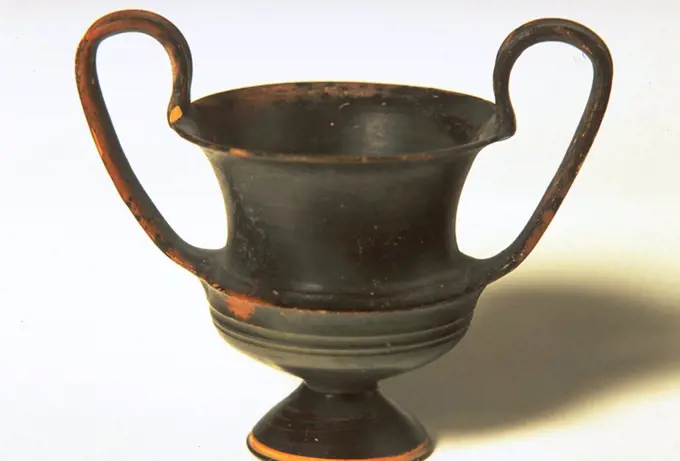
A collection of diverse ancient ceramic vases and jars, showcasing various shapes and textures, from terracotta to stone, highlighting historical craftsmanship.
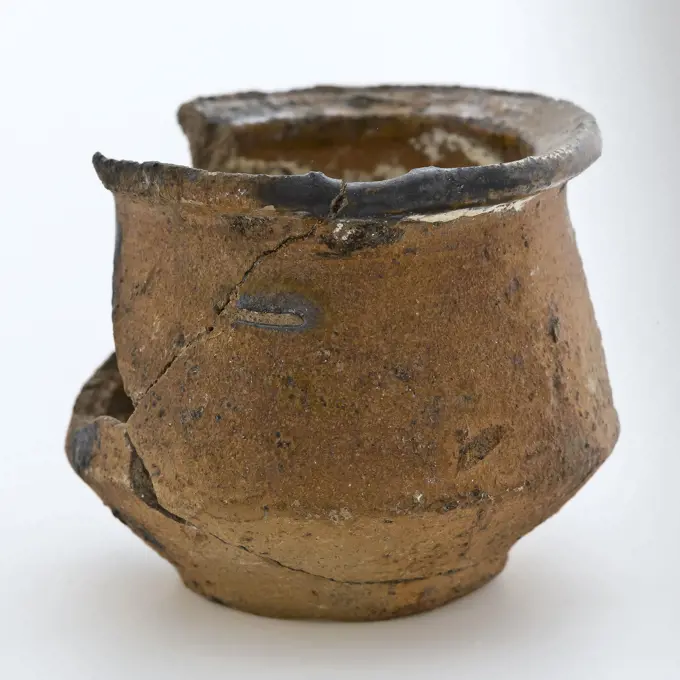
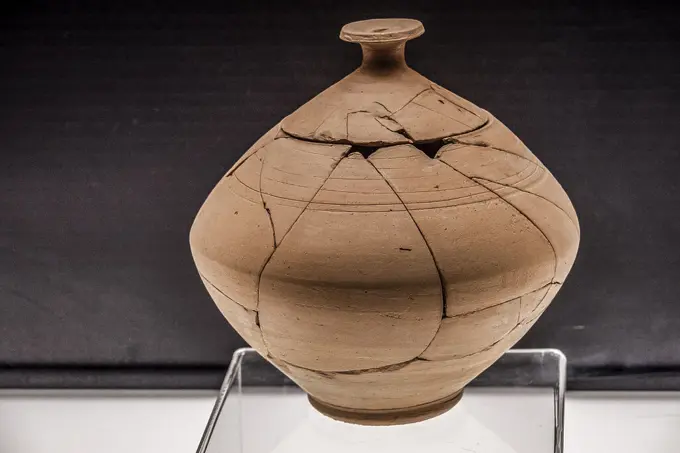
Earthenware ointment jar, double conical model with outstanding top edge, ointment jar pot holder soil find ceramic earthenware glaze lead glaze, hand turned glazed baked Pottery ointment jar. Double conical model with low abdomen Position plane Outwardly directed upper edge. Red shard internal glazed archeology Rotterdam IJsselmonde health care indigenous earthenware ointment care medication medicine packaging pharmacy handicraft Soil discovery: IJsselmonde Castle well 2 Rotterdam 1972.
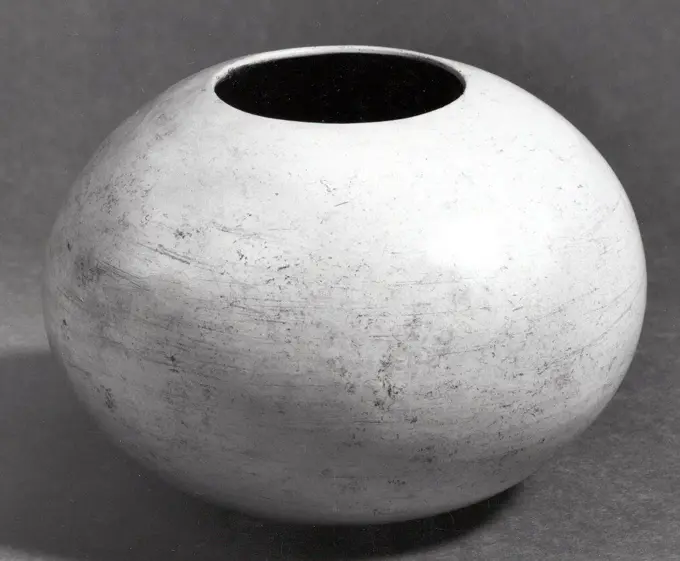
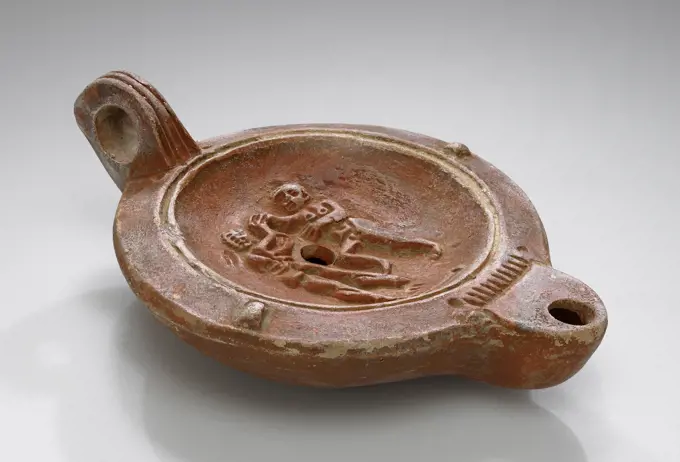
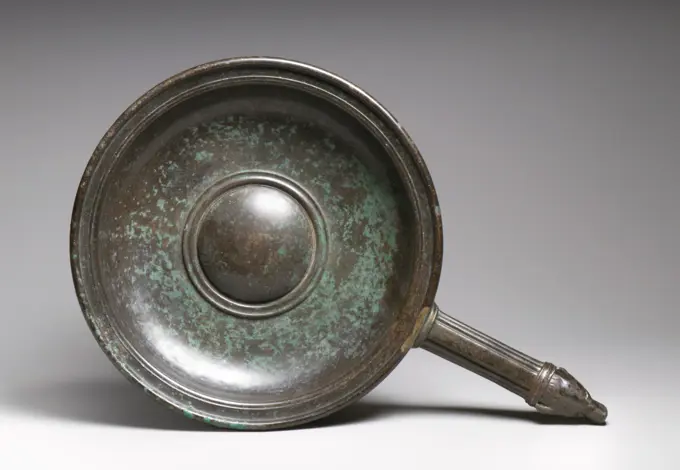
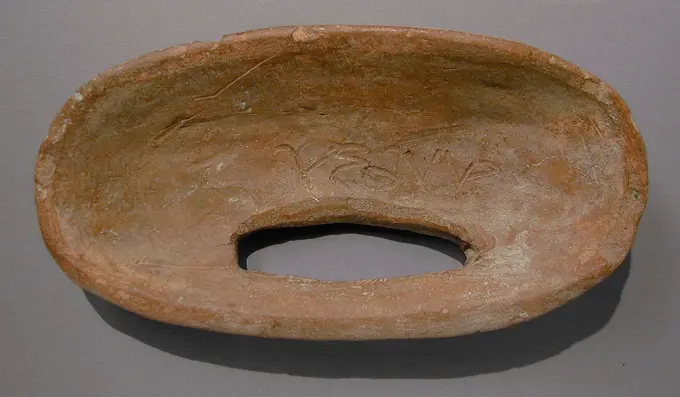
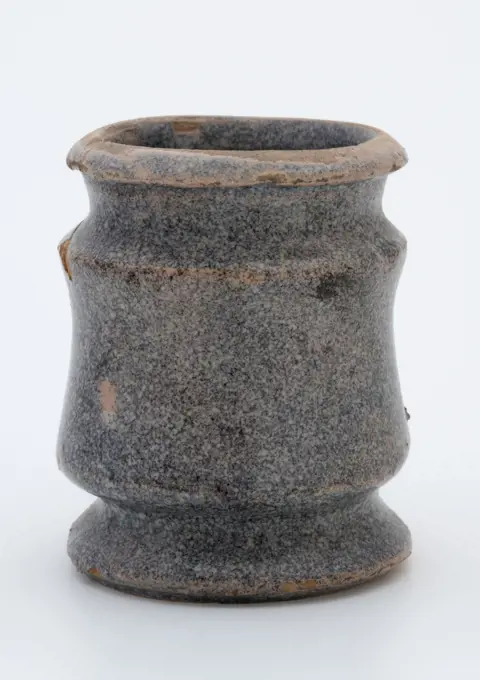
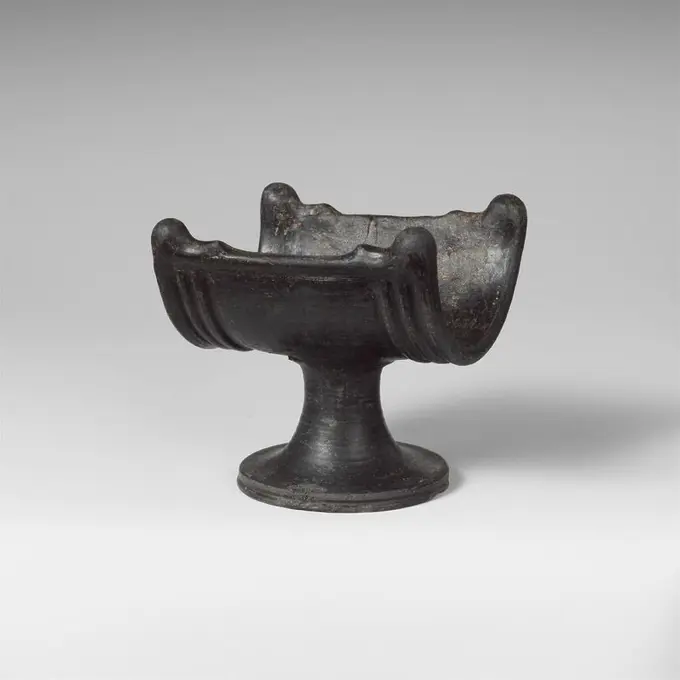
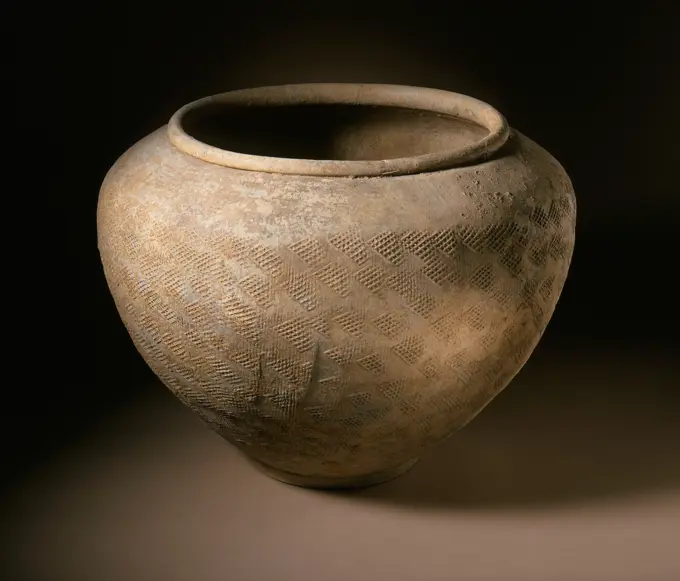
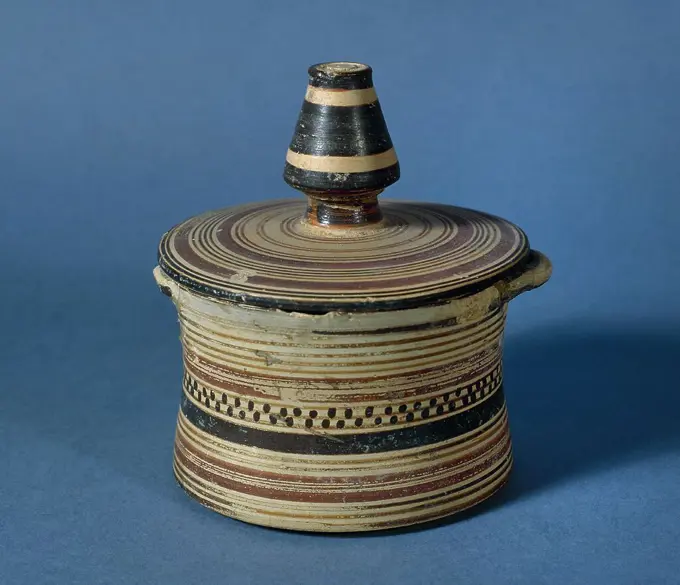
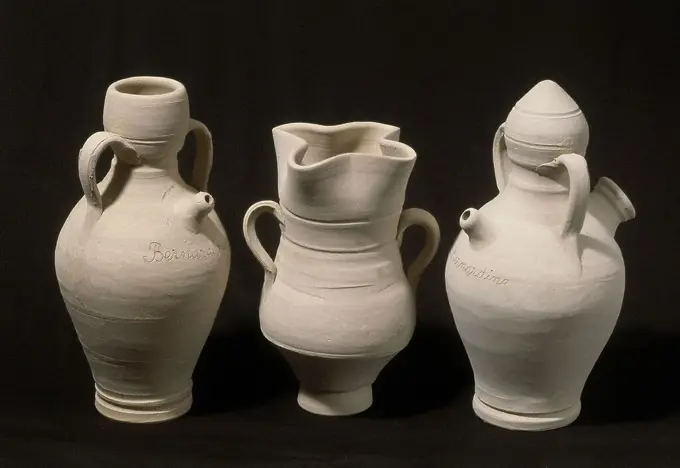
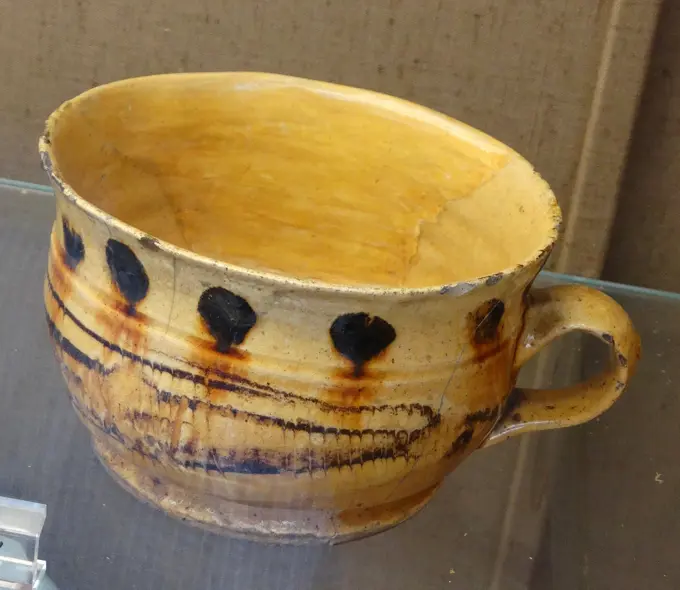
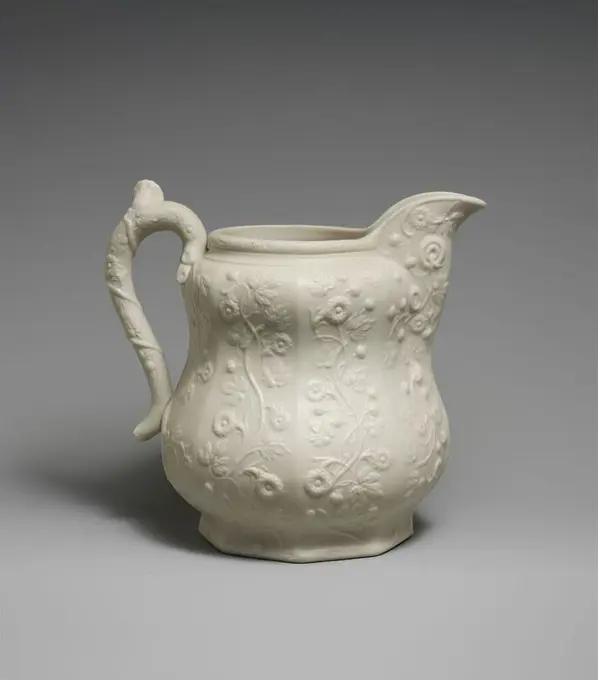
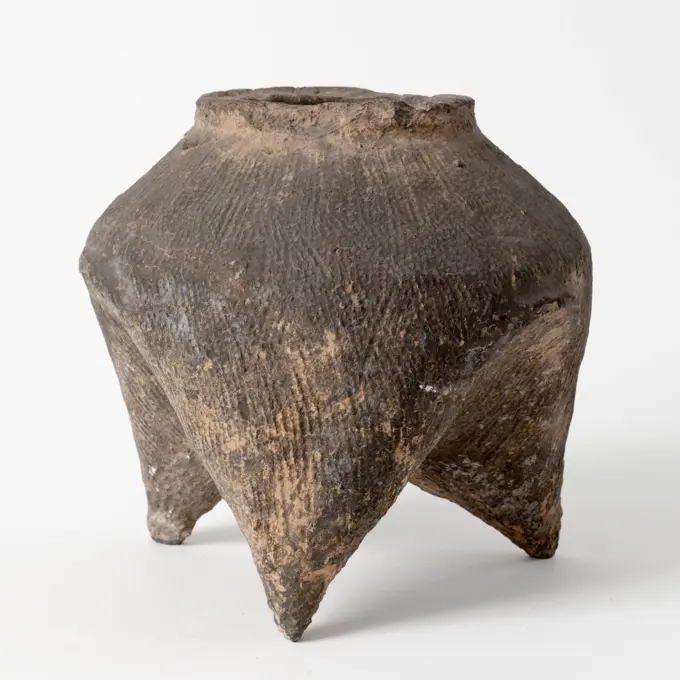
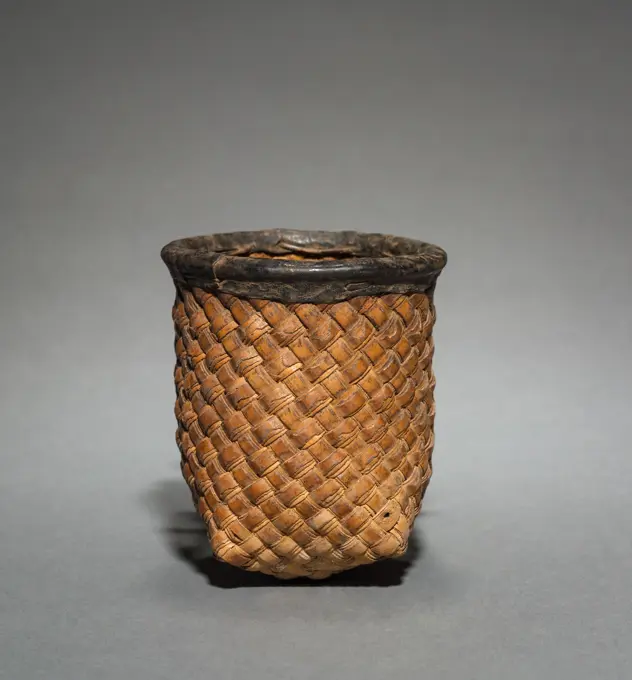
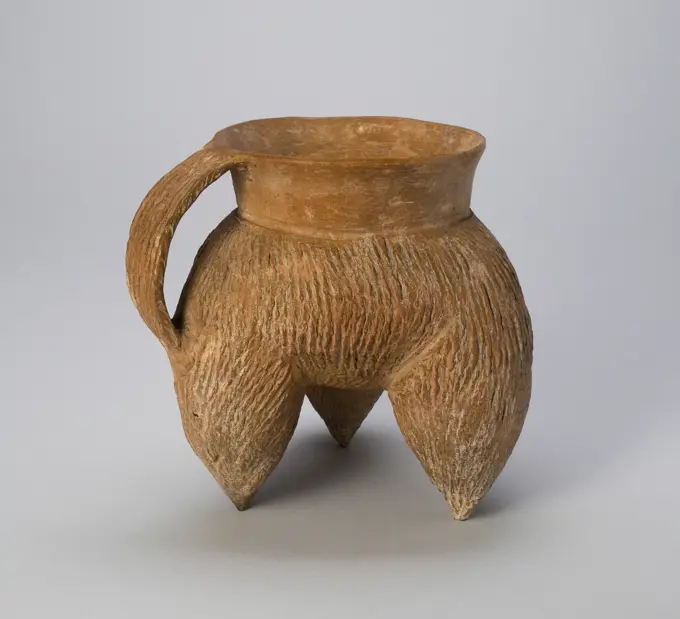
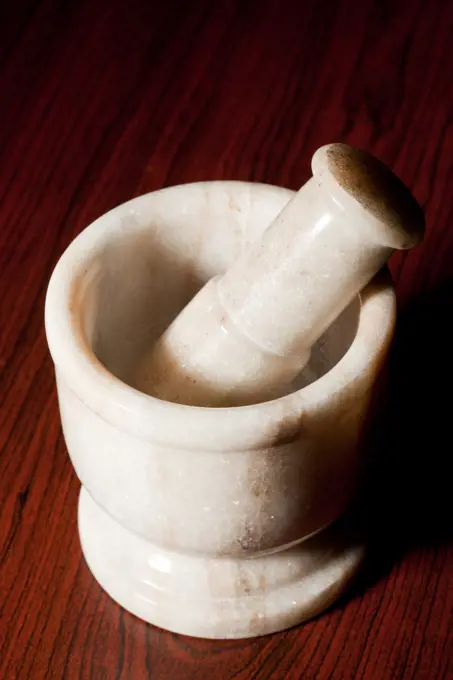
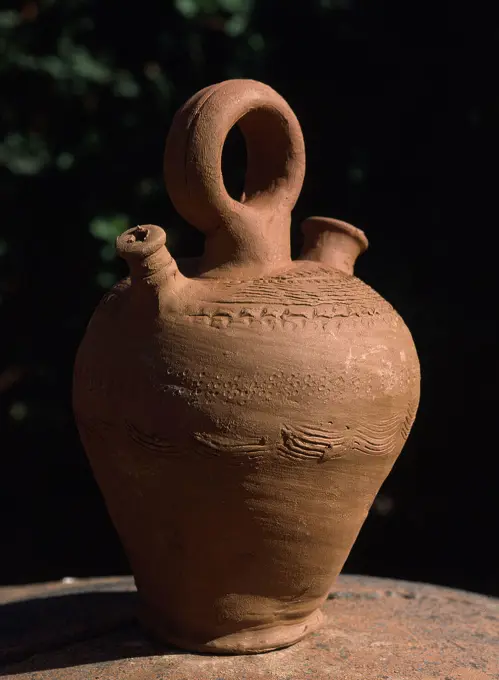
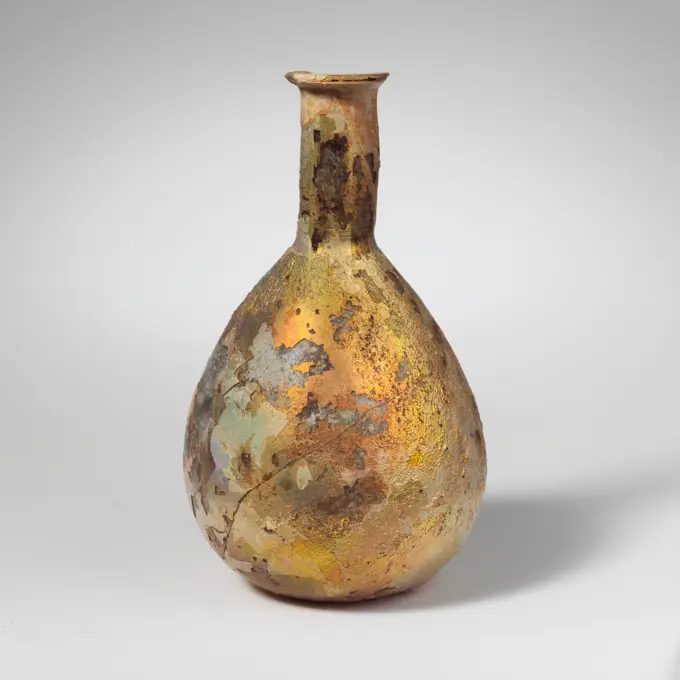
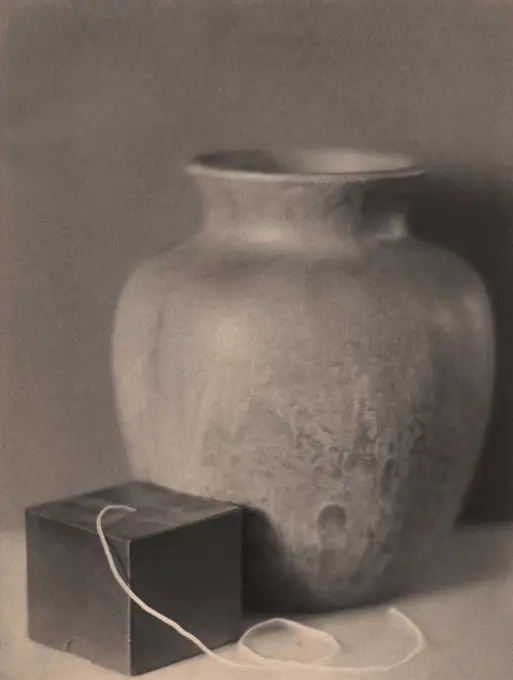
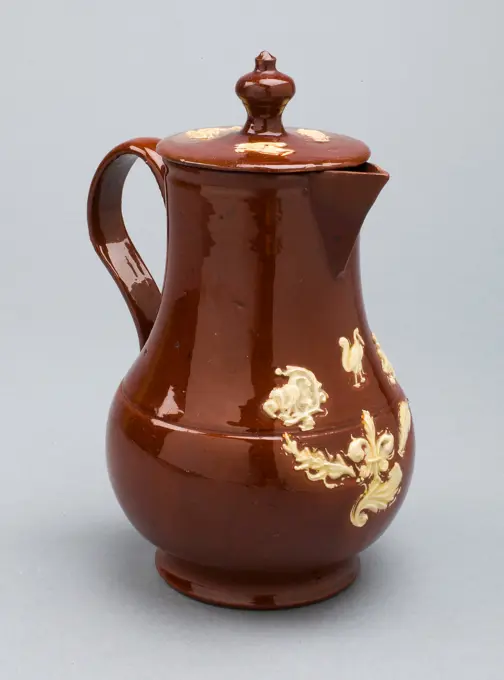
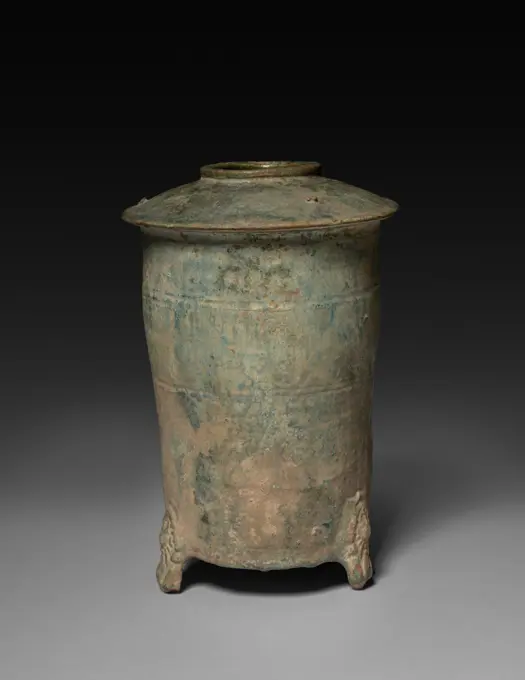
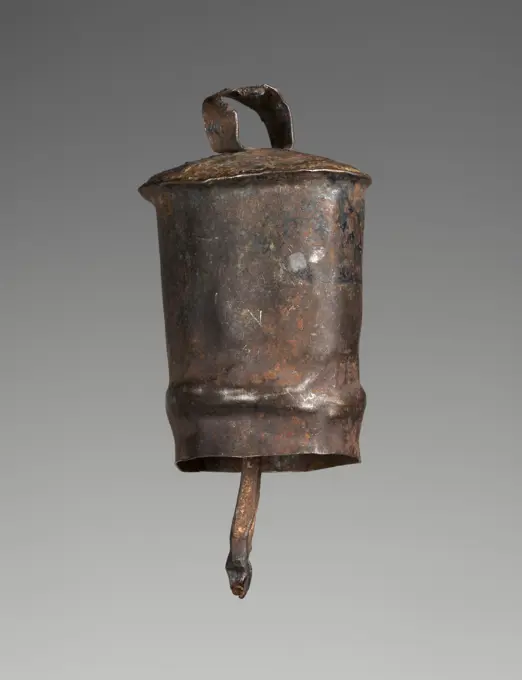
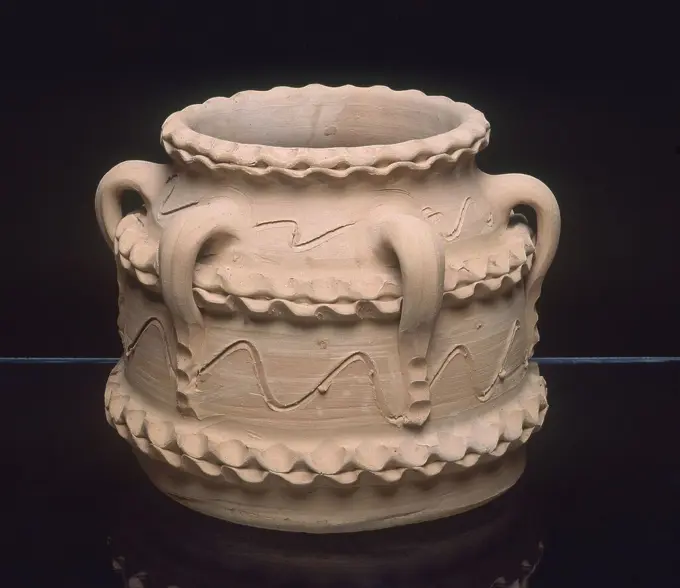
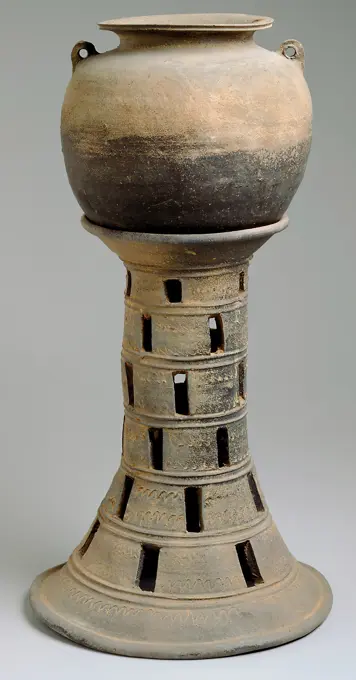
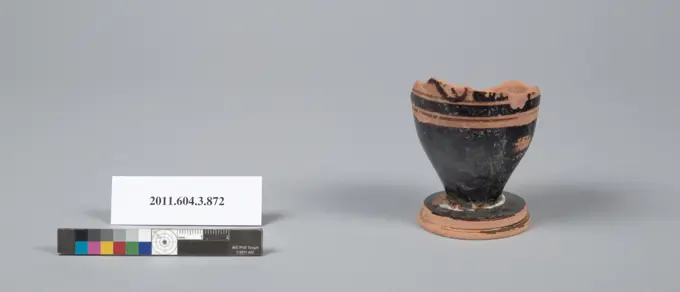
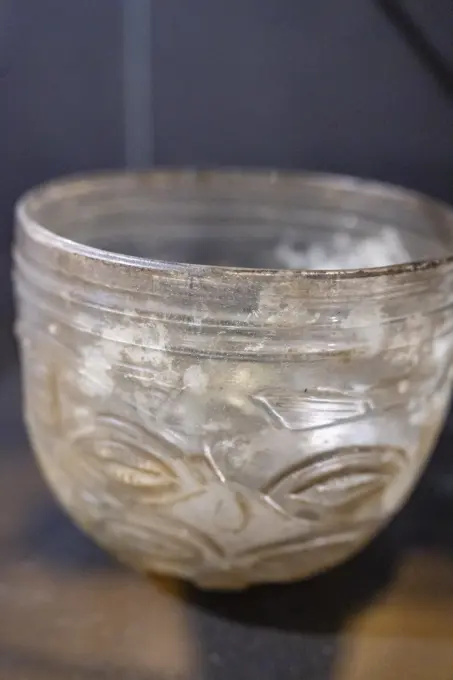
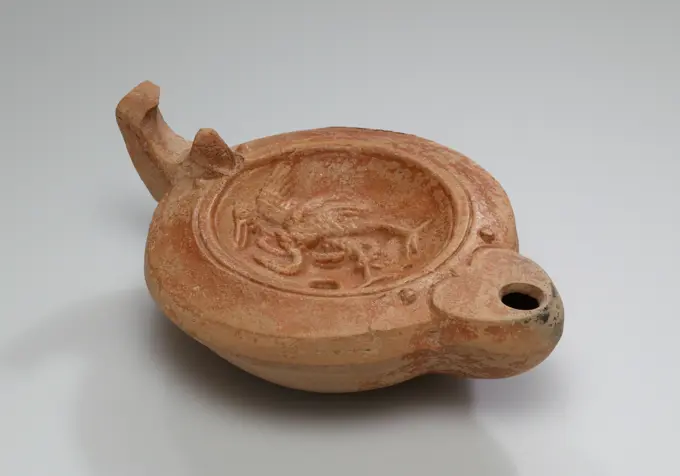
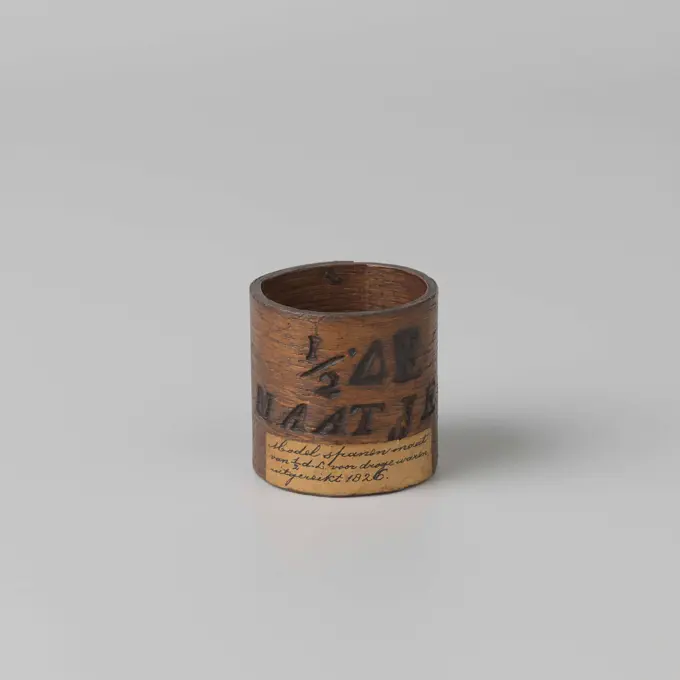
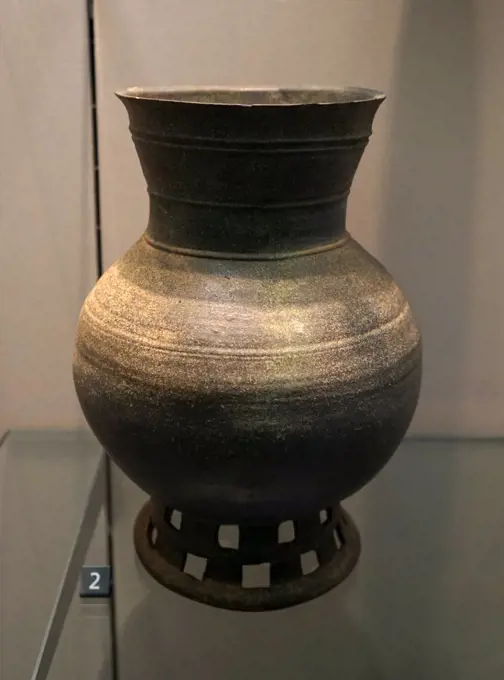
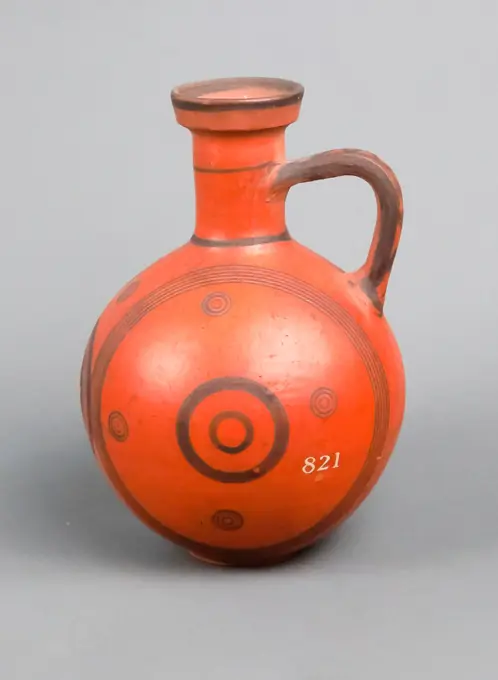
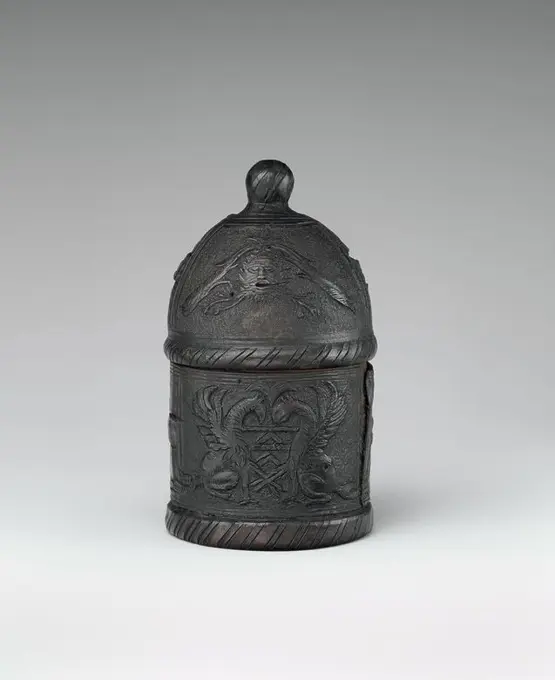
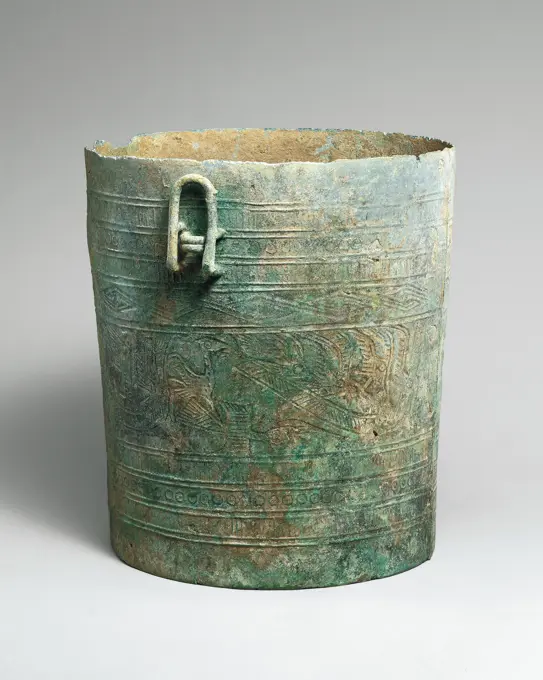
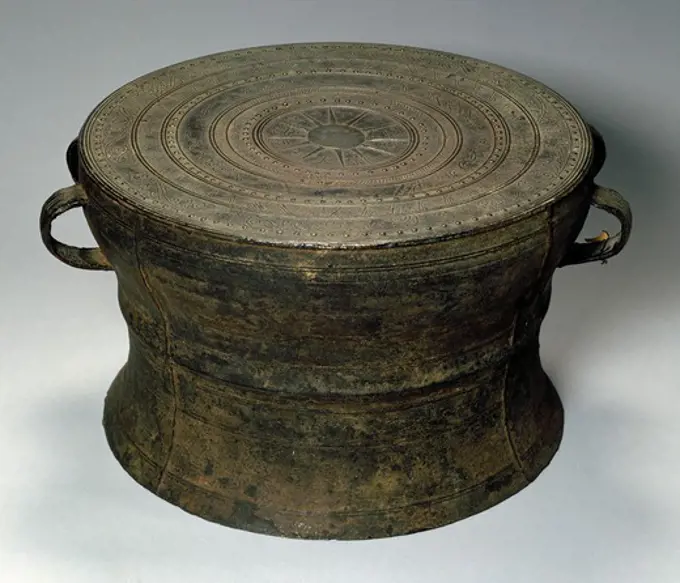
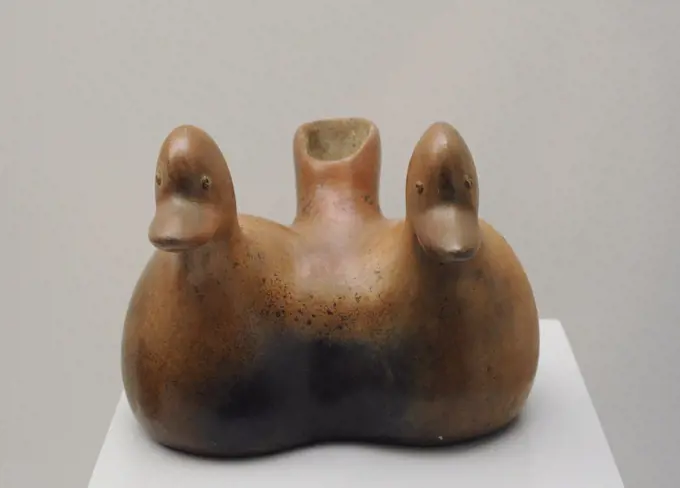
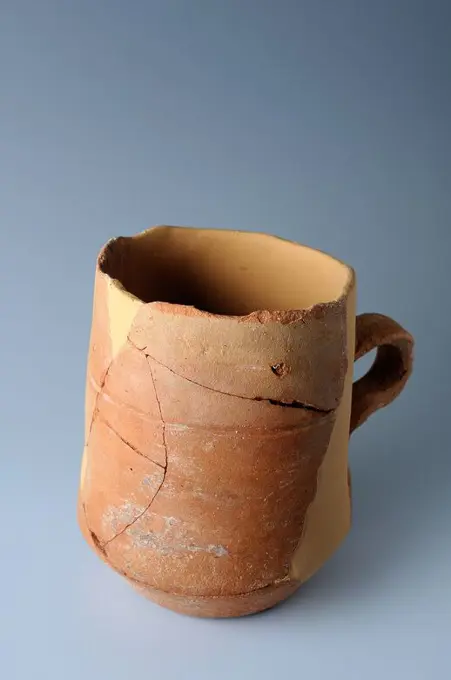
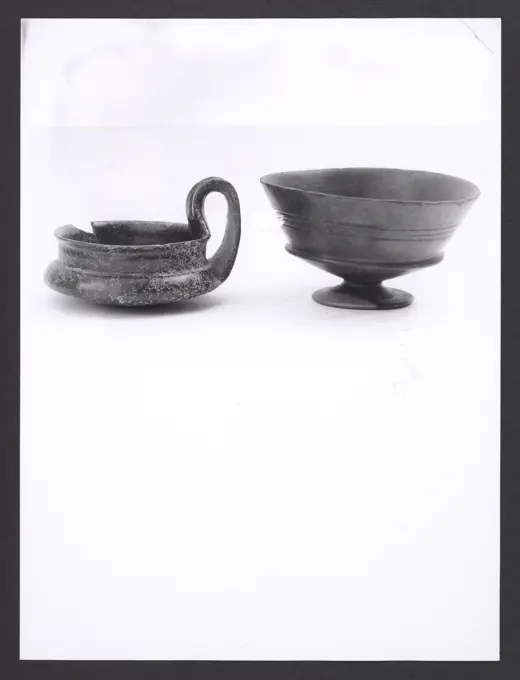
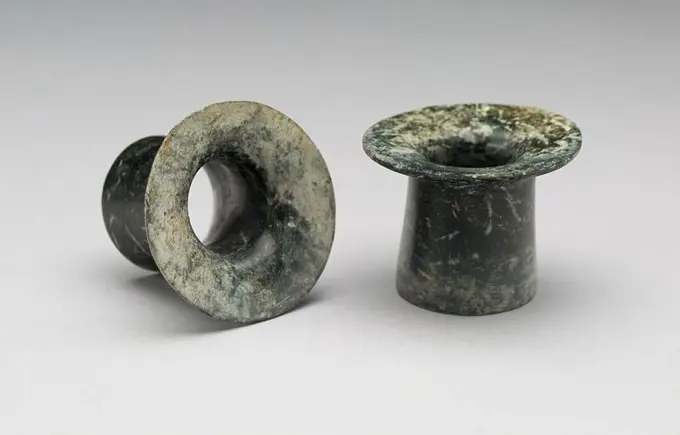
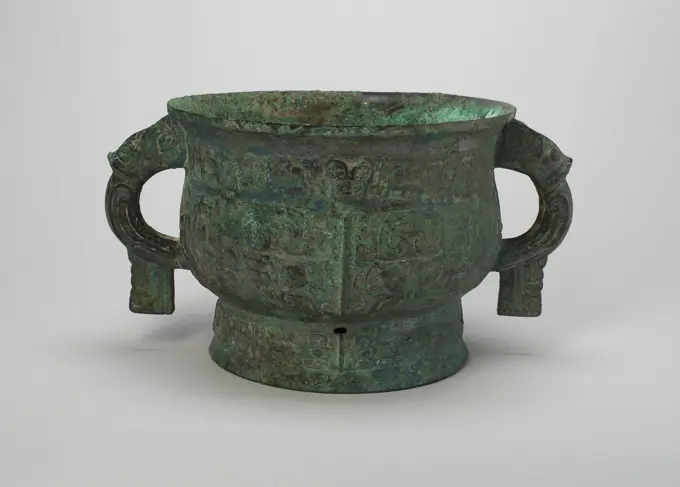
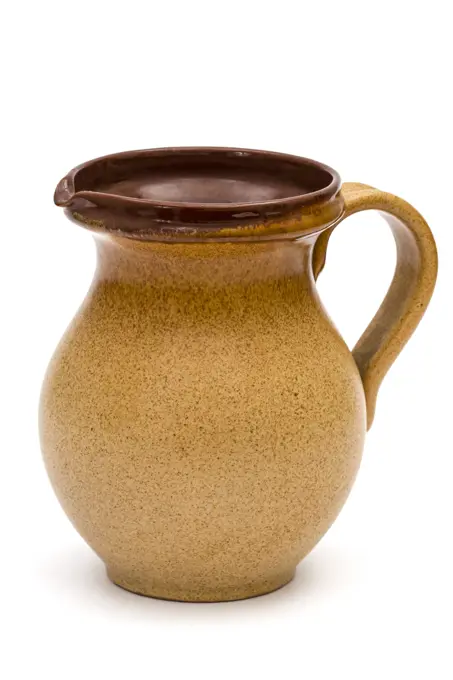
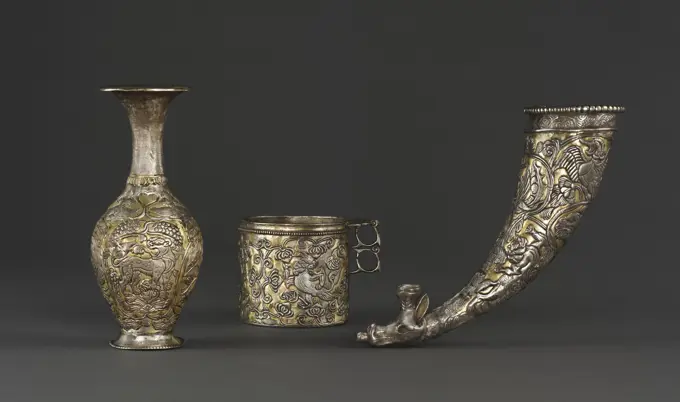
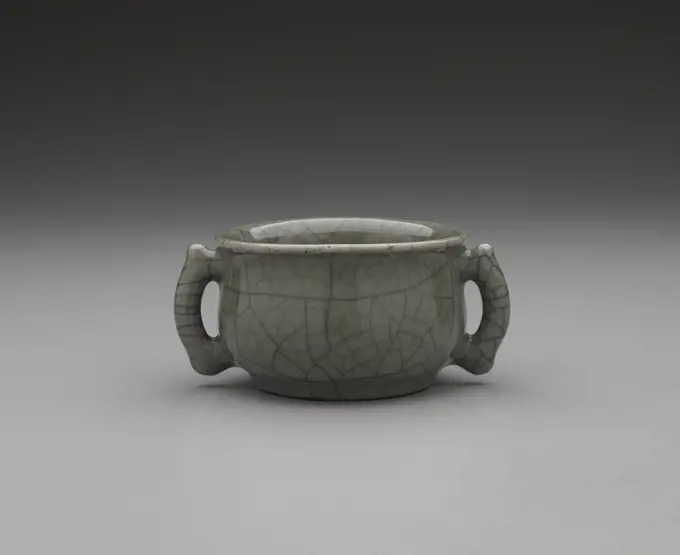
Incense Burner in archaic guiform, 18thcentury, Porcelain (or porcelaneous stoneware) with guan-type glaze, 2 3/8 × 5 5/16 × 3 15/16 in. (6.1 × 13.5 × 10cm), China, Chinese, Qing dynasty(1644-1911), Containers -CeramicsWhite City Trick Bank (or Puzzle Bank)' still bank, c. 1894, Nicol and Co., Chicago, est. 1893, 3 3/4 x 2 7/8 x 2 7/8 in. (9.53 x 7.3 x 7.3 cm), Iron, pigment, United States, 19th centuryTerracotta side-spouted jug. Culture: Minoan. Dimensions: H. 5 in. (12.7 cm). Date: ca. 2600-2400 B.C..Side beaked with one handle. Museum: Metropolitan Museum of Art, New York, USA.Bowl (Tecomate) 12th-9th century B.C. Olmec This bowl, reportedly from the site of Tlatilco, Mexico, is in a full, round shape with a small opening at the top. Made of a kaolin-like clay, its undecorated walls are thin and burnished to a high gloss.. Bowl (Tecomate) 313396Glass beaker with inscription. Culture: Roman. Dimensions: H. 3 in. (7.6 cm). Date: 1st half of 1st century A.D..Translucent pale green.Outsplayed unworked rim; cylindrical body with vertical sides; uneven, flat bottom. Two vertical mold seams run down sides from rim to edge of bottom through palm fronds, with a separate disk-shaped base section.On body, large central frieze bordered above by two horizontal ridges and below by three horizontal ridges, and divided vertically by two palm fronds, extending from bottom of frieze to rim: the frieze contains an inscription in Greek capitals, in three lines on one side and in two lines on the other, each flanked by a pair of large stylized wreaths, comprising two concentric circles filled with chevrons, and with large wavy ribbons below; around bottom of side, continuous narrow horizontal wreath with chevrons. The inscription translates as "Seize the victory!" On bottom, projecting rounded ring and central dot.Complete except for small chGadrooned Onyx Vessel before 16th century Mexican. Gadrooned Onyx Vessel 317569Lamp, North Africa; 1st - 4th century; Terracotta; 2.7 x 9 x 12 cm (1 1,16 x 3 9,16 x 4 3,4 in.)Bronze patera (shallow bowl with handle) early 1st century A.D. Roman This finely worked and ornate vessel was used for serving food or drink at dinner parties or for pouring libations at religious ceremonies. Such high-quality bronze paterae often have a wolf or ram's head finial to the handle.. Bronze patera (shallow bowl with handle) 255965Ostracon with Coptic Inscription and Figural DepictionsGlazed bowl ca. 6th-8th century A.D. Sasanian or Islamic. Glazed bowl 322931CANTARO. GRIEGO CERAMICA. (DEPOSITO: MUSEO ARQUEOLOGICO NACIONAL).Cauldron mid-15th century This cauldron was made from a copper alloy sourced in the Caucasus Mountains, a region that has been mined for its metals for hundreds of years. While its basic shape is derived from traditional forms, the cauldron is unusual for its large size, the arabesques on its rim, and the lions that attach four rings to its body.. Cauldron. mid-15th century. Copper alloy; worked and incised. Found/excavated Caucasus, Dagestan. MetalEarthenware ointment jar, cylindrical with three necking, glazed with gray glaze, ointment jar pot holder soil find ceramic earthenware glaze tin glaze, hand-turned baked 2x glazed earthenware ointment jar cylindrical in shape with three notches Completely gray mottled glazed. Stand surface untidy finished So called Delftware in the form of an albarello archeology health care indigenous pottery packing pharmacy store sell medicine drug craftBottleTerracotta stand. Culture: Etruscan. Dimensions: 3 9/16in. (9.1cm). Date: 6th century B.C..Stands of this common type seem to have been used for vegetal or floral offerings. The Metropolitan Museum is fortunate to own a pair of Attic stands (65.11.14, 1980.537), clearly inspired by the Etruscan model but larger in size and elaborately articulated and decorated. They are exhibited in the Greek galleries on the main floor. Museum: Metropolitan Museum of Art, New York, USA.Jar (Guan) with Textured Surface. China, probably Zhejiang Province, Late Eastern Zhou dynasty, Warring States period or early Western Han dynasty, about 300-100 B.C. Furnishings; Serviceware. Coil and thrown stoneware with stamped decorationAncient Greece. Corinthian pottery, 6th century BC. Clear ceramic and optimal cooking. Found in Empuries, region of Alt Emporda, province of Girona, Catalonia, Spain. Archaeology Museum of Catalonia, Girona, Spain.CANTARO DE CUELLO CORTO Y ASA ANCHA CON DECORACION INCISA - ARTE POPULAR S XX. Author: NICOLAS GUERRA GOMEZ (s XX) ALFARERO. Location: ALFARERIA. CAMPO REAL. MADRID. SPAIN.Jar. UnknownJARRA MORA-CANTARO Y BOTIJO-BARRO BLANCO. Location: ALFARERIA. Vera. Almería. SPAIN.Jar with ScrollingLotusMUSEO - VASIJA CERAMICA CHIPRIOTA EPOCA HIERRO. Location: MONASTERIO DE STA MARIA DE MONTSERRAT-MUSEO. MONTSERRAT. Barcelona. SPAIN.Stirrup Spout Bottle with Felines. Culture: Moche. Dimensions: Height: 12 1/8in. (30.8cm)Diameter: 6 1/4in. (15.9cm). Date: 4th-7th century. Museum: Metropolitan Museum of Art, New York, USA.Lead-glazed earthernware mug. Dated 17th CenturyVijzel decorated with two horses, anonymous, c. 1500 - c. 1600 The cast round mortar has a protruding profiled edge and two handles. These are decorated with stylized branches, whatever motif has been applied to the front and back twice. In between a horse in the middle. Italy bronze (metal) casting The cast round mortar has a protruding profiled edge and two handles. These are decorated with stylized branches, whatever motif has been applied to the front and back twice. In between a horse in the middle. Italy bronze (metal) castingSpain. Catalonia. Empuries. Corinthian pottery. 6th century BC. Archaeological Museum of Catalonia. Girona.Vase with a green Glaze, the Porceleijne bottle, 1898 Vase of earthenware, with slender neck and four -lobby body, covered with green enamel. The neck has a thickening at the top. Delft earthenware vitrification Vase of earthenware, with slender neck and four -lobby body, covered with green enamel. The neck has a thickening at the top. Delft earthenware vitrificationBowl with decoration. Clay. 2nd-3rd centuries AD. Provenance unknown. National Archaeological Museum. Sofia. Bulgaria.Pitcher. Culture: American. Dimensions: 9 3/4 x 10 3/8 x 7 3/4 in. (24.8 x 26.4 x 19.7 cm). Maker: Fenton's Works (1847-1848). Date: 1847-48. Museum: Metropolitan Museum of Art, New York, USA.Tripode li. ". Land cine. China. Paris Museum berne. Asian art, Chinese art, Chinese ceramic, container, container, terracotta, tripod li, three feetFlakon na wonności (Unguentarium). warsztat wschodni, workshopOne of Ten Nesting Wedding Baskets, c 1900s . Africa, Western Sudan, Burkina Faso, Lobi, 20th century (). Plant fiber and leather; diameter of mouth with rim: 9.5 x 8.3 cm (3 3/4 x 3 1/4 in.).Lobed Tripod Cauldron (Li) Made 2500 BCE-2000 BCE China. Earthenware .Marble mortar and pestle on dark wood backgroundMeasure 18th century British. Measure. British. 18th century. Pewter. Metalwork-PewterBOTIJO CON DECORACION INCISA - CERAMICA PARA AGUA. Location: ALFARERIA. Órjiva. GRANADA. SPAIN.MACETA CON BORDE RIZADO Y DECORACION EN LINEA. Location: ALFARERIA. Coruña. SPAIN.Jean Carriès (1855-1894). "Cabossé pot". Enameled sandstone. Museum of Fine Arts of the City of Paris, Petit Palais. 24205-10 Cabosse, ceramic, gres emaille, potSix-Sided Bottle, 1644-1911. China, Qing dynasty (1644-1911). Rock crystal; overall: 15 cm (5 7/8 in.).Snuff Jar. Dated: 1938. Dimensions: overall: 21.6 x 17.9 cm (8 1/2 x 7 1/16 in.) Original IAD Object: 5" High. Medium: watercolor and colored pencil on paper. Museum: National Gallery of Art, Washington DC. Author: Guido Metelli.Roman glass. Bottle. National Roman Museum (Baths of Diocletian). Rome. Italy.Small jugMortar 19th century, after a 16th century Iberian model Spanish or Moroccan () This mortar with a pear-shaped body is decorated with projecting vertical ribs and a short neck encircled by four lines. The regular pattern of damages on the exterior suggests the intention of adding an old and worn appearance.. Mortar 461274Terracotta beaker ca. A.D. 10-15 Roman This large beaker is attributed to the workshop of Cn. Ateius, one of the best producers of Roman Arretine pottery in the Late Augustan period. Although such relief-molded, red-gloss ware was mass produced for the general market, it often contained features that echo the very highest examples of Roman art. The ornate stand and swan motifs on this beaker recall elements in the wall paintings from the luxury villa at Boscotrecase, as seen in the Black Room adjacent to this gallery.. Terracotta beaker. Roman. ca. A.D. 10-15. Terracotta; Arretine ware. Early Imperial, Augustan. VasesPrehistory, Czech Republic, 6th century b.C. Bylani culture. Decorated bronze cup.ARTE TARTESO. ESPAÑA. JARRA DE BRONCE procedente del TESORO DE LA JOYA. Provincia de Huelva. Andalucía.Glass perfume bottle 1st-2nd century A.D. Roman Colorless ().Small, everted rim, with beveled outer lip; cylindrical neck, with tooling around base; piriform body; rounded bottom, flat at center.Intact, except for part of rim and large crack in body; many bubbles; deep pitting and brilliant iridescent weathering.. Glass perfume bottle 239674Jar. Dimensions: H. 13 1/2 in. (34.3 cm). Date: 11th-12th century. Museum: Metropolitan Museum of Art, New York, USA.Still Life. Dated: 1916. Dimensions: image: 20.2 × 15.4 cm (7 15/16 × 6 1/16 in.) mount (1, approx.): 25.8 × 20.8 cm (10 3/16 × 8 3/16 in.) mount (2): 34.9 × 27.4 cm (13 3/4 × 10 13/16 in.). Medium: platinum print. Museum: National Gallery of Art, Washington DC. Author: Bernard Shea Horne.Milk Jug 1720-1745 Staffordshire. Lead-glazed earthenware (redware) .Basket 19th century Japan. Basket. Japan. 19th century. Bamboo. Edo (1615-1868) or Meiji period (1868-1912). BasketryGranary Urn, 206 BC - AD 220. China, Han dynasty (202 BC-AD 220). Glazed earthenware; diameter: 26.1 cm (10 1/4 in.).Tripod Onyx Vessel (tecalli) before 16th century Mexican. Tripod Onyx Vessel (tecalli) 317561Sheep bell mid-20th century Afghan. Sheep bell. Afghan. mid-20th century. Iron. Afghanistan. Idiophone-Struck-bell-clapperFunnel. Culture: British. Dimensions: Length: 4 1/4 in. (10.8 cm). Date: 18th century. Museum: Metropolitan Museum of Art, New York, USA.MACETERO SIN VIDRIAR CON DECORACION EN RELIEVE - SIGLO XX - ARTE POPULAR. Location: ALFARERIA. Castellón. SPAIN.Puebloan pottery vessel, Human History Museum, Zion National Park, Utah, USA.Jar with Tall, Perforated Stand, 5th century, Unknown Korean, 23 3/8 x 12 3/8 in. (59.37 x 31.43 cm), Earthenware with natural ash deposits, Korea, 5th century, In the early 300s, Korean potters began constructing multichambered kilns in hillsides. These 'climbing kilns,' as they are now known, were capable of reaching temperatures around 2,200˚F, which yielded highly durable stoneware. One of the most commonly produced ceramic forms was a pedestal decorated with pierced, geometric patterns and surmounted with a bowl or jar. Discovered during excavations of tombs and palaces, these vessels are believed to have been used both for utilitarian and ceremonial purposes.Bucket, solid, painted in red and black, anonymous, c. 1800 - c. 1899 Bucket, solidly turned from red and black painted wood, with three profile edges. Amsterdam . Bucket, solidly turned from red and black painted wood, with three profile edges. Amsterdam .OLLA CON DOS ASAS Y VIDRIADO TIPO BABERO - ARTE POPULAR S XX. Location: ALFARERIA. FRESNO DE CANTESPINO. SEGOVIA. SPAIN.Element of Wig Decoration , 1980-1801 BC. Egypt, Middle Kingdom, Dynasty 12. Silver; overall: 2.5 cm (1 in.).Jar ca. 3500-3300 B.C.. Jar 326491Iberian ceramic plate Iberian ceramic plate, V-II BC, Cerro Boyero, Valenzuela, Cordoba, Iberian Museum of Jaén, Andalusia, Spain Copyright: xZoonar.com/BartomeuxBalaguerxRotgerx 21704905Earthenware grease traps or spits, grease trap baking utensil holder soil find ceramic earthenware glaze lead glaze, hand molded molded glazed baked Pottery grease trap with hook eye handle and gutter Scalloped handle Polished bottom and two legs. Red shard internal glazed elongated model with rounded corners Wide and flat upper edge with groove along the circumference. Restoration is repainted archeology underground pit Rotterdam City Triangle Blaak Groenendaal indigenous pottery frying grilling fat oil food preparation lighting cooking kitchen Soil discovery: underground pit Groenendaal direction Blaakstation 1977.06.09.Pottery baking pan with stem and pouring lip in the rim, saucepan casserole dishes holder kitchen utensils fragment earthenware ceramics earthenware glaze lead glaze, hand turned molded glazed baked Pottery baking pan or saucepan Low pan with flat bottom the entire bottom is replenished with plaster. Slanted side wall with turned rim. Schenklip broad and flat handle as handle standing upwards Beroet at the bottom Red shard Sparely gelled only the top of the bottom archeology House te Woude Slikkerveer Ridderkerk native pottery frying baking kitchen cooking nutrition food preparation Soil discovery: Huis te Woude Slikkerveer 1969.Stoneware barrel or jenevar pig, gray, appliqués, jenevervarken barrel crockery holder soil find ceramic stoneware glaze salt glaze, hand-turned baked glazed Stoneware barrel called gin piglet gray shard with salt glaze. At the top there is filling hole in one of the flat sides there is hole for the faucet archeology import pottery store serving tapping drink liquor ginCONTENTS OF 2 DECILITER. Teams content of 2 deciliter.cinerary urn, Carratiermes Necropolis, 4th-2nd century BC. Museum of the Tiermes Archaeological Site, Soria, Castile and Leon, Spain.Lamp. UnknownTerracotta oil lamp ca. A.D. 40-100 Roman, Cypriot Loeschcke Type 4. Mold-made. Discus: facing head of Silenos at center; a single filling hole at center left; band of lines and grooves towards edge. Volutes flanking nozzle. Incised base ring, and slightly pushed-in base; a horizontal line across center of base as a maker's mark.Intact.. Terracotta oil lamp. Roman, Cypriot. ca. A.D. 40-100. Terracotta. Early Imperial. TerracottasTwo-piece bronze mold for foot of jug, mold casting tool tools kit metal_metal bronze, cast turned Two-piece bronze mold for foot of jug top: 2834 103 Rotterdam tinker tin tinnegieter Meeuws Druy craft Forms come from the originally 18th century Rotterdam tinnegieter J Druy. The large molds that were not signed or dated were the property of the tinker guild and were rented to the small tin caster.Small JugScarab, 1540-1069 BC. Egypt, New Kingdom. Steatite and gold, originally glazed; overall: 1.2 cm (1/2 in.).Tea caddy with a green brown glaze, anonymous, anonymous, c. 1600 - c. 1649 Dust bar or Chare van Steengoed with an ivory lid, partially covered with a green brown glaze. The lower part of the bus is unglazed. Two old labels on the inside with 'satsuma, genre joca/ cat. Bing no. 354 'and' Oribe '. Part of the lid is cut off. Satsuma. Japan stoneware. glaze. deksel: ivory vitrification Dust bar or Chare van Steengoed with an ivory lid, partially covered with a green brown glaze. The lower part of the bus is unglazed. Two old labels on the inside with 'satsuma, genre joca/ cat. Bing no. 354 'and' Oribe '. Part of the lid is cut off. Satsuma. Japan stoneware. glaze. deksel: ivory vitrificationTerracotta fragment of a lekythos (oil flask) early 5th century B.C. Greek, Attic Part of a chariot scene; below, a thick band of black glaze between two thin black glaze lines; a band of reserve; foot in two degrees; the underside of the foot is unglazed. Terracotta fragment of a lekythos (oil flask). Greek, Attic. early 5th century B.C.. Terracotta; black-figure. Archaic. VasesHispano-arabische Schale Hispano-Arabic bowl, rock crystal and relief decoration, twelfth century, Church of Sant Vicenç de Besalú, Girona art museum, Girona, Catalonia, Spain Copyright: xZoonar.com/Tolox 22283232six small plant clay pots (mass produced planters) with rough color finish on dark burlap texture background, still lifeLamp. UnknownTable sieve table sieve copyright: xzoonar.com/bartomeuxbalaguerxrotgerx 22556632CONTENTS OF 1/2 DECILITER. Spans content measure of 1/2 deciliter.Stoneware jar on a perforated pedestal. Dated 5th CenturyJug 750-600 B.C. Cypriot Globular jug with one handle, circles and rosette at front.. Jug. Cypriot. 750-600 B.C.. Terracotta. Cypro-Archaic I. VasesGold Beaker. Bronze Age. 1600- 1200 BC GERMANY.Case. Culture: Italian. Dimensions: Overall (confirmed): 5 5/8 × 3 1/4 × 3 1/4 in. (14.3 × 8.3 × 8.3 cm). Date: 16th century.The surface of this circular case is embossed with griffins and an expressive mask. Museum: Metropolitan Museum of Art, New York, USA.Situla with Design of Boats ca. 500 B.C.-A.D. 300 Vietnam Axes, situlae, and drums play an important role in Vietnam's Dongson culture named after a site located on the coastline to the south of present-day Hanoi that was first excavated in 1924. The four long boats with seated warriors in the central horizontal band of this bucket shaped vessel, common images in the art of the Dongson culture, are also depicted, albeit more summarily, on the sides on the bronze model of a drum in this case. There had been much speculation regarding the meaning of this theme, which is interpreted as representations of military or imperial processions, or as symbols of either the practice of shamanism or a soul's journey to the afterlife.. Situla with Design of Boats. Vietnam. ca. 500 B.C.-A.D. 300. Bronze. Bronze and Iron Age period, Dongson culture. MetalworkBronze drum, China. Chinese Civilisation, 3rd-1st century BC.Bowl ca. 1479-1458 B.C. New Kingdom. Bowl. ca. 1479-1458 B.C.. Pottery. New Kingdom. From Egypt, Upper Egypt, Thebes, Deir el-Bahri, Temple of Hatshepsut, Foundation Deposit 5 (E), MMA excavations, 1923-24. Dynasty 18Lid of a Lime Container with Head 500 B.C.-A.D. 300 Indonesia (Java, Lumajang, Pasiran). Lid of a Lime Container with Head. Indonesia (Java, Lumajang, Pasiran). 500 B.C.-A.D. 300. Bronze. Bronze and Iron Age period. MetalworkGeminated vessel depicting ducks. Ceramic. Colima style. Early-Middle Classic Period (100-700 AD). Western Mexico. Museum of the Americas. Madrid, Spain. Uniform hat. Culture: Italian. Date: early 19th century. Museum: Metropolitan Museum of Art, New York, USA.Bisque ceramic jar with a handle. Diameter mouth 10.9 cm Height 7, 7 cm. Medieval period from the archaeological site of the "Calle Tercia" in Alcalá de Henares - " Burgo de Santiuste Museum." (Madrid). SPAIN.Lazio Roma Grottaferrata Museo01. Hutzel, Max 1960-1990 German-born photographer and scholar Max Hutzel (1911-1988) photographed in Italy from the early 1960s until his death. The result of this project, referred to by Hutzel as Foto Arte Minore, is thorough documentation of art historical development in Italy up to the 18th century, including objects of the Etruscans and the Romans, as well as early Medieval, Romanesque, Gothic, Renaissance and Baroque monuments. Images are organized by geographic region in Italy, then by province, city, site complex and monument.Pair of Ear Spools. Classic Maya; Mexico, Guatemala, or Honduras. Date: 250 AD-900 AD. Dimensions: 3 x 4.5 cm (1 3/16 x 1 3/4 in.). Serpentine. Origin: Honduras. Museum: The Chicago Art Institute, Chicago, USA.Bowl of Nebekh Fruit ca. 1479-1458 B.C. New Kingdom. Bowl of Nebekh Fruit. ca. 1479-1458 B.C.. Pottery. New Kingdom. From Egypt, Upper Egypt, Thebes, Deir el-Bahri, Tomb of Senenmut (TT 353), Foundation deposit, MMA excavations, 1926-27. Dynasty 18VASIJA DE CERAMICA - S XX - ARTE POPULAR. Location: ALFARERIA. TENERIFE. TENERIFFA. SPAIN.Grain Vessel (Gui) 1100 BCE-1000 BCE China. A monster mask (taotie) spreads boldly across this vessel, conforming to its bulging contour. While showing some stylistic features of slightly earlier manufacture, this vesselís heavy handles and the spiny dragons beneath the mouth rim are characteristic of bronzes of the early Western Zhou dynasty (c. 1050-771 B.C.).The cruciform emblem enclosing the top character of the inscription is read ya. This emblem is thought to bear some relation to family names, although its exact meaning remains problematic.. Bronze .Old pitcher, isolated on white background Old pitcher, isolated on white background Copyright: xZoonar.com/OleksandrxKostiuchenkox 8897993Silver Vessels, c. 700. Central Asia or Tibet, early 8th century. Silver with gilding; overall: 22.9 cm (9 in.). These vessels attest to the international climate that pervaded the regions of China, Tibet, and Central Asia during the time of the expansionist Tang dynasty (618-907). It is ornamented predominantly with Central Asian elements, including grape vines, beaded borders, and heart-shaped motifs. Sogdian craftsmen are known to have specialized in the technique of offsetting the silver repoussé design with gilded foil. The form of the animal-headed rhyton as a drinking vessel and the use of silver derive from Persian sources, while the lush, luxurious quality of the design and the form of the lions and curling dragon on one side of the vase reveal an awareness of Chinese forms. An ownership inscription in Tibetan script on the underside of the cup identifies the vessel as a personal possession of a Chinese queen. Whether a later addition or not, the inscription attests to the imTeapot, c. 1820, Wedgwood, Staffordshire, England, est. 1759, 4 1/8 x 8 3/8 x 5 3/8 in. (10.5 x 21.3 x 13.7 cm), Stoneware (caneware), England, 19th centuryChariot axle cap with pin 5th century B.C. China. Chariot axle cap with pin 61256