Ancient Ceramic Vessels

A collection of diverse ancient ceramic vases and jars, showcasing various shapes and textures, from terracotta to stone, highlighting historical craftsmanship.
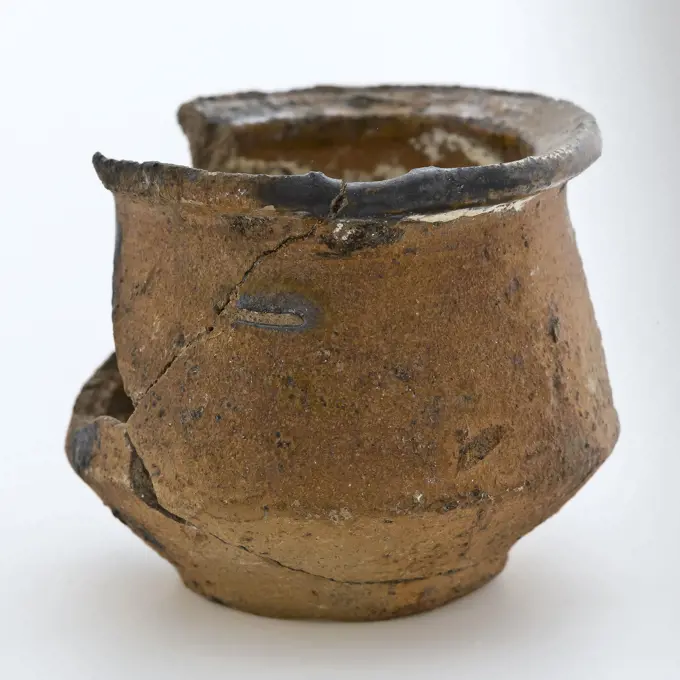
Earthenware ointment jar, double conical model with outstanding top edge, ointment jar pot holder soil find ceramic earthenware glaze lead glaze, hand turned glazed baked Pottery ointment jar. Double conical model with low abdomen Position plane Outwardly directed upper edge. Red shard internal glazed archeology Rotterdam IJsselmonde health care indigenous earthenware ointment care medication medicine packaging pharmacy handicraft Soil discovery: IJsselmonde Castle well 2 Rotterdam 1972.
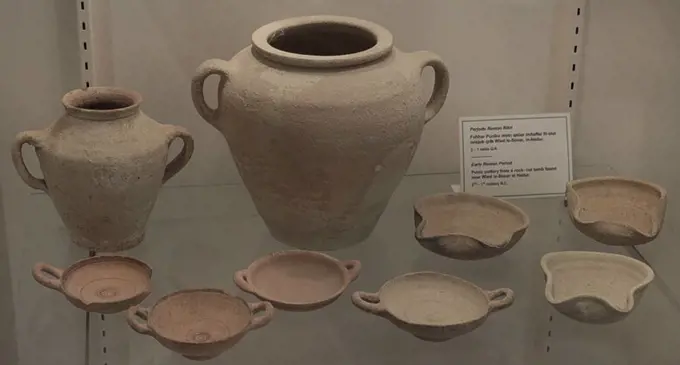
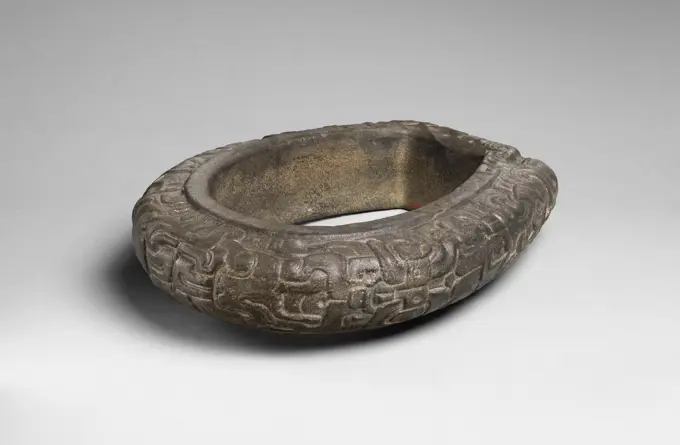
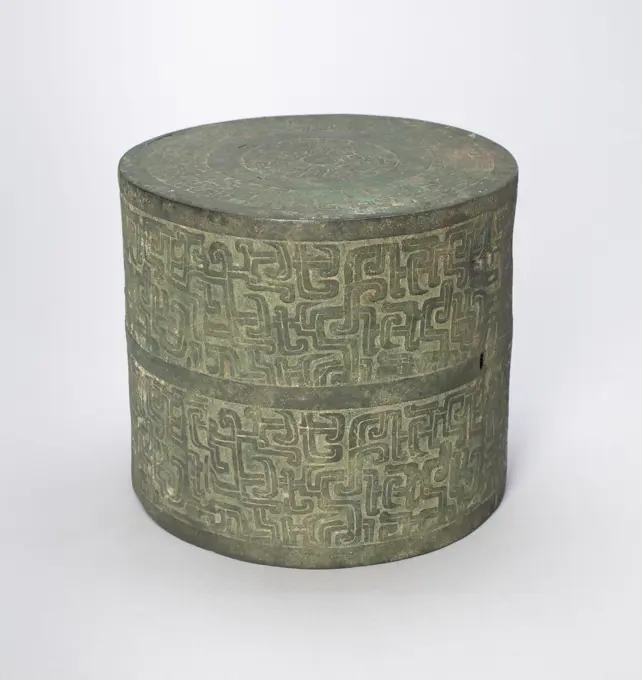
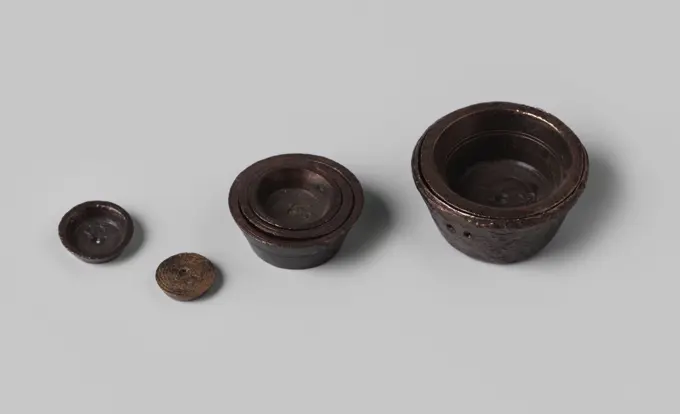
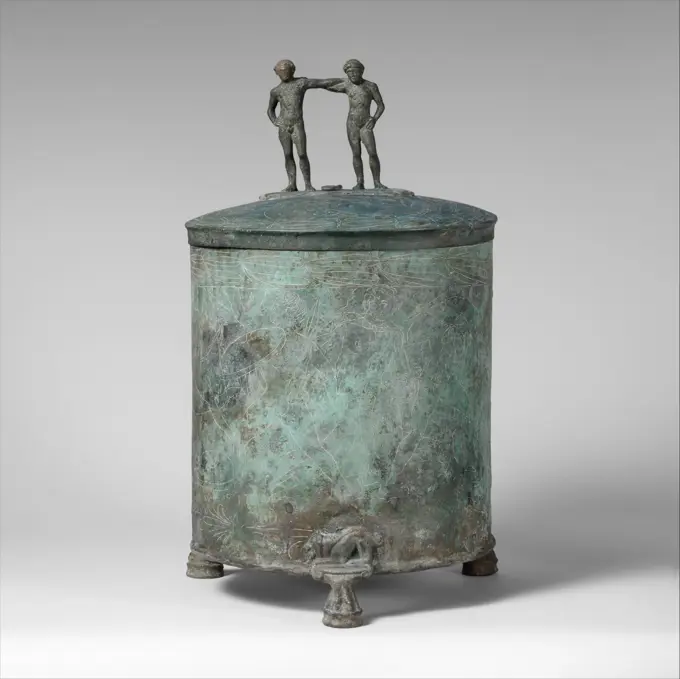
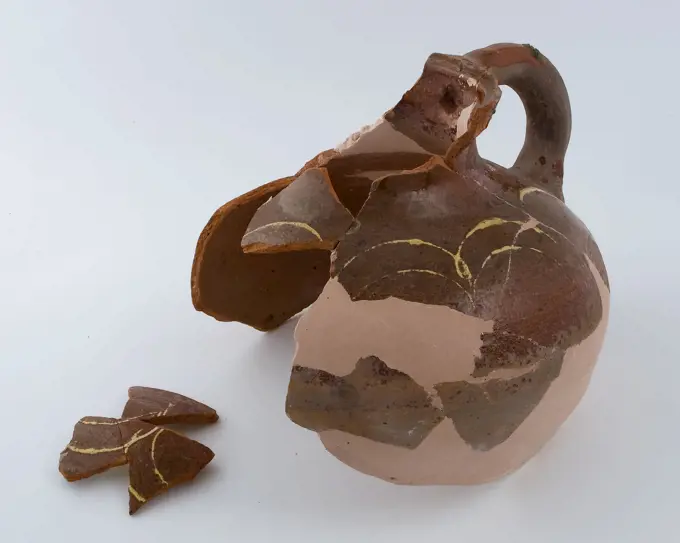
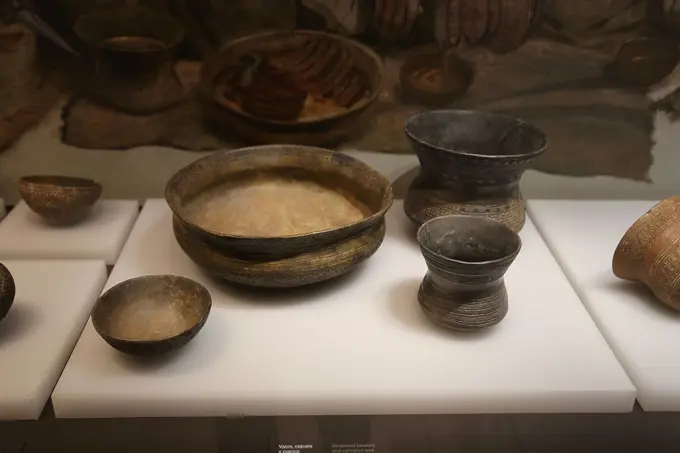
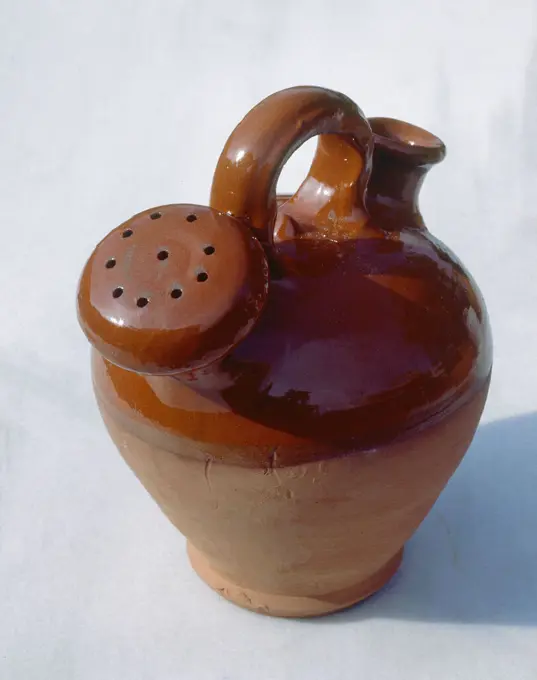
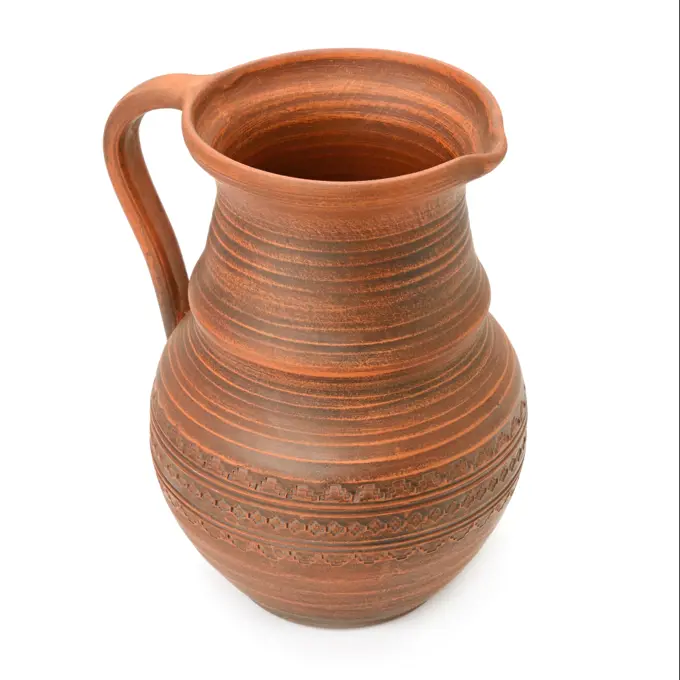
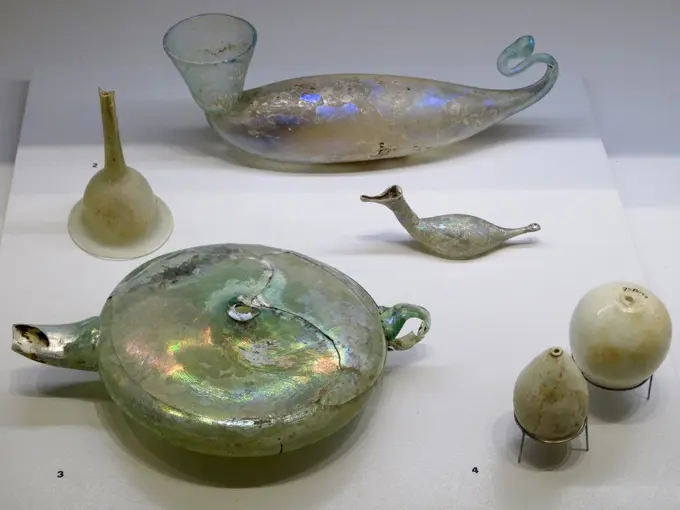
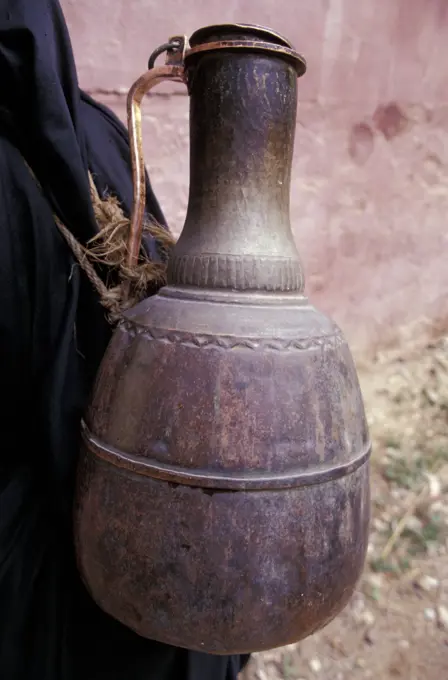
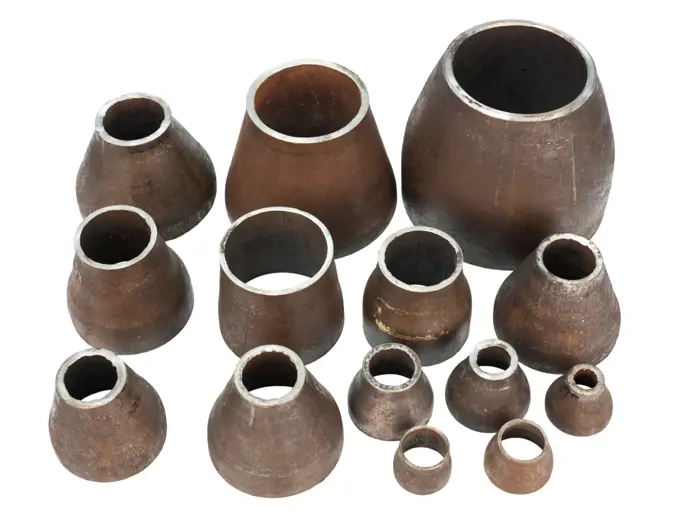
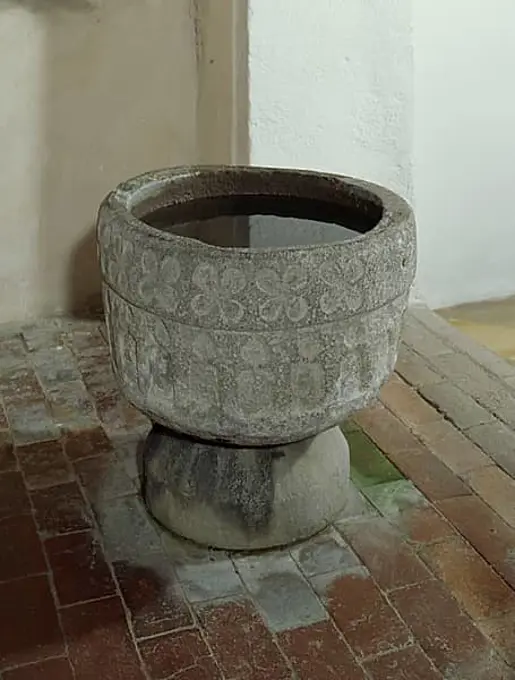
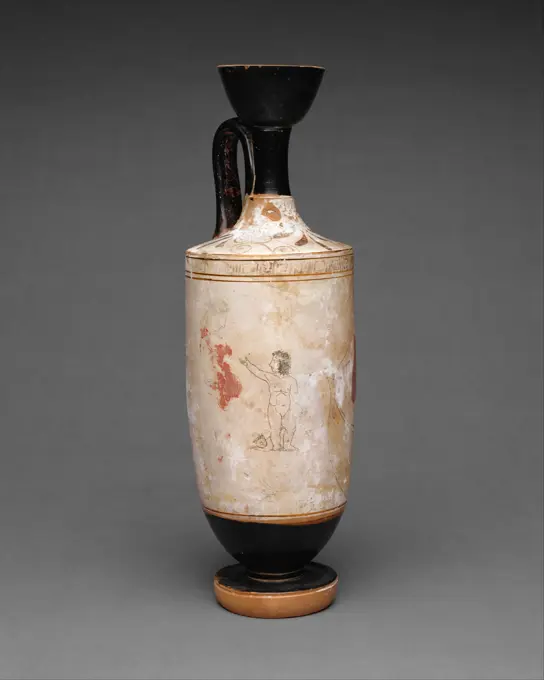
Terracotta lekythos (oil flask) ca. 430 B.C. Attributed to the Painter of Munich 2335 Mother, boy, and CharonCharon, the ferryman, transported the deceased across the river separating the world of the living from that of the dead. The reality of this journey to the ancient Greeks is reflected in the many representations of Charon and his charges. Here he awaits a woman and a little boy who is undoubtedly the deceased. The child is elevated on a rock and motions to his mother with one hand while holding his go-cart with the other.. Terracotta lekythos (oil flask) 248182Two cups together forming a ton, anonymous, c. 1725 - c. 1775 The object consists of two cups that can be used as cups, which are put on top of each other the shape of a ton. The stuff is indicated in the granulated surface with the help of engraved vertical lines. Of each half are gilded: the inside, the edge and the ribbed reinforcement tires. A rectangular piece is shaded on the edge of each cup. On the bottom they are equipped with the inscriptions: Zùm Kùpfer who // ein waaß Verkhe // Ret Kùgel rùndt. AE: EN Mich Fißen // POWS NAß, Das // Wasser Herrngrundt, W:. Men's base copper (metal) granulation / gilding The object consists of two cups that can be used as cups, which are put on top of each other the shape of a ton. The stuff is indicated in the granulated surface with the help of engraved vertical lines. Of each half are gilded: the inside, the edge and the ribbed reinforcement tires. A rectangular piece is shaded on the edge of each cup. On the bottom they are equipped with Early Roman Period. Punic pottery from a rock-cut tomb found near Wied is-Simar at Nadur (Gozo Island, Malta). 2nd -1st century B.C. Gozo Museum of Archaeology. Cittadella de Victoria. Gozo, Malta.Closed Yoke 7th-9th century Veracruz. Closed Yoke. Veracruz. 7th-9th century. Basalt (andesite, feldspar/diopside ()). Mexico, Mesoamerica, Veracruz. Stone-SculptureMörser aus Olivenholz Table Top Copyright: xZoonar.com/Teamarbeitx 109671Architectural Fitting (Gong) Made 770 BCE-481 BCE China. This is one of sixteen hollow bronze fittings in the museumís collection that together comprise rectangular, L-shaped, and cylindrical pieces. In 1973, fittings of similar shape and design were excavated from the site of a palace of the 7th century B.C. in modern-day Fengxiang, Shaanxi province in north China. Most show tightly interlaced surface patterns like those cast in this piece. Archaeologists have conjectured that these fittings, some of which preserve traces of wood, originally served as collars and sleeves that had been socketed over a framework of timber columns and tie beams embedded into the earthen walls. Some of these pieces may originally have been stuffed with silk to tighten them.. Bronze .Nested cup weight from the wreck of the Dutch East India ship Hollandia, anonymous, 1700 - in or before 1743 weight Weight, cupweight, cup; nest consisting of 5 cups, id. NG 1980-27H3, corroded, mark inside upper cup (fleur-de-lys). Netherlands copper (metal)   SecondCeltic civilization, Austria. Large bronze situla and helmet, from the Tomb of the Prince.Bronze cista (toiletries box) ca. 325-275 B.C. Praenestine The engraved cylindrical frieze shows Hercules, wearing his lion skin and brandishing his club as he fights the Amazons with fellow Greek warriors. On the lid, dragon- and horse-headed sea monsters flank a dolphin. The solid-cast lion's-paw feet have attachments in the shape of a crouching lion. The handle shows a nude man and woman standing with their outer arms akimbo.. Bronze cista (toiletries box). Praenestine. ca. 325-275 B.C.. Bronze. Hellenistic. BronzesTONELETE DE ARCILLA NEGRA -ARTE POPULAR. Location: ALFARERIA. LLAMAS DE MOURO. ASTURIAS. SPAIN.Stoneware Vase. Dated: c. 1936. Dimensions: overall: 27.9 x 35.4 cm (11 x 13 15/16 in.) Original IAD Object: 6 1/2" High. Medium: gouache and colored pencil on paper. Museum: National Gallery of Art, Washington DC. Author: Fred Weiss.Fragment of pottery jug be applied to the shoulder with yellow arches in sludge technology, storage jar pot holder can be found in the earthenware ceramic earthenware glaze lead glaze clay ), hand-turned glazed decorated fried loin shoulder Shoulder and neck fragment of storage jar. Ball body with round shoulder Small neck opening on short neck On the shoulder decoration in sludge technique. Decoration consists of double lying arches. Sausage handle attached to the pot edge and on the shoulder. In the edge an inch impression where the ear is attached. Restoration is left empty archeology underground pit Rotterdam City Triangle Groenendaal archaeological find in the soil underground pit Groenendaal 1977.06.Beaker culture. Decorated beakers and carinated and hemispherical bowls. Early Bronze Age. Province of Palencia. Spain. National Archaeological Museum, Madrid. Spain.REGADERA VIDRIADA EN LA PARTE SUPERIOR-ARTE POPULAR S XX. Location: ALFARERIA. Granollers. Barcelona. SPAIN.BARRAL O BOTIJA EN BARRO ROJO SIN VIDRIAR - ARTE POPULAR S XX. Location: ALFARERIA. FUENTES DE EBRO. Saragossa Zaragoza. SPAIN.Fragment of a Situla. UnknownWater Filter 10th-12th century. Water Filter 447449Fragment earthenware cooking jug, grape-model, with yellow decoration in sludge technology, cooking jug be found in the earthenware ceramics earthenware glaze lead glaze clay, hand-turned decorated glazed fried lemonade Fragment pottery cooking jug grape-model with yellow decoration in sludge technique. Red sheaf vertical sausage ear on three legs Decoration consists of band of yellow loops and dots Fine twisted arms on the shoulder Partially glazed archeology Rotterdam railway tunnel indigenous earthenware food preparation food kitchen cooking Soil discovery: railway tunnel Rotterdam.Incense burner 18th century China. Incense burner. China. 18th century. Bronze. Qing dynasty (1644-1911). MetalworkPrzeszo Przyszoci unknownclay pot isolated on white backgroundCUENCO CAMPANIFORME DE CARMONA. Location: MUSEO ARQUEOLOGICO-COLECCION. Sevilla. Seville. SPAIN.Artefacts found in a selection of tombs. Including funnel and bird-shaped vessels found in a tomb at Netanya from the 1st-2nd century and an oil-lamp found in a tomb at Akko from the early 1st century.Morocco, Ameln Valley Traditional copper water jug is carried from well to homes on backSmall containers and cosmetic instruments. Shell-Shaped cup, Cups graced with lotus buds and Hathor heads, cosmetic jar, mirror, kohi tuber with sticks. New Kingdom. Egyptian Museum of Turin. Italy.Flask with Dancer Performing SogdianWhirlCeramic fragment. Dimensions: D 10.5 cm x H 11.4 cm. Date: 8th-12th century. Museum: Metropolitan Museum of Art, New York, USA.many metal bushings (fittings) for pipe weldingLima, Peru. Pre-Columbian artifacts and art in the Larco Museum, Lima, Peru.Ancient artifacts on display at an archaeological museum; Corinth, GreeceBaptismal font from the 13th century, St., Sankt, Saint