Ancient Ceramics

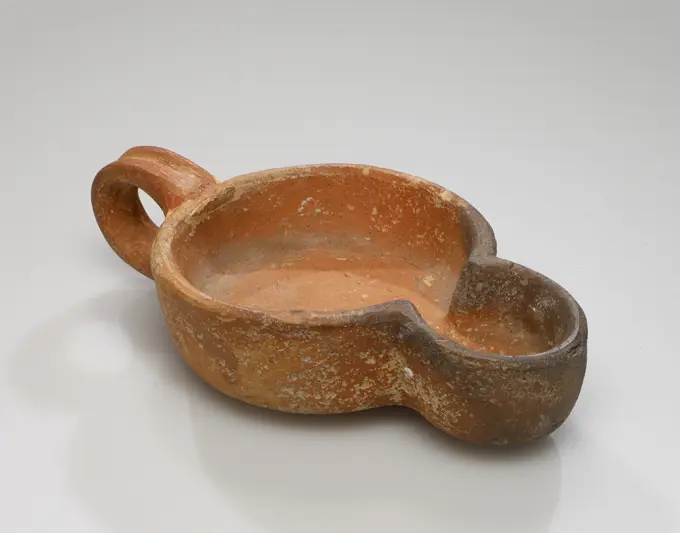
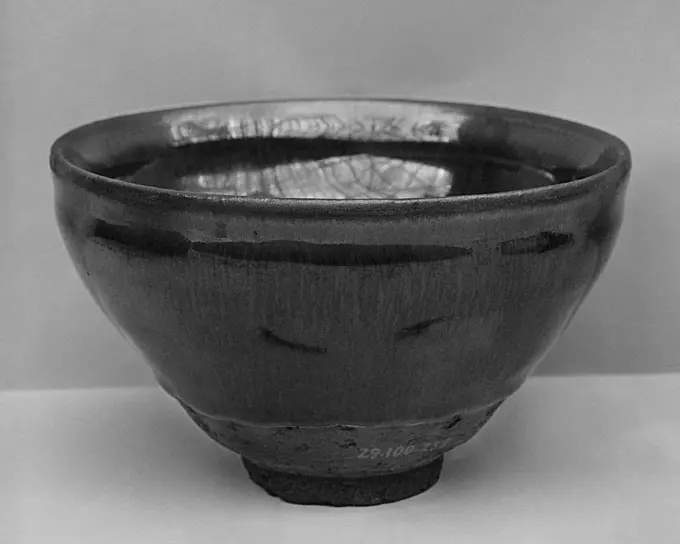
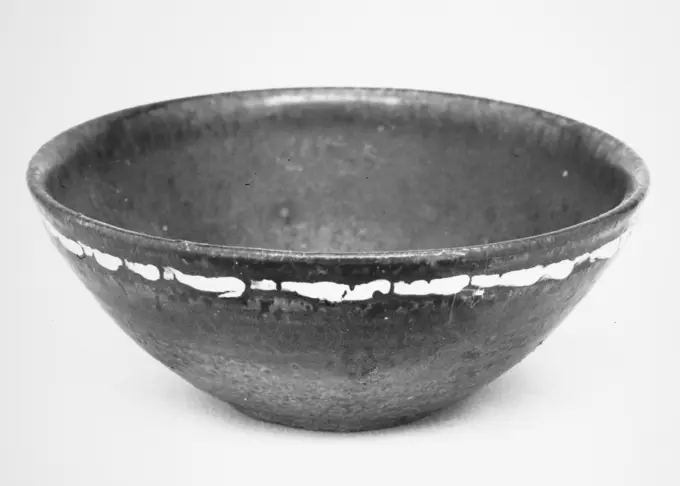
Variety of bowls and containers made from terracotta and stoneware, showcasing intricate glazes and historical designs from different cultures.

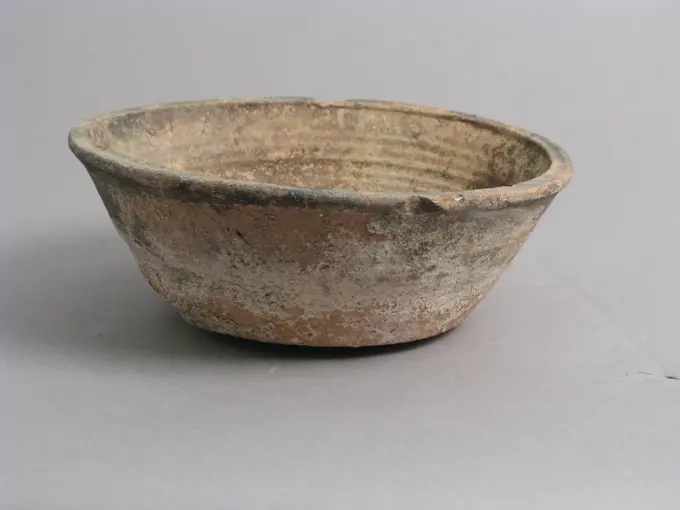
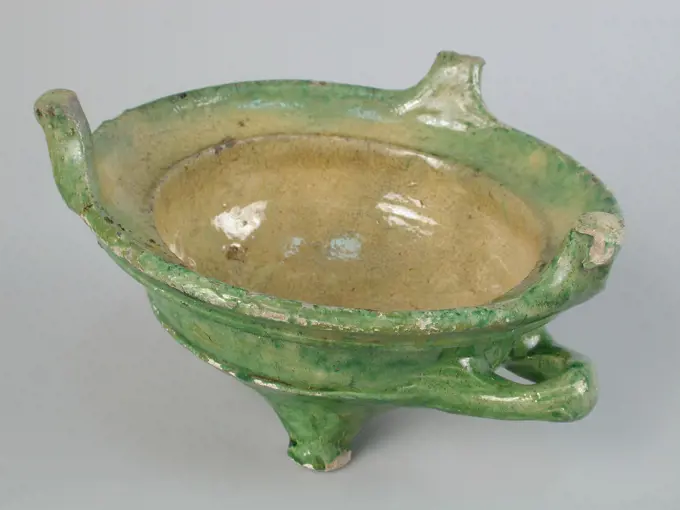
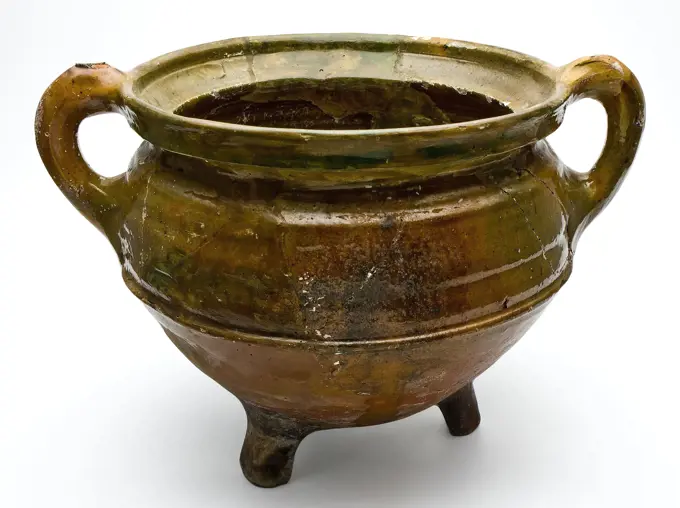
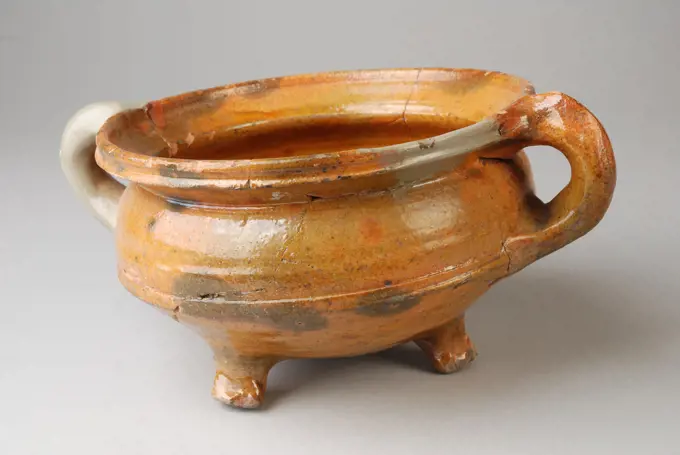
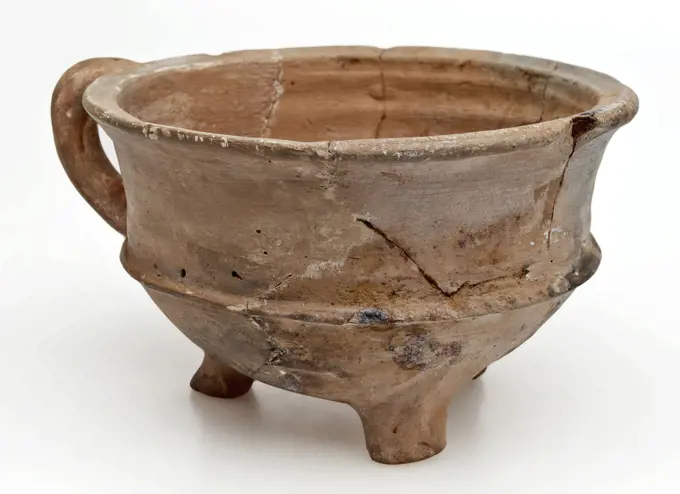
Pottery saucepan on three legs, with pouring spout and slantingly pointed handle, saucepan cooking pot crockery holder kitchenware soil find ceramics earthenware glaze lead glaze, hand turned molded glazed baked Pottery saucepan Convex bottom on three legs. Schenklip and upwardly directed stem. Red shard internal glazed Slightly receding upper edge Roetsporen at the top archeology Valckensteyn Poortugaal Albrandswaard indigenous pottery cooking kitchen food nutrition food preparation Soil discovery: canal at kitchen castle Valckensteyn at Poortugaal now Albrandswaard 1961.
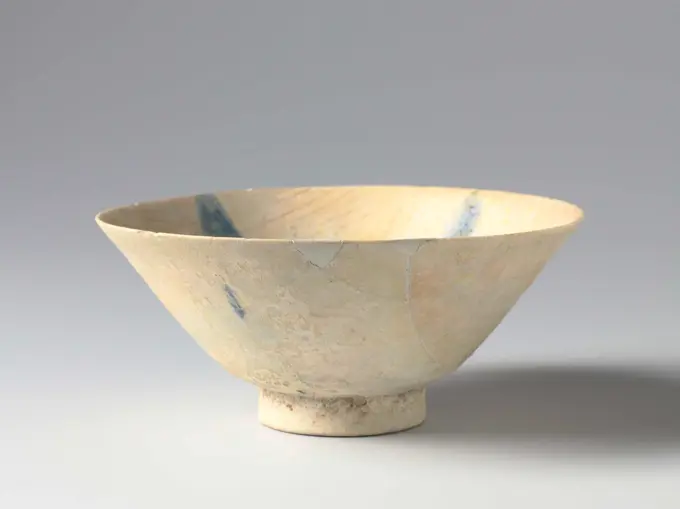
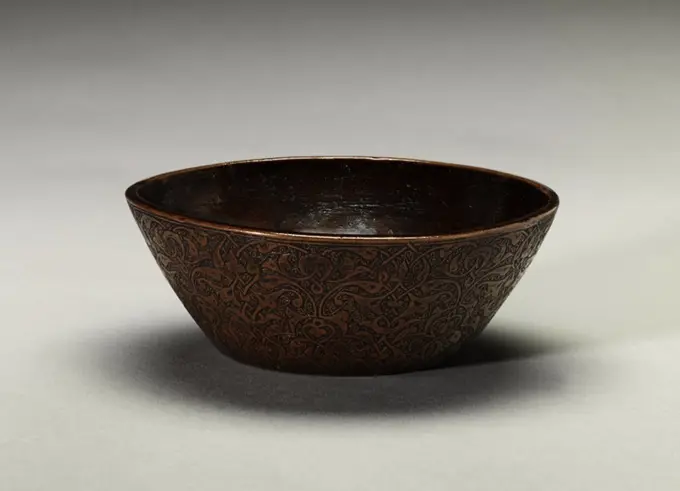
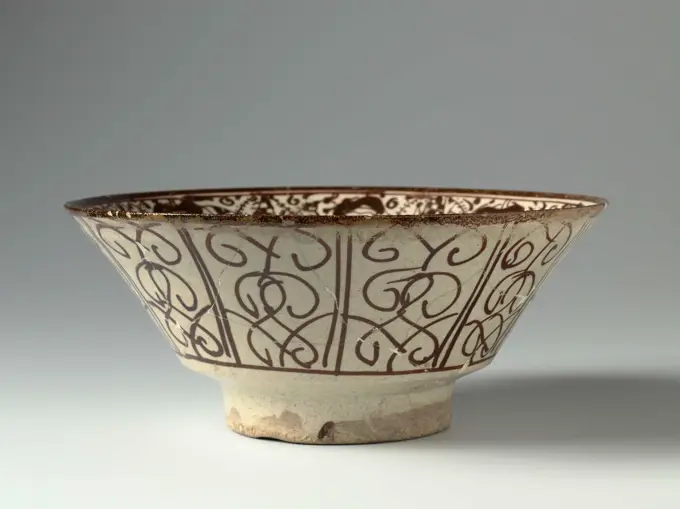
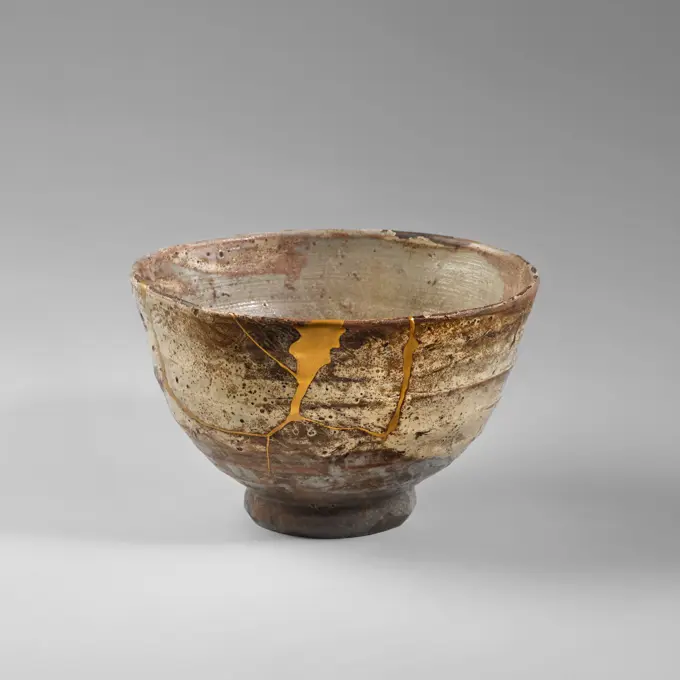
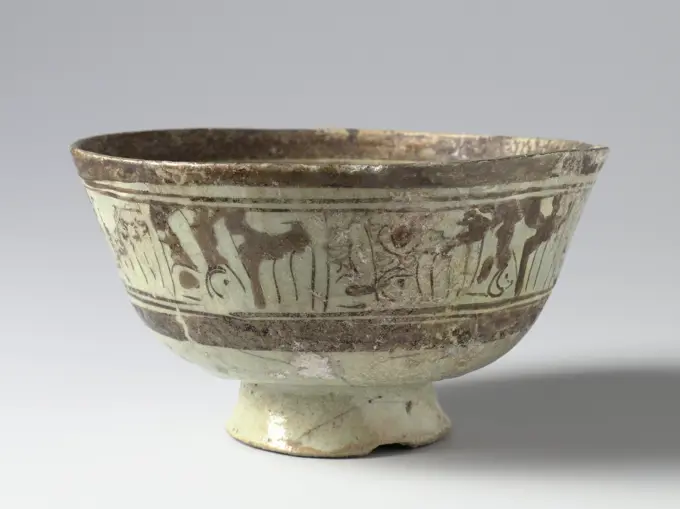
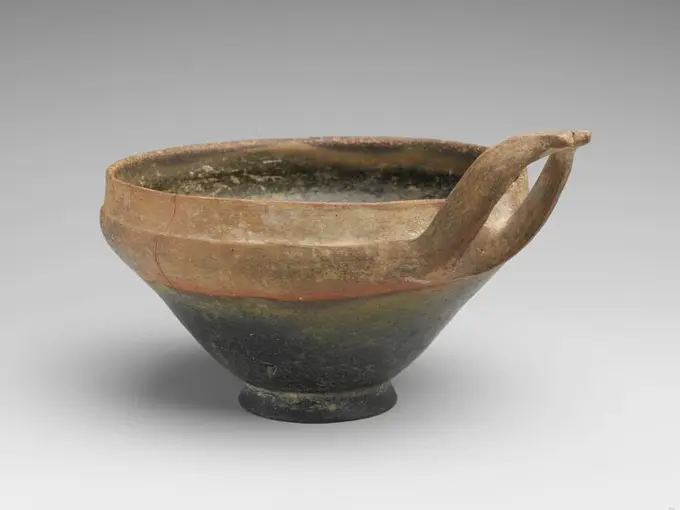
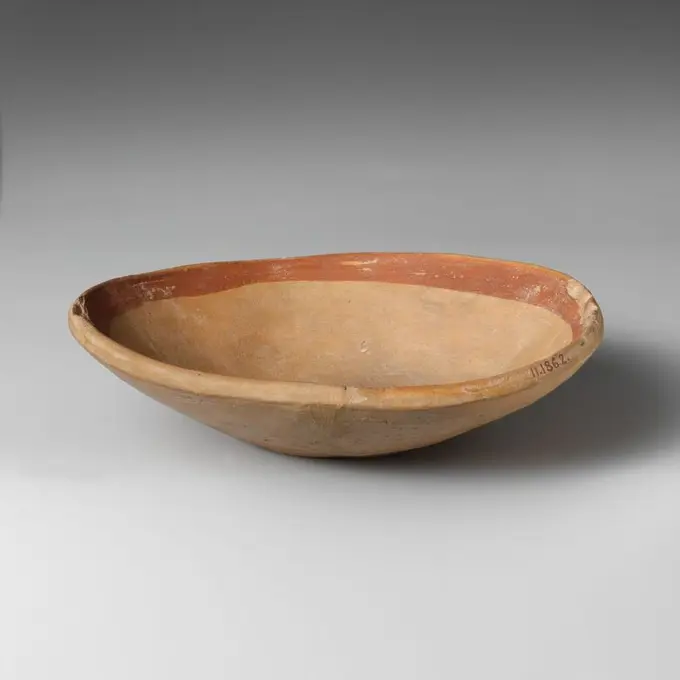
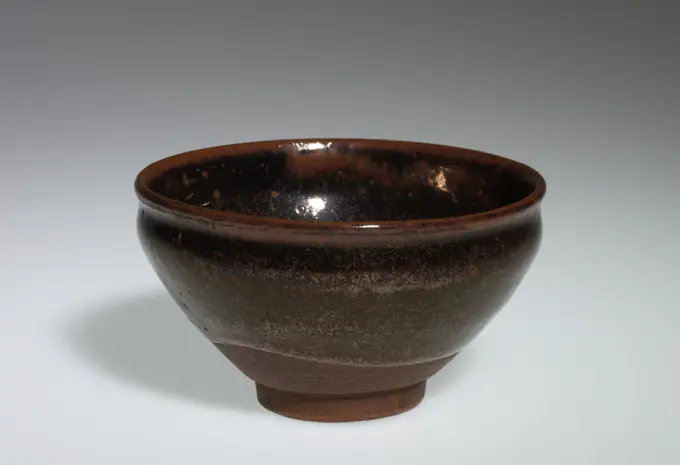
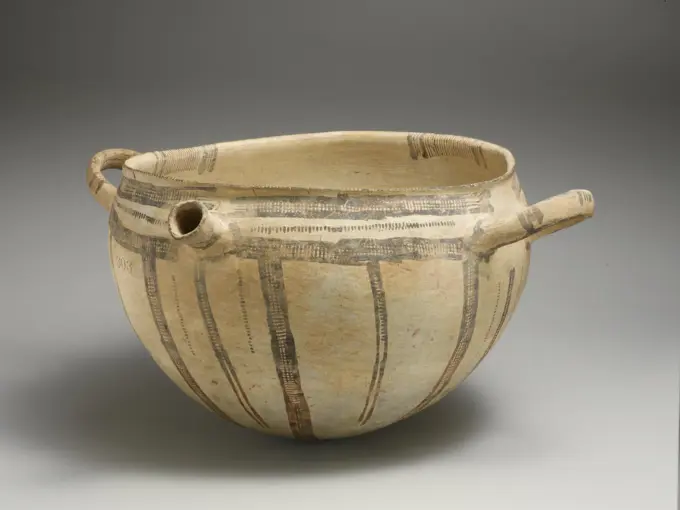
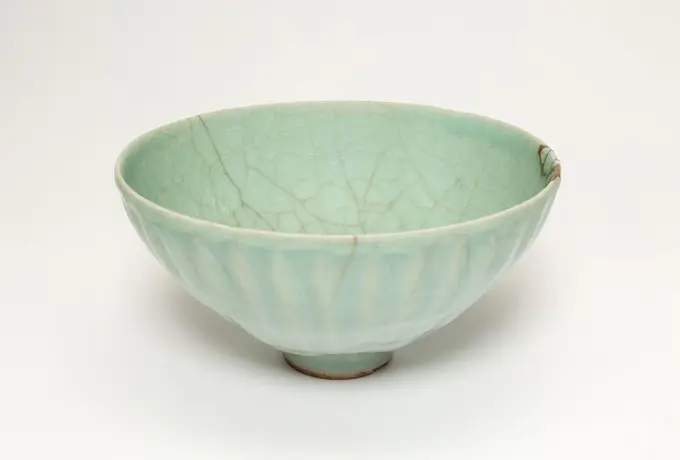
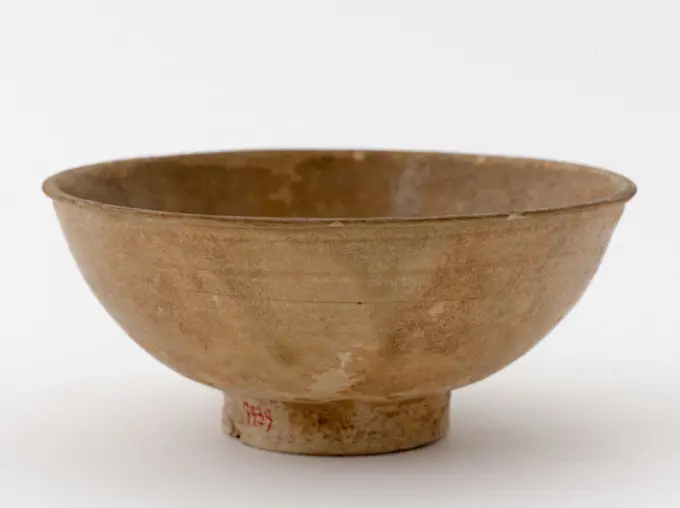
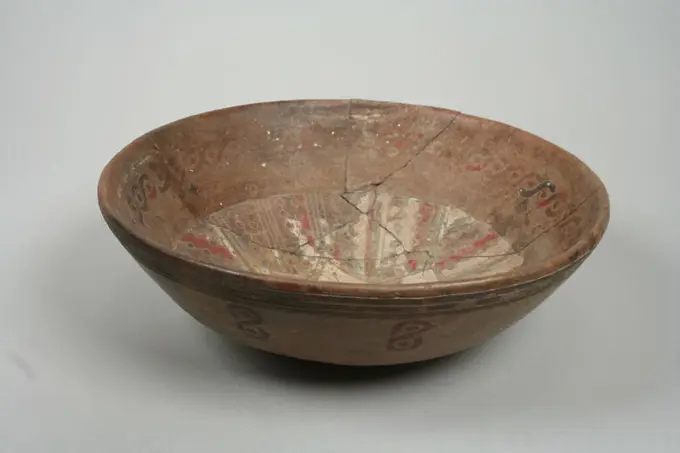
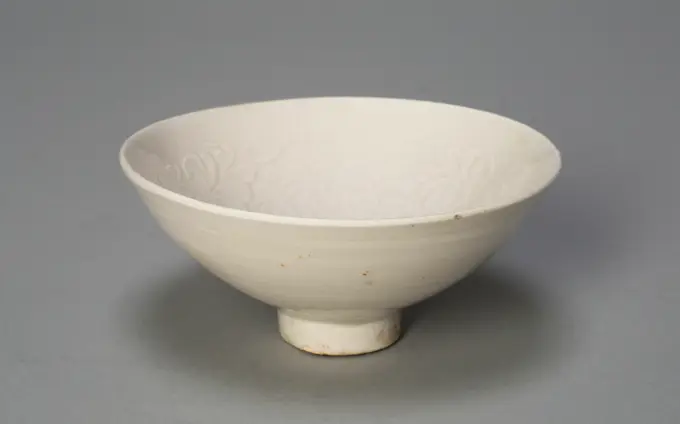
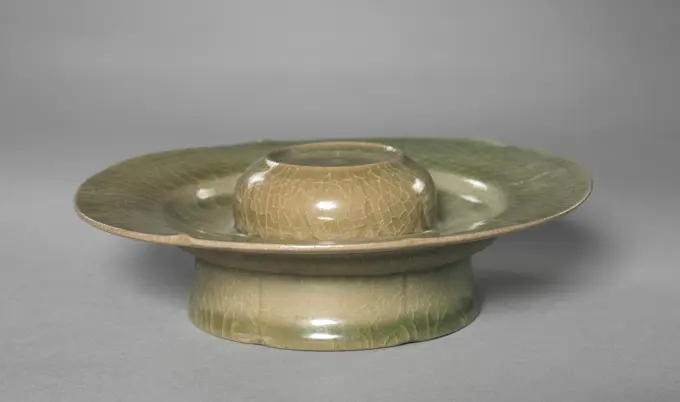
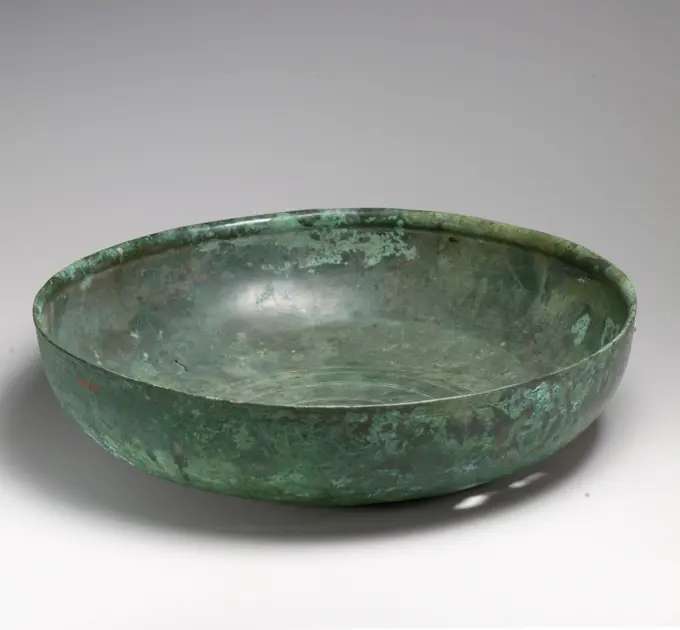
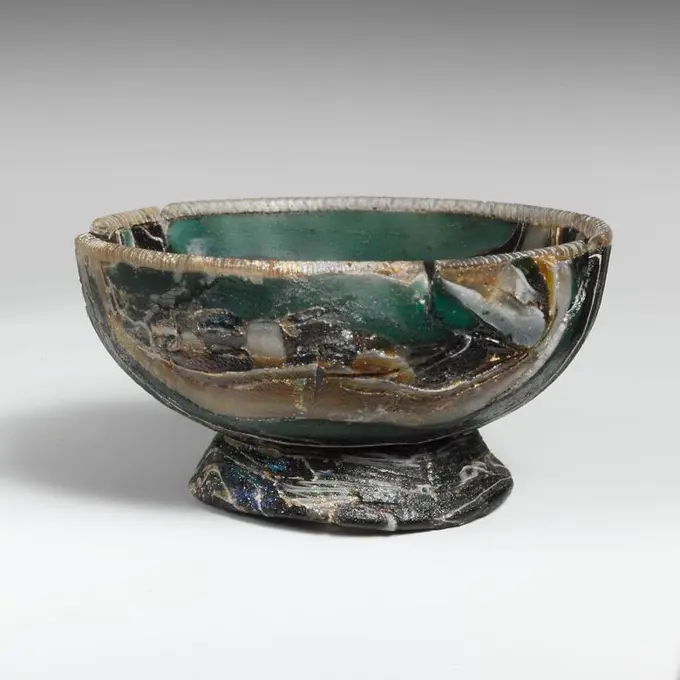
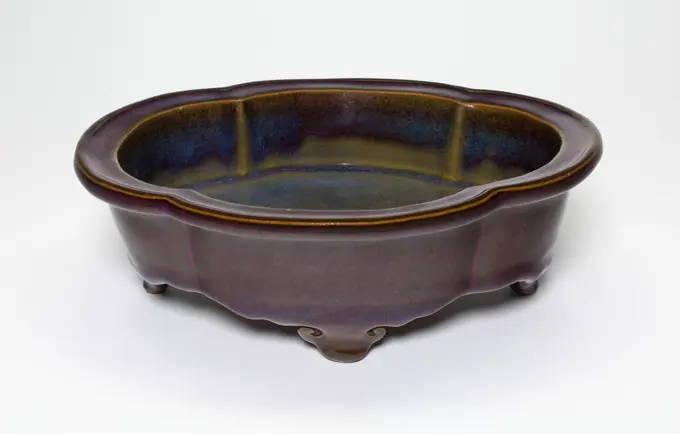
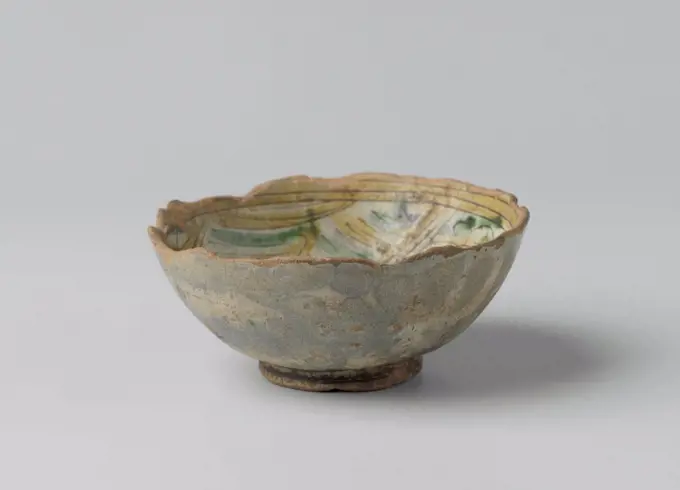
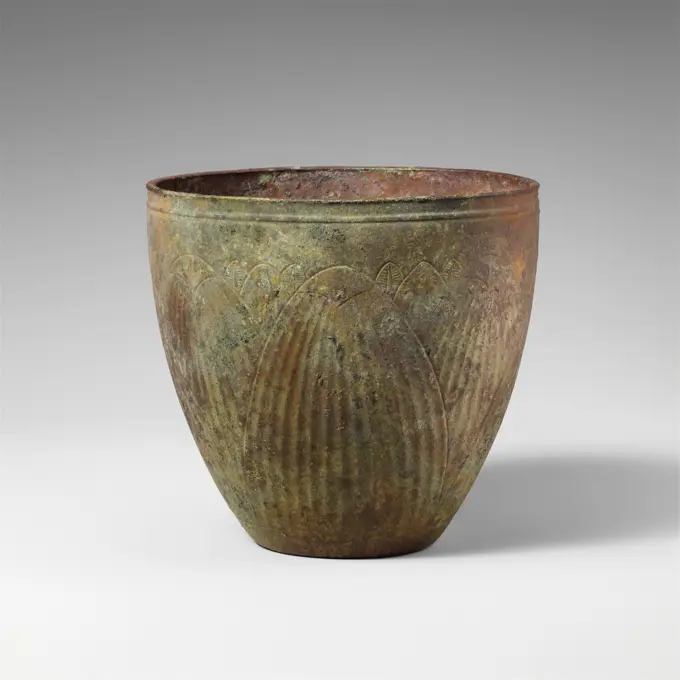
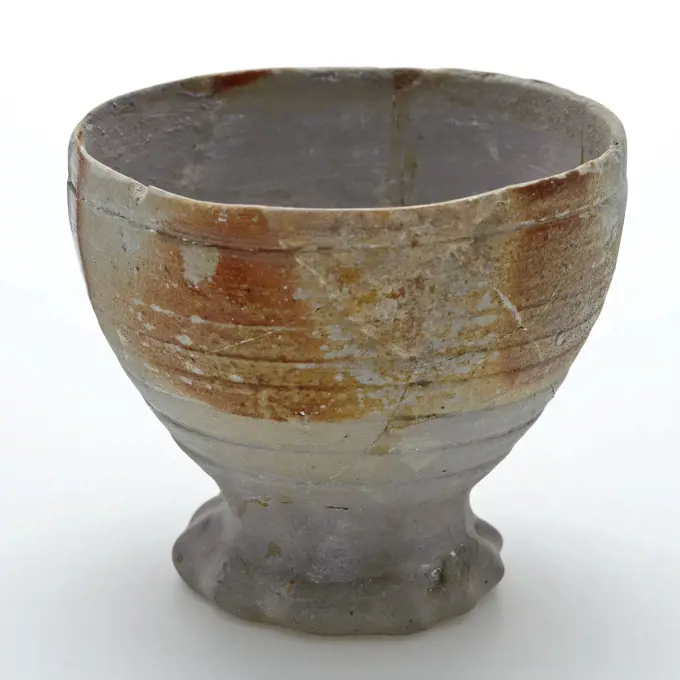
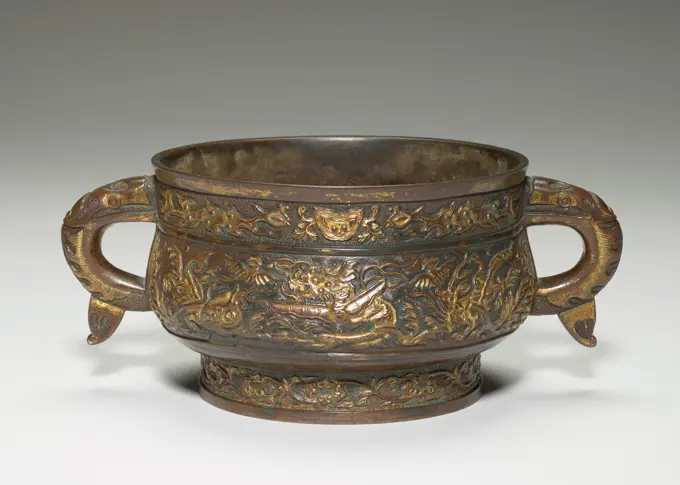
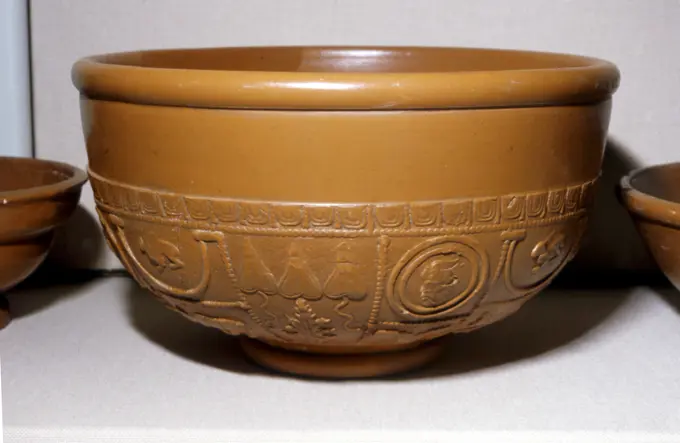
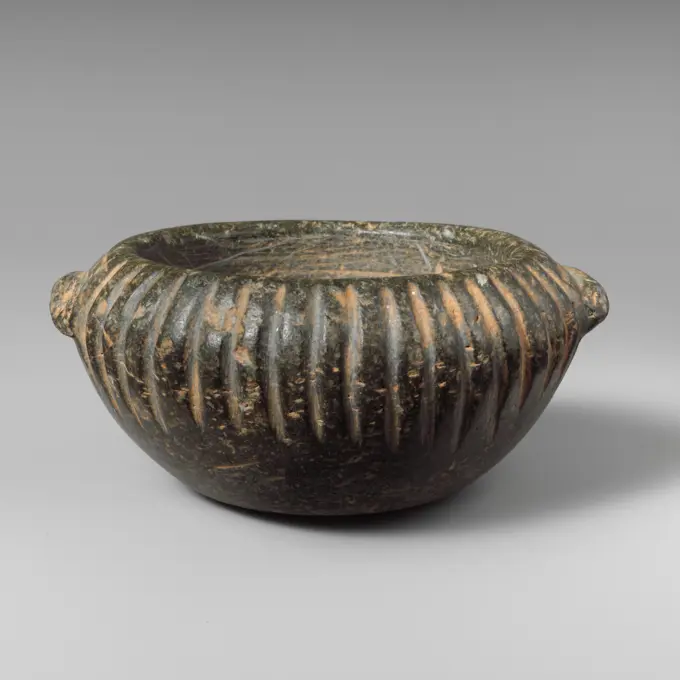
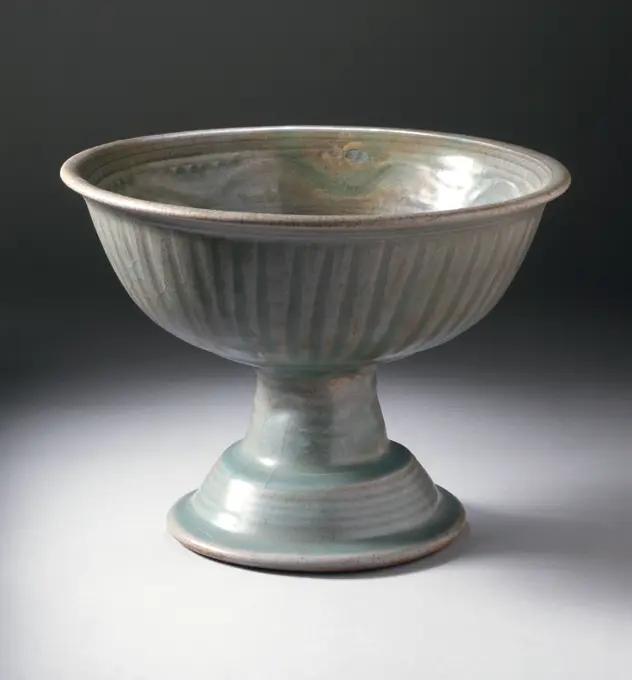
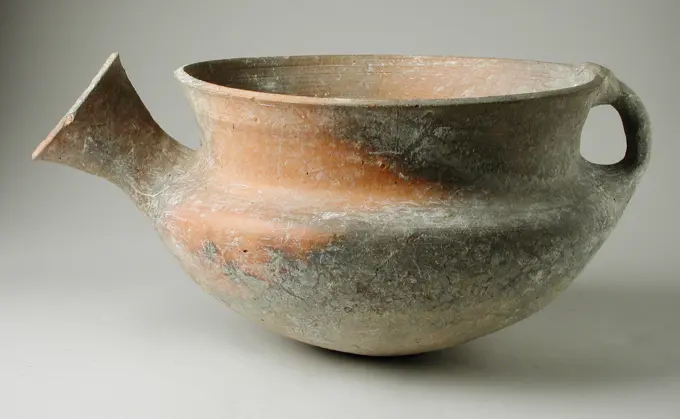
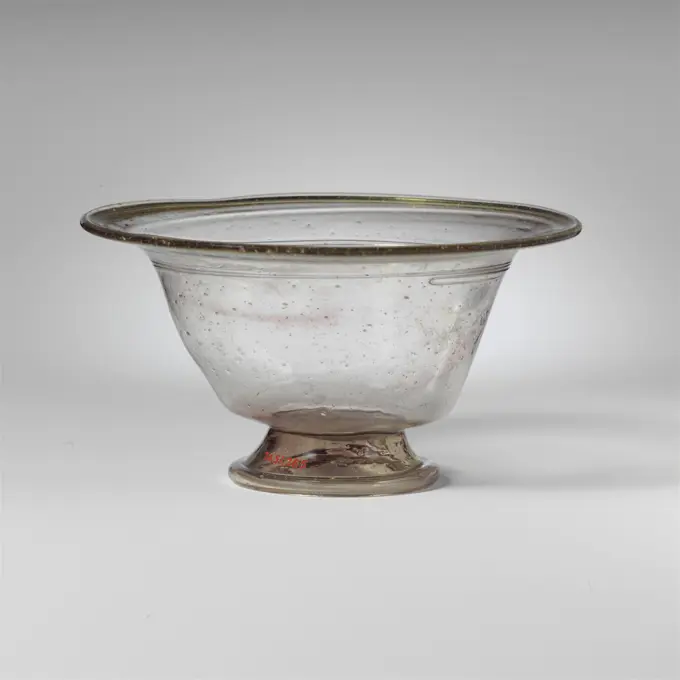
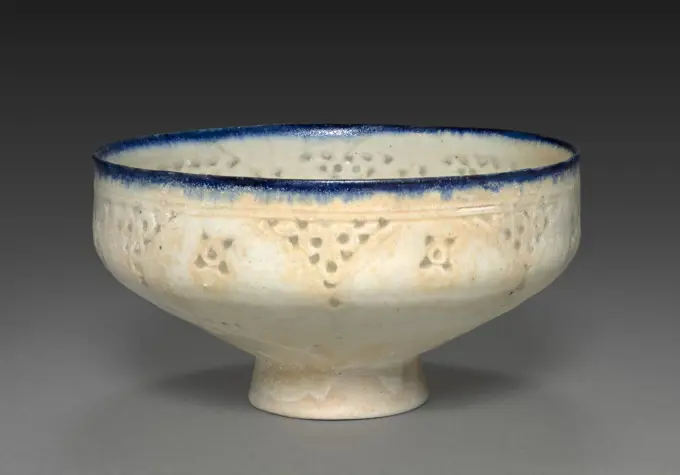
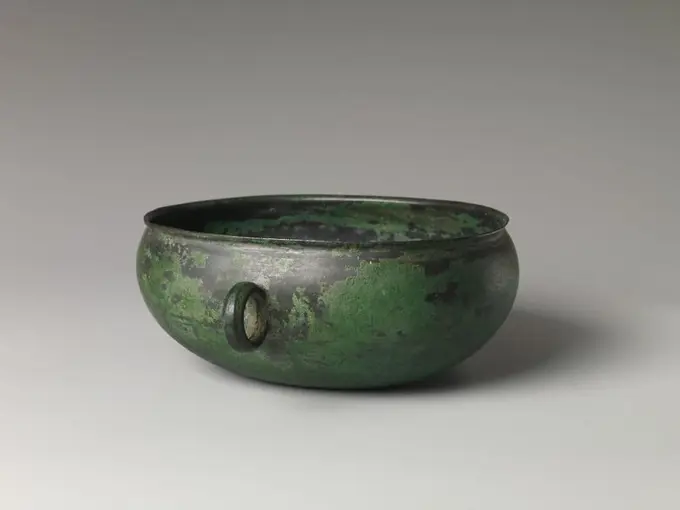
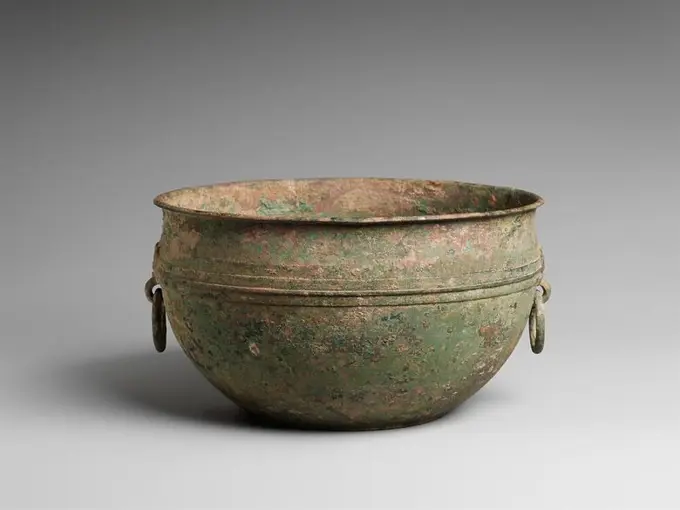
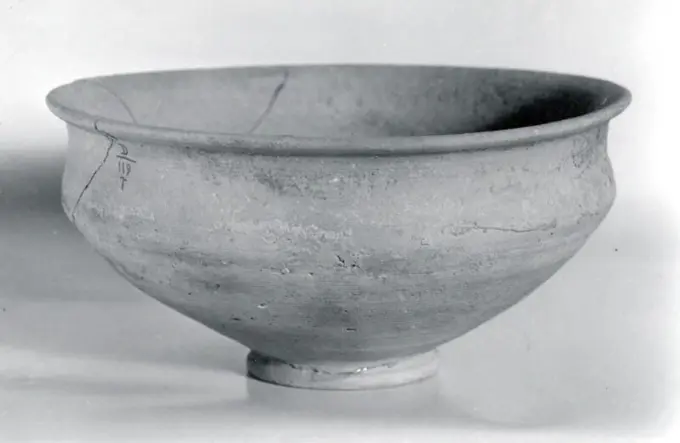
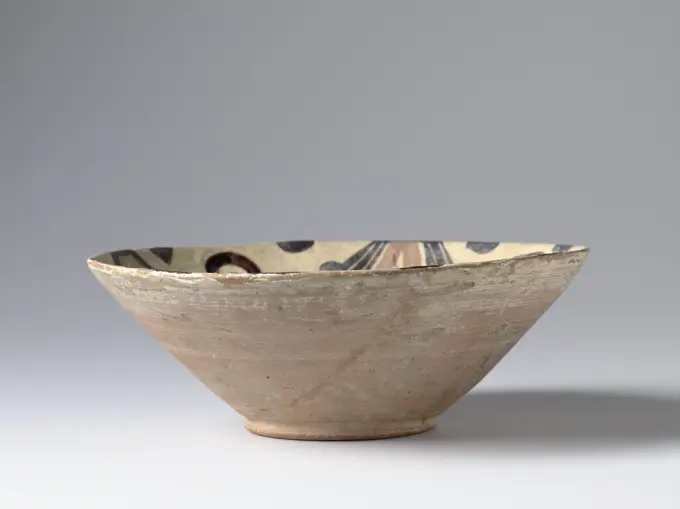
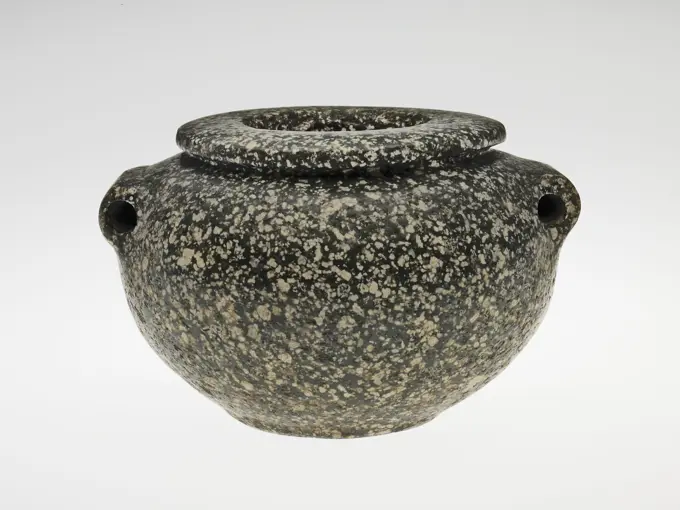
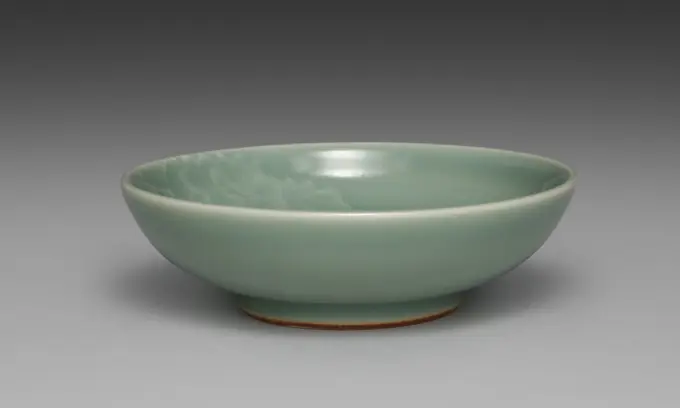
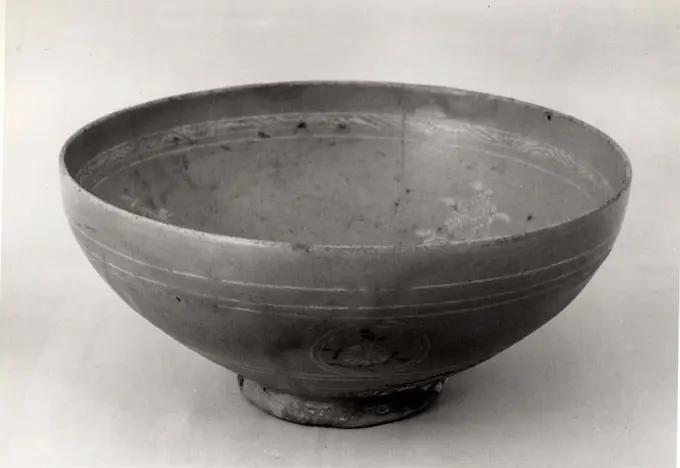
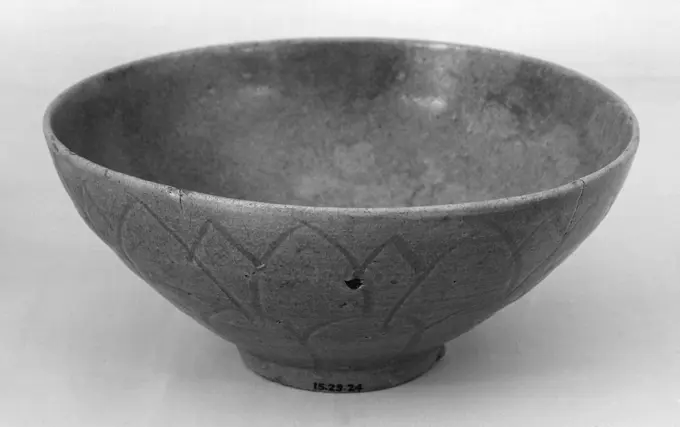
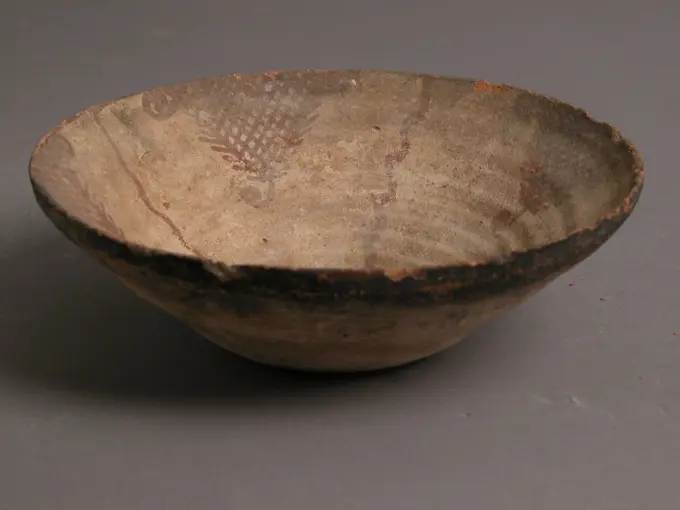
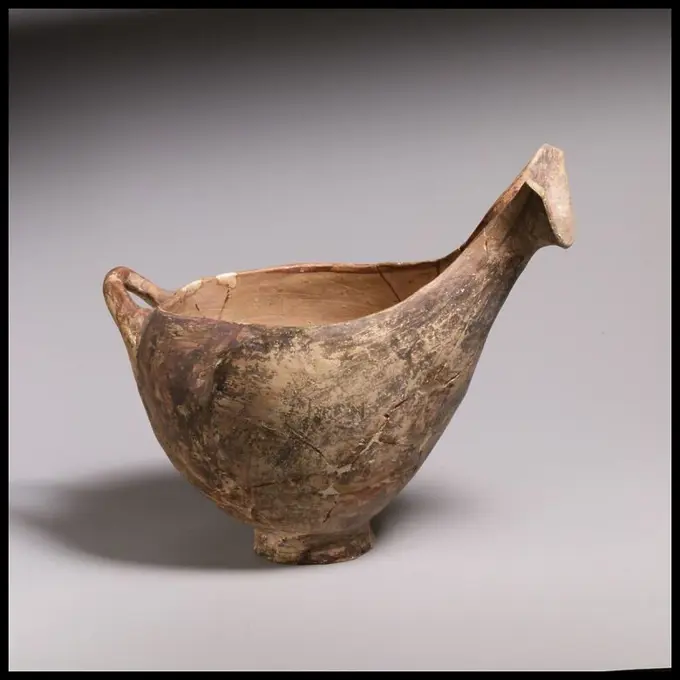
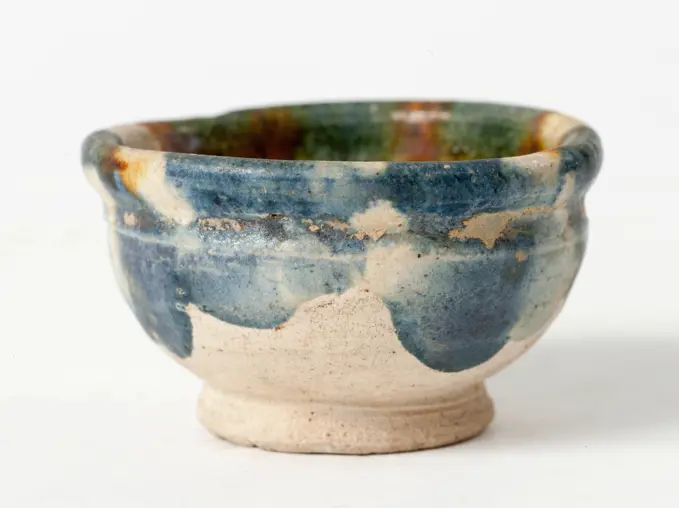
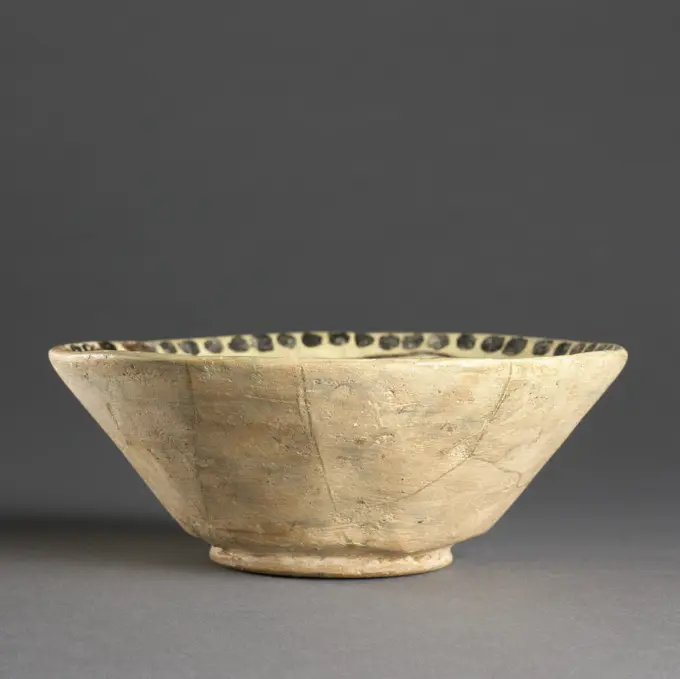
Bowl with a big bird, anonymous, c. 900 - c. 1099 Come of earthenware decorated on the inner wall with a bird in polychrome sludge in colors black, green, red and white on white sludge engobe. Sari earthenware. glaze painting / vitrification Come of earthenware decorated on the inner wall with a bird in polychrome sludge in colors black, green, red and white on white sludge engobe. Sari earthenware. glaze painting / vitrification. Shallow bowl of stoneware, covered with a dark blue glaze with golden brown stripes (hazel). The bottom is unglazed. The bowl has a white border. Jian.Container to steam ". Terracotta with green lead glaze. Han dynasty (206 BC-220 AD). Paris, Cernuschi museum. Chinese art, cook, steam cooking, han dynasty, han time, container, terracotta. Tea bowl of stoneware, partly covered with a gray-brown glaze. The center has been increased. The lower half of the bowl is unglazed. The edge is caught in a metal band. Old label on the bottom with 'W021'. Jian.Bowl 4th-7th century Coptic. Bowl 478880Pottery saucepan on three legs, with pouring spout and slantingly pointed handle, saucepan cooking pot crockery holder kitchenware soil find ceramics earthenware glaze lead glaze, hand turned molded glazed baked Pottery saucepan Convex bottom on three legs. Schenklip and upwardly directed stem. Red shard internal glazed Slightly receding upper edge Roetsporen at the top archeology Valckensteyn Poortugaal Albrandswaard indigenous pottery cooking kitchen food nutrition food preparation Soil discovery: canal at kitchen castle Valckensteyn at Poortugaal now Albrandswaard 1961.. Come from quartz frying with four wide radial blue lines under transparent alkalilation.Bowl (common name). Celadon coverage sandstone. Cernuschi Museum, Asia Museum of Asia in the city of Paris.A Bowl. Dated: mid 16th century. Dimensions: overall: 5.2 x 14.2 cm (2 1/16 x 5 9/16 in.). Medium: bronze//Medium brown patina. Museum: National Gallery of Art, Washington DC. Author: Veneto-Islamic 16th Century.Tea bowl with a green glaze, anonymous, c. 1600 - c. 1699 Theekom van Steengoed, covered with a craqueled green enamel. A few gold lacquer repairs in the edge and the wall. Old label on the bottom with 'W135'. Korea Stoneware. Glaze. Repairs: vitrification Theekom van Steengoed, covered with a craqueled green enamel. A few gold lacquer repairs in the edge and the wall. Old label on the bottom with 'W135'. Korea Stoneware. Glaze. Repairs: vitrificationBowl with Dragonfly, Butterfly, and Flowers. Ryukyu Islands, about 1400-1600. Furnishings; Serviceware. Black and red lacquer on wood core with incised and gold-filled decoration (chinkin in Japanese, qiangjin in Chinese). Medieval potters in Iran produced expensive wares with lustre decoration. Lustre glazes were mixed with silver or copper oxide, which lent the earthenware an attractive metallic sheen.Tea bowl (cheer);  XVIII-XIX century (1701-00-00-1900-00-00);Grohman, Henryk (1862-1939) - collection, ceramics, chets, gift (provenance), tea, Japanese (culture), stoneware, Japanese artBowl with floral scrolls and an inscription, anonymous, c. 1100 - c. 1199 Kwartsfritgoed Come decorated with a inscription and tires with flower vessels in chocolate brown luster on the surface of transparent alkali-shed glaze. Raqqa earthenware. glaze. luster (textile) painting / vitrification Kwartsfritgoed Come decorated with a inscription and tires with flower vessels in chocolate brown luster on the surface of transparent alkali-shed glaze. Raqqa earthenware. glaze. luster (textile) painting / vitrificationFooted Bowl, 20th century, 3 3/4 x 5 1/2 in. (9.5 x 13.97 cm), Earthenware, Democratic Republic of Congo, 20th centuryTerracotta bowl with wishbone handle. Culture: Cypriot. Dimensions: H. 3 11/16 in. (9.4 cm); diameter 4 15/16 in. (12.5 cm). Date: ca. 1600-1200 B.C..Deep bowl with upright rim and horned handle. Museum: Metropolitan Museum of Art, New York, USA.Terracotta shallow bowl. Culture: Minoan. Dimensions: Diameter 6 5/8 in. (16.8 cm.). Date: ca. 2900-2300 B.C..Broad band inside rim, dark-on-light Geometric ware. Museum: Metropolitan Museum of Art, New York, USA.Teabowl, 1400s-1500s. Japan, Muromachi period (1392-1573). Glazed stoneware (Seto ware); diameter: 12.1 cm (4 3/4 in.); overall: 7 cm (2 3/4 in.).Bowl, anonymous, anonymous, c. 1100 - c. 1199 Come of earthenware (quartz fritry) with a straight, flared wall and four times lobed edge, partially covered with a transparent enamel with a light blue tint. The lower part of the bowl is unglazed. Imitation of the Chinese Qingbai. Iran earthenware. glaze vitrification Come of earthenware (quartz fritry) with a straight, flared wall and four times lobed edge, partially covered with a transparent enamel with a light blue tint. The lower part of the bowl is unglazed. Imitation of the Chinese Qingbai. Iran earthenware. glaze vitrificationTea bowls with white rim unknownCup with Chrysanthemum Design, 1200s. Korea, Goryeo period (918-1392). Glazed stoneware with slip decoration; overall: 8.1 cm (3 3/16 in.); diameter of mouth: 15.5 cm (6 1/8 in.).Cup 1300-1392 Korea. Celadon-glazed stoneware .Terracotta two-handled bowl with spout ca. 1600-1150 B.C. Cypriot Lateral handles and tubular spout, lattice ornament.. Terracotta two-handled bowl with spout. Cypriot. ca. 1600-1150 B.C.. Terracotta; White slip ware. Late Cypriot I-IIIA. VasesFluted Bowl. China. Date: 960 AD-1300. Dimensions: H. 7.7 cm (3 in.); diam. 15.3 cm (6 in.). Celadon-glazed stoneware with underglaze molded decoration. Origin: China. Museum: The Chicago Art Institute, Chicago, USA.Cup ". GRS covered ivory. Paris, Muse Cernuschi. Coupe Asian art, extreme-East art, Vietnamese art, ceramic, cut, gres, dishesBowl. Culture: Paracas. Dimensions: Overall: 2 1/2 in. (6.35 cm)Other: 8 1/8 in. (20.6 cm). Date: 7th-4th century B.C.. Museum: Metropolitan Museum of Art, New York, USA.Bowl with incised scrolls, anonymous, c. 1175 - c. 1224 Come from quartz fritry, decorated with a band with Ingrift Curlwerk or (leaf) vendors and covered with a monochrome turquoise alarm laze. Iran earthenware. glaze engraving / vitrification Come from quartz fritry, decorated with a band with Ingrift Curlwerk or (leaf) vendors and covered with a monochrome turquoise alarm laze. Iran earthenware. glaze engraving / vitrificationConical Bowl with Peonies and Leaves 960 CE-1279 China. Ding ware; porcelain with underglaze molded decoration .Floral-shaped Cup Stand, 918-1392. Korea, Goryeo period (918-1392). Pottery; diameter: 15.8 cm (6 1/4 in.); overall: 4.9 cm (1 15/16 in.).Bronze shallow bowl ca. 2nd century B.C.-2nd century A.D. Etruscan or Roman With incised concentric circles.. Bronze shallow bowl 251120 Etruscan or Roman, Bronze shallow bowl, ca. 2nd century B.C.2nd century A.D., Bronze, H. 3 in. (7.6 cm); Diameter 12 1/8 in. (30.8 cm). The Metropolitan Museum of Art, New York. Rogers Fund, 1921 (21.88.127)Vessel 6th-7th century Visigothic. Vessel. Visigothic. 6th-7th century. Earthenware. CeramicsIncised bowl with birds 3rd-2nd century B.C. Paracas. Incised bowl with birds 308327Czarka with a five petal shore unknownBronze kylix (cup) 7th century B.C. Etruscan Exterior: friezes of griffins, sphinx, goat, lions, lotus budsFoot: Maltese crossThe creatures ornamenting the exterior are clearly derived from Corinthian pottery designs but here are executed with a tool that produced a fine zigzag line.. Bronze kylix (cup) 248158Cup (usual name), 1400. Gray-Vert covered sandstone. Cernuschi Museum, Asia Museum of Asia in the city of Paris.Pot with dessess of lancet leaves in green. Pot of pottery. The wall decorated embossed with slender spiny tapered and top-curling green leaves, between which a beige flower is always on a green stem, everything against a purple marbled fond. Unnoticed.Bowl 4th-7th century Coptic. Bowl. Coptic. 4th-7th century. Earthenware. Made in Kharga Oasis, Byzantine Egypt. CeramicsBowl 13th century. Bowl 451624Bowl. Culture: Coptic. Dimensions: Overall: 2 1/16 x 4 13/16 in. (5.3 x 12.2 cm). Date: 4th-7th century. Museum: Metropolitan Museum of Art, New York, USA.Glass striped mosaic bowl. Culture: Greek, Eastern Mediterranean. Dimensions: Height: 1 3/4 × 3 1/2 in. (4.5 × 8.9 cm)Diam. of foot: 2 3/16 in. (5.5 cm). Date: early 1st century B.C..Colorless, translucent deep purple (appearing almost black), pale blue green, deep honey yellow, and opaque white.Vertical rim with rounded edge; convex curving side tapering downwards to flat bottom within applied outsplayed base ring with thick rounded edge.Striped mosaic pattern formed from lengths of three canes laid side by side in five parallel rows and separated from one another by rows of cubes laid end to end in an irregular pattern; the central cane comprises layered lengths of white and green creating the effect of reverse colors on the exterior and interior;a cane comprising a purple stripe enclosing a fine white line, a white, a green, and then a yellow stripe that also has a white line, arranged in mirror image to either side of the central cane; and a third cane comprising green and whitLobed Basin for Flowerpot with Four Cloud-Shaped Feet 1300-1399 China. Jun ware; stoneware with reddish-blue and purple glaze .. Come from Quartz Fritgoed covered with a white tin-lead alkali acid on which a decoration of tendrils in luster.Cup with flower sprays near a rock and a dark brown glaze, anonymous, c. 1730 - c. 1770 Porcelain head, partially covered with a brown enamel, painted in underlaze blue and on the glaze in red and gold. Flowering plants in a rock; the edge with servetwork interspersed with a flower branch in a cartouche; The outside is covered with a brown glaze. Chinese imari with monochrome brown. China porcelain. glaze. cobalt (mineral). gold (metal) painting / gilding / vitrification Porcelain head, partially covered with a brown enamel, painted in underlaze blue and on the glaze in red and gold. Flowering plants in a rock; the edge with servetwork interspersed with a flower branch in a cartouche; The outside is covered with a brown glaze. Chinese imari with monochrome brown. China porcelain. glaze. cobalt (mineral). gold (metal) painting / gilding / vitrificationTea bowl (usual name), 90. Sandstone clothed with a black cover animated by rust stains. Cernuschi Museum, Asia Museum of Asia in the city of Paris.Pottery barley pan, toys, red shard, internal glazed, two sausage rolls, on three legs, griddle pan crockery holder kitchen utensils toy relaxant soil find model ceramics earthenware glaze lead glaze, hand turned fried glazed earthenware barley pan model toy red shard inside and mouth rim covered with lead glaze high lid edge two horizontally placed sausage trunks three legs outside wall and underside blackened archeology indigenous pottery food prepare cooking play food child kitchenBowl with Brushing Decorations, 1400s-1500s. Korea, Joseon dynasty (1392-1910). Clay, glaze; This type of wide-mouthed bowls was used everyday in Korea, not exclusively for tea drinking. But when it was introduced to Japan around the early 16th century, its imperfect appearance evoking the aesthetics of wabi-sabi caused it to be repurposed as a tea bowl. Korean tea bowls were circulated as an item of foreign luxury among Japanese military elites. Many Korean potters were abducted to Japan during the Japanese invasions (1592-98) and some settled down in Japan, such as in the Saga prefecture in Kyushu.Raku-Ware Tea Bowl with Design of Descending Geese 1701-1900 Japan. Glazed stoneware .Rhyton with handle in the shape of a monkey 8th century China. Rhyton with handle in the shape of a monkey. China. 8th century. Earthenware with brown glaze. Tang dynasty (618-907). CeramicsBowl, Anonymous, c. 1500 - c. 1600Bowl 9th-10th century This ceramic bowl was excavated at the site of Tepe Madrasa in Nishapur.Nishapur was a vital city in the early and middle Islamic periods, located along one of the main trajectories that connected Iran and West Asia Islamic lands with Central Asia and China. These itineraries are often referred by the term Silk routes but were in fact crucial to the movement of constellations of materials and objects, as well as people and ideas. The diverse population of Nishapur and its surroundings, from the better-researched elite groups of merchants, land-owning aristocracy, and literates, to the less-known artisans, farmers, miners, and servants, were instrumental in adapting global cultural trends to create their own distinctive visual languages. This is seen in the material remains of everyday life in medieval Nishapur - from pots and pans to lighting devices, inkwells, textiles and trimmings, jewelry, games and toys, talismanic devices, weapons, coins, and architectural fBronze beaker 5th-4th century B.C. Greek Beaker that widens from the foot upwards. Undecorated band at the lip. The body is enveloped by overlapping lotus petals that rise from the plain band at the base.. Bronze beaker 256124Beaker. Western Iran, circa 1000 - 650 B.C.. Furnishings; Serviceware. BronzeMazer Bowl early 20th century (original dated ca. 1450) British. Mazer Bowl 463508Stoneware cup on pinched foot, gray with brown flamed salt glaze, cup cup holder holder soil find ceramic stoneware glaze salt glaze, hand-turned glazed baked stoneware cup on pinched foot Gray with brown flamed salt glaze. Hemisphere of form. Strong rotations over the entire height. Straight upper edge archeology inn Het Hart Geervliet Bernisse indigenous pottery import drinking serve serving water wine beer Soil discovery: Geervliet Dorpsplein 1 demolition Trouw put 5 city inn 't Hart 1985.Miseczka. nieznany warsztat średnioasyryjski, workshopBowl 1200-1299 China. Jun ware; stoneware with opaque pale-blue and crimson-splashed glazes .Miniature Skyphos of CorinthianshapeLamp. UnknownBowl China. Bowl 48118Teabowl 18th century Nonomura Ninsei Japanese. Teabowl 62674Bowl with incised scrolls in panels, anonymous, c. 1175 - c. 1224 Come of earthenware decorated with a professional decoration in Sgraffito (Ingrift), alternately filled with curl and covered with blue glaze. Iran earthenware. glaze engraving / vitrification Come of earthenware decorated with a professional decoration in Sgraffito (Ingrift), alternately filled with curl and covered with blue glaze. Iran earthenware. glaze engraving / vitrificationEarthenware stain or test, with stem and ear, green and yellow glazed, chafing test earth finding ceramics earthenware glaze lead glaze, hand-turned glazed fried Chafing or test. Gray shard Fully covered with lead glaze internal yellow and external green Lying sausage ear on the side opposite handle handle. Bowl-shaped bowl. Three short lugs on the edge. What crooked archeology lighting heating cooking table prepare foodCenser, c. 1600-1610, Zhu Zhenming, Chinese, active around 1600, 3-5/8 x 8-3/4 x 5-13/16 in. (9.2 x 22.2 x 14.8 cm), Gilt bronze, China, 17th century, This gilded bronze censer is shaped like a Bronze Age ritual vessel form known as gui. It is cast and carved in relief, displaying a wave pattern in the main body, with eight mythological ocean animals, including sea horse, lion, elephant, and dragon, all accented with gilding. The center of the base is inset with a large, rectangular cartouche containing a six-character seal-script mark, which reads, 'Made by Zhu Zhenming of Yunjian.' Yunjian is present-day Songjiang near Shanghai, also the hometown of metalwork master Hu Wenming. Zhu worked in Hus workshop, where he completely assimilated the masters style and then became an independent artisan producing bronze objects that appealed to scholars tastes.Basin ca. 1849-58 United States Pottery Company. Basin 348Stone Jar with Lug Handles ca. 2960-2649 B.C. Early Dynastic Period. Stone Jar with Lug Handles. ca. 2960-2649 B.C.. Porphyritic Rock. Early Dynastic Period. From Egypt, Upper Egypt, Thebes, Asasif, Courtyard CC 41, Pit 3, Burial D 1, Beside or on inner coffin, MMA excavations, 1915-16. Dynasty 1-2Pedestalled Dish, c. 1000 - 500 BC. Japan, Jōmon period (c. 10,500-300 BC). Burnished earthenware with carved and impressed decoration; overall: 9.5 x 19 x 5.1 cm (3 3/4 x 7 1/2 x 2 in.); pedestal: 3.5 x 3.5 cm (1 3/8 x 1 3/8 in.). The Jomon period (10,500-300 BC) marks the beginning of the Japanese ceramic tradition, one of the most vibrant in world history. Major features such as an emphasis on asymmetrical silhouettes, great attention to surface texture, technological simplicity, and ambivalence to bright color already appear in this era. Late Jomon vessels are typically formed of a dense clay paste, and during this period, smaller serving vessels appear, in contrast to earlier deep storage or cooking vessel shapes. New types of surface decoration-carved rather than impressed into the clay body-herald the arrival of a distinctive aesthetic. The attachment of the pedestal to this shallow bowl, as well as the vessel's rather thin walls, also identify a new stage in ceramic productionPottery steel bowl or wine bowl with red shard and inside and outside edge covered with lead glaze with short handle and pouring lip and flat bottom, wine bowl steel bowl bowl crockery holder model soil find ceramic earthenware glaze lead glaze, hand turned glazed baked earthenware steel bowl model toy red shard inside and outside edge covered with lead glaze short handle shaved stand archaeological indigenous pottery servingBowl 13th-14th century. Bowl 451353Shallowe bowl with an iridescent turquoise glaze, anonymous, c. 1175 - c. 1224 Low bowl of earthenware, with a flat, wide edge and with a high stand ring. Completely covered with a highly illized turquoise lead glaze. Afghanistan earthenware. glaze vitrification Low bowl of earthenware, with a flat, wide edge and with a high stand ring. Completely covered with a highly illized turquoise lead glaze. Afghanistan earthenware. glaze vitrificationRoman British pottery- Samian ware, 2nd cent. AD. London.Chlorite bowl ca. 2200-1900 B.C. Minoan Incised vertical grooves on shoulder between two lugs.. Chlorite bowl. Minoan. ca. 2200-1900 B.C.. Chlorite. Middle Minoan I. Miscellaneous-Stone VasesBowl China. Bowl 46275High earthenware cooking pot on three legs, glazed, two standing ears, cooking pot crockery holder kitchenware earth discovery ceramic earthenware glaze lead glaze, edge 22.5 hand turned set glazed baked Red pottery pottery half round shape three legs one of which in plaster two pinched ears profiled edge with lid channel brown green glaze rings . High model with wide upper edge archeology Valckensteyn Poortugaal Albrandswaard indigenous pottery kitchen cooking food food preparation Soil discovery: canal at kitchen castle Valckensteyn at Poortugaal now Albrandswaard 1962.Pedestal Bowl with Waves. Thailand, Sawankhalok, 15th-16th century. Furnishings; Serviceware. Wheel-thrown stoneware with incised decoration and celadon glazeSpouted Bowl. Western Iran, circa 150 B.C.-A.D. 225. Furnishings; Serviceware. Highly fired orange-red wareGlubular pot with high flared collar ". Terracotta. Vietnam-Xe-Xive s. Paris, Cernuschi museum. 72186-50 High Col Evase, Vietnamese object, globular pot, terracottaGlass bowl 4th century A.D. Roman Colorless with pale green tinge and light purple streaks; base and trail in same colors.Horizontal rounded and thickened rim with slight downward kink on one side; broad, flaring mouth; funnel-shaped sides to body, turned in sharply below; applied flaring base with thick tubular ring; uneven but flat bottom with off-center pontil scar. Bowl stands aslant on base ring.Fine trail applied on underside of mouth, wound 2 1/2 times around top of body, and then trailed off backwards.Intact; pinprick and larger bubbles; very slight weathering and iridescence.Shallow colorless blown glass bowl with high foot and glass thread around neck.. Glass bowl 239850Low pot on three legs, yellow-brown pottery, with two ears, cooking pot tableware holder utensils earthenware ceramics earthenware glaze lead glaze, hand-turned glazed baked Cooking pot with two ears three legs Low and wide model with double conical belly. Bottom of unglazed archeology Capelle aan den IJssel House in Capelle castle cooking food preparation kitchen food Soil discovery: house in Capelle Capelle aan den IJssel.Bowl with RadiatingPanels. These bowls are decorated with engraved and stamped motifs. The semi-transparent white glaze has accumulatedin the grooves, highlighting the decoration. This free, spontaneous style originated in Korea and greatly appealed to Japanese lovers of ceremonial teawares. Korean models were thus soon imitated in Japan.Glass ribbed bowl. Culture: Roman. Dimensions: H.: 2 9/16 in. (6.5 cm)Diam.: 3 5/8 in. (9.2 cm). Date: mid-1st century A.D..Translucent deep purple; trail in opaque white.Outsplayed rim, with cracked off and ground lip; short concave neck; broad, globular body curving in to slightly convex and thicker bottom.Thick trail applied on bottom and wound spirally eleven times up side to neck, ending in a large blob; side tooled into fourteen widely-spaced, vertical ribs.Intact, except for one chip in rim, and short sections of trail on body missing through weathering; pinprick bubbles and one glassy inclusion on interior of bottom; some pitting, dulling, and iridescence, with creamy weathering covering most of trail on exterior, little weathering on interior.Examples of this type of glass bowl are known from many sites across the Roman Empire. Those found in the eastern provinces are generally in pale, almost colorless, transparent glass, but those found in the West are made in rich, deBowl with Tall Rim. Egypt, Late Period - Roman Period (711 BCE - 100 CE). Furnishings; Serviceware. BronzeAnonymous, Bol (usual name), 1100. CERUNUSCHI museum, Museum of Arts in Asia in the city of Paris.Footed Bowl, late 1100s-early 1200s. Iran, probably Kashan, Seljuq period, late 12-early 13th century. Fritware, pierced and underglaze painting; overall: 9.8 x 18.2 cm (3 7/8 x 7 3/16 in.). Iranian potters created transparency by piercing and glazing frit-body walls. Here, triangles and rosettes decorate incised scallops beneath the blue rim. The footed shape is derived from Iranian metal bowls.Bowl. Culture: China. Dimensions: H. 2 5/8 in. (6.7 cm); W. (with handles) 6 7/8 in. (17.5 cm); D. 6 5/16 in. (16 cm). Museum: Metropolitan Museum of Art, New York, USA.Vessel. Culture: China. Dimensions: H. 4 7/8 in. (12.4 cm); Diam. 8 3/4 in. (22.2 cm). Museum: Metropolitan Museum of Art, New York, USA.Bowl ca. 1780-1580 B.C. Canaanite. Bowl 323123Bowl with stylized flower sprays, anonymous, c. 900 - c. 1099 Come of earthenware decorated with manganese black, red -brown and greenish sludge, with some incisions through colors, on Engobe of white sludge. Flower branches stylized on the inside. Nishapur earthenware. glaze painting / vitrification Come of earthenware decorated with manganese black, red -brown and greenish sludge, with some incisions through colors, on Engobe of white sludge. Flower branches stylized on the inside. Nishapur earthenware. glaze painting / vitrificationVessel with Lug Handles 4000 BCE-2250 BCE Egypt. This jar was carved from very hard stone using a simple drill fitted with a copper tip. The small lug handles allowed for it to be suspended by cords. Vessels like this one were probably used for the storage of ointment or liquids.. Stone . Ancient EgyptianPottery test on three legs, round model with standing sausage ear, unglazed, fire test test soil finds ceramic pottery, hand-turned baked Pottery test. Round model on three legs with standing ear. Ledge on the transition from the side wall to the bottom Draairillen archeology Valckensteyn Poortugaal Albrandswaard indigenous pottery fire kitchen fire source footstep hand warmer foot warmer Soil discovery: canal at kitchen castle Valckensteyn at Poortugaal now Albrandswaard 1961.Dish from Dishes with Ivy, c. 1893-1914. Seifū Yohei III (Japanese, 1851-1914). One from a set of five dishes; porcelain with green glaze and molded designs; overall: 3.5 x 11 cm (1 3/8 x 4 5/16 in.).Bowl with procession of bulls ca. 2900-2700 B.C.. Bowl with procession of bulls. ca. 2900-2700 B.C.. Marble. Early Dynastic I. Southern MesopotamiaBowl late 13th century Korea. Bowl 57394Bowl 11th- early 12th century Korea. Bowl. Korea. 11th- early 12th century. Stoneware with carved decoration under celadon glaze. Goryeo dynasty (918-1392). CeramicsBowl 4th-7th century Coptic. Bowl. Coptic. 4th-7th century. Earthenware, slip decoration. Made in Kharga Oasis, Byzantine Egypt. CeramicsMortar with Lug Handles. Egypt, New Kingdom, circa 1550-1070 B.C.. Tools and Equipment; mortars. CalciteStemmed dish. Culture: Lydian. Dimensions: H. 4 3/8 in. (11.1 cm)diameter 6 11/16 in. (17 cm). Date: 6th century B.C..Shallow bowl on high foot, gray ware without decoration. Museum: Metropolitan Museum of Art, New York, USA.Terracotta sauceboat. Culture: Helladic. Dimensions: Maximum H. 6 7/8 in. (17.40 cm.). Date: ca. 2650-2150 B.C..Elongated bowl with a spout of the so-called sauceboat form. Museum: Metropolitan Museum of Art, New York, USA.Vessel, 20th century, 2 7/16 x 4 3/4 x 4 3/4 in. (6.19 x 12.07 x 12.07 cm), Ceramic, pigment, United States, 20th centuryCup ". Terracotta, brown, blue and white glaze (Sancai). China, Tang dynasty (618-907). Paris, Cernuschi museum. Chinese art, Chinese ceramic, container, cup, tang dynasty, container, terracotta