Ancient Ceramics

Variety of historic ceramic vessels including Minoan, Roman, and Chinese designs, highlighting ancient art and pottery techniques from different cultures.
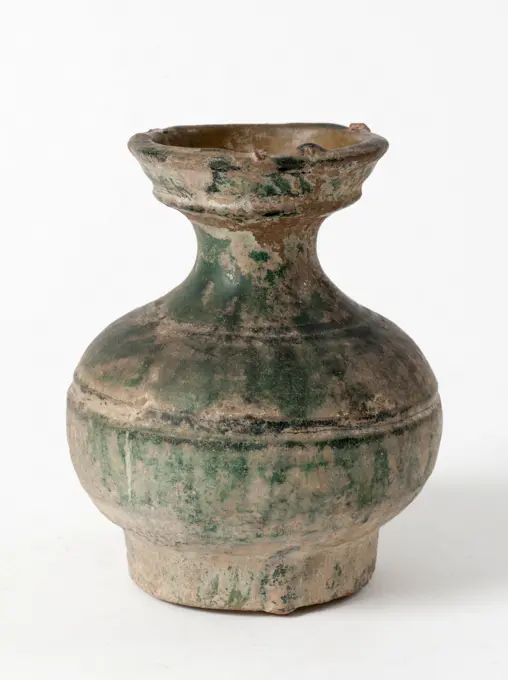
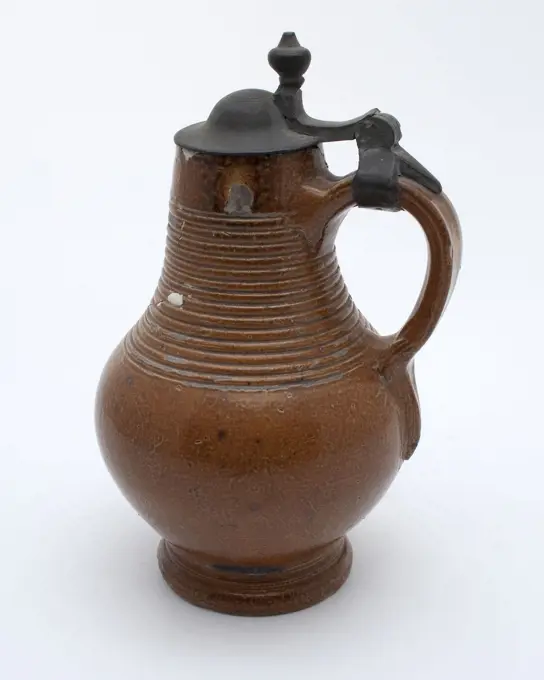
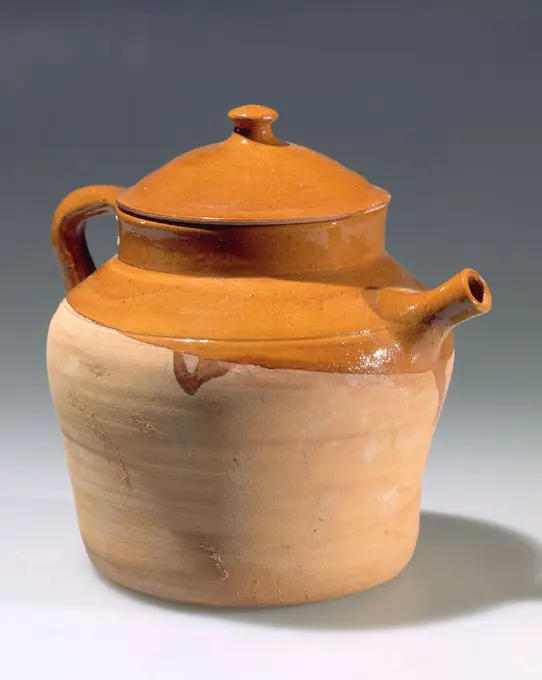
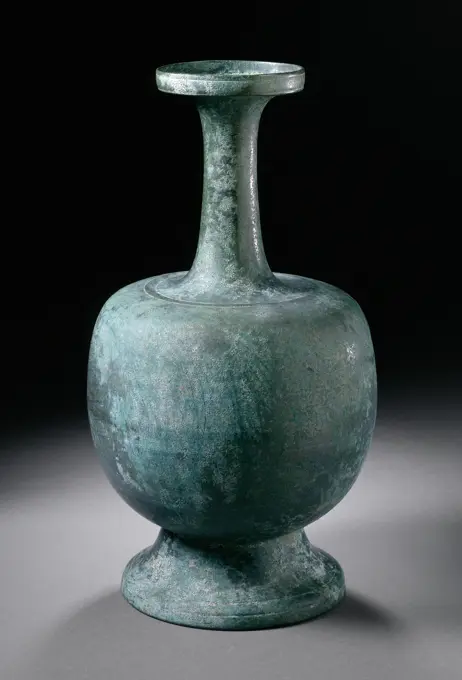
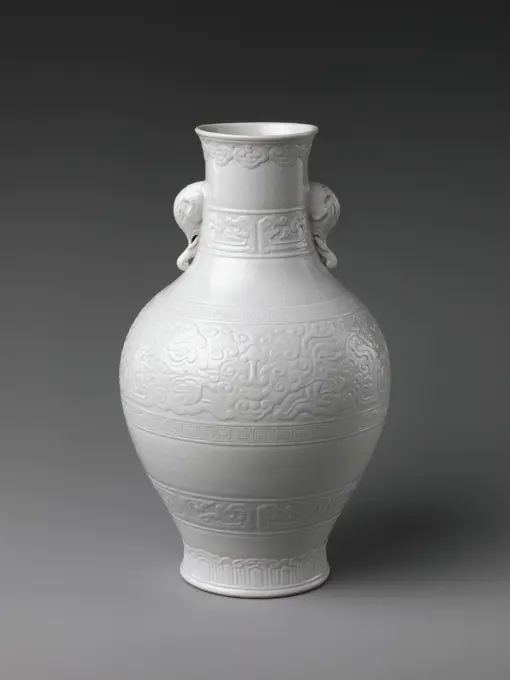
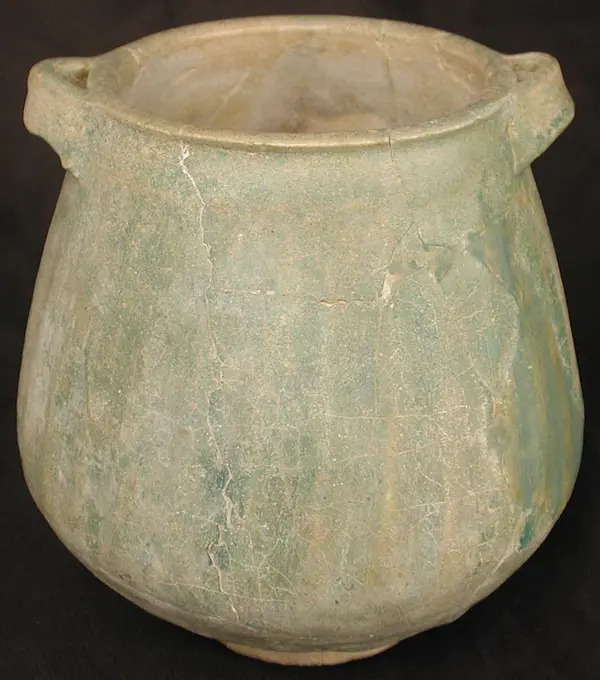
Vase Hu ". Terracotta with green lead glaze. Han dynasty (206 BC J.-220). Paris, Cernuschi museum. Chinese art, Chinese ceramic, han dynasty, green lead, terracotta, hum
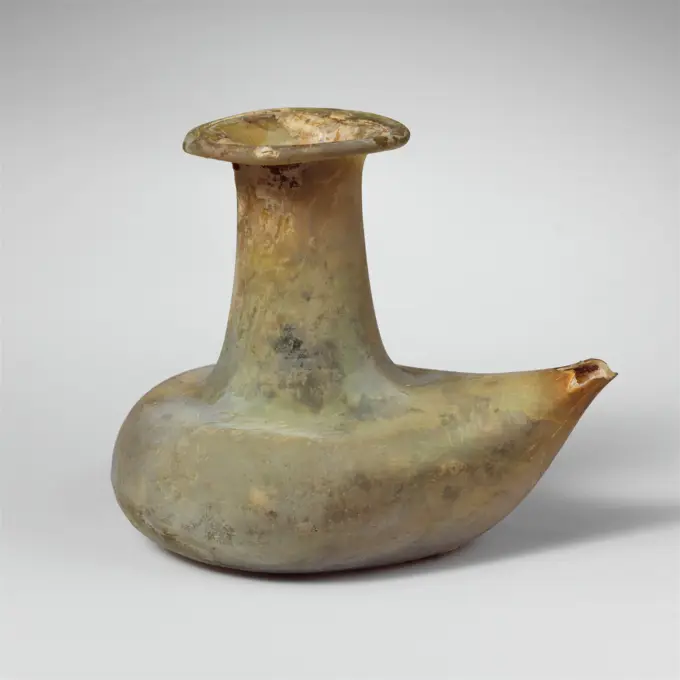
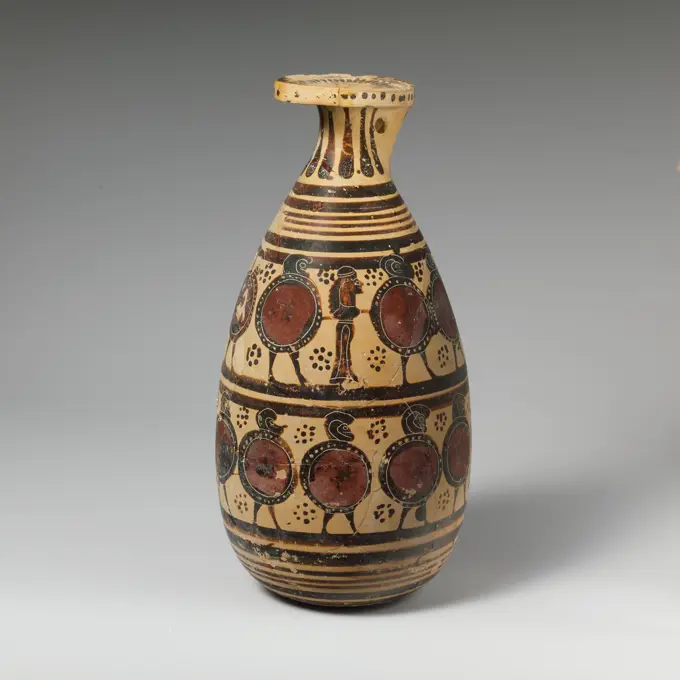
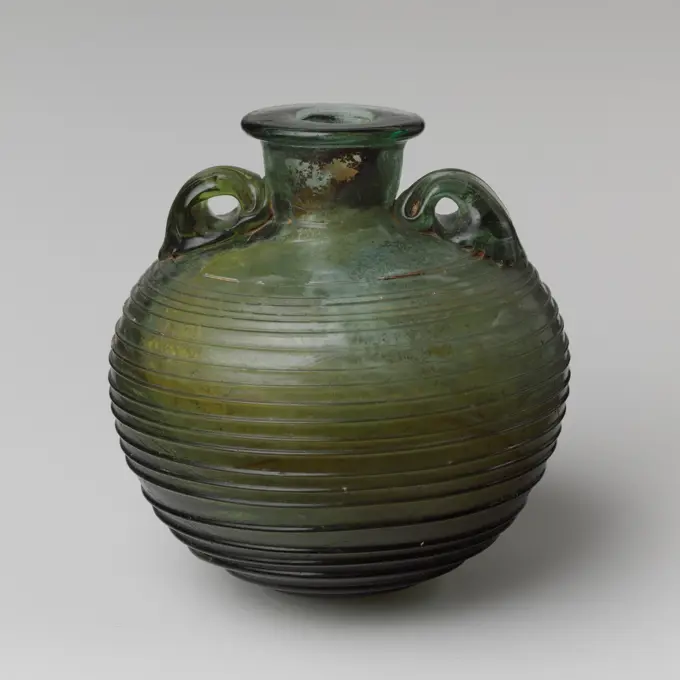
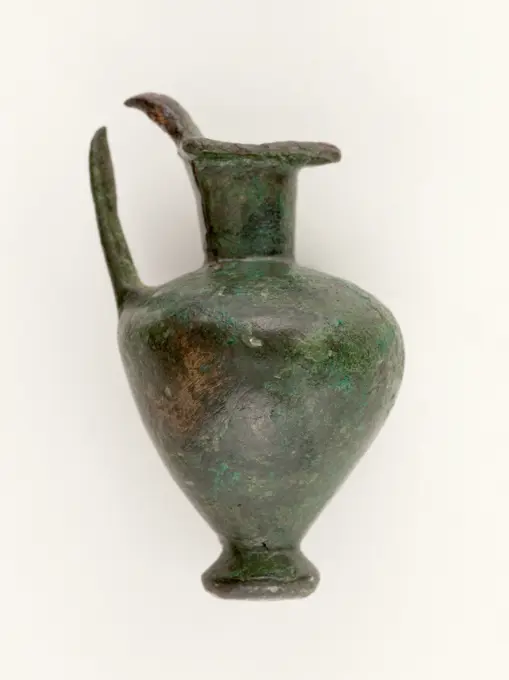
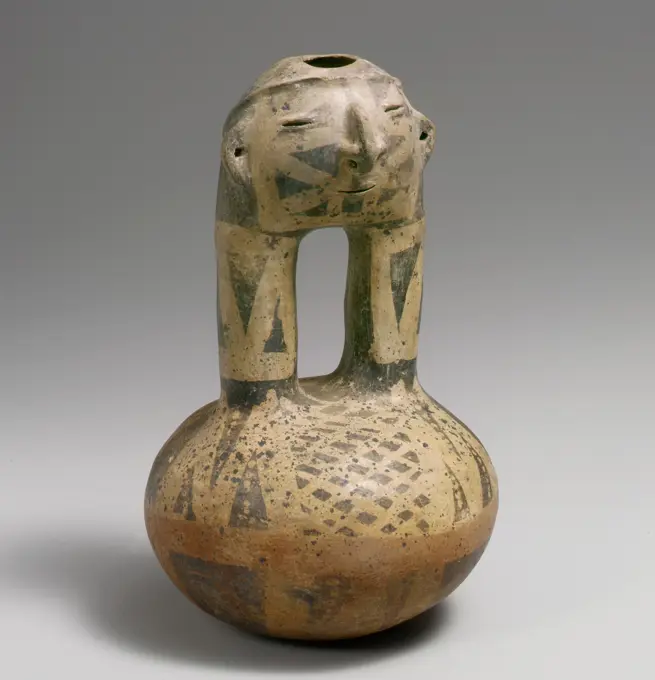
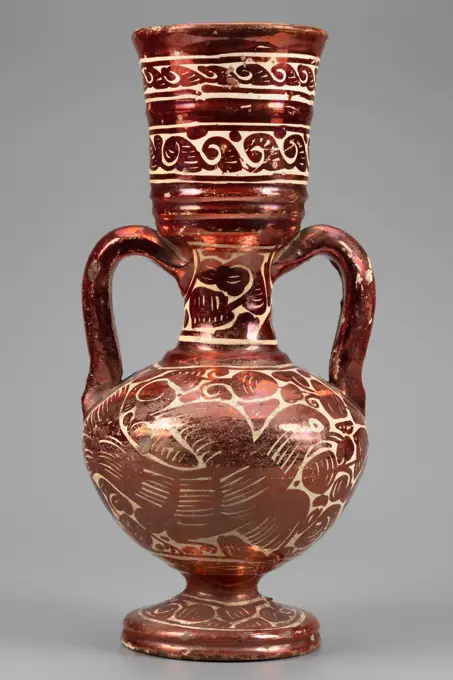
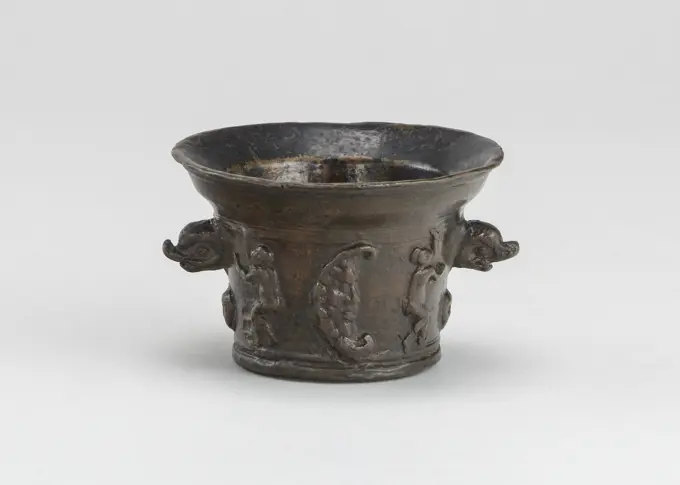
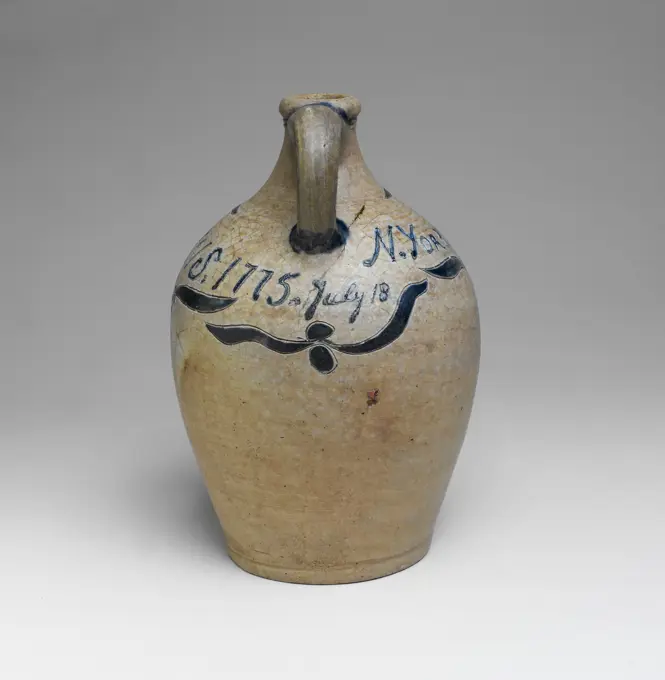
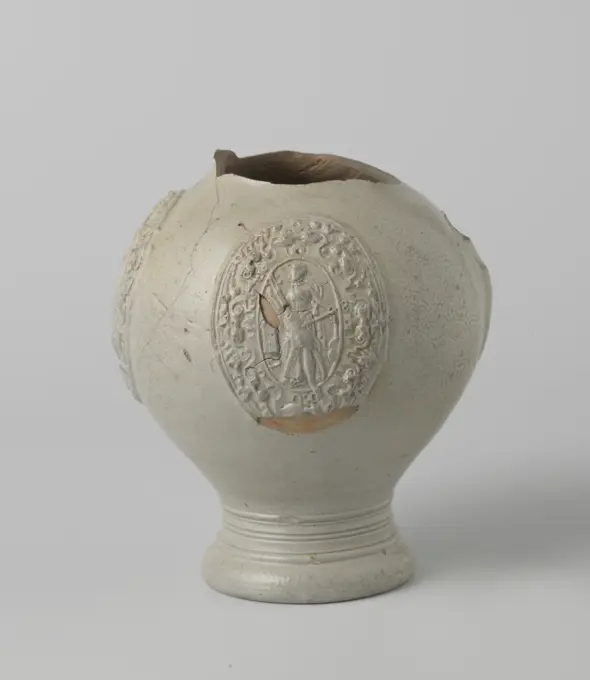
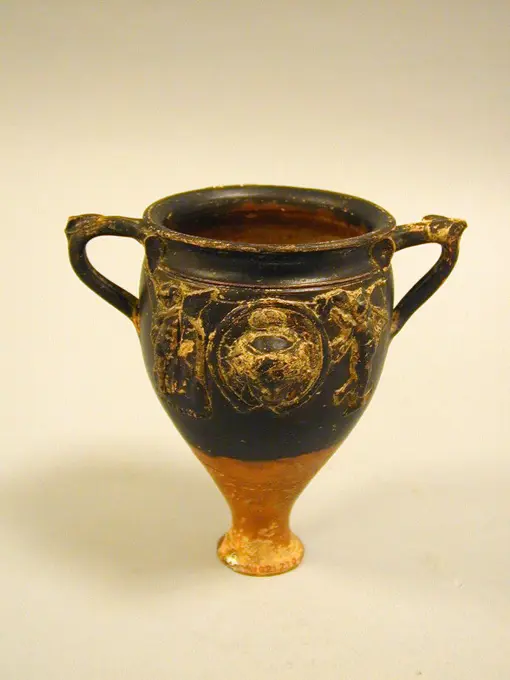
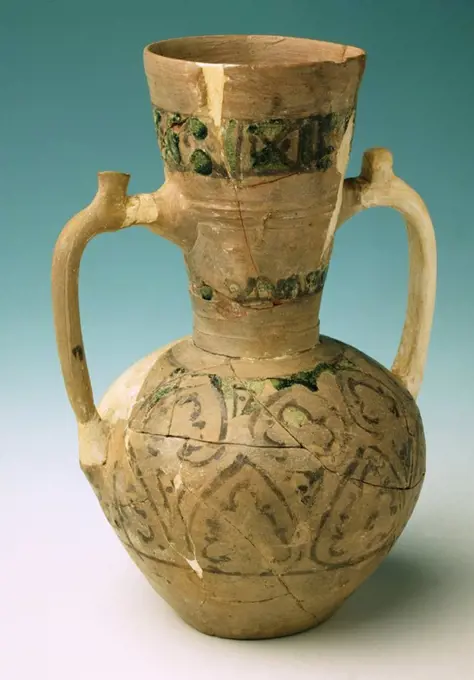
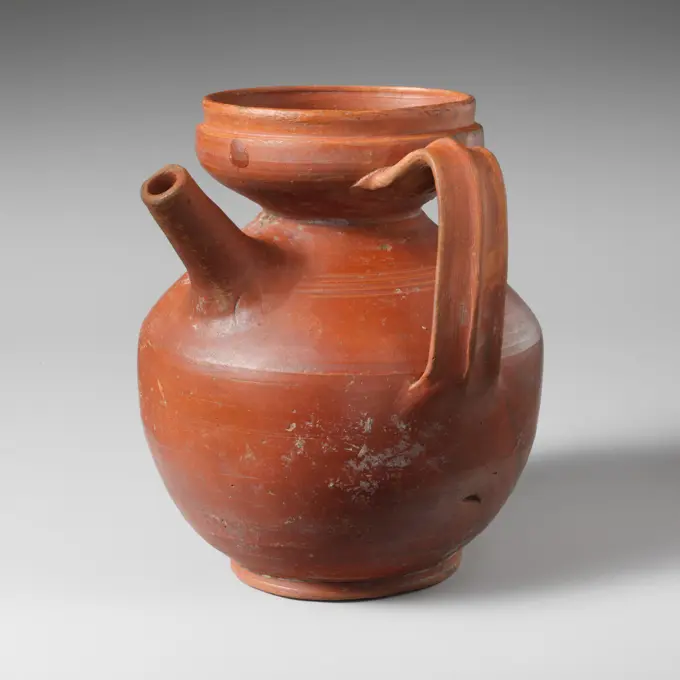
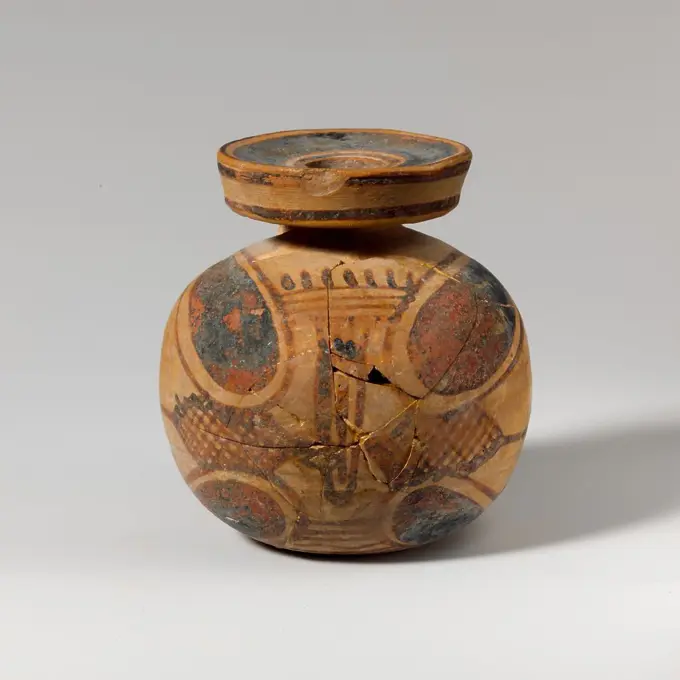
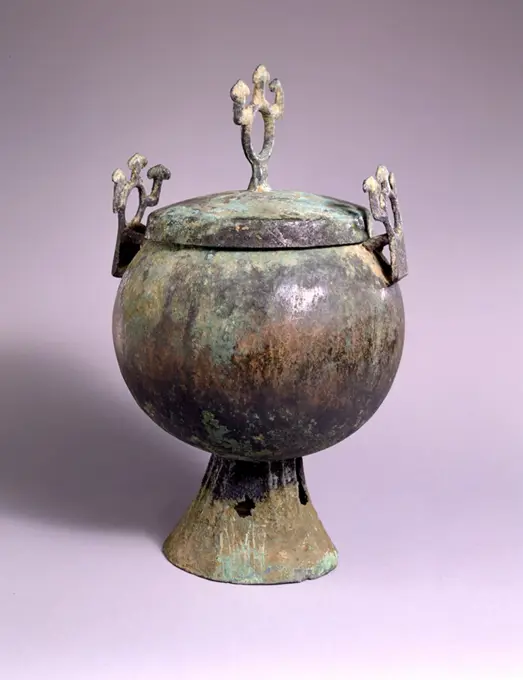
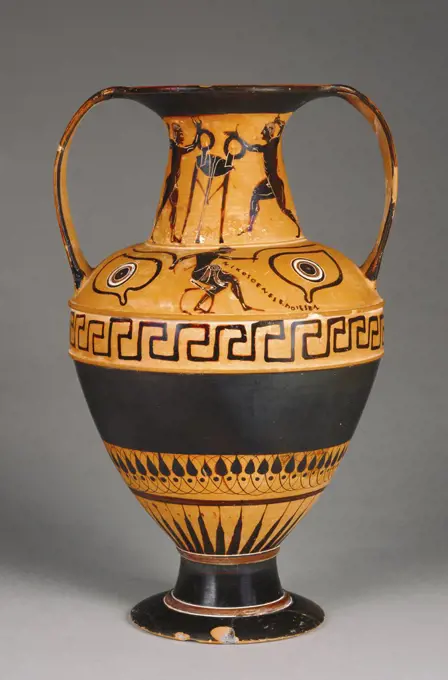
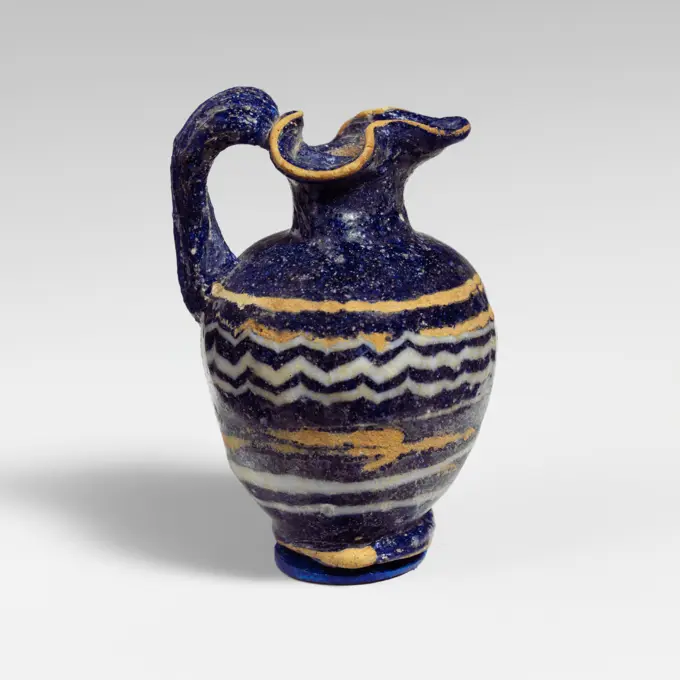
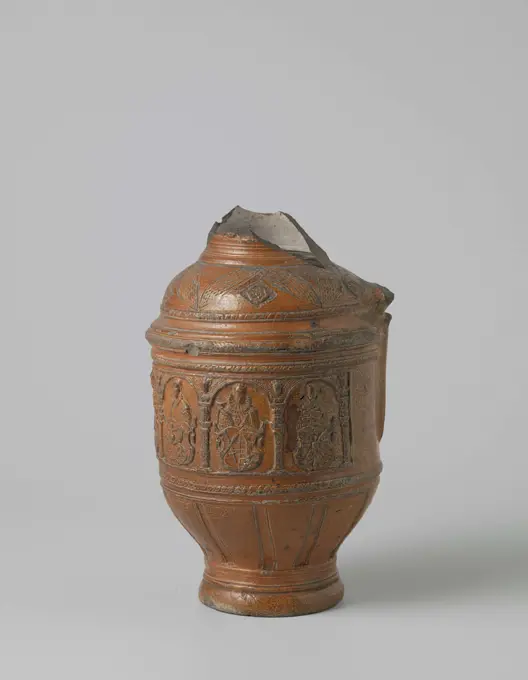
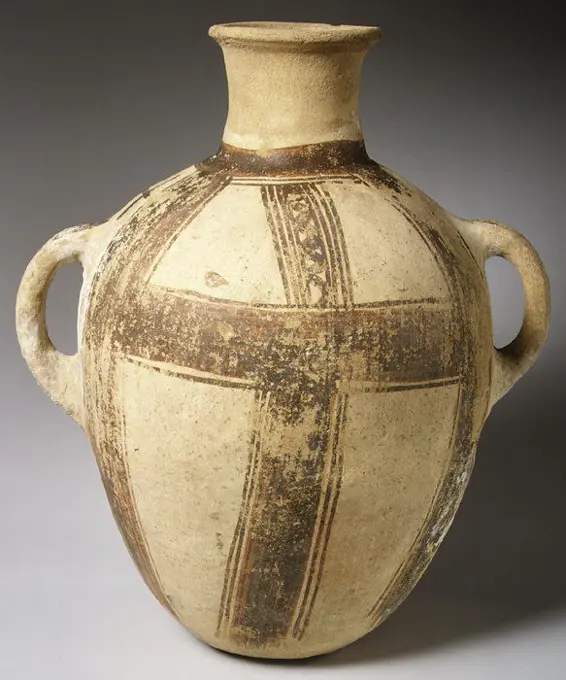
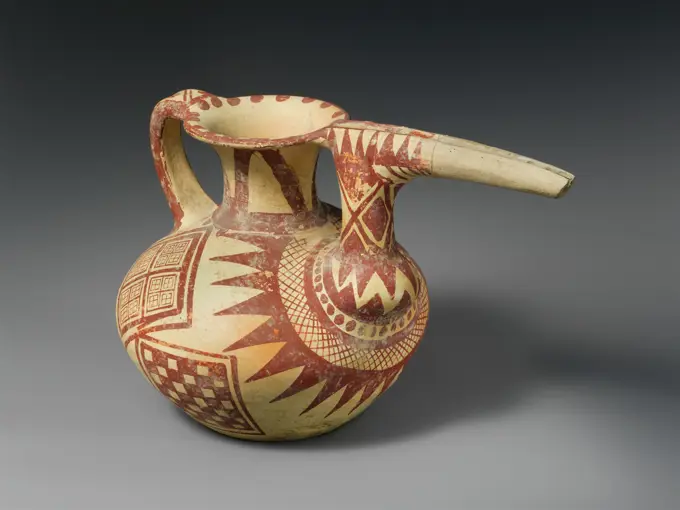
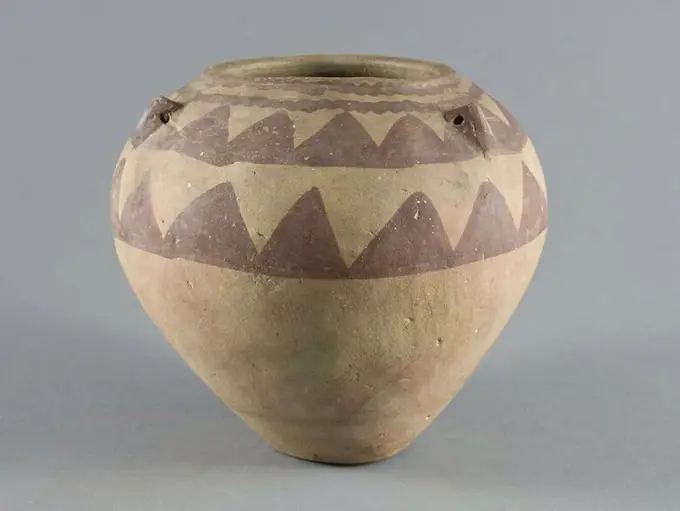
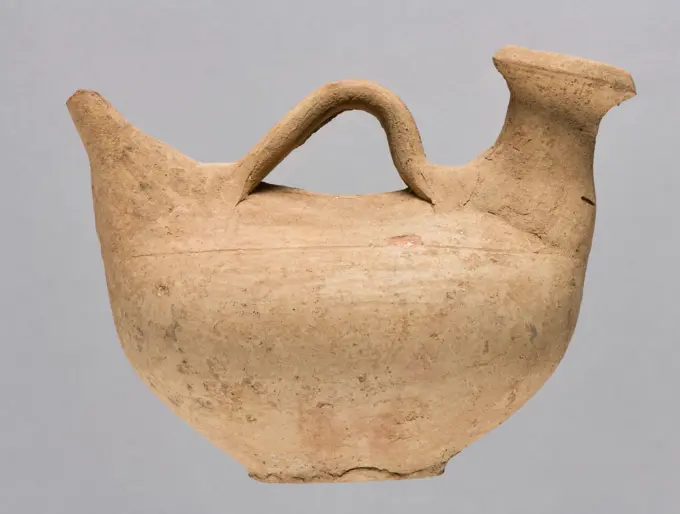
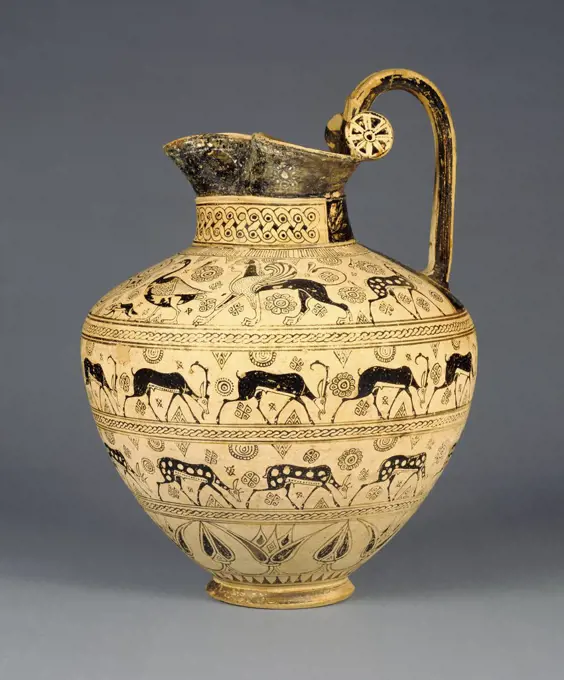
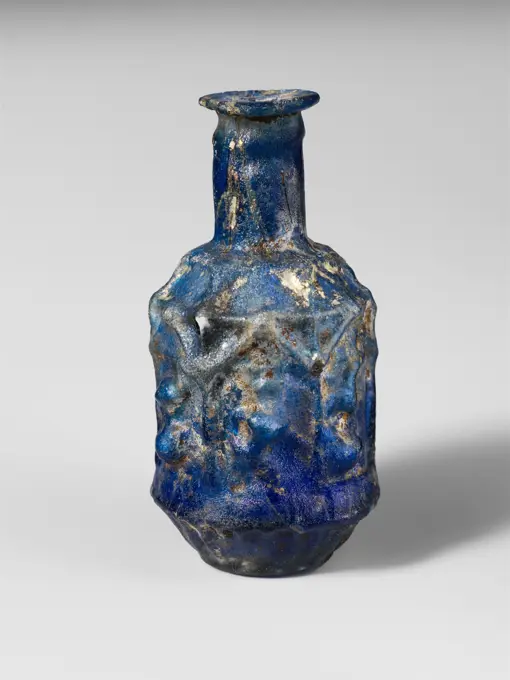
Glass perfume bottle. Culture: Roman. Dimensions: 3 7/8 in. (9.8 cm)Other: 2 3/16in. (5.6cm)Diam. of rim: 13/16 in. (2.1 cm). Date: 2nd-3rd century A.D..Colorless ().Rim folded unevenly out, over, and in; cylindrical neck with indent in one side, expanding downward and tooled in around base; globular body; small, flat bottom.Intact; many bubbles; pitting and brilliant iridescent weathering. Museum: Metropolitan Museum of Art, New York, USA.Glass pourer flask 2nd-early 3rd century A.D. Roman Translucent pale yellow green.Rim folded out, down, over, and in; broad, flaring mouth; cylindrical neck, expanding downwards; slightly pushed-in. narrow shoulder; squat, bulbous body, drawn out on one side into slender, pointed nozzle; pushed-in bottom with traces of pontil mark.Intact, except for end of nozzle; many large and pinprick bubbles, and blowing striations; dulling, pitting, and faint iridescence on exterior, patches of thick creamy weathering and soil encrustation on interior.. Glass pourer flask 244650Terracotta alabastron (perfume vase) ca. 590-570 B.C. Attributed to the Late Warrior Frieze Vases Two friezes of hoplites to right.. Terracotta alabastron (perfume vase) 247192Glass aryballos (oil bottle) 1st-2nd century A.D. Roman Translucent deep blue green, but streaked in purple and appearing yellow green around lower body; handles and trail in same color.Everted, horizontal rim, folded round and in, flattened on upper surface and forming slight constriction to mouth; short, cylindrical neck, with horizontal tooled indent around base; broad, gently sloping shoulder; globular body; convex bottom; two dolphin handles applied to shoulder over trail decoration in large pads, one extending to base of neck, drawn up, round, and down, forming to ring holes, then trailed off back along top.Trail applied around bottom and wound round and up in a spiral 22 times, ending on outer part of shoulder (trail is thick and fire-rounded on lower body but becomes fine and in sharp relief above).Intact, except for small sections of trail on shoulder; few bubbles; dulling and slight pitting on exterior, patches of soil encrustation and iridescent weathering on interior.Squat Bottle 1 CE-100 CE Italy. Glass, blown technique . Ancient RomanTerracotta oinochoe (jug) 5th century B.C. Greek, Attic Reflecting the many uses to which it was put, the oinochoe is a shape that appears in a wide variety of variants.. Terracotta oinochoe (jug) 247272Vase;  20th century (1901-00-00-2000-00-00);Pot 4th-7th century Coptic. Pot. Coptic. 4th-7th century. Earthenware. Made in Kharga Oasis, Byzantine Egypt. CeramicsGlass amphoriskos (perfume bottle). Culture: Greek, Eastern Mediterranean. Dimensions: H.: 2 5/8 in. (6.7 cm). Date: late 6th-5th century B.C..Translucent cobalt blue, with handles and base-knob in same color; trails in opaque pale turquoise blue.Broad inward-sloping rim-disk; cylindrical neck; sloping shoulder; ovoid body, tapering downwards; applied circular base-knob with rounded edge and tooling indent on flat bottom; two strap handles applied to top of shoulder and drawn up, forming oval rings, with trail extending across shoulder from bottom of one handle.One trail attached at edge of rim-disk; another applied to top of body in a large pad and wound horizontally and then tooled into a close-set zigzag pattern around middle of body, formed by uneven and shallow vertical tooling indents; below this, a third narrow trail wound horizontally around lower part of body.Broken and repaired, with one hole in side and chip in rim-disk; slight dulling and pitting. Museum: Metropolitan MVase, polychrome painted, with lilies stylized on the shoulder, N.V. Haagsche Plateel factory Rozenburg, 1895 Vase of earthenware run -up the foot, with slender upwards widening neck. Polychrome painted in the colors light and dark brown and green on blue fond with always repeated geometric and vegetative ornaments. On the shoulder a Frisian from, among other things, stylized lilies. The Hague earthenware Vase of earthenware run -up the foot, with slender upwards widening neck. Polychrome painted in the colors light and dark brown and green on blue fond with always repeated geometric and vegetative ornaments. On the shoulder a Frisian from, among other things, stylized lilies. The Hague earthenwareTerracotta lagynos (oil flask). Culture: Cypriot. Dimensions: H. 9 1/8 in. (23.2 cm). Date: 150-50 B.C..The late Hellenistic date of this lagynos is suggested by its shape, characterized by a long neck and wide base, which evolved from an earlier type of flask with a narrow neck and oval body . By contrast, the decorative scheme of this vessel cannot be used as an accurate criterion for dating, since it is merely a continuation of the "painted white ware" technique used on cypriot pottery since the eighth century. Museum: Metropolitan Museum of Art, New York, USA.Oenochoé Miniature. Copper alloy. Gallo-Roman. Paris, Carnavalet museum. 51470-4 Copper alloy, jug, Gallo-Roman, Gallo-Roman, miniature oenochoeFace Neck Bottle 10th-16th century Quimbaya This striking vessel is a stirrup bottle with a face at the top of the spouts, a relatively uncommon form in Colombia. However, examples have been found among funerary offerings in the middle Cauca River area. The joined spouts on these bottles invariably form a human head with modeled features that are similar to those of the region's full-figure vessels. The bottle opens on the top of the head like full-figure examples. The ears and nose are pierced to hold ornaments. The thick spouts and globular chamber bear characteristic geometric resist designs in black on white and red. In tombs, full-figure vessels are said to be placed in rows flanking the body of the deceased or positioned at the head. It is possible that these two-spouts-with-head bottles were used in the same fashion.. Face Neck Bottle. Quimbaya. 10th-16th century. Ceramic. Colombia, Cauca River. Ceramics-ContainersGlass alabastron (perfume bottle) late 6th-5th century B.C. Greek, Eastern Mediterranean Translucent dark cobalt blue, with handles in same color; trails in opaque white.Inward-sloping rim-disk; tall, slanting, cylindrical neck; short, rounded shoulder; straight-sided body with upward taper; convex bottom; below shoulder, two vertical ring handles with long knobbed tails, applied over trails.One trail attached at edge of rim-disk; another applied on neck below rim, tooled into a close-set feather pattern from top of shoulder to just above bottom with long vertical tooling indents; below this, trail ends in a spiral twist around bottom.Intact, except for one chip in rim; dulling, deep pitting, and weathering.. Glass alabastron (perfume bottle). Greek, Eastern Mediterranean. late 6th-5th century B.C.. Glass; core-formed, Group I. Classical. GlassTerracotta pelike (jar) ca. 350-300 B.C. Attributed to the Perth Group On the shoulder, obverse, kneeling Eros with mirror and aryballos (oil flask)Reverse, head of a womanEros is probaby to be understood as the attendant of the woman, who would be Aphrodite or possibly Helen in a mythological context. Here, without an additional attribute, she may be an ordinary mortal. Her hair is in a kekryphalos, a kind of headband that leaves a ponytail at the back.. Terracotta pelike (jar) 254442 : Attributed to the Perth Group, Terracotta pelike (jar), ca. 350300 B.C., Terracotta, H. 11 3/8 in. (28.9 cm). The Metropolitan Museum of Art, New York. Rogers Fund, 1941 (41.162.273)Apulian Fluted Black Nestoris. UnknownTerracotta cup with barbotine decoration. Culture: Roman. Dimensions: H. 2 15/16 in. (7.5 cm)diameter of mouth 3 1/4 in. (8.3 cm). Date: mid-1st century A.D..Two-handled with a row of leaf-shaped plastic decorations; barbotine decoration. Museum: Metropolitan Museum of Art, New York, USA.Palace Ware beaker ca. 8th-7th century B.C. Assyrian. Palace Ware beaker 324631Inca Vase with Geometric Decoration and Zoomoprhic Handles. Inca art. Ceramics. PERU. Cusco. Archaeological Museum.Antique vase isolated on a white backgroundAmphora vase; Manises (ceramic family; Ca 1400-); XVII century (1601-00-00-1700-00-00);plant decorations, mirrors, birdsItalian 16th Century, Mortar with Sun, Moon, and Dolphin shaped Handles, early 16th century Mortar with Sun, Moon, and Dolphin-shaped HandlesJug 1775 John Crolius This jug was probably made by John Crolius, whose family worked in New York City in an area known as Pot Bakers Hill, just north of what is now City Hall Park. He and his brother, William, were among the areas first potters. Their father had emigrated from Germany and founded a pottery, which the family ran until the mid-nineteenth century. The jug is signed and dated, which is rare in eighteenth-century American stoneware.. Jug 4579Double-Bodied Amphora Vase 581 CE-618 CE China. Stoneware with underglaze molded decoration .Double Spout and Bridge Bottle with Bird 5th-2nd century B.C. Paracas. Double Spout and Bridge Bottle with Bird 308655Facial jug or pointed nose, face jar jug crockery holder soil find ceramic stoneware glaze salt glaze, hand turned fired Facial jug or pointed nose gray shard stoneware with an ear and pinched foot. Gray with brown spots to serve archeologyTerracotta neck-amphora (jar) ca. 520 B.C. Greek, Attic Obverse, between eyes, busts of old man and girlReverse, between eyes, busts of two girlsThe practice of decorating a pot with alternating black and clay-colored stripes or a cup with concentric circles was popular in eastern Greece and may have come to Athens from there. The effect is considerably less sober and balanced than the Attic black-figure norm. It almost overwhelms the conversations that are taking place on the shoulder.. Terracotta neck-amphora (jar). Greek, Attic. ca. 520 B.C.. Terracotta; black-figure. Archaic. VasesDecorated ware jar with lug handles ca. 3850-2960 B.C. Predynastic Period. Decorated ware jar with lug handles. ca. 3850-2960 B.C.. Pottery, paint. Predynastic Period. From Egypt, Southern Upper Egypt, Hierakonpolis (Nekhen), Fort Cemetery (Hk 27), Tomb 34, MMA excavations, 1934-35Small stoneware jug with tin lid, rings around the neck, jug crockery holder soil find ceramic stoneware glaze salt glaze tin metal, hand-turned baked Small stoneware jug with tin lid. Pear shaped model with parallel rings on neck and shoulder. Around the foot few turns. Gray shard. Bandor rat tail over the belly archeology import pottery serve drink beer wine donate Rotterdam education Academy of Fine Arts and Technical Sciences Cool Coolvest Dijkzigt G.J. de Jonghweg City Triangle Blaak Academy of Fine Arts and Technical Sciences Rotterdam.Terracotta pelike (jar) ca. 400-350 B.C. Greek, South Italian, Apulian A necklace with pendants adorns the neck.. Terracotta pelike (jar) 248855Netherlands for incense (common name). Partially golden copper alloy. Cernuschi Museum, Asia Museum of Asia in the city of Paris.Jug with portraits in medallions, Jan Emens Mennicken (attributed to workshop of), c. 1574 - c. 1580 Jug of stoneware on high foot with an egg -shaped body and wide neck. The C-shaped ear is attached to the neck and shoulder. Profiles on the neck and the foot. Covered with a brown Engobe. On the neck in relief a printed and imposed bond with portraits and Face in medallions. The portraits are of a man and a woman, two by two arranged with the faces towards each other. Attached to the ear and the edge a pewter frame with lid. Raeren. Rae Stoneware. Glaze. Engobe. frame: tin (metal) vitrification Jug of stoneware on high foot with an egg -shaped body and wide neck. The C-shaped ear is attached to the neck and shoulder. Profiles on the neck and the foot. Covered with a brown Engobe. On the neck in relief a printed and imposed bond with portraits and Face in medallions. The portraits are of a man and a woman, two by two arranged with the faces towards each other. Attached to the ear and thLota. India, Rajasthan, 19th century. Furnishings; Serviceware. Tinned brass, repoussé and chasedSmall flattened bottle, 'clump bottle', wine bottle bottle holder soil find glass forest glass 15.4, free blown and shaped Small bottle in clear green glass (forest glass) (Trace of) pontilemark under raised bottom in which hole (2.5 x 3 , 0 cm) Spherical body flattened on two sides (kidney shaped) to convex shoulders and slightly rejuvenated neck. Slightly flared mouth around sharp glass wire archeology Rotterdam Old Plantage packaging Soil discovery: Oude Plantage Rotterdam 1957.Jug 15th century French. Jug 465880Terracotta lebes gamikos (round-bottomed bowl with handles and stand used in weddings) ca. 430-420 B.C. Attributed to the Washing Painter Bride with attendantsIn the center of this magnificent scene, the seated bride is shown with a harp. She looks up towards a little Eros who levitates with two fruits in his hands. The attendant with torches at the far left indicates that it is evening. The other women hold a fillet (band) and caskets. The figures on the reverse and on the stand may be additional companions of the bride. Although the function of the lebes gamikos has not been definitively explained, it certainly is a nuptial vase and, like the loutrophoros, probably served as a container for water.. Terracotta lebes gamikos (round-bottomed bowl with handles and stand used in weddings) 249069Lamp. UnknownCan of stoneware with egg-shaped belly. Can be from stoneware. A large star is shown for on the egg-shaped belly. A lion mask (). Decorations in blue and purple.Fragment of a jug with music playing ladies, anonymous, c. 1550 - c. 1599 Fragment of a jug of stoneware on a high foot with a spherical body. Neck and ear are missing. Profiles closely. On the abdomen in relief three times a printed and imposed medallion with a richly decorated edge. In the medallions each time a woman playing on a musical instrument. In one of the medallions the date '1583'. Raeren. Rae stoneware. glaze vitrification Fragment of a jug of stoneware on a high foot with a spherical body. Neck and ear are missing. Profiles closely. On the abdomen in relief three times a printed and imposed medallion with a richly decorated edge. In the medallions each time a woman playing on a musical instrument. In one of the medallions the date '1583'. Raeren. Rae stoneware. glaze vitrificationTerracotta cup with appliqués ca. 150-100 B.C. Greek, Pergamene Applied decoration: head of a maenad between Erotes playingDrinking cups comprise the most important class of Pergamene relief ware. The genre may have been developed for libations and feasts celebrated in the context of the ruler cult of the Attalids, the royal dynasty that ruled Pergamon in the third and second centuries B.C.. Terracotta cup with appliqués 247435Bottle, 1736-95. China, Qing Dynasty (1644-1911), Qianlong reign (1736-95). Porcelain; overall: 15.3 cm (6 in.).Glass cosmetic flask (kohl tube). Culture: Roman, Syrian. Dimensions: H.: 3 3/8 in. (8.6 cm)Diam.: 1 x 1 1/16 in. (2.5 x 2.7 cm). Date: 4th century A.D..Colorless with light green tinge; handles and trail in same color.Rim folded out, over, and in; neck flaring upwards, then joining imperceptibly with slender, slightly bulbous body; flattened and slightly concave bottom; two rod handles applied in claw pads to neck, drawn up and out, and then turned in and pressed onto upper edge of rim with upward pinched projections.Single fine trail applied as a large pad below rim, drawn down and wound in a spiral eighteen times around neck, body, and outer edge of bottom.Broken at top, with losses to rim, neck, one handle, and trail; many bubbles, some large and elongated; dulling, slight pitting, thick brown weathering, and brilliant iridescence. Museum: Metropolitan Museum of Art, New York, USA.Jar ca. 3rd-7th century A.D. Sasanian. Jar 323019The Capital Museum, Beijing, ChinaGnathia style crater;  2. PO. 4th century BC (-350-00-00--301-00-00);Purchase (provenance)JARRA DE CUERDA ECA PARCIAL. BAYYANA. Nº INV. 34901. (ALTURA 19,7 CM. ANCHO MAXIMO 13, 2 CM) MUSULMAN. (EXPOSICION :ARTE ISLAMICO ESPAÑOL)(DEPOSITO: MUSEO ARQUEOLOGICO ALMERIA ).Storage Jar with Boxers; Attributed to Painter N (Greek (Attic), active 540 - 520 B.C.), signed by Nikosthenes (Greek (Attic), active Athens, Greece 540 - 510 B.C.); Athens, Greece; about 520 B.C; Terracotta; 31 × 19.5 × 18.5 cm (12 3,16 × 7 11,16 × 7 5,16 in.)Cylinder; Unknown Night -Tamanian workshop; approx. 2600 2350 BC ; Early period D Azira III (-2600-00-00--2350-00-00);Pottery brazier Mycenaean, 1400-1200BC. Found in Tomb A, lalyaos, Rhodes.Jug with ChristianSymbolsEarthenware cooking jug, grape-model with yellow decoration in sludge technology, cooking pot tableware holder utensils earthenware ceramics earthenware glaze lead glaze clay, hand turned decorated glazed baked lemonade Pottery cooking pot grape-model with yellow decoration in sludge technique Decoration consists of bows applied to the rotating braces on the shoulder of the jug Gray shard soil red and unglazed archeology Rotterdam railway tunnel indigenous earthenware food preparation food kitchen cooking Soil discovery: railway tunnel Rotterdam.Terracotta bridge-spouted jar. Culture: Minoan. Dimensions: 6 1/4 × 7 × 7 × 6 5/16 in. (15.9 × 17.8 × 17.8 × 16 cm). Date: ca. 1900-1600 B.C..This vase was restored at the Ashmolean Museum, Oxford, before it entered the Museum's collection. Museum: Metropolitan Museum of Art, New York, USA.Glass jug. Culture: Roman. Dimensions: H.: 3 3/4 in. (9.5 cm)Diam.: 1 x 3 3/8 x 1 5/8 in. (2.5 x 8.6 x 4.1 cm). Date: 1st-2nd century A.D..Translucent blue green; handle in same color.Irregular rim, folded out, round, and in, with a partial beveled outer lip; cylindrical neck; squat bulbous body; solid low base ring; undulating bottom with central kick; two-ribbed strap handle attached to upper body with two splayed arms at sides and ribs extending vertically downwards, drawn up and out, then turned in at an acute angle, and pressed on to top of neck.Intact; pinprick bubbles, elongated in neck, and blowing striations; dulling, pitting, and faint iridescence on exterior, one large patch of creamy weathering on interior. Museum: Metropolitan Museum of Art, New York, USA.Terracotta strainer jug 1st century A.D. Roman Red-glazed vase with filter top and side spout.. Terracotta strainer jug. Roman. 1st century A.D.. Terracotta; Cypriot sigillata ware. VasesPastoral Vase ca. 1876 Isaac Broome. Pastoral Vase 20801CAFETERA DE BARRO ROJO SEMIVIDRIADA - S XX. Location: ALFARERIA. VALL DE UXO. Castellón. SPAIN.Corinthian Round-Bodied Pyxis. Perhaps by the Chimaera Painter (Greek (Corinthian), active 600 - 575 B.C.)Jar 13th century. Jar 448544AMFORA BUCCHERO NERO SOTTILE; Unknown Italian workshop; 640-610 A.C. (630-00-00-620-00-00);Dobrowolski, Witold, Etruria, Antical Art Collection, DarJug with lid ca. 550-520 B.C. Etruscan No ornamentation.. Jug with lid. Etruscan. ca. 550-520 B.C.. Terracotta; bucchero pesante. Archaic. VasesBottle with Wide Mouth. Korea, Goryeo dynasty (918-1392), 12th century. Furnishings; Accessories. Cast bronzeVase with Elephant Heads and Cloud Designs China In the eighteenth century, the kilns at Jingdezhen began to make porcelains of a different material. Known as huashi, or "slippery stone," this expensive material, often called soft paste, was used to make thin vessels that frequently were decorated with incised or raised designs under glaze. While the reasons for its introduction remain unclear, it is worth noting that soft paste is easily carvable, and its use would have thus been akin to contemporaneous interests in the manipulation of other materials such as ivory and bamboo. The shape of this vase is loosely based on Bronze Age vessels whose handles were shaped like the heads of animals.. Vase with Elephant Heads and Cloud Designs 51020Covered Double Spout and Bridge Vessel. Peru, South Coast, Paracas, Paracas, 800-100 BCE. Ceramics. Ceramic, incised and resin paintedReliquary with Contents ca. 2nd-3rd century Pakistan (ancient region of Gandhara). Reliquary with Contents 38234Pottery pot on stand, baluster shape, used in the sugar industry, sugar bowl pot holder soil find ceramic earthenware glaze lead glaze, hand-turned glazed earthenware pot on stand. Baluster shape with round shoulder and narrow neck opening. Thick and round neckline neckline neckline. Fuzzy spindles on the entire height Red shard internally glazed Here sugar cones were made archeology indigenous earthenware sugar confectionery craftsmanship sugar industryGlass beaker signed by Jason mid-1st century A.D. Roman, Syro-Palestinian Translucent blue green.Outsplayed knocked-off rim with indent below; body with convex sides, tapering downwards; thick flat bottom, recessed within rounded edge.Three-part mold with two vertical sections joined to cup-shaped bottom section, forming decoration in relief on sides and bottom; two horizontal ridges above central frieze containing two Greek inscriptions, each in two lines and divided vertically by a stylized palm frond; below frieze, three more horizontal ridges; near bottom on cup section of mold, two more horizontal ridges; on bottom, raised circle surrounding central depression with small boss.Intact except for one chip in rim; blowing striations and many pinprick bubbles; dulling, pitting, and brilliant iridescent weathering on exterior, and creamy brown weathering and soil encrustation on interior.The inscriptions read "Jason made (me/it)" on one side and "May the buyer be remembered" on the othe. Teapot of stoneware with salt glaze, part of a crockeryHoney dish; Manises (ceramic family; Ca 1400-); 16th century (1500-00-00-1600-00-00);Pot 4th-7th century Coptic. Pot 477264Ointment jar ca. 1802-1640 B.C. Second Intermediate Period. Ointment jar 543977Bottle 11th-14th century Mississippian. Bottle 318599Terracotta aryballos (oil flask). Culture: Greek, Corinthian. Dimensions: H. 2 3/4 in. (7 cm). Date: 2nd half of the 6th century B.C..Aryballoi with floral quatrefoils were produced in very great number through the sixth century B.C. and probably into the fifth. They were also widely exported. The simple but distinctive decoration suggests that these vases may have had a specific contents. Museum: Metropolitan Museum of Art, New York, USA.Cauldron with lid (Fu) 2nd-4th century North China These bronze cauldrons, known as fu in Chinese, are typical of the cooking vessels associated with the nomadic people of the steppes. Their history extends from the early first millennium B.C. to the first few centuries of our era, and they were distributed over much of the Eurasian continentfrom the shores of the Black Sea to China's northern frontier. Examples with a pierced ring foot appear to date later than those with a solid ring foot, mostly from the third century B.C. or thereafter.. Cauldron with lid (Fu) 58526Oblong Single Spout Bottle 5th-2nd century B.C. Paracas. Oblong Single Spout Bottle. Paracas. 5th-2nd century B.C.. Ceramic, pigment. Peru. Ceramics-ContainersAttic Black-Figure Nikosthenic Amphora; Attributed to Painter N, Greek (Attic), active 540 - 520 B.C., signed by Nikosthenes, Greek (Attic), active Athens, Greece 540 - 510 B.C.; Athens, Greece, Europe; about 520 B.C.; Terracotta; Object: H:  31 x Diam.(body):  18.5 cm (H:  12 3/16 x Diam.(body):  7 5/16 in.), Object (rim): Diam.:  12.7 cm (Diam.:  5 in.), Object (foot): Diam.:  11.3 cm (Diam.:  4 7/16 in.)Terracotta lagynos (oil flask) 150-50 B.C. Cypriot The late Hellenistic date of this lagynos is suggested by its shape, characterized by a long neck and wide base, which evolved from an earlier type of flask with a narrow neck and oval body. By contrast, the decorative scheme of this vessel cannot be used as an accurate criterion for dating, since it is merely a continuation of the "painted white ware" technique used on cypriot pottery since the eighth century.. Terracotta lagynos (oil flask) 240027Glass oinochoe (perfume jug) 4th-3rd century B.C. Greek, Eastern Mediterranean Translucent cobalt blue, with handle in same color; trails in opaque yellow and opaque white.Applied trefoil rim-disk; short cylindrical neck; broad rounded shoulder; ovoid body with downward taper; applied low circular coiled pad-base, with uneven bottom; strap handle attached to outer edge of shoulder, drawn up and round in a curve, arching above the rim-disk, and attached to top of neck behind rim-disk.A fine yellow trail attached at edge of rim-disk; another yellow trail wound spirally nearly two times around upper body; a white trail wound spirally four times round upper body, tooled into an irregular zigzag pattern; below, another yellow trail wound horizontally round in two turns and a white trail wound round one and a half times further down body; another fine yellow trail attached at edge of pad-base.Intact; some dulling, pitting, and iridescent weathering.. Glass oinochoe (perfume jug) 249993Jug. Jug of stoneware and brown glaze, with seven representations of men with coats of arms.Vessel used as a wine pitcher decorated with animal friezes, including grazing goats and two sphinxes between a lion and a ram. Dated 650 B.C.Tubular Fitting. China. Date: 399 BC-200 BC. Dimensions: H. 12.1 cm (4 3/4 in.); diam. 4.4 cm (1 11/16 in.). Bronze inlaid with gold and silver. Origin: China. Museum: The Chicago Art Institute, Chicago, USA.Juglet 750-600 B.C. Cypriot Horizontal bands and two concentric circles at front.. Juglet. Cypriot. 750-600 B.C.. Terracotta. Cypro-Archaic I. Vasesancient oriental metal teapot on dark background. antique bronze tableware. ancient metal utensilsJug Azarewicz, Aleksander (d. 1943)Ointment jar, red pottery, small foot, ointment jar pot holder soil find ceramic earthenware glaze lead glaze, hand-turned glazed baked Almost straight wall narrow round foot rounding from foot to wall. Flat scraping edge. Red earthenware scraped with sand inside and edge glazed outside here and there spot archeology Rotterdam rail tunnel packing ointment medicine drug pharmacy care Soil discovery: railway tunnel Rotterdam.Terracotta amphora ca. 1725-1600 B.C. Cypriot Two-handled vase with red and brown broad vertical and horizontal bands.. Terracotta amphora. Cypriot. ca. 1725-1600 B.C.. Terracotta. Middle Cypriot III. VasesJar 11th-12th century. Jar 449851Spouted jar ca. 9th-7th century B.C. Iran This pitcher has a squat body with a rounded shoulder, a short neck, and a flaring rim. A long spout emerges from one side of the body just below the shoulder and connects to the rim before jutting out horizontally. A flat handle connects the shoulder and the rim on the other side. The pitcher is buff, with painted reddish-brown decorations, including checkerboard patterns on the body, dots on the rim, and crosshatching, zigzags and rays on the spout and handle. The combination of the long spout and painted decorations suggest the form of a bird. The body and neck were made separately on a wheel, with the handle and spout added later.This pitcher was excavated at Tepe Sialk, near Kashan in central Iran. Sialk was the site of a fortified town, constructed in the early first millennium B.C. Several hundred yards from the town there was a large cemetery, called Necropolis B by the archaeologists who explored it between 1933 and 1937. The graves weVessel. Egyptian. Date: 3800 BC-3300 BC. Dimensions: H. 15.9 cm (6 1/4 in.); diam. 16.5 cm (6 1/2 in.). Ceramic and pigment. Origin: Egypt. Museum: The Chicago Art Institute, Chicago, USA. Author: Ancient Egyptian.Askos. unknown, authorBucket 18th-19th century. Bucket 444986Oinochoe; Unknown; Miletos, Turkey, Asia; about 625 B.C.; Terracotta; Object: H: 35.7; Diam. (body): 26.5 cm; diam. (foot): 9.5 cmLekythos. Type of Greek potterry used for storing olive oil. 4th century BC. Red- figure vase painting. Decorated with winged sphinx and geometric frieze. Height 110 mm. 45 mm diameter. From Campania, Magna Graecia, Italy. Perfume Museum. Barcelona. Spain.Pot, cylindrical, multicolor painted on both sides of the belly a box with a stylized flower or plant. Dust theater or chair of stoneware with a long neck with a flat edge, partly covered with a red-brown glaze. The lower part of the bus is unglazed. Old label on the bottom with 'W612'. Seto.Glass hexagonal bottle ca. A.D. 25-50 Roman Translucent cobalt blueRim folded out, round, and in, then pressed into flaring mouth; cylindrical neck with concave band below rim; downward sloping shoulder; hexagonal body with vertical sides, then cup-shaped below; low base with rounded edge and flat but uneven bottom. Mold seams run from near top of neck, down sides, and meet off-center on bottom.Decoration in relief in three registers: on shoulder, six downturned rays or pointed petals; on body, six rectangular panels, each decorated at top with a triangular pediment, framed at sides with posts or slender columns, and bordered below by a plain band; in each panel, a different bird perched on or flying over a nest or rock; above the base, twenty-seven upturned tongues.Complete except for weathering holes in shoulder and top of body; pitting, severe weathering, and some patches of brilliant iridescence.. Glass hexagonal bottle 248937Pottery pot on stand, baluster shape, used in the sugar industry, sugar bowl pot holder soil find ceramic earthenware glaze lead glaze, hand turned glazed baked Pottery pot on stand. Baluster shape with round shoulder and narrow neck opening. Smooth finished except the stand ring. Thick and round neckline. Red shard internal glazed Here sugar cones were made archeology indigenous earthenware sugar confectionery sugar industryNeck fragment of stoneware jug be used with ear, jug crockery holder fragment soil find ceramic stoneware clay engobe glaze salt glaze, hand-turned glazed baked stoneware jug with knuckle ridge under rim bandoor local brown engobe with salt glaze archeology Rotterdam City Triangle Cool post office Coolsingel Coolvest import pottery pour serving water washing wine beer Soil discovery: excavated on the site intended for the construction of the post office on the Coolvest (July 1915).Glass alabastron (perfume bottle). Culture: Greek, Eastern Mediterranean. Dimensions: Height: 4 1/2 in. (11.5 cm)Diameter: 1 1/2 × 7/8 in. (3.8 × 2.3 cm). Date: 2nd-mid-1st century B.C..Translucent blue, with handles in same color; trails in opaque white.Rim-disk with thick rounded edge, uneven and sloping inward, with projecting jagged inner edge to neck; slender cylindrical neck, slanting to one side; straight-sided fusiform body expanding downward, then tapering in to pointed bottom; two large horizontal lug handles applied over trail at top of body.Trail wound unevenly around edge of rim; another thick trail attached at bottom, drawn up in a spiral to point of carination, tooled into a close-set feather pattern around side, arranged in five panels of alternating upward and downward strokes, wound round again in spiral, and ending in irregular wavy line on edge of rim.Intact, but with slight surface chipping; some dulling with creamy weathering and iridescence. Museum: MetropolRitual barrel. Barrel (HU) from bronze, with chain and lid.clay jug isolated on white