Ancient Ceramics

Variety of historic ceramic vessels including Minoan, Roman, and Chinese designs, highlighting ancient art and pottery techniques from different cultures.
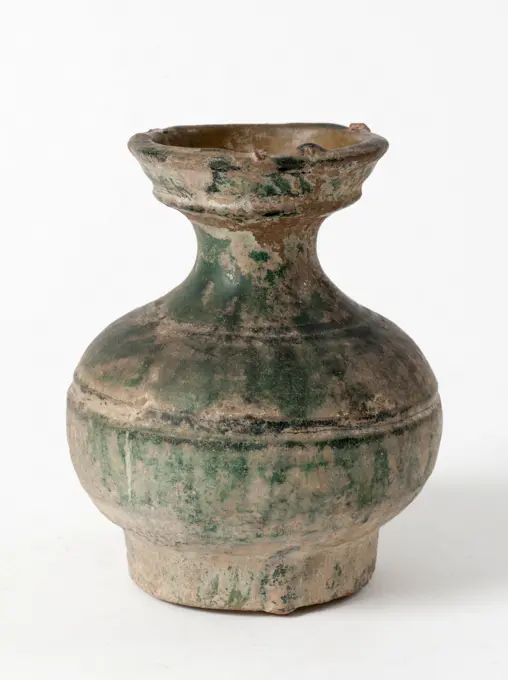
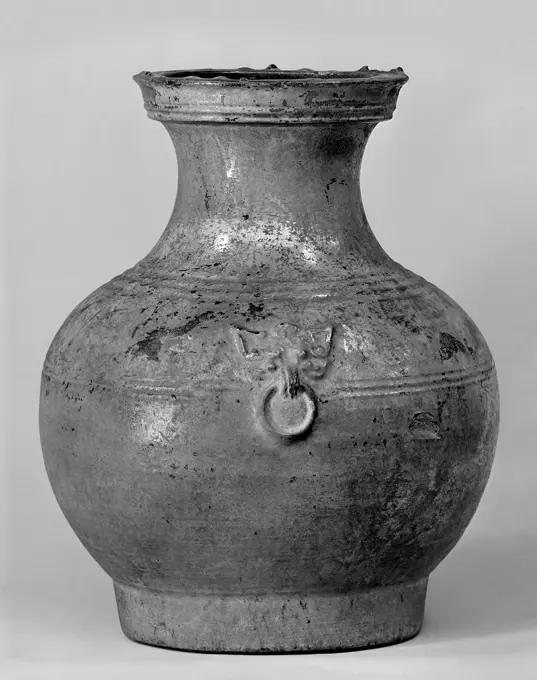
Vase Hu ". Terracotta with green lead glaze. Han dynasty (206 BC J.-220). Paris, Cernuschi museum. Chinese art, Chinese ceramic, han dynasty, green lead, terracotta, hum
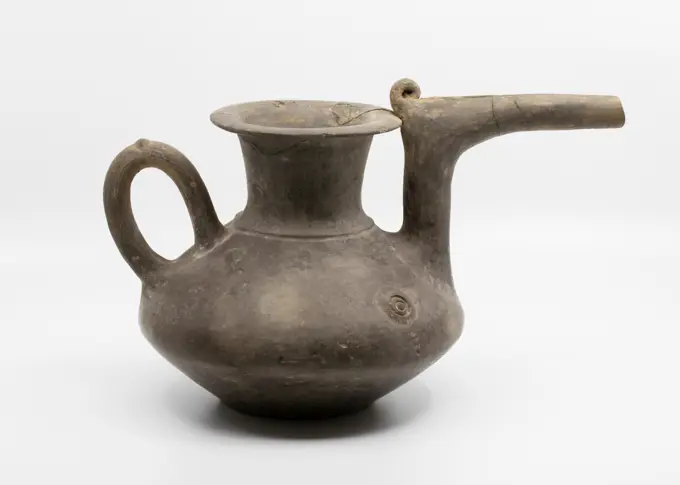
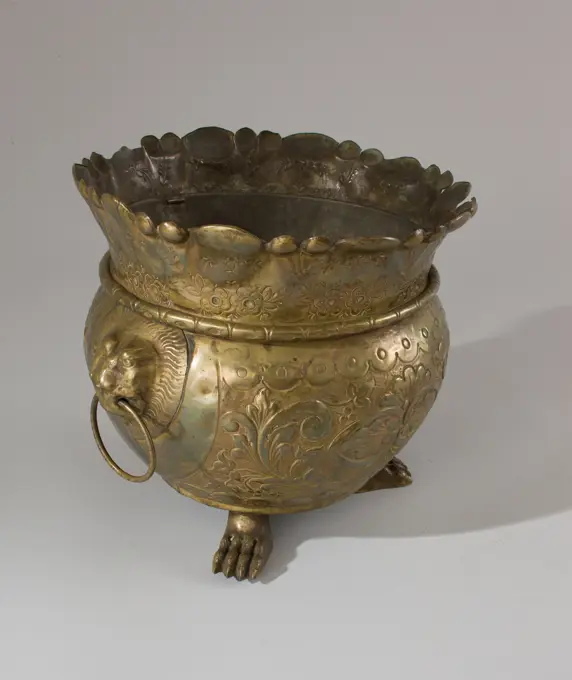
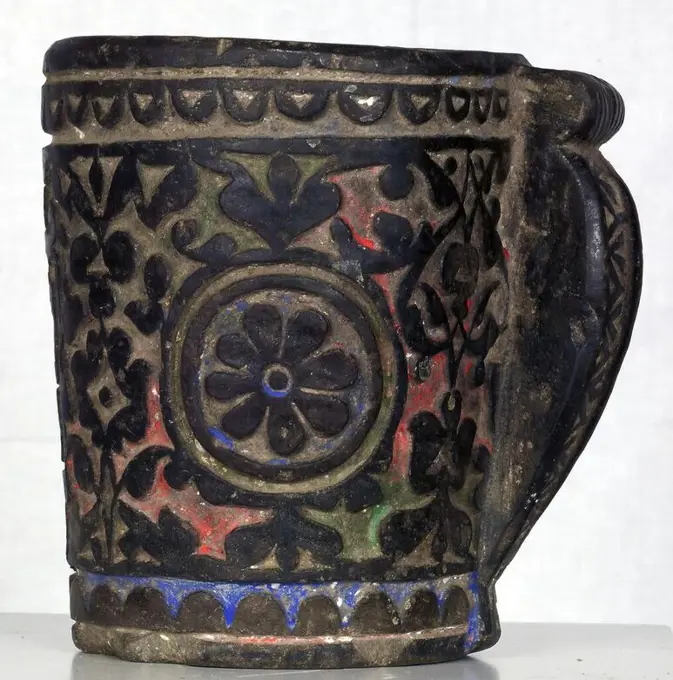
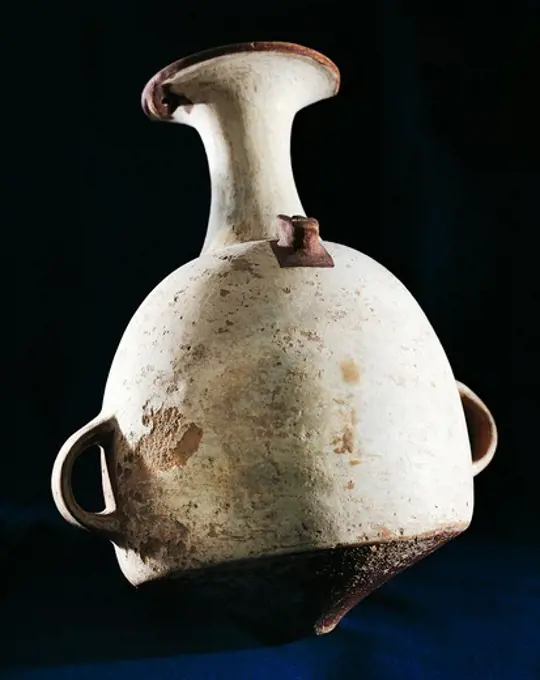
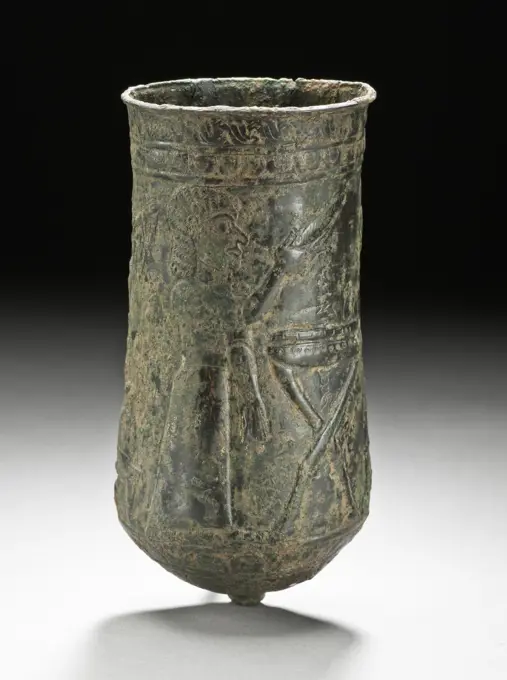
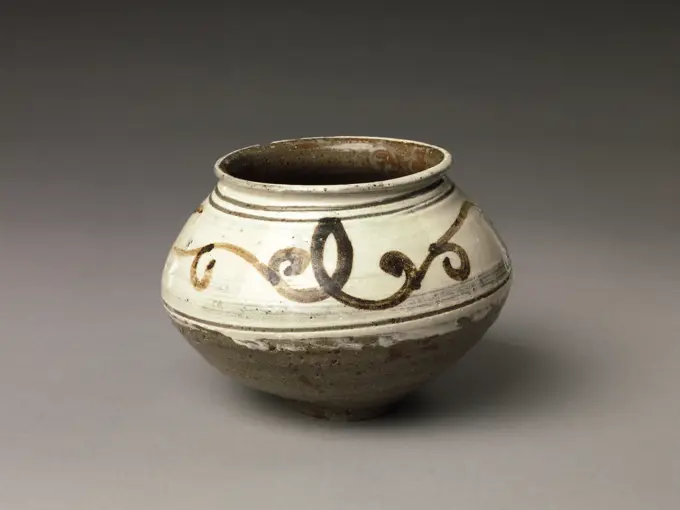
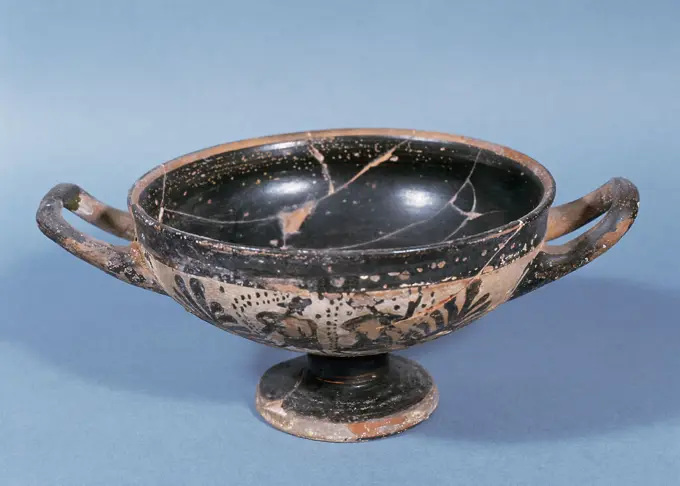
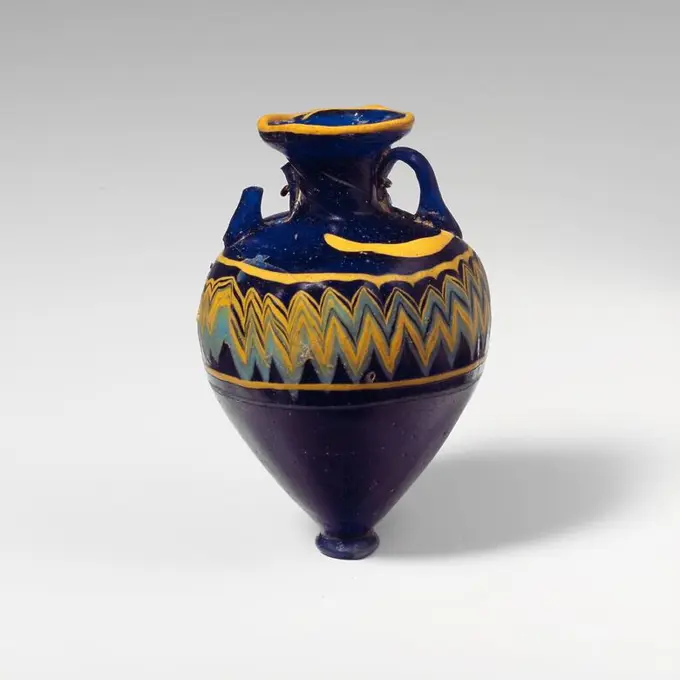
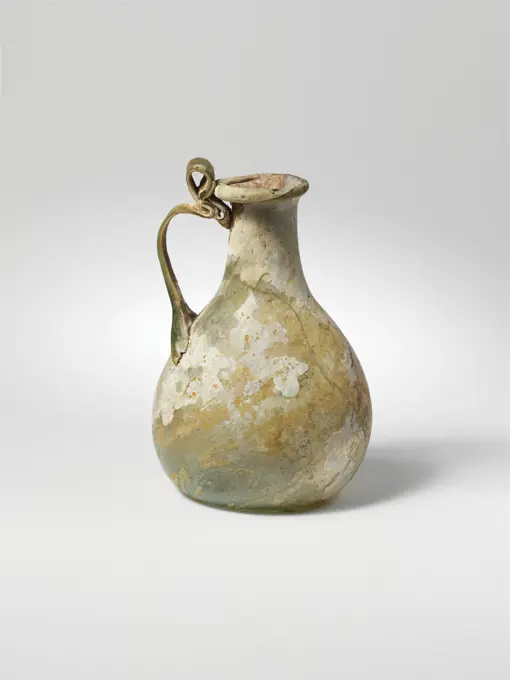
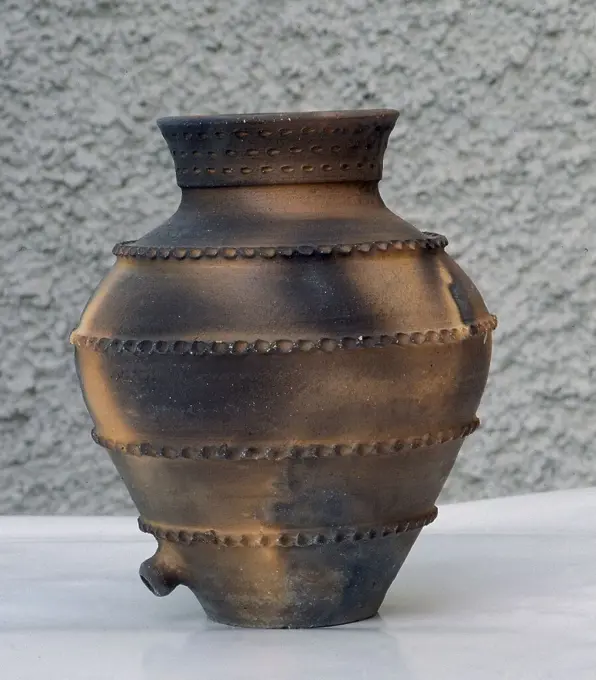
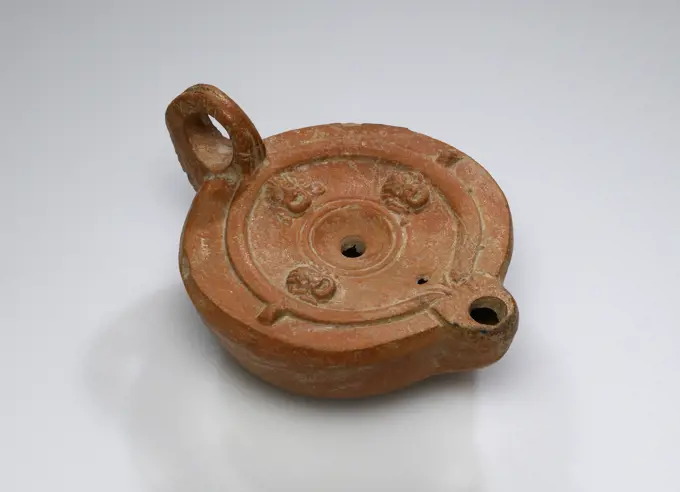
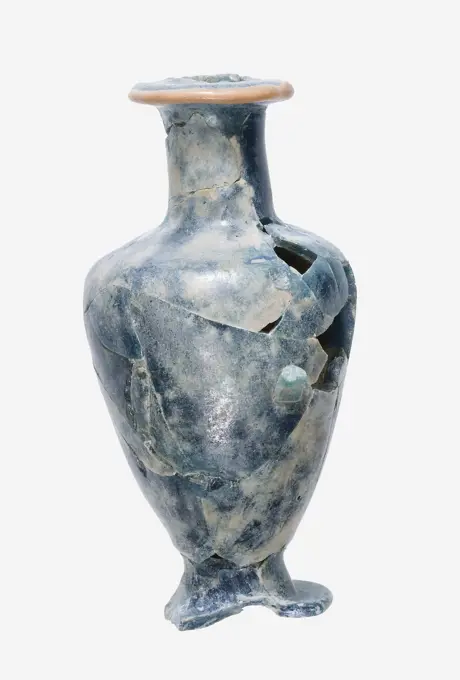
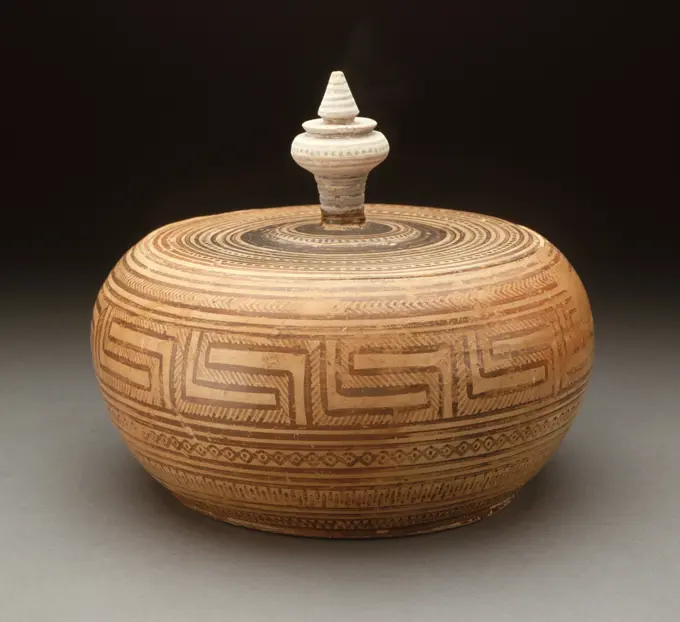
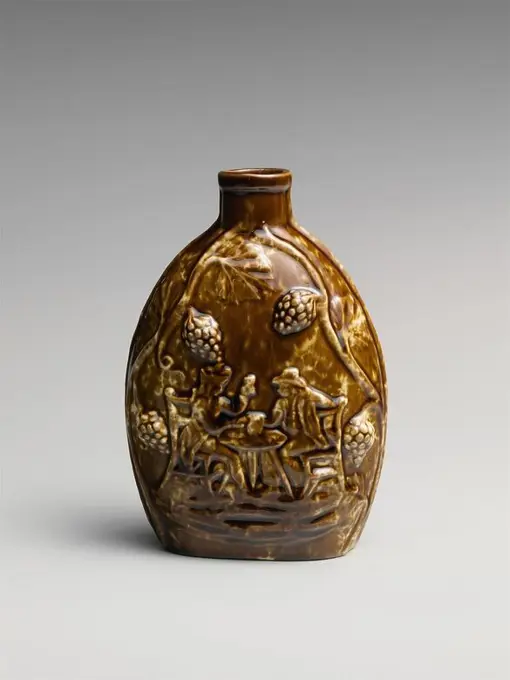
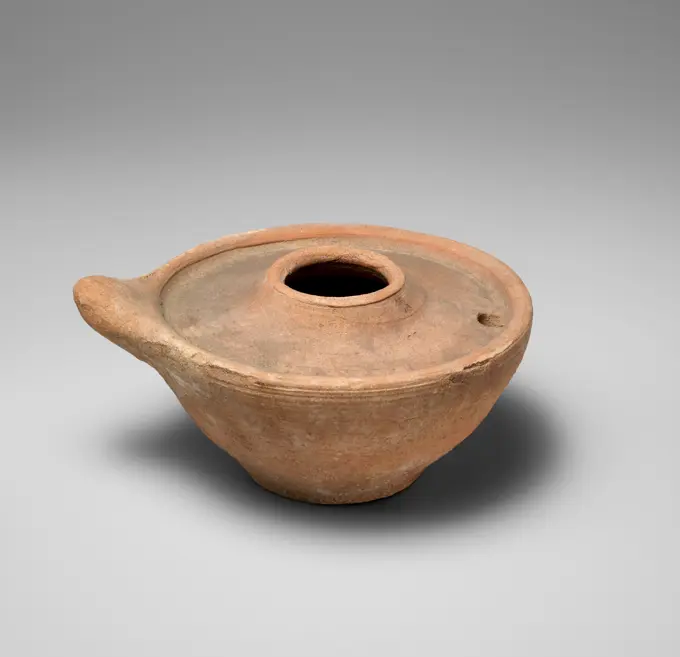
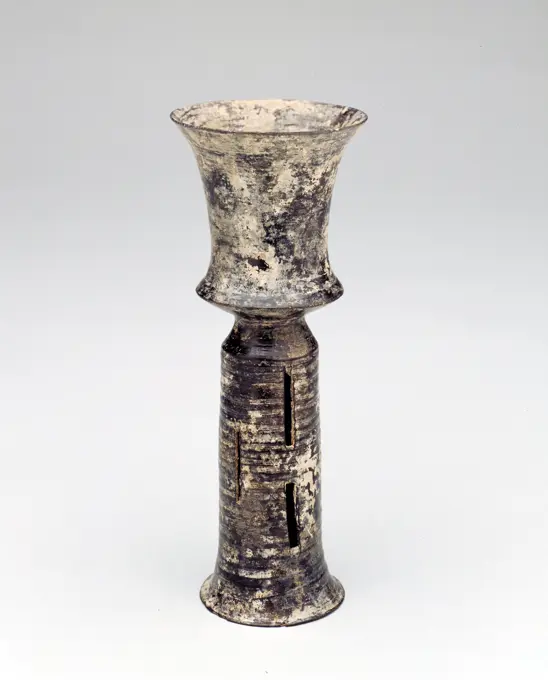
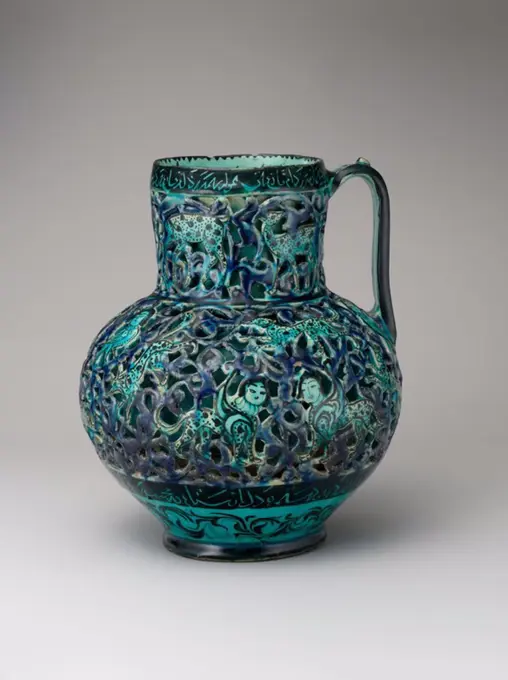
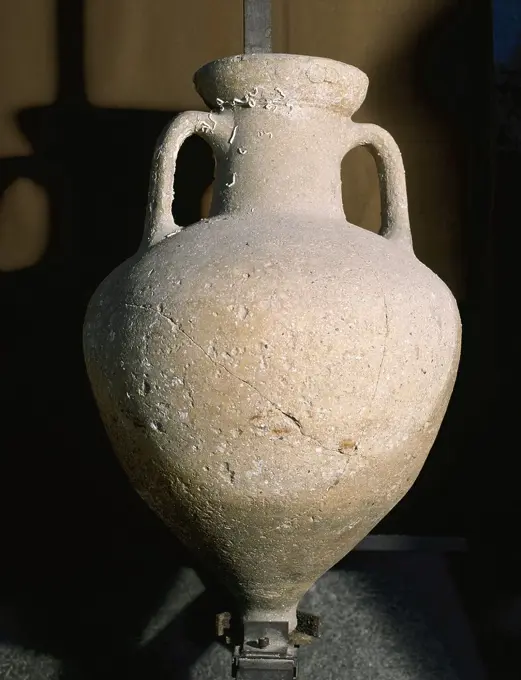
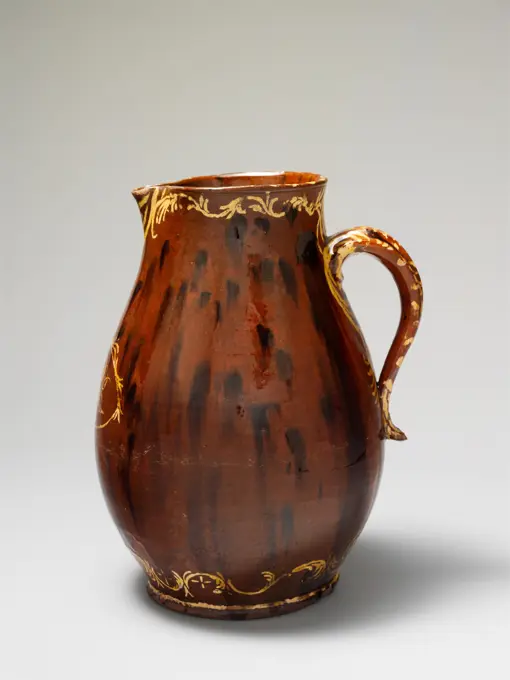
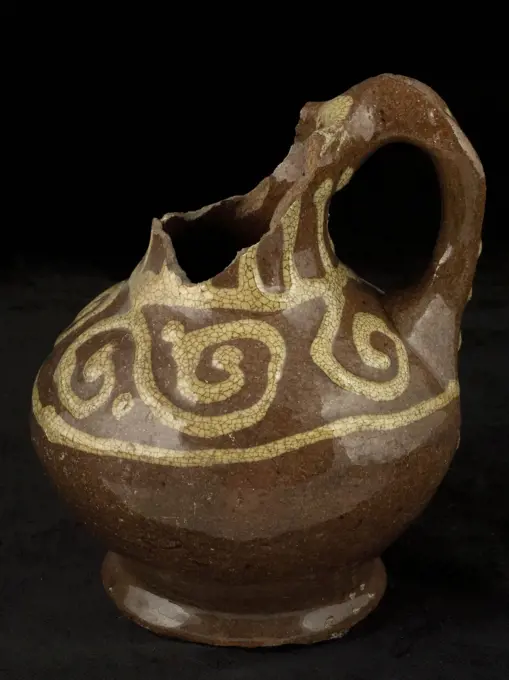
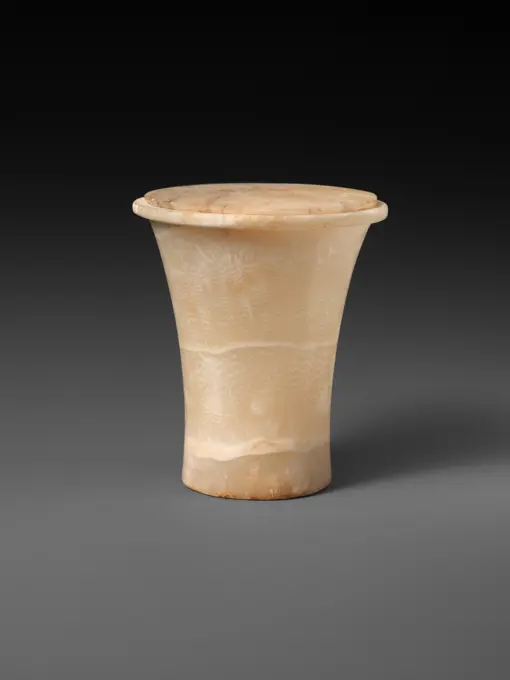
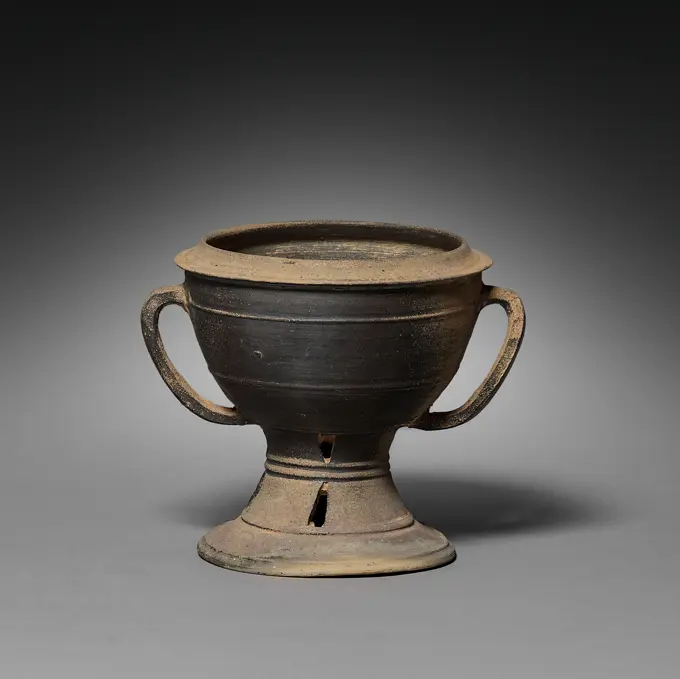
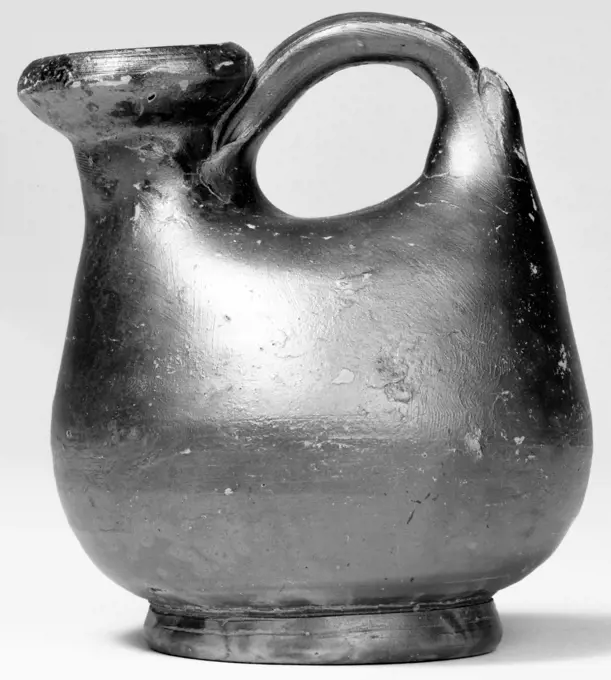
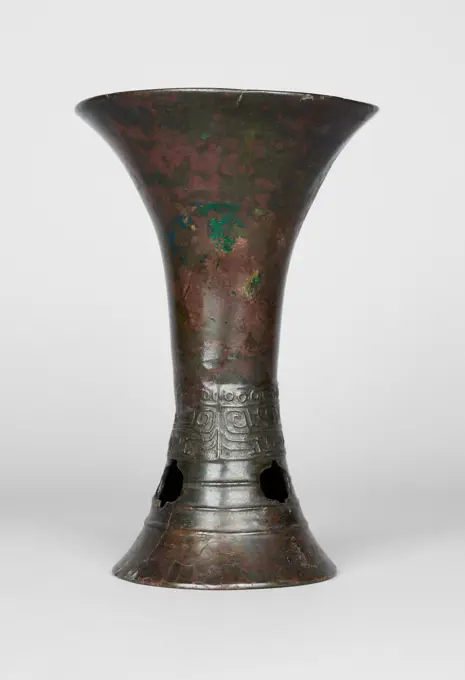
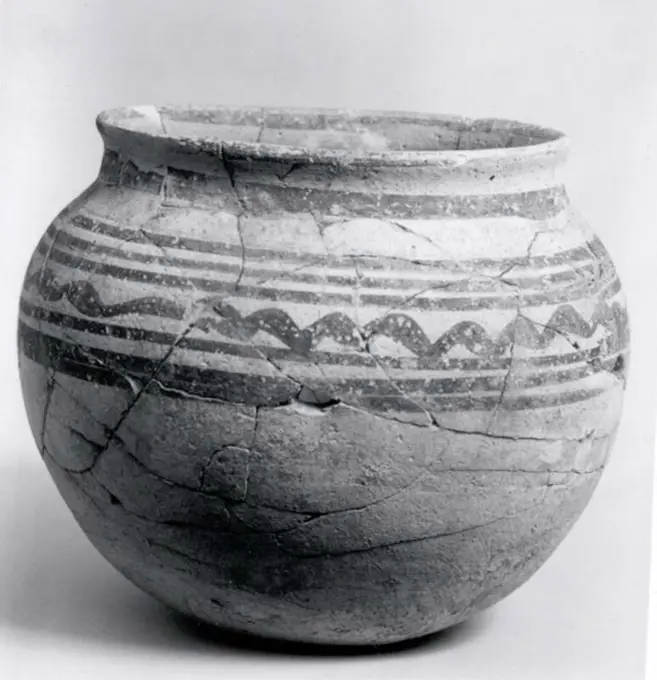
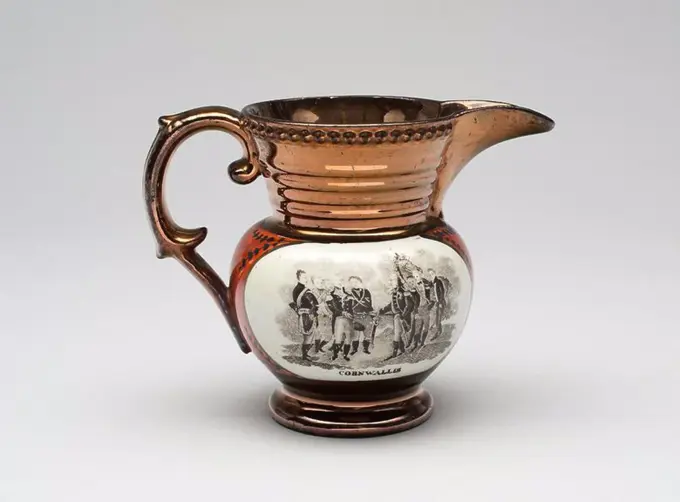
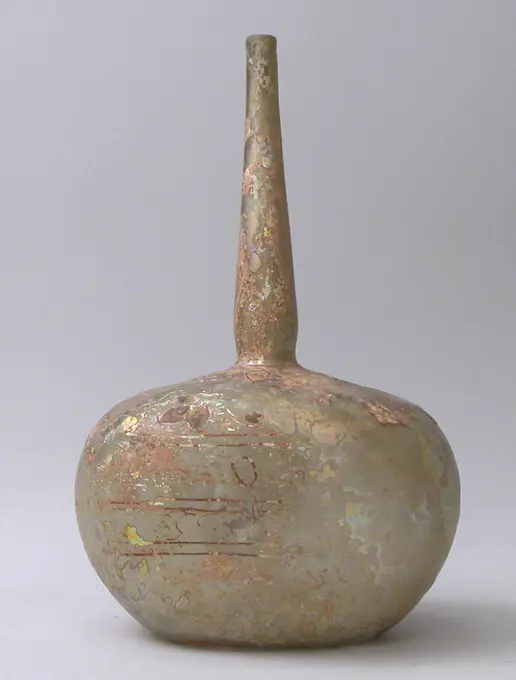
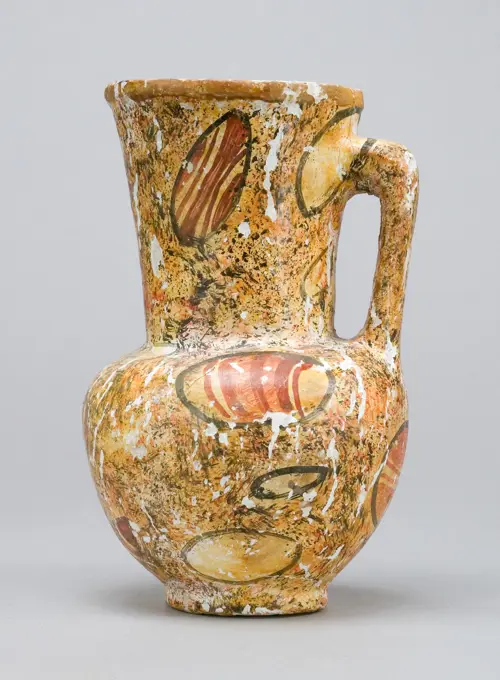
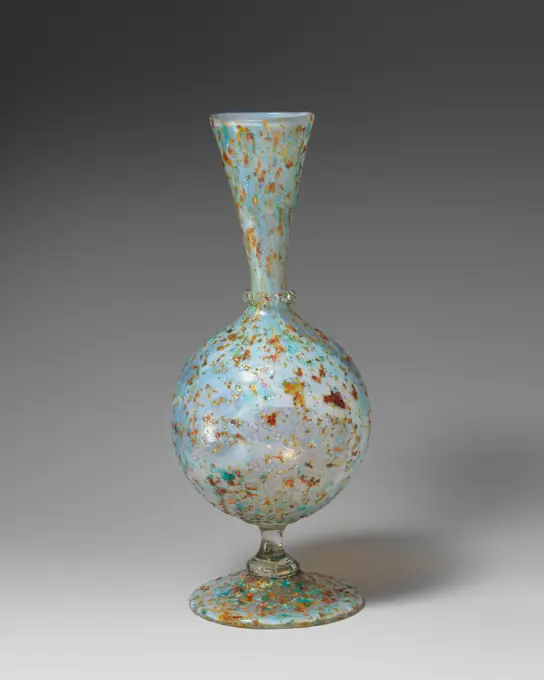
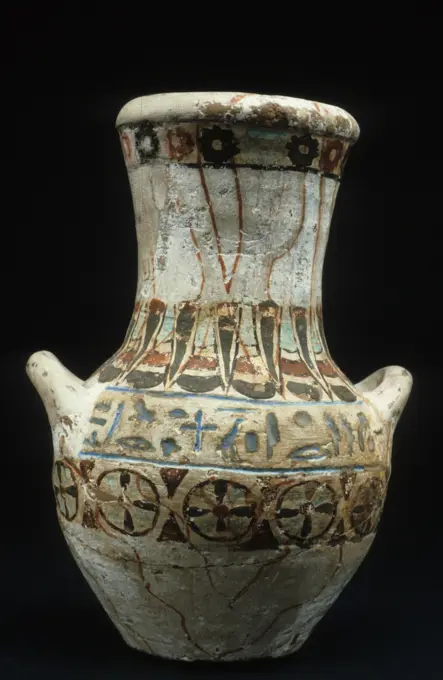
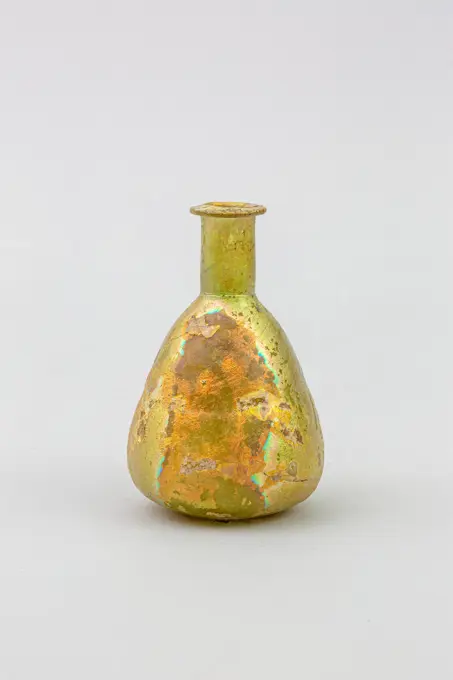
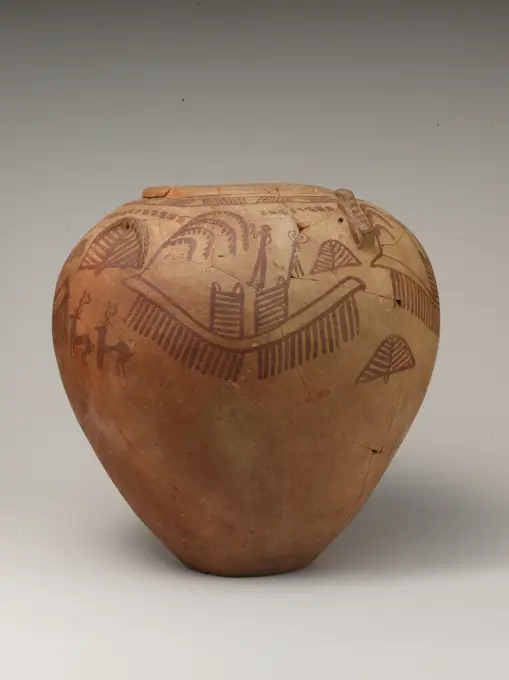
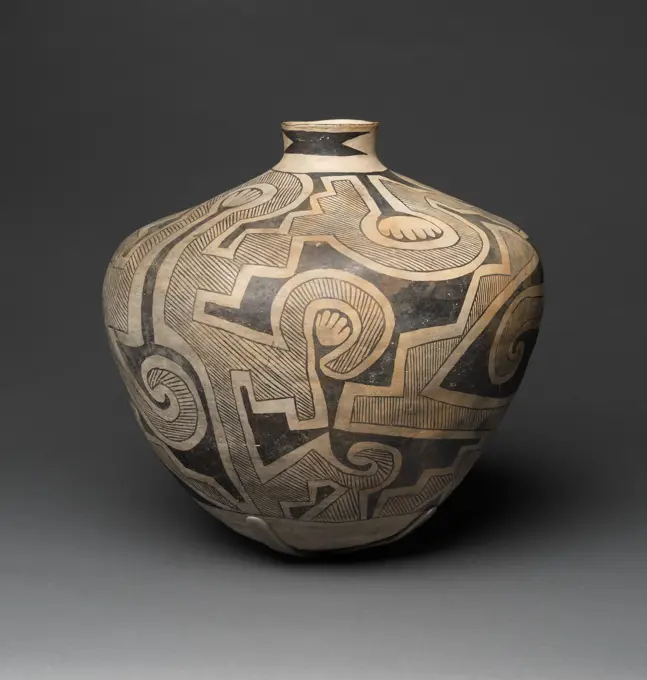
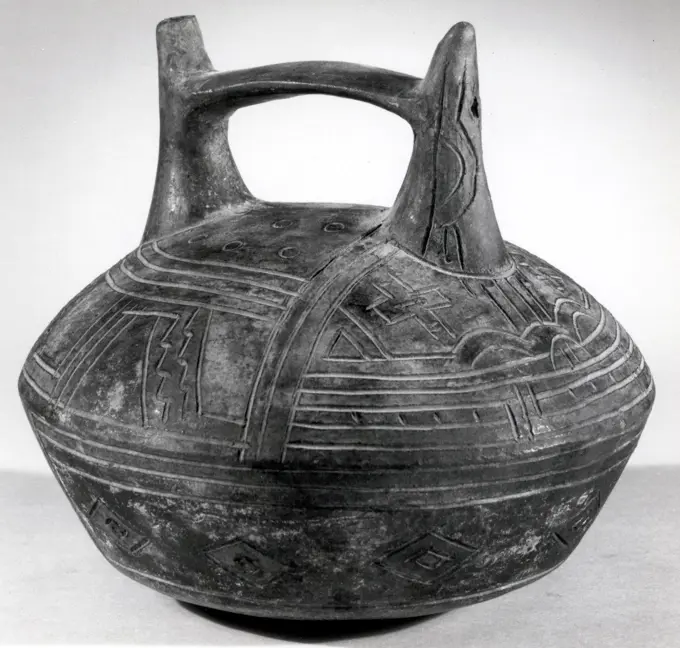
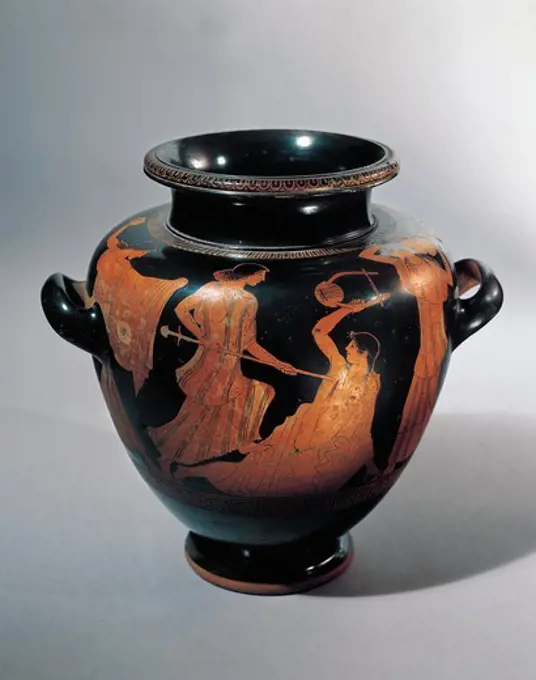
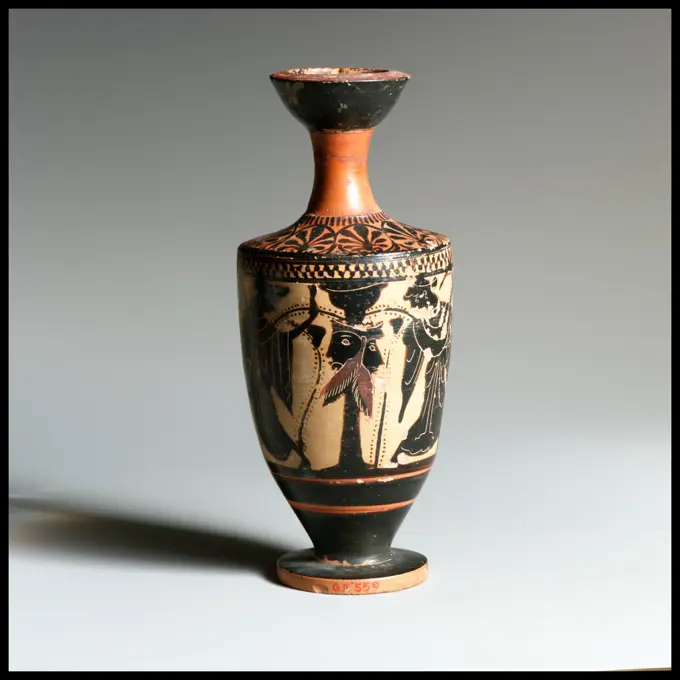
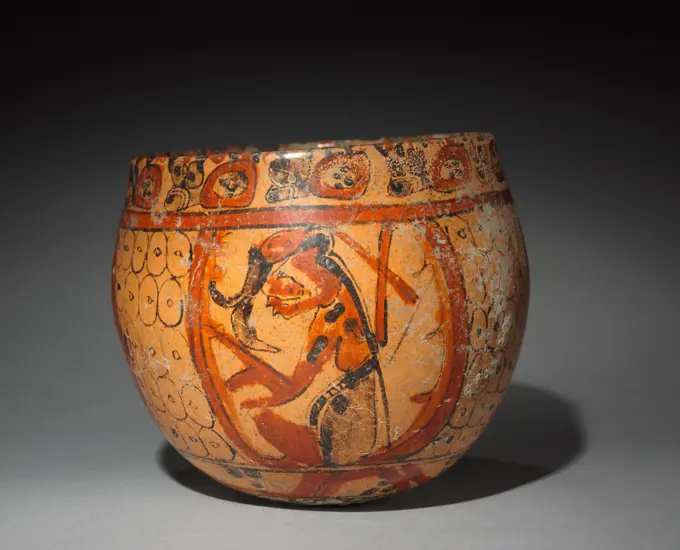
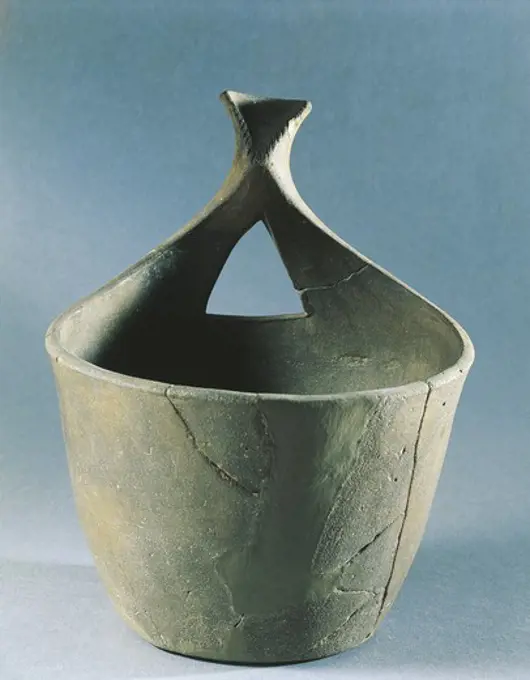
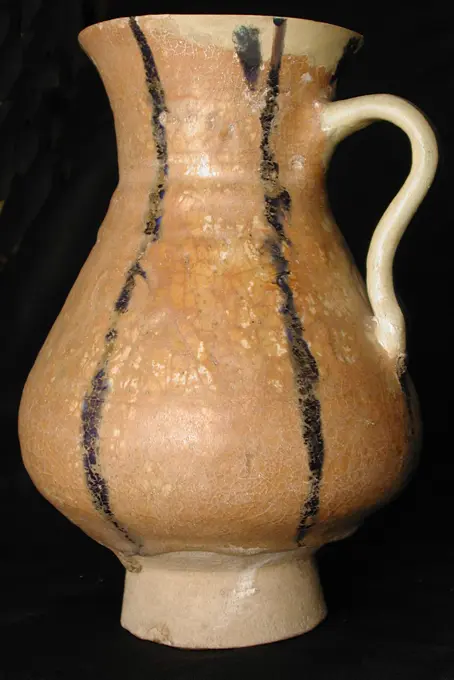
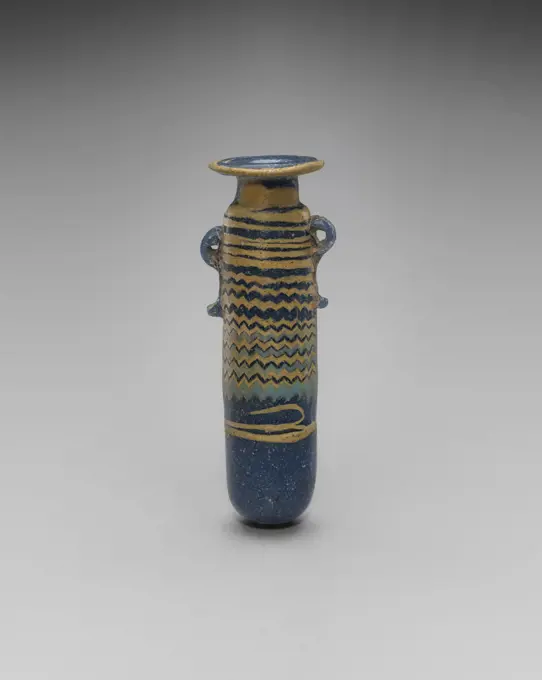
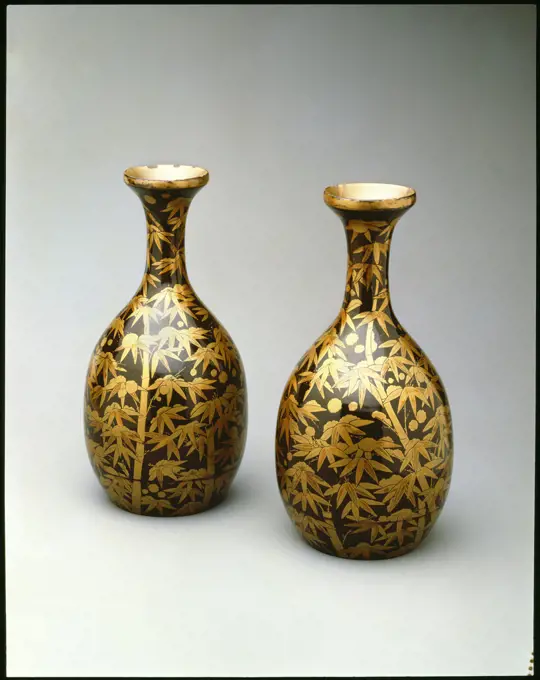
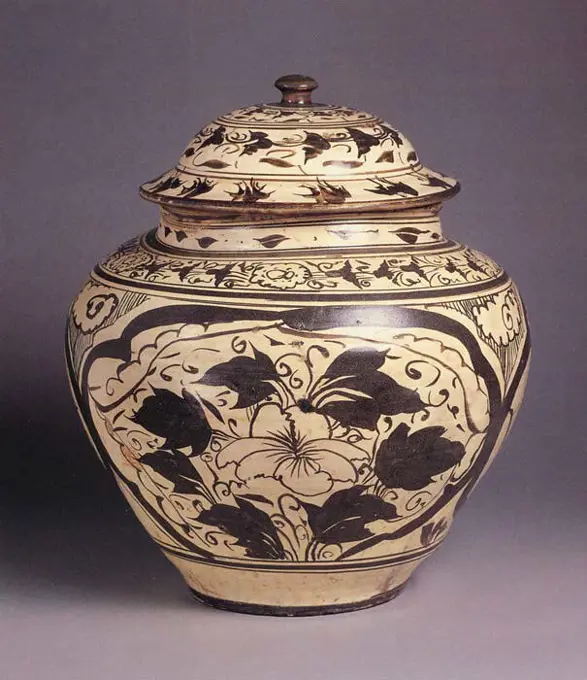
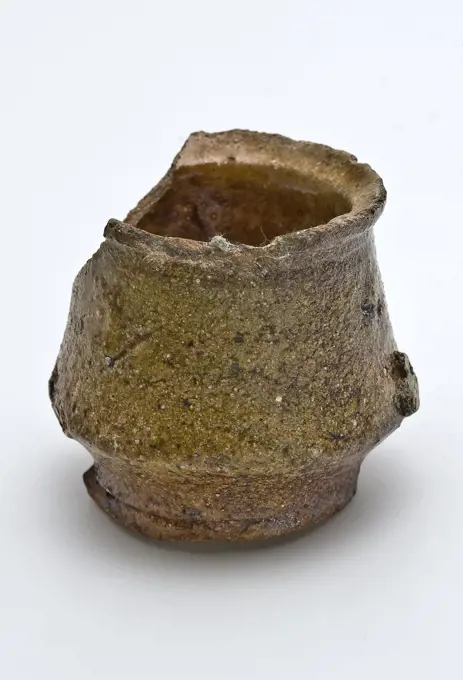
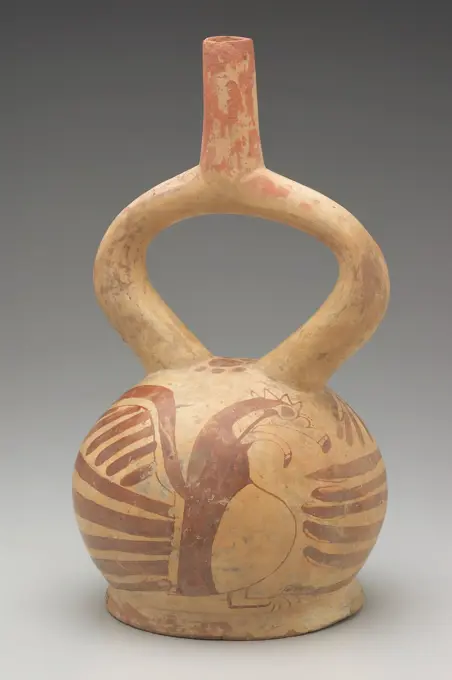
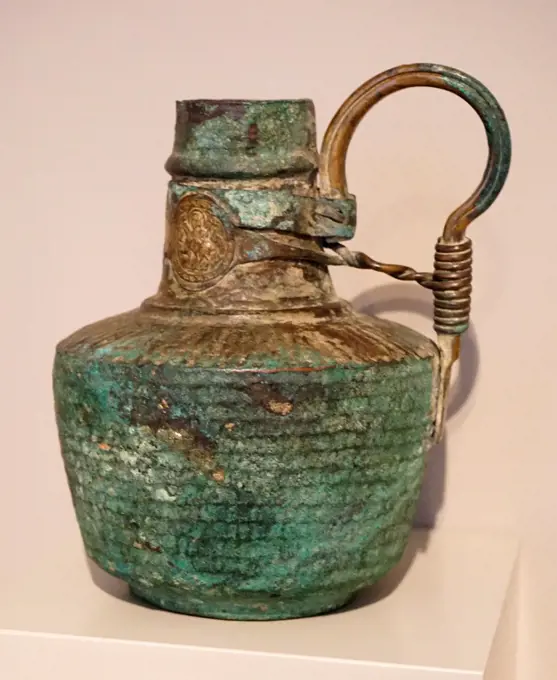
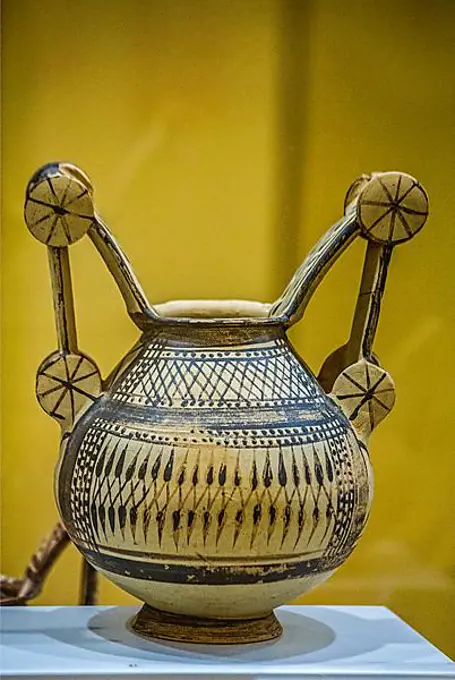
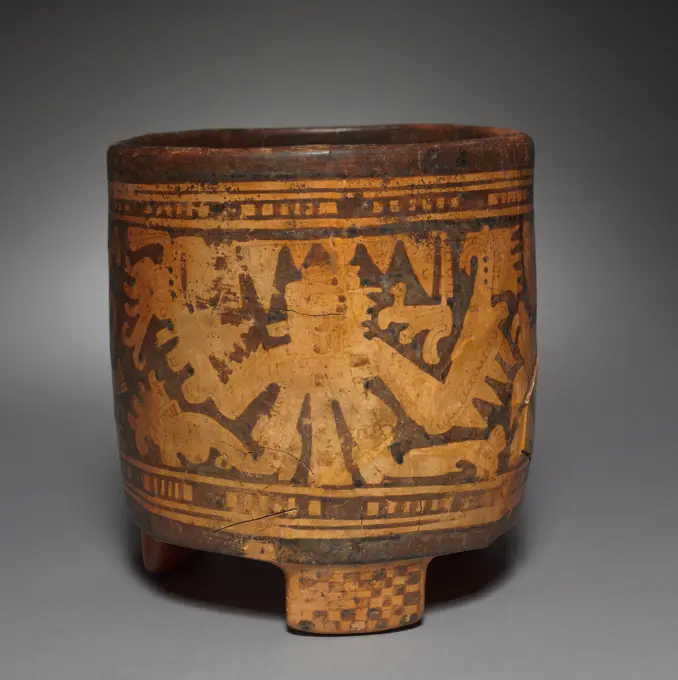
Pottery pot on stand, baluster shape, used in the sugar industry, sugar pot pot holder soil find ceramic earthenware glaze lead glaze, hand turned glazed baked Pottery pot on stand. Baluster shape with round shoulder and narrow neck opening. Thick and round neck edge slightly protruding Red shard internally glazed. Turning loops over the bottom half. In it sugar cones were made archeology indigenous pottery sugar confectionery craft sugar industryPot with two twisted ears, decorated with star-shaped ornaments, pointed leaves, impeller shapes and spirals. Cylindrical pot of multi-colored painted majolica. The pot has two turned ears. On the belly a star-shaped ornament is painted on both sides consisting of four pointed leaves. Between the leaves are blue faoic motifs painted with a black outline that ends in spirals.Spouted vessel ca. 900-700 B.C. Iran This pitcher has a squat, rounded body, a flat base, a high neck and an everted rim. A spout rises straight up from the body of the pitcher, and then juts out perpendicularly. A curlicue at the top of the spout conceals a connection to the rim of the mouth. A rounded handle with a tab for the thumb is attached to the shoulder on the other side. Two sets of raised concentric circles are on the body of the jug, to either side of the spout. The jug is made of grey clay and has been burnished. It was made on a potters wheel, with the spout and handle added later.This pitcher was excavated at Tepe Sialk, near Kashan in central Iran. Sialk was the site of a fortified town, constructed in the early first millennium B.C. Several hundred yards from the town there was a large cemetery, called Necropolis B by the archaeologists who explored it between 1933 and 1937. The graves were pits covered with pitched roofs made of stone or clay, and in addition to the Ewer late 15th-early 16th century Italian, Venice. Ewer 193539Wine coolerCovered urn with geometric decoration 8th century Korea As Buddhisms popularity rose in the Silla kingdom, cremation became the standard funerary practice, displacing earlier elaborate burial rites. This urn, with a stamped design of flowers and geometric patterns, is typical of Korean stoneware containers for ashes from the eighth century.. Covered urn with geometric decoration 39513'Mortar Made of Stone'. Dagestan, Kubachi, First half of the 20th century. Dimensions: height: 15,3 cm. Museum: State Hermitage, St. Petersburg.Bell-krater. Culture: Greek, South Italian, Campanian. Dimensions: Overall: 7 1/2 in. (19.1 cm)Diameter: 5 3/8 × 7 3/8 × 3 3/16 in. (13.7 × 18.7 × 8.1 cm). Date: ca. 360-330 B.C..Obverse, head of a woman to left; reverse, head of a young satyr to left. Museum: Metropolitan Museum of Art, New York, USA.Aryballos, Ecuador, Inca civilizationLamp 13th-14th century. Lamp 450376Pitcher 1849-58 United States Pottery Company. Pitcher 5868Beaker. Iran, probably Luristan, circa 1000 - 800 B.C.. Furnishings; Serviceware. BronzeJar with floral scroll late 15th-early 16th century Korea This buncheong jar features a lyrical floral scroll painted, in iron, over the white slip and under the glaze. Iron-brown painted wares were produced predominantly in the kilns in Hakbong-ri, on Mount Gyeryong, Gongju, in North Chungcheong Province.. Jar with floral scroll 73216Kylix. Black-figures. 5th century BC. Found in Ampurias. Catalonia. Spain.Vessel A.D. 1st millennium. Vessel 327476Naczynie. nieznany warsztat północno mezopotamski, workshopGlass amphoriskos (perfume bottle). Culture: Greek, Eastern Mediterranean. Dimensions: H. 3 1/4 in. (8.3 cm); diameter of mouth 2 1/8 in. (5.4 cm). Date: late 6th-5th century B.C..Translucent cobalt blue, with handles and base-knob in same color; trails in opaque yellow and turquoise blue.Broad inward-sloping rim-disk; cylindrical neck; broad, gently sloping shoulder; ovoid body, tapering downwards to pointed bottom; applied small circular base-knob with rounded edge and flat bottom; two strap handles applied to shoulder, curved up and inwards onto neck, then drawn down neck and trailed off behind base of handle.One yellow trail attached at edge of rim-disk; another yellow trail applied to shoulder and wound in a spiral around top of body, then tooled into a close-set zigzag pattern on upper body, where a turquoise blue trail is added, mingling with the yellow; below this, a yellow and a turquoise trail, each wound horizontally once around body, the yellow running over the lower tipGlass jug 1st-3rd century A.D. Roman Small, one-handled jug.Translucent pale blue green; handle in same color.Oval rim, partially folded out, round, and in; flaring mouth; cylindrical neck, curving out at base to bulbous body with convex sides; flat but slightly uneven bottom; strap handle attached to body, drawn out, up, and round, and trailed on to top of neck and outer edge of rim with loop above rim.Broken around body with one large irregular hole in side; many bubbles and blowing striations; dulling, pitting, iridescence, and areas of creamy weathering.. Glass jug. Roman. 1st-3rd century A.D.. Glass; blown. Imperial. GlassEwer 12th-13th century. Ewer 447276CANTARO O AMBOA CON CANILLA - BARRO COCIDO CON REFUERZOS DECORADOS - VASIJA VINO. Location: ALFARERIA. GUNDIBOS. LUGO. SPAIN.Terracotta vase on a high foot with two goats' heads in relief. Culture: Cypriot. Dimensions: H.: 8 3/16 in. (20.8 cm). Date: ca. 1050-950 B.C..High foot with goats' heads in the round and lattice panels. Museum: Metropolitan Museum of Art, New York, USA.Lamp, Asia Minor; 1st - 4th century; Terracotta; 3 x 7.6 x 9.6 cm (1 3,16 x 3 x 3 3,4 in.)Pilgrims flask with Central Asian dancers 6th century China Both the shape and decoration show foreign influence: the shape is based on a West Asian pilgrims flask, while the whirling dancer is performing a dance derived from the culture of Sogdia. Centered in present-day Uzbekistan, merchants from this polity, some of whom lived in China, dominated the Silk Road trade from the fourth to the seventh century.. Pilgrims flask with Central Asian dancers 64119Sara Garfinkel and John Tarantino, Jug, 1940 1941 JugDouble Jug. Roman. Date: 101 AD-300 AD. Dimensions: 19.4 × 11.1 × 14.5 cm (7 5/8 × 4 3/8 × 5 3/4 in.). Glass, blown technique. Origin: Roman Empire. Museum: The Chicago Art Institute, Chicago, USA. Author: ANCIENT ROMAN.Vase ca. 1390-1353 B.C. New Kingdom. Vase. ca. 1390-1353 B.C.. Glass. New Kingdom. From Egypt, Upper Egypt, Thebes, Malqata, Palace of Amenhotep III, MMA excavations, 1911-12. Dynasty 18Terracotta squat lekythos (oil jar) Greek, Attic early 4th century BCE Seated woman and Eros on either side of a moundThe seated woman may be Aphrodite. The scene has been connected with rites celebrated for the goddess. View more. Terracotta squat lekythos (oil jar). Greek, Attic. early 4th century BCE. Terracotta; red-figure. Late Classical. VasesAttic Geometric Lidded PyxisFlask, 15th century, Unknown Korean, 8 3/4 x 7 1/2 x 5 1/8 in. (22.23 x 19.05 x 13.02 cm), Stoneware with iron-black glaze, Korea, 15th century, Bottles and flasks with a thick iron-brown or black glaze became popular during the Joseon period. Because shards of such vessels have been found at Buncheong kilns, it is likely that the same kilns produced both wares.Flask. Culture: American. Dimensions: H. 6 in. (15.2 cm). Manufacturer: Manufactured by United States Pottery Company (1852-58). Date: 1852-58. Museum: Metropolitan Museum of Art, New York, USA.Lamp ca. 3rd-7th century A.D. Sasanian Small lamps, like this example made from unglazed ceramic, would have been filled with oil and had a small wick threaded through the hole near the rim. The tab handle is used for picking up or moving the lamp. The lamp was excavated from a house at the site of Maaridh II in the Ctesiphon area. A very similar example was found at the nearby Taq-I Kisra palace (32.150.170). The city of Ctesiphon was located on the east bank of the Tigris River, 20 miles (32 km) south of modern Baghdad in Iraq. It flourished for more than 800 years as the capital of the Parthians and the Sasanians, the last two dynasties to rule the ancient Near East before the Islamic conquest in the seventh century. Systematic excavations in the Ctesiphon area were undertaken by an expedition in 1928-29 sponsored by the German Oriental Society (Deutsche Orient-Gesellschaft). The Metropolitan Museum of Art and the Staatliche Museen, Berlin, undertook a joint expedition for one seasWine container (hu) 1st-2nd century China. Wine container (hu). China. 1st-2nd century. Earthenware with lead green glaze. Eastern Han dynasty (25-220). CeramicsCeremonial Stem Cup, 2500-2000 BCE, 7 1/4 x 3 1/8 in. (18.42 x 7.94 cm), Burnished earthenware, China, 25th-20th century BCEOil Lamp. Syria or Egypt, 12th century. Ceramics. Earthenware, glazedPierced Jug with Harpies and Sphinxes. Dimensions: H. 8 3/16 in. (20.8 cm)Diam. 6 5/8 in. (16.8 cm)Wt. 36.2 oz. (1026.4 g). Date: dated A.H. 612/ A.D. 1215-16.With a carved and pierced outer shell that surrounds a solid inner container, this intricate feat of pottery emulates a metal object. Theopenwork-featuring Harpies (mythical birdwomen), Sphinxes, quadrupeds (four-footed mammals), and scrolls-was first painted withtouches of black and cobalt blue. The entire jug was then covered in a transparent turquoise glaze. The Persian verses around the rim were written by the poet Rukn al-Din Qummi, and an anonymous love poem near the base includes the date of production. Museum: Metropolitan Museum of Art, New York, USA.Greek Art. Spain. Amphora Massaliote to contain wine. 5th-3rd Centuries B.C. Archaeological Museum of Girona. Catalonia.Pitcher 1821 American The elaborate slip decoration on this impressive presentation piece emulates the English tradition and relates to engraving found on silver and glass objects.. Pitcher 19743Gourd-shapedewerEarthenware oil jug with shank and standing ear, silt decoration around neck, shoulder, belly, oil jug crockery holder soil find ceramic earthenware glaze lead glaze clay, ring 7.1 hand-turned decorated glazed fried lemonade Pottery oil jug on stand. Ball-shaped shape with slender neckline Neck edge with cuff collar. Red shard fully glazed Thick enamel layer with fine-grained crackle Decorated in sludge technique Decoration consists of yellow curls on the shoulder yellow stripes on the neck and on the ear. Standing ear topped pinched archeology indigenous pottery oil tear lamp illumination servingCylindrical unguent vase with a lid ca. 1887-1750 BC Middle Kingdom This cylindrical jar with a flaring rim is a form generally used to hold ointment. The lid probably belonged to a different jar in the tomb because the lid is smaller than the rim of the base.Link to a blog postJewelry from the Haraga Treasure, United at the Met. Cylindrical unguent vase with a lid. ca. 1887-1750 BC. Travertine (Egyptian alabaster). Middle Kingdom. From Egypt, Fayum Entrance Area, Haraga, Cemetery A, Tomb 124Large clay pot from Ripatransone, Marche Region, Italy, Picene civilizationLazio Viterbo Viterbo Museo Civico99. Hutzel, Max 1960-1990 Views of paintings (Middle Ages through 18th c.), frescoes, a tabernacle, coffin, sculpture reliefs, portal fragments, busts, sculpture, tapestry found in the Pinacoteca, Second floor gallery and Second floor cloister sequences. Antiquities: Many views of Etruscan and Roman fragments, sculpture, sarcophagi, pottery, masks, jewelry and other objects found in the Storeroom sequence (inventory numbers on back of prints), and the Cloister, Second floor Cloister, Valle Giulia, Sala Romana and Sala Etrusca sequences. General Notes: There are eight separate numerical sequences for this location. The cloister as an architectural structure, rather than museum site, is documented in the record and file for S. Maria della Verita, Cloister, all views of which are stored in Medieval core collection. Five views from the Museo Civico Second floor cloister sequence are stored in Medieval. German-born photographer and scholar Max Hutzel (1911-Cup Korea 15th-16th centuryLidded Cup with Strap Handles, AD 300s-400s. Korea, Kaya period (AD 42-562). Stoneware with natural ash glaze; diameter of mouth: 13.5 cm (5 5/16 in.); overall: 21.5 x 20.5 cm (8 7/16 x 8 1/16 in.). Pottery vessels with a footed stand such as this one is the earliest known high-fired ware. Its gray color is the result of the reduction of oxygen in the closed kiln chamber. Footed vessels were not for everyday usage, but rather served to present offerings to the deceased.Campanian Black Duck Askos (small-sized); Campania, South Italy, Europe; 323 - 31 B.C; Terracotta; 9.5 cm (3 3,4 in.)Glass alabastron (perfume bottle) late 6th-5th century B.C. Greek, Eastern Mediterranean Opaque dark olive green, with handles in same color; trails in opaque yellow and opaque turquoise blue.Broad horizontal rim-disk; short cylindrical neck, tapering downwards; barrow angular shoulder; straight-sided cylindrical body; convex bottom; two vertical ring handles with small tails, applied over trail decoration.Yellow trail attached at edge of rim-disk; a second yellow trail applied on top of body and wound down in a spiral, tooled into a close-set zigzag pattern; halfway down pattern a turquoise blue trail is added, mingling with yellow; immediately below zigzag, a third unmarvered yellow trail wound horizontally twice around body.Intact; dulling, iridescence, and some reddish brown encrustation and weathering.. Glass alabastron (perfume bottle). Greek, Eastern Mediterranean. late 6th-5th century B.C.. Glass; core-formed, Group I. Classical. GlassKrater; terra-cottaStoneware jug alternate with ear, round middle belly ribbon, on belly cannelures with floral motifs, jug crockery holder soil find ceramic stoneware glaze salt glaze, hand turned stamped molded glazed baked carved Small stoneware jug dark gray shard with salt glaze bandoor with short blunt tail archeology import pottery serve serve drink wine beerAnonymous, Vase Gu (usual name), 1600. CERUNUSCHI Museum, Museum of Arts in Asia in the city of Paris.Jar ca. 2600-2300 B.C. Iran This globular jar has a ring base and an everted rim. It is made of a buff clay, and decorated with dark brown horizontal lines. It was found in a grave at Kamterlan I, a mound in Luristan in the Zagros Mountains of western Iran that was the site of both settlement and burials. It is difficult to say what purpose this bowl served, or even to determine whether it was a special funerary item or an object of everyday use.It is often thought that the inhabitants of Luristan in this period were pastoral nomads, who moved with their herds from the high valleys of the Zagros during the summer to lowland pastures in the winter. This theory arises from the dearth of evidence for settlements, and the occurrence of isolated cemetery sites. The remains of buildings at Kamterlan I, however, indicates sedentary society, and it is likely pastoralism was practiced alongside agriculture there.. Jar 323956Vase 17th century This double-walled vessel with an openwork screen exterior is an Indian water vase, called a lota. Its outer wall, pierced with foliate patterns organized into medallions, surrounds an inner conical receptacle for water. A polylobed rim unites the two walls. The vessels shape, with its round body and ridged neck, refers to the form of hollowed-out melons that were the original material used in the creation of lotas.. Vase 453159Creamer. English for the American market; Staffordshire, England. Date: 1825-1830. Dimensions: H. 9.8 cm (3 7/8 in.). Earthenware. Origin: England. Museum: The Chicago Art Institute, Chicago, USA.Perfume Sprinkler Qumqum with Birds first half 14th century This perfume sprinkler or qumqum is of a characteristic type with an oblong body and a thin elongated neck, wide above the body and then tapering towards the lip, with enameled and gilded decoration. Although the decoration has faded over time, elements can still be made out. The red outline used throughout the design to create bands of decoration and roundels is the most complete survivor of the original design. Two medallions depicting a bird, once gilded, on a blue background, are drawn on the shoulder. Some remnants of yellow and green enameling and gilding can also be seen in various parts of the body.. Perfume Sprinkler Qumqum with Birds. first half 14th century. Glass, colorless with yellow tinge; blown, enameled and gilded. Attributed to Egypt or Syria. GlassModel vase ca. 1479-1390 BC New Kingdom. Model vase. ca. 1479-1390 BC. Wood, paint. New Kingdom. From Egypt, Upper Egypt, Thebes, Sheikh Abd el-Qurna. Dynasty 18Vase 19th century Italian, Venice (Murano). Vase. Italian, Venice (Murano). 19th century. Glass. GlassTwo-handed pottery vase of Amenhotep ca. 1550-1295 B.C. New Kingdom. Two-handed pottery vase of Amenhotep. ca. 1550-1295 B.C.. Pottery, paint. New Kingdom. From Egypt; Said to be from Middle Egypt, Mallawi. Dynasty 18Glass perfume bottle Roman 1st century CE Uncertain, possibly colorless.Everted rim, folded over and in, with beveled upper surface; cylindrical neck, with horizontal tooling marks around base; piriform body; concave bottom.On body, two broad horizontal cut grooves: one immediately below neck, the other midway down side.Intact, but a crack in rim and upper neck; pinprick bubbles and blowing striations; deep pitting and brilliant iridescent weathering. View more. Glass perfume bottle. Roman. 1st century CE. Glass; blown and cut. Early Imperial. GlassTerracotta Hadra hydria (water jar) 3rd century B.C. Greek, Egypt, Alexandria-Hadra. Terracotta Hadra hydria (water jar). Greek, Egypt, Alexandria-Hadra. 3rd century B.C.. Terracotta. Hellenistic. VasesCovered Bowl. Korea. Date: 668 AD-935 AD. Dimensions: H. 12.4 cm (4 7/8 in.); diam. 17.0 cm (6 11/16 in.). Stoneware with natural ash glaze and incised decoration. Origin: Korea. Museum: The Chicago Art Institute, Chicago, USA.Double handled vase from Oliena, Sardinia Region, Italy, prehistory, Bonu Ighinu cultureNaczynie kamienne - kandila. unknown, authorGlass perfume bottle 1st-2nd century A.D. Roman Translucent pale blue green.Rim folded out, over, and in, flattened on top; tall neck, slightly triangular in section; small, slightly bulbous and misshapen body; thick, flat bottom.Intact; pinprick and small elongated bubbles; dulling, faint iridescence, and patches of thin whitish weathering.. Glass perfume bottle 244670Decorated ware jar with boats and human figures and falcon-styled lugs ca. 3450-3300 B.C. Predynastic, Naqada II. Decorated ware jar with boats and human figures and falcon-styled lugs. ca. 3450-3300 B.C.. Pottery, paint. Predynastic, Naqada II. From EgyptSmall Bartmann jug, also called Bellarmine jug, around the belly three portrait medallions, beardmag tableware holder soil find ceramic stoneware glaze salt glaze, hand turned stamped glazed glazed baked stoneware jug gray shard gray salt glaze local brown brindled bandoor groove under the mouth rim Dedicated traces at the bottom Supplied neck and ear archeology Rotterdam Delfshaven import pottery drink wine beer serving pouring Soil discovery: Delfshaven Rotterdam.Ewer late 13th-14th century. Ewer 444555Vase With Ornamental Borders and Lion Heads With Ring handles. Vase of porcelain with high, spreading foot, spherical body and wide, flared neck, covered with a monochrome white, cracked glaze. Different bronze-colored tires on the vase; On the foot a band with dependent, pointed leaf motifs, around the foot a band with 'taotie' masks, on the shoulder a meander strap and one with Ruyi motifs, around the edge also a band with Ruyi motifs; On the neck two landscaped lion's heads with annular ears. A stamped, unidentified brand on the underside. Monochromes.Przeszłość Przyszłości Kittel, Gottfried (fl. 1697 1717)Socorro black-on-white storage jar ca. 1050-1100 Ancestral Pueblo, Native American The abstract pictorial painting on this water vessel was developed by ancestral Puebloan potters in the Southwest in the late first millennium. The bold color scheme consists of a black iron-rich slip made from diluted organic materials and minerals on white clay. The imagery likely references waters circulation beneath the earth and its precipitation from the sky, reflecting the societys primary concerns around water management and their observation of the seasons.. Socorro black-on-white storage jar. Ancestral Pueblo, Native American. ca. 1050-1100. Clay and pigment. Made in New Mexico, United StatesGlass perfume bottle Roman late 1st-3rd century CE Uncertain but probably colorless.Everted rim with uneven, slightly beveled lip; cylindrical neck with horizontal tooled indent at base; small, low conical body with rounded lower edge; bottom pushed in at center.Complete except for one large weathered chip in rim; many bubbles, some elongated; most of exterior surface heavily weathered, with pitting and brilliant iridescence, creamy brown weathering on interior. View more. Glass perfume bottle. Roman. late 1st-3rd century CE. Glass; blown. Imperial. GlassCeramic Turquoise AmphoraGrape of lead glaze pottery. Grape of lead glaze pottery. Spat engraving and roest. The cooking pot has an ear and stands on two legs. The third leg is missing.Visigoth - early medieval, Valladolid Museum , Castile and Leon, Spain.Bottle 17th century German, possibly Saxony. Bottle. German, possibly Saxony. 17th century. Earthenware. Ceramics-PotteryDouble Spout and Bridge Bottle with Bird 5th-2nd century B.C. Paracas. Double Spout and Bridge Bottle with Bird 308710Jarlet with Cursive Floral Scroll. Vietnam, circa 1400. Furnishings; Serviceware. Wheel-thrown stoneware with cream slip, underglaze blue painted decoration, and clear glazeVase for keeping and carrying wine with Death of Orpheus, attributed to Hermonas. From Nola, Grece, Circa 475 B.C.Terracotta lekythos (oil flask) early 5th century B.C. Attributed to the Marathon Painter Women dancing before an image of Dionysos. Terracotta lekythos (oil flask). Greek, Attic. early 5th century B.C.. Terracotta; black-figure, white-ground. Archaic. VasesBowl, 600-900. Mexico or Guatemala, Maya, Late Classic. Pottery with burnished, colored slips; diameter: 13.3 cm (5 1/4 in.); overall: 13.6 x 15.5 cm (5 3/8 x 6 1/8 in.).Glass flask Roman 4th century CE Translucent pale yellow green.Uneven rim, folded over and in; deep funnel-shaped, oval mouth; cylindrical neck expanding downwards; globular body; integral splayed tubular foot ring; kick in bottom.Complete but cracked around mouth; some bubbles; deep pitting, dulling, and brilliant iridescent weathering. View more. Glass flask. Roman. 4th century CE. Glass; blown. Late Imperial. GlassGreece - Iron Age (11th-8th century b.C.) - Pot from Palio GinekokastroEwer 12th-13th century. Ewer 447286Inkwell ca. 1500 Italian, Padua or Venice. Inkwell. Italian, Padua or Venice. ca. 1500. Bronze. Metalwork-BronzeAlabastron, 6th-4th century B.C., Core-formed glass, dark bluish green with yellow and light blue decoration, 10 × 2.6 cm (3 15/16 × 1 in.), Eastern Mediterranean orEgyptian, Late Period, Dynasties(26-27?), Containers -GlassPair of SakeFlasks, late 16thcentury, Pair of flasks: Kodaiji maki-e lacquer on wood with gold, 8 in. (20.3cm), ILE2017.16.10a-b , Japan, Japanese, Momoyama period(1573-1615), Containers -WoodMeasure 18th century British. Measure. British. 18th century. Pewter. Metalwork-PewterSilver kyathos (ladle) with bronze handle ca. 400 B.C. Etruscan A number of tall kyathoi of this type, made completely of bronze, have been discovered at Spina, in Northeastern Italy. This example is engraved with meticulously incised cable patterns and hatched-triangle friezes.. Silver kyathos (ladle) with bronze handle 248654Flambé Vase, 1644-1911. China, Qing dynasty (1644-1911). Porcelain; overall: 33 cm (13 in.).Pair of terracotta volute-kraters (vases for mixing wine and water) with stands. Culture: Greek, South Italian, Apulian. Dimensions: Base: 10 in. (25.4 cm)vase: 29 1/4 in. (74.3 cm)39 × 18 in. (99.1 × 45.7 cm). Date: 3rd quarter of the 4th century B.C..Although these volute-kraters may have been modeled after examples of bronze, they are imposing works in their own right. South Italian vases are often interpretedas having been made for the tomb. Regardless of their final disposition, black-glazed pieces with no evident funerary reference probably first served in life. Museum: Metropolitan Museum of Art, New York, USA.Covered Jar (Guan shape) 14th century China. Covered Jar (Guan shape) 50772Jug. Jug of stoneware, partly blue-glazed, with large medallion with three acorns and two rosettes, surrounded by their sides with chip and heart shapes, within which tripacles.Ointment jar, red pottery, double conical, low belly, ointment jar pot holder soil find ceramic earthenware glaze lead glaze, hand-turned glazed fried Smal toe body foot and scraper edge. brown yellow fully glazed Ointment jar Red earthenware. Double conical low belly. Stand surface. Almost fully glazed archeology Rotterdam rail tunnel packaging ointment care drug medicine pharmacy Soil discovery: rail tunnel Rotterdam.Vase 19th century Japan. Vase. Japan. 19th century. Iron. Edo (1615-1868) or Meiji period (1868-1912). MetalworkConicalOinochoeTerracotta krater. Culture: Greek, Attic. Dimensions: H. 39 in. (99.1 cm)diameter 37 in. (94 cm). Date: late 1st quarter of the 8th century B.C..The funerary purpose of this krater is indicated by the prothesis scene--the laying out of the deceased--in the central metope on each side of the vase. Of particular interest are the images of battles on and around the two ships. The center of one ship is occupied by a figure seated under an awning as two warriors fight with swords near the stern. The central portion of the other ship is missing. The archer on the prow of this vessel, the warrior just above the prow, the proximity of the foot soldiers as well as the birds perched on the sterns of both ships suggest that the vessels are beached or at least close enough to be boarded from the shore. The person of rank under the awning, the variety of combatants, and the number of foot soldiers--even if they are repeated for decorative purposes--indicate that a specific event is depicted. MuseStirrup-handle jar, 5th-6th century, 11 1/8 x 5 x 5 in. (28.26 x 12.7 x 12.7 cm), Earthenware clay, pigments, Peru, 5th-6th centuryCopper and brass ewer with roundels, depicting warrior saints. From the Byzantine Empire. Dated 7th Century Ceramics from the necropolis, 5th century BC Egnazia Apulia Archaeological Park, Egnazia, Apulia, Italy, EuropeVase, 250-900. Honduras, Maya. Earthenware; diameter: 21.7 x 19.8 cm (8 9/16 x 7 13/16 in.); overall: 22.2 cm (8 3/4 in.).Ceramic funerary vessel from Japan. Dated 5th CenturyLarge ceramic amphora with handle isolated on white background. Side view