Ancient Ceramics and Pottery

Collection of ancient ceramic items, including jars, vases, and amphorae with diverse shapes and textures reflecting historical craftsmanship.

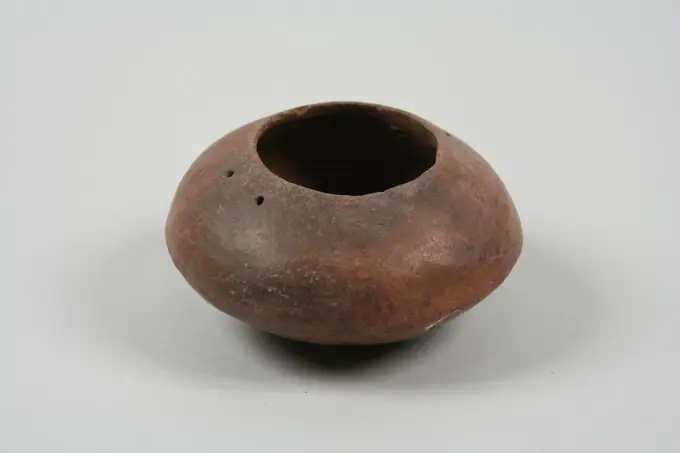
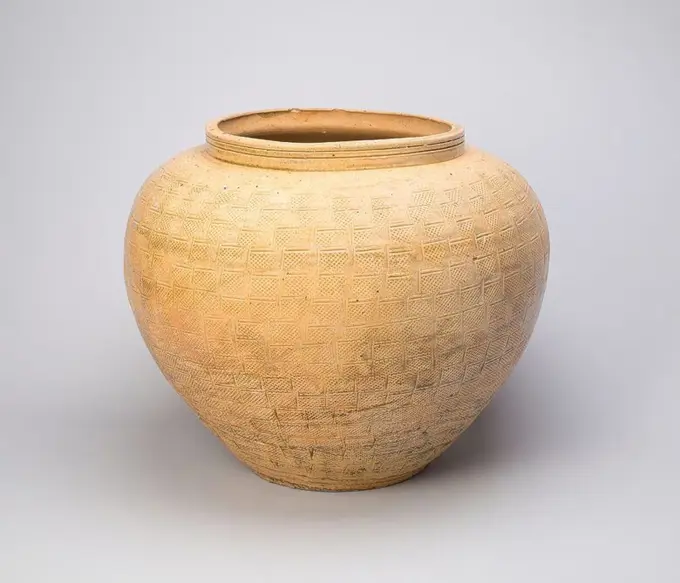
Jar, 400 BCE, 4 1/2 x 7 1/8 in. (11.4 x 18.1 cm), Pottery, Mexico, 4th century BCE
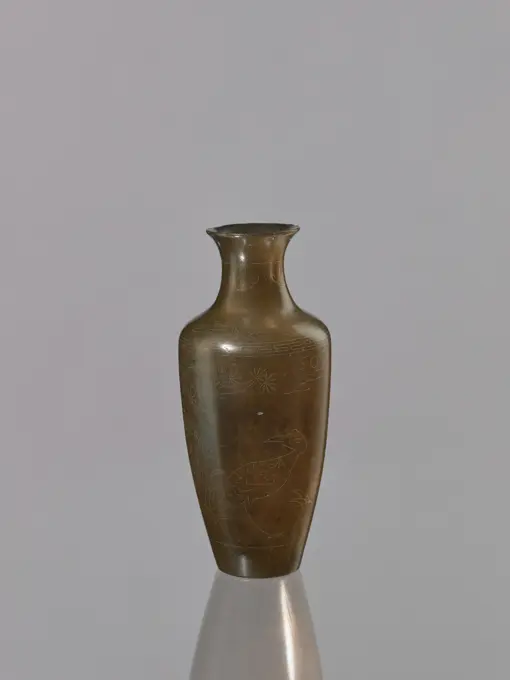
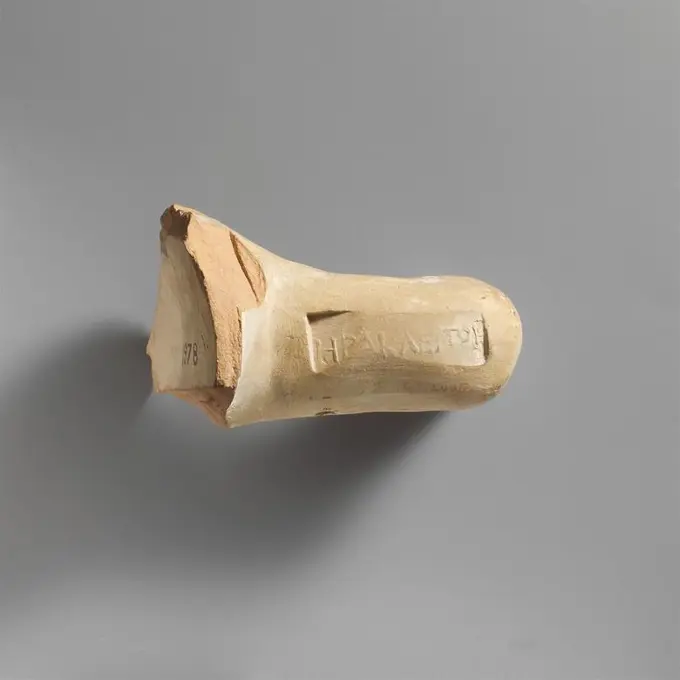
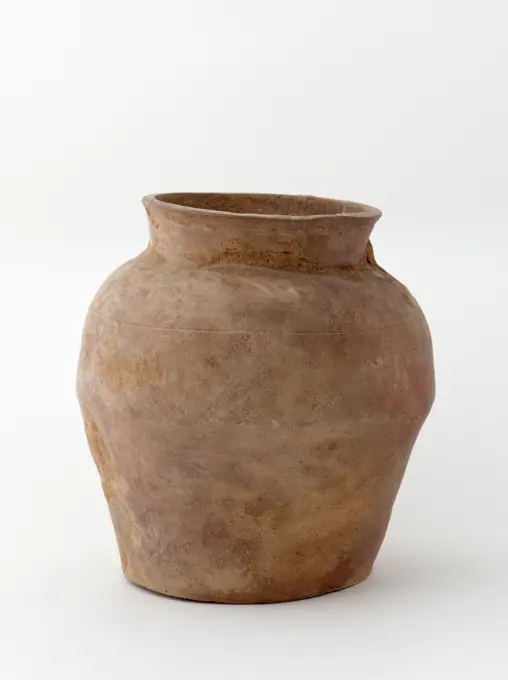
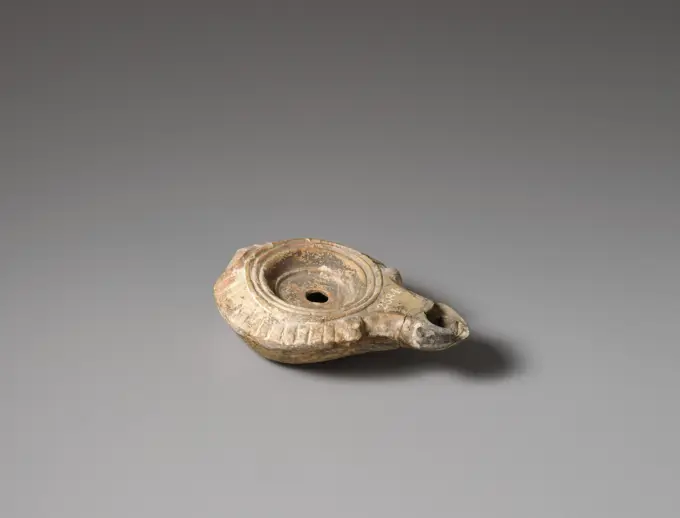
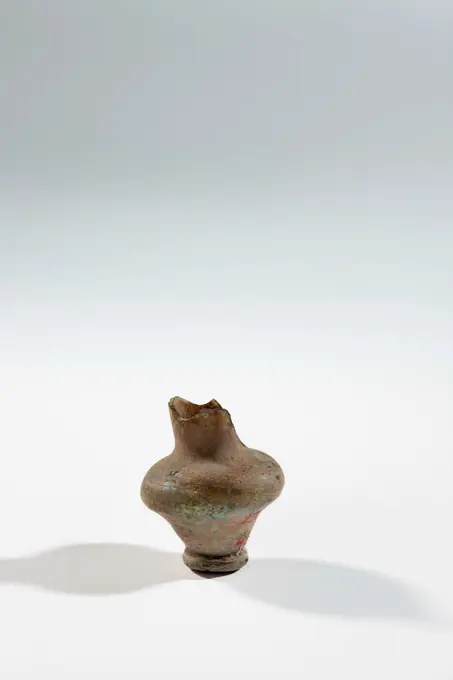
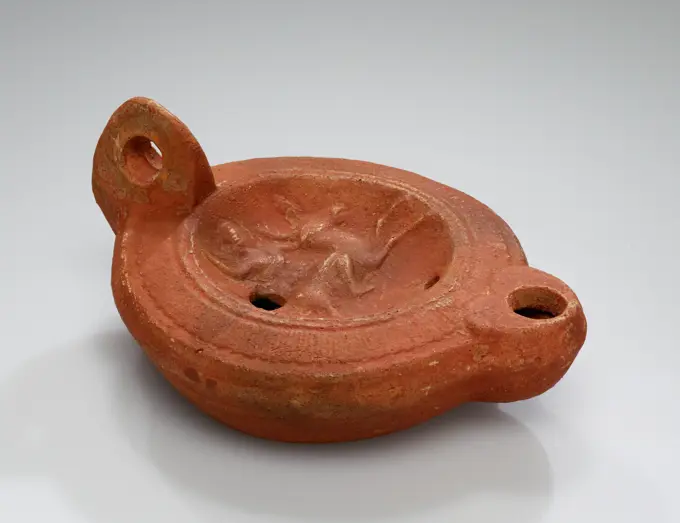
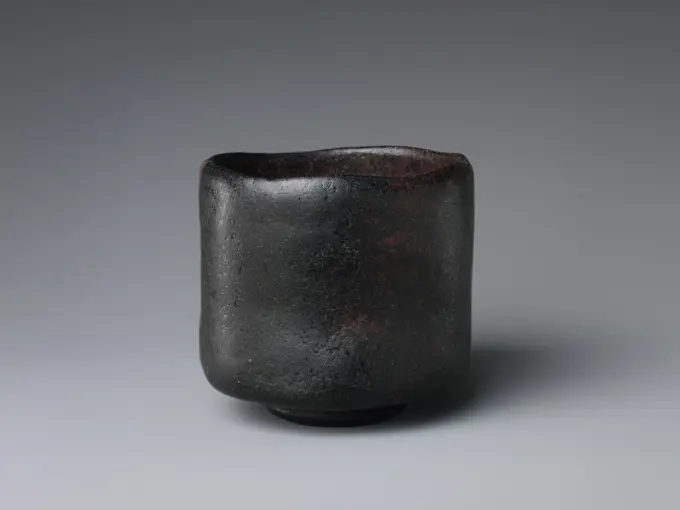
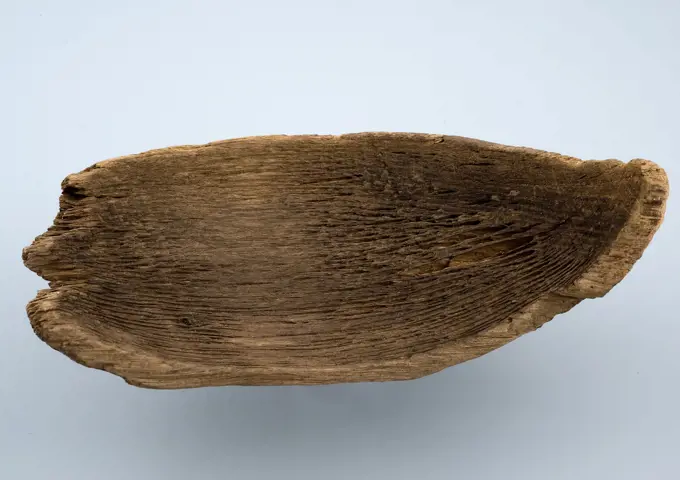
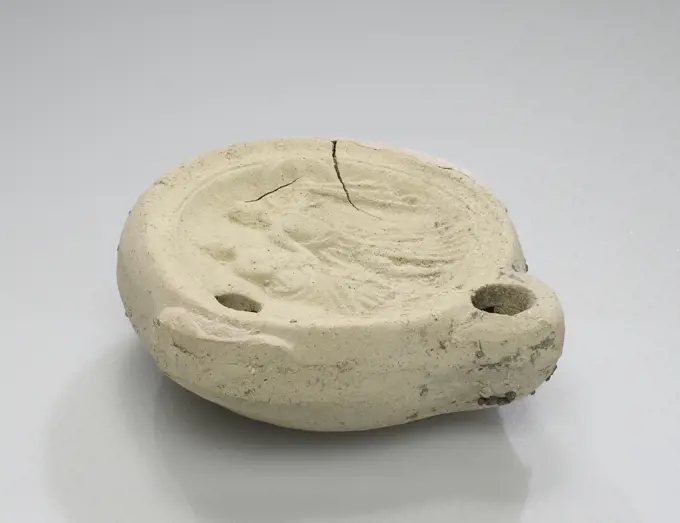
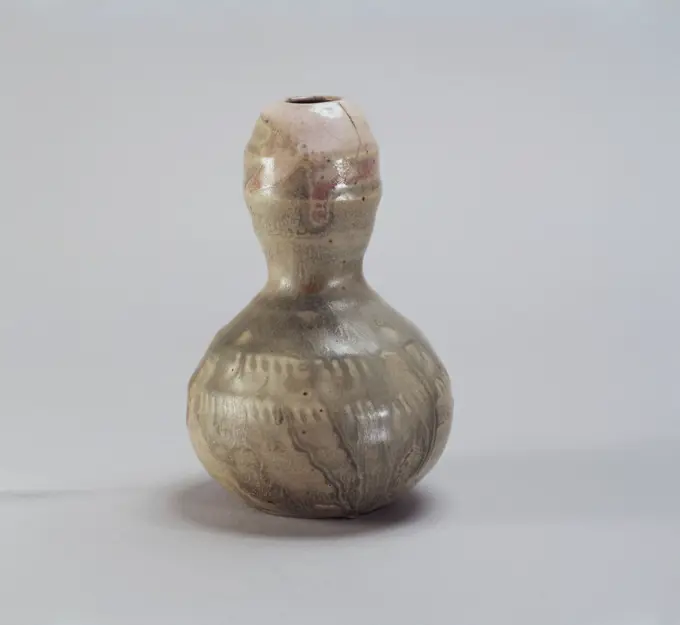
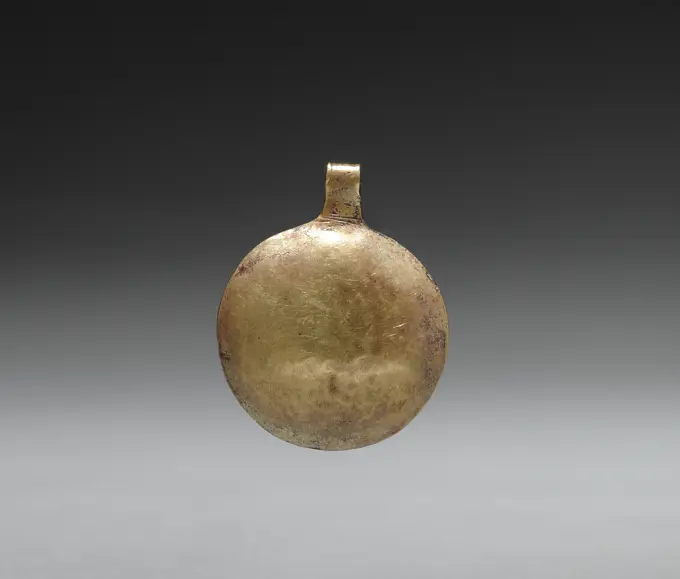
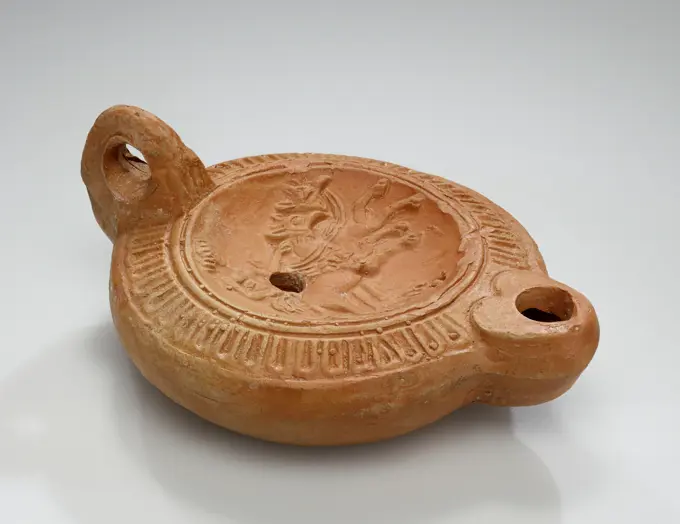
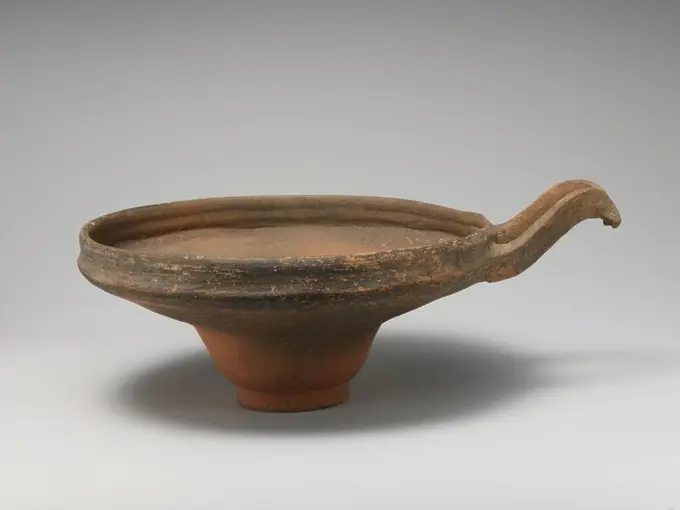
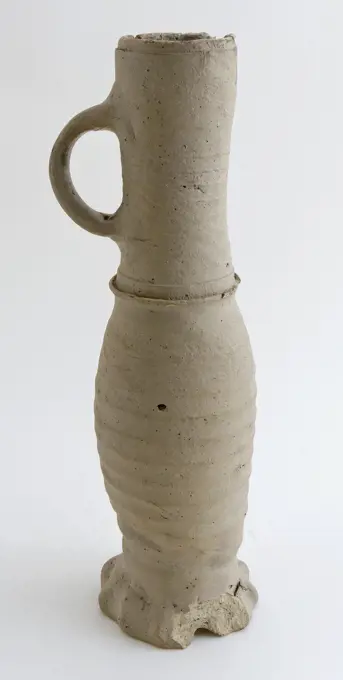
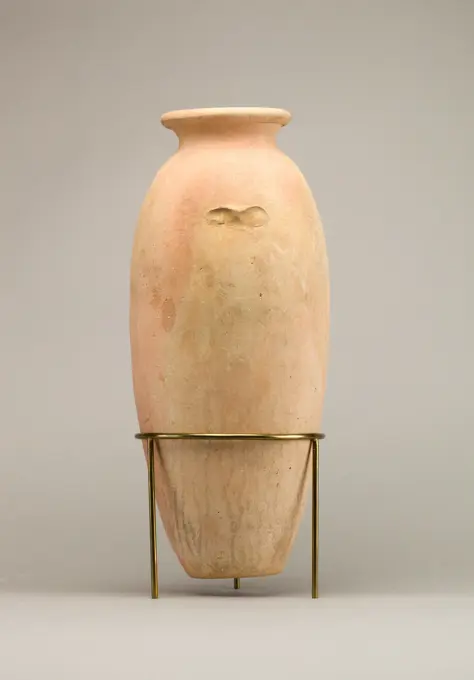
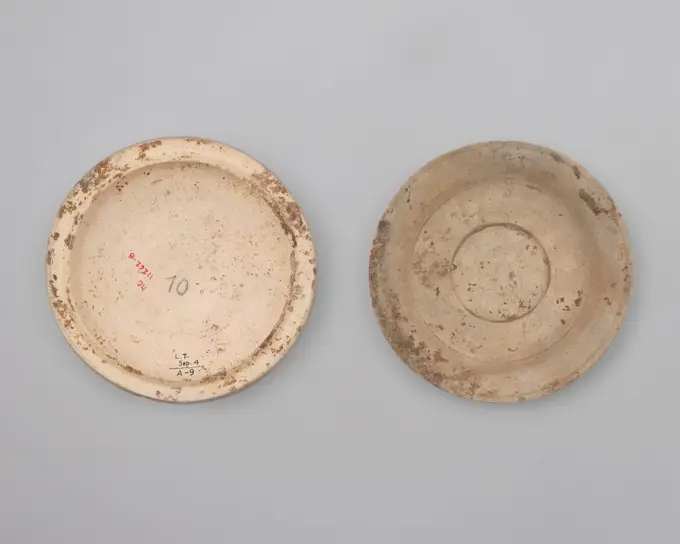
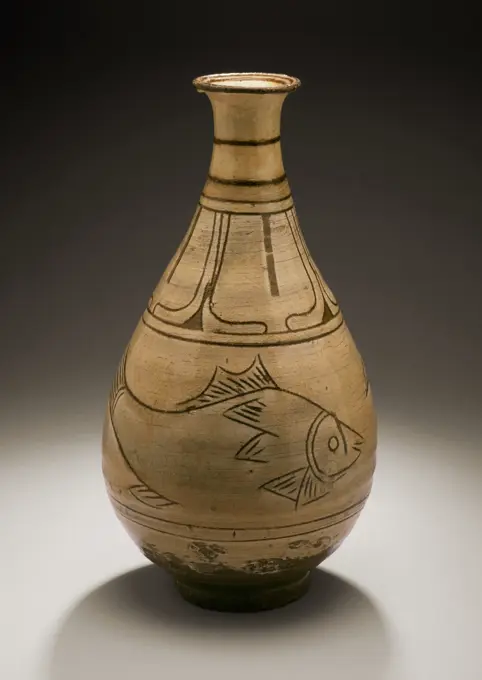
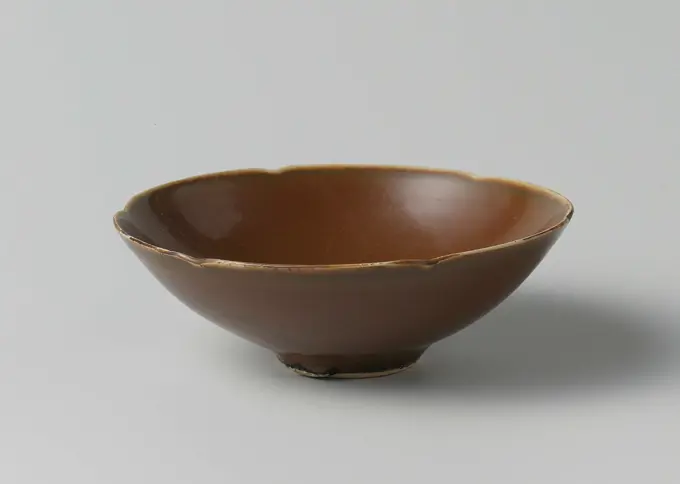
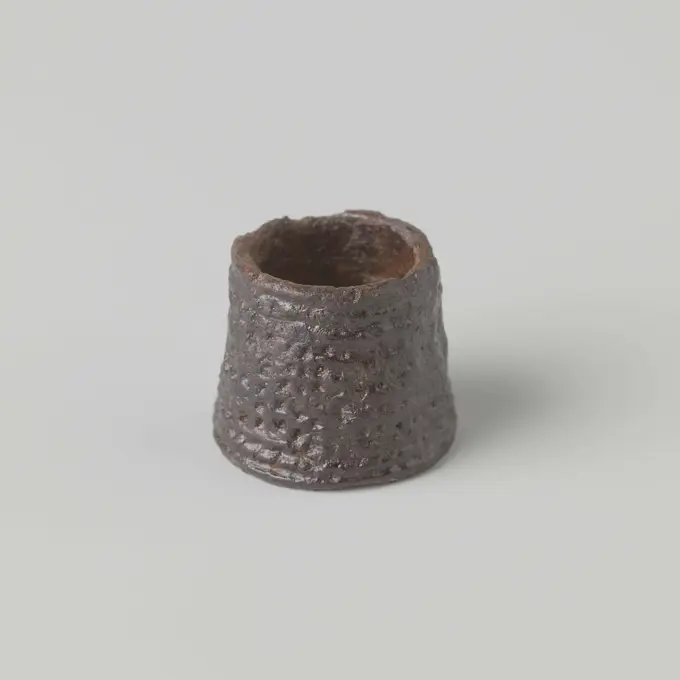
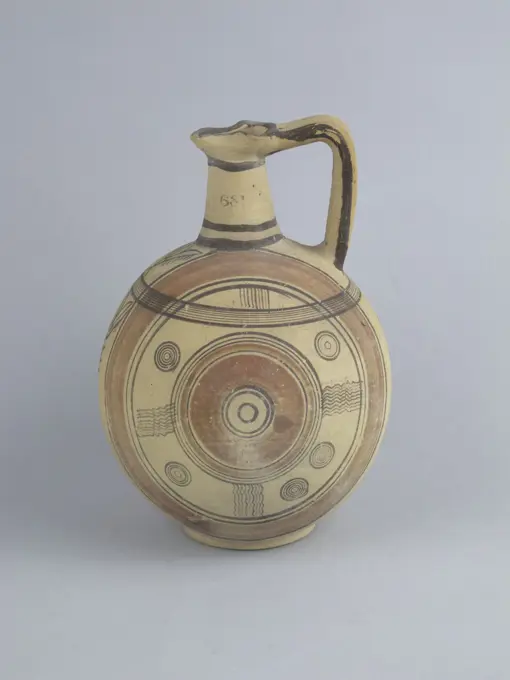
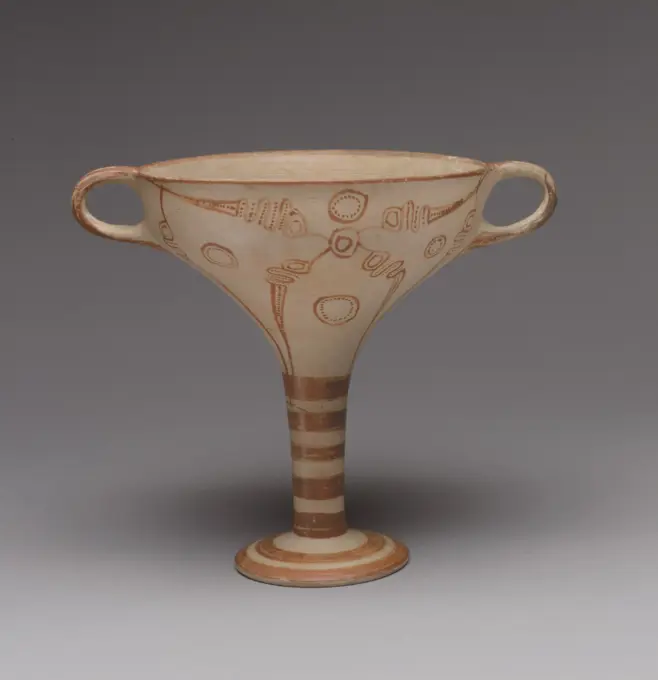
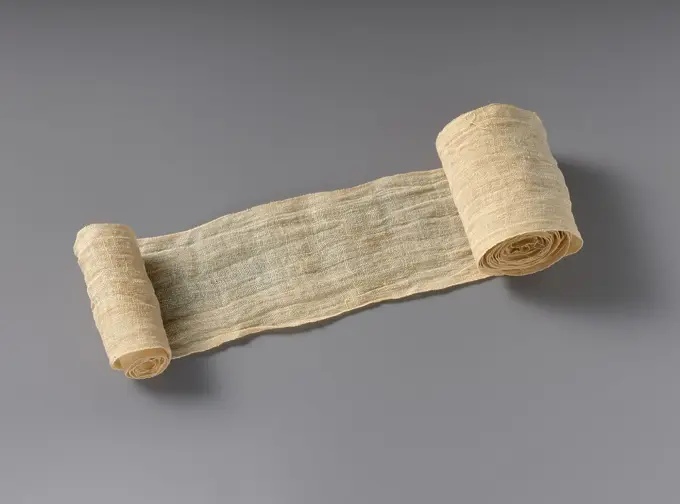
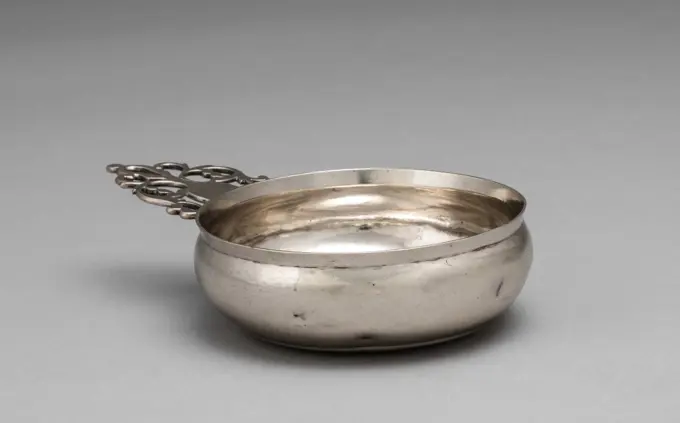
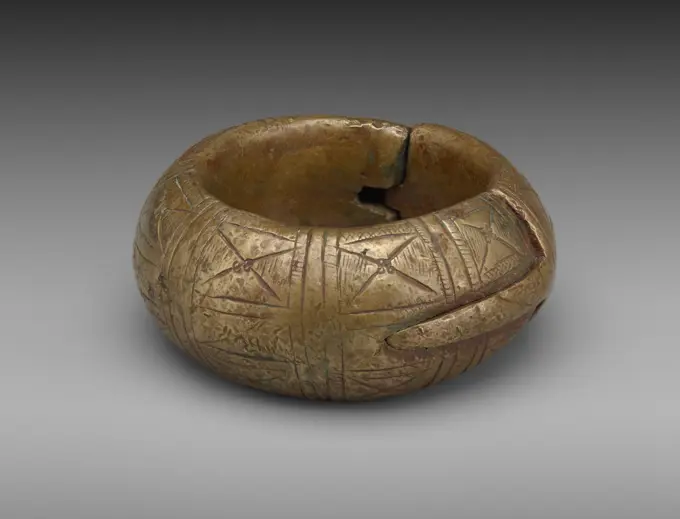
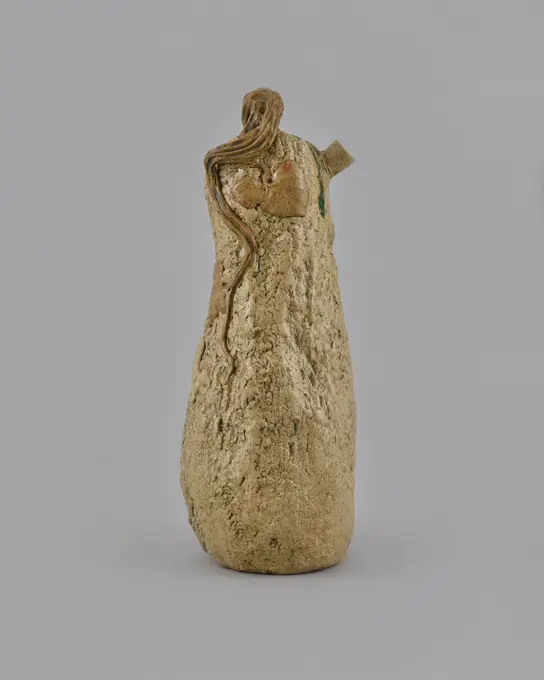
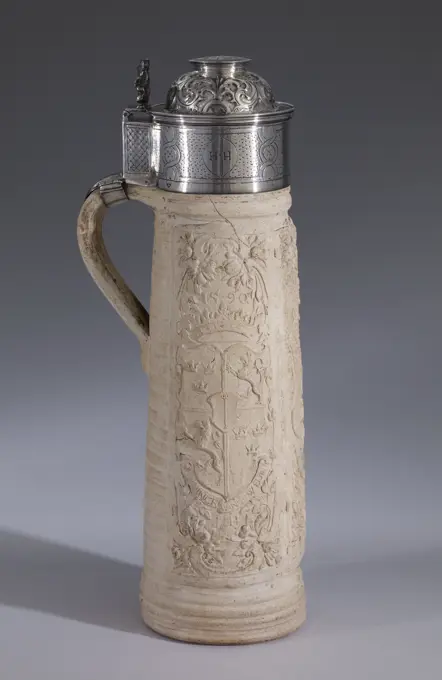
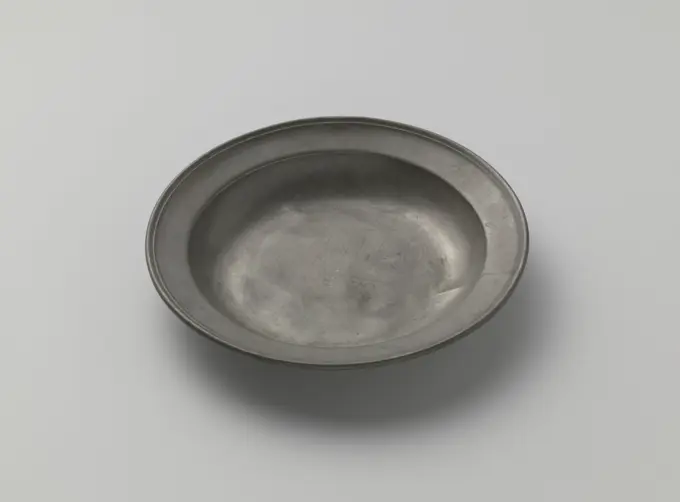
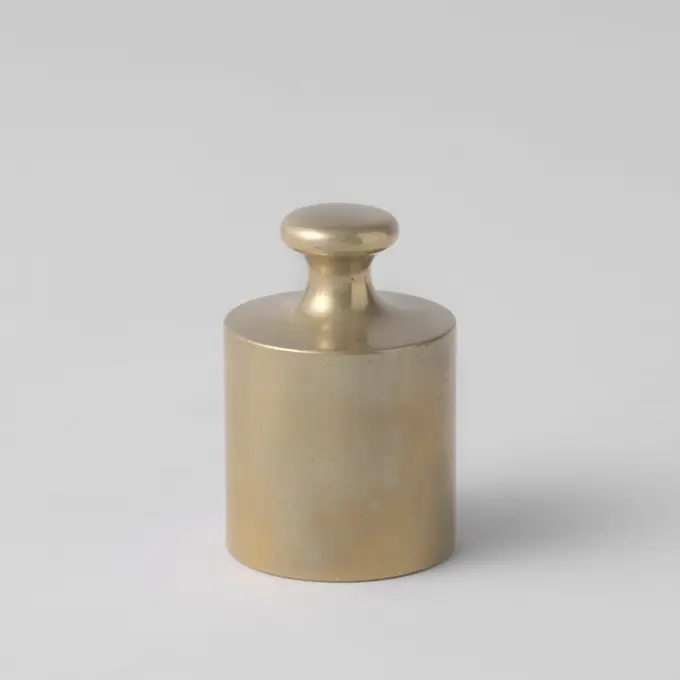
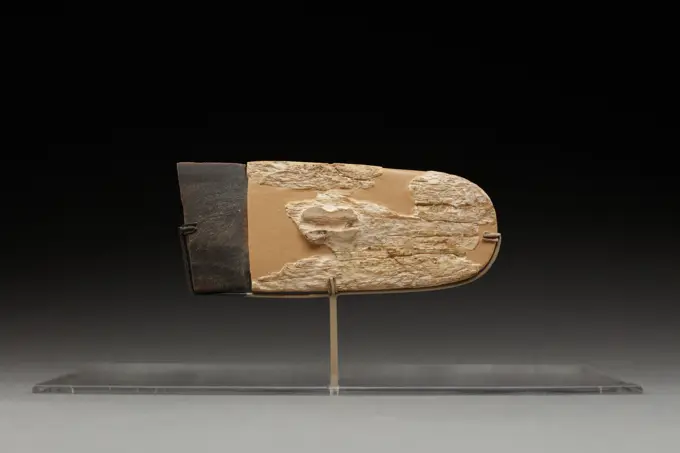
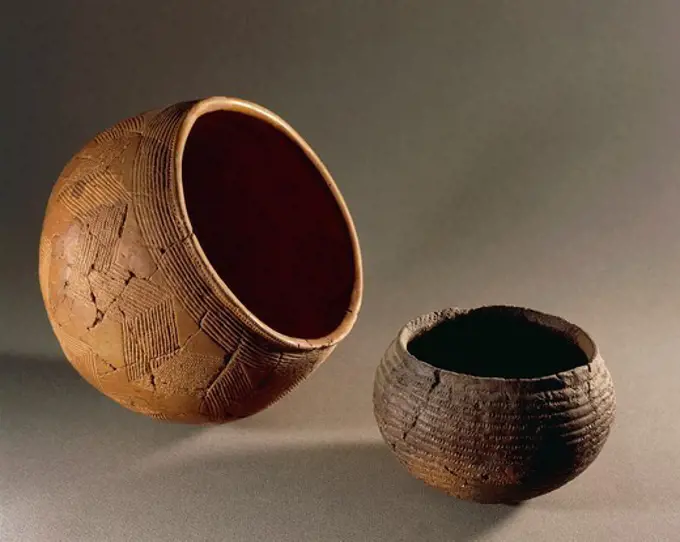
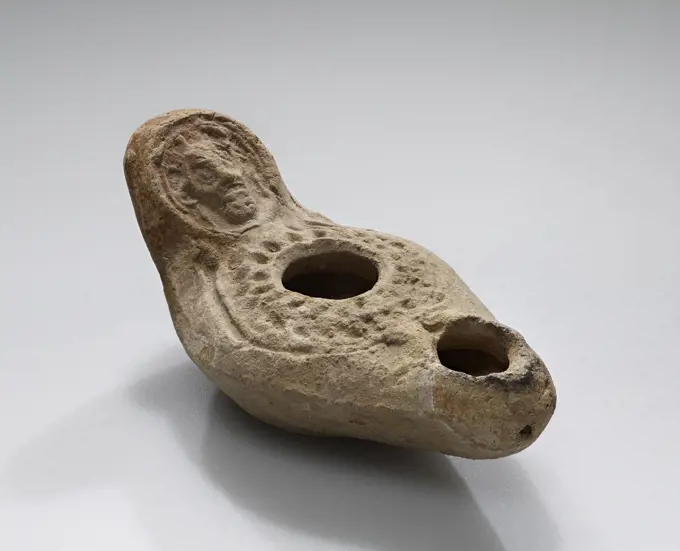
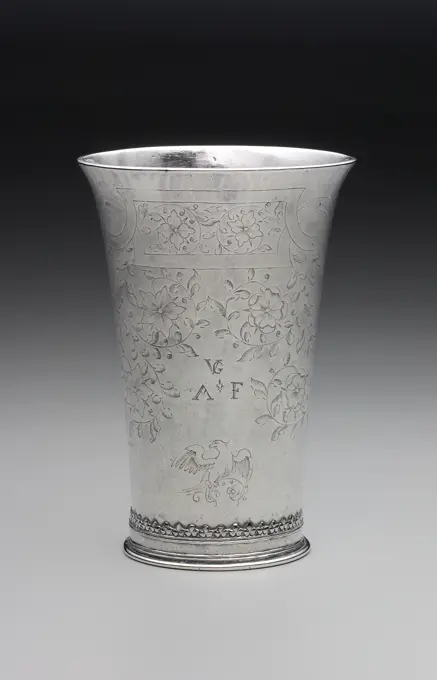
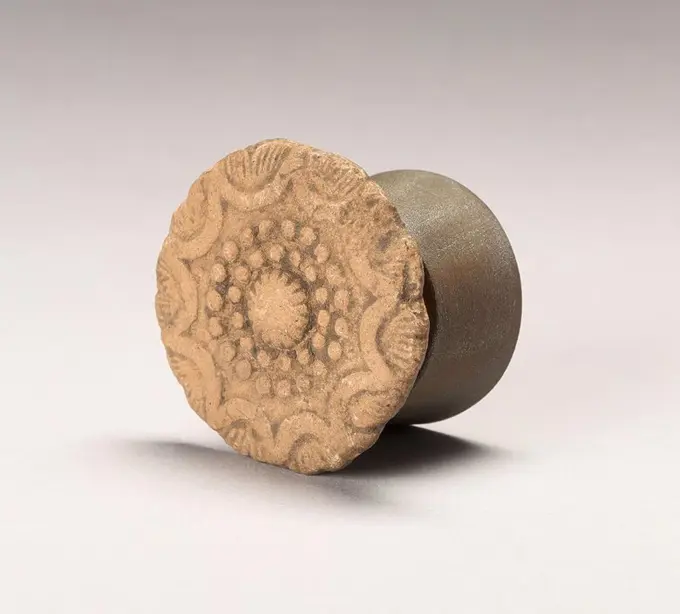
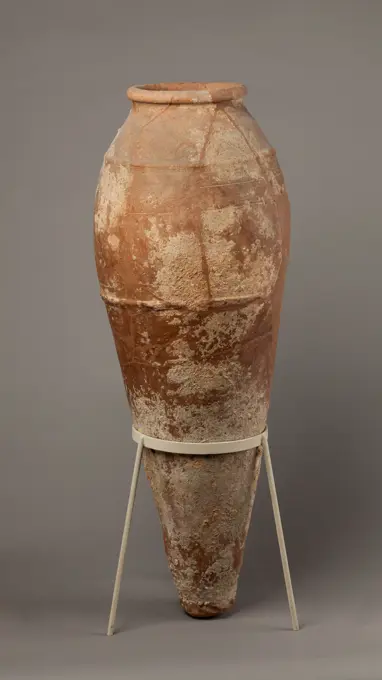
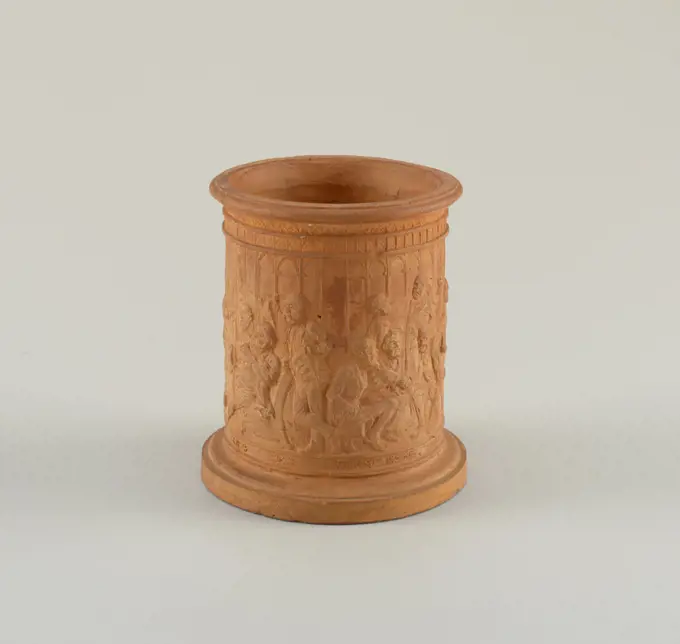
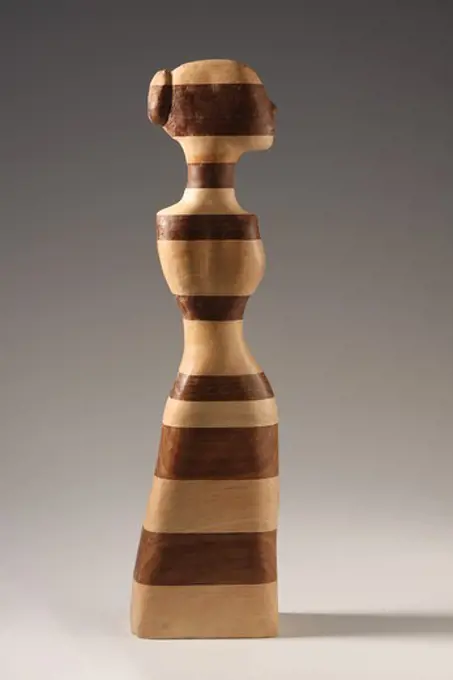
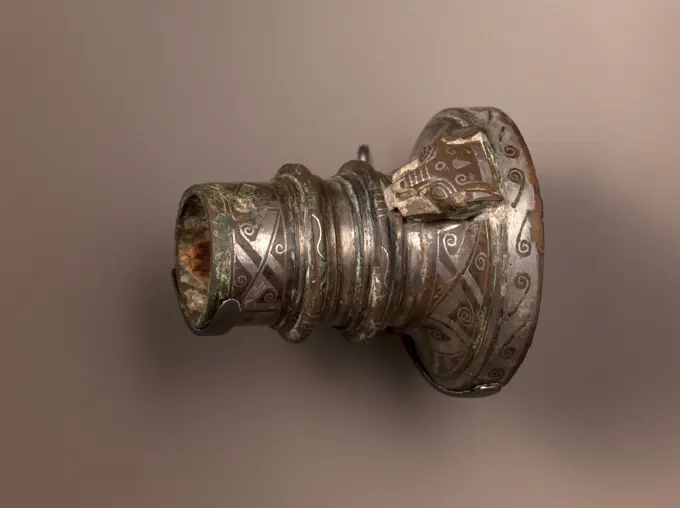
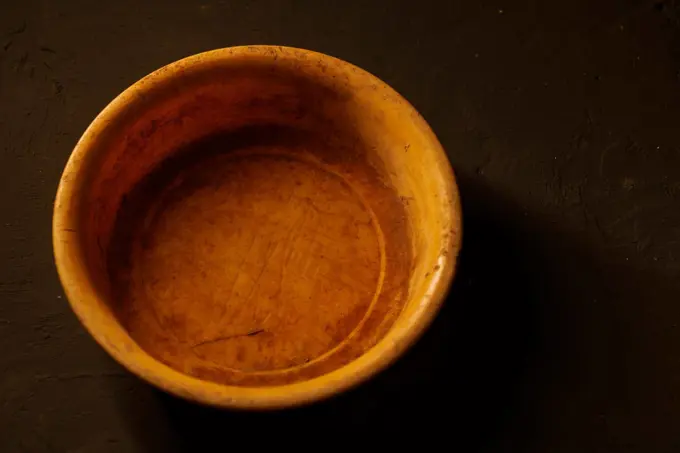
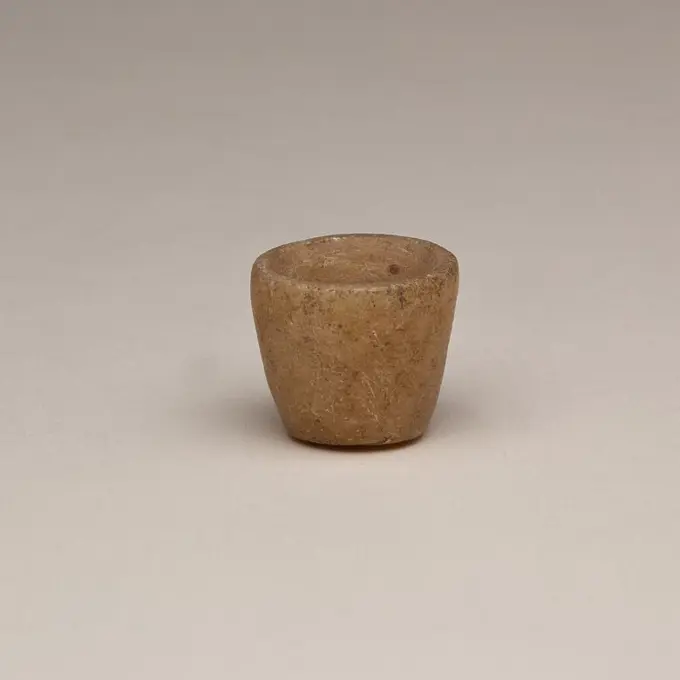
Toilet cup. Dimensions: H. 2.6 cm (1 in). Dynasty: Dynasty 12-13. Date: ca. 1981-1640 B.C.. Museum: Metropolitan Museum of Art, New York, USA.Vase. unknown, craftsmanTerracotta amphora handle with stamp. Culture: Greek, Rhodian. Dimensions: Other: 4 in. (10.2 cm). Date: ca. 220-180 B.C..The stamp bears the name of the potter Herakleitos. Museum: Metropolitan Museum of Art, New York, USA.Ovoid jar ". Terracotta. Vietnam-Xe-Xive s. Paris, Cernuschi museum. 72185-13 Jarre Ovow, Vietnamese object, terracottaJar, 400 BCE, 4 1/2 x 7 1/8 in. (11.4 x 18.1 cm), Pottery, Mexico, 4th century BCEAmfora transportowa. unknown, author. Cup of copper whose body is decorated with three lying stylized leaves, forming a flower celk together. On the underside of the cup the engraved symbol of Dutch theosophical movement: two intertwined triangles that together form a five-pointed star. In combination with this theosophical Devies: "No religion above truth", also engraved.Terracotta oil lamp 1st century B.C.-1st century A.D. Roman Mold-made, with handle. Sunken, flat discus, with a single filling hole at center and a raised circle at edge; band of three raised lines and two grooves around inner edge of shoulder; slanting shoulder decorated with radiating, impressed lines. Volutes flanking angular nozzle with horizontal, plain top. Sunken base, defined by incised base ring.Handle broken off and missing; holes in underside and front right side of nozzle.. Terracotta oil lamp. Roman. 1st century B.C.-1st century A.D.. Terracotta. TerracottasSmall bottle. unknown, craftsmanTripod Vessel. China, probably Hebei province. Date: 480 BC-221 BC. Dimensions: H. 26.0 cm (10 1/4 in.); diam. 17.5 cm (6 7/8 in.). Brick-red earthenware. Origin: China. Museum: The Chicago Art Institute, Chicago, USA.Temple. Culture: Mezcala. Dimensions: Height 1-3/8 in.. Date: 1st-8th century. Museum: Metropolitan Museum of Art, New York, USA.White ointment pot made of earthenware, with colorless lead glaze on the inside and outside, damaged, anonymous, 1500 - 1799   earthenware. lead glaze   earthenware. lead glazeCanteen cup with cover. Culture: British. Dimensions: Overall: 3 1/4 × 2 15/16 in. (8.3 × 7.5 cm). Date: 1670-85. Museum: Metropolitan Museum of Art, New York, USA.Lamp. UnknownOil Lamp with a BaseTerracotta oil lamp 1st century B.C.-1st century A.D. Greek or Roman Mold-made. Carinated body, with applied loop handle. Central filling hole within deep, concave discus, surrounded by a broad, raised edge. Sloping shoulder, decorated in relief with dots. Angular sides to nozzle, rounded at front. Raised base ring, and flat base.Complete body, but most of handle missing.. Terracotta oil lamp. Greek or Roman. 1st century B.C.-1st century A.D.. Terracotta. Hellenistic or Early Imperial. TerracottasBlack Raku Tea Bowl early 17th century Japan Raku ware is a type of ceramic highly esteemed in the Japanese tea ceremony. It is a lightweight glazed earthenware molded by hand rather than thrown on a potter's wheel. The clay is rough and unpretentious, covered in an opaque glaze, as we see here. Raku ware could be fired in small, indoor kilns, which contributed to its popularity in the city of Kyoto, a major tea center. It is traditionally associated with the Raku family of potters, which traces its lineage back to the time of the famous tea master Sen no Riky, and which is still producing Raku ware today.This tea bowl is tentatively attributed to the sixteenth-century tile maker who is believed to be the founder of Raku ware, known as Chojir. According to legend, Chojir's production of tea bowls was stimulated and supervised by Riky himself.. Black Raku Tea Bowl. Japan. early 17th century. Earthenware with black raku glaze (Raku ware). Momoyama period (1573-1615). CeramicsFragment wooden bowl on stand surface, edge twisted band, bowl crockery holder soil find wood, sawn twisted sanded Fragment of wooden bowl. Hemisphere of shape with groove under the outer edge as decoration. Space saved at the bottom. Entire wood structure is clearly visible archeology Rotterdam City Triangle Groenendaal underground pit serve serving food store archaeological find in the soil Rotterdam underground pit Groenendaal 1975-09-11.Box, c. 1908. Marguerite de Felice (French, 1872-1933). Round wood core covered with tooled leather; diameter: 7.4 cm (2 15/16 in.); overall: 8.8 cm (3 7/16 in.).Lamp, South Anatolia, Anatolia; 1st - 4th century; Terracotta; 2.3 x 6.8 x 7.3 cm (7,8 x 2 11,16 x 2 7,8 in.)Jean Carriès (1855-1894). "Gourd in the shape of a bare calabash and green and pink flows". Ceramics in enameled sandstone, between 1875 and 1894. Museum of Fine Arts of the city of Paris, Petit Palais. 25042-2 Calabasse, ceramic, green flow, bis background, shape, gourd, gres emaille, decorative object, pinkPilgrim Flask 17th century Imitating the shape of more portable leather prototypes, this so-called pilgrim flask is cast in copper. Originally covered in a type of gilding referred to as tombak, this piece still displays traces of its once golden sheen. Leather flasks were a standard part of equestrian equipment, and were popular among the Ottomans. Luxury examples such as this, however, probably served as emblems of rank.. Pilgrim Flask. 17th century. Copper (tombak); cast, engraved and gilded. Attributed to Turkey. MetalModel Vase from a Foundation Deposit ca. 1400-1390 B.C. New Kingdom This model jar is from one of the foundation deposits that were placed in front of the entrance of the tomb of Thutmose IV (KV 43) in the Valley of the Kings. The inscription scratched onto the side identifies the king by his throne name, and reads "The Good God Menkheperure, beloved of Osiris." The tomb and its foundation deposits were discovered in February1903 during excavations sponsored by Theodore M. Davis and supervised by Howard Carter while he was Inspector-General of Upper Egypt for the Egyptian Antiquities Service. Thirty-nine objects were found in two foundation deposits on either side of the stairs leading down to the tomb entrance. Davis received four of these objects in the division of finds: two model jars and two model dishes, which he bequeathed to the MET and are now on display in Egyptian gallery 117.. Model Vase from a Foundation Deposit. ca. 1400-1390 B.C.. Travertine (Egyptian alabaster). New KinTweezer, c. 500-200 BC. Peru, North Highlands, Chavín de Huantar(), Chavín Style (1000-200 BC). Hammered and cut gold; overall: 3.1 x 2.6 cm (1 1/4 x 1 in.).Iron hammer with a flattened end and one end that runs into a curl, anonymous, c. 1590 - c. 1596 clockwork Iron hammer whose one end is flattened and the other ends in a curl. The hammer belonged (perhaps) to the NM-7687 timepiece.  iron (metal) forging  Nova Zembla. Saving HuysLamp. UnknownKyliks czarnofigurowy z fryzem zwierzęcym. Malarz Ptasiego Fryzu (ca 570 - 560 a.C), authorBowl, 4th century BCE - 3rd century CE, 3 7/8 x 6 1/16 x 6 1/16 in. (9.8 x 15.4 x 15.4 cm), Pottery, pigment, Mexico, 4th century BCE - 3rd century CEJar with TwoDragonsTerracotta bowl with wishbone handle. Culture: Cypriot. Dimensions: H. 3 5/8 in. (9.2 cm); diameter 6 7/8 in. (17.5 cm). Date: ca. 1600-1450 B.C..Deep bowl with upright rim and horned handle, without decoration. Museum: Metropolitan Museum of Art, New York, USA.Glass beaker 1st century A.D. Roman Colorless with greenish tinge.Uneven ground rim; cylindrical body with straight sides tapering slightly downwards; slightly pushed-in bottom.Wheel-cut decoration comprising four broad, horizontal grooves irregularly spaced down sides, with the uppermost just below rim.Intact; pinprick bubbles; dulling, pitting, and iridescence, with many patches of thick creamy, enamel-like weathering on exterior, and interior covered with soil and limy encrustation.Cylindrical yellowish beaker with four incised lines around body.. Glass beaker. Roman. 1st century A.D.. Glass; blown and cut. Early Imperial. GlassJug or jacobakan on pinched foot with profiled edge at the bottom of the neck, Jug or jacobakan jug crockery holder soil find ceramic stoneware, hand-turned baked White shard. Ear rings on neck and belly. On pinched foot. Completely unglazed. Slender Jug or jacobakan on pinched foot archeology import pottery serving serve drinking wine beer Rotterdam education Academy of Fine Arts and Technical Sciences Cool Coolvest Dijkzigt G.J. de Jonghweg City Triangle Blaak Academy of Fine Arts and Technical Sciences Rotterdam.MiniatureYoke. Artist: UnknownGlass perfume bottle. Culture: Roman. Dimensions: H.: 9 15/16 in. (25.2 cm). Date: 2nd-3rd century A.D..Translucent blue green.Broad tubular rim, folded out, down, over and in, with flattened upper surface; tall cylindrical neck, slightly concave in profile, with tooled line around base; bell-shaped body with concave side and rounded lower edge; concave bottom.Intact; some bubbles and blowing striations; slight dulling and iridescence on exterior, with soil encrustation and whitish weathering on underside of rim, soil encrustation, brown weathering, and iridescence on interior, especially on neck.With long neck. Museum: Metropolitan Museum of Art, New York, USA.Wereszczakowa, Karolina - collection (Fl. Ca 1910-1940), Dar (provenance), figurines, Japanese (culture), netsuke, ogi, Japanese art, dancersLarge wavy-handled jar ca. 3850-2960 B.C. Predynastic Period. Large wavy-handled jar. ca. 3850-2960 B.C.. Pottery. Predynastic Period. From EgyptGlass dish. Culture: Roman. Dimensions: H.: 1 1/8 in. (2.9 cm)Diam.: 6 x 2 7/8 in. (15.2 x 7.3 cm). Date: 3rd-4th century A.D..Colorless.Tubular rim, flaring up and outwards, and folded out and down; shallow S-shaped side to body; tubular foot ring, made by folding; almost flat bottom, pushed-in slightly with thick, prominent dome on interior at center and pontil scar on exterior. Intact; some pinprick and larger, elongated bubbles; pitting, dulling, creamy brown weathering, and iridescence. Museum: Metropolitan Museum of Art, New York, USA.Canopic Jar Lid. Jackal headed god AnubisDish and its cover (common name). White Proto-Grès with ivory covered, damaged here. Cernuschi Museum, Asia Museum of Asia in the city of Paris.Bottle with Flower, Birds and Fish Design. Korea, Korean, Joseon (1392-1910), 15th-early 16th century. Furnishings; Accessories. Buncheong ware: Wheel-thrown stoneware with incised slip decoration and pale green glaze. Come from stoneware with six times lobed wall, covered with a brown glaze. Two chips in the edge; Bak sand at the foot ring. Thing.Ring, conical shape, with a punctured relief with annular boundaries. Ring, conical shape, with a smooth inside and a punctured embossed with annular boundaries on the outside. Sailing tools () Thumb ring ()Jug 600-480 B.C. Cypriot Vertical circles and lotus panel.. Jug. Cypriot. 600-480 B.C.. Terracotta. Cypro-Archaic II. VasesBol with cover (username), 1700. Sandstone covered with enamels. Cernuschi Museum, Asia Museum of Asia in the city of Paris.Cup with Double Fish 12th century China. Cup with Double Fish 64880Terracotta stemmed cup with murex decoration ca. 1400-1300 B.C. Helladic, Mycenaean By the Late Helladic III period, methods of firing improved on the Greek mainland, making possible this type of long-stemmed cup known as a kylix. The shape becomes the standard form of drinking cup throughout most of the Mycenaean world from the fourteenth century B.C. onward. On this particular kylix, the high, striped stem supports a flaring body decorated with marine life, sea anemones and murex shells that attest to the sea as an important source of food and wealth for Mycenaean civilization. The murex, a type of mollusk, was prized throughout antiquity as a source of purple dye.. Terracotta stemmed cup with murex decoration 255448Stone Temple Model. Culture: Mezcala. Dimensions: H. 3 1/8 x W. 2 7/8 in. (7.9 x 7.3 cm). Date: 1st-8th century. Museum: Metropolitan Museum of Art, New York, USA.Belly bottle, clock model, bottle holder soil found glass, neck with imposed all-round convex glass thread and flattened lip chip archeology Town Hall City  of Rotterdam Rotterdam packaging Municipal Works (Town Hall) February 1915Mummy Bandage from Tutankhamun's Embalming Cache. Dimensions: L. 165 cm (64 15/16 in.); W. 6 cm (2 3/8 in.). Dynasty: Dynasty 18. Reign: reign of Tutankhamun. Date: ca. 1336-1327 B.C..In December 1907 Theodore M. Davis, a wealthy American who was funding excavations in the Valley of the Kings, discovered a small pit near the tomb of Seti I. Inside the pit were approximately a dozen large sealed whitewashed storage jars (09.184.1). Among other things, the jars contained bags of natron (a kind of salt), pieces of linen with hieratic inscriptions dated to Years 6 and 8 of a king named Tutankhamun (throne name Nebkheperure). At the time, almost nothing was know about Tutankhamun, and Davis declared that he had discovered the king's tomb.Davis received a number of the jars and their contents in the division of finds and, in 1909, he gave most of his share to the Metropolitan Museum. It was only later that Herbert Winlock, the field director of the Museum's excavations at Thebes, realized thBelt Hook, 475-221 BC. China, Warring States period (475-221 BC). Front: bronze inlaid with gold and turquoise; back: gilt bronze; overall: 13.3 cm (5 1/4 in.).Box with Geometric Patterns 18th century China The dense, precise surface decoration of this small porcelain box resembles work in carved lacquer, demonstrating the consummate skill with which Qing-dynasty artists manipulated porcelaneous material. It was most likely used to hold incense, cosmetics, or paste for sealing documents and other types of records, including certificates of ownership for paintings.. Box with Geometric Patterns 52030Porringer, c. 1750-1800. Benjamin Burt (American, 1729-1805). Silver; diameter: 14.5 cm (5 11/16 in.); overall: 5.1 cm (2 in.); with handle: 21.3 cm (8 3/8 in.).Telescoping Basket, 1800's. Northwest Coast, Tlingit, 19th century. Twined spruce root with grass false embroidery; overall: 7.5 x 9.5 cm (2 15/16 x 3 3/4 in.).BraceletSalver.  Maker: Johannes Nys, American, 1671-1734Bottle (common name). Sandstone covered with bunk enamels. Cernuschi Museum, Asia Museum of Asia in the city of Paris.Spherical spindle-whorl with broad flat top and base ca. 2000-1725 B.C. Cypriot Spindle whorls aided in the making of cloth for garments and bedding. They were placed in tombs, perhaps so that the deceased could continue to spin wool in the afterlife.. Spherical spindle-whorl with broad flat top and base 240523Bowl with Pearl Chasing Dragons Above Swirling Waves. Bell-shaped bowl of porcelain, covered with a monochrome yellow glaze. The outside of the bowl with two pearl rooting, five-handed dragons between flames and clouds, over swirling waves. Inside the foot ring white glazed; Marked on the underside with the six character mark of Emperor Guangxu. Monochromes.Die, ca. 113 B.C.-A.D.256, Ivory, 3/8 × 3/8 × 5/16 in. (0.9 × 0.9 × 0.8cm), Yale-French Excavations atDura-Europos, Excavated in Dura-Europos, Syria, Syrian,Dura-Europos, Greco-Roman orParthian, Toys andGamesFive miniature cups. Artist: David Clayton (British, active 1689). Culture: British, London. Dimensions: Each: 1/2 × 15/16 in. (1.3 × 2.4 cm). Date: ca. 1720-30.The production of miniature silver furniture and tea, coffee, and chocolate equipment was a specialty of goldsmiths known as "toy men." The miniatures were probably intended for dollhouses. From the mid-eighteenth century in England until the present, porcelain and fine earthenware miniatures have been made as well. Museum: Metropolitan Museum of Art, New York, USA.Tankard, c. 1590, Hans Hilgus, 11 1/2 x 3 1/4 x 3 1/4in. (29.2 x 8.3 x 8.3cm), Silver, ceramic, Germany, 16th-17th centuryCzarka. unknown, craftsmanRound edge, c. 1700 - c. 1800 Round of Tin plate. The thin edge has turned. Low Countries tin (metal) Round of Tin plate. The thin edge has turned. Low Countries tin (metal)Undecorated lenticular bowl with suspension holes 4th-3rd century B.C. Paracas. Undecorated lenticular bowl with suspension holes 308346Snuff Bottle China. Snuff Bottle 41428Brush Pot; carved jadeSmall, Baluster Vase With Lightly Incised Flower Spray. Small, baluster-shaped porcelain vase, covered with a translucent white glaze. On the wall a slightly ingrangled flower branch (lotus). Unglazed underside. Blanc De Chine.Standard kilogram, anonymous, 1798 weight. box Yielding kilogram (stamped) in box of which outside with dark leather covered and inside with green and red velvet. On the lid a circular plate with inscription. Folded in box and described paper with text. Netherlands Weight: Brass (Alloy). Box: Leather. Box: Velvet (Fabric Weave)   Netherlands. ParisWazonik. unknown, craftsmanCarved handle of a ceremonial knife with part of the ripple-flaked knife ca. 3200 B.C. Predynastic, Late Naqada III. Carved handle of a ceremonial knife with part of the ripple-flaked knife. ca. 3200 B.C.. Ivory, flint. Predynastic, Late Naqada III. From EgyptConical Gaming Piece from Neferkhawet's Tomb ca. 1504-1447 B.C. New Kingdom A family tomb, established by a man named Neferkhawet, was excavated by the Egyptian Expedition of the Metropolitan Museum of Art in 1935. One of the last people buried in the tomb was a woman whose name was not recorded on any of the objects in the tomb. Inside her wooden coffin was a set of ten gaming pieces, five conical like this one and five spool-shaped. These would have been used to play the games senet and 20-squares. No trace of an accompanying game box was recorded by the excavators. The coffin itself was badly damaged by rot and insects, so remains of a wooden game box may have been indistinguishable from the coffin.The five conical game pieces are quite uniform in shape, size, and color. Four of the spool-shaped pieces are also quite similar, but the fifth is different enough that it may have been a replacement piece.. Conical Gaming Piece from Neferkhawet's Tomb. ca. 1504-1447 B.C.. Faience. New KiSet of six miniature saucers ca. 1720-30 David Clayton British The production of miniature silver furniture and tea, coffee, and chocolate equipment was a specialty of goldsmiths known as "toy men." The miniatures were probably intended for dollhouses. From the mid-eighteenth century in England until the present, porcelain and fine earthenware miniatures have been made as well.. Set of six miniature saucers. David Clayton (British, active 1689). British, London. ca. 1720-30. Silver. Metalwork-Silver-MiniatureHat of black, translucent straw, Maison Marcel, c. 1918 - c. 1920 Hat of black, translucent straw. Fine, braided straw, shiny lacquered. Moderate, oval flattened sphere, completely smooth, more wider edge, which has turned on with a hem on the outside. The bottom of the bulb is cross -shaped and diamond -shaped and sewn on a black rips side and then used again. A narrow rip ribbon around the sphere, which closes unfinished from the front. Address: Masion Marcel/Amsterdam/415 Marnixstraat. Amsterdam whole:. band:. Band: Silk braiding / lacquering Hat of black, translucent straw. Fine, braided straw, shiny lacquered. Moderate, oval flattened sphere, completely smooth, more wider edge, which has turned on with a hem on the outside. The bottom of the bulb is cross -shaped and diamond -shaped and sewn on a black rips side and then used again. A narrow rip ribbon around the sphere, which closes unfinished from the front. Address: Masion Marcel/Amsterdam/415 Marnixstraat. Amsterdam whole:. baPrehistory, Sweden, Neolithic. Corded Ware or Battle Ax culture. Pottery vessels. From Hanger and Valleberga.Pot stand ca. 1981-1640 B.C. Middle Kingdom. Pot stand. ca. 1981-1640 B.C.. Pottery. Middle Kingdom. From Egypt, Memphite Region, Lisht North, Cemetery, MMA excavations, 1906-07. Dynasty 12-13Lamp, Roman Empire; 1st century B.C. - 4th century A.D; Terracotta; 4.3 x 5.2 x 9.6 cm (1 11,16 x 2 1,16 x 3 3,4 in.)Terracotta aryballos (perfume vase) in the form of a hedgehog. Culture: Rhodian. Dimensions: Overall: 2 3/4 x 4 1/4 x 2 3/8in. (7 x 10.8 x 6cm). Date: mid-6th century B.C..Vase in the form of a hedgehog. Museum: Metropolitan Museum of Art, New York, USA.Beaker. Maker, attributed to: Jurian Blanck, Jr., American, 1645-1714Earflare with Flower-like Modeled Relief. Aztec (Mexica); Valley of Mexico, Mexico. Date: 1450-1521. Dimensions: 3.2 x 4.5 cm (1 1/4 x 1 3/4 in.). Ceramic. Origin: Valley of Mexico. Museum: The Chicago Art Institute, Chicago, USA.Jar ca. 3100-2649 B.C. Early Dynastic Period. Jar 547756Sake Bottle: Ryukyu Namban Ware, 1700s. Japan, Edo period (1615-1868). Ryukyu Namban Ware: stoneware; overall: 30 x 9 cm (11 13/16 x 3 9/16 in.). Note the rich color gradations over the body that range from a deep brown to olive to ochre to a rust-red. The incised and gouged markings on the bottle contribute to its rustic texture.Jar, Pipsshank, Molded earthenware, Cylindrical, unglazed terracotta. Molded lip, below band of gothic arcade. Central area with continuous relief frieze of 28 figures, caricatures of members of the House of Commons, seated and standing within gothic revival architecture. Lower section recessed, with inscription. Spreading circular foot. Crudely potted with seam visible oat side. Unfinished interior., England, 1884, ceramics, Decorative Arts, JarVessel with a hieratic inscription;  around 2686- 2181 BC ; Old PABronze foot, c. 1400 - c. 1425 Bronze foot, form of a lion.  bronze (metal) Bronze foot, form of a lion.  bronze (metal)Sword-Hilt Collar (Fuchi) ca. 1615-1868 Japanese A fuchi is a collar that is mounted at the base of the grip of a sword hilt, usually made as part of a set with a matching kashira (pommel cap).. Sword-Hilt Collar (Fuchi). Japanese. ca. 1615-1868. Copper-silver alloy (shibuichi), gold. Sword Furniture-Fuchi-KashiraWoman With Bun, sculptureSeal (glass utensil fragment). unknown, craftsmanSword Pommel with Phoenix Head 5th-6th century Japan. Sword Pommel with Phoenix Head 60128. Stoneware tea bus with a flat lid of ivory, covered with a white sludge.Jar (Guan). China, probably Shangyu Kilns, Zhejiang province. Date: 25 AD-199 AD. Dimensions: H. 34.0 cm (13.4 in.); diam. 41.2 cm (16.2 in.). Glazed gray stoneware with impressed decoration. Origin: Shangyu. Museum: The Chicago Art Institute, Chicago, USA.Fish Flask. UnknownSquare Dish with Decoration of Cherry Blossoms early to mid-20th century Japan. Square Dish with Decoration of Cherry Blossoms. Japan. early to mid-20th century. Utsutsugawa ware; stoneware with cobalt-blue and iron-brown design over brushed slip. Shwa period (1926-89). CeramicsFoot stew with profiled drum and lid, anonymous, c. 1750 The object composed of several parts consists of a drum with a lid on a hinge, two masks to confirm the two -part handle with wooden handle. Drum and lid are profiled and have a more or less diamond -shaped circumference. The bottom is reinforced with two copper plates. Two wooden foot rest are mounted on the edge. In the lid, a convex plate with sawn squares sawn up was probably in a later time. An eye of a handle arm is broken. The container is missing. Netherlands (possibly) brass (alloy). wood (plant material) striking (metalworking) / sawing The object composed of several parts consists of a drum with a lid on a hinge, two masks to confirm the two -part handle with wooden handle. Drum and lid are profiled and have a more or less diamond -shaped circumference. The bottom is reinforced with two copper plates. Two wooden foot rest are mounted on the edge. In the lid, a convex plate with sawn squares sawn up was probably in a laPot of white -baking clay, with yellow glaze on the inside and on the outside of green glaze, damaged, anonymous, 1500 - 1799   earthenware. glaze   earthenware. glazeStaff or scepter, anonymous, c. 1150 - c. 1200 The cast open work consists of three times four surfaces, which are diamond -shaped or square or cover part of a window. On the silk pearl lists, on the corners of grioter pearl ornament. The fields of the twelve surfaces are taken by resp. A three -leaf (four times), four -ranking three -balls (twice), two fabulous animals placed on the head, two three -balls, two three -balls placed, the upper leaf of which is split. The attachment is formed by two rings, which are interconnected by slanted strips (two of which are missing). Probably a button of a staff or scepter. Germany bronze (metal) casting The cast open work consists of three times four surfaces, which are diamond -shaped or square or cover part of a window. On the silk pearl lists, on the corners of grioter pearl ornament. The fields of the twelve surfaces are taken by resp. A three -leaf (four times), four -ranking three -balls (twice), two fabulous animals placed on the head, twAxle end. Bronze with inlays. China, Han dynasty. Paris, Cernuschi museum. 75290-9 Bronze, han dynasty, extreme axle, inlayChair Crestrail (probably England), ca. 1780; wood covered with gesso and gildedWine jar ca. 3100-2649 B.C. Early Dynastic Period. Wine jar. ca. 3100-2649 B.C.. Pottery. Early Dynastic Period. From Egypt, Northern Upper Egypt, Abydos, Egypt Exploration Fund excavations. Dynasty 1Empty bowl on dark background with copy spacePrismatic Deck Light. Prismatic cover glass, of the same type as today is still in use.