Ancient Ceramics and Pottery

Collection of ancient ceramic items, including jars, vases, and amphorae with diverse shapes and textures reflecting historical craftsmanship.

Jar, 400 BCE, 4 1/2 x 7 1/8 in. (11.4 x 18.1 cm), Pottery, Mexico, 4th century BCE
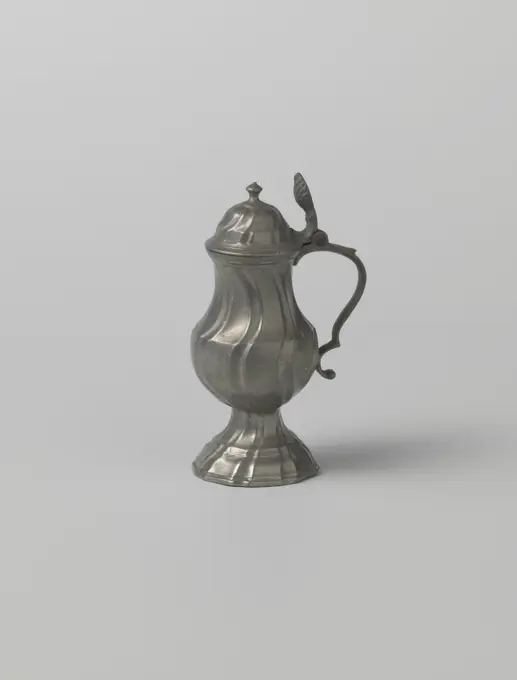
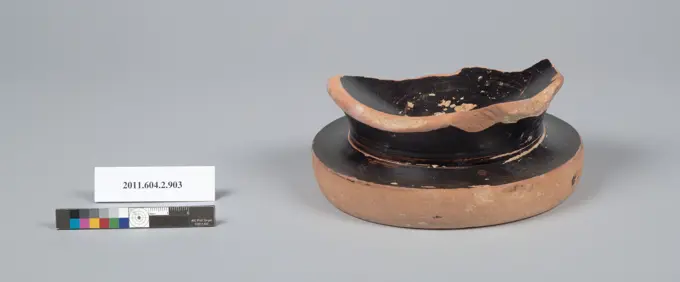
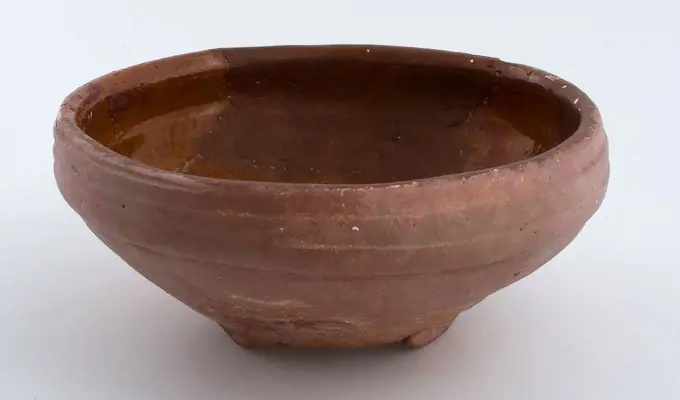
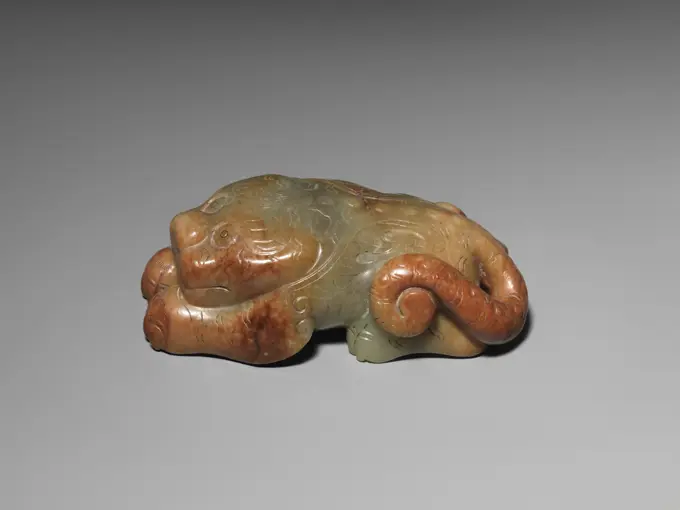
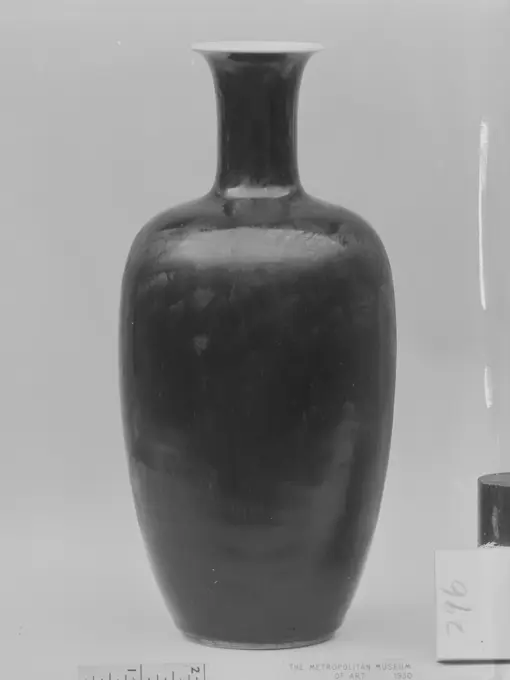
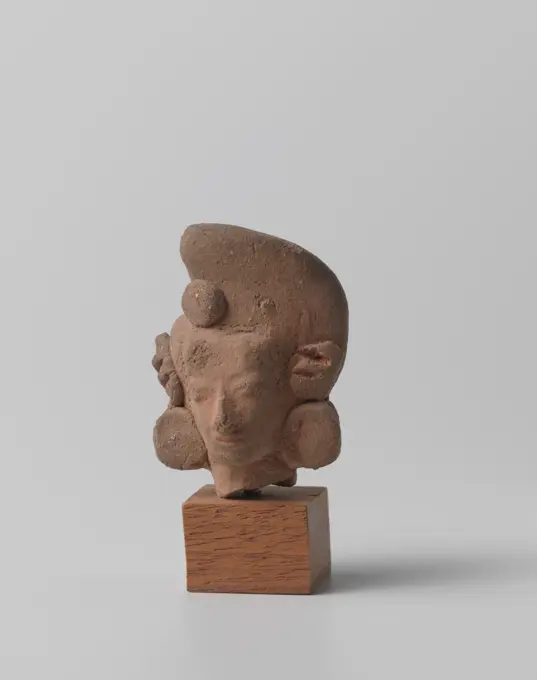
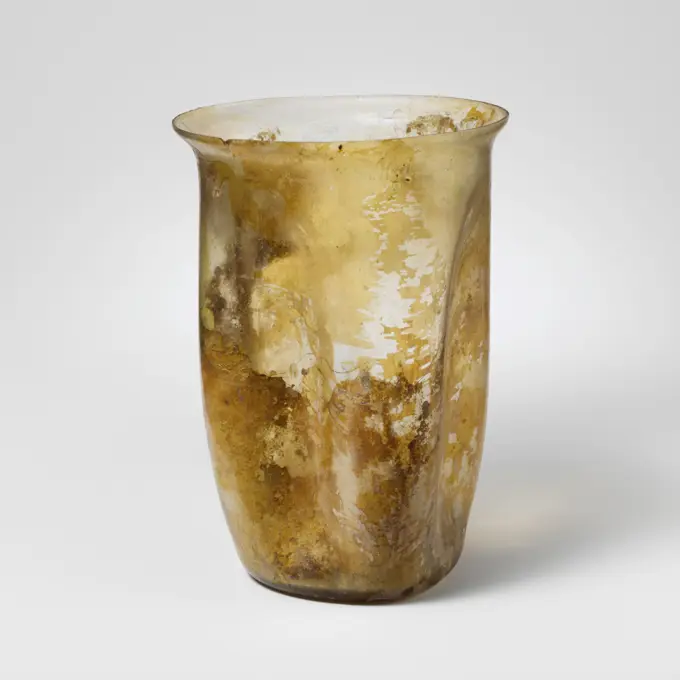
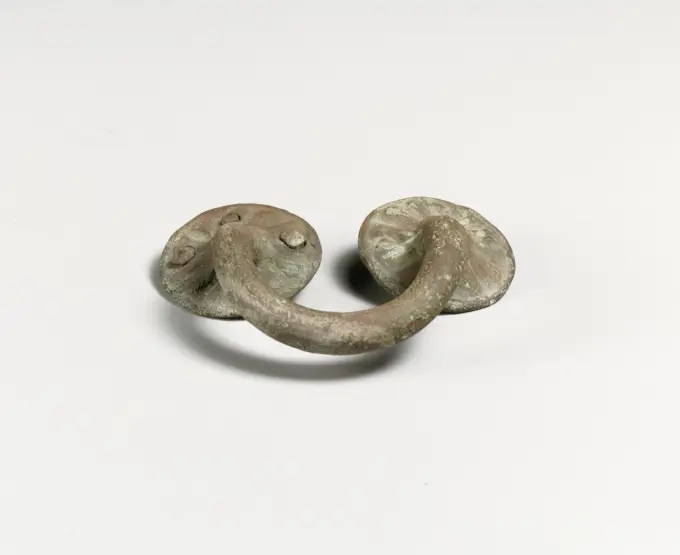
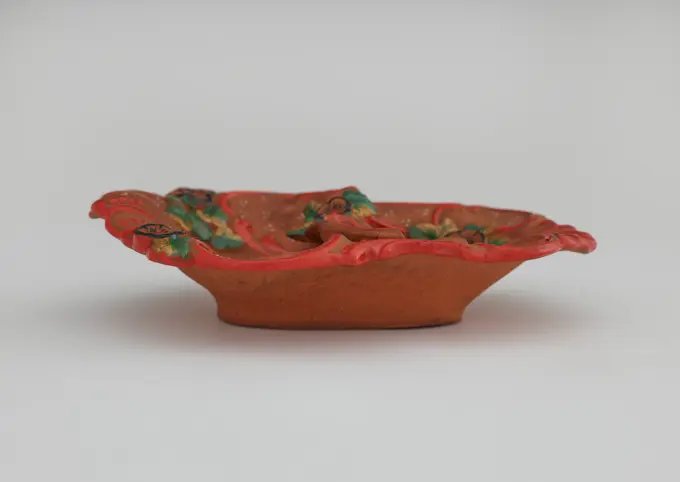
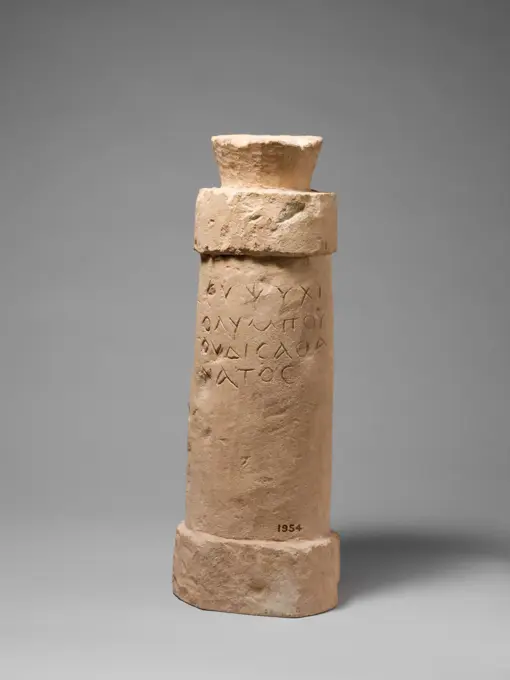
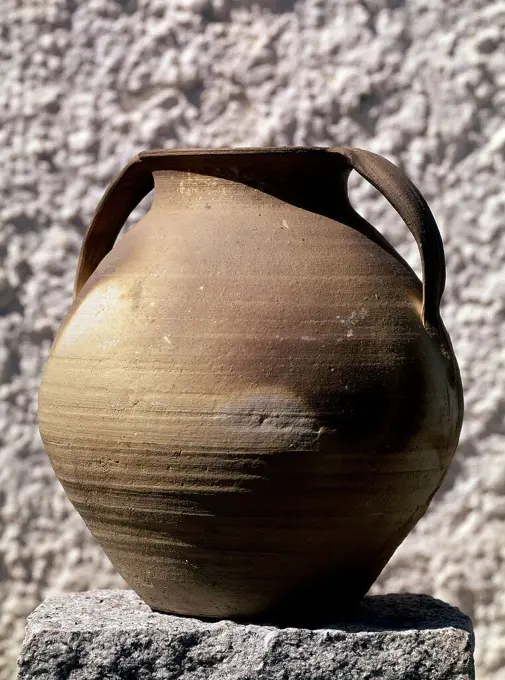
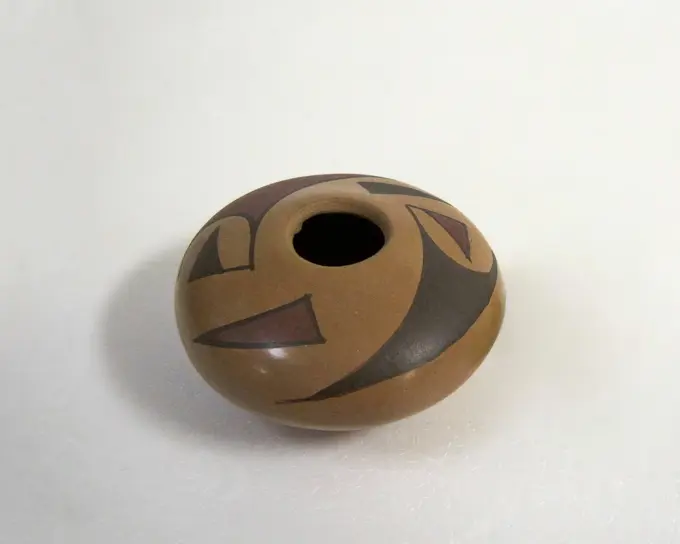
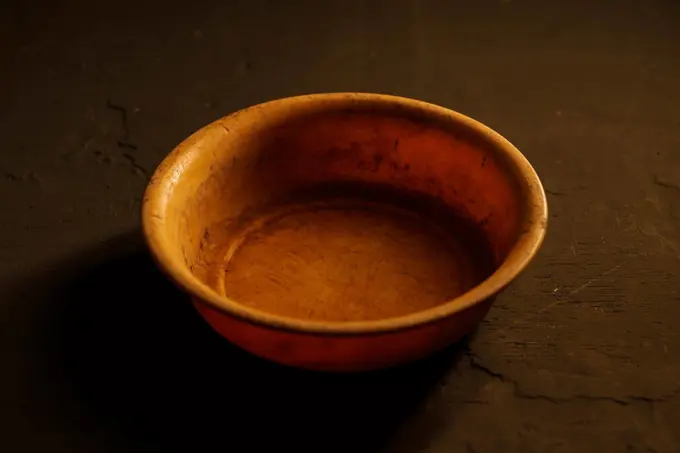
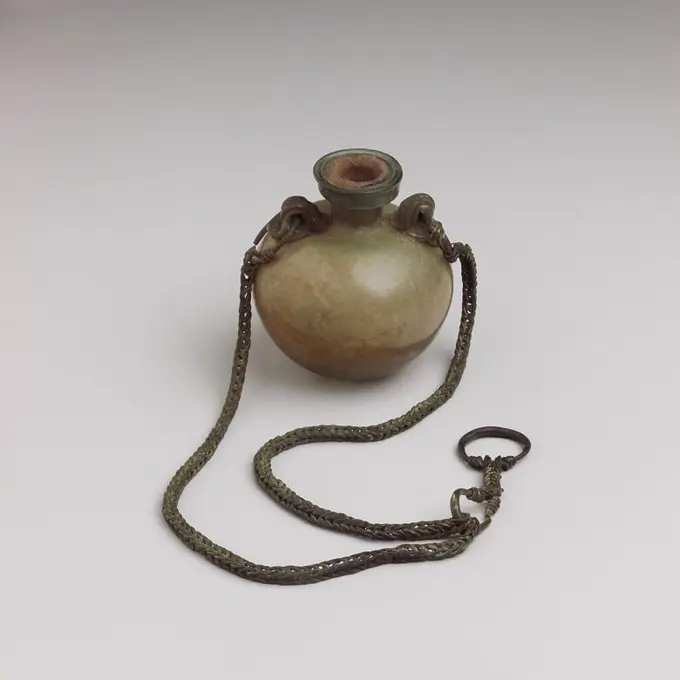
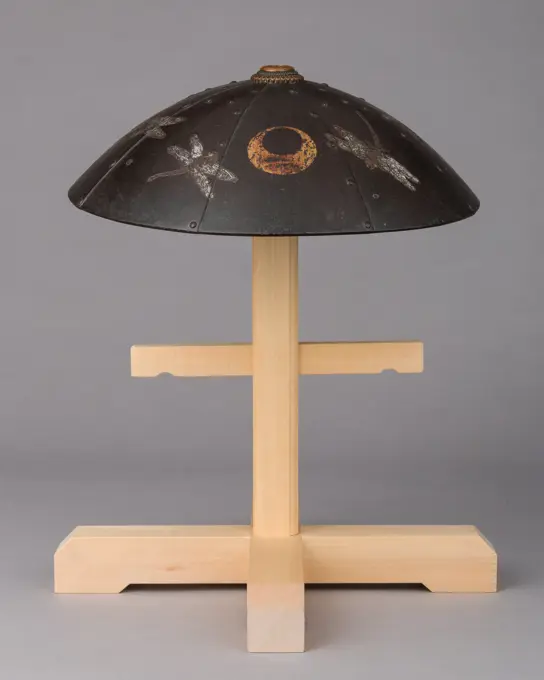
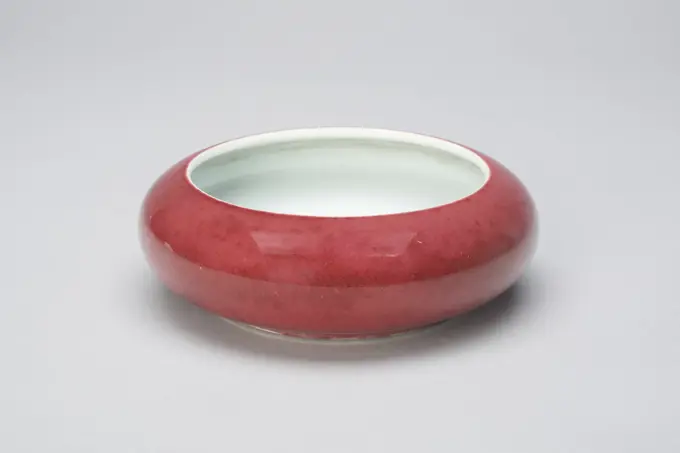
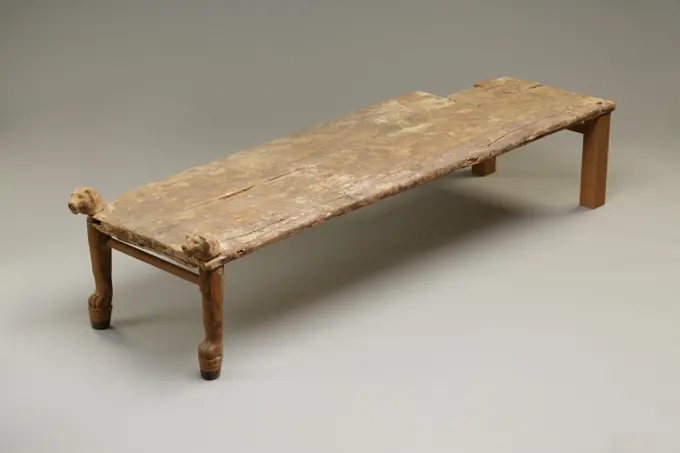
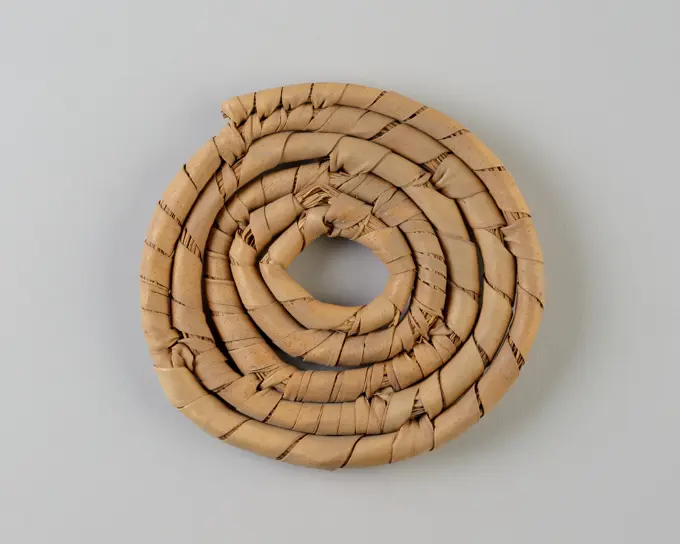
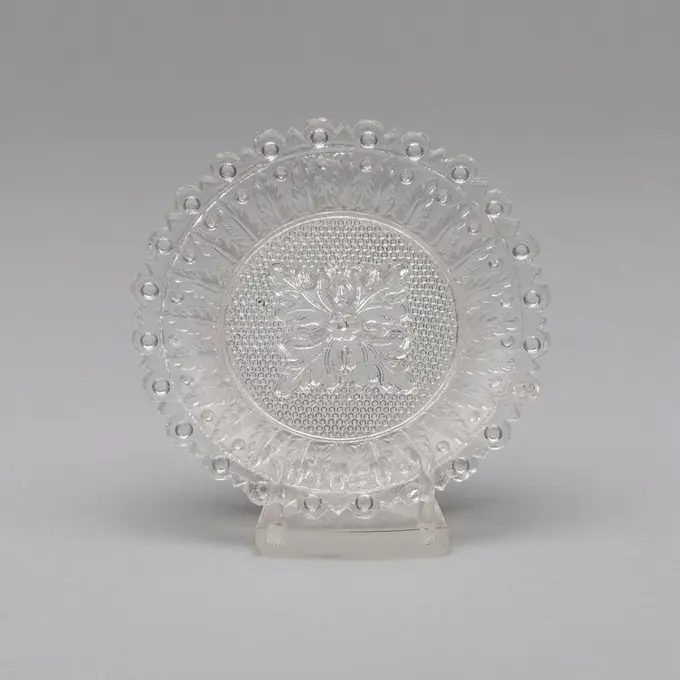
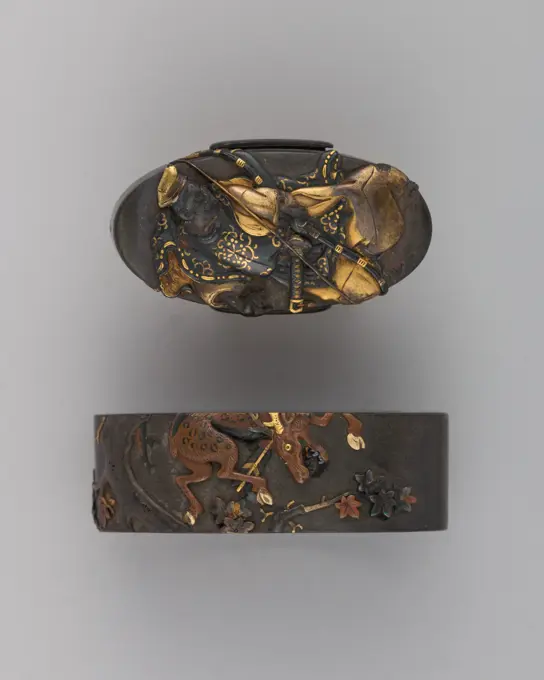
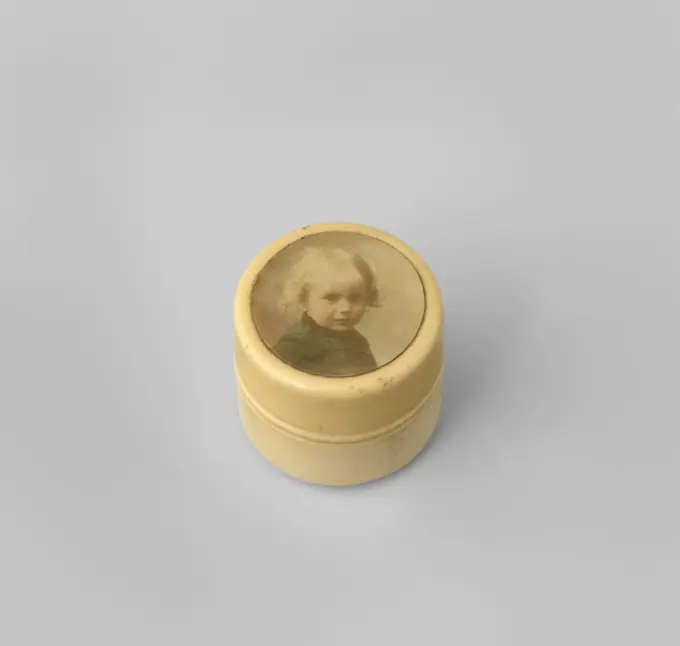
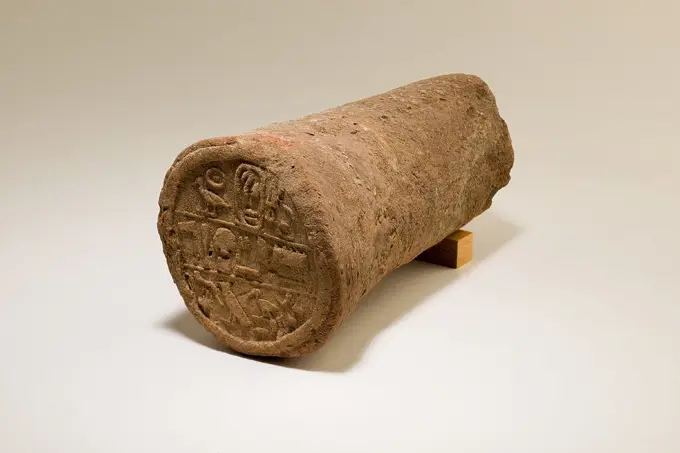
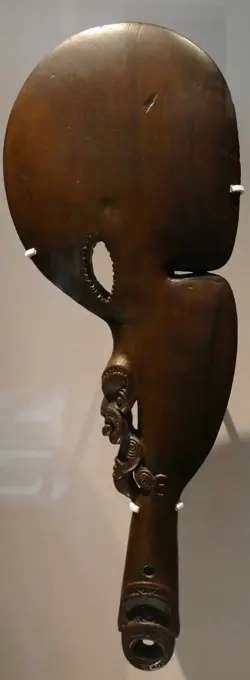
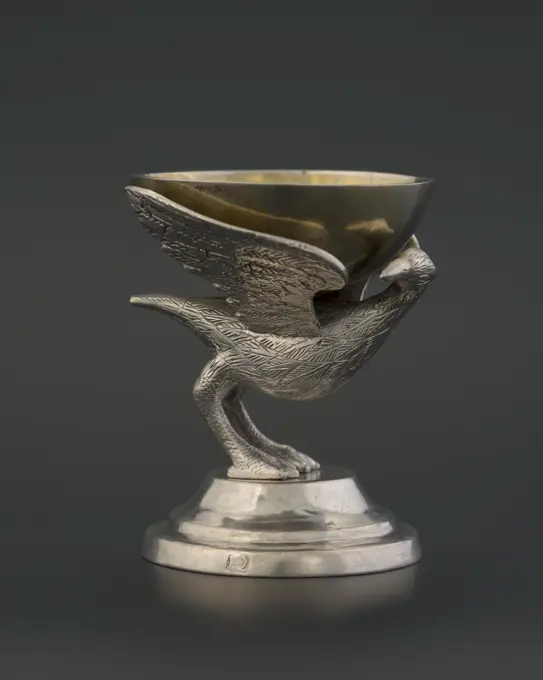
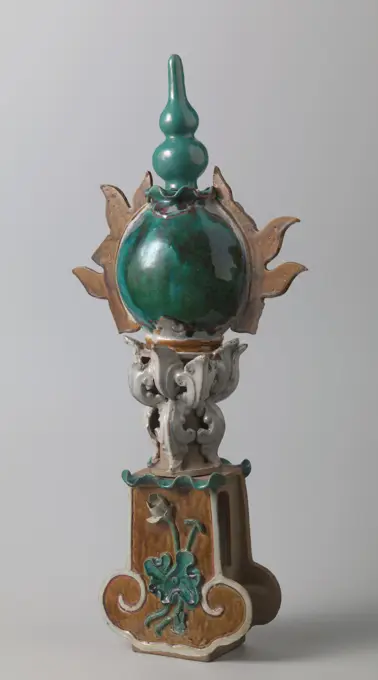
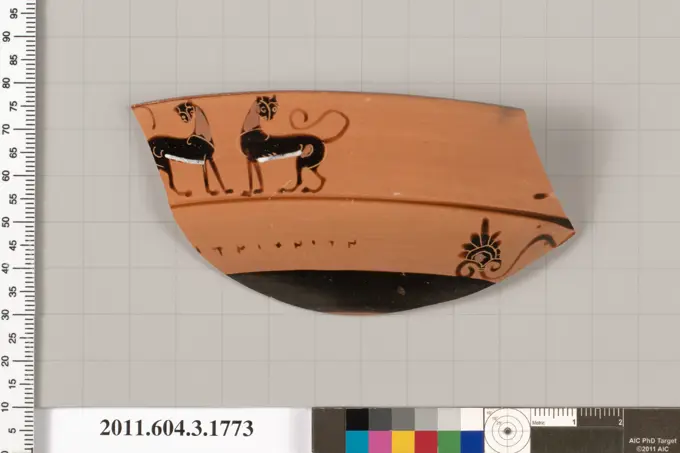
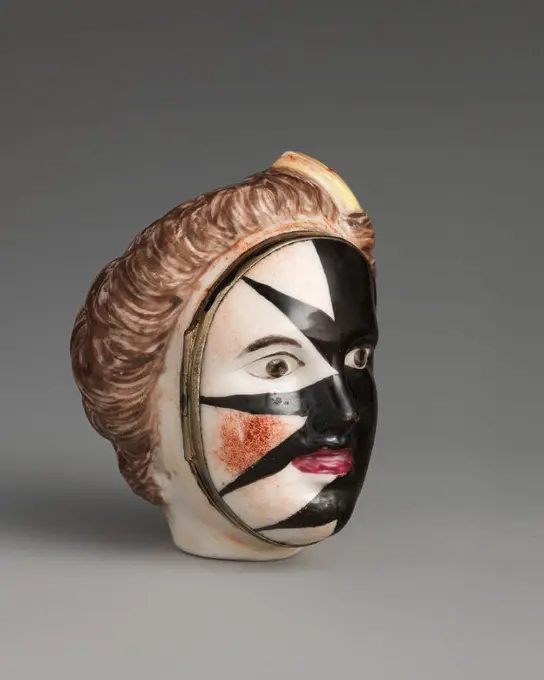
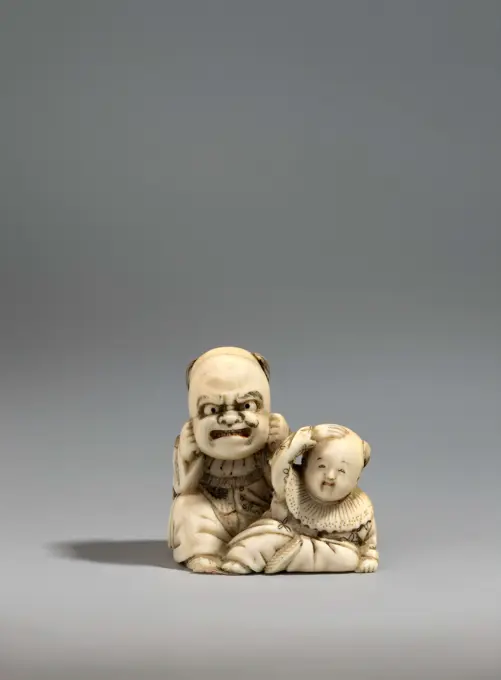
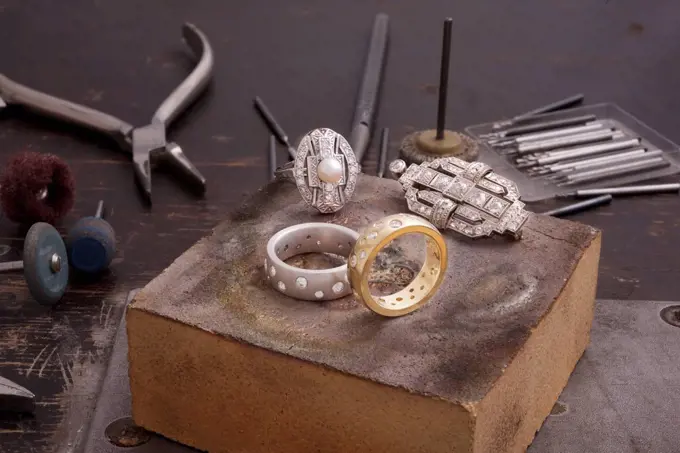
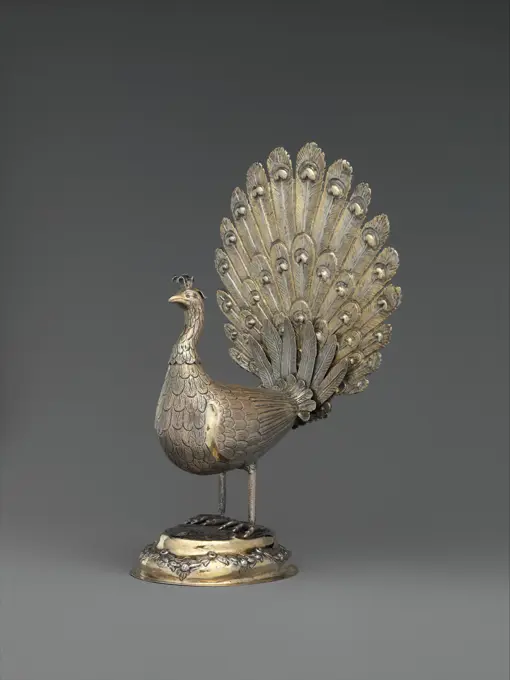
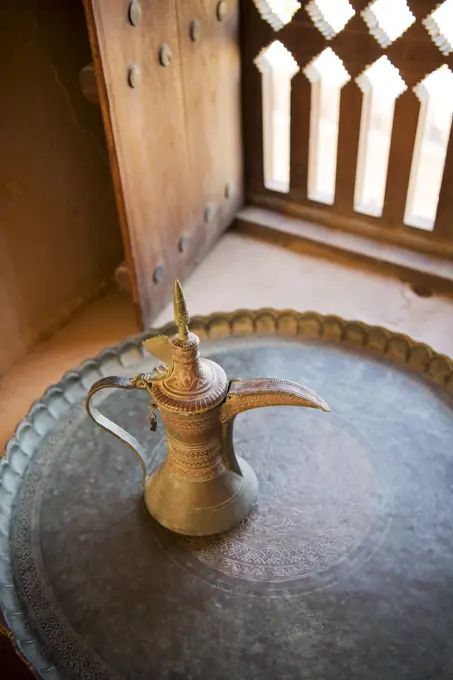
CHOCOLATERA.Vase;  1st half 19th century (1801-00-00-1850-00-00);Mount (France), ca. 1745; gilt bronzeHead of a comic figurine late 4th-3rd century B.C. Greek, Rhodian  The masked head is mold-made and solid. The back is missing.. Head of a comic figurine 240993Miniature mug ca. 1720-30 David Clayton British. Miniature mug. British, London. ca. 1720-30. Silver. Metalwork-Silver-MiniatureBronze head of a calf 2nd half of 5th century B.C. or later Greek This carefully molded head of a calf may have decorated a larger object, perhaps a piece of furniture.. Bronze head of a calf. Greek. 2nd half of 5th century B.C. or later. Bronze. Classical. BronzesFlask with Fish 1400-1499 Korea. Buncheong ware; stoneware with underglaze carved decoration .Mosterdpot van Tin, Gettereddeld model, c. 1700 - c. 1800 Mosterdpot van Tin, twisted model. The foot runs up narrowly up to the baluster -shaped pot. The belly has a sharp nod halfway, just above the widest point. The set handle runs from just below the widest point to the opening at the top of the pot. On top is a lid with a shell -shaped thumb rest. Low Countries tin (metal) Mosterdpot van Tin, twisted model. The foot runs up narrowly up to the baluster -shaped pot. The belly has a sharp nod halfway, just above the widest point. The set handle runs from just below the widest point to the opening at the top of the pot. On top is a lid with a shell -shaped thumb rest. Low Countries tin (metal)Empty brown colored ceramic plate on dark concrete background Empty brown colored ceramic plate on dark textured concrete background. kitchen utensils Copyright: xZoonar.com/TetianaxChernykovax 21302077Terracotta fragment of a bell-krater (bowl for mixing wine and water) 450-440 B.C. Greek, Attic Part of the inside of a bell-krater; top surface of the foot is glazed; outer edge and the underside of the foot is reserved. Terracotta fragment of a bell-krater (bowl for mixing wine and water). Greek, Attic. 450-440 B.C.. Terracotta; red-figure. Classical. VasesShard from one can be from the wreck of the East Indiesman Hollandia. Stoneware, rhenish, frechen-ware, jug; Fragm or Bellalarmine Mask-Appliqué, SIM. NG 1980-27H2024.Messenheft from the wreck of the East Indians Hollandia, Anonymous, 1700 - in Or Before 1743  Knife, handle, cylindrical: tapering; id. NG 1979-403H. Netherlands wood (plant material)   SecondPottery comes on stand fins of red earthenware with lead glaze, bowl crockery holder soil find ceramic earthenware glaze lead glaze, hand-turned glazed baked High earthenware bowl on stand fins Sloping side wall and slightly inwardly pointing bowl edge Edge is provided on the outside with some profile rings thickened on the inside. Red shard internal glazed exterior only few drops of glaze Restoration is repainted archeology underground pit Rotterdam City center Stadsdriehoek Blaak Groenendaal indigenous pottery cooking kitchen table food preparation prepare serving Soil discovery: underground pit Groenendaal direction Blaak 1977.06.27.Tea head, part of a tea set, Petrus Regout & Co., 1934 Tea head of earthenware, part of a tea set. Brown distance on the outside, with red buttons, spouts, ears and edges. Marked with sphinx stamp; Petrus Regout & Co Maastricht in a lying rectangle; Made in Holland. Maastricht earthenware Tea head of earthenware, part of a tea set. Brown distance on the outside, with red buttons, spouts, ears and edges. Marked with sphinx stamp; Petrus Regout & Co Maastricht in a lying rectangle; Made in Holland. Maastricht earthenwareSheep Shed. China. Date: 25 AD-220 AD. Dimensions: H. 8.2 cm (3 1/4 in.); diam. 20.8 cm (8 3/16 in.). Earthenware with lead green glaze. Origin: China. Museum: The Chicago Art Institute, Chicago, USA.Recumbent Dog China. Recumbent Dog. China. Jade. Song dynasty (960-1279). JadeVase China. Vase. China. Porcelain. Qing dynasty (1644-1911), Kangxi period (1662-1722). CeramicsVase with melted glass powder in purple-red, daum frères, c. 1910 Oval, light concave soil. Cleated, body pleated on either side, transfers to a high, slender neck. Decoration of melted glass powder in purple-red. On the body in Radgravure the signature Daum Nancy and the Lorrainse Cross. Nancy glass glassblowing Oval, light concave soil. Cleated, body pleated on either side, transfers to a high, slender neck. Decoration of melted glass powder in purple-red. On the body in Radgravure the signature Daum Nancy and the Lorrainse Cross. Nancy glass glassblowingCharger. Artist: Unknown. Culture: American. Dimensions: 12 1/2 in. (31.8 cm). Date: 1840-85.This charger bears slip decoration typical of the pottery from Huntington, New York. Huntington, Long Island, was rich in clay deposits, spawning a number of small wood-fired potteries, the first dating to the late eighteenth or early nineteenth centuries. Their location on Long Island Sound was ideal for transporting their wares by boat to markets in New York City and Connecticut. The bold, symmetrical design was applied with the aid of a tin stamp, which was dipped in slip and pressed onto the slab of clay, a novel technique unique to Huntington. Museum: Metropolitan Museum of Art, New York, USA.Head with high hairstyle and earrings, anonymous, 1300 - 1499 Terracotta head with high, crooked hairstyle. A simple effect with large, disk -shaped earrings and a very dominant, but hardly any detailed hair part. On a pedestal. East Java terracotta (clay material). sokkel: wood (plant material) Terracotta head with high, crooked hairstyle. A simple effect with large, disk -shaped earrings and a very dominant, but hardly any detailed hair part. On a pedestal. East Java terracotta (clay material). sokkel: wood (plant material)Glass beaker 2nd-3rd century A.D. Roman ColorlessKnocked-off, uneven rim; bulging collar below rim; four-sided body; sides tapering slightly downward, with convex, rounded corners; concave bottom.Four deep vertical indents in sides.One wheel-abraded horizontal line below collar on top of body.Intact, except for small chip in rim; pinprick bubbles; dulling, pitting, and iridescence on exterior; soil encrustation and creamy weathering on interior.. Glass beaker 239854Cup late 17th-18th century. Cup 444491Glass bottle made with the 'Sandwich Glass' technique, from Syria. Dated 9th CenturyHandle of a hydria 5th-4th century B.C. Cypriot. Handle of a hydria 244331Netsuke,, 1700-1900 Imagination of two, back -bowed, flowers with two holes in front of the cord. Manju-Type. Japan wood (plant material) Imagination of two, back -bowed, flowers with two holes in front of the cord. Manju-Type. Japan wood (plant material)Footed dish, treen, ebony, early 19th century, Decorative Arts, Footed dishAshtray KlösterleSeal Ring with Inscription. Dimensions: H.1 3/8 in. (3.5 cm)Diam. 1 in. (2.5 cm). Date: late 15th-early 16th century.This magnificent gold ring holds a jade stone engraved with religious verses known as the Nad-i 'Ali, an invocation to 'Ali ibn Abi Talib, son-in-law of the Prophet Muhammad. The text is written in mirror reverse, suggesting that the stone may once have served as a seal. Further tiny poetic inscriptions--in cartouches around the golden bezel--contain prayerlike verses, perhaps invested with apotropaic qualities, placed there to ensure the safety of its wearer. Museum: Metropolitan Museum of Art, New York, USA.Fireplace with a decoration consisting of the bust of a woman and a globe. The objects each consist of part of a four wrought-iron rods of part, on which the wood can be laid and to which the reluctant or engraved trim of yellow copper is cast in five parts. This consists of a base, a reinforcement within the trunk, a strain, a sphere and a button. The basis of which the profile sharpened and swallowed, has two feet decorated with engraved rosettes and is decorated in the middle with the bust of a woman. The profiled tribe has a nodus. The sphere is smooth. The richly profiled button has O.A. a nodus and a baluster. The decorative parts are mounted separately. A piece has been broken down from the base, the right foot has been renewed, and the soldered button and strain may also be renewed.Head - female figurine fragment. unknown, craftsmanCylinder, 1800-1940. China, Qing dynasty (1644-1911) or Republican period (1912-49). Jade; with base: 25.6 x 10.5 cm (10 1/16 x 4 1/8 in.); cylinder: 21.1 x 5.7 cm (8 5/16 x 2 1/4 in.).Limestone cippus of Olympos ca. 2nd-3rd century A.D. Roman, Cypriot The inscription on this poorly-made cylindrical cippus can be clearly read. It has long been taken to be the grave marker of Olympos, but his name is given in the genitive instead of in the vocative case for it should say Courage, Olympos.” These two words are followed by the common adage, No-one is immortal.”. Limestone cippus of Olympos. Roman, Cypriot. ca. 2nd-3rd century A.D.. Limestone. Imperial. Cesnola InscriptionsArmchair; Mohr, Jan (Fl. Ca 1825-1850); 1840-1850 (1840-00-00-1850-00-00);CANTARO U OLLA DE BOCA ANCHAS DE DONDE SALEN LAS DOS 2 ASAS - SIN VIDRIAR. Location: ALFARERIA. NIÑODAGUIA. Orense. SPAIN.Vessel, 20th century, R. P. L., possibly Yaqui, 1 1/4 x 2 5/16 x 2 5/16 in. (3.18 x 5.87 x 5.87 cm), Ceramic, pigment, United States, 20th centuryHead. Sri Lanka, 14th-17th century. Sculpture. Red terracottaEmpty bowl on dark background with copy spaceGlass aryballus (oil bottle) with bronze suspension chain. Culture: Roman. Dimensions: H. 3 3/8 in. (8.6 cm); diameter 3 1/8 in. (7.9 cm). Date: 1st-2nd century A.D..Translucent blue green; handles in same color.Collar rim folded out, down, round, and up, with outward flange at top; cylindrical neck with tooling marks around base; globular body; rounded bottom; two opposed ring handles applied to top of body, with tooled groove at outer edge of pad.Intact, except for tiny weathered chip on rim; few bubbles; slight soil encrustation, dulling, and some iridescent weathering on exterior, soil deposits and brownish weathering on interior.Attached to each handle, a circular bronze ring made by bending length of wire into circle, held in place by twisting the overlapping ends; attached to rings two long bronze chains, square in profile, both attached at other ends to another ring of tear-drop, also attached to this ring is another short length of bronze chain and then another circular brStrip of fringe, toothed, white and écru, wrapped around a shelf with golden edges, Gustav Schnitzler, c. 1925 Strip of fringe, toothed, white and écru, wrapped around a shelf with golden edges. Nijmegen silk. wood (plant material) Strip of fringe, toothed, white and écru, wrapped around a shelf with golden edges. Nijmegen silk. wood (plant material)Stand or Candlestick late 9th-early 10th century Like much of Nishapur's unglazed pottery, this piece achieves considerable harmony of proportions while admirably performing its function.Tabakspot of tin with lid. Tobacco spot from tin, rectangular in shape. The opened foot is a pot, the underside whose bolt. On the corners are some cannelures, the pot is also undecorated. The lid also has cannelures on the corners. The cap is formed by a small jar.War Hat (Jingasa) of the Ogasawara Family late 18th-early 19th century Japanese The war hat (jingasa) provided moderate protection and was worn when traveling or in camp. Composed of eight overlapping iron plates, this example is enriched with silver and gold damascened dragonflies, and it bears the crest (mon) of the Ogasawara family, lords (daimy) of Kokura, Buzen (Fukuoka Prefecture).. War Hat (Jingasa) of the Ogasawara Family. Japanese. late 18th-early 19th century. Iron, copper, gold, lacquer, silver. HelmetsBrush Washer Made 1662-1722 China. Porcelain with coppper red (peachbloom) glaze .Embalmer's Bed 664-332 B.C. Late Period Discovered in a cache of material associated with the embalming process, this bed would have been used to support the body during mummification. The top is made from a re-used door, and the lion-headed legs, of a fine harder wood, might have come from a piece of furniture. Such beds frequently appear in scenes of embalming depicted on the walls of tombs or on coffins.. Embalmer's Bed. 664-332 B.C.. Wood (fig and tamarisk). Late Period. From Egypt, Upper Egypt, Thebes, Asasif, East of Pabasa, Embalmer's Cache C, MMA excavations, 1918-19Pilgrim Bottle Vase. Mintons Ltd.; English, founded 1793. Date: 1885-1895. Dimensions: 15.2 x 14 x 5.5 cm (6 x 5 1/2 x 2 3/16 in.). Soft-paste porcelain with pte sur pte decoration in white surrounded by olive ground and framed by terracotta ground accented with gilding. Origin: Stoke-on-Trent. Museum: The Chicago Art Institute, Chicago, USA.Funerary Diadem. UnknownStirrup. Culture: East German or Bohemian. Dimensions: H. 8 in. (20.3 cm); W. 5 1/2 in. (14 cm); D. 3 1/2 in. (8.9 cm); Wt. 1 lb. 3 oz. (538.6 g). Date: ca. 1600.This luxurious stirrup is entirely adorned with an intricate pierced network of ivy or morning glory vines, as well as geometrical designs. On the remaining edge of the footplate, a fox tries to escape two hounds by hiding among the vegetal scrolls. The footplate itself displays an interlaced knot in openwork, and numerous details have been added by chasing and engraving. This technique of piercing a very thin plate of metal with very intricate designs, creating a true metallic lacework, is found on deluxe equestrian equipment in Bohemia since the 15th century, as on the spurs and stirrups made in Prague for King Casimir II of Poland ca. 1455 (Vienna, Kunsthistorishes museum). Such quality could only be achieved by the best craftsmen. Ironwork masterpieces like this stirrup, however, were actually so fragile than they would Lampka dwupalnikowa dekorowana protomami byków. unknown, authorPair of Bowls, 1736-95. China, Qing dynasty (1644-1911), Qianlong reign (1736-95). Spinach jade; diameter: 19.6 cm (7 11/16 in.); overall: 7.7 cm (3 1/16 in.).Ceramic containers, Archaeological Museum of Son Fornes, hall from the Talayotic period (1300-123 B. C.), Montuiri, Es Pla region, Mallorca, Spain.Dünnwandiges Glas Dünnwandiges Glas Copyright: xZoonar.com/TOLOxBALAGUERx 22568781Netsuke of Crawling Child. Culture: Japan. Dimensions: L. 1 3/4 in. (4.4 cm). Date: 18th century. Museum: Metropolitan Museum of Art, New York, USA.Pot Stand ca. 1479-1458 B.C. New Kingdom. Pot Stand. ca. 1479-1458 B.C.. Straw, palm leaf. New Kingdom. From Egypt, Upper Egypt, Thebes, Deir el-Bahri, Tomb of Senenmut (TT 353), Foundation deposit 2, 5a, scattered, MMA excavations, 1926-27. Dynasty 18Cup plate. American; Probably Pittsburgh, Pennsylvania. Date: 1826-1835. Dimensions: diam. 8.7 cm (3 7/16 in.). Pressed glass. Origin: Pittsburgh. Museum: The Chicago Art Institute, Chicago, USA.Miniature Dress 12th-13th century Ica. Miniature Dress 312819Scarab. UnknownVase fragment Minoan. Vase fragment 247772Pre-islamic cultures. Arabian Peninsula 4thBC-1stBC. Statue head. Graves stones. Representation of the burie. 1stBC1st AD. Alabaster. Yemen.vessel with the royal names of pharaoh Pepi I, VI dynasty reigning Pepi I, calcite, Egypt, collection of the British Museum.Paris (8th arr.), France The exhibition of decorative arts, vase of the section of colonial art, Indochina , 1925 - International Exhibition of Modern Decorative and Industrial Arts Paris (French - Paris ( VIIIe arr. ) , France L' exposition des arts décoratifs , vase de la section de l' art colonial , l' Indochine). Painted decor, vase, decorative arts, exhibition, exhibition of decorative arts, ephemeral architecture, Art , Habitat , Architecture, France, Paris, Exhibition of decorative arts, vase of the sectn of the French colonies (Indo-China)Seal. Culture: China. Dimensions: H. 2 5/8 in. (6.7 cm); W. 3 3/4 in. (9.5 cm); D. 3 3/4 in. (9.5 cm). Date: 19th century. Museum: Metropolitan Museum of Art, New York, USA.Closing basket, oval, braided with diamond pattern, anonymous, c. 1675 - c. 1700 High oval dense basket of split willow, lid to hinges with three rings; Braided with window pattern at the front and back. Halle (possibly) . High oval dense basket of split willow, lid to hinges with three rings; Braided with window pattern at the front and back. Halle (possibly) .Sword-Hilt Collar and Pommel (Fuchigashira) ca. 1615-1868 Japanese A fuchigashira is a pair of matching sword fittings comprising the fuchi (collar at the base of the grip of the sword hilt) and kashira (pommel cap at the end of a sword hilt).. Sword-Hilt Collar and Pommel (Fuchigashira). Japanese. ca. 1615-1868. Copper-silver alloy (shibuichi), gold, copper. Sword Furniture-Fuchi-KashiraPair of platters, Silver-plated brass, Oval bowls with fluted cavetto. Flat marly with raised edge and a decorated with single and symmetrically opposed acanthus leaves., France, ca. 1730, metalwork, Decorative Arts, Pair of plattersPortrait of an unknown girl, Anonymous, 1900 - 1930 photograph Round plastic pill box with a portrait photo of a little girl on the lid.  plastic (organic material). paper. celluloid (cellulosic) albumen print anonymous historical person portrayed. girl (child between toddler and youth)Funerary Cone of First Prophet of Amun Djehuty. Dimensions: Preserved L. 17.8 cm (7 in.); Diam. 8.9 cm (3 1/2 in.). Dynasty: Dynasty 18. Reign: reign of Ahmose I. Date: ca. 1550-1525 B.C.. Museum: Metropolitan Museum of Art, New York, USA.hand club (Putorino), New Zealand, about 1800-1830. This was a Maori flute from Taranaki, used for entertainment and in healing and other ritualsTable with Supports in the Form of Winged Rams. After a design by Francesco Antonio Franzoni (Italian, 1734 - 1818)Salt shaker on the eagle;  18th century (1780-00-00-1780-00-00);Ornament, part, c. 1800 - c. 1850 Top part of ornament. Stone goods with different colors of glaze. Canton stoneware. glaze Top part of ornament. Stone goods with different colors of glaze. Canton stoneware. glazeShowcase with various objects; Exhibition Hollands Porcelain own property (1958-04-30) ..Ton, made from equal wound with nine and six hoops. A ton made of loose oak seizes wound with nine and six hoops from unsquisited willow.N.A., USA, AZ, Tumacacori NHP, Storehouse PotTerracotta rim fragment of a kylix: Lip cup (drinking cup) 560-550 B.C. Greek, Attic Exterior, two confronting panthers; below, in the handle zone, letters and a palmette with a tendril. Terracotta rim fragment of a kylix: Lip cup (drinking cup). Greek, Attic. 560-550 B.C.. Terracotta; black-figure. Archaic. VasesMug (England); red transfer; 6.4 x 9 x 6.9 cm (2 1/2 x 3 9/16 x 2 11/16 in.); Bequest of Jane M. Epstine; 2006-20-52Lady's head. Culture: French, Mennecy. Dimensions: Overall: 3 3/4 × 2 in. (9.5 × 5.1 cm). Factory: Mennecy. Former Attribution: Chelsea Porcelain Manufactory (British, 1745-1784). Date: ca. 1750-55. Museum: Metropolitan Museum of Art, New York, USA.Two children with the Noh theatre mask of sennin Ikkaku; netsuke. Homin, Fukumoto (fl. ca 1860 - 1890), male artistCup and saucer with birds in micromosaic decoration ca. 1817 Royal Porcelain Manufactory (Königliche Porzellan-Manufaktur), Berlin This cup and saucer demonstrates the fashion for antiquity and the influence that the Grand Tour had on porcelain productions at the royal porcelain manufactory in Berlin (Koenigliche Porzellan Manufaktur) in the early half of the nineteenth century. Beginning in 1806, the factory began producing wares in decorative patterns that imitated the micromosaic paintings made at Vatican workshops, which proved to be popular souvenirs among German travelers to Italy.. Cup and saucer with birds in micromosaic decoration. German, Berlin. ca. 1817. Hard-paste porcelain. Ceramics-PorcelainÉtui porte-tablettes 18th century British. Étui porte-tablettes. British. 18th century. Agate, gold, ivory. Metalwork-Gold and PlatinumHazel nut eaten by Grey Squirrel, Sciurus carolinensis,  Norfolk UKUpcycling of old-fashioned jewelleryGloves, covered with blue-green silk, trimmed with white tie. A paddle with a blue-green side, trimmed with a white silk strap. The hairs of the slip are caught in pink colored paint or washDouble -sided gingerbread formTable decoration in the form of a peacock 1787 Hungarian, Munkács Festive drinking cups were produced in an astonishing range of animal forms, such as bears, rampant stags, owls, and unicorns, during the Renaissance and Baroque periods. Usually the head could be removedas is the case hereand both parts of the cup could be filled with an alcoholic beverage. As customs changed, their ceremonial purpose shifted and during the eighteenth century these objects were mainly seen as humorous table ornaments, comparable to porcelain statuettes. Peacock cups like this were typically made in Hungary. Any drink poured into its detachable head had to be drunk at once, since it cannot be set down while full. The partial gilding emphasizes the "eyes" on the peacock's tail feathers, symbols of pride.LiteratureWorks of Art. Sale cat., Sotheby’s, London, December 8, 1983, p. 31, no. 93.Judit H. Kolba. Hungarian Silver: The Nicolas M. Salgo Collection. London, 1996, p. 123, no. 101.ReferencesElemér KősMiddle East, Oman. A traditional Omani coffee pot inside Nakhal FortTokyo Design Week, 100% Design. An International Design Fair Run By The Design Association. , Shinjuku-Ku, Japan, Architect Various Architects