Ancient Ceramics and Vases

Various antique vessels including bronze and terracotta pieces from different cultures, highlighting intricate details and historic significance.
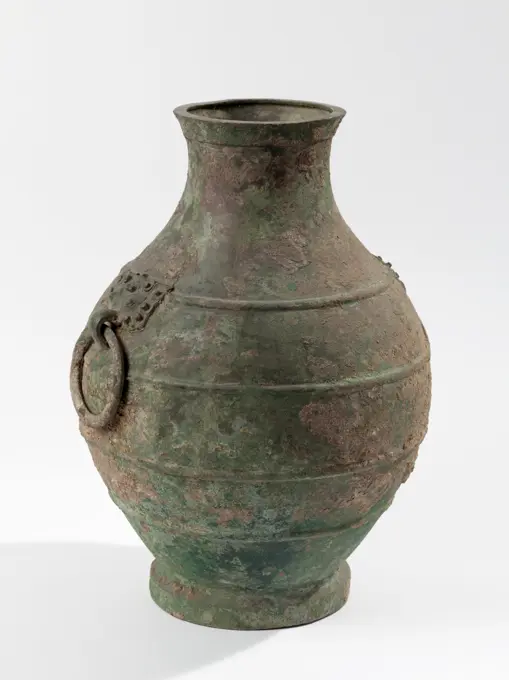
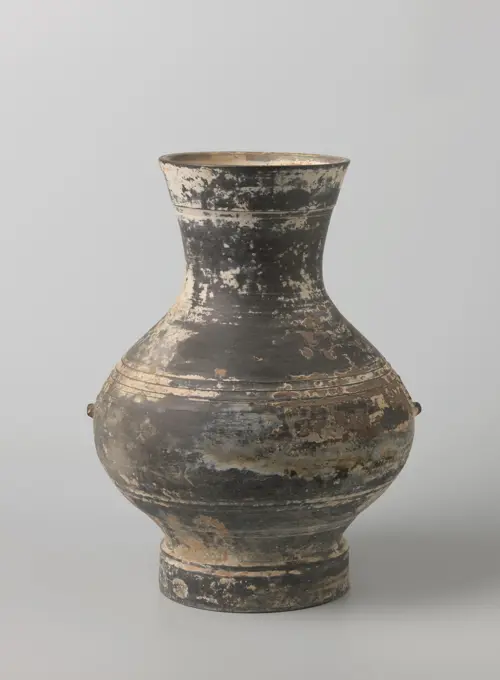
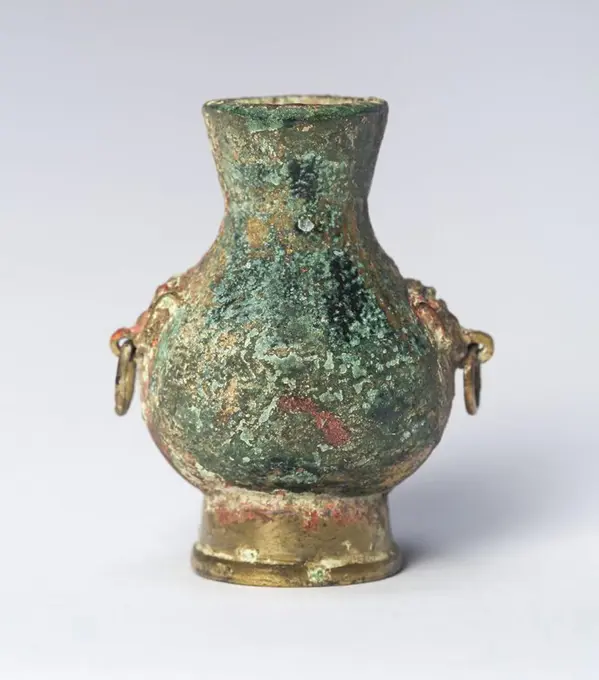
Hu ". Bronze, green patina. China, Han. Paris dynasty, Cernuschi museum. 72359-8 Hu bottle, bronze, han dynasty, green patina
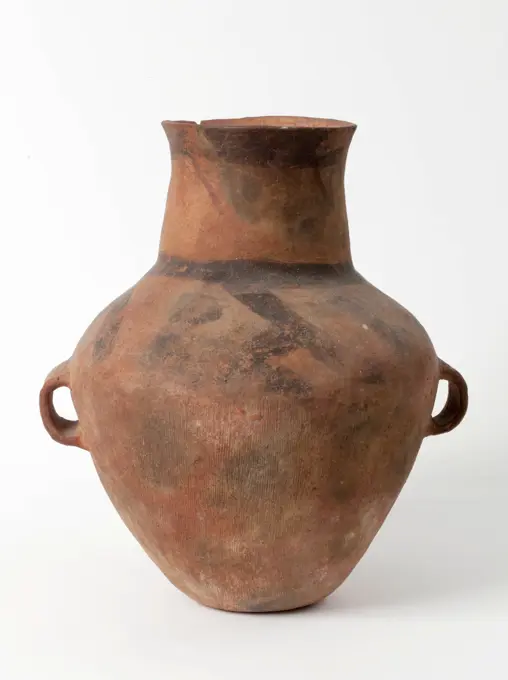
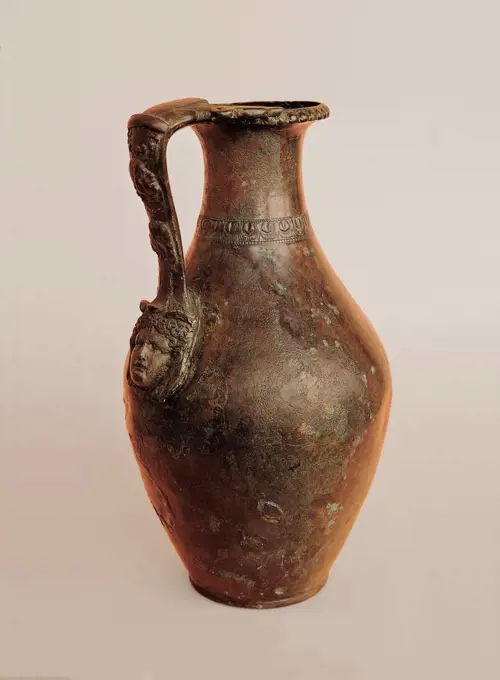
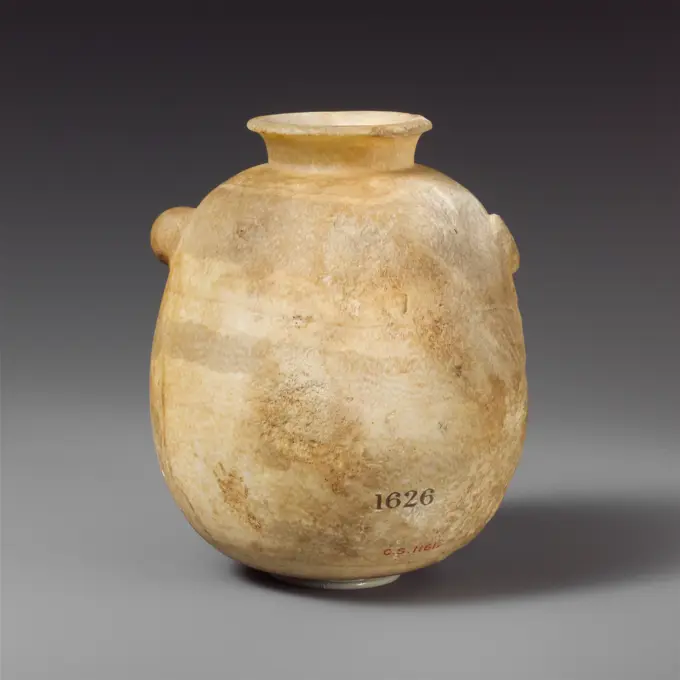
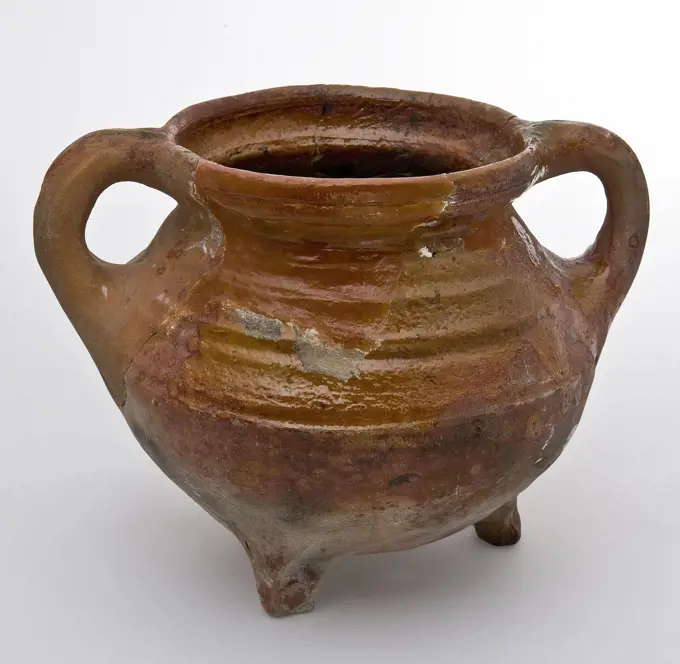
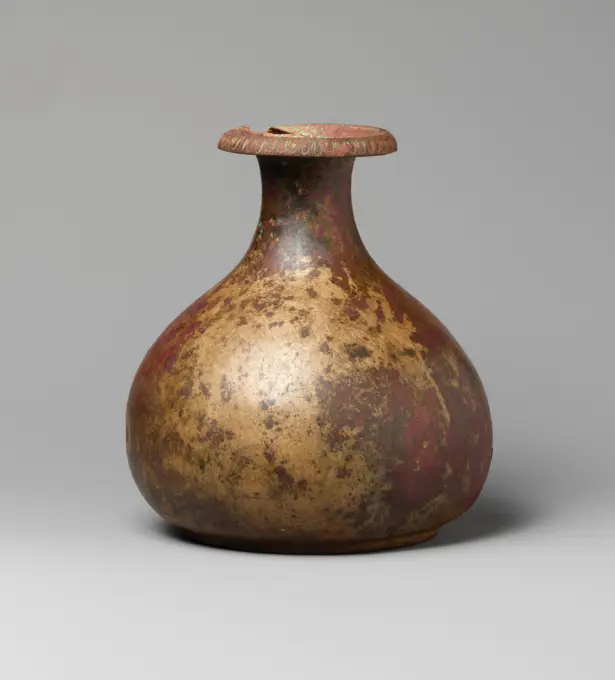
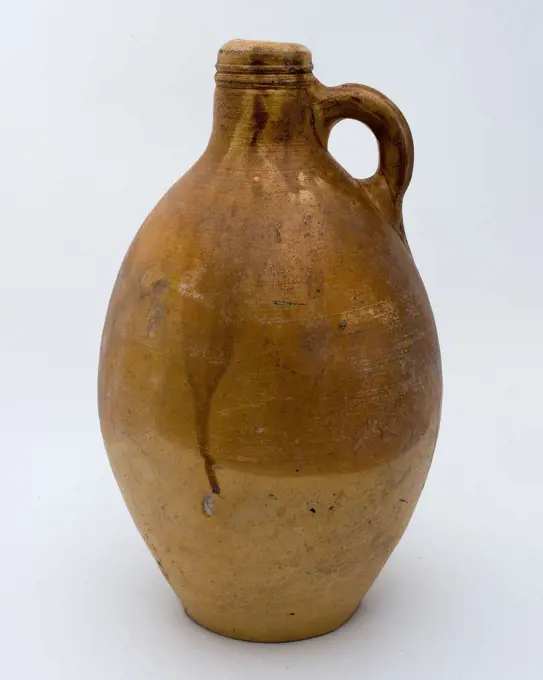
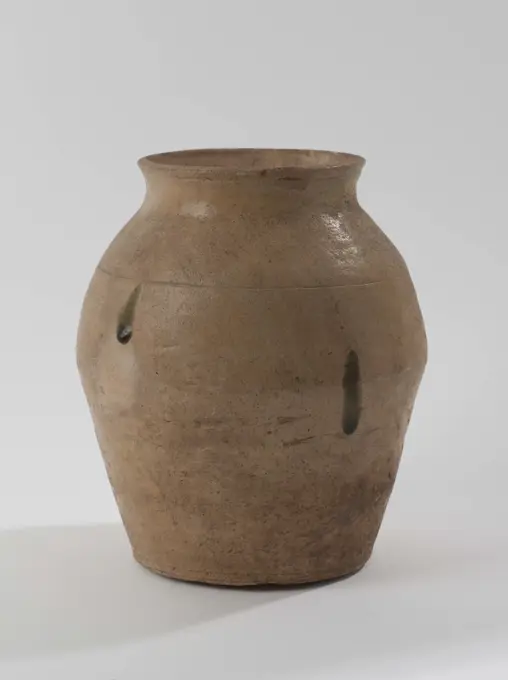
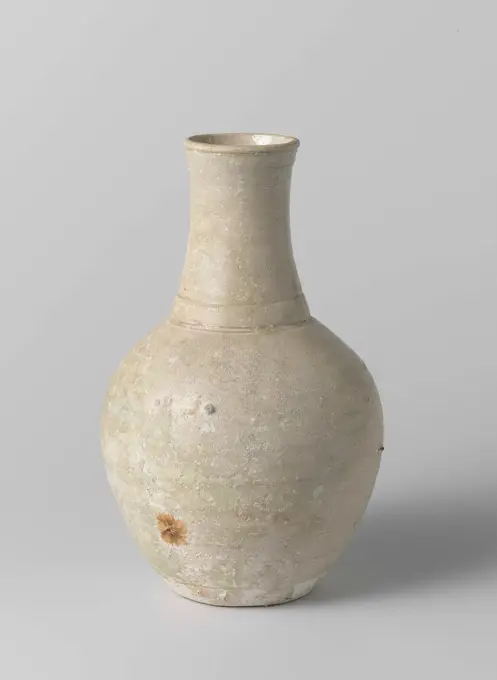
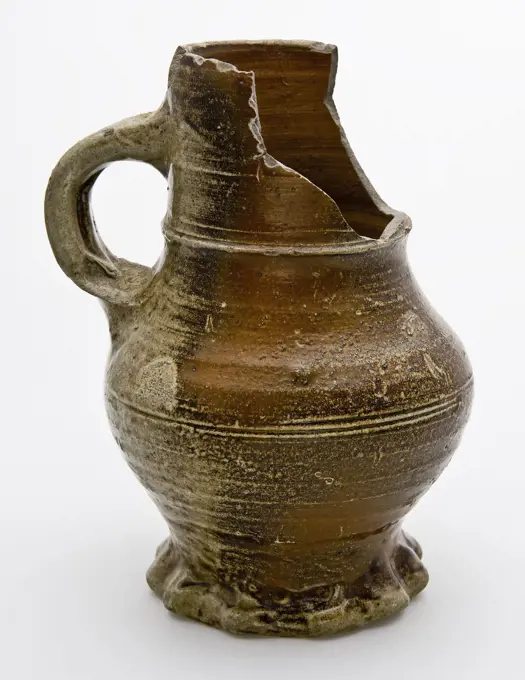
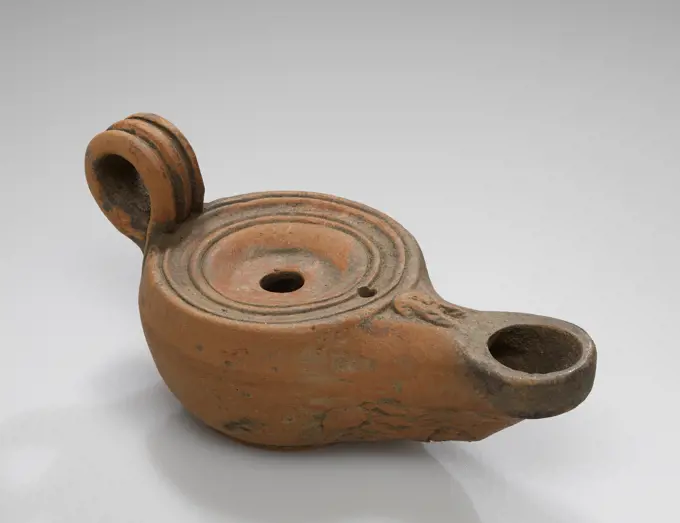
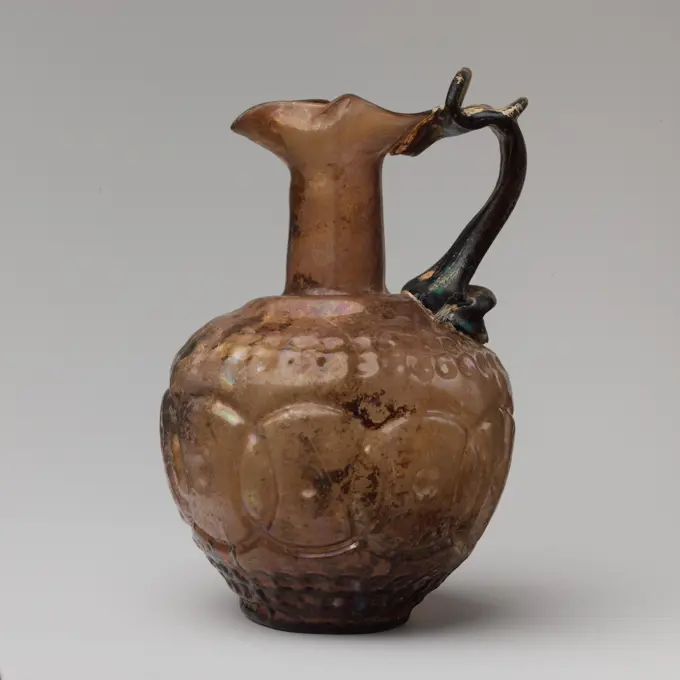
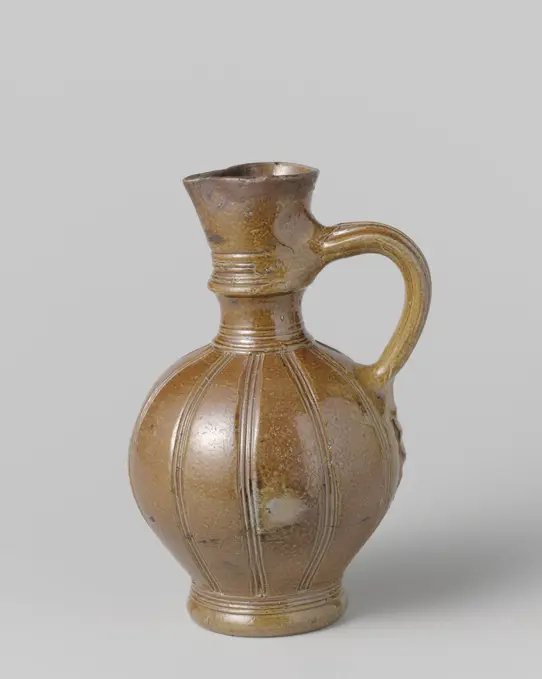
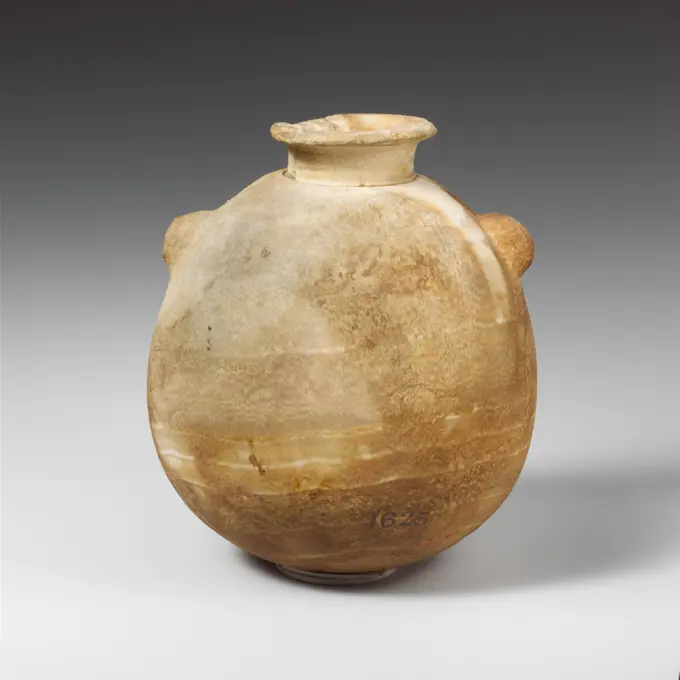
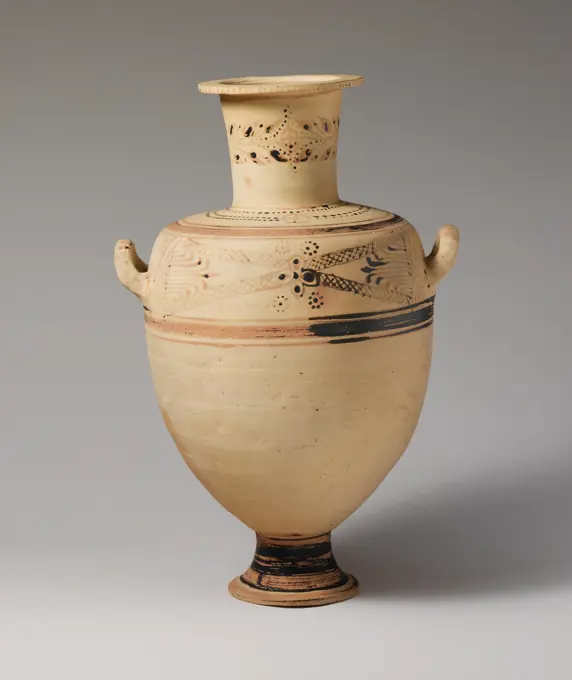
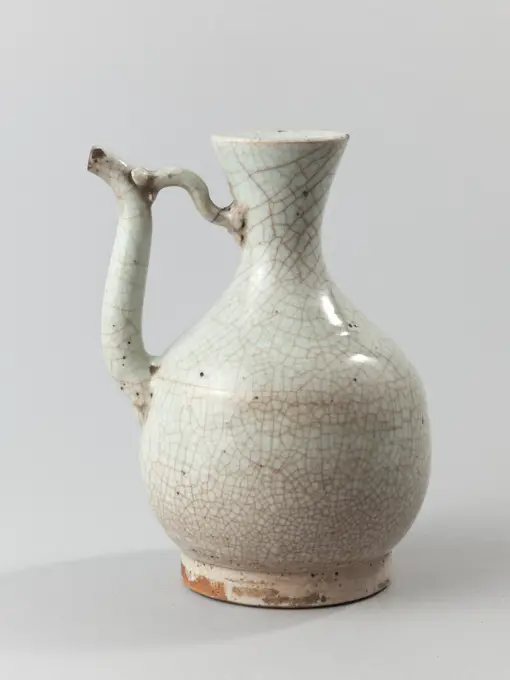
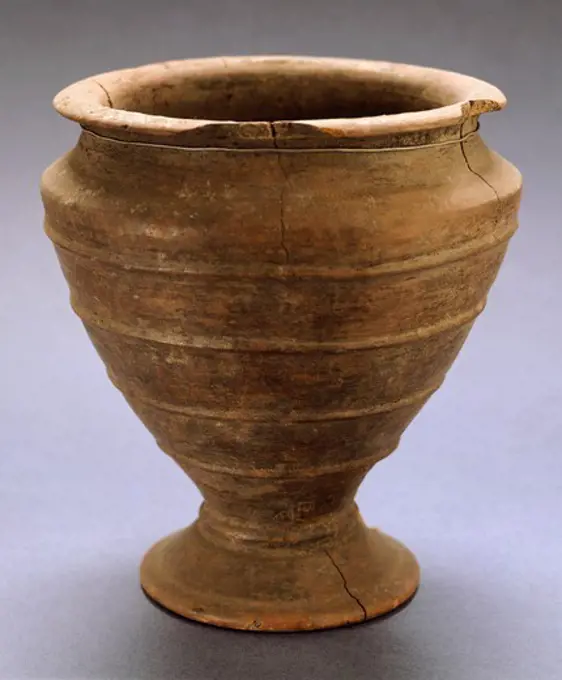
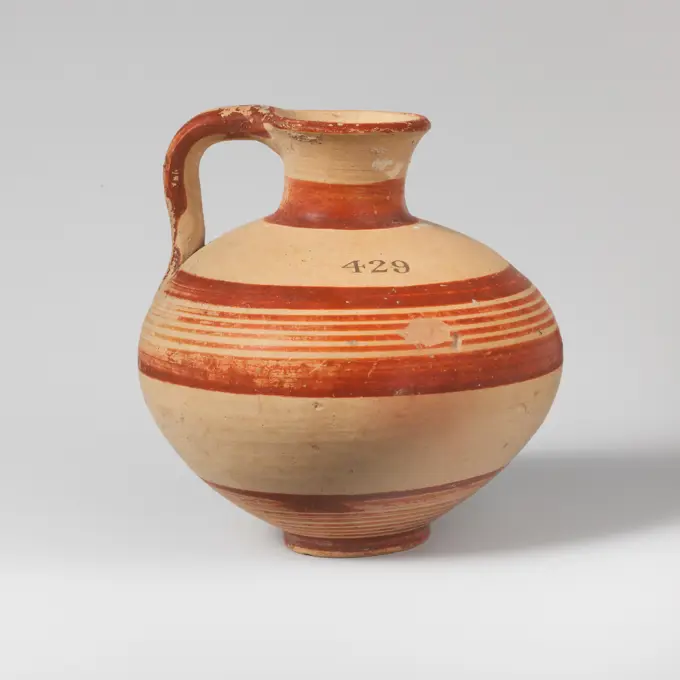
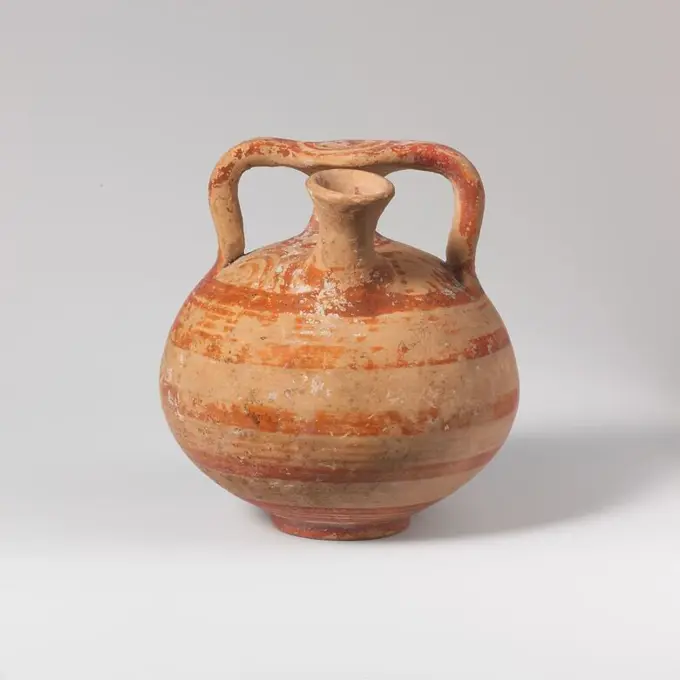
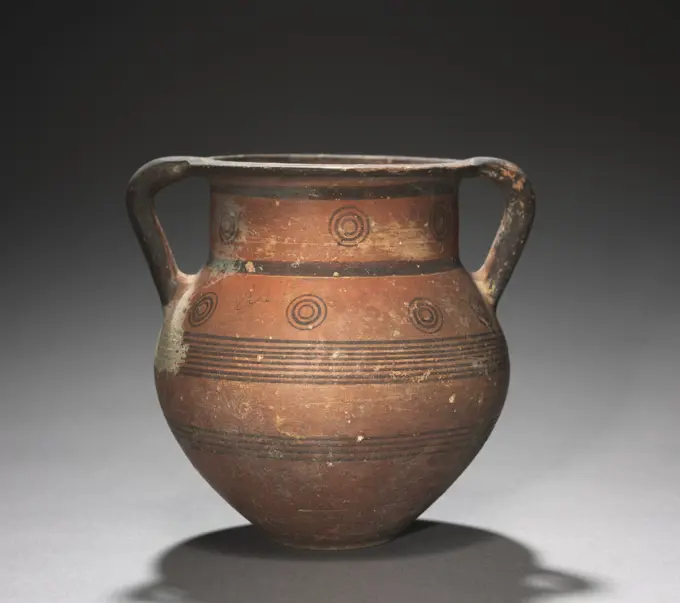
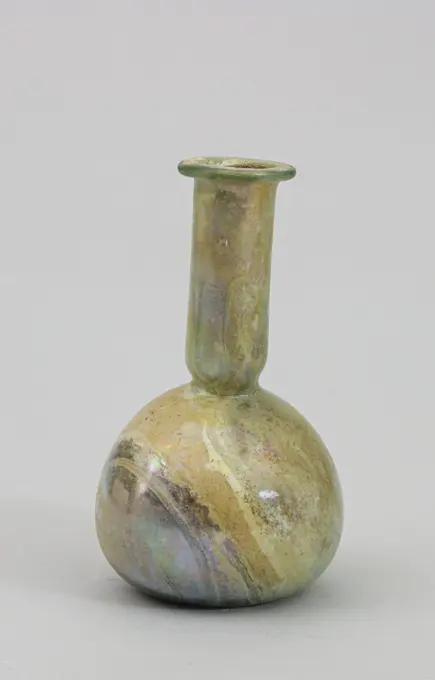
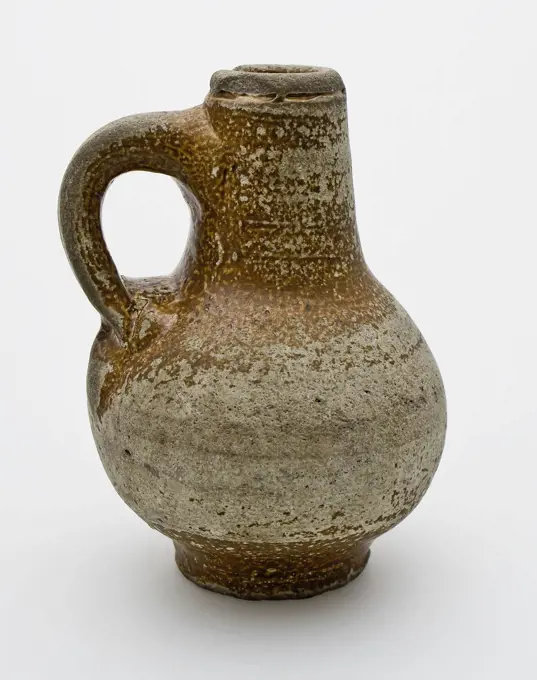
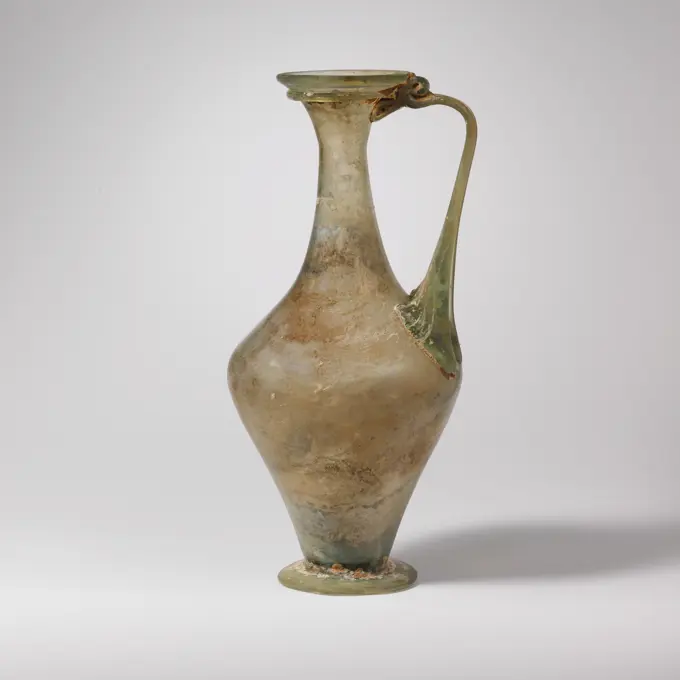
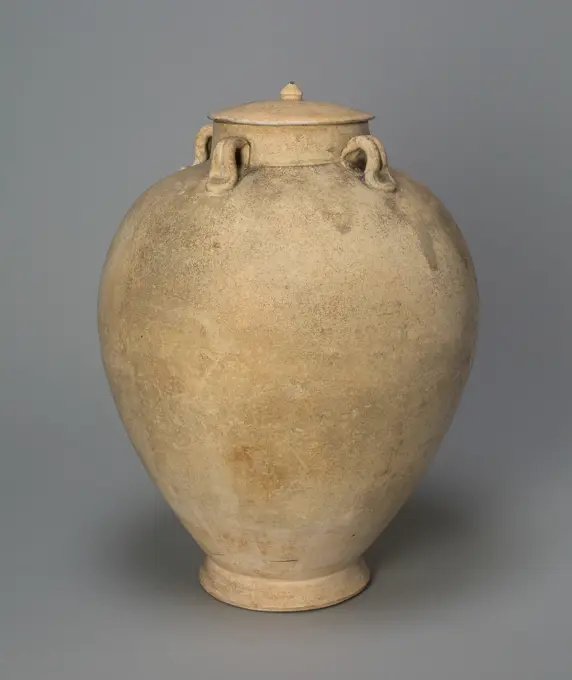
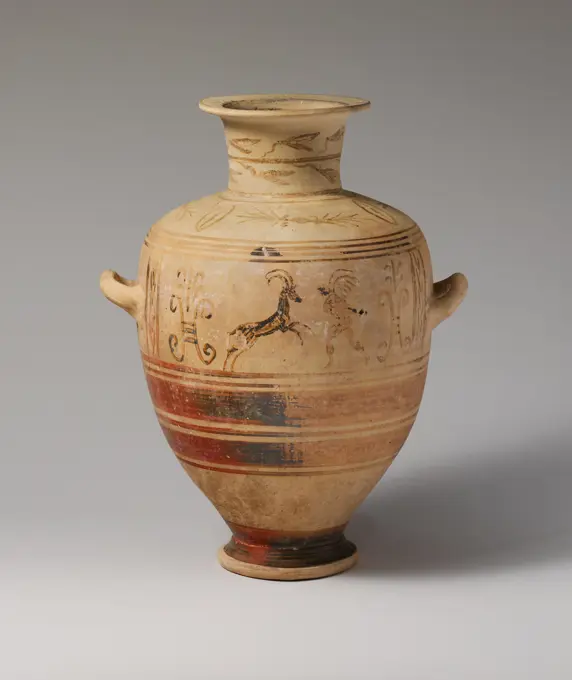
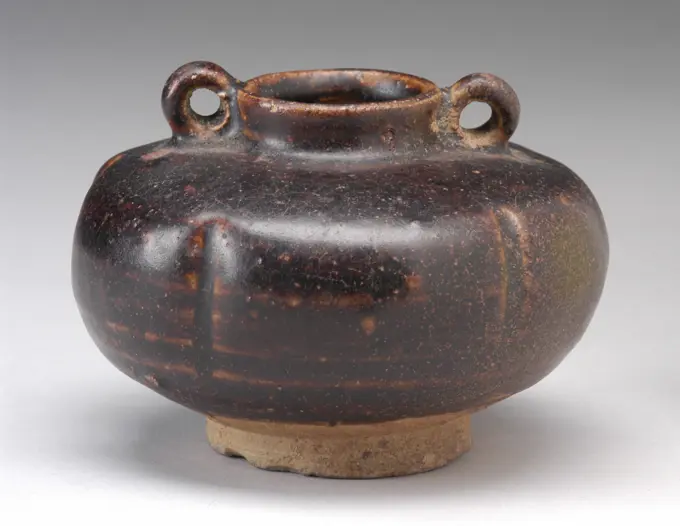
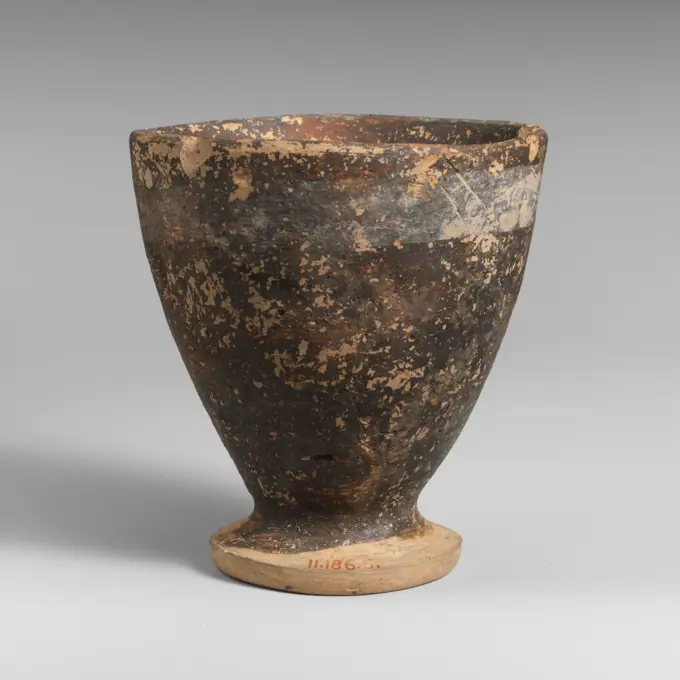
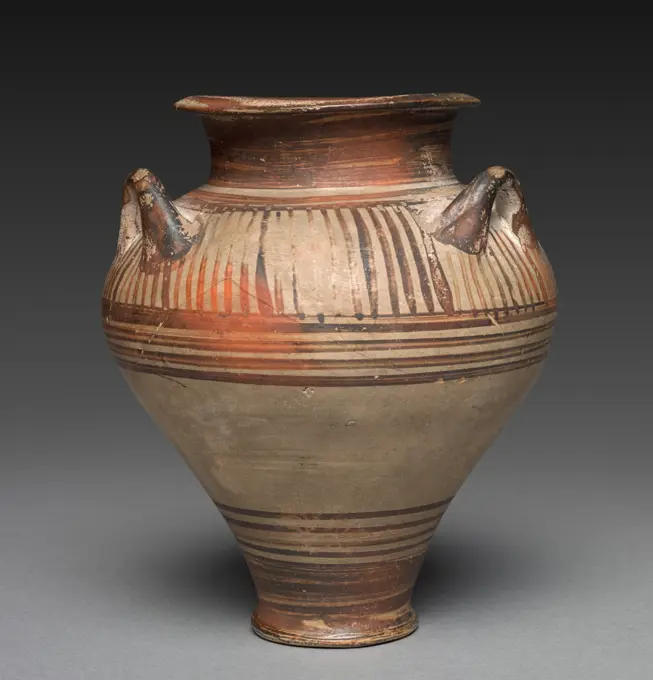
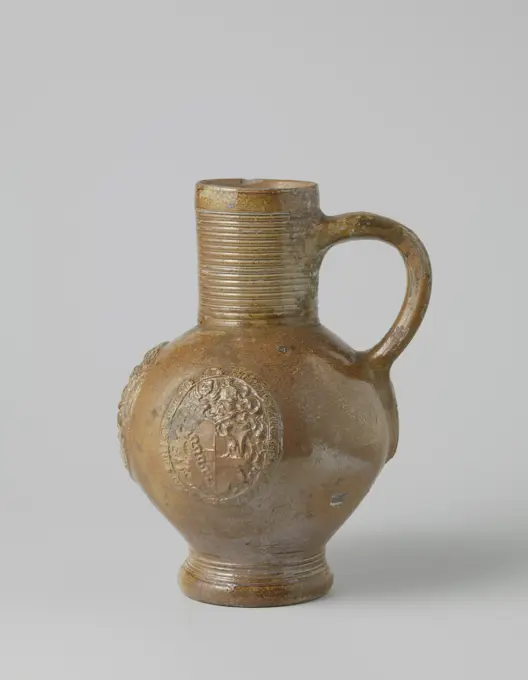
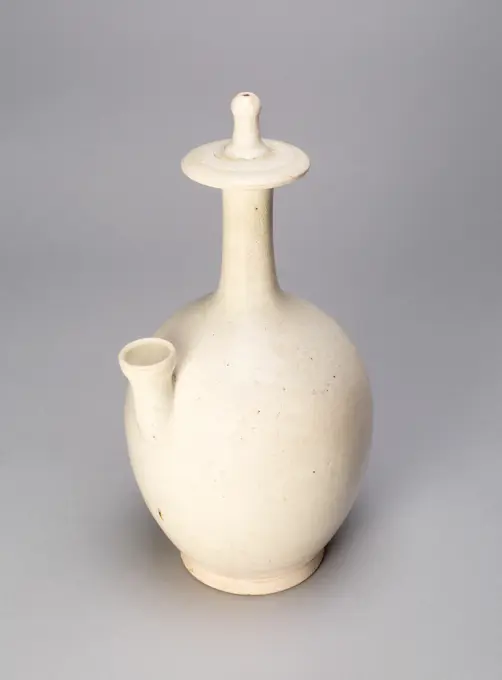
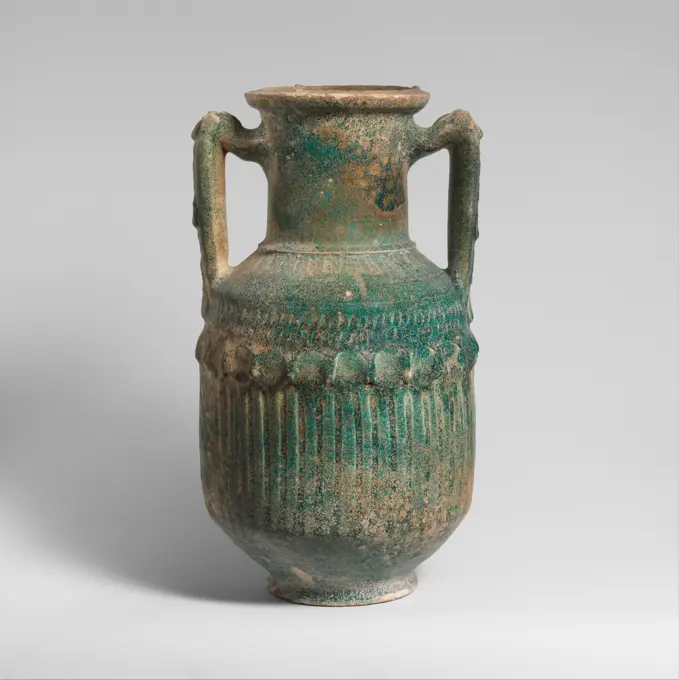
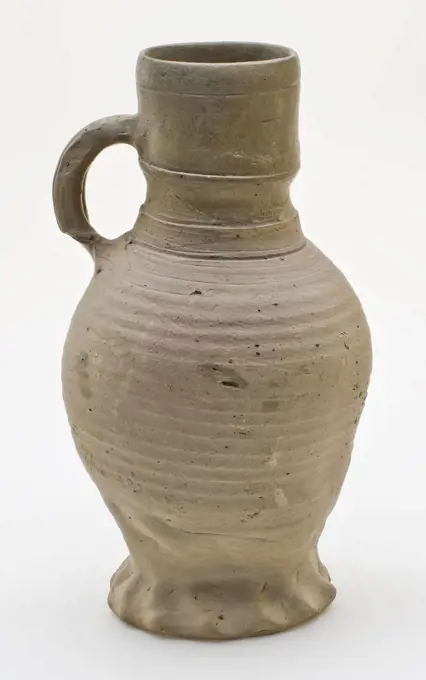
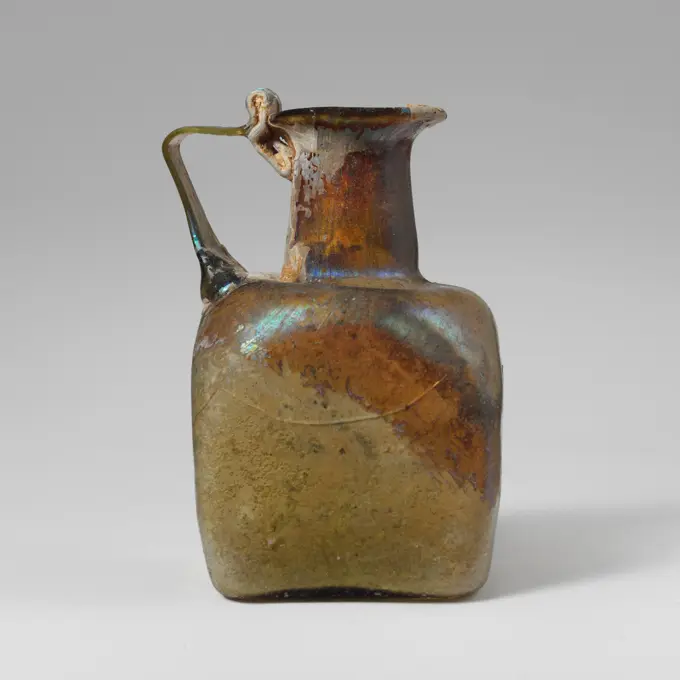
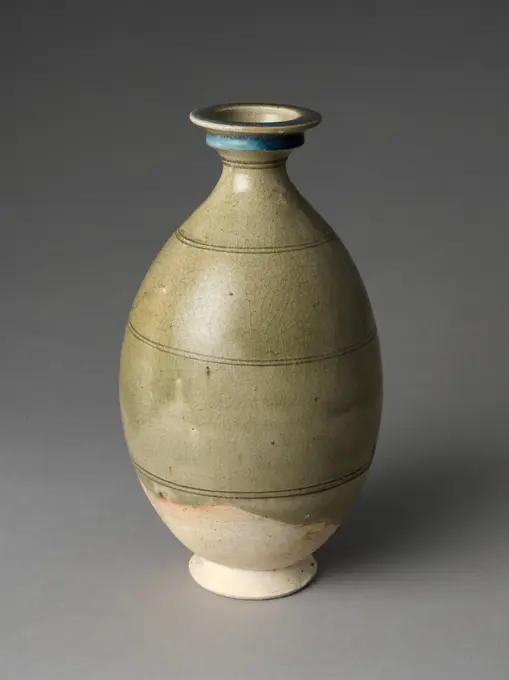
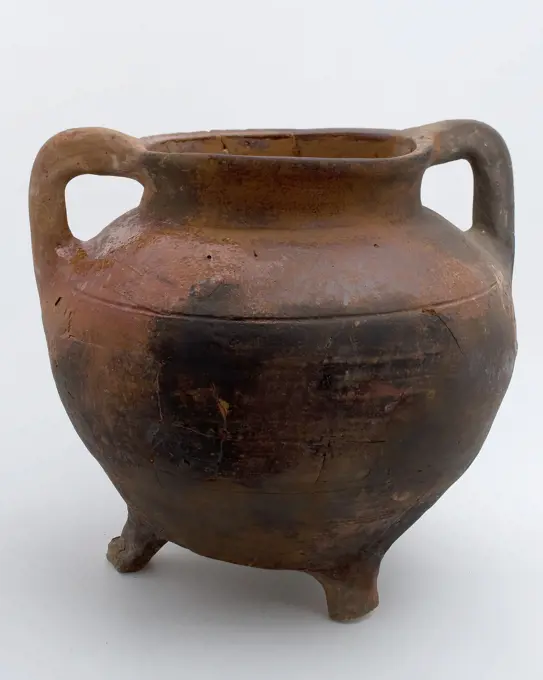
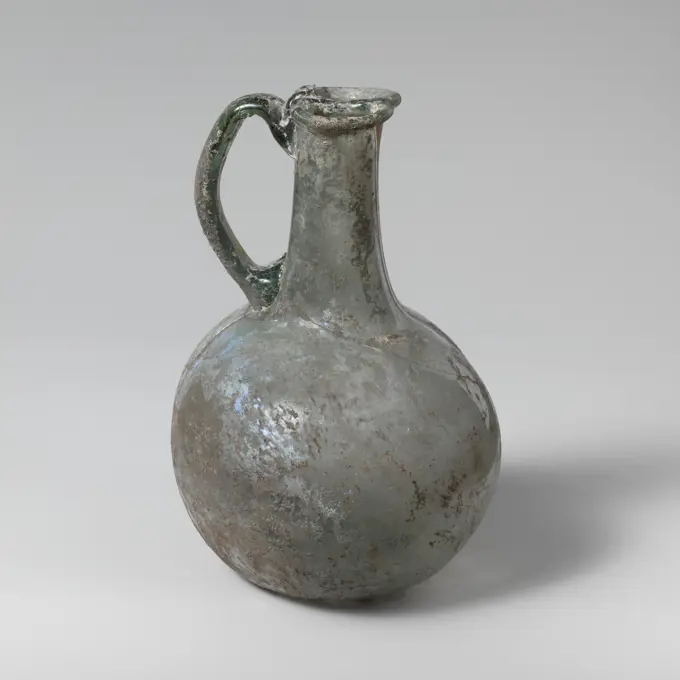
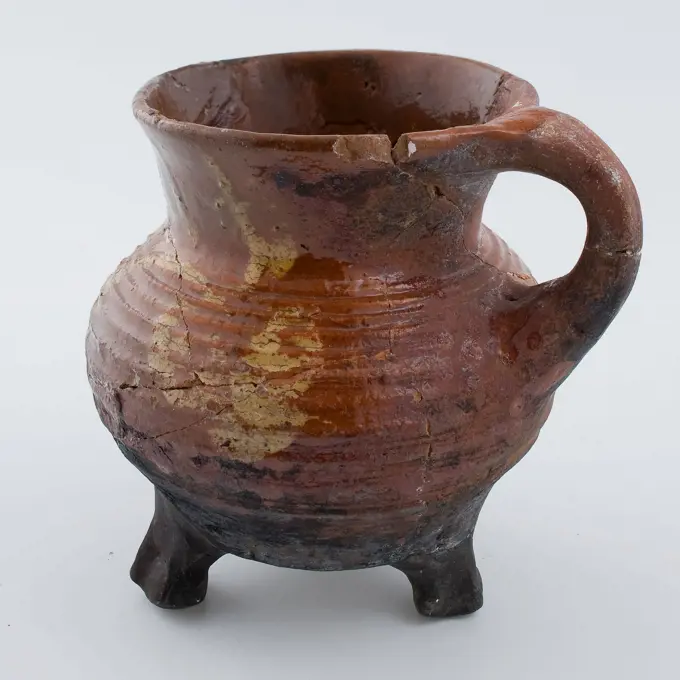
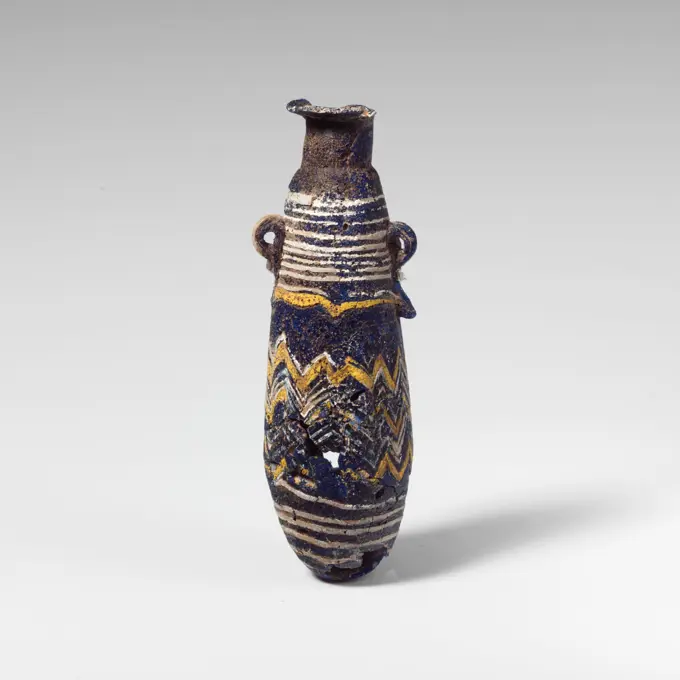
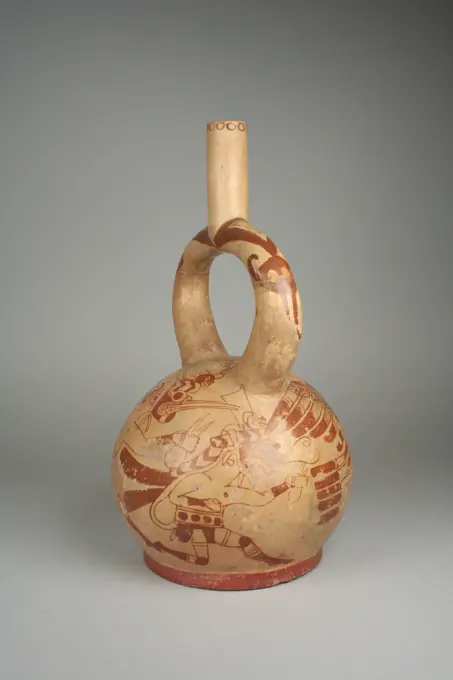
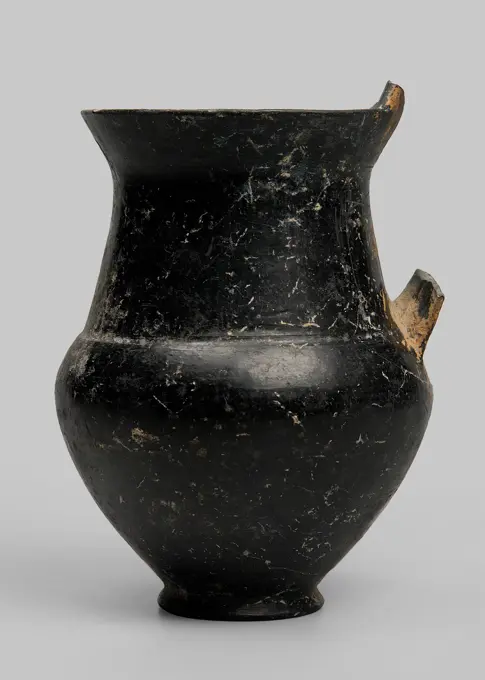
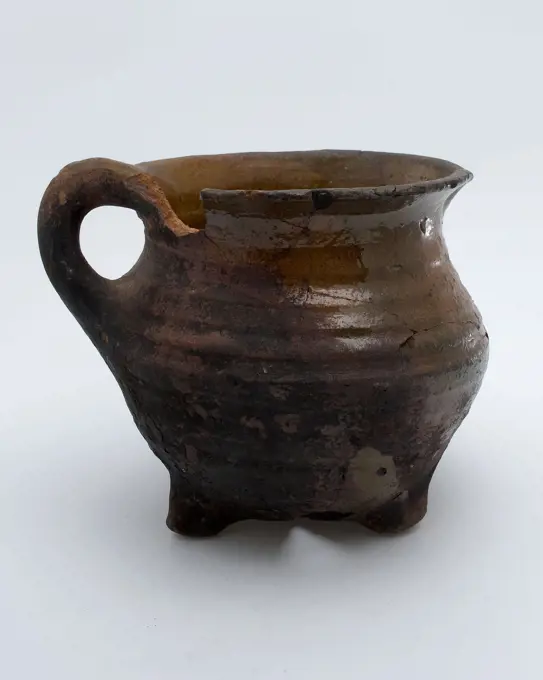
Hu ". Bronze, green patina. China, Han. Paris dynasty, Cernuschi museum. 72359-8 Hu bottle, bronze, han dynasty, green patinaVase ". Bronze. China, Han. Paris dynasty, Cernuschi museum. 72359-10 Bronze, Han dynasty, vaseGlass jar. Culture: Roman. Dimensions: Overall: 3 1/4 in. (8.3 cm)Diam.: 2 7/8 x 2 1/16 in. (7.3 x 5.2 cm). Date: 3rd century A.D..Colorless with pale blue green tinge; trail in same glass.Thickened, rounded rim; flaring mouth; short, concave neck; bulbous body, turned in to small pushed-in bottom.Trail applied on neck and wound 1 1/2 times around top of body.Broken and repaired, with small holes on body; many bubbles; deep pitting, dulling, and brilliant iridescence, with some patches of creamy brown weathering. Museum: Metropolitan Museum of Art, New York, USA.Vase with 'taotie' masks in relief, anonymous, c. -206 - c. 220 Vase of earthenware, with a worn painting. On the belly twice a 'taotion' mask in relief. Below and above several horizontal tires. Manufactured to a bronze grave vase. China earthenware painting Vase of earthenware, with a worn painting. On the belly twice a 'taotion' mask in relief. Below and above several horizontal tires. Manufactured to a bronze grave vase. China earthenware paintingCup 1205 BCE-1195 BCE Arabian Peninsula. terracotta .Hou with globular body ". Terracotta. Vietnam-Xe-Xive s. Paris, Cernuschi museum. 72186-32 Globular, hou a paunch, Vietnamese object, terracottaTerracotta oinochoe (jug). Culture: Greek, Attic. Dimensions: H. 4 5/16 in. (11 cm). Date: late 8th century B.C.-early 7th century B.C..From the Hymettos deposit (see 30.118.1). Museum: Metropolitan Museum of Art, New York, USA.Jar ". Terracotta with painted decor in black. Neolithic period (around 8000 BC). Paris, Cernuschi museum. Anse, Chinese art, Chinese Ceramic, container, jar, decorative motif, Neolithic period, container, terracottaBottle with floral pattern 19th century China. Bottle with floral pattern 46726Bronze olpe, 1st Century, casting,Cut. Terracotta, Vietnam, 10th-12th century. Provenance: Vietnam. Paris, Cernuschi museum. 78605-17 Archeology, Vietnamese art, cut, container, terracotta, archeological vestige, XEME X 10th 10th 10th century, XIIIEM XIIIth 13th 13th 13th 13Small JugAmphora Cypriot Red slip, black bands, and lattice, wavy line and dots in white.. Amphora. Cypriot. Terracotta. Hellenic. VasesAlabaster alabastron (perfume vase) 6th-5th century B.C. Cypriot The globular flask has two lugs at the top, one of which is broken. The lip curves out.. Alabaster alabastron (perfume vase) 243970Pottery grape on three legs, two sausage rolls, sparingly glazed, five holes in the bottom, colander sieve grape cooking pot crockery holder kitchenware equipment earthenware ceramic earthenware glaze lead glaze, hand turned glazed baked drilled Earthenware grape on three legs. Red shard very sparingly glazed. Pouch-shaped or double-conical model decorated with two vague ribs Almost straight, outstanding neck edge with groove over the outside. Two standing sausage ears, one of which is round and the other slightly pinched. Five holes have been drilled in the bottom from the bottom to the inside. The grape has been used as colander or sieve archeology Landpoortstraat Geervliet Bernisse indigenous pottery cooking kitchen food food preparation seven leaching Soil discovery: Geervliet waste pit barn Landpoortstraat 1 September 1983.. Can be decorated from pottery with a mixture bond with tendrils on the shoulder and covered with monochrome blue alkalilation.Bronze jug 3rd-1st century B.C. Greek The shape of this vase is unusual. It combines the attenuated, concave neck and flaring, down-turned lip of an alabastron, with the globular body of a squat lekythos.. Bronze jug 248849Light brown jug with band ear and tail, jug crockery holder soil find ceramic stoneware glaze salt glaze, hand turned fried glazed stoneware jug light gray shard with beige mocha colored salt glaze small profiled sausage ear deducting traces at the bottom archeology import pottery serving drinkJug 17th century German, Cologne-Frechen. Jug 194475Jar. GRS covered ivory, three drops of green email. Vietnam. Paris, Muse Cernuschi. Jar Asian art, art of extreme orient, art of Vietnam, Vietnamese art, GRES, dishes. Egg-shaped pottery bottle, covered with a gray-green glaze. The glaze is partially worn down and in the neck and on the abdomen is attack of the seabed.Pottery jug be glazed on stand, with an ear, shaving clip, and twisted pair of revolving glasses, water jug crockery holder soil find ceramic earthenware glaze lead glaze, hand-turned glazed baked earthenware jug red shard glazed except rafterskin clipper sausage ore around the neck and shoulder Double conical shape slim body Smooth transition from belly to neck Rushing neck edge archeology indigenous pottery serveStoneware drinking jug, with glazed base, glazed gray and brown, pot jug crockery holder soil find ceramic stoneware clay engobe glaze salt glaze, surface 8.4 hand turned glazed baked Stoneware jug gray shard gray brown salt glaze bandoor protruding ring around the neck rotations pinched foot. Belly model with cylindrical neck. Under the bottom baked part of the foot of another jug archeology import pottery serving drink beer wineMiniature Wine Jar (Hu). China. Date: 700 AD-800 AD. Dimensions: 5.3 × 4.3 × 3.1 cm (2 1/16 × 1 11/16 × 1 1/4 in.). Gilt bronze. Origin: China. Museum: The Chicago Art Institute, Chicago, USA.Lamp, Eastern Mediterranean; 1st century B.C; Terracotta; 3.5 × 5 × 10.5 cm (1 3,8 × 1 15,16 × 4 1,8 in.)Glass jug decorated with intersecting circles 2nd-3rd century A.D. Roman Translucent pale purple, with handle in deep purple.Uneven trefoil rim with plain rounded lip; cylindrical neck, expanding downwards; pushed-in shoulder, above shallow, uneven collar; spherical body; projecting rounded edge to base with concave bottom; no pontil mark; strap handle applied in thick pad with crimp projecting outwards to top of body and extending over collar and shoulder, drawn up and out, then curved in, and trailed onto underside of rim, with two crimps above. Body blown into a four-part mold of three vertical sections, extending to bottom of collar, joined to a shallow, disk-shaped base section.On body, sunken relief design of nine interlocking circles with a dot at the center of each circle, bordered above and below by a double row of smaller dots; on bottom, two raised circles, the outer one faint and thinner, around a small central knob.Intact, except for cracks and small hole in upper part of Jug with twohandlesJug with incised borders, anonymous, c. 1590 - c. 1630 Can be made of stoneware on the stand ring with a spherical body and narrow neck with a pinched spout. The C-shaped ear is attached to the neck and shoulder. Some profiles on the neck. Covered with a brown glaze. On the abdomen eleven vertical, entry tires. The neck and foot with horizontal tires and profiles on the ear. Raeren. Rae stoneware. glaze vitrification Can be made of stoneware on the stand ring with a spherical body and narrow neck with a pinched spout. The C-shaped ear is attached to the neck and shoulder. Some profiles on the neck. Covered with a brown glaze. On the abdomen eleven vertical, entry tires. The neck and foot with horizontal tires and profiles on the ear. Raeren. Rae stoneware. glaze vitrificationJug. Globly jar of stoneware, with a cylindrical neck and a C-shaped ear. The belly is decorated with printed ornaments and a wide bond with a fine diamond pattern (network). The neck is in relief decorated with a tire within which three medallion portraits between Arabesken.Alabaster alabastron (perfume vase) 6th-5th century B.C. Cypriot The body is extremely globular. The absence of the foot, the out-turned lip, and the two small lugs associate the vase with a series of globular alabastra.. Alabaster alabastron (perfume vase) 243971Jug 15th-16th century French. Jug 465878 French, Jug, 15th16th century, Earthenware with slip decoration, Overall: 5 3/16 x 8 1/4 x 7 3/8 in. (13.2 x 21 x 18.8 cm). The Metropolitan Museum of Art, New York. Gift of J. Pierpont Morgan, 1917 (17.194.2191)Glass jug. Culture: Roman. Dimensions: H.: 2 7/8 in. (7.3 cm)Diam.: 1 1/4 x 1 3/4 in. (3.2 x 4.4 cm). Date: 1st-3rd century A.D..Small, one-handled jug.Translucent blue green; handle in same color.Broad everted rim with partially folded outer lip; cylindrical neck, expanding downwards and joining imperceptibly with globular body; kick and deep pontil scar in bottom; three-ribbed strap handle attached to upper body, drawn up and out, curved inwards and trailed with an upward loop on to underside of rim and top of neck.Intact; pinprick bubbles and a few black impurities; dulling, iridescence, and creamy weathering. Museum: Metropolitan Museum of Art, New York, USA.Lamp. UnknownGlass perfume bottle. Culture: Roman. Dimensions: Overall: 3 in. (7.6 cm)Diam.: 2 1/8 x 1 in. (5.4 x 2.5 cm). Date: ca. 1st-2nd century A.D..Translucent pale blue green.Thick everted, horizontal rim, with rounded outer lip and circular groove on top surface; short, cylindrical neck, tapering downwards; ovoid body; flat bottom with slightly concave center.Intact; many pinprick bubbles; pitting, dulling, and creamy brown weathering. Museum: Metropolitan Museum of Art, New York, USA.Terracotta Hadra hydria (water jar) ca. 213 B.C. Greek, Ptolemaic, Cretan inscribed "Theudotos"The relatively firm date of this hydria is provided by its close stylistic relationship to hydria 90.9.29 (on view in case 9 of the Roman Court), which has a securely dated inscription. The vessels are thought to be by the same artist since both feature the decorative combination of cross-hatched diagonal bands with a four-petaled rosette and dotted rosettes framed by sideways palmette fronds.. Terracotta Hadra hydria (water jar) 245553Bottle;  IX-X century (801-00-00-1000-00-00);Semerau-Siemianowski, Władysław (1849-1938)-collection, gift (provenance), Islam (culture), Islamic artBuire. Qingbai couvertship. Par musée musée malée. 78842-21 Asian art, table art, drink, bun, old ceramic, covered, email, gres emaille, container, table service, vase to liquorBrown stoneware jug be decorated with three lines on the edge of the mouth and on the shoulder, jug crockery holder soil find ceramic stoneware clay engobe glaze salt glaze, hand turned stamped glazed baked Large stoneware jug gray shard salt glaze largely brown engobe bandoor radstempelovering around mouthrand and shoulder turns around the belly pinched foot. Foot crooked and very sloppy formed archeology Rotterdam import pottery serving serve water washing food preparation archaeological find in the soil Rotterdam.Terracotta vase, from the Necropolis in Vicolo Ognissanti in Padua, Veneto, Italy. Paleoveneti Civilization, ca 4th Century BC.Jar 101 CE-600 CE Mediterranean Region. Glass, blown technique . Ancient RomanTerracotta jug ca. 1600-1050 B.C. Mycenaean Handle and broad and narrow bands.. Terracotta jug 240353Vase, 1000-1550. Colombia, 11th-16th century. Pottery; overall: 29.7 x 19.6 cm (11 11/16 x 7 11/16 in.).Terracotta stirrup jar. Culture: Mycenaean. Dimensions: 3 11/16 in. (9.4 cm.). Date: ca. 1400-1050 B.C..Parallel circles, chevrons. Museum: Metropolitan Museum of Art, New York, USA.Terracotta jug. Culture: Cypriot. Dimensions: H. 8 15/16 in. (22.7 cm). Date: ca. 1600-1450 B.C..Narrow-necked jug with funnel-shaped mouth, handle and curved bands in relief. Museum: Metropolitan Museum of Art, New York, USA.Jarlet. China, Yuan or early Ming dynasty, 14th-15th century. Furnishings; Serviceware. Wheel-thrown stoneware with molded decoration, applied handles, and pale blue glazeStorage Jar (Hu) with Hunting Scenes 25 CE-220 CE China. Earthenware with underglaze molded decoration and green lead glaze .Amphora, c. 750-600 BC. Cyprus, Cypro-Archaic I. Red ware; diameter: 11 cm (4 5/16 in.); overall: 11.8 cm (4 5/8 in.).Glass perfume bottle Roman late 1st-3rd century CE Translucent pale blue green.Everted rim, folded over and in, and pressed flat around mouth; cylindrical neck, with deep horizontal tooled indent around base; bulbous body; almost flat bottom.Intact; some bubbles; slight pitting and faint iridescence on exterior, soil encrustation, weathering, and brilliant iridescence on interior. View more. Glass perfume bottle. Roman. late 1st-3rd century CE. Glass; blown. Imperial. GlassSmall stoneware jug with standing ear, worn glaze, jug crockery holder soil find ceramic stoneware clay engobe glaze salt glaze, hand turned glazed baked stoneware jug gray shard salt glaze brown brindled sausage ear Extreme wear on glaze layer archeology Rotterdam Delfshaven import pottery oil keep packaging Soil discovery: Delfshaven Rotterdam.Terracotta jug. Culture: Cypriot. Dimensions: H. 11 3/16 in. (28.4 cm). Date: ca. 1600-1450 B.C..Jug with funnel-shaped mouth, handle, and spiral bands in relief. Museum: Metropolitan Museum of Art, New York, USA.Pottery pot on stand, baluster shape, used in the sugar industry, sugar bowl pot holder soil find ceramic earthenware glaze lead glaze, hand turned glazed earthenware pot on stand. Baluster shape with round shoulder and narrow neck opening. Thick and round neck edge protruding neck. Fuzzy spindles on the shoulder Red shard internally glazed Here sugar cones were made archeology indigenous earthenware sugar confectionery craftsmanship sugar industryGlass perfume bottle. Culture: Roman. Dimensions: Overall: 3 5/16 in. (8.4 cm)Diam.: 2 5/16 x 13/16 in. (5.9 x 2.1 cm). Date: 1st century A.D..Colorless with pale blue green tinge.Rim folded out, over, and in, with beveled upper surface; slightly flaring mouth; cylindrical neck, slightly tooled in around base; broad, ovoid body; small, slight concave bottom.Horizontal tooled indent around upper part of body.Intact; pinprick and a few larger bubbles; deep pitting and brilliant iridescent weathering on exterior, limy encrustation and creamy brown weathering on interior. Museum: Metropolitan Museum of Art, New York, USA.Glass jug mid-4th century A.D. Roman Translucent pale green; handle and trails in same color.Thick, rounded rim; funnel-shaped mouth; slender, conical neck, merging with biconical body; broad, outsplayed base ring; concave bottom, with pontil mark; kick on interior of bottom; three-ribbed strap handle applied to upper body with three long fins, drawn up and outwards, then curved in, and folded onto underside of mouth with a double loop over trail.One thick horizontal trail applied to underside of mouth; another trail wound round middle of neck.Intact, but most of second trail missing; many bubbles; some soil encrustation, dulling, whitish weathering, and iridescence on exterior, more soil encrustation, black weathering, and iridescence on interior.. Glass jug 245402Glass flask 2nd-3rd century A.D. Roman Colorless.Thick rim, with vertical outer edge, angular upper lip, and pressed into sides of flaring mouth; funnel-shaped neck, then expanding downwards to join large piriform body; pushed-in bottom with central kick.Intact; many bubbles, some very large; dulling, soil encrustation, and limy weathering.Colorless pear-shaped blown glass vase with flaring lip.. Glass flask. Roman. 2nd-3rd century A.D.. Glass; blown. Mid Imperial. GlassCovered Jar with Loop Handles 700 CE-799 CE China. Slip-coated and glazed stoneware .Juglet 750-600 B.C. Cypriot Handle-ridge jug of black clay without decoration.. Juglet. Cypriot. 750-600 B.C.. Terracotta. Cypro-Archaic I. VasesTerracotta Hadra hydria (water jar) late 3rd century B.C. Greek, Ptolemaic, Cretan inscribed on shoulder "of Apollonios"The inscription on this hydria indicates that this vessel once contained the ashes of a Greek named Apollonios. It is likely he died while in Alexandria, where the vast majority of these hydrias have been discovered. The clay-colored ground of this urn, however, points to the island of Crete as the place of its manufacture.. Terracotta Hadra hydria (water jar) 245546Pitcher. Eastern Mediterranean. Date: 600 BC-201 BC. Dimensions: 17 × 9.5 × 9.5 cm (6 3/4 × 3 3/4 × 3 3/4 in.). Glass. Origin: Egypt. Museum: The Chicago Art Institute, Chicago, USA. Author: Ancient Egyptian.Covered jar ca. 1820-60 American. Covered jar 2410Small bottle in ANSES (common name). Red brown covered sandstone. Cernuschi Museum, Asia Museum of Asia in the city of Paris.Bronze amphora (two-handled jar) late 1st century B.C.-1st century A.D. Roman The handles in the form of leafy stems are each decorated at the base with the mask of a satyr. Many similar vessels have been found in houses at Pompeii.. Bronze amphora (two-handled jar) 252922 Roman, Bronze amphora (two-handled jar), late 1st century B.C.1st century A.D., Bronze, H.: 7 in. (17.8 cm). The Metropolitan Museum of Art, New York. Fletcher Fund, 1927 (27.122.7)Jarlet. South China, 13th-15th century. Furnishings; Serviceware. Stoneware with brown glazeTerracotta goblet ca. 2100-1950 B.C. Minoan Decorated with white band on a dark slip.. Terracotta goblet. Minoan. ca. 2100-1950 B.C.. Terracotta; White-on-dark ware. Middle Minoan IA. VasesThree Handled Jar, Late Helladic III A1 (mycenaean). Cyprus, Late Helladic III A1. Ceramic;Jug with a coat of arms, anonymous, c. 1585 - c. 1600 Jug of stoneware on a high base with a spherical body and wide, ribbed neck. The C-shaped ear is attached to the neck and shoulder. Profiles closely. Covered with a brown Engobe. Three printed and imposed medallions on the belly in relief. The middle medallion with a Romeise emperor in a landscape and richly decorated edge. The other two medallions with a weapon and illegible edge with date (1586). Raeren. Rae stoneware. glaze. engobe vitrification Jug of stoneware on a high base with a spherical body and wide, ribbed neck. The C-shaped ear is attached to the neck and shoulder. Profiles closely. Covered with a brown Engobe. Three printed and imposed medallions on the belly in relief. The middle medallion with a Romeise emperor in a landscape and richly decorated edge. The other two medallions with a weapon and illegible edge with date (1586). Raeren. Rae stoneware. glaze. engobe vitrificationBuddhist Water Sprinkler (Kundika) 618 CE-699 CE China. Northern white ware; stoneware with yellowish-white glaze .Glass bottle. Culture: Roman. Dimensions: H. 5 7/8 in. (14.9 cm). Date: 4th century A.D..Colorless with yellow green tinge.Uneven, knocked-off rim; broad funnel-shaped neck; globular body; small. slightly concave bottom.Intact; many pinprick bubbles and blowing striations; dulling, iridescence, and pathces of flaking creamy brown weathering. Museum: Metropolitan Museum of Art, New York, USA.Terracotta amphora (two-handled jar) ca. A.D. 100-225 Roman, Syrian Probably made at Dura-Europos. Terracotta amphora (two-handled jar) 251458 Roman, Syrian, Terracotta amphora (two-handled jar), ca. A.D. 100225, Terracotta, 12 3/8in. (31.5cm). The Metropolitan Museum of Art, New York. Purchase, 1924 (24.61)Jar ca. 9th century B.C. Iran. Jar 325000High Col Vas "Pot". Terracotta Blanche Transparent. Paris, Muse Cernuschi. Vas collar pot Vietnamese art, Break, Evase Col, Vietnamese collection, Ebrecher, Transparent glacide, pot, white terracotta, archeological vestigeStoneware jug, curved model, revolving spindles over the entire height, on squeeze foot, jug crockery holder soil find ceramic stoneware, hand-turned baked Stoneware can be bent model on squeeze foot Skew and untidy attached band. Turning spindles over the entire height of the jar. Above the shoulder constriction on the transition to the neck. Restoration is reprocessed archeology Rotterdam Stadscentrum Stadsdriehoek Bulgersteyn indigenous pottery import serving drinking table serving Soil discovery: slot Bulgersteyn in Rotterdam.Glass square bottle 2nd-3rd century A.D. Roman Small square one-handled bottleTranslucent pale yellow green; handle in same color.Plain rim with bevelled lip to flaring mouth; cylindrical neck expanding downward; pushed-in, horizontal shoulder with rounded corners; four flat sides, tapering downward; slightly concave bottom with slight ribbing in parallel lines; traces of large circular pontil mark; handle applied as a broad pad along outer edge of sholuder, drawn up and outward as a narrow strap, then turned in horizontally and trailed on to top of neck and outer edge of rim with loop above rim.Broken with half of rim and part of neck missing (with weathered edges); crack running around two sides of body; many bubbles; some pitting, brilliant iridescence, and patches of thick, creamy weathering.. Glass square bottle. Roman. 2nd-3rd century A.D.. Glass; mold-blown. Mid Imperial. GlassBottle late 6th-early 7th century China Produced during the flowering of ceramic traditions in north China in the sixth century, this elegant bottle illustrates the northern adoption, and adaptation, of the southern celadon tradition.. Bottle. China. late 6th-early 7th century. Stoneware with incised decoration under celadon glaze. Sui dynasty (581-618). CeramicsPottery pot on stand, baluster shape, used in the sugar industry, sugar bowl pot holder soil find ceramic earthenware glaze lead glaze, hand-turned glazed earthenware pot on stand. Baluster shape with round shoulder and narrow neck opening Red shard internal glazed Thick protruding neck edge oval distorted Herein sugar cones were made archeology indigenous earthenware sugar confectionery craftsmanship sugar industryPottery jug, red shard, fully glazed, on stand, water jug crockery holder soil find ceramic earthenware glaze lead glaze, ring 11.5 hand-turned glazed fried Can with round convex belly on ring rings on neck. Completely covered with lead glaze Orange-red shard archeology Rotterdam City center Stadsdriehoek indigenous pottery drink table water pour serving Schielandshuis Soil discovery: Schielandshuis during restoration 1982.Beaker. UnknownGlass perfume bottle. Culture: Roman. Dimensions: Overall: 3 1/2in. (8.9cm)Diam.: 2 3/16 x 3/4 in. (5.6 x 1.9 cm). Date: 1st century A.D..Translucent pale blue green.Rim folded out, over, and in, beveled on top and with slight vertical inner lip around mouth; cylindrical neck with tooled indent around base; ovoid body; slightly concave bottom.Intact; pinprick bubbles; dulling, slight pitting, and iridescence with patches of thick creamy brown weathering. Museum: Metropolitan Museum of Art, New York, USA.Glass jug Roman 4th century CE Translucent blue green; handle and trails in same color.Plain, rounded rim; broad flaring mouth; cylindrical neck expanding downwards and joining imperceptibly with large piriform body; tall, splayed, tubular foot ring, made by folding; thick projecting bottom with large central pontil mark; broad, ribbed strap handle applied to body, with projecting lip below, drawn up vertically, tooled in and downwards, then folded on underside of mouth over trail decoration, drawn up and trailed off on rim.Single trail wound round horizontally on underside of mouth; another trail wound round neck.Intact; a few bubbles in body, but many elongated bubbles in handle; soli encrustation, slight dulling, and faint iridescence.Lamp, Anatolia; 1st century B.C. - 4th century A.D; Terracotta; 3.7 x 10 x 13.5 cm (1 7,16 x 3 15,16 x 5 5,16 in.)Large earthenware cooking pot, grape-model, red shard, sparingly glazed, two ears, on three legs, cooking pot tableware holder utensils earthenware ceramics earthenware glaze lead glaze, hand-turned glazed baked Large earthenware cooking pot grape-model red shard with sparing lead glaze two hook-shaped ears three-legged spurs Restored only on the outside neat finished and refined archeology native pottery food prepare cooking food cuisineGlass double-bodied bottle with handle 2nd-4th century A.D. Roman, Syrian Translucent blue green; handle in same color.Everted tubular rims, folded over and in; cylindrical necks, expanding downwards; globular bodies, pressed together, forming flat inner wall; thick, slightly concave bottom, with central pontil mark; thick rod handle, applied as a large pad to base of neck over join of bodies, drawn up in a curving loop, and trailed onto top of necks and over upper lip of rims.Cracked and broken with three large holes in one body; few bubbles; dulling, some limy encrustation, brownish weathering, and iridescence.The bottle was made by joining vertically two separately blown vessels. Parallels are rare but are known from both the western and eastern halves of the Roman Empire. It is uncertain what liquids it contained but traditionally it is known as an "oil and vinegar" bottle.. Glass double-bodied bottle with handle 256747CERAMICA IRANI-VASO DE BARRO DE SIENA. Location: MUSEO ARQUEOLOGICO NACIONAL-COLECCION. MADRID. SPAIN.Pottery cooking jug on three legs, sludge decoration on the shoulder, pouring spout, grape cooking pot tableware holder utensils earthenware ceramics earthenware glaze lead glaze clay, hand-turned glazed decorated fried loin pottery cooking jug on three legs Mineral pouring spout in funnel-shaped top edge Thin and standing sausage ear. Draken on the shoulder on which three yellow bows are applied in sludge technique and some stripes Yellow lines on the outside on the pot edge. Ball-round shape slightly flattened bottom Red shard sparingly glazed Externally only on the edge and the shoulder internally only under the neck opening on the bottom. Black soot on the underside Restoration is repainted archeology underground pit Rotterdam City Triangle Groenendaal indigenous pottery cooking kitchen food preparation Soil discovery: underground pit Groenendaal large waste pit at ± 4 meters - N..P 1977.06.27.Terracotta jar with barbotine decoration. Culture: Roman. Dimensions: 9 11/16in. (24.5cm)Other: 9 3/4in. (24.7cm). Date: 2nd-3rd century A.D..Light unglazed gray urn with barbotine vine and interrupted line pattern on shoulder. Museum: Metropolitan Museum of Art, New York, USA.Glass alabastron (perfume bottle) late 6th-5th century B.C. Greek, Eastern Mediterranean Translucent cobalt blue, with handles in same color; trails in opaque white and opaque yellow.Thin, inward-sloping rim-disk; tall, slanting, cylindrical neck, with marked horizontal line at base; short, rounded shoulder; elongated oval body with upward taper; convex bottom; below shoulder, two vertical ring handles with knobbed tails, applied over trails.One white trail attached at edge of rim-disk; another applied below shoudder and wound down in tight spiral on upper part of body, where a second broader trail in yellow is added, mingling with the first, then both tooled into a close-set zigzag pattern around middle of body, formed by uneven shallow vertical tooling indents; below this, white trail continues in an uneven spiral around lower part of body; another white trail applied to outer edge of one handle.Broken and repaired with numerous holes in body and half of rim-disk missing; dulling, dePre-Columbian art. Pre-Incan.  Pazaleo Culture (700-1500 AD). From Ecuador. Ceramic vessel. 16 x 11cm (diameter).  Private collection.Pottery pot on stand, baluster shape, used in the sugar industry, sugar bowl pot holder soil find ceramic earthenware glaze lead glaze, opening 8.0 hand turned glazed baked Pottery pot on stand. Baluster shape with round shoulder and narrow neck opening. Thick round neck edge slightly bulging. Fuzzy turn-ups over the entire height Red shard internally glazed on the outside three glazed finder prints. Here sugar cones were made archeology indigenous earthenware sugar confectionery sugar industryBottle with Runners 3rd-5th century Moche This ceramic bottle was made by a master craftsman of the Moche culture, which thrived on Perus North Coast between the third and ninth centuries A. D. Vessels such as these are called “fineline,” so named for the detailed compositions delicately painted in red slip (a suspension of clay and/or other colorants in water) on a white background slip. The white slip covers the natural reddish color of the clay. The globular shape of the vessels body provided an ample surface for artists to depict scenes ranging from warfare and religious ritual to fishing and sports. This bottle features four figures running, each holding a bag in one hand (see Sawyer, 1966: 48-49, for a rollout drawing). The band at the base of the vessel is painted red, possibly to indicate the ground upon which the figures are running. The figures include a hummingbird with a long beak; a butterfly with an extended proboscis; a hawk or other raptor with a hooked beak; and a foOlpe Bucchero Nero;  KON.VII/BECAINT OF THE VIEW A.C. (500-00-00-510-00-00);Bednarek-06, Dar, Etruria, Antical Art Collection, DarTerracotta oinochoe (jug) early 7th century B.C. Greek, Attic From the Hymettos deposit (see 30.118.1). Terracotta oinochoe (jug). Greek, Attic. early 7th century B.C.. Terracotta. Geometric. VasesGlass perfume bottle. Culture: Roman. Dimensions: Overall: 4 3/16in. (10.7cm)Diam.: 1 1/4 x 7/8 in. (3.2 x 2.2 cm). Date: 1st century A.D..Colorless with pale blue green tinge.Rim folded out, round, and up, with vertical lip; cylindrical neck, slightly tooled in around base; elongated piriform body, tapering to solid knob base.Rim tooled on one side into small spout.Intact; few pinprick bubbles; dulling, pitting, and iridescent weathering. Museum: Metropolitan Museum of Art, New York, USA.Roman-influenced ceramic vase with handles, 3rd century AD, Poland.Glass jar with two handles Roman 4th-5th century CE Translucent yellow green; handles in same color.Outsplayed rim, with rounded lip and, below, hollow, overhanging fold; short, tapering neck; narrow shoulder with rounded edge; bulbous side, tapering downwards; broad bottom with kick and central pontil scar; two rod handles, dropped on to edge of shoulder in large pads, drawn up, folded in and down, and trailed on to overhang and rim, ending above lip.Intact; few bubbles; dulling, patches of creamy weathering, and iridescence. View more. Glass jar with two handles. Roman. 4th-5th century CE. Glass; blown. Late Imperial. GlassPottery cooking jug, grape model, vertical sausage ear, on three legs, cooking pot crockery holder kitchen utensils earthenware ceramics earthenware glaze lead glaze, hand-turned glazed baked Three long-worn worn legs bag model one ear Clear rings. Red earthenware entirely glazed except for ear and bottom archeology Rotterdam rail tunnel indigenous earthenware food preparation cooking food kitchen Soil discovery: railway tunnel or construction site Rotterdam.. Pot of stoneware with a spherical body and a narrow, short neck, painted under the glaze in black and covered with a green glaze. A decorative band on the abdomen and shoulder. Two semicircular ears mounted on the neck from the shoulder. The lower part of the pot is unglazed. Celadon.Pottery jug with double ears and very narrow neck opening, jug holder kitchen utensils earthenware ceramics pottery, hand-turned baked Pottery jug red shred unglazed in proportion very narrow neck with thick mouth rim two bandors folded to the shoulder Stand with light soul. Notched ring around the shoulder archeology indigenous pottery import serve drink water store packagingAmphora 750-600 B.C. Cypriot Groups of broad and narrow bands.. Amphora. Cypriot. 750-600 B.C.. Terracotta. Cypro-Archaic I. VasesCosmeticJarGlass jar with marvered trails 5th century A.D. or later Roman, Syro-Palestinian Translucent purple; trails in opaque brownish red and white.Thick, outsplayed rim, with slightly beveled edge; funnel-shaped neck; pushed-in shoulder; globular body; kick in bottom, with traces of pontil pad.Two marvered trails wound in a spiral from rim to bottom; on body and neck, tooled into hanging festoons with seventeen upward tooling strokes; around bottom, tooled downward, forming a very confused pattern.Intact; pinprick bubbles on surface; thick creamy brown weathering and iridescence covering most of body with areas of pitting and dulling on exterior.. Glass jar with marvered trails. Roman, Syro-Palestinian. 5th century A.D. or later. Glass; blown and trailed. Late Roman, Early Byzantine, or Islamic. GlassJar with Human Figure