Ancient Ceramics and Vases

Various antique vessels including bronze and terracotta pieces from different cultures, highlighting intricate details and historic significance.
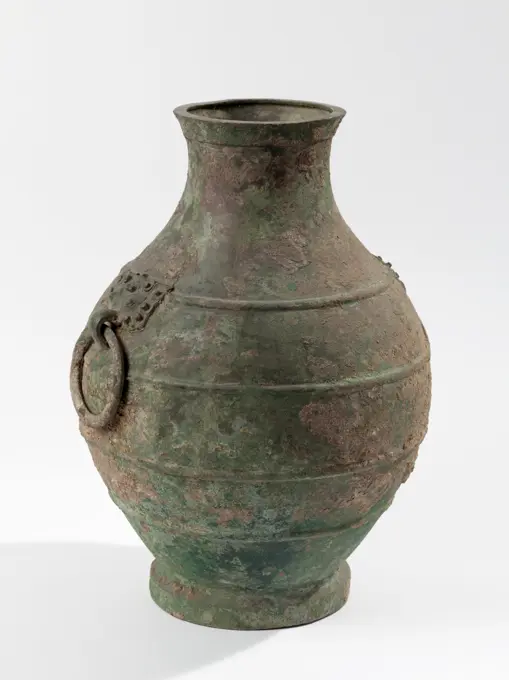
Hu ". Bronze, green patina. China, Han. Paris dynasty, Cernuschi museum. 72359-8 Hu bottle, bronze, han dynasty, green patina
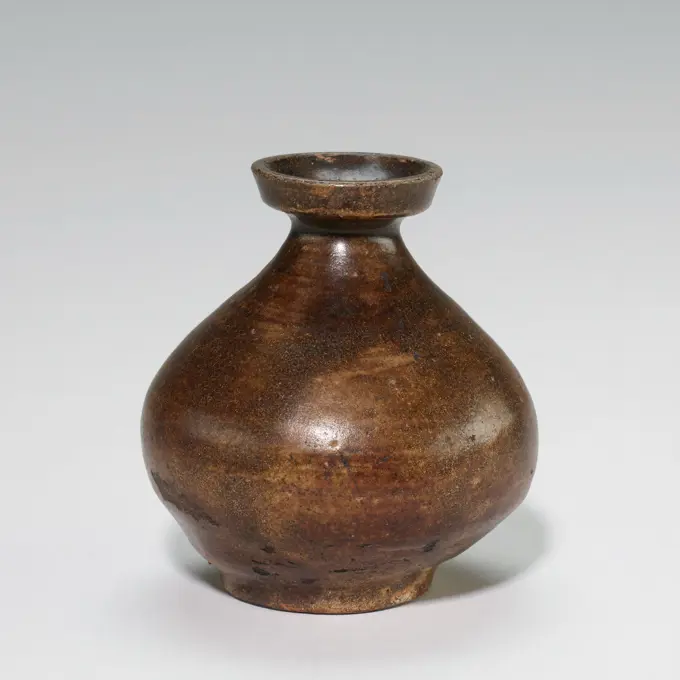
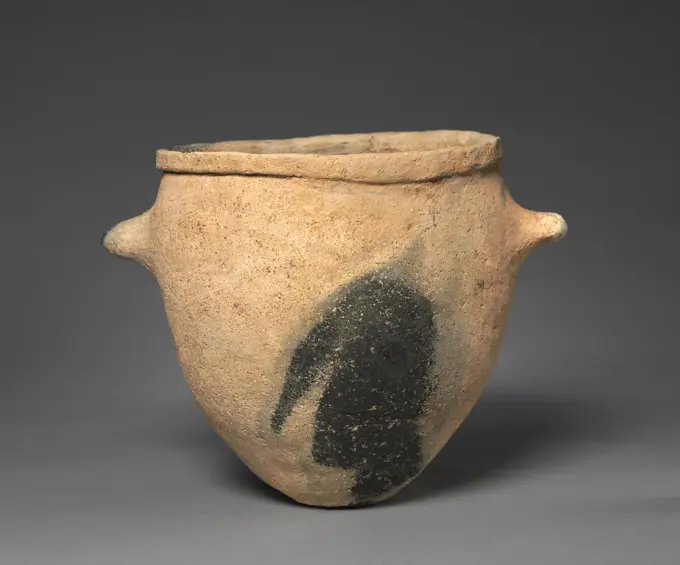
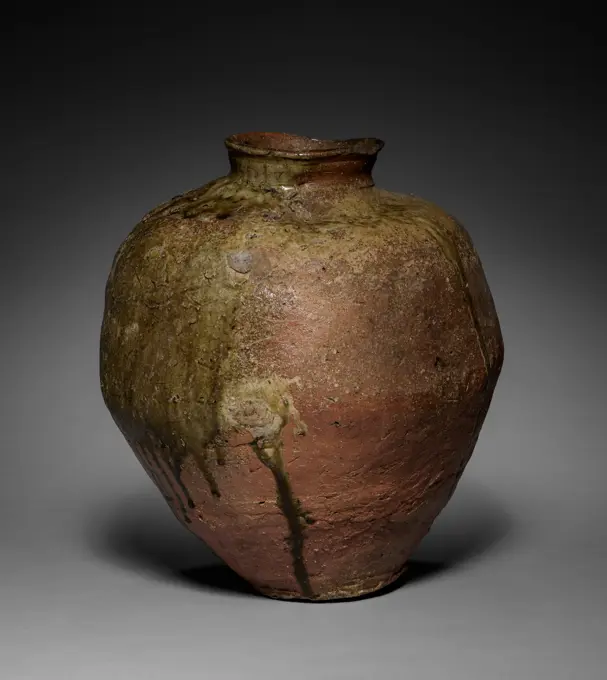
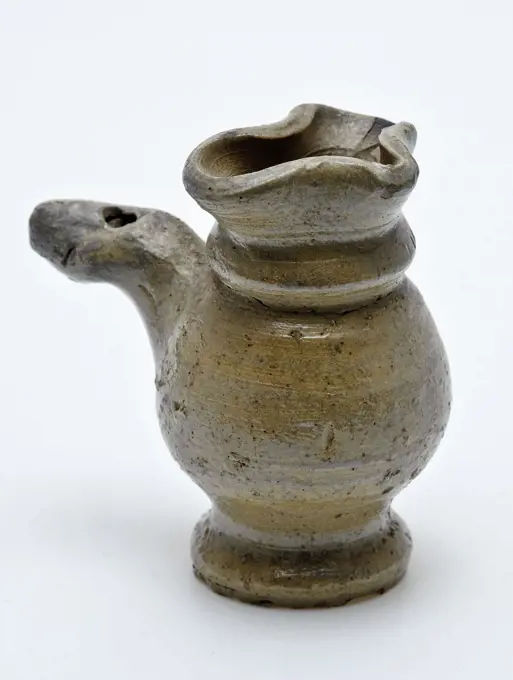
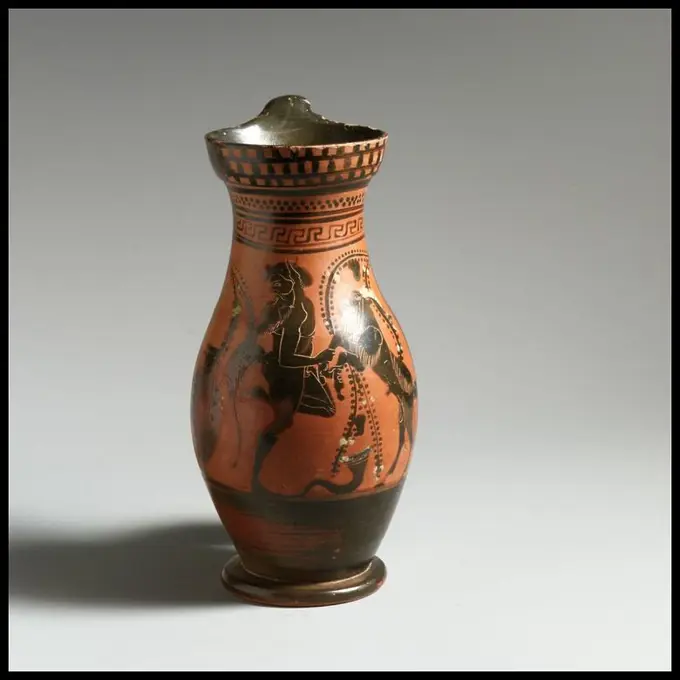
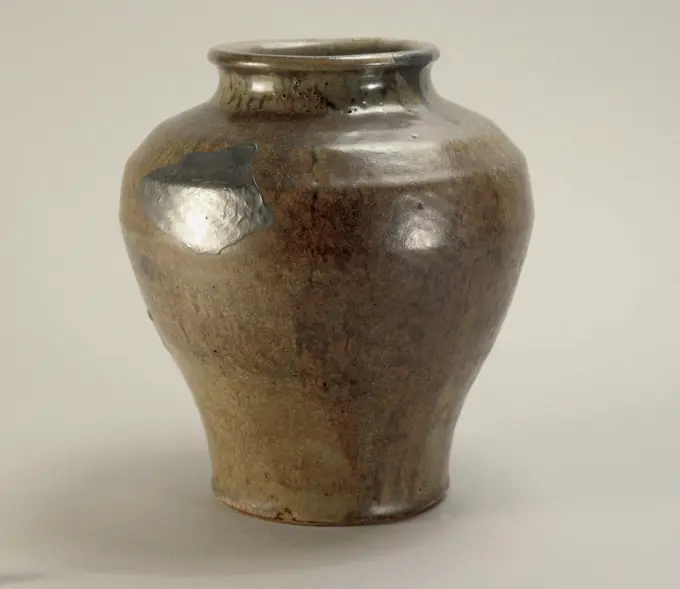
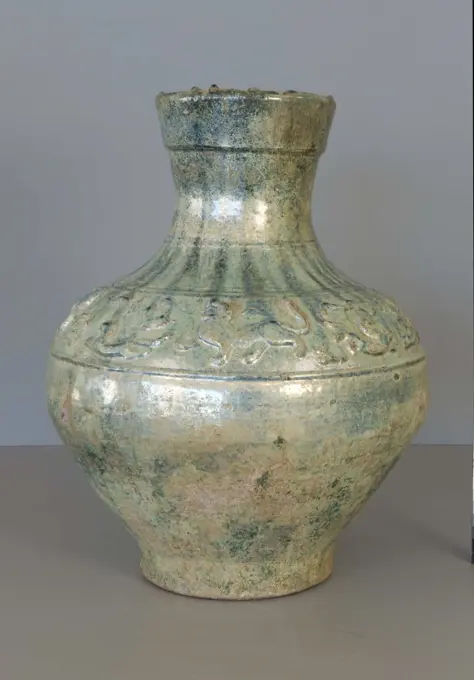
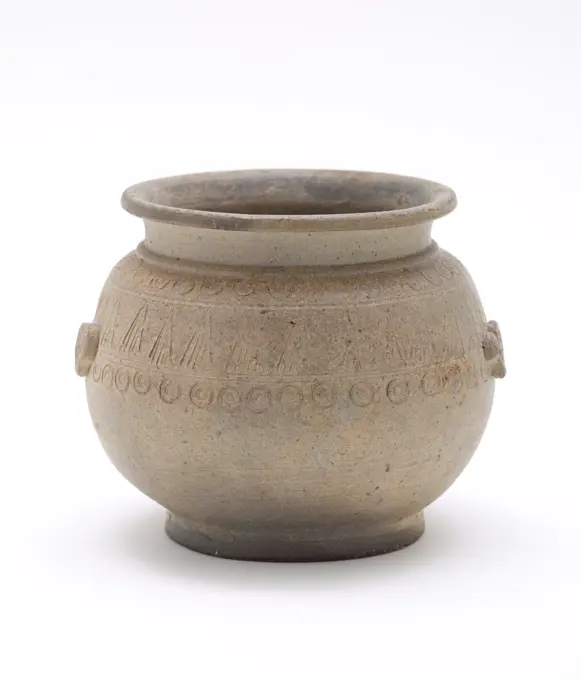
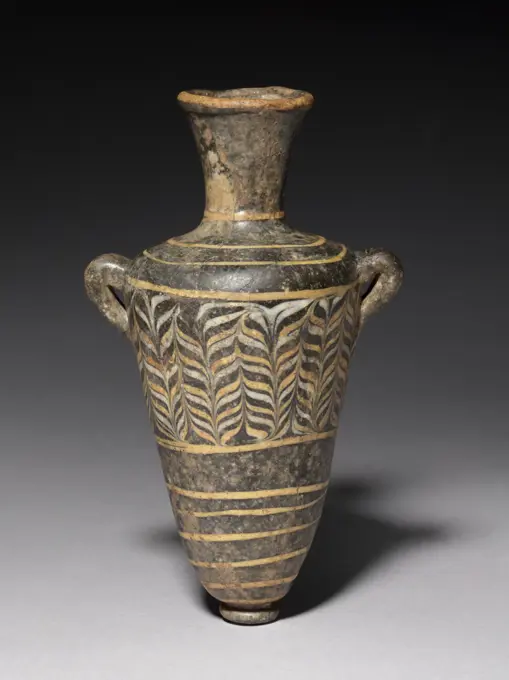
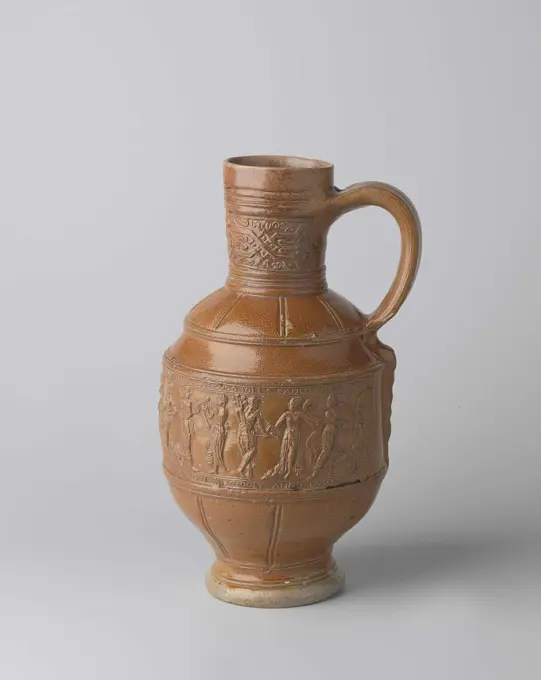
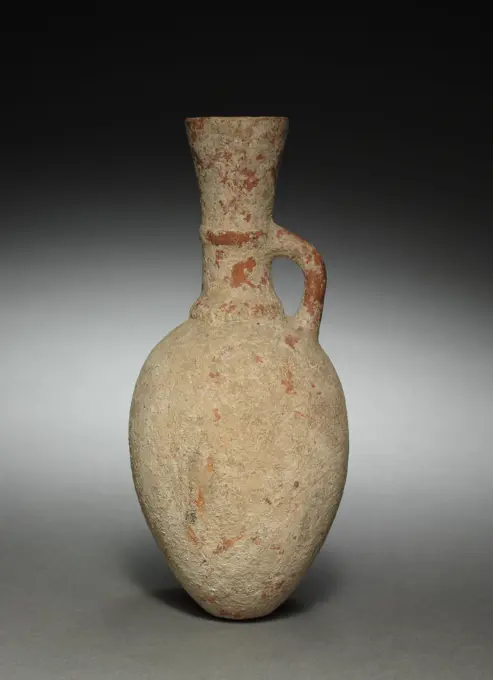
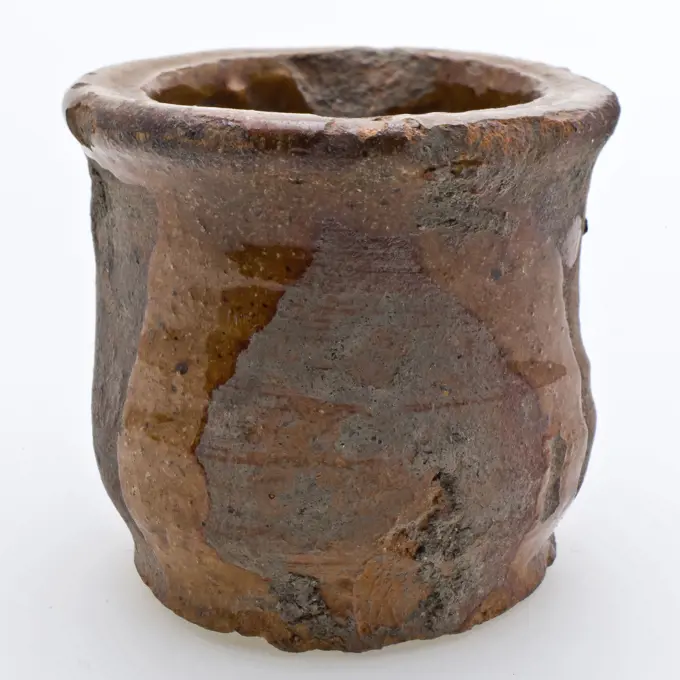
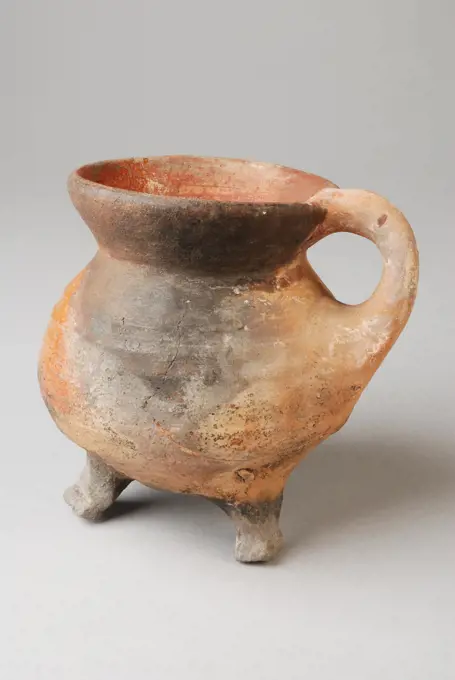
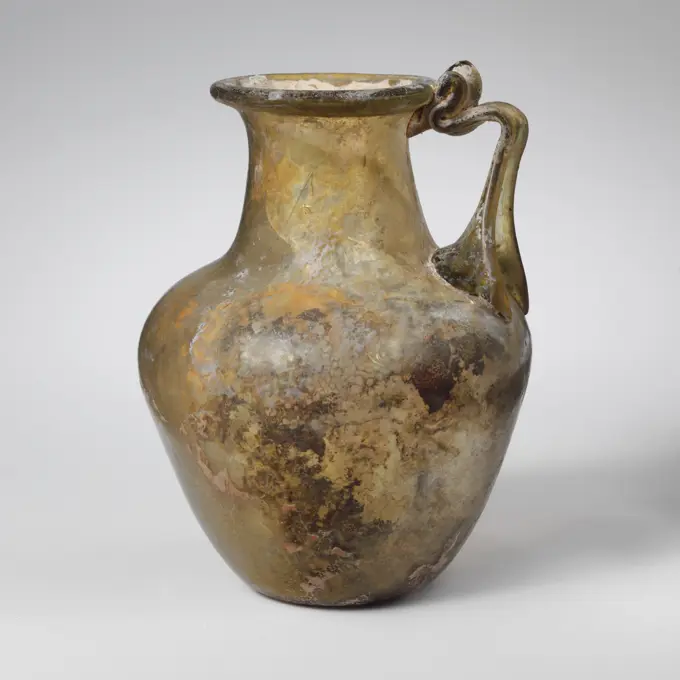
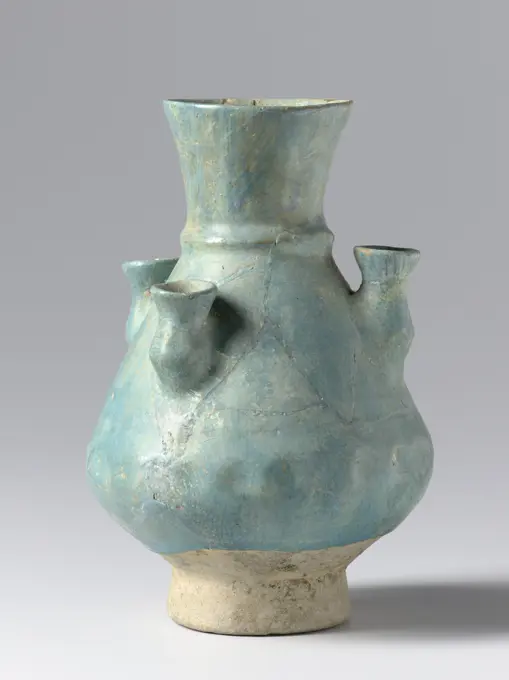
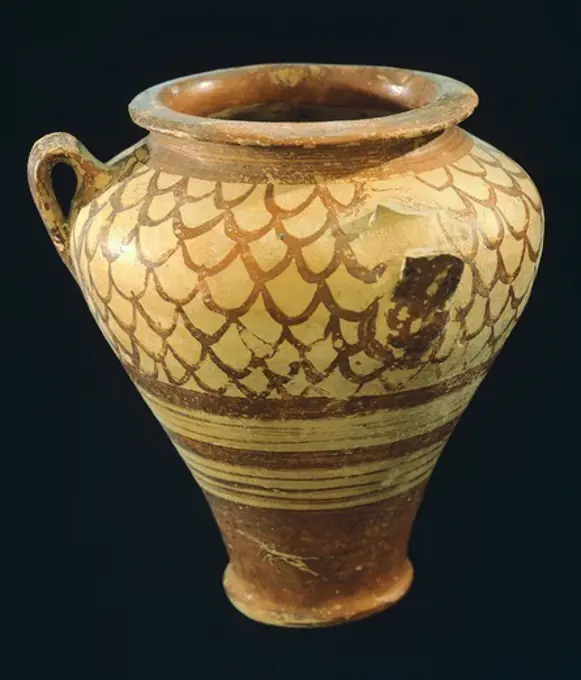
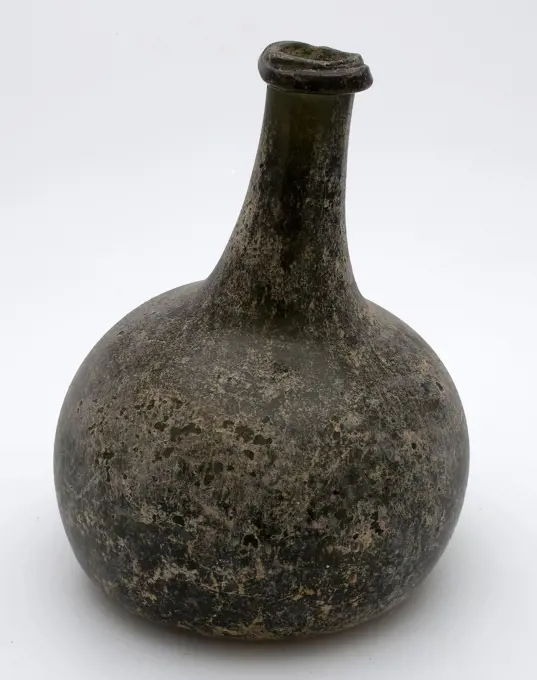
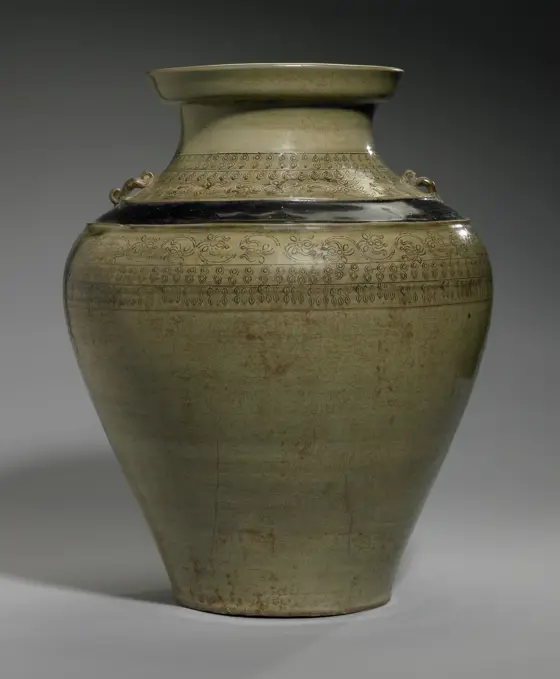
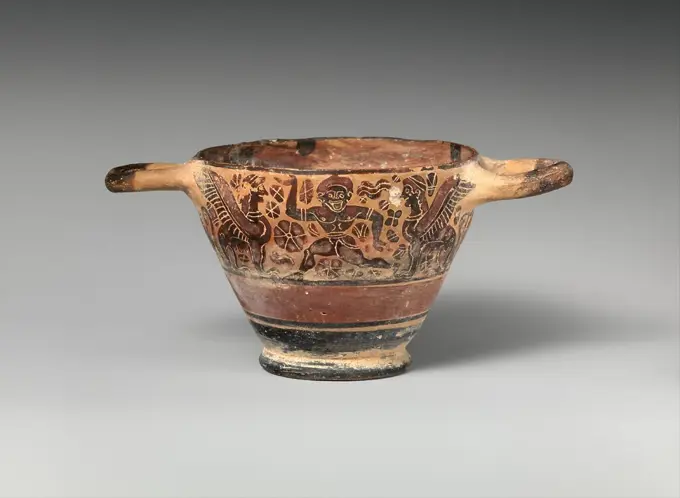
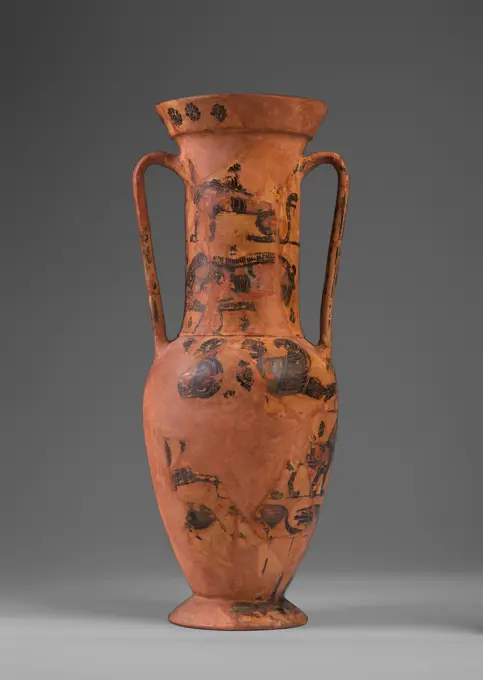
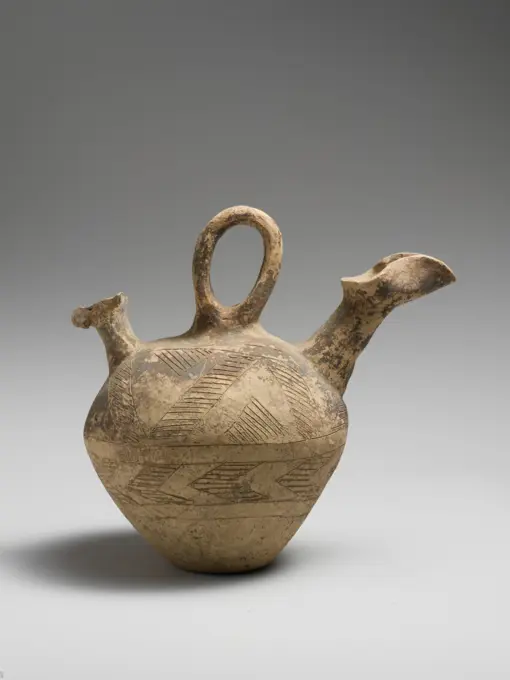
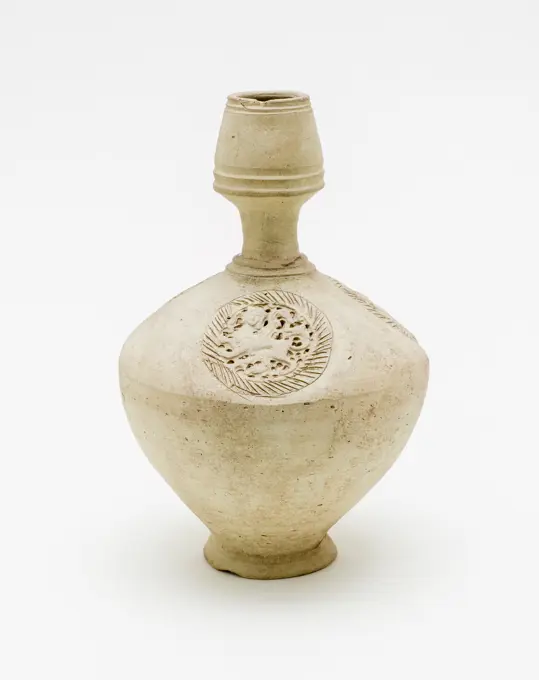
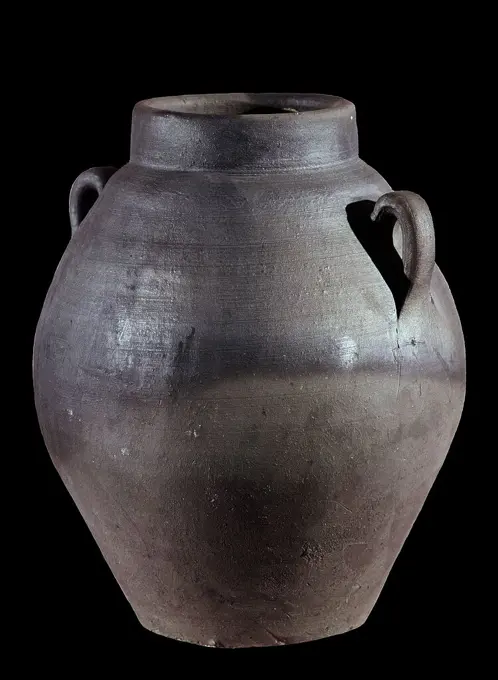
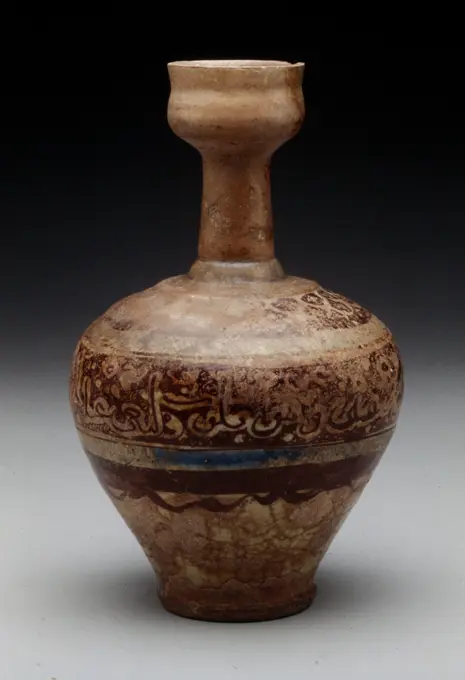
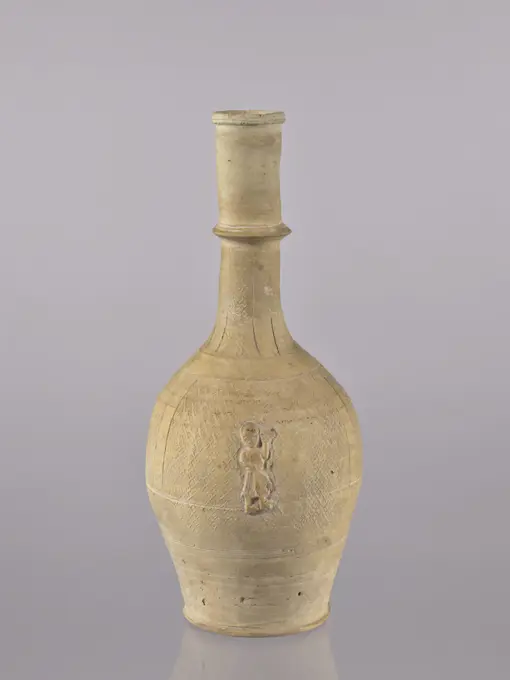
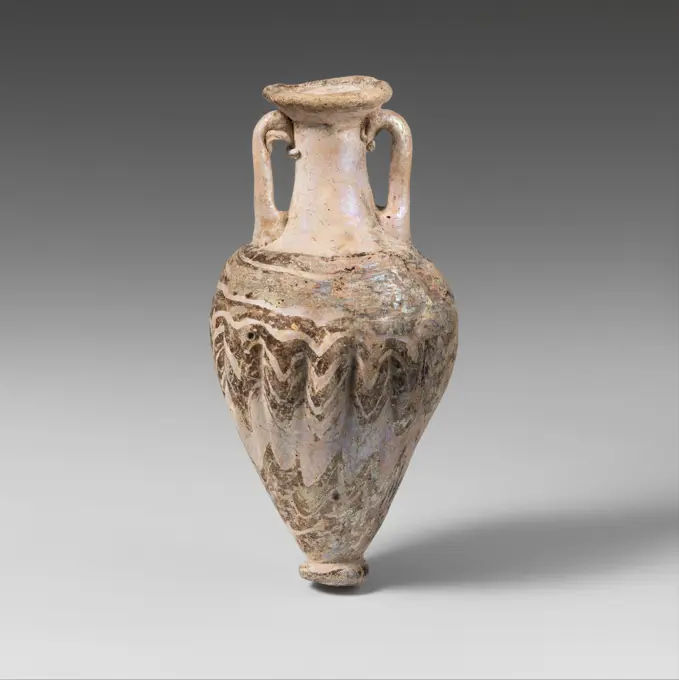
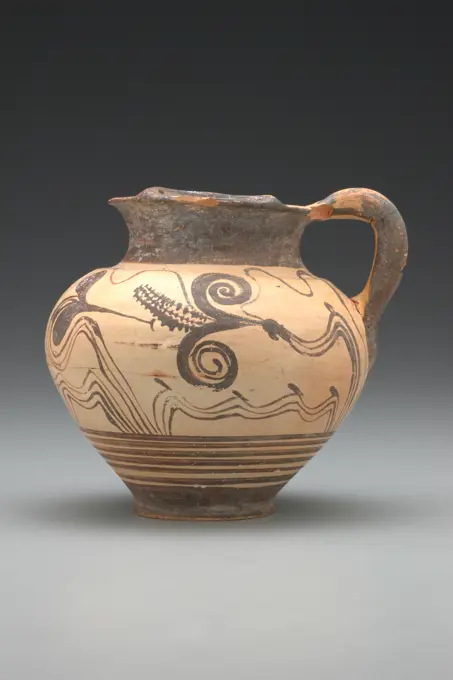
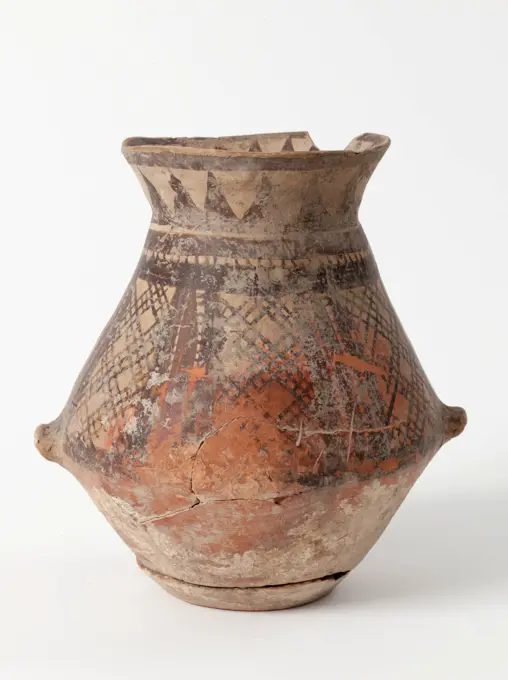
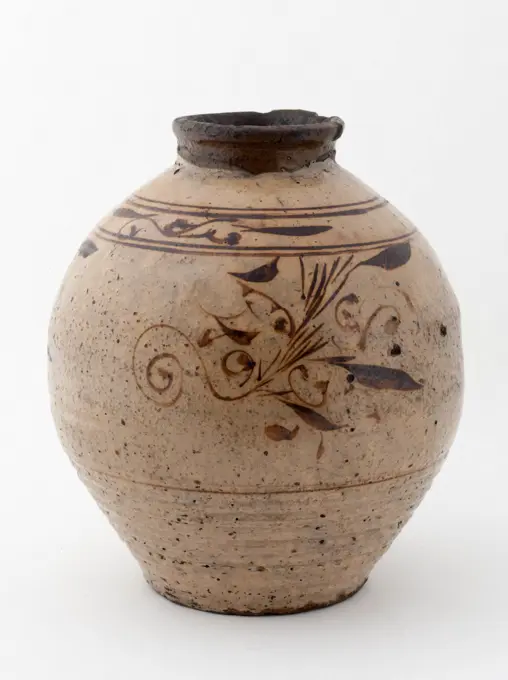
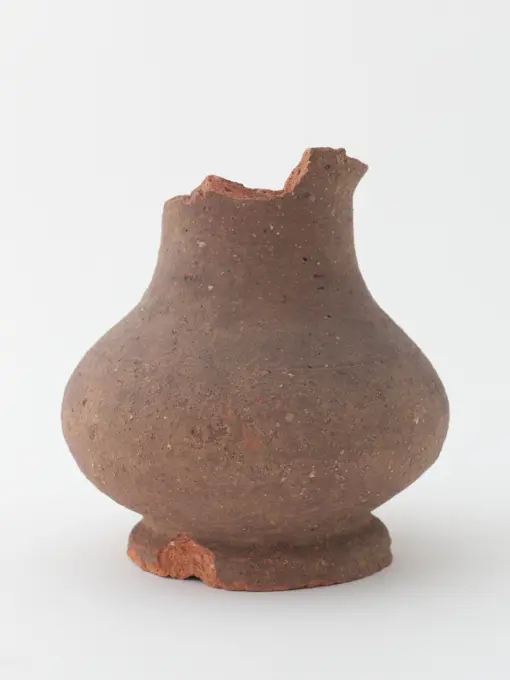
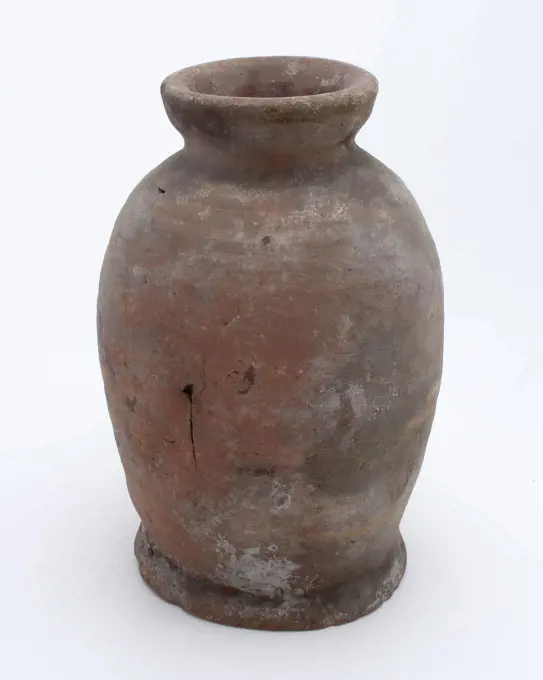
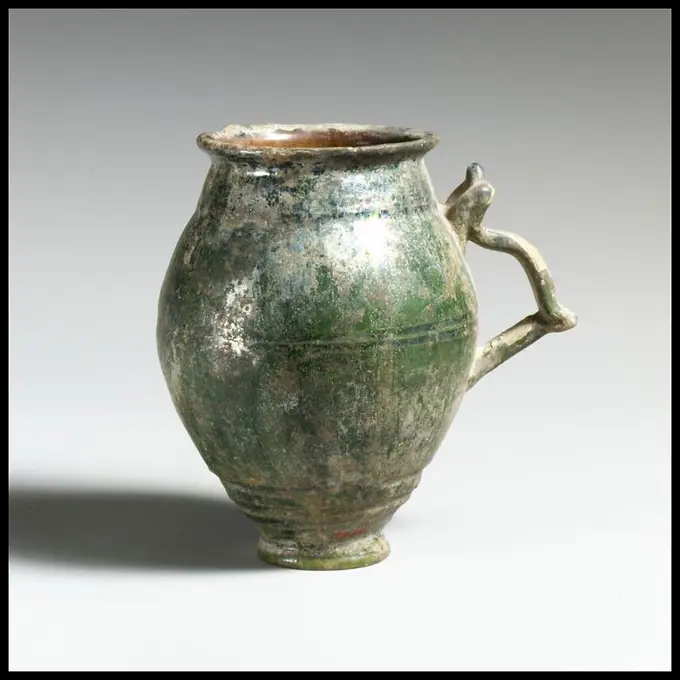
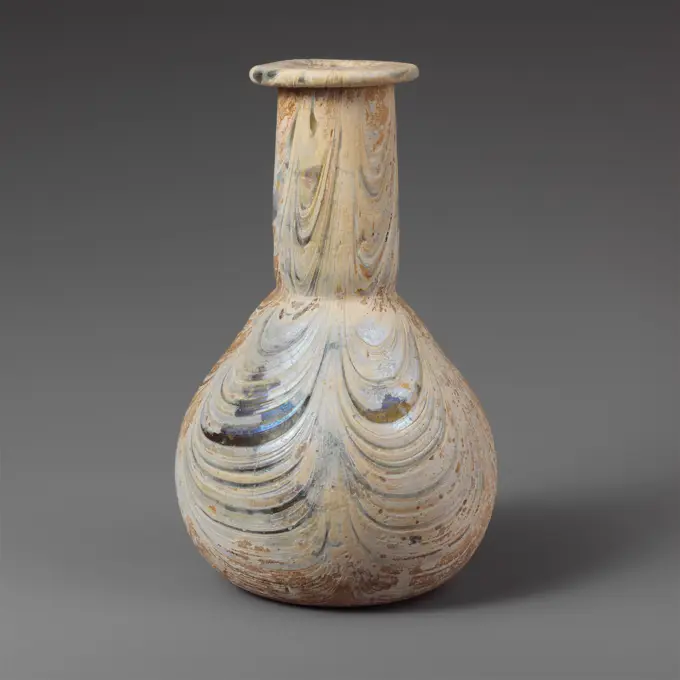
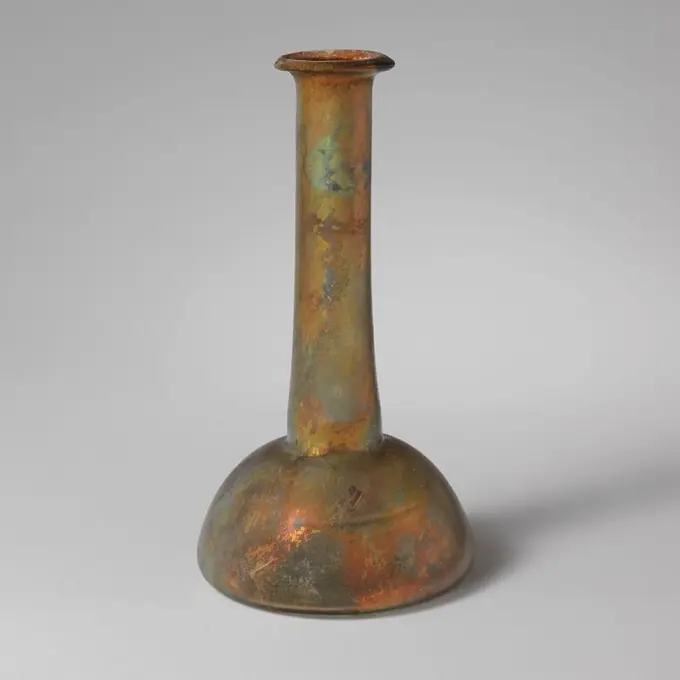
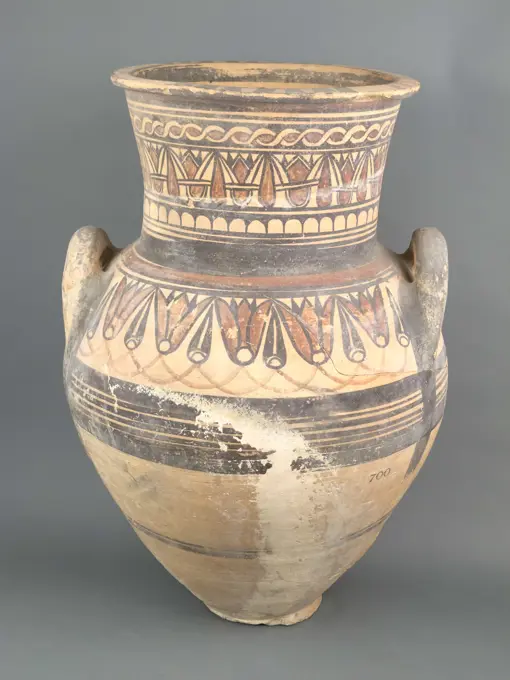
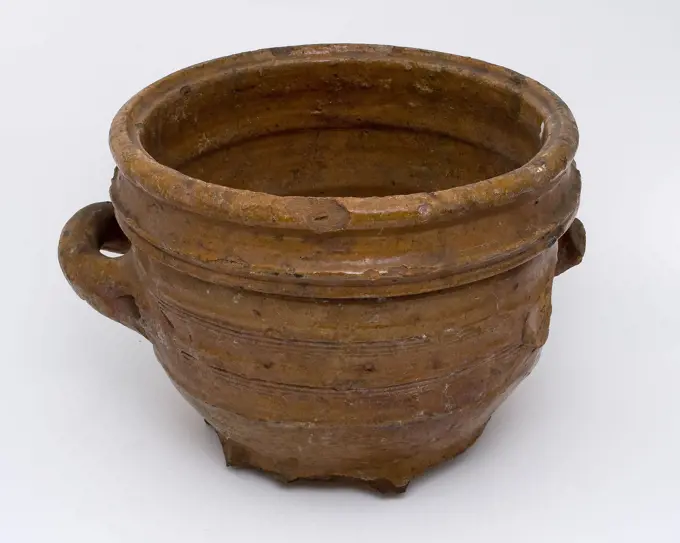
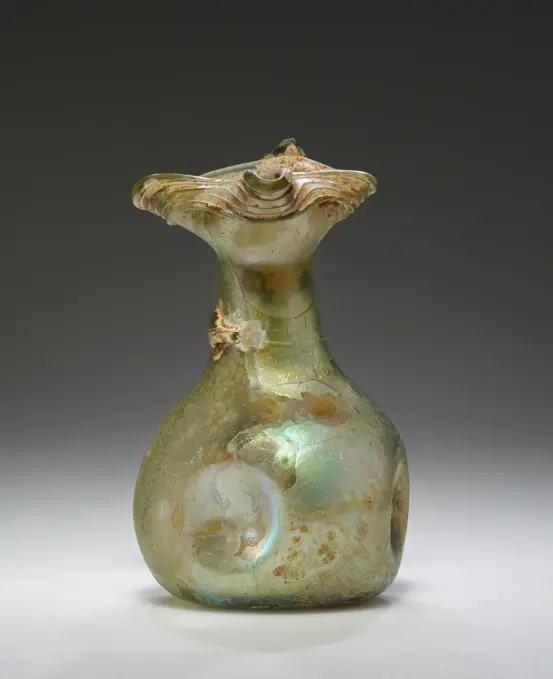
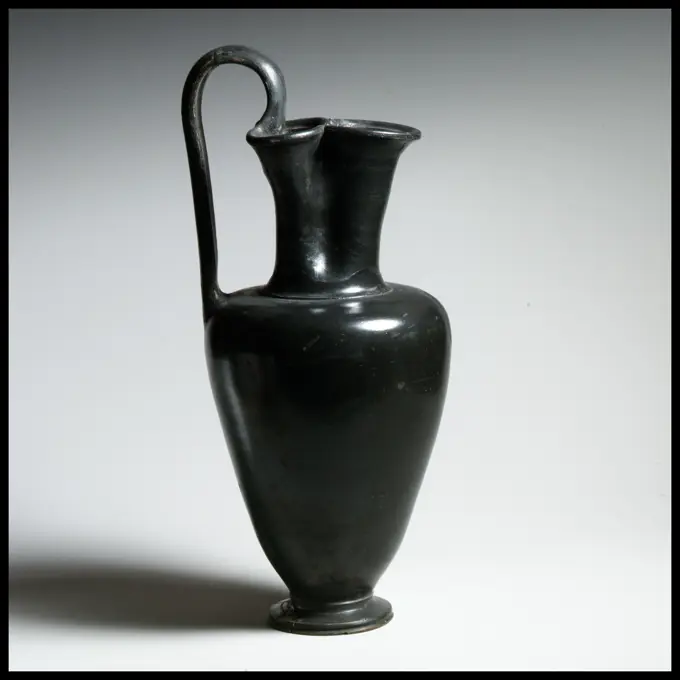
Vase 18th century. Vase 448448Vessel 4th-7th century Coptic. Vessel 477743Jar, 918-1392, Unknown Korean, 2 3/4in. (7cm), Glaze, Korea, 10th-14th centuryVessel with Two Lugs, 100s BC. Korea, Proto-Three Kingdoms period (100 BC-AD 300). Earthenware; overall: 23.5 cm (9 1/4 in.); outer diameter: 23 cm (9 1/16 in.).Vessel, 1400s. Japan, Muromachi period (1392-1573). Stoneware with natural ash glaze (Shigaraki ware); overall: 43.8 x 38.1 cm (17 1/4 x 15 in.).Aryballos; Eastern Mediterranean; 6th - 4th century B.C; Glass; 6 cm (2 3,8 in.)Stoneware whistle, flute soil found ceramic stoneware glaze salt glaze, ring 3.3 hand turned hand shaped glazed baked Stoneware flute in the shape of rounded jug Three sided lobed top edge. Stand Foot Angled spout as mouthpiece. Turnaround Gray glazed archeology indigenous pottery import play child flute whistle child's playOinochoe. Culture: Greek, Attic. Dimensions: H. 7 3/16 in. (18.2 cm). Date: 6th-5th century B.C.. Museum: Metropolitan Museum of Art, New York, USA.Ewer 9th-10th century. Ewer 448985Jean Carriès (1855-1894). "Jar". Enameled sandstone. Museum of Fine Arts of the City of Paris, Petit Palais. J. CARRIES - POT Ceramic, ceramic, enamed stoneware, gres emaille, potWine container (hu) with mythical creatures 1st-2nd century China. Wine container (hu) with mythical creatures. China. 1st-2nd century. Earthenware with green lead glaze. Eastern Han dynasty (25-220). CeramicsJarlet. China, 13th-15th century. Furnishings; Serviceware. Stoneware with brown glazeFlask. Roman; coast of Syria or Palestine. Date: 301 AD-400 AD. Dimensions: 9.5 × 8.6 × 8.6 cm (3 3/4 × 3 3/8 × 3 3/8 in.). Glass, blown technique. Origin: Syria. Museum: The Chicago Art Institute, Chicago, USA. Author: ANCIENT ROMAN.Glass ribbed bottle. Culture: Roman. Dimensions: H.: 2 1/4 in. (5.7 cm). Date: 1st century A.D..Translucent light green.Everted, horizontal rim; cylindrical, slightly funnel-shaped neck; squat piriform body; slightly concave bottom.On body, seven irregularly spaced and shaped ribs with projecting rounded edges.Intact, but one internal crack in body; some pinprick bubbles; patches of limy encrustation and creamy weathering, dulling, and iridescence.Small, with heavy protruding ribs. Museum: Metropolitan Museum of Art, New York, USA.Jar with Dotted Circles and Triangles. Korea, Korean, Unified Silla dynasty, 668-935, 9th-early 10th century. Furnishings; Serviceware. Wheel-thrown stoneware with incised, stamped, modeled, and applied decoration and ash glazeCovered Jar. Thailand, Sawankhalok, 16th century. Furnishings; Serviceware. Wheel-thrown stoneware with brown glazeUnguent Bottle (Amphoriskos), 1549-1296 BC. Egypt, New Kingdom, Dynasties 18 (1540-1296 BC) - 19 (1295-1186 BC). Glass; diameter: 7.5 cm (2 15/16 in.); diameter of mouth: 4.2 cm (1 5/8 in.); overall: 17 cm (6 11/16 in.).Small 4-handed vase ". Terracotta. Vietnam-Xe-Xive s. Paris, Cernuschi museum. 72361-1 Anse, Vietnamese object, small vase, terracottaLamp, Asia Minor; 1st - 4th century; Terracotta; 2.7 x 7 x 10 cm (1 1,16 x 2 3,4 x 3 15,16 in.)Brown jug of pottery. Brown jug of pottery. Belly with a straight-handed center piece decorated with a frieze with 17 women's figures, and edges with text.Small earthenware bowl, red shard, partly glazed, sausage ear, on stand, ear bowl bowl crockery holder toy relaxing device model soil find ceramic earthenware glaze lead glaze, hand turned glazed baked earthenware ear bowl red shard inside and part exterior covered with lead glaze horizontal set sausage ear standring archeology indigenous pottery food drink play kitchenJug, c. 1000 BC. Iran, Amlash, 11th century BC. Terracotta; overall: 19.1 x 7.7 cm (7 1/2 x 3 1/16 in.).Glass jar 3rd-4th century A.D. Roman Colorless.Rounded, slightly folded rim; broad funnel-shaped mouth; concave neck; globular body; thick, flat bottom.Intact; few bubbles; faint iridescence on exterior, patches of soil encrustation, weathering, and brilliant iridescence on interior.. Glass jar 245235Lamp. UnknownGlass perfume bottle 1st century A.D. Roman Translucent pale blue green.Rim folded out, over, and in, flattened on top with slight constriction to mouth; cylindrical neck with tooling indents around base; piriform body; thick, slightly concave bottom.Intact; many pinprick bubbles; dulling, pitting, and iridescent weathering, with some soil encrustation on interior.. Glass perfume bottle 244590Pottery belly model ointment jar, red shard, internally glazed, ointment jar pot holder soil find ceramic earthenware glaze lead glaze, hand turned glazed baked Pottery belly model ointment red shard internal glazed Flat obliquely inwardly directed little outstanding top edge. Narrowing of the boiler above the standing surface Standing plane Low abdominal area just above the stand plane Rotating wheels coarse finished archeology health care indigenous pottery pharmacy store sell craftSmall cooking jug, grape-model, cooking pot with fire traces, grape cooking pot tableware holder utensils earthenware ceramics earthenware glaze lead glaze, turned glazed baked Slightly tilted cooking jug red earthenware inside and outside sparing light brown glaze funnel-shaped neck rotations on the belly around the ear three legs Traces of archeology Capelle aan den IJssel House in Capelle castle crockery tableware cooking food preparation nutrition kitchen Soil discovery: House in Capelle Capelle aan den IJssel.WaterBottleJugPot. Culture: Coptic. Dimensions: Overall: 4 5/16 x 3 1/4 in. (11 x 8.2 cm). Date: 4th-7th century. Museum: Metropolitan Museum of Art, New York, USA.Jar, 3rd millenium BC. Thailand, Ban Chiang, Neolithic Period. Reddish earthenware with painted decoration; diameter: 38.8 cm (15 1/4 in.); overall: 33.3 cm (13 1/8 in.).Footed Vessel ca. 2500-1000 B.C. Thailand. Footed Vessel. Thailand. ca. 2500-1000 B.C.. Earthenware with incised decoration. late Neolithic period. CeramicsItaly, Calabria, Vase painted with black colour, terracottaSmall bottle (common name). Celadon coverage sandstone. Cernuschi Museum, Asia Museum of Asia in the city of Paris.Glass jug 2nd-3rd century A.D. Roman Translucent yellow green; handle in same color.Thick tubular rim folded out, over, and in; concave neck, expanding downward; sloping shoulder; slightly convex sides to body, tapering sharply downward; small concave bottom; strap handle applied in two large splayed claw pads to shoulder, drawn up and outward, curved in, with a vertical fold as thumb rest above rim, and then trailed on to outer edge of rim and top of neck.Intact; some bubbles, elongated on neck; pitting and dulling, with weathering and iridescence.. Glass jug 239710Vase with tree spouts, anonymous, c. 1175 - c. 1224 Vase of quartz fritry with three spouts on the belly, covered with a monochrome turquoise alternal laze. Iran earthenware. glaze vitrification Vase of quartz fritry with three spouts on the belly, covered with a monochrome turquoise alternal laze. Iran earthenware. glaze vitrificationJar. Culture: French. Dimensions: Overall: 6 5/8 x 7 1/8 x 6 1/16 in. (16.8 x 18.1 x 15.4 cm). Date: 13th-14th century. Museum: Metropolitan Museum of Art, New York, USA.Late Haripunchi Jar, 12th century, 7 5/8 x 1 3/8 x 1 3/8 in. (19.37 x 3.49 x 3.49 cm) (diameter at lip), Earthenware, Thailand, 12th centuryPyriform (globe-shaped) vase, Cyprus. Cypriot Civilization, 15th-16th Century BC.Bulbous bottle, cat's head, bottle bottle holder soil found glass, neck with imposed all-round sharp glass thread and flattened lip archeology packagingStorage jar, 15th century, 18 x 14 x 14 in. (45.72 x 35.56 x 35.56 cm), Phayao ware Stoneware with incised and stamped decor under celadon and brown glaze, Thailand, 15th century, This large storage vessel was found in a cave in the Kalong district of northern Thailand in 1990. There were 17 vessels in the find, including eight large, expertly made glazed jars with finely stamped patterns like this one. Similar vessels have been excavated at Buddhist stupas (reliquary mounds); the exact function of this one, found in a very different context, remains a mystery.Terracotta skyphos. Culture: Etruscan, Etrusco-Corinthian. Dimensions: H. 2 1/2 × W. 5 1/4 × D. 3 1/4 in. (6.4 × 13.3 × 8.3 cm). Date: 6th century B.C..Obverse and reverse, running figure between sphinxes. Museum: Metropolitan Museum of Art, New York, USA.Black -propeller amphora with decorations belt - chimera, sirens and animals; Sofilos (painter; approx. 580-570 BC); 580-570 BC (-580-00-00--570-00-00);Greece, kingdom, boar (iconogr.), Lew (iconogr.), Archaic period, bird (iconogr.), Syrena (Mitol.)Cylinder; Unknown Night -Tamanian workshop; 1. PO. 3 thousand BC ; Early period D Azira III (-3000-00-00--2501-00-00);Al -Jazezira (Geographical Land - Syria - Iraq - Mesopotamia), non -inflated vessels, clay dishes, utility vessels, early Dżazira III (approx. 2600 -ok. 2350 BC), early ondinance period III (around 2600 -Oko 2350 BC ), transmission (provenance), excavations of the Mediterranean Archeology Center of the University of Warsaw, pottery signsVase. Terracotta. China, Neolithic, Mashang. Paris, Cernuschi museum. 72782-6 Anse, Asian art, mashang, decorative, neolithic motif, pottery, terracotta, Chinese vaseGlass oinochoe (perfume jug). Culture: Greek, Eastern Mediterranean. Dimensions: H.: 3 13/16 in. (9.7 cm). Date: late 6th-5th century B.C..Opaque dark purple, with handle and foot in same color; trails in opaque yellow and opaque turquoise blue.Applied broad trefoil rim-disk, with tooling indents at sides; cylindrical neck; broad angular shoulder; large ovoid body; applied irregular outsplayed foot with pushed-in bottom; handle attached to shoulder in a pad, drawn up and out, and turned in, forming an arch slightly above rim-disk, then dropped down and pressed on to back of neck below rim.Yellow and turquoise trails, mixed together, attached at edge of rim-disk; a second yellow trail applied under handle, wound horizontally two and a half times around top of body, then tooled into a close-set zigzag pattern, intermingling with a turquoise blue trail; below zigzag, a fine yellow trail wound horizontally three times around body; a yellow trail wound around edge of foot.Intact, but soFlask 600-480 B.C. Cypriot. Flask. Cypriot. 600-480 B.C.. Terracotta. Cypro-Archaic II. VasesHYDRA CON ESCENA DE ACROBATAS. GRIEGO CERAMICA. (DEPOSITO: MUSEO ARQUEOLOGICO NACIONAL).Vessel, earthenware, Bird-shaped vessel with stirrup spout; horizontal ovoid body with applied wings, square tail and head of toucan. Square-section stirrup with rounded spout (chipped)., Peru, 1300-1400, ceramics, Decorative Arts, VesselTerracotta Hadra hydria (water jar) 233 B.C. Greek, Egypt, Alexandria-Hadra On shoulder, design of lotus buds.. Terracotta Hadra hydria (water jar). Greek, Egypt, Alexandria-Hadra. 233 B.C.. Terracotta. Hellenistic. VasesTwo-handled jar ca. 7th century B.C. Iran This biconical jar has a flat base, a flaring rim and two loop handles connected to the shoulder and rim. It is made of a red clay using a potters wheel. It was excavated at Tepe Nush-i Jan, an Iron Age hilltop site about 60 km sound of Hamadan in western Iran. Nush-i Jan was occupied in the 7th and 6th centuries B.C., and its occupants are generally thought to be the Medes, an Iranian people known from Assyrian, Achaemenid and Biblical sources. Though the textual sources portray them as a powerful empire, archaeological evidence for the Medes has yet to sustain this impression. Rather, they seem to have lived in scattered fortified sites in western and central Iran, without any clear capital. Nush-i Jan, one of the best known of these sites, features two temples, a columned hall, and a fort. The jar was found in the columned hall in what has been identified as a ‘squatters level. Archaeologists use the term ‘squatting to refer to the re-ocTerracotta zoomorphic askos (vessel) ca. 1725-1600 B.C. Cypriot Fantastic vase with loop handle, spout, and animal's head, incised designs.. Terracotta zoomorphic askos (vessel). Cypriot. ca. 1725-1600 B.C.. Terracotta; Black slip ware. Middle Cypriot III. VasesCarafe. Eastern Turkey or Northern Iraq, early 13th century. Ceramics. Earthenware, molded, incised and piercedOinochoe ca. 325-300 B.C. Greek, South Italian, Apulian. Oinochoe 255320Terracotta stirrup jar. Culture: Mycenaean. Dimensions: H. 7 in. (17.8 cm.). Date: ca. 1300-1190 B.C..With conventional designs. Museum: Metropolitan Museum of Art, New York, USA.Terracotta jar. Culture: Roman. Dimensions: 6 1/2in. (16.5cm). Date: 2nd-3rd century A.D..The molded figures on the body of this container can be identified as Dionysus standing and Silenus riding on a donkey. The jar is a rare, but not unheard of, example of eastern pottery imported into Italy. Museum: Metropolitan Museum of Art, New York, USA.Jar (Hu) with Two Loop Handles 99 BCE-1 BCE China. Stoneware with underglaze incised decoration and ash glaze .Glass vessel in the shape of a basket. Culture: Roman. Dimensions: H.: 5 in. (12.7 cm). Date: 3rd century A.D..Translucent blue green; handle in same color.Rounded and slightly thickened rim; body: funnel-shaped profile on front and back, and conical at sides; tubular base ring, made by folding; kick in bottom with large circular pontil mark at center; handle applied on top of rim in a pad, drawn up vertically, turned in horizontally and then down vertically, forming square-sided loop, dropped onto top of rim and trailed off back along itself.Intact; few bubbles dulling, limy encrustation, creamy weathering, and iridescence.The vessel, initially made as a cylindrical bowl, had its sides deliberately pushed in at the top, leaving only openings at both ends, to make it into a handled pouring vessel. Museum: Metropolitan Museum of Art, New York, USA.Vase; iridized ochre and lavender glassGlobular Jar with Relief Cordons and Two Handles 99 BCE-1 BCE China. Stoneware with underglaze incised decoration and ash glaze .Ointment Vessel with Lid. Egyptian. Date: 1570 BC-1293 BC. Dimensions: a (jar): 12 × 11.4 × 11.4 cm (4 ¾ × 4 1/5 × 4 1/5 in)b (lid): .6 × 6.7 × 6.6 cm (.24 × 7.65 × 2.61 in). Egyptian alabaster and steatite. Origin: Egypt. Museum: The Chicago Art Institute, Chicago, USA. Author: Ancient Egyptian.ORZA DE CERAMICA NEGRA - PROCEDE DE QUART (GERONA). Location: MUSEO DEL PUEBLO ESPAÑOL. MADRID. SPAIN.Vase, 11th century, 10 1/2 in. (26.67 cm), Earthenware with cream slip painted in blue with overglaze brown luster, Persia (Iran), 11th centuryBottle. unknown, craftsmanGlass amphoriskos (perfume bottle) late 6th-5th century B.C. Greek, Eastern Mediterranean Opaque white, with handles and base-knob in same color; trails in translucent purple.Deeply inward-sloping rim-disk; cylindrical neck tapering upward; uneven, sloping shoulder; tall conical body; large, slanting circular base-knob with rounded edge and slight indent on bottom; two vertical strap handles drawn up from shoulder, turned in, and pressed on to underside of rim-disk and top of neck.One thick, rounded trail attached at edge of rim-disk; another trail applied on shoulder and wound round spirally, at first in horizontal lines, then tooled into an irregular zigzag pattern from the greatest diameter of the body to the base-knob, with deep vertical tooling indents around upper body; another trail applied to edge of knob-base.Complete, except for weathered chip in base-knob; some pitting of large bubbles, and iridescent creamy weathering covering all surfaces, obscuring trail pattern on body.TTerracotta hydria depicting a female figure and two dolphins from HydraPiriform Strainer Jar with SideHandleTerracotta jug 6th-5th century B.C. Cypriot Oinochoe with bull in white at front, horizontal, vertical, and concentric circles.. Terracotta jug 240221ARTE MINOICO. GRECIA. VASIJA "ESTILO DE PALACIO". Cerámica con decoraciones pintadas, de color oscuro sobre fondo claro. La temática es naturalista y esquematizada, con representación central de un PULPO. Pieza fechada hacia el 1420 a. C. Museo de Heraklio. CRETA.Jar ". Terracotta painted in brown. Neolithic period (around 8000 BC). Paris, Cernuschi museum. Anse, Chinese art, Chinese Ceramic, container, jar, decorative motif, Neolithic period, container, terracottaJug, mid 20th century, 13 x 8 5/8 in. (33 x 21.91 cm), Clay, Angola, 20th centuryGlass flask with six handles 4th-5th century A.D. Roman Translucent blue green; trail and handles in translucent deep turquoise green.Plain rounded rim; flaring mouth; cylindrical neck, expanding downwards; squat bulbous body; splayed tubular foot, made by folding; pushed-in bottom with pontil mark at center; five (originally six) rod handles attached in pads to upper body, drawn up vertically, then turned in and down, and folded onto upper neck over trail decoration.Trail applied to lower neck and wound round twenty times in a spiral, covering all of neck and underside of mouth.One large hole in upper body and most of one handle missing, internal cracks in foot ring; few bubbles; dulling, creamy brown weathering, and iridescence.. Glass flask with six handles 256730Ovoid jar ". Terracotta. Vietnam-Xe-Xive s. Paris, Cernuschi museum. 72185-16 Jarre Ovow, Vietnamese object, terracottaAmphoriskos. Culture: Cypriot. Dimensions: H. 7 7/8 in. (20 cm). Date: 750-600 B.C..Krater with bands, checkered triangle, lotus-buds, and cable-ornament. Museum: Metropolitan Museum of Art, New York, USA.Jar ". Cream slip sandstone, painted in brown under transparent cover. Paris, Cernuschi museum. Chinese art, Chinese Ceramic, painted Decor, ENGOBE CREME, GRES, JARRE, PatternOinochoe; Sicily (perhaps), Italy; 5th century B.C; Glass; 8.3 cm (3 1,4 in.)Gnathia style mug;  IV-III century BC (-400-00-00--201-00-00);Red -made earthenware ointment pot, on the inside with lead glaze, edge damaged, anonymous, 1500 - 1799   earthenware. glaze   earthenware. glazeSmall JugSnuff Canister 1828 American. Snuff Canister 2474Small hou ". Terracotta. Vietnam-Xe-Xive s. Paris, Cernuschi museum. 72187-13 Vietnamese object, small hou, terracottaWine bottle from the wreck of the East Indians' t Vliegend Hart, Anonymous, 1700 - 1735  Uivid glass wine bottle. Fragment of the mouth is missing and there is a hole in it. Netherlands .Vase. Terre Civa. Vietnam. Paris, Muse Cernuschi. Vase Asian art, art of extreme orient, art of Vietnam, Vietnamese art, terracotta, dishesFlask 601 CE-1300 Mediterranean Region. Glass . IslamicNaczynie. unknown, authorAmphora. UnknownAmphora 600-480 B.C. Cypriot. Amphora. Cypriot. 600-480 B.C.. Terracotta. Cypro-Archaic II. VasesPottery pot on stand, baluster shape, was used in the sugar industry, sugar pot pot holder soil find ceramic earthenware glaze lead glaze, hand-turned glazed earthenware pot on stand. Baluster shape with round shoulder and narrow neck opening. Thick bulging edge of the neck. Fuzzy spindles under the shoulder. Red shard internal glazed large glaze stain on the sidewall. Here sugar cones were made archeology indigenous earthenware sugar confectionery sugar industryTerracotta one-handled cup. Culture: Roman. Dimensions: H. 4 5/16 in. (11 cm); diameter 4 5/16 in. (11 cm). Date: late 1st century A.D..Banding around foot, belly, and neck. Museum: Metropolitan Museum of Art, New York, USA.Glass perfume bottle early to mid-1st century A.D. Roman Translucent pale yellowish green; trail in opaque white.Outsplayed rim, folded down, round, and in, with flattened top surface and inner lip around mouth; wide cylindrical neck, with horizontal tooled indent around base; piriform body; slightly concave bottom with pontil scar.Trail applied to center of bottom and wound up in a spiral, extending to rim, marvered and then tooled into a festoon pattern with six vertical strokes.Intact; large surface bubbles, elongated on neck; pitting, thick creamy weathering, and iridescence.With pear shaped body, combed threads.. Glass perfume bottle 253548 Roman, Glass perfume bottle, early to mid-1st century A.D., Glass, H.: 6 3/16 in. (15.7 cm). The Metropolitan Museum of Art, New York. Bequest of George D. Pratt, 1935 (37.128.7)POT. Grès to couverts brunette. Musée Cernuschi, Musée for 200e de la Ville.Steatite Goblet. UnknownSmall Pottery toy cooking pot, partly glazed with two horizontal ears, gortpan pan crockery holder kitchenware toy relaxing device model earthenware ceramics earthenware glaze lead glazing, hand turned glazed baked Pottery griddle toy pink red shard covered with lead glaze two horizontal wrought sausages three legs underside unglazed archeology indigenous pottery prepare food cooking play kitchenGlass perfume bottle. Culture: Roman. Dimensions: 6 7/8in. (17.5cm)Other: 3 1/2in. (8.9cm)Diam. of rim: 1 7/16 in. (3.7 cm). Date: 2nd-3rd century A.D..Translucent blue-green.Thick rim folded out, over, and in, with beveled upper surface; cylindrical neck, expanding downward, with tooling marks around base; squat, bulbous body, with convex sides; concave bottom.Intact; pinprick bubbles and blowing striations; deeply pitted and weathered, with brilliant iridescence on most of surface. Museum: Metropolitan Museum of Art, New York, USA.Amphora 750-600 B.C. Cypriot Lotus flowers and buds on neck and shoulder, cable pattern on neck.. Amphora. Cypriot. 750-600 B.C.. Terracotta. Cypro-Archaic I. VasesPottery cheese mold, pot on stand, with two lying ears, wide top edge, cheesecake shape kitchen utensils earthenware ceramics earthenware glaze lead glaze, hand-turned glazed baked earthenware cheese mold high model red shard fully glazed two layer set-up horizontal sausage two series profiled rotating ring stand. Neck opening with heavy collar in which longitudinal groove archeology native pottery dairy cheese cheese make cellar kitchen craftsman farmerTrefoil Oinochoe. UnknownVoorraadpot. In ceramics from the Tang period the emphasis was on a sturdy, powerful form. Here, this form has been further accentuated by the dark glaze, which had to be deep and rich in colour. The lugs on this storage jar were probably intended to accommodate a cord, which would have secured a piece of cloth placed over the mouth of the jar.Terracotta oinochoe (jug) 4th century B.C. Greek, South Italian, Campanian Black glazed jug with no decoration.. Terracotta oinochoe (jug) 256594Jar ca. 3rd-7th century A.D. Sasanian. Jar 322997