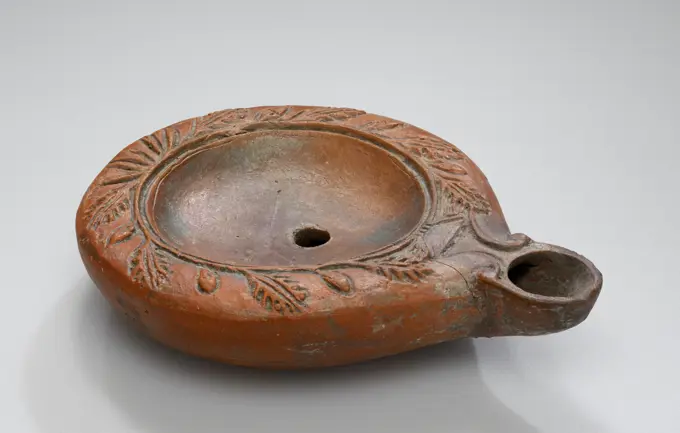
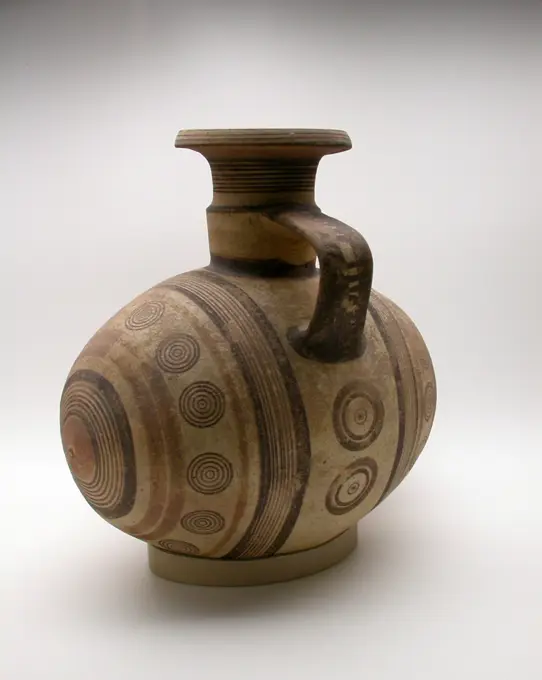
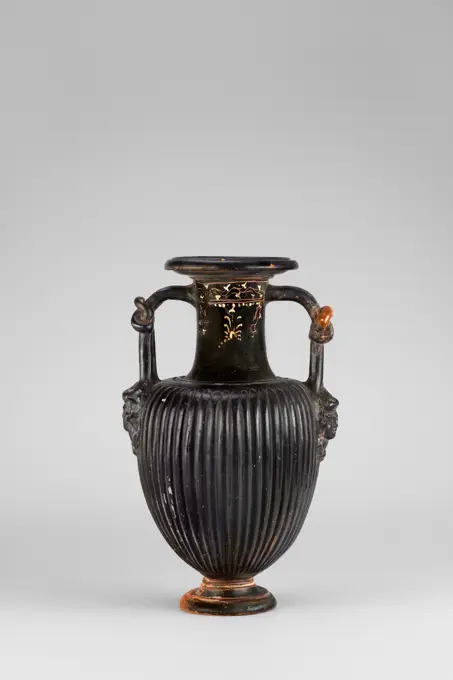
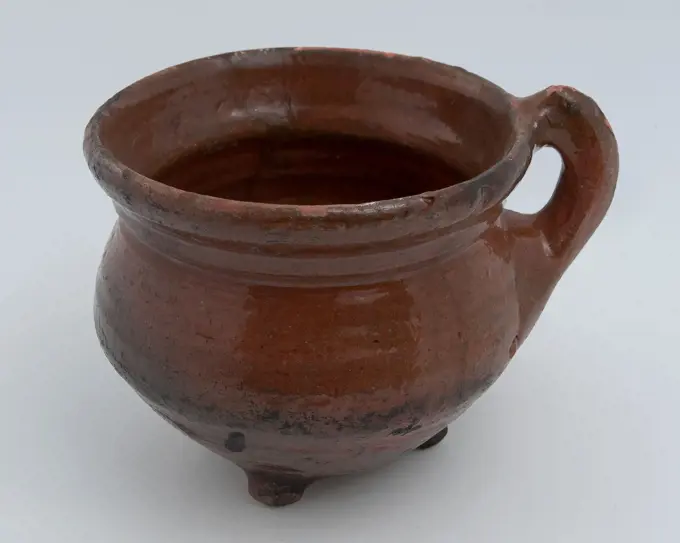
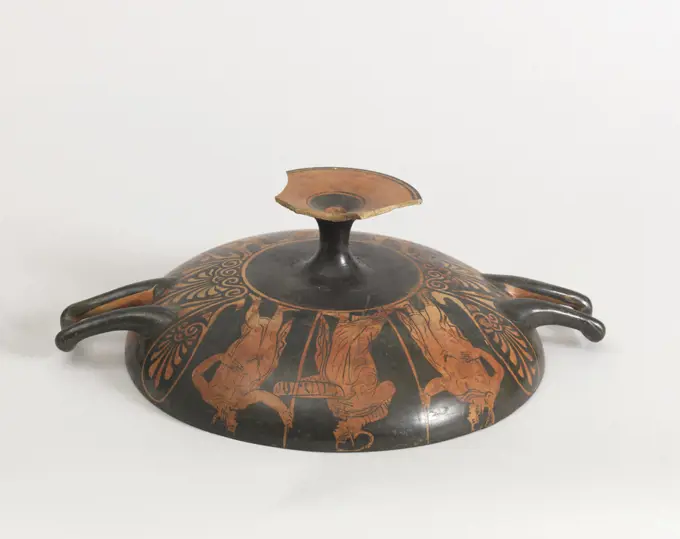
Ancient Ceramics and Vases

Various antique vessels including bronze and terracotta pieces from different cultures, highlighting intricate details and historic significance.
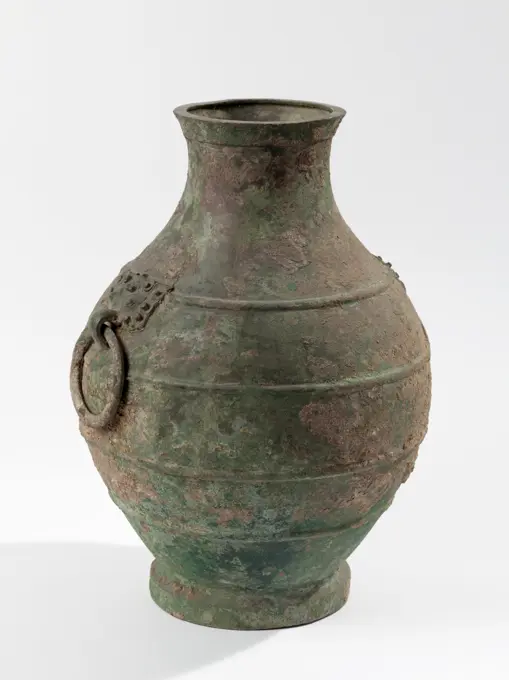
Hu ". Bronze, green patina. China, Han. Paris dynasty, Cernuschi museum. 72359-8 Hu bottle, bronze, han dynasty, green patina
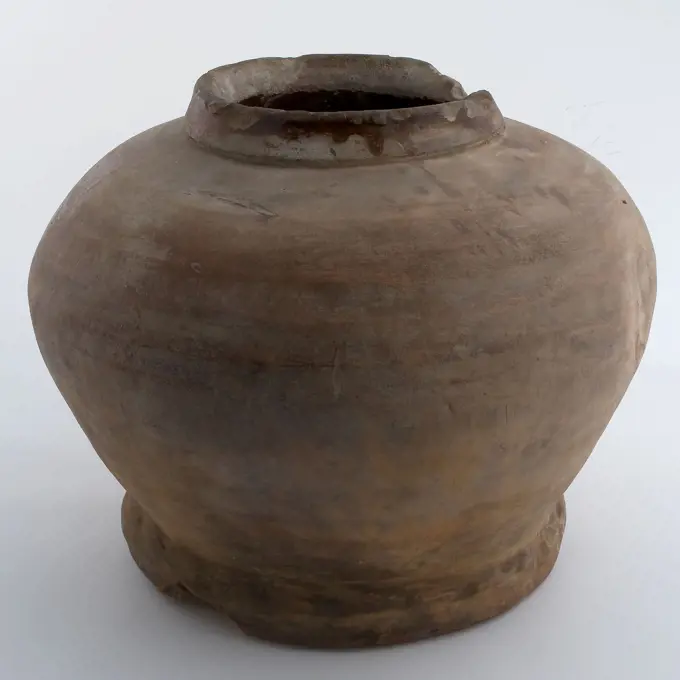
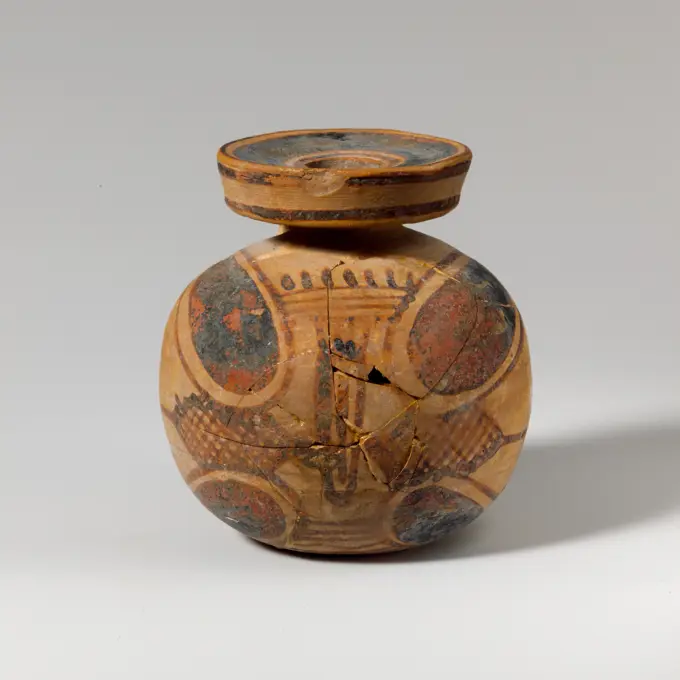
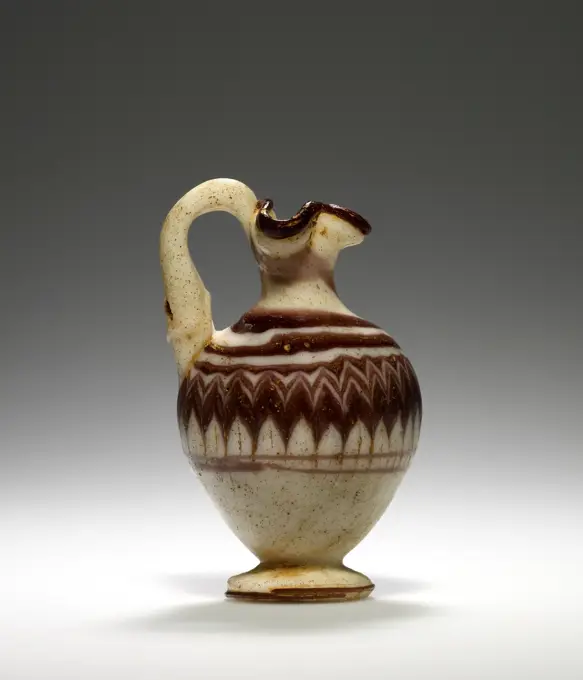
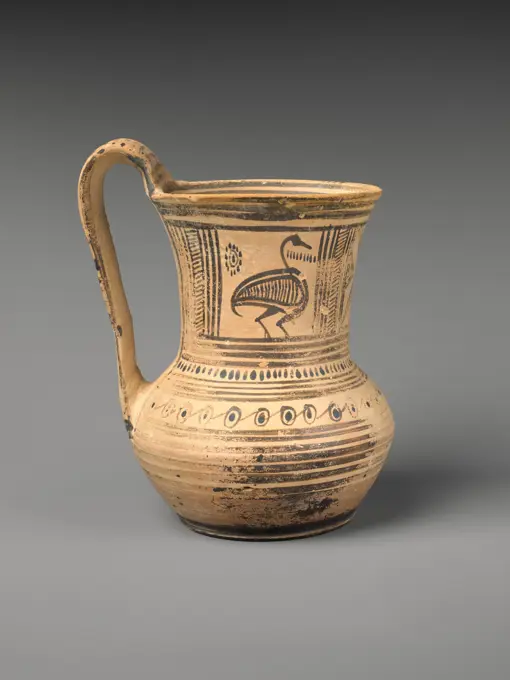
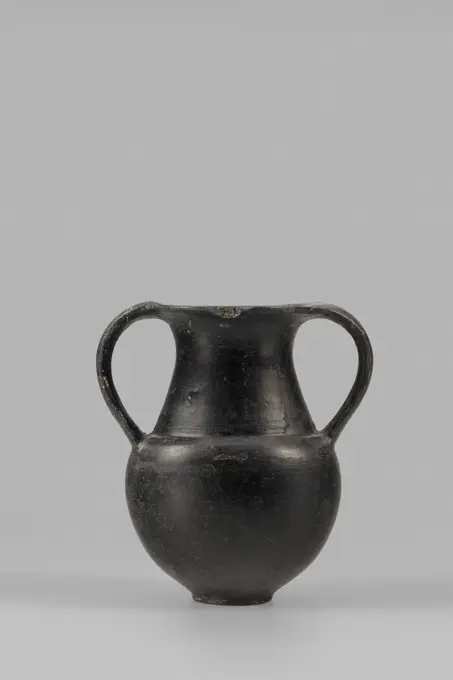
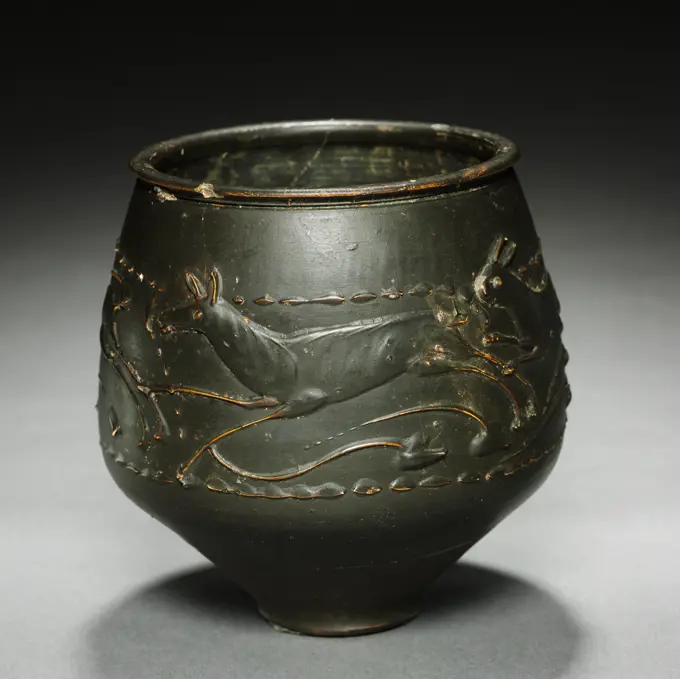
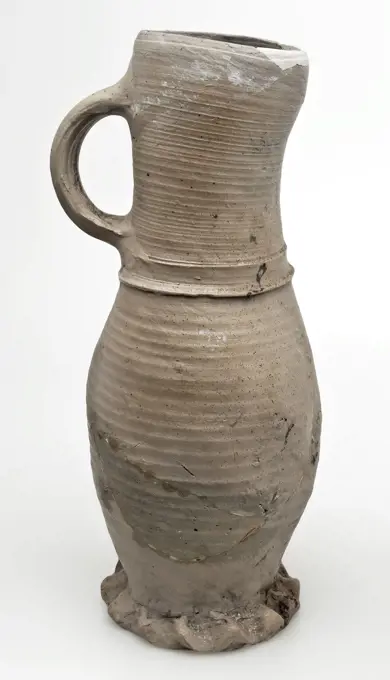
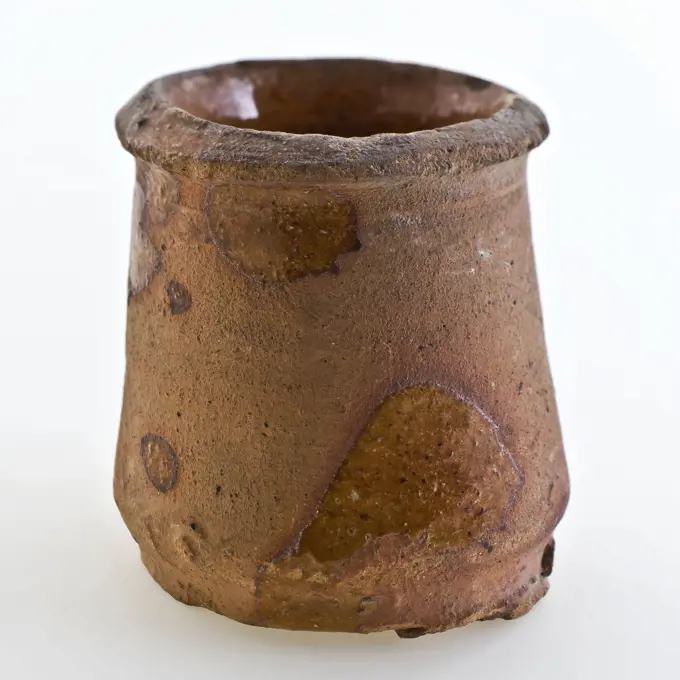
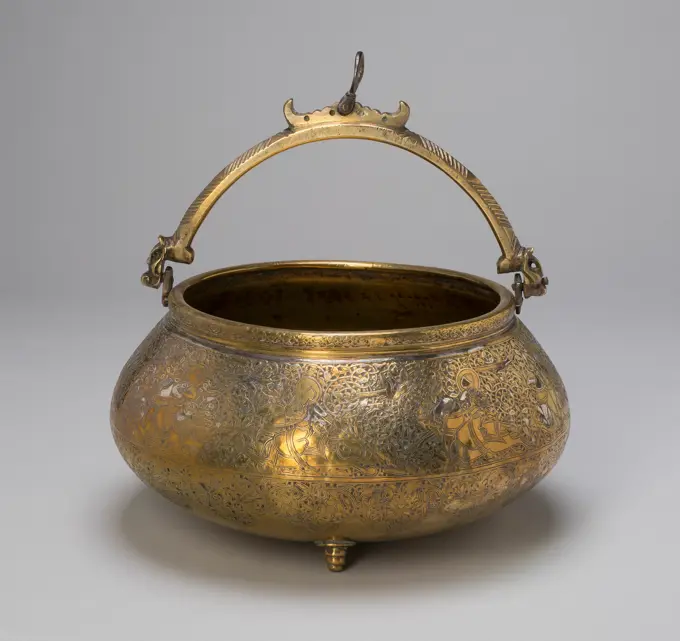
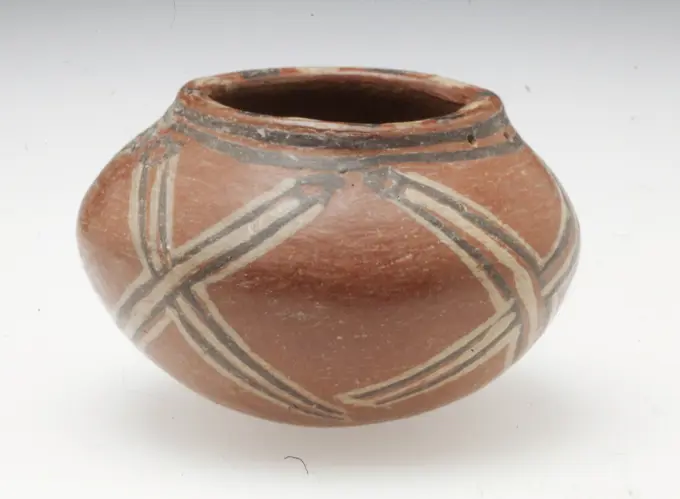
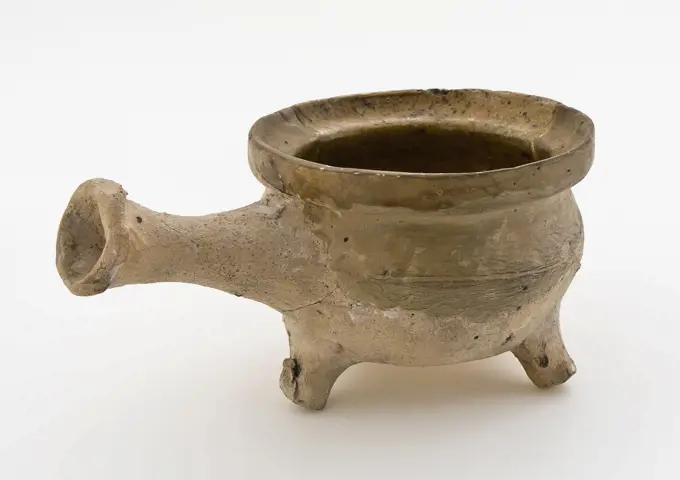
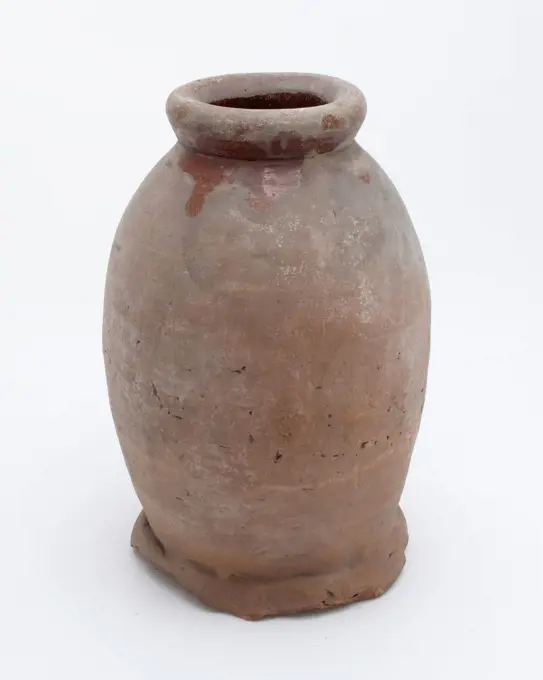
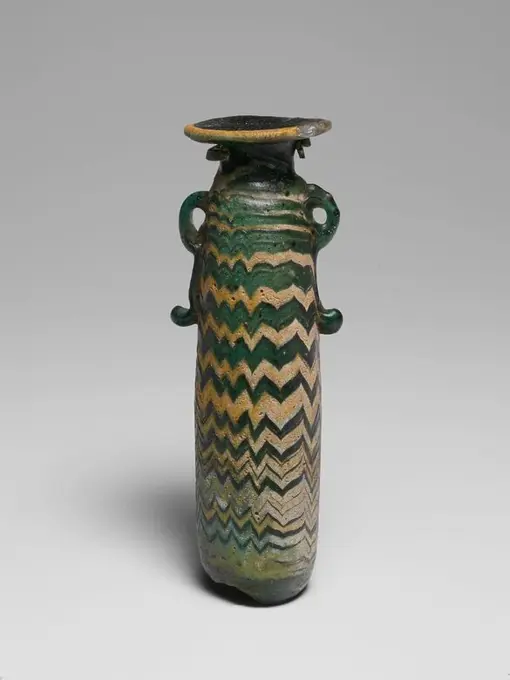
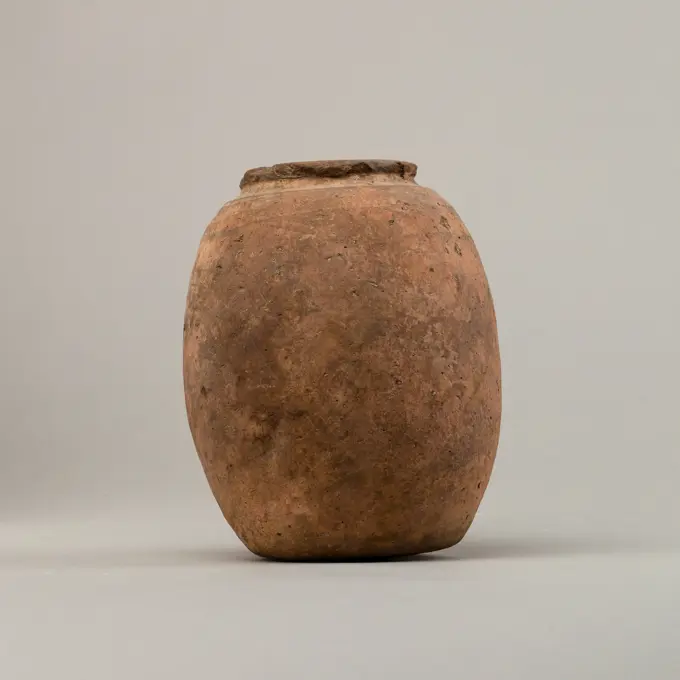
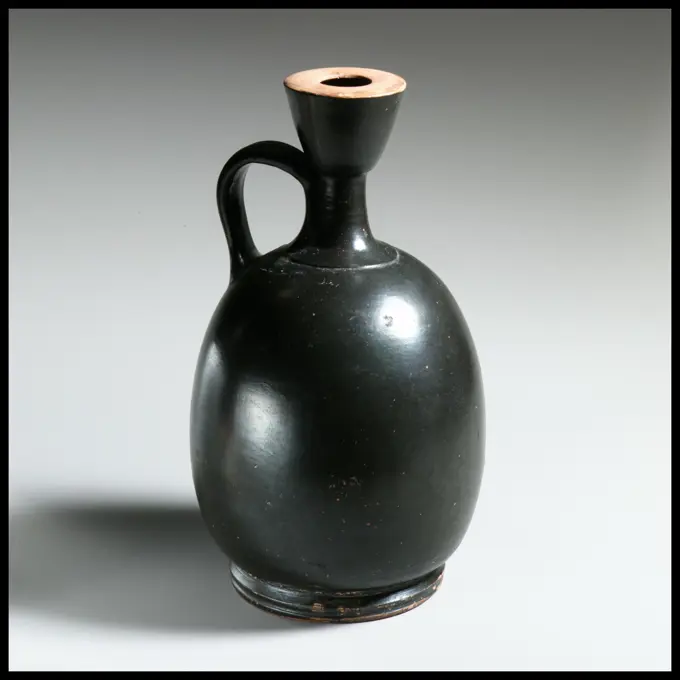
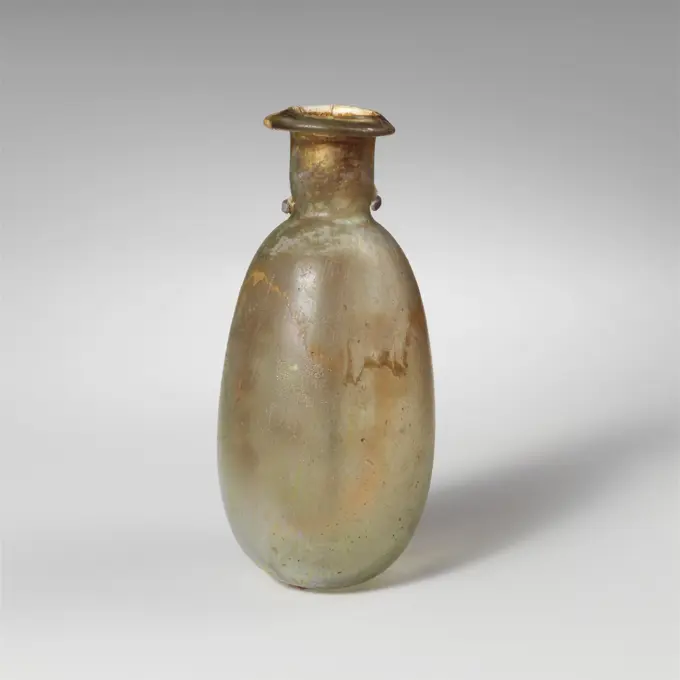
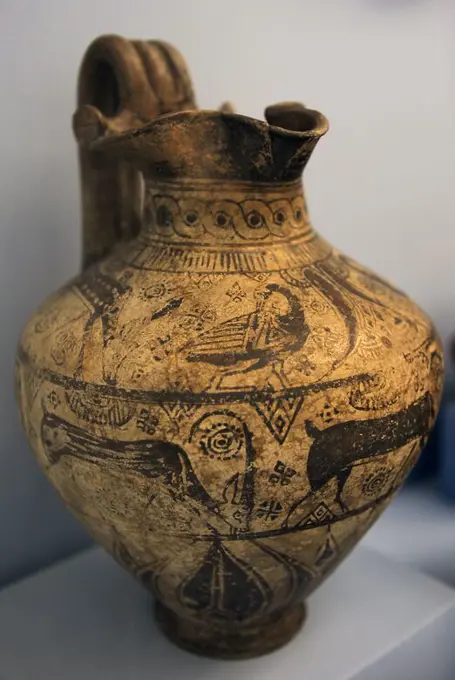
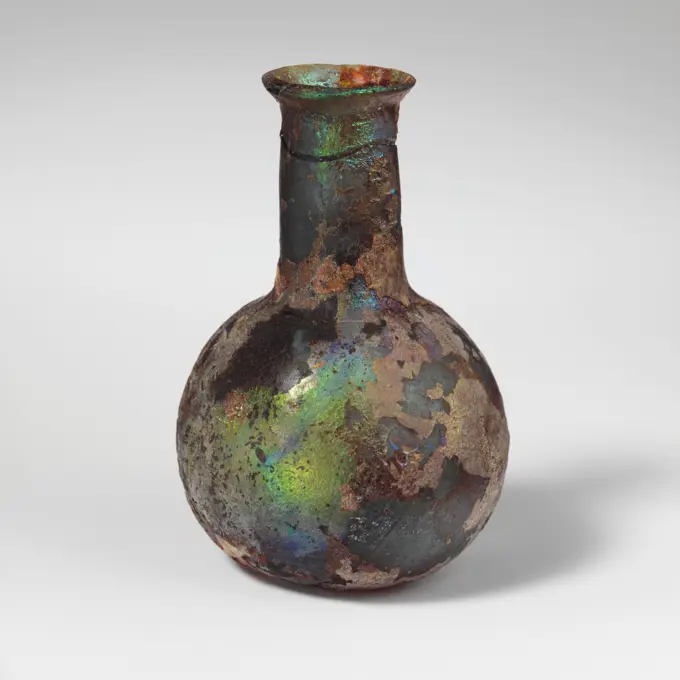
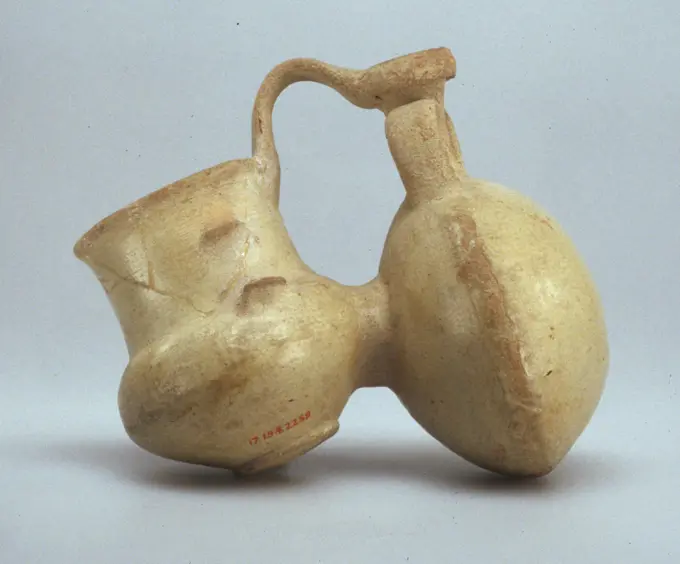
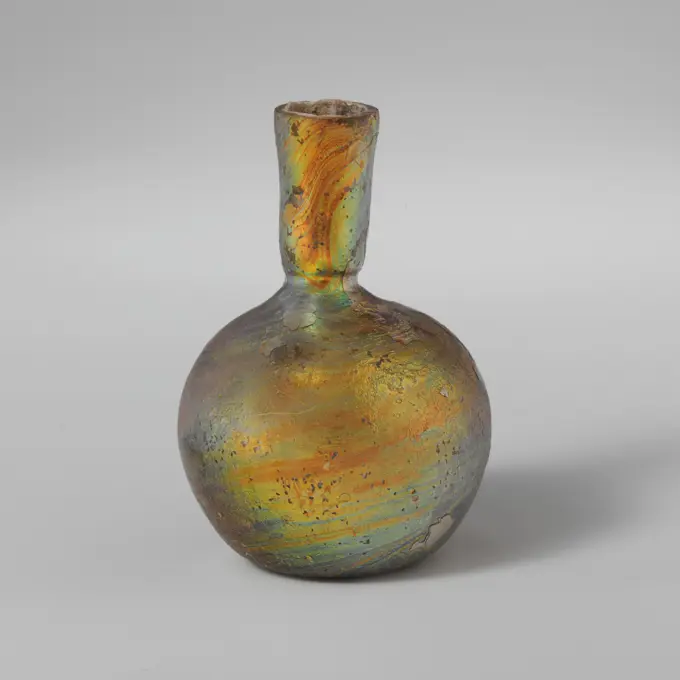
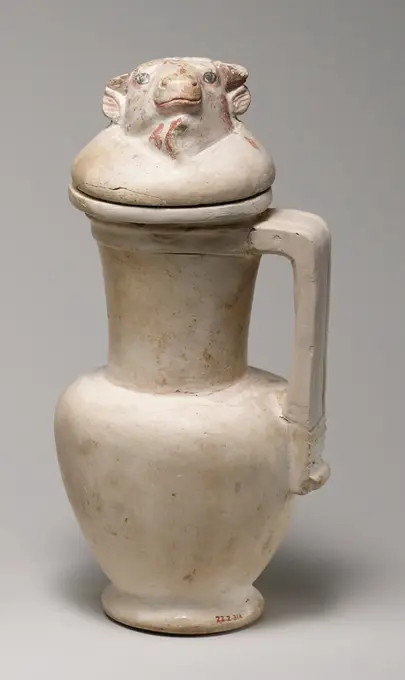
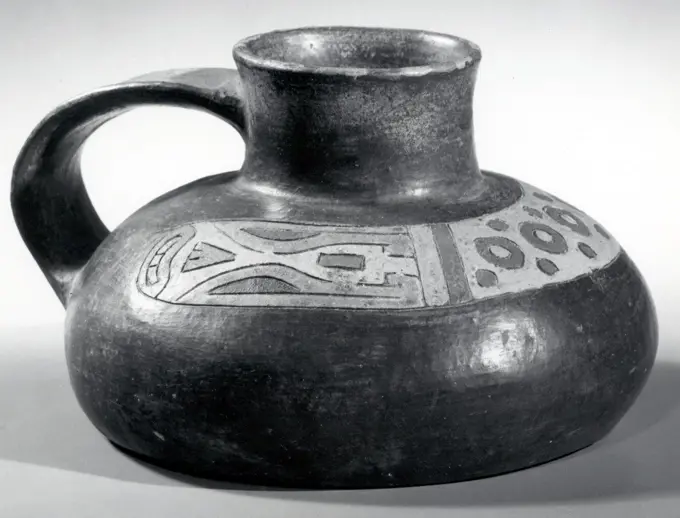
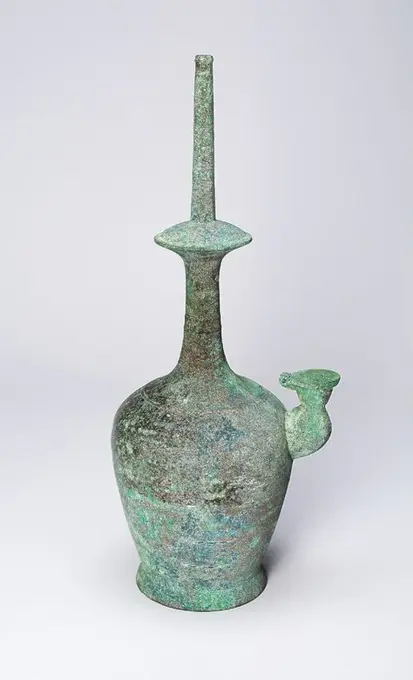
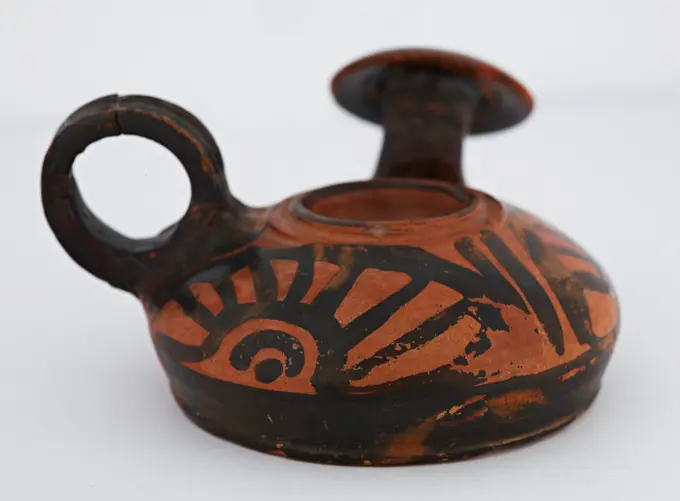
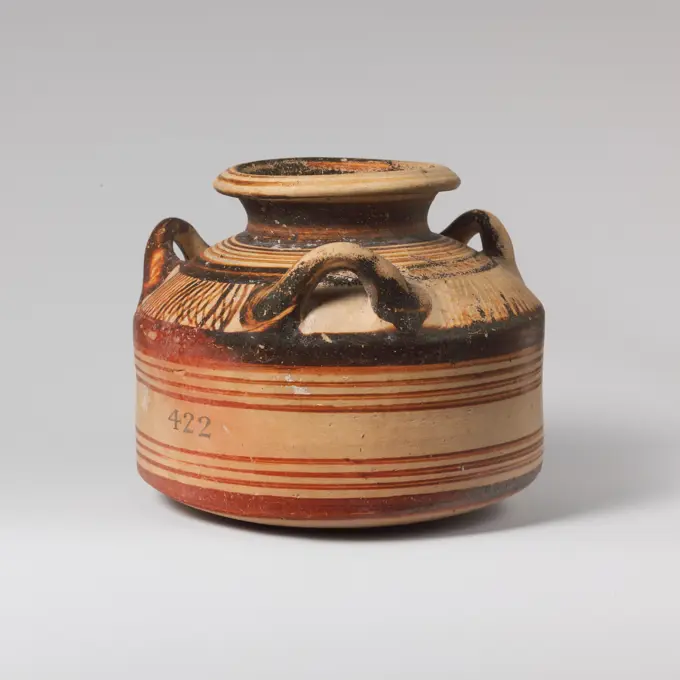
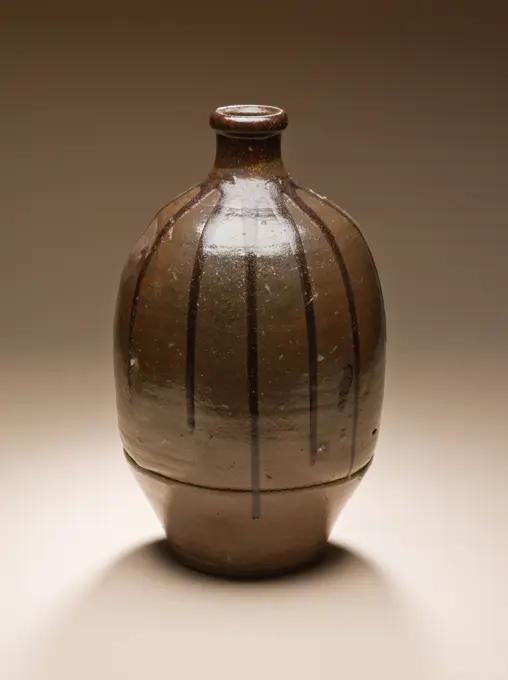
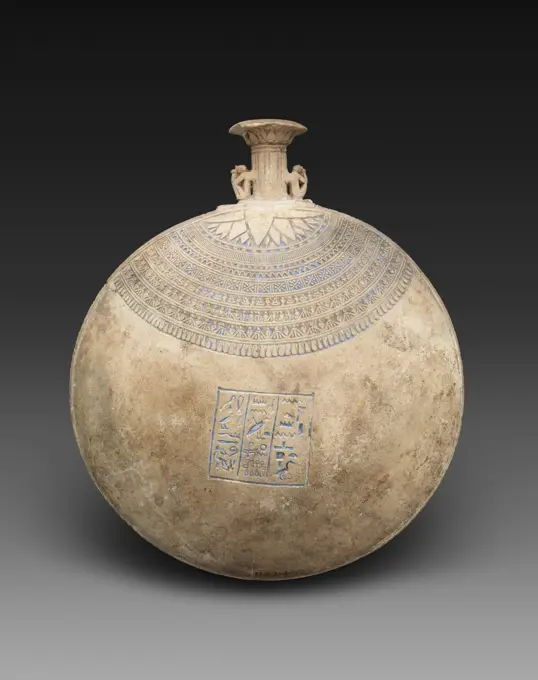
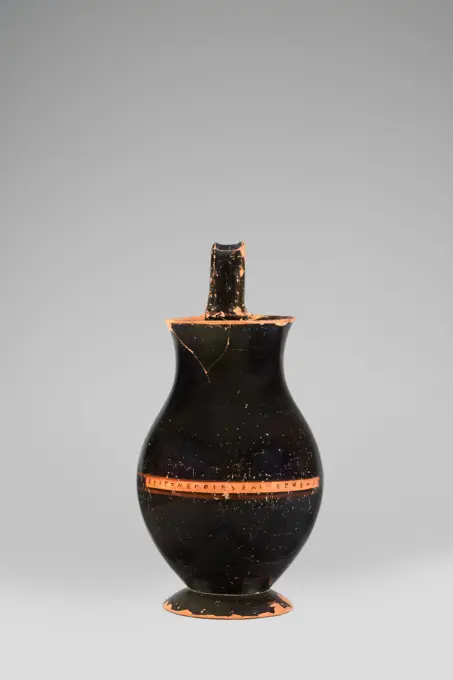
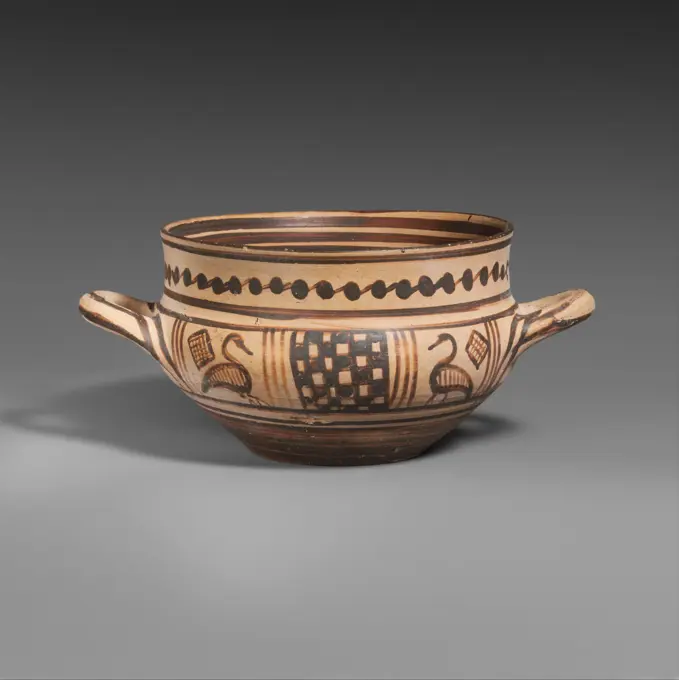
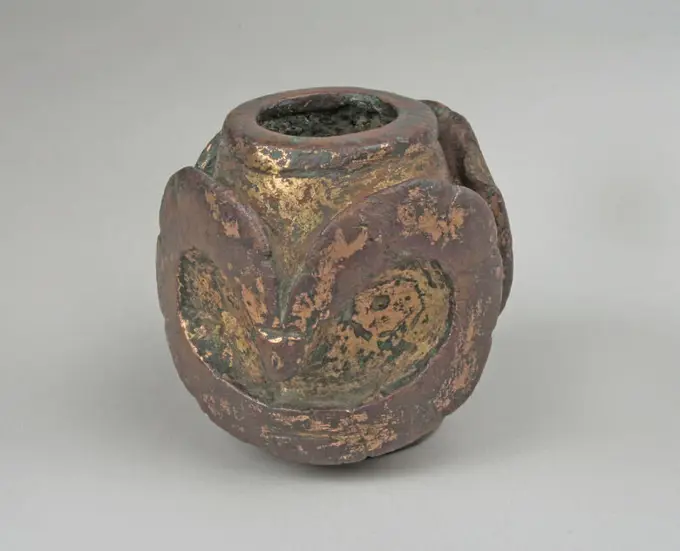
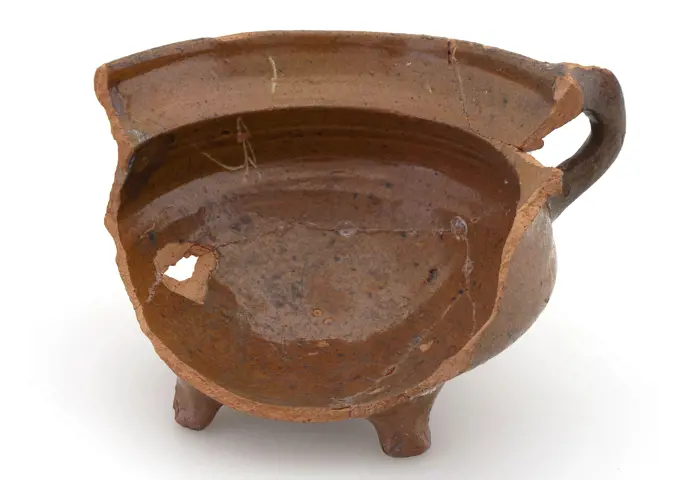
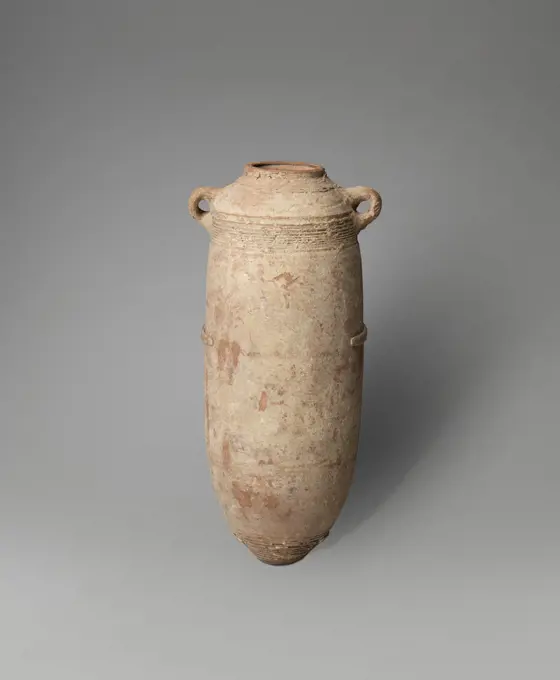
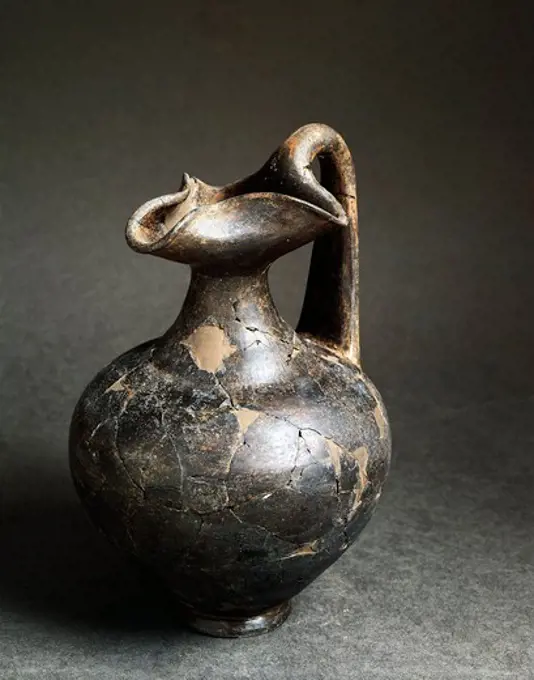
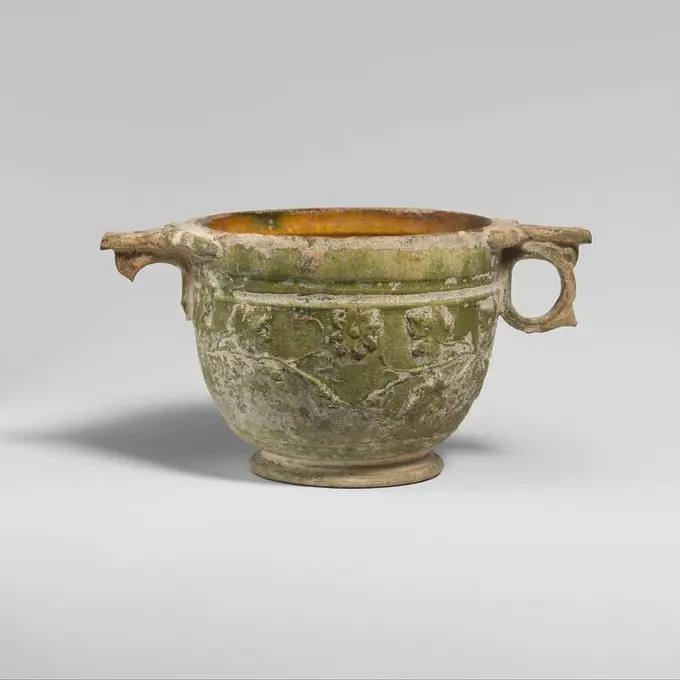
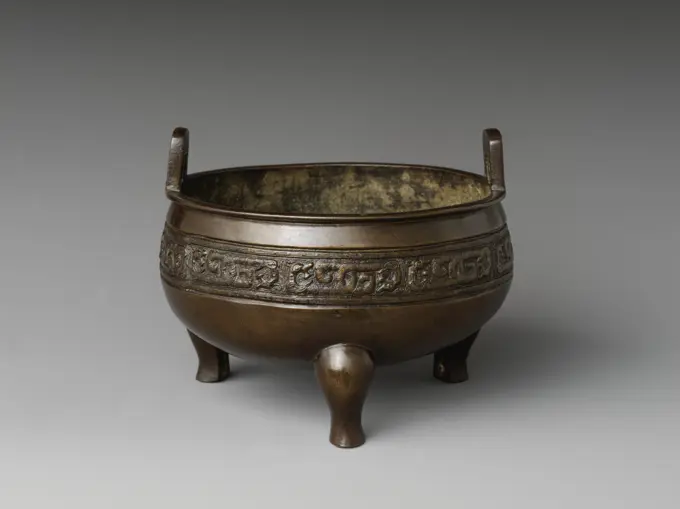
Jug, 1100s. Iran, Khurasan, Nishapur, Seljuk Period, 12th century. Cast brass; diameter: 16 cm (6 5/16 in.); diameter of mouth: 10.2 cm (4 in.); overall: 20 cm (7 7/8 in.); diameter of base: 7.3 cm (2 7/8 in.).Heavy pottery pot on wide stand ring, stocky ovoid, pot holder ceramic earthenware glaze lead glaze, hand-turned glazed baked Pottery pot on wide stand ring. Shallow constriction above the stand ring. Stubby ovoid with sloping neck edge. Red shard internally glazed Was probably used in the sugar indigenous pottery industry sugar refining industryTerracotta aryballos (oil flask) 2nd half of the 6th century B.C. Greek, Corinthian Aryballoi with floral quatrefoils were produced in very great number through the sixth century B.C. and probably into the fifth. They were also widely exported. The simple but distinctive decoration suggests that these vases may have had a specific contents.. Terracotta aryballos (oil flask) 254336 Greek, Corinthian, Terracotta aryballos (oil flask), 2nd half of the 6th century B.C., Terracotta, H. 2 3/4 in. (7 cm). The Metropolitan Museum of Art, New York. Rogers Fund, 1941 (41.162.165)Oinochoe. UnknownTerracotta tankard 4th quarter of the 8th century B.C. Greek, Attic The tankard was used as a jug. It is an antecedent of the mug and olpe.. Terracotta tankard. Greek, Attic. 4th quarter of the 8th century B.C.. Terracotta. Geometric. VasesOvoid jar with ornamental borders with roundels, cranes and dots, anonymous, anonymous, c. 1775 - c. 1824 Egg -shaped pot of stoneware, covered with a white sludge and a green glaze. The lower part of the pot is unglazed. On the upper part and the shoulder, tires with dots, rosettes, cranes and a meander pattern. The Ingred Decoration is filled with a white sludge (Mishima technology). Two lines are included above the foot. Karatsu. Japan stoneware. glaze vitrification Egg -shaped pot of stoneware, covered with a white sludge and a green glaze. The lower part of the pot is unglazed. On the upper part and the shoulder, tires with dots, rosettes, cranes and a meander pattern. The Ingred Decoration is filled with a white sludge (Mishima technology). Two lines are included above the foot. Karatsu. Japan stoneware. glaze vitrificationTerracotta jug with a pitcher-spout. Culture: Cypriot. Dimensions: H. 9 1/2 in. (24.1 cm). Date: 310-150 B.C..This jug is a variation on a type of Cypriot vessel that has a figurine holding the oinochoe, which serves as its spout. Despite the absence of such a figure, which when present often helps to date jugs of this kind, the overall form of the pitcher identifies it as a product of the Hellenistic period. The wreaths and fillets painted on the white-slip ground are funerary motifs often seen on white ground lekythoi, vases specifically used as grave gifts. Of particular interest are the small clay "rivets" visible at the top of the back handle, which relates this clay jug to a metal prototype. Museum: Metropolitan Museum of Art, New York, USA.FOREIGN OLDFOREIGN OLDVase late 17th-early 18th century China. Vase. China. late 17th-early 18th century. Porcelain with peach-bloom glaze (Jingdezhen ware). Qing dynasty (1644-1911), Kangxi period (1662-1722). CeramicsFunerary Urn (Hunping) with Figures, Pavilions, and Birds, 265-316. China, Western Jin dynasty (265-316). Glazed stoneware with molded and sculpted decoration; overall: 53 x 30 cm (20 7/8 x 11 13/16 in.).Prehistory, Iraq, Halaf culture. Ceramic vase painted with geometric and zoomorphic patterns, late 5th millennium b.C. From Tell Hassan.. Egg-shaped can of stoneware, with a translucent white glaze with which only the upper half is covered. The spout is manually formed and the ear has been modeled in the form of a dragon. Around the spout a band with ingrangled lines. Xing.Amforka. warsztat etruski"Caster Ware" Vase with Hunt Scene, mid AD 100s. Rhenish (Cologne), Gallo-Roman, mid-2nd Century. Reddish ware with black burnished slip and Barbotine decoration; diameter: 14.2 cm (5 9/16 in.); overall: 14.2 cm (5 9/16 in.).White Spouted Oil Flask; Eastern Mediterranean or Italy; 1st century; Glass; 7.8 cm (3 1,16 in.)Glass perfume bottle. Culture: Roman. Dimensions: Overall: 2 3/4 in. (7 cm)Diam.: 2 x 7/8 in. (5.1 x 2.2 cm). Date: 1st century A.D..Translucent pale blue green.Uneven rim folded out, over, and in; short cylindrical neck with tooling indent around base; conical body, rounded at base; flat bottom.Traces of horizontal indent around middle of body.Complete but with many internal cracks; pinprick bubbles; deep pitting and dulling, patches of creamy weathering with brilliant iridescence. Museum: Metropolitan Museum of Art, New York, USA.Jug (Bartmann jug) with a crowned heart in a medallion, anonymous, c. 1600 - c. 1749 Jug (beard fancier bush) of stoneware on the standing surface with a spherical body and narrow neck. The C-shaped ear is attached to the neck and shoulder. Profiles on the neck. On the front of the abdomen in relief, a printed and imposed medallion with a equal -armed cross in a crowned heart. On the neck, continuously on the shoulder, a bearded man. Frechten. Cheek stoneware. glaze. engobe vitrification Jug (beard fancier bush) of stoneware on the standing surface with a spherical body and narrow neck. The C-shaped ear is attached to the neck and shoulder. Profiles on the neck. On the front of the abdomen in relief, a printed and imposed medallion with a equal -armed cross in a crowned heart. On the neck, continuously on the shoulder, a bearded man. Frechten. Cheek stoneware. glaze. engobe vitrificationGray stoneware jug on pinched foot, jug be found at the bottom of the ceramic stoneware, hand-turned baked Stoneware jug flat neck dents in the belly (misbaksel) Entirely with rings hanging out below the ear pinched foot gray in color Slim model with slightly curved body Deformed during drying or baking archeology Valckensteyn Poortugaal Albrandswaard indigenous pottery import drinking drink pouring kitchen Soil discovery: canal at bridge castle Valckensteyn at Poortugaal now Albrandswaard 1962.Pitcher. Iran, Tepe Sialk, near Kashan, Sialk B, 900-700 B.C.. Furnishings; Serviceware. Buff clay with red decorationJug 4th century B.C. East Greek. Jug 250573 East Greek, Jug, 4th century B.C., Terracotta, H. 3 7/8 in. (9.9 cm) diameter of mouth 2 11/16 in. (6.8 cm). The Metropolitan Museum of Art, New York. Rogers Fund, 1917 (17.230.40)Ovoid covered jar with a light blue glaze, anonymous, c. 1400 - c. 1599 Egg -shaped lid pot of stoneware with four small ears on the shoulder, partly covered with a light blue/gray -white glaze. The lower part of the pot is unglazed. Sawankhalok stoneware. glaze vitrification Egg -shaped lid pot of stoneware with four small ears on the shoulder, partly covered with a light blue/gray -white glaze. The lower part of the pot is unglazed. Sawankhalok stoneware. glaze vitrificationBulbous bottle, cat's head, bottle bottle wine bottle bottle holder soil find glass, neck with imposed all-round sharp glass thread, and sloppy flattened and dilated lip (small chip) archeology packagingPottery ointment jar, conical model, red shard, internally glazed, ointment jar pot holder soil find ceramic earthenware glaze lead glaze, hand turned glazed baked Pottery ointment jar conical model red shard internal glazed Oblique outward directed top edge stand surface coarsely finished Conical plane above the foot narrowing of the boiler archeology health care indigenous pottery pharmacy store sell craftTerracotta one-handled cup ca. 1600-1450 B.C. Minoan One-handled, bands and a row of birds or petals(), dark-on-light ware.. Terracotta one-handled cup 247650Bowl (Tas) with Attached Handles, Decorated with Horsemen and Solar Motif 1301-1400 Iran. Brass inlaid with silver . IslamicGlobular bowl, 3rd century BCE - 4th century CE, 2 3/4 x 4 1/2 x 4 1/2 in. (6.99 x 11.43 x 11.43 cm), Polychromed earthenware, Mexico, 3rd century BCE - 4th century CESake Bottle. Japan, Meiji period, 1868-1912, 19th century. Ceramics. Matsuoka ware; stoneware with iron and ash glazesSmall earthenware pot on three legs with trumpet-shaped stem, saucepan cooking pot crockery holder kitchenware toy relaxing device soil find ceramic earthenware glaze lead glaze, hand turned molded glazed baked Small earthenware pot on three legs Pot with belly and flat bottom. Slanted handle as handle ending in trumpet shape. Gray shard internally covered with lead glaze brown spots in glaze layer. One groove over the belly archeology Rotterdam IJsselmonde indigenous pottery import cooking kitchen nutrition play child child play Soil discovery: Castle IJsselmonde pit 1 Rotterdam 1972.Holy-water vessel (Aspersorium) probably 18th century Northern European. Holy-water vessel (Aspersorium). Northern European. probably 18th century. Pewter. Metalwork-PewterJug, anonymous, c. 1500 - c. 1580 Reverse egg -shaped jug of stoneware with a tin lid. The jug has a foot with a corrugated edge, a C-shaped ear and a cylindrical, ribbed neck. Six rosettes have been applied to the shoulder. Germany stoneware. tin (metal) Reverse egg -shaped jug of stoneware with a tin lid. The jug has a foot with a corrugated edge, a C-shaped ear and a cylindrical, ribbed neck. Six rosettes have been applied to the shoulder. Germany stoneware. tin (metal)Earthenware pot on stand, baluster shape, used in the sugar industry, sugar pot pot holder soil find ceramic earthenware glaze lead glaze, hand-turned glazed earthenware pot on stand. Baluster shape with round shoulder and narrow neck opening. Thick and round neck edge Smooth finished Red shard internal glazed Here sugar cones were made archeology indigenous earthenware sugar confectionery sugar industryJug 301 CE-400 CE Syria. Glass vessels were part of the luxurious domestic decoration displayed in wealthy households in both urban villas and rural estates in the later Roman and early Byzantine eras (about 300ñ725). Glass vessels were used for a variety of purposes, including cosmetic containers. In the kitchen and for dining, pitchers served water and wine, and small cups were used for drinking. Glass was also used for lamps to light the home.Byzantine glass craftsmen improved upon the techniques, forms, and decorative motifs they had inherited from their Roman predecessors. An imperial edict of 337 exempted glassworkers from personal taxes and attested to their relative status in society; it remained in effect for several centuries. These artisans would, in turn, pass on their craft to successive generations, including those who worked under Islamic rule after the important Byzantine provinces of Egypt, Palestine, and Syria were conquered in the seventh century.. Glass, blown technGlass alabastron (perfume bottle). Culture: Greek, Eastern Mediterranean. Dimensions: H.: 3 1/2 in. (8.9 cm). Date: 5th century B.C..Translucent turquoise green, with handles in same color; trails in opaque yellow and opaque turquoise blue.Broad horizontal rim-disk; cylindrical neck; narrow rounded shoulder; straight-sided cylindrical body, curving in at bottom; two large vertical ring handles with knobbed tails, applied over trail decoration.Yellow and urquoise trails, mixed together, attached at edge of rim-disk; other yellow and turquoise trails applied to top of body under neck and rim-disk; both wound in a spiral around body, at first as horizontal lines, then tooled into a close-set zigzag pattern with alternate upward and downward strokes.Broken around lower body, bottom missing, and parts of trails completely weathered, leaving only indentation in body; dulling, pitting, and whitish weathering with slight iridescence. Museum: Metropolitan Museum of Art, New York, USA.Ovoid jar ca. 3100-2649 B.C. Early Dynastic Period. Ovoid jar. ca. 3100-2649 B.C.. Pottery. Early Dynastic Period. From Egypt, Fayum Entrance Area, Tarkhan, BSAE excavations 1911-1913. Dynasty 1Pot. Thailand, Ban Chiang culture, 4th-3rd century, B.C.. Furnishings; Cookware. Black earthenware with incised decorationFunnelkan with performances of annunciation, crucifixion and resurrection. Funnelkan or funnel neck cup with wide neck and a corrugated, roughly pinched foot. On the abdomen shows of the crucifixion, resurrection and annunciation.Terracotta oinochoe (jug) late 5th century B.C. Greek, Attic Obverse, the handle extends high above the beaked mouth. Narrow neck. High ogive foot; long, steep spout. Undecorated.. Terracotta oinochoe (jug). Greek, Attic. late 5th century B.C.. Terracotta; black-glaze. Classical. VasesTerracotta squat lekythos (oil flask) 5th century B.C. Greek, Attic No decoration.. Terracotta squat lekythos (oil flask) 255790Glass perfume bottle 1st-2nd century A.D. Roman Colorless, with slight blue green tinge.Rim folded out, down, over, and in, with beveled upper surface and slight verticla lip above mouth; short cylindrical neck, tooled in around base; elongated globular body; small rounded but slanting bottom.Intact; pinprick bubbles and blowing striations; dulling and iridescence on exterior, soil encrustation and creamy weathering around mouth, and patches of iridescent weathering on interior.. Glass perfume bottle 244690Pottery from Miletus, ancient Greece. 625-600 BC. Museum of Fine Arts. Budapest. Hungary.Glass perfume bottle 1st century A.D. Roman Translucent pale blue.Plain, knocked-off rim; small, flaring mouth; cylindrical neck; globular body; flattened bottom.Broken around rim and neck, and repaired; patches of dulling, deep pitting, and iridescent weathering.. Glass perfume bottle 239651Composite Lentoid Bottle and Beaker ca. 1550-1295 B.C. New Kingdom. Composite Lentoid Bottle and Beaker. ca. 1550-1295 B.C.. Pottery. New Kingdom. From Egypt. Dynasty 18Pot ca. 9th century B.C. Iran. Pot 326192Lamp. UnknownJug in the Shape of a Barrel 750 BCE-550 BCE Cyprus. Cyprus was an important center for trade and commerce throughout antiquity. By the Late Bronze Age (about 1600ñ1050BC), the island was producing large quantities of copper, which lured adventurous seafaring merchants to its shores in the hope of exchanging their cargo for the prized metal. Imported goods and migrant artists profoundly influenced Cypriot potters and painters, who began to create and decorate their wares differently. New products served the Cypriotsí domestic and ritual needs or made their way on outbound ships to distant lands, where they in turn inspired local artists.A container for liquids, this vase features an elliptical body with a nipple at both ends and a vertical handle rising from the shoulder to the neck. It is decorated in bichrome (two-color) technique against a light background. The body is encircled with vertical rings of black and broad bands of reddish brown. The middle of the body features a band of Round Bowl. Central Iran, circa 5000-4500 B.C.. Furnishings; ServicewareSquat Jar. Western Iran, circa 1000-650 B.C.. Furnishings; Serviceware. Buff wareAmfora. nieznany warsztat kampański, workshopIncised Vessel Mississippian (Ancestral Quapaw) 13th-14th century The separate, but related, cultural groups known collectively as Mississippian flourished in the southeast of what is now the United States in the centuries prior to European contact. Although fine ceramics are known from the region as early as A.D. 800, distinctive vessels in the style known as Rhodes Incised, named for the Rhodes Place Site in Crittenden Country where similar ceramics have been found, were made between the 13th and 14th centuries. View more. Incised Vessel. Mississippian (Ancestral Quapaw). 13th-14th century. Clay. United States, Arkansas. Ceramics-VesselsSprinkler or Dropper Bottle 101 CE-400 CE Mediterranean Region. Glass, blown technique . Ancient RomanCanteen. Iran, 14th century. Ceramics. Earthenware, unglazedShawabty Jar with Lid, 1295-1069 BC. Egypt, New Kingdom, Dynasty 19 (1295-1186 BC) - Dynasty 20 (1186-1069 BC). Nile silt ware; diameter: 23.4 cm (9 3/16 in.); diameter of mouth: 11.5 cm (4 1/2 in.); overall: 28.5 cm (11 1/4 in.).Ewer (Pitcher) with Game, Seafood, and Wine Scenes, late AD 300s. Byzantium, Syria, early Byzantine period, late 4th century. Silver with traces of gilding; overall: 40 x 14.3 cm (15 3/4 x 5 5/8 in.).Terracotta guttus (flask with handle and vertical spout) with a depiction of a dog 4th century B.C. Greek, South Italian, Apulian On top, in relief, a dog.. Terracotta guttus (flask with handle and vertical spout) with a depiction of a dog 255346Pottery cooking jug, grape-model, entirely glazed, bandoor, on three legs, cooking pot crockery holder utensils earthenware ceramics earthenware glaze lead glaze, hand-turned glazed baked Pottery cooking can grape-model fully glazed one vertical bandoor on three legs. Roetsporen on the soil archeology Rotterdam City center Stadsdriehoek Oudehaven indigenous pottery food preparation kitchen food cooking Soil discovery Oude Haven Rotterdam north-east corner between piles.Glass perfume bottle. Culture: Roman. Dimensions: Height: 2 5/8in. (6.6cm)Diam.: 3/4 x 5/8 in. (1.9 x 1.6 cm). Date: 1st-2nd century A.D..Small unguentarium.Translucent light blue.Rim folded out, over, and in; flaring mouth; slender cylindrical neck with tooled indent around base; elongated ovoid body; small flattened bottom.Intact; pinprick and a few larger bubbles; dulling on exterior, brilliant iridescent weathering on interior; neck blocked by encrusted soil and some loose soil in bottle. Museum: Metropolitan Museum of Art, New York, USA.Glass miniature flask 3rd-4th century A.D. Roman Colorless ().Plain, knocked-off vertical rim; funnel-shaped neck, with tooled groove around base; bulbous body; concave bottom.Intact; many bubbles; deep pitting and iridescent weathering.. Glass miniature flask 239644Jug and Lid with the Head of a Bull or Calf ca. 1390-1352 B.C. New Kingdom This jar belongs to a set that was purchased in Luxor from Sayed Molattam in 1923. The set is unusual because of the various creatures/deities decorating each lid. These include the head of an ox (this jar), the head of the god Bes, a resting calf, and a frog. The only parallel group was discovered in the Valley of the Kings tomb of Yuya and Tjuyu, the parents of Queen Tiye, principal wife of Amenhotep III. For this reason, the jars are tentatively dated to this king's reign.. Jug and Lid with the Head of a Bull or Calf. ca. 1390-1352 B.C.. Limestone, paint. New Kingdom. From Egypt, Upper Egypt, Thebes. Dynasty 18Handled Jar 7th-5th century B.C. Paracas. Handled Jar 308722Sprinkler Bottle with Fesse Emblem. Dimensions: H. 3 7/16 in. (8.7 cm)W. 2 9/16 in. (6.5 cm)D. 1 11/16 in. (4.3 cm). Date: late 13th-early 14th century.Suspended from their handles, miniature perfume sprinklers were worn around the neck or tied to a belt. On this example, the Arabic inscription band praises an unspecified sultan. The fesse emblem, a simple band across the shield, was adopted by Sultan Lajin (r. 1297-99) and several amirs in the late thirteenth century. Museum: Metropolitan Museum of Art, New York, USA.Lamp. UnknownTerracotta Hadra hydria (water jar). Culture: Greek, Egypt, Alexandria-Hadra. Dimensions: Overall: 17 5/8 x 12 3/8 in. (44.8 x 31.4 cm). Date: 3rd century B.C.. Museum: Metropolitan Museum of Art, New York, USA.Kundika bottle. Artist Unknown; Korean. Date: 918 AD-1392. Dimensions: H. 37.6 cm; diam. 16.1 cm; diam.(without spout) 13.1 cm. Bronze. Origin: Korea. Museum: The Chicago Art Institute, Chicago, USA.TrumpetTerracotta alabastron (jar) ca. 1600-1050 B.C. Mycenaean Three handles and horizontal bands.. Terracotta alabastron (jar) 240359Sake Bottle with Black Drip Design. Japan, Edo (1615-1868)-Meiji (1868-1912) period, mid-late 19th century. Ceramics. Tanba ware; stoneware with light and dark iron glazesJacaubaan, purple, with gray and blue flowers and tendrils. Jug of stoneware. Largely purple colored with gray and blue flowers and tendrils.Lentoid Bottle ("New Year's Bottle") inscribed for the God's Father Amenhotep, son of the God's Father Iufaa 664-525 B.C. Late Period This lentoid flask, inscribed for a priest named Amenhotep, is an example of a New Year's bottle. Filled perhaps with perfume, oil, or water from the Nile, it would have been a gift associated with the celebration of the beginning of the year. Around the shoulders of the vase are incised bands of floral patterns, meant to echo the vegetal collar that would have been worn by a participant in a ceremonial or festival event or draped around the neck of a jar of wine or oil (see for example 30.8.214). Two baboons flank the tall neck of the bottle, which is made to echo a bundle of papyrus and lotus plants. The inscription on the front asks that the Theban triad (Amun, Mut, and Khonsu) give protection to the God's Father, Amenhotep, son of the God's Father} Iufaa; additional inscriptions on the shoulders ask the gods Montu and Amun-Re to grant Amenhotep a HaCERAMICA DE GALICIA.Ewer ca. 3rd-7th century A.D. Sasanian. Ewer 327346CANTARILLO DE NOVIA VIDRIADO Y PINTADO CON FLORES SIMPLES- 2 ASAS-ARTE POPULAR. Location: ALFARERIA. TERUEL. SPAIN.Olpe (rodzaj dzbana na płyny) z inskrypcją.. Kriton (ok. 550-500 p.n.e.), author, nieznany warsztat attycki, workshopTerracotta skyphos (deep drinking cup) ca. 750 B.C. Greek, Euboean Obverse and reverse, metopes with birds. Terracotta skyphos (deep drinking cup) 240175Mace Head. Culture: Moche. Dimensions: H. 2 3/8 x W. 2 5/8 x D. 3 in. (6 x 6.7 x 7.6 cm). Date: 1st-7th century. Museum: Metropolitan Museum of Art, New York, USA.Earthenware cooking pot, low model with wide top edge, two bandors, on three legs, cooking pot crockery holder kitchenware earth discovery ceramics earthenware glaze lead glaze, hand-turned glazed baked Pottery cooking pot low model with wide top edge two bandors on three legs Outstanding top edge on the outside collar under the lip. Turning on the shoulder Fully glazed archeology Rotterdam City Triangle Groenendaal indigenous pottery kitchen cooking food prepare food Soil discovery: Mariniersweg Groenendaal Rotterdam 1983.Bowl 4th-7th century Coptic. Bowl 478853Wine Vessel (Gu) 11th century B.C. China. Wine Vessel (Gu) 61317Ritual Vessel. Cambodia. Date: 1101-1300. Dimensions: 20.3 × 19.7 × 19.7 cm (8 × 7 3/4 × 7 3/4 in.). Bronze. Origin: Cambodia. Museum: The Chicago Art Institute, Chicago, USA.StorageJar, 4thcentury, Terracotta (Gaza amphora; LRA 4), 54.5 × 21.91 cm (21 7/16 × 8 5/8in.), Near Eastern,Palestinian, Roman, Containers -CeramicsItaly, Abruzzo, Picene oenochoe (or oinochoe, wine jug), Bucchero ware (black pottery)Terracotta scyphus (drinking cup). Culture: Roman. Dimensions: H. 2 15/16 in. (7.49 cm). Date: 1st half of 1st century A.D..Green-glazed cup with floral sprays in relief. Museum: Metropolitan Museum of Art, New York, USA.Glass bottle. Culture: Roman. Dimensions: H. 6 11/16 in. (17 cm). Date: 4th-5th century A.D..Translucent deep yellow with green tinge.Uneven rim, cracked off and ground; funnel-shaped neck; horizontal shoulder; broad, bulbous body; applied, outsplayed low base, with everted tubular foot ring, made by folding over and in; convex bottom.Intact, except for small chip in rim; many pinprick and a few larger bubbles; slight dulling and iridescence, patches of enamel-like brownish weathering.Yellow vase with round body and funnel-shaped neck. Museum: Metropolitan Museum of Art, New York, USA.Tripod incense burner 14th century China This incense burner is an exquisite example of a literati bronze from the Yuan dynasty. In its simple but elegant form, this tripod creatively reinterprets archaic bronze prototypes. The Yuan bronze transforms the austere form and complex décor of ancient food vessels into a simpler, more modestly proportioned incense burner that evokes rather than replicates ancient prototypes. Likewise, the band of stylized dragons that encircles the vessel belly derives from antique models but is cast in low relief, which greatly enhances the tactile pleasure of handling such a piece.. Tripod incense burner. China. 14th century. Cast bronze. Yuan Dynasty (1271-1368). MetalworkTerracotta alabastron (perfume vase) ca. 620-590 B.C. Attributed to the Potnia Painter Winged Artemis holding two swansAs one of her aspects, the goddess Artemis was mistress of animals, potnia theron. In Archaic representations from all parts of Greece, she appears with her hands firmly gripping a pair of lions, deer, or other animals or birds.. Terracotta alabastron (perfume vase). Greek, Corinthian. ca. 620-590 B.C.. Terracotta; black-figure. Early Corinthian. VasesKeramikflasche Keramikflasche Copyright: xZoonar.com/Tolox 22568782Glass stemmed cup 4th-5th century A.D. or later Roman, Palestinian Translucent pale blue green; trails in translucent cobalt blue.Thickened, vertical rim, with slightly inverted lip; elongated inverted bell-shaped body, curving in at base; hollow stem; hollow, low conical foot, with tubular edge made by folding; deep kick in bottom with central pontil scar.One trail applied as a thick, elongated pad immediately below rim and wound in a spiral almost nine time around upper side of body; a second trail applied as a circular pad to side and wound round body in a spiral four times, then tooled and pinched into a wavy pattern of six upward and hanging loops (sometimes called the "spectacle" pattern).Intact; few bubbles; pitting, creamy brown weathering, and iridescence.. Glass stemmed cup 252998 Roman, Palestinian, Glass stemmed cup, 4th5th century A.D. or later, Glass, H.: 3 3/4 in. (9.5 cm). The Metropolitan Museum of Art, New York. H.O. Havemeyer Collection, Bequest of Mrs. H. O. HavemTerracotta trefoil oinochoe (jug). Culture: Etruscan. Dimensions: H. 13 11/16 in. (34.8 cm). Date: ca. 575-550 B.C..This standard bucchero shape is transformed into an exotic pitcher by incorporating numerous clay rams' heads, human heads, and bosses to the rim, neck, shoulder, and belly. The treatment is typical of Vulcian bucchero workshops. Museum: Metropolitan Museum of Art, New York, USA.Jar (Guan) ca. 1300-1000 B.C. China. Jar (Guan) 44689Bronze situla (bucket) ca. late 5th-early 4th century BC Etruscan The decoration of the vessel, particularly the lively ornamentation evident in the adorsed palmettes and tongue pattern on the body, is characteristic of high quality Etruscan metalwork of the Classical period. The hole between two birds in the center of the handle is for the attachment of a chain, preserved on other examples.. Bronze situla (bucket). Etruscan. ca. late 5th-early 4th century BC. Bronze. BronzesVase with Pedestal BaseBottle 1 CE-200 CE . Glass . Islamicjug wine Georgian antique jug wine , on a white background. Copyright: xZoonar.com/RuslanxGrigolavax 2238704Fragmentary Bowl 13th century. Fragmentary Bowl 447179Lekythos. Culture: Greek, Attic. Dimensions: H. 4 3/16 in. (10.6 cm). Date: early 5th century B.C.. Museum: Metropolitan Museum of Art, New York, USA.Amphora depicting Menelaus and Helen and a Nereid on the neck by Pamphaios, potter (circa 520-490 B.C.) and Nikosthenes, painter (circa 545-510 B.C.)Double Spout Bottle, Killer Whale Motif 4th-6th century Nasca. Double Spout Bottle, Killer Whale Motif 308580Aryballos 6th century B.C. Italic, Etruria. Aryballos 246117Jar with ear and cap with screw. Jug of stoneware. A hot water jug High and thin with blue decoration. One ear and a cap with a screw.Kylix, Glazed terra-cotta, Exterior decorated with two groups of three figures, each with central figure of woman holding vessel. Palmettes at handles. Interior centered with fretwork medallion containing woman facing seated man with staff., Ancient Greece - Etruria, ca. 440 BC, ceramics, Decorative Arts, Kylix