Ancient Ceramics and Vases

Various antique vessels including bronze and terracotta pieces from different cultures, highlighting intricate details and historic significance.
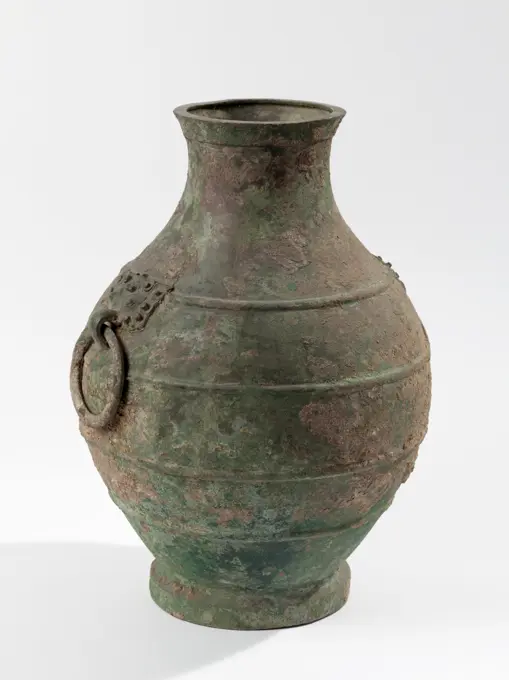
Hu ". Bronze, green patina. China, Han. Paris dynasty, Cernuschi museum. 72359-8 Hu bottle, bronze, han dynasty, green patina
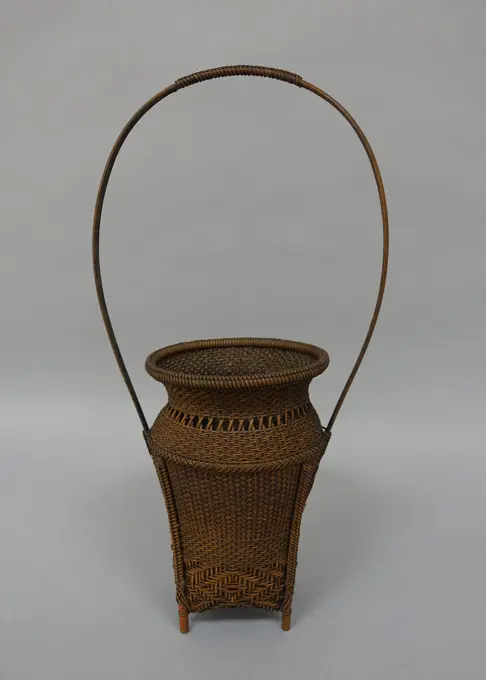
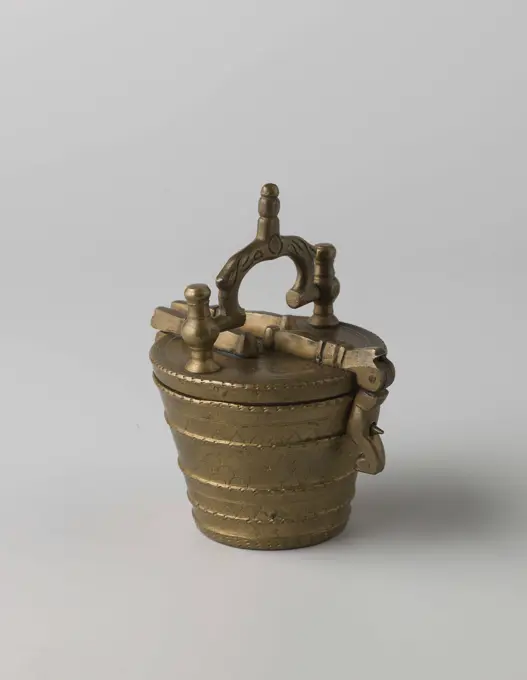
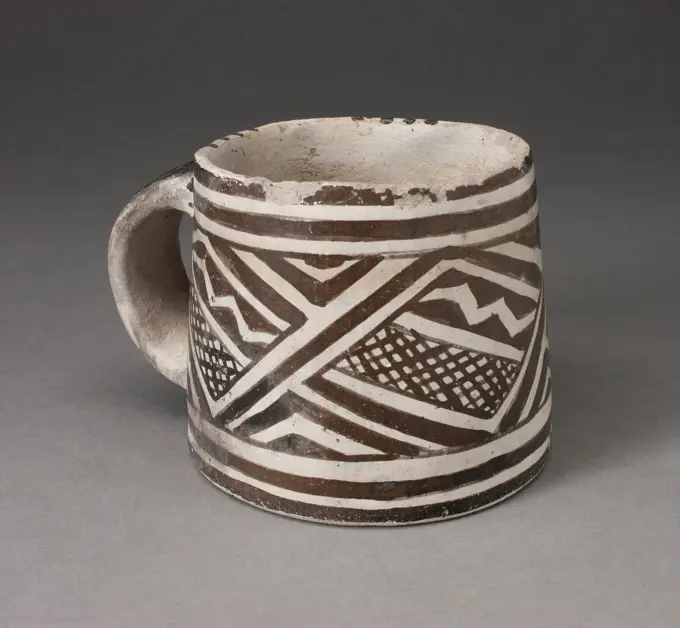
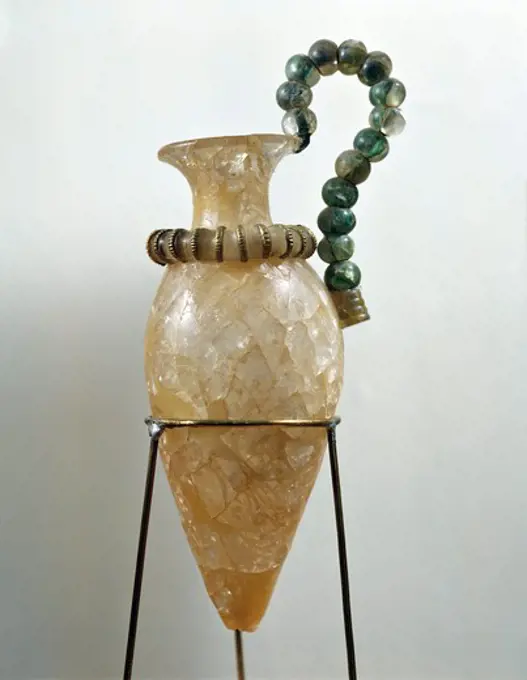
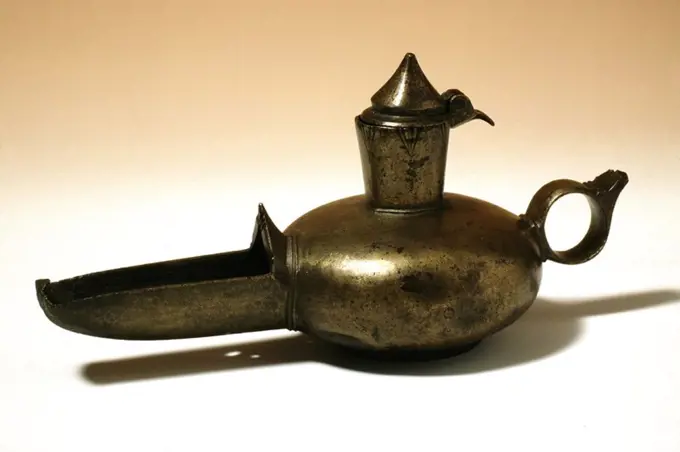
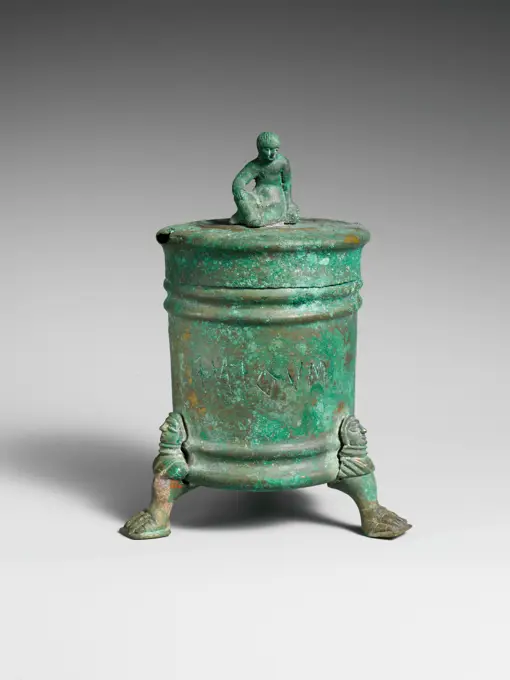
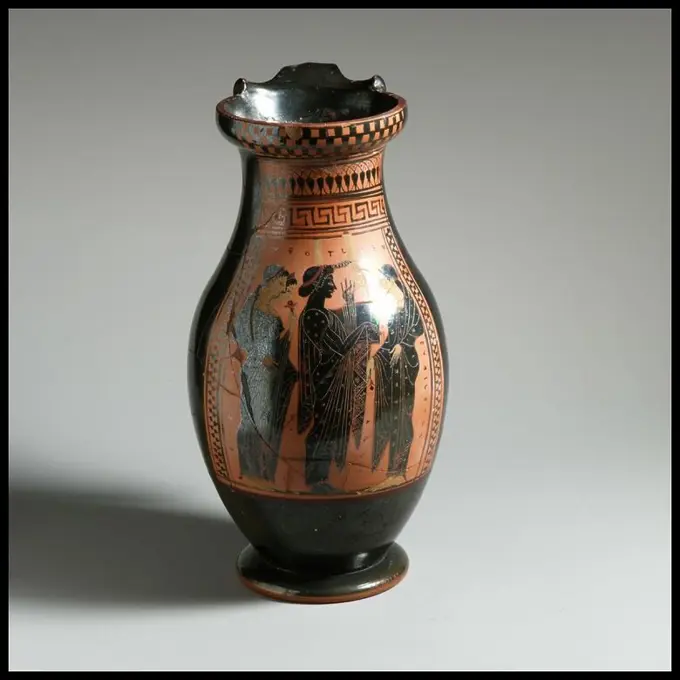
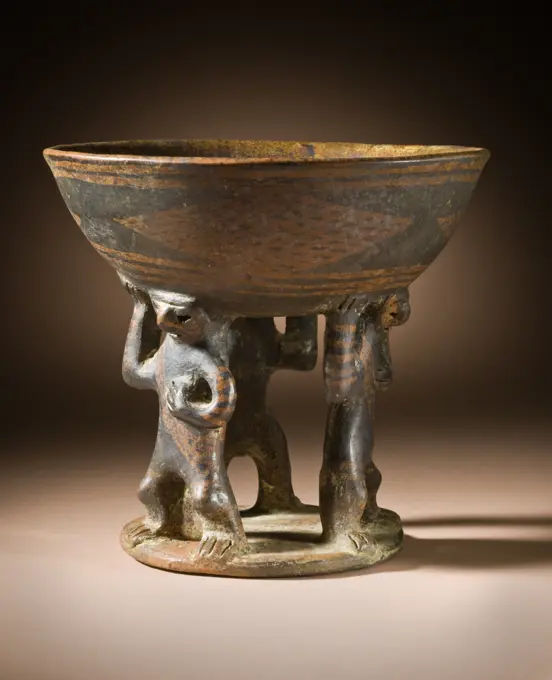
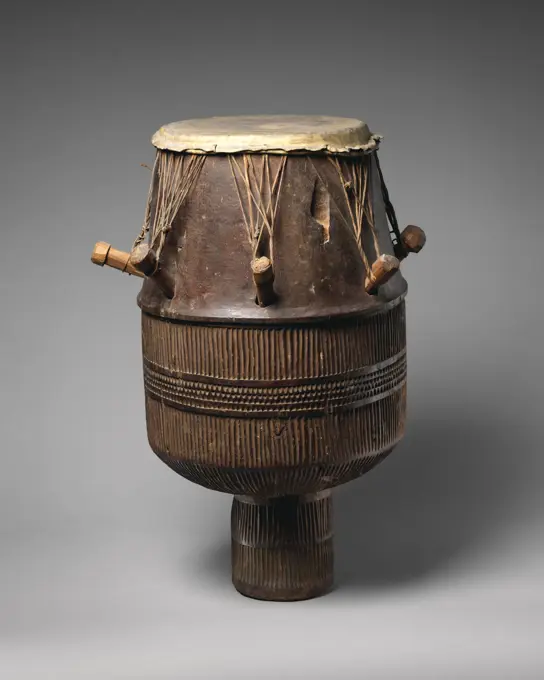
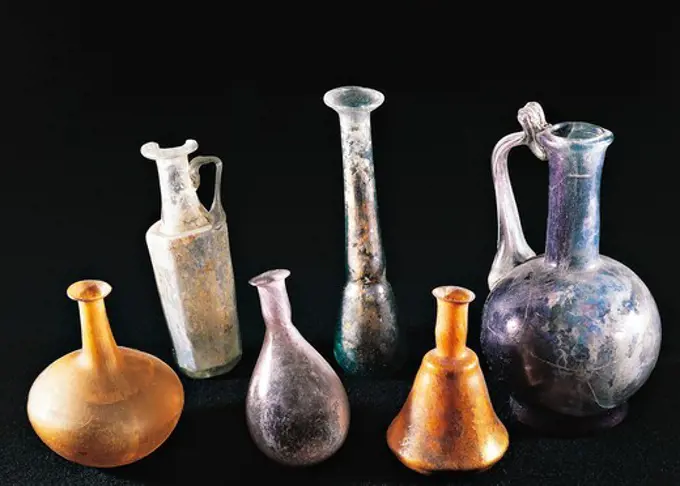
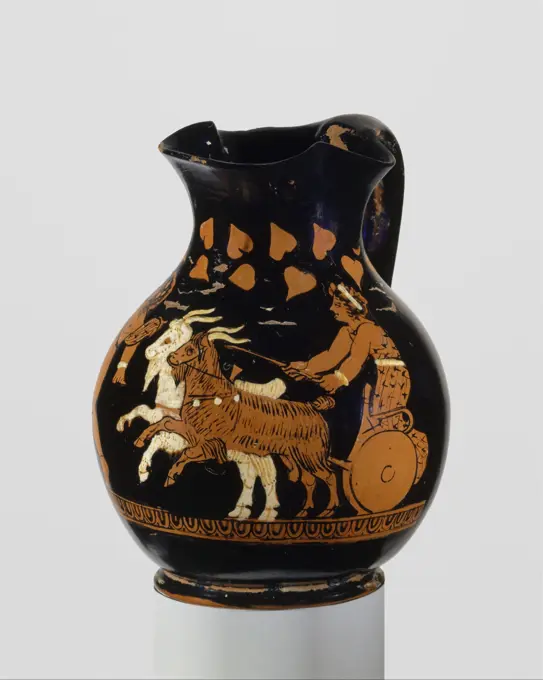
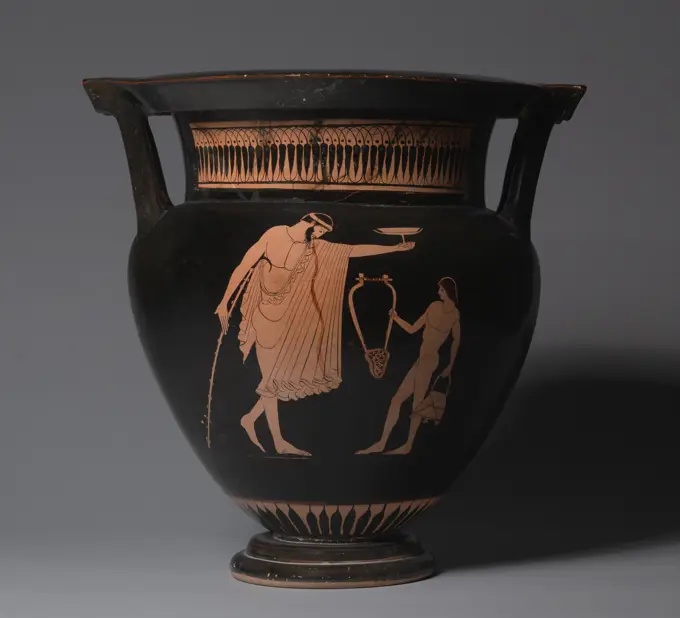
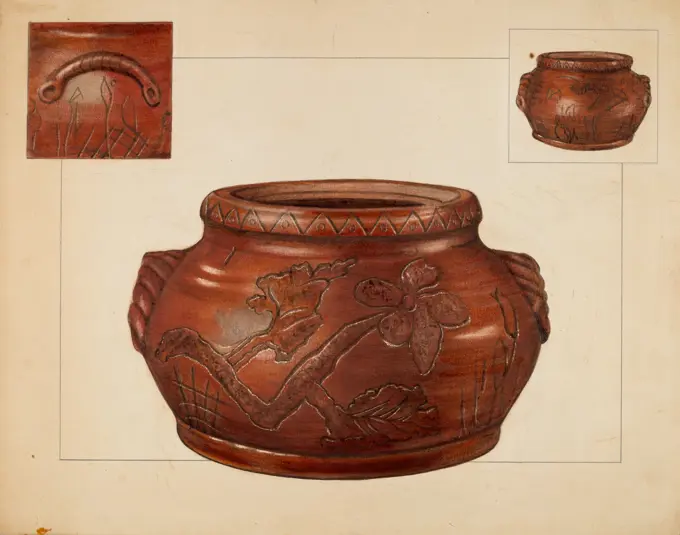
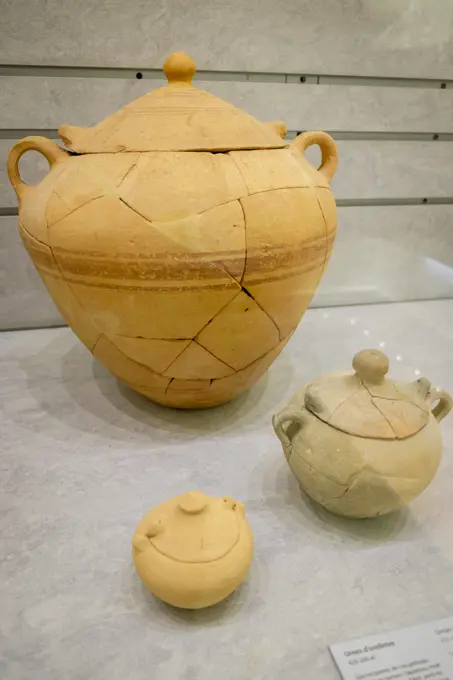
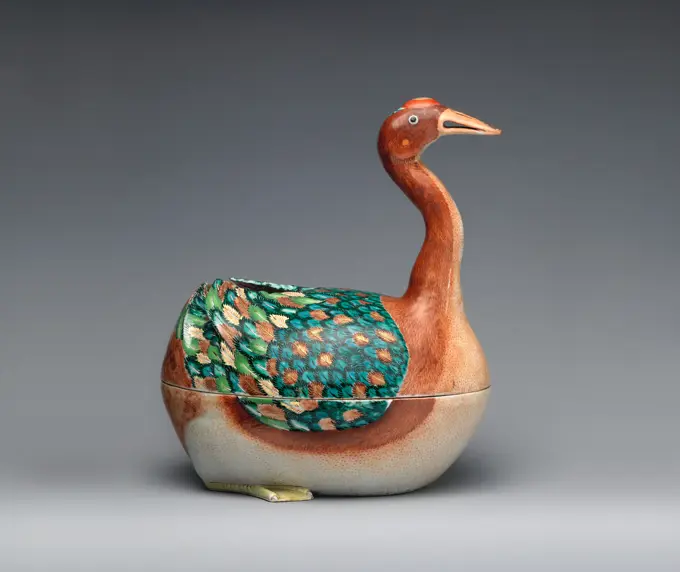
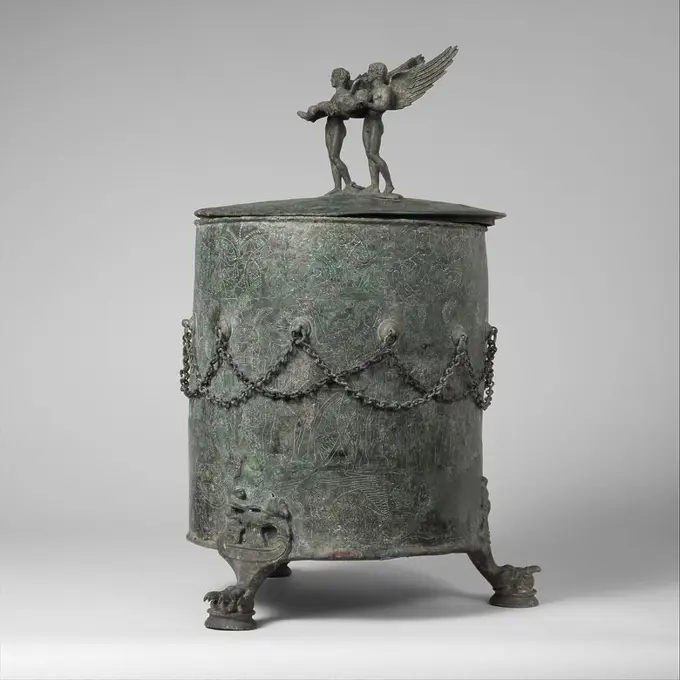
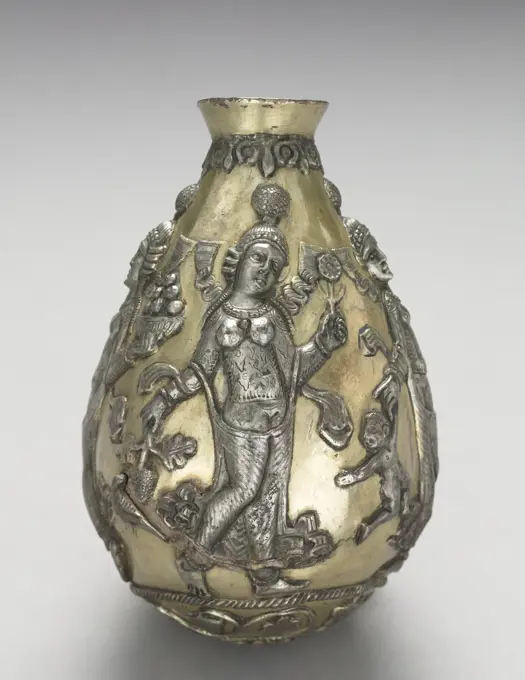
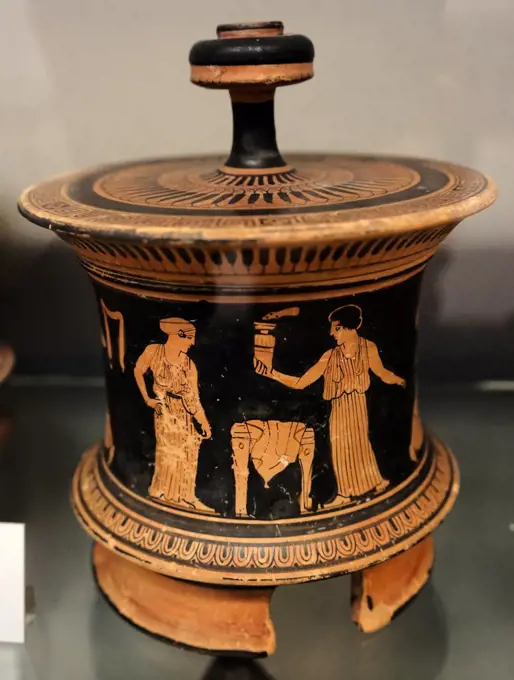
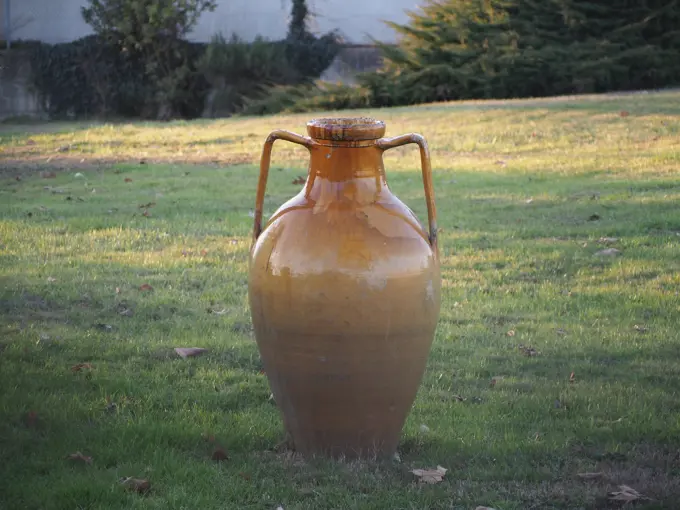
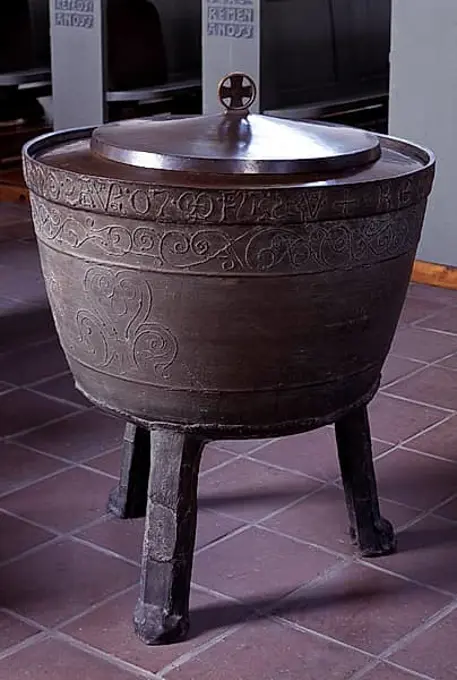
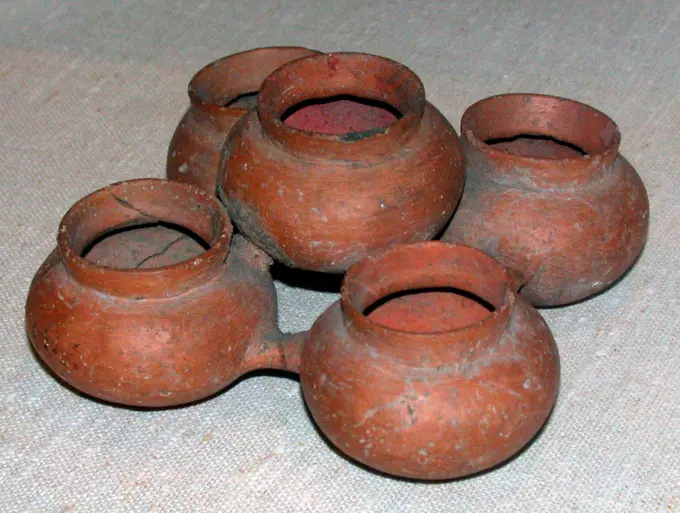
Flight Container for PoisonDartsBowl Depicting a Decapitated Trophy Head 180 BCE-500 CE South Coast, Peruvian. Ceramic and pigment . NazcaJug. Dated: c. 1937. Dimensions: overall: 29.1 x 22.5 cm (11 7/16 x 8 7/8 in.). Medium: watercolor, graphite, and colored pencil on paperboard. Museum: National Gallery of Art, Washington DC. Author: Frank Fumagalli.Lamp 13th century. Lamp 448446Geometric Pattern Bottle 5th-7th century Moche. Geometric Pattern Bottle. Moche. 5th-7th century. Ceramic, pigment. Peru. Ceramics-ContainersKaramono-Style Basket 19th century Japan. Karamono-Style Basket. Japan. 19th century. Bamboo. Edo (1615-1868) or Meiji (1868-1912) period. BasketryClosing weight of 4 Hollands Troois pounds. Closing weight of 4 Hollands Troois Pond, from yellow copper. Round to the bottom slightly tapered container with a lid on which a handle and closure. The object consists of 17 parts: the ten weights, the bin and the lid (which form the house), a hinge, a closing bracket, two handle tips and the handle. The brands are '4 l' and quality marks on the lid. On the outside the bin its only sober decorations are engraved. Signed up and down: 'G.K.'.Islamic art. Spain. Ceramic jug. Decorated in green. From Pla de s'Almata, 713-715. Around Balaguer. Regional Museum of La Noguera. Catalonia. Spain.Terracotta krater. Culture: Greek, Attic. Dimensions: H. 42 5/8 in. (108.3 cm)diameter 28 1/2 in. (72.4 cm). Date: ca. 750-735 B.C..Monumental grave markers were first introduced during the Geometric period. They were large vases, often decorated with funerary representations. It was only in the Archaic period that stone sculptures were used as funerary monuments. On this magnificent krater, the main scene occupies the widest portion of the vase and shows the deceased laid upon a bier surrounded by members of his household and, at either side, mourners. For optimal clarity, the dead man is shown on his side, and the checkered shroud that would normally cover the body has been raised and regularized into a long rectangle with two projections. The zone below shows a procession of chariots and foot soldiers. The figures may refer to the military exploits of the deceased. Because hourglass shields and chariots played a more limited role at this time than in the earlier Bronze Age, the scPitcher ca. 1850 American. Pitcher 5667Mug with Interlocking Geometric Pattern with Zigzag Motifs and Crosshatching 1100-1275 Colorado (Object made in), New Mexico (Object made in), Southwest (Object made in). Ceramic and pigment . Ancestral Pueblo (Anasazi)Fragment 15th century. Fragment 445587Rhyton in rock crystal, from ZakrosCarved Bowl. Mexico, Oaxaca, Zapotec, Zapotec, 300 BCE-200 CE. Ceramics. Slip-painted ceramicTwo-Handled Crock. Dated: c. 1936. Dimensions: overall: 44.7 x 58.9 cm (17 5/8 x 23 3/16 in.) Original IAD Object: 11" High. Medium: watercolor, graphite, colored pencil, and gouache on paper. Museum: National Gallery of Art, Washington DC. Author: Fred Weiss.CANDIL DE BRONCE SIMPLE. Nº INV. LI-IN-184. ALTURA 9 CM. LONGITUD 15, 2 CM. MUSULMAN. (EXPOSICION :ARTE ISLAMICO ESPAÑOL)(DEPOSITO: MUSEO PARROQUIAL DE LIETOR).Terracotta bowl. Culture: Roman. Dimensions: H. 7 in. (17.8 cm). Date: ca. 20 B.C.-A.D. 10.These three large stemmed bowls are good examples of the mass-produced, mold-made vases of the Italian pottery industry during the reign of the Emperor Augustus. All are decorated with rich foliage and figures that recall the classical past. They all have a stamp bearing the name of the potter, indicating that two of them were made at Arretium (modern Arezzo, Italy) itself, but one (06.1021.280), of slightly inferior quality, was produced at Puteoli (modern Pozzuoli, Italy).Rogers Fund, 1906 (06.1021.280)Rogers Fund, 1910 (10.210.37). Museum: Metropolitan Museum of Art, New York, USA.Bronze cista (toiletries box) early 3rd century B.C. Etruscan or Praenestine Small cista with a solid cast handle of a seated boy. "Suthina" inscribed in Etruscan letters on the body and the lid, indicating this object was made for the tomb.. Bronze cista (toiletries box) 247073Terracotta oinochoe: olpe (round-mouthed jug). Culture: Greek, Attic. Dimensions: H. 10 7/16 in. (26.5 cm). Date: ca. 520 B.C..Apollo and musesLike many other artists active at the time of the introduction of the red-figure technique in Athens, about 530 B.C., the Euphiletos Painter worked in both the new red-figure and the old black-figure techniques. His name derives from the inscription praising Euphiletos as fair that occurs on several vases decorated by him. It appears on this one as well. Museum: Metropolitan Museum of Art, New York, USA.Hanging Basket 19th century Japan. Hanging Basket. Japan. 19th century. Rattan or bamboo. Edo (1615-1868) or Meiji period (1868-1912). BasketryBowl Supported by Three Figures. Colombia, Nariño Highlands or Ecuador, Carchi, Nariño or Carchi, 750-1600 CE. Ceramics. Resist-painted ceramicJessica Price, Pa German Earthenware Bowl, c 1938 Pa. German Earthenware BowlPORTA PESAS DE BRONCE.TINAJA CON DECORACION INCISA CON PEINE-ARTE POPULAR S XX. Location: ALFARERIA. MOTA DEL CUERVO. CUENCA. SPAIN.Vase Wenjiuzun (common name), 0025. Bronze, cast iron. Cernuschi Museum, Asia Museum of Asia in the city of Paris.Neck of a Wide-Mouthed Hathor Jar ca. 1390-1353 B.C. New Kingdom. Neck of a Wide-Mouthed Hathor Jar 544508Atumpan 19th century Ashanti (Asante) The Atumpan is a talking drum sounded with two L-shaped sticks and played in pairs or with other instruments to accompany the adowa dance ensemble.. Atumpan. Ashanti (Asante). 19th century. Wood, fiber, hide. Ghana. Membranophone-single-headed / goblet drumRoman civilization, 1st-2nd century, colored glass ointment bottles, from Aquileia, ItalyTerracotta oinochoe: chous (jug) ca. 400 B.C. Greek, Attic Boy driving goat-drawn chariot preceded by boy with chousThe representation, with the lively animals and polychromy, is particularly engaging.. Terracotta oinochoe: chous (jug) 251104 Greek, Attic, Terracotta oinochoe: chous (jug), ca. 400 B.C., Terracotta, 4in. (10.2cm). The Metropolitan Museum of Art, New York. Rogers Fund, 1921 (21.88.80)Ancient Greek amphora with ornamentation isolated on white backgroundRed-Figure Column Krater (Mixing Vessel): Komos (Revel), 470-460 BC. Attributed to Pig Painter (Greek, Attic, active c. 480-460 BC). Ceramic; overall: 39.3 cm (15 1/2 in.).Margaret Knapp and John Fisk, Bean Pot, 1937 Bean PotUrns with lugs Urns with lugs, 425-200 BC, Archaeological Museum of Ibiza and Formentera, Spain Copyright: xZoonar.com/Tolox 23005768Italy, Marche, Picene bronze helmet with an iron crestVASO. EDAD DEL BRONCE CAMPOS DE URNAS S VII a.C. (DEPOSITO: MUSEO ARQUEOLOGICO NACIONAL).Tureen in the form of a goose ca. 1770 Chinese, made for export This goose tureen is a significant example of Chinese export porcelain made for the European market in the second half of the eighteenth century. Its large scale and sculptural form attest to its ambition. The number of surviving tureens of this model testify to the popularity of the form, and examples with coats of arms indicate that many were made for the Portuguese and Spanish markets. This tureen would have been accompanied by a stand, but as in this case, most surviving Chinese export porcelain animal-form tureens have become separated from their stands. The tureens enamel decoration is a fine example of Chinese export from the years around 1770.[Jeffrey H. Munger, 2014. Tureen in the form of a goose. Chinese, made for export. ca. 1770. Hard-paste porcelain. Ceramics-Porcelain-ExportTripod Vessel with Supernatural Palace Scene and Cacao Tree. Guatemala, Peten, Motul de San José or vicinity, Maya, 750-850 CE. Ceramics. Slip-painted ceramicOrange ceramic water potBronze cista (toiletries box). Culture: Praenestine. Dimensions: H. 23 in. (58.4 cm). Date: ca. 350-325 B.C..This is the largest and finest of the Museum's engraved cistae. The cylindrical body is decorated with three friezes, an unusual treatment. On the major frieze is a series of episodes from the Trojan War told in Homer's Iliad, including what seems to be the sacrifice of the Trojan prisoners. The minor friezes, above and below, depict battle scenes and chariot races but also include unrelated subjects, for example griffins attacking a horse. The chariot race continues on the solid-cast lion-paw feet. The poorly preserved engravings on the lid probably depict winged nereids riding on dolphins and sea monsters while carrying the armor of Achilles, the major Greek hero of the Trojan War. The handle, one of the finest of this type, shows two nude winged genii carrying the body of a dead soldier. The treatment of wing feathers and hair is especially delicate. Museum: Metropolitan MusMountain Scene Bottle 4th-7th century Moche. Mountain Scene Bottle 309129Anahita Vessel, AD 300-500. Sasanian, Iran, 4th-5th Century. Silver, cast, raised, repoussé, chased, and gilted; overall: 18.5 x 11.5 cm (7 5/16 x 4 1/2 in.).Ancient broken pottery and vase. Old ceramic cracked pot and jug. Isolated vector archaeological artifact of past civilizations, offer insights into historical cultures, trade, and artistic techniques. Ancient broken pottery, cracked vector pot and jugPainted attic pottery by the Painter of London. Dated 450 BCVessel decorated with a hunting scene. A deer falls into a net after being penetrated by a projectile. Moche culture (100 BC-700 AD). Stirrup-spout vessel. Ceramic. Peru. Museum of the Americas. Madrid, Spain.antike Amphore auf einer Wiese mit Kopierraum *** antique Amphora at a Meadow with Kopierraum 1129215678Baptismal font, Saint, SaintCANTARO DE CUELLO ANCHO Y CORTO CON UN ASA - ARTE POPULAR S XX. Location: ALFARERIA. TIÑOSILLOS. AVILA. SPAIN.Amphora decorated with elaborate floral patterns (1800-1700 BC), Archaeological Museum with most important finds of the Minoan culture, Heraklion, Crete, Heraklion, Crete, Greece, EuropeWet stones and a black terracotta jar in a garden. Uong Bi. Vietnam.Grouped Pigment Jars A.D. 300-800 Teotihuacan This vessel originated at Teotihuacan, a major urban development and complex culture located in central Mexico. The work integrates five globular ceramic jars, four of them positioned peripherally to form a square footprint, the fifth centered and hovering slightly above its counterparts. Together, the jars form a five-lobed shape known as a quincunx, a symbol of great cosmological importance for Mesoamerican religions. Trace amounts of pigment coat the interiors of each of the jars, revealing the vessels use as a painters pallet. These pigments maintain exceptional brightness and clarity, which suggests that either the object was used only once or twice or, as will be argued here, that the painter who used the pallet carefully ensured that each color of pigment was routinely allocated to its assigned jar. The objects bright orange-red coloration and wall thinness are diagnostic of the Teotihuacan “Thin Orange” ceramic tradition, which tClay pot Clay pot of manual work. It is possible to store milk or other liquid Copyright: xZoonar.com/ValeryxxSibrikovx 2418769The Roman Colchester Vase. Artist: Unknown