Ancient Ceramics and Vessels

A selection of historical ceramics, including terracotta jars and glass perfume bottles, featuring intricate designs from ancient cultures, showcasing craftsmanship.
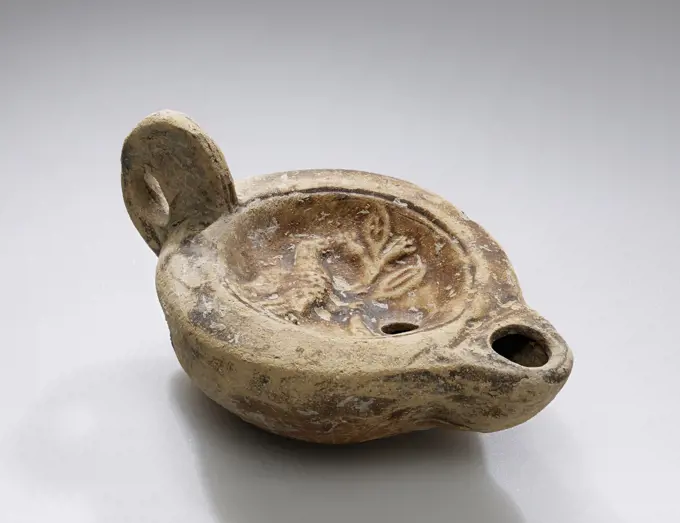
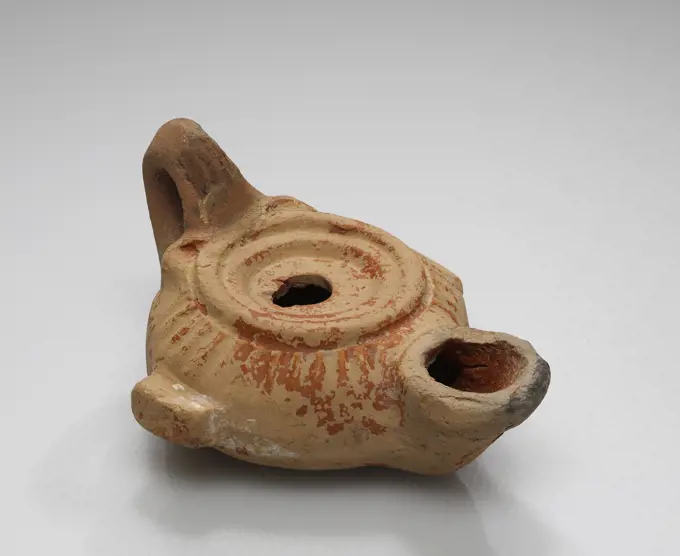
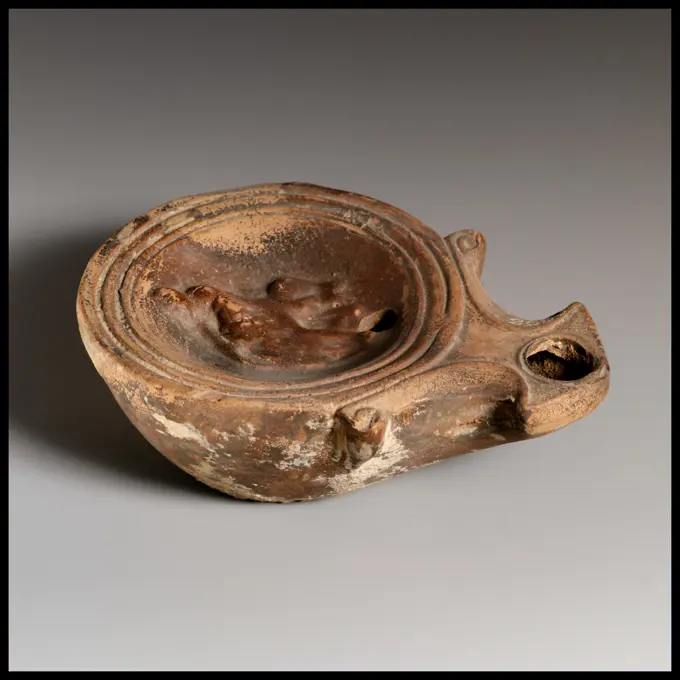
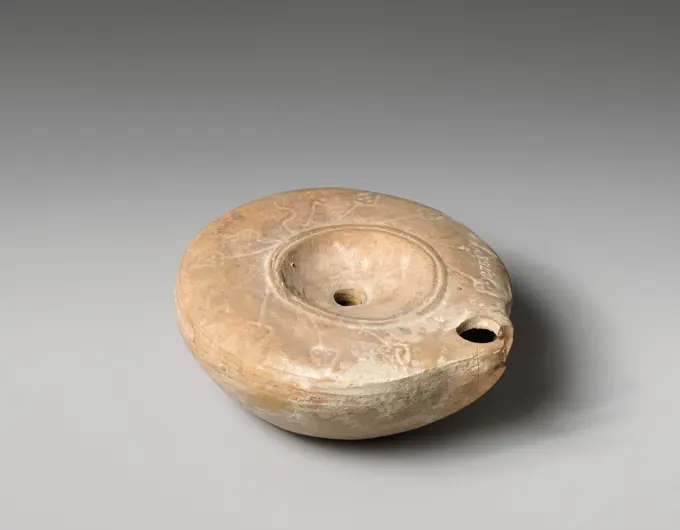
Lamp; Italy; late 1st - early 2nd century; Terracotta; 4.2 × 5.6 × 8.4 cm (1 5,8 × 2 3,16 × 3 5,16 in.)
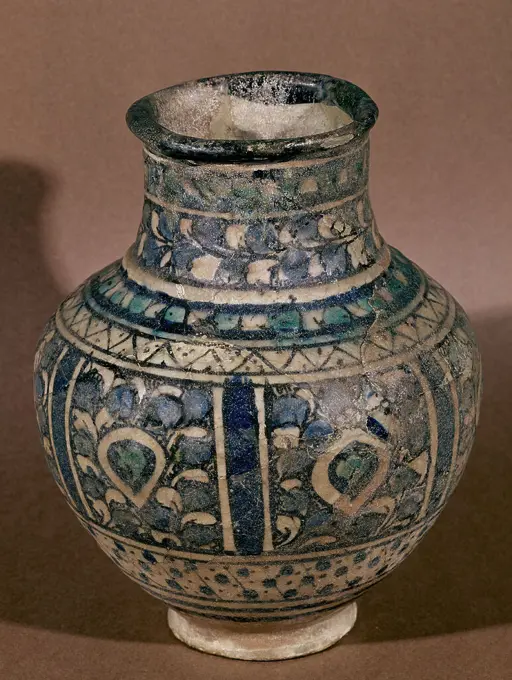
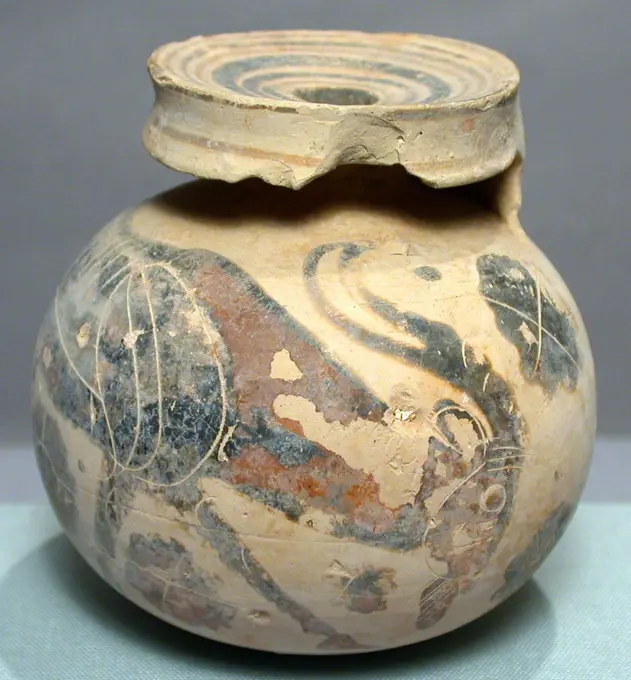
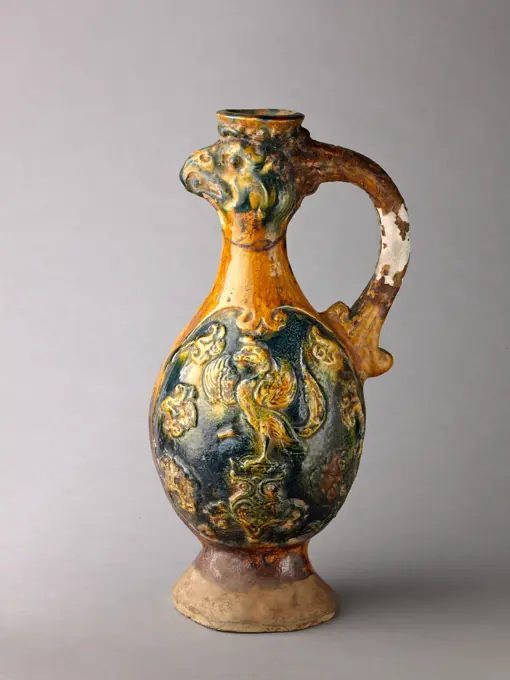
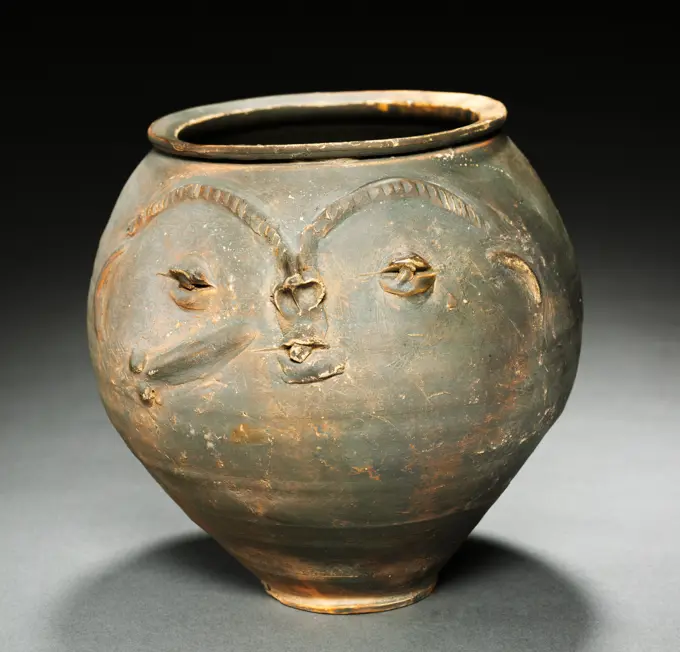
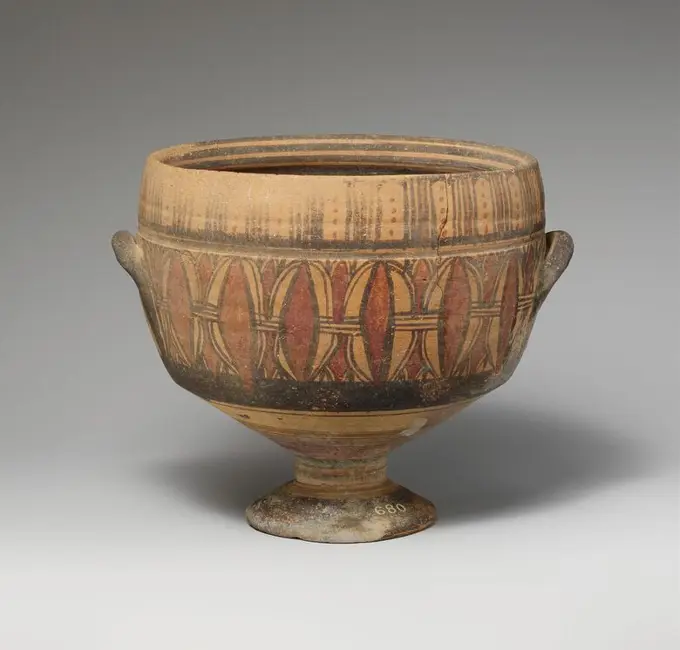
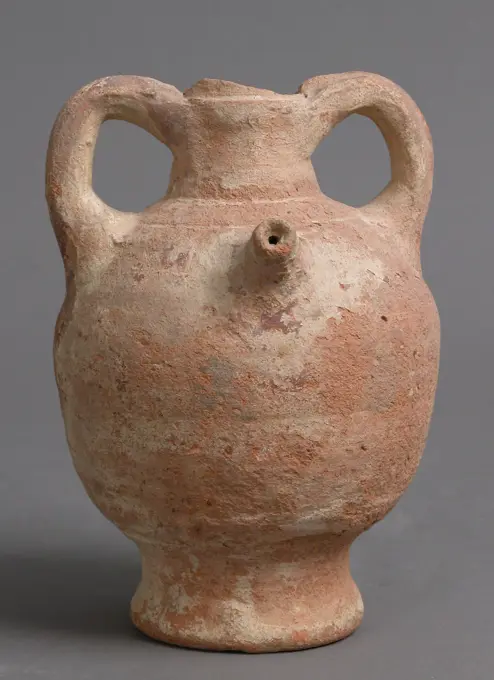
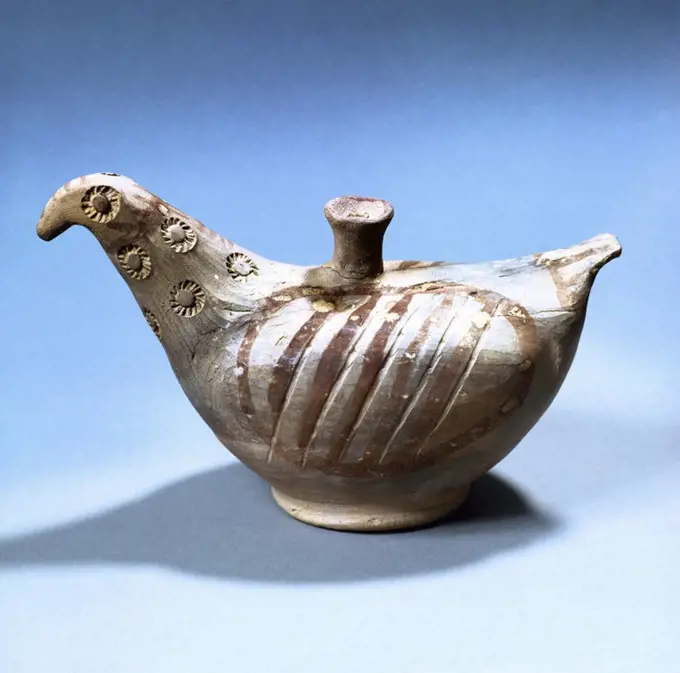
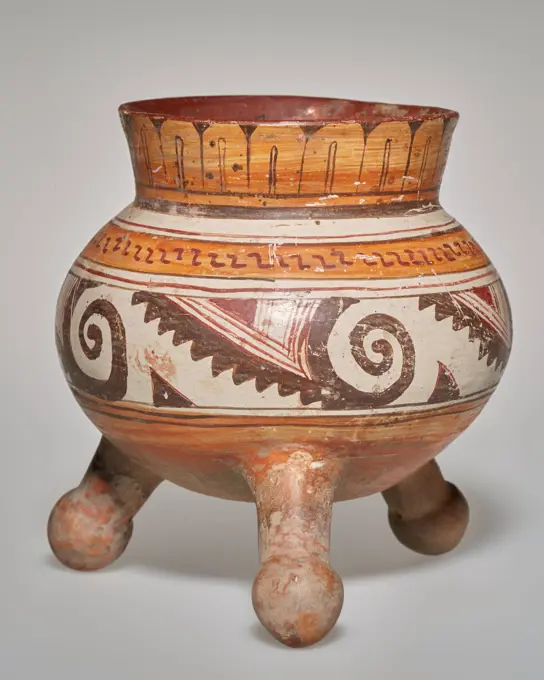
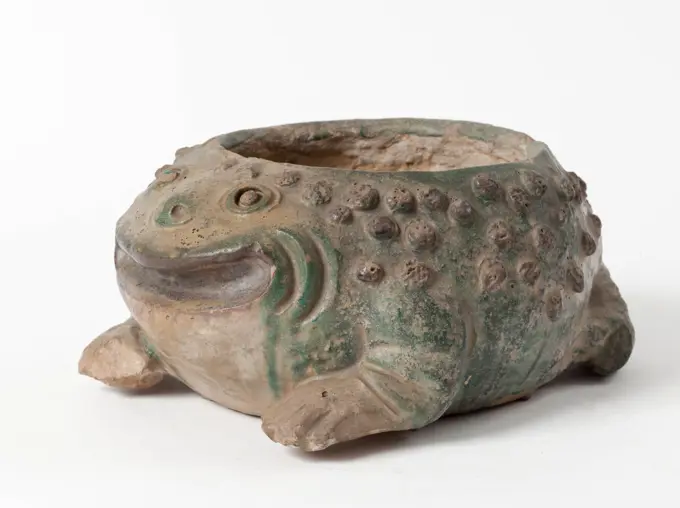
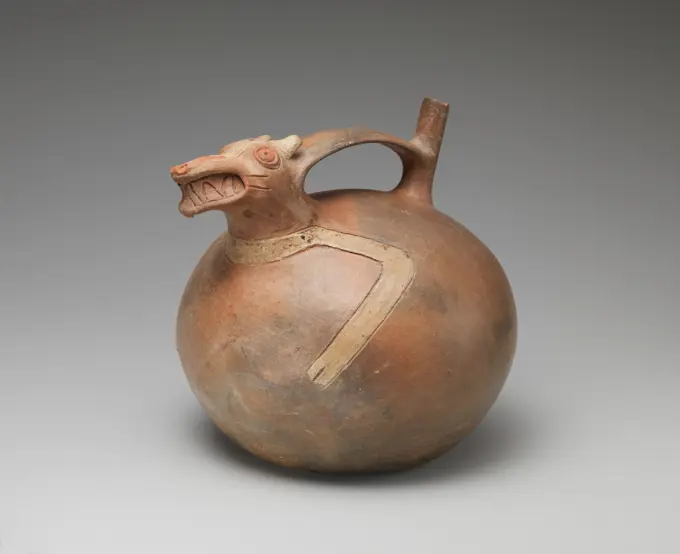
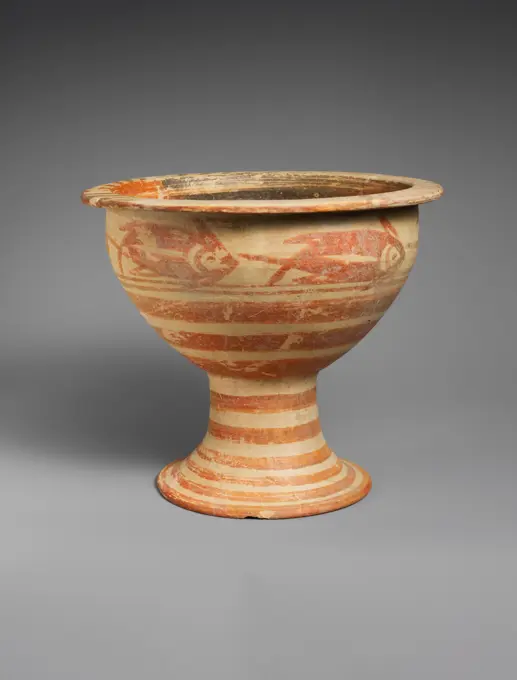
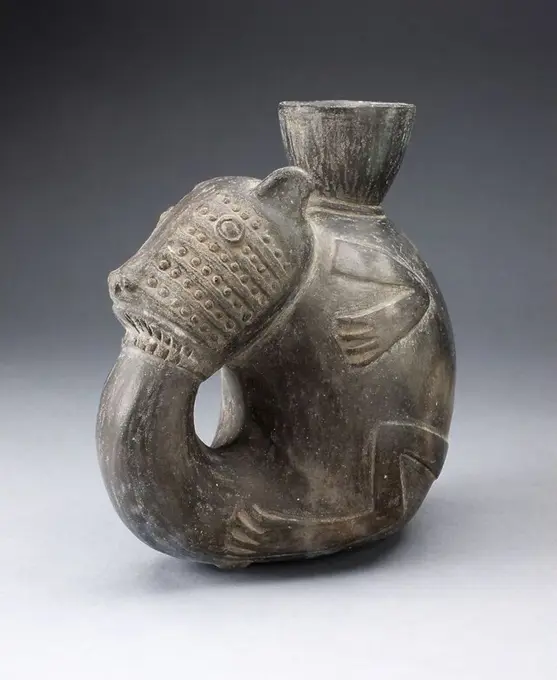
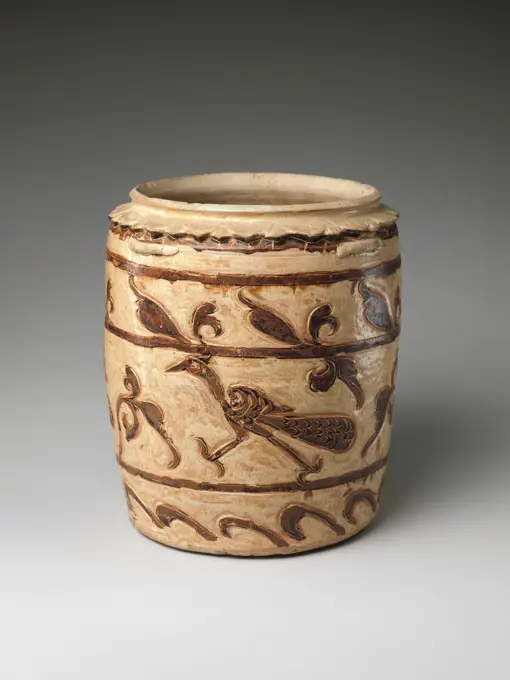
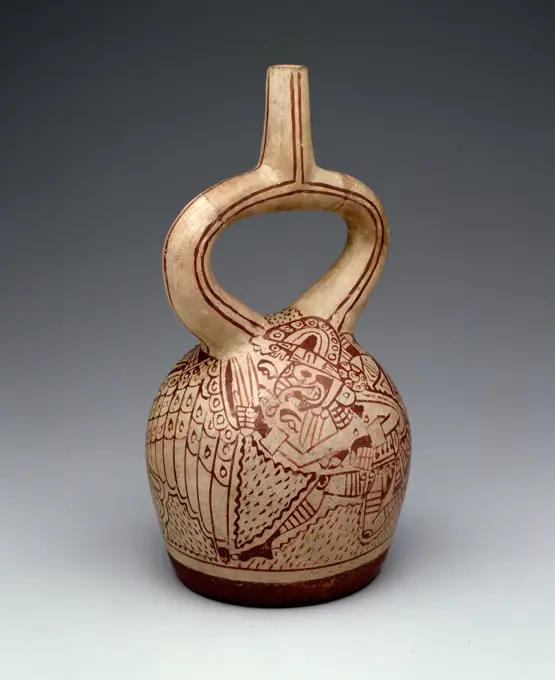
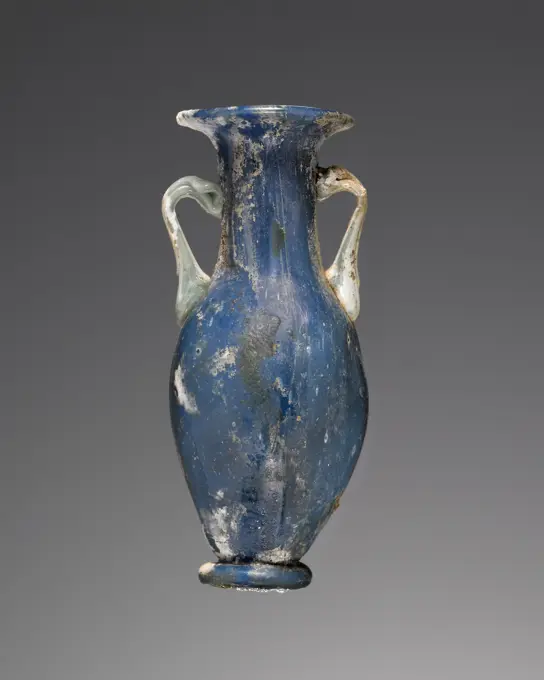
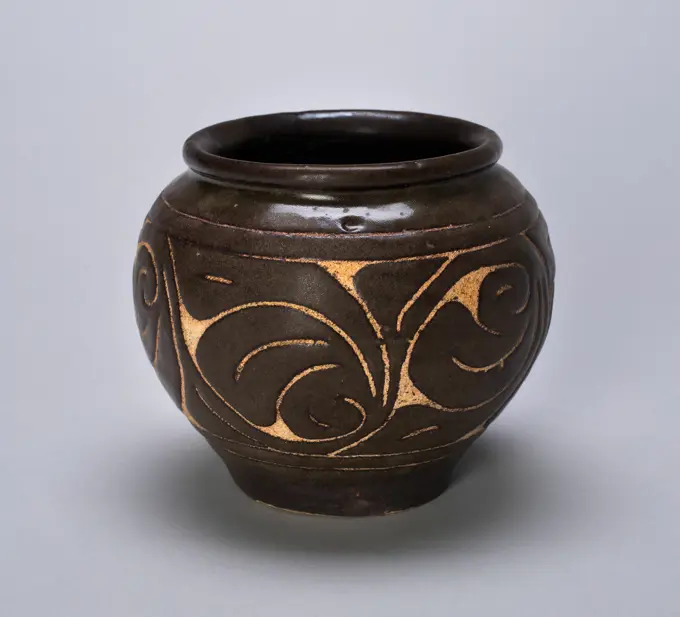
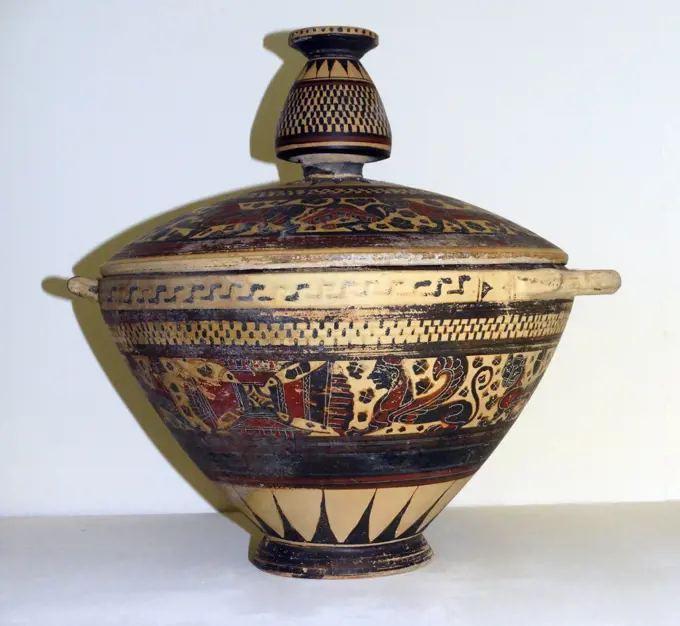
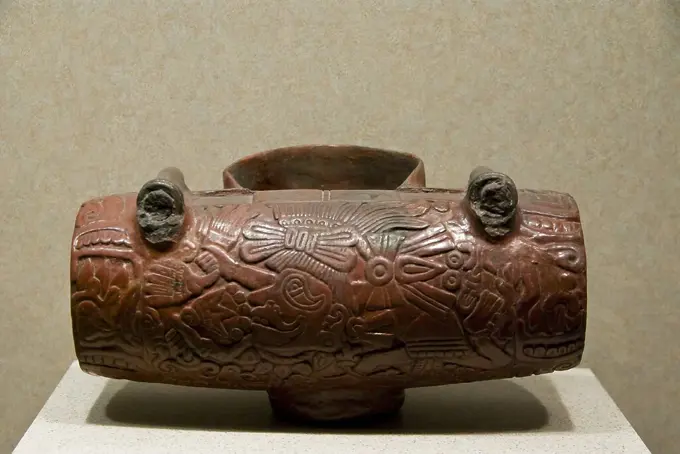
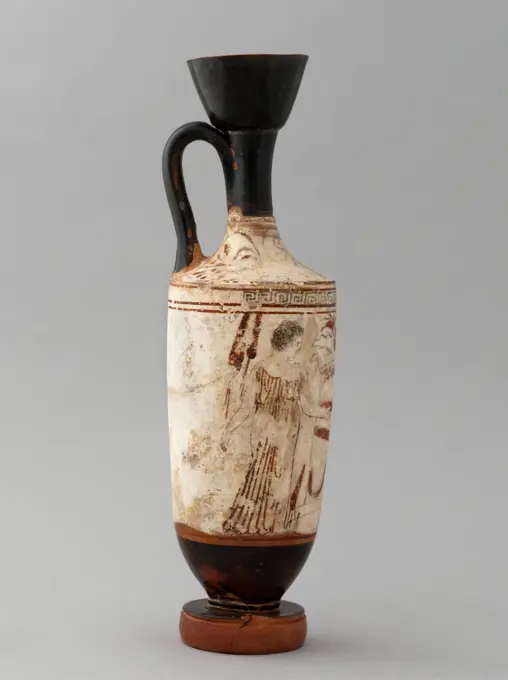
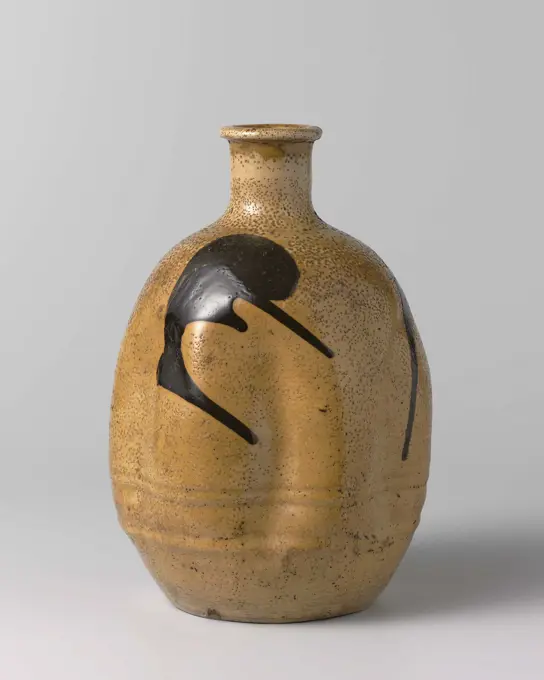
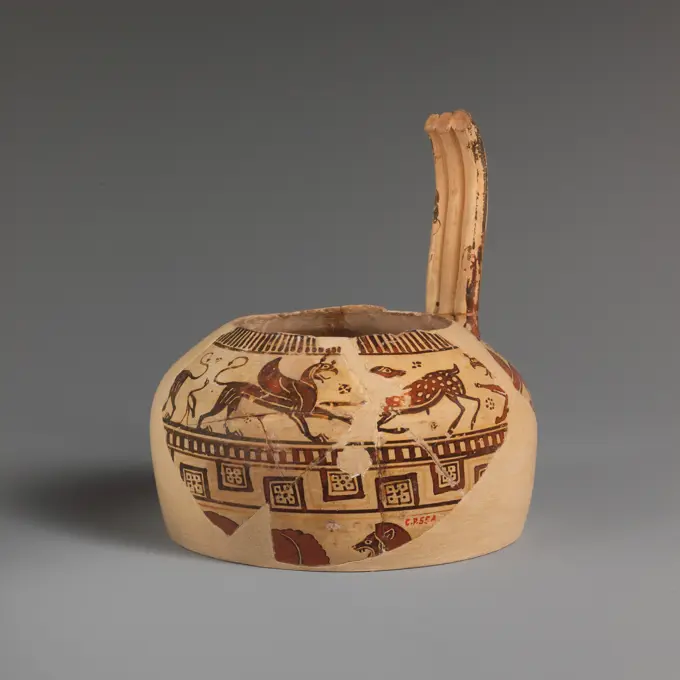
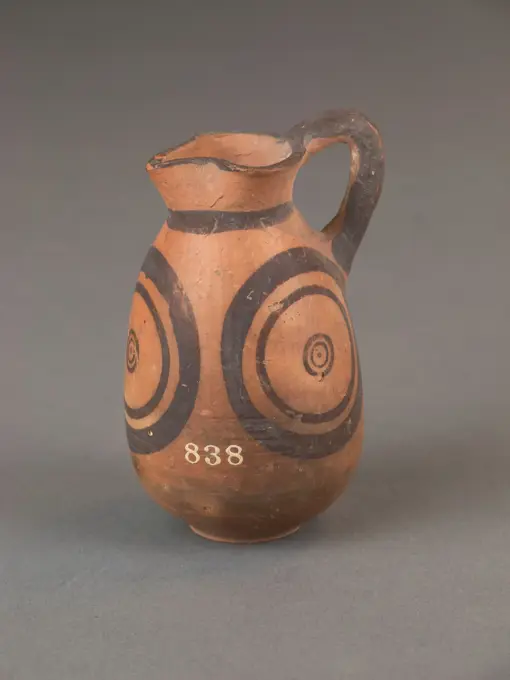
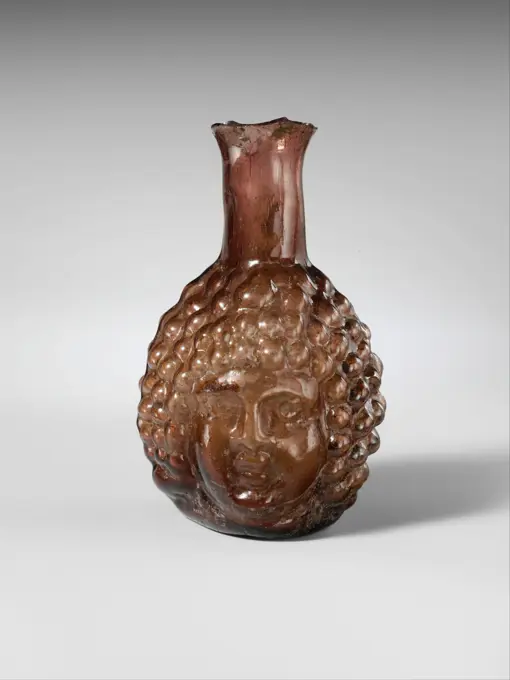
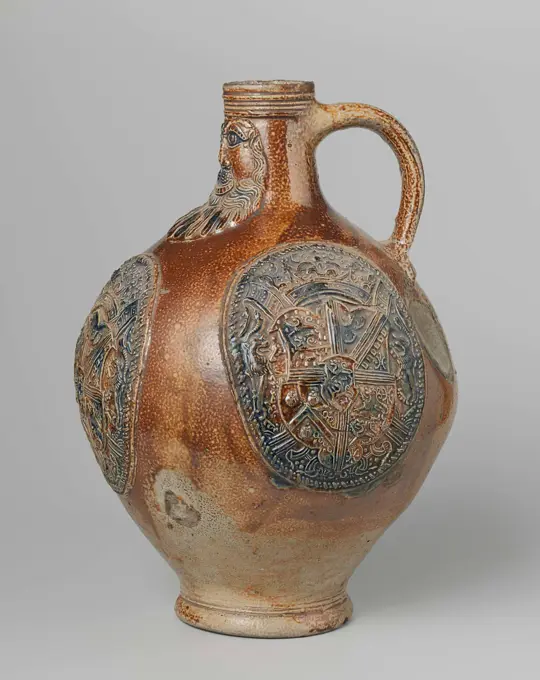
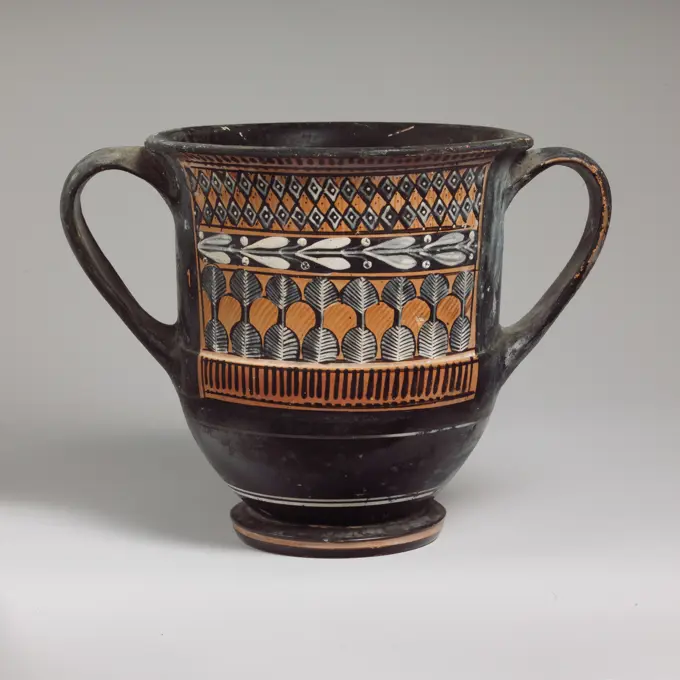
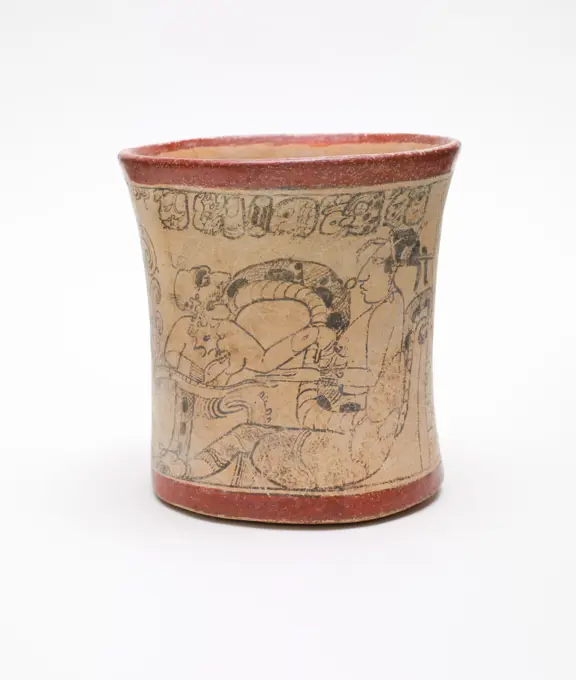
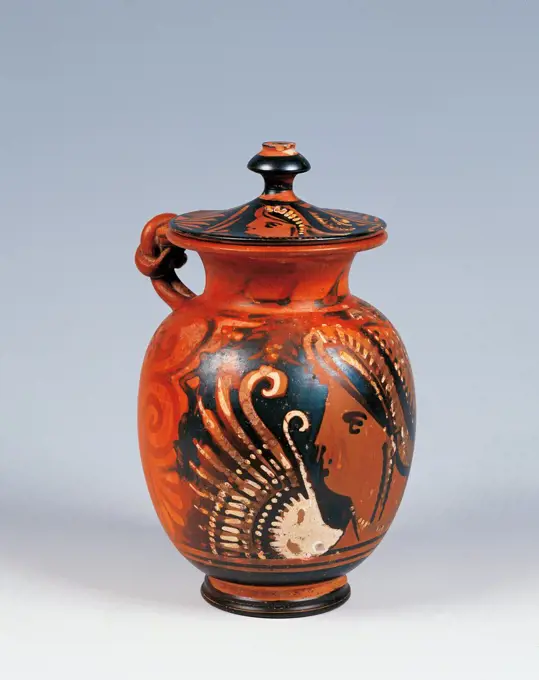
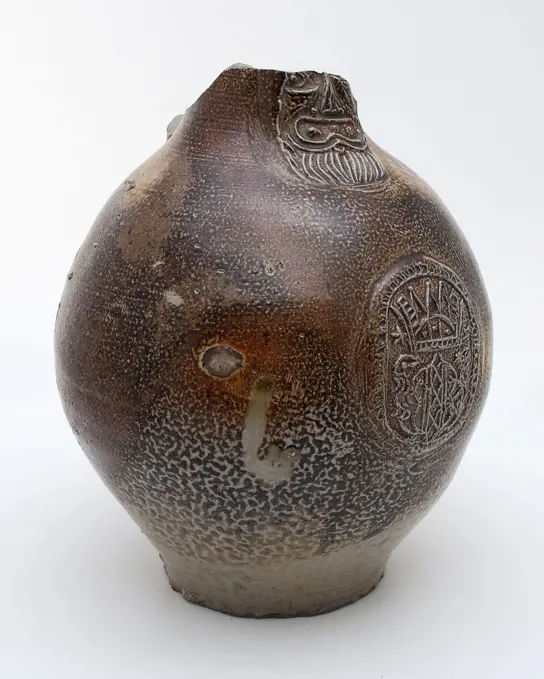
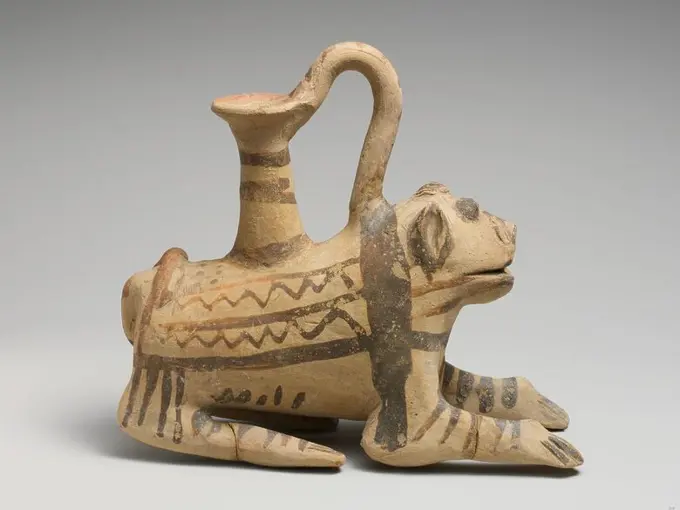
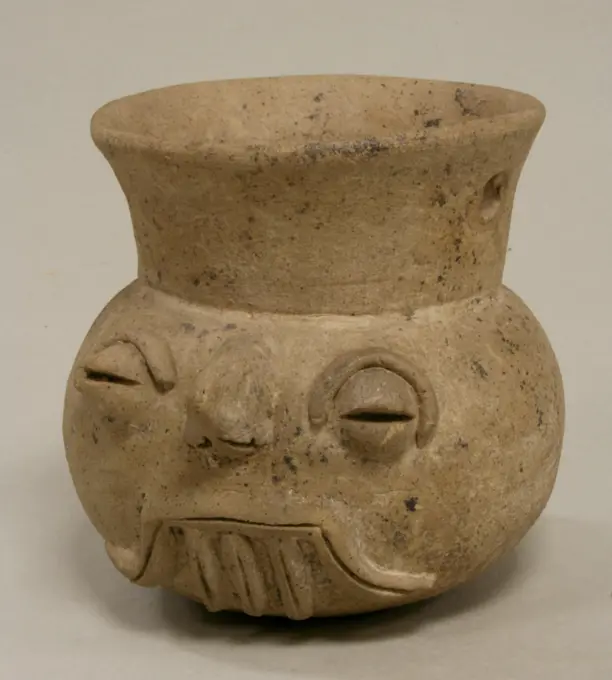
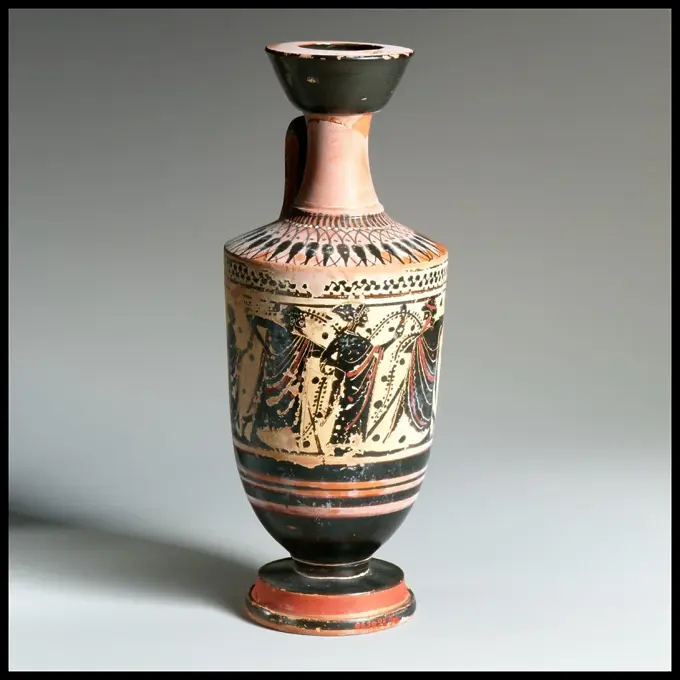
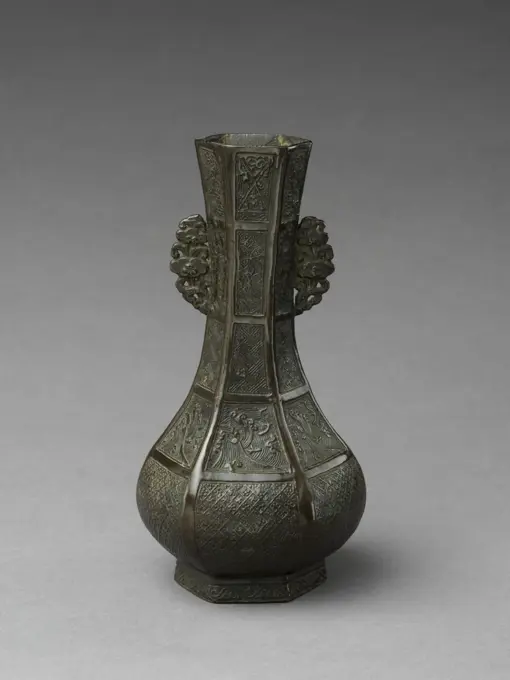
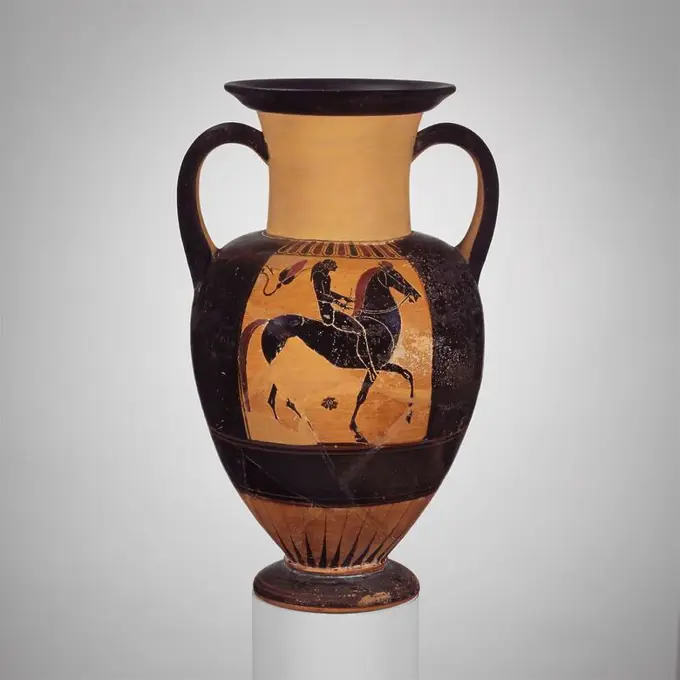
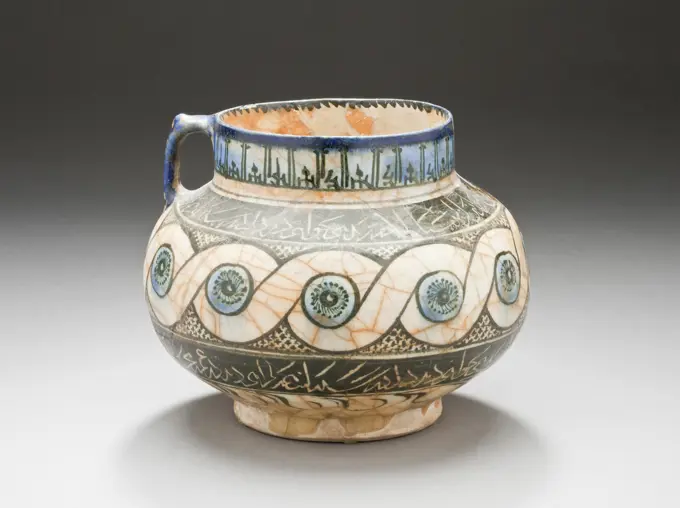
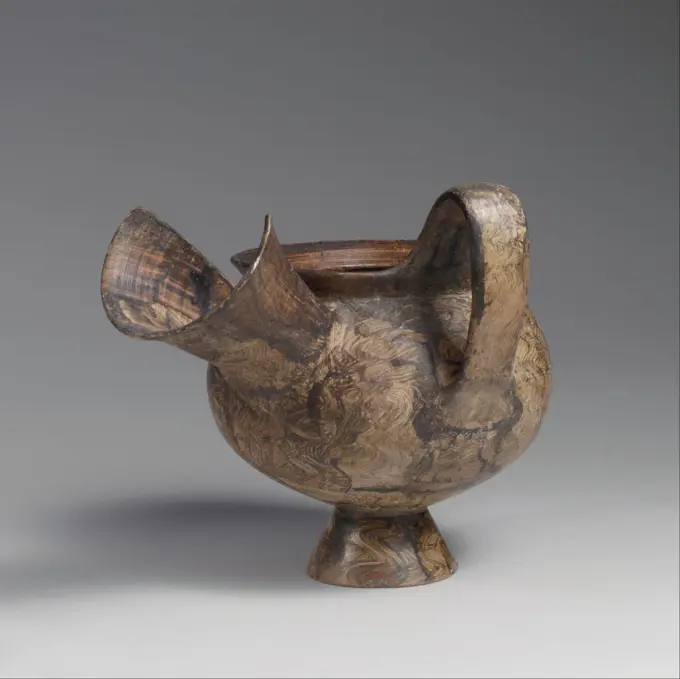
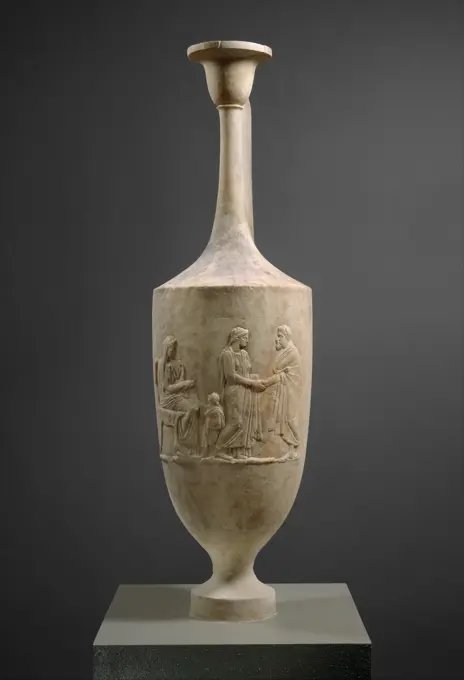
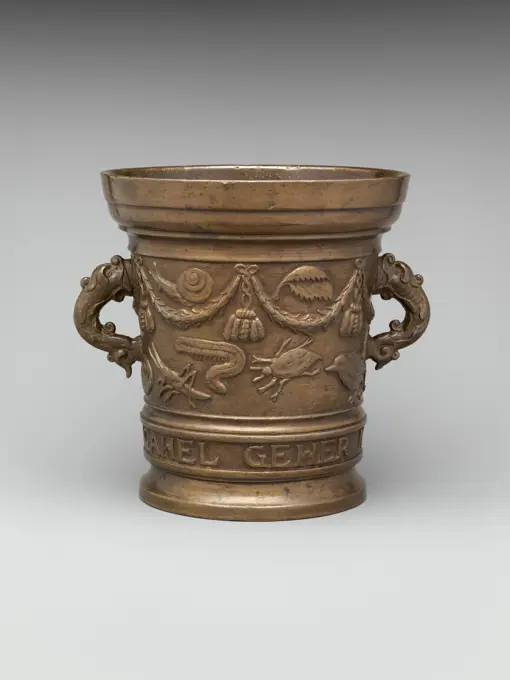
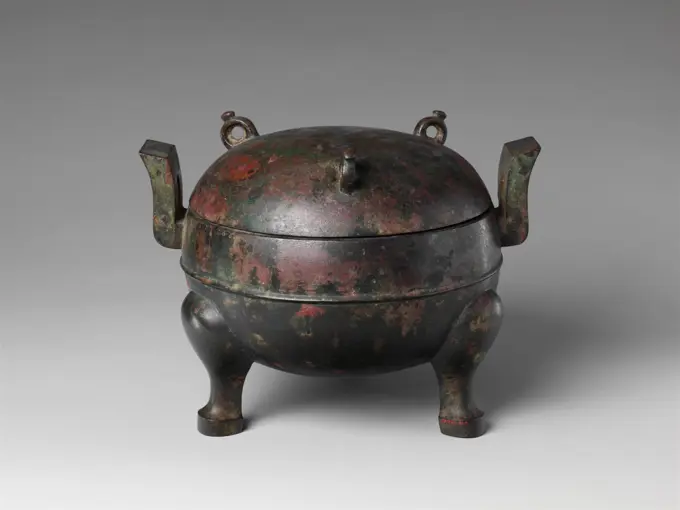
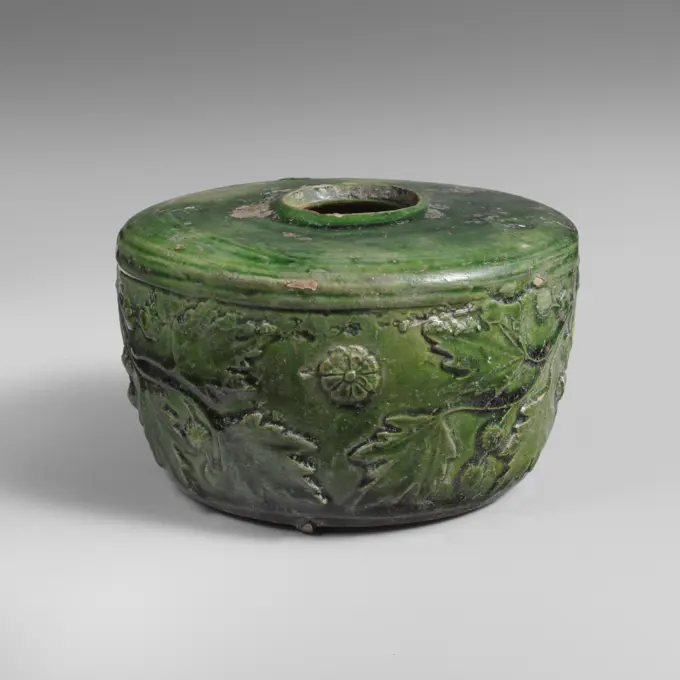
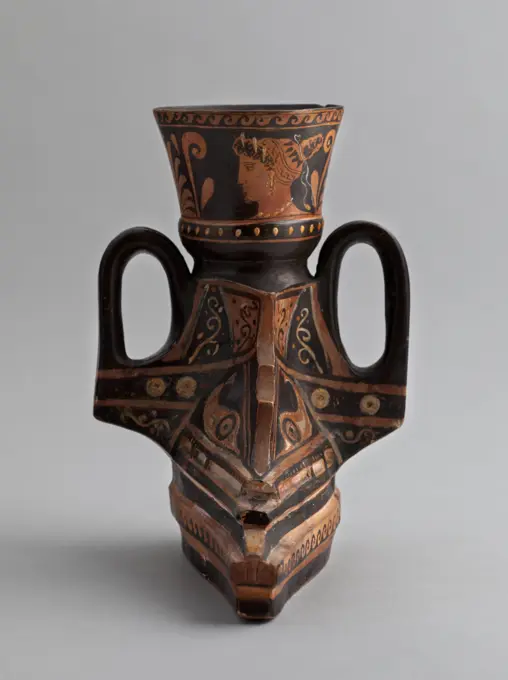
Baltimore painter (workshop), painter of underworld (workshop). Vase in the form of a hard time. Molded terracotta, decor with red figures. Taranto, around 350 BC. AD - 300 BC. AD Museum of Fine Arts of the City of Paris, Petit Palais. 59720-8 Amphora, Nicosthenian amphora, antiquity, Greek antiquity, Greek art, workshop, attic, ceramic, detail, fete, black figure, red figure, gallere, 4th 4th 4th 4siecle av.jc, molding, ship, character, bow, terracotta, terracotta , Ancient vaseCERAMICA IRANI-JARRON DE BARRO BLANCO. Location: MUSEO ARQUEOLOGICO NACIONAL-COLECCION. MADRID. SPAIN.Pithos Lid. Workshop of the Calabresi Urn (Etruscan, active 650 - 625 B.C.)Terracotta aryballos 620-590 B.C. Greek, Corinthian Small aryballoi were used as containers to hold scented oil. Olive oil in particular was treated with aromatic plants such as rose, sage, coriander, and pomegranate. Since this was a valuable luxury item in the Mediterranean, it was usually stored in bottles with narrow necks that limited the flow of the liquid. Corinth was one of the most important centers of production and distribution of such vases, which were widely exported all over Greece as well as in South Italy and Sicily.. Terracotta aryballos 330052Lamp, Asia Minor; 1st - 4th century; Terracotta; 2.4 x 5.6 x 7.5 cm (15,16 x 2 3,16 x 2 15,16 in.)Phoenix-head ewer, Tang sancai ware late 7th century-first half 8th century Chinese. Phoenix-head ewer, Tang sancai ware. Chinese , Tang Dynasty. Chinese. late 7th century-first half 8th century. Earthenware with polychrome glaze.. CeramicsPhoenix headed amphora late 7th-first half of the 8th century China The shape of either Western Asian or Central Asian metalwork could have provided the model for this Tang-dynasty earthenware ewer. However, the attachment of its elongated handle to the mouth rim rather than the body indicates a Central Asianspecifically, Sogdianprototype. The mounted archer shooting over his shoulder, the so-called "Parthian shot," can be found in the Western ornamental lexicon.. Phoenix headed amphora 42376Miniature alabaster amphora (jar) late 4th-3rd century B.C. Cypriot Long neck and two handles.. Miniature alabaster amphora (jar) 244016Face Urn, AD 25-50. Rhenish (Cologne), Gallo Roman, 2nd quarter, 1st Century. Reddish ware with gray burnished slip; diameter: 19.5 cm (7 11/16 in.); overall: 19 x 20 cm (7 1/2 x 7 7/8 in.).Terracotta kylix (cup). Culture: Cypriot. Dimensions: H. 6 15/16 in. (17.6 cm); diameter 7 1/8 in. (18.1 cm). Date: 600-480 B.C..Kylix with zone of lotus flowers, above it a zone of vertical bands and dots. Museum: Metropolitan Museum of Art, New York, USA.Pot 4th-7th century Coptic. Pot 476275Lamp. UnknownARTE IBERICO. ESPAÑA. VASO DE LIBACIONES DE AMAREJO. Realizado en arcilla ocre trabajada en molde, decorado con pintura roja y blanca e incisiones. Con base plana, su anchura es de 19 cm., altura de 11,2 cm. Procede del pozo votivo del poblado de El Amarejo, Bonete (Albacete). Museo de Albacete. Castilla-La Mancha.Tripod vase, 15th century, 6 7/8 x 6 1/4 x 6 1/4 in. (17.5 x 15.9 x 15.9 cm), Earthenware, Mexico, 15th centuryHu wine vessel, 5th-4th century BCE, 13 1/2 × 9 13/16 × 9 3/8 in., 7.9 lb. (34.29 × 24.92 × 23.81 cm, 3.6 kg), Bronze, China, 5th-4th century BCE, A new trend in bronze decoration emerged during the Warring States period that employed an inlay technique to depict livelier pictorial scenes or abstract designs. This precisely fashioned hu, made during this period of bronze casting, originally had its recessed geometric design inlaid with copper and turquoise. In general, inlaying involved inserting very thin gold, silver, or copper foil thread into a fine line scored on the surface of the bronze. It allowed artisans to create fantastic patterns and images. The technique of embellishing bronze, with turquoise, or more rarely malachite in the early period, occurred as early as the Erlitou culture. It was during the late Spring and Autumn and the Warring States periods, however, that the technique, now encompassing more gold and silver inlay, came into wider use, and the most refined vesselMingqi: toad ". Terracotta with Green lead glaze. Han dynasty (206 BC-220 AD). Paris, Cernuschi museum. Chinese art, Chinese Ceramic, Crapeau, Han, Minqqi dynasty, funeral substitute, terracotta, animalFox-Head Bottle 2nd century B.C.-A.D. 1st century Topará. Fox-Head Bottle 308458Pitcher Ancestral Puebloan (Cibola) 12th-13th century Diverse civilizations known collectively as Ancestral Puebloan flourished in the Southwest states of Colorado, Utah, Arizona, and New Mexico in the centuries before the arrival of Europeans. This Cibola White ware pitcher was slip painted with a striking geometric design with large swirls on the body of the vessel, in a style sometimes called Tularosa Black-on-White.Mosque Lamp Bearing the Name of the Mamluk Sultan al-Malik al-Nasir. Dimensions: H. 13 in. (33 cm)Diam. of rim 8 5/8 in. (21.9 cm). Date: ca. 1340. Museum: Metropolitan Museum of Art, New York, USA.Terracotta footed bowl ca. 625-600 B.C. Etruscan, Italo-geometric These two vases of similar shape represent different Etruscan responses to imported Greek geometric pottery. Both types are frequently found in the tombs of Southern Etruria and may have been produced in centers such as Caere and Vulci.. Terracotta footed bowl 255058 Etruscan, Italo-geometric, Terracotta footed bowl, ca. 625600 B.C., Terracotta, H. 8 3/16 in. (20.8 cm). The Metropolitan Museum of Art, New York. Gift of Joseph V. Noble, 1959 (59.141)Red-figure pottery, Attic vase, 5th Century B.C.Pitcher 500 BCE-401 BCE Egypt. Glass . Ancient EgyptianKrater wolutowy czarnofigurowy z przedstawieniem o tematyce dionizyjskiej(górny pas) i sceną z sympozjonu. Grupa Golvol (ok. 500 p.n.e.), author, warsztat attycki, workshopJug in the Form of a Curled Animal, with Tail in Mouth, Possibly a Feline. Chimú; North coast, Peru. Date: 1000-1400. Dimensions: 20.2 x 18.1 cm (7 15/16 x 7 1/8 in.). Ceramic and pigment. Origin: North Coast. Museum: The Chicago Art Institute, Chicago, USA.Ritual Vessel 1101-1300 Cambodia. Bronze .Terracotta lamp with military equipment. Culture: Roman. Dimensions: Overall: 1 1/8 x 3 7/8 in. (2.9 x 9.8 cm). Date: mid-1st century A.D..On discus, equipment comprising at top and bottom two large oval shields each with a central rib; to either side of filling hole, two helmets with cheek pieces, flanked by two straight swords pointing upward. Museum: Metropolitan Museum of Art, New York, USA.Lidded Vessel with Leaf-like PatternsCenser Stand Depicting Principal Bird Deity. Guatemala, Maya, 250-450 CE. Ceramics. CeramicStorage Jar ca. 13th century Vietnam An ivory-glazed storage jar with forest bird and foliage design incised into the clay and highlighted in an iron wash underglaze. It has a carved projecting lotus petal collar below the rim and four residual lug handles on the shoulder. Jars of this type were designed to have a cover, but these rarely survive. One such cover is preserved in the Musees Royaux, Brussels, and is inscribed in iron-wash on the interior surface "wine container". This remains the most definitive indicator of the function of these otherwise enigmatic jars. The chosen designs are typically wild birds and beasts of the forest, sometimes being pursued by hunters (National Museum Hanoi), an allusion perhaps to the country-style wine that was served from such vessels. The imagery may also be interpreted as a conscious attempt on the part of the Vietnamese ceramic decorators to assert a non-Chinese identity in these wares. They are a product of their place and time. Having said tEngraved brass and silver ewer. Near East Civilisations, 14th century.Vessel, c. 400 BCE - 599 CE, 10 1/4 in. (26 cm), Clay, pigments, Peru, 5th-6th centuryTerracotta jug 7th century B.C. Phoenician The five letters incised in Phoenician script on the shoulder seem to indicate a name. Though discussed by scholars since 1885, the meaning has not yet been elucidated.. Terracotta jug 240970Amphoriskos. UnknownTerracotta oil lamp 1st century A.D. Roman Loeschcke Type 1A. Mold-made. Discus: a man and a centaur (), facing right; a single filling hole at bottom near nozzle, with a band of lines and grooves around edge. Volutes flanking angular nozzle. Raised base ring, and flat base.Intact; some limy encrustation on side of body.. Terracotta oil lamp. Roman. 1st century A.D.. Terracotta; mold-made. Early Imperial. TerracottasCup 12th-14th century Ancestral Pueblo (Mesa Verde). Cup 307596Small Globular Jar with Rolled Lip and Stylized Leaves 1115-1234 China. Cizhou ware; stoneware with carved-slip decoration .Terracotta pyxis (box with lid) mid-8th century B.C. Greek, Attic While pyxides are frequently found in burials, they also may have served as a container for small objects during the owner's lifetime. In the grave they may have contained perishable offerings, such as food. The knob of the lid assumes many different forms. Here the articulation of the shaft contrasts particularly with the smooth surface of the box.. Terracotta pyxis (box with lid). Greek, Attic. mid-8th century B.C.. Terracotta. Geometric. VasesDeep bowl with lid (kotyle-pyxis) from Corinth. Decorated with real and mythical creatures including boars, bulls, birds, lions and sphinxes. Dated 600 BCLamp. UnknownDouble Spout Vessel Depicting Hummingbirds of Different Colors Made 180 BCE-500 CE Nazca Valley. Ceramic and pigment . NazcaMexico.Mexico city.National Museum of Antropology.Mexica-Aztec culture.Ceramic representing a musical instrument..Lécythe with white background. Polychromy. Athens, around 420 BC. AD Museum of Fine Arts of the City of Paris, Petit Palais. 58664-4 Greek antiquity, funeral art, Greek art, ceramic, perfume oil, white background white, ritual object, offering, funeral offering, character, polychromy, funeral rite, ancient scene, body care, ancient vase, funerary vase, veme ve 5th 5th 5 century AV.JCTerracotta zoomorphic askos (vessel) 1900-1600 B.C. Cypriot Fantastic vase with handle, spout, and four feet and tail.. Terracotta zoomorphic askos (vessel). Cypriot. 1900-1600 B.C.. Terracotta; White painted ware. Middle Cypriot. VasesOil LampCovered Bowl with Floral Scrolls. Thailand, Sawankhalok, 15th-16th century. Furnishings; Serviceware. Wheel-thrown stoneware with cream slip, underglaze brown painted decoration, and pale blue glazeFRASCOS DE PERFUMES PROCEDENTES DE LA NECROPOLIS DEL PUIG DES MOLINS (IBIZA). Location: MUSEO ARQUEOLOGICO / MUSEO DE PUIG DES MOLINS. IBIZA. SPAIN.Prehistory. Bronze Age. Vessel. Bell Beaker. Iberian Peninsula. From Aiguafreda, Catalonia. Episcopal Museum. Vic. Spain.. Egg-shaped sake bottle from stoneware with stuck walls and a wooden stop, covered with a yellow glaze and painted in brown. Four brown spots on the belly. Old label on the bottom with 'W504'.Fragment of a terracotta oinochoe (jug) ca. 560-550 B.C. Attributed to the Altenburg Painter On the shoulder, deer attacked by sphinxes and griffins, water birdsOn the body, bull attacked by lionThis fine fragment represents an early phase in the development of Fikellura pottery. In the animal groups as well as the drawing, there is a vitality that later subsides. The name Fikellura derives from a site on the island of Rhodes to which this fabric has been attributed. It is now established that the center of production was Miletus.. Fragment of a terracotta oinochoe (jug) 239950Jar. Western Iran, 2000-1500 B.C.. Furnishings; Serviceware. Buff wareJar 10th-12th century. Jar 449424Juglet 750-600 B.C. Cypriot. Juglet. Cypriot. 750-600 B.C.. Terracotta. Cypro-Archaic I. VasesBlack-Figure miniature trefoil-mouthedOinochoeGlass double head-shaped flask early 3rd century A.D. Roman Translucent light purple.Flaring mouth; cylindrical neck, expanding downwards; globular body with prominent seam running from neck down sides; flat bottom.Blown in a two-part negative mold to produce relief decoration on body of two heads back to back with similar features: hair arranged around the face as evenly spaced knobs in three regular tiers, prominent arched browline, almond-shaped eyes with recessed pupils, narrow nose with flaring nostrils, small mouth with straight lips slightly parted, and fat cheeks.Complete, but rim missing and with one hole in side of body; pinprick and elongated bubbles, and black impurities in top of neck; slight weathering and soli encrustation on exterior, thick encrustation on parts of interior.. Glass double head-shaped flask 239903Bearded manner. Bearded manner of stoneware. The egg-shaped belly is over in the narrow, high, cylindrical neck. 3 ovals with crowned weapon are printed on the abdomen. For a grotesque beard man on the neck.Terracotta sessile kantharos (deep cylindrical drinking cup with two handles) ca. 450 B.C. Greek, Attic Sessile kantharoi are often decorated with stylized foliate patternwork and other motifs.. Terracotta sessile kantharos (deep cylindrical drinking cup with two handles) 254919 Greek, Attic, Terracotta sessile kantharos (deep cylindrical drinking cup with two handles), ca. 450 B.C., Terracotta, H. 6 in. (15.3 cm); diameter mouth 5 7/8 in. (14.9 cm); diameter foot 3 1/16 in. (7.7 cm). The Metropolitan Museum of Art, New York. Fletcher Fund, 1956 (56.171.60)Lamp; Italy; 2nd century; Terracotta; 4 x 5 x 7 cm (1 9,16 x 1 15,16 x 2 3,4 in.)Vessel with Snake-Lady Scene. Guatemala or Mexico, Maya, 600-900 CE. Ceramics. Slip-painted ceramicCycladic beaked jug. Artist: UnknownApulian oinochoe and lid with red figures, by Kantharos group, 4th Century, cm 18 H coperchio 5.8 cmVessel, Scythian Art  Ointment Bottle 5th-8th century Its small size and elegant manufacture suggest that this bottle may have been used to carry oils or ointments to the public baths. The patterns of concentric circles may have been intended to protect the owner from evil.. Ointment Bottle 444869Bartmann jug, also called Bellarmine jug, strong mottled salt glaze, bearded appliqué with coat of arms of Amsterdam, Bartmann jug jug crockery holder soil find ceramic stoneware clay engobe glaze salt glaze, standing area 9.7 hand turned stamped glazed glazed baked stoneware jug gray shard brown local dark brown brindled salt glaze archeology heraldry import pottery drink packing transport AmsterdamStoneware bullet tomb with medallion flanked by lions with rim text, dated, Bullet pewter jug crockery holder soil find ceramic stoneware glaze salt glaze, hand twisted stamped glazed glazed baked stoneware bulletbayer gray shard with salt glaze. Imprinted motifs on the shoulder three appliqués on the belly around the medallion ICH. BRINS DER HERS. LEBSTENVM I FRUNT LIGHTS. KVS. 1632 archeology import pottery serve serve serve saveVase. Culture: China. Dimensions: H. 5 3/4 in. (14.6 cm). Date: late 17th-early 18th century.Made for the Muslim community, this vase has two Arabic inscriptions, which read, "Glory to Allah" and "Praise be to Allah." The shape of the vase, however, follows a form first used during the Shang (ca. 1600-1046 B.C.) and Zhou (1046-256 B.C.) dynasties. Museum: Metropolitan Museum of Art, New York, USA.Terracotta bell-krater (bowl for mixing wine and water) ca. 350-325 B.C. Attributed to the Chevron Group, Archidamos Sub-Group Obverse, a woman holding a phiale and a branch seated on a rock; reverse, a head of a woman.. Terracotta bell-krater (bowl for mixing wine and water) 246551VesselTerracotta askos (vessel) in the form of a lion. Culture: Cypriot. Dimensions: H. 5 9/16 in. (14.1 cm); length 6 3/16 in. (15.7 cm). Date: 1200-1050 B.C..Animal-shaped vase in the form of a lion with a spout and handle. Museum: Metropolitan Museum of Art, New York, USA.Face Jar 1st-10th century Monte Alban. Face Jar 310602Lamp. UnknownHanging Vase. Culture: Japan. Dimensions: H. 6 in. (15.2 cm). Date: 19th century. Museum: Metropolitan Museum of Art, New York, USA.Lekythos. Culture: Greek, Attic. Dimensions: Overall: 7 3/8in. (18.7cm)Diameter: 2 7/8 × 1 13/16 × 2 1/4 in. (7.3 × 4.6 × 5.7 cm). Date: ca. 500 B.C.. Museum: Metropolitan Museum of Art, New York, USA.Etruscan civilization, 8th-7th century b.c. Geometric pottery. Oenochoe depicting ships and fish.Kohl Jar Inscribed with the Names of Amenhotep III and Queen Tiye. Dimensions: H. 6.2 cm (2 7/16 in.); Diam. (rim) 5.4 cm (2 1/8 in.); W. 5.7 cm (2 1/4 in.). Dynasty: Dynasty 18. Reign: Amenhotep III. Date: ca. 1390-1352 B.C.. Museum: Metropolitan Museum of Art, New York, USA.Turkey, Mahmatlar, Gold lip jugManierka noworoczna. unknown, authorHexagonal flower vase with magic fungus handles 14th century China This elegant vase represents an aesthetic revolution in its creative reinterpretation of an ancient bronze vessel. Its intricate décor, arranged in horizontal registers, follows archaic models, but also incorporates contemporary motifs, such as the geometric diaper pattern with swastikas and the turbulent waves. Its two handles are intricately cast in the form of magic fungus, a symbol of longevity. The three-dimensional form of the handles recalls similar images of magic fungus on contemporary jades. Its long flaring neck and pear-shaped body are features of 13th to 14th century ceramics. However, its hexagonal form, readily created in cast bronze, also came to be imitated by contemporary ceramics.. Hexagonal flower vase with magic fungus handles. China. 14th century. Copper alloy. Yuan dynasty (1271-1368). MetalworkLamp, North Africa; 1st - 4th century; Terracotta; 2.5 × 6.8 × 9.5 cm (1 × 2 11,16 × 3 3,4 in.)Terracotta neck-amphora (jar). Culture: Greek, Chalcidian. Dimensions: restored H. 12 5/8 in. (32 cm); preserved H. 9 in. (22.8 cm). Date: ca. 540-520 B.C..Obverse, youth on horseback.Reverse, man and youths. Museum: Metropolitan Museum of Art, New York, USA.Terracotta trick vase ca. 1050-950 B.C. Cypriot The body was filled through the hollow stem, and the liquid poured out through the hold in the goat's muzzle. This type of vase was most popular during the late eleventh century B.C.. Terracotta trick vase 240369Pitcher. Dimensions: H. 8 1/2 in. (21.6 cm). Date: ca. 1850. Museum: Metropolitan Museum of Art, New York, USA.Jug. Iran, Kashan, 13th century. Ceramics. Fritware, underglaze painted in blue and black under a transparent glazeVase (Ping) in the Form of a Gourd with Floral Scrolls. China, Jiangxi Province, Jingdezhen, Qing dynasty, Kangxi period, 1662-1722. Furnishings; Accessories. Wheel-thrown porcelain with overglaze painted enamel decoration (wucai) and gildingTerracotta oil lamp 2nd century A.D. Roman Mold-made. Large, deep body. Plain concave discus, with a single central filling hole, and a band of two lines and a groove around edge; broad, horizontal shoulder: impressed wreath of widely-spaced leaves; short, round, nozzle. Incised base ring, and concave base.Complete, except for hole in front of nozzle.. Terracotta oil lamp. Roman. 2nd century A.D.. Terracotta. Mid Imperial. TerracottasBowl-Shaped Vessel with Cover (Gui) and Pierced Collar 25 CE-99 CE China. Stoneware with grayish-green glaze and underglaze incised decoration, gilt bronze applied to mouth-rim .Terrocotta oil lamp. Culture: Roman. Dimensions: Overall: 7/8 x 3 5/8 in. (2.2 x 9.2 cm). Date: 2nd half of 1st century A.D..Loeschcke Type 4. Mold-made. Discus: two cuttlefish. Scrolled nozzle. Museum: Metropolitan Museum of Art, New York, USA.Terracotta jug with an oversize spout mid-6th century B.C. Lydian This vase is decorated with a marbleizing technique often found on Lydian pottery, but the inspiration for the shape comes from Phrygia, a region to the east of Lydia.. Terracotta jug with an oversize spout 248831Milk vessel, third quarter of the 20th century, 14 1/2 x 7 7/16 in. (36.83 x 18.89 cm), Gourd, plant fiber, silver, Ethiopia or Kenya, 20th centuryMarble funerary lekythos ca. 375-350 B.C. Greek, Attic The monument was presumably erected in memory of the young long-haired girl who clasps her father's hand while her seated mother presents a bird to her little sister.. Marble funerary lekythos 248644Southern Italian vase (Trozzella), 500-475 B.C. The torzzella form is characteristic for the Messapian inhabitants of Aulia in Southern Italy. Deposited in tombs. Decorated with figural scenes executed in the Greek style. Ny Carlsberg Gyptotek. Copenhagen. Denmark. Europe.Bird cage, terracotta, from Mohenjo-daro, Pakistan. Indus Valley Civilisation, mid 3rd millennium BC.Cup 10th-11th century. Cup. 10th-11th century. Earthenware; incised and unglazed. Excavated in Iran, Nishapur. CeramicsMortar with Animal Frieze 1603 Modeled by Caspar Gras Mortars were used in daily life in domestic settings to grind seeds, grains, spices and herbs as well as numerous ingredients for cooking, and simple medicines and cosmetics. The sculptor Caspar Gras (1585-1674) worked for the Innsbruck Habsburg court from 1613 to 1632. Through his training with Hubert Gerhard, himself student of Giambologna in Florence. Gras became one of the artists who was instrumental in the transmission of Giambolognas style to the Northern Europe. Dated "1603" this mortar is the sculptors earliest work presently known.. Mortar with Animal Frieze. German, Innsbruck. 1603. Bronze. Sculpture-BronzePolychrome Jar 1840-1860 New Mexico. This jar, made between 1840 and 1860, stands at the beginning of a major rebirth of the Pueblo ceramic tradition after some 250 years of diminished innovation when the Pueblo world was part of the Spanish empire. Bold geometric motifs flow around the vesselís surface in a seemingly random progression; however, the unknown artist duplicated the design on both sides, indicating that the decoration was carefully planned. Prominent among the motifs are blunt-end ìfingers,î heart-shaped patterns, large spirals, and triangular elements. The artistic renewal starting in the mid-19th century soon included pottery from nearby ZuÒi, and subsequently spread to other pueblos along the Rio Grande to the east and the Hopi mesas to the west. By the 1930s, the most creative impulses of this artistic movement were on the wane, although vessels of remarkable accomplishment continued to be made into the 20th century.. Ceramic and pigment . AcomaRitual Tripod Cauldron with Cover (Ding) 3rd-2nd century B.C. China. Ritual Tripod Cauldron with Cover (Ding). China. 3rd-2nd century B.C.. Bronze. Eastern Zhou (770-256 B.C.) to Western Han dynasty (206 B.C.-A.D. 9). MetalworkNeck-Amphora. Attributed to Group of Munich 892 (Etruscan) 500-475 B.C.Double Spout and Bridge Bottle with Birds 1st-6th century Nasca. Double Spout and Bridge Bottle with Birds 309756The goblet decorated with the presentation of the GO Bi; Unknown Apulian workshop; End of the 4th-century BC (-310-00-00--291-00-00);Castellani, Alessandro (1823-1883)-collection, Działyńska, Izabela (1830-1899), Działyńska, Izabela Elżbieta née Czartoryski (1830-1899)-collection, Działyński, Jan (1829-1880), Greau-collectionTerracotta atramentarium (inkwell) 1st half of 1st century A.D. Roman Green glaze decorated with leaves and berries.. Terracotta atramentarium (inkwell). Roman. 1st half of 1st century A.D.. Terracotta; lead-glazed ware. Early Imperial, Julio-Claudian. VasesSmall Cup Depicting a Costumed Ritual Performer 180 BCE-500 CE Peru. Ceramic and pigment . Nazca