Ancient Ceramics and Vessels

A selection of historical ceramics, including terracotta jars and glass perfume bottles, featuring intricate designs from ancient cultures, showcasing craftsmanship.
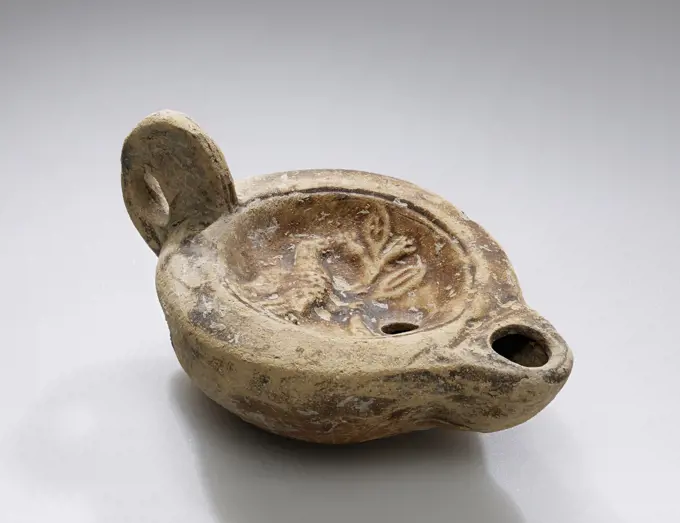
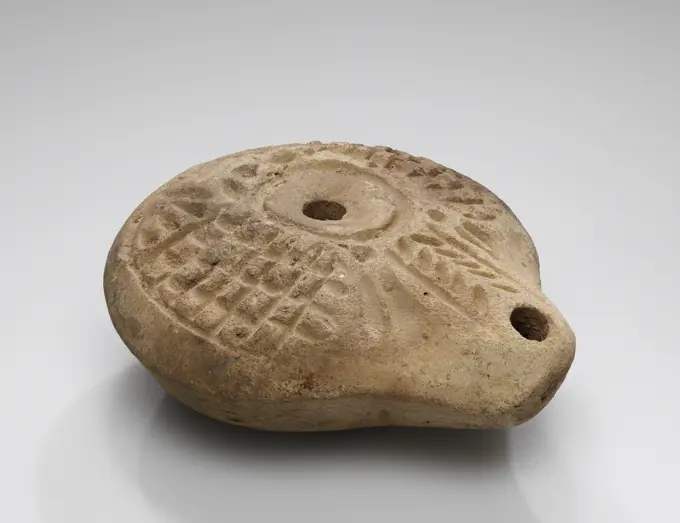
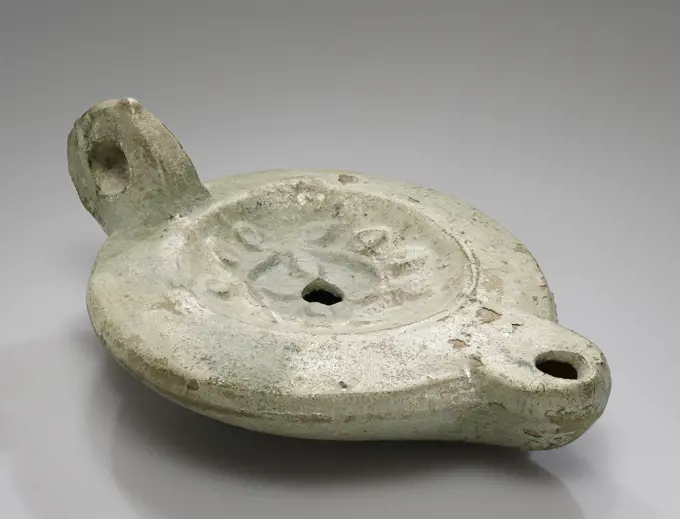
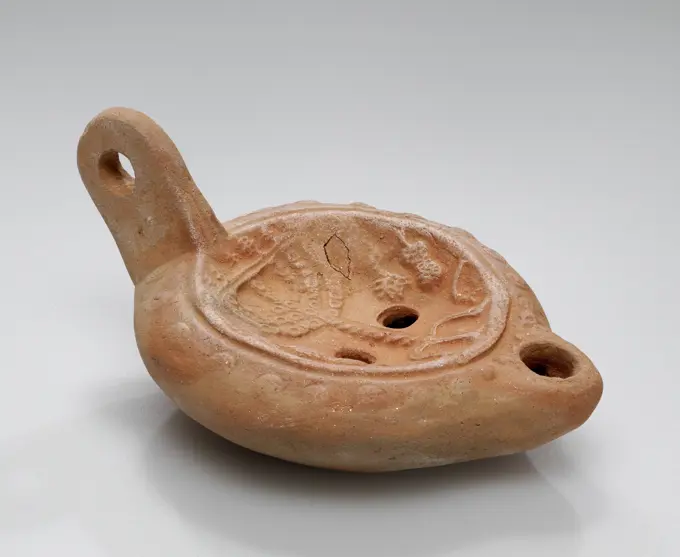
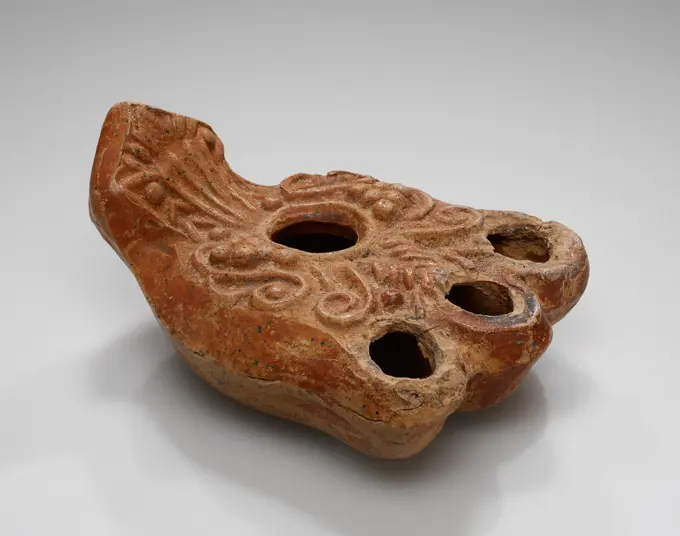
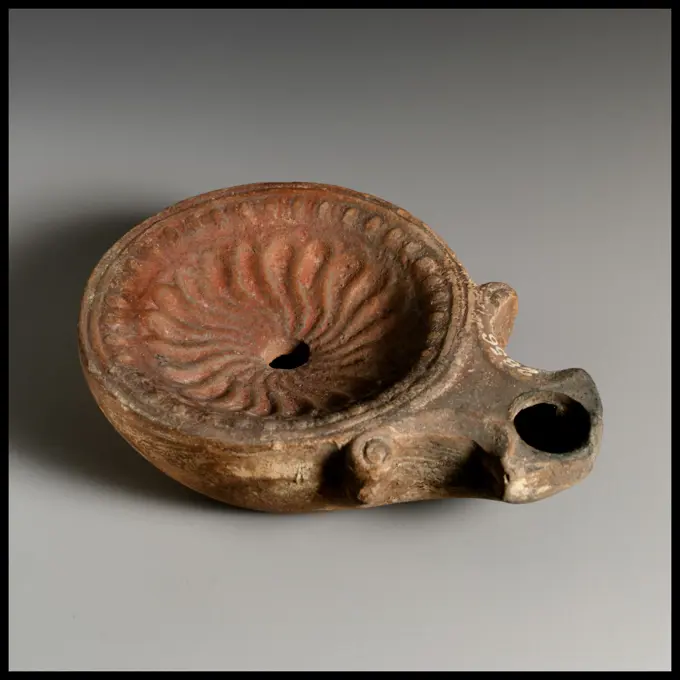
Lamp; Italy; late 1st - early 2nd century; Terracotta; 4.2 × 5.6 × 8.4 cm (1 5,8 × 2 3,16 × 3 5,16 in.)
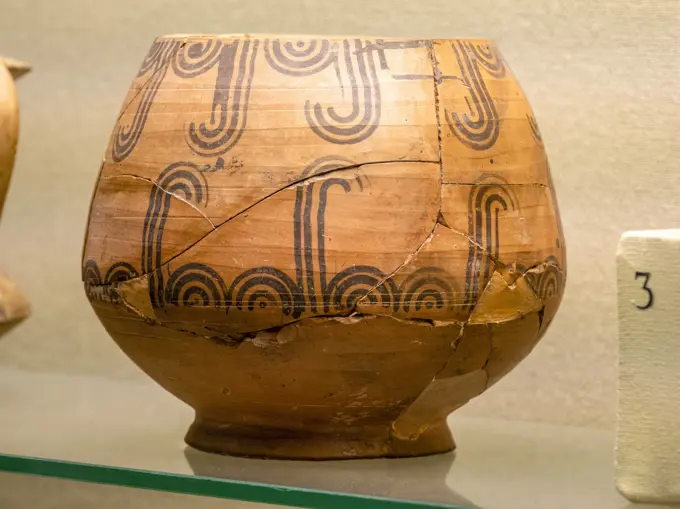
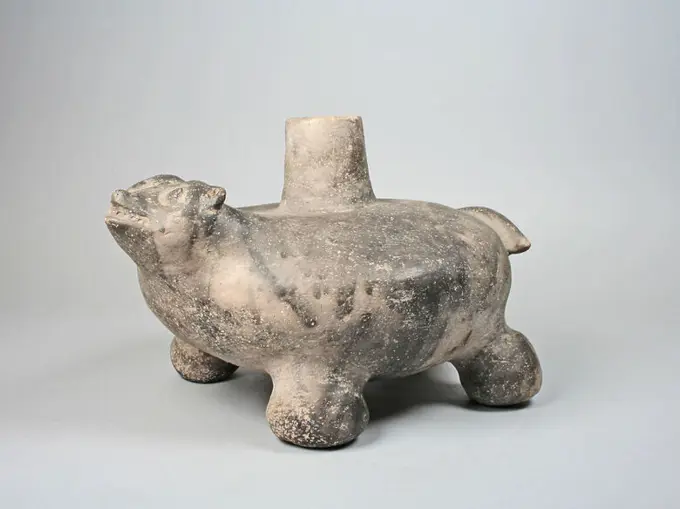
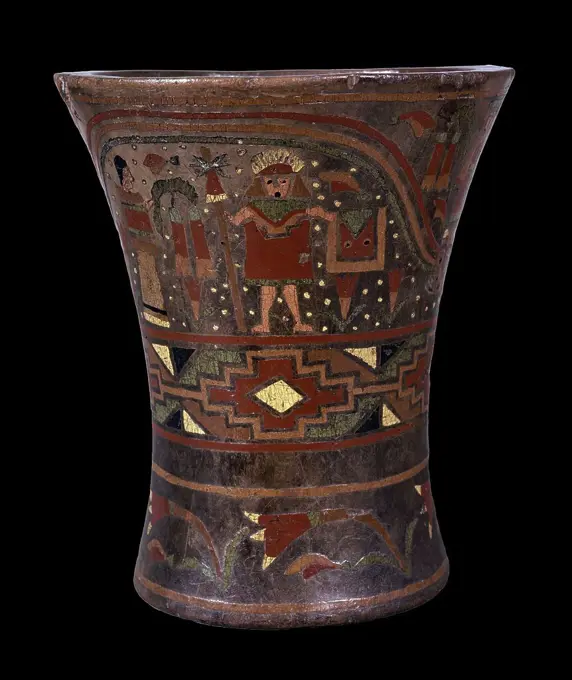
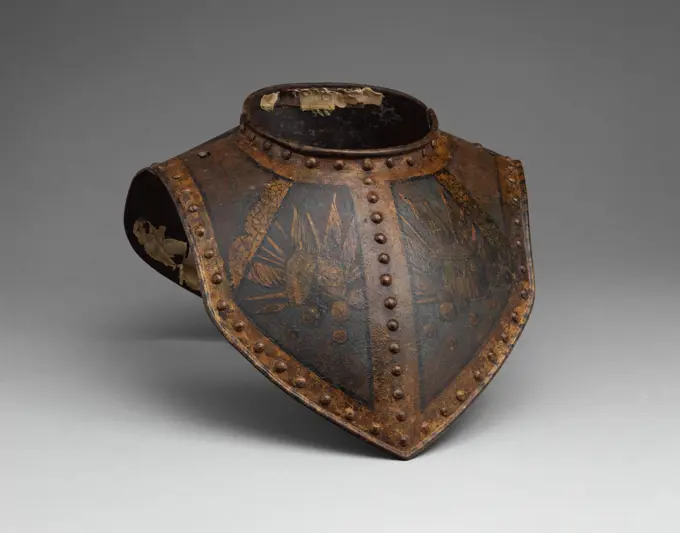
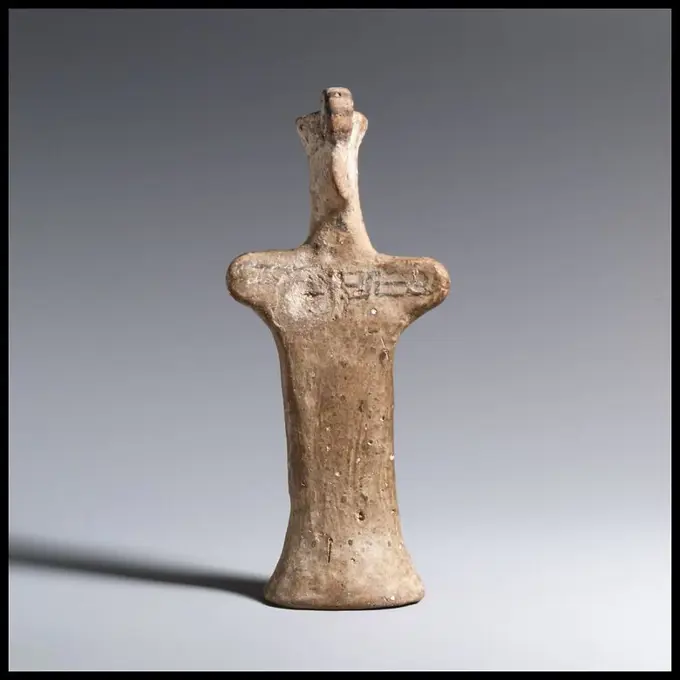
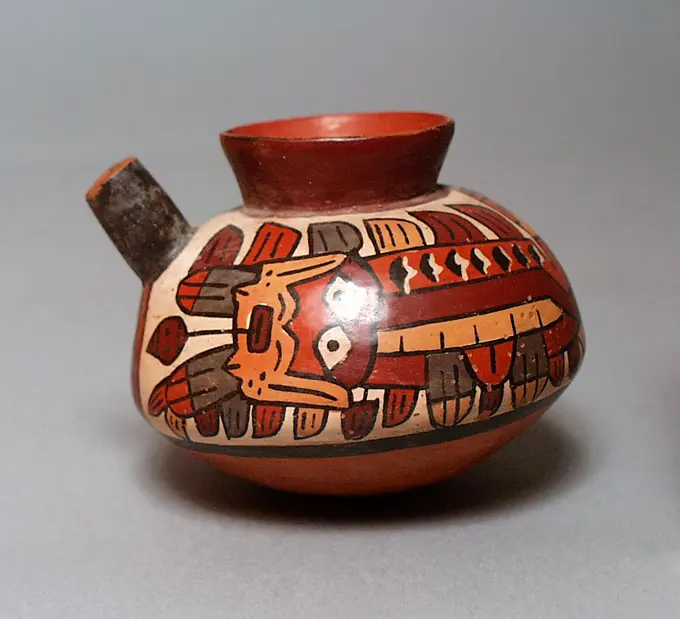
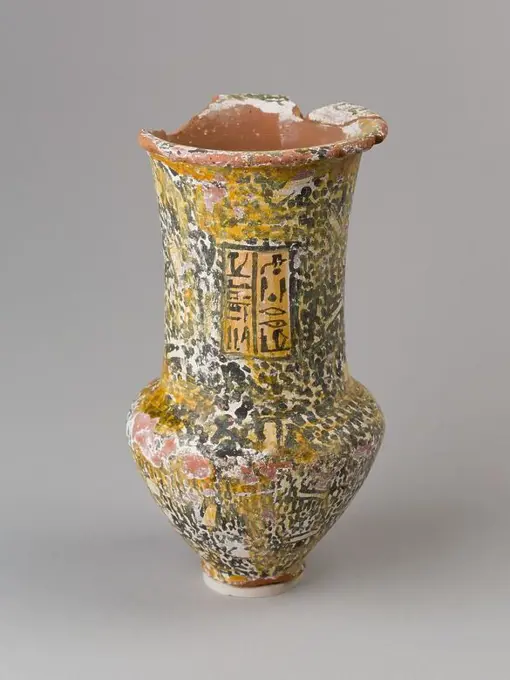
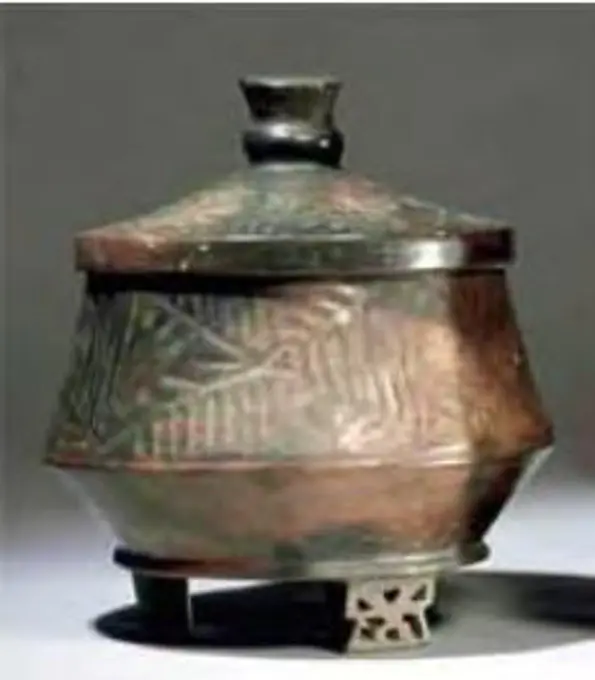
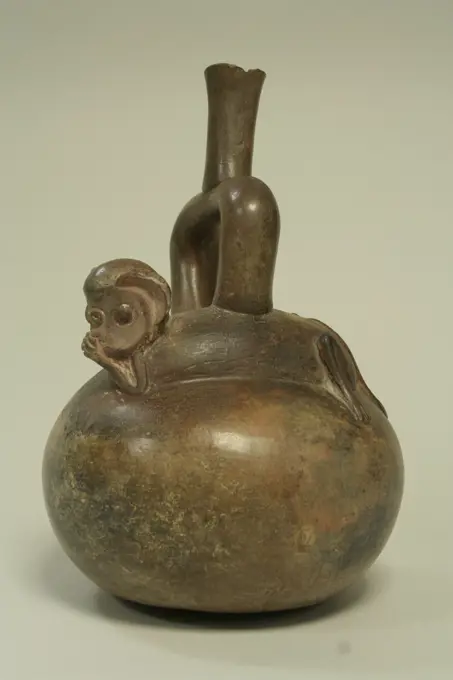
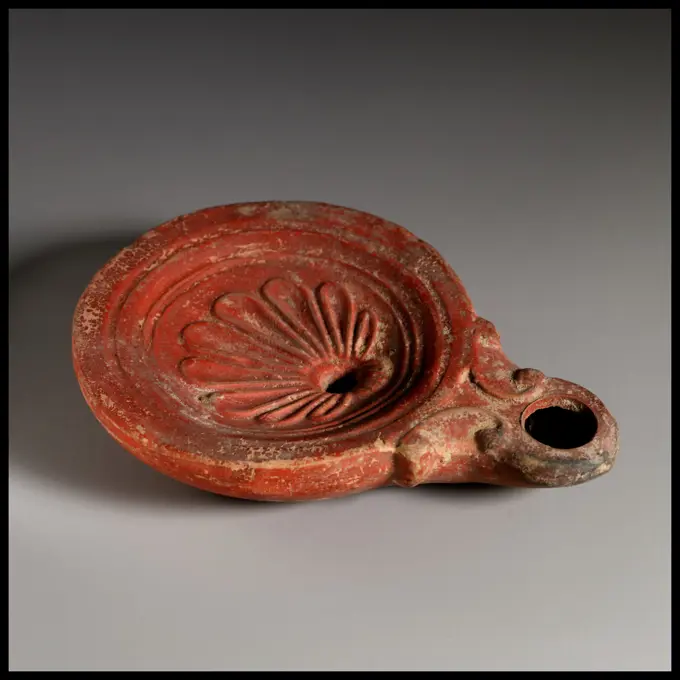
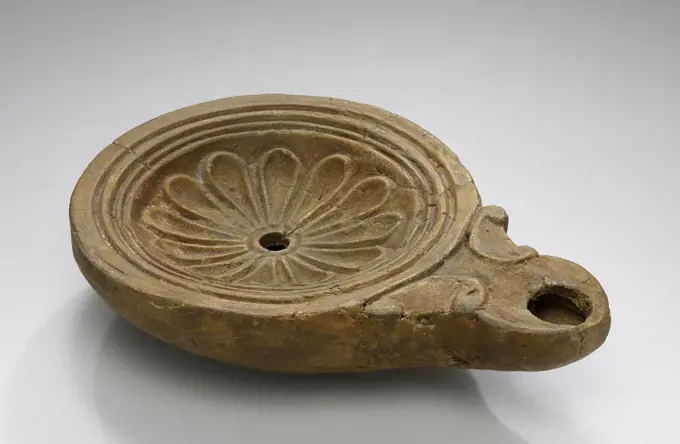
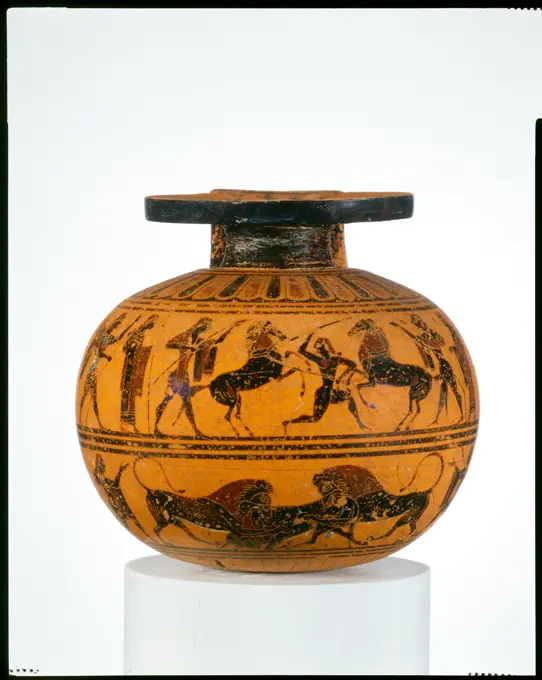
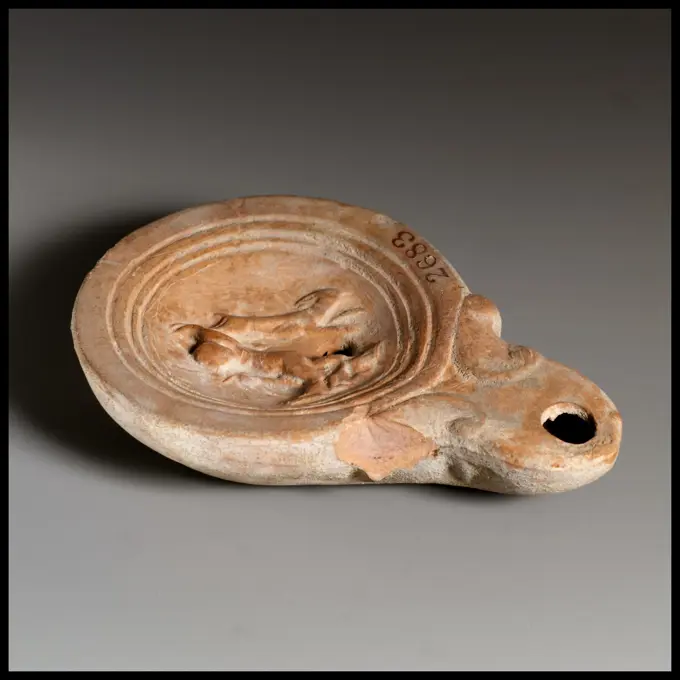
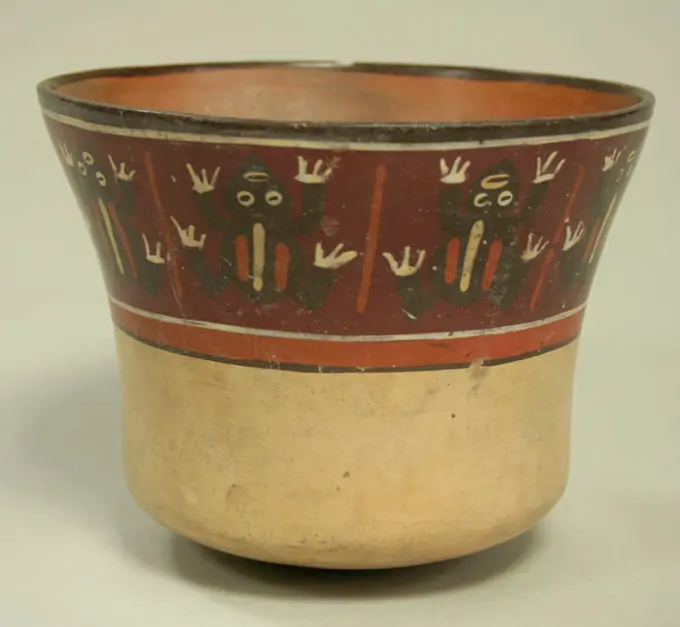
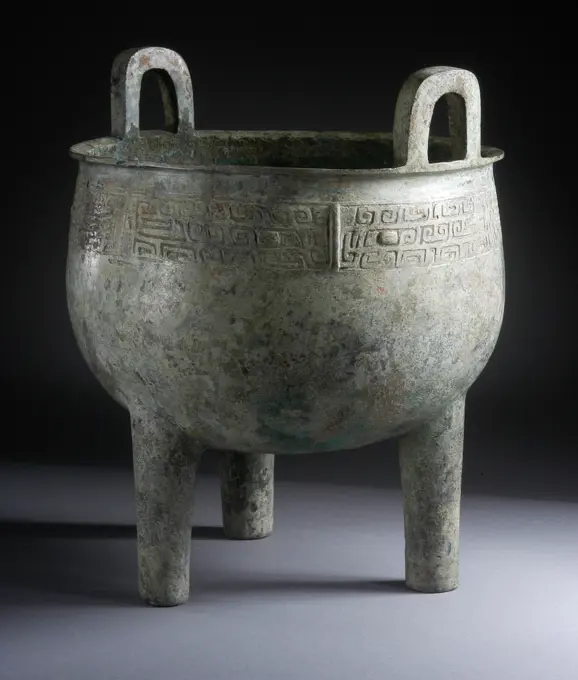
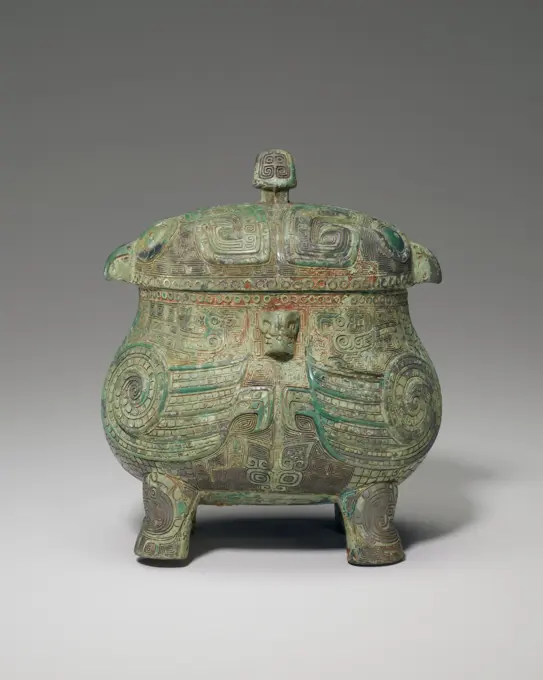
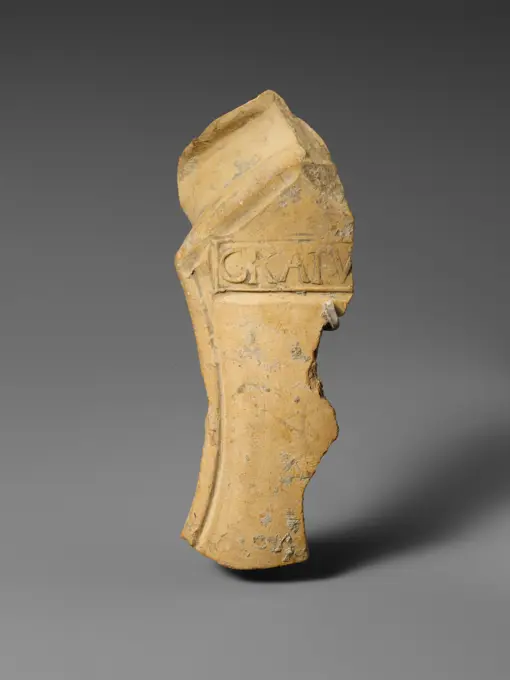
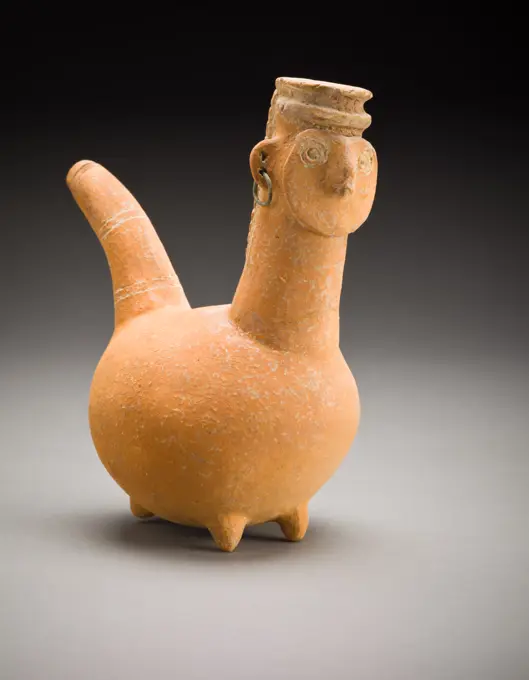
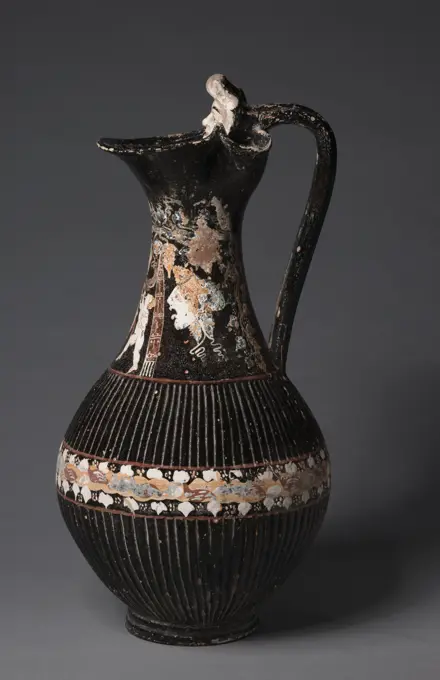
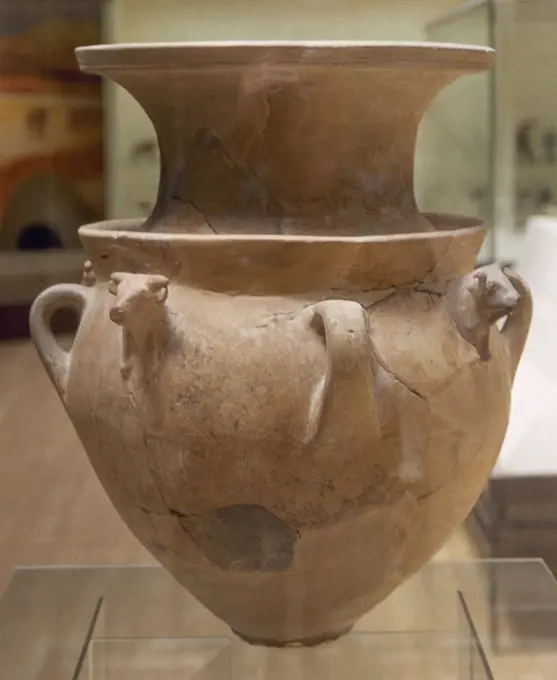
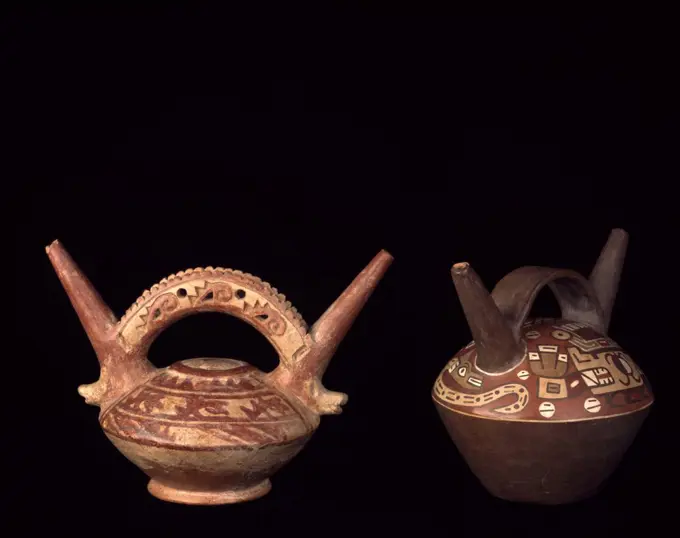
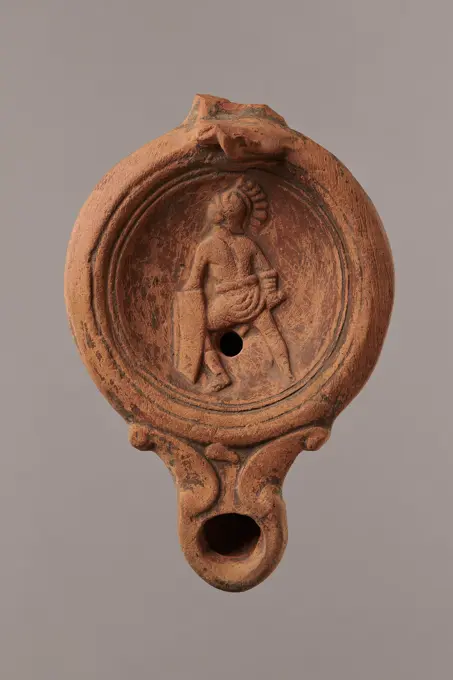
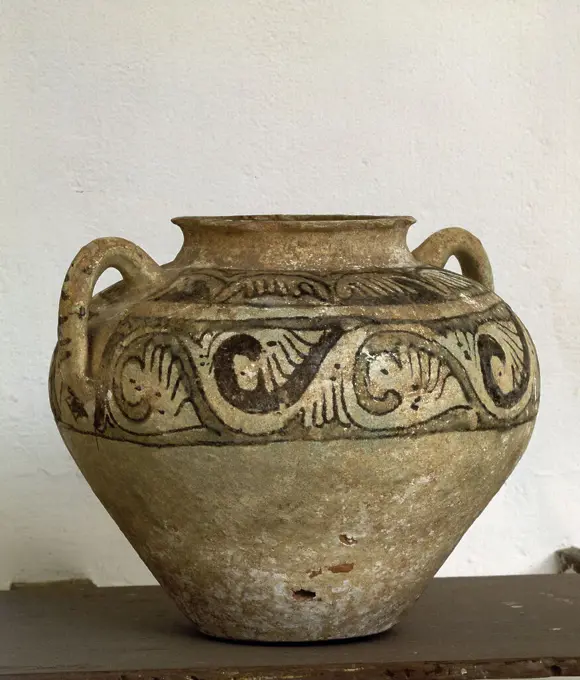
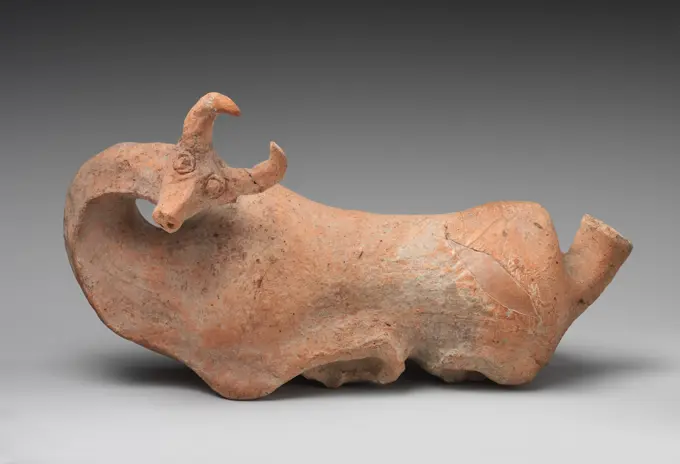
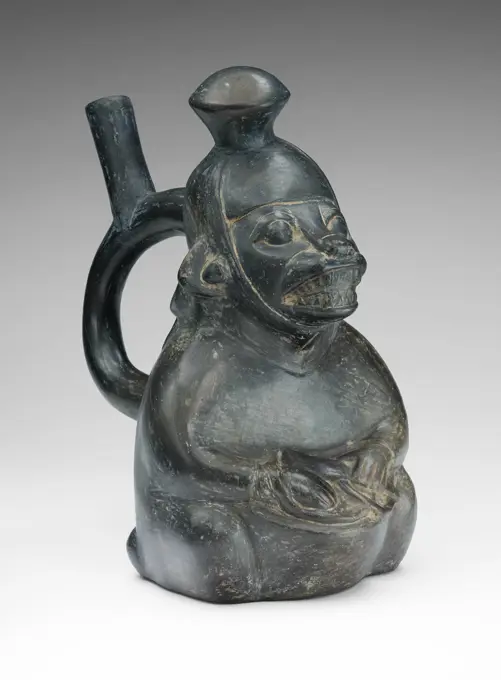
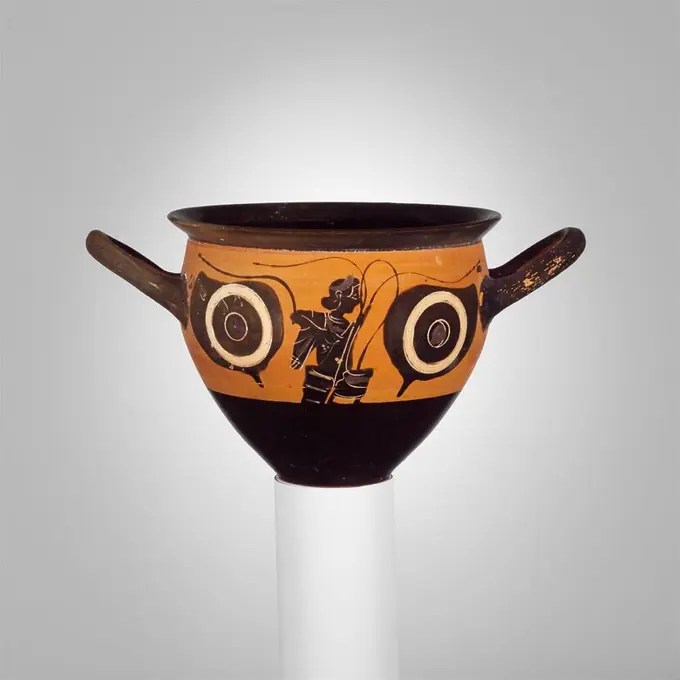
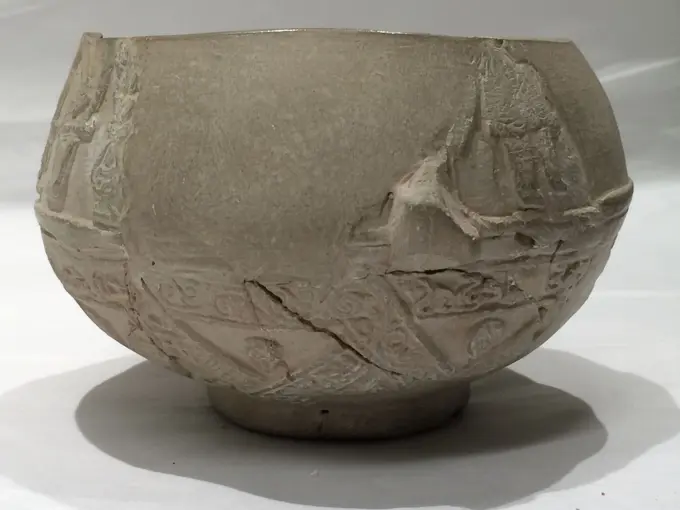
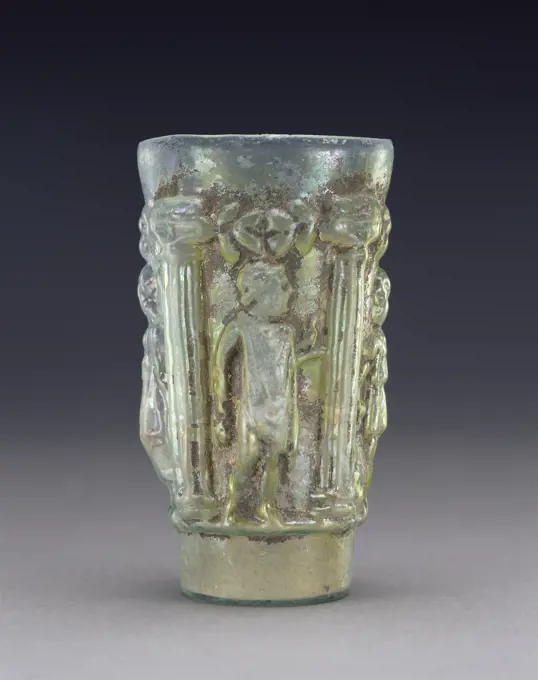
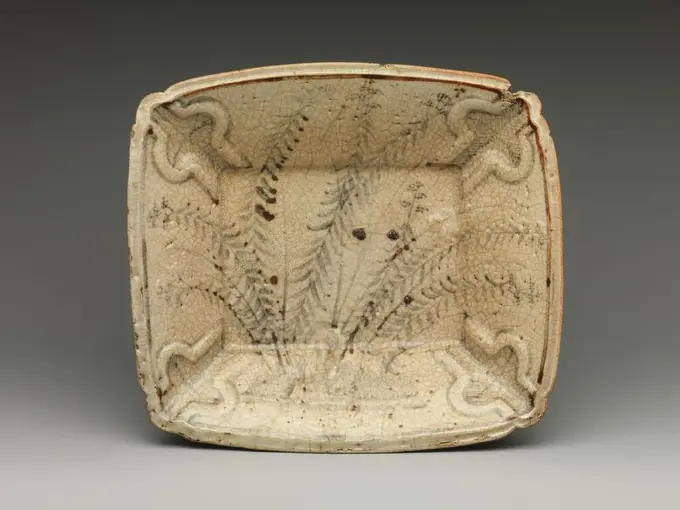
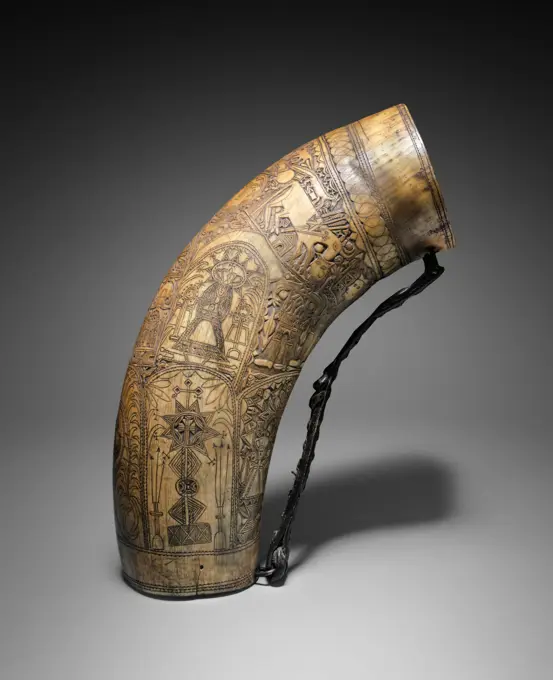
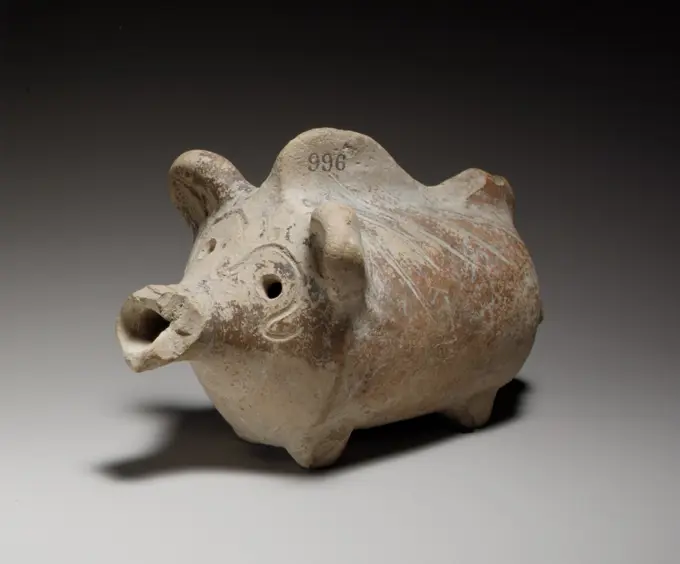
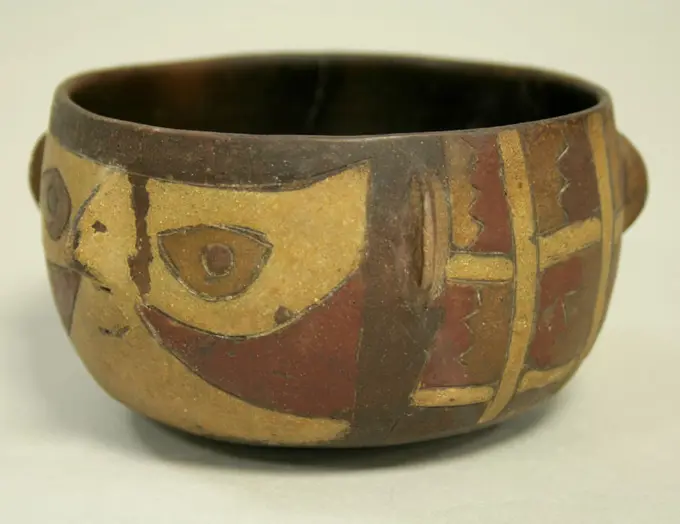
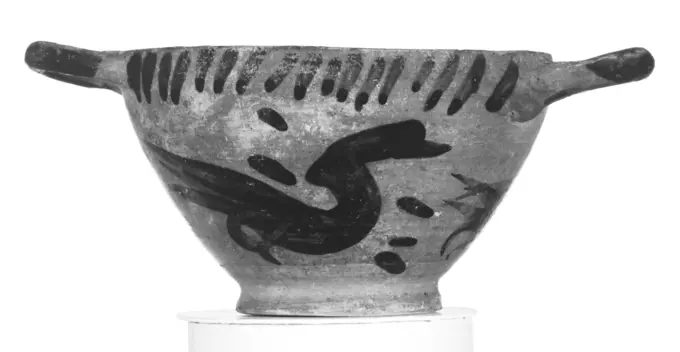
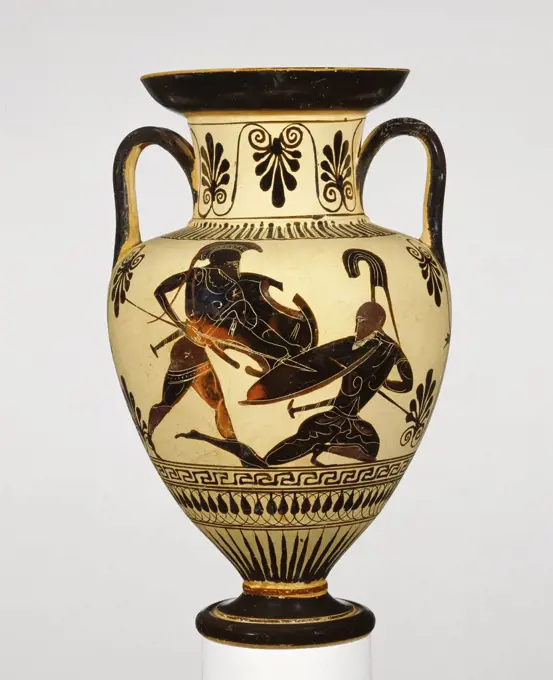
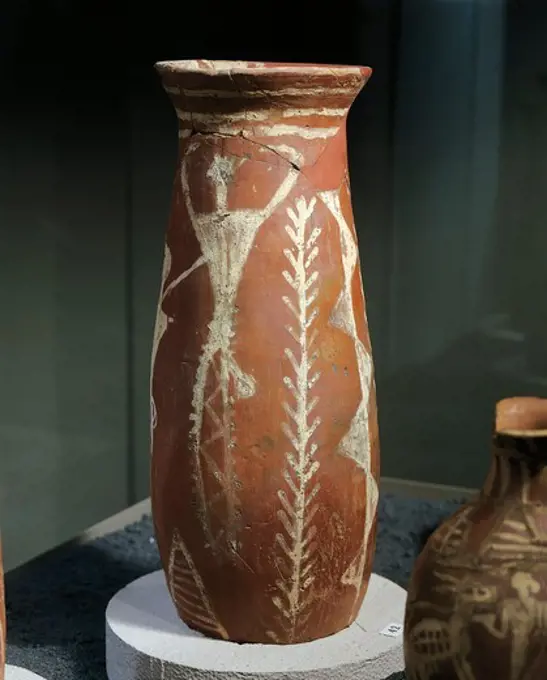
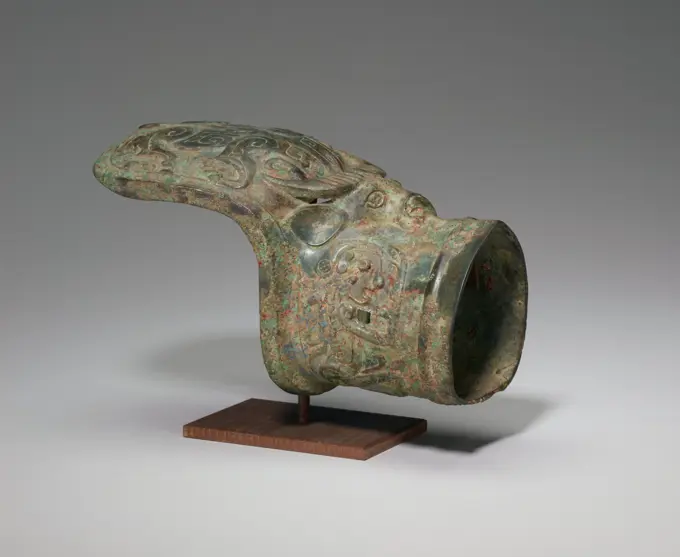
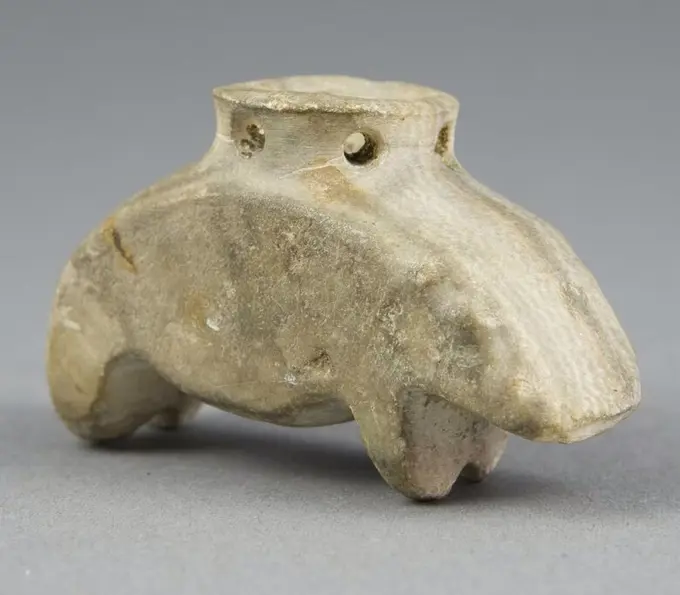
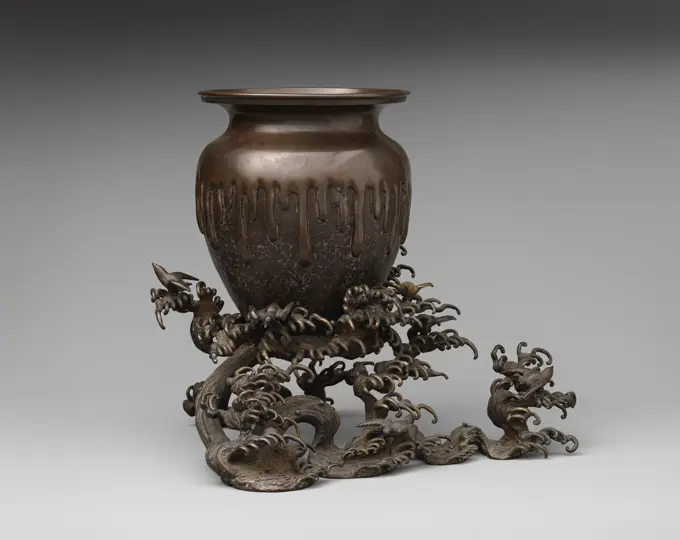
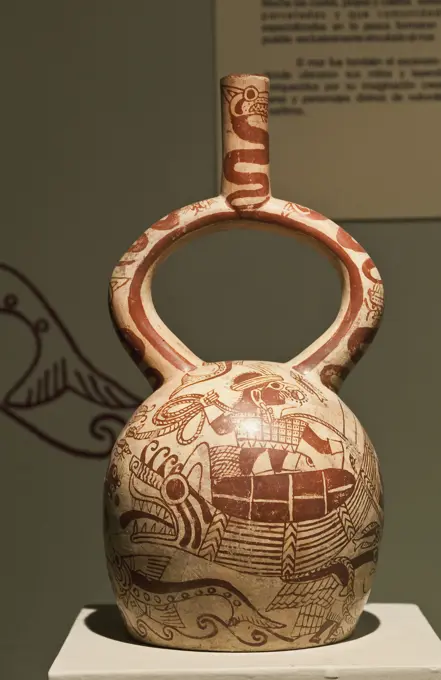
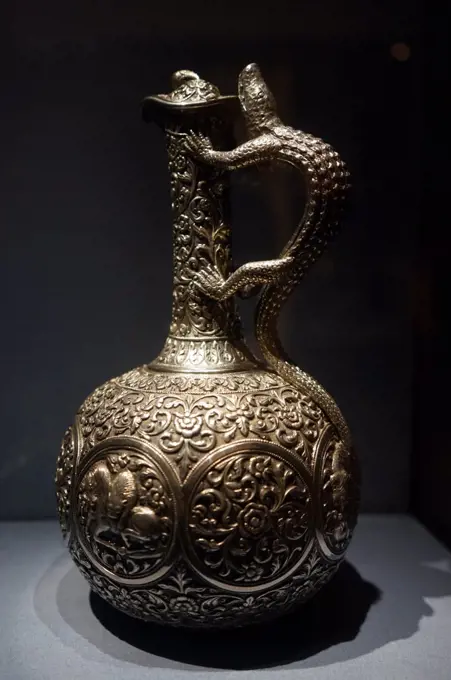
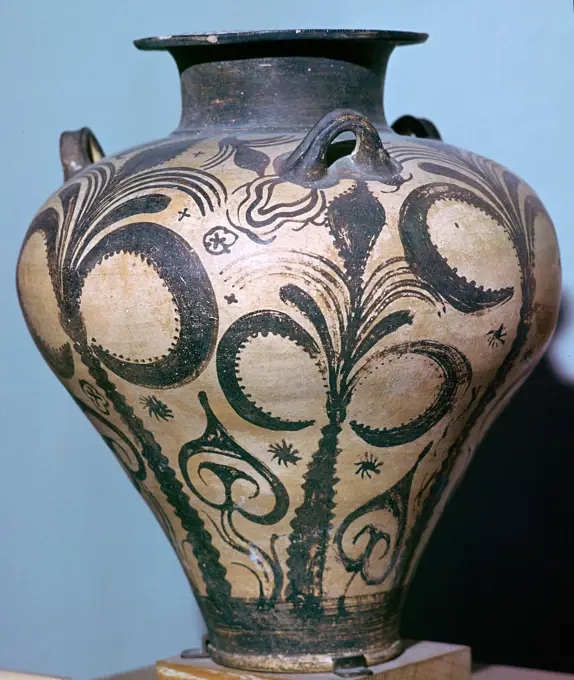
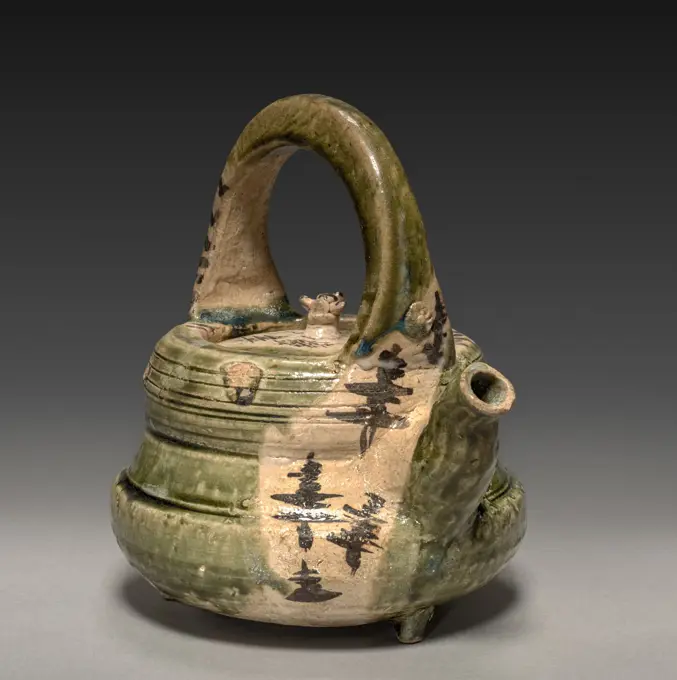
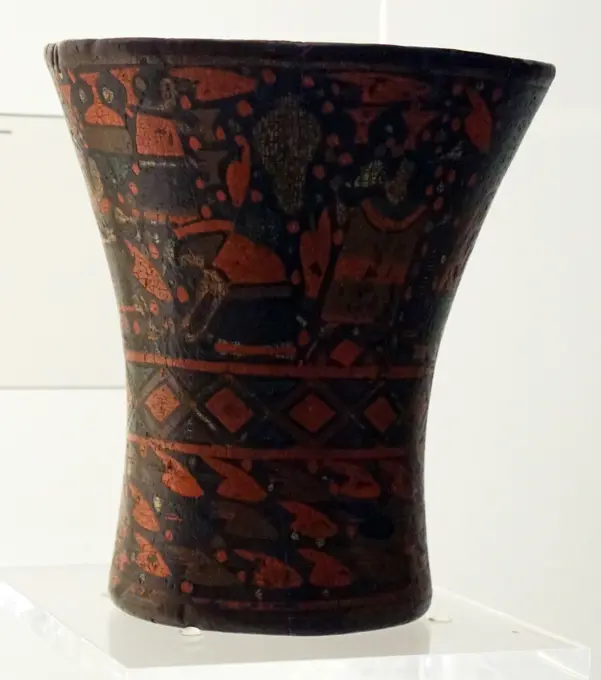
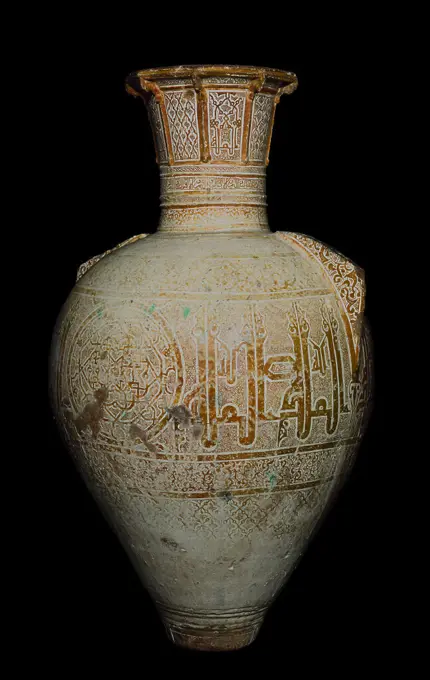
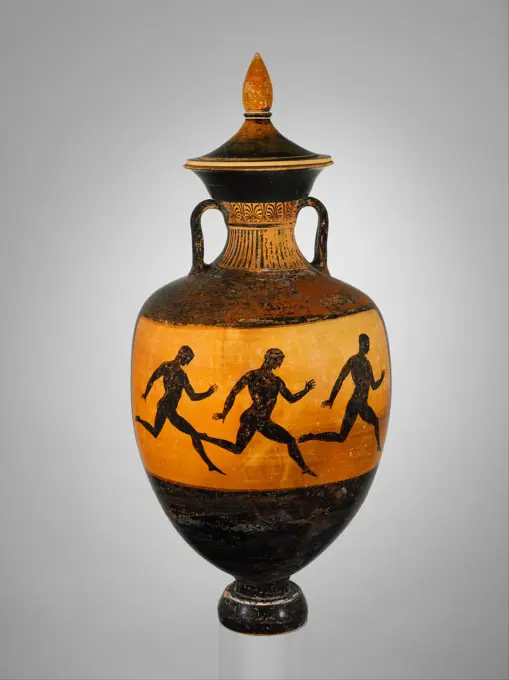
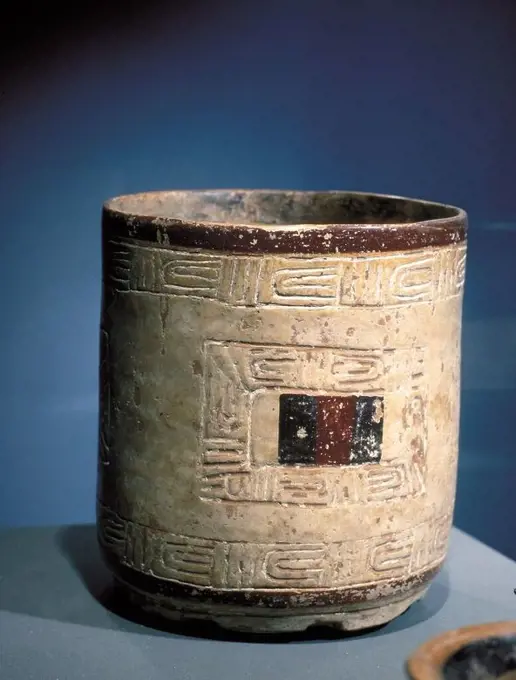
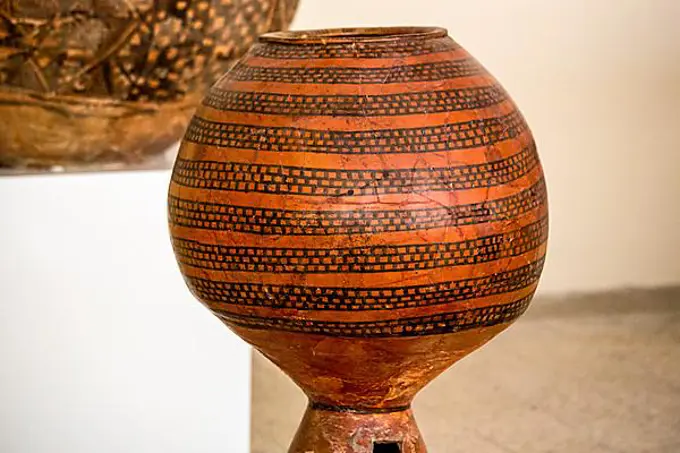
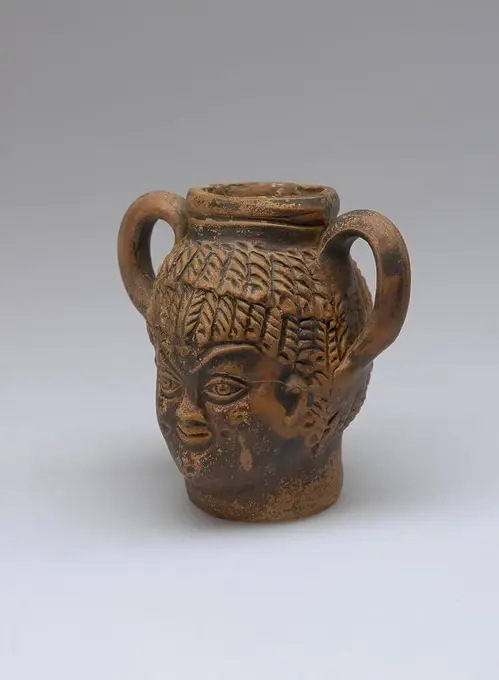
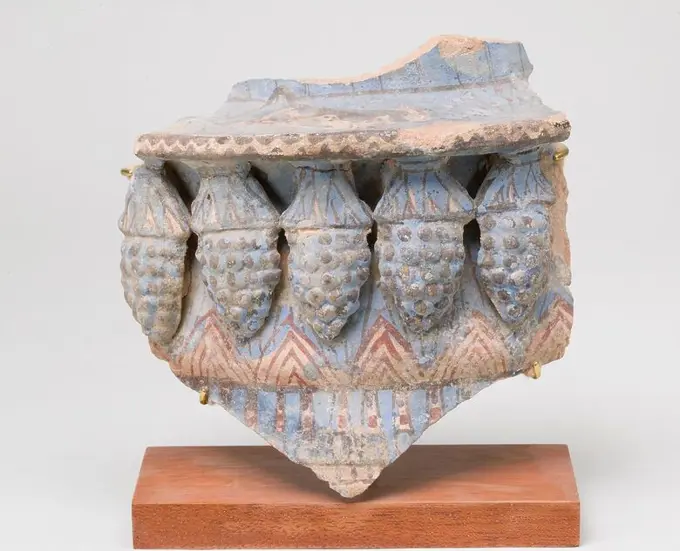
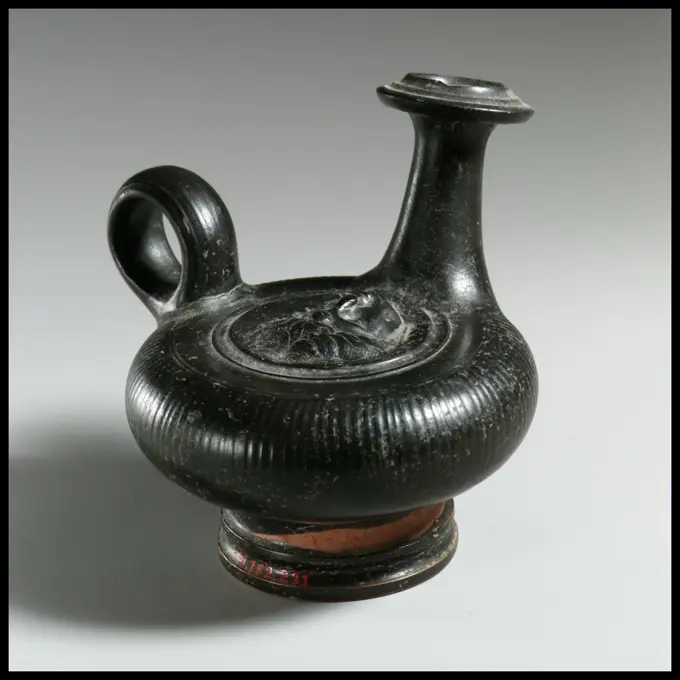
Terracotta guttus (flask with handle and vertical spout) 4th century B.C. Greek, South Italian, Campanian On the top, frontal head of a maenadThe small boss on the maenad's forehead is a lock of hair, tied into a knot. This convention, known especially from representations of youths, became applied to other subjects in the late Classical period.. Terracotta guttus (flask with handle and vertical spout) 254402 Greek, South Italian, Campanian, Terracotta guttus (flask with handle and vertical spout), 4th century B.C., Terracotta, H. 3 3/4 in. (9.6 cm). The Metropolitan Museum of Art, New York. Rogers Fund, 1941 (41.162.231)Lamp. UnknownRed -support amphora; Unknown Apulian workshop; 3. W. 4th century BC (-350-00-00--325-00-00);Keltische Vase Celtic vase, Museum of the Romanization, Calahorra, La Rioja , Spain, Europe Copyright: xZoonar.com/BartomeuxBalaguerxRotgerx 22945793Lamp. UnknownBadger Vessel. Culture: Mississippian. Dimensions: H. 8 in. (20.3 cm). Date: 11th-16th century. Museum: Metropolitan Museum of Art, New York, USA.KERO INCA - VASO CEREMONIAL TRONCOCONICO POLICROMADO - 1501-1600. Location: MUSEO DE AMERICA-COLECCION, MADRID, SPAIN.Jar with a frieze of stylized animals ca. 2500-1900 BCEFlower vessel with a dragon motif unknownLamp. UnknownPainted Gorget ca. 1625-50 Western Europe, probably British or Dutch. Painted Gorget. Western Europe, probably British or Dutch. ca. 1625-50. Steel, textile (silk), polychromy, gold, copper alloy. Armor Parts-ColletinsFrog-Shaped Jarlet. China. Date: 265 AD-316 AD. Dimensions: H. 6.4 cm (2 1/2 in.); diam. 10.6 cm (4 3/16 in.). Yue ware; stoneware with underglaze molded decoration. Origin: China. Museum: The Chicago Art Institute, Chicago, USA.Terracotta statuette of a goddess. Culture: Greek, Boeotian. Dimensions: H. 7 7/16 in. (18.9 cm). Date: early 6th century B.C..The tall headdress distinguishes the figure as a goddess. Museum: Metropolitan Museum of Art, New York, USA.Spouted VesselCeltic vase, Museum of the Romanization, Calahorra, La Rioja , Spain, Europe.Open-mouth Jar Inscribed for the Storehouse-Keeper of Amun Mery. Dimensions: H. 20.2 cm (7 15/16 in.); Diam. 11.6 cm (4 9/16 in.). Dynasty: Dynasty 18. Date: ca. 1479-1390 BC. Museum: Metropolitan Museum of Art, New York, USA.Cycladic jug with painted bird design. Artist: UnknownLamp, Neuss, Germany; 1st century B.C. - 4th century A.D; Terracotta with green glaze; 3.6 × 11.2 × 16 cm (1 7,16 × 4 7,16 × 6 5,16 in.)Tripod (Ding), 1000s BC. China, early Western Zhou dynasty (c. 1046-771 BC). Bronze; overall: 57.4 cm (22 5/8 in.).Lidded Vessel with Leaf-like PatternsOil Lamp with a Representation of the Port of Alexandria. UnknownStirrup Spout Bottle: Monkey 12th-5th century B.C. Cupisnique. Stirrup Spout Bottle: Monkey 309513Skyfos dekorowany postaciami amorków. warsztat rzymski, workshopTerracotta oil lamp ca. A.D. 40-100 Roman, Cypriot Loeschcke Type 4. Mold-made. Discus: shell pattern of nine relief fans radiating from a filling hole towards nozzle, with a band of lines and grooves towards edge. Volutes flanking nozzle. Within incised base ring, slightly concave base, with large letters in relief across center: M A, with dot between.Intact.. Terracotta oil lamp. Roman, Cypriot. ca. A.D. 40-100. Terracotta. Early Imperial. TerracottasLamp. UnknownLamp, North Africa; 1st - 4th century; Terracotta; 3.7 x 8.6 x 12.2 cm (1 7,16 x 3 3,8 x 4 13,16 in.)Terracotta aryballos (oil flask) ca. 550 B.C. Attributed to the Amasis Painter On the handle, Dionysos and two revelersUpper frieze, horse tamer between onlookers and two wrestlersLower frieze, animal combats between onlookersThe aryballos is connected with the gymnasium and the palaistra (exercise ground). After exercising, men used oil to clean and care for their skin. The subjects here refer to major interests of young Athenianshorses, athletics, and symposia (drinking party).. Terracotta aryballos (oil flask) 255132 : Attributed to the Amasis Painter, Terracotta aryballos (oil flask), ca. 550 B.C., Terracotta, H. 3 1/4 in. (8.3 cm) diameter 3 1/2 in. (8.9 cm). The Metropolitan Museum of Art, New York. Rogers Fund, 1962 (62.11.11)Terracotta oil lamp 1st century A.D. Roman Loeschcke Type 4. Mold-made. Discus: standing Eros, facing and moving left, holding a hare by its hind legs behind his back, with uneven ground depicted below. Single filling hole between back leg of Eros and front legs of the hare, with a band of lines and grooves towards edge. Volutes flanking nozzle. Base ring, and flat base.. Terracotta oil lamp. Roman. 1st century A.D.. Terracotta. Early Imperial. TerracottasVessel With Three DeitiesApothecary jar (orciuolo) second half 15th century Italian, probably Tuscany. Apothecary jar (orciuolo). Italian, probably Tuscany. second half 15th century. Maiolica (tin-glazed earthenware). Ceramics-PotteryPainted Bowl 1st-6th century Nasca. Painted Bowl 309734Small one-handledvaseCeramic vessel Sicán-Lambayeque culture 700AC-1375AC Perú.Ritual Food Cauldron (Ding) with Masks. China, Late Shang dynasty, late Anyang phase, or early Western Zhou dynasty, about 1100-950 B.C.. Furnishings; Cookware. Cast bronzeYou wine vessel in double-owl shape, 12th-11th century BCE, 7 × 5 15/16 × 4 5/8 in., 3.7 lb. (17.78 × 15.08 × 11.75 cm, 1.7 kg)4 3/8 × 3 1/8 in. (11.11 × 7.94 cm) (object part, mouth-a)4 9/16 × 3 3/8 in. (11.59 × 8.57 cm) (object part, mouth-b), Bronze, China, 12th-11th century BCE, Two owls sit back to back to form this you wine vessel. The domed lid represents the birds heads. Rich decoration covers every surface except the backs of the short, stout legs. The background consists of squared spirals throughout. Two birds with cleft crests, bottle horns, and tails adorned with scales flank the animal-head-shaped lugs on the neck of the vessel.Terracotta mortarium fragment A.D. 50-85 Roman Mortaria were used for mixing and grinding foodstuff that could then be poured out of the spout in one side of the broad, flanged rim. This fragment retains part of the spout and the stamp on the rim that identifies the maker as (G. Atisius) GRATV(s), whose workshop was at Augusta Tricastinorum (modern Aoste) in the Rhone valley. This type of mortarium is found in Eastern Gaul, the Rhineland, and occasionally Southern Britain.. Terracotta mortarium fragment 250497 Roman, Terracotta mortarium fragment, A.D. 5085, Terracotta, Overall: 5 x 2 7/8 x 1 1/4 in. (12.7 x 7.3 x 3.2 cm). The Metropolitan Museum of Art, New York. Gift of J. Pierpont Morgan, 1917 (17.194.2363)Coconut, not mounted and circumcised in three courses, with Samuel and David, David and Goliath and David on the harp respectively. Coconut, unassembled, circumcised in 3 compartments with Samuel and David, David and Goliath, David on the harp playing.Zoomorphic Vessel. Northern Iran, early 1st millenium B.C.. Furnishings; Serviceware. Red burnished wareGnathian Ribbed Oinochoe (Wine Jug): Masks, Dancer, and Flute-Player, c. 300-275 BC. South Italian, Apulian. Ceramic; overall: 46.4 cm (18 1/4 in.).Hittite art. Second half of the second millennium. Crock. Museum of Anatolian Civilizations. Ankara.Bridged double spout bottles, from Lambayeque, Peru, USA, Florida, Jacksonville, Museum of Modern Art, Pre-Columbian Art, Circa 700-1200 A.D.Chess Piece, Probably a Pawn. Dimensions: H. 2 1/4 in. (5.7 cm). Date: 11th-12th century. Museum: Metropolitan Museum of Art, New York, USA.Footed Jar 11th-12th century Vietnam. Footed Jar. Vietnam. 11th-12th century. Stoneware. CeramicsEwer with Phoenixes. Culture: China. Dimensions: H. 8 1/4 in. (21 cm); Diam. 6 in. (15.2 cm). Date: 11th-12th century.This unique ewer, with its added decoration of a small figure on the handle and its fanciful spout and legs, illustrates the interest in complicated forms found in the eleventh and twelfth centuries in north China. Although they are not listed among the official kilns of the Northern and Southern Song dynasties, historical sources indicate that Yaozhou wares were also produced for imperial use. Museum: Metropolitan Museum of Art, New York, USA.AGUAMANIL DE CARLOMAGNO - SIGLO VIII-IX. Location: ABADIA DE SAN MAURICIO. Valais. Switzerland.Lamp. UnknownLamp decorated with a Gladiator performance (so -called Samnita); Unknown Roman workshop; 2. PO. II century (151-00-00-200-00-00);Brush Holder with Seven Sages of the Bamboo Grove. Culture: China. Dimensions: H. 4 1/4 in. (10.8 cm); Diam. 2 1/16 in. (5.2 cm). Date: late 18th century-early 19th century. Museum: Metropolitan Museum of Art, New York, USA.Bowl withGoatAlabastron. UnknownClay jug for storing beer, from Sotho, Limpopo Provine, National-Culture-Museum, Pretoria, South Africa, AfricaItaly Apulia, Mesagne, Civic Museum, Ugo Granafei Castle Norman-Swabian.OLLA CALIFAL EN VERDE Y MANGANESO CON PALMETAS DIGITADAS - SIGLO X - OMEYA. Location: MUSEO ARQUEOLOGICO-COLECCION. CORDOBA. SPAIN.Jug in the form of a recumbent bull Iran ca. 7th-6th century BCE This jug takes the shape of a recumbent bull with a long neck. The bulls body is roughly cylindrical. It sits on two folds of clay that seemingly represent the bulls folded legs, although the front fold is bent in the wrong direction. A thick spout also serves as the bulls tail. The bulls neck is slender and curls back so that its head faces to the left. The bull has a round snout, bulging eyes, and horns that curve toward one another. The jug is made of red clay.This jug was excavated at Chekka Sabz (also spelled Chigha Sabz, meaning green mound) in the Pish-i Kuh (before the mountain) region of Luristan in western Iran. It was found in a buried cache of objects which included two Neo-Elamite cylinder seals, two vessels in the form of human figures, and at least three other bull-shaped vessels. The seals date to the 8th-6th centuries B.C., and the pottery found with them, including this vessel, likely date to the same peDouble Spout Bottle 1st-6th century Nasca. Double Spout Bottle 316886Vessel in the Form of a Masked Drummer 100 BCE-500 CE Santa Valley. Ceramic . MocheBowl. Culture: Paracas. Dimensions: Overall: 2 5/16 in. (5.95 cm)Other: 8 3/4 in. (22.23 cm). Date: 5th-4th century B.C.. Museum: Metropolitan Museum of Art, New York, USA.Terracotta mastoid (drinking cup with narrow base). Culture: Greek, Attic. Dimensions: H. 3 1/4 in. (8.3 cm); diameter 4 1/8 in. (10.5 cm); width with handles 6 1/8 in. (15.6 cm). Date: ca. 500 B.C..Obverse, between eyes, seated youth with branchesReverse, between eyes, noseThe mastoid is a variant of the skyphos characterized by the breast-like shape, which provides its name. The eyes on either side reflect a predilection in Attic vase-painting between about 540 and 500 B.C. While their meaning has not been conclusively established, they certainly have to do with the insights afforded by the consumption of wine and its perils. Mastoids are among the vases for drinking imported into Etruria in large numbers. Museum: Metropolitan Museum of Art, New York, USA.Incised bowl with fox motif. Culture: Paracas. Dimensions: Overall: 2 3/8 in. (6.1 cm)Other: 7 in. (17.78 cm). Date: 7th-5th century B.C.. Museum: Metropolitan Museum of Art, New York, USA.Fragment of an Ewer 11th-12th century. Fragment of an Ewer 450314Beaker with Mythological Figures; Eastern Mediterranean; third quarter of 1st century; Glass; 12.6 × 7 cm (4 15,16 × 2 3,4 in.)Wine Vessel(Zhi)Snuff Bottle China. Snuff Bottle 41647Molded Dish with Autumn Grasses. Culture: Japan. Dimensions: H. 2 in. (5.1 cm); W. 9 1/2 in. (24.1 cm); D. 8 5/8 in. (21.9 cm). Date: ca. 1600-15.Iron oxide was painted directly onto the white stoneware body. The milky-white quality of the glaze is a result of its high feldspathic content and of the firing temperatures achieved in an ogama kiln. Museum: Metropolitan Museum of Art, New York, USA.Powder Flask, late 1700s-early 1800s. Spain, late 18th-early 19th century. Cowhorn, incised; diameter: 8.8 cm (3 7/16 in.); overall: 26.4 cm (10 3/8 in.). Powder flasks are small, portable containers designed to hold gunpowder. From the 1400s to the 1800s, powder flasks were indispensable for charging and priming firearms of all types. Without powder flasks firearms were of little use to their owners. Many highly decorated flasks rank as works of art.Terracotta rattle in the form of a pig 3rd-2nd century B.C. Cypriot Child's rattle in the shape of a pig; wheelmade with a pebble sealed up within.. Terracotta rattle in the form of a pig. Cypriot. 3rd-2nd century B.C.. Terracotta. Hellenistic. TerracottasBowl 3rd-2nd century B.C. Paracas. Bowl 309471Prehistory, Italy, 7th century b.C. Terracotta vase. From the necropolis of Colfiorito, province of Perugia.Miniature Skyphos. UnknownWater Pot. Eastern Mediterranean, no date. Sculpture. CeramicAttic Black-Figure Neck Amphora; Unknown, Connected with the Class of Cabinet des Médailles 218, Greek; Athens, Greece, Europe; about 500 - 480 B.C.; Terracotta; Object: H: 23.4 to 25.4 x Diam. (body): 15.5 to 15.6 cm (9 3/16 to 10 x 6 1/8 in.), Object (rim): Diam.: 12.2 to 12.3 cm (4 13/16 in.), Object (foot): Diam.: 8.2 cm (3 1/4 in.)Pre-Colombian art. Mesoamerican. Ceramic vessel. Geometric decoration. 12 x 13 cm (diameter). From Mesoamerica. Private collection.Ancient Egyptian decorated clay bottle, Predynastic PeriodChariot shaft socket, 13th-12th century BCE, 4 15/16 × 8 5/16 × 4 1/8 in., 1.5 lb. (12.54 × 21.11 × 10.48 cm, 0.7 kg), Bronze, China, 13th-12th century BCE, This bronze object served as a fitting on a horse-drawn chariot. The chariot accompanied the deceased at burial and presumably served him or her in the afterlife. The décor of this extraordinary object is executed in high relief and partly in the round. On its base is a realistically shaped head of a water buffalo, whose body is splayed on the shield above the socket. On each side of the cylinder is a creature with a human head, shown kneeling in profile and with hands uplifted. Similarly posed animal-like figures appear on other Shang bronzes. These may serve as protectors, progenitors, or totems of the clan who cast the vessel.Miniature Jar with Three HeadsAmulet of a Hippopotamus. Egyptian. Date: 3500 BC-3000 BC. Dimensions: 5.7 × 3.2 × 2.2 cm (2 1/4 × 1 1/2 × 7/8 in.). Limestone. Origin: Egypt. Museum: The Chicago Art Institute, Chicago, USA. Author: Ancient Egyptian.Vase in the Shape of a Jar amid Waves second half of the 19th century Japan. Vase in the Shape of a Jar amid Waves. Japan. second half of the 19th century. Bronze. Meiji period (1868-1912). MetalworkTripod Vessel with Incised DesignDecorative Inca water jars at the National Museum of Archaeology, Anthropology and History of Peru, Lima, PeruChinese Jade Incense Set, 1644-1911. China, Qing dynasty (1644-1911). Jade; part 1: 12.4 x 17.2 x 11.5 cm (4 7/8 x 6 3/4 x 4 1/2 in.); part 2: 12.2 x 5.2 x 2.8 cm (4 13/16 x 2 1/16 x 1 1/8 in.); part 3: 5.4 cm (2 1/8 in.).claret jug from Western India. Dated 19th CenturyMycenaean amphora with plant forms, 15th century. Artist: UnknownEwer (Suichū), early 1600s. Japan, Momoyama period (1573-1615). Glazed stoneware with iron oxide underglaze slip (Mino ware, Oribe type); diameter of mouth: 12.7 cm (5 in.); container: 21 cm (8 1/4 in.). This ewer was made to replenish the jar that holds water for rinsing teabowls and filling the iron kettle at tea gatherings. Highly abstracted pine trees, cascading ivy, stripes, and grids make up the designs in underglaze iron oxide, while the overall surface alternates between a transparent glaze and a green glaze characteristic of some Oribe tea wares.Jar with Plant Motif andBirdsSpindle Whorl. Culture: Mexican. Dimensions: Diameter 2-5/32 in.. Date: 10th-early 16th century. Museum: Metropolitan Museum of Art, New York, USA.Ear Spool, c. 1100-1400, 9/16 x 3 x 3 in. (1.4 x 7.6 x 7.6 cm), Limestone, United States, Late MississippianPainted wooden Kero from Southern Peru. Dated 18th CenturyAlabastron; Eastern Mediterranean; 2nd - 1st century B.C; Glass; 10 cm (3 15,16 in.)JARRA CERAMICA DEL SIGLO X. Location: MEDINA AZAHARA MADINAT AL-ZAHRA MUSEO CERAMICA. PROVINCIA. CORDOBA. SPAIN.Jar & cover. Designer & Manufacturer: William De Morgan (& Co). Painter: Fred PassengerAryballos pierścieniowaty. warsztat koryncki, workshopTerracotta oil lamp 1st century A.D. Roman, Cypriot Loeschcke Type 1A. Mold-made. Discus: rosette with many wavy petals around a central filling hole. Narrow, continuous shoulder decorated with ovules and two raised lines. Volutes flanking angular nozzle. Ribs extending from volutes down body to either side of nozzle. Raised base ring, outlined by two grooves; concave base inscribed: P·C·F. Mottled dark brown slip.Intact. Nozzle heavily sooted.. Terracotta oil lamp. Roman, Cypriot. 1st century A.D.. Terracotta. Early Imperial. TerracottasCorynthian capital. unknown, authorVASO DE MAZZARA DEL VALLO-S XV-CERAMICA NAZARI-LLAMADO JARRON DE LA ALHAMBRA. Location: INSTITUTO VALENCIA DE DON JUAN-COLECCION. MADRID. SPAIN.Terracotta Panathenaic prize amphora Attributed to a painter of the Kittos Group ca. 366/365 BCE Obverse, AthenaReverse, footraceOfficial prize amphorae in the Panathenaic games are always identified by an inscription. Beginning in the early fourth century B.C., an additional inscription gives the name of the archon, the civil magistrate during whose tenure the oil for the succeeding festival was harvested. Because other sources provide the dates of their tenures, the vases can be dated exactly. The archon named here is Polyzelos, who held office in 367/366 B.C. This vase is also important for having its lid.Maya painted terracotta cylindrical vase, carved and painted, bowl with Polychrome patterned terracotta cylindrical vase, carved and painted, height 18,2cm, width 16cm. From Comayagua, Tenampua (Honduras). Mayan Civilization, recent classical period ca 700. Museum: Instituto Tegucigalpa, Tegucigalpa, HONDURAS.Painted vessel with foot, Pardis (Tehran), early 5th century B. C. National Museum, Tehran, Tehran, Iran, AsiaLima, Peru. Pre-Columbian artifacts and art in the Larco Museum, Lima, Peru.'Figured Vessel in the Form of the Head of an African'. Asia Minor, 2nd century. Dimensions: height: 10,5 cm. Museum: State Hermitage, St. Petersburg.Blue-Painted Jar Fragment With Molded Decoration from Malqata. Dimensions: H. 12.5 cm (4 15/16 in), w. 13 cm (5 1/8 in). Dynasty: Dynasty 18. Reign: reign of Amenhotep III. Date: ca. 1390-1353 B.C.. Museum: Metropolitan Museum of Art, New York, USA.