Ancient Ceramics and Vessels

A selection of historical ceramics, including terracotta jars and glass perfume bottles, featuring intricate designs from ancient cultures, showcasing craftsmanship.
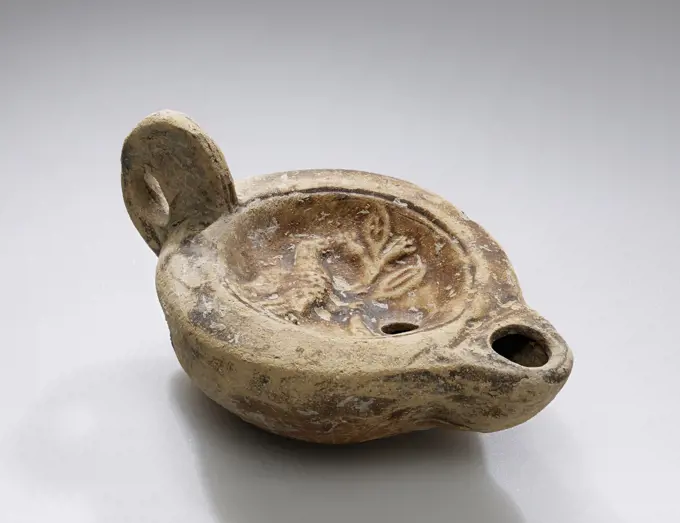
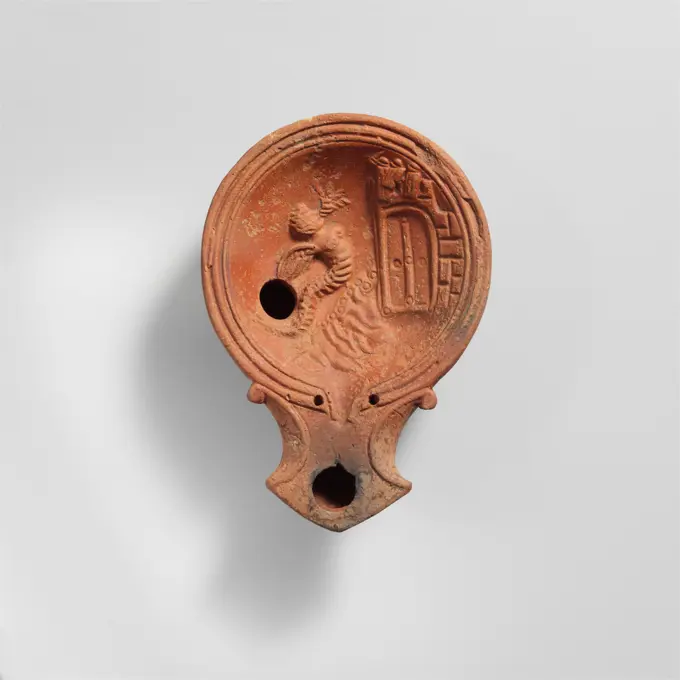
Lamp; Italy; late 1st - early 2nd century; Terracotta; 4.2 × 5.6 × 8.4 cm (1 5,8 × 2 3,16 × 3 5,16 in.)
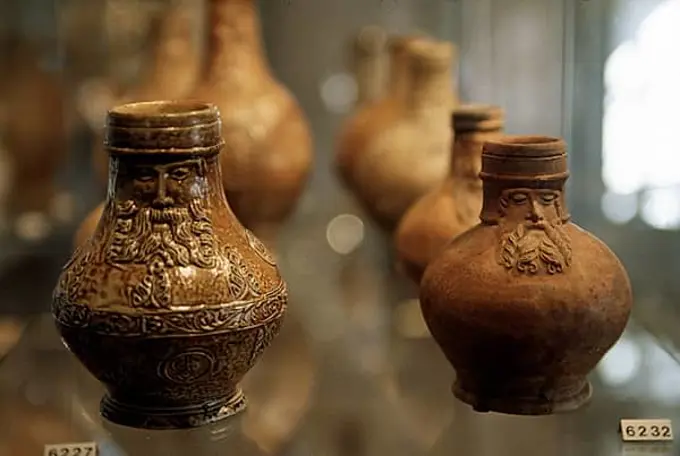
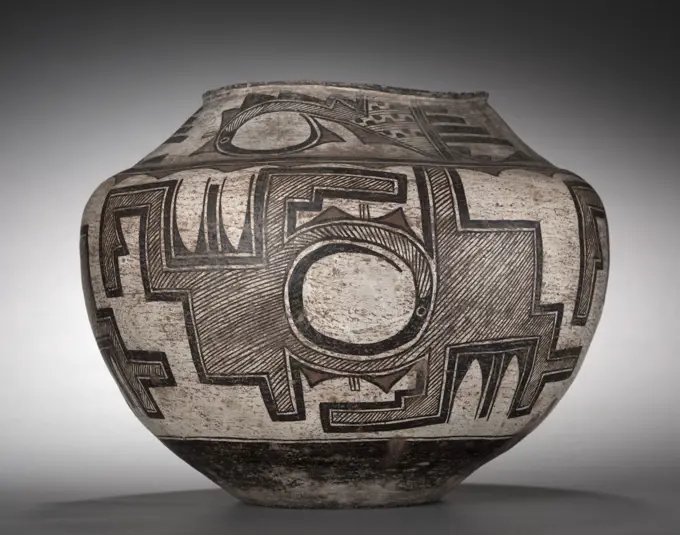
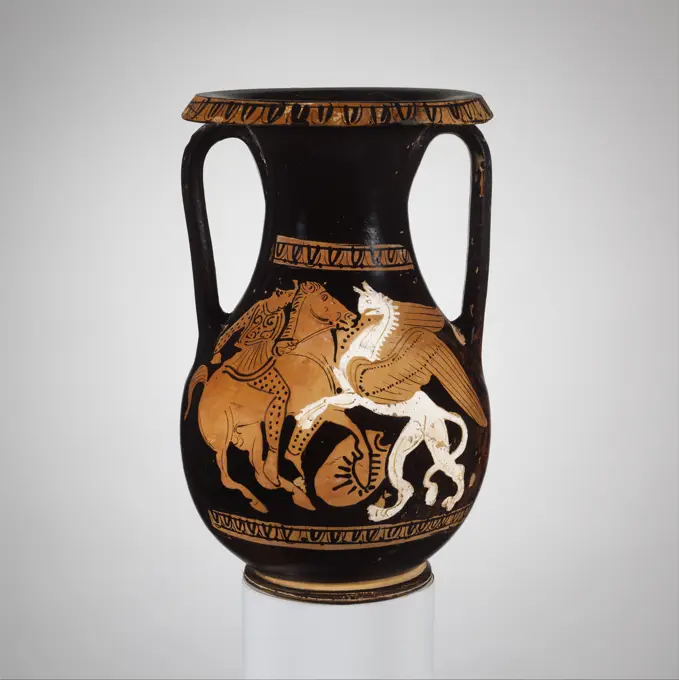
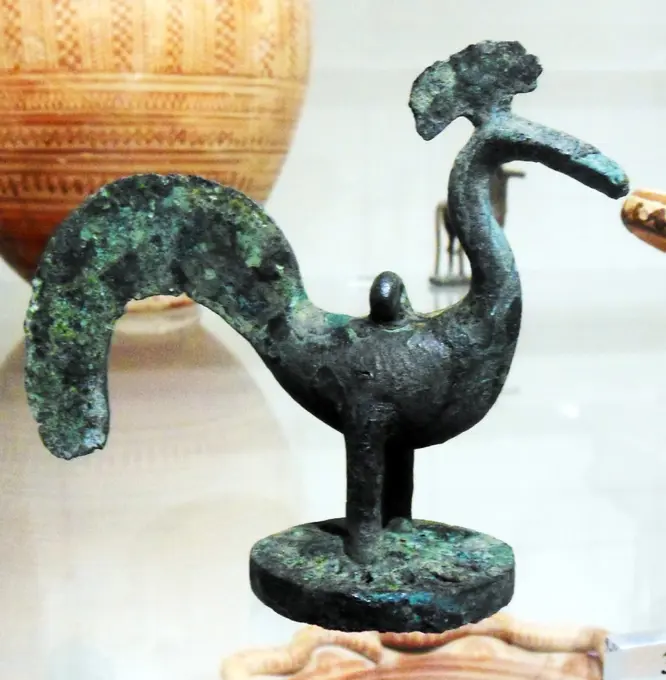
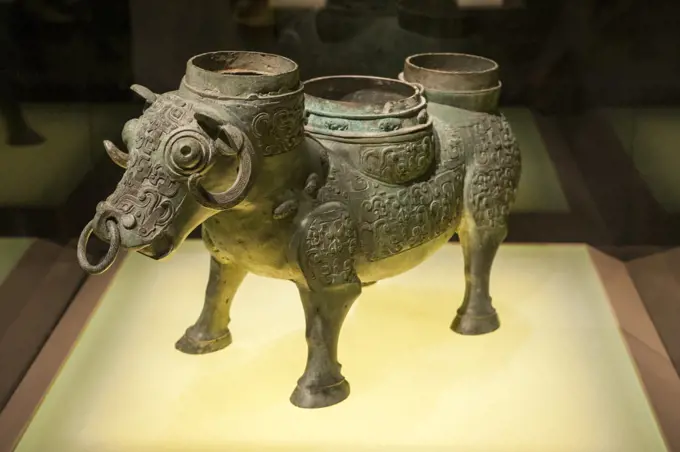
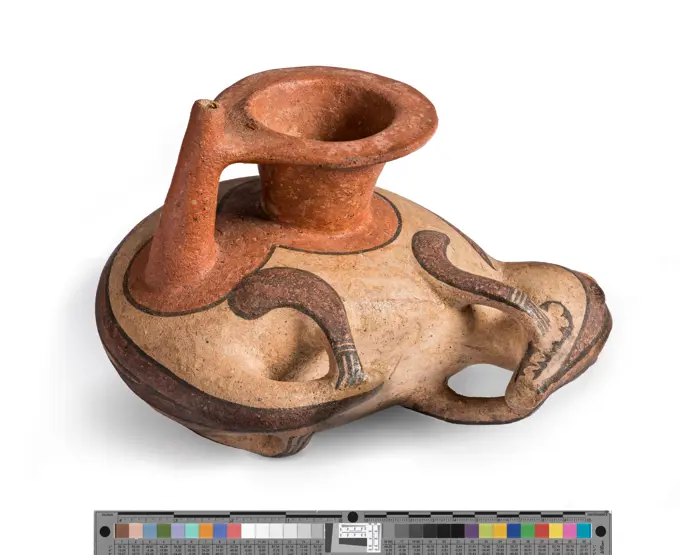
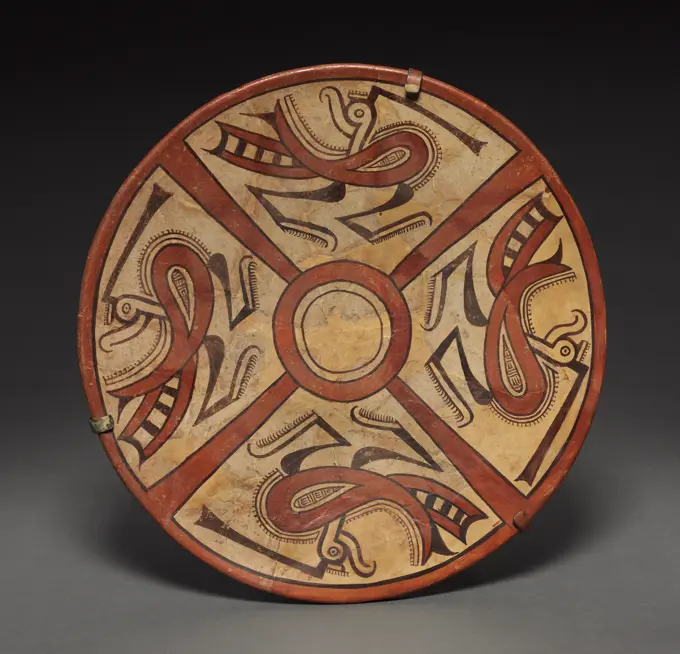
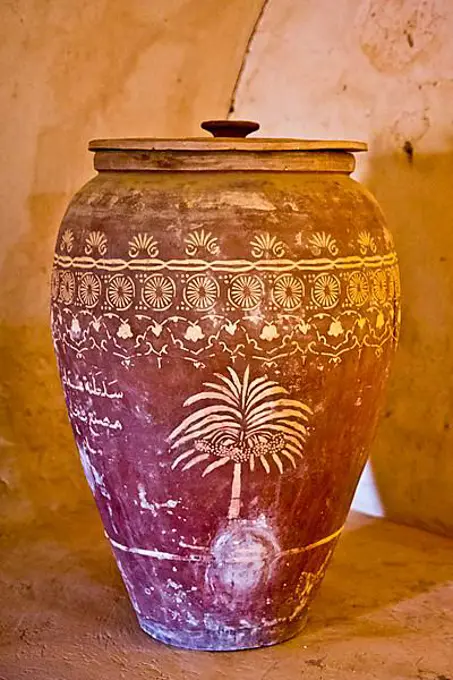
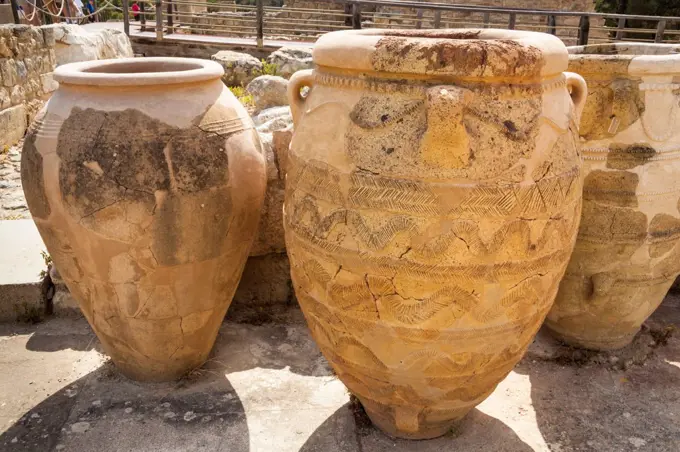
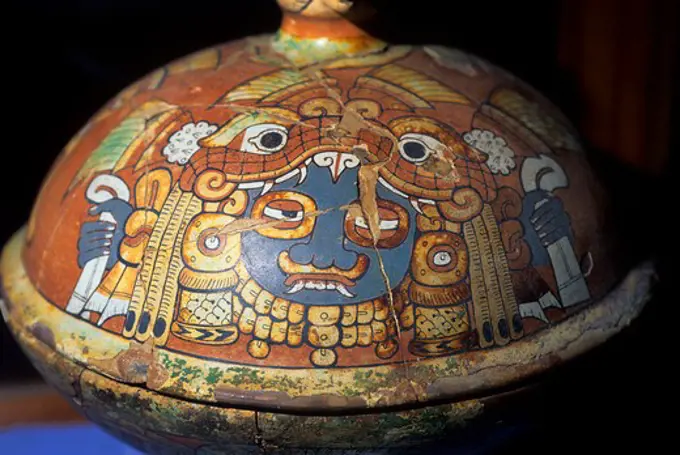
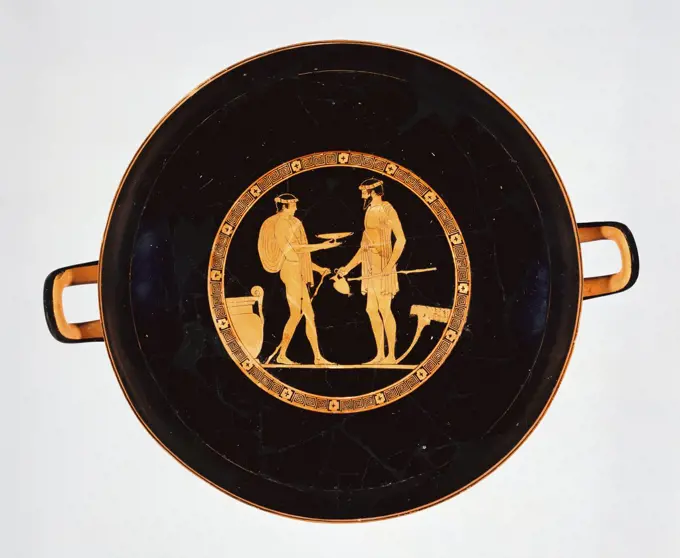
Terracotta volute lamp with sea monster 1st century B.C.-1st century A.D. Roman On the lamp, a sea monster is depicted before a walled city.. Terracotta volute lamp with sea monster 252894 Roman, Terracotta volute lamp with sea monster, 1st century B.C. 1st century A.D., Terracotta, L. 3 15/16 in. (10cm.) H. 1 3/16 in. (3 cm.). The Metropolitan Museum of Art, New York. Purchase, 1927 (27.94.5)Lekythos of red figures. Narrow-necked vessel used for storing oils or perfumes for religious ceremonies. Pergamon Museum. Berlin. Germany.Raeren, Pottery MuseumWater Jar (Olla), 1850-1860. Southwest, Pueblo, Zuni, Post- Contact Period, 19th century. Ceramic; overall: 25.5 x 33 cm (10 1/16 x 13 in.).Terracotta amphora (jar) ca. 520 B.C. Attributed to the Group of Toronto 305 Obverse, Athena mounting chariot, with Herakles and godsReverse, warriors' departureThe scene on the reverse is interesting for the way in which the painter suggests depth by showing one figure behind and almost covering the other. The rider is leading an unmounted horse to his left. Similarly, at the right, the hoplite stands in front of an archer, recognizable by his bow.. Terracotta amphora (jar) 253628 : Attributed to the Group of Toronto 305, Terracotta amphora (jar), ca. 520 B.C., Terracotta, H. 21 5/16 in. (54.2 cm). The Metropolitan Museum of Art, New York. Gift of Mrs. Leonard A. Cohn, 1941 (41.85)Terracotta pelike (jar) 3rd quarter of the 4th century B.C. Attributed to Group G Obverse, Arimasp fighting a griffin.Reverse, two youths.. Terracotta pelike (jar). Greek, Attic. 3rd quarter of the 4th century B.C.. Terracotta; red-figure. Late Classical. VasesBronze bird. Greek, (Geometric), ca 750-700 B.C.Peru, Pre-Inca civilization, Nazca culture, Double spout and bridge vessel with painted dolphin figureArtifact in the bronze exhibit at the Shanghai Museum, a museum of ancient Chinese art, situated on the Peoples Square in the Huangpu District of Shanghai, China.Visigoth bowls and jugs, Museum of Councils and Visigoth Culture, Church of San Román,Toledo, Castilla-La Mancha, Spain.Effigy Vessel of Curled-Up Possum or Anteater. Panama, Veraguas, Bubi, Conte style, Panama, 600-900 CE. Ceramics. Slip-Painted CeramicPlate, 400-1000. Panama, Cocle. Pottery; diameter: 34.4 x 5 cm (13 9/16 x 1 15/16 in.).Clay jug, Palace of Jabrin, old fortress, Jabrin, Oman, AsiaLarge storage jars Pithoi at Knossos Palace, Knossos, Crete, GreeceGUATEMALA, TIKAL, MUSEUM, POTTERYTripod Vessel with Goggle-Eyed Figure. Mexico, Basin of Mexico, Teotihuacan, Teotihuacan, 450-550 CE. Ceramics. Ceramic with post-fire stucco and pigmentsAttic Red-Figure Kylix; Attributed to the Euaion Painter, Greek (Attic), active about 460 - 440 B.C.; Athens, Greece, Europe; 450 - 440 B.C.; Terracotta; ancient bronze repair; Object: H: 13.2 x W (handles): 39.5 x Diam. (bowl): 32.1 cm (5 3/16 x 15 9/16 x 12 5/8 in.)