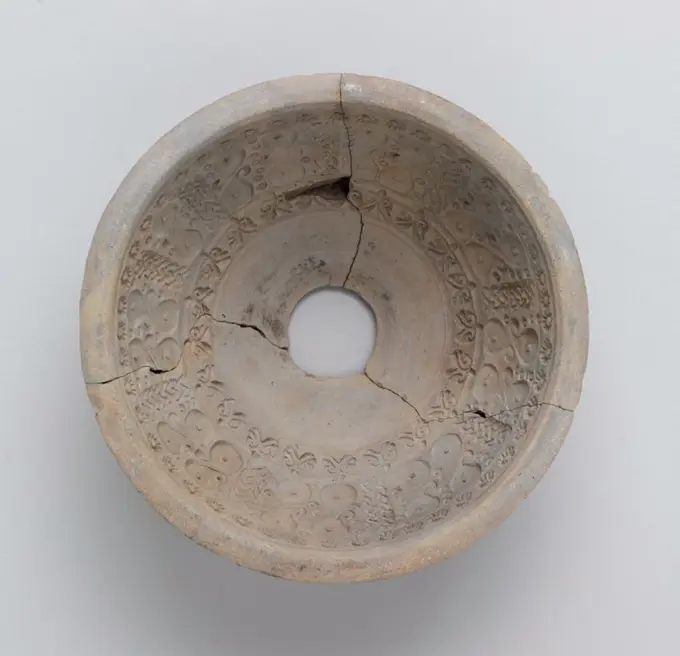
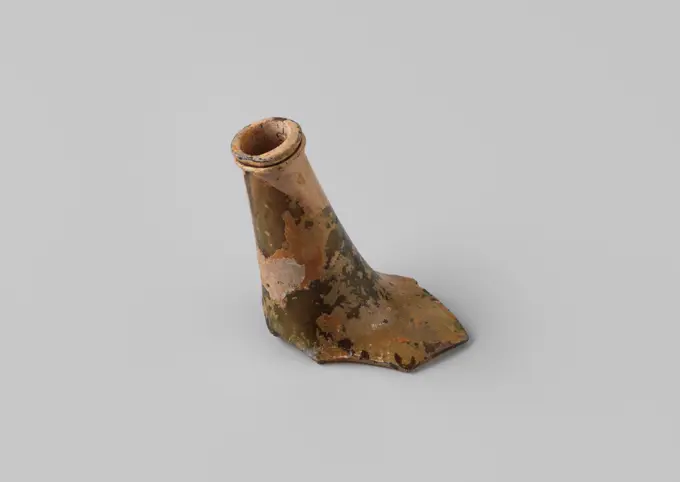
Ancient Clay Lamps

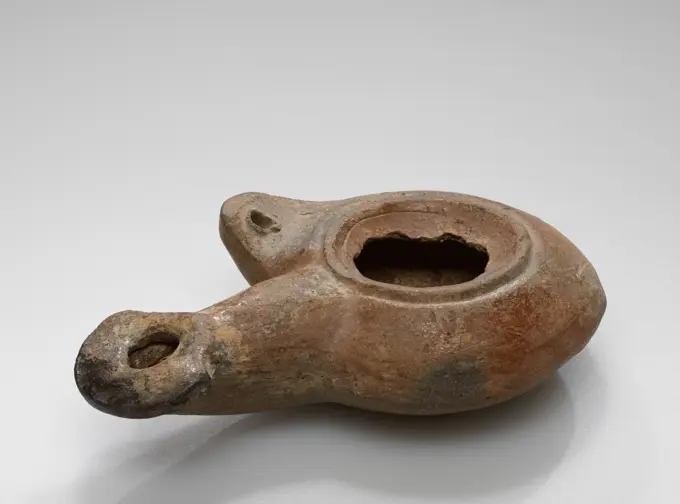
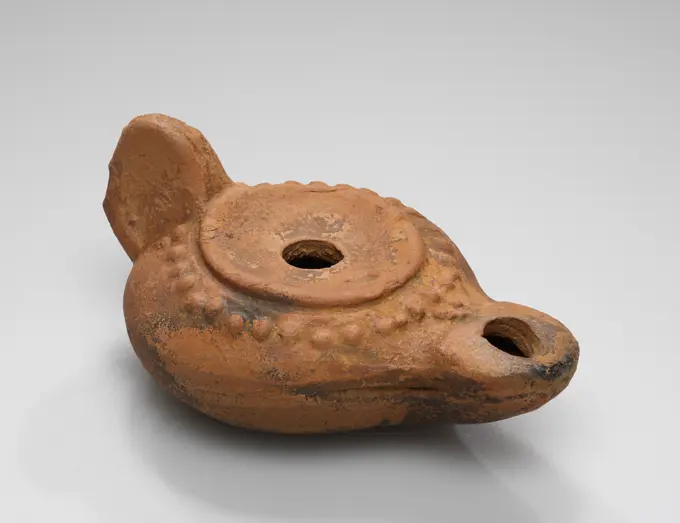
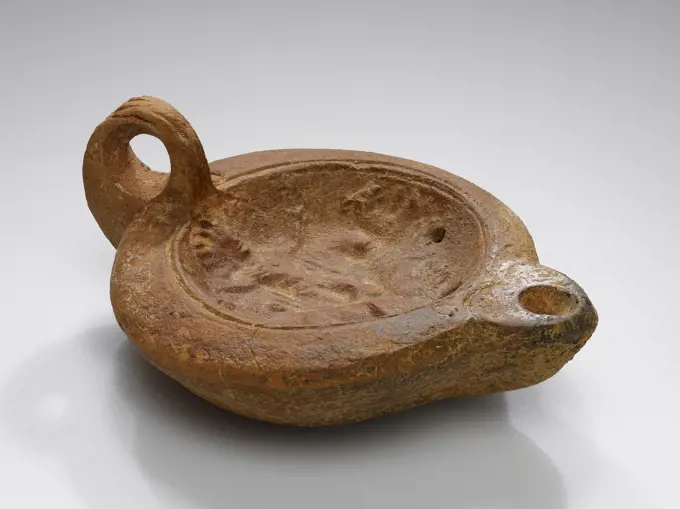
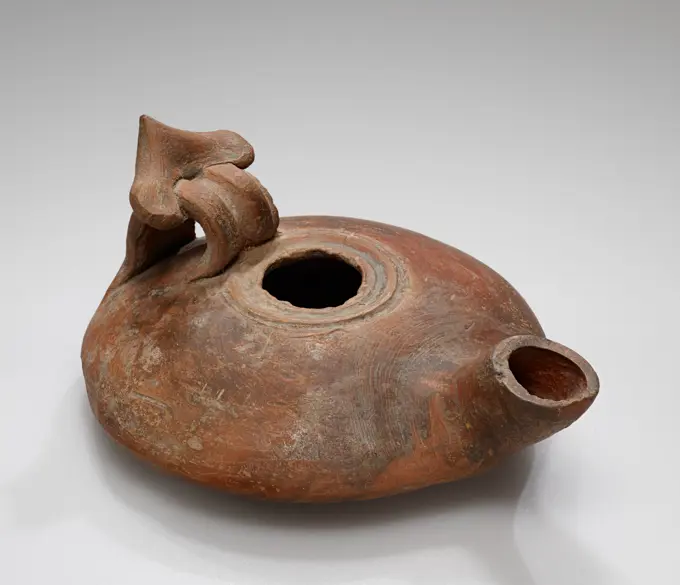
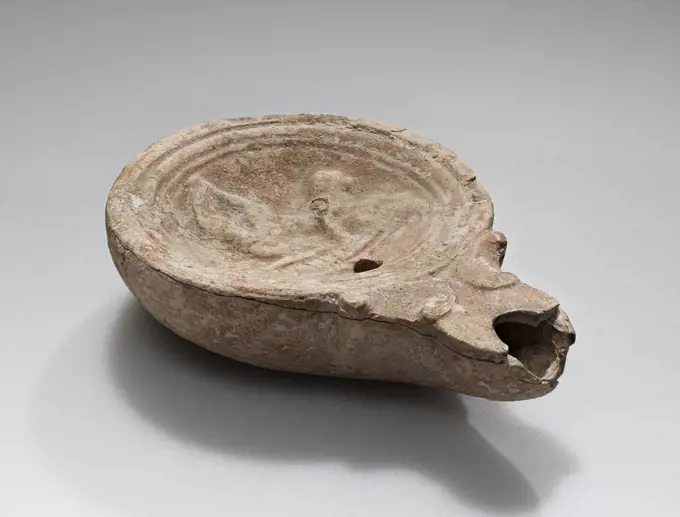
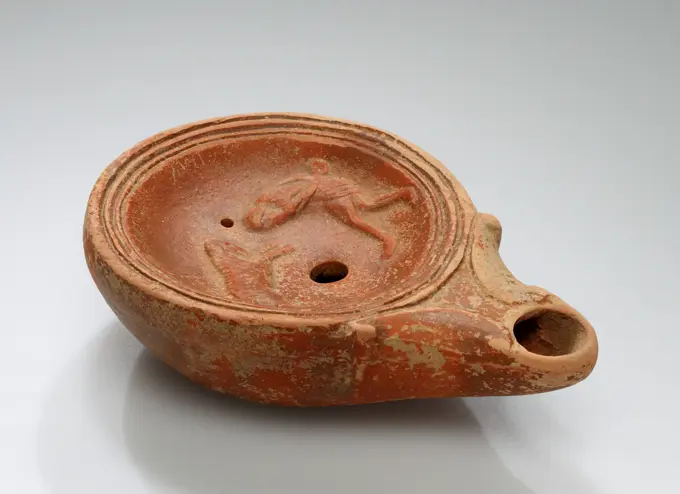
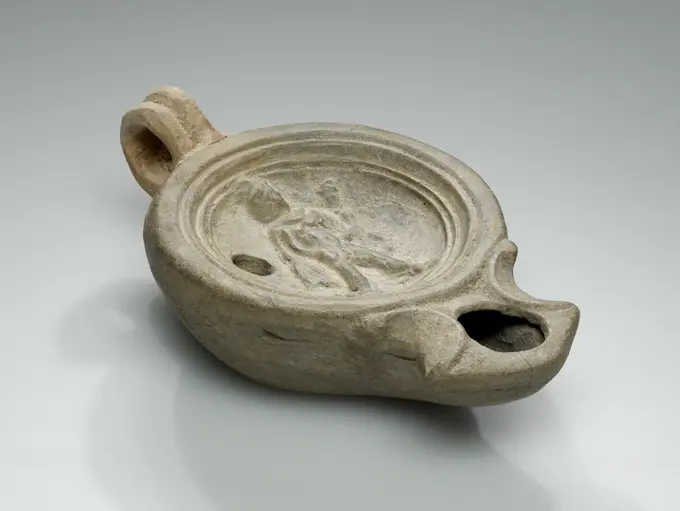
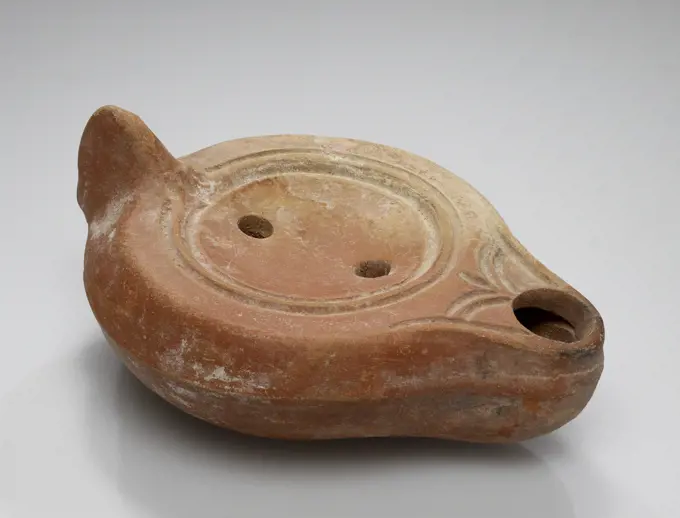
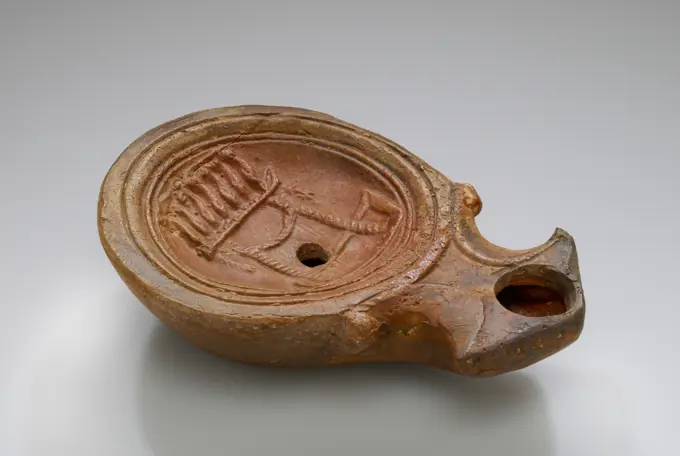
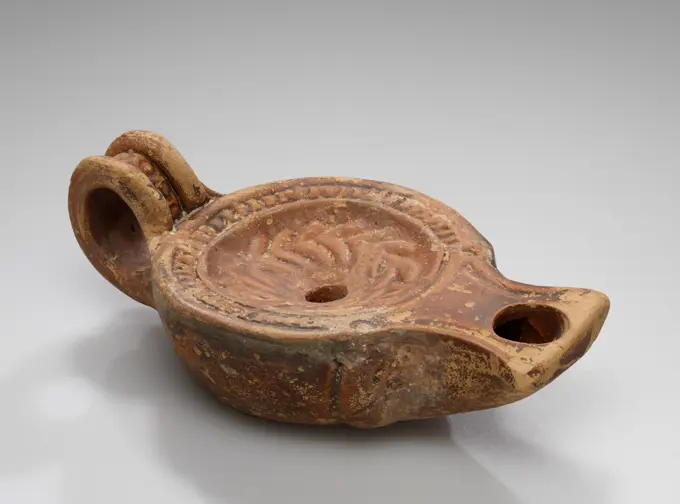
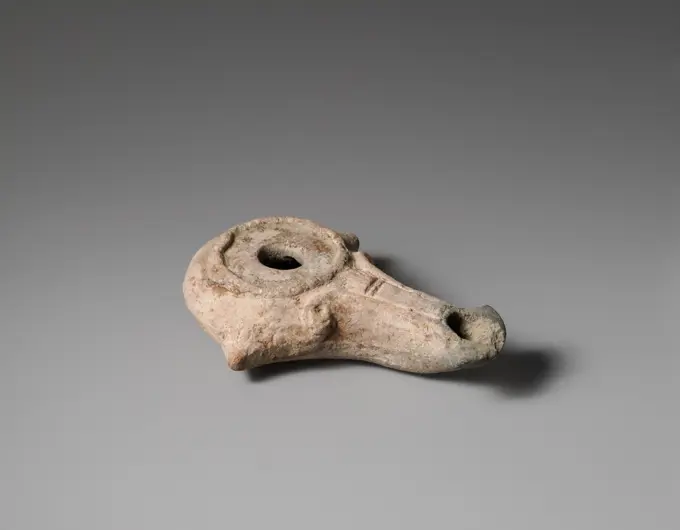
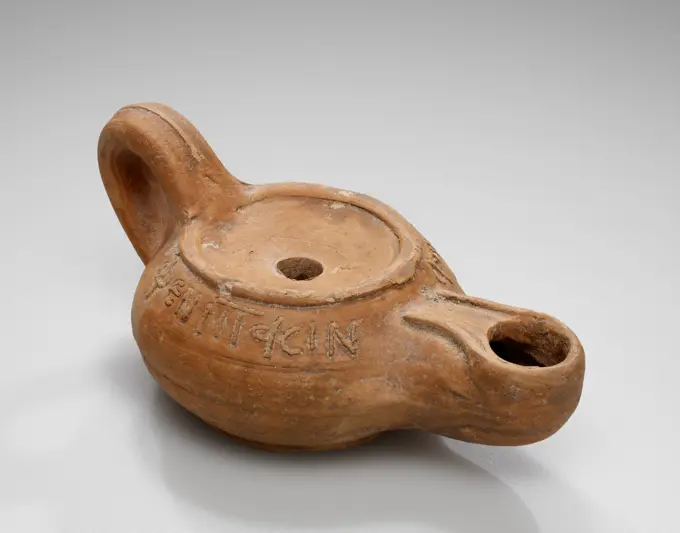
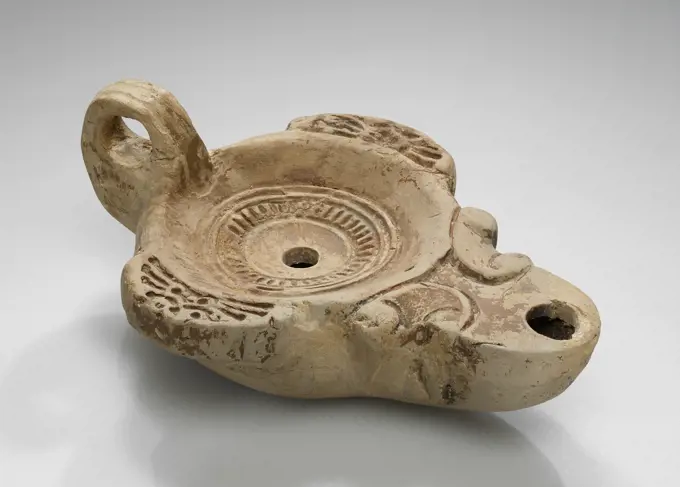
A series of terracotta lamps showcasing simple, ancient designs with various shapes and details, highlighting their historical significance and rustic aesthetic.
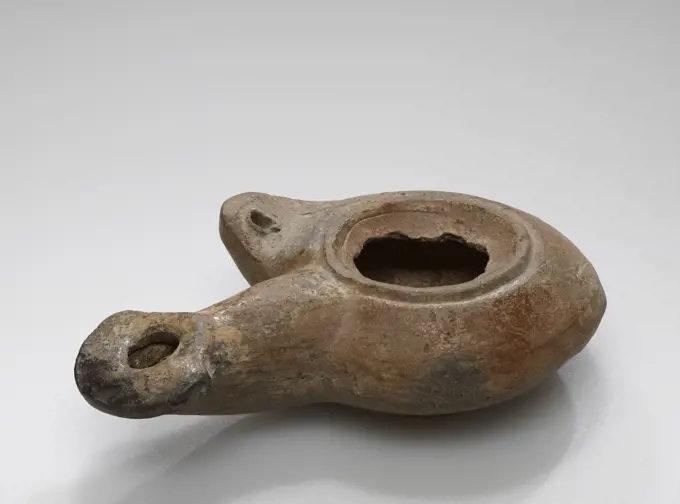
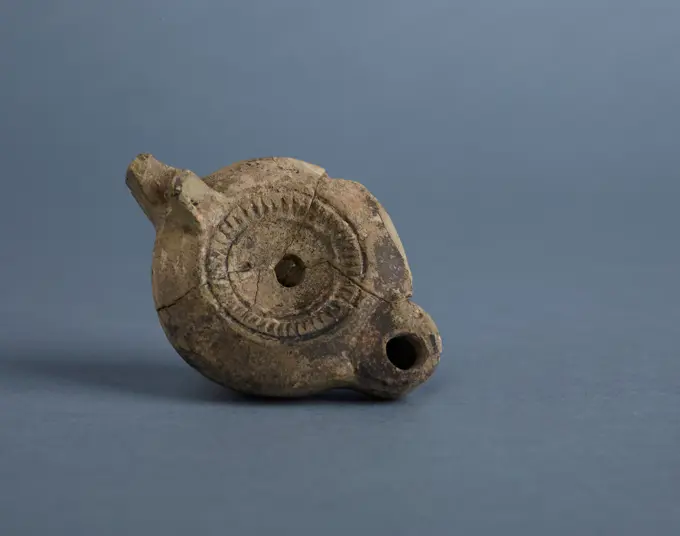
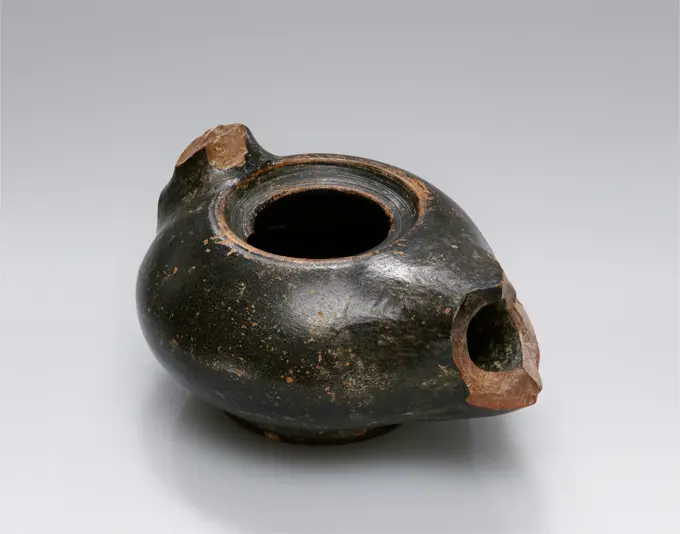
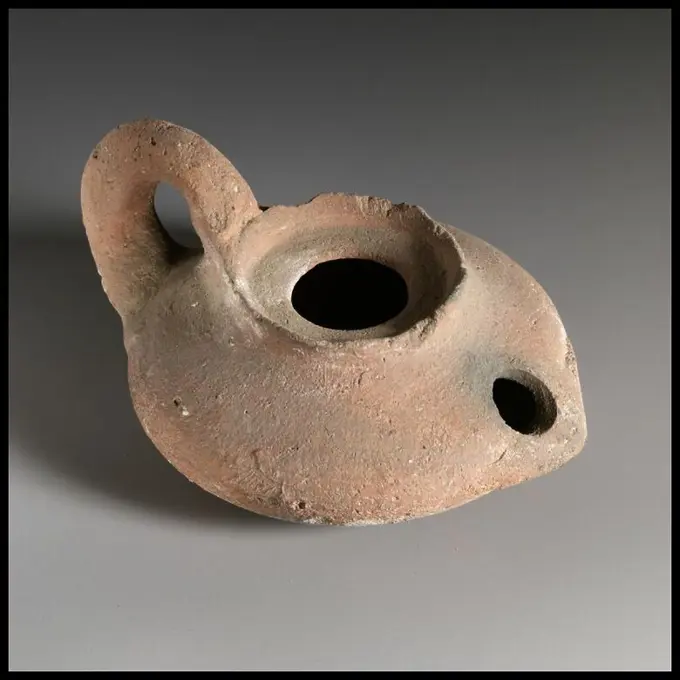
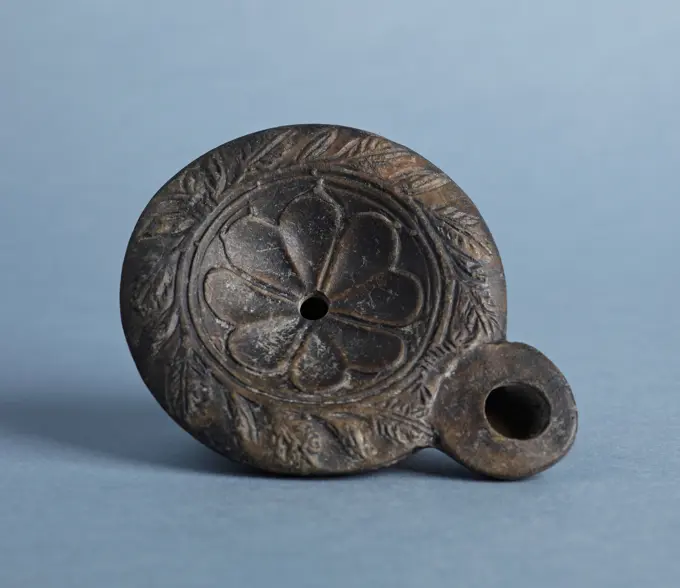
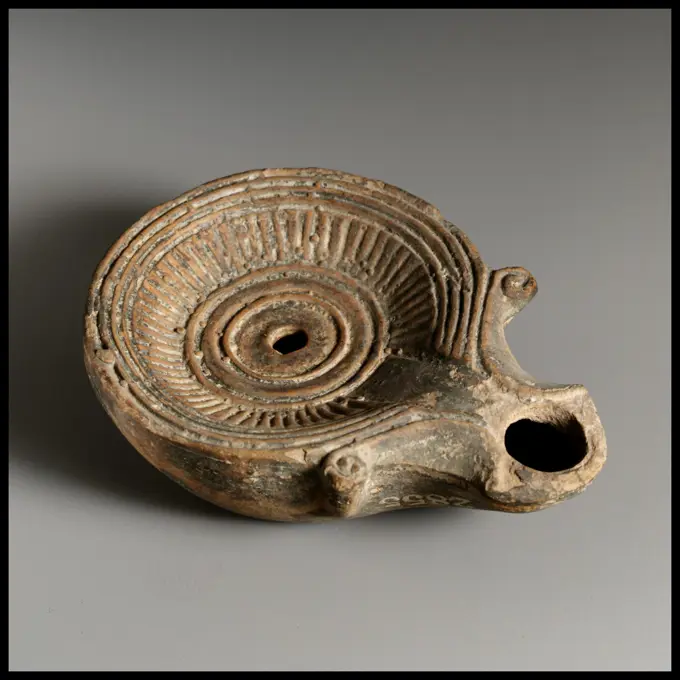
Lamp, Asia Minor; 3rd - 2nd century B.C; Terracotta; 2.1 × 5 × 8.5 cm (13,16 × 1 15,16 × 3 3,8 in.)
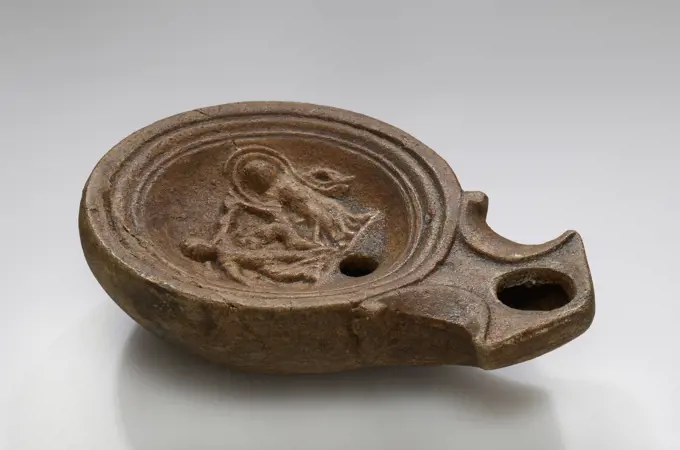
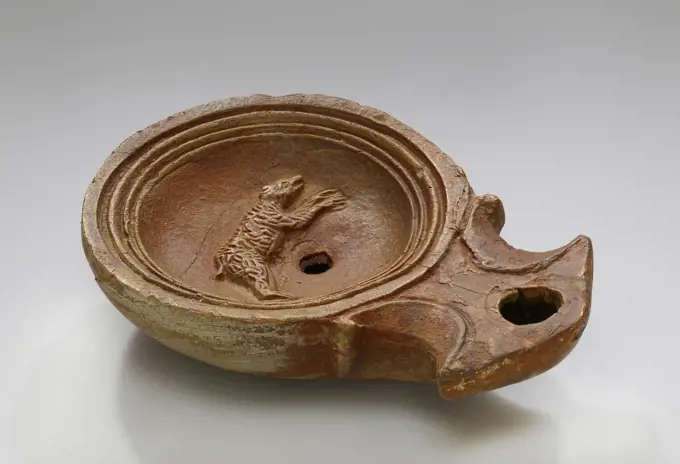
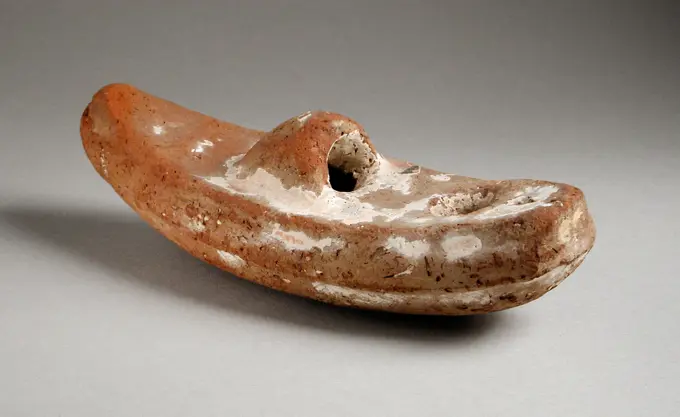
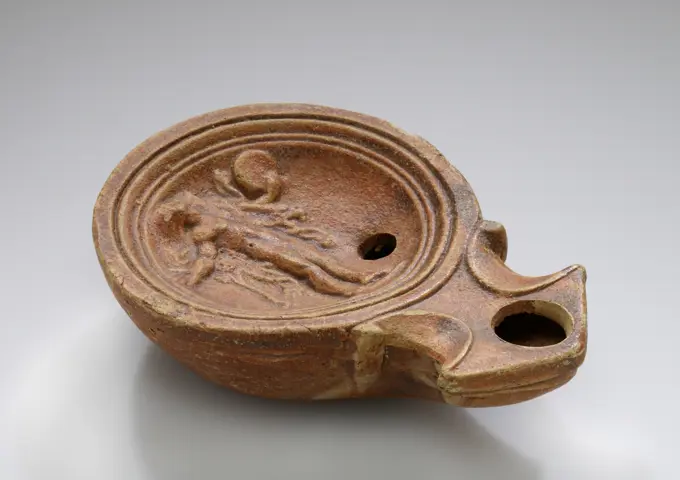
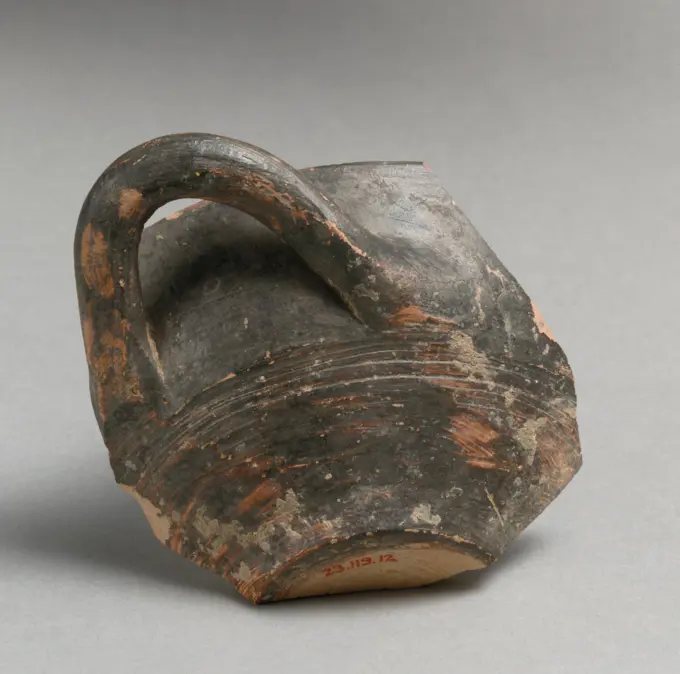
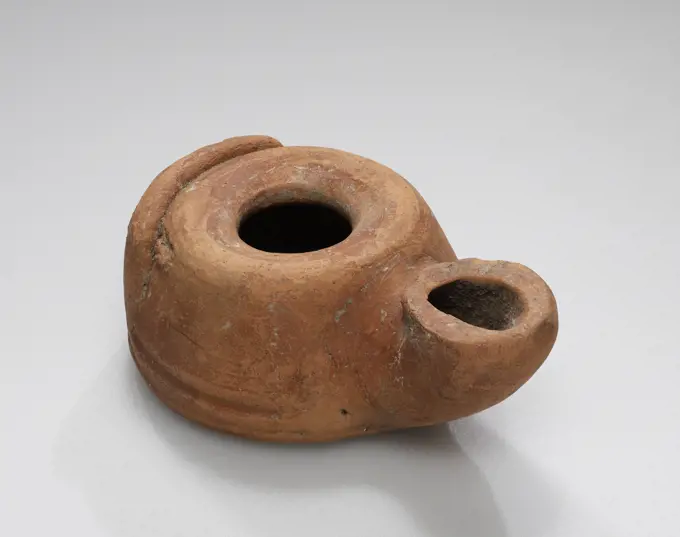
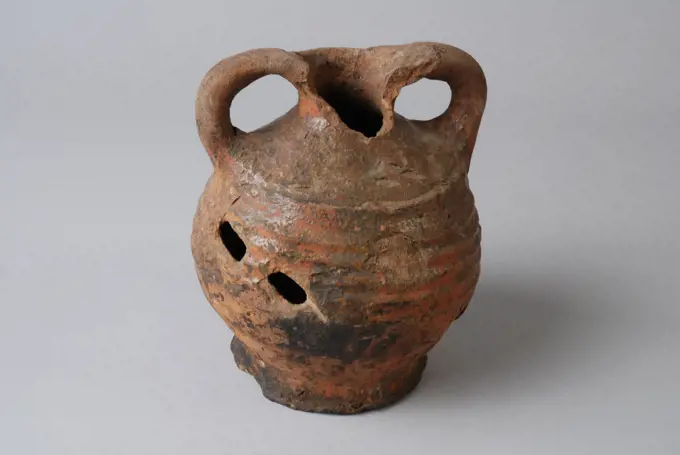
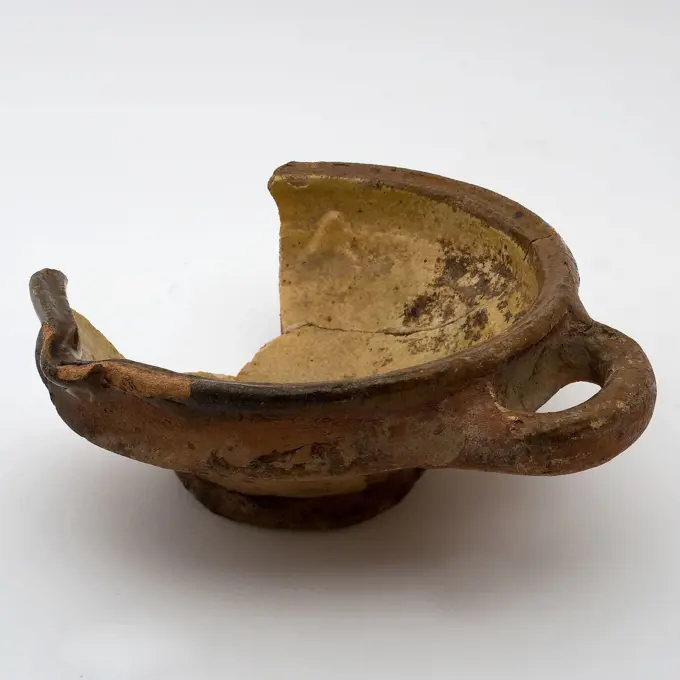
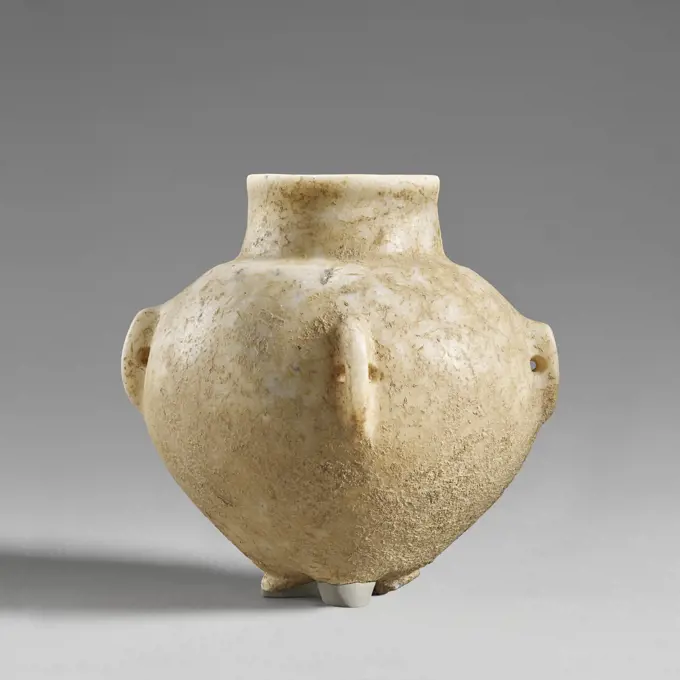
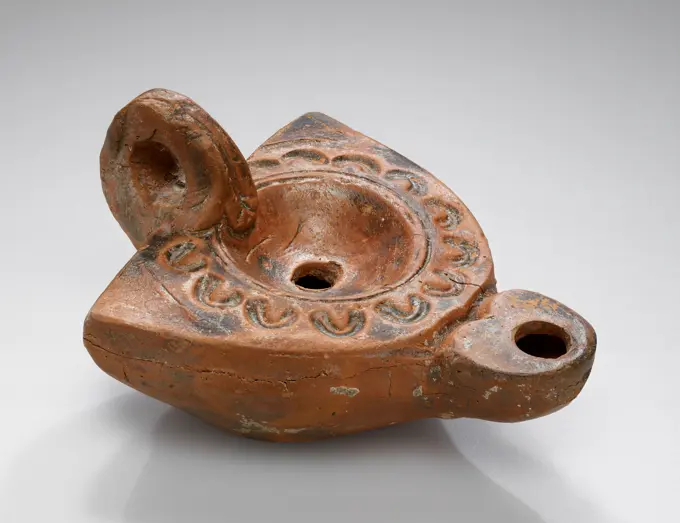
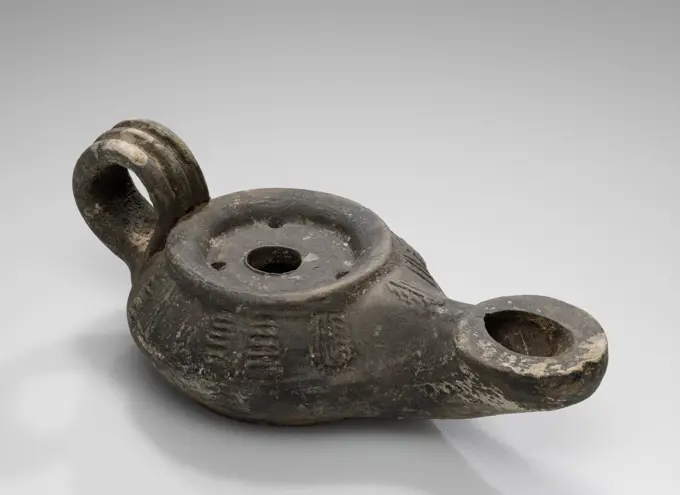
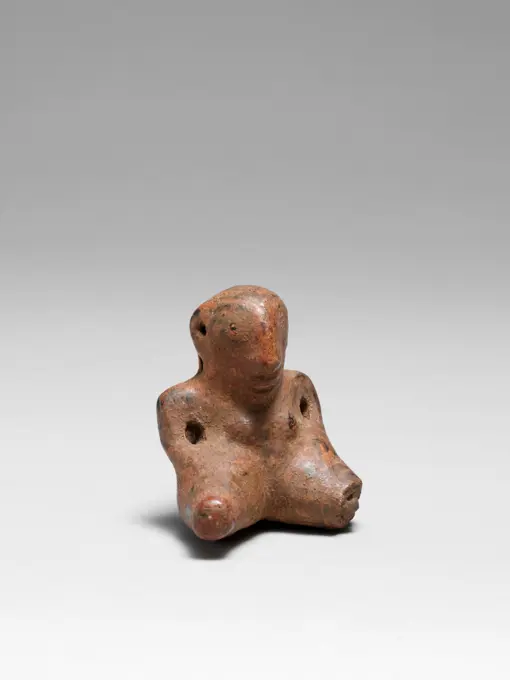
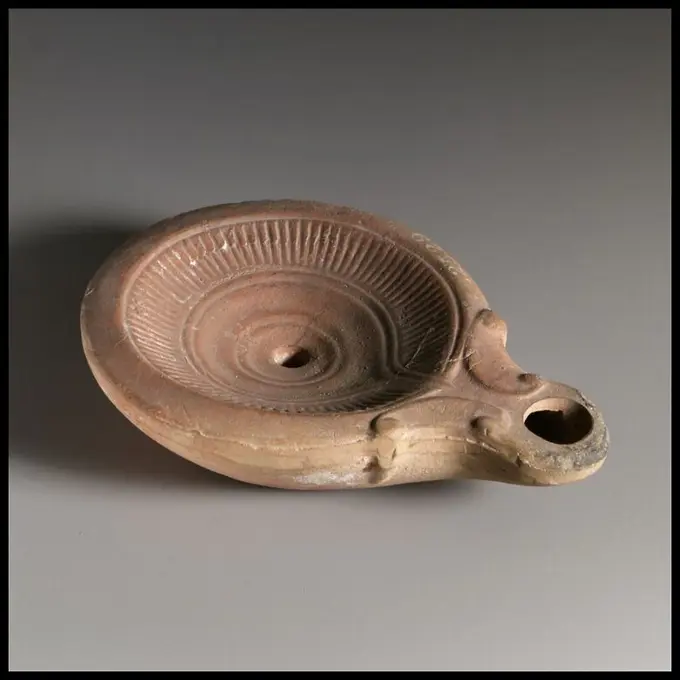
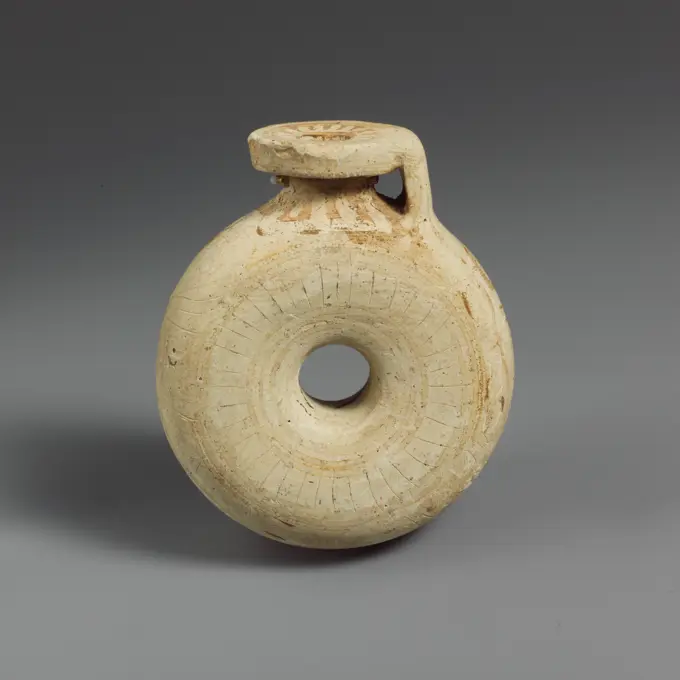
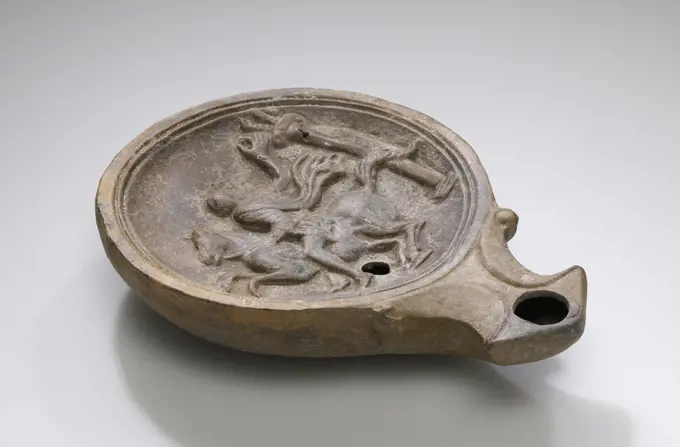
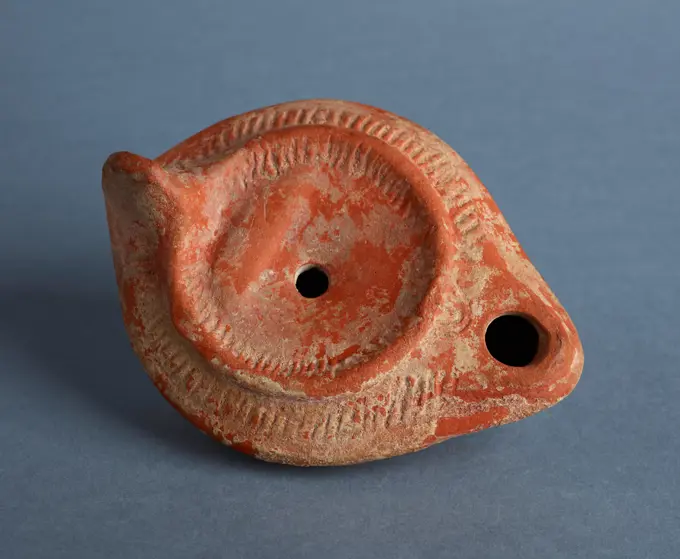
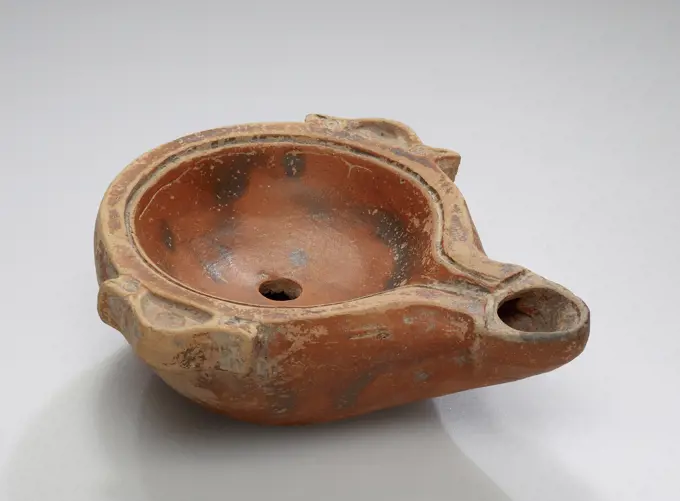
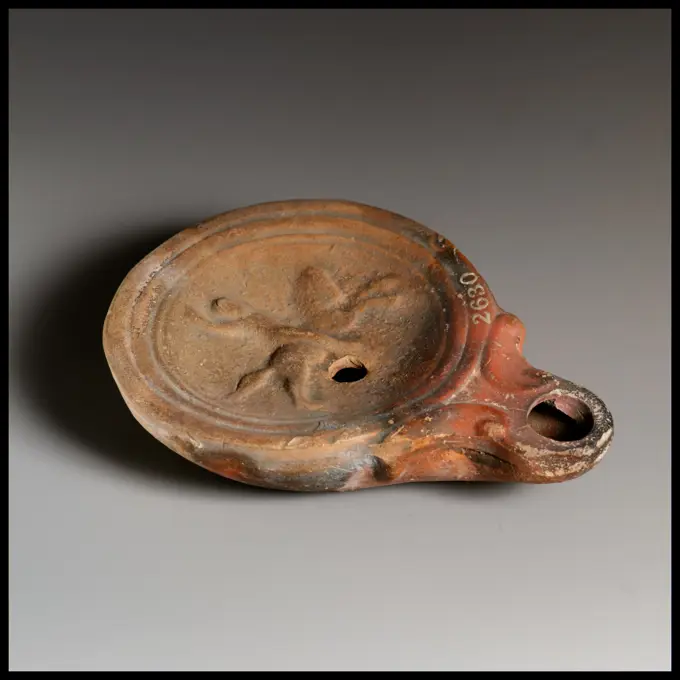
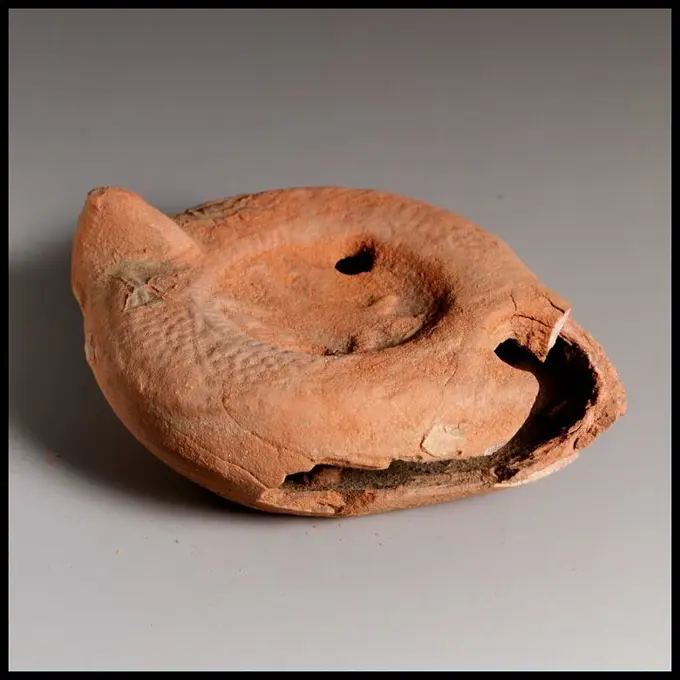
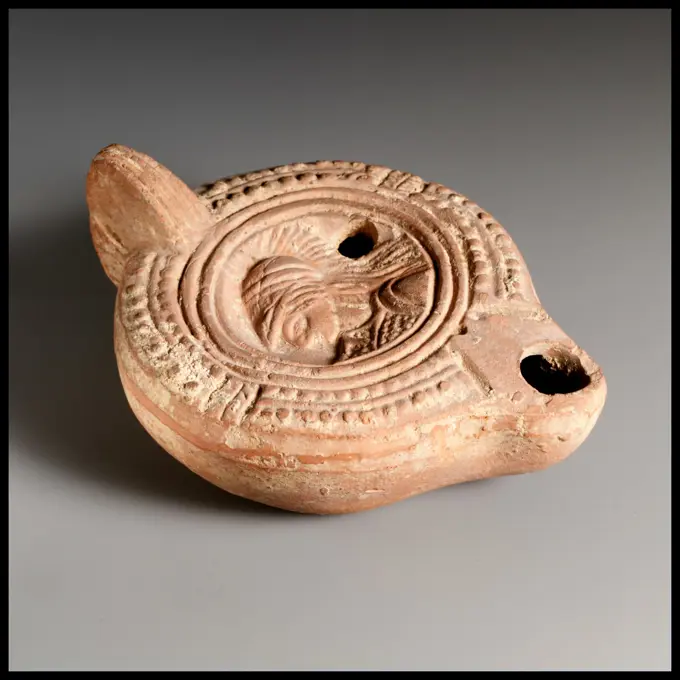
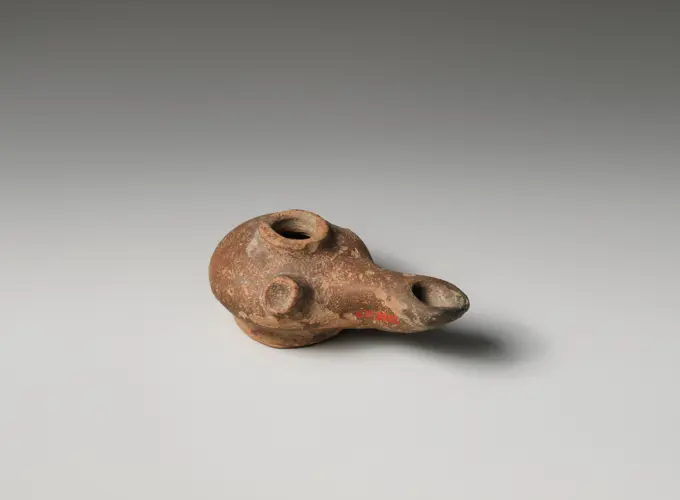
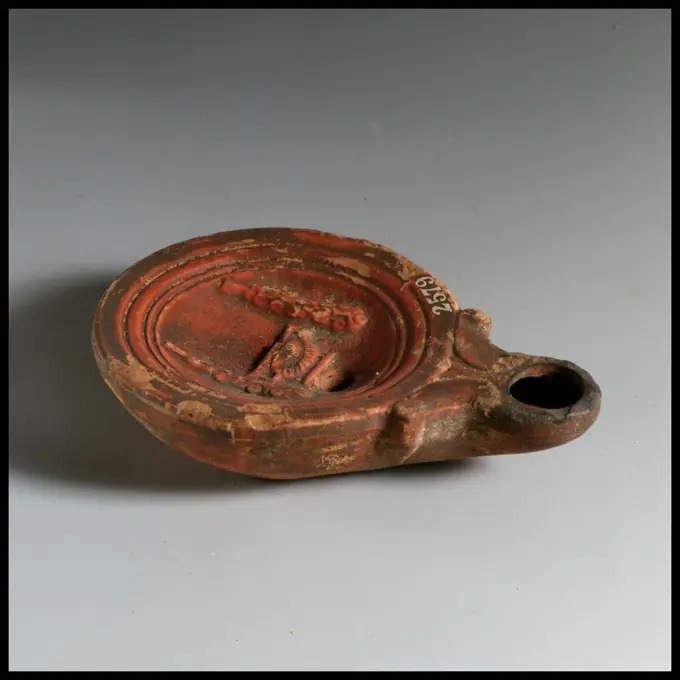
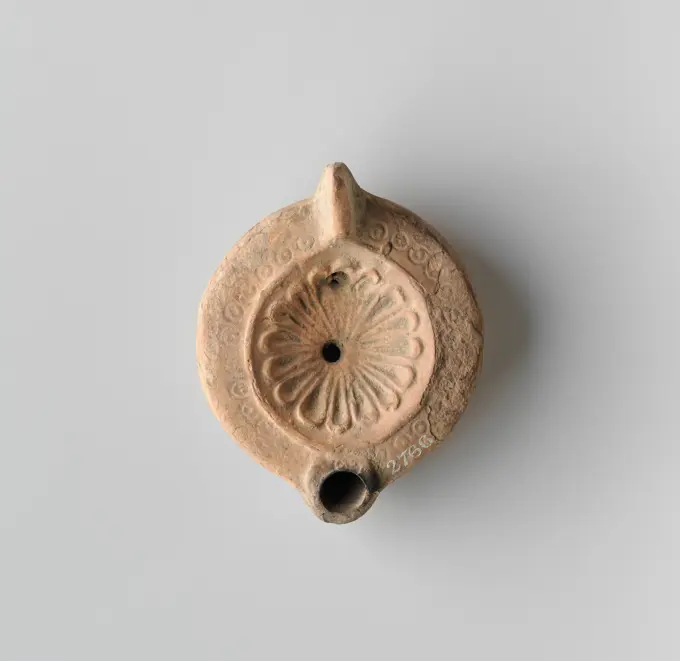
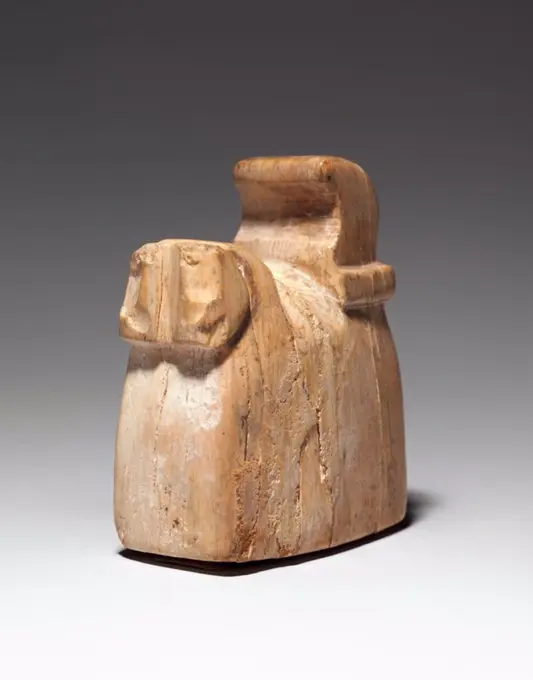
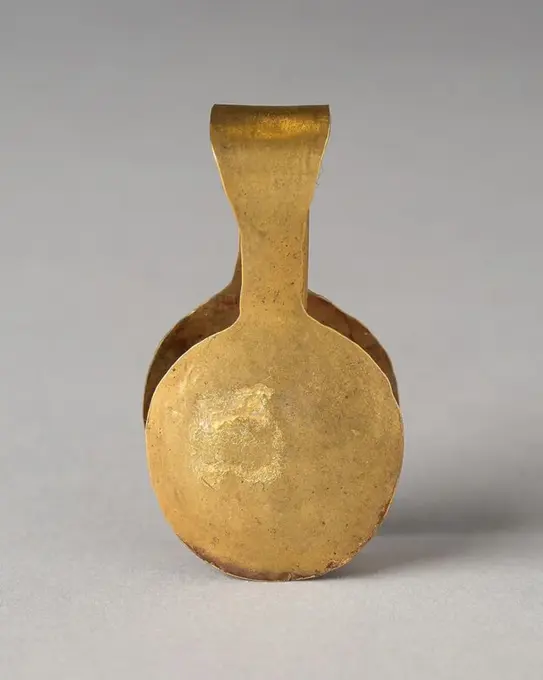
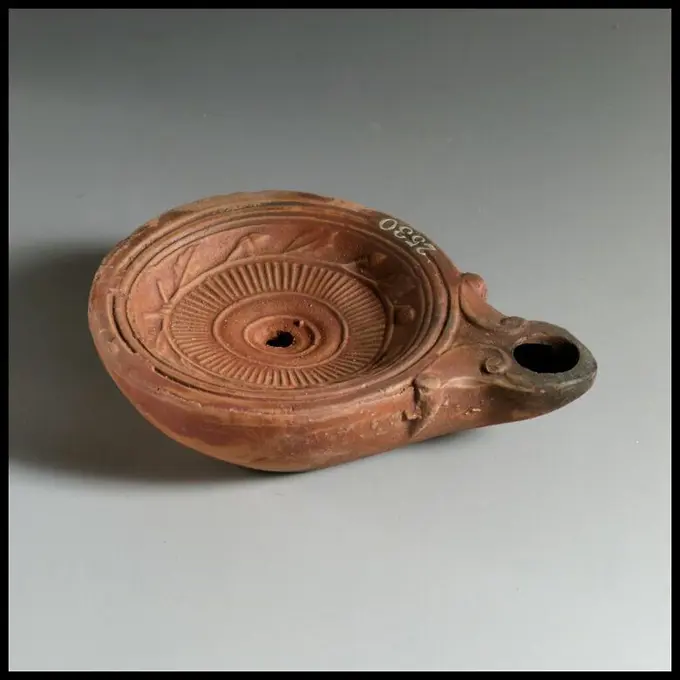
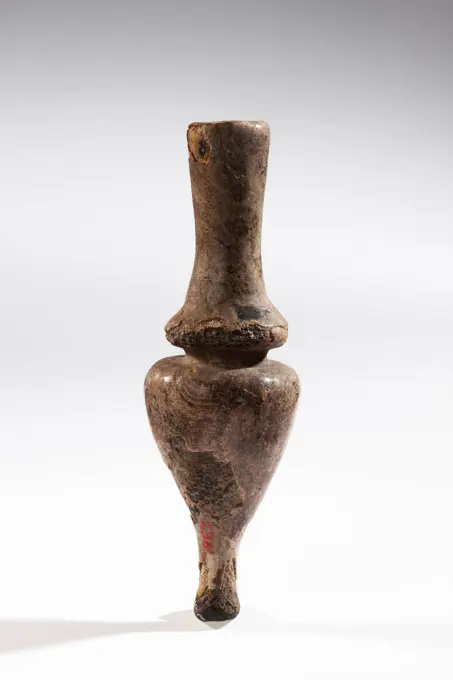
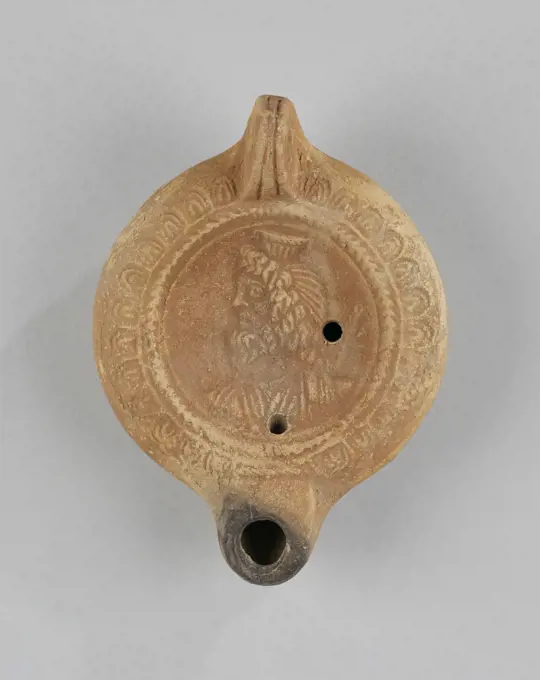
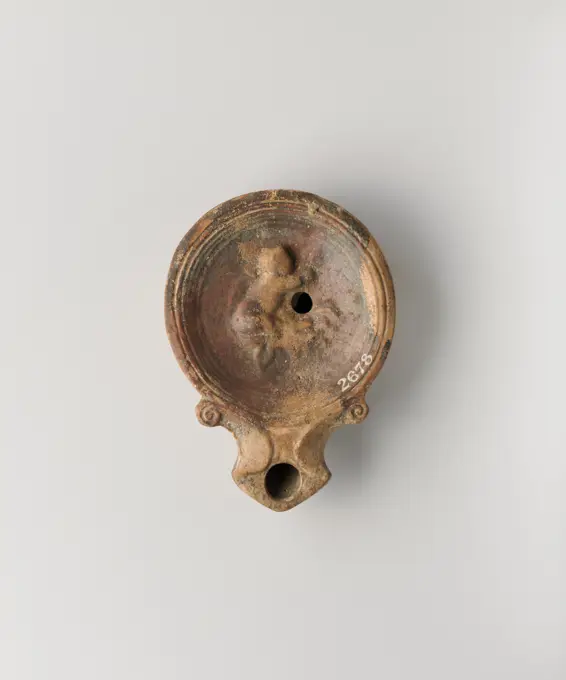
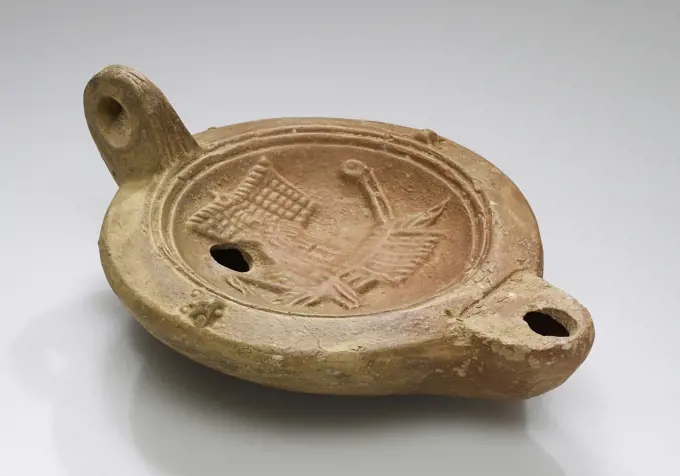
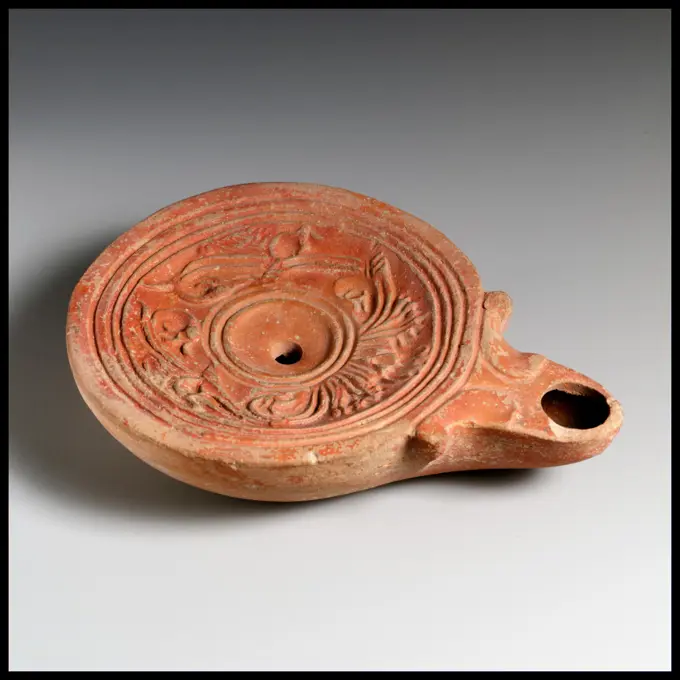
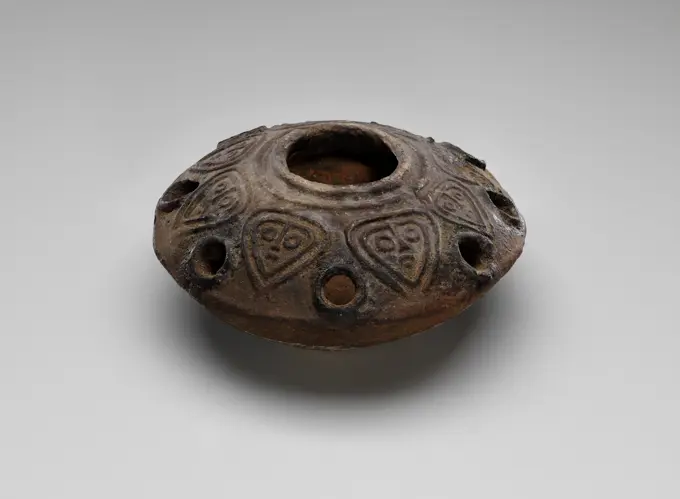
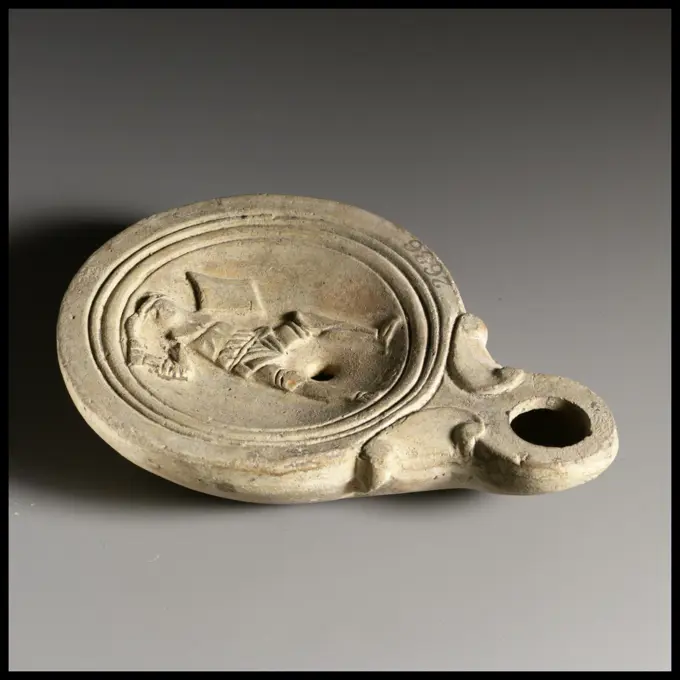
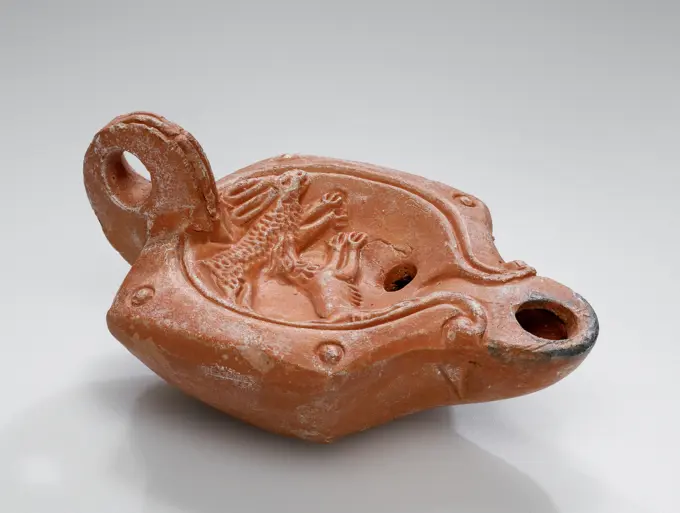
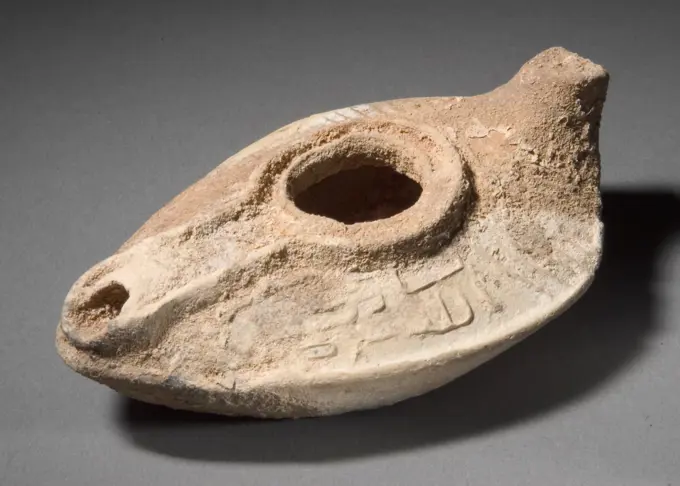
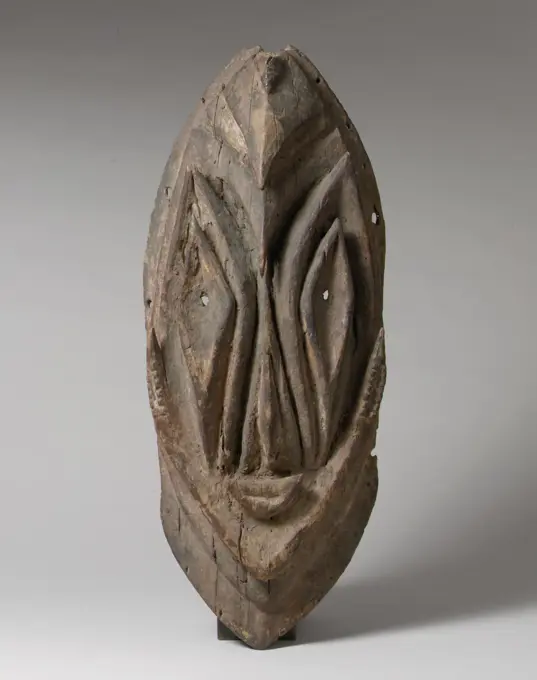
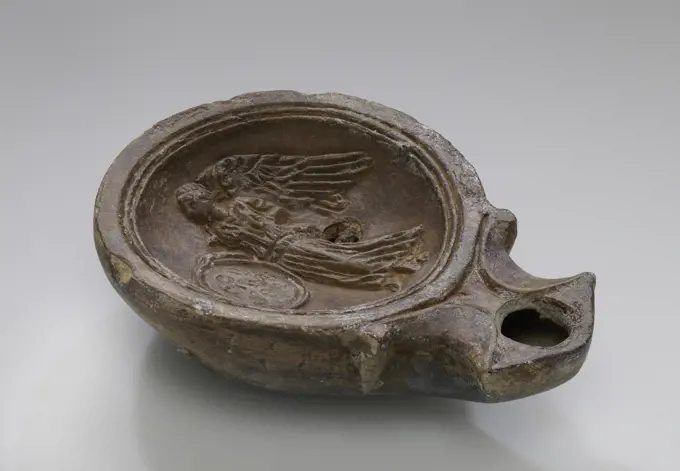
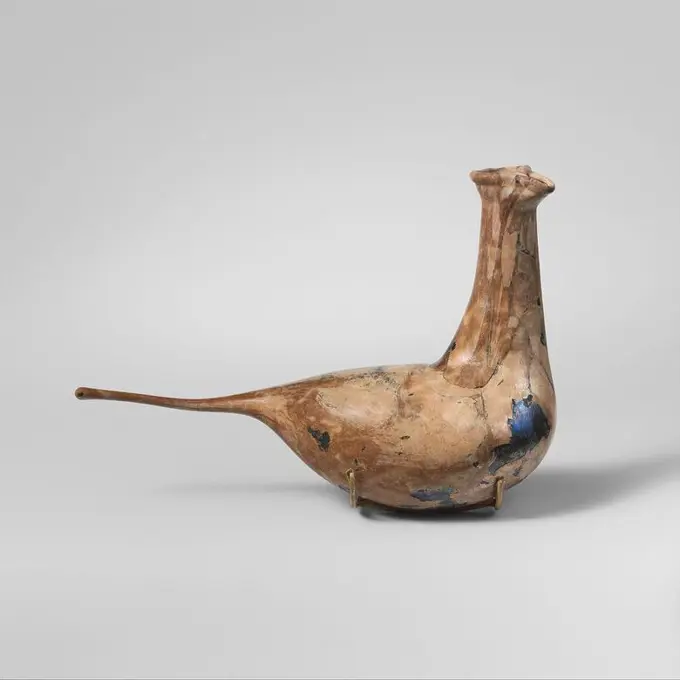
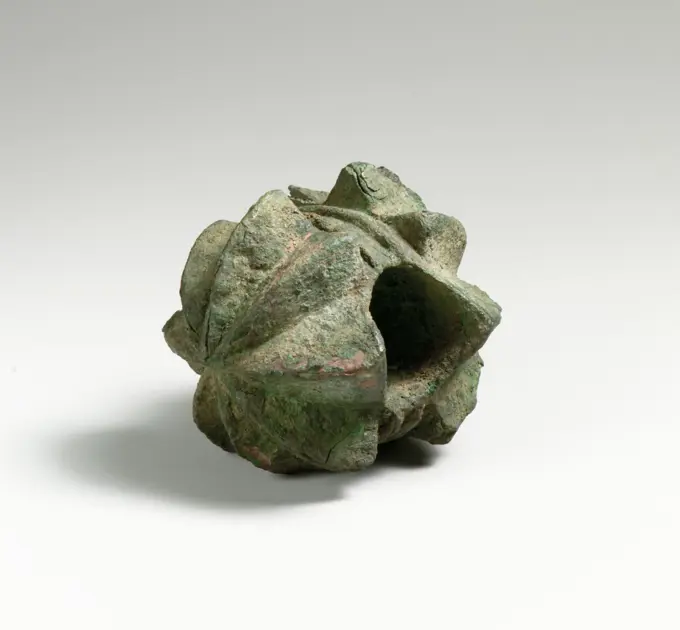
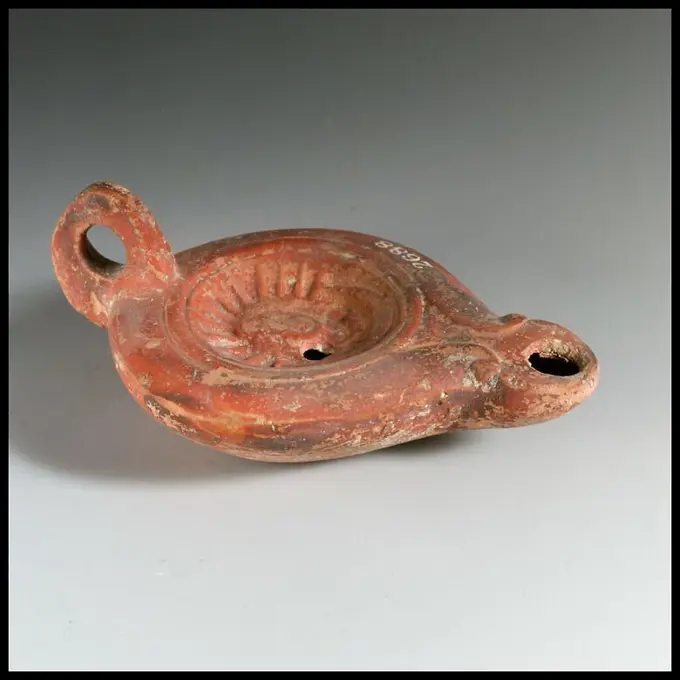
Lamp. UnknownLamp. UnknownLamp. UnknownLamp. UnknownLamp, Anatolia; 1st century; Terracotta; 3.6 × 8.1 × 12.2 cm (1 7,16 × 3 3,16 × 4 13,16 in.)Lamp, Asia Minor; 1st - 4th century; Terracotta; 2.6 x 8 x 10.5 cm (1 x 3 1,8 x 4 1,8 in.)Lamp, Asia Minor; 3rd - 2nd century B.C; Terracotta; 2.1 × 5 × 8.5 cm (13,16 × 1 15,16 × 3 3,8 in.)Lamp. UnknownLamp. UnknownTerracotta oil lamp 2nd century A.D. Roman Loeschcke Type 8. Mold-made, with ring handle. Concave undecorated discus, with a single, small, central filling hole; band of raised lines and grooves around edge. Slightly sloping, plain, broad shoulder. Short, rounded nozzle. Incised base ring, and concave base.Intact, but some surface losses on underside of body and base.. Terracotta oil lamp. Roman. 2nd century A.D.. Terracotta. Mid Imperial. TerracottasLamp, Roman Empire; 1st century B.C. - 4th century A.D; Terracotta; 2.5 x 7.2 x 10 cm (1 x 2 13,16 x 3 15,16 in.)Lamp. UnknownLamp. UnknownLamp. UnknownTerracotta oil lamp. Culture: Roman. Dimensions: Overall: 1 11/16 x 4 7/8 in. (4.3 x 12.4 cm). Date: 1st century B.C.-1st century A.D..Loeschcke Type 4. Mold-made, with ring handle. Discus: the nymph Amaltheia, facing right, with right hand outstretched and holding a goat by the horns; two filling holes above and below goat, with a band of lines and grooves at edge. Volutes flanking long nozzle. Incised base ring, and a flat base.Large, jagged hole in right side of body. Museum: Metropolitan Museum of Art, New York, USA.Lamp. UnknownLamp, North Africa; 1st - 4th century; Terracotta; 3.7 x 8.2 x 12 cm (1 7,16 x 3 1,4 x 4 3,4 in.)Lamp. UnknownLamp. UnknownLamp, North Africa; 1st - 4th century; Terracotta; 2.6 x 7 x 9.8 cm (1 x 2 3,4 x 3 7,8 in.)Lamp, North Africa; 1st - 4th century; Terracotta; 2.3 x 7.3 x 10.2 cm (7,8 x 2 7,8 x 4 in.)Lamp in the Form of a Boat. Egypt, Ptolemaic Period - Roman Period (305 BCE - 337 CE). Furnishings; Lighting. Terracotta, traces of paintFragment imadła amfory transportowej ze stemplem z różą rodyjską. warsztat rodyjski, workshopLamp. UnknownOil LampVase fragment Greek, Laconian. Vase fragment 251288 Greek, Laconian, Vase fragment, Terracotta, 2 7/16 x 2 3/4in. (6.2 x 7cm). The Metropolitan Museum of Art, New York. Gift of A. J. B. Wace, 1923 (23.119.12)Fragmentary Lamp. UnknownLamp, Asia Minor; 5th - 2nd century B.C; Terracotta; 3 x 4.6 x 6.7 cm (1 3,16 x 1 13,16 x 2 5,8 in.)Lamp. UnknownLamp. UnknownLamp. UnknownTerracotta oil lamp. Culture: Roman. Dimensions: Overall: 1 x 3 3/4 in. (2.5 x 9.5 cm). Date: ca. A.D. 45-90.Loeschcke Type 1B. Mold-made. Discus: horse galloping to right; single filling hole below, with a broad band of lines and grooves at edge. Volutes flanking angular nozzle. Raised base ring, and flat base.Intact. Museum: Metropolitan Museum of Art, New York, USA.Terracotta oil lamp 1st century B.C.-1st century A.D. Greek or Roman Mold-made. Shallow, carinated body. Central filling hole within flat discus, surrounded by a thick, raised ring. Plain, sloping shoulder; at sides, projecting pointed knobs; elongated volutes flanking long, straight nozzle, angular at sides to wick hole, and at back on top of nozzle, vegetal spray. Incised base ring, and flat base.. Terracotta oil lamp. Greek or Roman. 1st century B.C.-1st century A.D.. Terracotta. Hellenistic or Early Imperial. TerracottasLamp. UnknownEarthenware jug with double ears, rotating braces on shoulder and protruding neck, jug crockery holder soil find ceramic earthenware glaze, hand-turned glazed baked earthenware jug coarse brown shard covered with iron goble and partly with lead glaze narrow neck with two vertical sausage-shaped profiled pivots around the belly stand at the bottom archeology Rotterdam serve drink preserve kitchen gift Soil discovery RotterdamPottery bowl on stand ring, pouring lip, internally glazed yellow, ear bowl bowl crockery holder soil find ceramic earthenware clay engobe glaze lead glaze, hand-turned glazed baked lozenge Pottery bowl on roughly shaped stand ring. Lying sausage ear attached to the top edge Red shard internally glazed yellow glazed on base of engobe Vertical upper edge with thick ridge along the outside. shallow groove at the top archeology Geervliet Bernisse indigenous pottery food preparation cooking kitchen food serve serving Soil discovery: Geervliet pit 1 top layer demolition Trouw.Storage Jar with a Tripod Foot; Cyclades, Greece; 2800 - 2700 B.C; Marble; 25 × 34 × 34 × 30 cm (9 13,16 × 13 3,8 × 13 3,8 × 11 13,16 in.)Lamp, North Africa; 1st - 4th century; Terracotta; 3 x 7.5 x 10 cm (1 3,16 x 2 15,16 x 3 15,16 in.)Lamp. UnknownLamp. UnknownTerracotta lamp. Dimensions: Overall: 2 x 3 3/4 in. (5.1 x 9.5 cm). Date: 3rd century B.C.. Museum: Metropolitan Museum of Art, New York, USA.Terracotta oil lamp. Culture: Roman. Dimensions: Overall: 1 x 4 1/8 in. (2.5 x 10.5 cm). Date: 2nd century A.D..Loeschcke Type 8. Mold-made. Discus: at right, gladiator, and, on left, woman. Raised ring-and-dot pattern between discus and nozzle (stylized volutes). On base, in Greek letters: ZWI/Y. Red-buff clay. Museum: Metropolitan Museum of Art, New York, USA.Lamp. UnknownPottery Whistle ca. 800-1525 Costa Rican. Pottery Whistle. Costa Rican. ca. 800-1525. Clay. Pre-Columbian. Diquis Region, Costa Rica. Aerophone-Whistle Flute-whistleLamp. Culture: Roman. Dimensions: Overall: 7/8 x 3 1/2 in. (2.2 x 8.9 cm). Date: 1st century B.C.-1st century A.D.. Museum: Metropolitan Museum of Art, New York, USA.Fragment of an Oil Lamp 4th-7th century Coptic. Fragment of an Oil Lamp 478707Terracotta ring aryballos (perfume vase) 6th century B.C. Greek, Corinthian Ring aryballoi figure quite prominently in Corinthian pottery from the seventh through the sixth century B.C. They are rare in other Greek regions and were originally introduced from the East. This example may be an Etruscan imitation.. Terracotta ring aryballos (perfume vase) 255700Lamp, Anatolia; 1st - 4th century; Terracotta; 2.3 x 8.5 x 11 cm (7,8 x 3 3,8 x 4 5,16 in.)Oil LampVase with a Handle and Two Projections with Suspension Holes ca. 1550-1391 B.C. New Kingdom. Vase with a Handle and Two Projections with Suspension Holes. ca. 1550-1391 B.C.. Pottery. New Kingdom. From Egypt; Probably from Upper Egypt, Thebes. Dynasty 18Lamp, Anatolia; 1st - 4th century; Terracotta; 2.8 x 6 x 8.6 cm (1 1,8 x 2 3,8 x 3 3,8 in.)Fragment of a female figurine;  District classic or Hellenistic (0-00-00-0-00-00);Bednarek-06, Dar, Etruria, Antical Art Collection, DarHandleless Oil LampTerracotta oil lamp early 1st century A.D. Roman, Cypriot Loeschcke Type 1A. Mold-made. Discus, concave around side and flat across middle, with a single, central filing hole: concentric rings at middle and band of close-set, radiating lines around side, interrupted at front by a plain channel to back of nozzle; band of lines and grooves around edge, interrupted by channel. Volutes flanking angular nozzle. Ribs extending from volutes down body to either side of nozzle. Raised base ring; flat base inscribed: P·C F across center, with large X below.Intact, but some surface loss on side. Mottled dark brown slip.. Terracotta oil lamp 241765Lamp, North Africa; 1st - 4th century; Terracotta; 3 x 7.8 x 11 cm (1 3,16 x 3 1,16 x 4 5,16 in.)Terracotta oil lamp 1st century A.D. Roman, Cypriot Loeschcke Type 4. Mold-made. Discus: figure with one arm raised above his head, seated on a horse, galloping to right. Single filling hole below horse's belly, with a band of lines and grooves towards edge. Volutes flanking nozzle. Shallow, raised, flat base.Intact.. Terracotta oil lamp. Roman, Cypriot. 1st century A.D.. Terracotta. Early Imperial. Terracottasterracotta oil lamp. Culture: Roman. Dimensions: Overall: 1 1/4 x 3 1/8 in. (3.2 x 7.9 cm). Date: 4th-5th century A.D..Vessberg Type 18. Mold-made, with small, unpierced handle. Discus with scene inverted: Christ, with rayed nimbus, flanked by large jar and amphora, performing the Miracle at Cana, surrounded by a narrow band of radiating lines. Two filling holes at sides. On wide, horizontal shoulder, vine tendril with stylized bunches of grapes. Undefined, concave base.Broken with losses around wick hole and along left side of body; worn, weathered surface. Museum: Metropolitan Museum of Art, New York, USA.Terracotta oil lamp 3rd-early 4th century A.D. Roman Broneer Type 28. Mold-made, with unpierced handle. Discus: bust of helmeted Athena, facing left; a single filling hole at edge to right; around discus, a band of two raised concentric lines, surrounded. Shoulder: stylized wreath interrupted by panels at sides. A small hole at the back of the nozzle. Incised lines running along length of the handle. Within an impressed base ring, a flat base impressed with the Greek letters EY.Intact.The base of the handle appears to have been made with the lamp in the mold; the top and front was then carelessly added with a plain bridge joining the two parts.The lamp was made in Athens and is decorated appropriately with the bust of Athena (Roman Minerva) on the discus.. Terracotta oil lamp. Roman. 3rd-early 4th century A.D.. Terracotta; mold-made. Late Imperial. TerracottasVASIJA NEOLITICA PROCEDENTE DE SIMAS DE BENAOCAZ - V MILENIO AC. Location: MUSEO DE CADIZ-ARQUEOLOGIA. SPAIN.Terracotta oil lamp 3rd-2nd century B.C. Greek Wheel-made body, with applied long, slightly flaring nozzle. Central filling hole, surrounded by a raised collar; convex-curving side to carinated body, with indented projection on right side. Raised base ring and deep concave base.Large shallow chip on right side of upper body, and some chipping around base ring.. Terracotta oil lamp. Greek. 3rd-2nd century B.C.. Terracotta. Hellenistic. TerracottasFigurine of a Sitting WomanTerracotta oil lamp 3rd century A.D. Roman Mold-made, with low, unpierced, pointed handle. Discus: tear-drop pattern decorated with short, radiating lines around a central filling hole, outlined by a groove and surrounded by an outer band of impressed circles each with a central dot; raised band around edge, continuing around nozzle and forming an angular channel between discus and projecting, rounded nozzle. On inner edge of sloping shoulder, a band of two grooves flanking a raised line. Undefined, flat base.Intact.. Terracotta oil lamp. Roman. 3rd century A.D.. Terracotta; mold-made. Late Imperial. TerracottasOil LampTerracotta oil lamp ca. A.D. 40-100 Roman, Cypriot Loeschcke Type 4. Mold-made. Discus: a skyphos (drinking cup) flanked by two clubs of Hercules; a single filling hole in middle below skyphos, and a band of lines and grooves towards edge. Broad, raised base ring, and flat base.Complete, except for some chips in edge and one small hole in underside of body at left.. Terracotta oil lamp. Roman, Cypriot. ca. A.D. 40-100. Terracotta; mold-made. Early Imperial. TerracottasTerracotta oil lamp 2nd century A.D. Roman Late Loeschcke Type 8. Mold-made, with unpierced handle. Deep, concave discus: rosette of sixteen rounded petals; a filling hole at center, and another, not fully pierced through, at top back; a single raised circle around edge. Horizontal shoulder: pattern of impressed circles. Undefined, pushed-in base.Complete, except for chip in front edge of nozzle.. Terracotta oil lamp. Roman. 2nd century A.D.. Terracotta. Mid Imperial. TerracottasChess Piece, Rook. Dimensions: H. 2 5/16 in. (5.8 cm)L. 1 7/8 in. (4.8 cm)W. 1 in. (2.5 cm). Date: 7th-8th century. Museum: Metropolitan Museum of Art, New York, USA.Circular Tweezers. Probably Chimú; North coast, Peru. Date: 1000-1400. Dimensions: H. 4.6 cm (1 13/16 in.). Gold. Origin: Peru. Museum: The Chicago Art Institute, Chicago, USA.Cypriot Flask. Cyprus, Possibly Hellenistic Period (332 - 31 BCE). Tools and Equipment; flasks. TerracottaLamp, Asia Minor; 4th century; Terracotta; 3.5 × 6 × 10.6 cm (1 3,8 × 2 3,8 × 4 3,16 in.)Terracotta oil lamp. Culture: Roman, Cypriot. Dimensions: H. 15/16 in. (2.4 cm); length 3 11/16 in. (9.4 cm). Date: ca. A.D. 40-100.Loeschcke Type 4. Mold-made. Discus: a myrtle wreath surrounding a band of close-set rays; a single central filling hole within a raised circle, with concentric grooves around edge. Voluted nozzle. Fine, incised base ring, and concave base.Intact. Museum: Metropolitan Museum of Art, New York, USA.Vase. unknown, craftsmanLamp, North Africa; 1st - 4th century; Terracotta; 3 x 8.5 x 12 cm (1 3,16 x 3 3,8 x 4 3,4 in.)Terracotta oil lamp 1st century B.C.-1st century A.D. Roman Loeschcke Type 1A. Mold-made. Discus: Eros (Cupid), with wings, seated, facing right, with right arm outstretched; a single filling hole towards right in front of figure; band of lines and grooves around edge. Volutes flanking broad, angular nozzle. Raised base ring, and flat base.Intact, but slight chip in base.. Terracotta oil lamp. Roman. 1st century B.C.-1st century A.D.. Terracotta. Early Imperial. TerracottasLamp, Anatolia; 1st - 4th century; Terracotta; 2.7 x 8 x 12 cm (1 1,16 x 3 1,8 x 4 3,4 in.)Miniaturstupa, Anonymous, 700 - 1200 Miniaturestupa, lower part roughly shaped, tapered downwards, upper half is the actual stupa. Indonesia terracotta (clay material) Miniaturestupa, lower part roughly shaped, tapered downwards, upper half is the actual stupa. Indonesia terracotta (clay material)Terracotta oil lamp ca. A.D. 70-120 Roman, Cypriot Loeschcke Type 4. Mold-made. Discus: at bottom, acanthus wreath with tendrils, spreading up and around toward back; a single central filling hole, surrounded by two raised circles and with a band of raised lines and grooves towards edge. Shortened, stylized volutes flanking nozzle, with large wick hole. Within impressed base ring, a slight concave base with the incised marker's mark: ROMANESIS (both S retrograde).Intact.. Terracotta oil lamp. Roman, Cypriot. ca. A.D. 70-120. Terracotta, mold-made; mold-made. Mid Imperial. TerracottasRound lamp with eightholesTerracotta oil lamp. Culture: Roman. Dimensions: Overall: 1 5/8 x 3 7/8 in. (4.1 x 9.8 cm). Date: 1st century B.C.-1st century A.D..Loeschcke Type 1A. Mold-made, with ring handle. Discus; a pattern of radiating lines outside a central band of three raised concentric circles, and a raised outer edge; single filling hole at center. On curving shoulder, a pattern of close-set ovules. Volutes flanking broad, angular nozzle, with large wick hole. Broad raised ring base, and a slightly uneven base, with an obscure impressed mark (planta pedis) at center.Intact. Museum: Metropolitan Museum of Art, New York, USA.Terracotta oil lamp ca. A.D. 40-100 Roman, Cypriot Loeschcke Type 4. Mold-made. Discus: a gladiator standing, facing front, wearing belted shorts and greaves, holding up his small, square shield and curved sword, which mark him out as a thrax (Thracian); a single filling hole towards bottom between the gladiator's legs, and band of lines and grooves towards edge. Volutes flanking nozzle. Incised base ring, and slightly concave base.Intact, except for a chip on body next to base ring.. Terracotta oil lamp 241575Lamp. UnknownCzarka; Unknown Night -Tamanian workshop; approx. 2600 2350 BC ; Early period D Azira III (-2600-00-00--2350-00-00);Oil Lamp. Syria, 8th century. Ceramics. Earthenware, moldedMask 19th century Romkun or Breri or Igana peoples () This mask was probably created by the Romkun, Breri, or Igana peoples of the Ramu and Guam Rivers, whose masking traditions are largely undocumented. The pierced eyes and small holes on its periphery, probably used to secure it to a larger basketry headdress, indicate it was likely a dance mask. Dance masks among the neighboring Kominimung people have similar imagery and possibly served similar functions. Worn by initiated men during ritual performances, Kominimung dance masks depict bwongogo, ancestral spirits responsible for the success of important activities such as gardening, hunting, fishing, and formerly, warfare. Women and children are not allowed to witness the creation of the masks. However, the entire community may watch the performance of the masked dancers.. Mask. Romkun or Breri or Igana peoples (). 19th century. Wood. Papua New Guinea, Lower Sepik, Ramu River region. Wood-SculptureLamp, Anatolia; 1st - 4th century; Terracotta; 2.7 × 7.5 × 10 cm (1 1,16 × 2 15,16 × 3 15,16 in.)Terracotta oil lamp 1st century B.C.-1st century A.D. Roman. Terracotta oil lamp 241585Glass bottle in the shape of a bird. Culture: Roman. Dimensions: 2 5/8in. (6.7cm). Date: 1st century A.D..Translucent blue.Trefoil, slightly thickened and rounded rim, turned to one side from body; long neck, expanding downwards, that merges with horizontal ovoid body, drawn out at back into a long, thin tail with round tip; bottom of body slightly flattened (but vessel does not stand upright).Intact; thick, creamy brown weathering covering most of exterior with some patches of dulling and iridescence.Bluish and opaque blue onyx vase. Museum: Metropolitan Museum of Art, New York, USA.Terracotta oil lamp. Culture: Roman. Dimensions: Length: 3 1/2 in. (8.9 cm)Height: 1 in. (2.5 cm). Date: 3rd century A.D.. Museum: Metropolitan Museum of Art, New York, USA.Bronze mace head 8th century B.C. Cypriot The finned form of mace head represented by this example is considerably rarer than the cylindrical, scepter type. It is not known whether these symbols of authority were used by local rulers or by individuals who administered the island's metal resources and industries.. Bronze mace head 244473Juffer block from v.O.c.-ship the 'white lion'. Juffer block from v.O.c.-ship the 'white lion'.Terracotta oil lamp. Culture: Roman, Cypriot. Dimensions: Overall: 1 3/4 x 4 1/8 in. (4.5 x 10.5 cm). Date: ca. A.D. 75-125.Loeschcke Type 4. Mold-made, with ring handle. Discus: radiate head of Helios (Sol), facing, and lunar crescent below; a single filling hole at lower left, and a band comprising a single raised line flanked by two grooves around discus; plain, slightly sloping shoulder, ending in simplified volutes at nozzle. Incised base ring, and uneven, hollow base.Intact. Museum: Metropolitan Museum of Art, New York, USA.Vase, 800 BC - 200. Peru, Tiwanaku style, 400-1000. Pottery; overall: 13.2 x 8.6 x 8.2 cm (5 3/16 x 3 3/8 x 3 1/4 in.).Lamp. UnknownTerracotta oil lamp 1st century B.C. Greek Mold-made, with ring handle. Plain, concave discus, with central filling hole and raised edge. On the convex-curving shoulder, a vine tendril ending in a bunch of grapes at front; a small frond decorates the base of the nozzle, which has pointed sides around the large wick hole; on handle, a central cable pattern flanked by parallel incised lines, with a cross bar at back; squat, carinated body. Raised, broad base ring, and flat base.Intact.. Terracotta oil lamp. Greek. 1st century B.C.. Terracotta. Hellenistic. TerracottasLamp, North Africa; 1st - 4th century; Terracotta; 2.9 × 8.6 × 10.5 cm (1 1,8 × 3 3,8 × 4 1,8 in.)Terracotta oil lamp ca. A.D. 90-150 Roman Loeschcke Type 5. Mold-made, with ring handle. Plain concave discus; a single filling hole at center and with a band of lines and grooves around edge of discus. Undecorated, sloping shoulder. Vestigial volutes flanking nozzle. Impressed ring base, and an uneven pushed-in base.Intact.. Terracotta oil lamp. Roman. ca. A.D. 90-150. Terracotta. Mid Imperial. TerracottasTea Bowl 1799-1878 Japan. Stoneware . Kato ShuntaiPottery Mold. Dimensions: H. 2 15/16 in.W. 6 13/16 in.. Date: 12th century.Unglazed pottery for daily use formed the highest percentage of the Nishapur ceramics finds. The earliest wares were usually undecorated, but by the twelfth century, vessels were usually made from patterned molds such as this. This example might have been used to make a bowl or the base of a jug, in which case a handle and another molded piece for the top would have been added. Museum: Metropolitan Museum of Art, New York, USA.Neck of a wine bottle from the wreck of the East Indians Hollandia, Anonymous, 1700 - in Or Before 1743  Wine bottle, continental production, neck, onion-shaped bottle or bottle with vertical side; eroded, narrow vs-string rim. Netherlands .   SecondTarracotta oil lamp ca. A.D. 40-100 Roman, Cypriot Loeschcke Type 4. Mold-made. Plain, concave discus with a band of concentric lines and grooves towards edge. Volutes flanking nozzle. Within impressed base ring, slightly concave base, with a central raised letter: I.. Tarracotta oil lamp. Roman, Cypriot. ca. A.D. 40-100. Terracotta. Early Imperial. TerracottasAnonymous. "Dove". Ceramics, terracotta, remains of red polychromy on the beak and perhaps the wings. -600/500 BC .. Museum of Fine Arts in the city of Paris, Petit Palais. 99939-8 Antiquity, ceramic, terracotta, VIEM LIFE VI 6th 6th 6 CENTURY BEFORE AV. JC, ancient