Ancient Clay Lamps

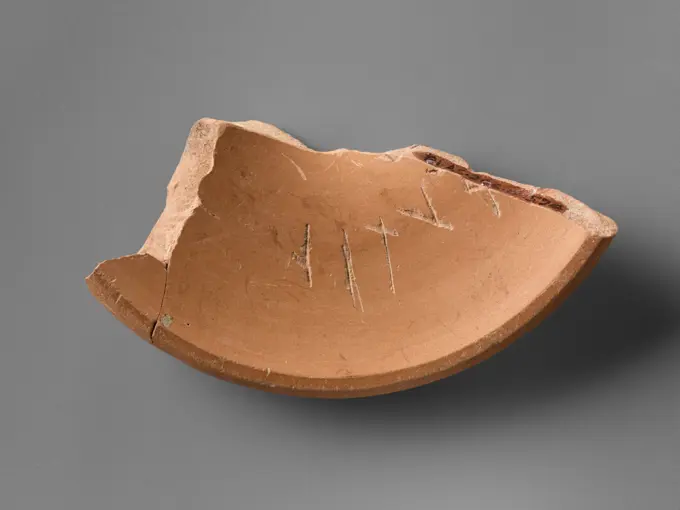
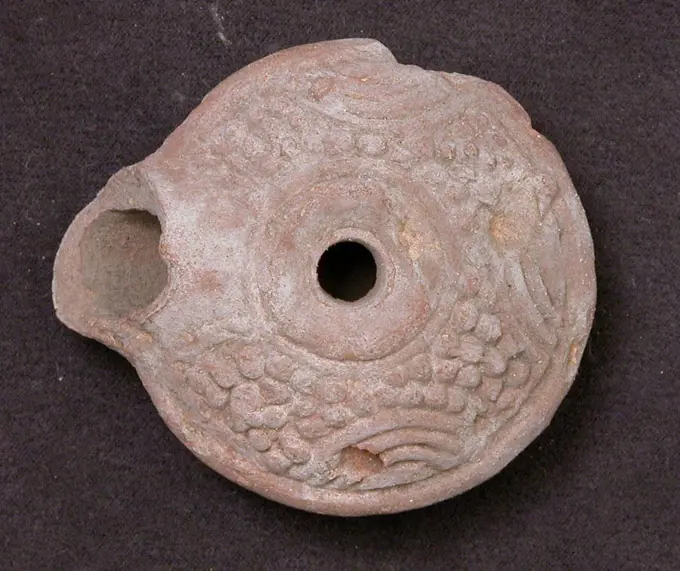
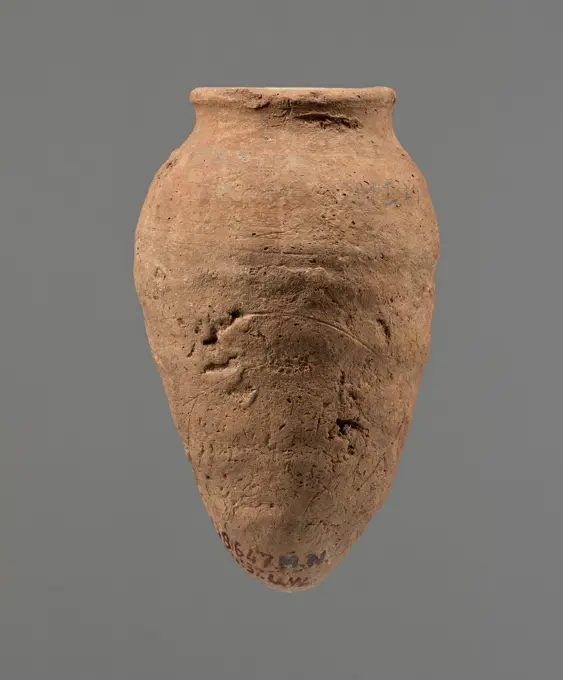
A series of terracotta lamps showcasing simple, ancient designs with various shapes and details, highlighting their historical significance and rustic aesthetic.
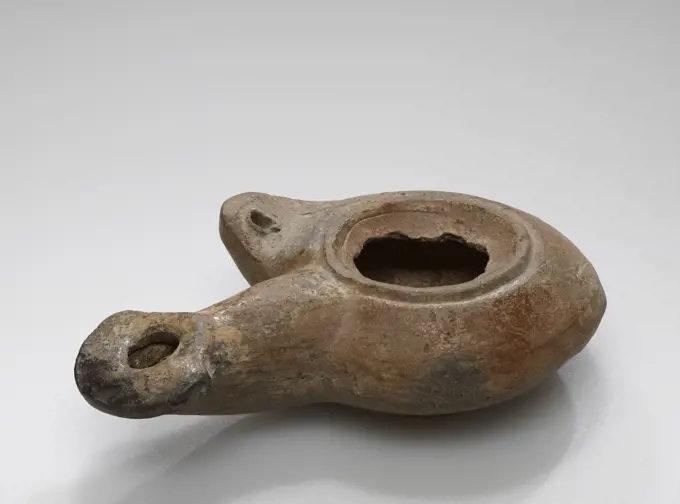
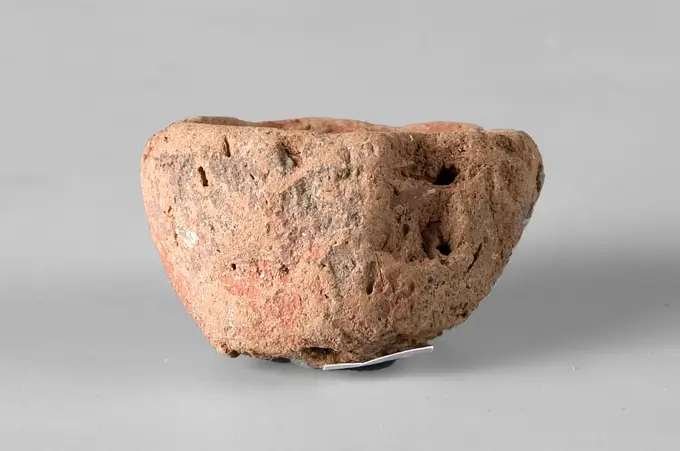
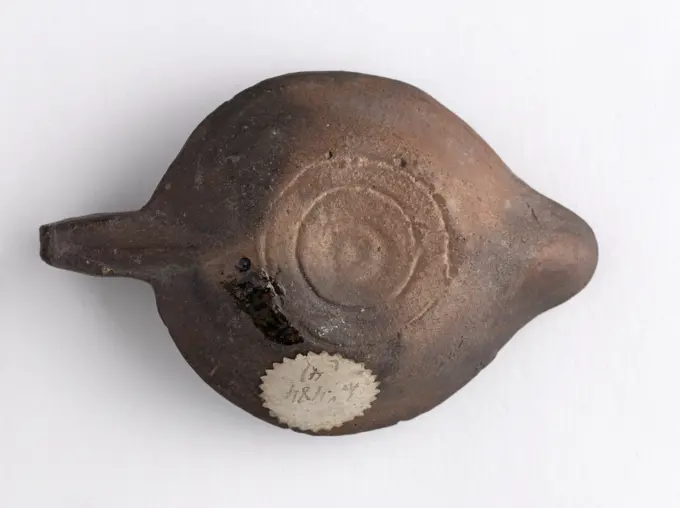
Lamp, Asia Minor; 3rd - 2nd century B.C; Terracotta; 2.1 × 5 × 8.5 cm (13,16 × 1 15,16 × 3 3,8 in.)
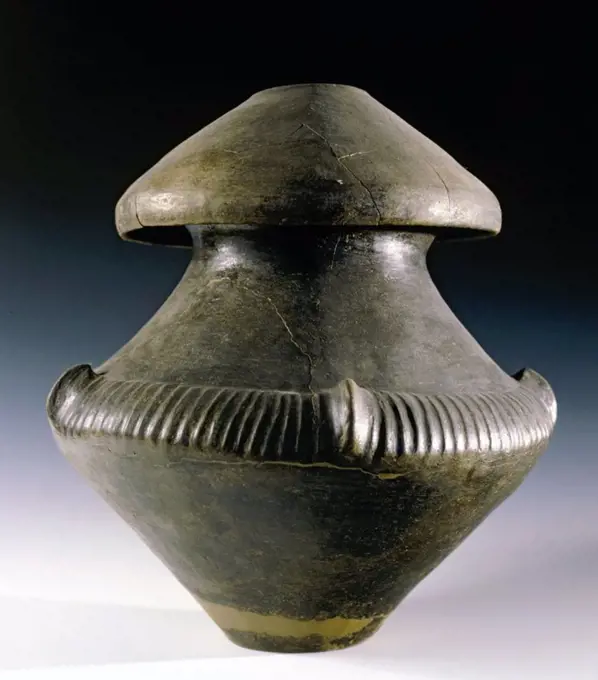
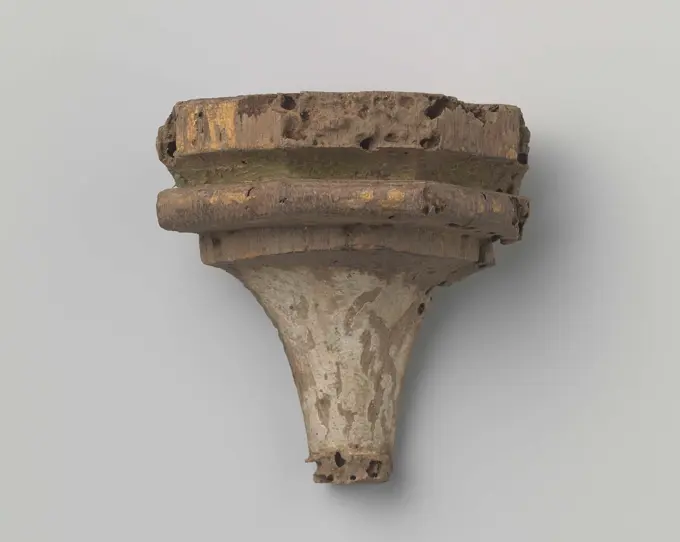
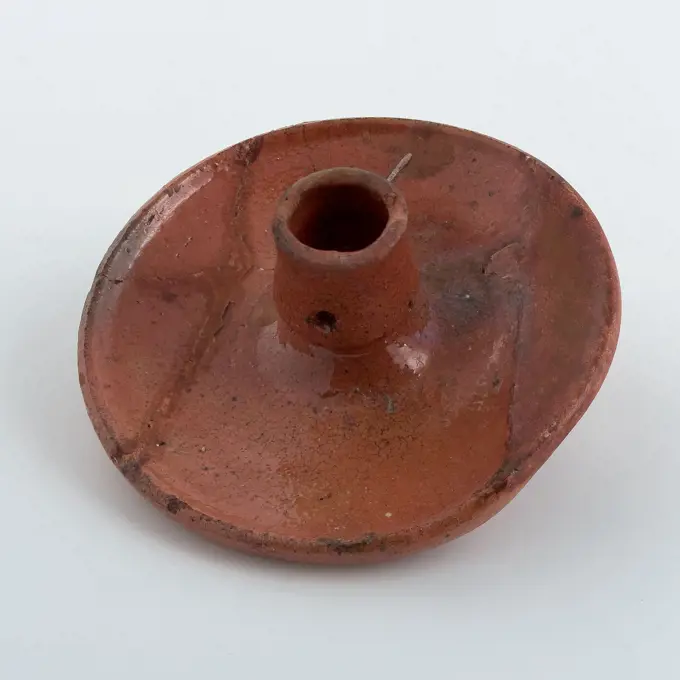
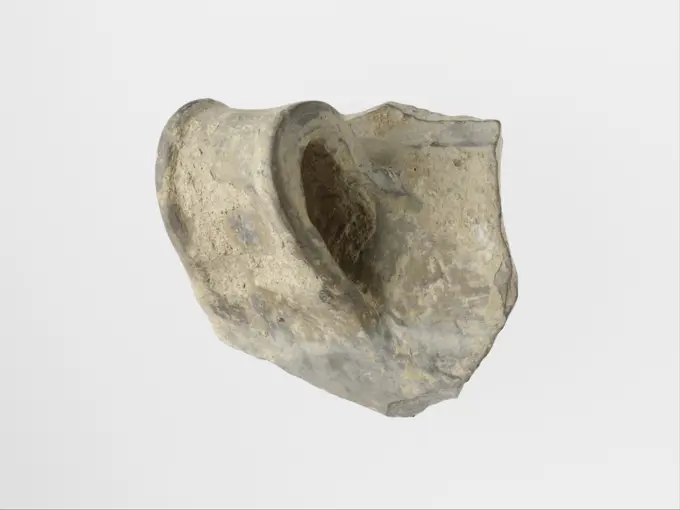
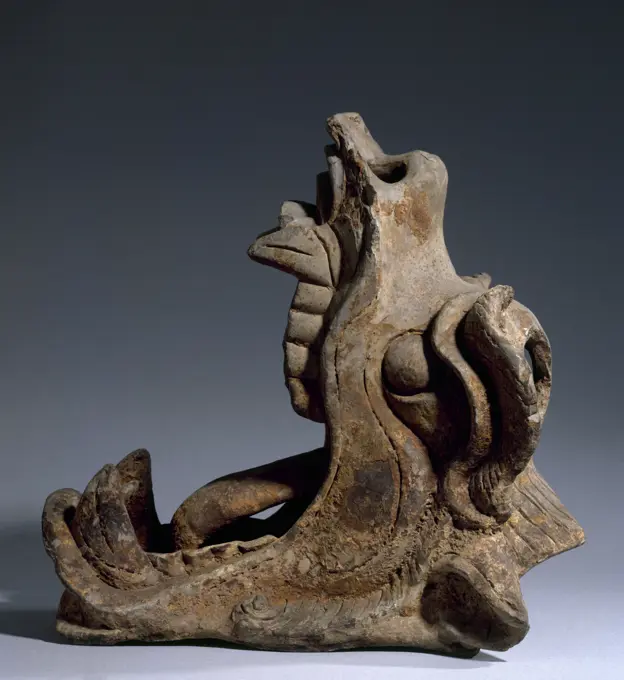
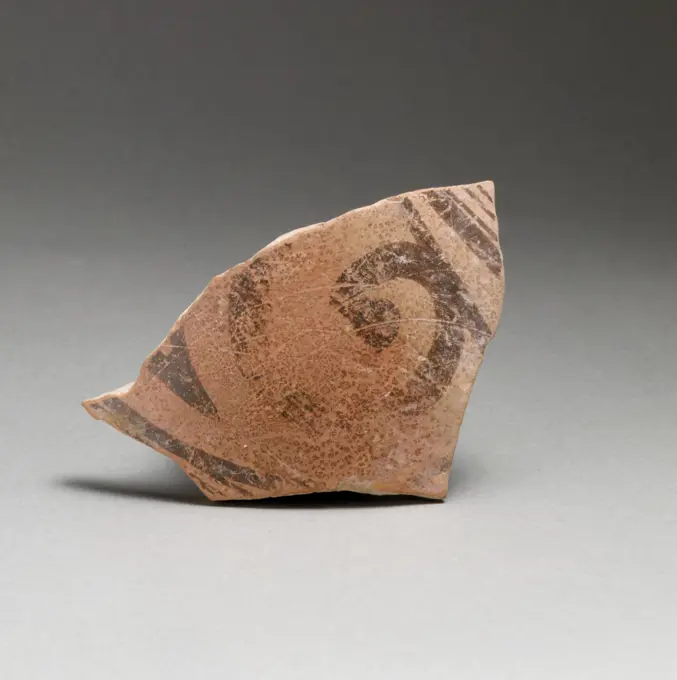
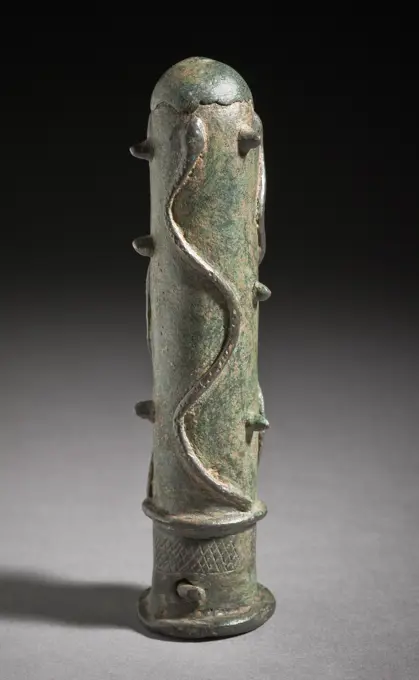
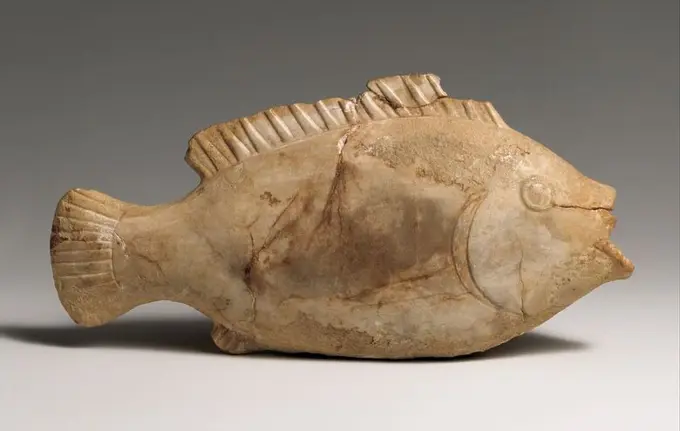
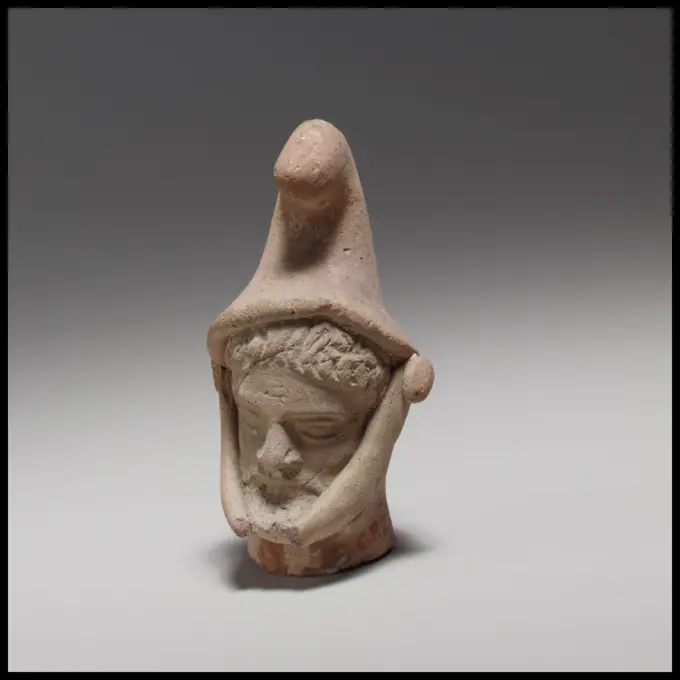
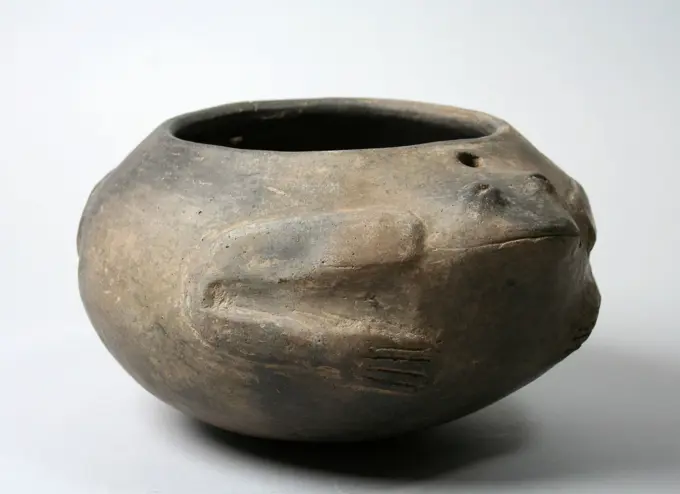
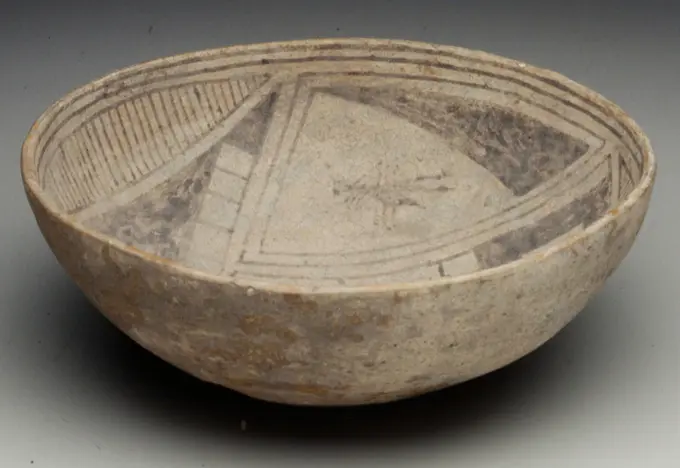
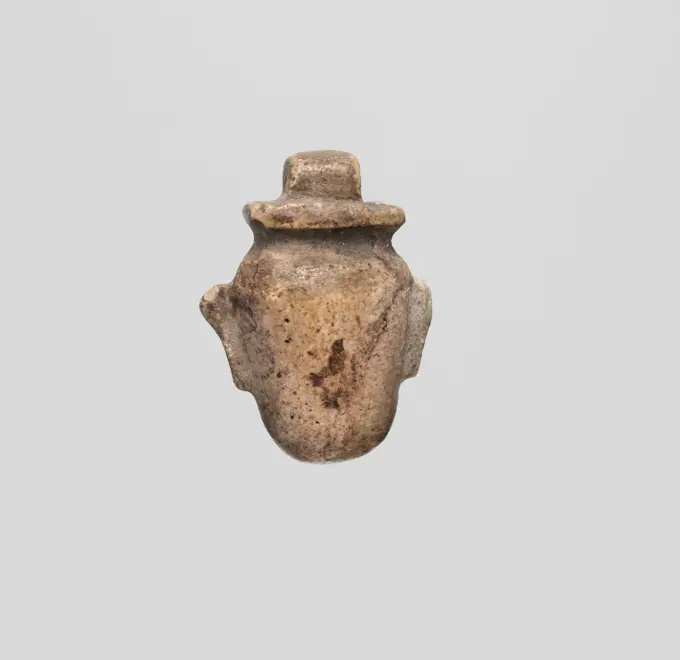
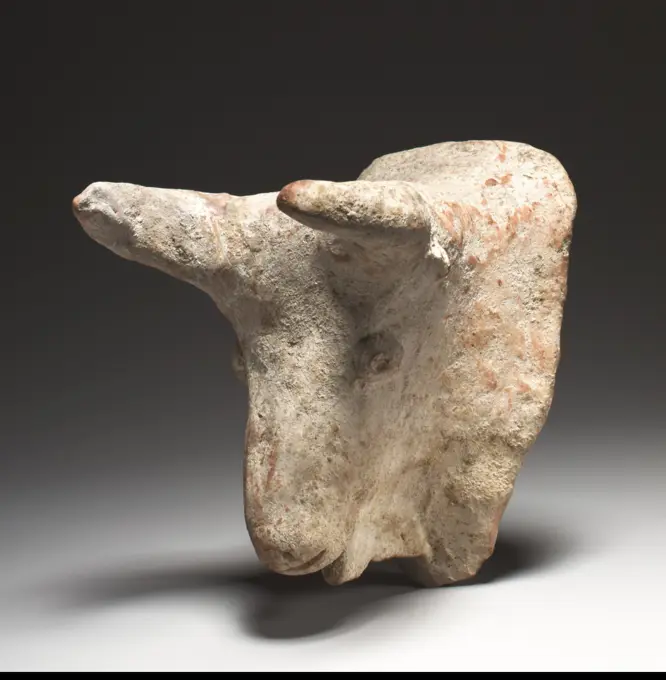
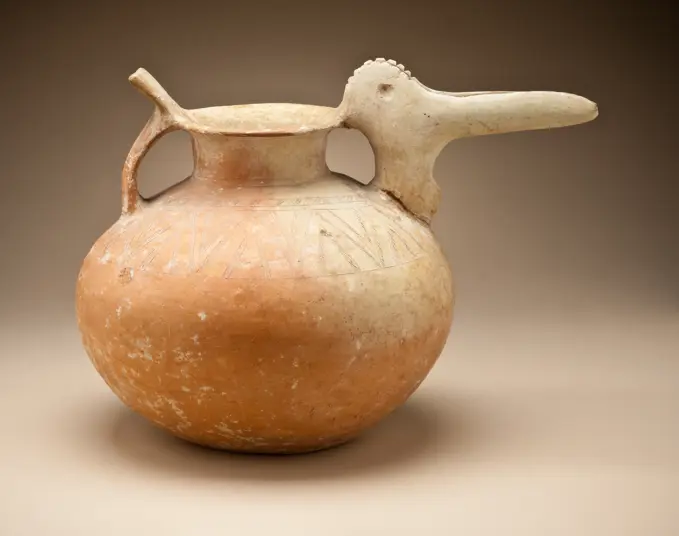
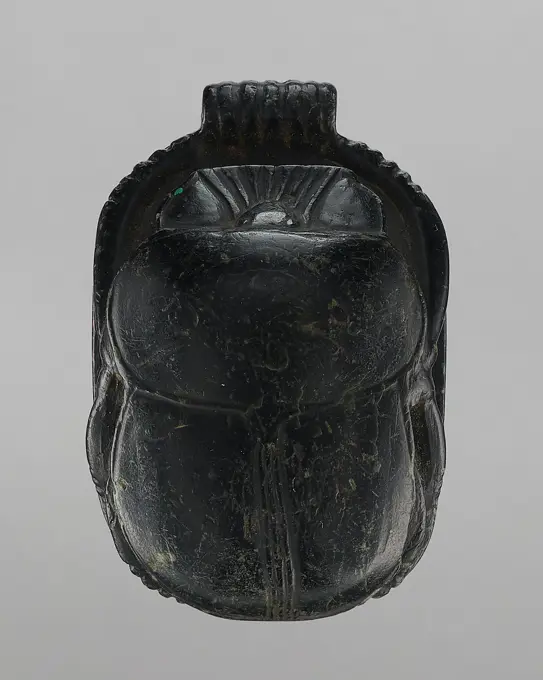
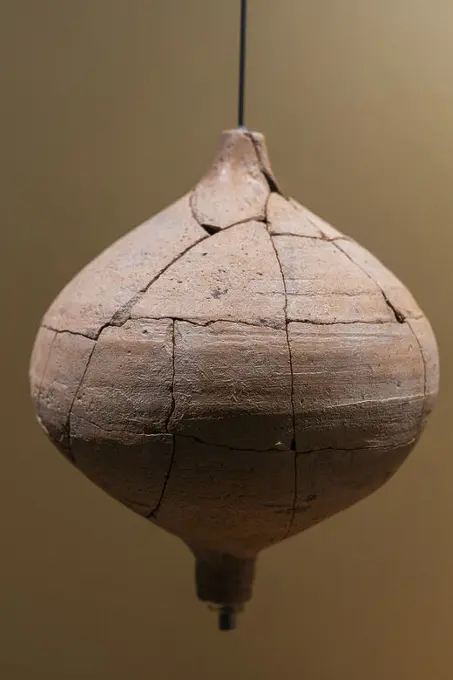
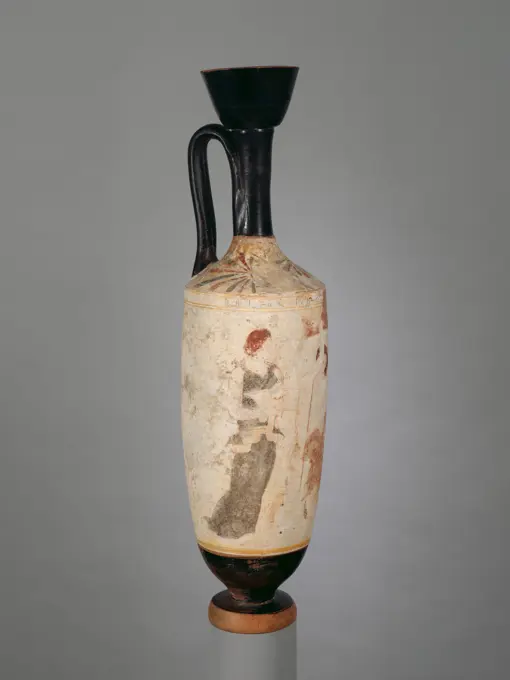
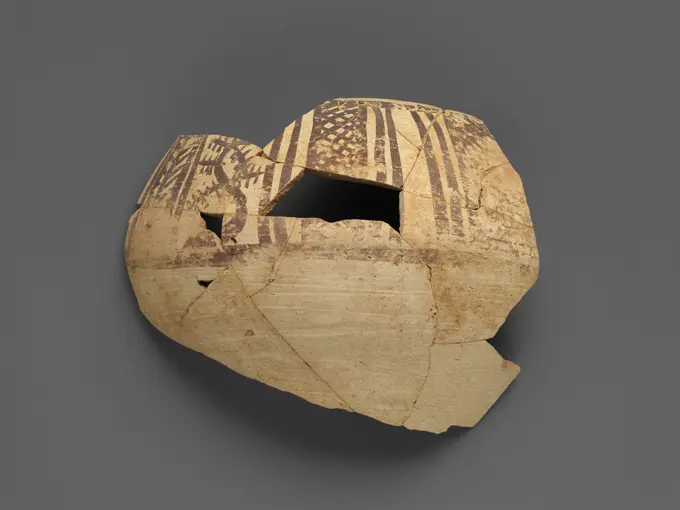
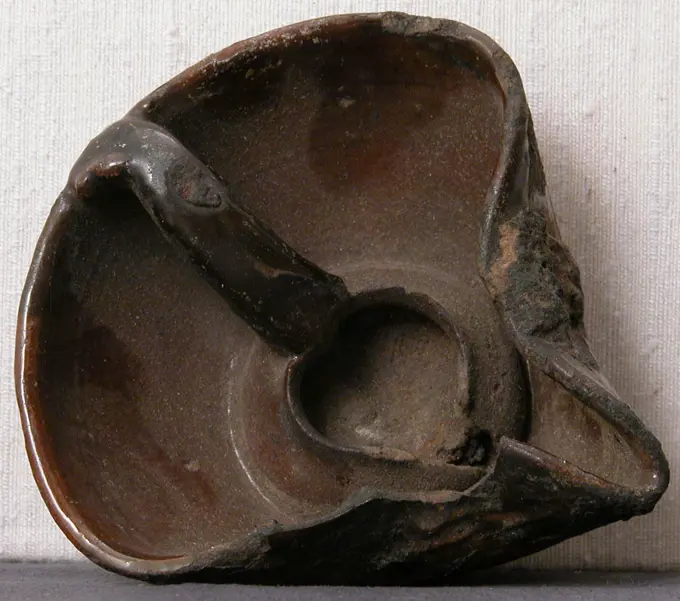
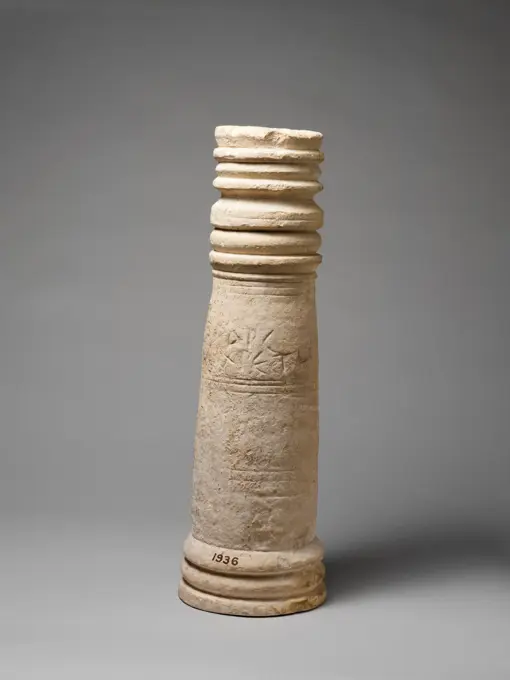
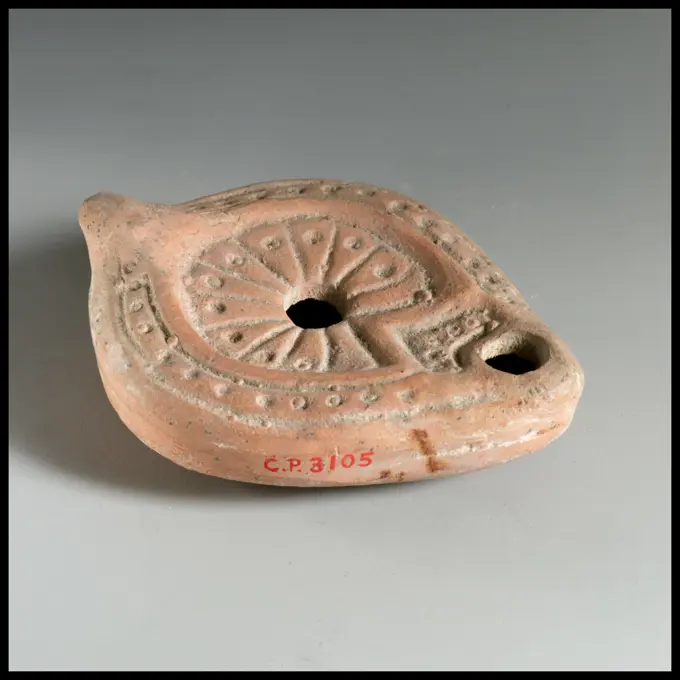
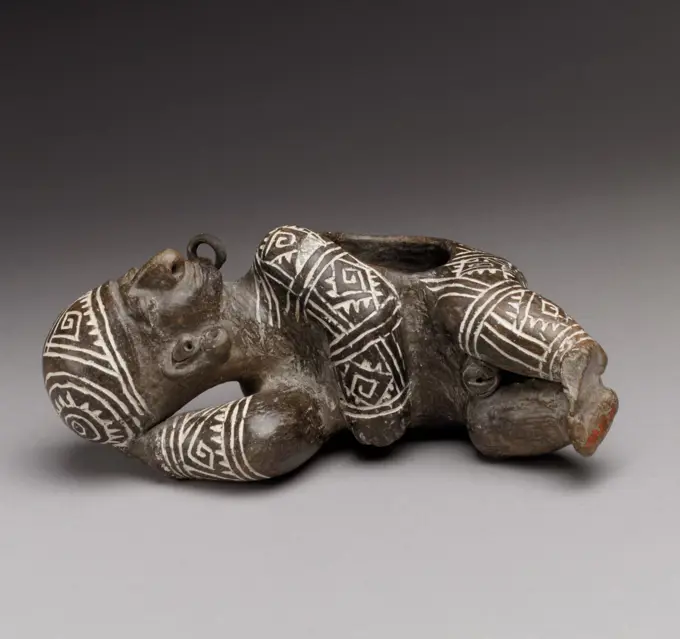
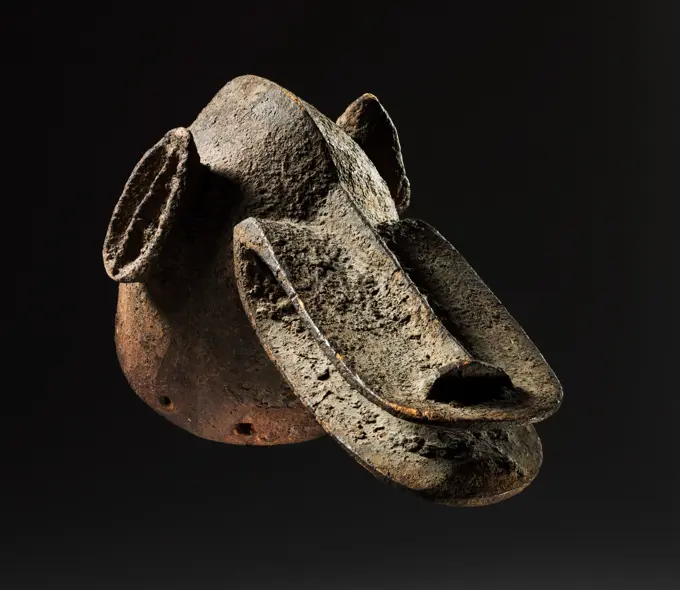
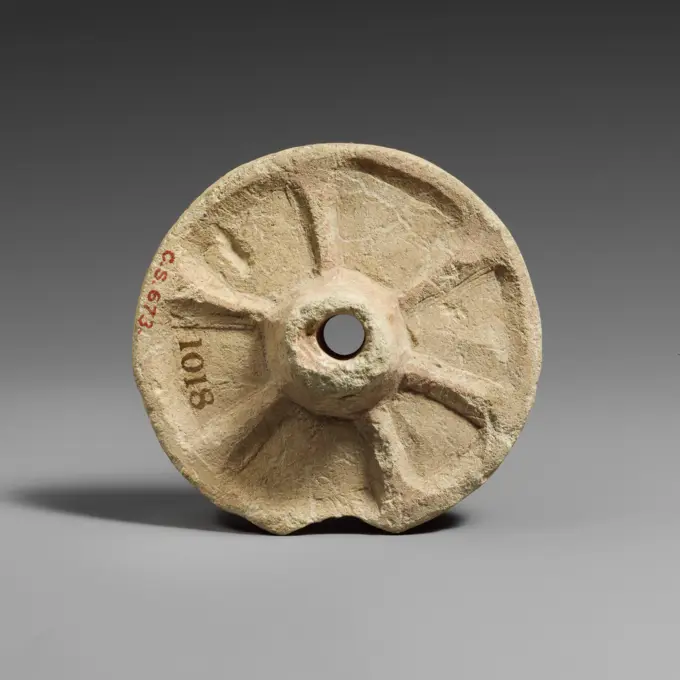
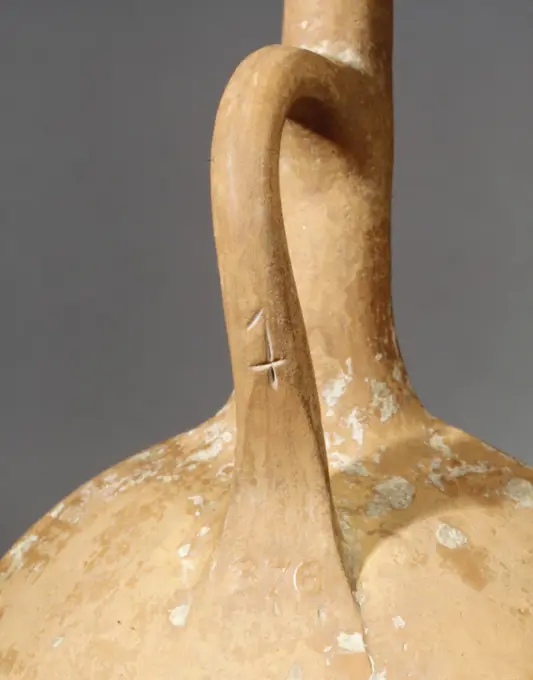
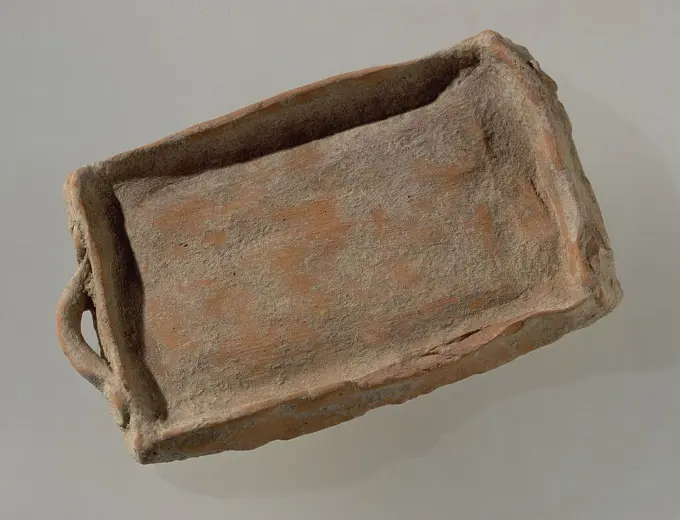
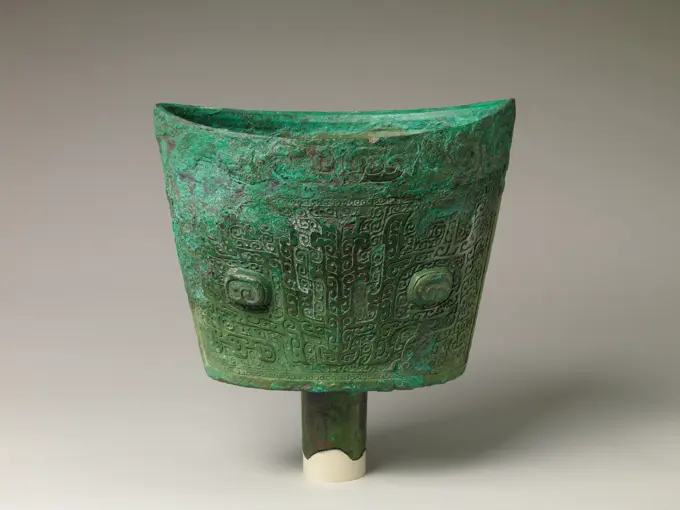
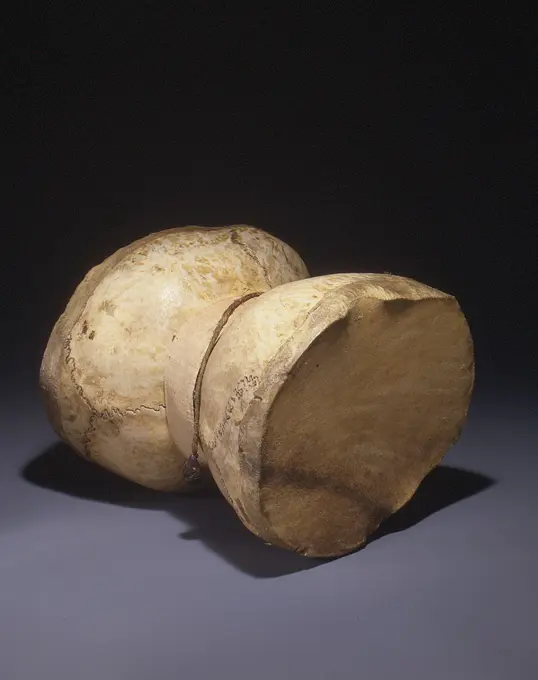
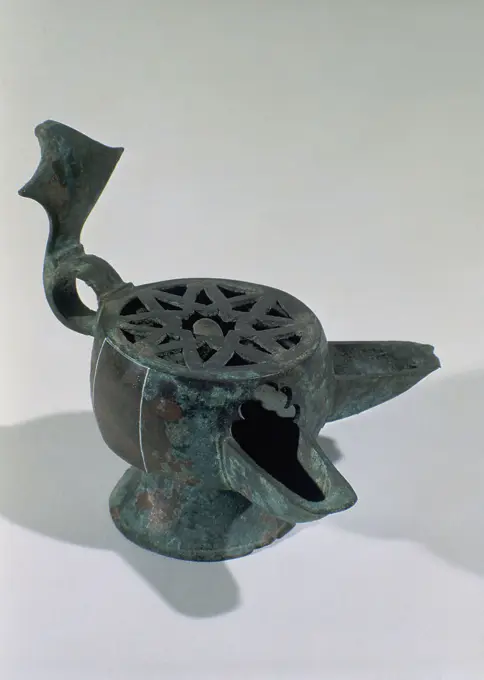
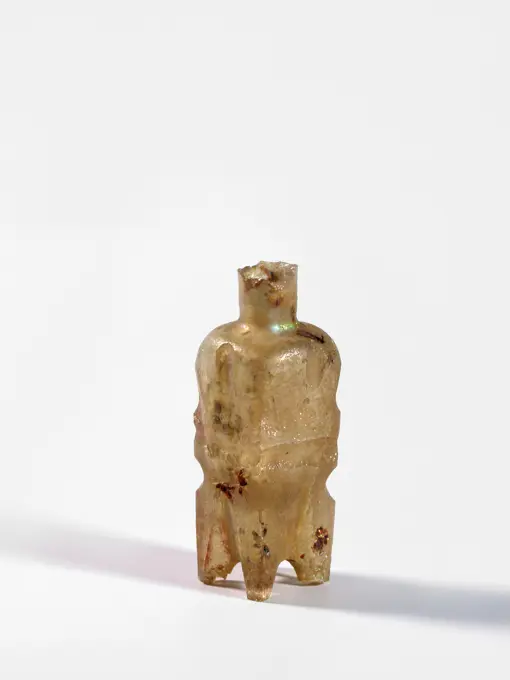
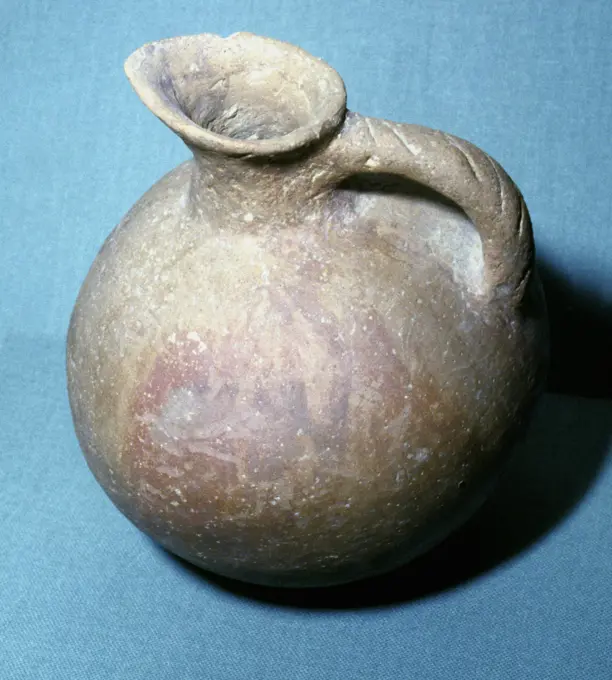
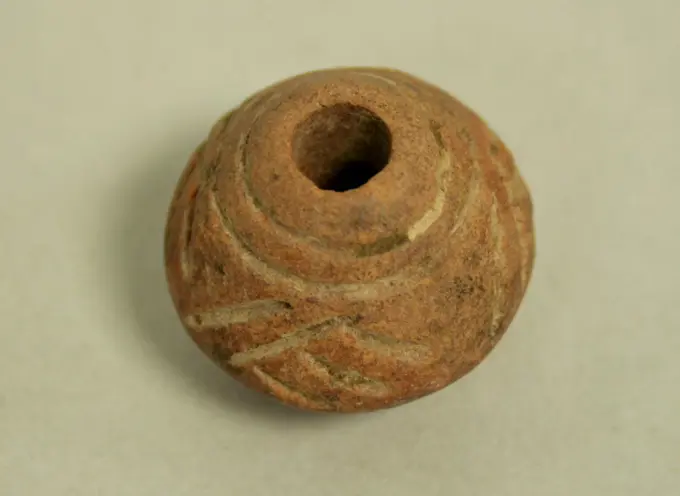
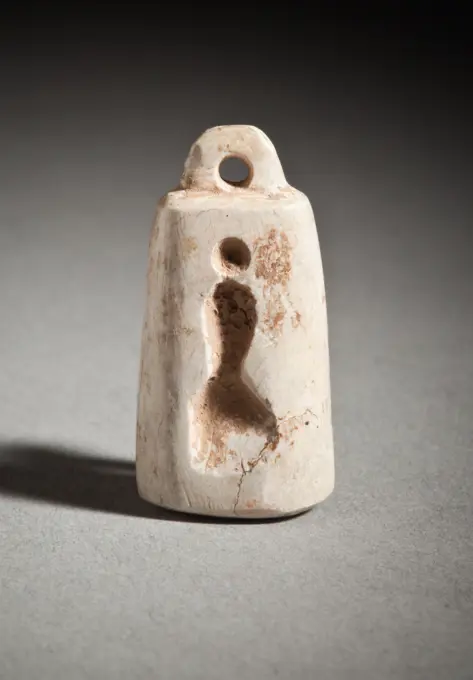
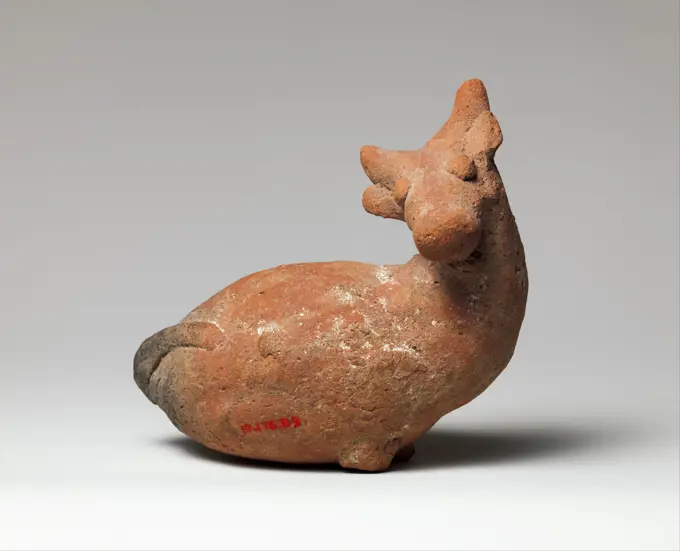
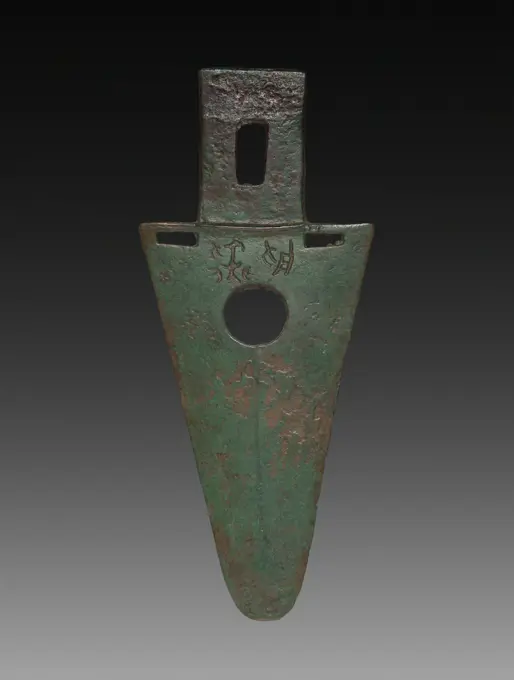
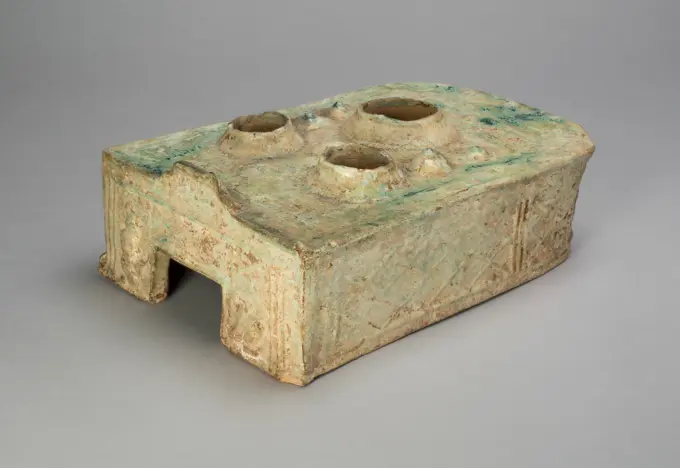
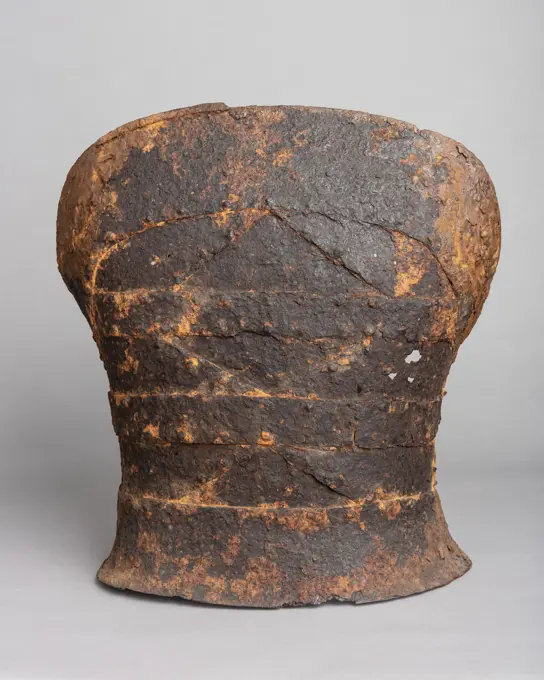
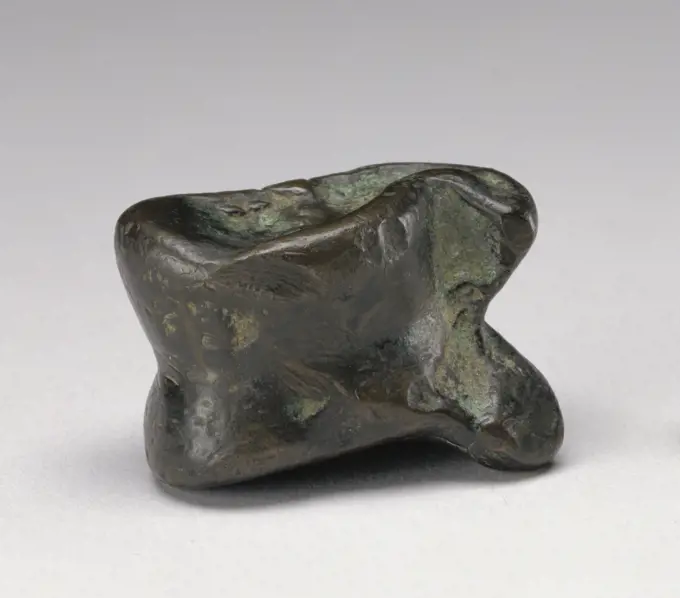
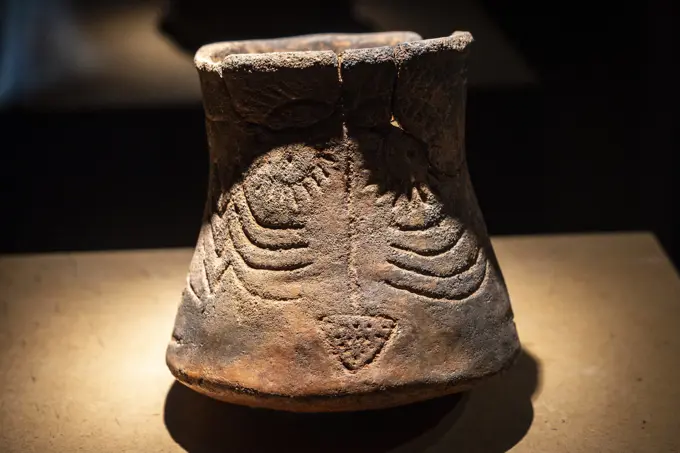
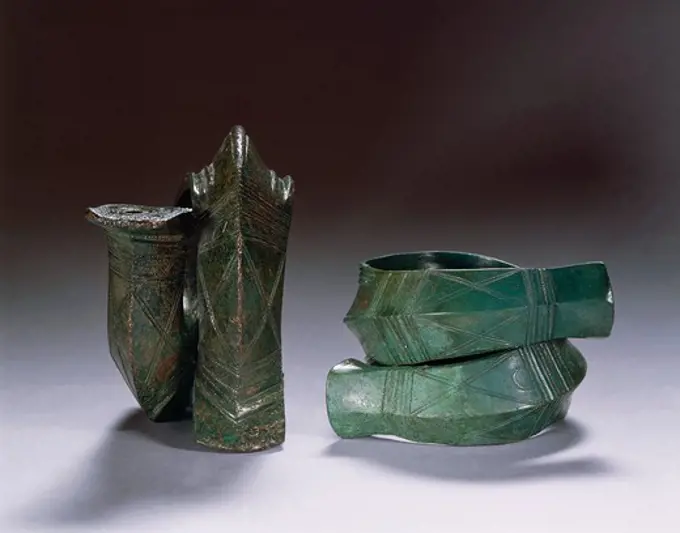
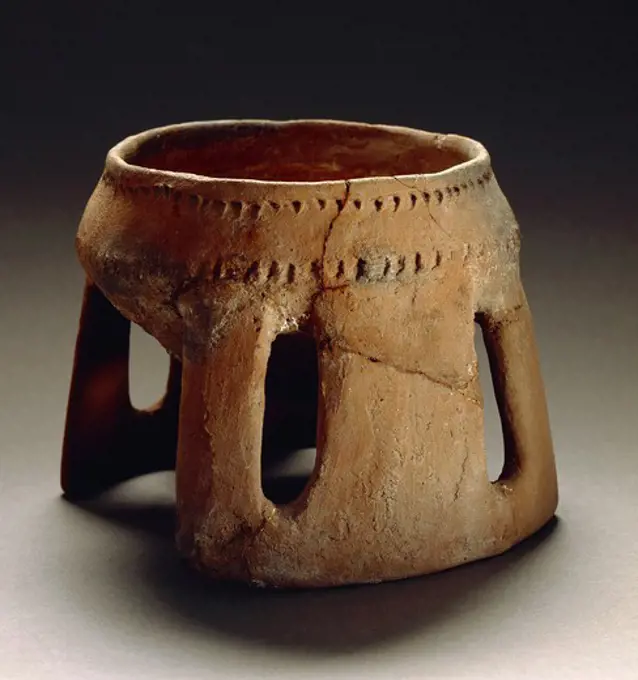
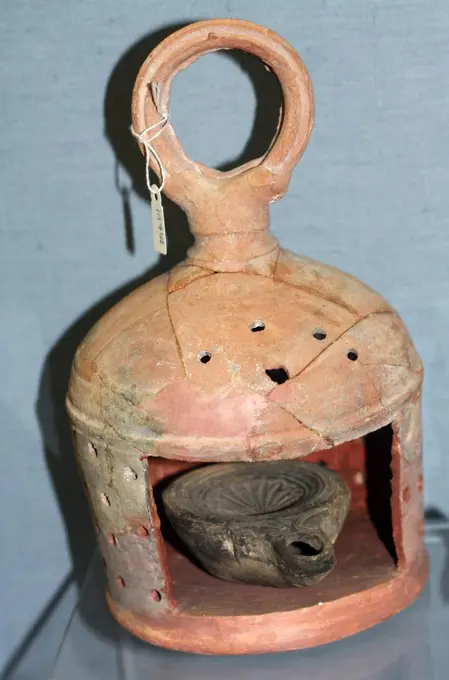
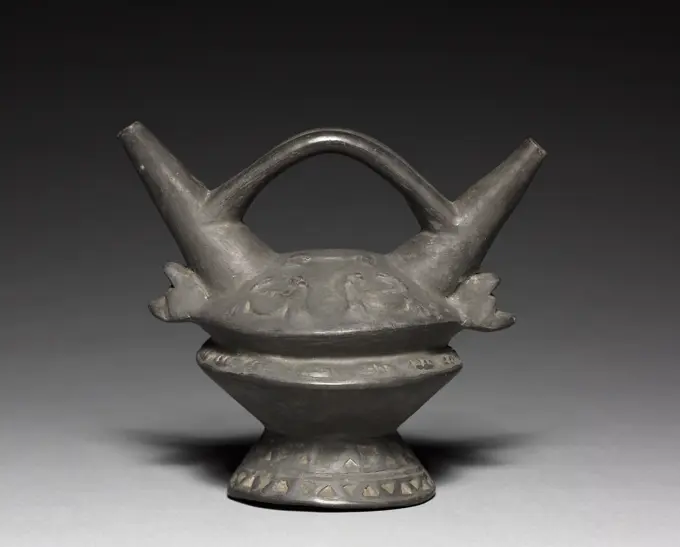
Vessel, 1300-1400. Peru, Chimú, 14th century. Black ware; overall: 14.6 x 16.7 x 10.2 cm (5 3/4 x 6 9/16 x 4 in.).Terracotta oil lamp 4th-5th century A.D. Roman, Cypriot Vessberg Type 18. Unpierced handle. Mold-made. Discus: victorious racehorse running left and wearing ornate collar, flanked to either side by herringbone wreath. Above bull: indistinct letters; below bull: indistinct letters. Two large filling holes at top and bottom. On shoulder, vine tendril with stylized bunches of grapes. On undefined, slightly concave base, in relief Greek letters: EYTYXHTOC.Broken and repaired; top of handle missing and chip in wick hole. Some limy encrustation on underside.. Terracotta oil lamp. Roman, Cypriot. 4th-5th century A.D.. Terracotta. Late Imperial. TerracottasTerracotta oil lamp. Culture: Roman. Dimensions: Overall: 1 3/8 x 4 9/16 in. (3.5 x 11.6 cm). Date: early 1st century A.D..Rosette on discus; with handle,small volutes at sides and deep voluted nozzle. Museum: Metropolitan Museum of Art, New York, USA.Attic Red-figure Cup Fragment (type B). UnknownKandila (Collared Jar with Conical Foot), 3000-2800 BC. Master A (Greek). Marble; overall: 10.7 x 12.9 cm (4 3/16 x 5 1/16 in.).Lamp, Asia Minor; 1st century B.C. - 4th century A.D; Terracotta; 4.5 × 5 × 12.3 cm (1 3,4 × 1 15,16 × 4 13,16 in.)Glass fusiform bottle. Culture: Roman. Dimensions: Overall: 14 5/8 x 2 5/8 in. (37.2 x 6.7 cm). Date: 4th century A.D..Colorless with pale green tinge.Solid, everted rim with rounded lip, forming cup around small mouth; tall cylindrical neck, concave in profile, joining with bi-conical mid-section of body, then concave side extending downward to thick, solid bottom, with uneven, almost flat lower surface.Complete, except for large hole in lower body and bottom, with weathered edges; many pinprick and larger bubbles; dulling, slight pitting, and faint iridescence on exterior, soil encrustation, creamy weathering, and brilliant iridescence on interior.Long slender vase with bulge in the middle. Museum: Metropolitan Museum of Art, New York, USA.Pot 4th-7th century Coptic. Pot 478671Lamp 3rd-8th century. Lamp 446629Vessel with a hieratic inscription;  around 2686- 2181 BC ; Old state (-2686-00-00--2181-00-00);Terracotta ossuary 8th century BC from Este. Museum: National Museum Atestino, ESTE, ITALIA.Fragment (console of the altar cabinet); (possibly) belonging to the Retable of Soest. .Small earthenware candlestick, saucer with candleholder in the middle, candlestick candlestick lighting means soil finding ceramic earthenware glaze, hand-turned glazed baked earthenware candlestick Low dish with slightly raised edge in the middle short candleholder In the holder small round hole to remove stumps Red shard Completely glazed Stand with cut out soul. Restoration is repainted archeology Rotterdam City Triangle Oostplein underground pit indigenous pottery candle lighting evening night Soil discovery Rotterdam underground pit Oostplein from shrapnel 14 June 1976.Terracotta model of a "cart". Culture: Cypriot. Dimensions: H. 4 3/4 in. (12.1 cm). Date: 6th century B.C..This model differs from 74.51.1792 mainly in that the rail at the sides is higher. A single male occupant holds a cup. Museum: Metropolitan Museum of Art, New York, USA.Terracotta rim and handle of a vase ca. 2000-1550 B.C. Helladic Fragment of a handle from a vase.. Terracotta rim and handle of a vase 253289 Helladic, Terracotta rim and handle of a vase, ca. 20001550 B.C., Terracotta, Other: 1 3/4in. (4.5cm). The Metropolitan Museum of Art, New York. Anonymous Gift, 1930 (30.119.84)Decorative element in the shape of a dragon head. Terracotta, China 10th-12th century. Paris, Cernuschi museum. 34994-16 China, tooth, Song Dynasty, Dragon, Element Decorative, Gueule, Language, Open, TeteVase fragment ca. 4000-3000 B.C. Neolithic, Thessaly. Vase fragment 253242 Neolithic, Thessaly, Vase fragment, ca. 40003000 B.C., Terracotta, length 2 15/16in. (7.4cm). The Metropolitan Museum of Art, New York. Anonymous Gift, 1930 (30.119.37)Socket. Western Iran, Luristan bronzes, 2600-2200 B.C.. Tools and Equipment; sockets. Bronze, castLamp. UnknownOintment vase in the shape of a bulti fish. Dynasty: Dynasty 12-17. Date: ca. 1800-1550 B.C.. Museum: Metropolitan Museum of Art, New York, USA.Terracotta oil lamp. Culture: Roman, Cnidian. Dimensions: Overall: 15/16 x 3 11/16 in. (2.4 x 9.4 cm). Date: ca. A.D. 70-120.On discus, a nude woman flanked by a large vase and a bird on a pedestal. Museum: Metropolitan Museum of Art, New York, USA.Male head 4th-3rd century B.C. Cypriot The solid bearded head is probably from a horseman. The face is mold-made, the headdress added by hand.. Male head 241040Bowl, Frog 11th-14th century Mississippian. Bowl, Frog 318581Bowl with Flying Wasp Motif, c. 1200, 3 1/2 x 9 3/4 in. (8.89 x 24.77 cm), Earthenware, pigments, United States, 12th-13th centuryNeolithic Pot Lid, 6500 BC - 4000 BC. Pottery lid excavated in Vinča region, Yugoslavia (present day Serbia), central BalkansAmulet - serce ib. unknown, authorFemale Figure with Two Joined Heads 200 BCE-300 CE Michoacán. Ceramic and pigment . MichoacanTerracotta mask in the form of a bull ca. 600-480 B.C. Cypriot The mask is handmade. It has curving horns, pellet eyes, a slit mouth, and two punctures for the nostrils. The dewlap is rendered. There are traces of red paint overall.. Terracotta mask in the form of a bull 241314Spouted Pitcher. Northern Iran, circa 800-650 B.C.. Furnishings; Serviceware. Orange buff wareAnthropomorphic terracotta cinerary urn, from Pregowo, Poland. Pomeranian Culture, 6th-5th Century BC.Heart scares;  New PABowl;The collection of ancient EgyptNaviform fibula, era of the Tène (attributed title). Bronze. Carnavalet museum, history of Paris.Iberian clepsydra, 6th century BC, Cerro de la Atalaya, Cazalilla, Iberian Museum of Jaén, Andalusia, Spain.Terracotta lekythos (oil flask) ca. 420-400 B.C. Attributed to Group R Youth seated at tomb with youth and woman.. Terracotta lekythos (oil flask). Greek, Attic. ca. 420-400 B.C.. Terracotta; white-ground. Classical. VasesBell. Western Iran, circa 1000-650 B.C.. Tools and Equipment; musical instruments. Bronze, castTerracotta oil lamp fragment 1st half of 1st century A.D. Roman On the discus in relief, a horseman riding left with head turned back looking over his left shoulder and holding a long, oblong shield in his left hand. He may be identified as a barbarian, possibly a Gallic warrior, since he is naked above the waist, has long flowing hair, and wears a torque around his neck.. Terracotta oil lamp fragment. Roman. 1st half of 1st century A.D.. Terracotta. Early Imperial. TerracottasTerracotta fragment of a bell-krater (deep bowl) second half of the 4th century B.C. Greek, South Italian, Apulian Obverse, part of a draped male to right, wearing a himation, holding a knobby stick in the hand of his extended arm (the hand is not preserved, but the arm and stick are), facing the lower body of draped male to left, who also has a knobby stick; the two draped males are framed by foliate ornament; Reverse, part of the right arm and hand, a bit of the upper torso, and part of the legs of a nude male; the ground line on the obverse and reverse is comprised of an egg pattern with dots in the interstices. Terracotta fragment of a bell-krater (deep bowl). Greek, South Italian, Apulian. second half of the 4th century B.C.. Terracotta; red-figure. Classical. VasesAmulet of a Heart 1350 BCE Egypt. Glass . Ancient EgyptianLamp 5th-6th century Small earthenware lamps, made from double molds, were the most commonly used source of light in daily Coptic life. A wick produced from plant fiber or linen fabric was placed in a reservoir filled with oil, generally castor or sesame oil. The disc of this lamp is decorated with a reversed chi-rho monogram, consisting of the superimposed capital Greek letters chi (X) and rho (P), which are the first two letters of Christ in Greek. Christian symbols such as this monogram were thought to offer protection for the lamps owner.. Lamp 448000Vessel in the Form of a Fisherman in a Reed Boat 100 BCE-500 CE North Coast. Ceramic and pigment . MocheJar ca. 3100-2900 B.C.. Jar. ca. 3100-2900 B.C.. Ceramic. Jemdet Nasr. Mesopotamia, NippurLamp 5th-6th century Small earthenware lamps, made from double molds, were the most commonly used source of light in daily Coptic life. A wick produced from plant fiber or linen fabric was placed in a reservoir filled with oil, generally castor or sesame oil, and illuminated. The disc of this red earthenware lamp is decorated with the figure of a boy carrying a bunch of grapes, surrounded by a border of heart-shaped leaves and round arches.. Lamp 447980Double Vessel. Northern Iran, circa 150 B.C. - A.D. 225. Furnishings; Serviceware. Reddish brown burnished wareLamp 13th-14th century. Lamp 447234Spindle Whorl, 700s - 900s. Iran, early Islamic period, 8th - 10th century. Bone, incised; overall: 1 x 1.9 x 1.9 cm (3/8 x 3/4 x 3/4 in.).Mirror 5th century B.C. Greek. Mirror. Greek. 5th century B.C.. Bronze. Classical. BronzesLimestone funerary cippus ca. 2nd-3rd century A.D. Roman, Cypriot The inscription on this ornate cylindrical cippus is badly preserved and is now difficult to read. Cesnola identified two names, Aristodamos and Aristogoras, but the feminine form of the accompanying adjective Good” at the end of the second line suggests that one person named here is a woman.. Limestone funerary cippus. Roman, Cypriot. ca. 2nd-3rd century A.D.. Limestone. Imperial. Cesnola InscriptionsTerracotta oil lamp 5th-6th century A.D. Roman Mold-made, with low, unpierced handle. Discus: radiating from a central filling hole, a degenerate rosette or fan, with each petal decorated with a hollow dot, surrounded by a raised band attached to handle at back and with an inverted V-shape at front, between it and the wick hole, a relief floral pattern; on shoulder, a band decorated with hollow dots between two grooves. Shallow raised base ring, and slightly concave base.Intact.. Terracotta oil lamp. Roman. 5th-6th century A.D.. Terracotta; mold-made. Late Imperial. TerracottasFigure Vessel 8th-12th century Manteño Vessels in this form of reclining figure are peculiar to ancient Ecuador, where they were made from at least the second millennium B.C. The male figure lies comfortably facing upward, supporting his head with his right hand while his left arm rests across his stomach. His knees are slightly raised. The entire figure, including the head, arms, and legs, form the container. A large round hole on the side is the container opening. The face, with a disproportionately large nosea characteristic of Manteño facesis finely sculpted. Ear ornaments are worn; a metal ring is fastened in the left ear. The ornament is missing from the right ear. Also missing is the nose ring that would have been worn in the septum. Much of the figure's body, its cap, one leg, and both arms are ornamented with an incised fret design filled in with white pigment. It creates a strong contrast to the black, burnished surface. In real life, such body decoration probably was appliSkyfos miniaturowy. unknown, authorButla z dwoma wylewami. nieznany warsztat północno mezopotamski, workshopTerracotta oil lamp. Culture: Greek. Dimensions: Overall: 1 1/2 x 3 3/8 in. (3.8 x 8.6 cm).Wheel-made body, with applied long nozzle. Large central filling hole, surrounded by a plain, rounded band and a deep groove; two concentric incised lines decorate the upper part of the convex-curving side to deep body, with a pierced projecting knob on left side; a single incised straight line across top of nozzle. Raised base ring and concave base.Intact, except for small chip in base ring. Museum: Metropolitan Museum of Art, New York, USA.Lamp. Culture: Roman, Cypriot. Dimensions: Overall: 3/4 x 2 1/2 in. (1.9 x 6.4 cm).Discus: plain with central filling hole, surrounded by a continuous band of lines and grooves. Sloping narrow shoulder, undecorated. Raised base ring; flatbase inscribed in large letters: AVG/X.Broken and repaired; most of nozzle missing and small holes in base. Museum: Metropolitan Museum of Art, New York, USA.Banquy vessel; Unknown Night -Tamanian workshop; approx. 2600 2350 BC ; Early period D Azira III (-2600-00-00--2350-00-00);Tzilinilli. Culture: Aztec. Dimensions: H. 4.1 cm (1 5/8 in.) x 1.9cm (3/4in.). Date: 10th-16th century. Museum: Metropolitan Museum of Art, New York, USA.Helmet Mask, possibly early to mid-1900s. Africa, West Africa, Mali, Bamana-style blacksmith-carver. Wood and organic materials; overall: 36 cm (14 3/16 in.).Fragment of a cart or chariot ca. 500-480 B.C. Etruscan Large collection of bronze and iron attachments once belonging to a chariot.. Fragment of a cart or chariot. Etruscan. ca. 500-480 B.C.. Bronze. Archaic. BronzesLimestone chariot wheel 5th century B.C. Cypriot The wheel of the chariot is quite large. It is solid, with six spokes in low relief. There are traces of red paint.. Limestone chariot wheel. Cypriot. 5th century B.C.. Limestone. Classical. Stone SculptureRiceScoopOil lamp. Terracotta. High Empire. Paris, Carnavalet museum. Handle, high-Empire, oil lamp, terracottaTerracotta lentoid flask ca. 1600-1050 B.C. Cypriot A sign that may be in the undeciphered Cypro-Minoan script was engraved near the base of the handle before firing. There is little evidence for direct contact between Crete and Cyprus when the syllabic script Cypro-Minoan was first adopted around 1500 B.C. The transference of Minoan script to Cyprus from Crete probably occurred at a site on the coast of Syria, where both Cypriots and Minoans had active commercial relations.. Terracotta lentoid flask 240899BANDEJA DE LA NECROPOLIS DE PALENCIA. Location: MUSEO ARQUEOLOGICO NACIONAL-COLECCION. MADRID.Standing FigureAncient Egyptian terracotta female statuette from Al-Bari, Predynastic Period, 5020-2835 B.C.UNGÜENTARIO DE CERAMICA (ESTILO PUNICO). DEPOSITO: MUSEO PUIG DES MOLINS.Lima, Peru. Pre-Columbian artifacts and art in the Larco Museum, Lima, Peru.Bell (Nao) China The nao type of bell is not suspended, but oriented upwards with its stem set into a socketed base. The unusual form of animal mask ornament suggests that this example was produced in the lower Yangzi River region of southeastern China.. Bell (Nao) 61220Damaru 19th century Tibetan This thod-rnga, or damaru is made from two human skulls. The drum is played by twisting it back and forth with one hand so that the small pellets at the ends of the strings strike the two drumheads. Drums made of human skulls or painted with skulls and severed heads are considered by Tibetan Buddhists to be powerful tools for protection against evil.. Damaru 500782Spindle Whorl A.D.1-500 Peruvian; north coast (). Spindle Whorl 308861CANDIL DE BRONCE - DOS PIQUERAS - ALMORAVIDE - S. XII. Location: MUSEO ARQUEOLOGICO-COLECCION. CORDOBA. SPAIN.Bottle. unknown, craftsmanBeak spouted ewer, Cycladic period. 3rd mill BC.Cycladic Kasti Group. GREECE.Ring 4th-7th century Coptic. Ring 478917Oil LampSpindle Whorl A.D.1-500 North coast (). Spindle Whorl 308851Amulet Seal. Eastern Anatolia, 4th-3rd millenium B.C.. Jewelry and Adornments; amulets. StoneCow rattle ca. 1550-1295 B.C. New Kingdom This rattle has the form of a cow with stumps indicating the protruding knees of its legs folded beneath its body and the tail lying along its back. The animal raises and turns its head, seemingly agitated. The confined form of the body is, on the one hand, necessitated by the need to hold and shake the object. On the other hand, the composition of the figure recalls very much Egyptian representations of agitated cattle bound and awaiting sacrifice, which raises the possibility the rattle accompanied a temple or funeral ceremony where such animals were offered.Rattles are known already in the Predynastic Period, those preserved having simple shapes. With the Early Dynastic and Old Kingdom some animal forms appear, generally rather compressed. The Middle Kingdom and New Kingdom see more elaborate forms. Several rattles were found at the late eighteenth dynasty city of Amarna; two in particular were well-preserved, one with the form of a bound anSpearhead, 1045-256 BC. China, Zhou dynasty (c. 1046-256 BC). Bronze; overall: 19.1 cm (7 1/2 in.).Stove with Figures and Geometric Designs 25 CE-220 CE China. Earthenware with lead green glaze .Cuirass of a Tank late 5th-6th century Japanese The earliest known armors worn in Japan were of either the keiko type or the tank type seen here. The keiko is of lamellar construction, with overlapping bronze or iron scales laced together with leather or fabric. The tank is constructed entirely of horizontal iron plates joined by rivets. The tank's rigid cuirass, shaped to the body, is higher in the back and opens at the center front; the right front panel (missing in this example) is hinged at the side to admit the body. The complete tank would have included the helmet of plate with a deep neck guard, neckplates, shoulderplates, arm guards, and a deep skirt.. Cuirass of a Tank. Japanese. late 5th-6th century. Iron. Armor PartsKeramische Lampe mit sexuellen Motiven Keramische Lampe mit sexuellen Motiven Copyright: xZoonar.com/BartomeuxBalaguerxRotgerx 22556768Bowl 4th millennium B.C. Iran Less than half of this bowl is preserved. It has a flat base and an outturned rim. It is made of a buff clay with a cream slip, and decorated with a line of brown paint at the rim. It was excavated at Tall-i Nokhodi, a prehistoric site in southwestern Iran occupied during the fourth and third millennia B.C. Excavations have been limited in scope, but the presence of ovens there suggest it was a small settlement. Metal finds from the site, including a cast bronze axe head, indicate a precious metalworking industry there, one which prefigures the magnificent and extensive bronzeworking of the neighboring Elamites in centuries to come.This bowl was excavated in 1962 by the British Institute of Persian Studies. However, the Met acquired it in 1978 as a result of its financial contributions to the Institutes excavations at Tepe Nush-i Jan, another site in Iran. At the time the Iranian government allowed foreign excavators to keep a portion of the finds, and thKnucklebone; Greece (); 2nd - 1st century B.C; Bronze; 1.9 x 4.5 x 1.9 cm (3,4 x 1 3,4 x 3,4 in.)Bracelet, 1900s. Equatorial Africa, Gabon, Fang. Copper alloy;Model jar ca. 1850-1800 B.C. Middle Kingdom. Model jar. ca. 1850-1800 B.C.. Limestone, paint. Middle Kingdom. From Egypt, Memphite Region, Lisht North, Tomb of Nakht (493), south cemetery, Pit 428, north chamber, MMA excavations, 1913-14. Dynasty 12Incense Burnervase with symbolic decoration -female figure- vase with symbolic decoration -female figure-, ceramic, 3000-2500 BC, Monte do Outeiro, Aljustrel, Portugal, Huelva Museum, Huelva, Andalusia, Spain Copyright: xZoonar.com/TOLOxBALAGUERx 21720773Shabti Box of Nany ca. 1050 B.C. Third Intermediate Period Seven shabti boxes were interred with Nany; five came to New York in the division of finds (30.3.26-.30) and two are now in the Egyptian Museum, Cairo. All are made of sycomore wood and have high ends and flat lids that were meant to slide into grooves, although only one box (Cairo JE 55044) actually had these made. A white stucco wash was applied after the lids were closed. A total of 392 faience shabtis were divided between the boxes, in most cases packed tightly in an upright position. They are of two types: foremen and workers, with an average ratio of one foreman to ten workers. This box contained 5 supervisors and 31 workers3. Shabti Box of Nany. ca. 1050 B.C.. Sycomore, stucco, paint. Third Intermediate Period. From Egypt, Upper Egypt, Thebes, Deir el-Bahri, Tomb of Meritamun (TT 358, MMA 65), first corridor, burial of Nany, MMA excavations, 1928-29. Dynasty 21Temple ModelBell with Antelope Head. Thailand, Ban Chiang culture, 300 B.C.-A.D. 150. Tools and Equipment; musical instruments. Copper alloyHerndon Hightower, Iron Kettle, c 1939 Iron KettleFragment of a terracotta female figure. Culture: Cypriot. Dimensions: H. 4 in (10.2 cm). Date: ca. 600 B.C..In its original condition, this must have been an impressive and elaborate piece of sculpture. The surviving portion of the figure's neck preserves a choker and a necklace below it as well as some of the impressed curls of her hair. Museum: Metropolitan Museum of Art, New York, USA.Weight 900-1000. Weight. 900-1000. Steatite. Attributed to Iran. StonePrehistory, Albania, Iron Age. Armillas or bracelets. From Korce.Appliqué for a funeral couch. UnknownMiniature oil lamp, 1st century, Monographic Museum of Conimbriga, city of the Conventus Scallabitanus, district of Coimbra, Portugal.Inkstand ca. 1500 probably Northern Italian, Padua. Inkstand. probably Northern Italian, Padua. ca. 1500. Bronze. Sculpture-BronzePrehistory, Italy, Bronze Age. Food warmer vase. From the Monte d'Accoddi, province of Sassari.Nabatean Lamp holder from Petra in Jordan 100BC-100AD