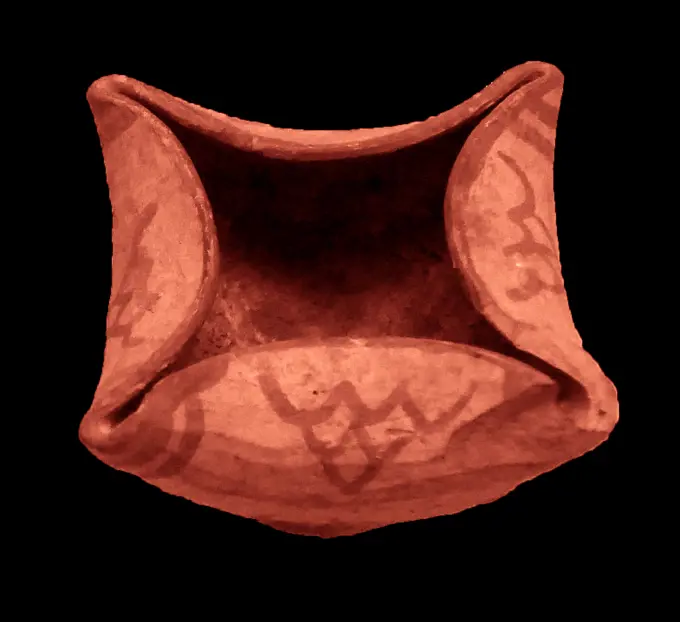
Ancient Clay Lamps

A series of terracotta lamps showcasing simple, ancient designs with various shapes and details, highlighting their historical significance and rustic aesthetic.
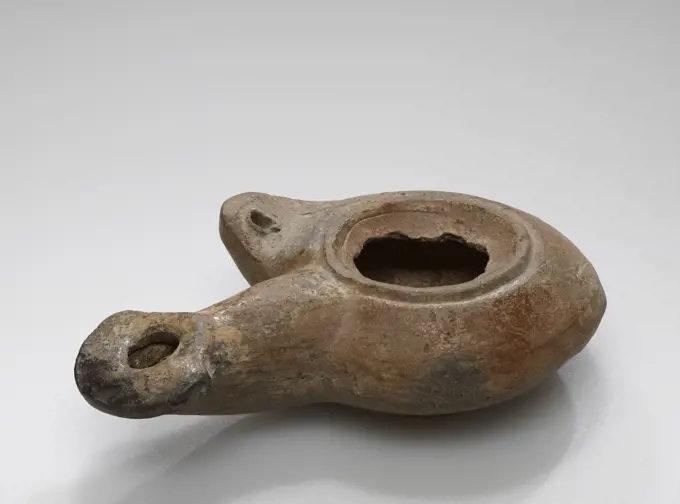
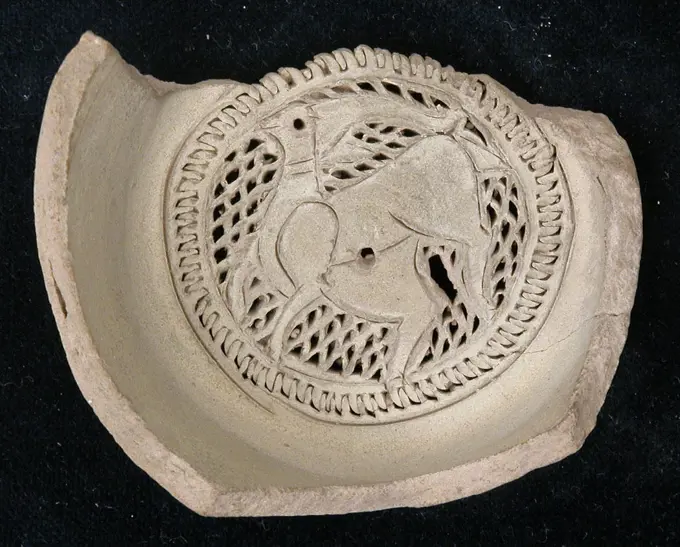
Lamp, Asia Minor; 3rd - 2nd century B.C; Terracotta; 2.1 × 5 × 8.5 cm (13,16 × 1 15,16 × 3 3,8 in.)
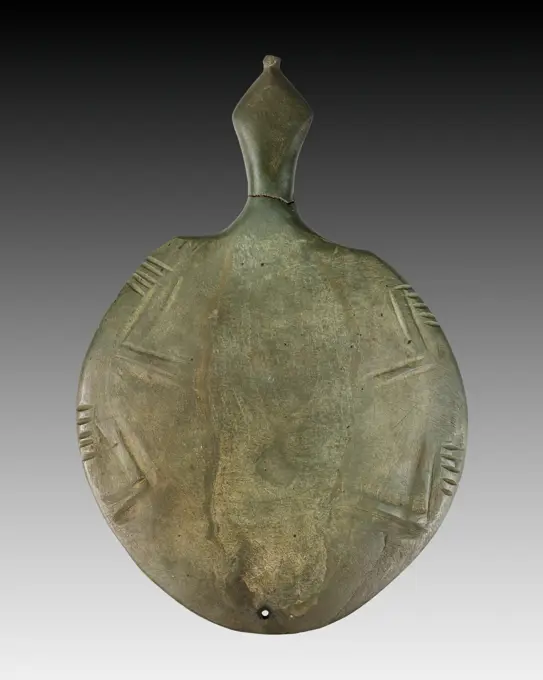
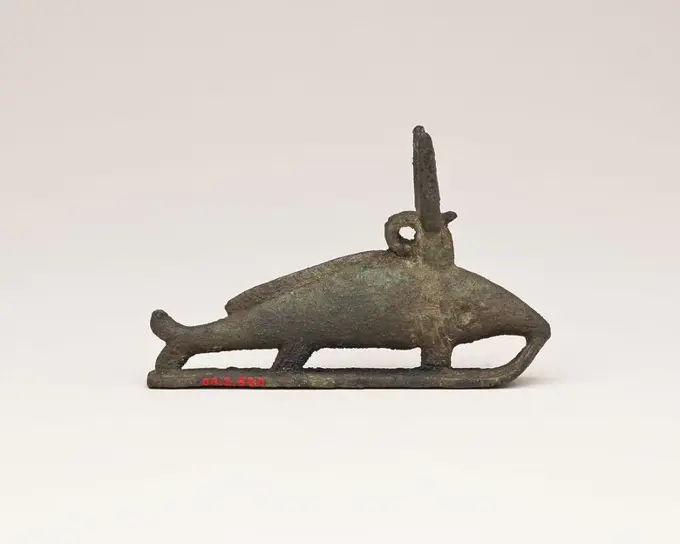
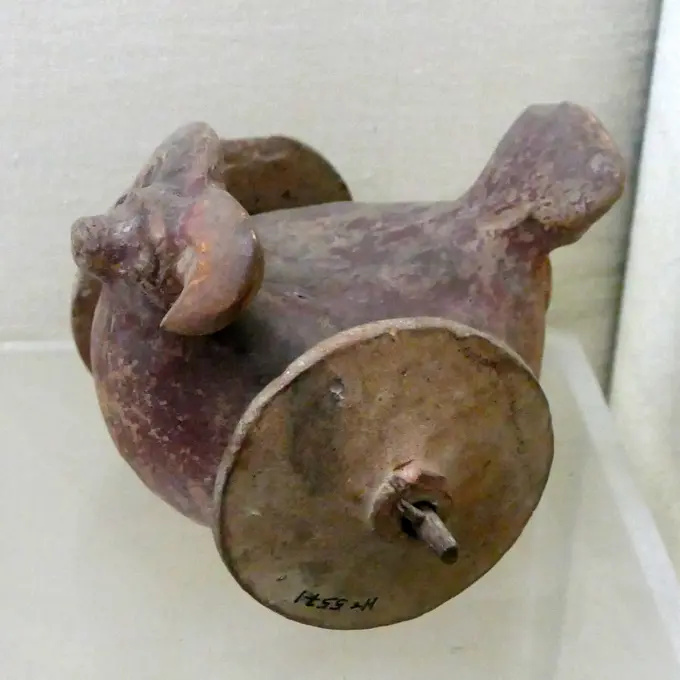
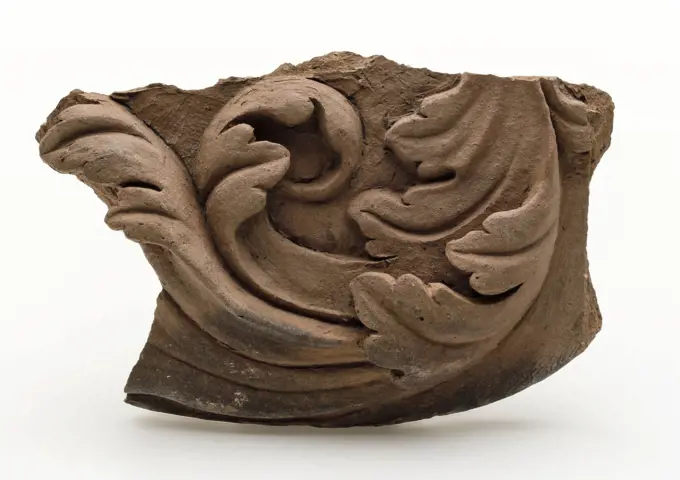
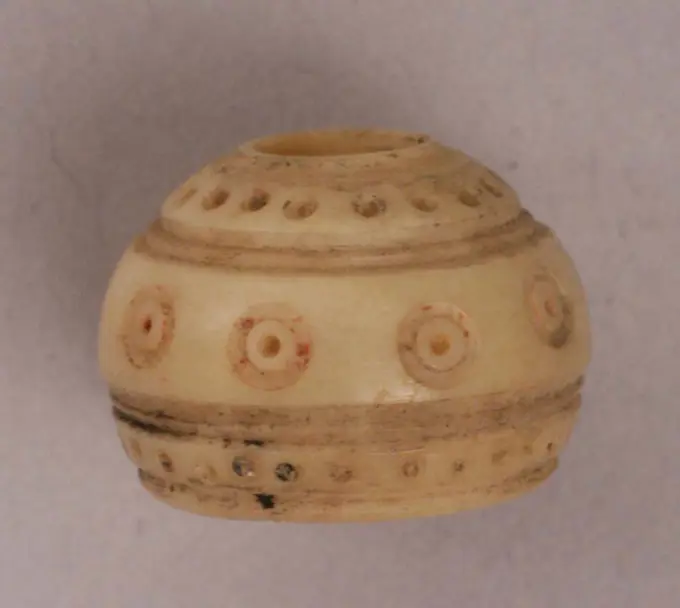
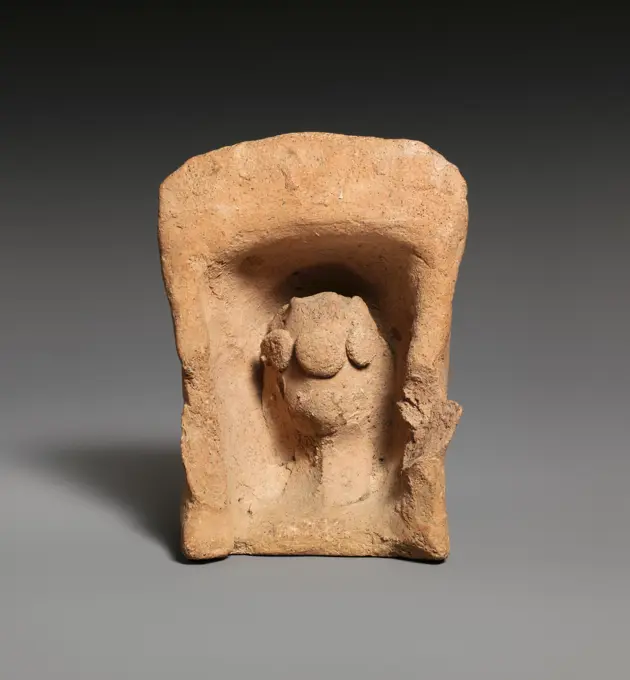
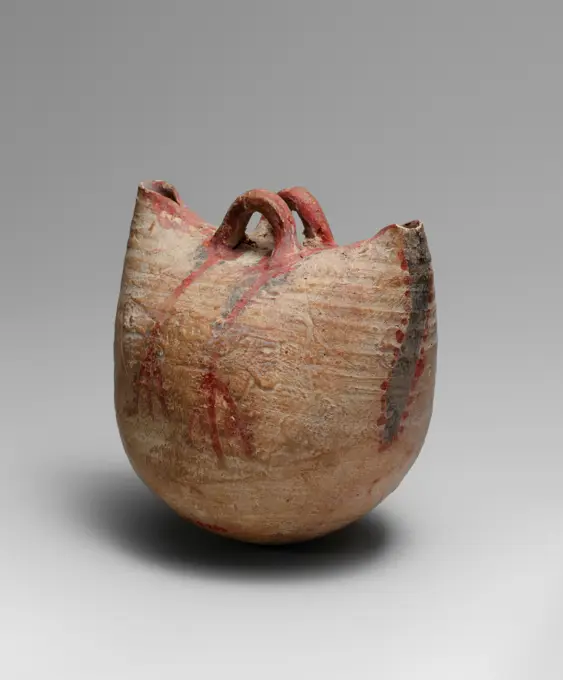
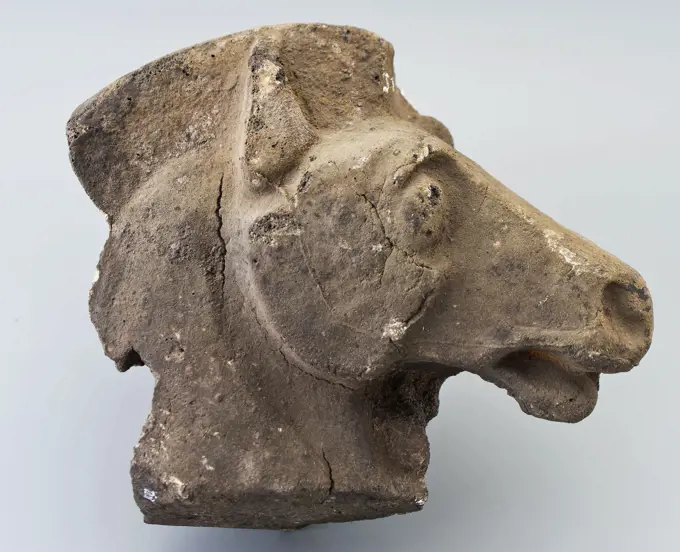
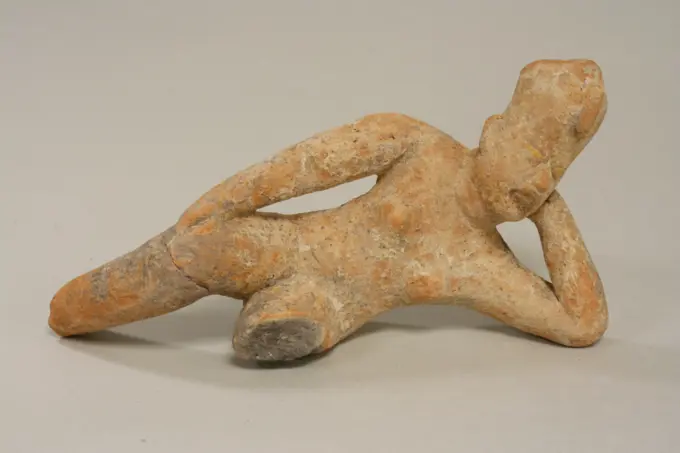
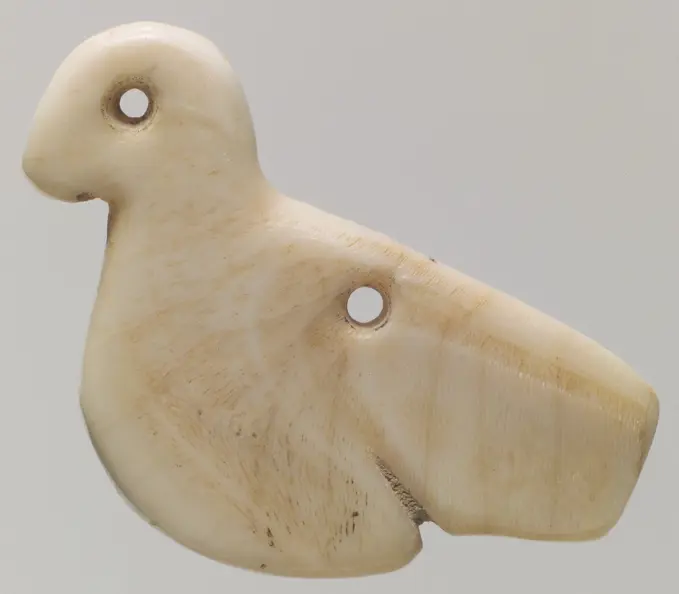
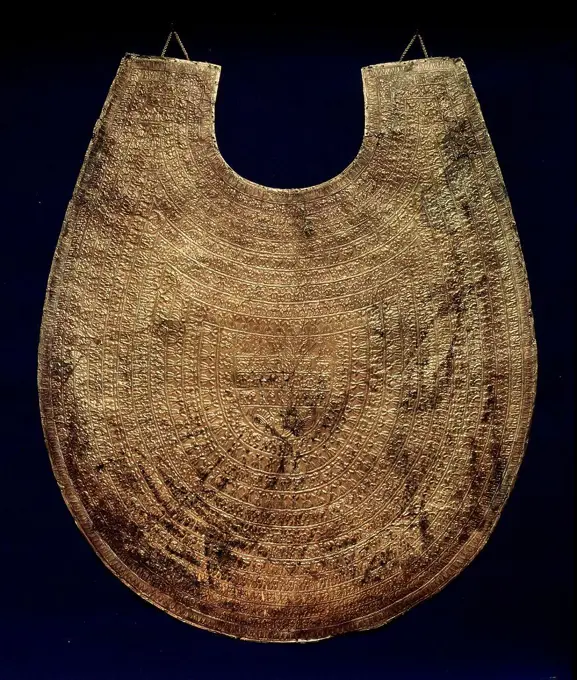
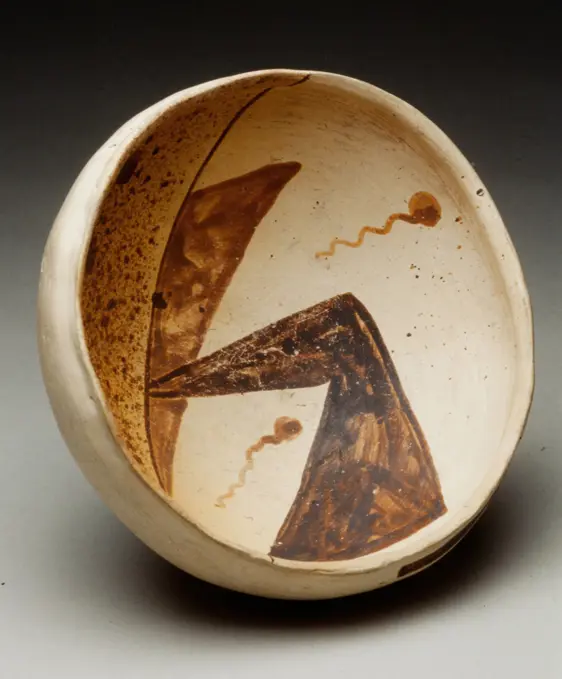
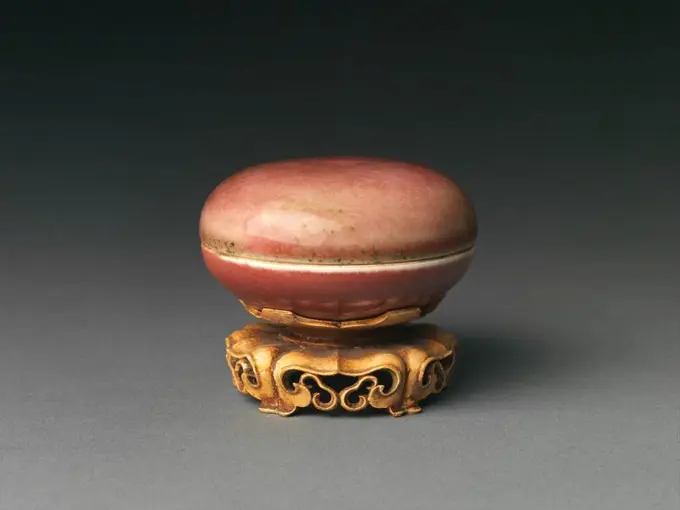
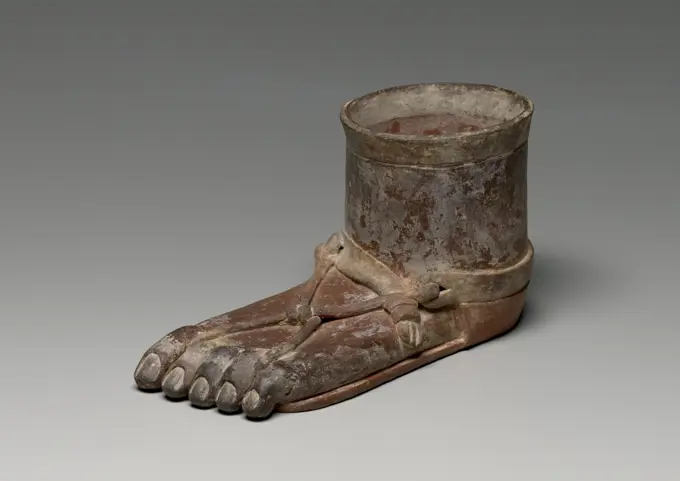
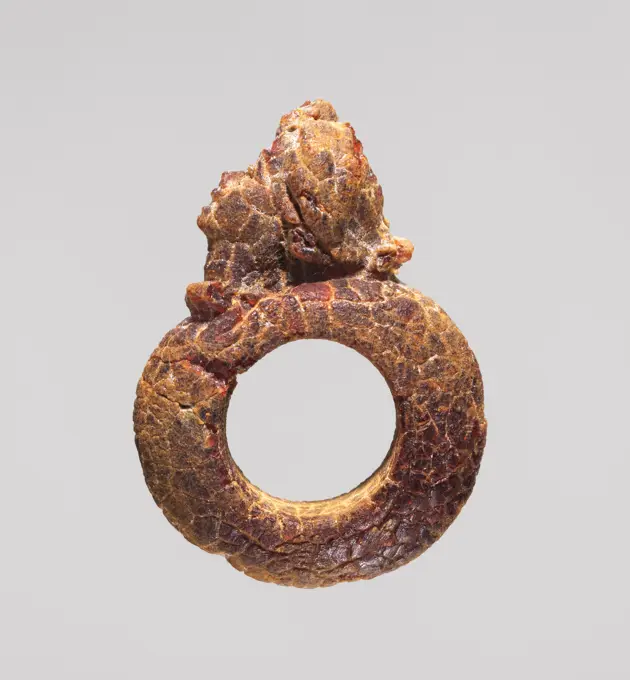
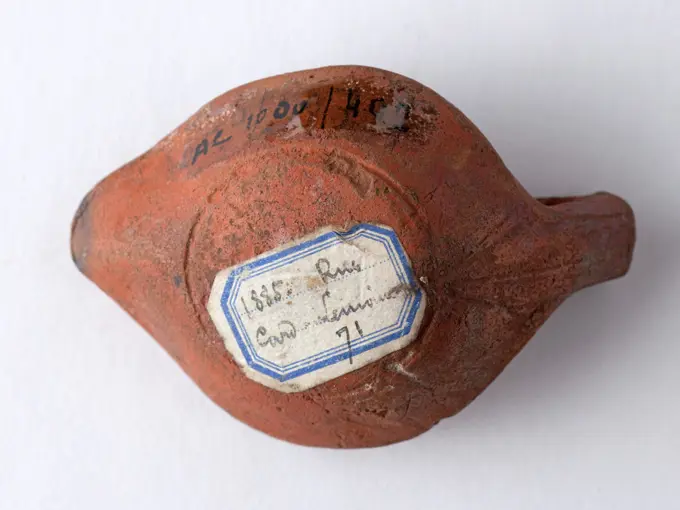
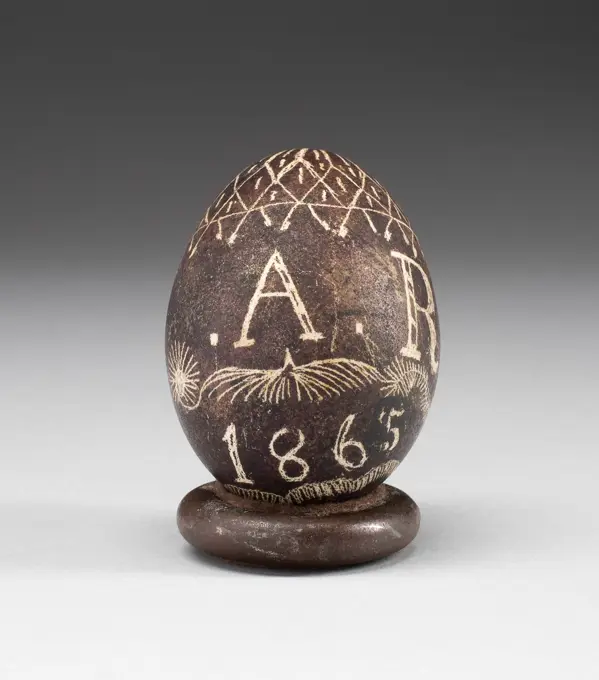
Bull's leg Early Dynastic Period ca. 2960-2770 B.C. Chairs and beds belonging to the elite sometimes stood on legs that emulated the lower limbs of lions or bulls. The example seen here is modeled after the hind leg of a bull. View more. Bull's leg. ca. 2960-2770 B.C.. Ivory. Early Dynastic Period. From Egypt; Said to be from Northern Upper Egypt, Abydos. Dynasty 1Palette in the Form of a Turtle, Forgery of the early 20th Century. Egypt, Modern forgery. Slate; overall: 19.2 cm (7 9/16 in.).Wood, Whorl, Lid and Stick 4th-7th century Coptic. Wood, Whorl, Lid and Stick 478762Oxyrhynchus fish. Dimensions: h. 5.7 cm (2 1/4 in.) × l. 8.8 cm (3 7/16 in.). Date: 664-30 B.C.. Museum: Metropolitan Museum of Art, New York, USA.Water Pot (Shuicheng) in the Form of a Gnarled Pine. China, Chinese, Late Ming or early Qing dynasty, about 1550-1700. Furnishings; Cookware. Carved bambooA collection of clay toys from the Indus Valley Civilisation at Mohenjo-Daro, Pakistan. The Indus Valley Civilisation was a Bronze Age culture, (33001300 BCE; mature period 26001900 BCE) mainly in the north-western regions of South Asia, extending from what today is northeast Afghanistan to Pakistan and northwest IndiaHoof, cow. Hoof, cow 243861Weight Representing a Llama 1450-1532 Peru. Limestone with pigment . IncaFigure: Snake. Culture: Nigeria. Dimensions: H. 6 3/4 × Diam. 4 1/4 in. (17.1 × 10.8 cm). Date: 15th-19th century. Museum: Metropolitan Museum of Art, New York, USA.idol in the form of a weight idol in the form of a weight, limestone, 3000-2500 BC, Gruta do Correio-Mor, Loures, Portugal, Huelva Museum, Huelva, Andalusia, Spain Copyright: xZoonar.com/TOLOxBALAGUERx 21720703Fragment of terracotta ornament, decorated with acanthus leaves in relief, ornament soil find ceramic terracotta, baked Terracotta ornament with embossed acanthus leaves Possible fragment of fire dome or building fragment such as pilaster or baluster Red shard unglazed archeology Rotterdam City center Stadsdriehoek Schielandshuis Korte Hoogstraat waste Soil discovery: Gallery garden Schielandshuis.Button or Bead 9th-10th century This object was excavated at Nishapur.Nishapur was a vital city in the early and middle Islamic periods, located along one of the main trajectories that connected Iran and West Asia Islamic lands with Central Asia and China. These itineraries are often referred to by the term Silk routes’ but were in fact crucial to the movement of constellations of materials and objects, as well as people and ideas. The diverse population of Nishapur and its surroundings, from the better-researched elite groups of merchants, land-owning aristocracy, and literates, to the less-known artisans, farmers, miners, and servants, were instrumental in adapting global cultural trends to create their own distinctive visual languages. This is seen in the material remains of everyday life in medieval Nishapur - from pots and pans to lighting devices, inkwells, textiles and trimmings, jewelry, games and toys, talismanic devices, weapons, coins, and architectural fragments.Nishapur lTerracotta model of a shrine ca. 600-480 B.C. Cypriot The model originally had pilasters on either side of the opening. The vertical form inside is an aniconic representation of the fertility goddess Astarte. Similar depictions are known from the Levant and Cyprus. Model shrines began to be made in Cyprus during the Chalcolithic period and, due to Phoenician influence, were produced in particular quantity during the Archaic period. All of the excavated examples come from tombs.. Terracotta model of a shrine 241309"Gritón" Figure Jar with incised designs. Colombia, Nariño Highlands or Ecuador, Carchi, Nariño or Carchi, 750-1600 CE. Ceramics. Slip-painted ceramicBasket Vessel ca. 1550-1295 B.C. New Kingdom. Basket Vessel 547673Stone stylized horse head, fragment of image, sculpture footage fragment foundations stone, chopped archeology Lek Rotterdam Feijenoord Noordereiland Maaskade Soil discovery found on the 16th of April 1923 in the sand that was supplied from the Lek for work on the Maaskade.Terracotta brazier, from Temple Mayor, Tenochtitlan, MexicoBulgaria, Phiale (libation bowl) decorated with concentric circles of acorns, negro heads and palmettes, from Panagjuriste treasure, embossed goldLazio Roma Rome SS. Giovanni e Paolo, Museum32. Hutzel, Max 1960-1990 Medieval: Ceramic fragments, sculptural fragments, fresco fragments, inscribed tomb markers. Houses one of the best collections of Malagan medieval ceramics for casting wall monuments, copies of which are housed in campanile. Specific Location: Museum Antiquities: Ceramic fragments, sculptural fragments, architectural fragments Object Notes: Basilica has separate record and is filed separately. German-born photographer and scholar Max Hutzel (1911-1988) photographed in Italy from the early 1960s until his death. The result of this project, referred to by Hutzel as Foto Arte Minore, is thorough documentation of art historical development in Italy up to the 18th century, including objects of the Etruscans and the Romans, as well as early Medieval, Romanesque, Gothic, Renaissance and Baroque monuments. Images are organized by geographic region in Italy, then by province, city, site complex and monument.Capitel John;  470-60 BC (-470-00-00--60-00-00), Kon. VI century BC (-600-00-00--591-00-00);Lamp 11th century View more. Lamp. 11th century. Stonepaste; turquoise glaze. Excavated in Iran, Nishapur. CeramicsReclining Ceramic Figure 12th-9th century B.C. Olmec. Reclining Ceramic Figure. Olmec. 12th-9th century B.C.. Ceramic. Mexico, Mesoamerica. Ceramics-SculptureWater Filter 10th-12th century. Water Filter 447432Pendant: Satyr Head in Profile; Italy; 525 - 480 B.C; Amber; 65 × 68 × 35 mm (2 9,16 × 2 11,16 × 1 3,8 in.)Mushroom Shaped Ornament A.D. 300-1000 Peruvian. Mushroom Shaped Ornament 308945Pendant amulet in the form of a bird ca. 2900-2350 B.C. Sumerian. Pendant amulet in the form of a bird 324874Siurell, figura de barro con silbato típica de Mallorca, siglo XIX. Museu Català de les Arts i Tradicions Populars.PECTORAL DE ORO ENCONTRADO EN LA TUMBA DE REGOLINI GALASSI DE CERVETERI - SIGLO VII AC - 38,1x42 cm. Location: MUSEOS VATICANOS-MUSEO GREGORIANO ETRUSCO. VATICANO.Ointment Jar. Dynasty: Dynasty 18. Reign: Joint reign of Hatshepsut and Thutmose III. Date: ca. 1479-1458 B.C.. Museum: Metropolitan Museum of Art, New York, USA.Terracotta fragments of a stamnos (jar) 4th century B.C. Etruscan Four fragments from the rim of a stamnos, with an egg pattern on the outer rim. Terracotta fragments of a stamnos (jar). Etruscan. 4th century B.C.. Terracotta; red-figure. Classical. VasesVase fragment Roman Fragment of vase enamelled yellow inside; raised grape-bunch pattern.. Vase fragment. Roman. Terracotta. VasesVASIJA DE HORNEO - S XX ARTE POPULAR. Location: ALFARERIA. PERERUELA. Zamora. SPAIN.Bowl, c. 1400-1625, 4 x 7 1/2 in. (10.16 x 19.05 cm), Ceramic, pigment, United States, Sikyatki (Ancestral Hopi Pueblo)Rouge Box. Culture: China. Dimensions: H. with stand: 2 3/8 in. (6 cm); Diam. 2 13/16 in. (7.1 cm). Museum: Metropolitan Museum of Art, New York, USA.Vielfalt an Keramikgeschirr Variety of empty different handmade ceramic dishes, bowls, jugs and plates over grey linen cloth as background. Flat lay, space LicenseRF Copyright: xZoonar.com/NATASHAxBREENx 23222360Native American potter, Oconaluftee Indian Village, Cherokee, North Carolina, Great Smoky Mountains National ParkVessel in the Shape of a LeftFoot.  Artist: UnknownAmber ring late 1st-mid-2nd century A.D. Roman Decorated with head in high relief.. Amber ring. Roman. late 1st-mid-2nd century A.D.. Amber. Mid-Imperial. Miscellaneous-AmberBronze fitting in the shape of a bull's head inlaid with gold and silver. Eastern Zhou period, 4th century BCWoven basket covered in pine pitch used by the Ute Indians as a water storage jarOil lamp. 71, rue du Cardinal Lemoine (1885), coll. MAGNE. Terracotta. High Empire. Decor of circles and squares in relief. Paris, Carnavalet museum. 50053-1 High-Empire, oil lamp, terracottaTerracotta barn model with cylindrical silos laid out in two rows into a fenceEgg 1865 United States. Colored egg . Artist unknownEarly Harappan ceramic, c3000-2800 BC. Sothi and Nal