Ancient Coins

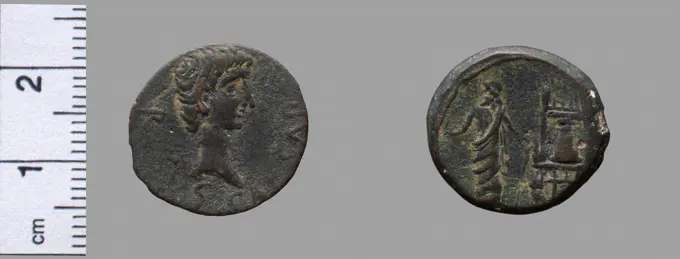
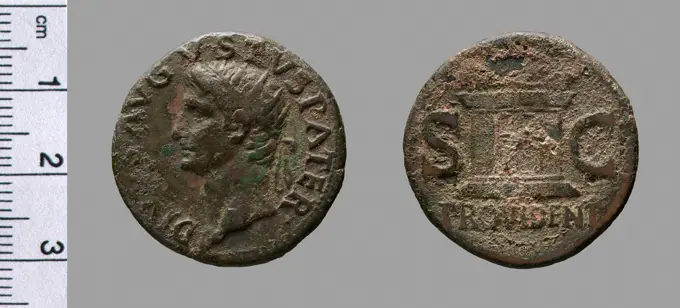
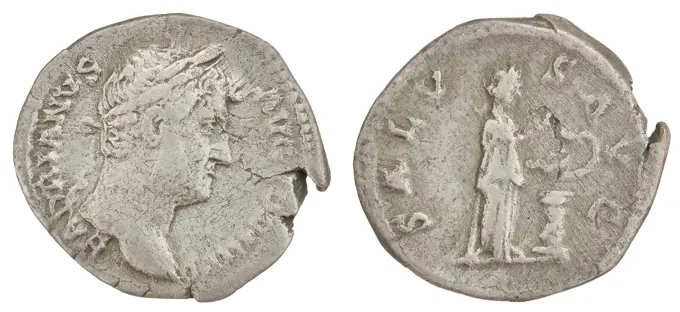
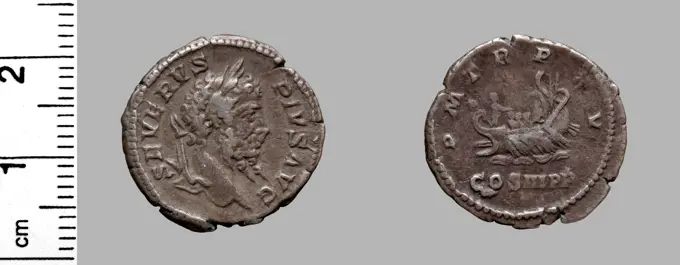
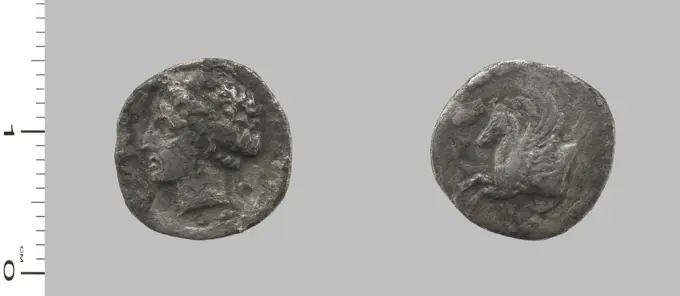
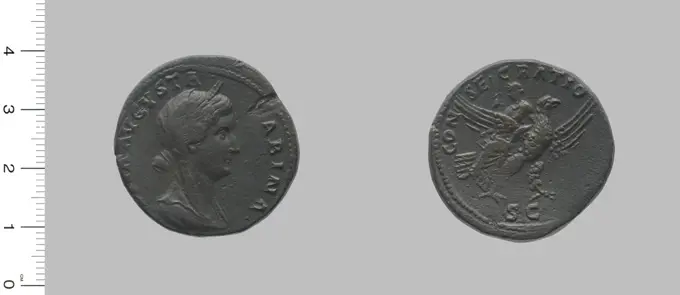
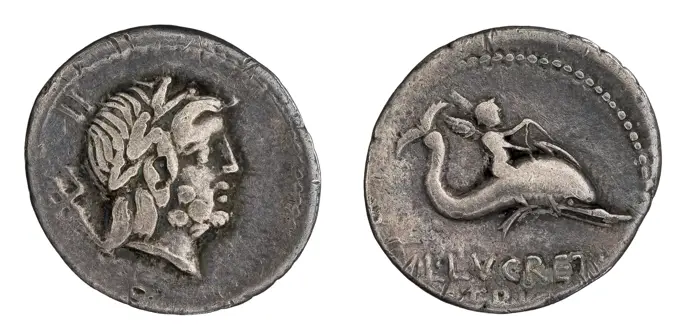
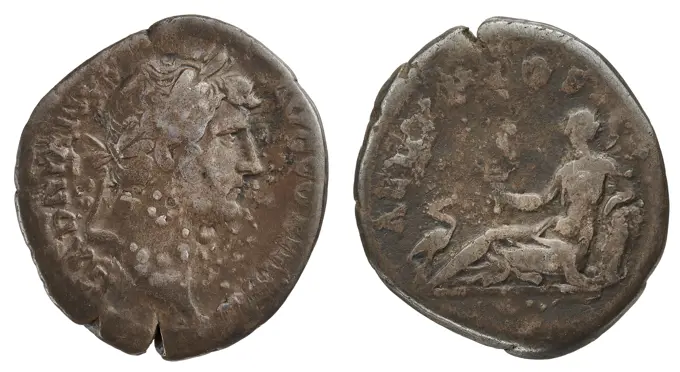
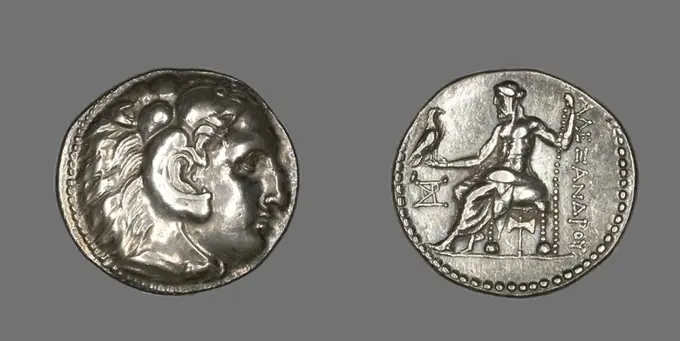
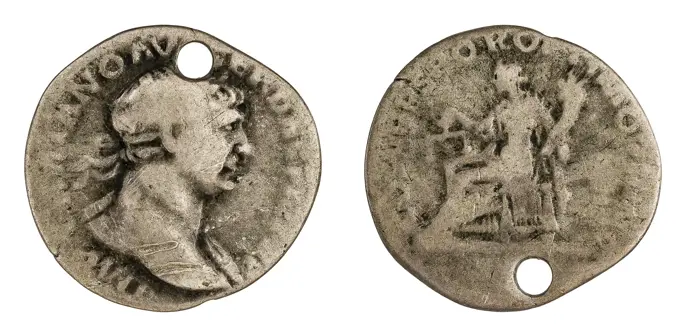
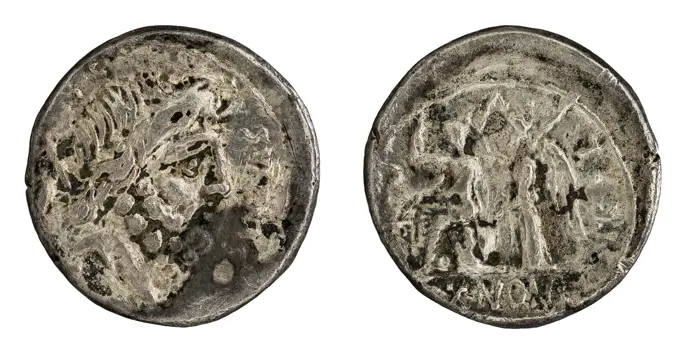
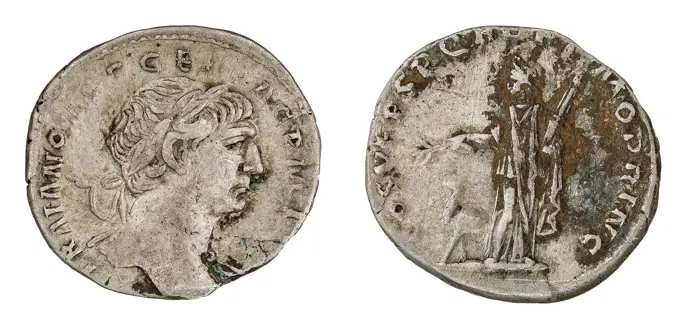
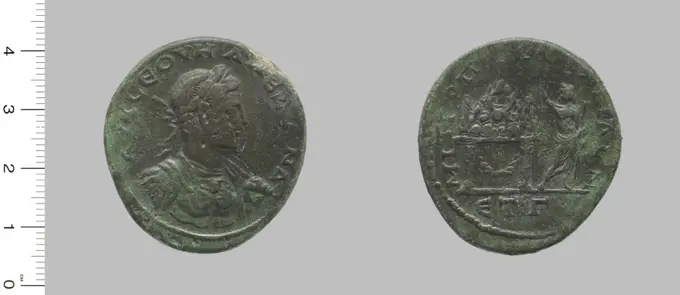
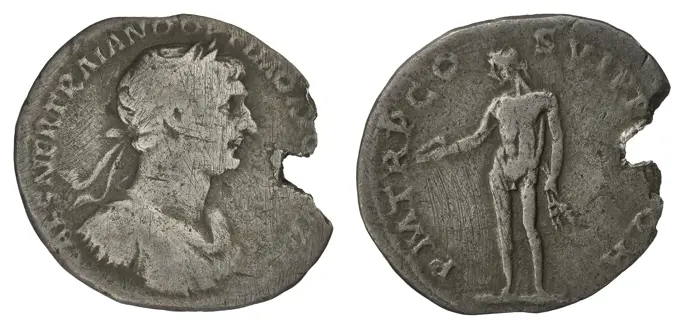
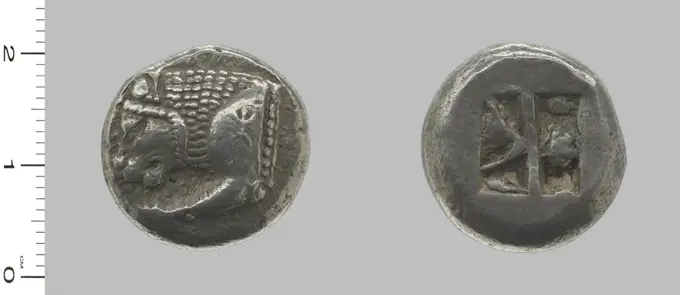
Distinct ancient coins depicting historical figures and symbols. They feature intricate designs, reflecting rich cultural heritage and classic artistry.
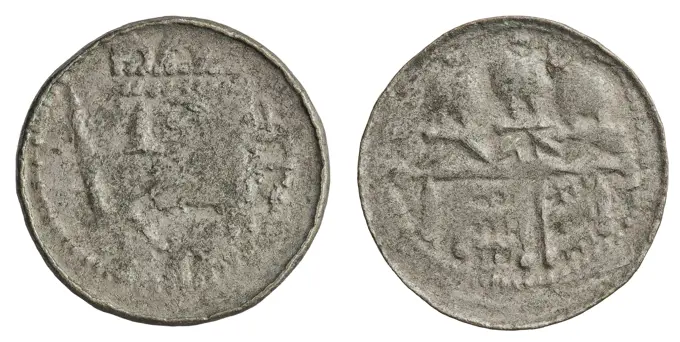
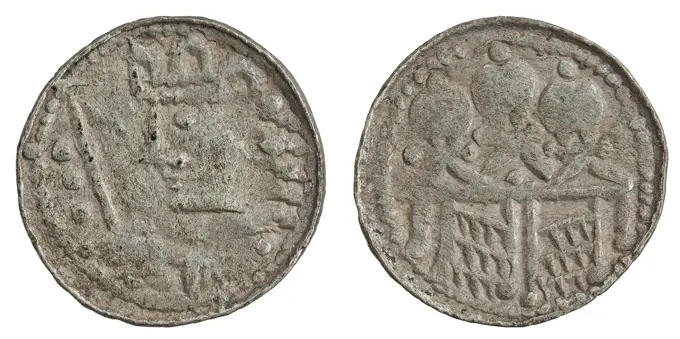
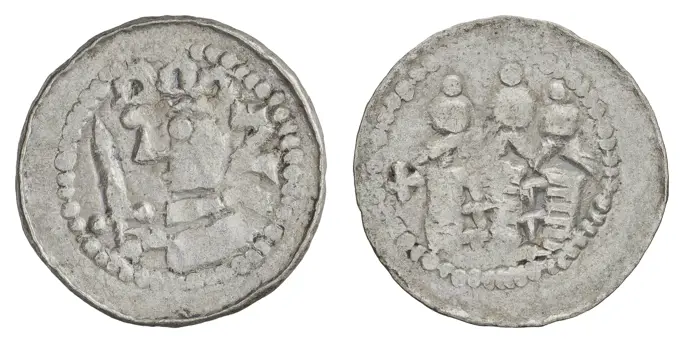
denarius (royal type). Bolesław II Śmiały (król Polski ; 1058-1079), ruler
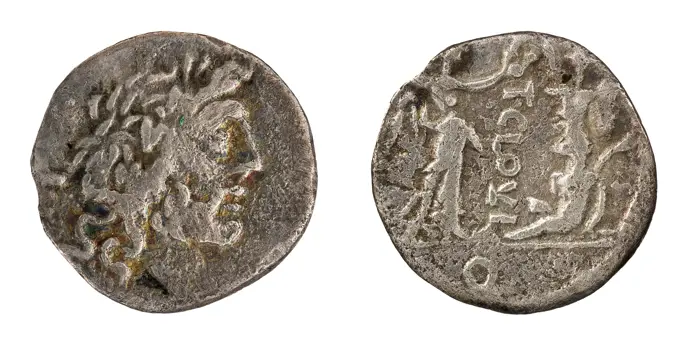
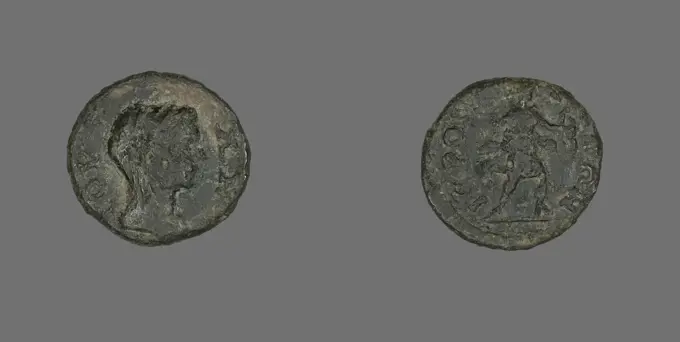
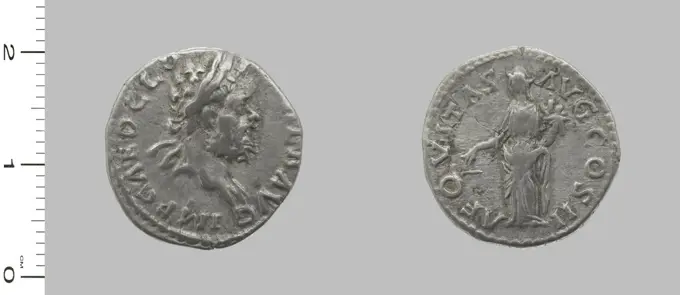
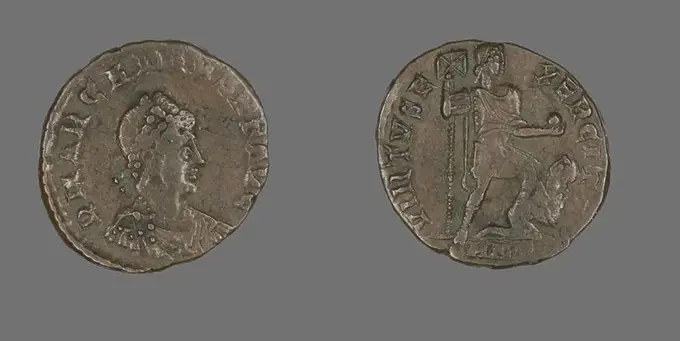
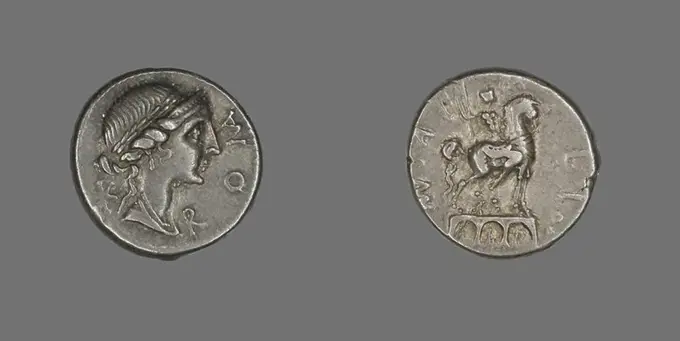
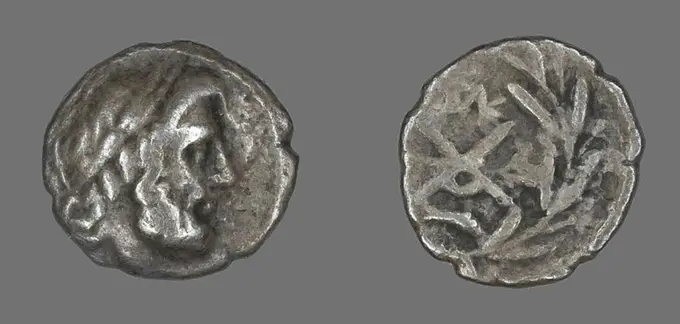
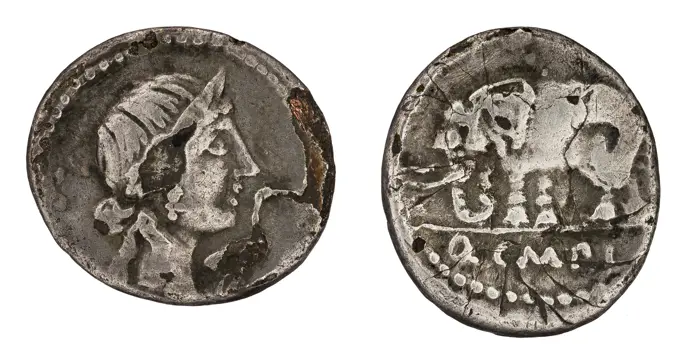
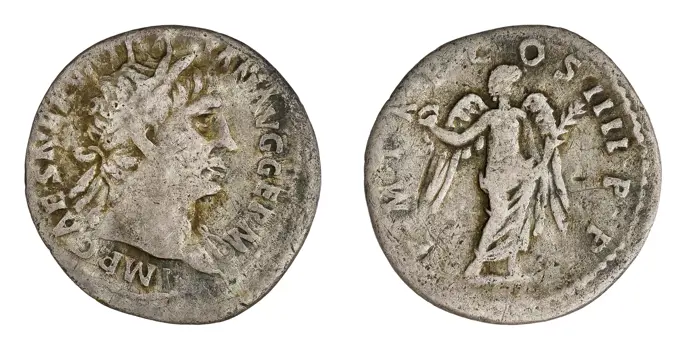
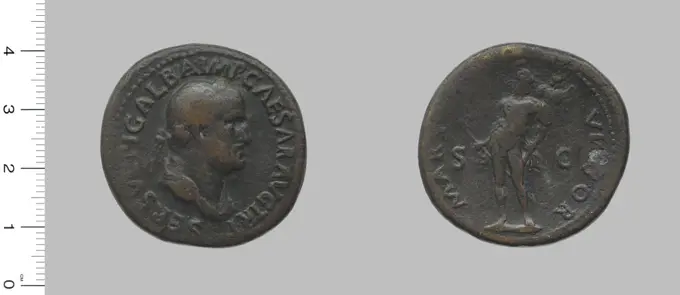
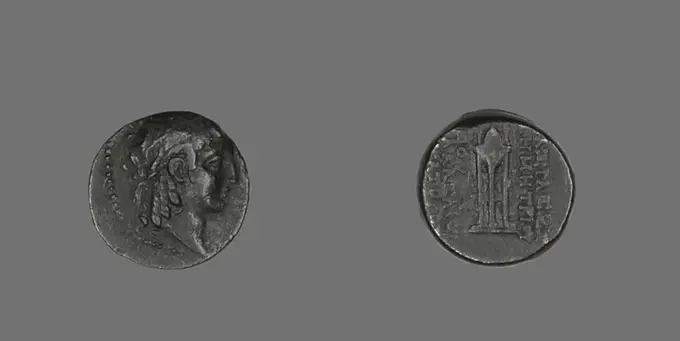
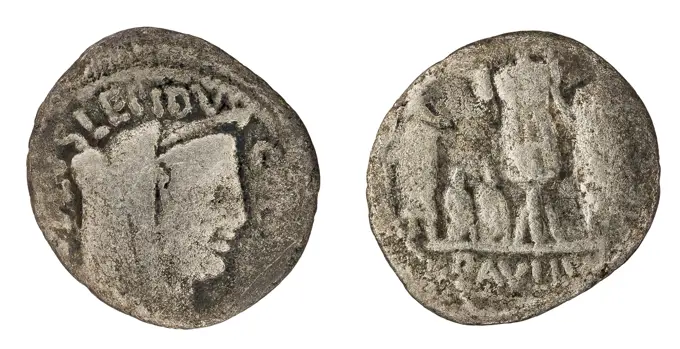
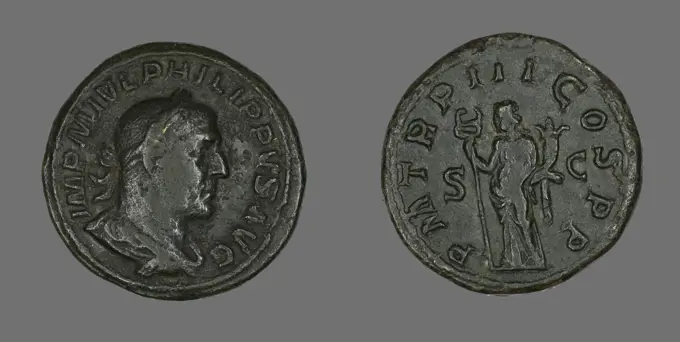
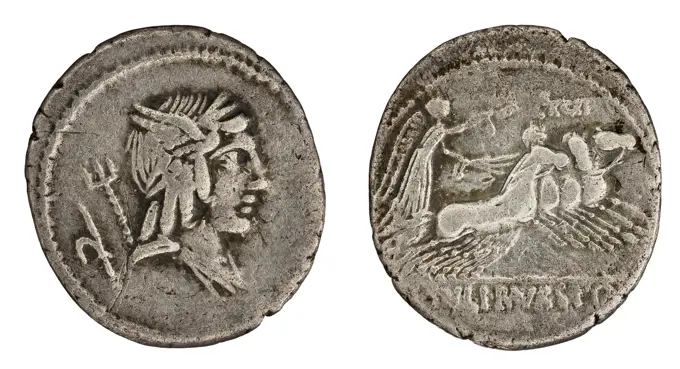
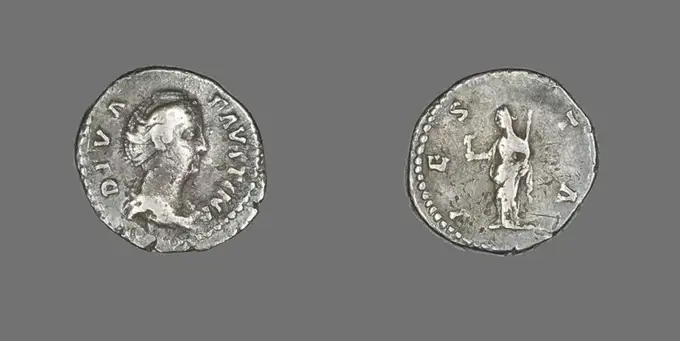
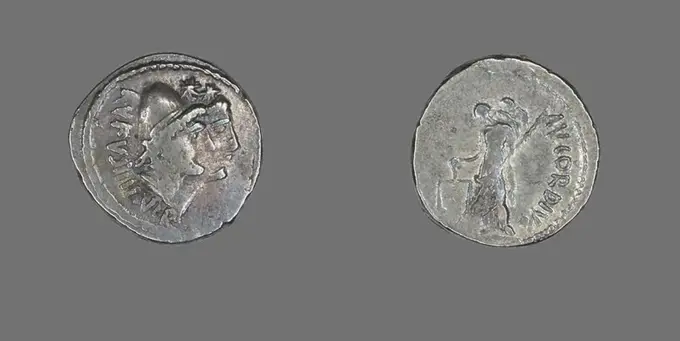
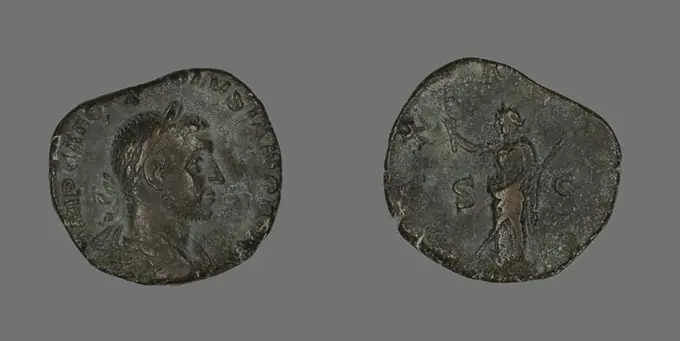
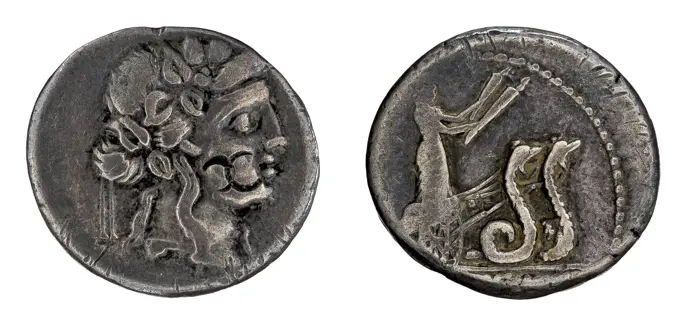
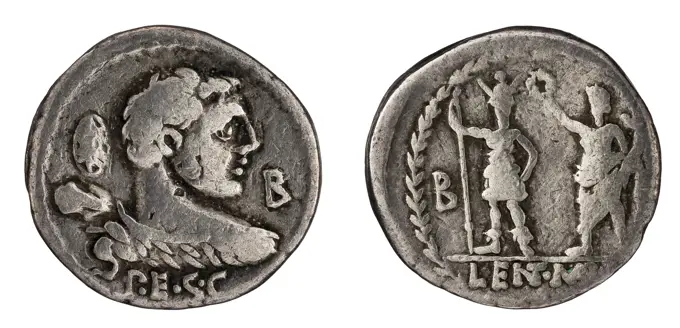
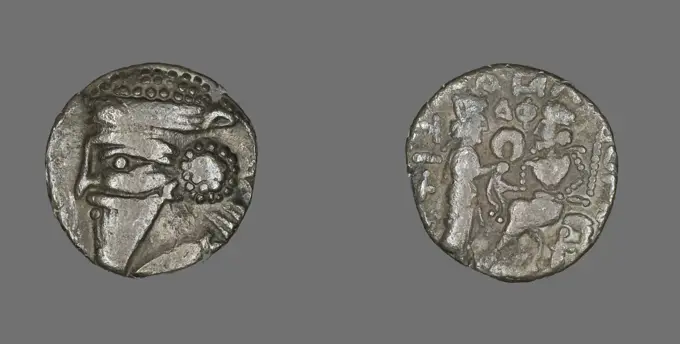
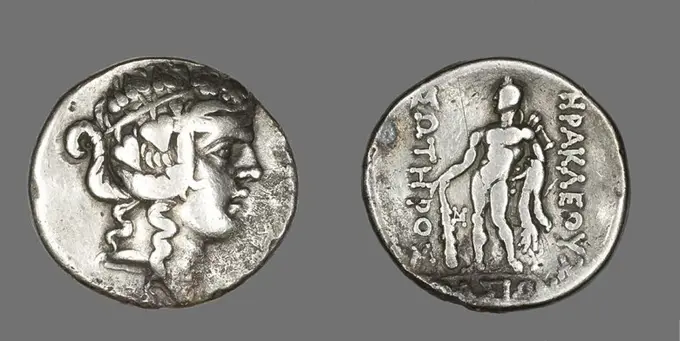
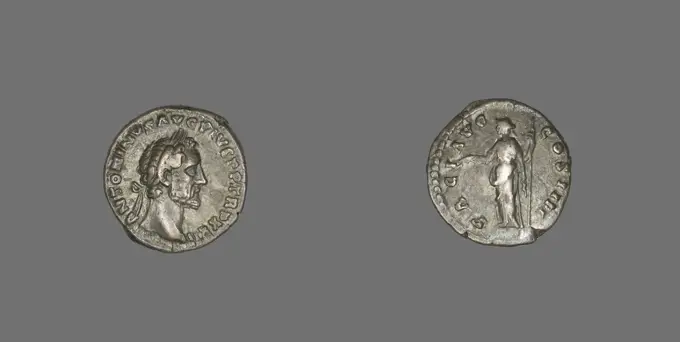
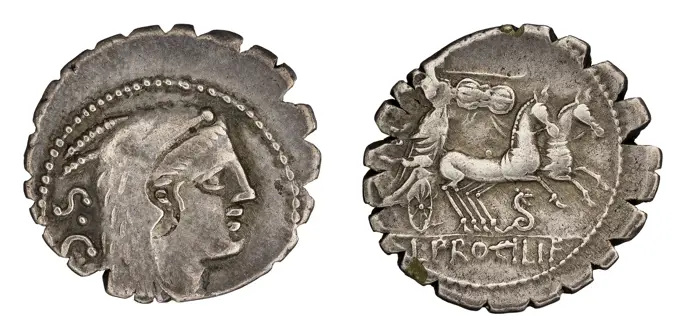
Coin Depicting the God Apollo 200 BCE-1 BCE Greece. The use of coins as a form of money was invented in western Asia Minor in the early 7th century BC. At the time when the coins in this case were struck, Greece was made up of separate city-states that issued their own currency. Made of gold, silver, bronze, and electrum (a gold-silver alloy), coins were literally worth their weight, but their value varied according to the percentage of their precious metal content. Occasionally a city needed more money than it had in reserves. By reducing the amount of precious metal and substituting a base metal, a coin could be produced of the same weight but no longer of the same value. Some currency was only honored within its own city walls, but trustworthy money encouraged trade. Athens had the biggest economy, and its coin became the standard in the Greek world.The population was largely illiterate, but it could identify the place of origin of a coin by its imagery. Many of these images referrequinarius. Cloulius (Cloelius), T. (fl. 98 a.C.), monetary officer, Republika Rzymska, issuerCoin Depicting a Head 161 CE Roman Empire. Bronze . Ancient RomanRuler: D. Clodius Albinus, Caesar A.D. 193-197, Mint: Lugdunum, Denarius of D. Clodius Albinus, Caesar fromLugdunum, 193-97, silver, 2.68 g, 6:00, 18.1mm, Made in Lugdunum, Gaul, Roman, 2nd century A.D., NumismaticsCoin Portraying Emperor Arcadius. Roman. Date: 383 AD-408 AD. Dimensions: Diam. 2.3 cm; 4.41 g. Bronze. Origin: Roman Empire. Museum: The Chicago Art Institute, Chicago, USA. Author: ANCIENT ROMAN.denarius (royal type). Bolesław II Śmiały (król Polski ; 1058-1079), rulerRuler: Claudius, Emperor of Rome, 10 B.C.-A.D. 54, ruled A.D. 41-54, Mint: Perinthus, Thrace, Sestertius of Claudius, Emperor of Rome fromPerinthus, 50-54, Orichalcum, 22.40 g, 1:00, 35.4mm, Made in Perinthus, Thrace, Roman, 1stcentury, NumismaticsDenarius (Coin) Depicting the Goddess Roma. Roman. Date: 114 BC-113 BC. Dimensions: Diam. 1.8 cm; 3.95 g. Silver. Origin: Roman Empire. Museum: The Chicago Art Institute, Chicago, USA. Author: ANCIENT ROMAN.denarius. Aemilius Lepidus, M. (89-12 a.C.), monetary officer, Republika Rzymska, issuerHemidrachm (Coin) Depicting the God Zeus Amarios. Greek, minted in Dyme. Date: 280 BC-146 BC. Dimensions: Diam. 1.5 cm; 2.13 g. Silver. Origin: Ancient Greece. Museum: The Chicago Art Institute, Chicago, USA.Coin Portraying Empress Salonina 264 CE-265 CE Roman Empire. The front (obverse) of this coin portrays the empress Salonina, facing right and crowned with a diadem.On the back (reverse) Eirene (personification of peace and the daughter of Zeus and Themis) stands left holding an olive branch. A palm branch appears in the field in front.Salonina was married to the Roman emperor Gallienus, who reigned jointly with his father, Valerian, from 253-260, then as sole emperor to 268. The date this coin was struck is indicated in the reverse inscription ìLIB ì, which means the twelfth year of Gallienusís reign, or 264-265 CE.. Billon . Ancient Romanquadrans. Hadrian (Roman emperor; 117-138), emperorSestertius of Antoninus Pius, Emperor ofRome. Ruler: Antoninus Pius, Emperor of Rome, A.D. 86-161, ruled A.D. 138-161drachm. Wologezes IV (król Partów ; 147-191), rulerRuler: Claudius, Emperor of Rome, 10 B.C.-A.D. 54, ruled A.D. 41-54, Mint: Rome, Denarius of Claudius, Emperor of Rome fromRome, 51-52, Silver, 3.45 g, 11:00, 17.5mm, Made in Rome, Italy, Roman, 1st century A.D., NumismaticsCoin Portraying Emperor Claudius II Gothicus. Roman, minted in Alexandria, Egypt. Date: 268 AD-270 AD. Dimensions: Diam. 2.1 cm; 9.60 g. Billon. Origin: Roman Empire. Museum: The Chicago Art Institute, Chicago, USA. Author: ANCIENT ROMAN.denarius (subaeratus). Caecilius Metellus Pius, Q. (fl. 81 a.C.), monetary officer, Republika Rzymska, issuerSestertius (Coin) Portraying King Philip I. Roman. Date: 246 AD. Dimensions: Diam. 3.1 cm; 24.19 g. Bronze. Origin: Rome. Museum: The Chicago Art Institute, Chicago, USA. Author: ANCIENT ROMAN.denarius (royal type). Bolesław II Śmiały (król Polski ; 1058-1079), rulerdenarius (royal type). Bolesław II Śmiały (król Polski ; 1058-1079), rulerdenarius (royal type). Bolesław II Śmiały (król Polski ; 1058-1079), rulerdenarius (royal type). Bolesław II Śmiały (król Polski ; 1058-1079), ruleras. Hadrian (Roman emperor; 117-138), emperordenarius. Trajan (cesarz rzymski ; 98-117), issuerRuler: Galba, Emperor of Rome, 3 B.C.-A.D. 69, ruled  A.D. 68-69, Mint: Rome, Sestertius of Galba, Emperor of Rome fromRome, 68, Orichalcum, 25.82 g, 6:00, 36.7mm, Made in Rome, Italy, Roman, 1stcentury, NumismaticsCoin Depicting the God Apollo. Greek. Date: 146 BC-139 BC. Dimensions: Diam. 1.9 cm; 5.57 g. Bronze. Origin: Ancient Greece. Museum: The Chicago Art Institute, Chicago, USA.Coin Depicting Herakles. Greek. Date: 220 BC-178 BC. Dimensions: Diam. 1.8 cm; 5.30 g. Bronze. Origin: Greece. Museum: The Chicago Art Institute, Chicago, USA. Author: ANCIENT GREEK.Tetradrachm (Coin) Portraying Emperor Hadrian 131 CE Alexandria. The Good Emperors dedicated themselves to the well-being of the people, but as the back of their coins indicate, each ruler had his own understanding of what made good government.Although in his Satires Juvenal chided those in power for duping the populace with ìbread and circuses,î feeding the people concerned all the emperors. Since Italy could no longer feed itself, rulers depended on the grain-growing provinces of Egypt and Africa to supply its food. On this coin, a figure representing the city of Alexandria presents Egyptís crops to Emperor Hadrian.. Billon . Ancient Romandenarius. Trajan (cesarz rzymski ; 98-117), emperordenarius. Aemilius Lepidus Paullus, L. (fl. 62 a.C; 50 a.C.), monetary officer, Republika Rzymska, issuerCoin of Tiberius, Emperor of Rome fromCyprus. Ruler: Tiberius, Emperor of Rome, 42 B.C.-A.D. 37 Mint: Cyprus Artist: Unknown Honorand: Julius Caesar Drusus, A.D. 7-33Stater (Coin) Depicting the God Poseidon. Greek. Date: 480 BC-400 BC. Dimensions: Diam. 1.8 cm; 6.72 g. Silver. Origin: Paestum. Museum: The Chicago Art Institute, USA. Author: ANCIENT GREEK.Coin Portraying Emperor Caracalla 198 CE-217 CE Roman Empire. Bronze . Ancient Roman1 As of Tiberius, Emperor of Rome fromRome. Ruler: Tiberius, Emperor of Rome, 42 B.C.-A.D. 37 Mint: RomeHonorand: Augustus, Emperor of Rome, 63 B.C.-A.D. 14, ruled 27 B.C.-A.D. 14denarius (royal type). Bolesław II Śmiały (król Polski ; 1058-1079), rulerdenarius (ducal type). Bolesław II Śmiały (król Polski ; 1058-1079), rulerTetradrachm (Coin) Depicting a Charioteer Struck 500 BCE-401 BCE Reggio di Calabria. The front (obverse) of this coin depicts a seated charioteer, bearded, riding behind two mules walking right; in the field below is an olive leaf. The back (reverse) of the coin depicts a hare leaping to the right.When Anaxilas, son of Cretines, seized power at Rhegium (modern Reggio Calabria in southern Italy) in 494 BCE, along with parts of Sicily soon after, he adopted the image of a leaping hare on his coinage as early as 480 BCE. Aristotle (quoted by Pollux, Onomasticon 5.75) reported that Anaxilas introduced hares to Sicily for the sport of hunting and also that he was victorious in the Olympic games. The image of his mule-chariot (biga) on the front of the coin commemorates this victory. The olive leaf in the field below the chariot symbolizes the olive crown awarded to victors at the Olympic Games. The hare may also symbolize the speed of Anaxilasí chariot.. Silver . Ancient GreekSestertius (Coin) Portraying Emperor Gordianus. Roman. Date: 238 AD-244 AD. Dimensions: Diam. 3.1 cm; 23 g. Bronze. Origin: Roman Empire. Museum: The Chicago Art Institute, Chicago, USA. Author: ANCIENT ROMAN.Coin of Macrinus, Emperor of Rome from Seleucia adCalycadnum. Ruler: Macrinus, Emperor of Rome, ca. 165-218, ruled 217-18 Mint: Seleucia ad Calycadnum Artist: UnknownSestertius (Coin) Portraying Emperor Gordianus 238 CE-244 CE Roman Empire. Bronze . Ancient Romandenarius. Hadrian (Roman emperor; 117-138), emperorDenarius of Septimius Severus, Emperor of Rome fromRome. Ruler: Septimius Severus, Emperor of Rome, A.D. 146-211, ruled 193-211 Mint: Rome Artist: UnknownSestertius (Coin) Portraying King Philip I 246 CE Rome. The front of this coin portrays King Philip I, crowned with laurels and facing right.On the back, the goddess of Peace or Fertility is shown holding a cornucopia.. Bronze . Ancient Romandenarius. Iulius Bursio, L. (fl. 85 a.C.), monetary officer, Republika Rzymska, issuerDenarius (Coin) Portraying Empress Faustina. Roman, minted in Rome. Date: 141 AD. Dimensions: Diam. 1.9 cm; 2.91 g. Silver. Origin: Roman Empire. Museum: The Chicago Art Institute, Chicago, USA. Author: ANCIENT ROMAN.Coin Depicting the Hero Herakles. Greek. Date: 280 BC. Dimensions: Diam. 1.7 cm; 3.70 g. Bronze. Origin: Ancient Greece. Museum: The Chicago Art Institute, Chicago, USA.Coin Portraying Emperor Constantius II. Roman, minted in Trier. Date: 335 AD-337 AD. Dimensions: Diam. 1.5 cm; 1.58 g. Bronze. Origin: Roman Empire. Museum: The Chicago Art Institute, Chicago, USA. Author: ANCIENT ROMAN.Coin of Septimius Severus, Emperor of Rome fromDionysopolis. Ruler: Septimius Severus, Emperor of Rome, A.D. 146-211, ruled 193-211 Mint: Dionysopolis, Phrygia Artist: UnknownDenarius (Coin) Depicting the Dioscuri. Roman. Date: 49 BC. Dimensions: Diam. 1.8 cm; 3.96 g. Silver. Origin: Roman Empire. Museum: The Chicago Art Institute, Chicago, USA. Author: ANCIENT ROMAN.Sestertius (Coin) Portraying Emperor Volusian. Roman, minted in Rome. Date: 251 AD-253 AD. Dimensions: Diam. 2.7 cm; 14.82 g. Bronze. Origin: Roman Empire. Museum: The Chicago Art Institute, Chicago, USA. Author: ANCIENT ROMAN.denarius. Volteius, M. (fl. 78 a.C.), monetary officer, Republika Rzymska, issuerdenarius. Cornelius Lentulus Marcellinus, P. (fl. 100 a.C.), monetary officer, Republika Rzymska, issuerdenarius (royal type). Bolesław II Śmiały (król Polski ; 1058-1079), rulerdenarius (royal type). Bolesław II Śmiały (król Polski ; 1058-1079), rulerMint: Olynthus, Tetradrachm fromOlynthus, 420-392 B.C., Silver, 14.62 g, 7:00, 22mm, Made in Olynthus, Macedonia, Greek, 5th-4th century B.C., Numismaticsdenarius (royal type). Bolesław II Śmiały (król Polski ; 1058-1079), ruler1 Drachm fromEphesus.  Mint: Ephesus Artist: UnknownAntoninianus (Coin) Portraying King Philip I. Roman, minted in Rome. Date: 244 AD-247 AD. Dimensions: Diam. 2.4 cm; 4.20 g. Silver. Origin: Roman Empire. Museum: The Chicago Art Institute, Chicago, USA. Author: ANCIENT ROMAN.Coin Portraying Emperor Nero. Roman, minted in Alexandria, Egypt. Date: 54 AD-68 AD. Dimensions: Diam. 2.5 cm; 12.58 g. Billon. Origin: Egypt. Museum: The Chicago Art Institute, USA. Author: Ancient Egyptian.Hemidrachm fromCorinth. Mint: Corinth Artist: UnknownCoin Portraying Emperor Valentinian I 364 CE-375 CE Roman Empire. The front (obverse) of this coin portrays the emperor Valentinian I, facing right.On the back (reverse) Valentinian dominates a diminutive captive, shown to his right.. Bronze . Ancient Romandrachm. Gotarzes (91-77 p.n.e.), rulerdenarius. Hadrian (Roman emperor; 117-138), emperorTetradrachm (Coin) Portraying Bust of King Volagases IV Struck 192 CE-193 CE Iran. The front of this coin portrays King Volagases IV, his forehead bound in a type of headband called a fillet. Above this, his hair is depicted as rows of dots.On the back (reverse) the goddess Tyche presents a wreath to the king, who is seated on a high backed throne. Silver .AE. Gotarzes II (król Partów ; 40-51), rulerRuler: Hadrian, Emperor of Rome, A.D. 76-138, ruled 117-38, Mint: Rome, Honorand: Vibia Sabina, A.D. 83-136/137, Sestertius of Hadrian, Emperor of Rome fromRome, 135, Orichalcum, 26.73 g, 6:00, 31.3mm, Made in Rome, Italy, Roman, 2ndcentury, NumismaticsTetradrachm (Coin) Depicting Quadriga and Charioteer 460 BCE-430 BCE Greece. The front (obverse) of this coin depicts a quadriga (four-horse chariot) driven by a charioteer (who is very obscure). Nike flies above to right crowing horses. The back (reverse) depicts th forepart of a manheaded bull with mustache, beard, and horns and a bulls ear, swimming to the right.. Silver . Ancient Greekdenarius (royal type). Bolesław II Śmiały (król Polski ; 1058-1079), rulerdupondius. Hadrian (Roman emperor; 117-138), emperorStater from uncertain,Lycia, 500-440 B.C., Silver, 9.04 g, 12:00, 19mm, Made in uncertain, Lycia, Greek, 5th century B.C., Numismaticsdenarius. Lucretius Trio, L. (fl. 76 a.C.), monetary officer, Republika Rzymska, issuerdenarius (ducal type). Bolesław II Śmiały (król Polski ; 1058-1079), rulerdenarius. Hadrian (Roman emperor; 117-138), emperorSestertius (Coin) Portraying Emperor Severus Alexander 232 CE Roman Empire. Bronze . Ancient Romandenarius. Hadrian (Roman emperor; 117-138)denarius (royal type). Bolesław II Śmiały (król Polski ; 1058-1079), rulersestertius. Trajan (cesarz rzymski ; 98-117), emperorTetradrachm (Coin) Portraying Alexander the Great. Greek, minted in Macedon. Date: 336 BC-323 BC. Dimensions: Diam. 2.9 cm; 17.03 g. Silver. Origin: Roman Empire. Museum: The Chicago Art Institute, Chicago, USA. Author: ANCIENT ROMAN.dupondius. Trajan (cesarz rzymski ; 98-117), emperordenarius. Trajan (cesarz rzymski ; 98-117), emperor1 Litra fromSyracuse. Mint: Syracusedenarius (subaeratus). Nonius Sufenas, M. (fl. 59 a.C.; 55 a.C.), monetary officer, Republika Rzymska, issuerShekel (Coin) Depicting the God Melkarth. Greek, minted in Tyre, Syria. Date: 31 BC-30 BC. Dimensions: Diam. 2.6 cm; 14.17 g. Silver. Origin: Tyre. Museum: The Chicago Art Institute, Chicago, USA. Author: ANCIENT GREEK.denarius. Trajan (cesarz rzymski ; 98-117), issuerCoin Depicting the God Apollo. Greek. Date: 200 BC-1 BC. Dimensions: Diam. 2.3 cm; 11.13 g. Bronze. Origin: Ancient Greece. Museum: The Chicago Art Institute, Chicago, USA.Ruler: Severus Alexander, Emperor of Rome, A.D. 208-235, ruled A.D. 222-35, Mint: Caesareia, Cappadocia, Coin of Severus Alexander, Emperor of Rome from Caesareia,Cappadocia, 224, orichalcum, 24.7 g, 11:00, 36.6mm, Made in Caesareia, Cappadocia, Roman, 3rd century A.D., Numismaticsdenarius. Trajan (cesarz rzymski ; 98-117), emperorAalmoezeniersweeshuis in Amsterdam, Anonymous, 1804  One -sided, oval pewter with hole in it. Front: coat of arms, surrounded by leaf branches between inscription AW above the year. Reverse: Blanco. Amsterdam tin (metal) striking (metalworking)  AmsterdamRuler: Augustus, Emperor of Rome, 63 B.C.-A.D. 14, ruled 27 B.C.-A.D. 14, Mint: Lugdunum, Quadrans of Augustus, Emperor of Rome fromLugdunum, ca. 15-after 10 B.C., Copper, 2.44 g, 2:00, 18.5mm, Made in Lugdunum, Gaul, Roman, 1st century B.C., NumismaticsRuler: Trajan Decius, Emperor of Rome, A.D. 201-251, ruled 249-51, Mint: Maeonia, Coin of Trajan Decius, Emperor of Rome fromMaeonia, 249-51, orichalcum, 23.31 g, 12:00, 38.mm, Made in Maeonia, Lydia, Roman, 3rd century A.D., NumismaticsFollis (Coin) Portraying Emperor Diocletian 298 CE-299 CE Roman Empire. Bronze . Ancient RomanLife with WW 1801 18, Anonymous, 1801  Front: WW 1801 inscription WW 1801 18. Down: Lion in compartment; and above  lead (metal) striking (metalworking)1 Nummus of Maximian fromAquileia. Ruler: Maximian, Emperor of Rome, ca. 250-ca. 310, ruled 286-305 Mint: Aquileia Artist: UnknownStater from uncertain,Caria?, 520-490 B.C., Silver, 11.06 g, 19mm, uncertain, Caria?, Greek, 6th-5th century B.C., NumismaticsDenarius fromRome. Mint: Rome Artist: Unknown Magistrate: CN. DOMITCity of Amsterdam, Anonymous, 1586 medal Lead medal. Front: Coat of arms inner leaf wreath. Reverse: two collapsed hands from clouds hold together anchor; Left below: year in pearl edge Amsterdam lead (metal) striking (metalworking)  AmsterdamTetradrachm (Coin) Depicting the God Dionysos. Greek; Thasos. Date: 148 BC. Dimensions: Diam. 3.2 cm; 15.61 g. Silver. Origin: Thásos. Museum: The Chicago Art Institute, Chicago, USA. Author: ANCIENT GREEK.Denarius (Coin) Portraying Emperor Antoninus Pius 160 CE Roman Empire. The front of this coin portrays the emperor Antoninus Pius, wearing a crown of laurels and facing right.On the back, the goddess of peace is depicted standing and holding branches.. Silver . Ancient Romandenarius (serratus). Procilius, L. (fl. 80 a.C.), monetary officer, Republika Rzymska, issuerdenarius. Hadrian (Roman emperor; 117-138)